

Maxi Dresses

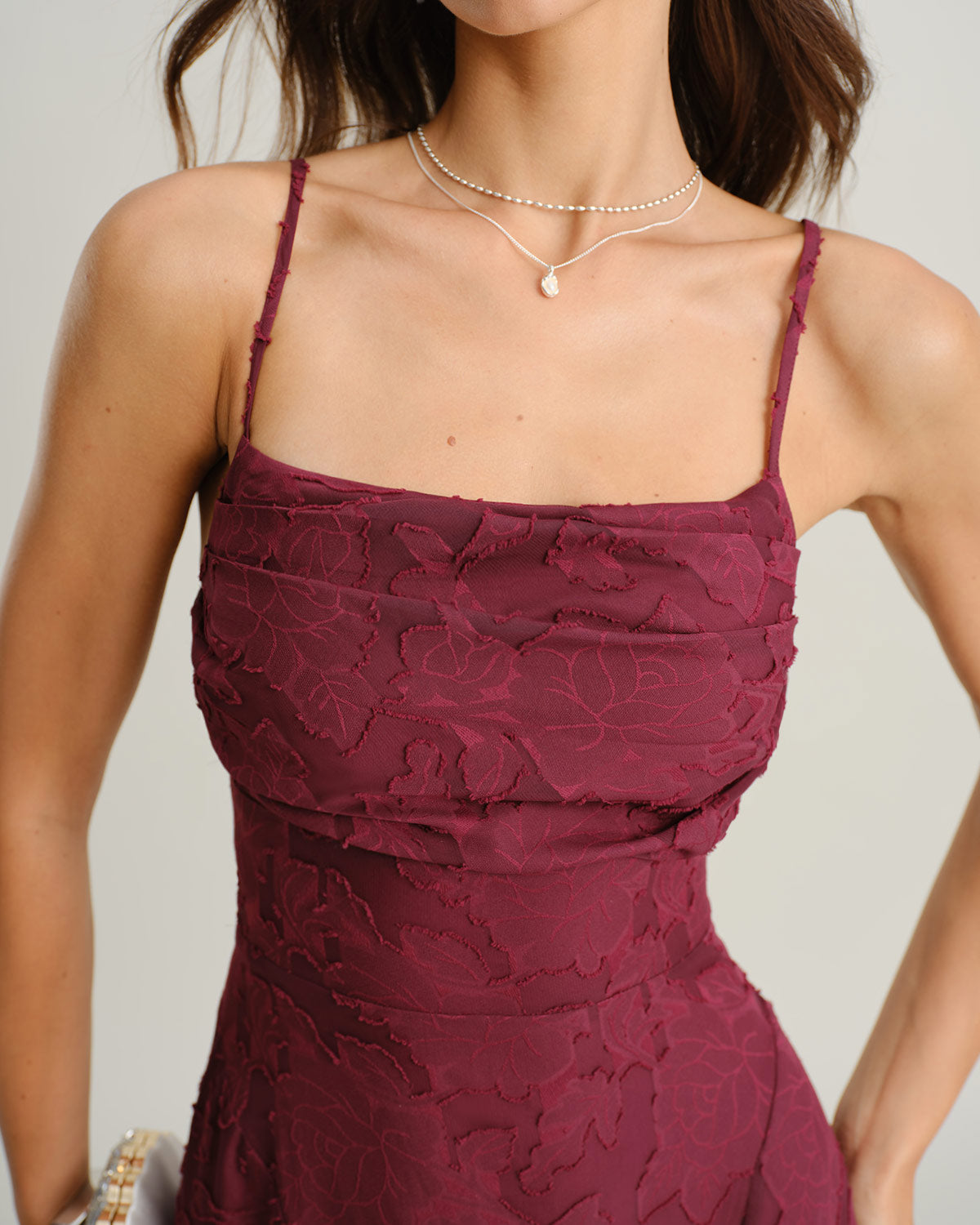
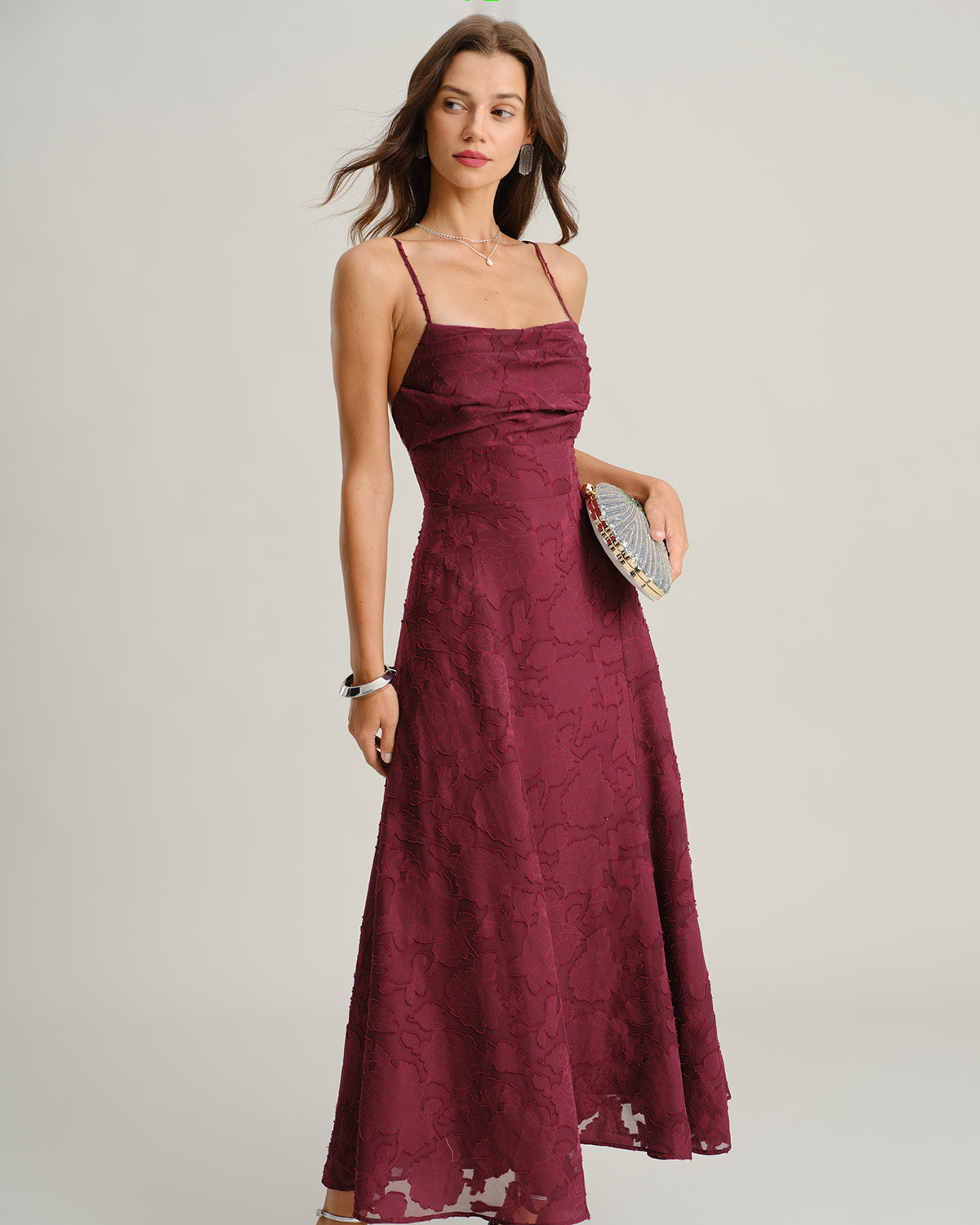
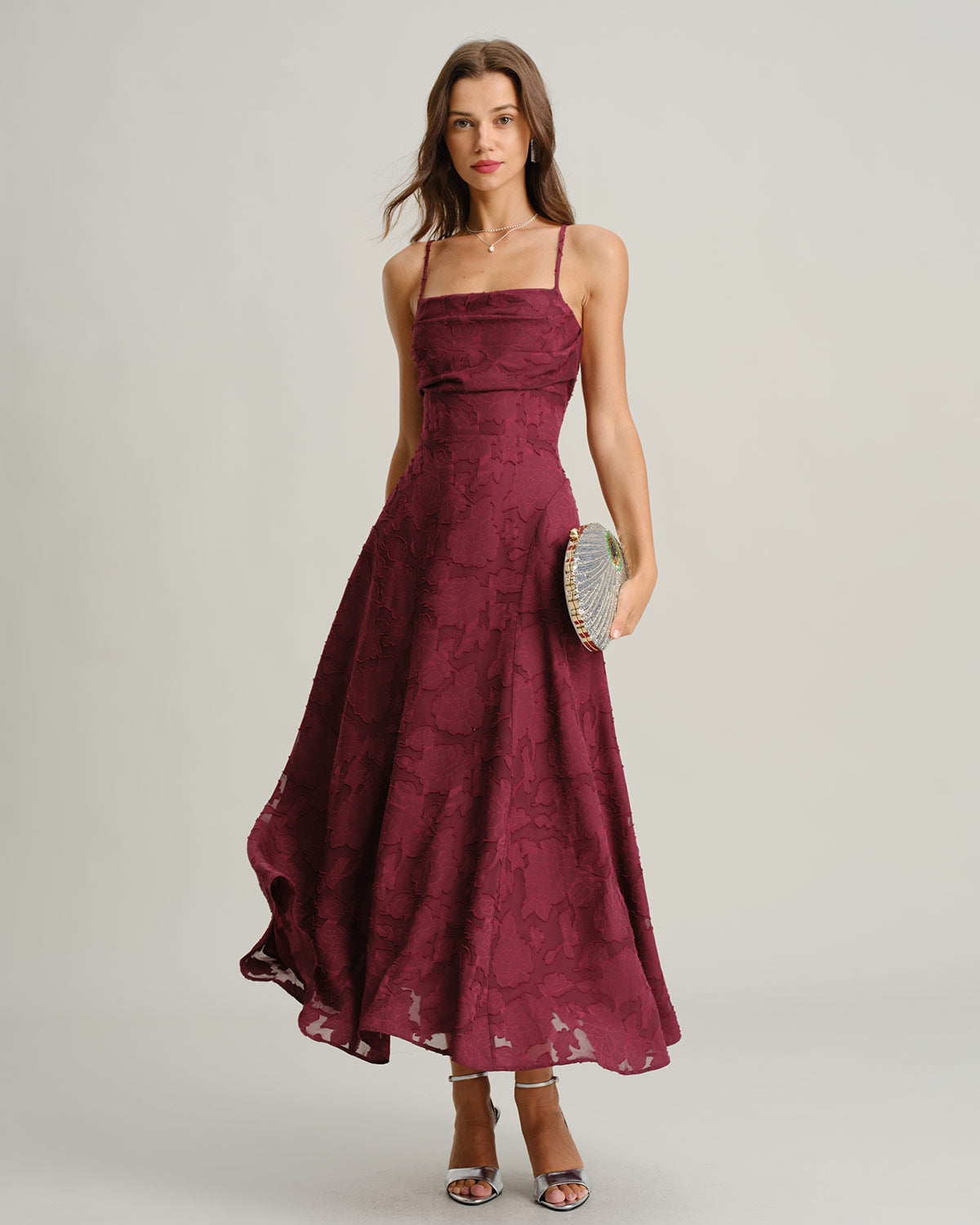


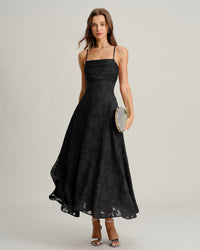

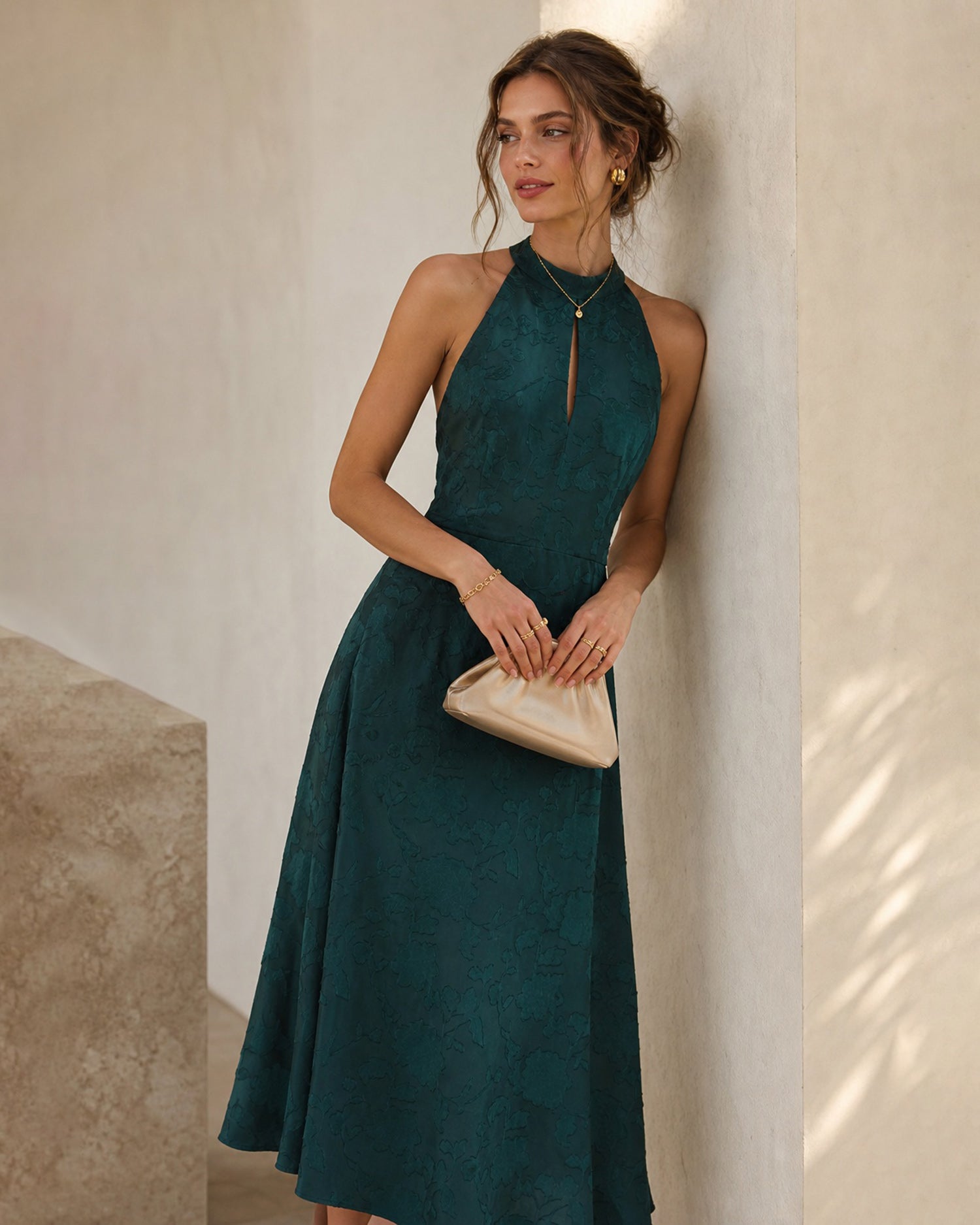
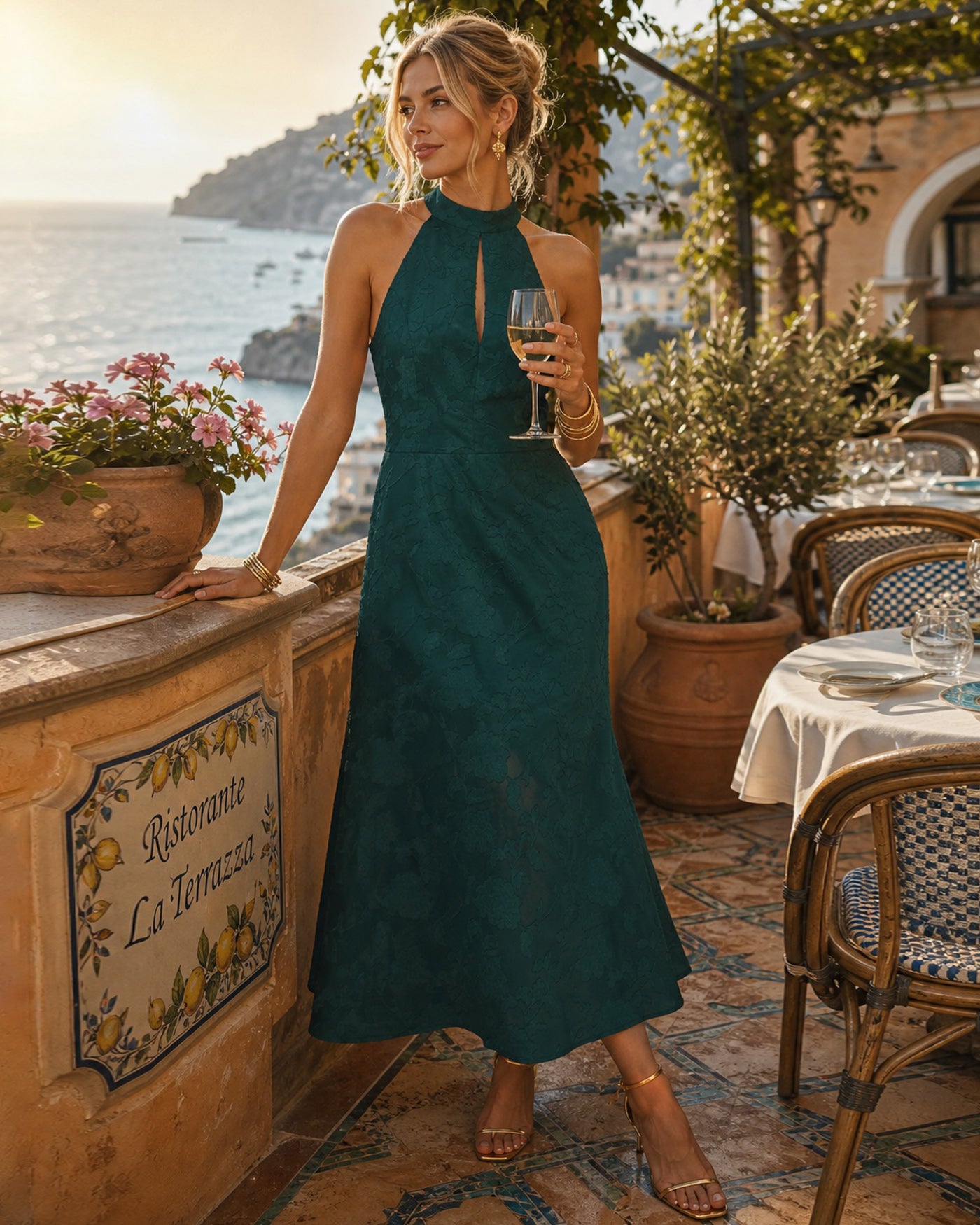
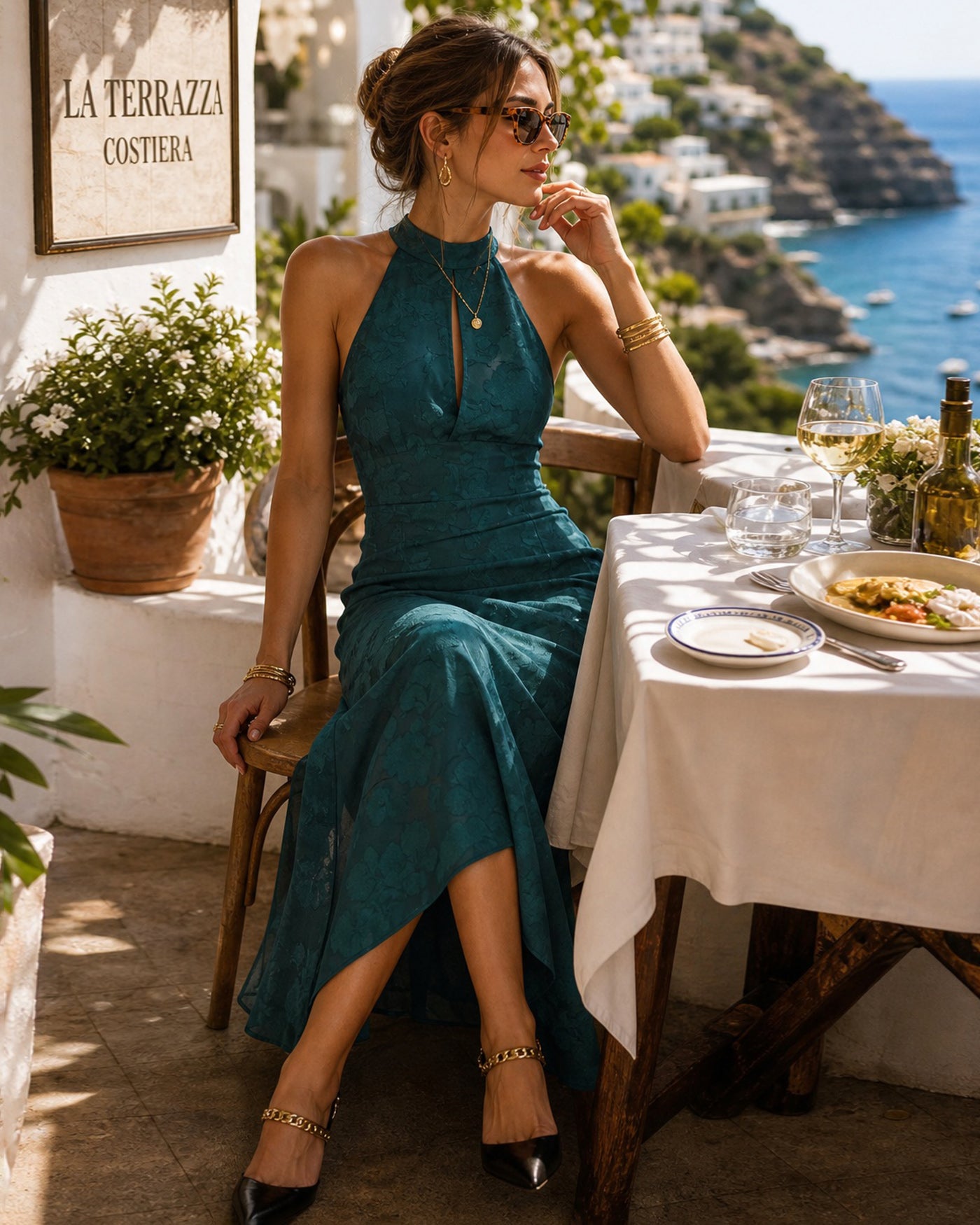
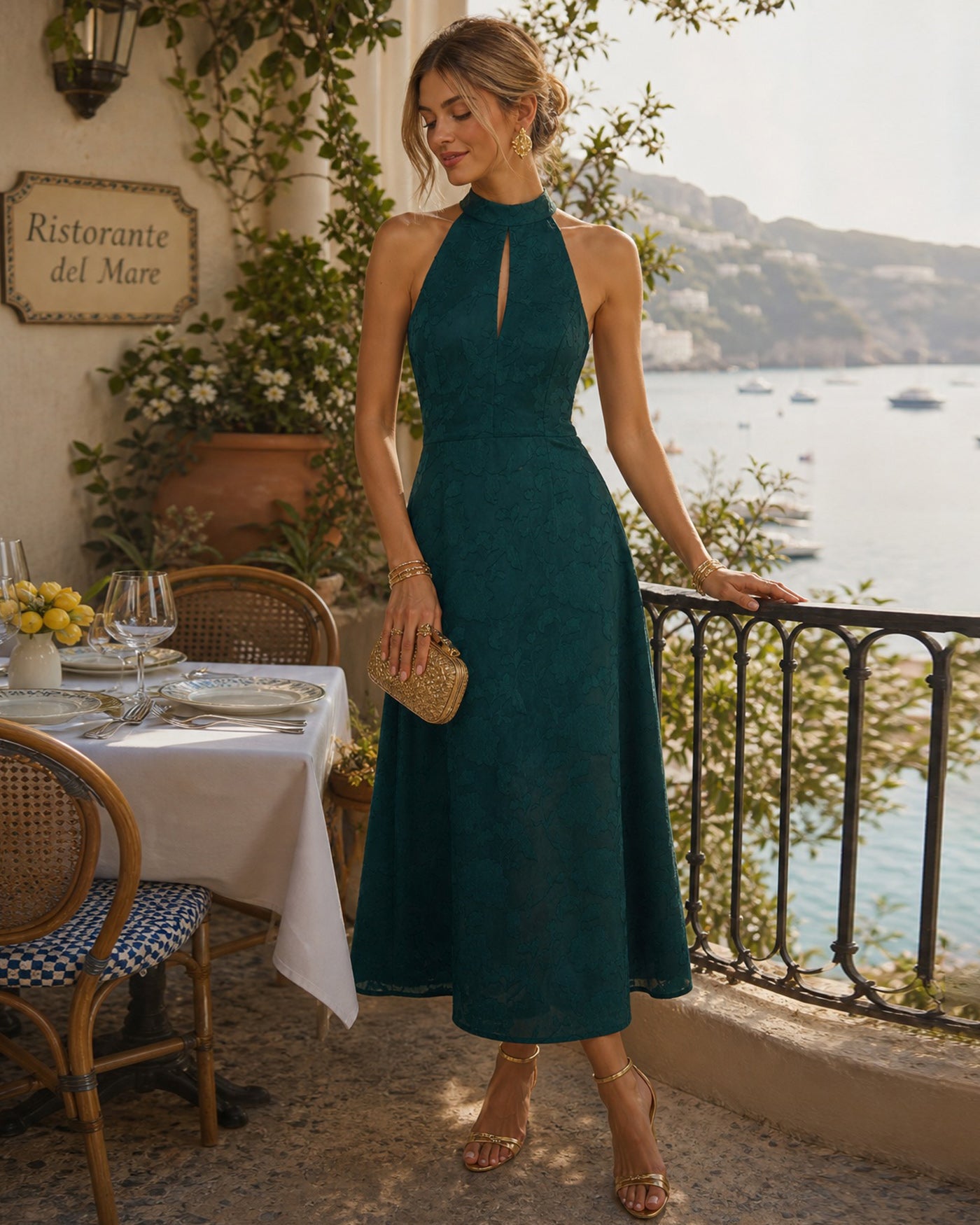
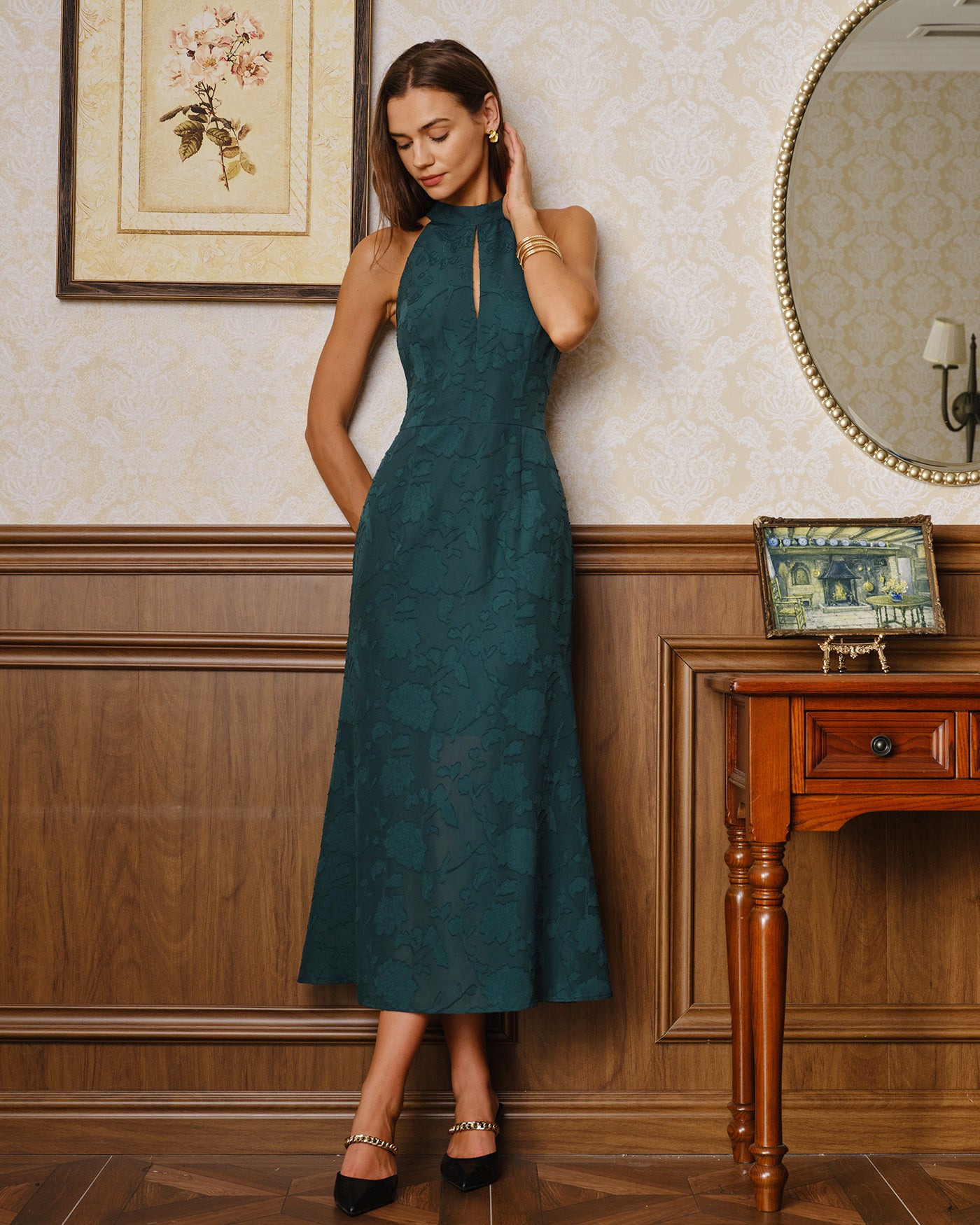
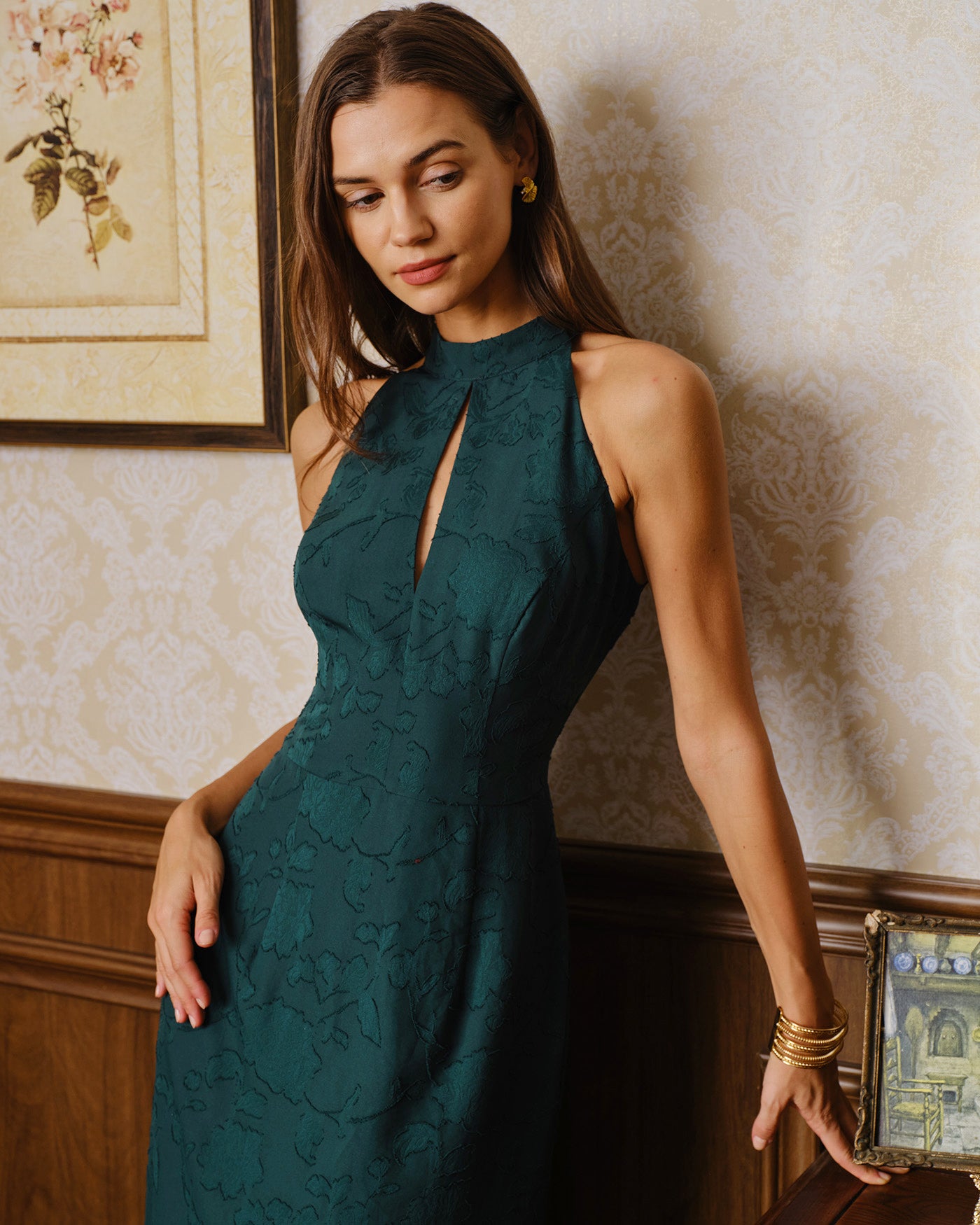
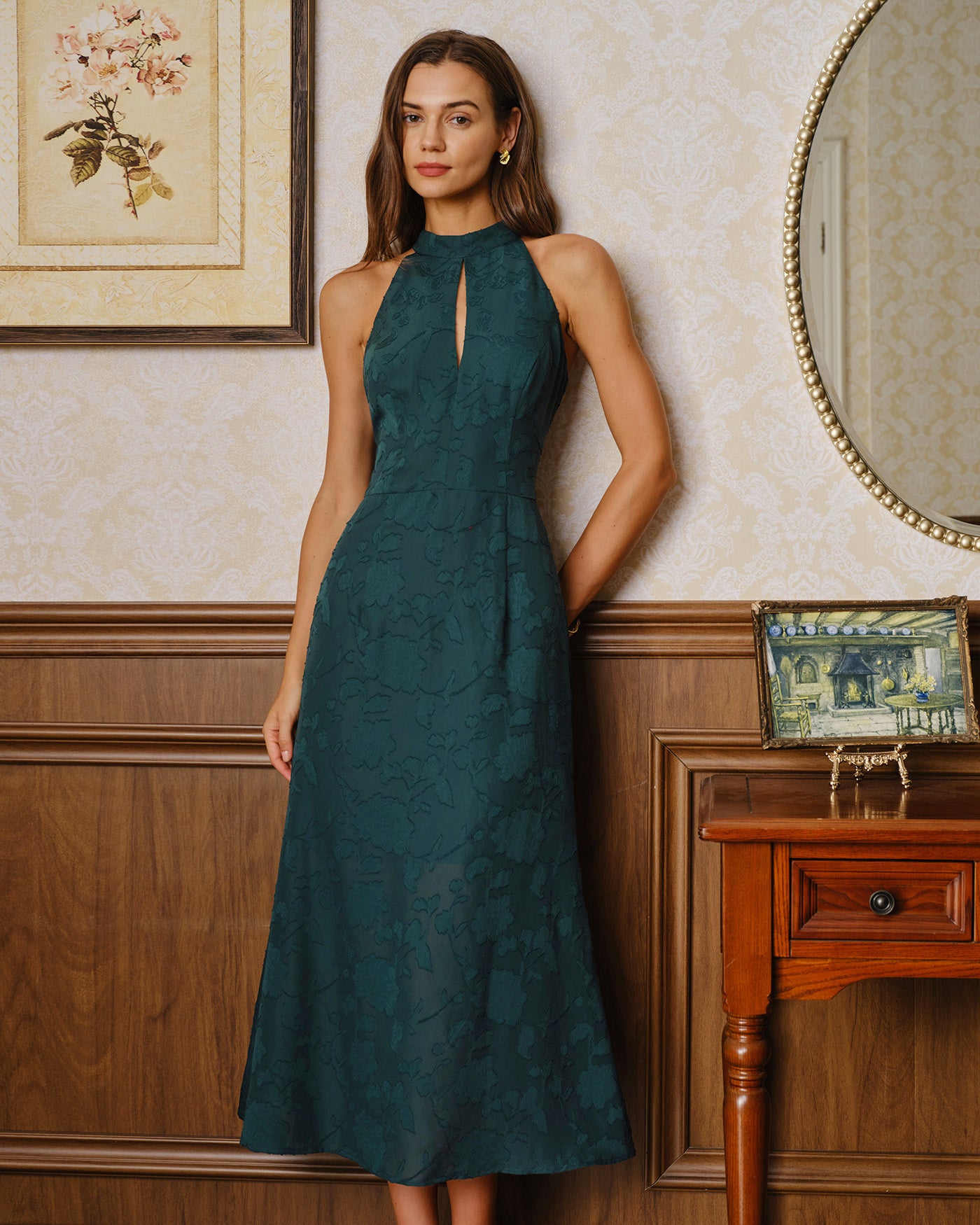
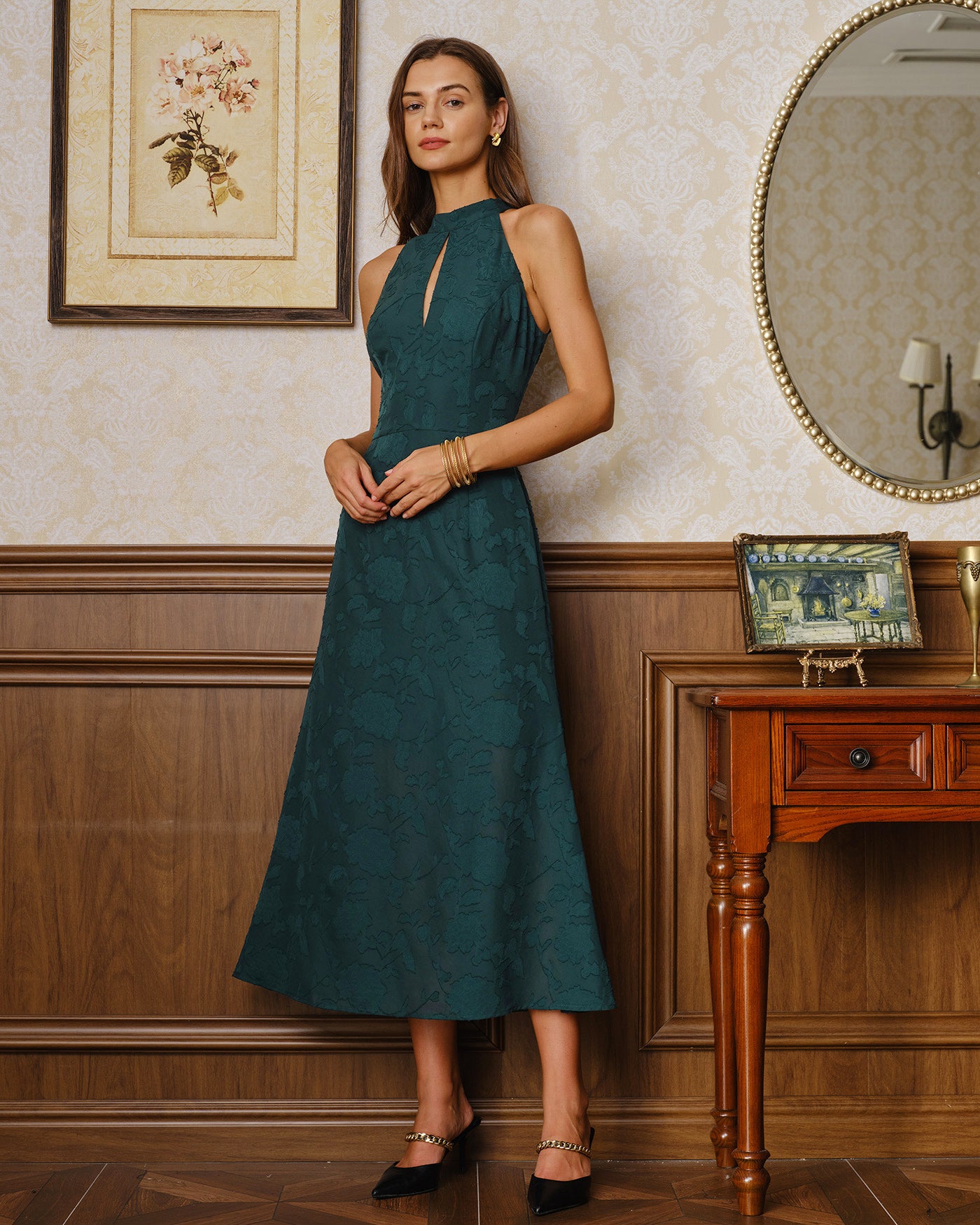
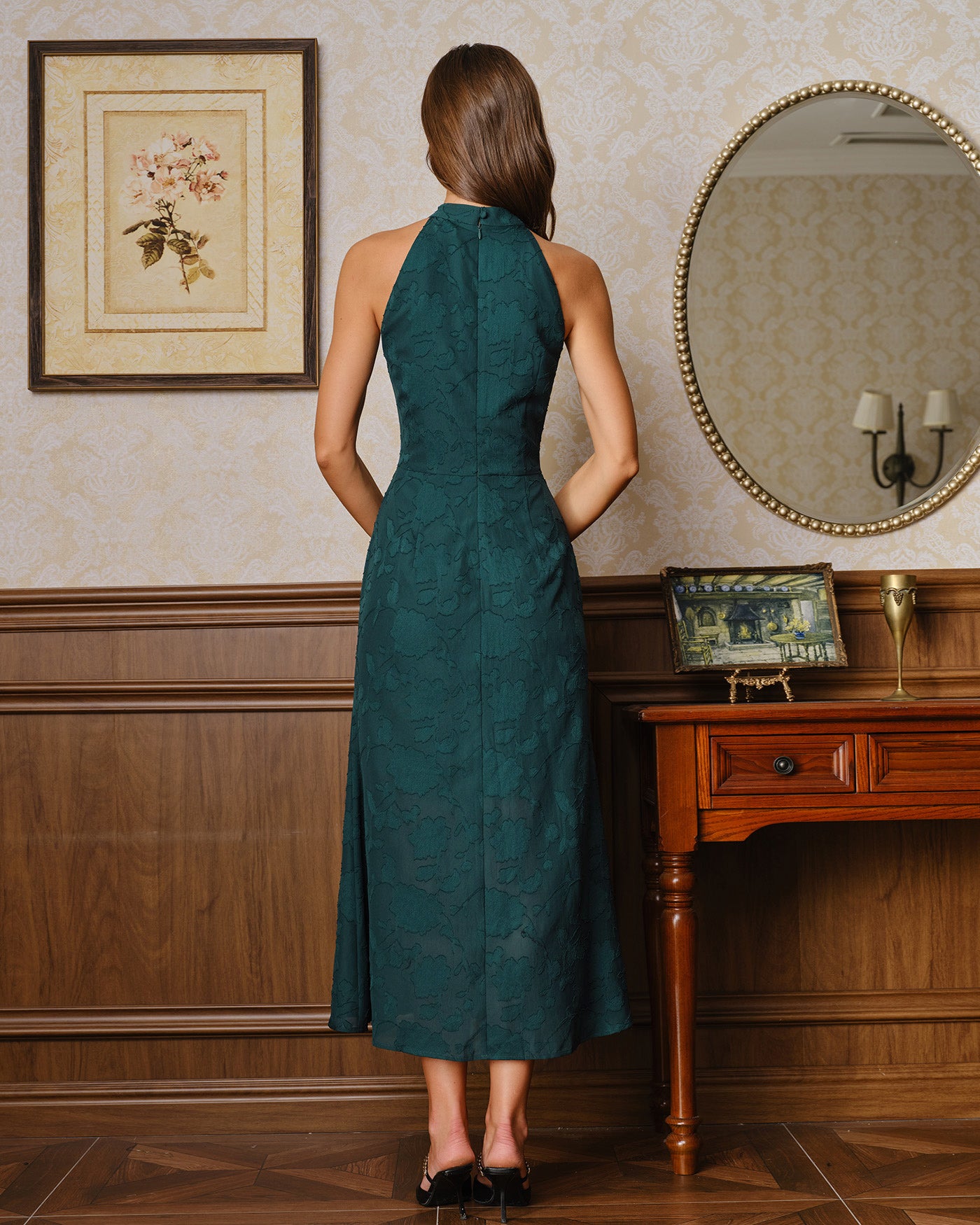




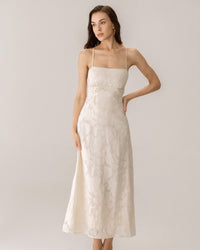
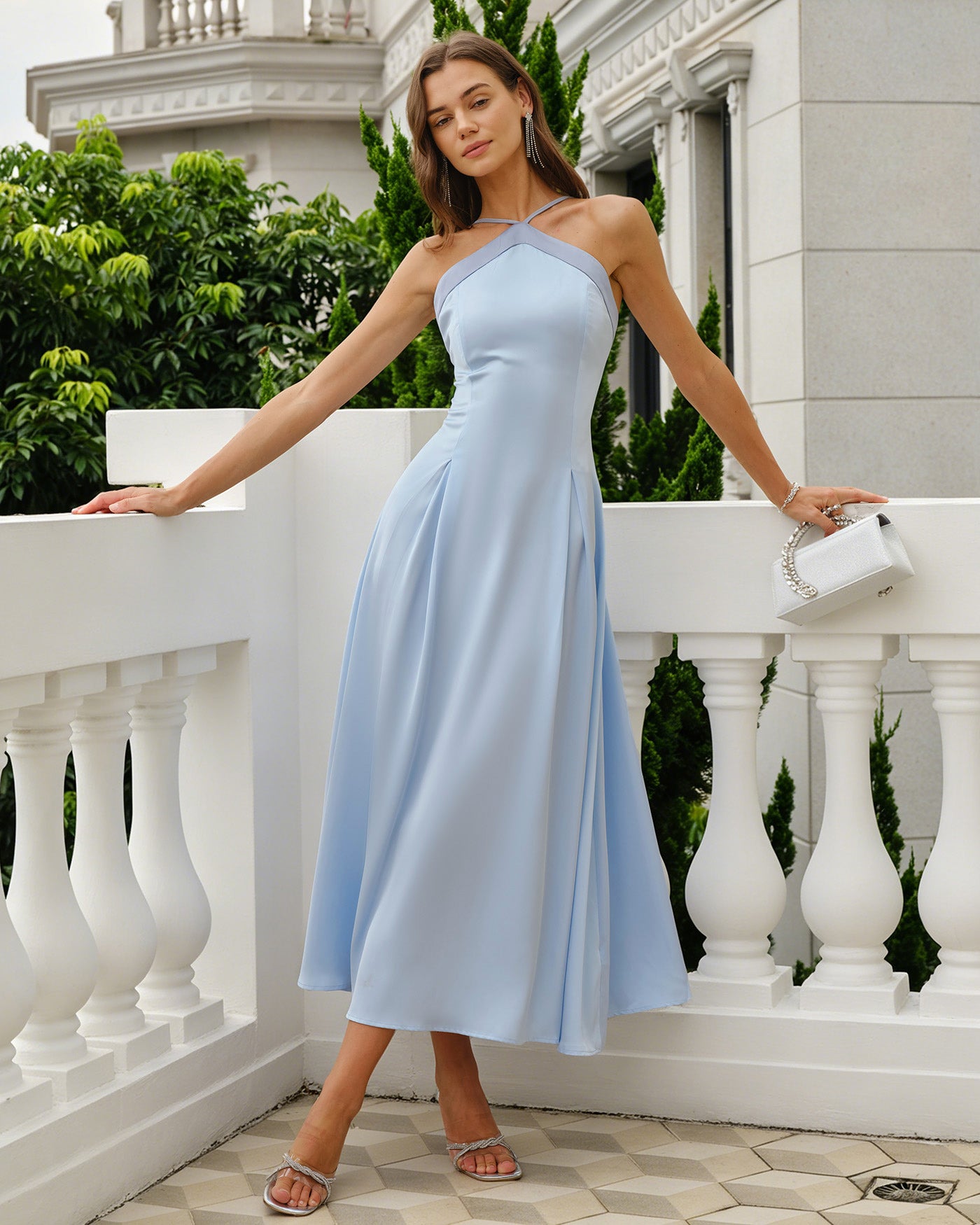
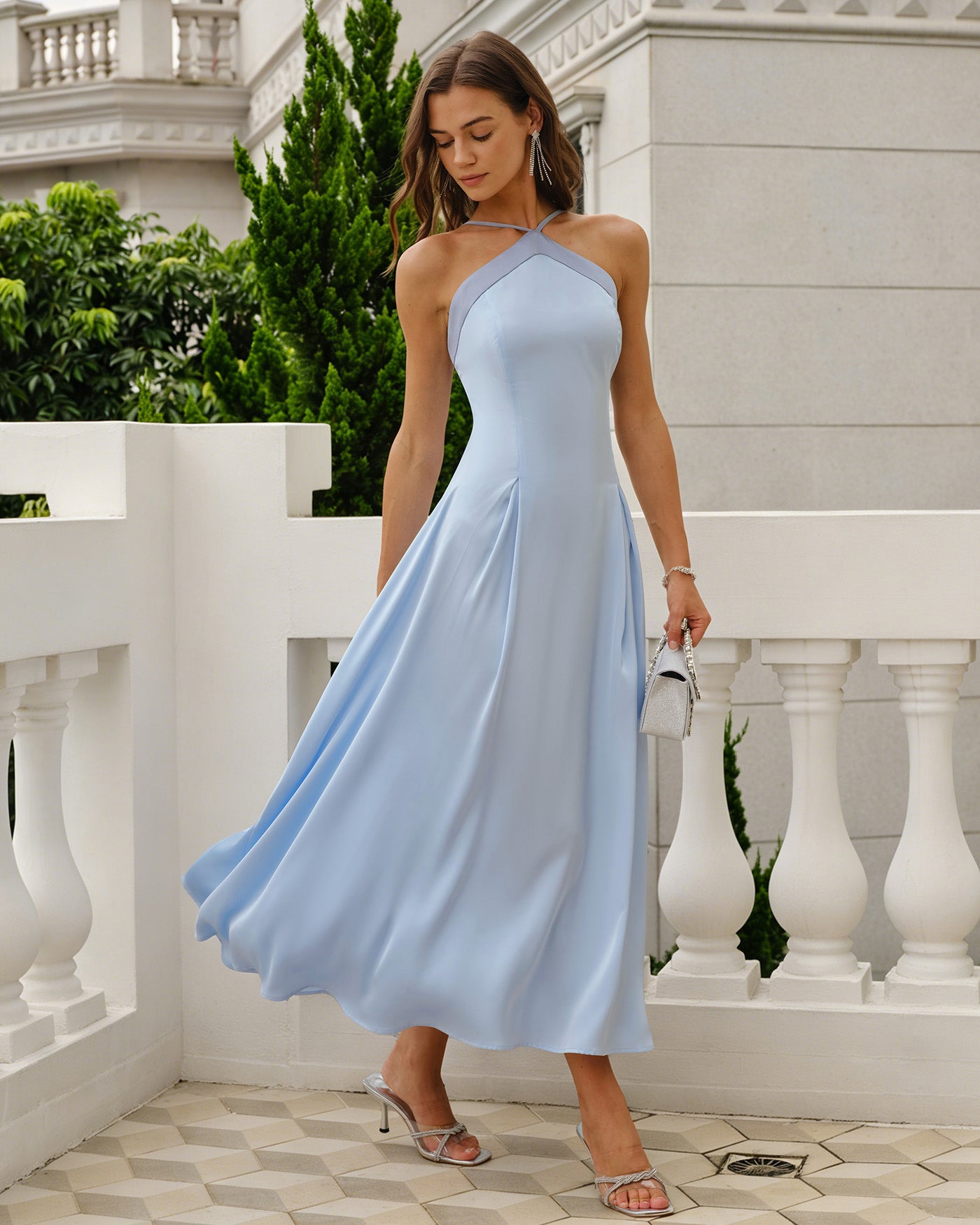
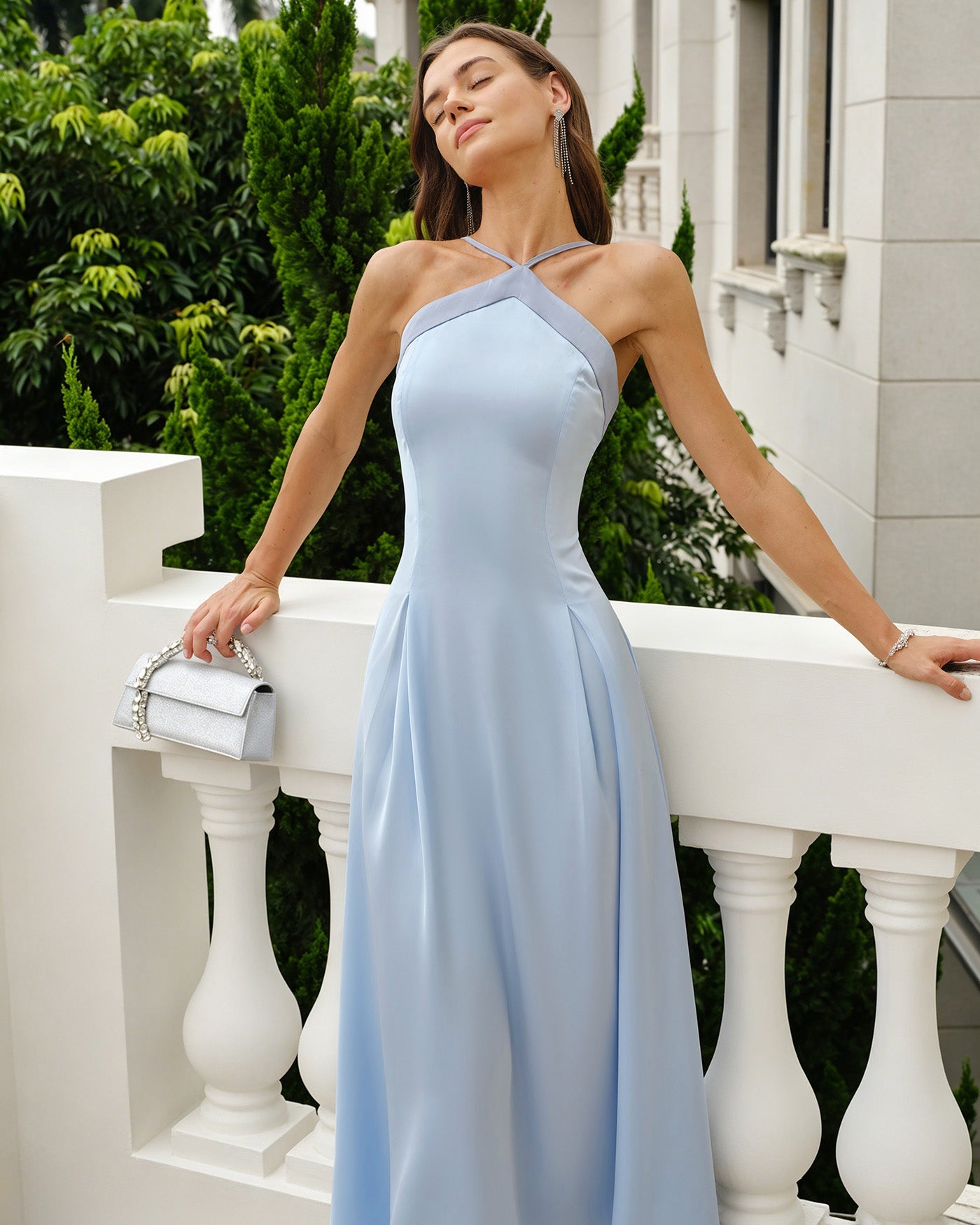
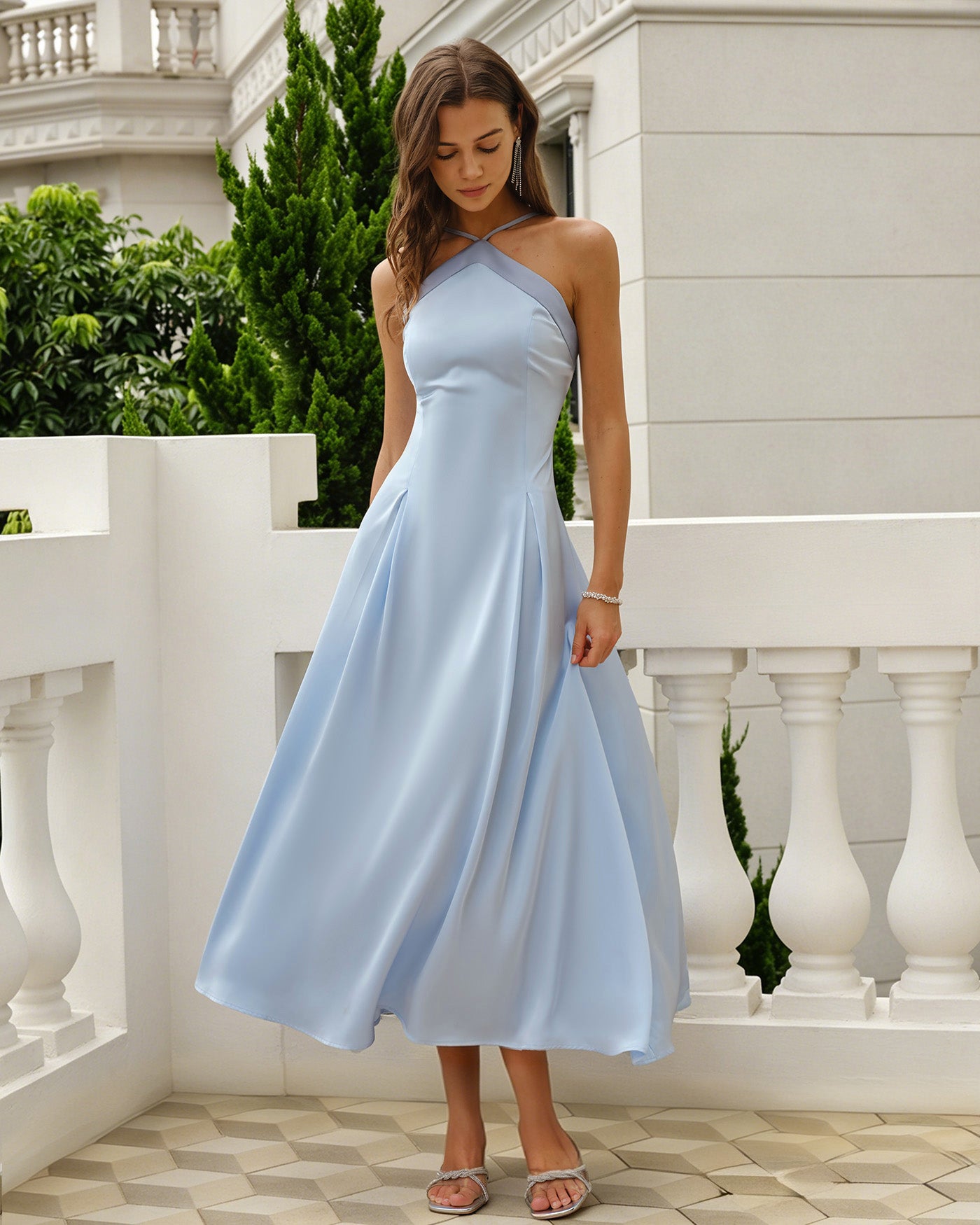
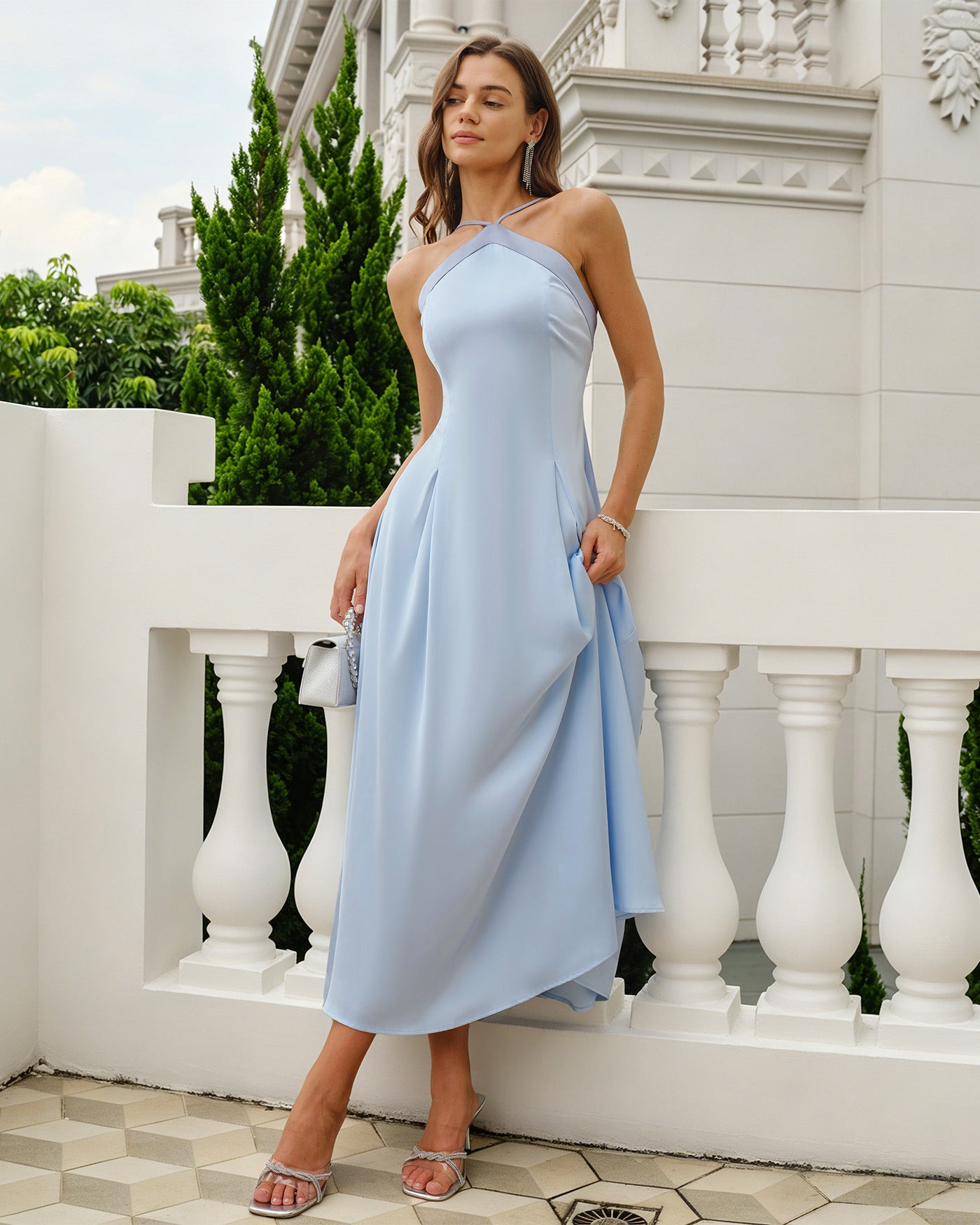
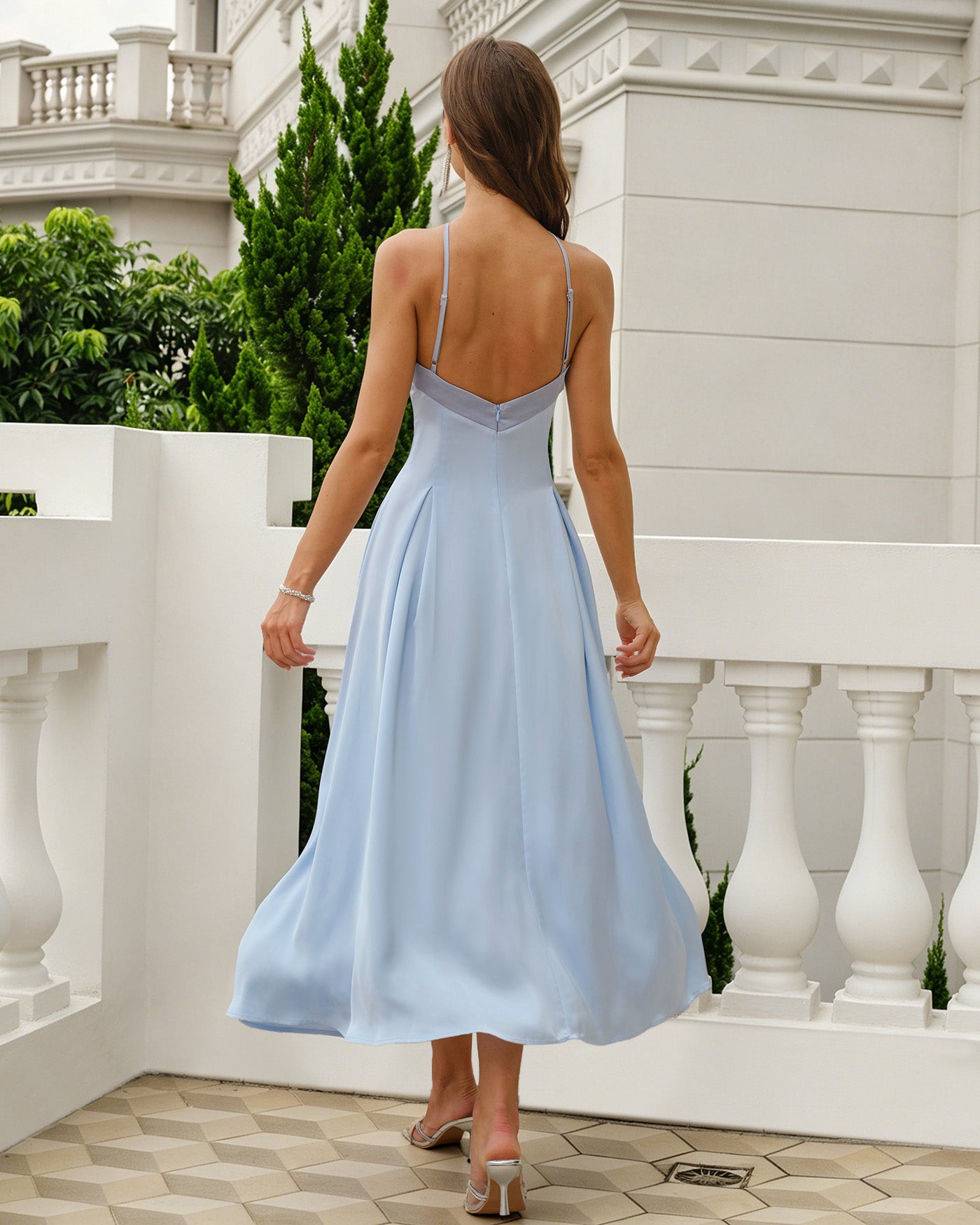
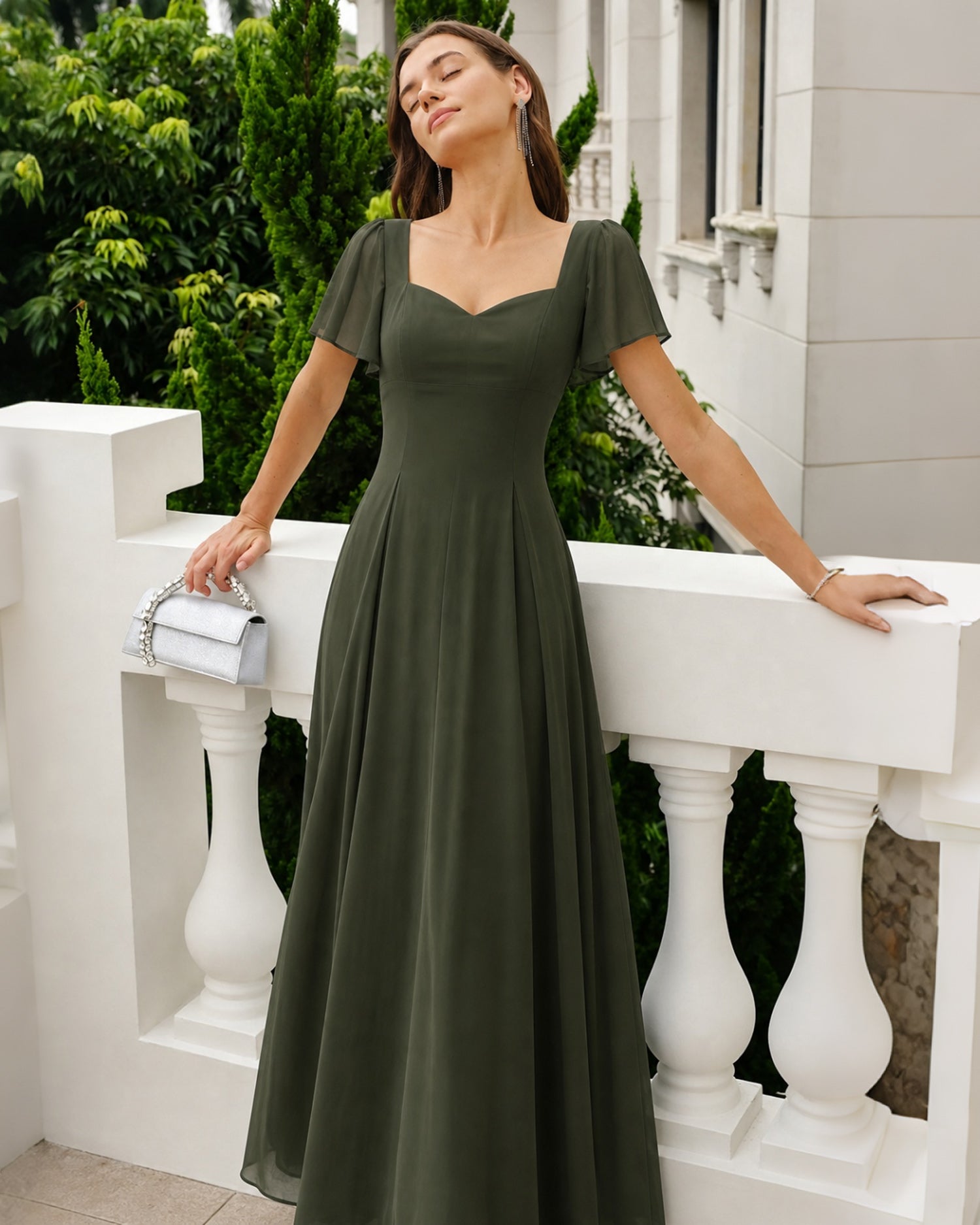
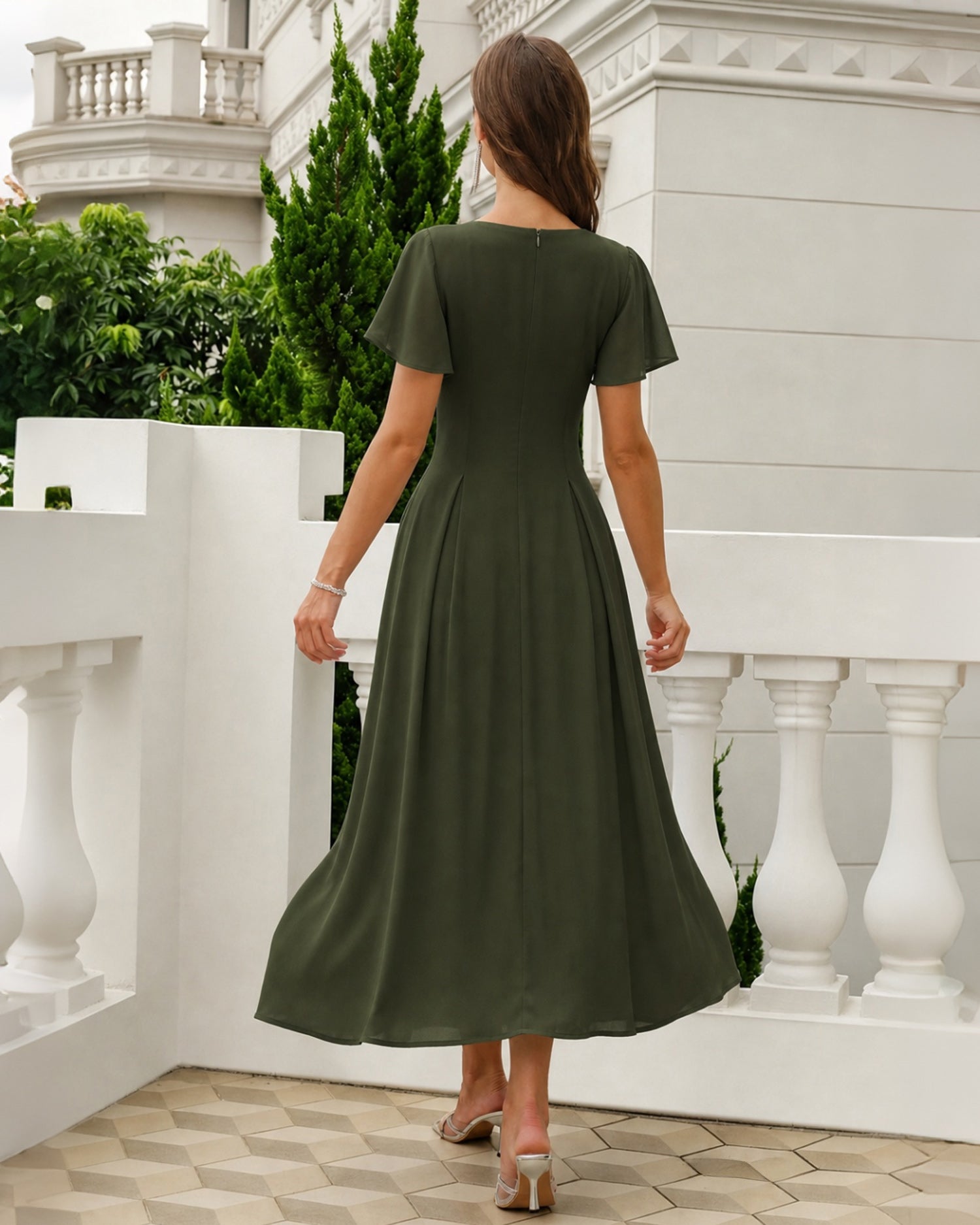
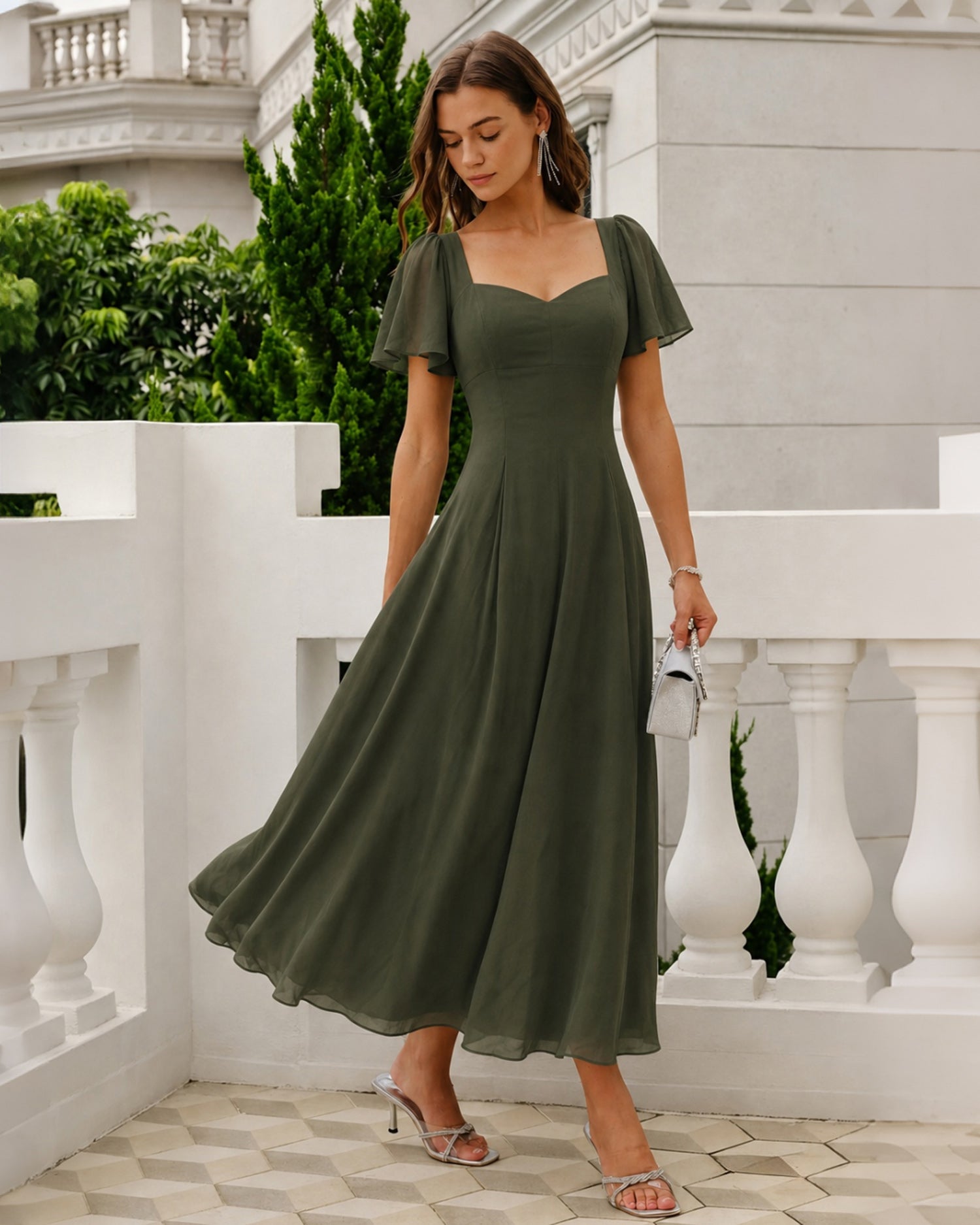
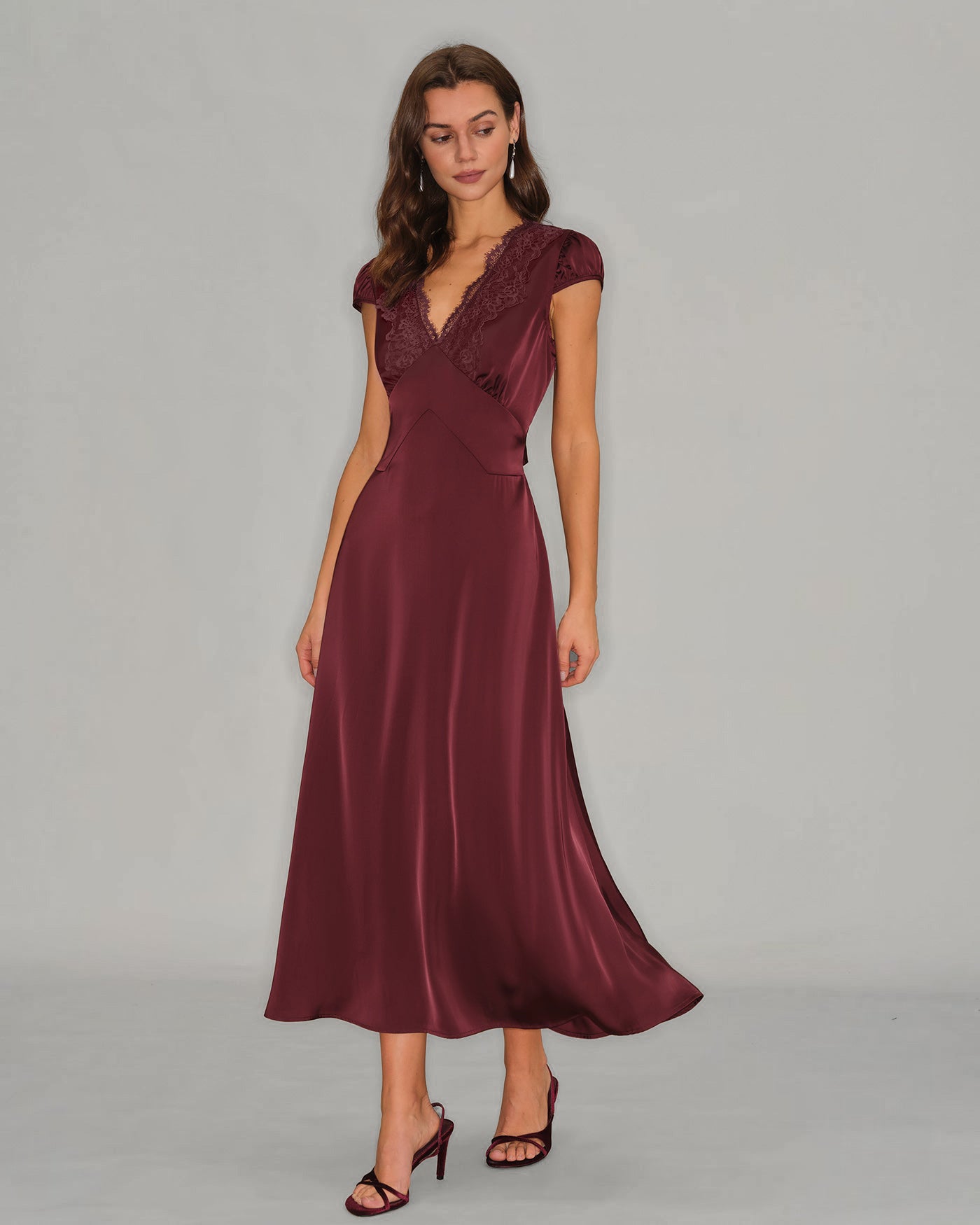
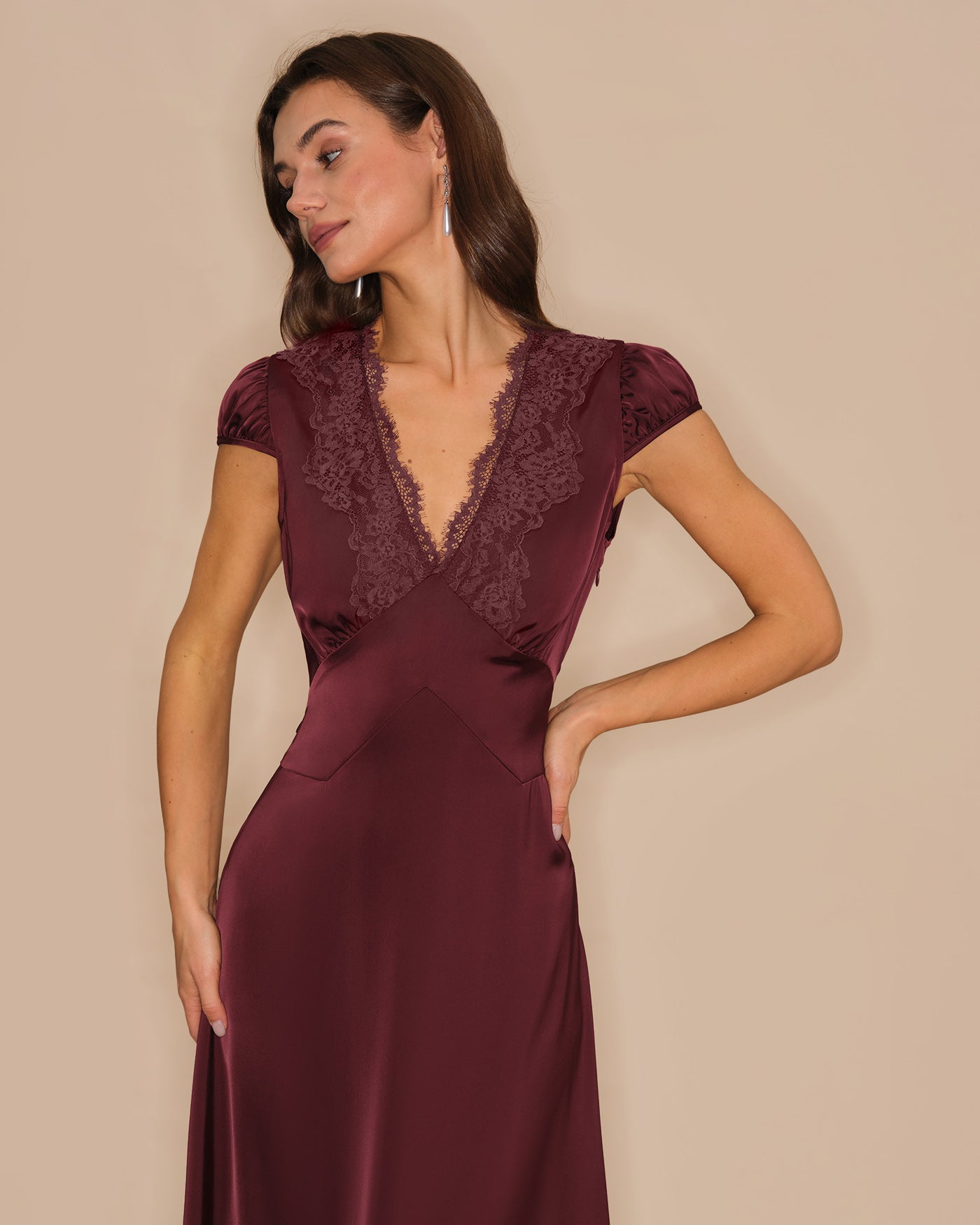
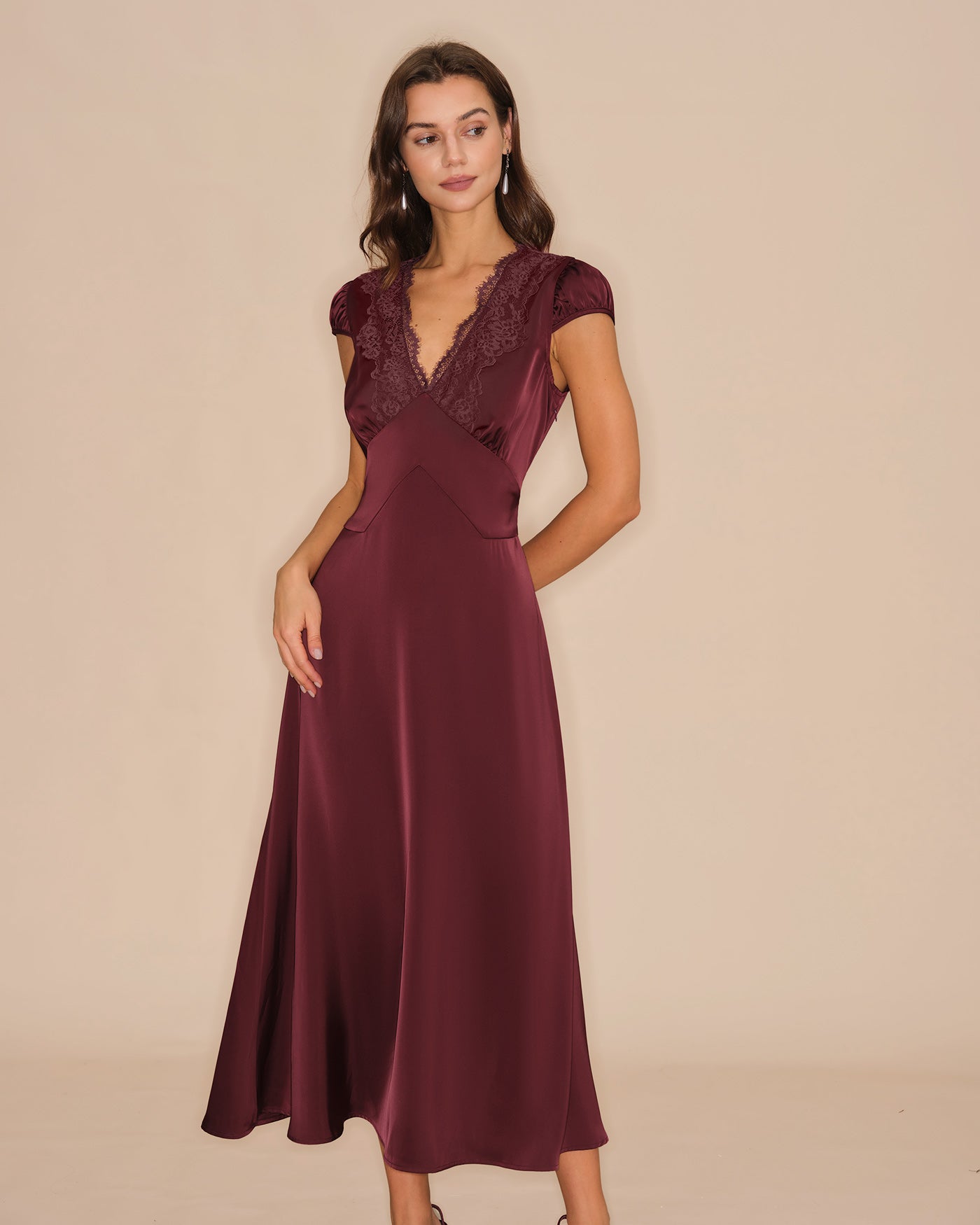
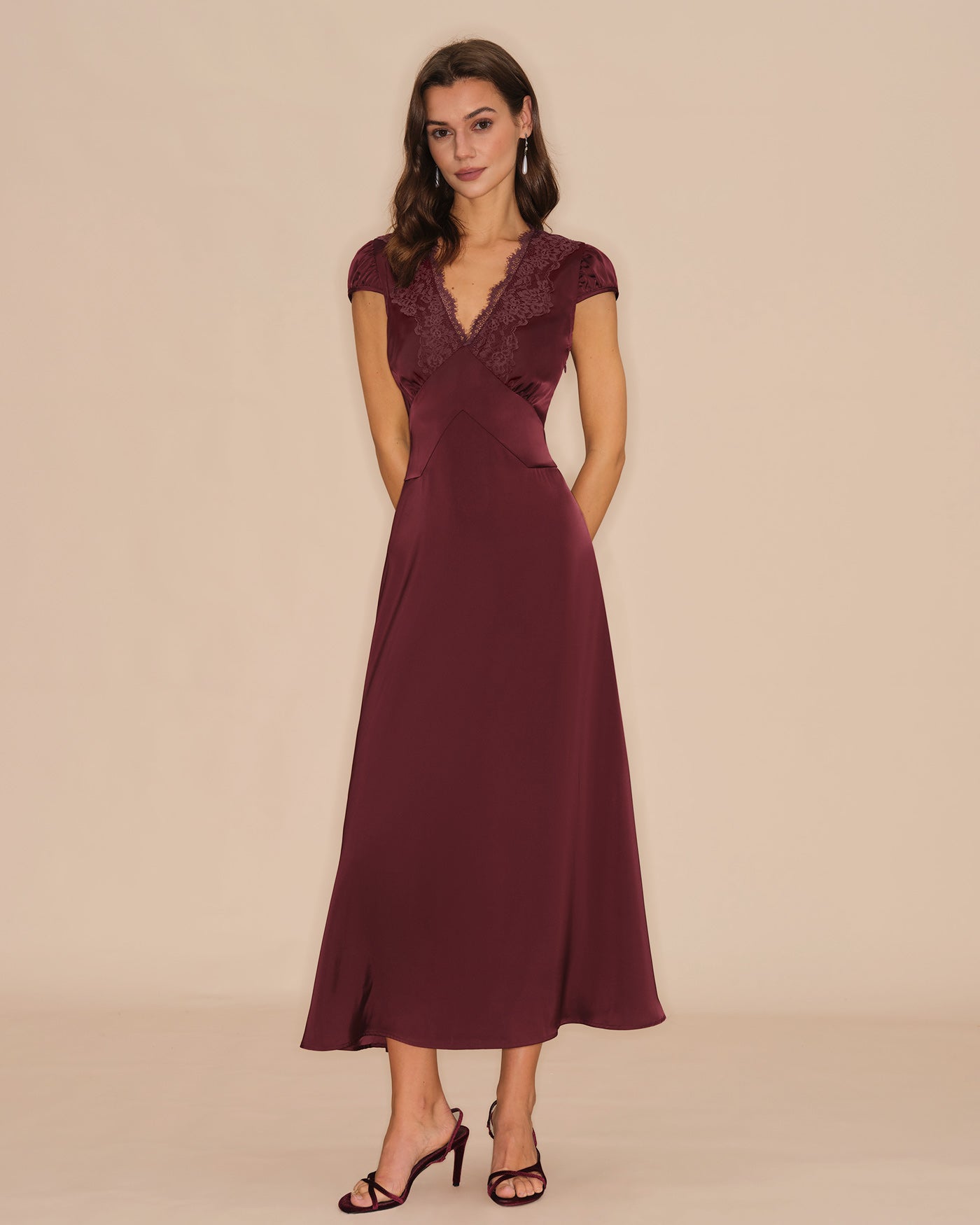
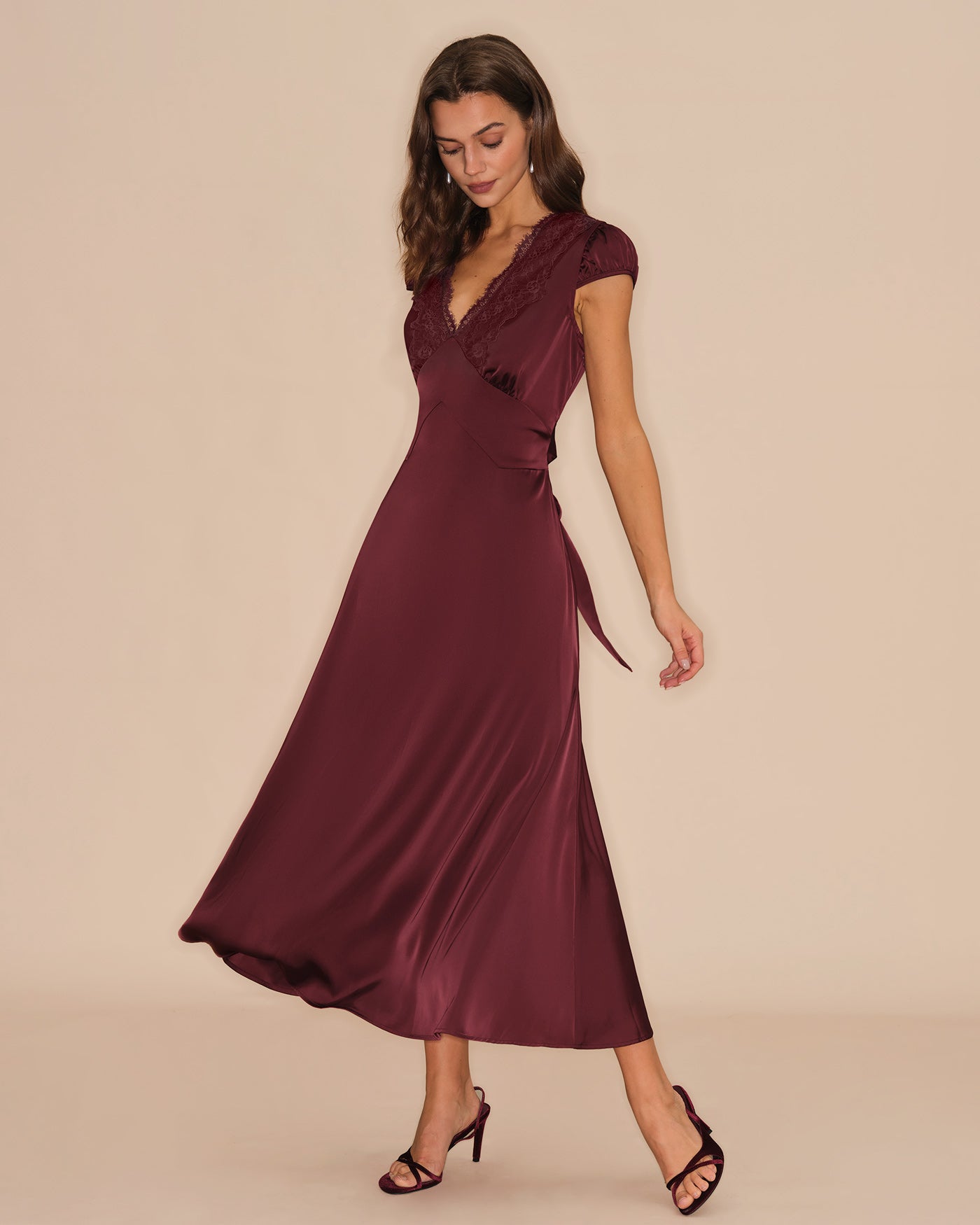
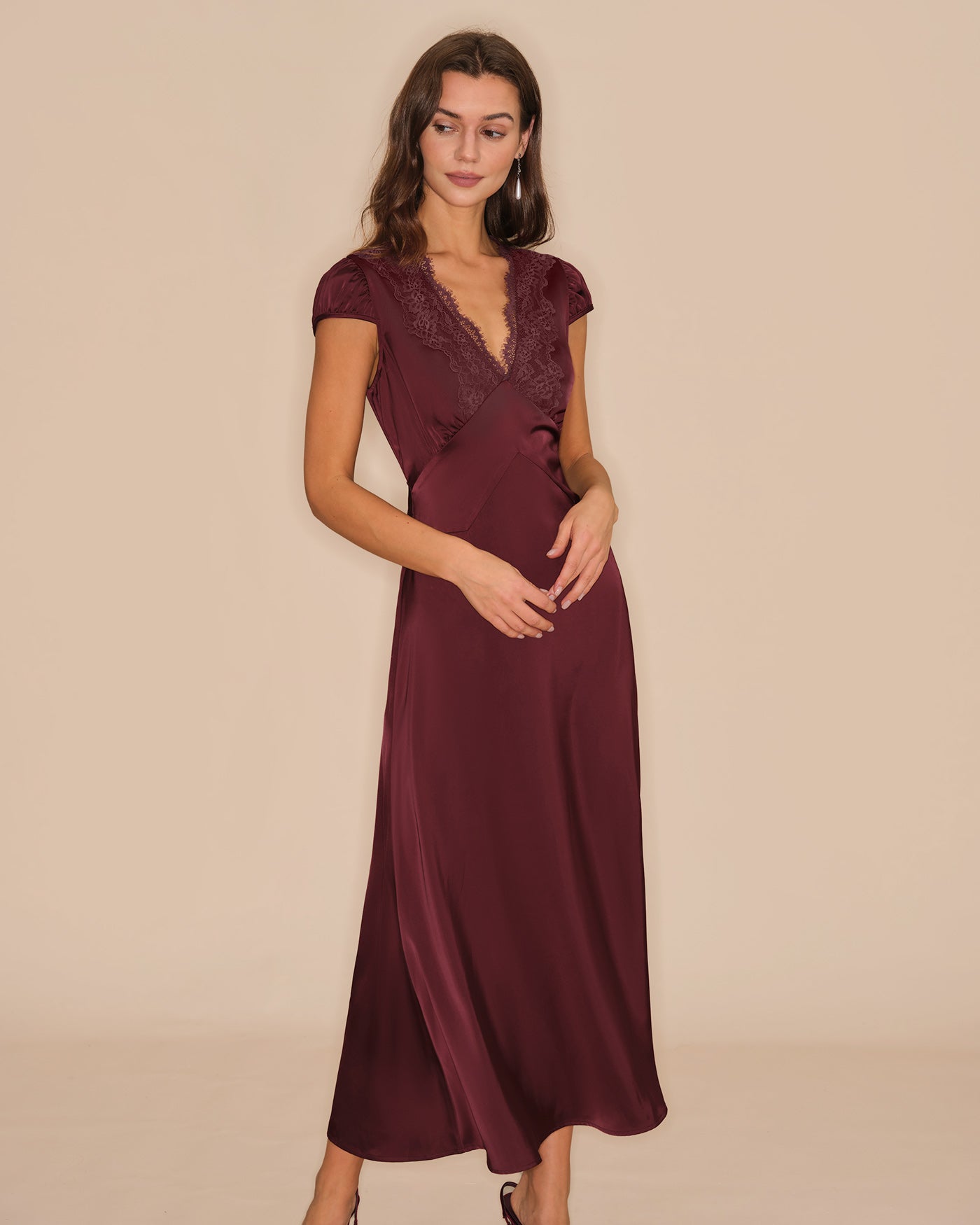
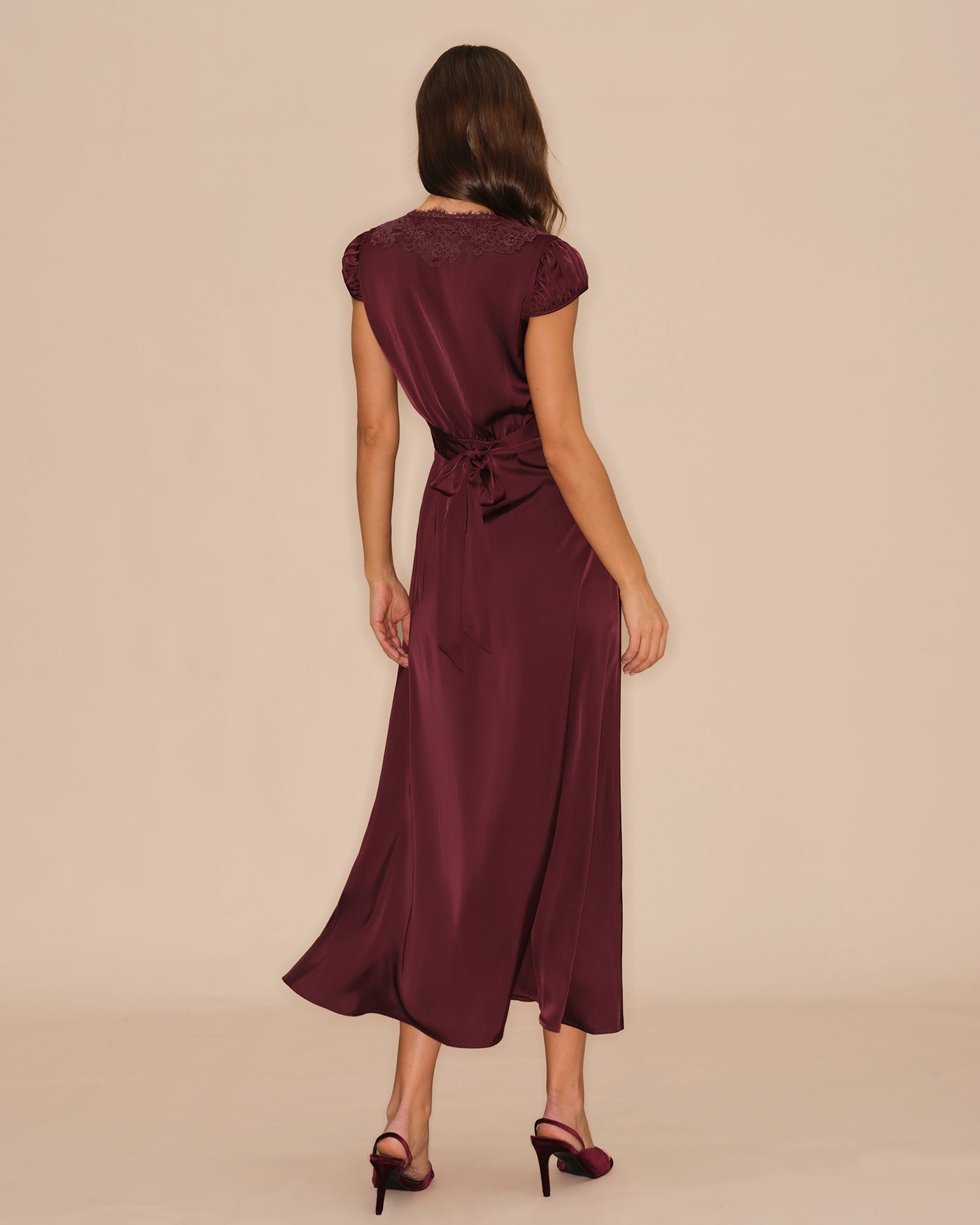


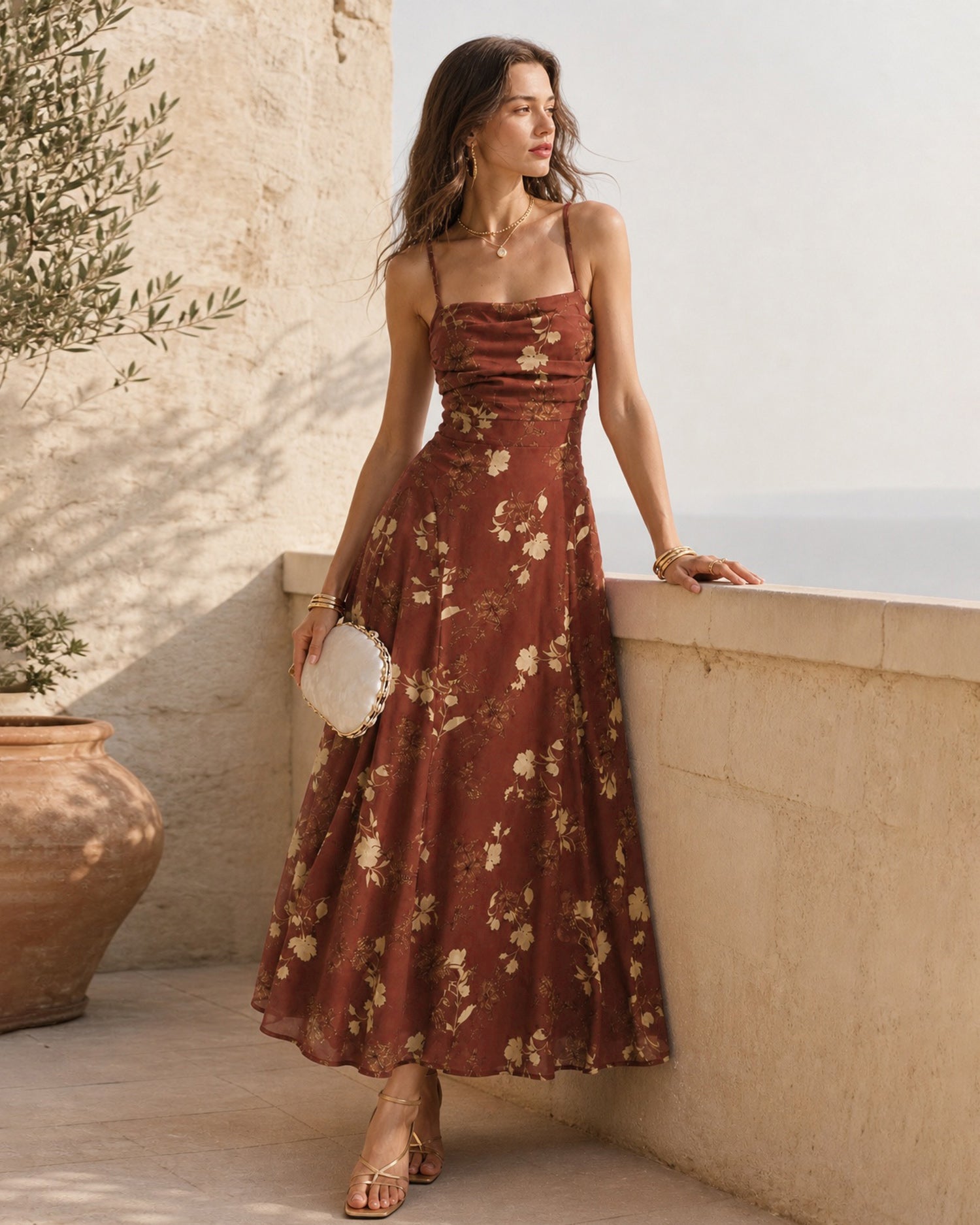
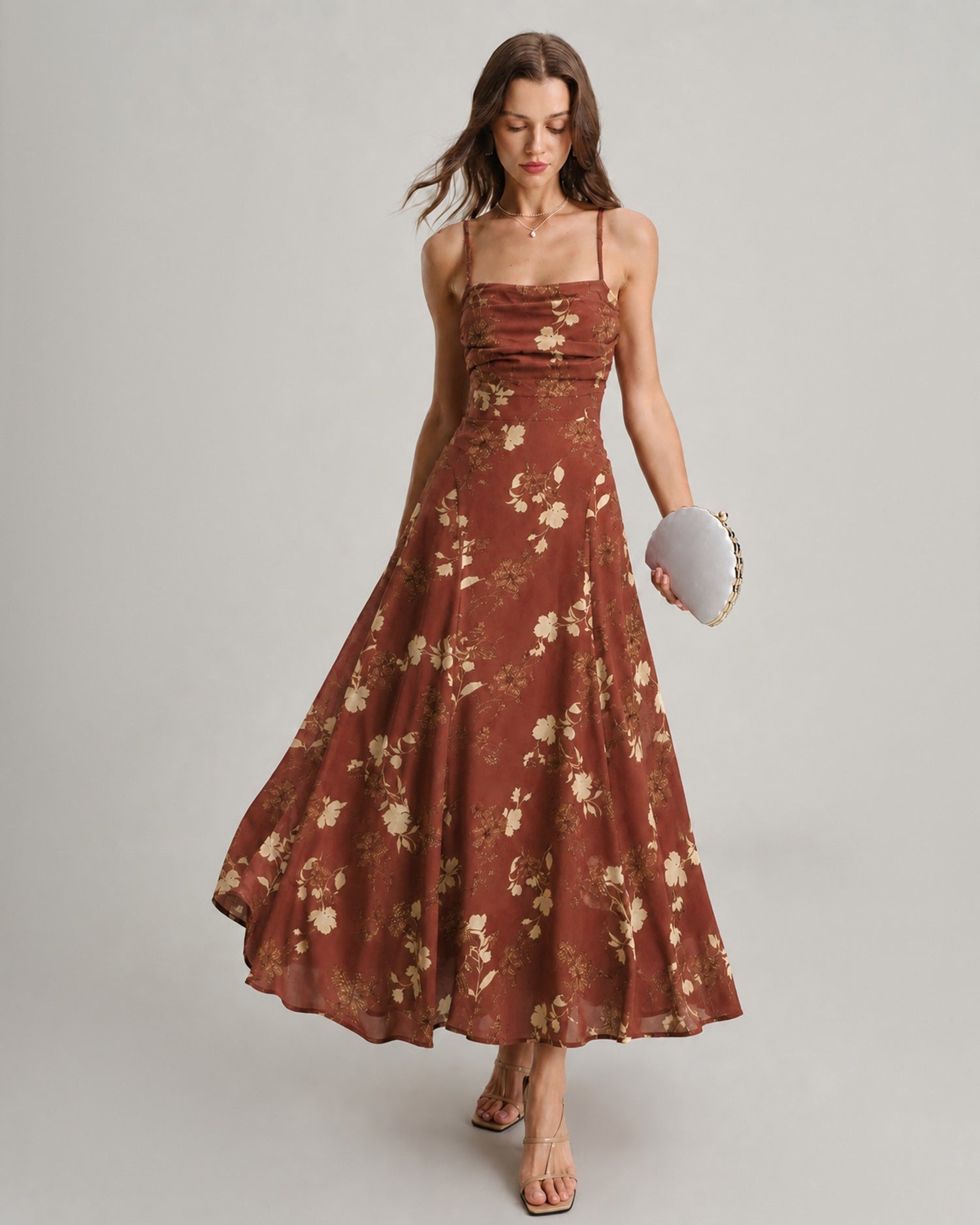
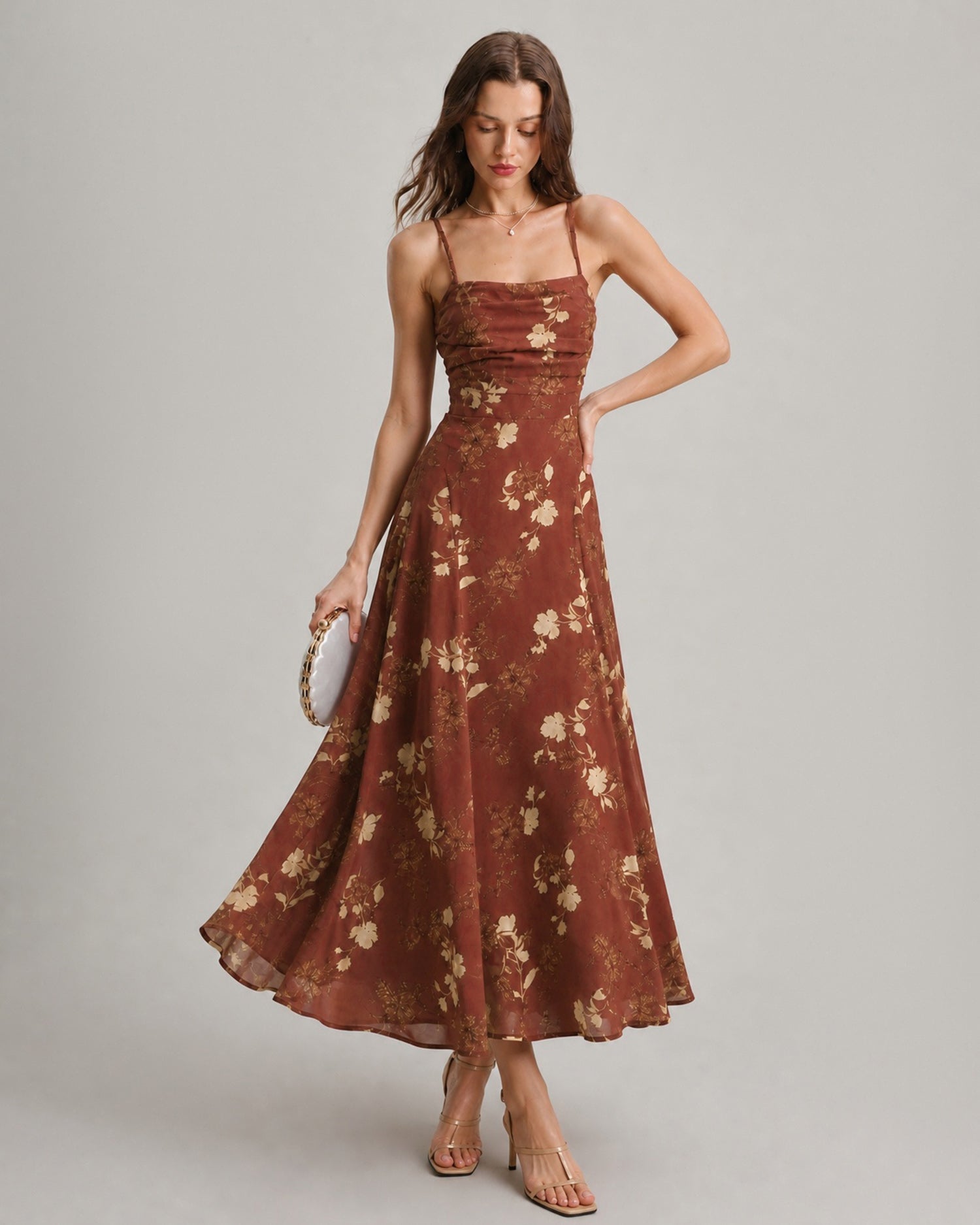
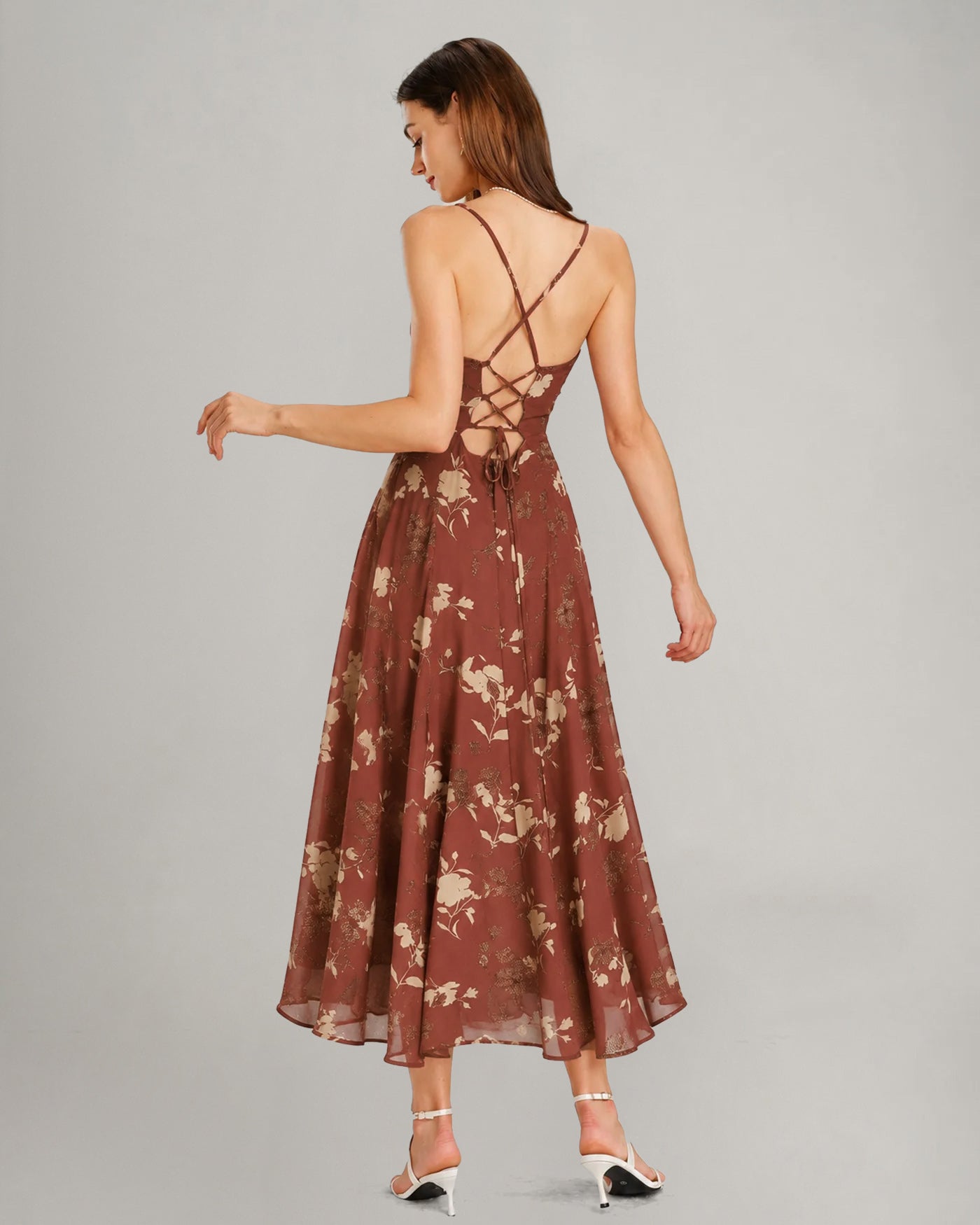

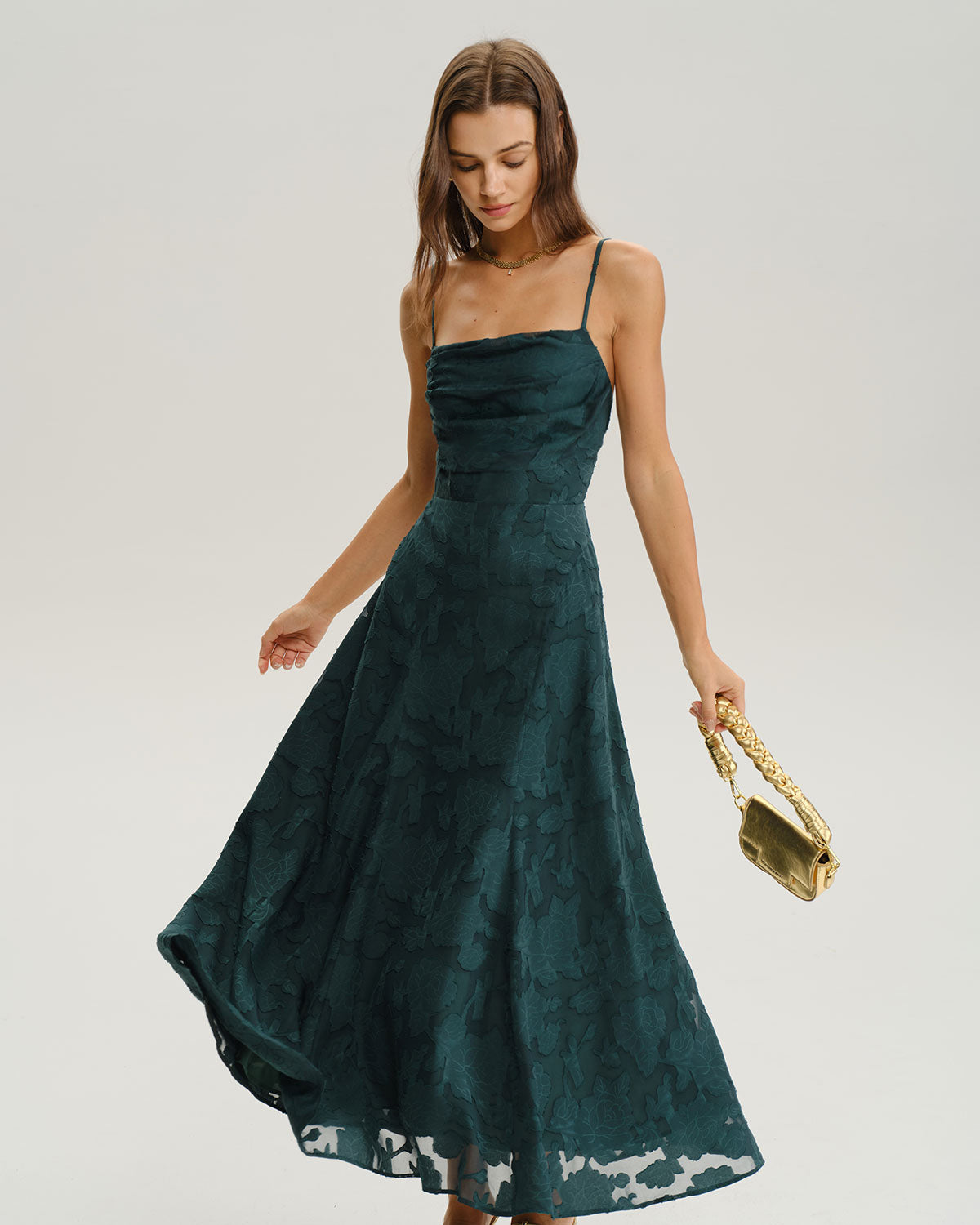
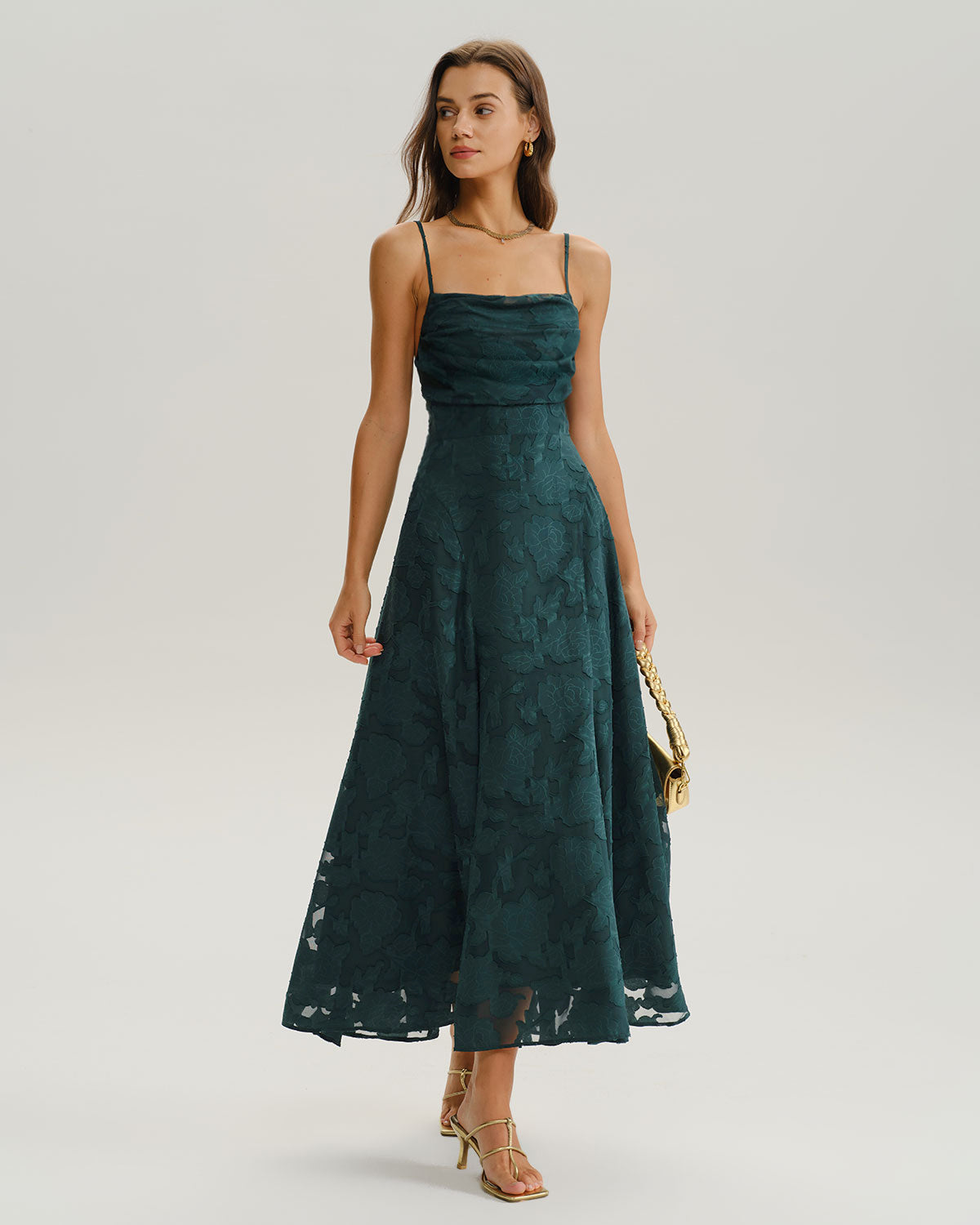
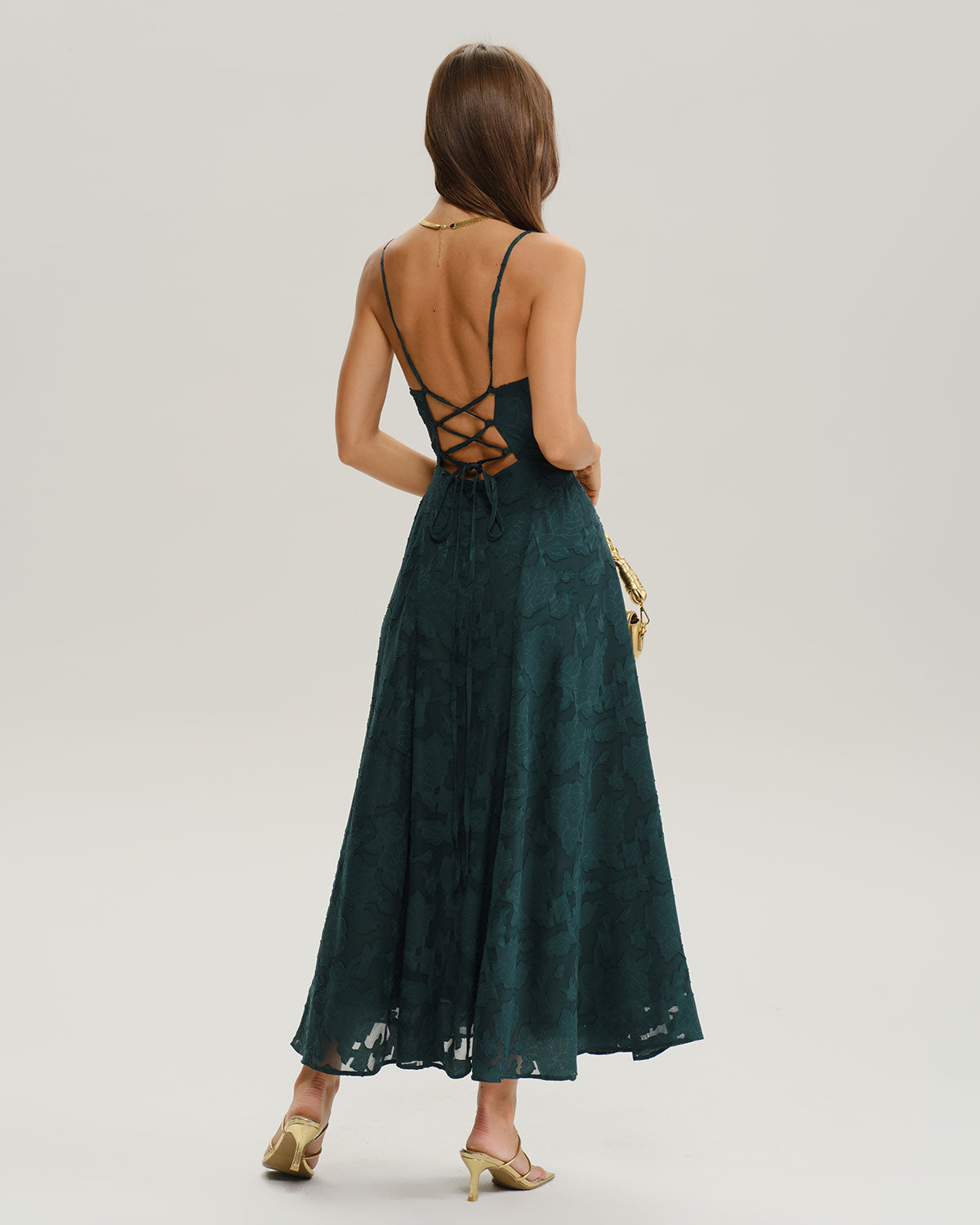
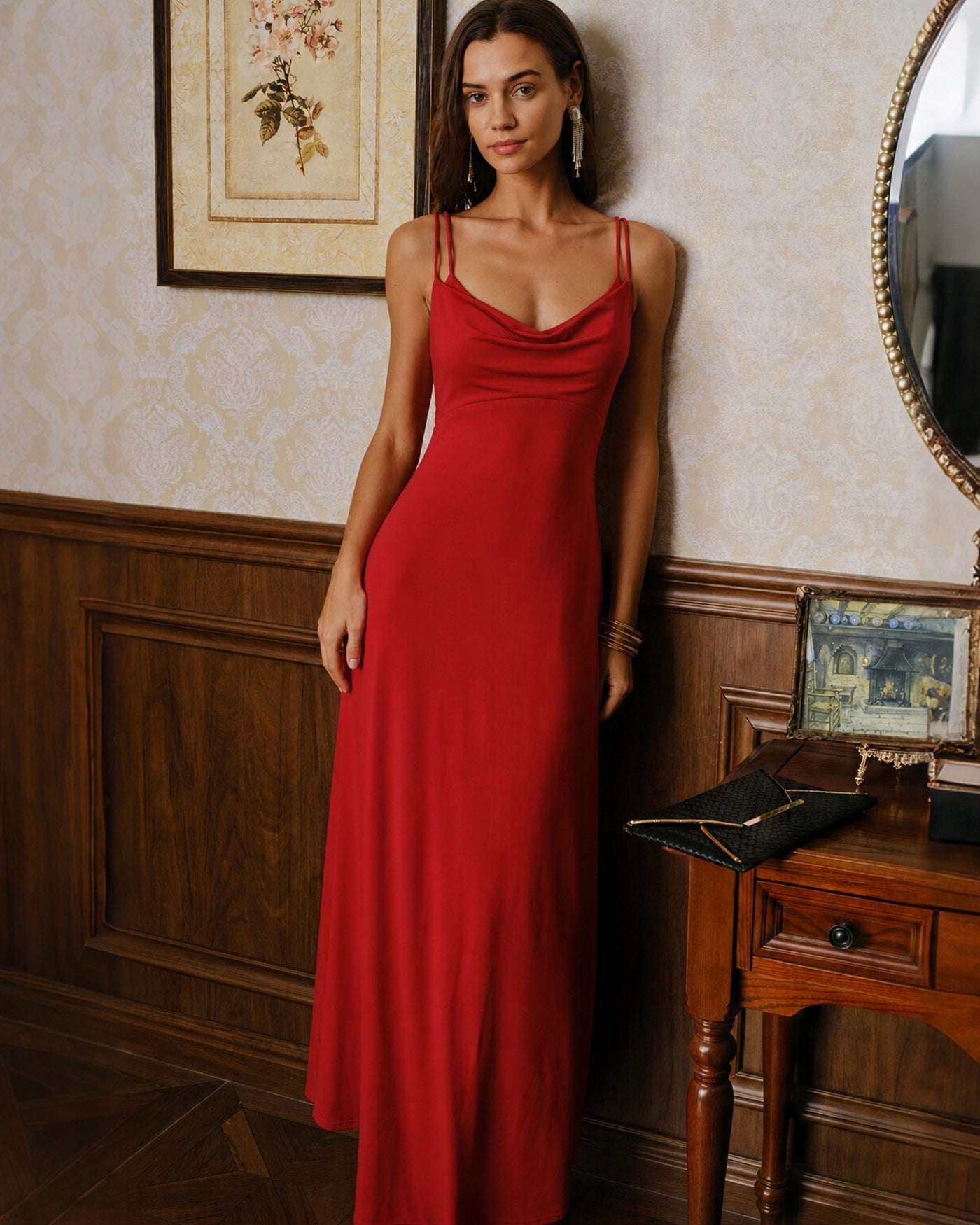
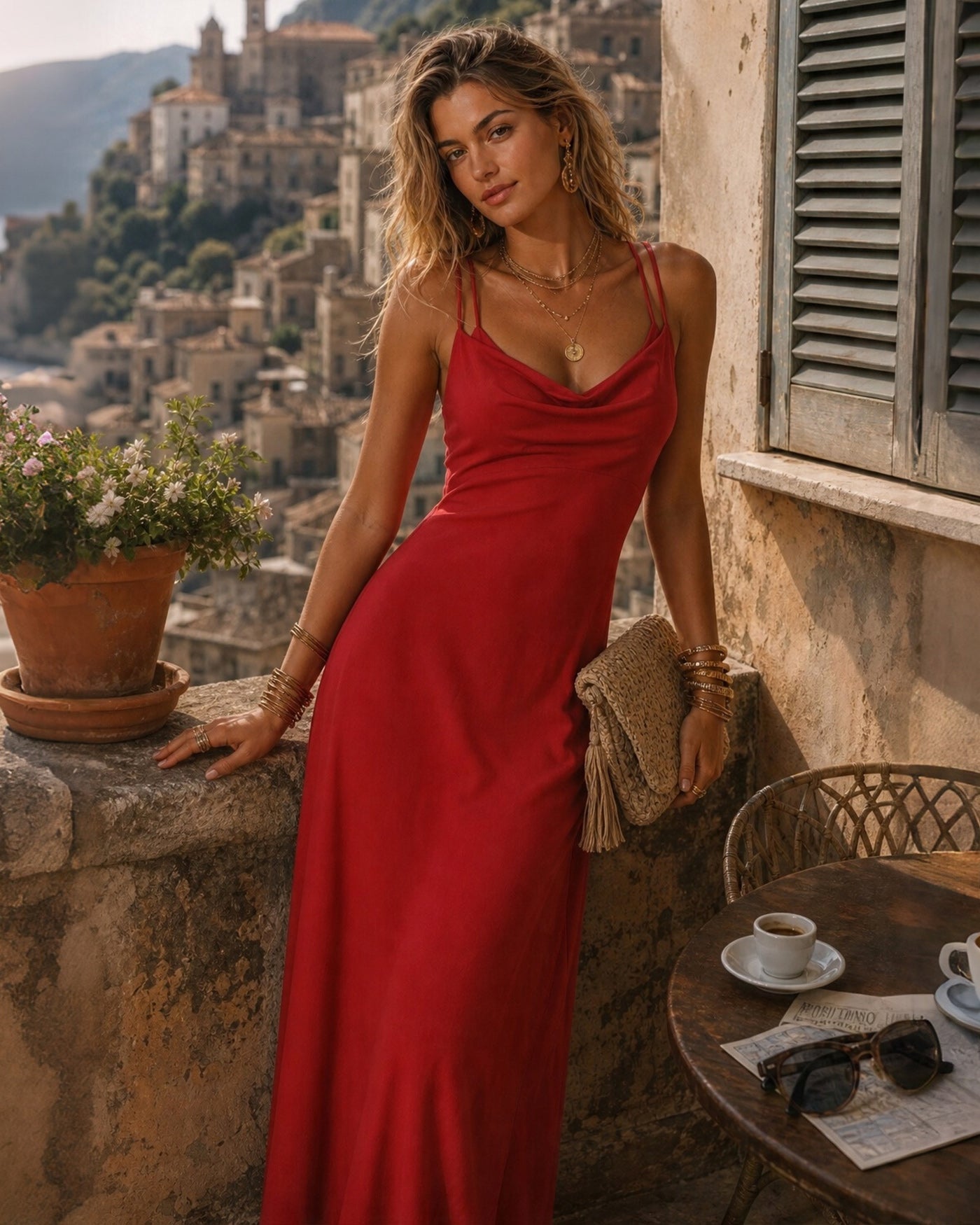
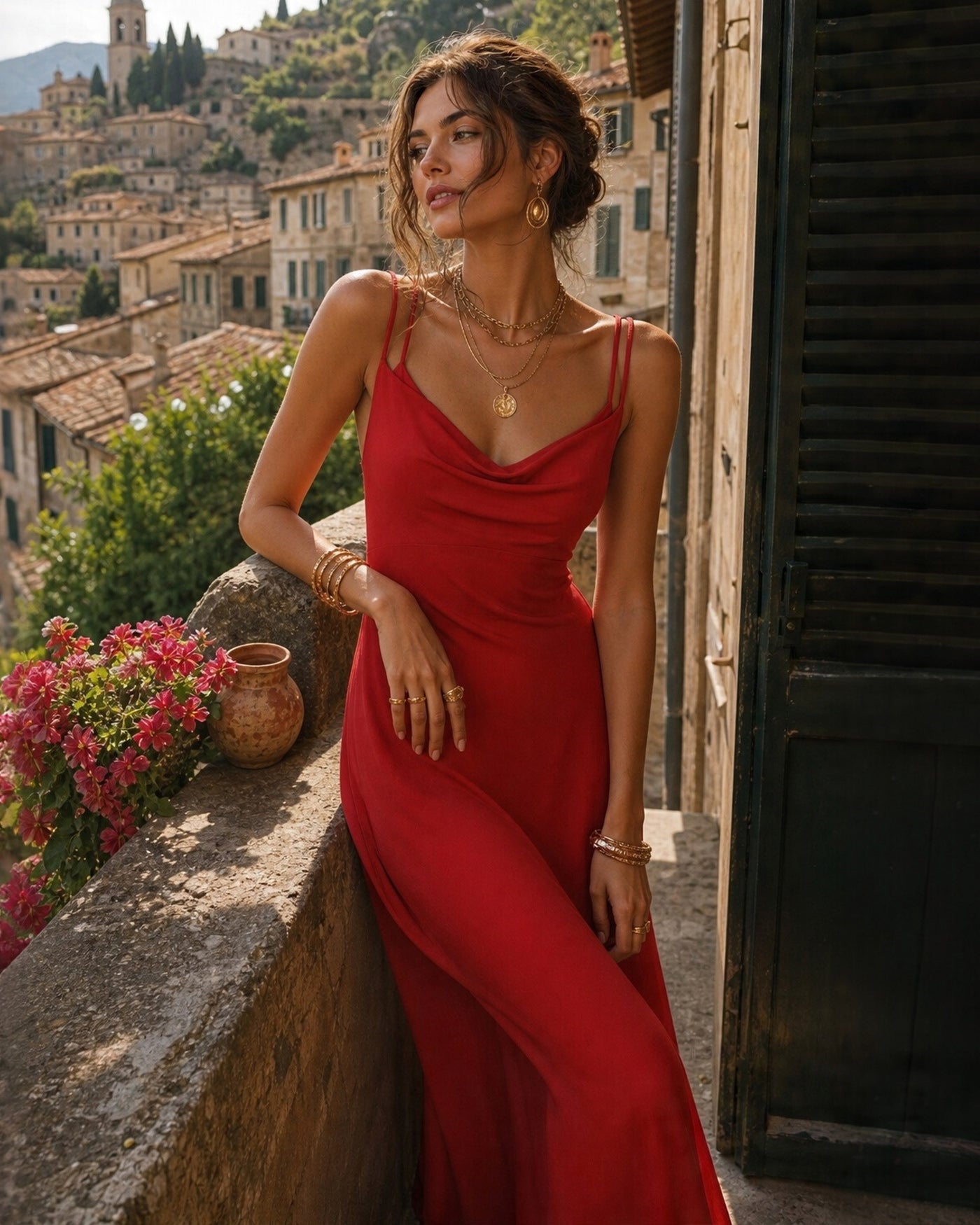
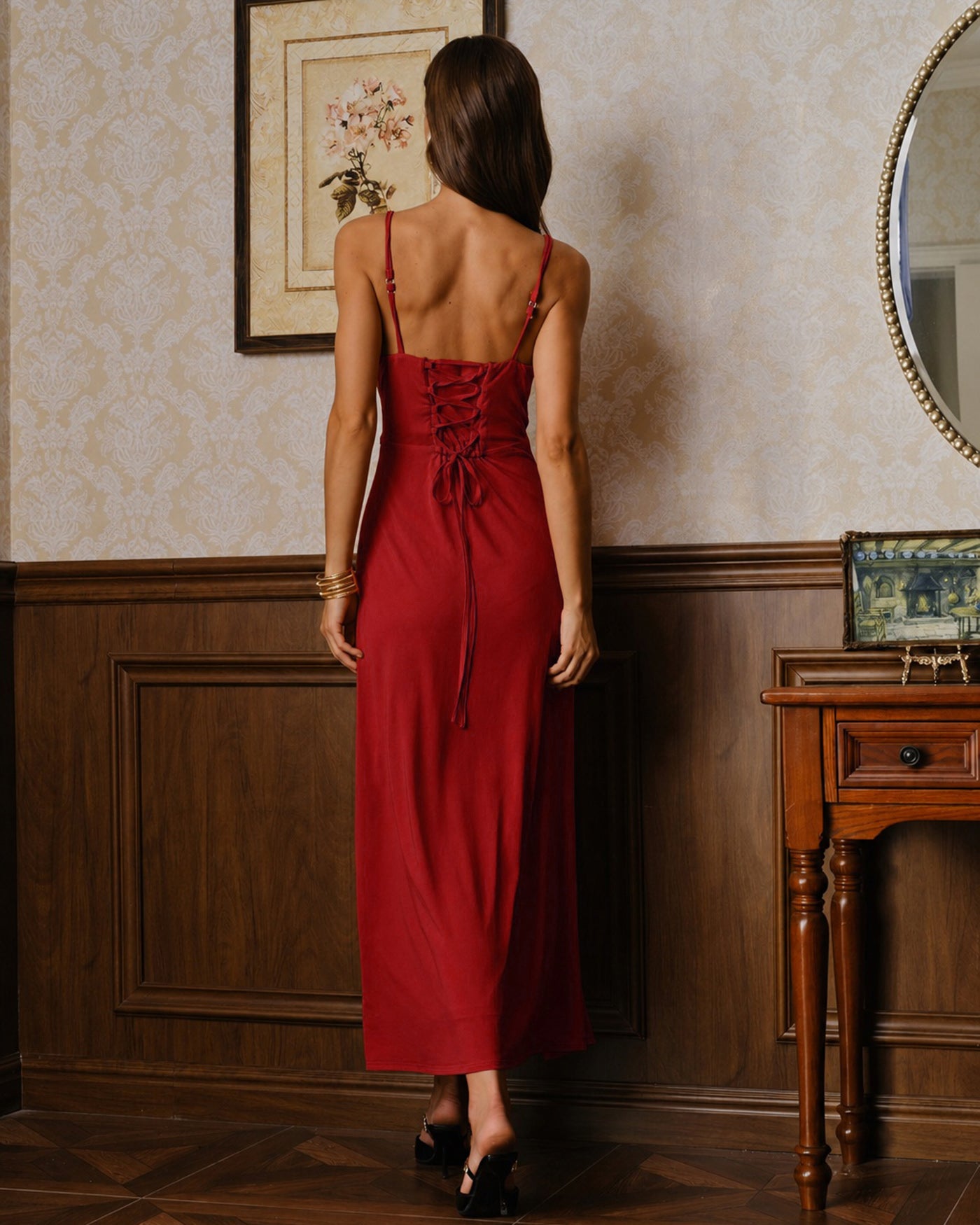
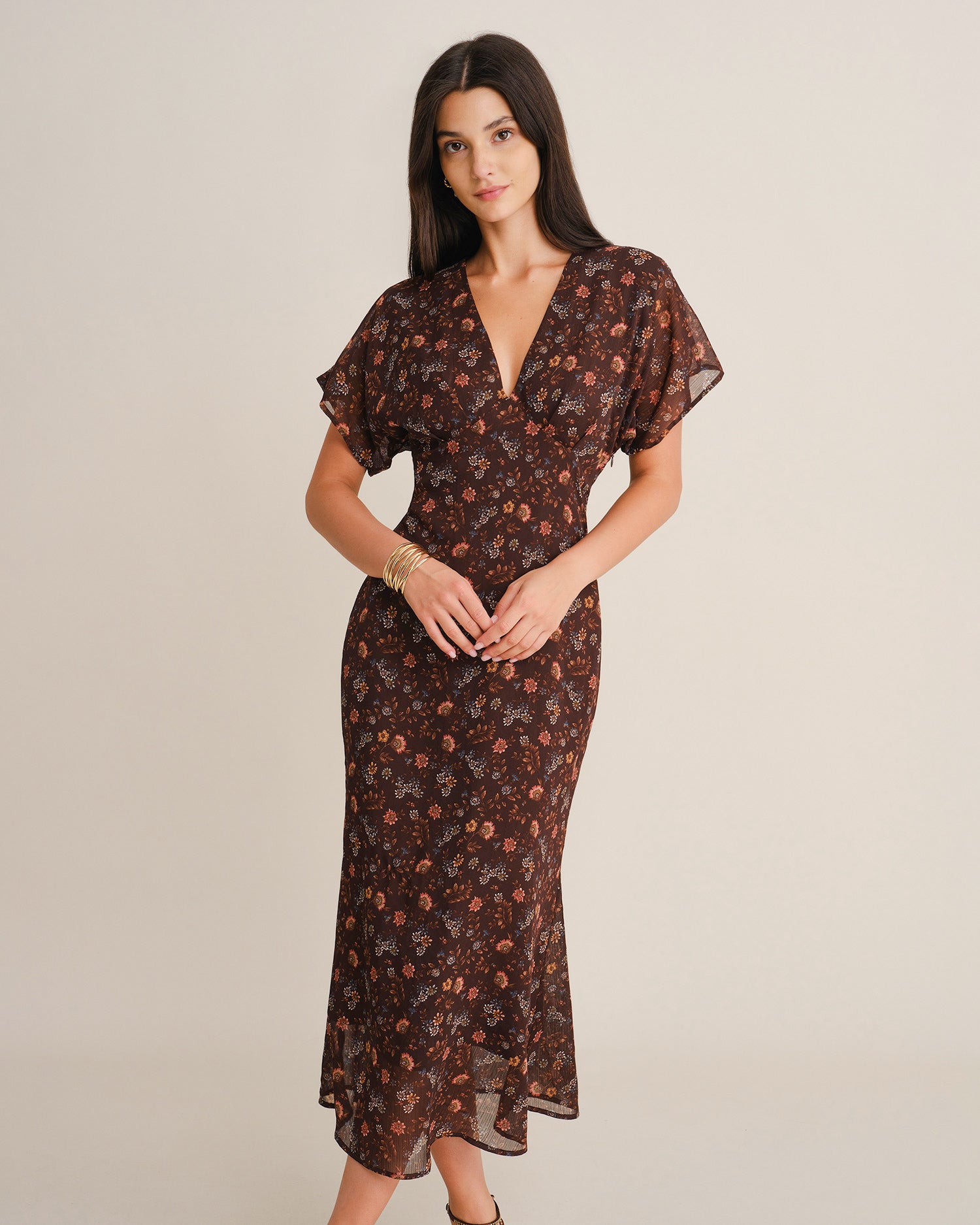
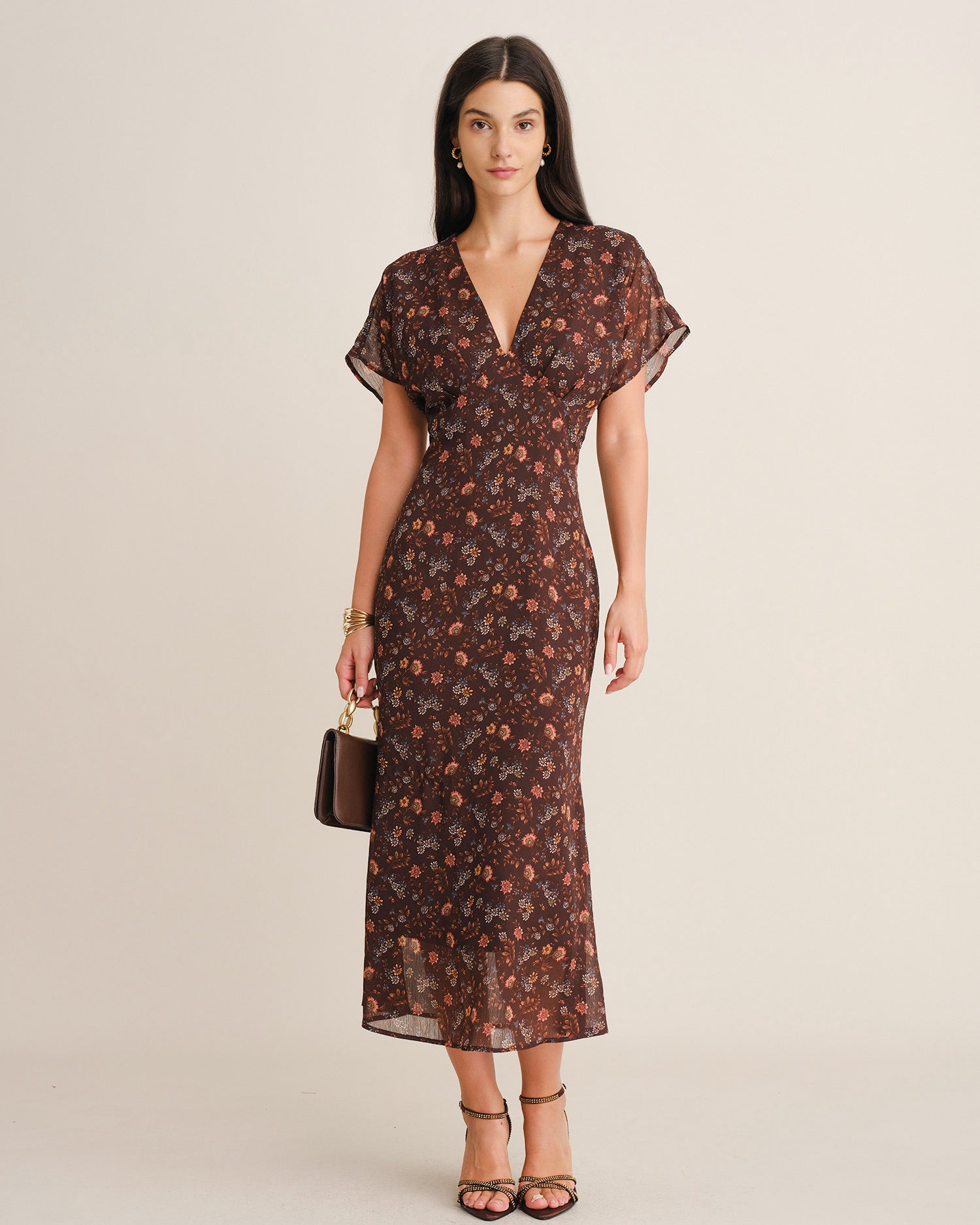
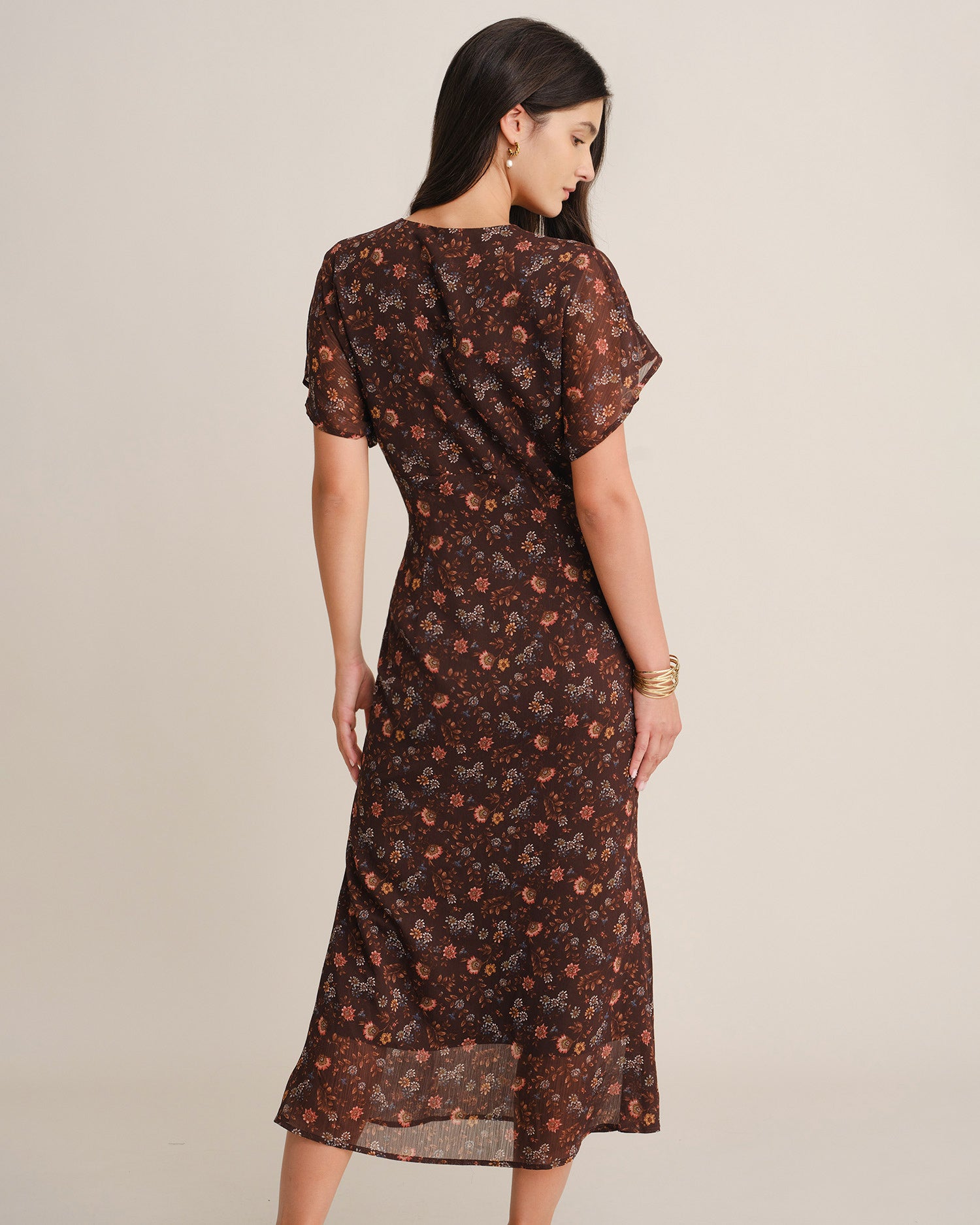
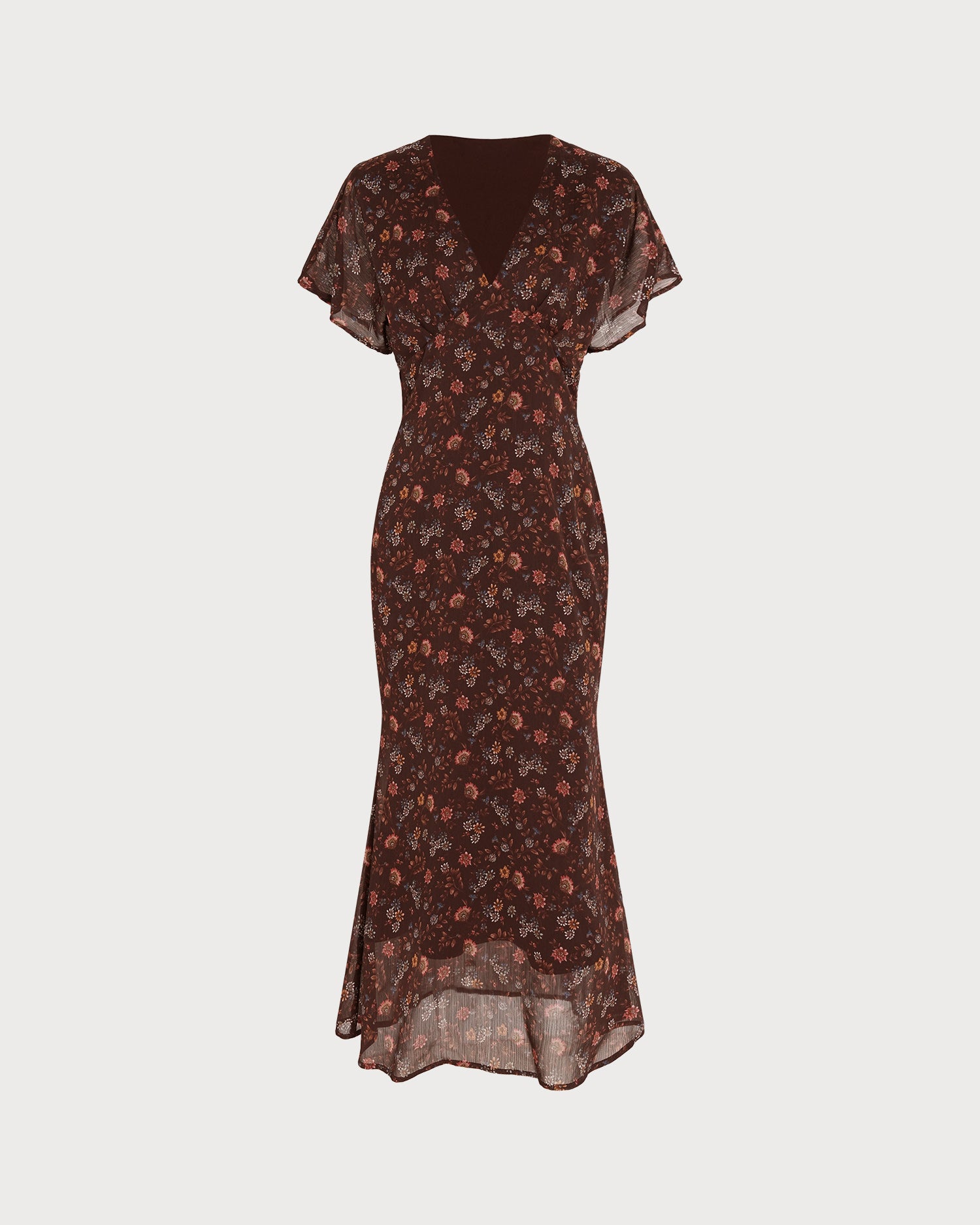
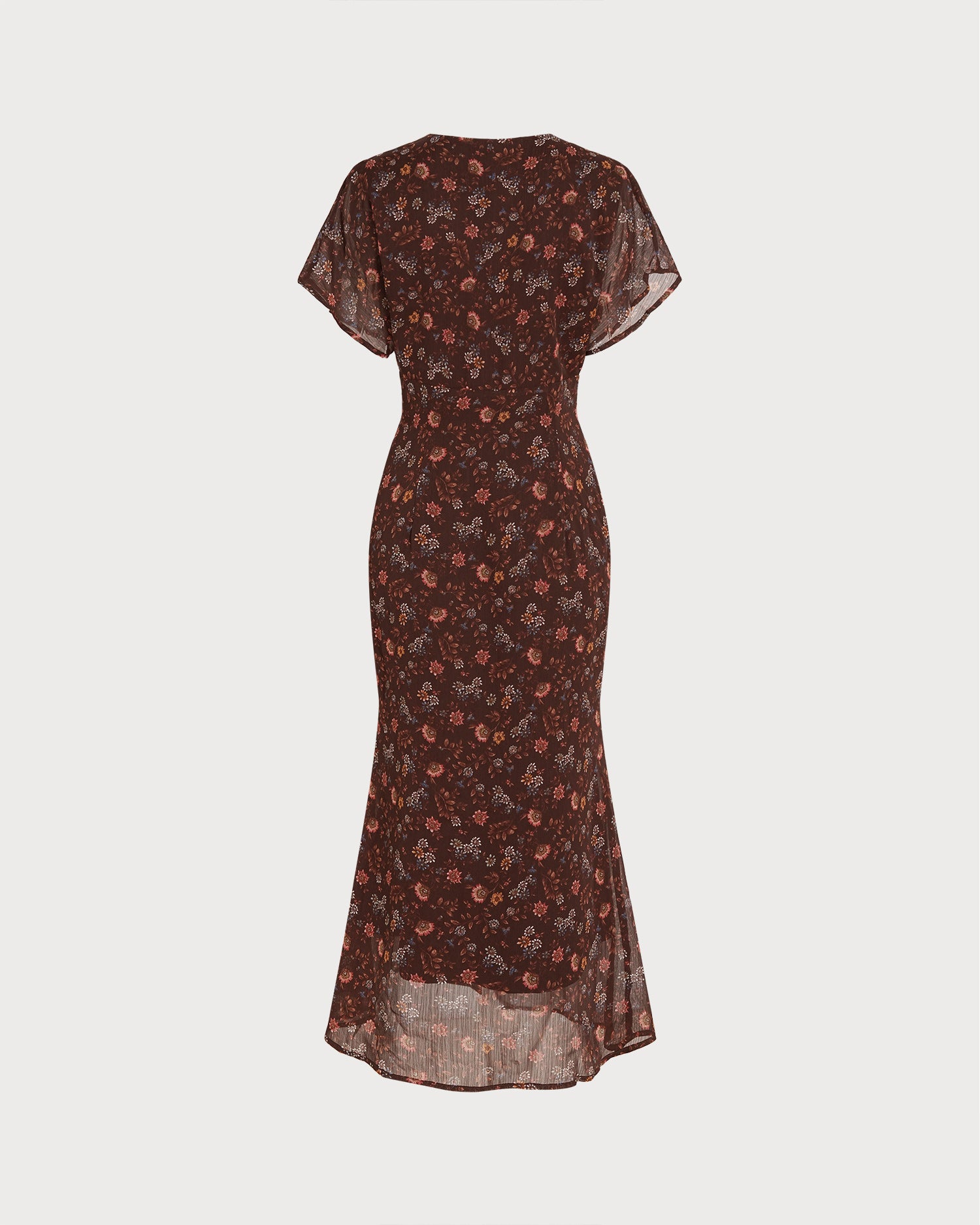
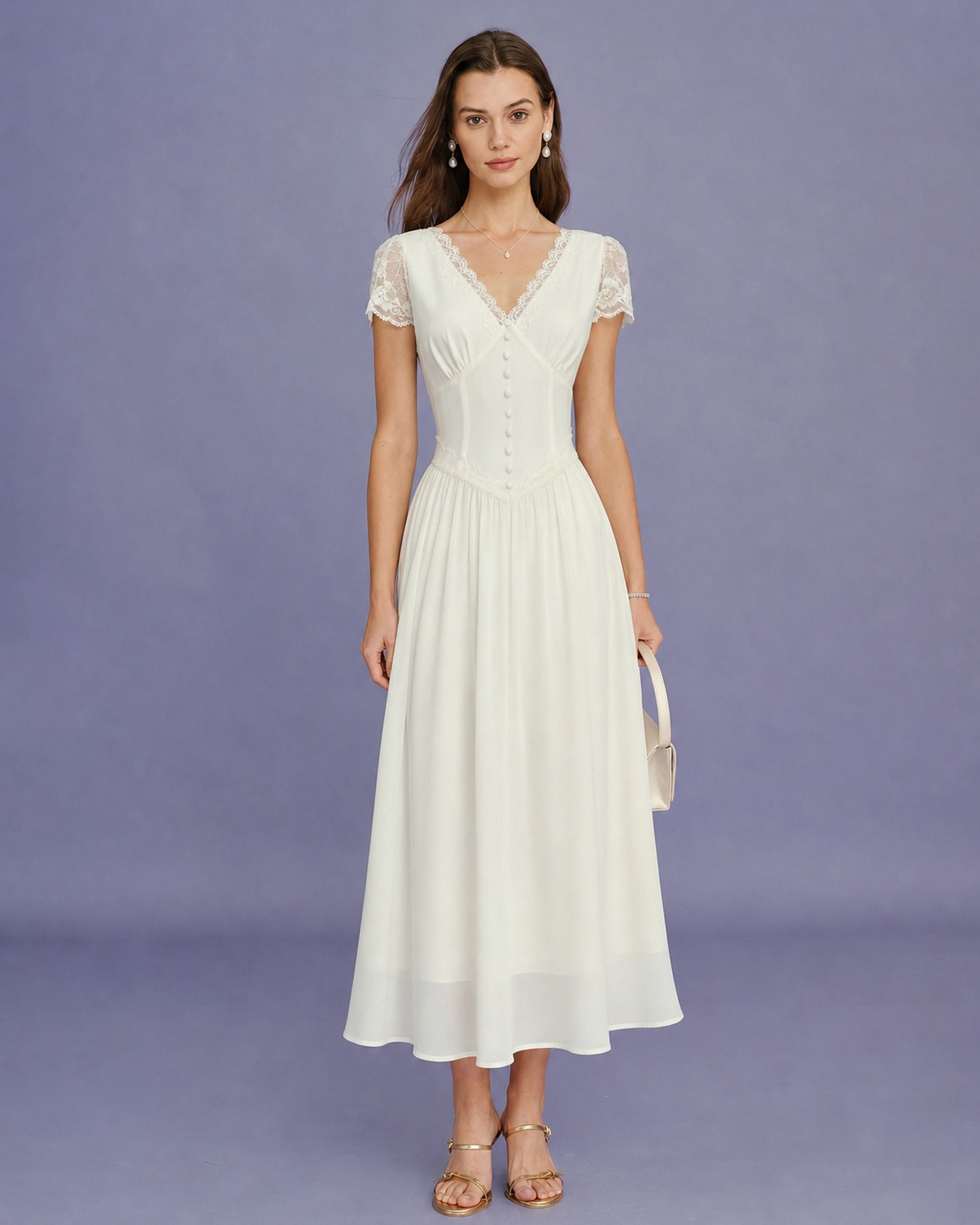
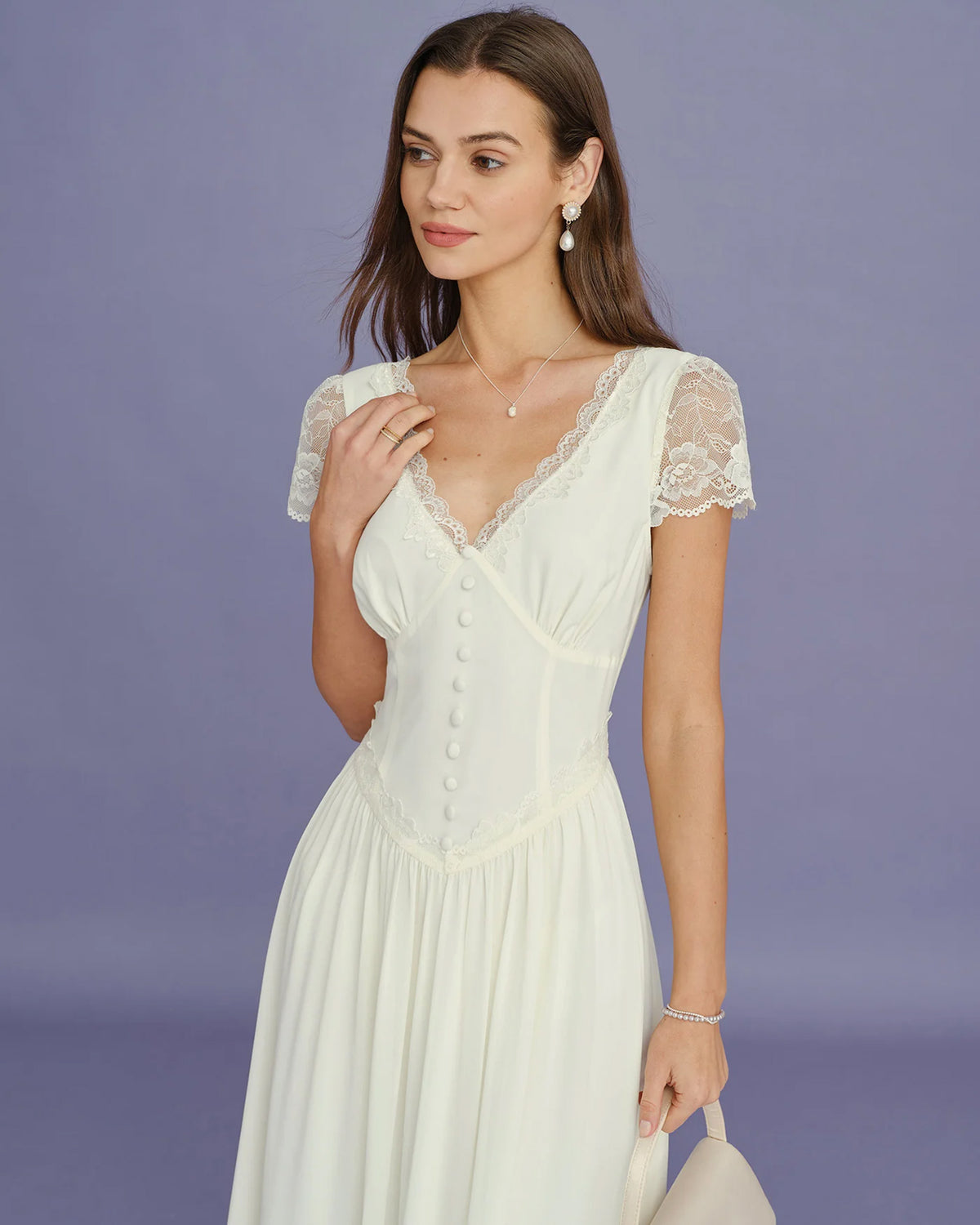
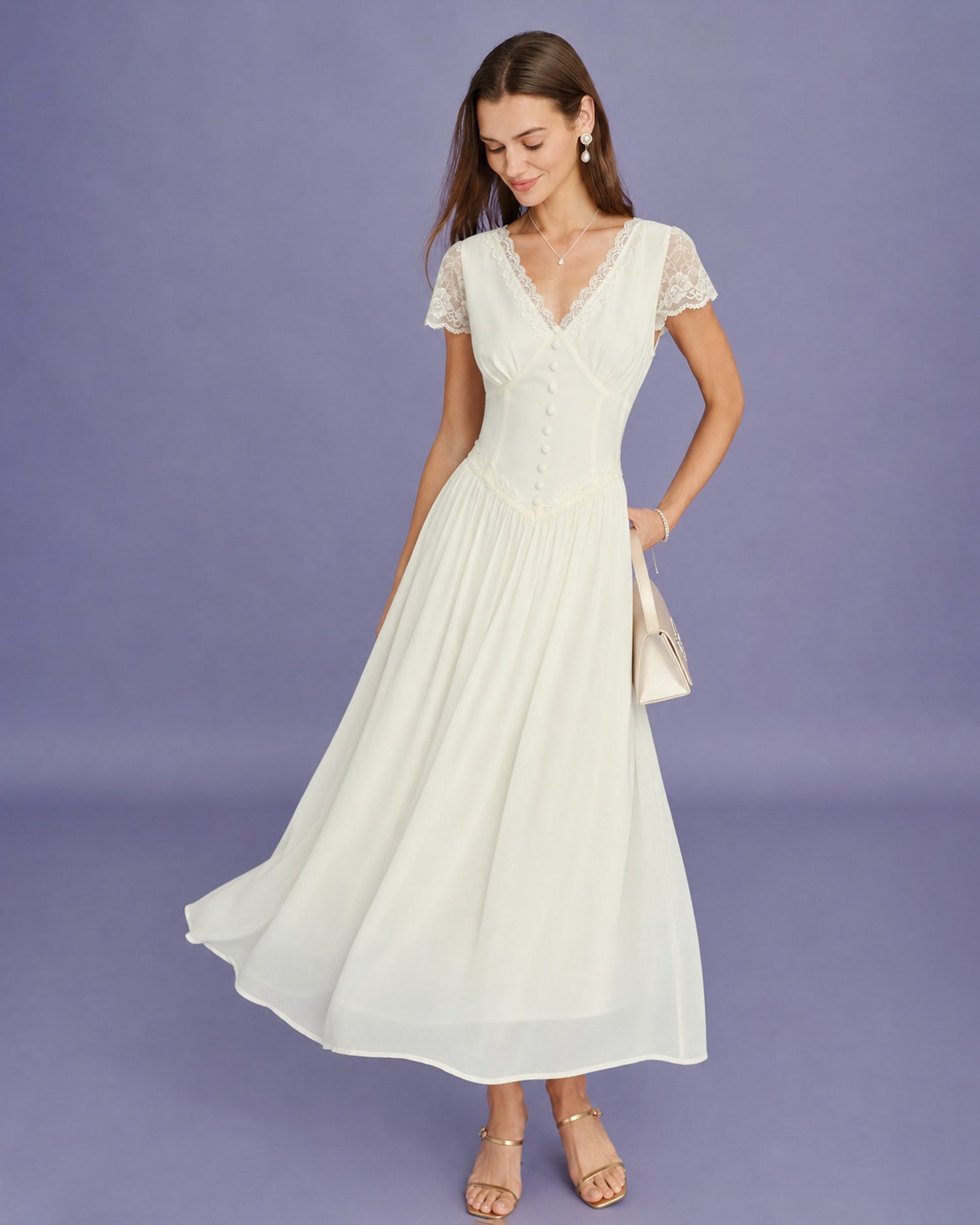
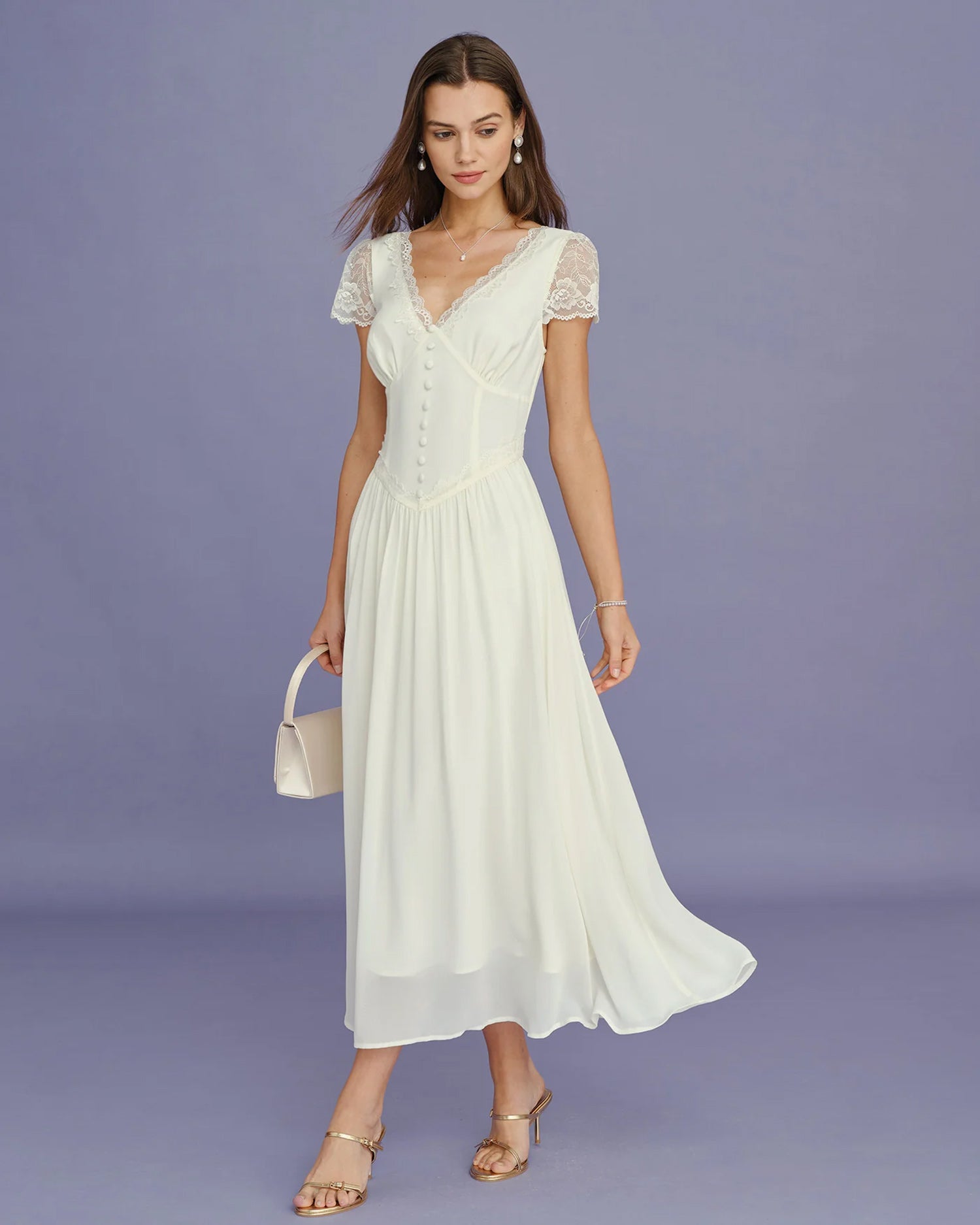
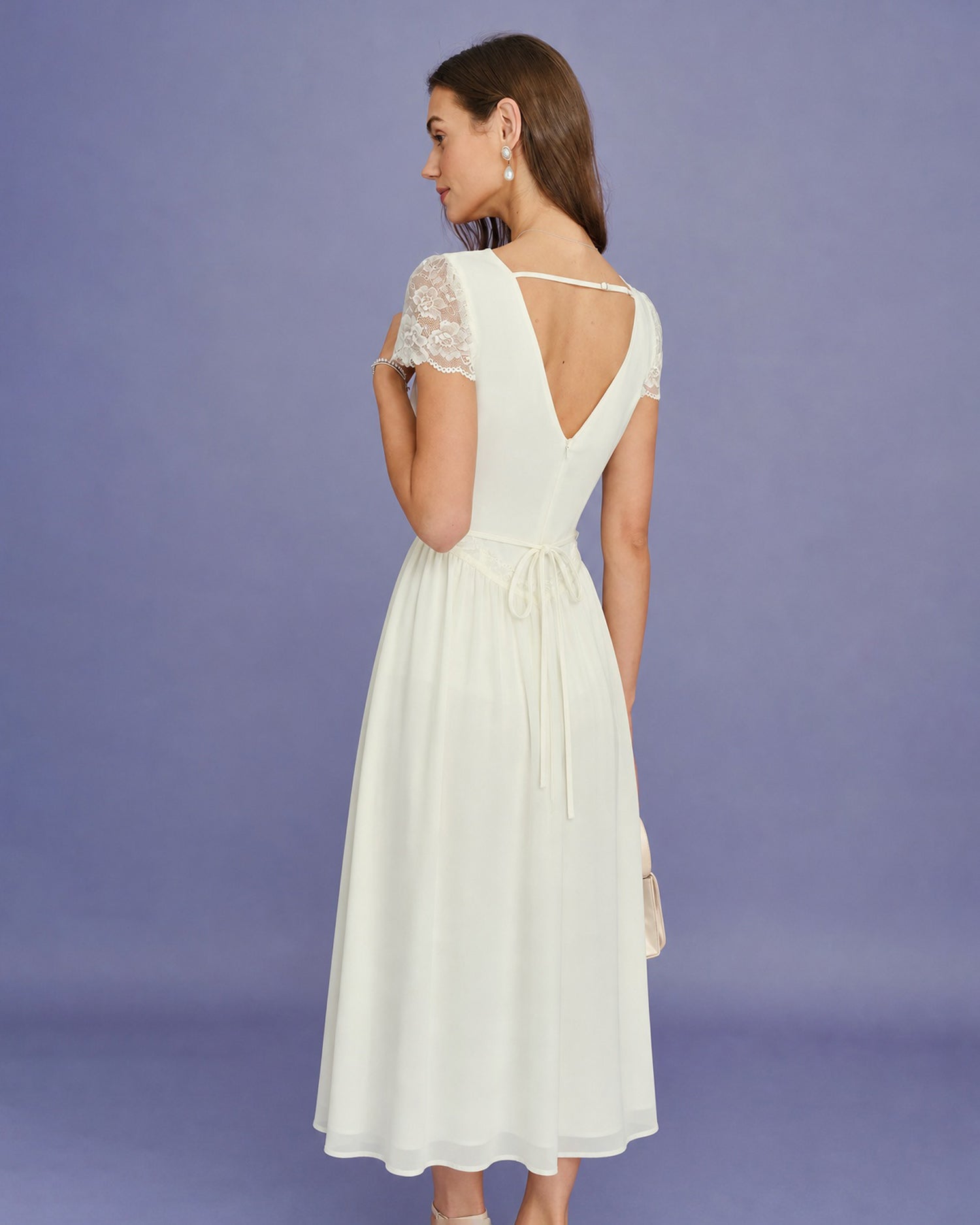


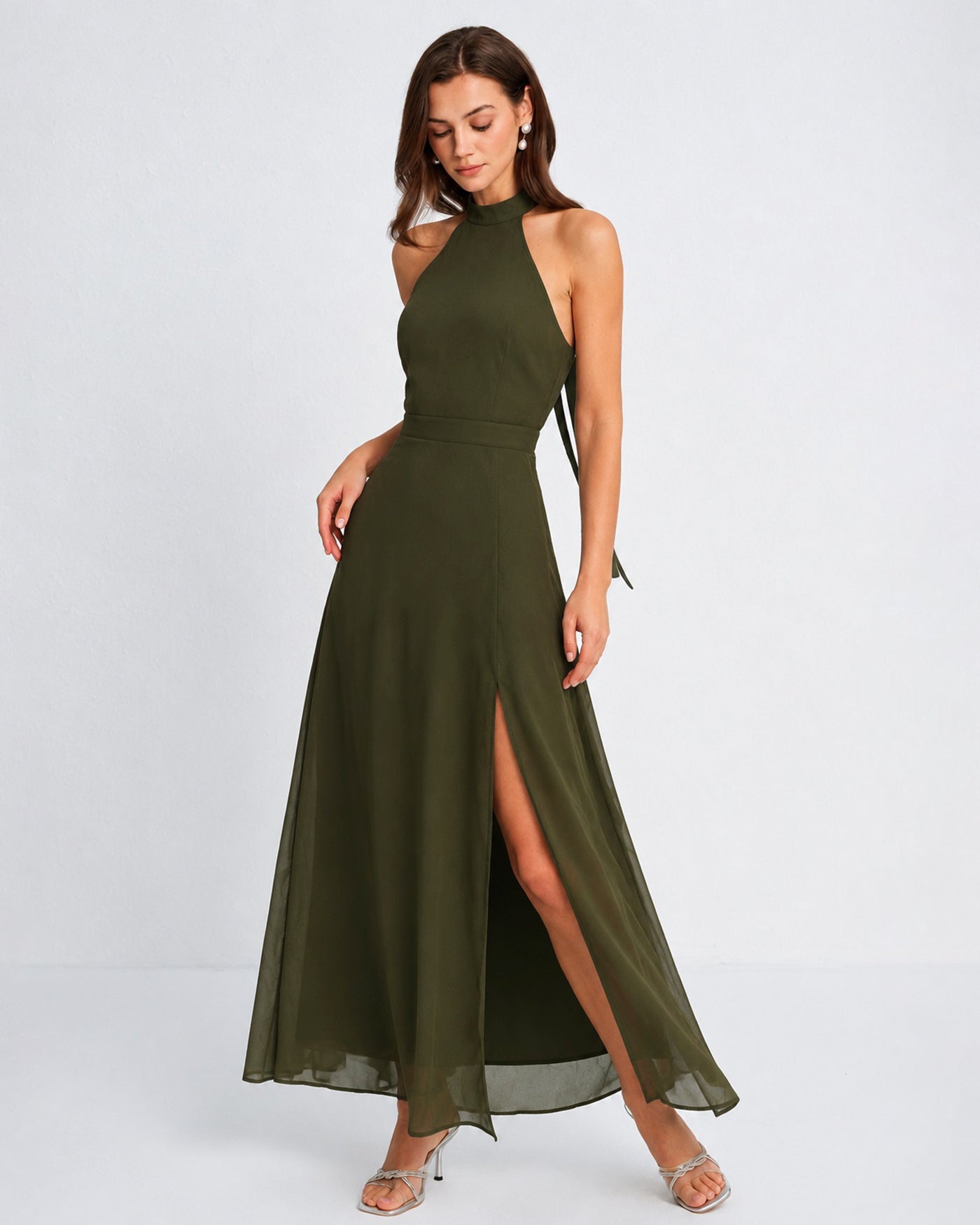
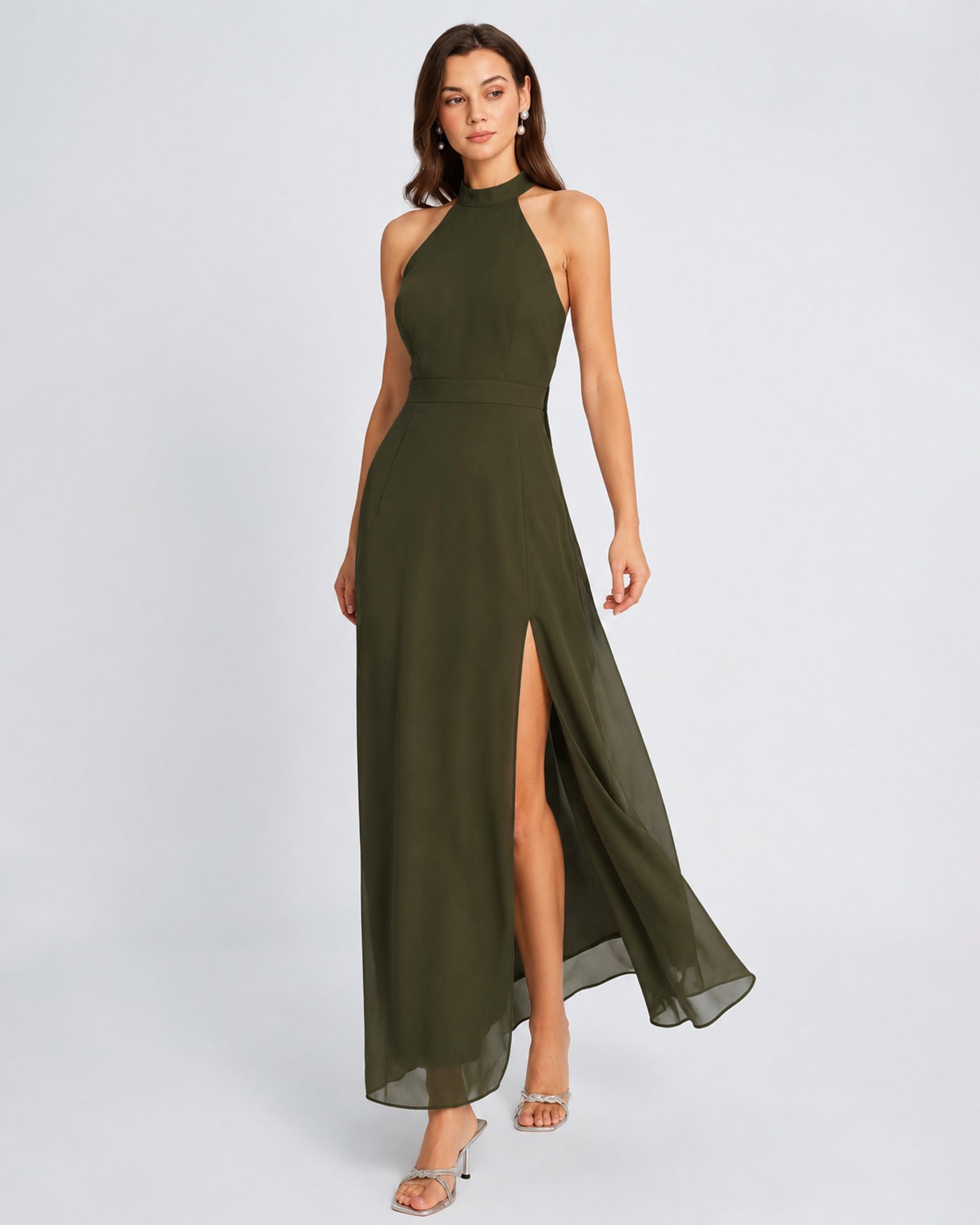
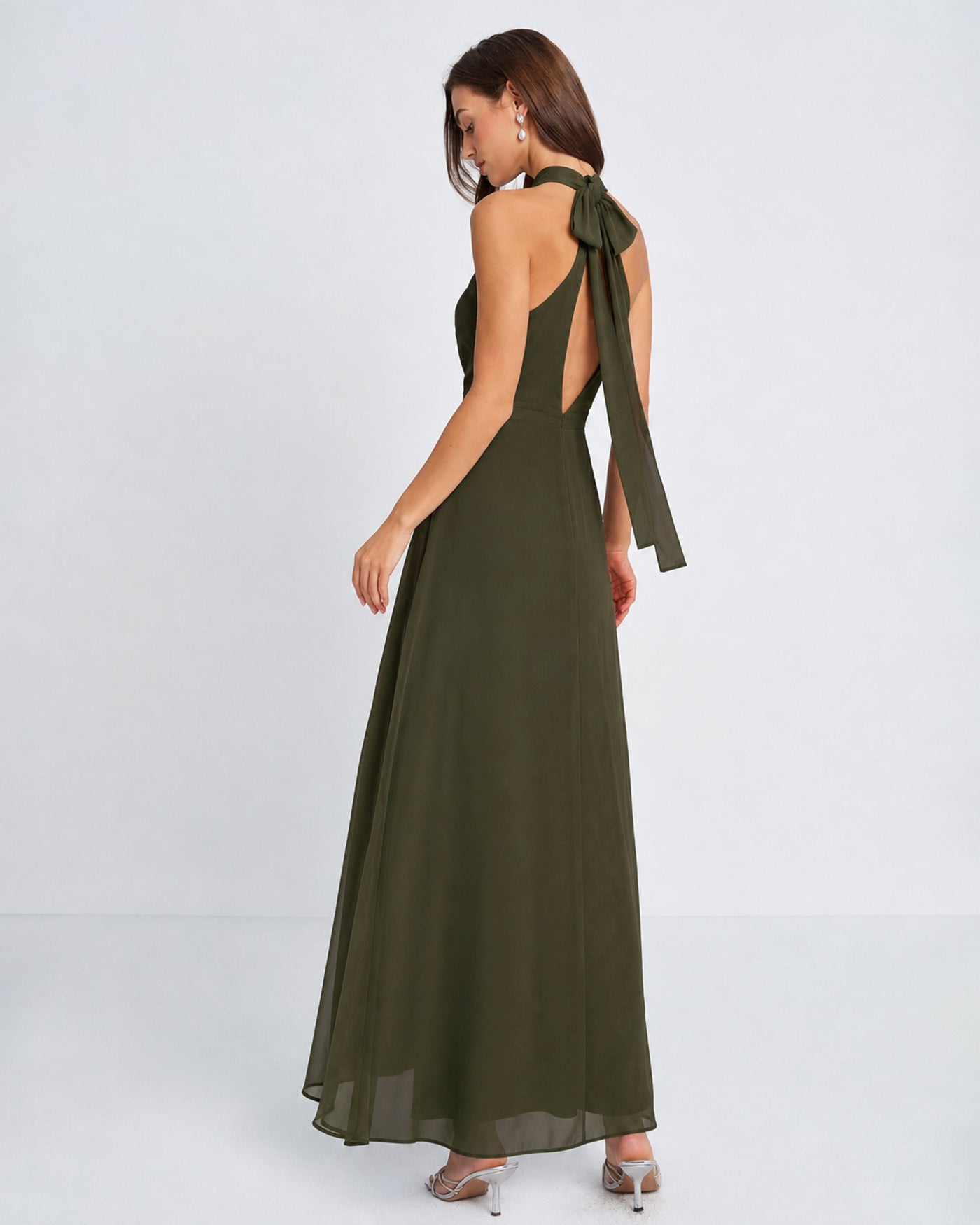


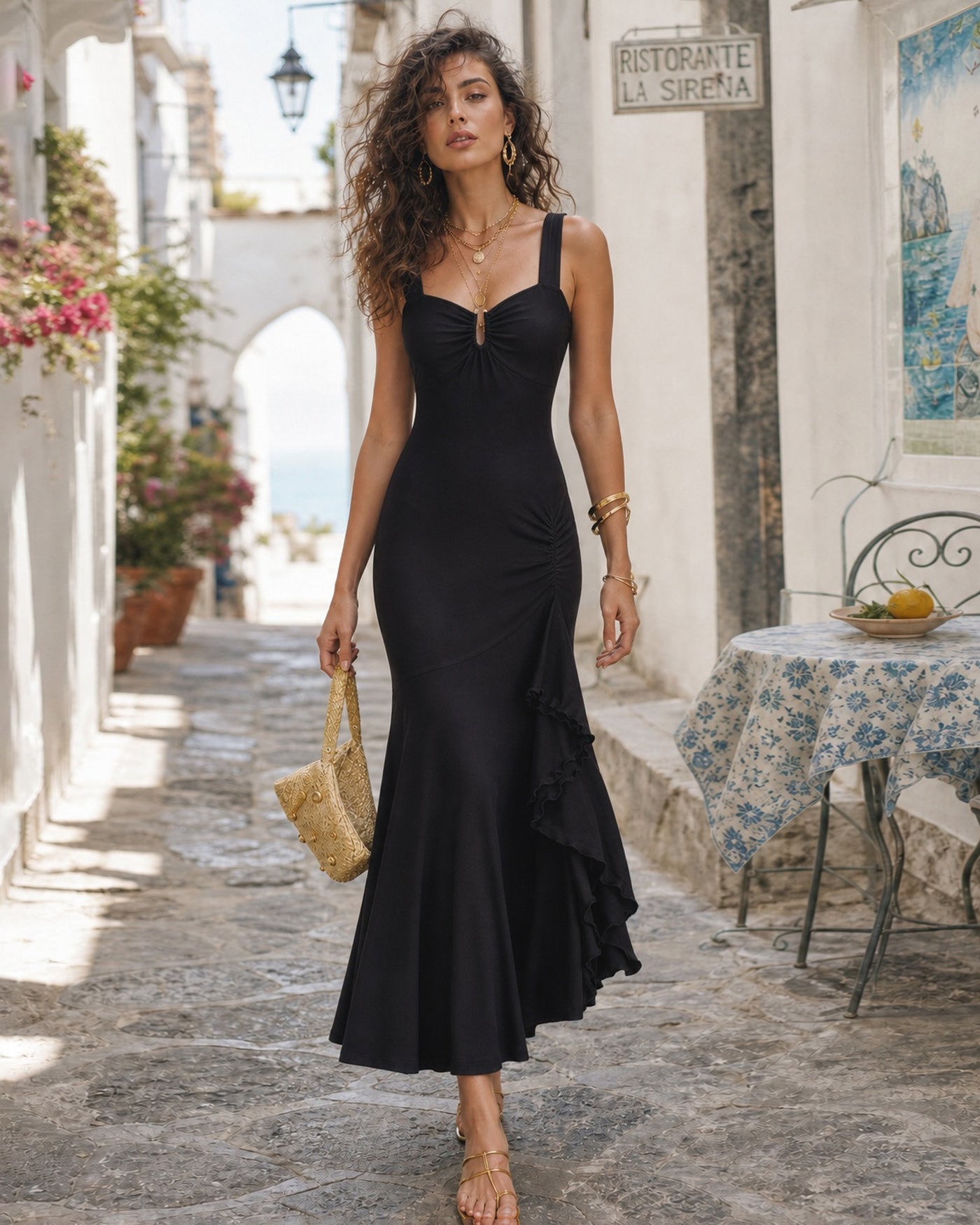
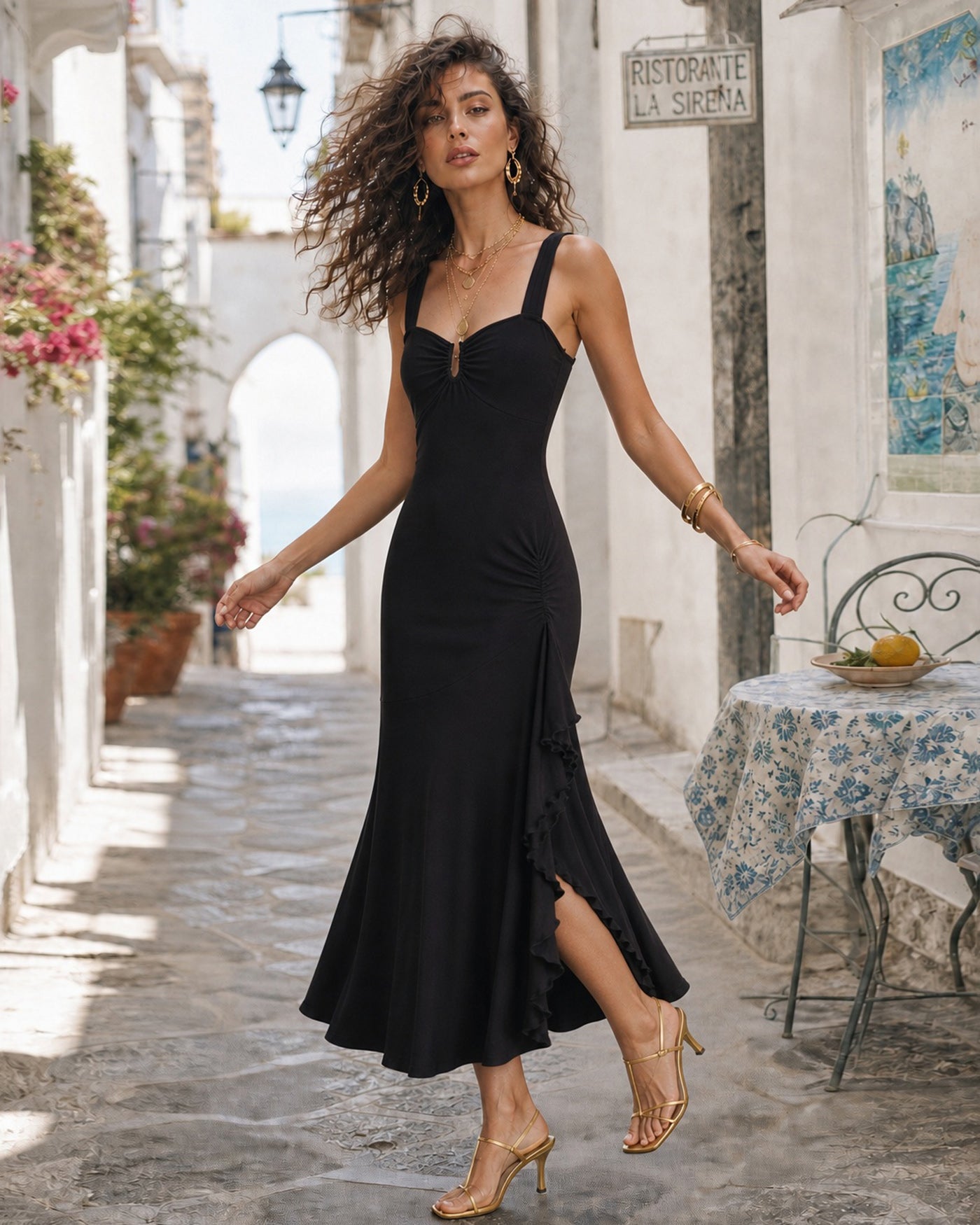
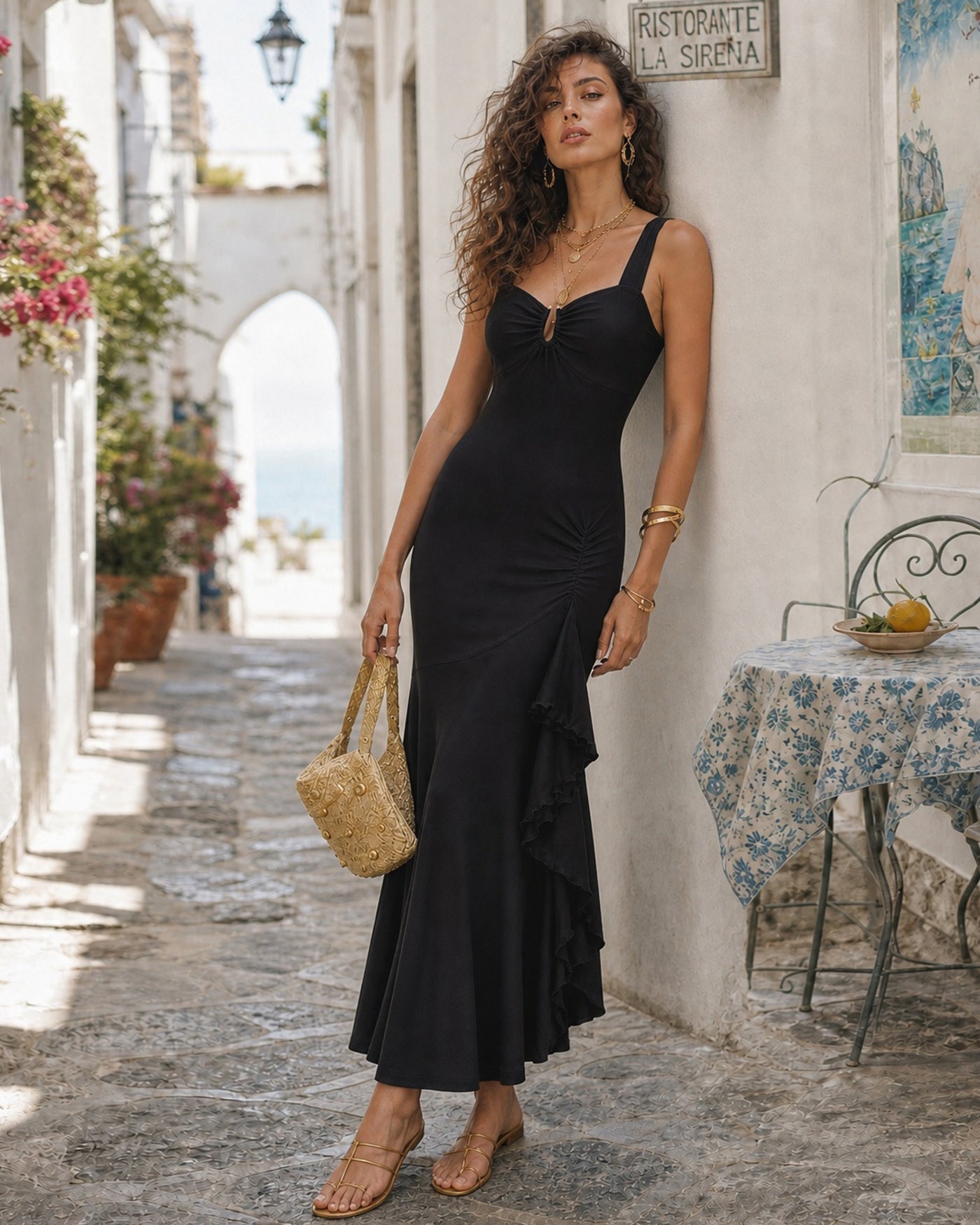
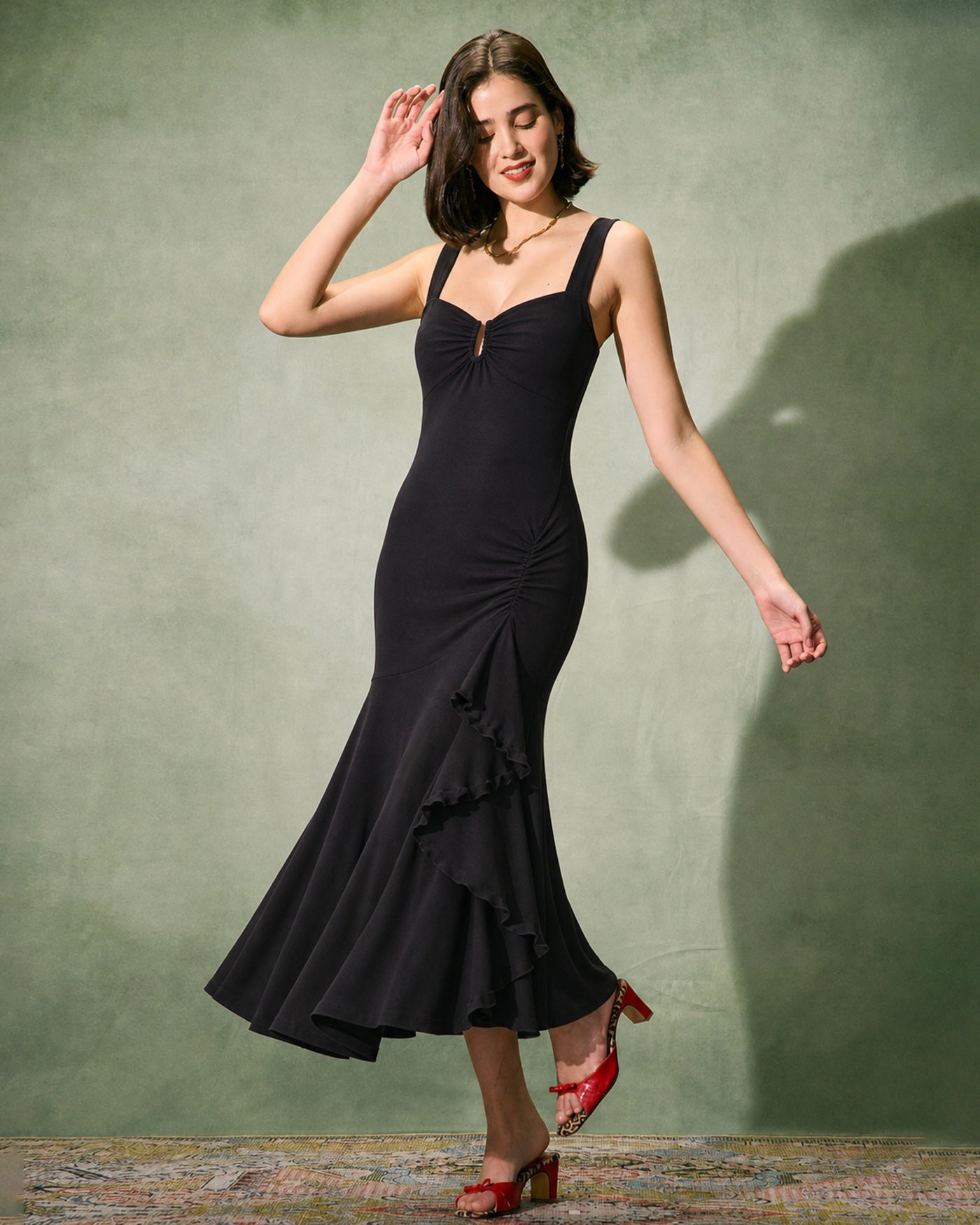
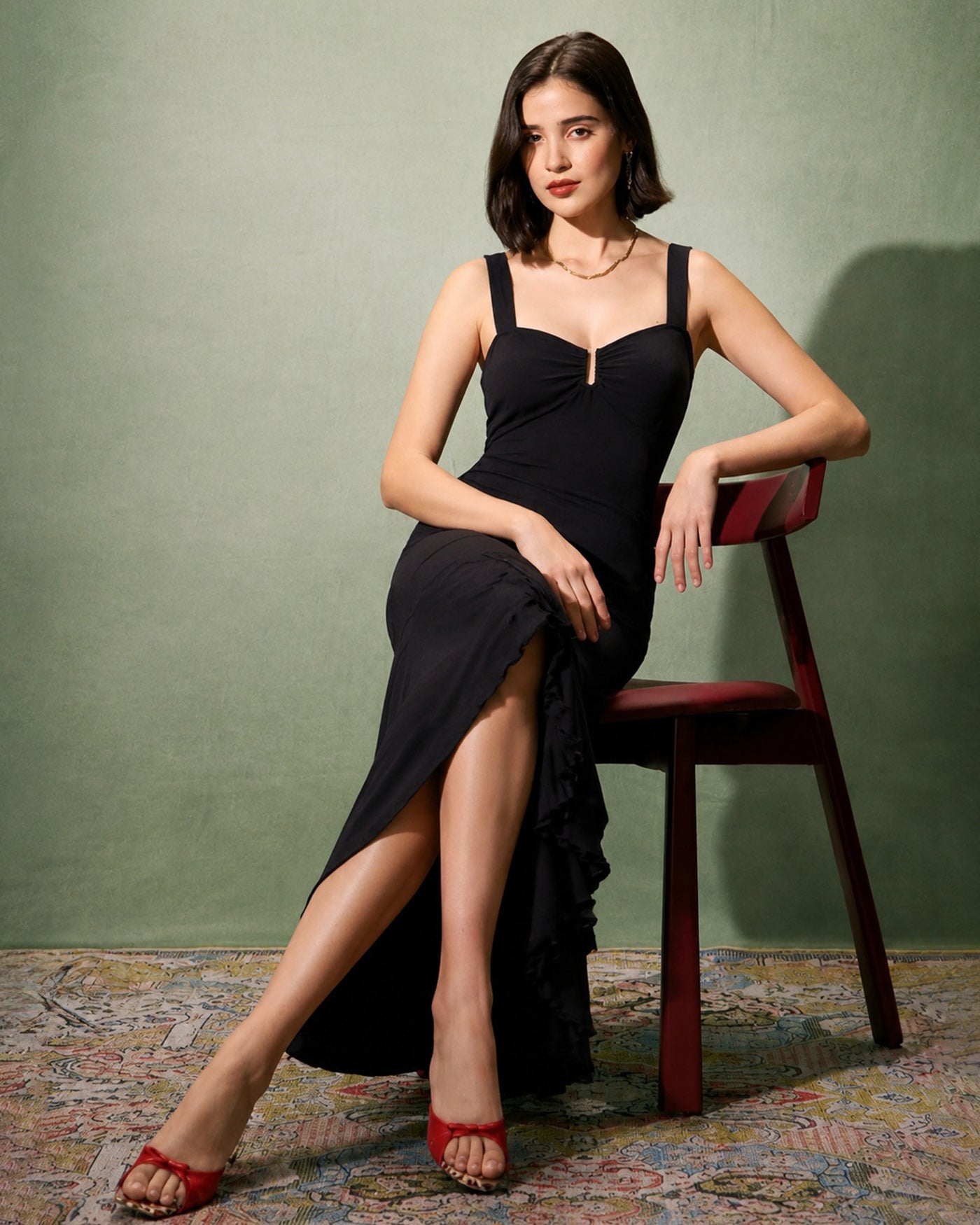
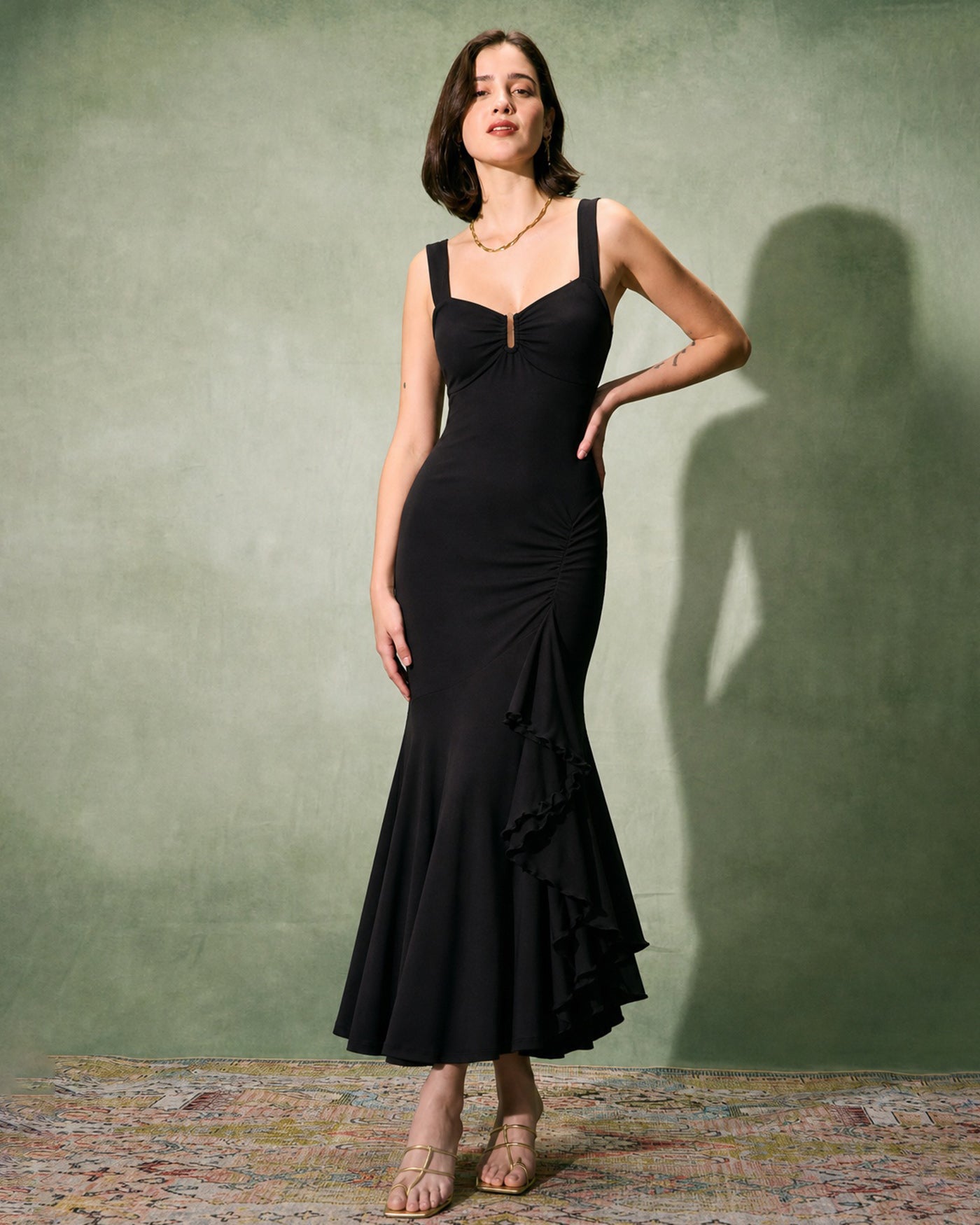

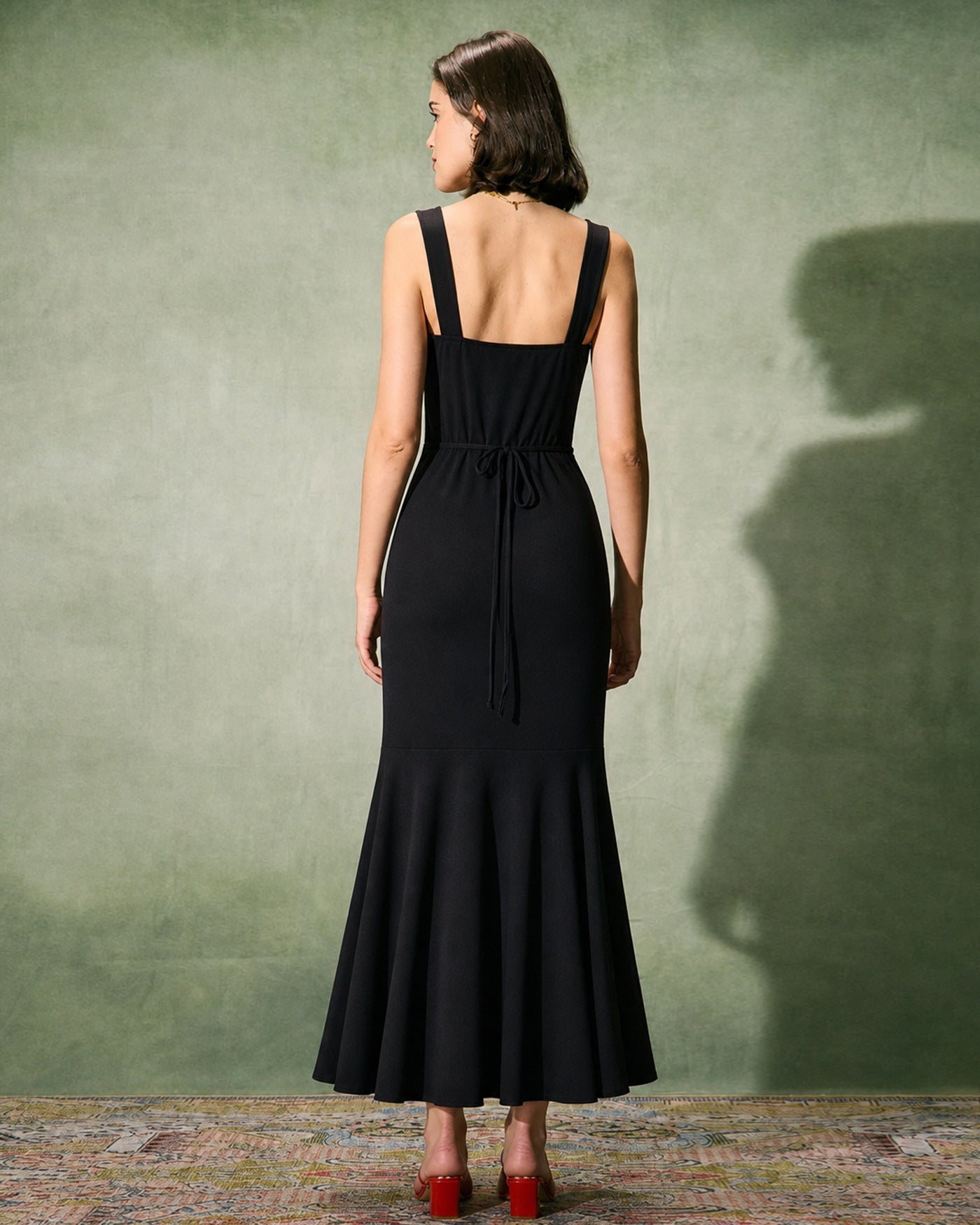
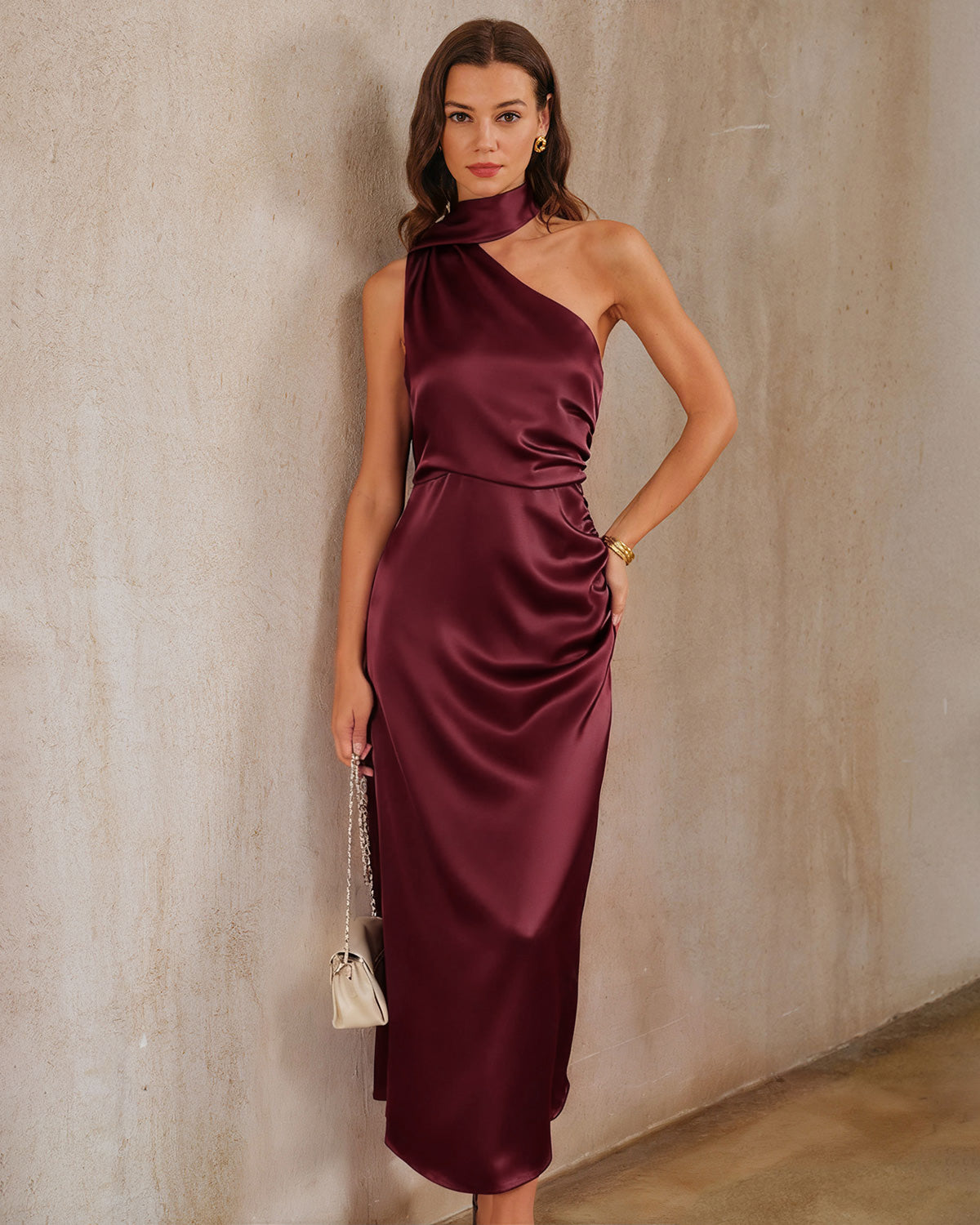
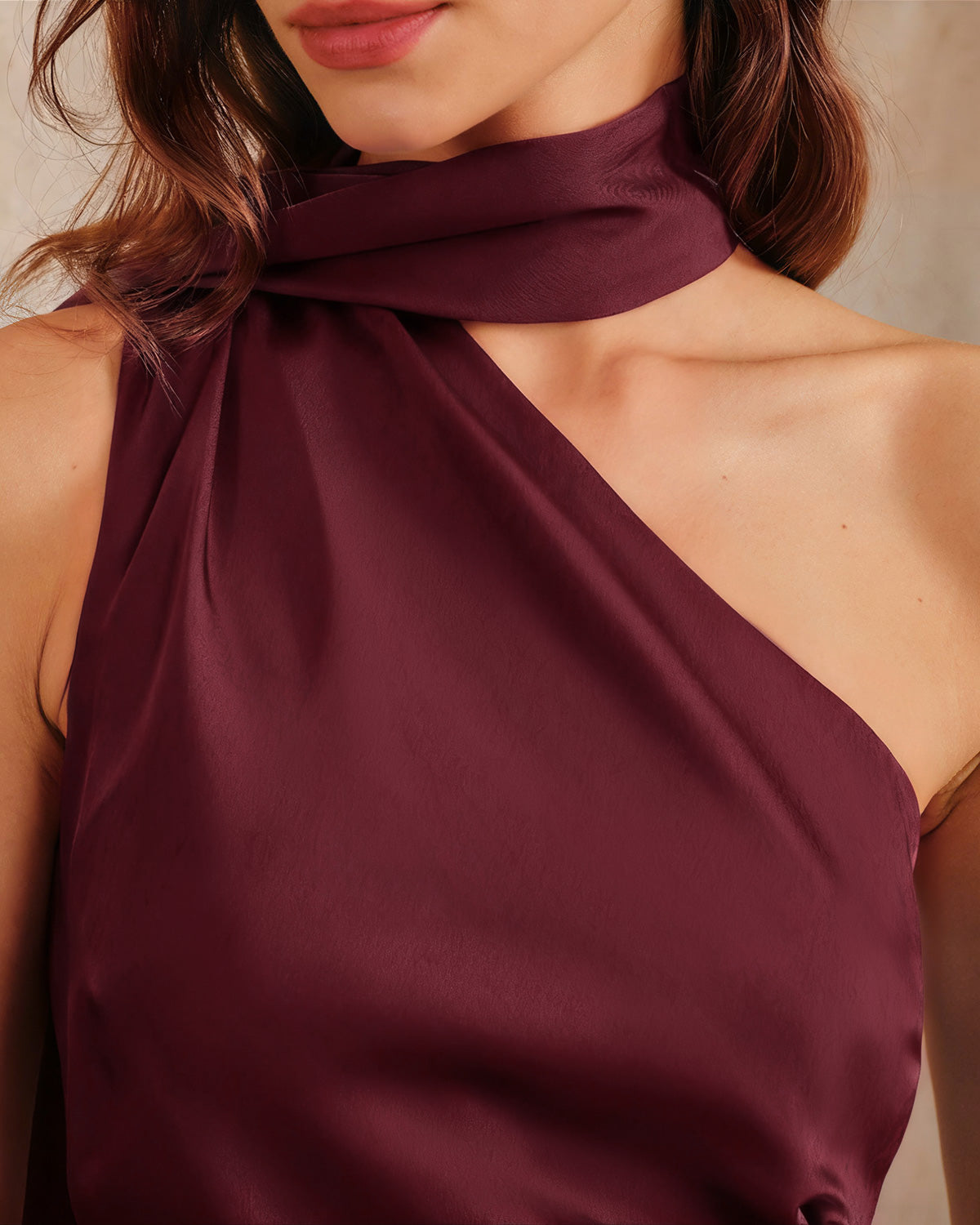
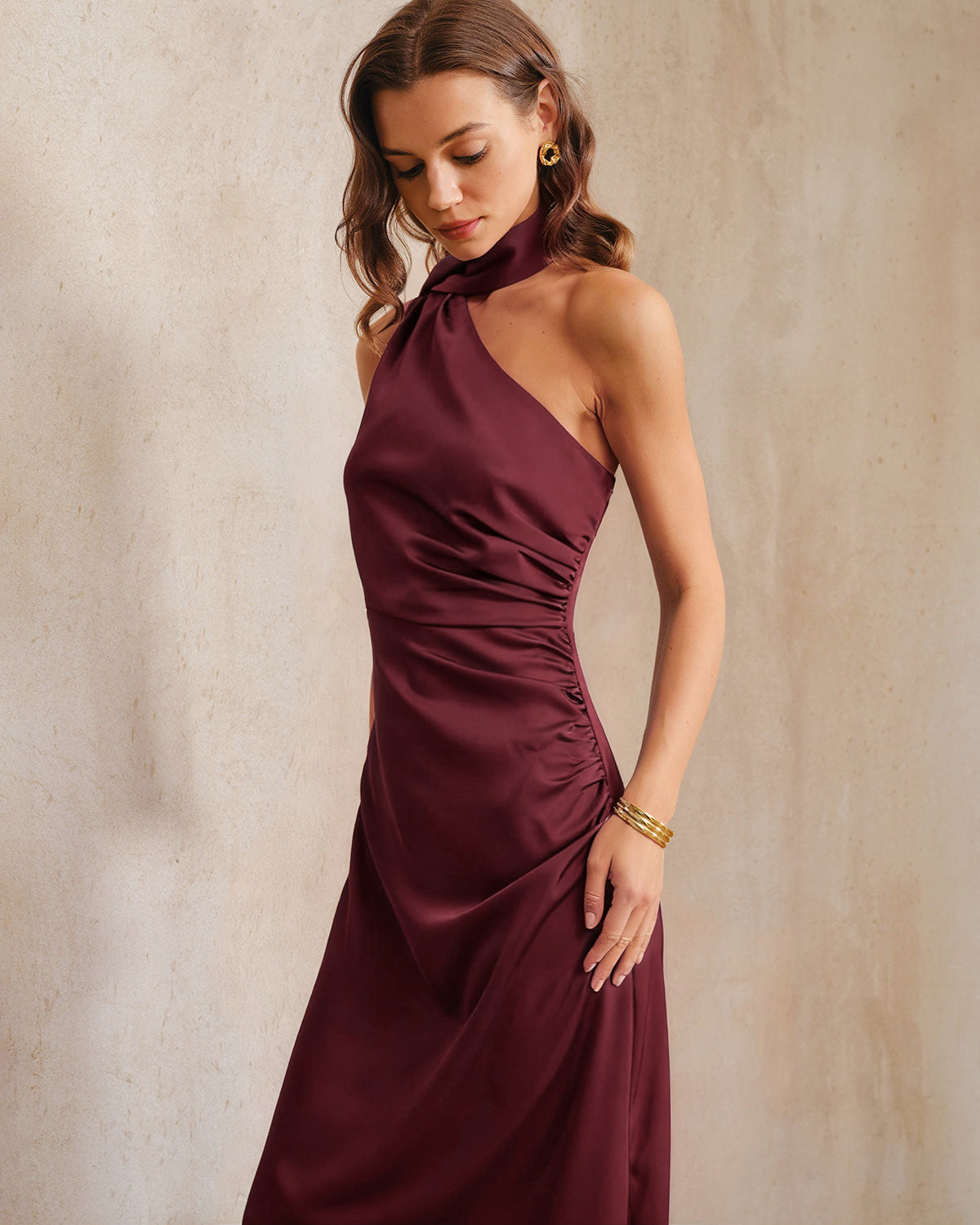
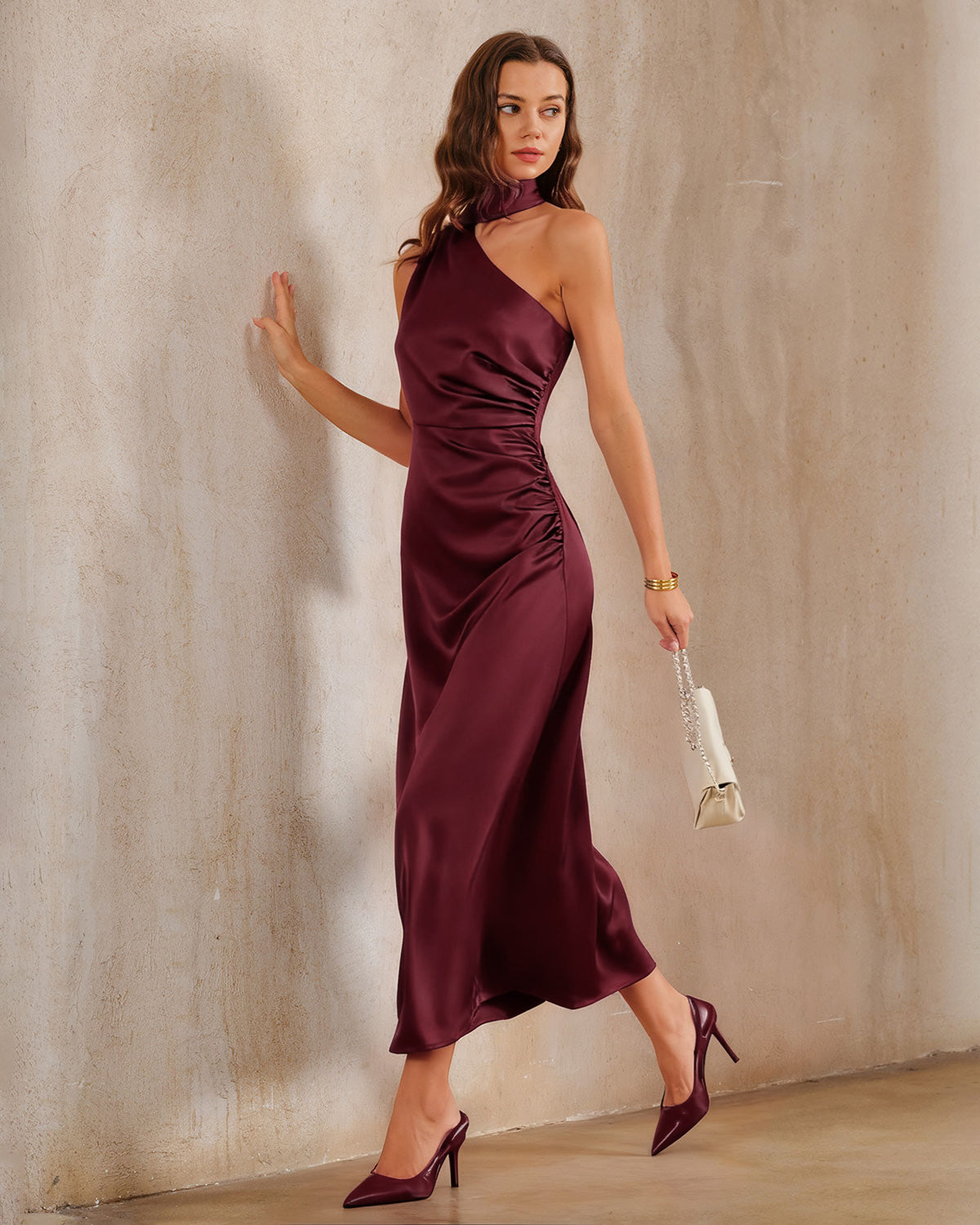
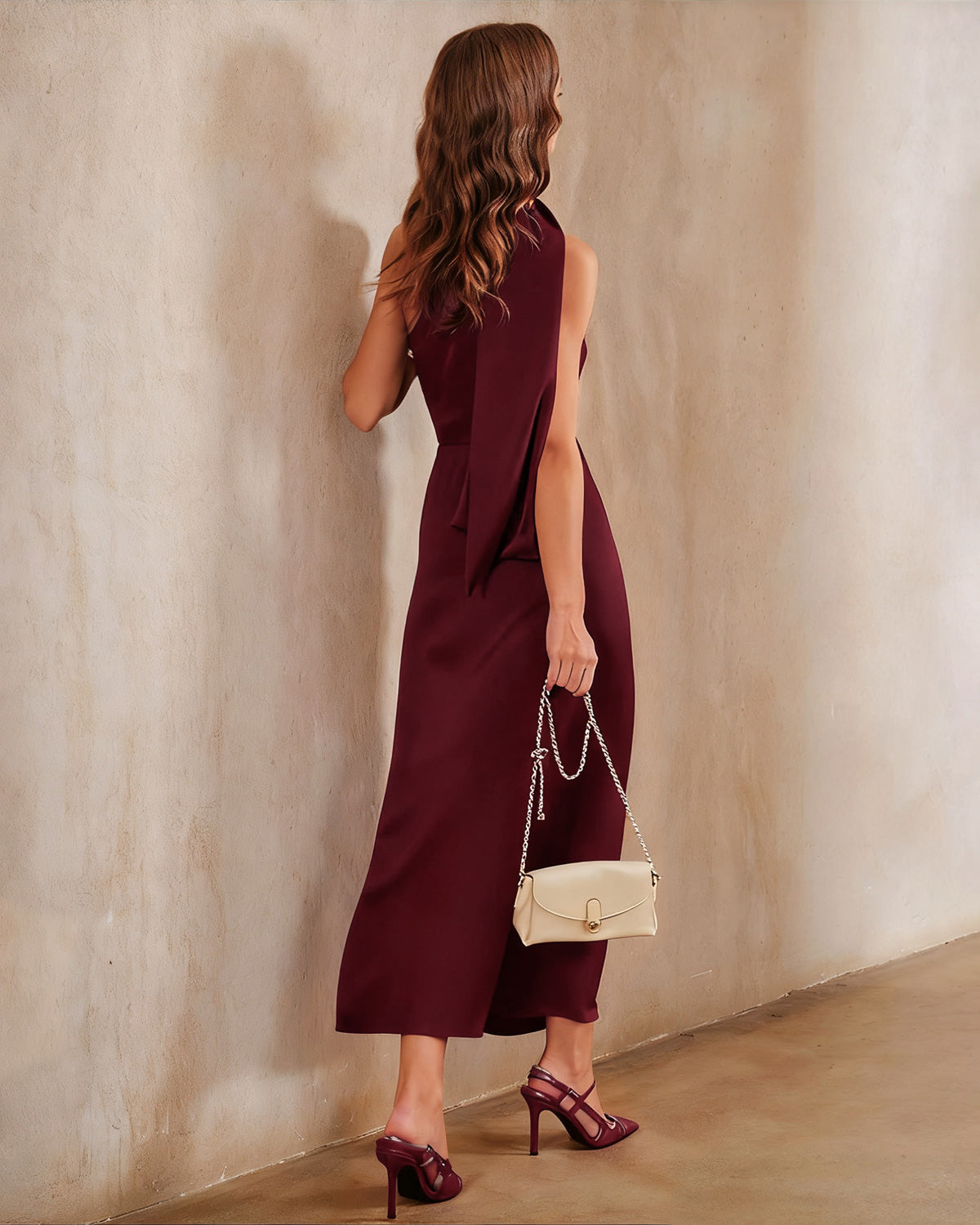




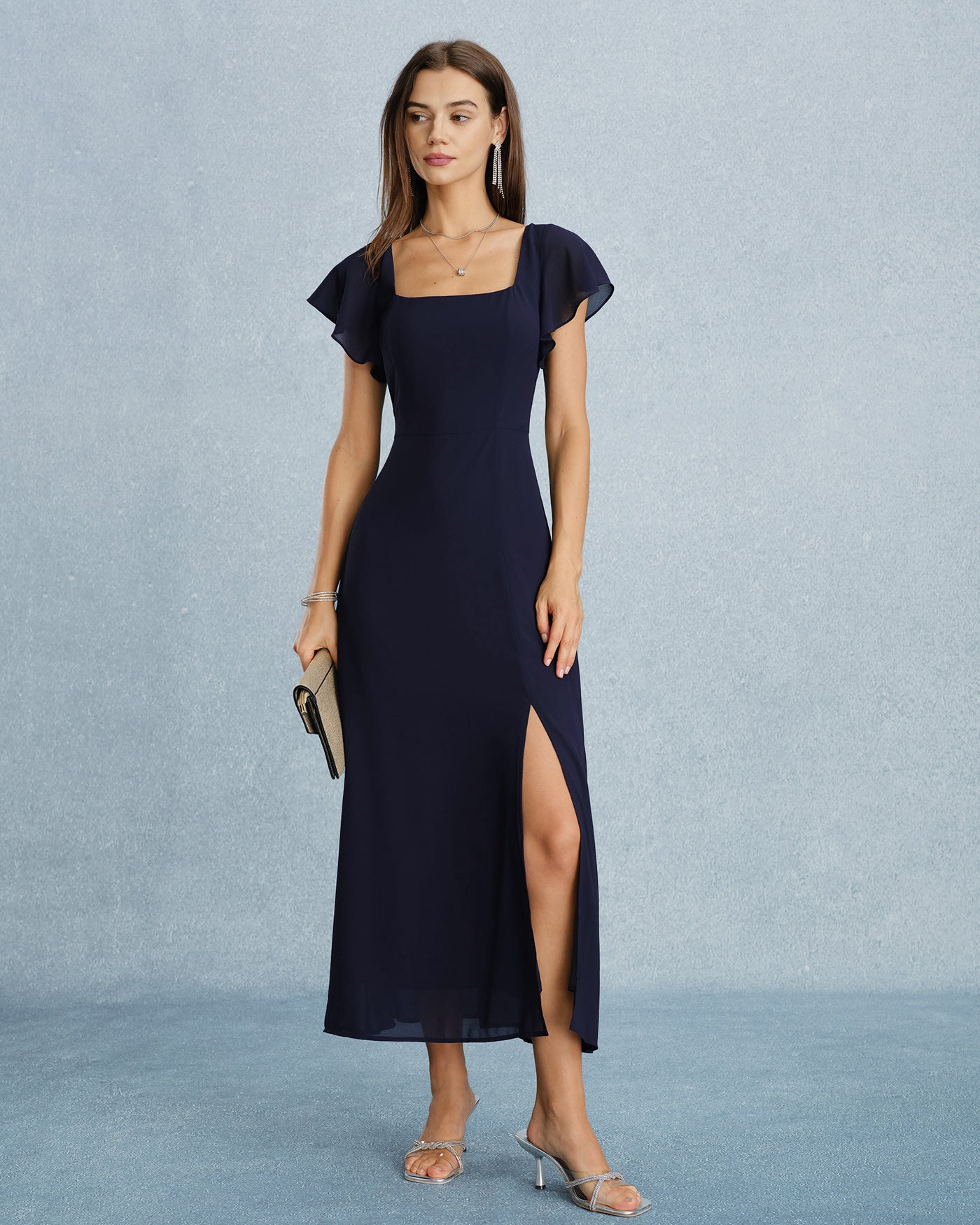
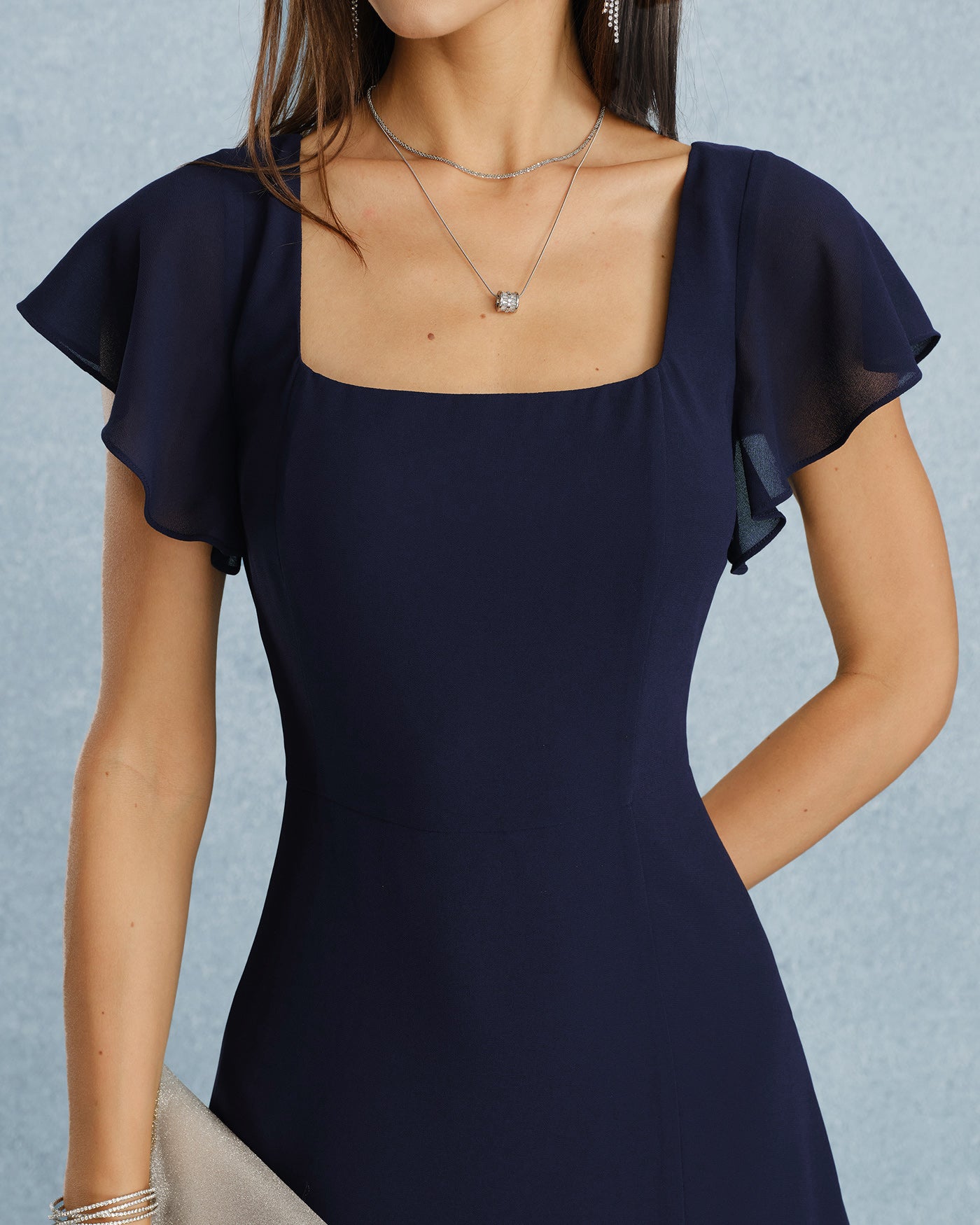
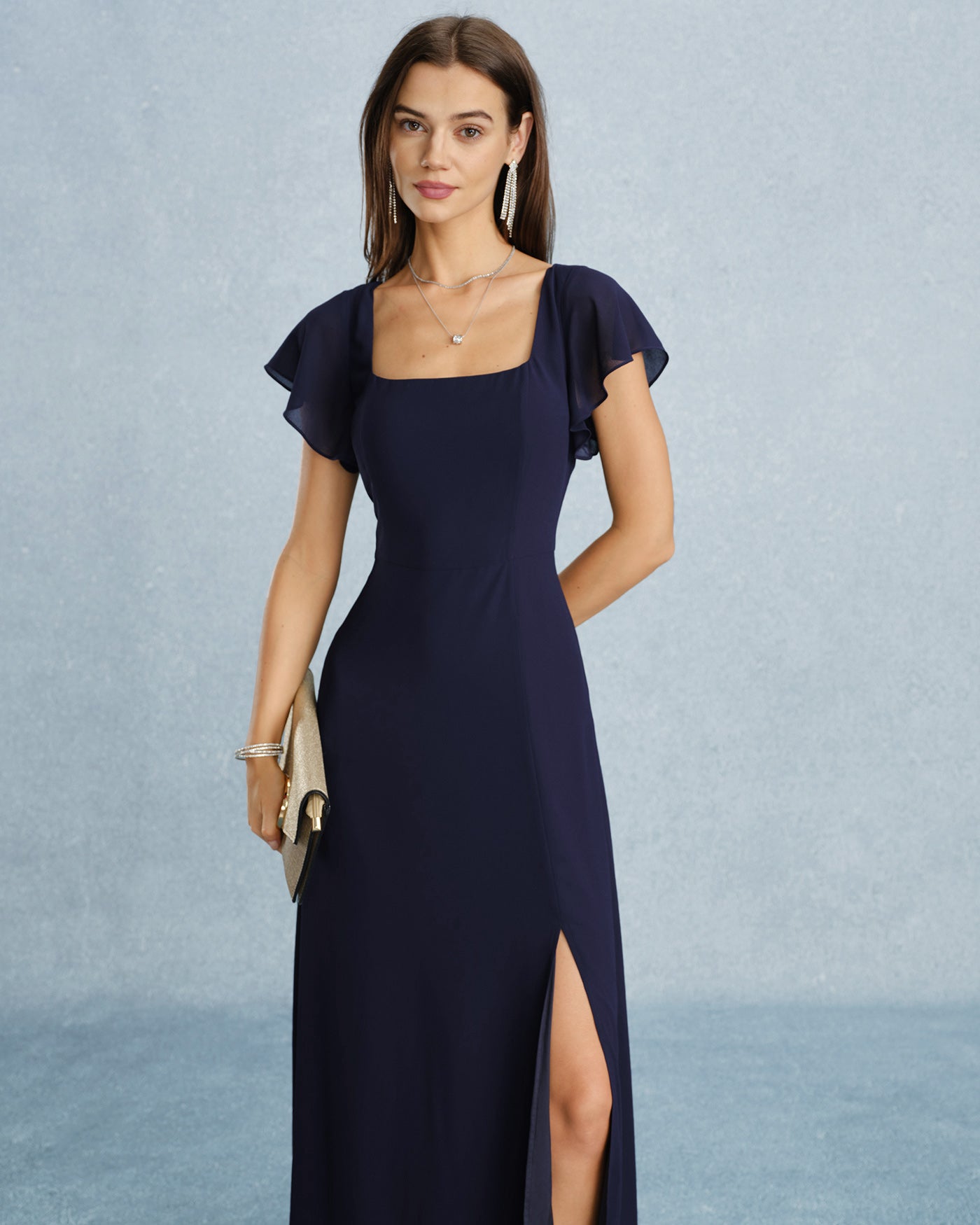
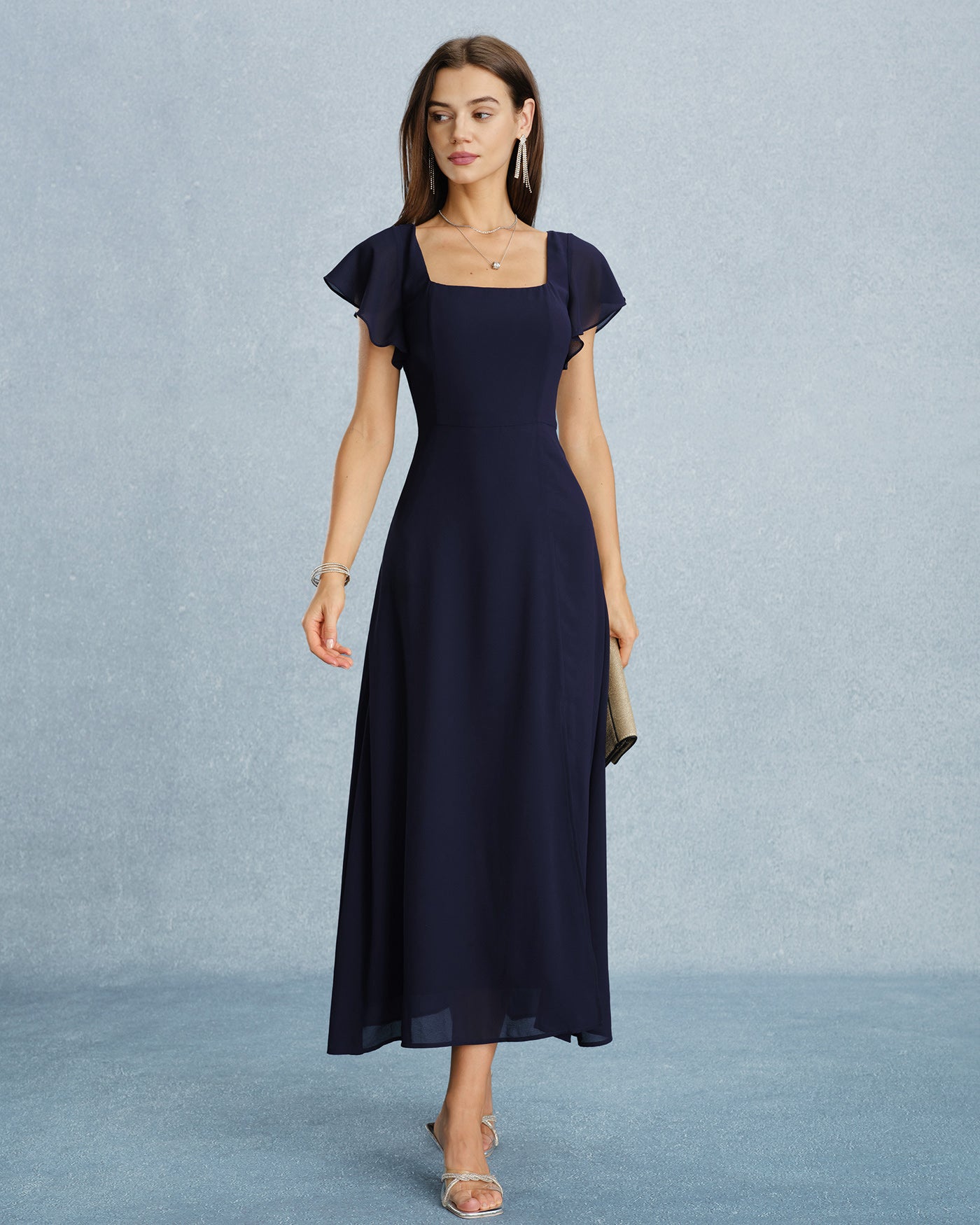
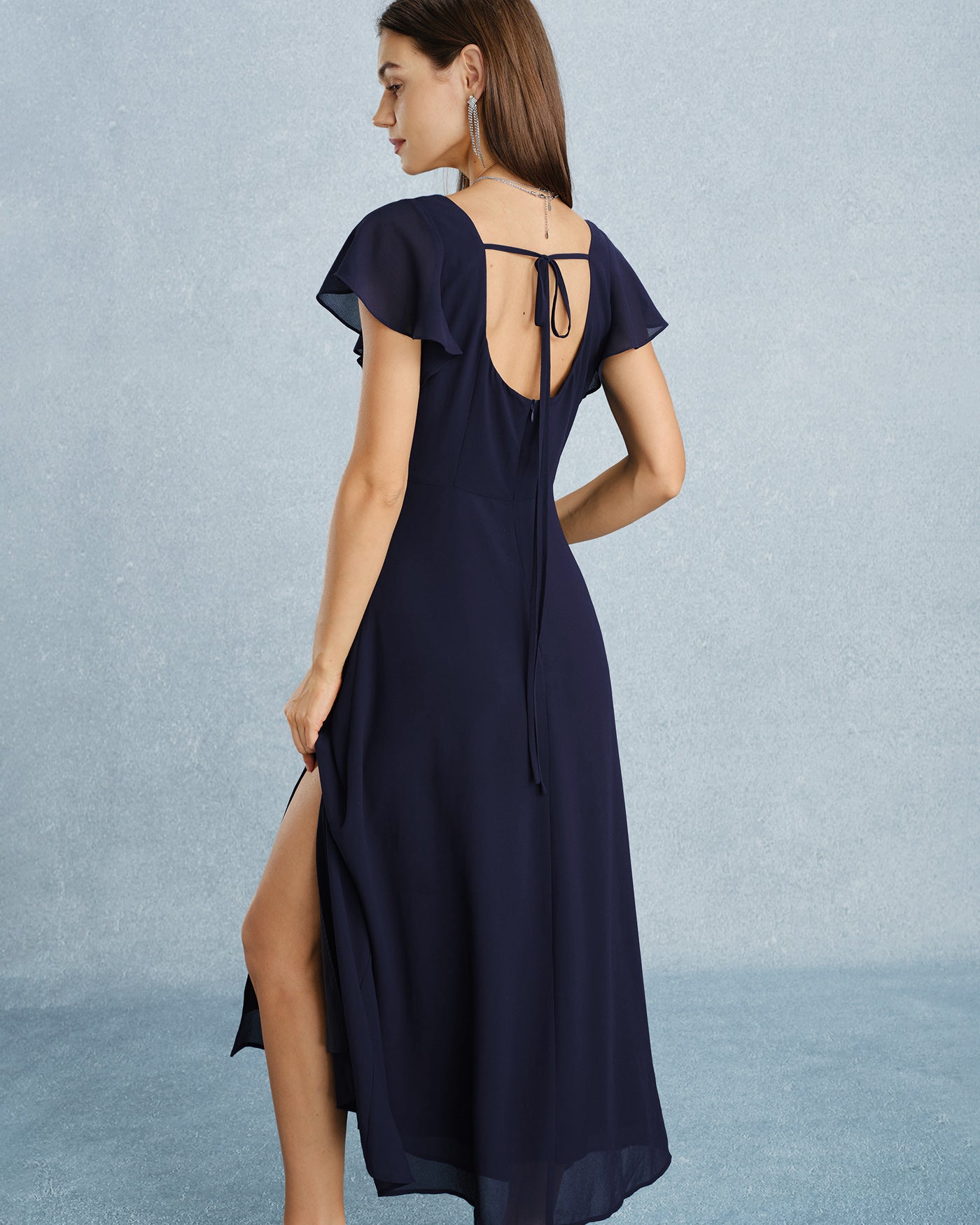


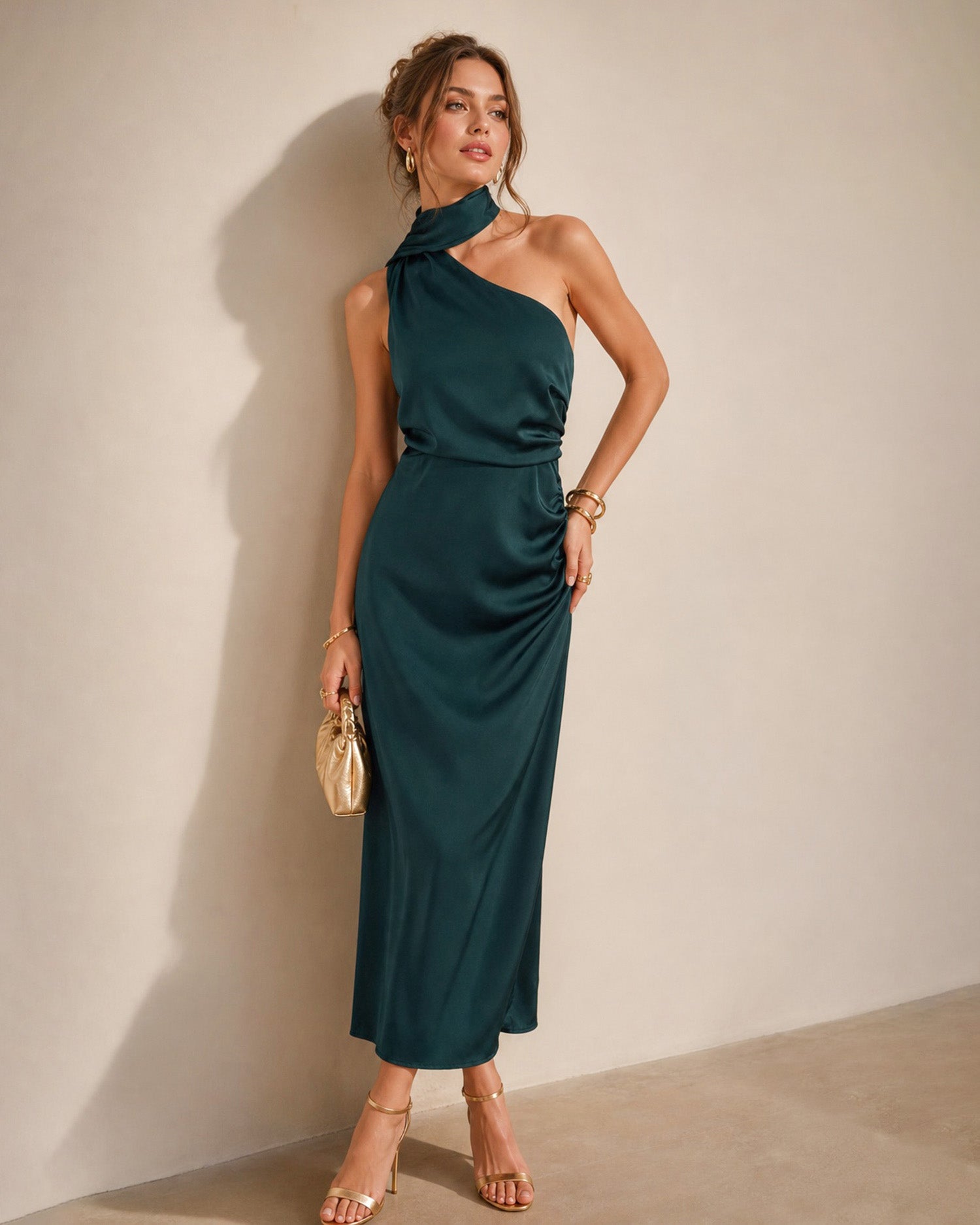
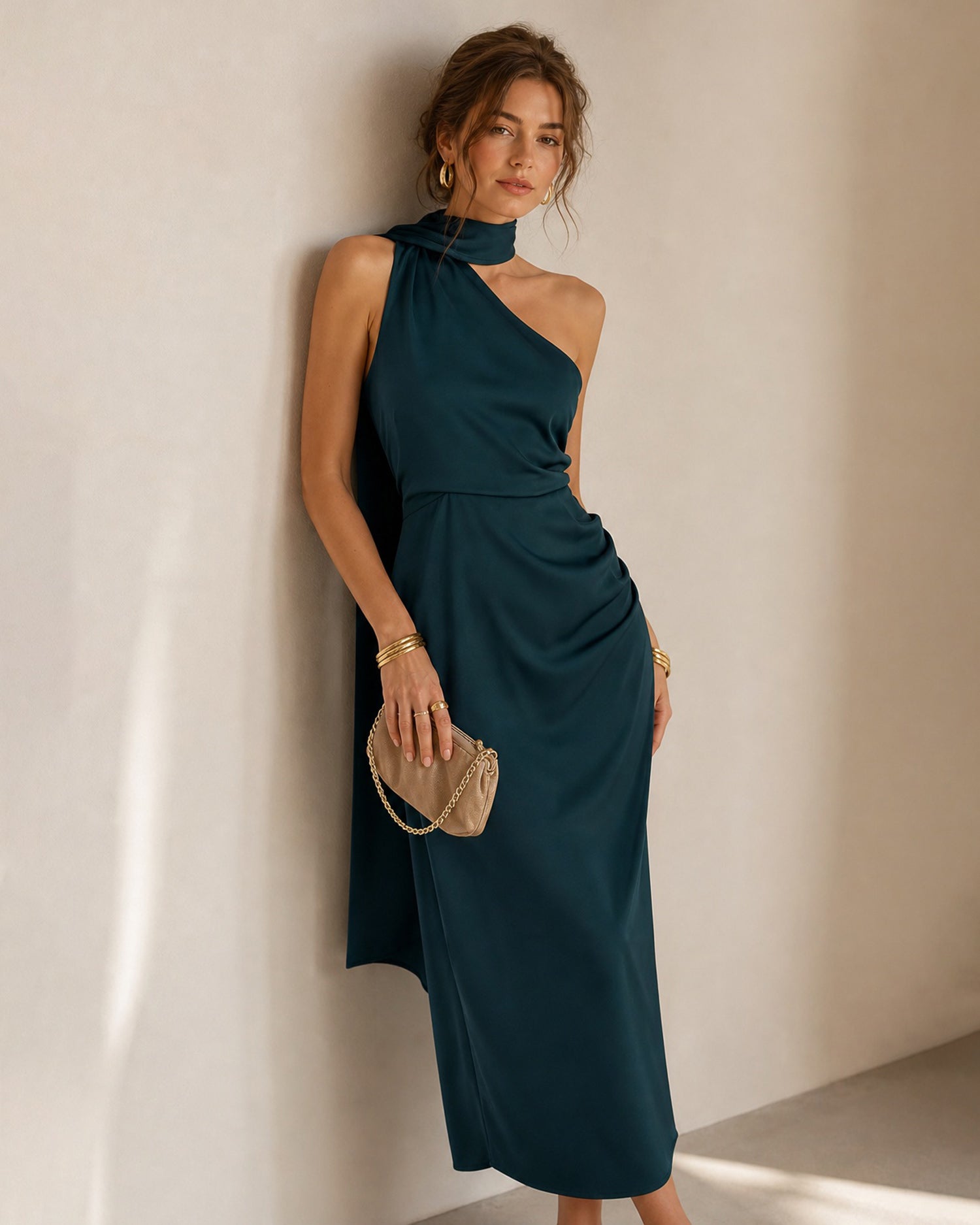
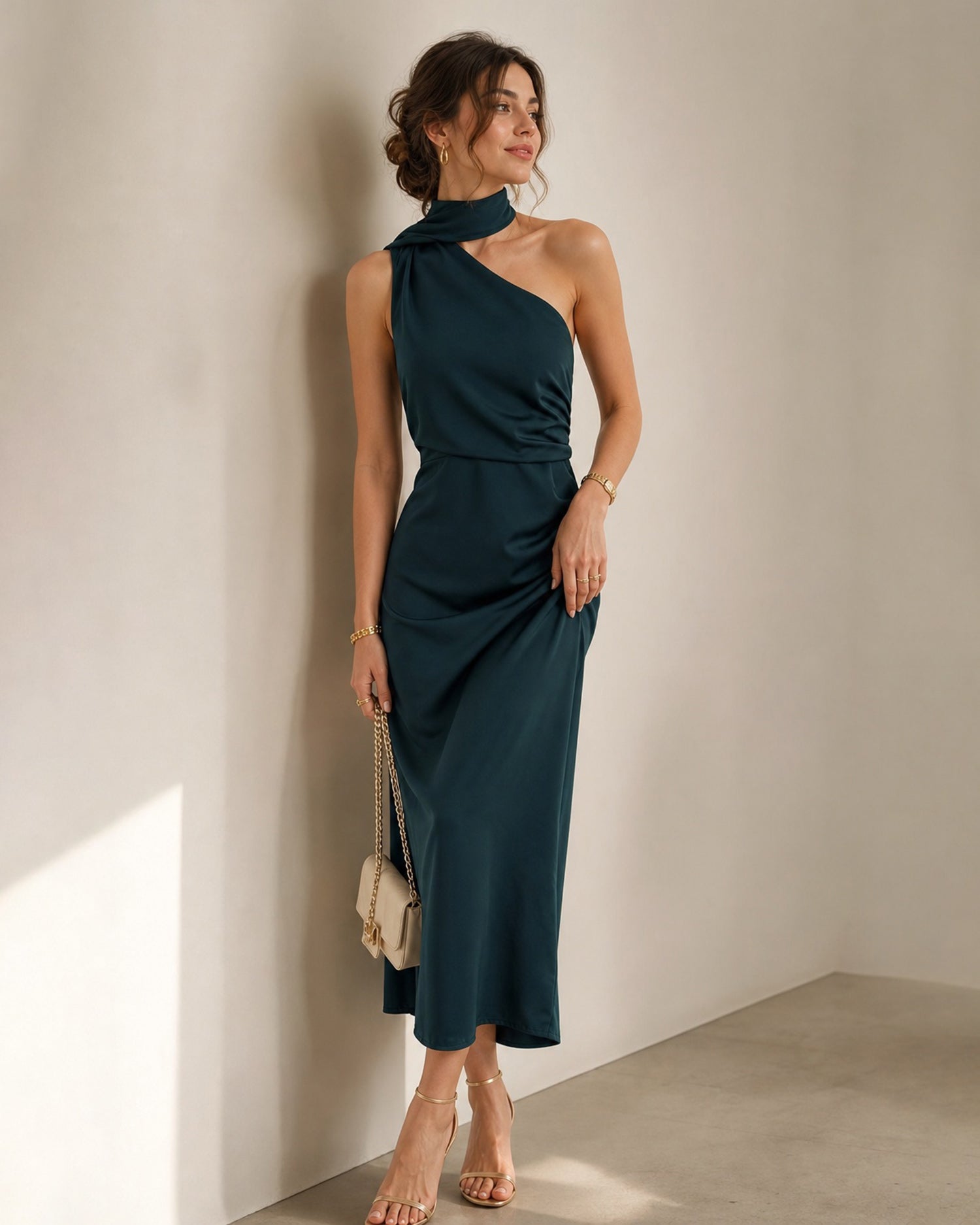
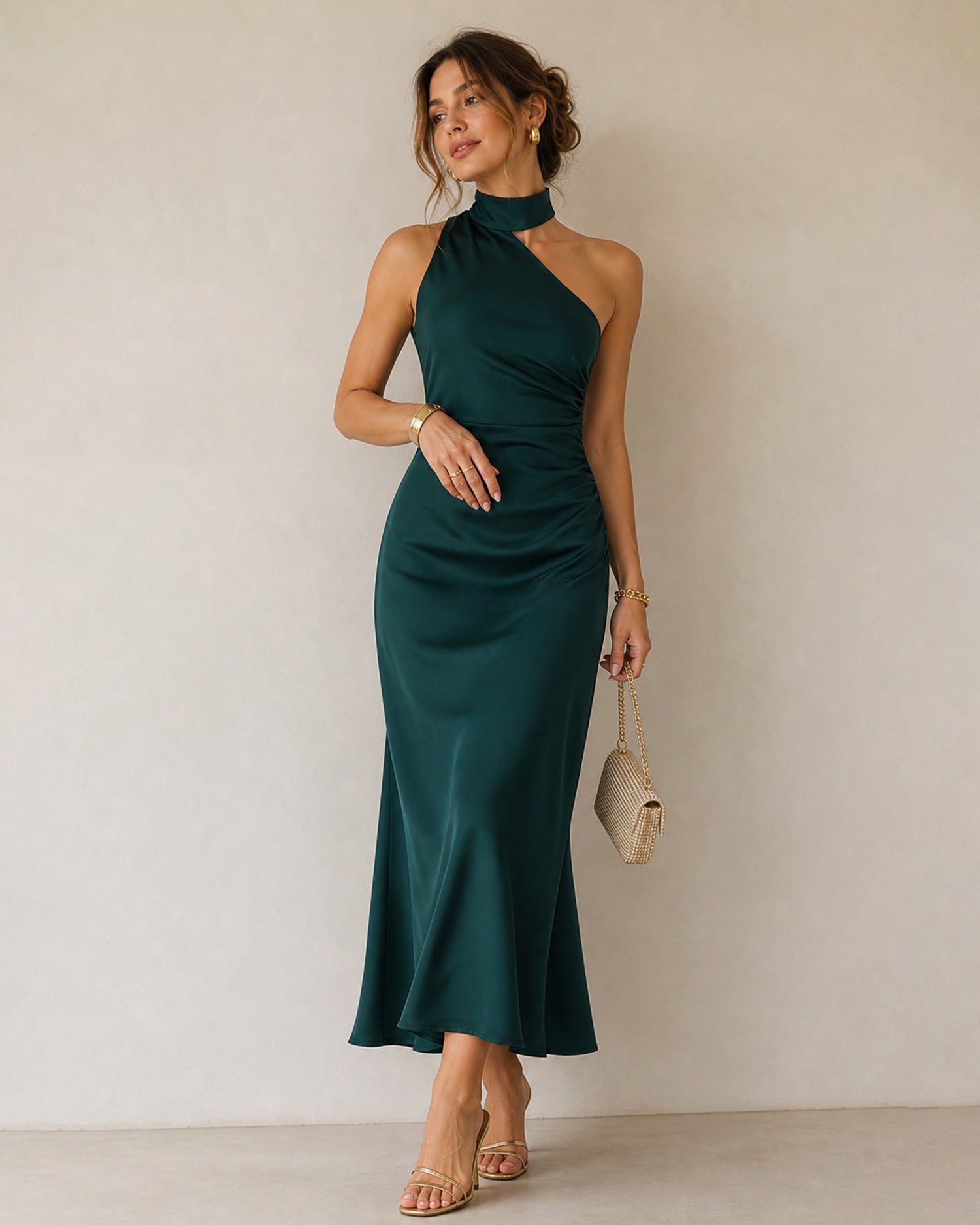
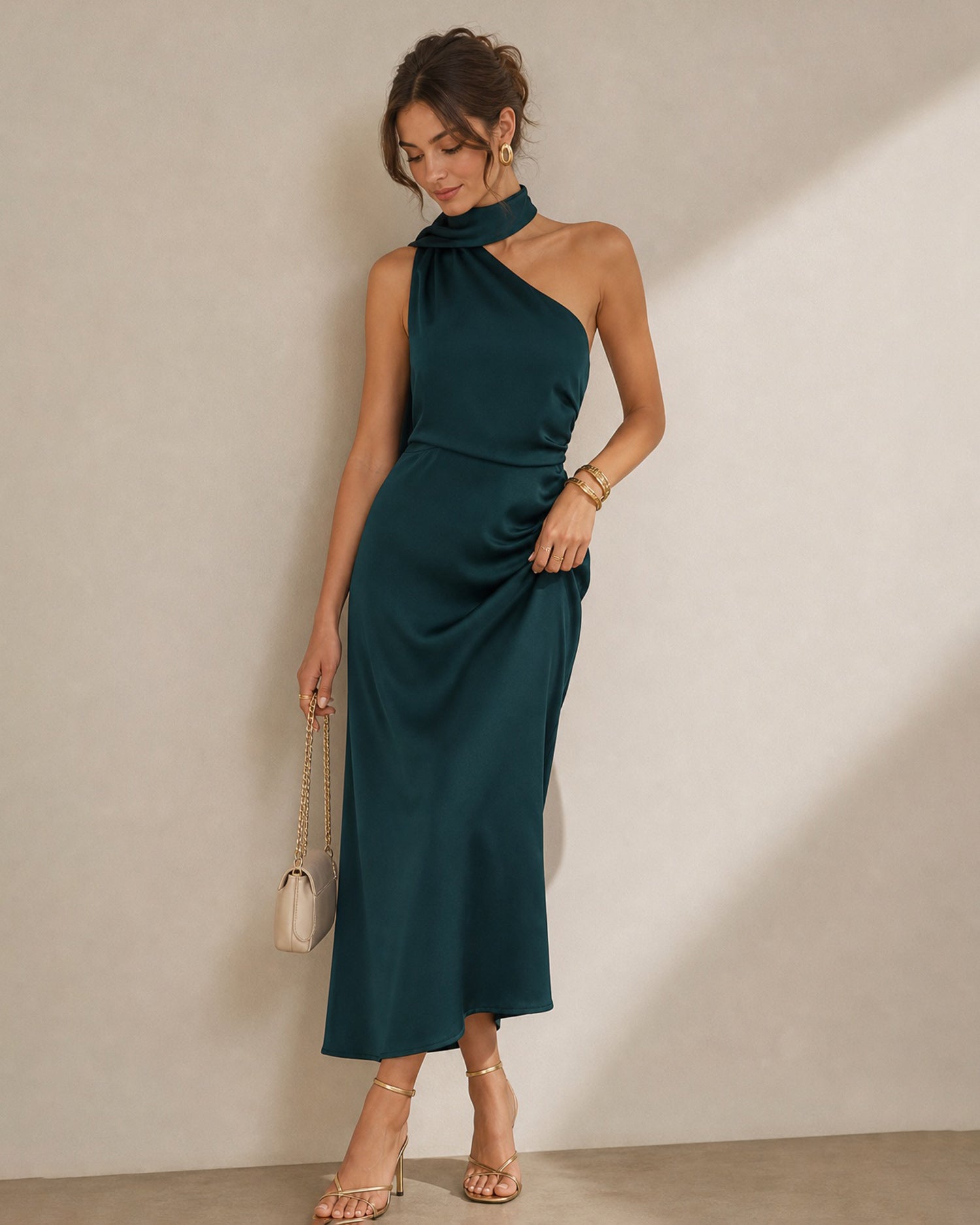
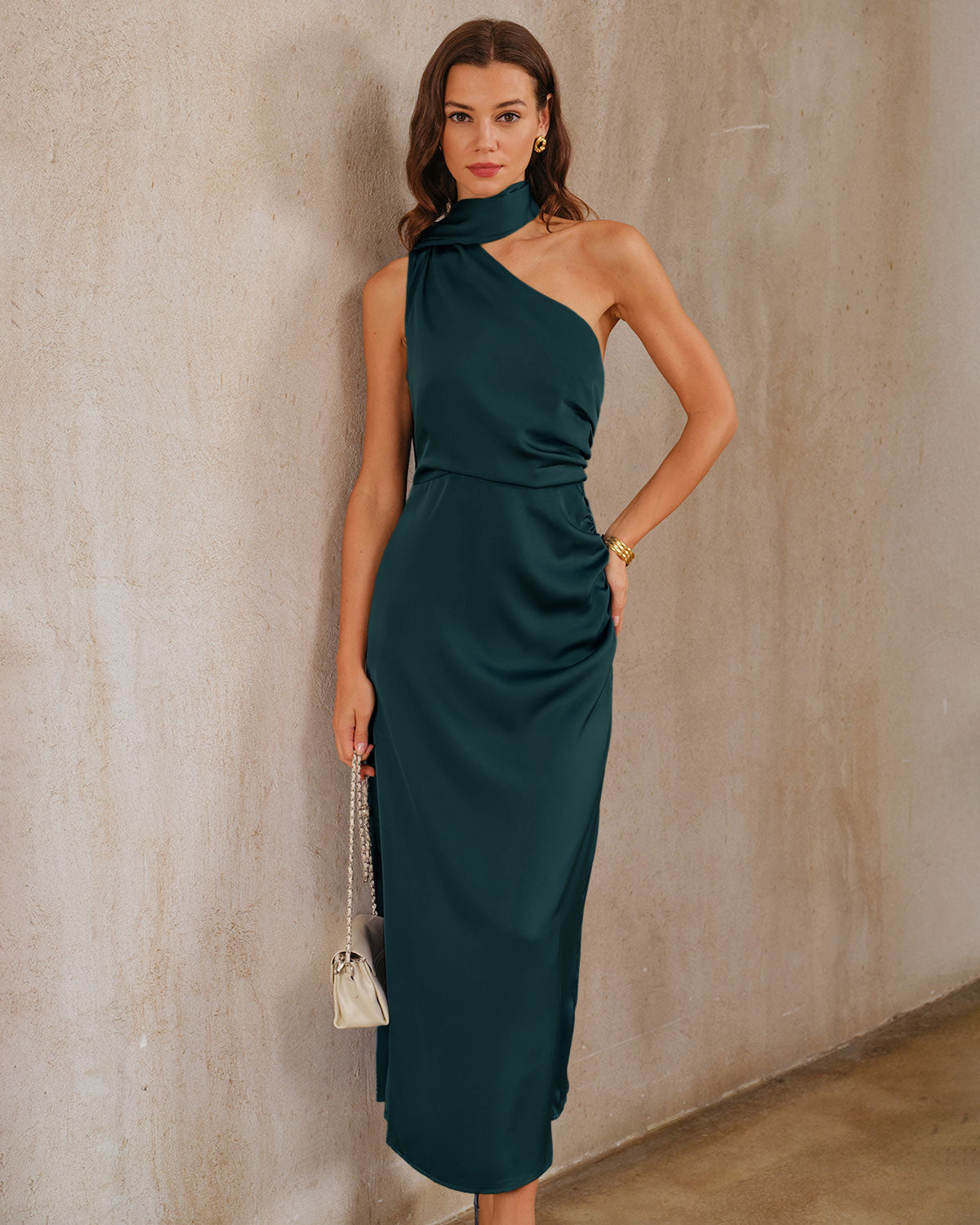
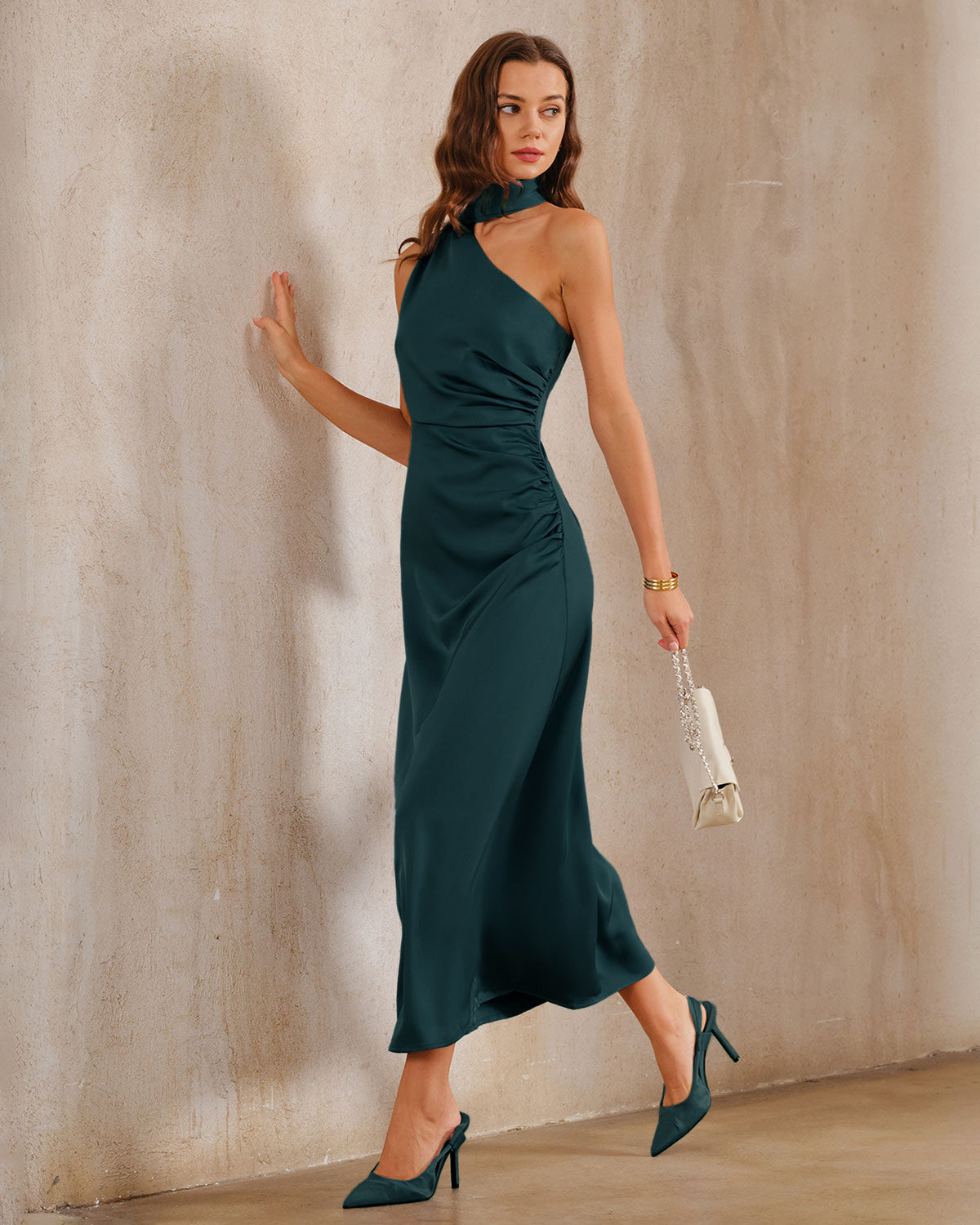
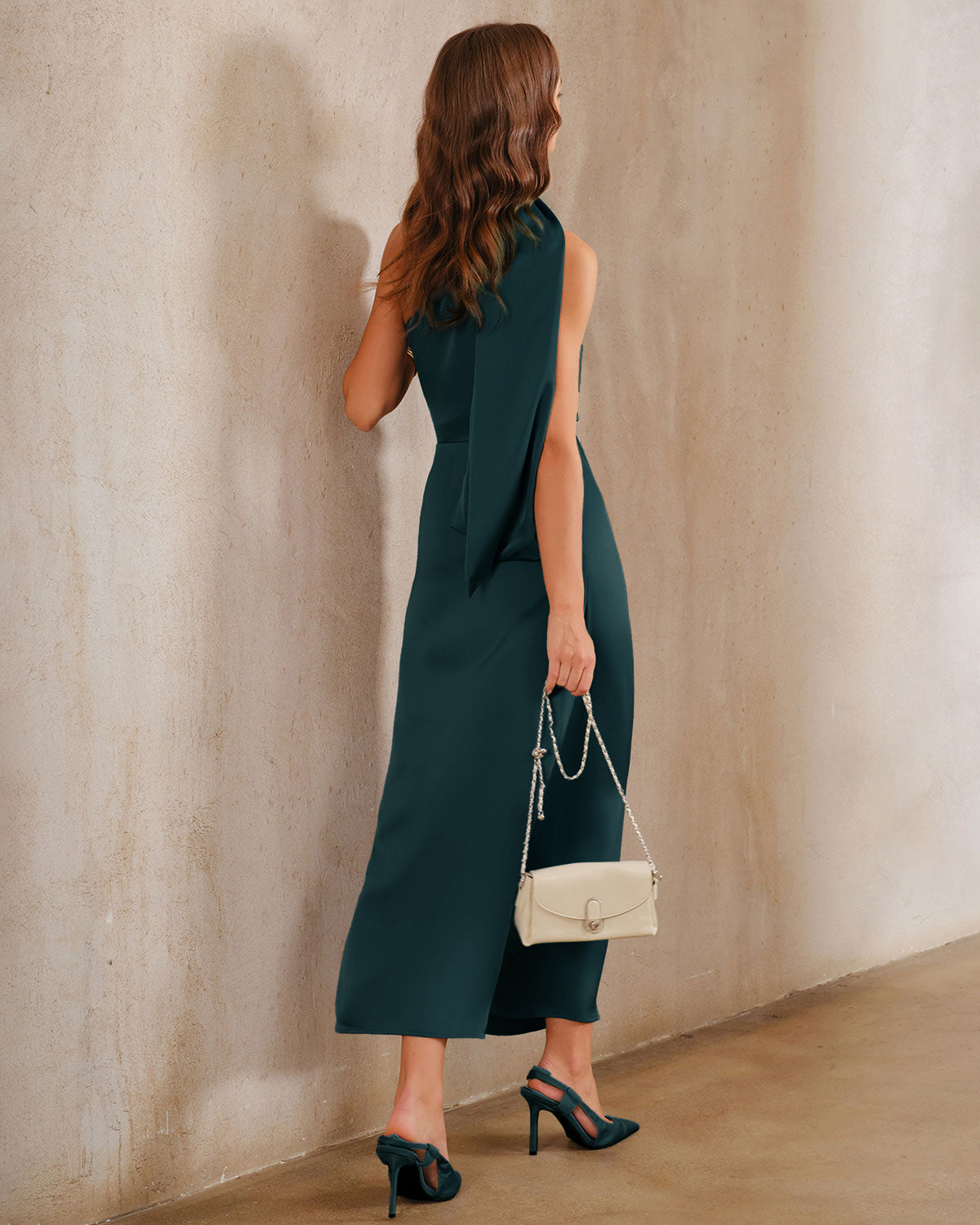
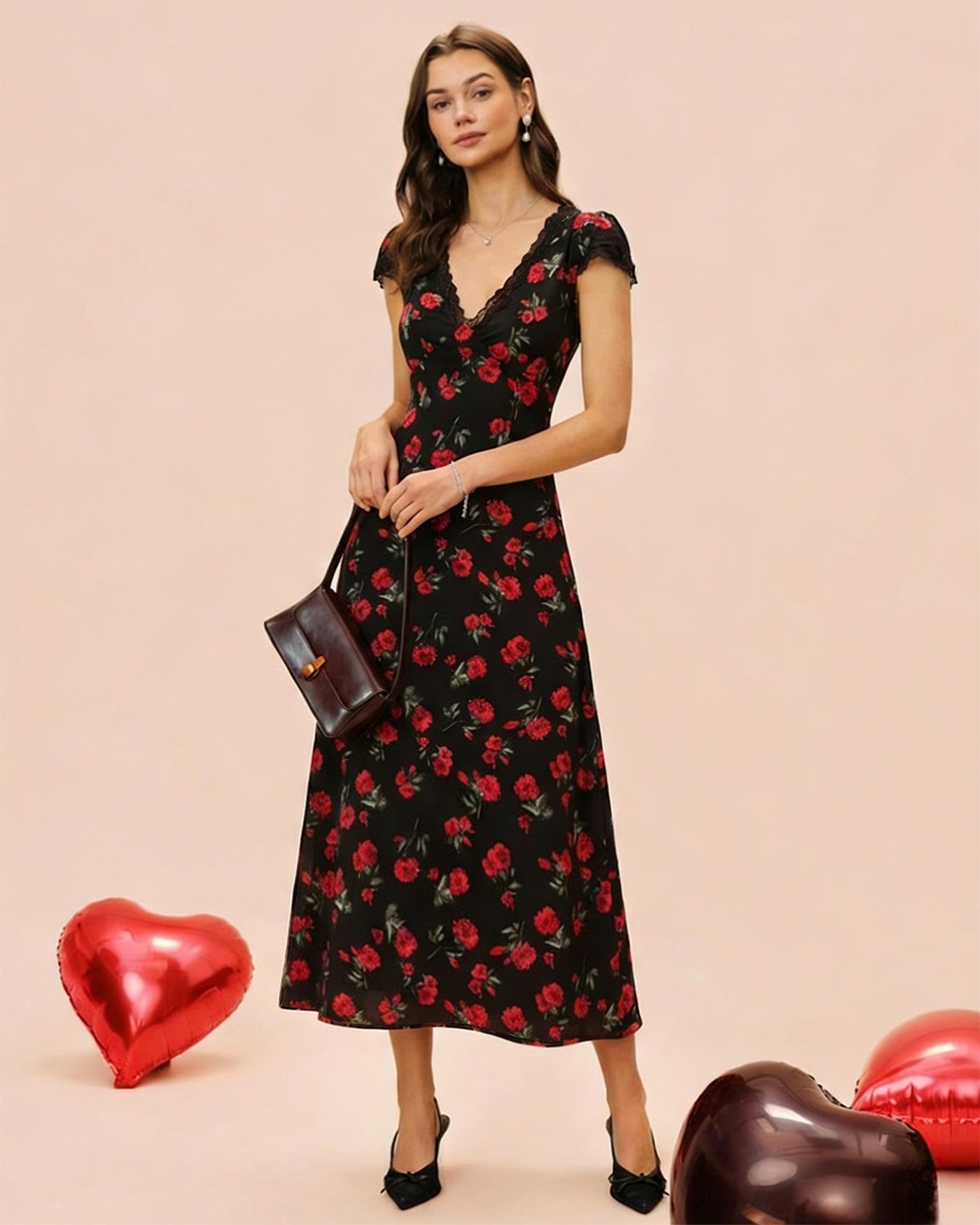
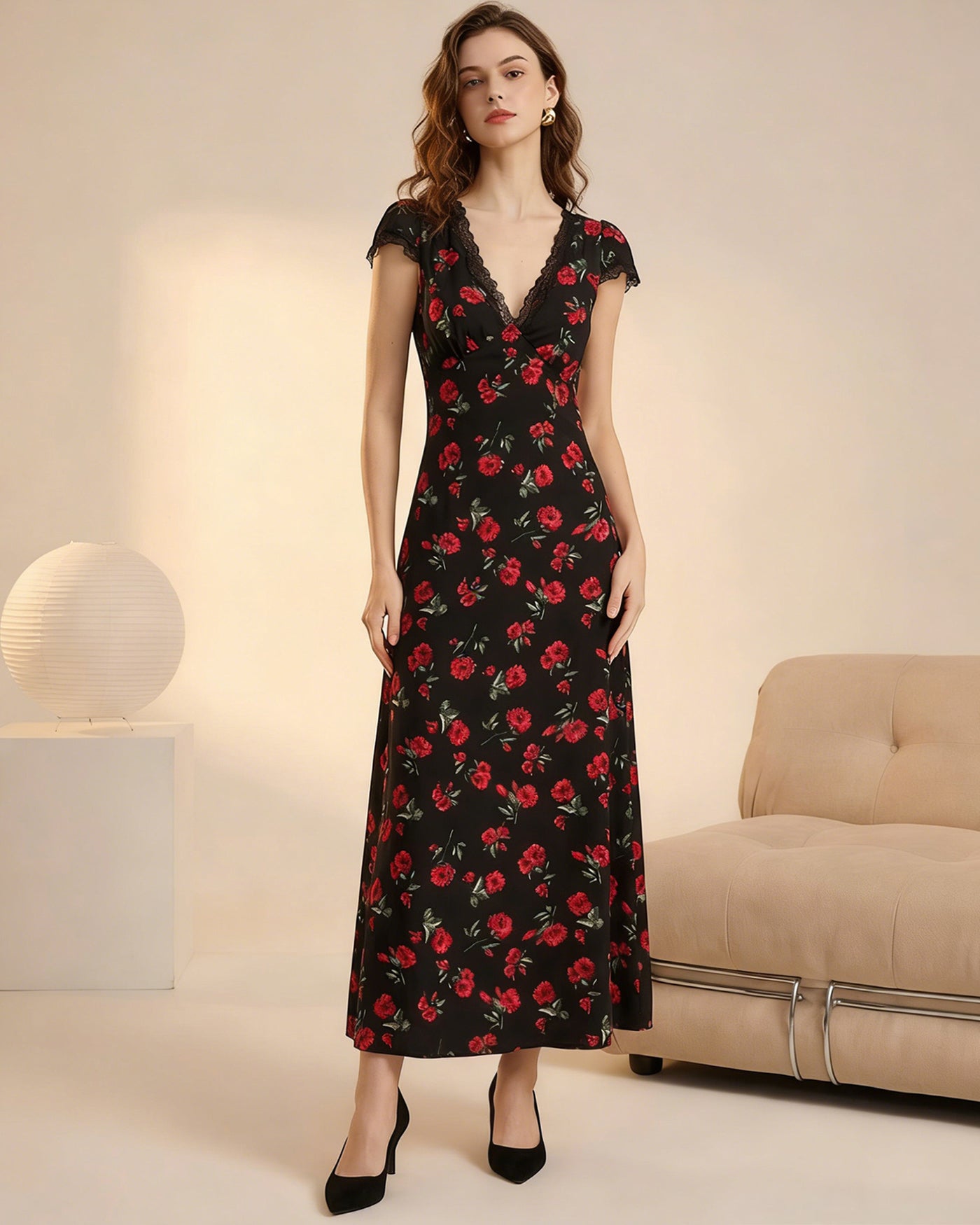
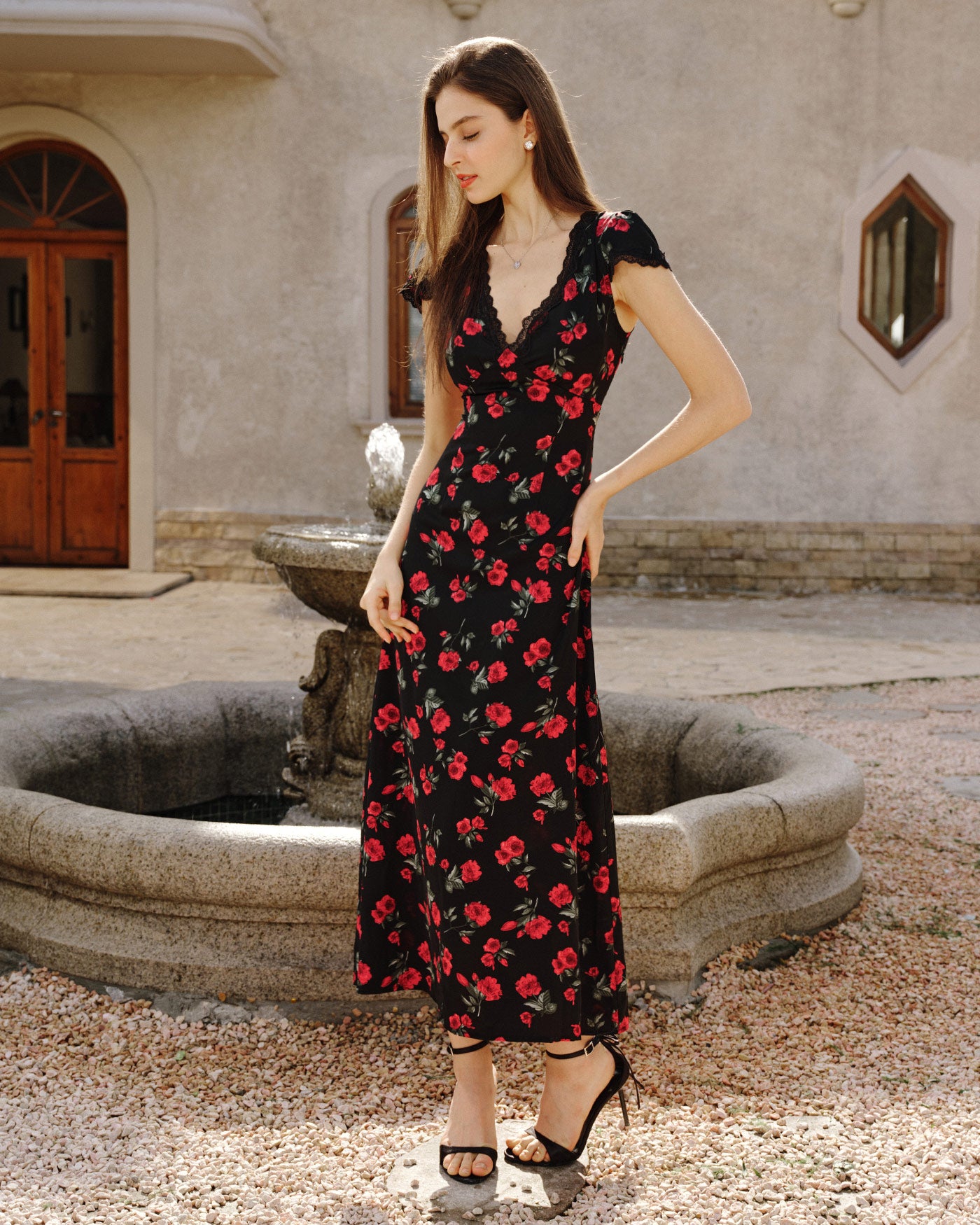
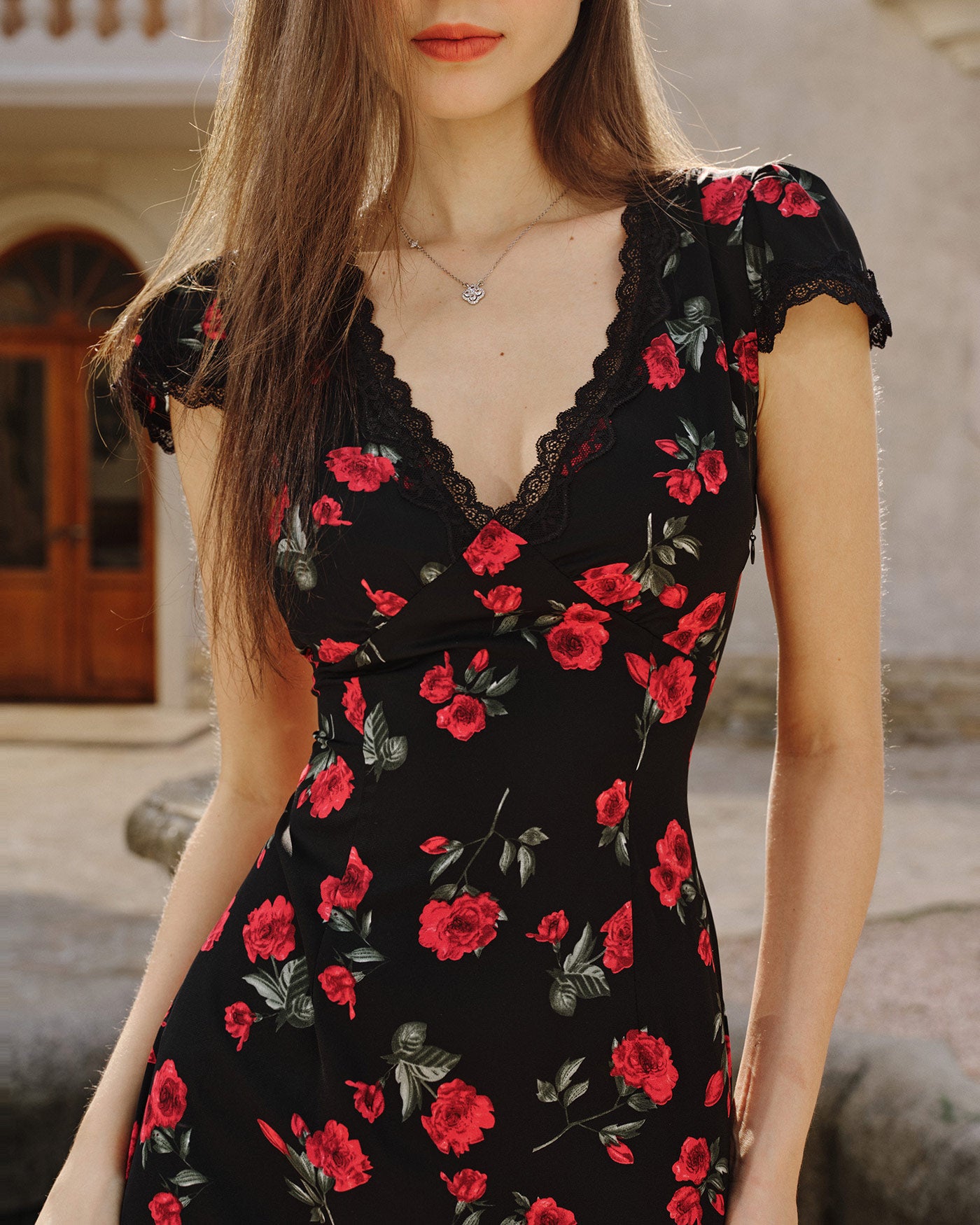
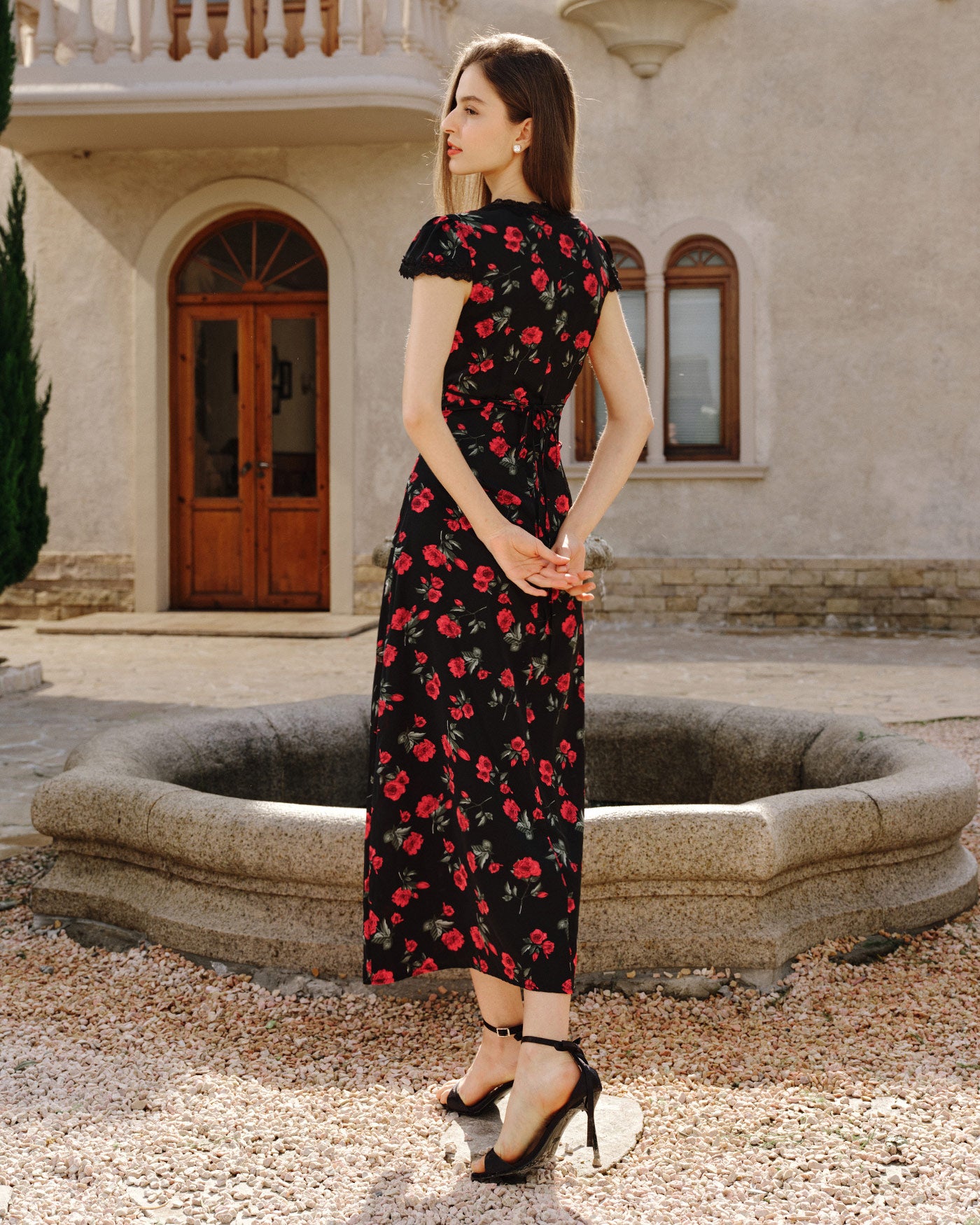
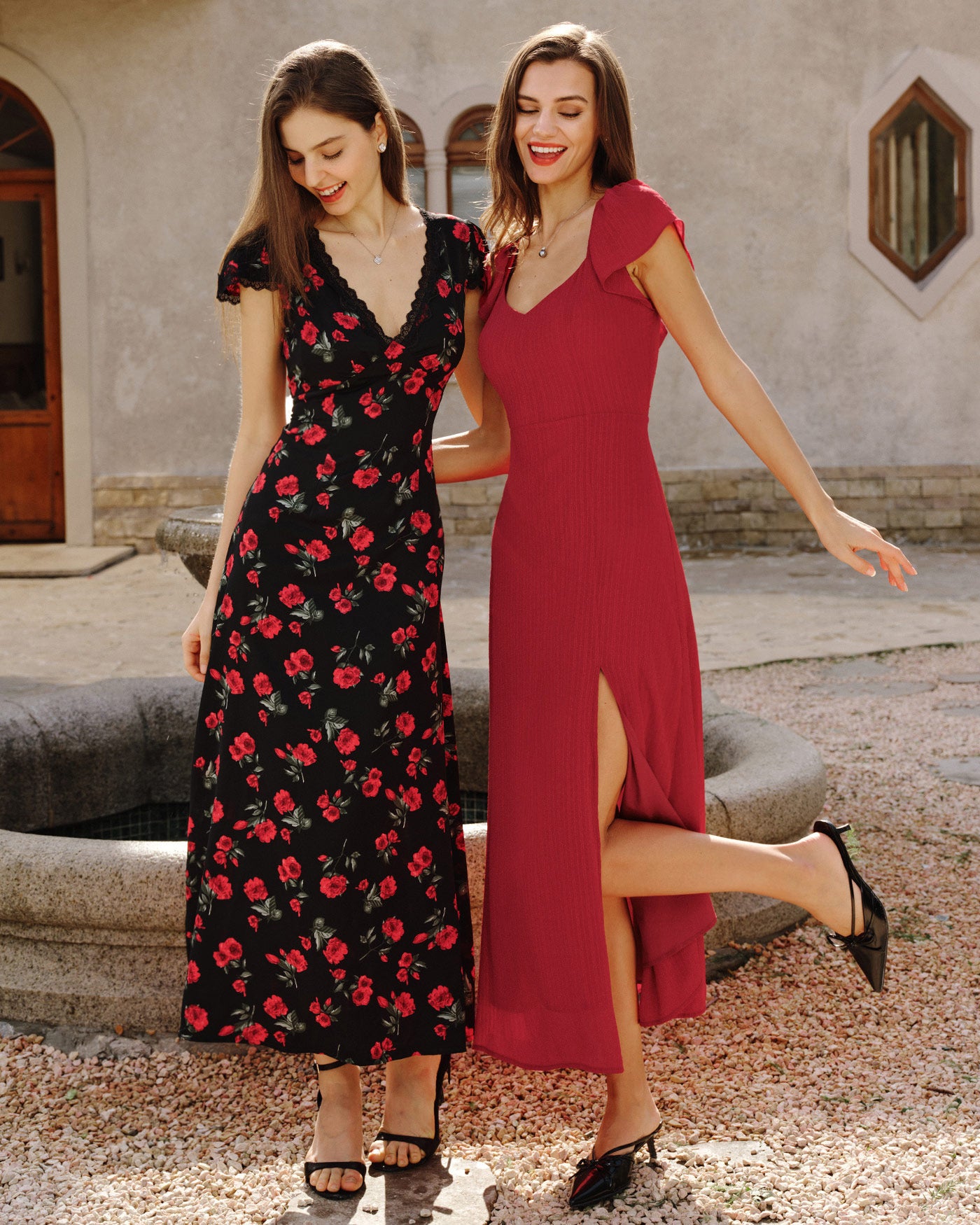
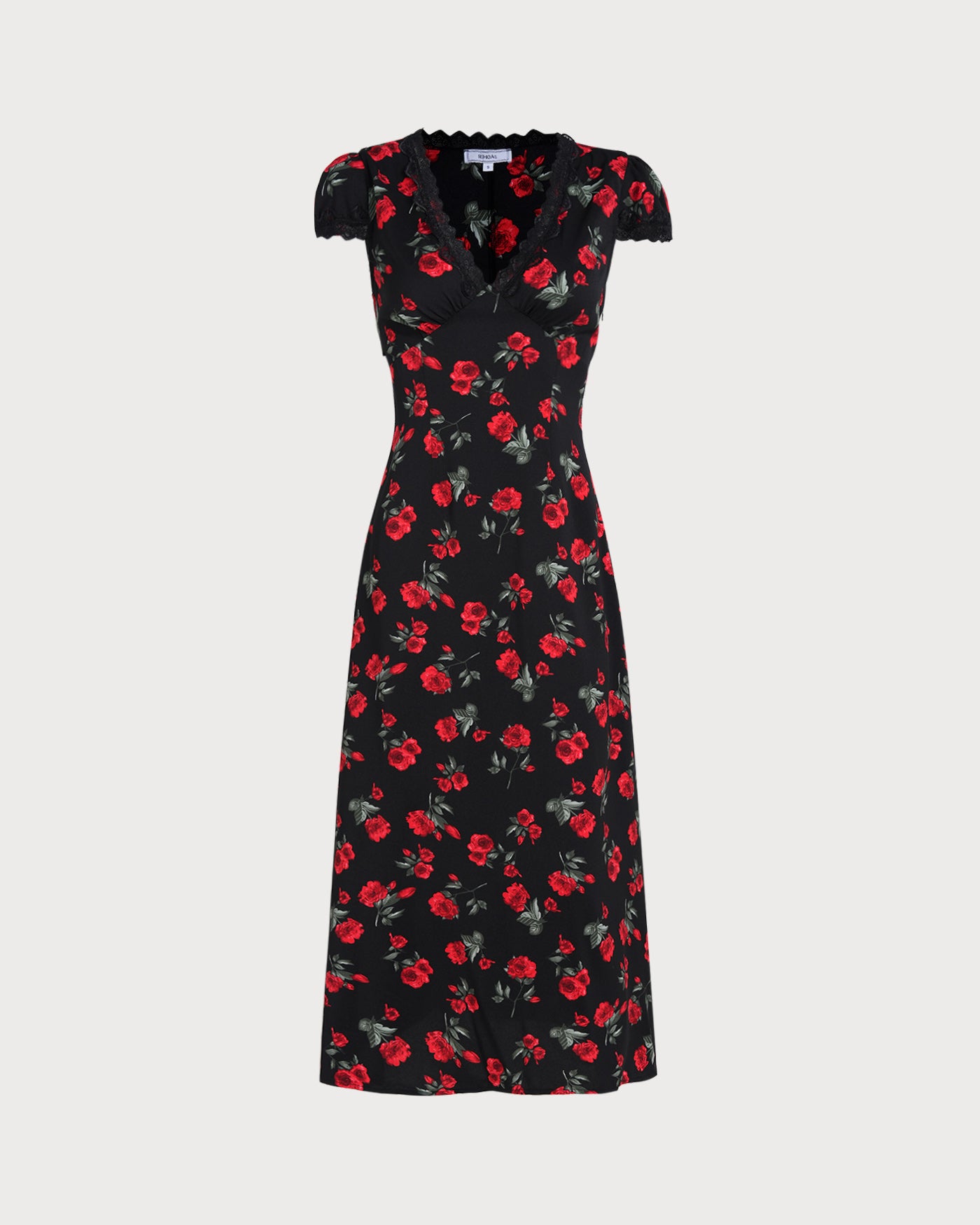
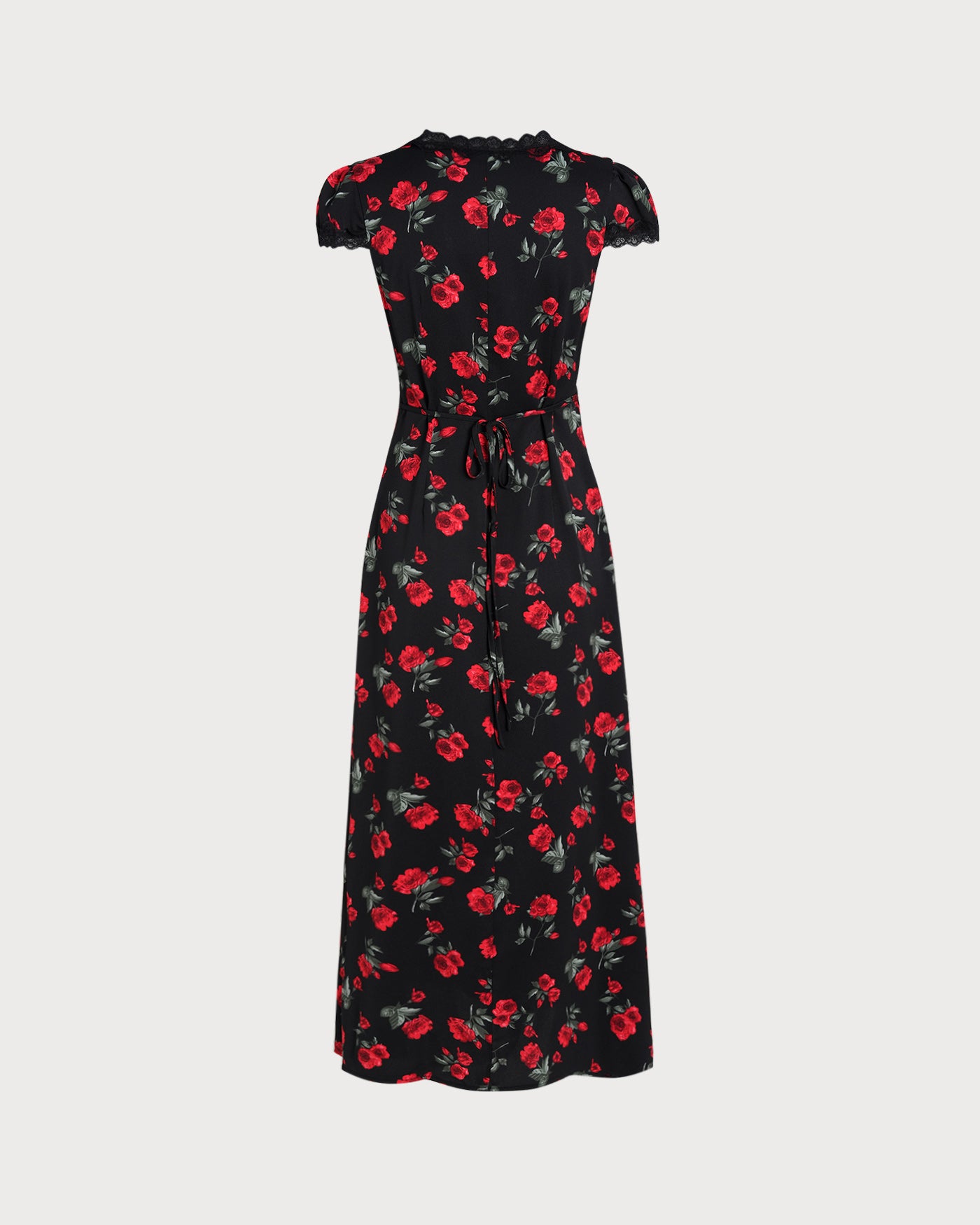
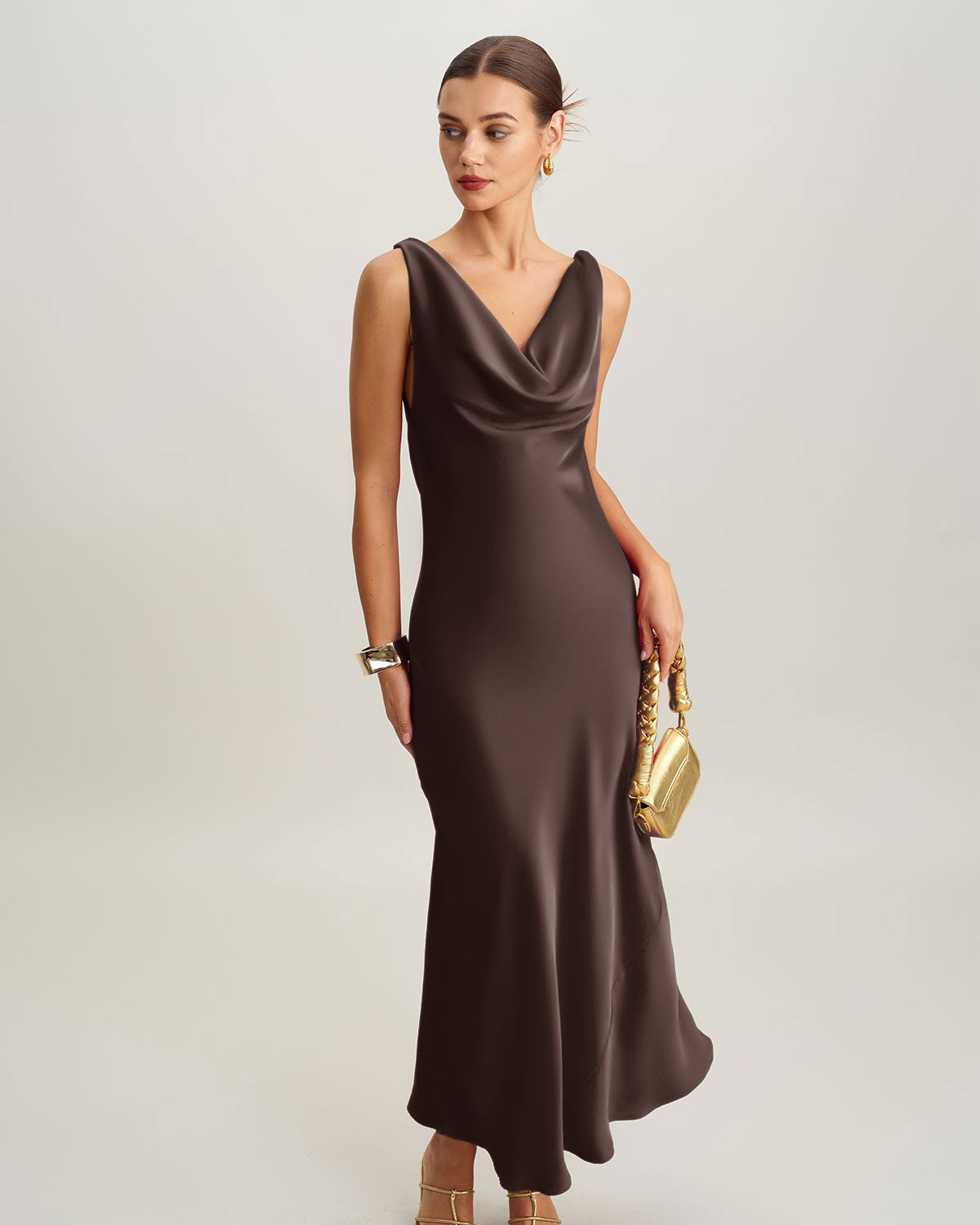
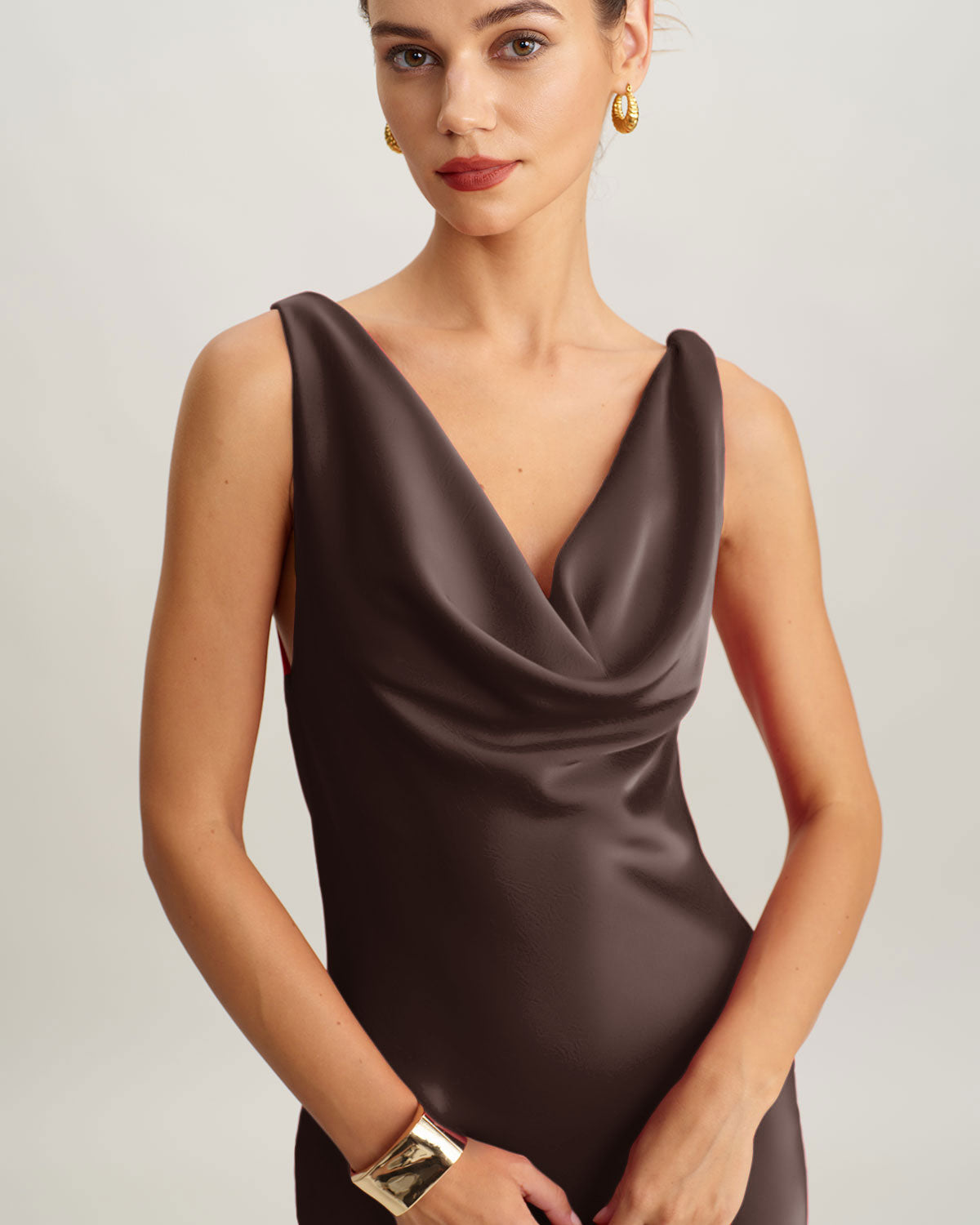
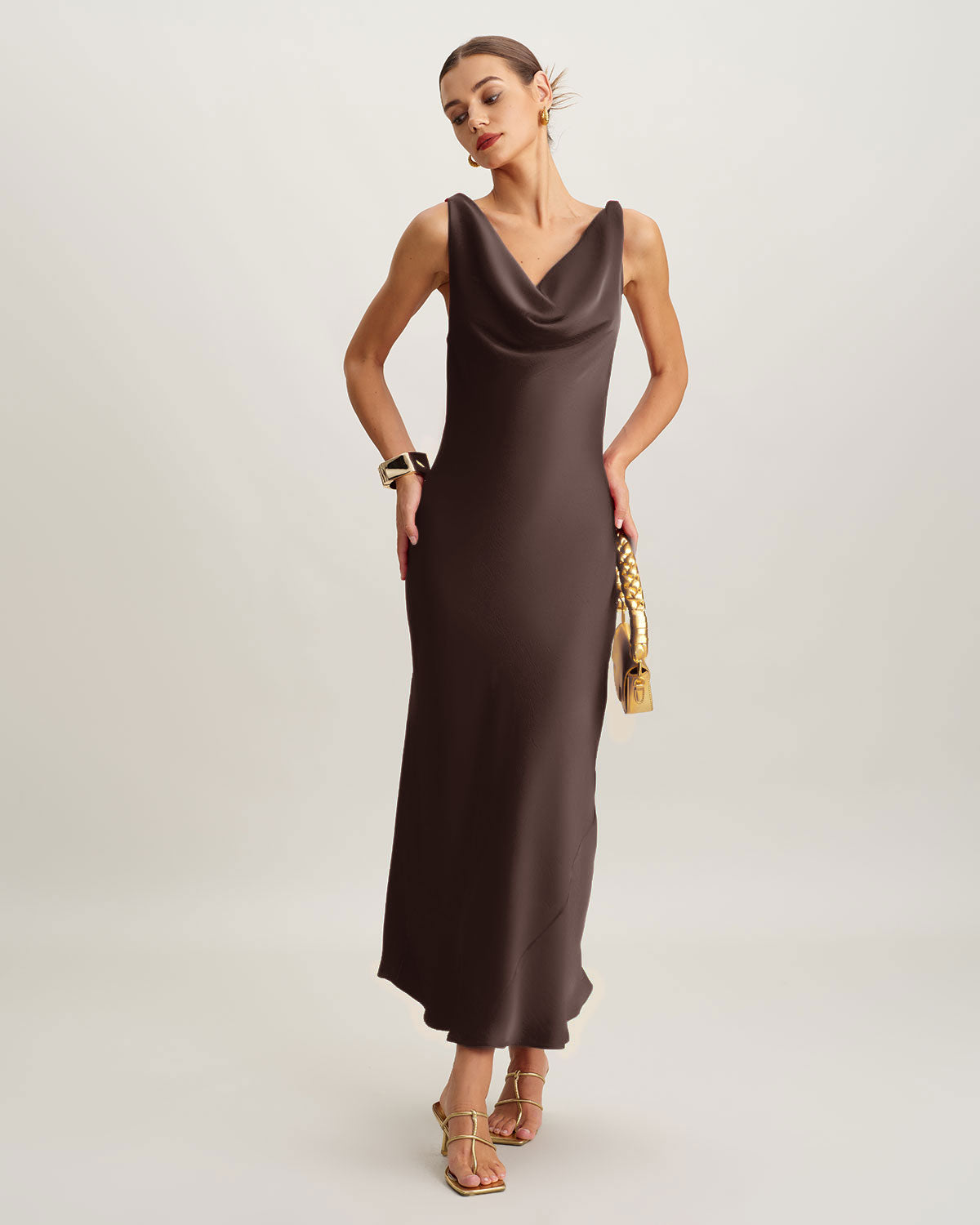
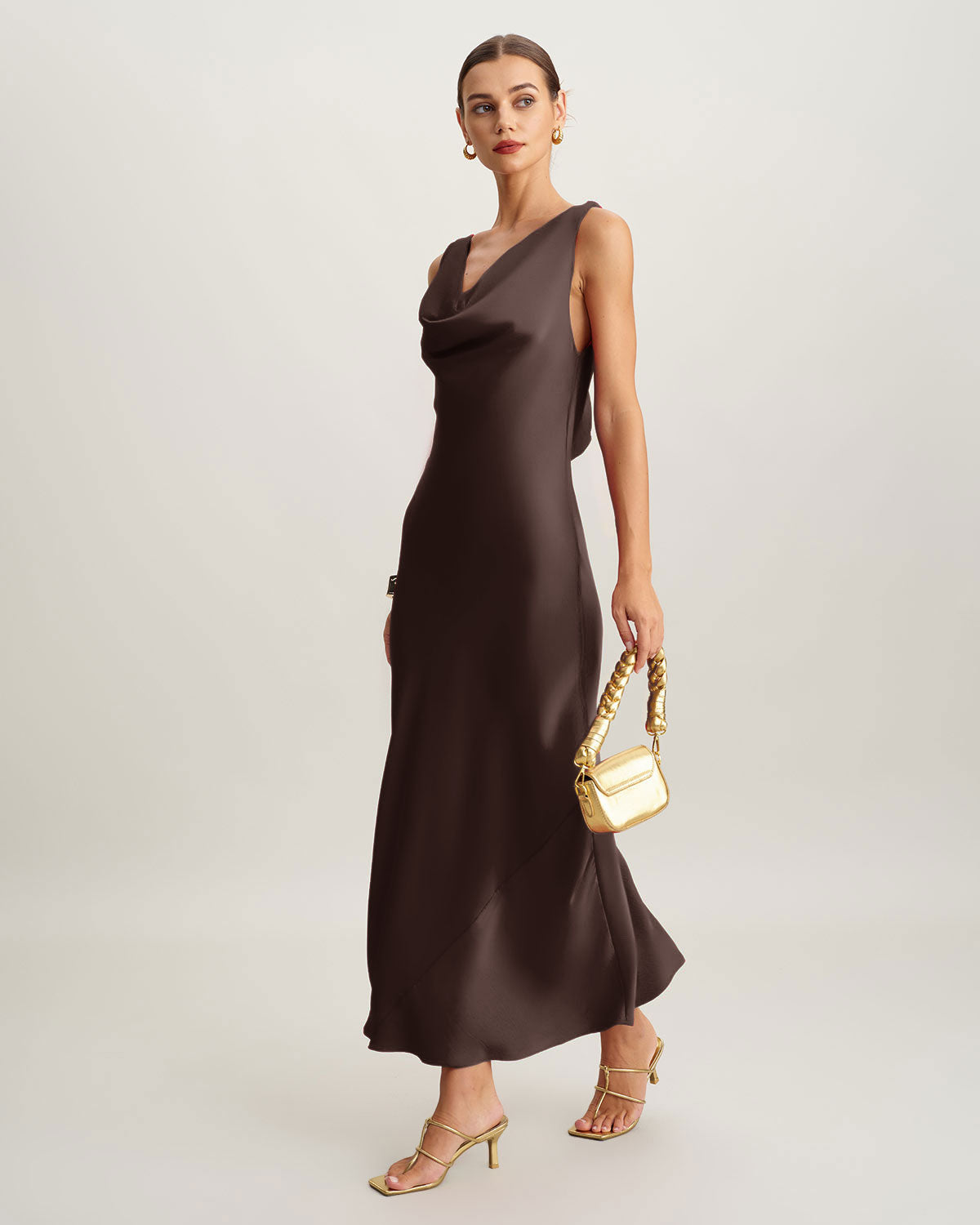
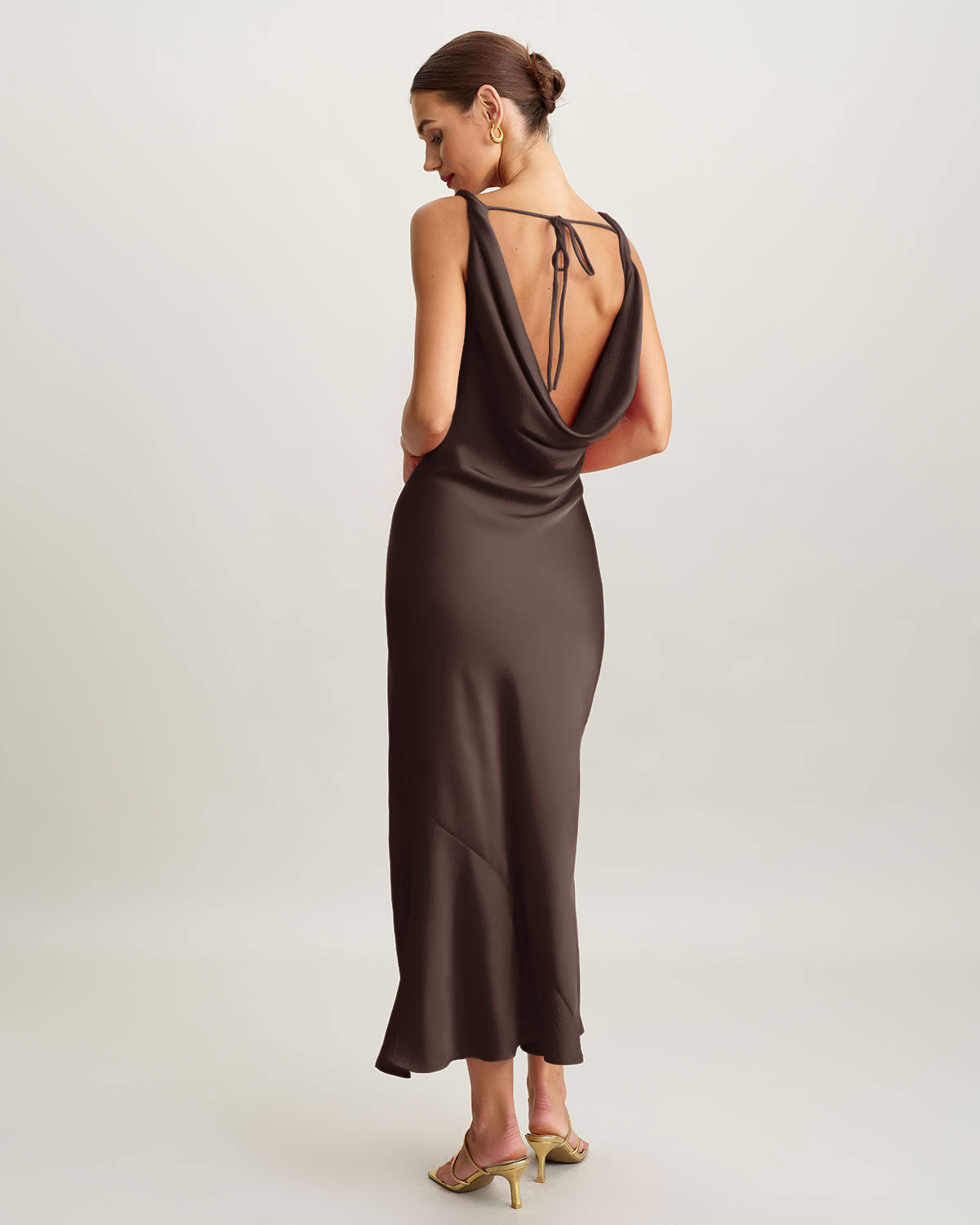
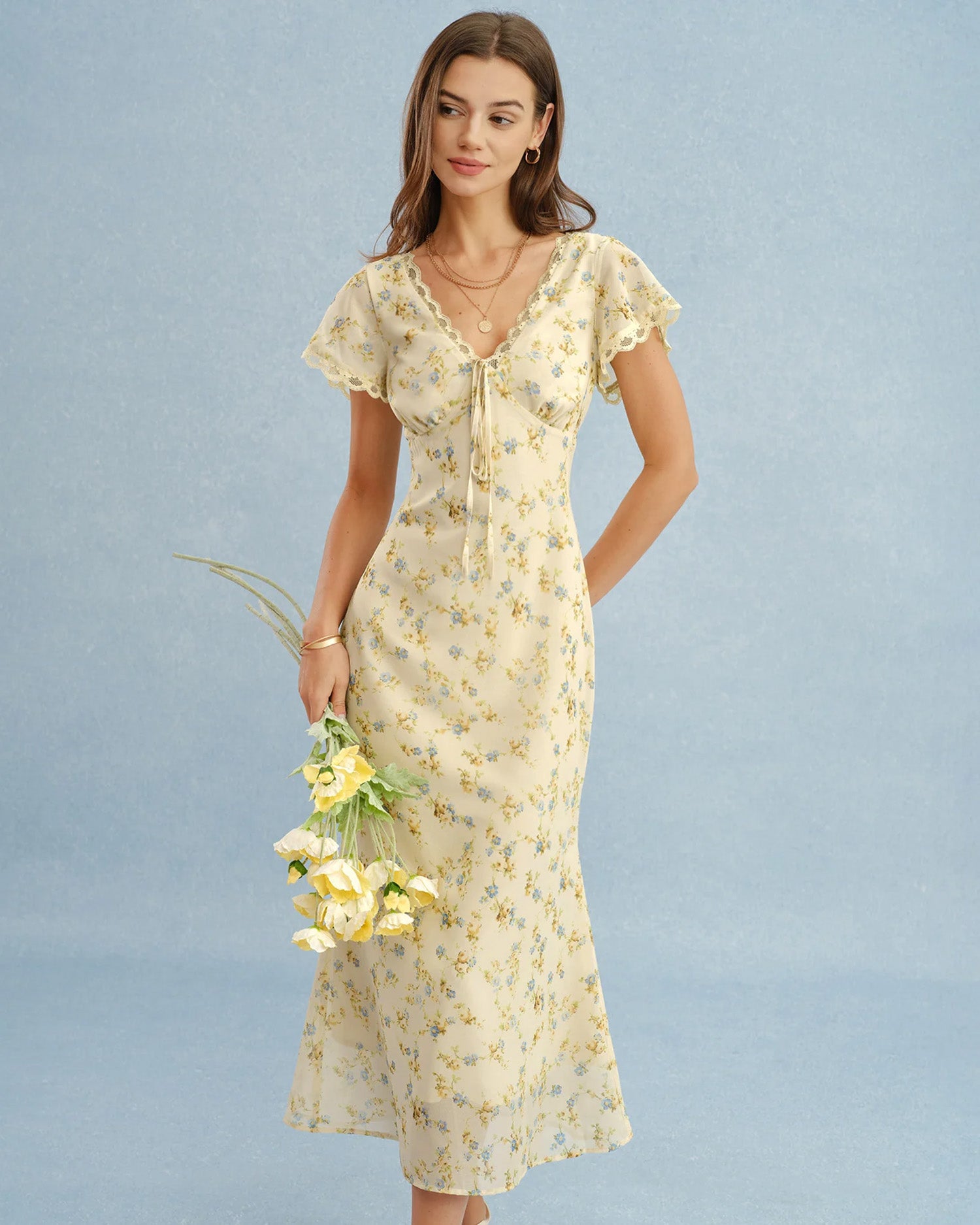
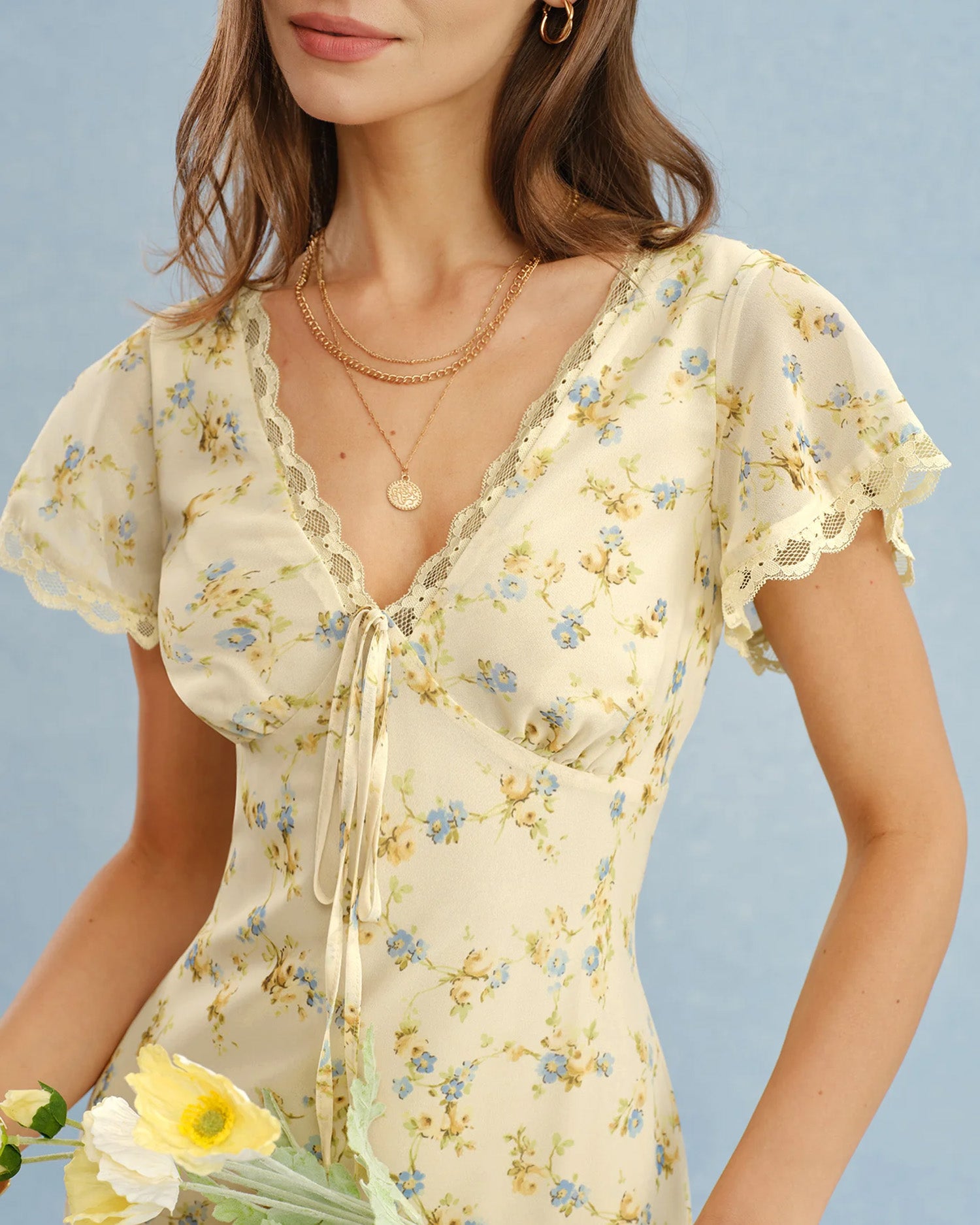
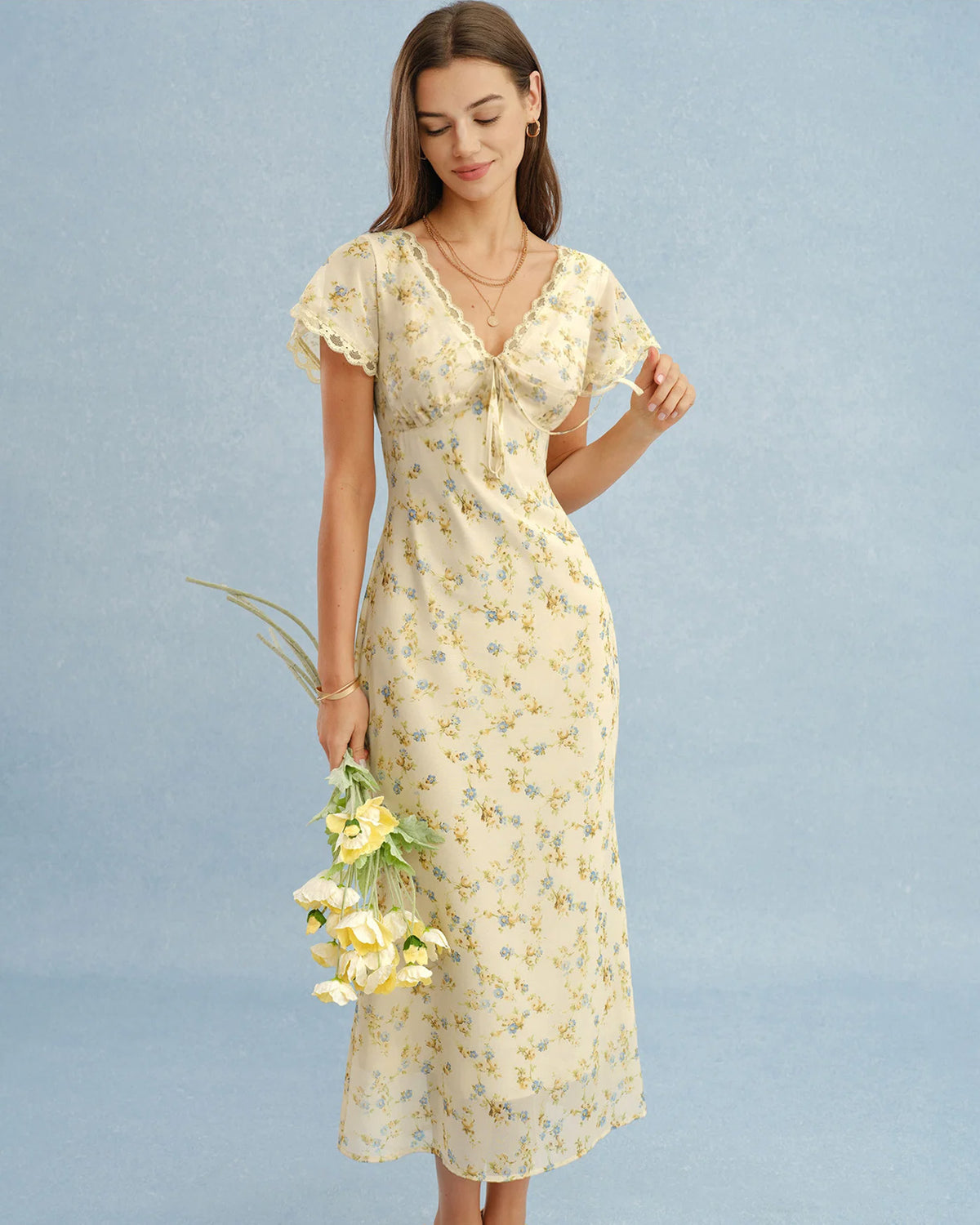
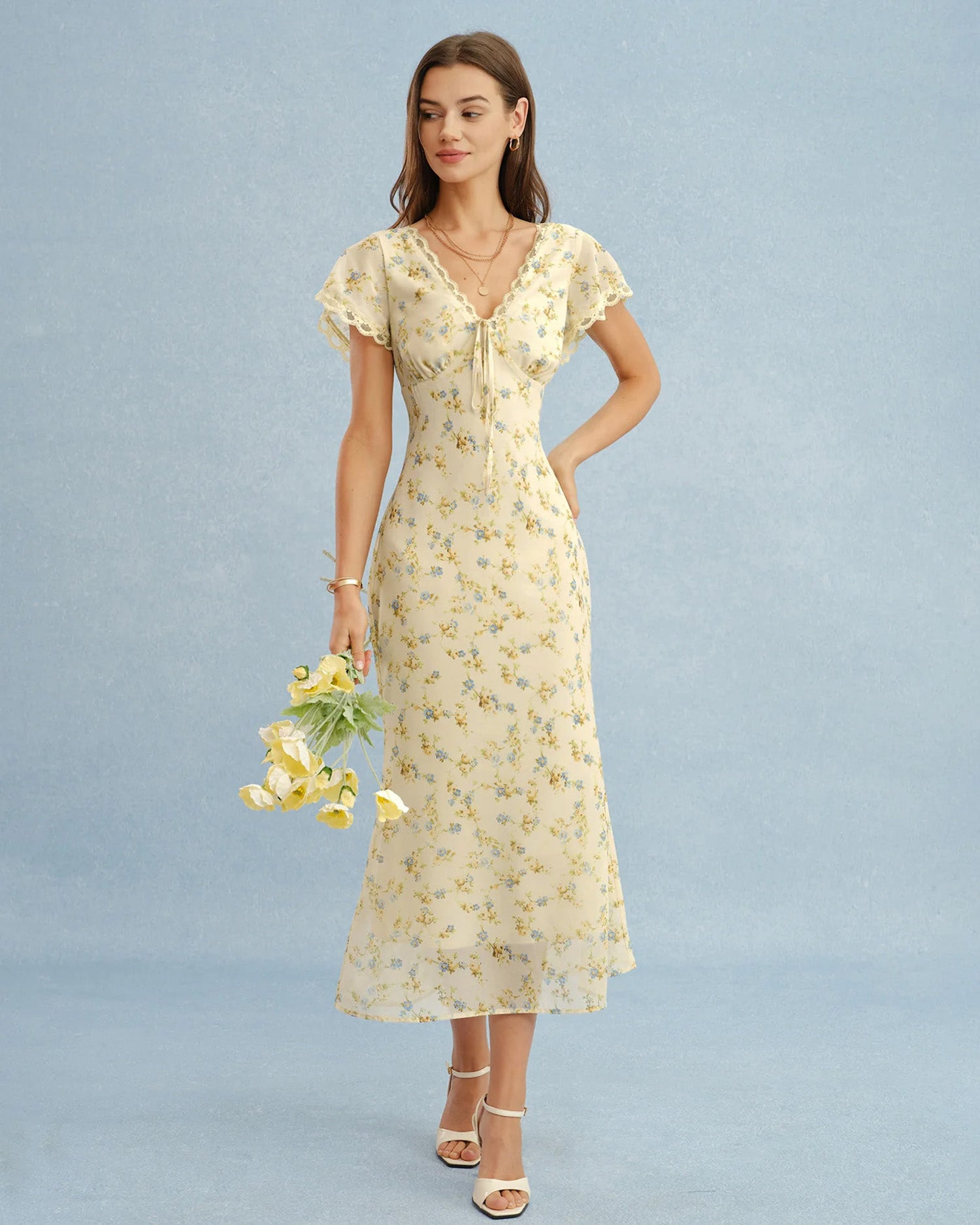
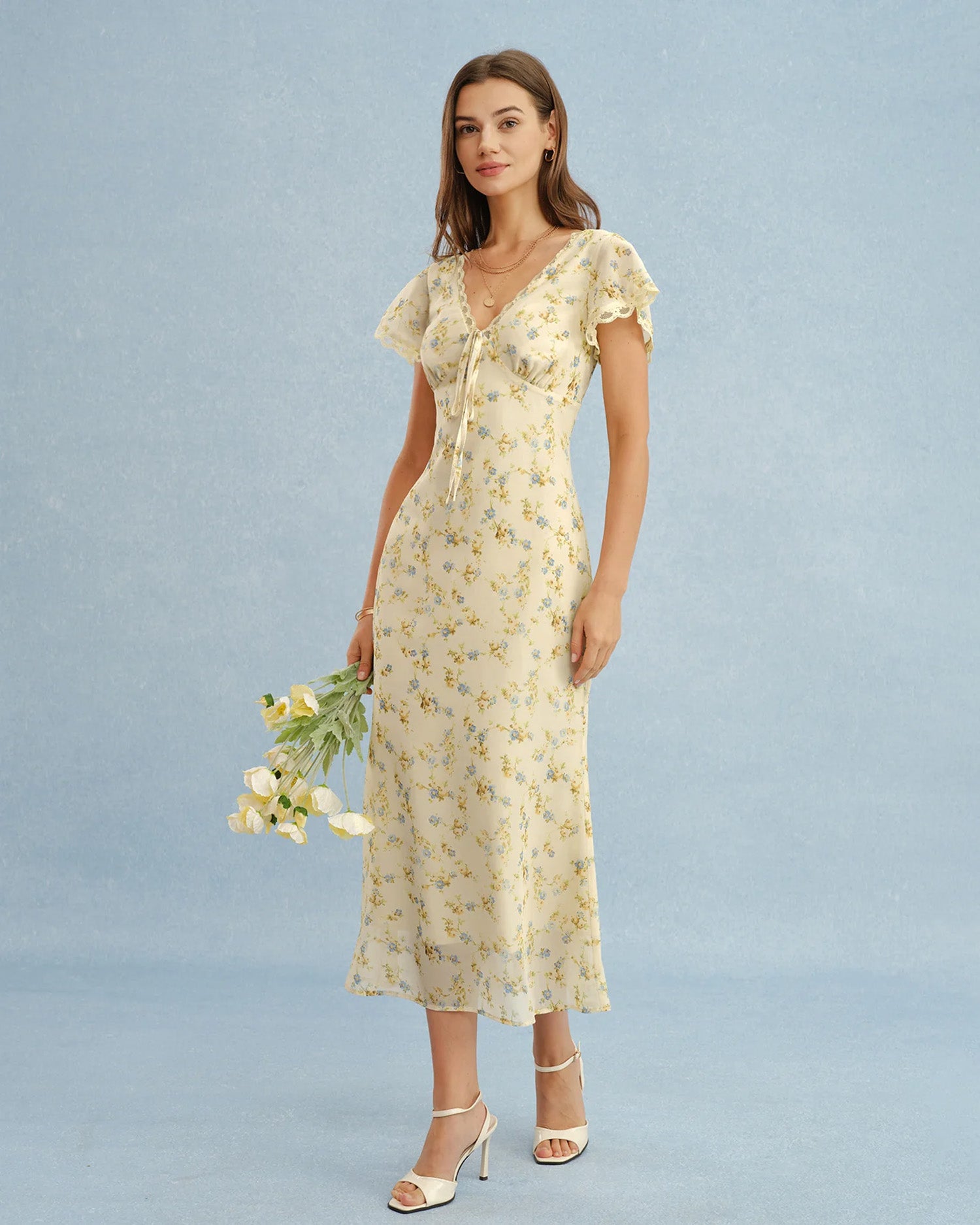
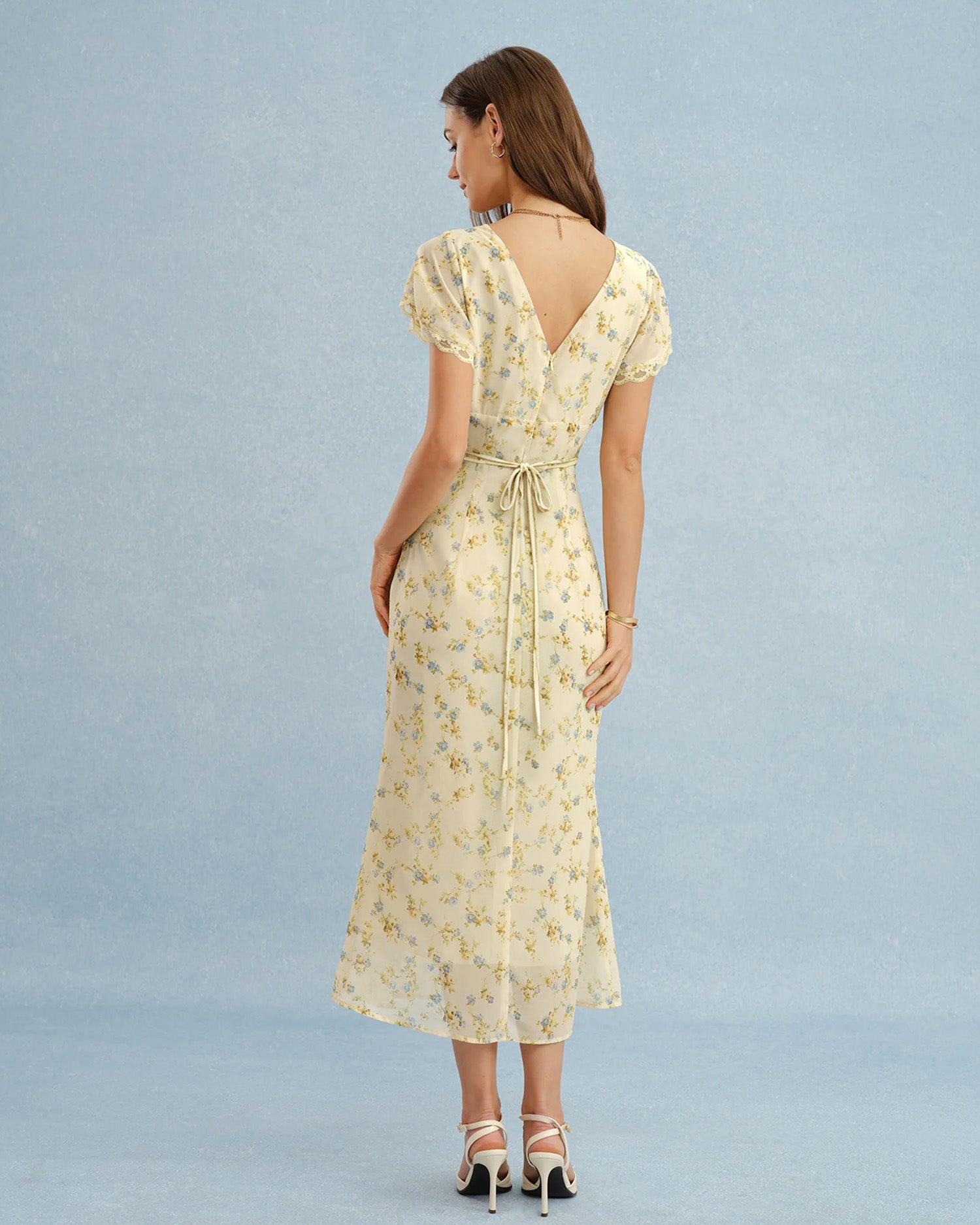


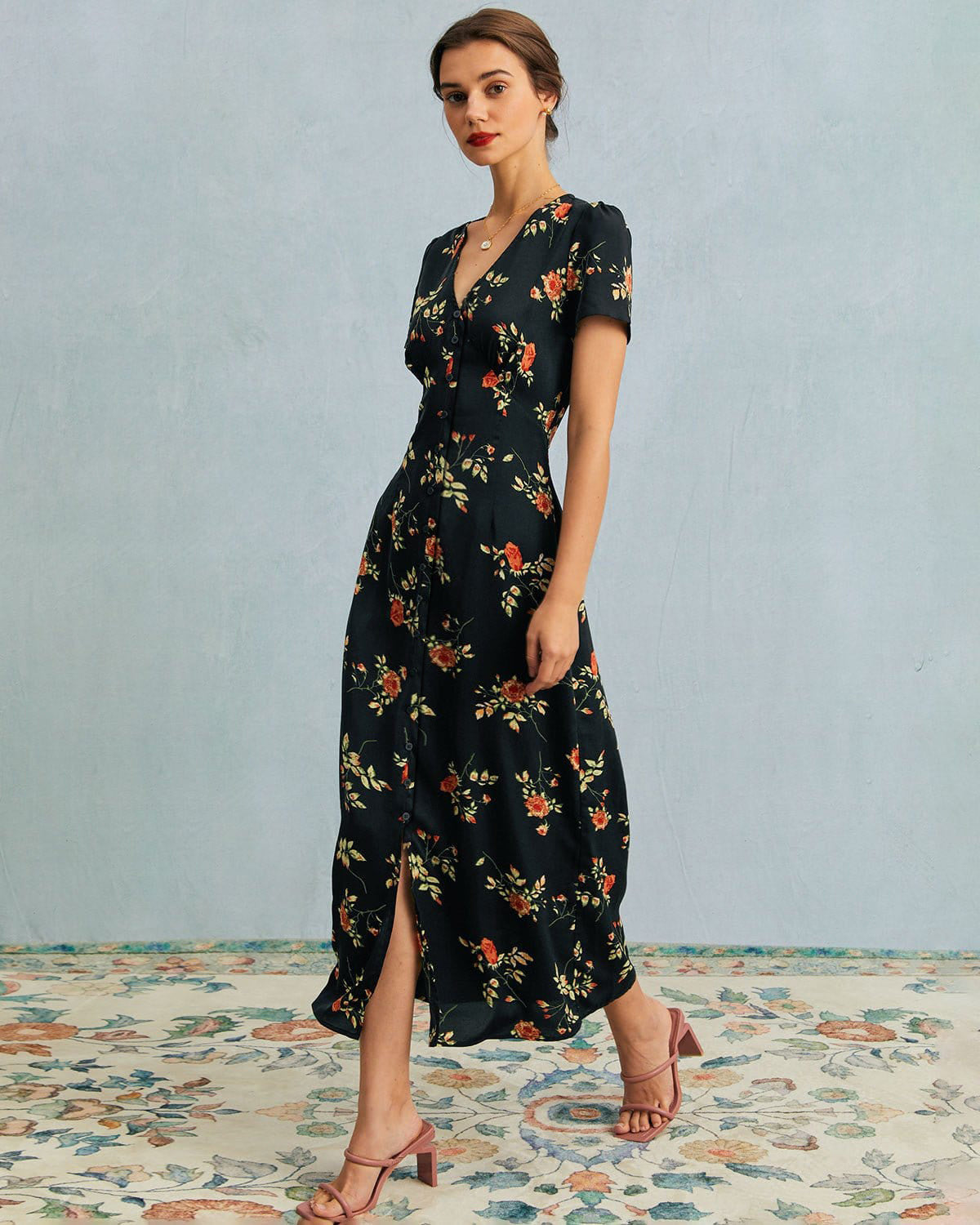
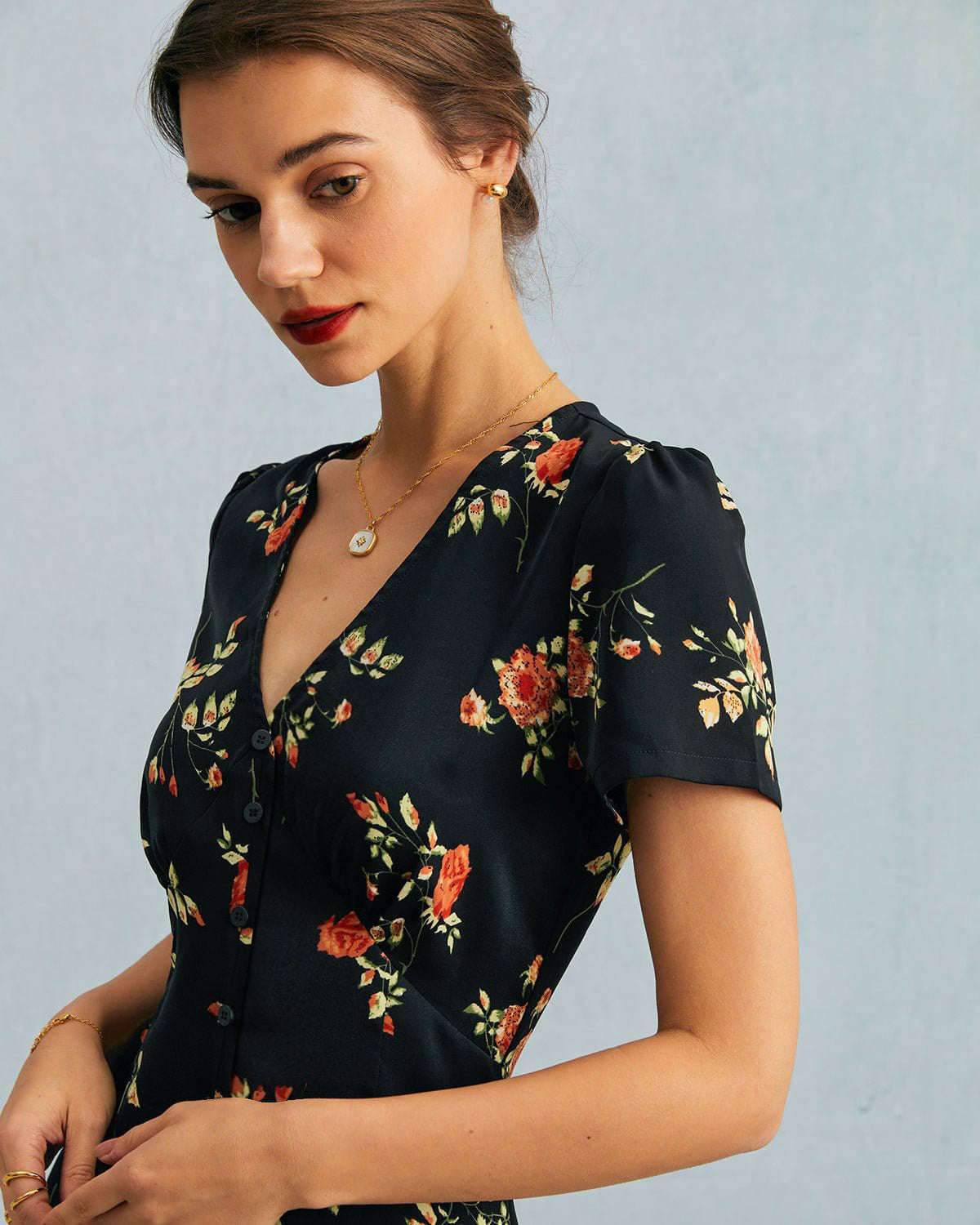
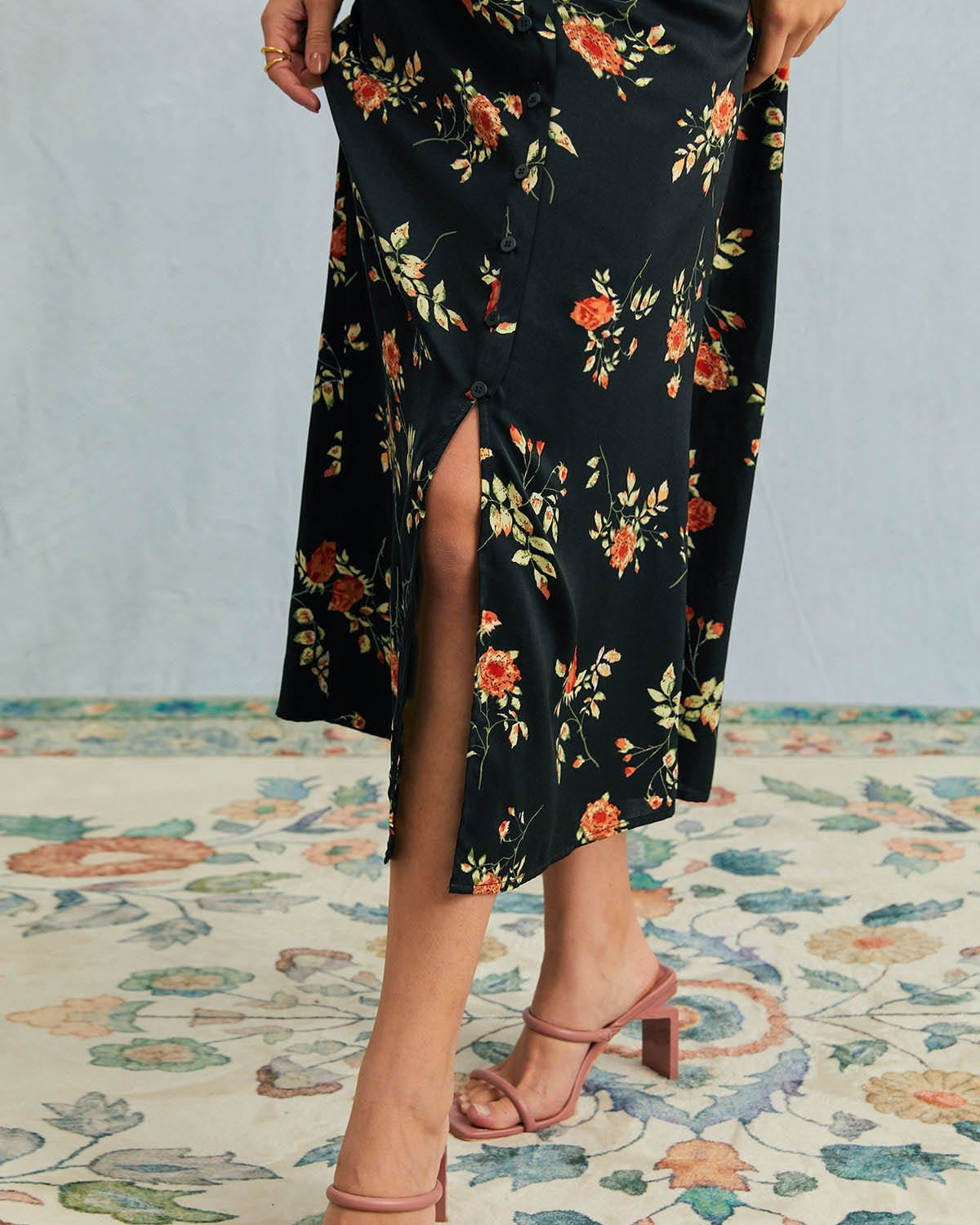
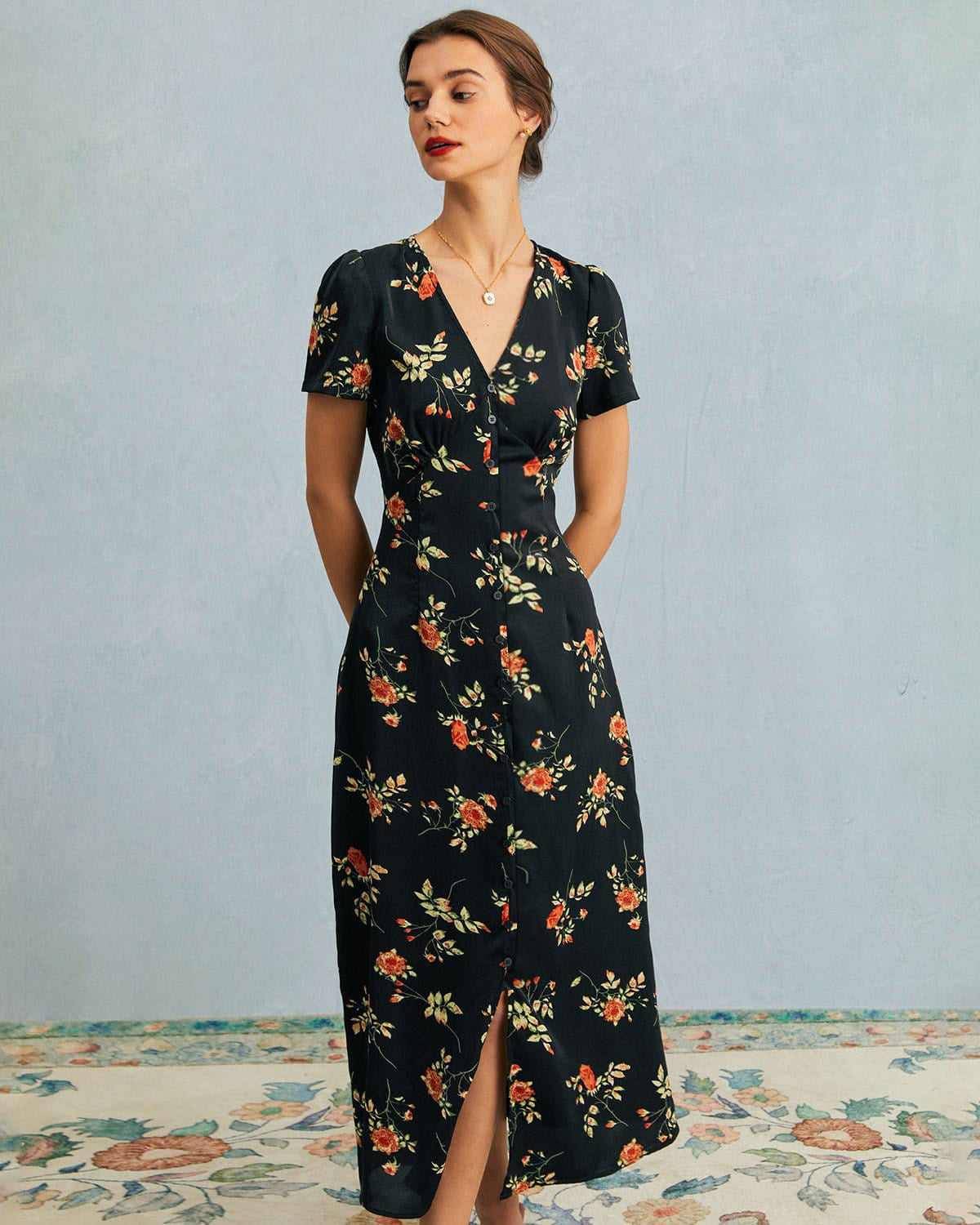
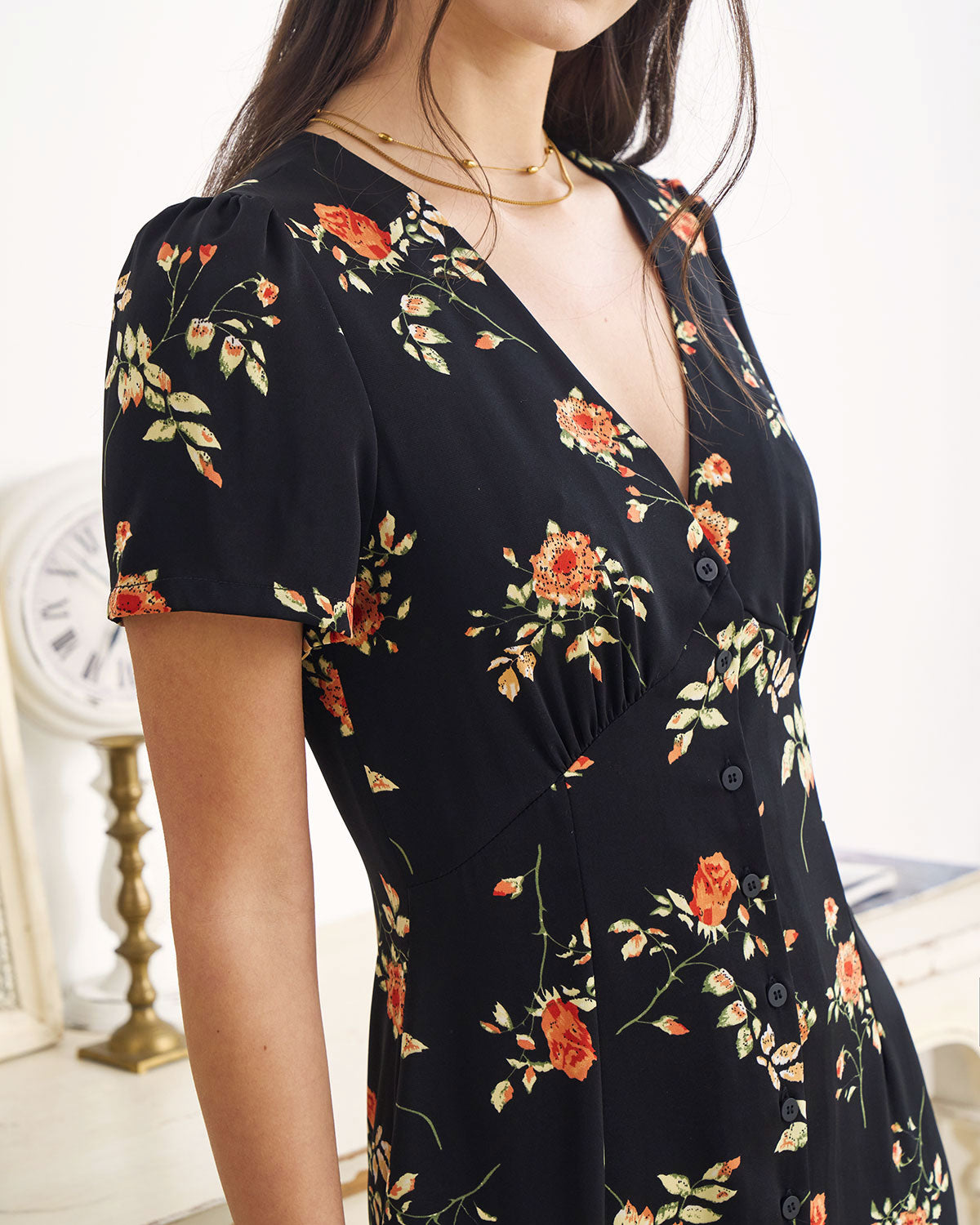
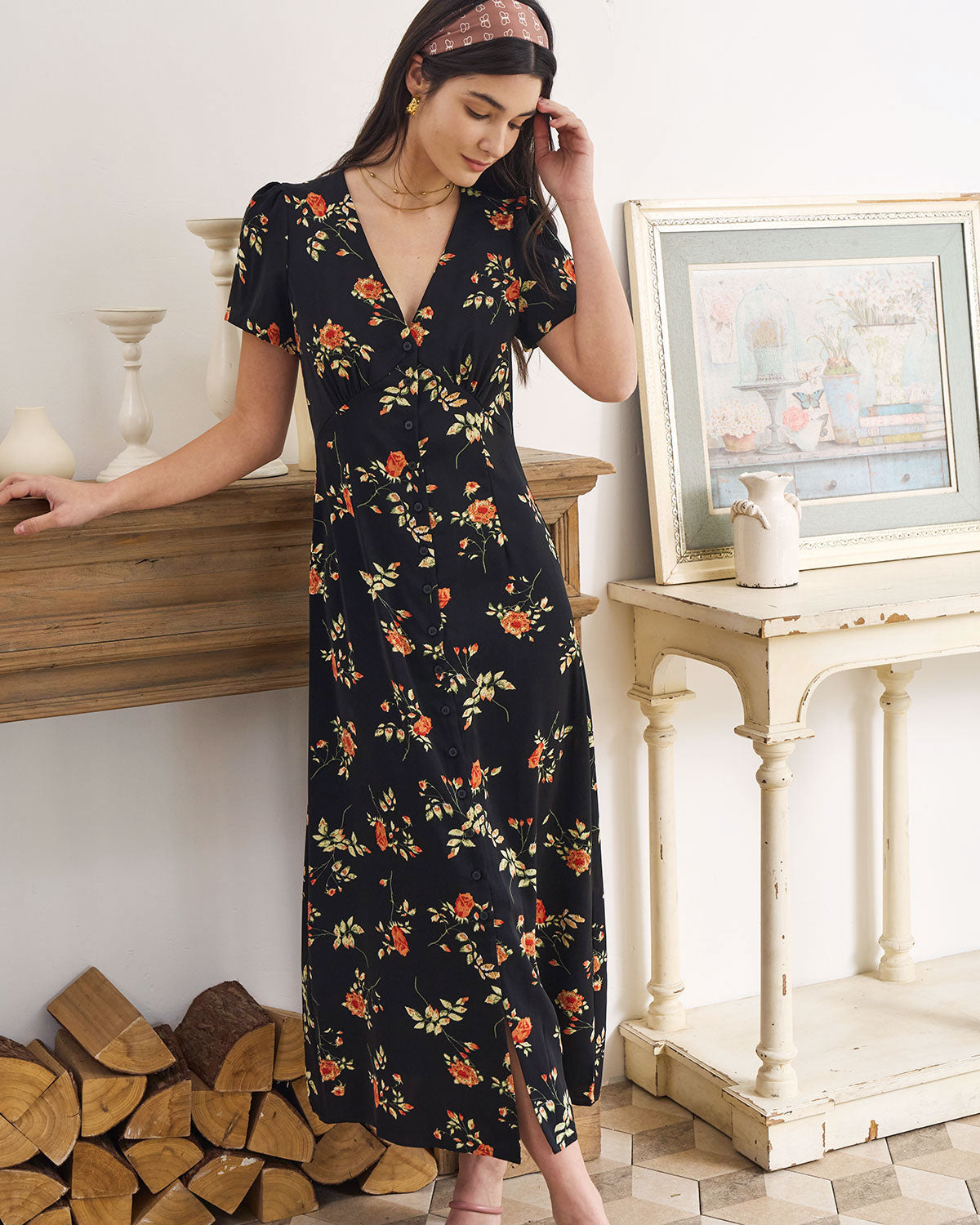
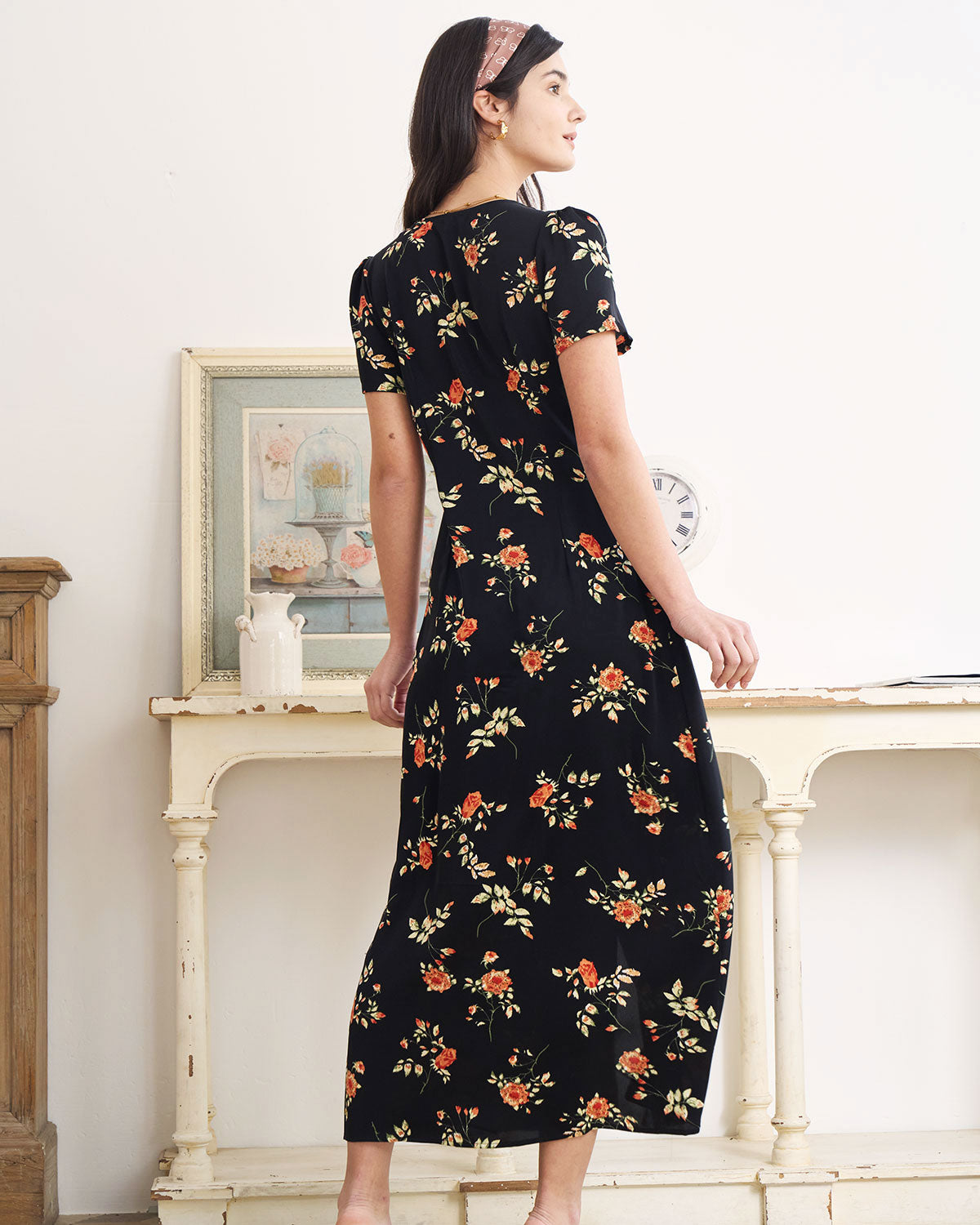
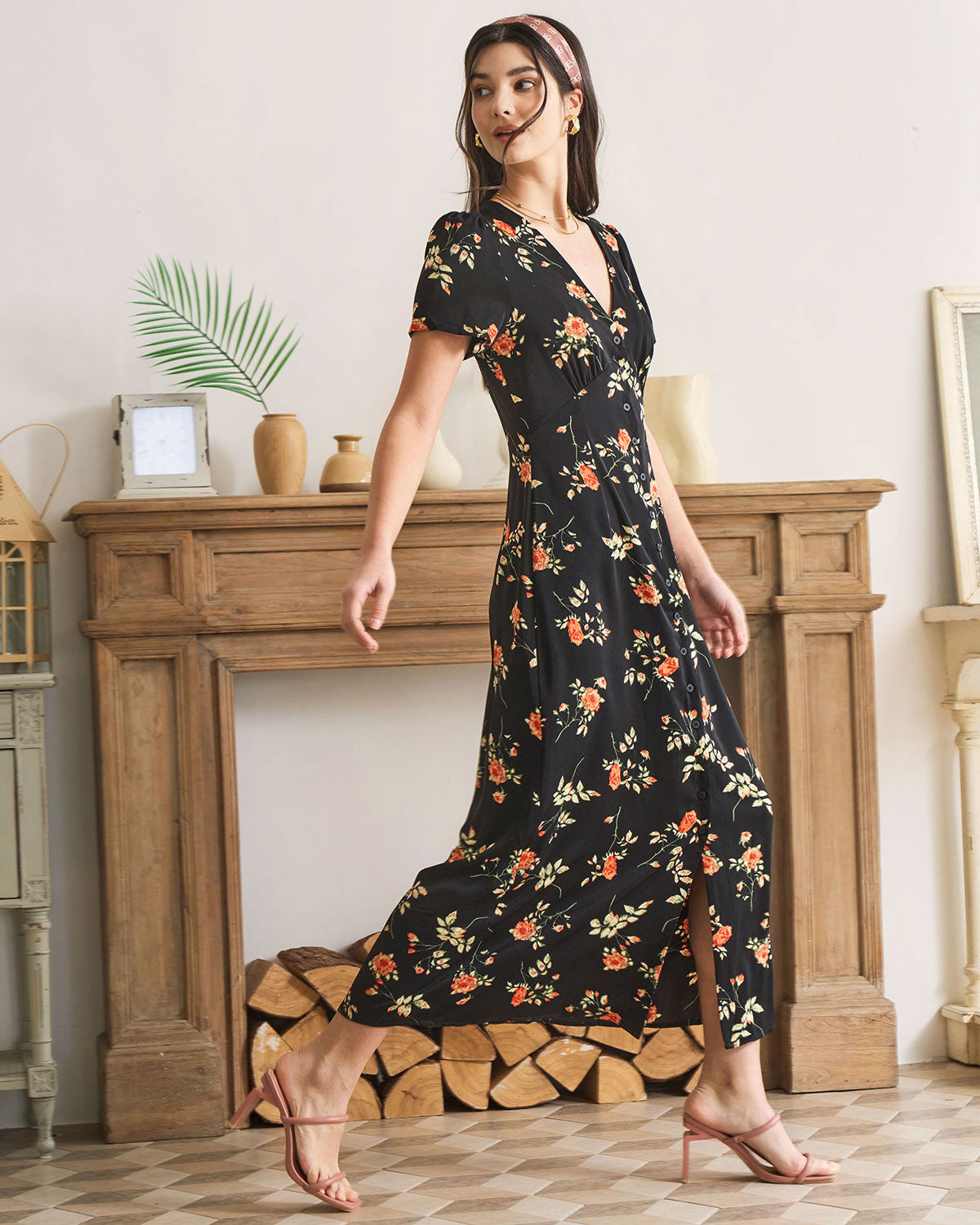
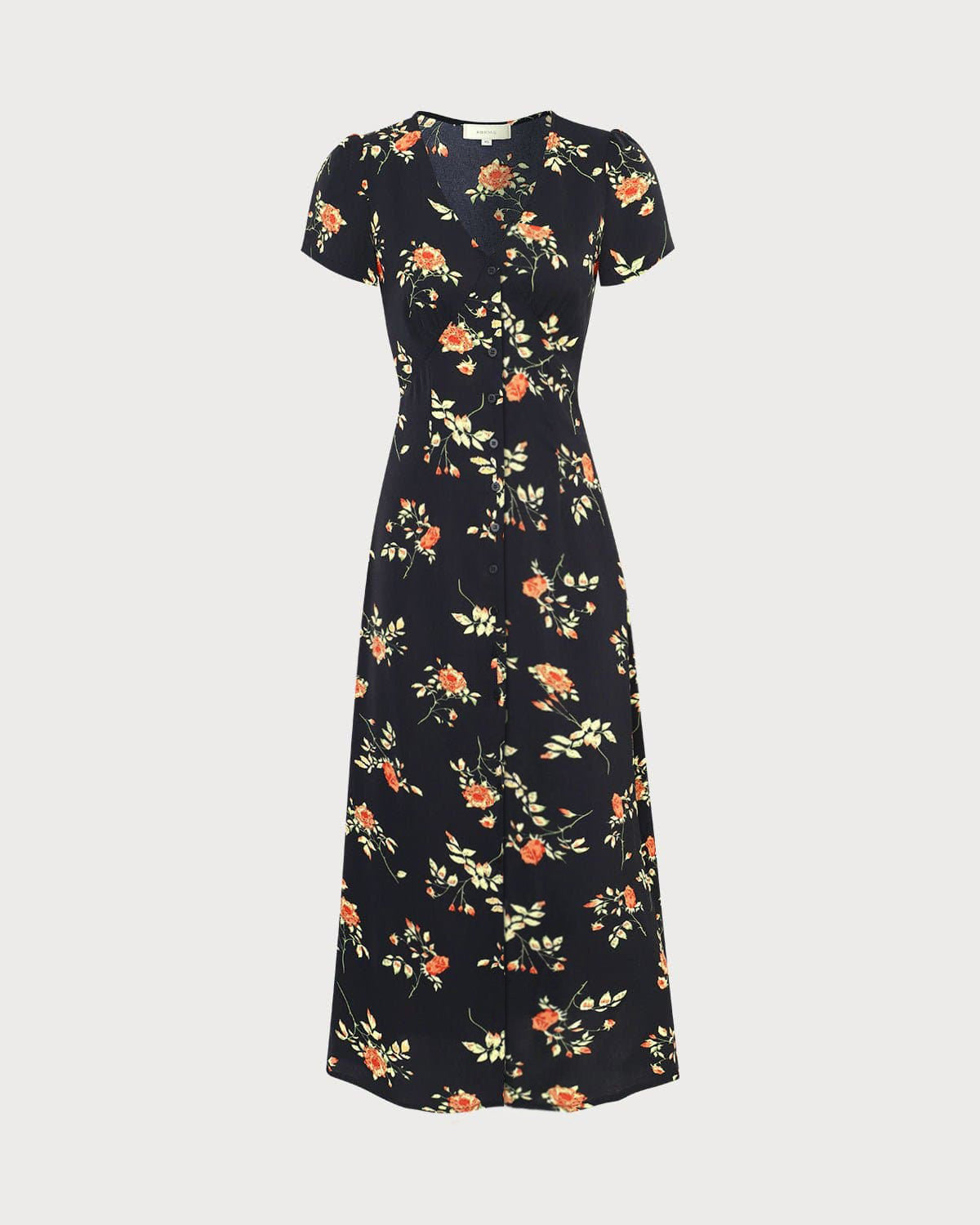

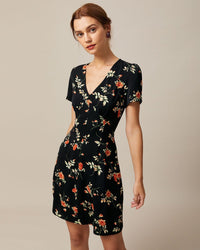
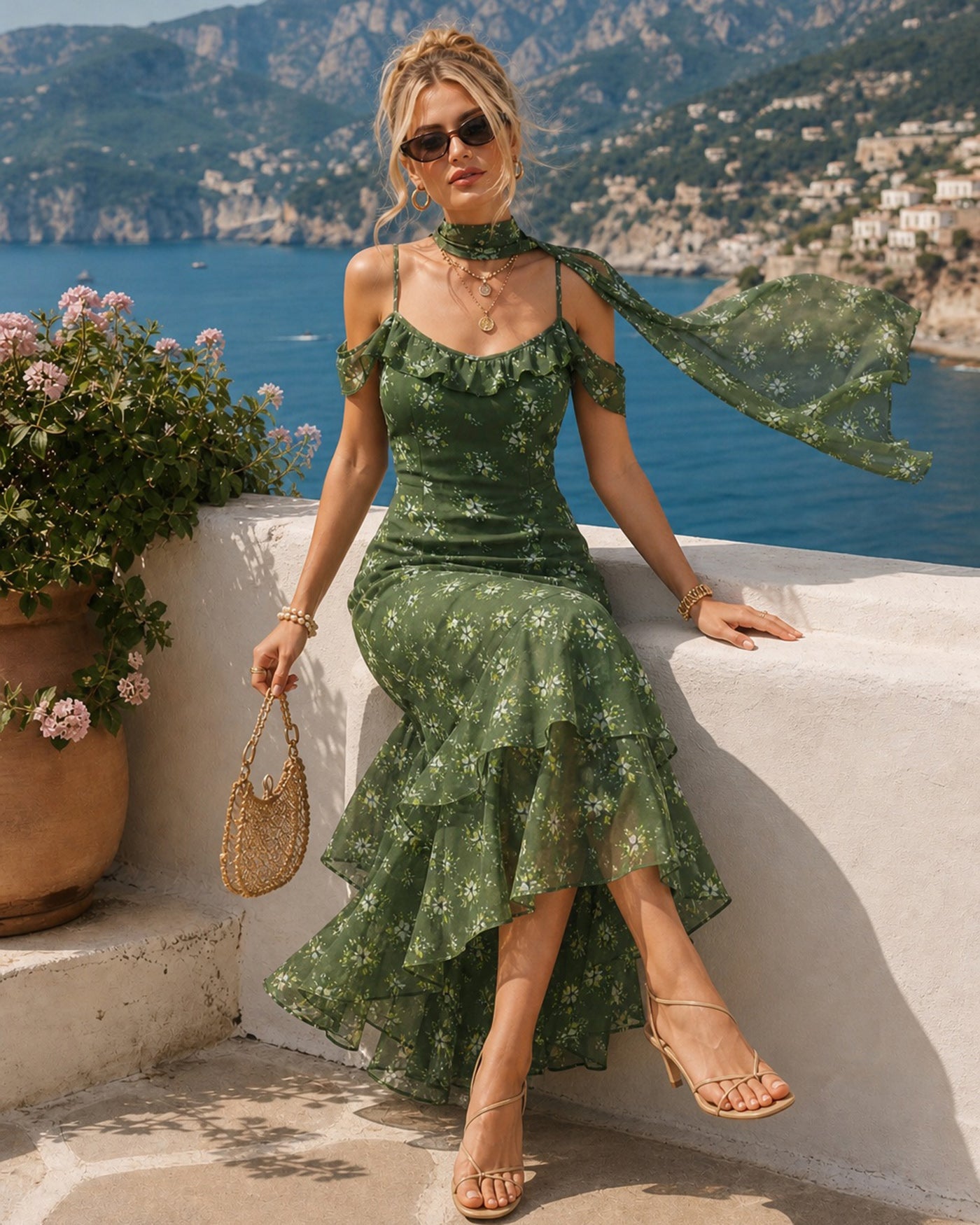

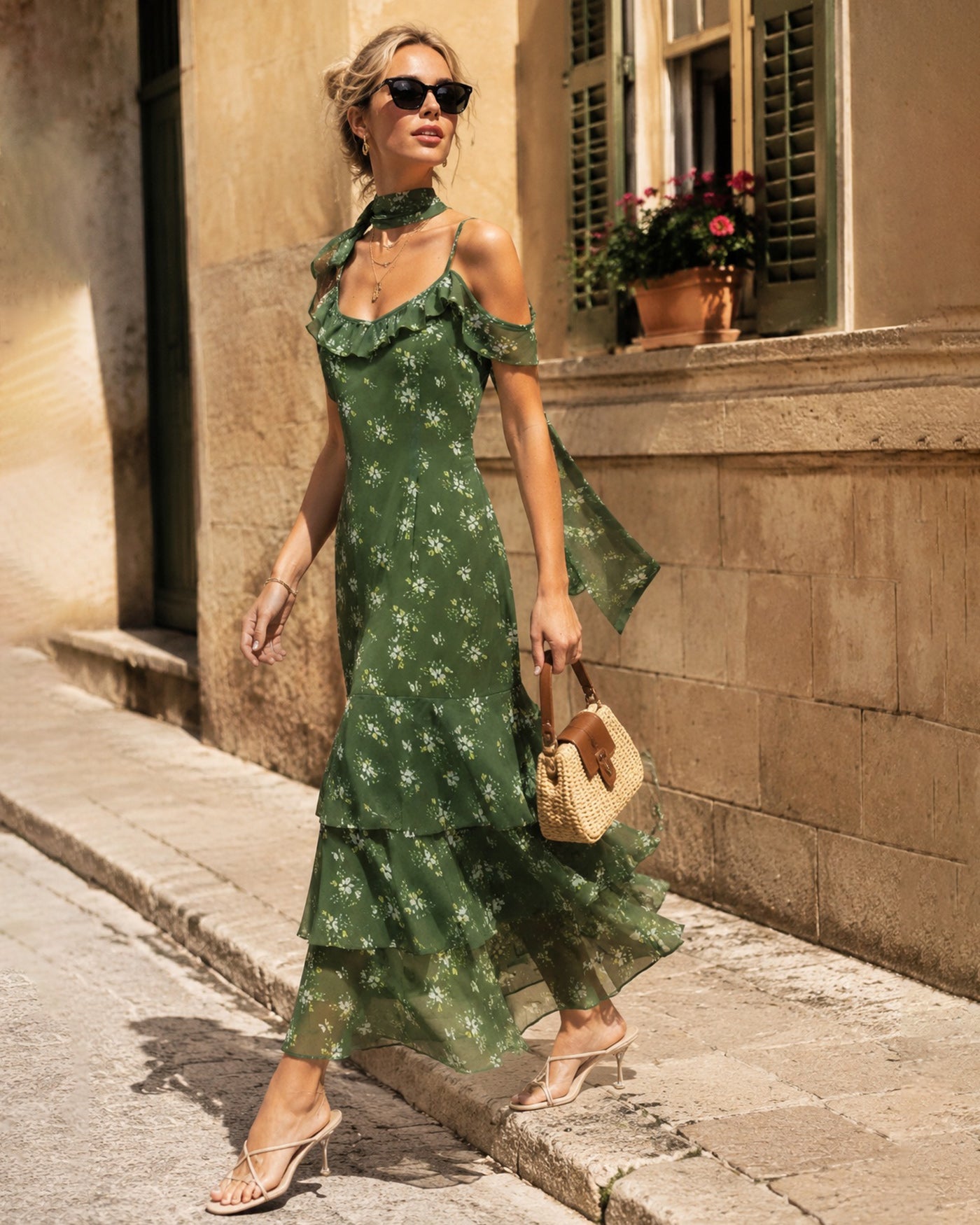
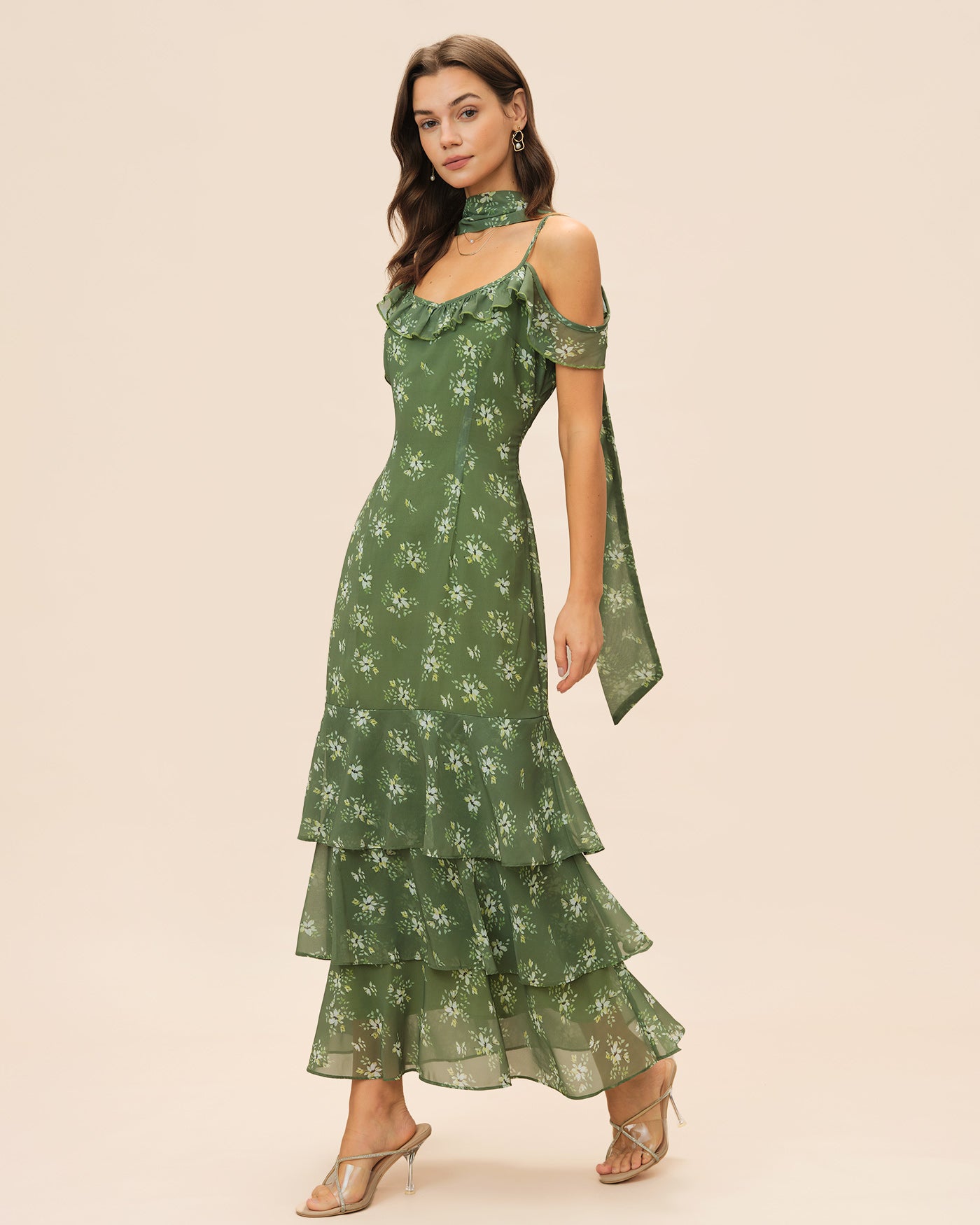
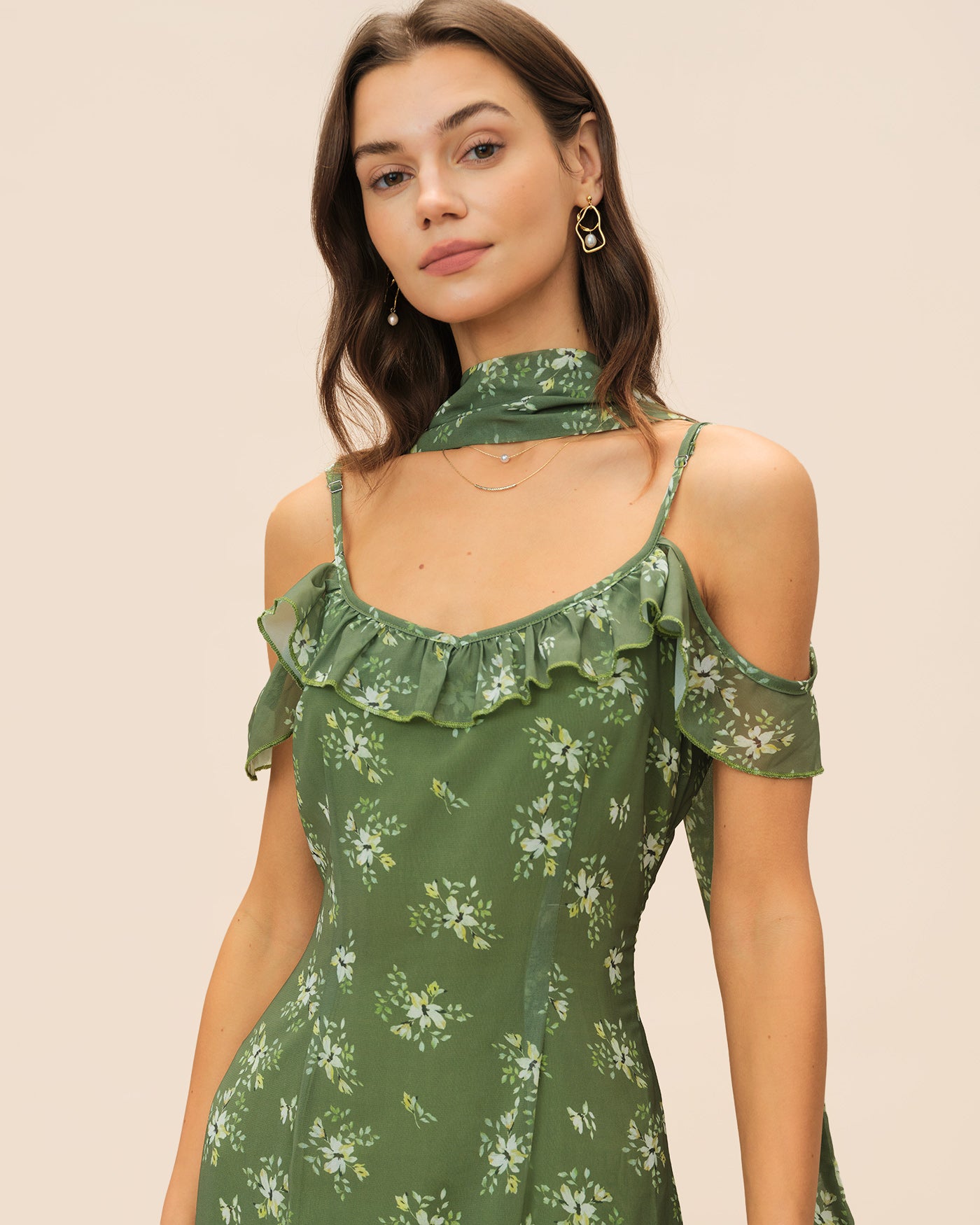
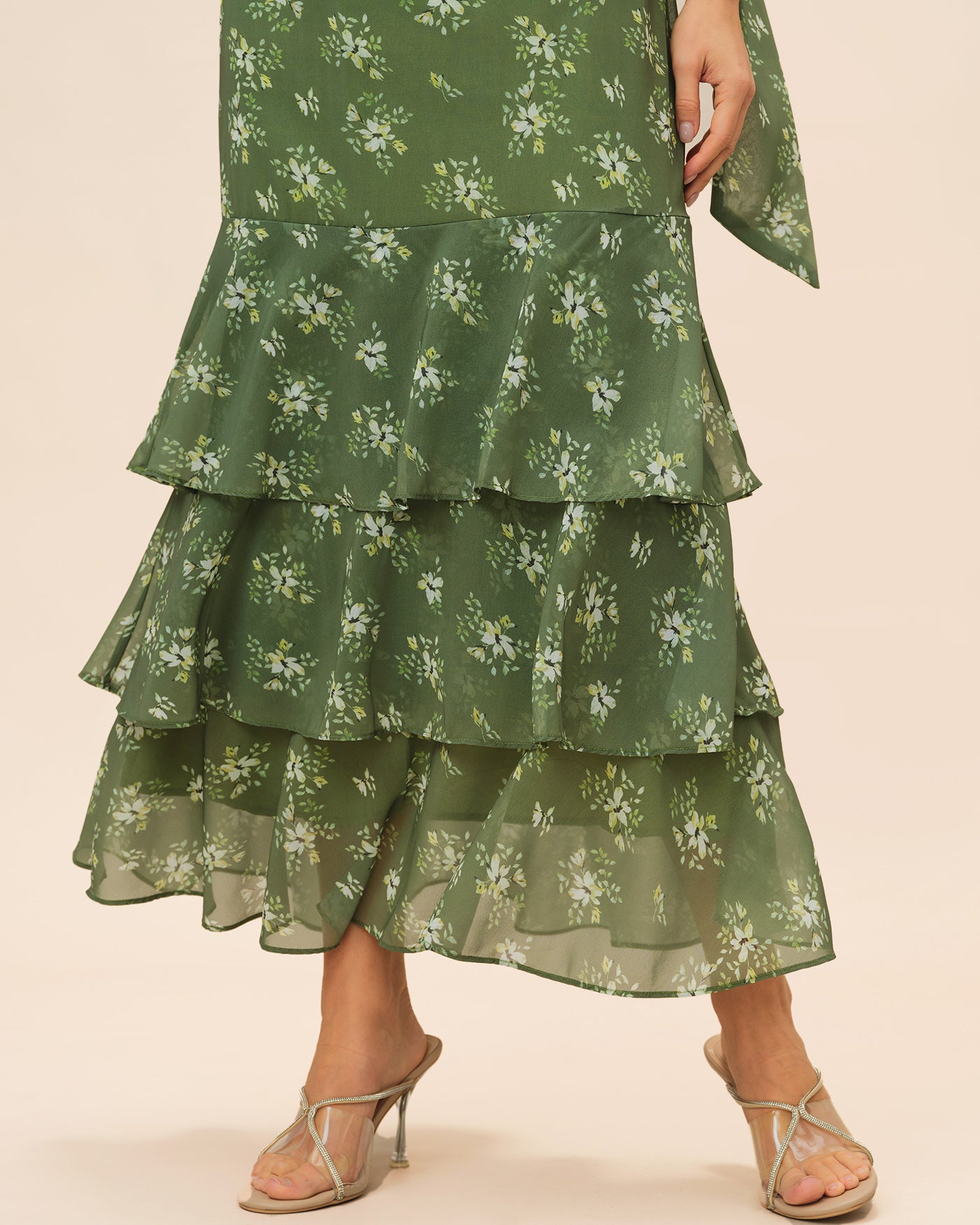
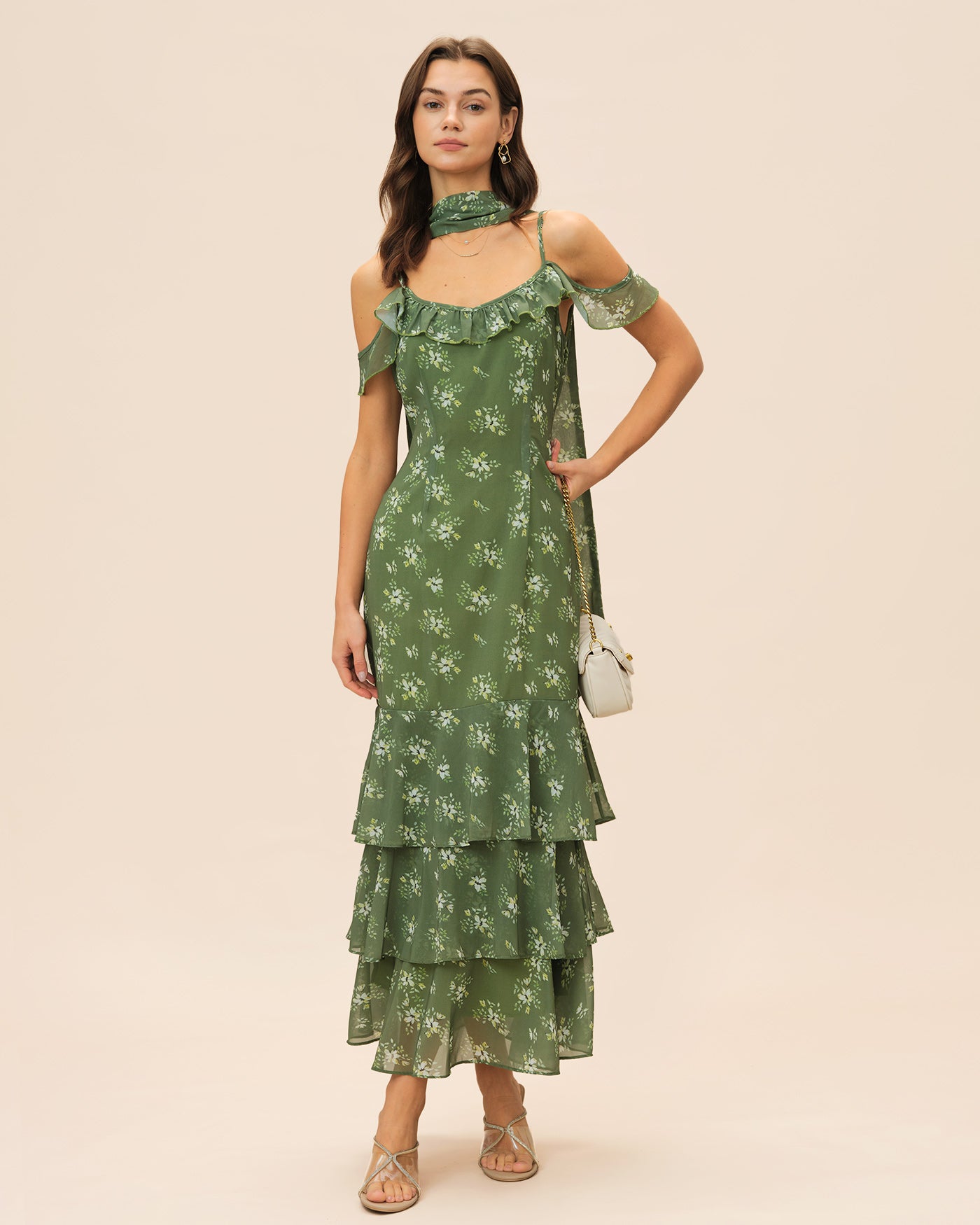
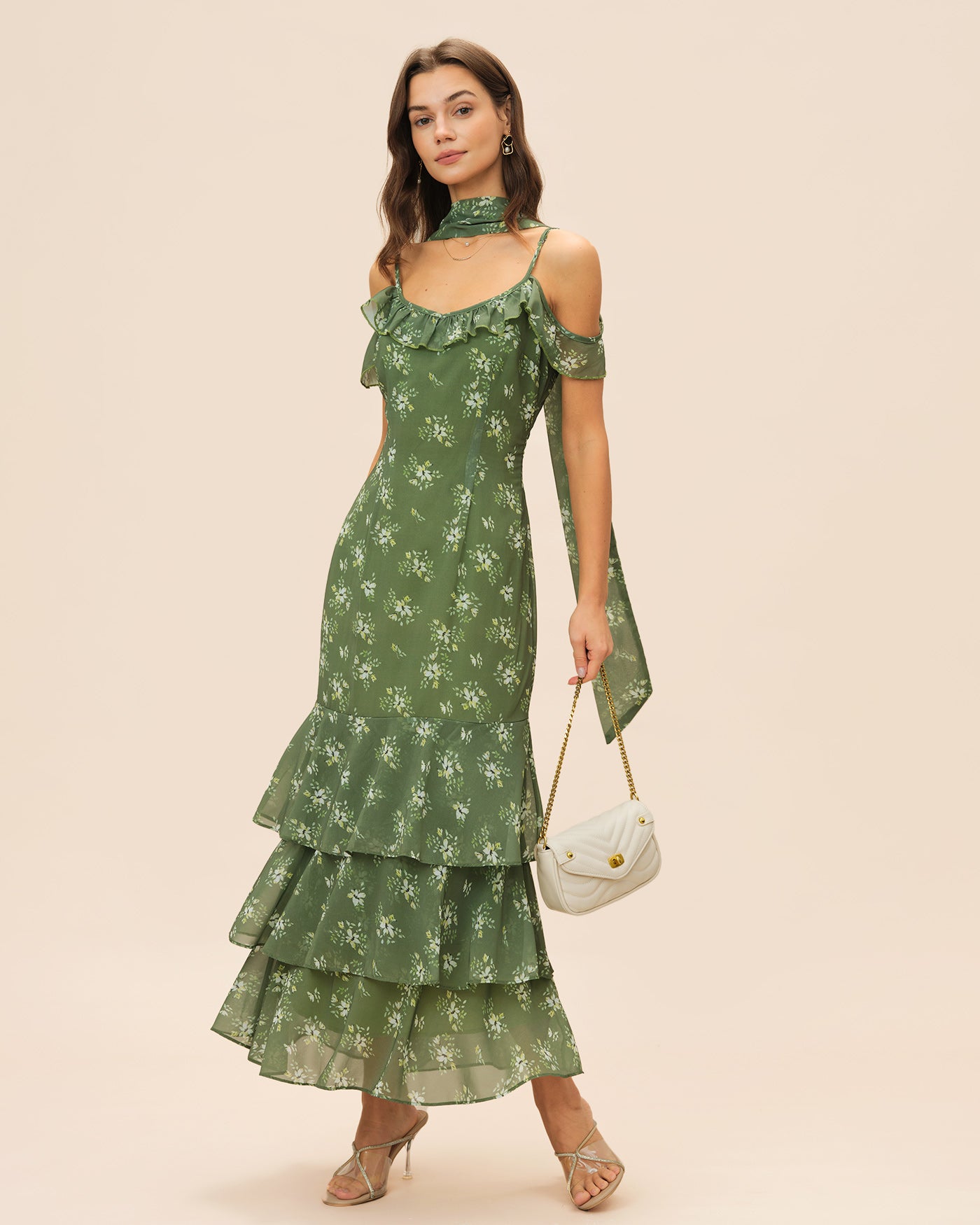
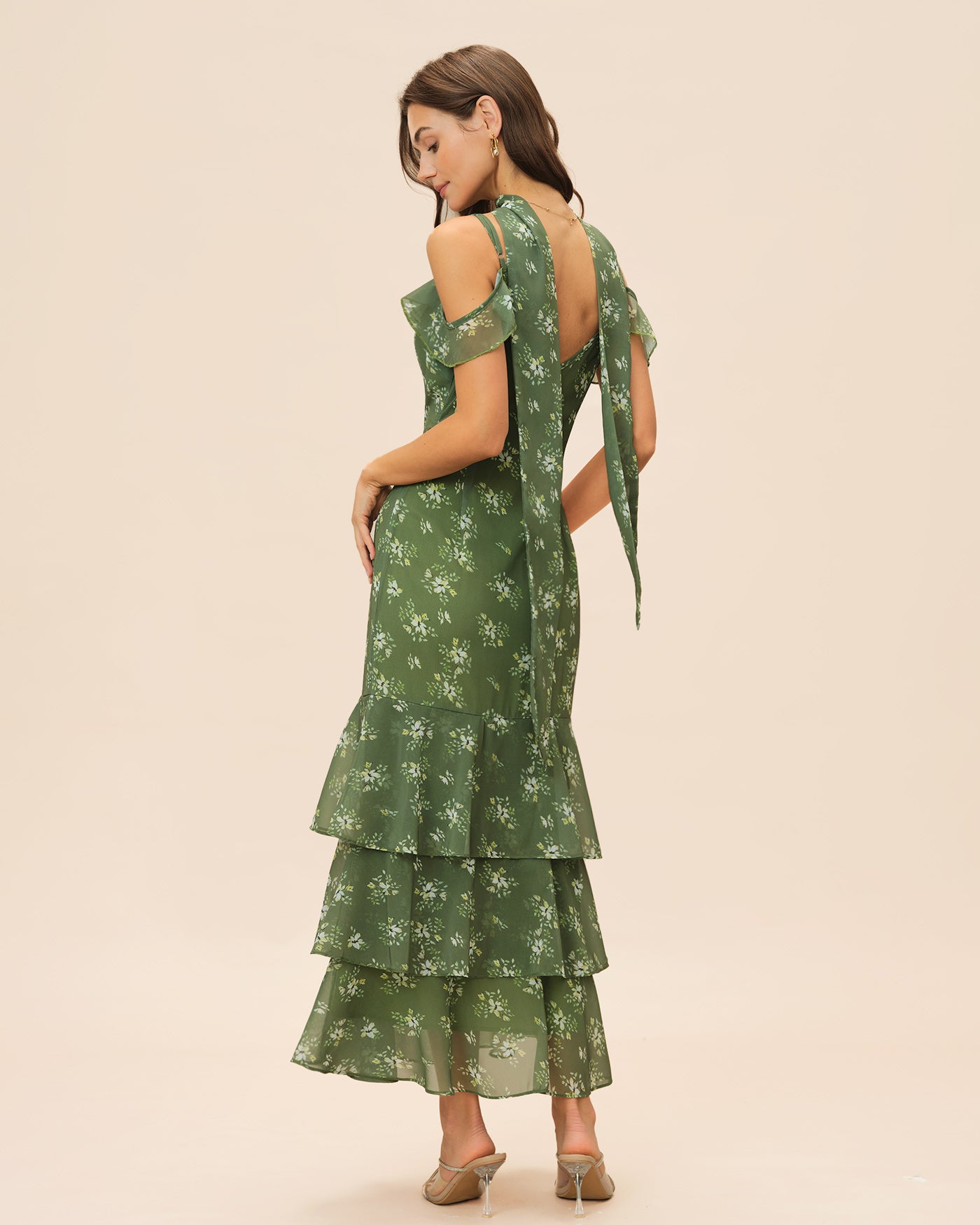


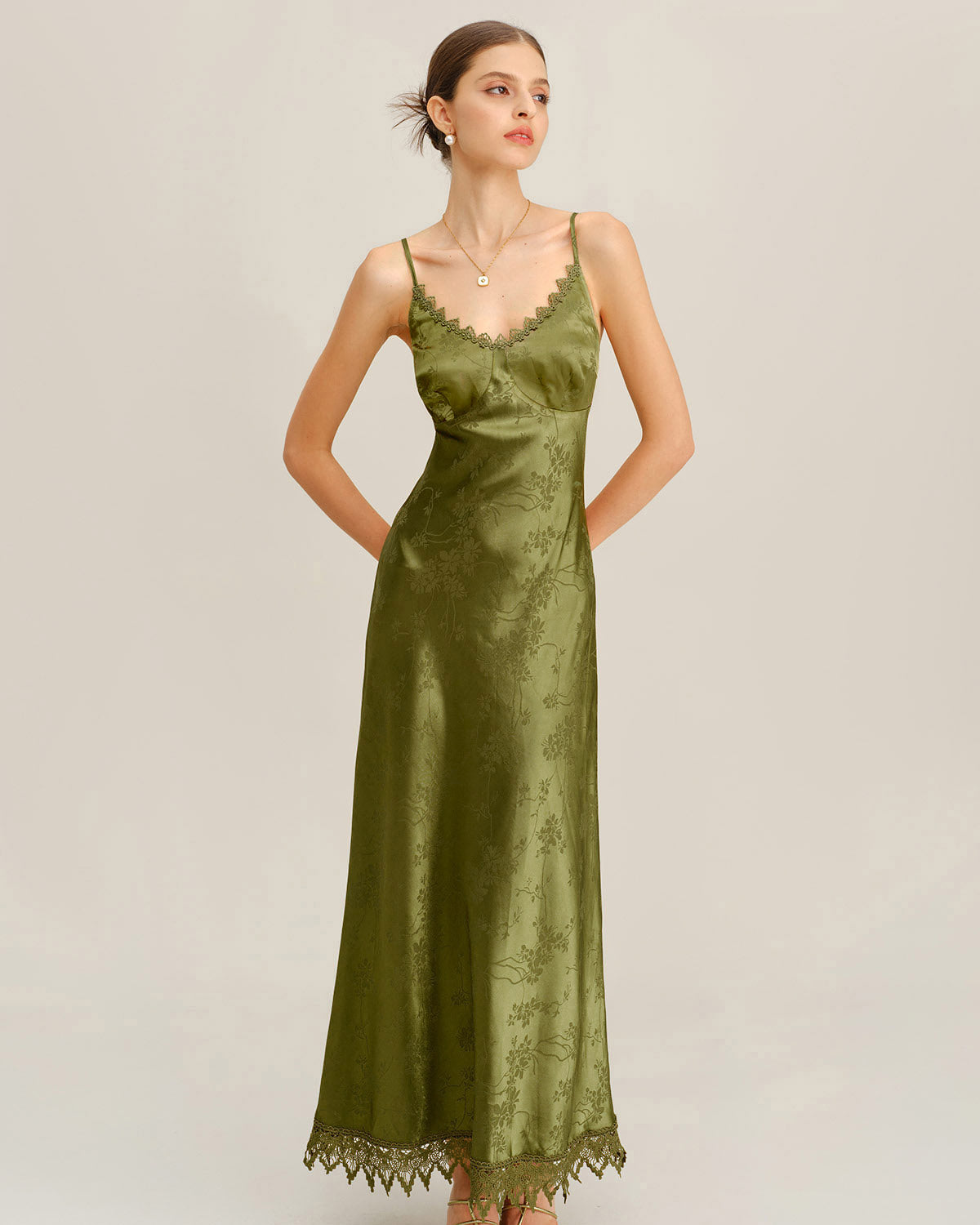
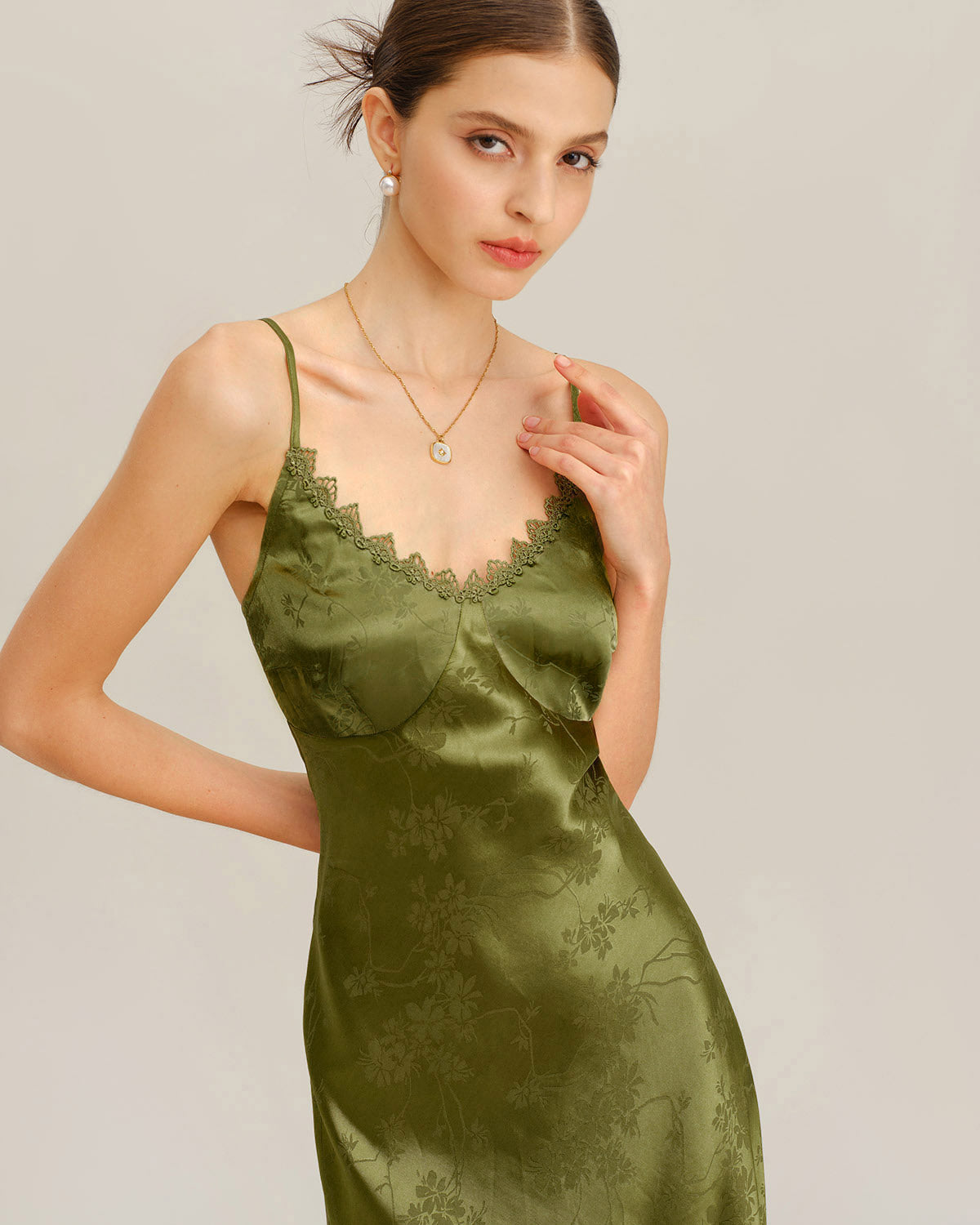
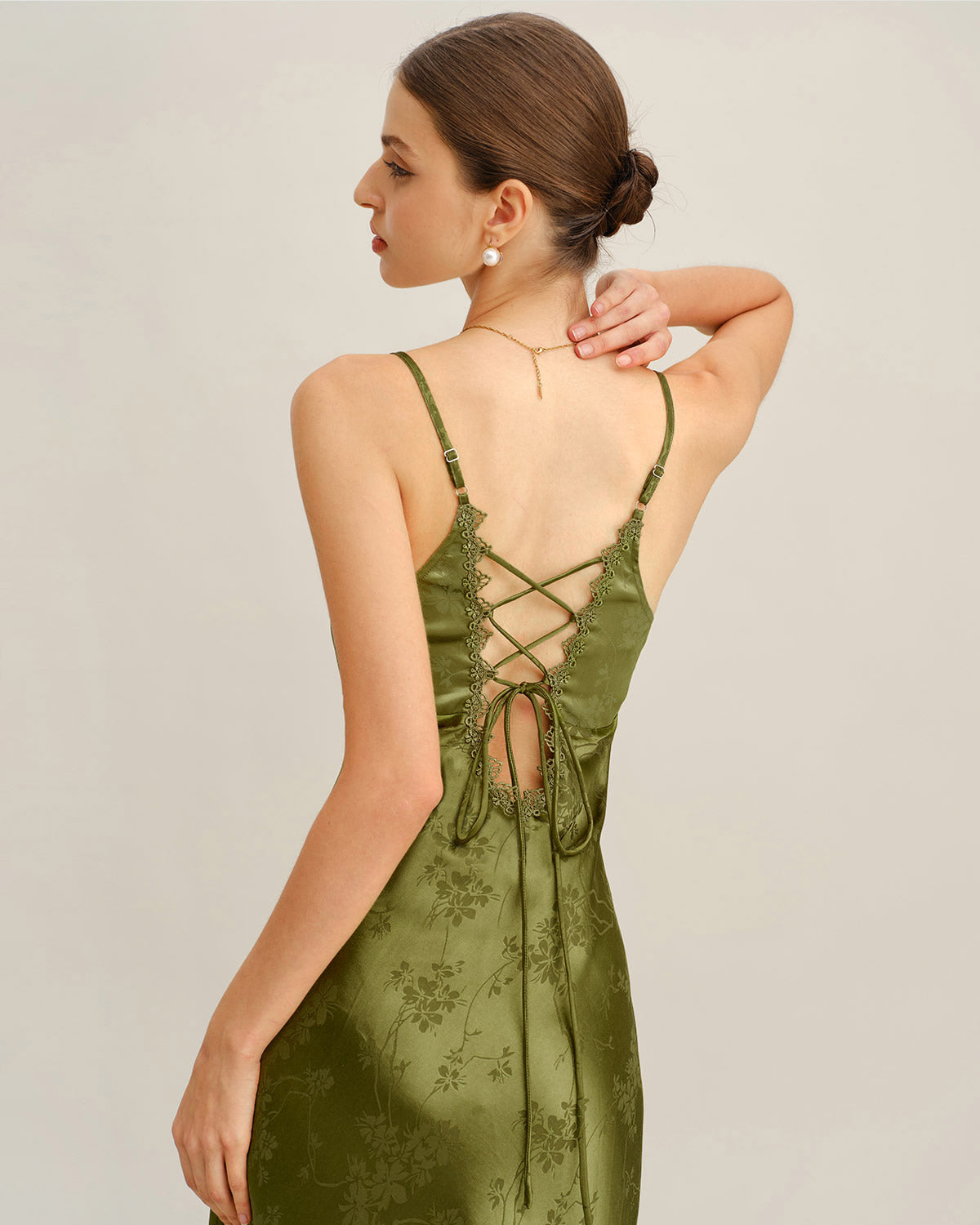
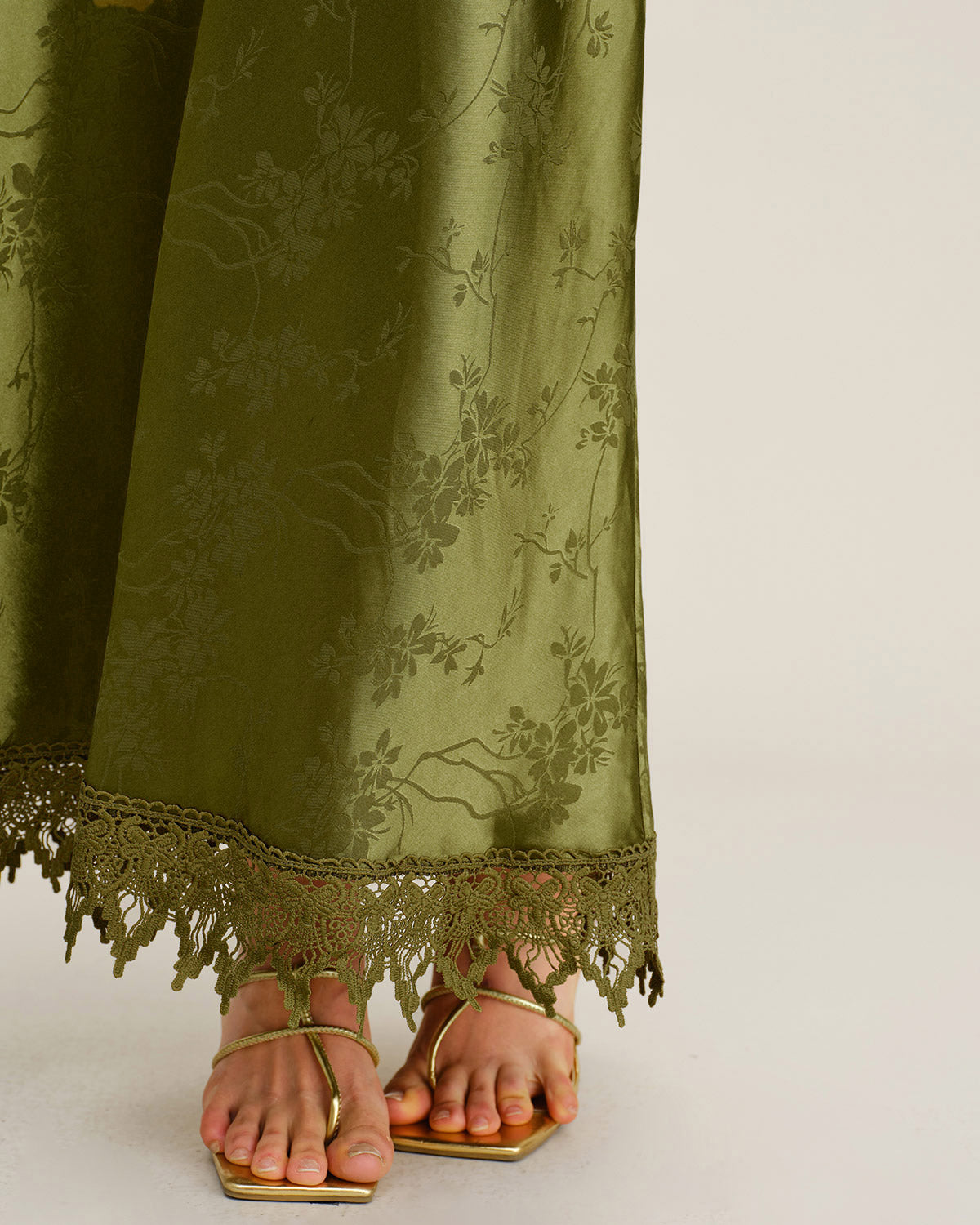
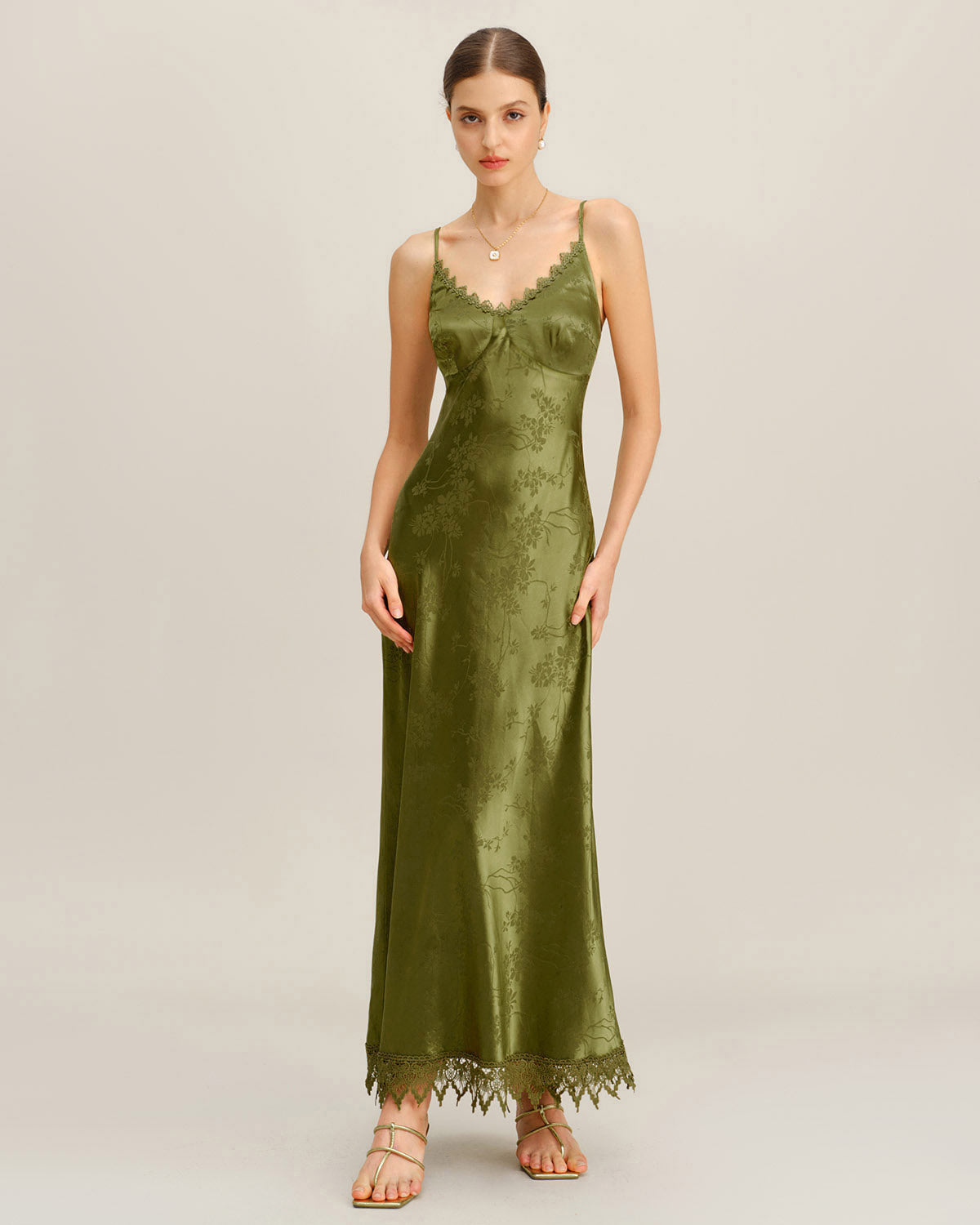
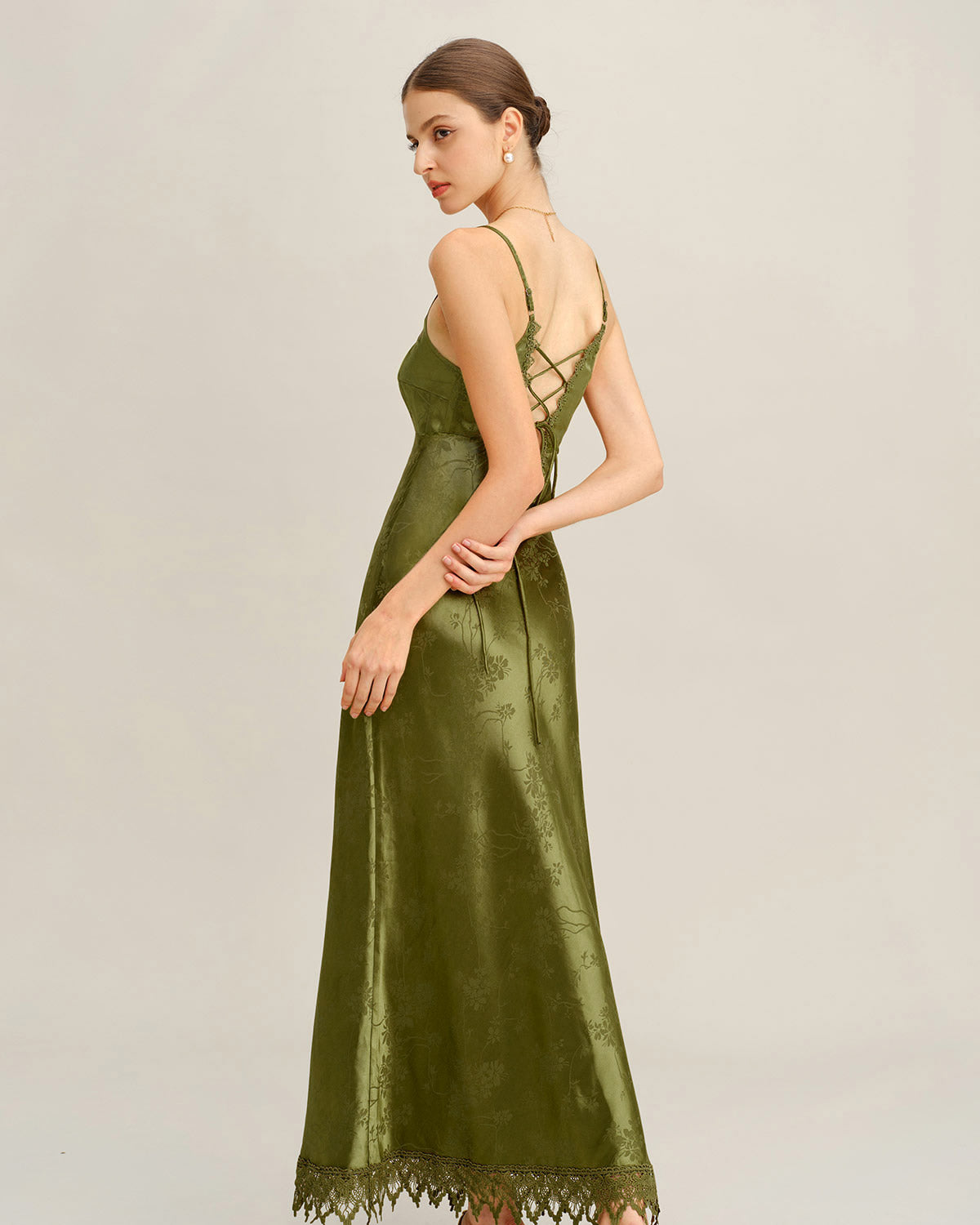
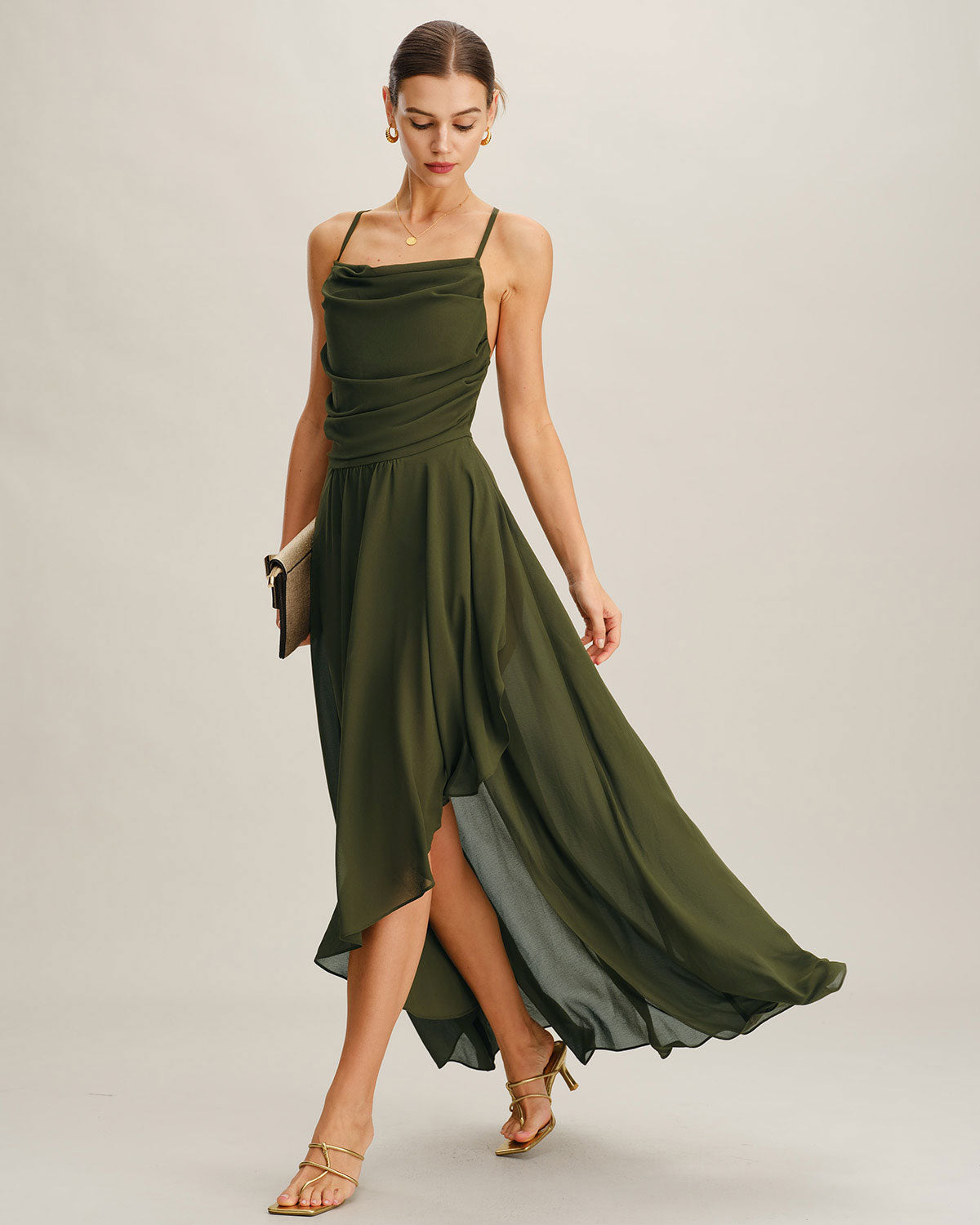
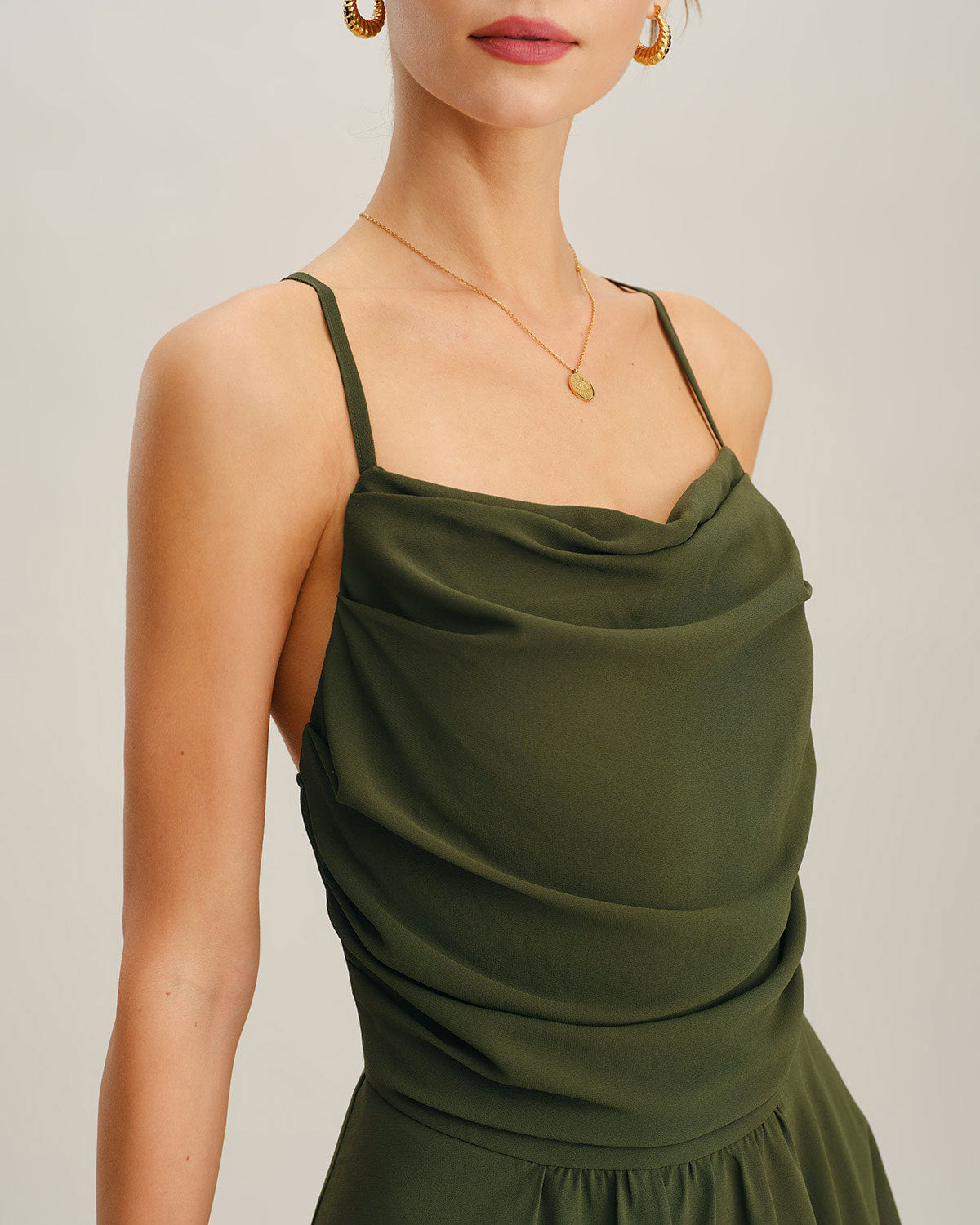
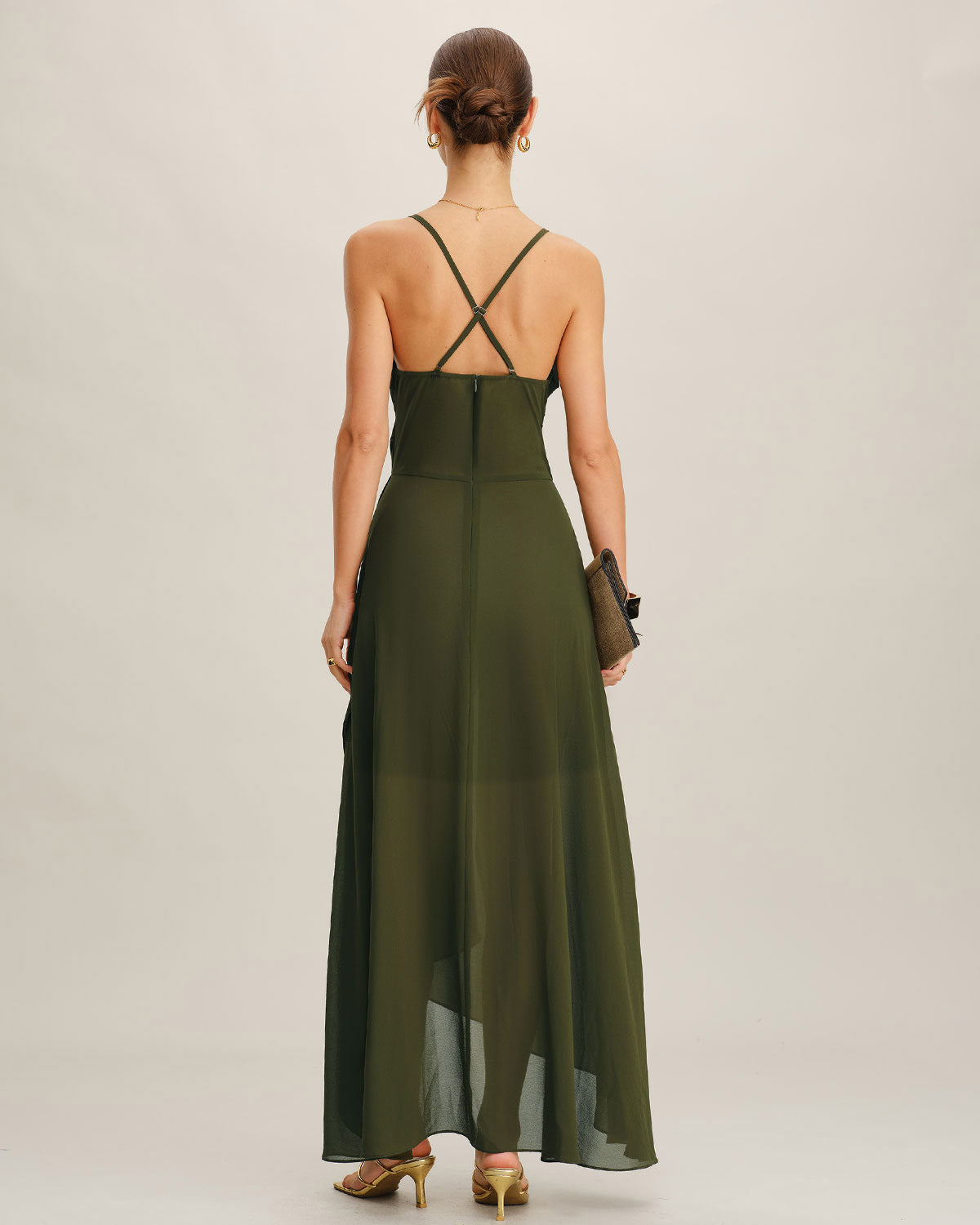
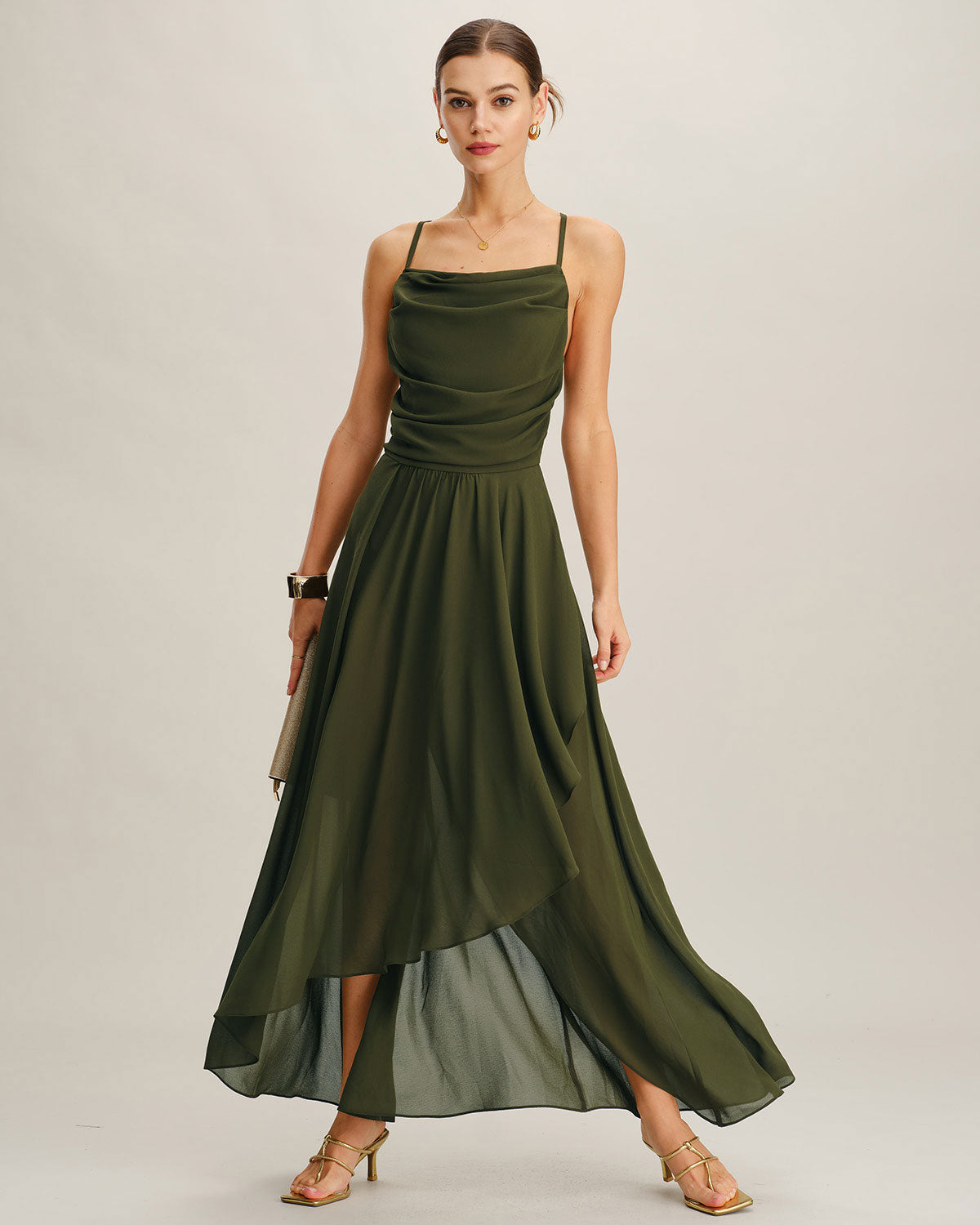
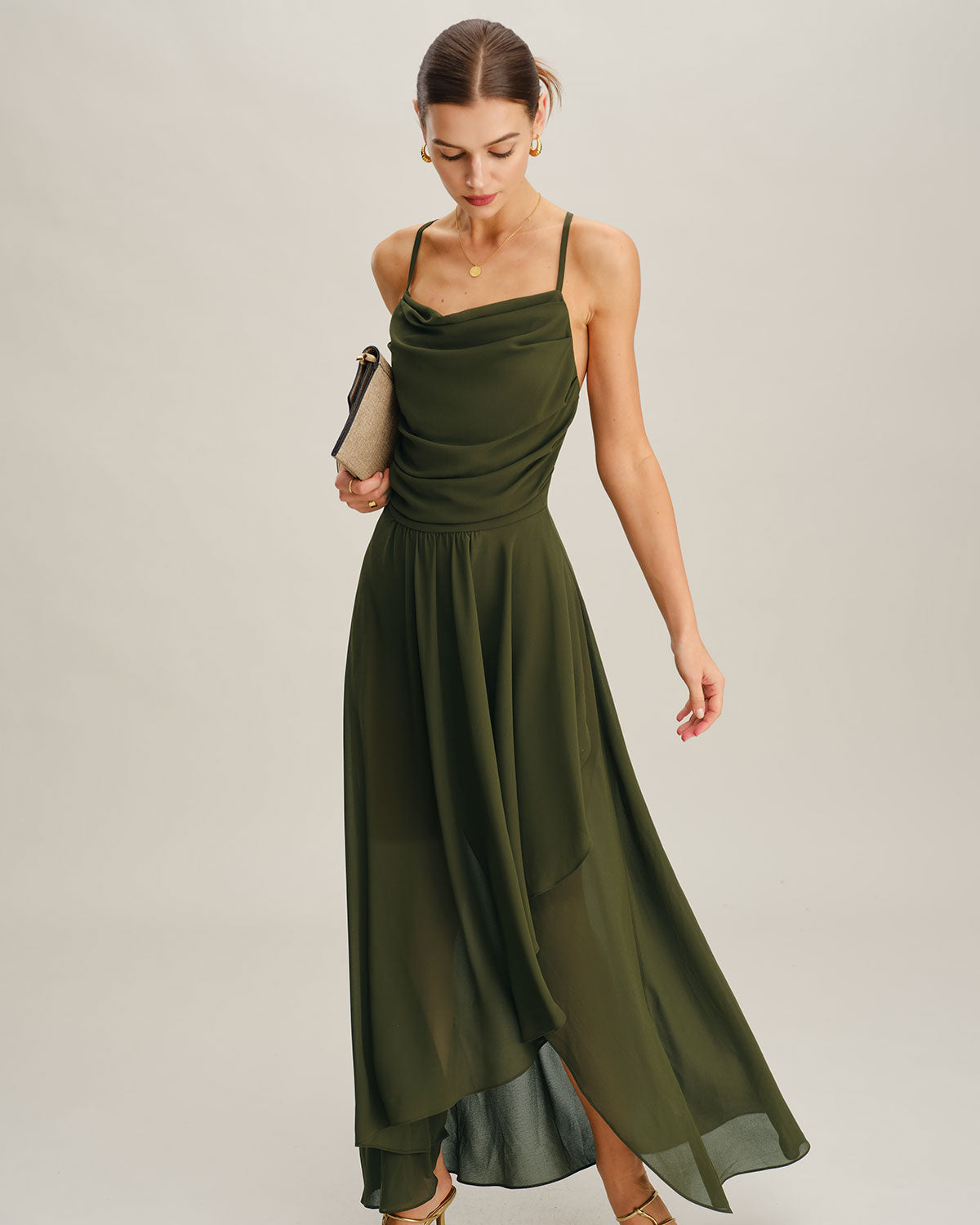
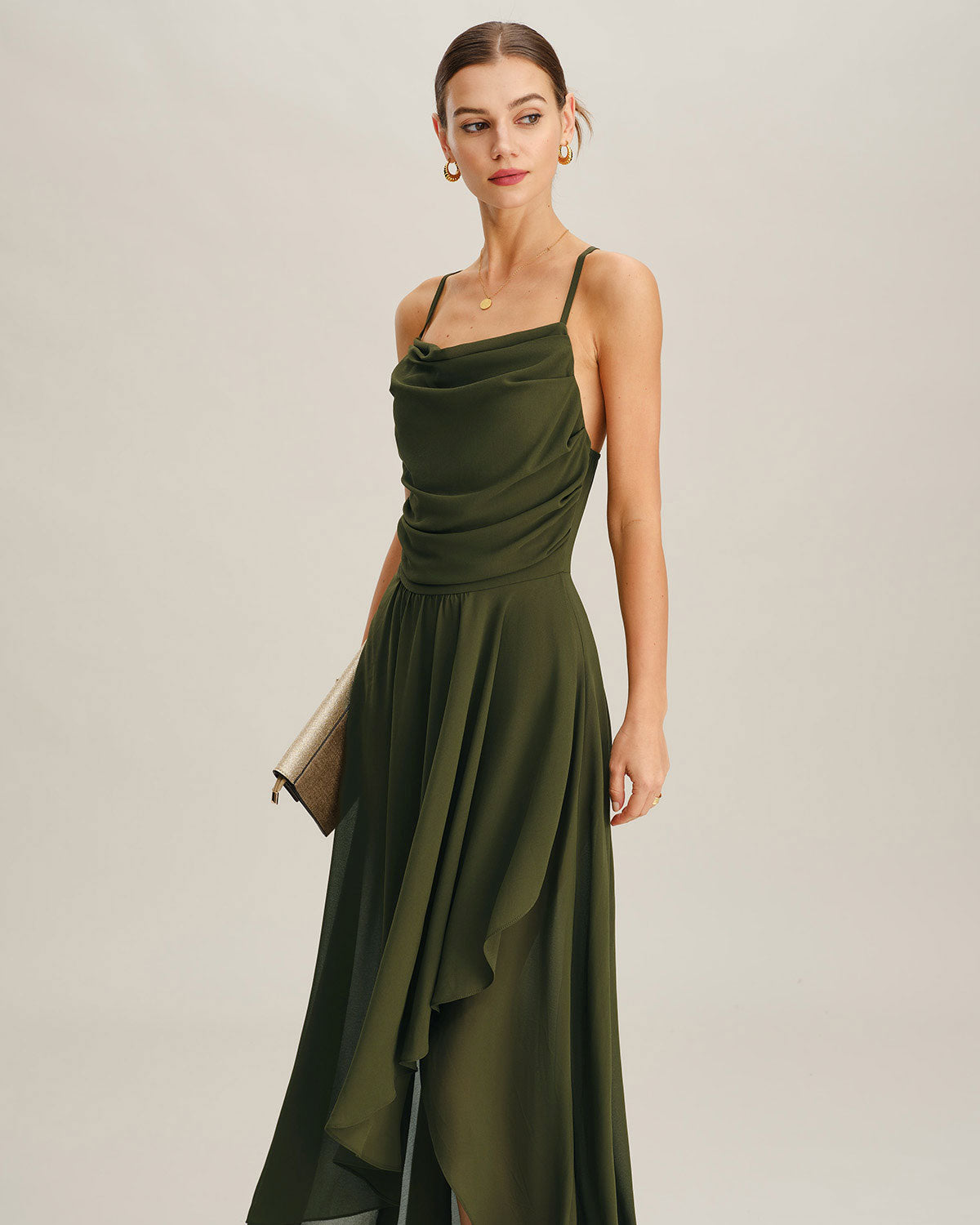


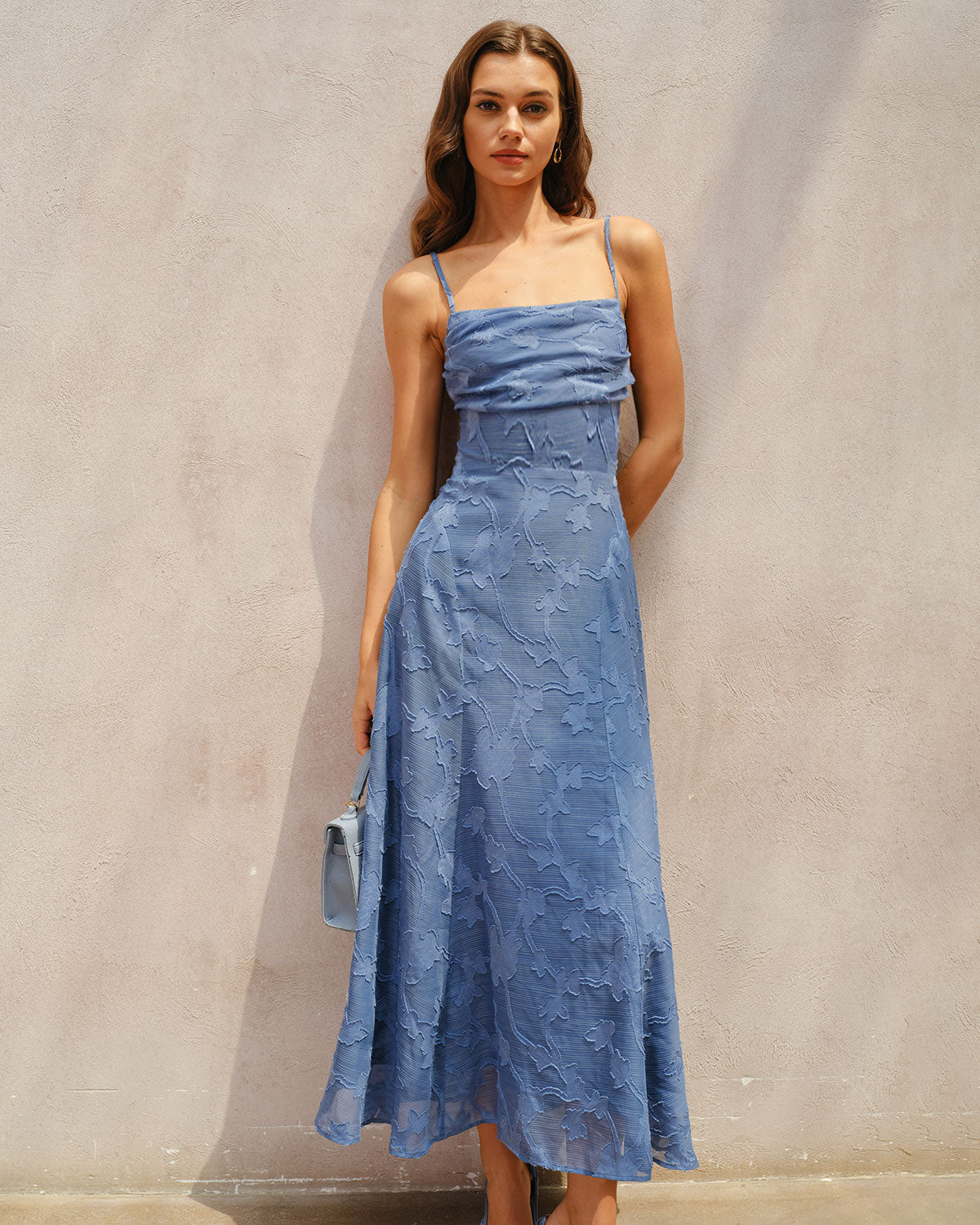
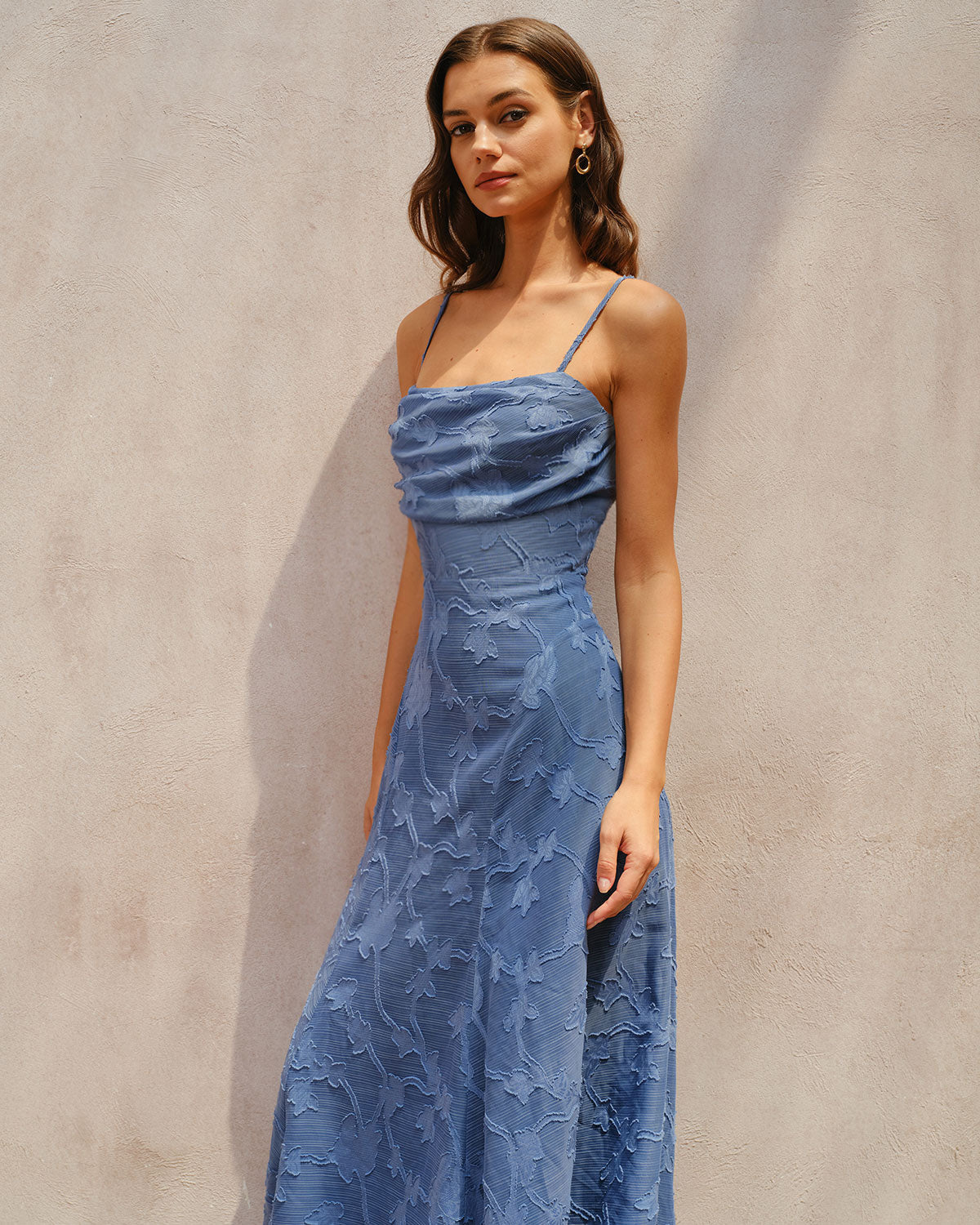

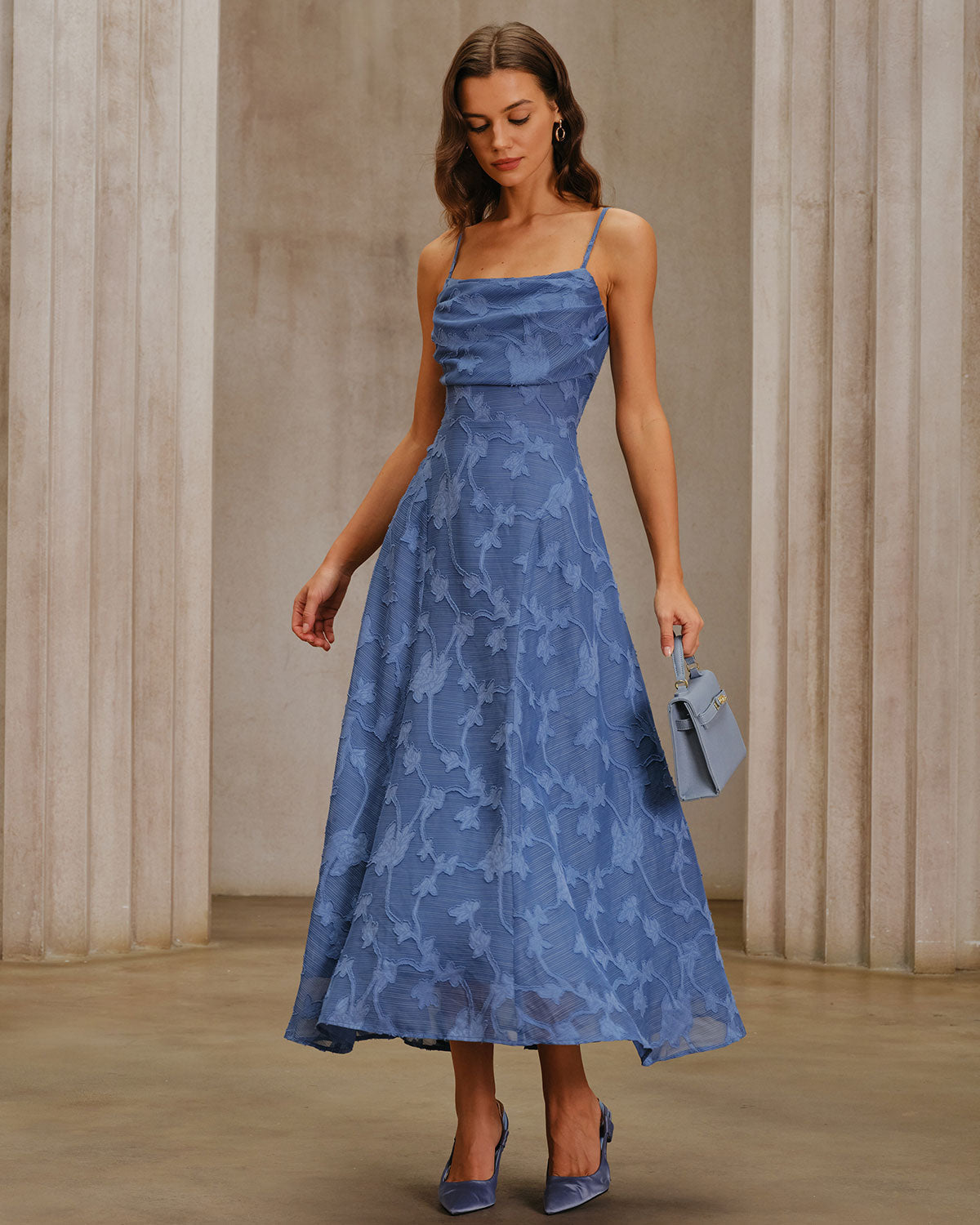
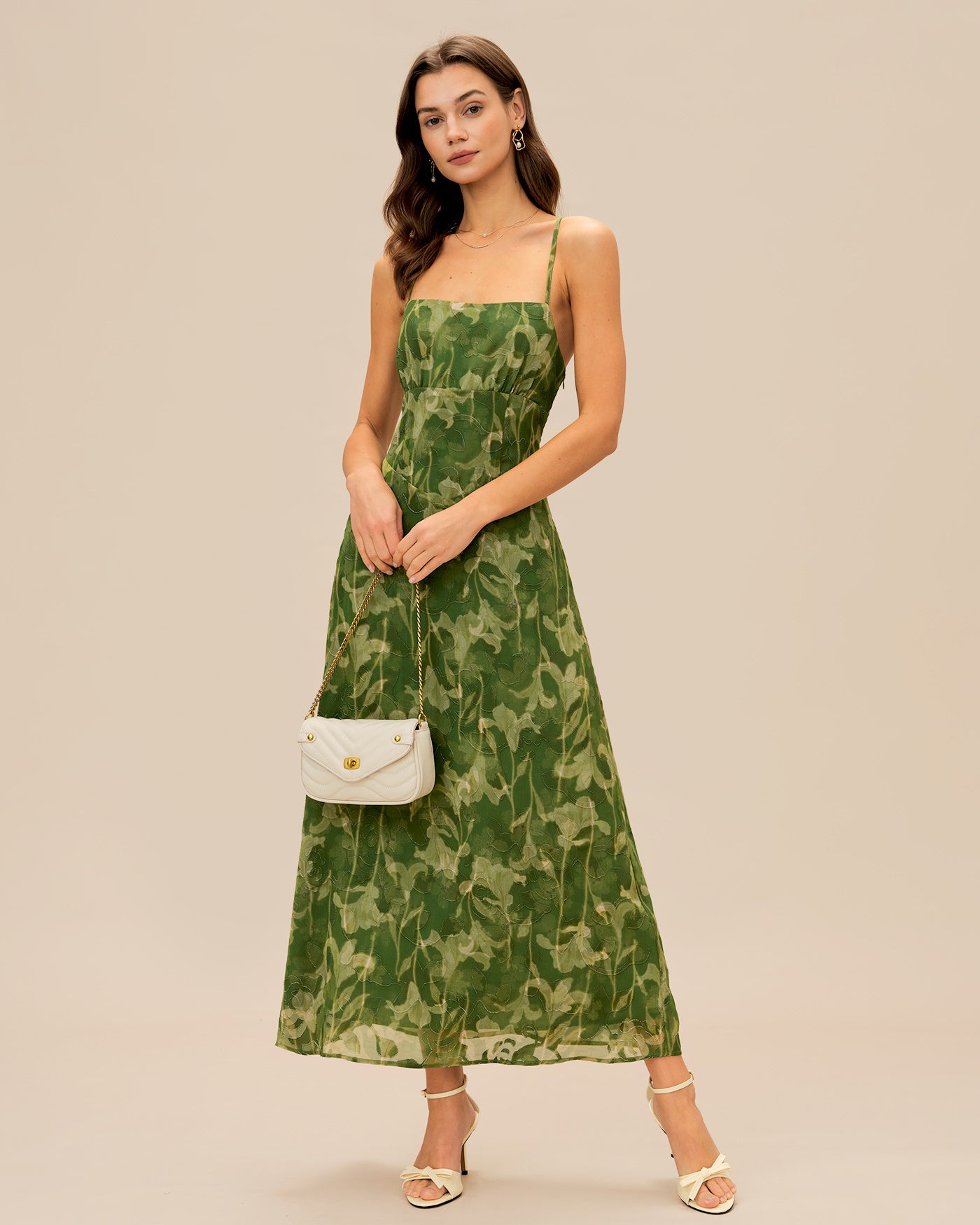
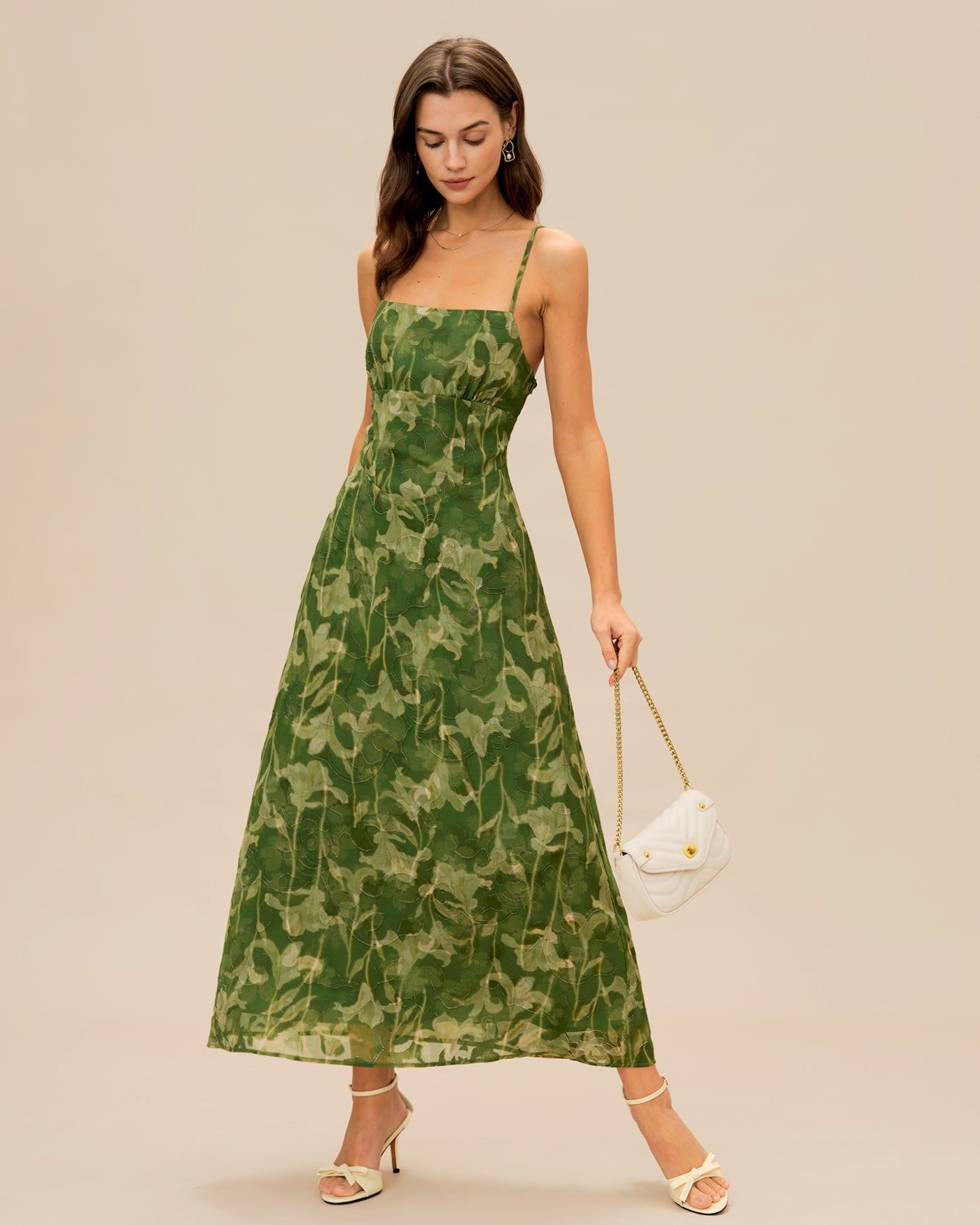
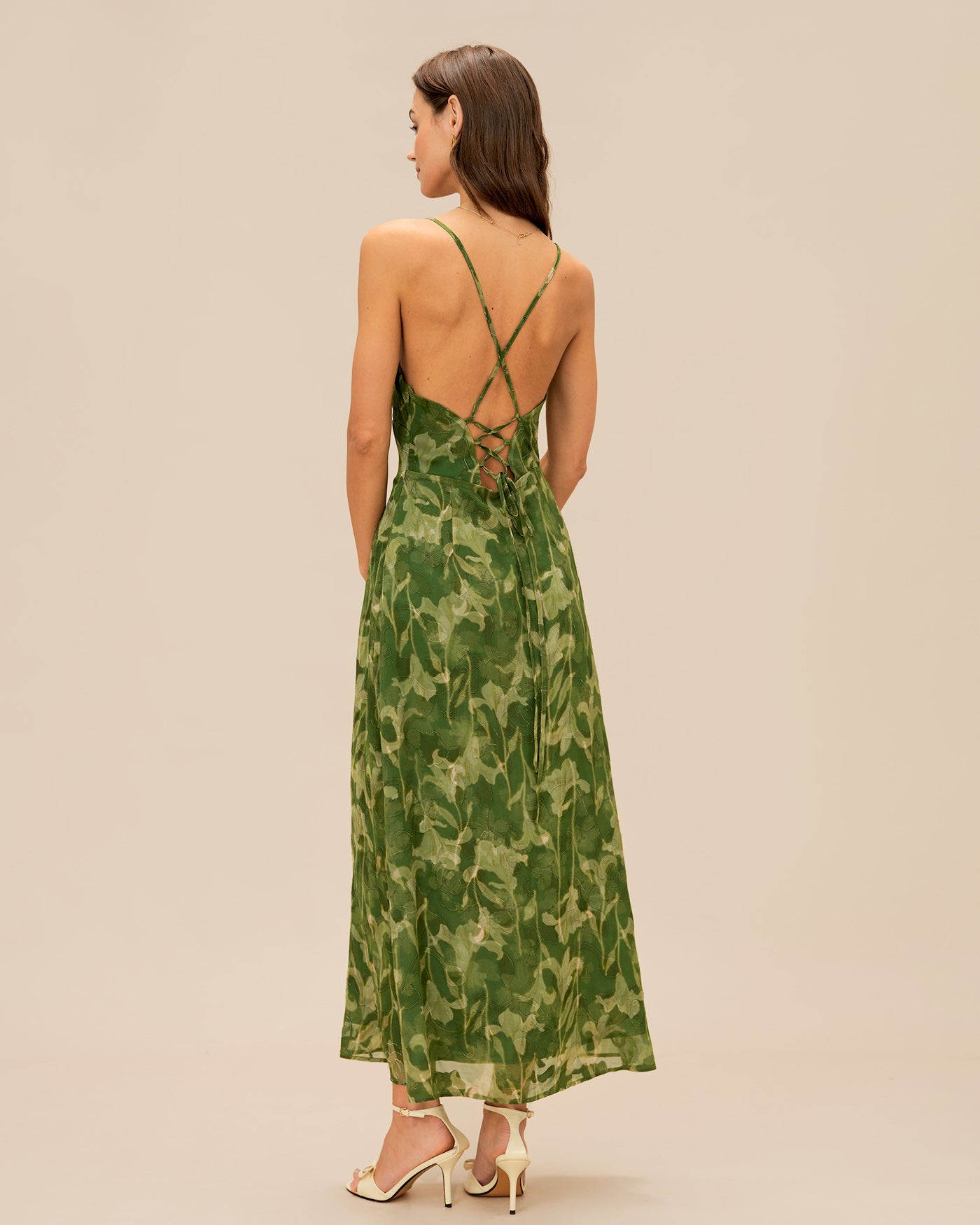
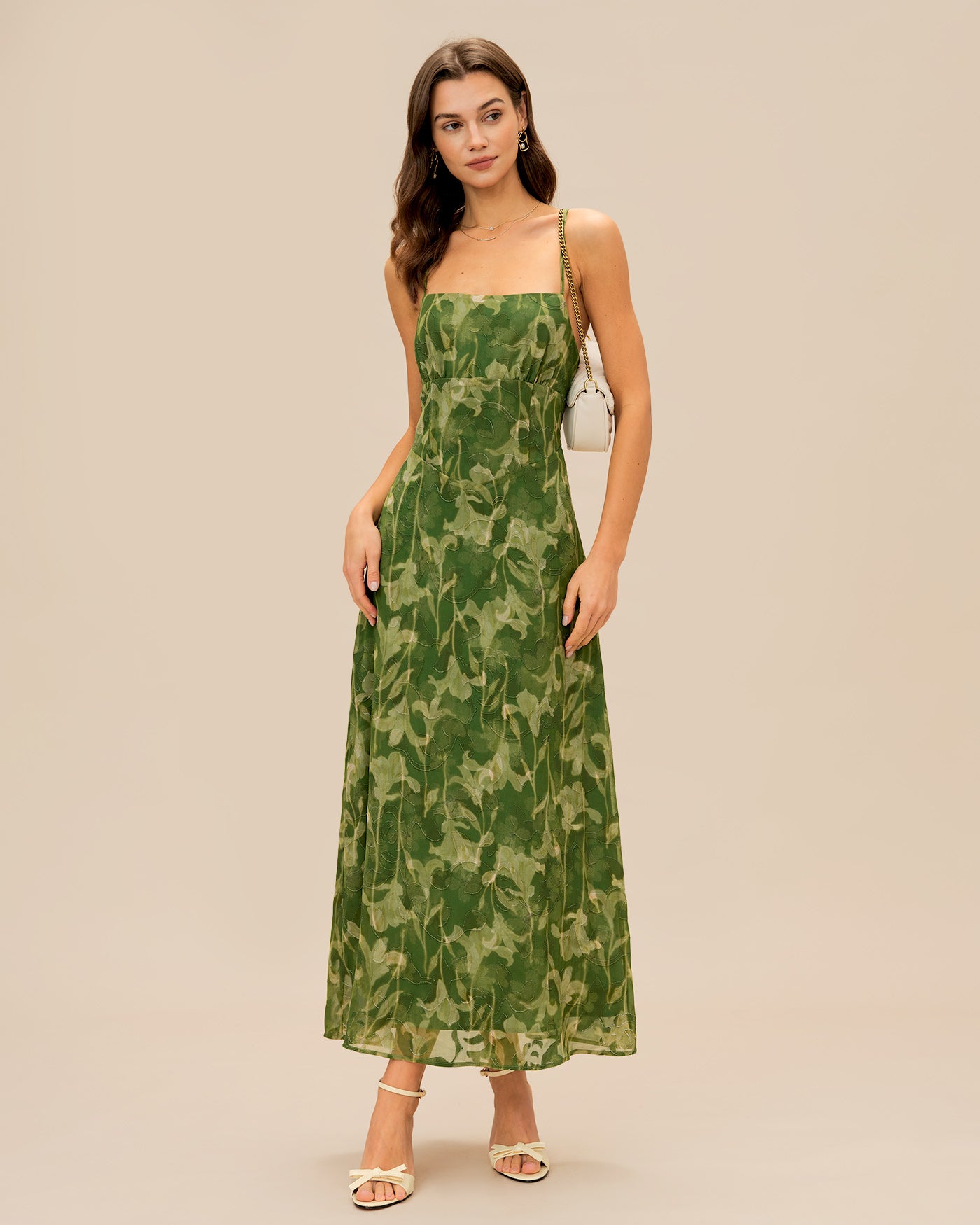
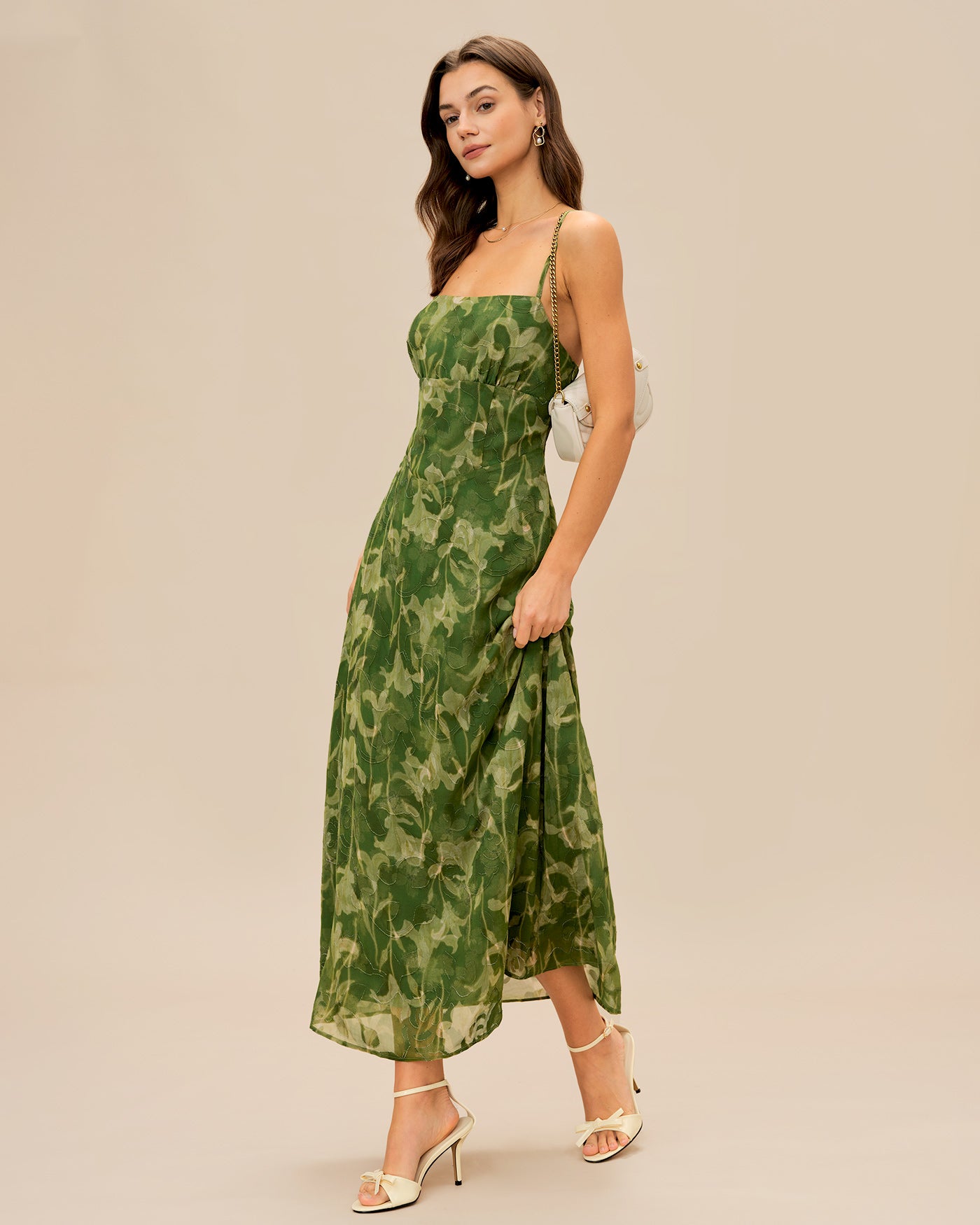
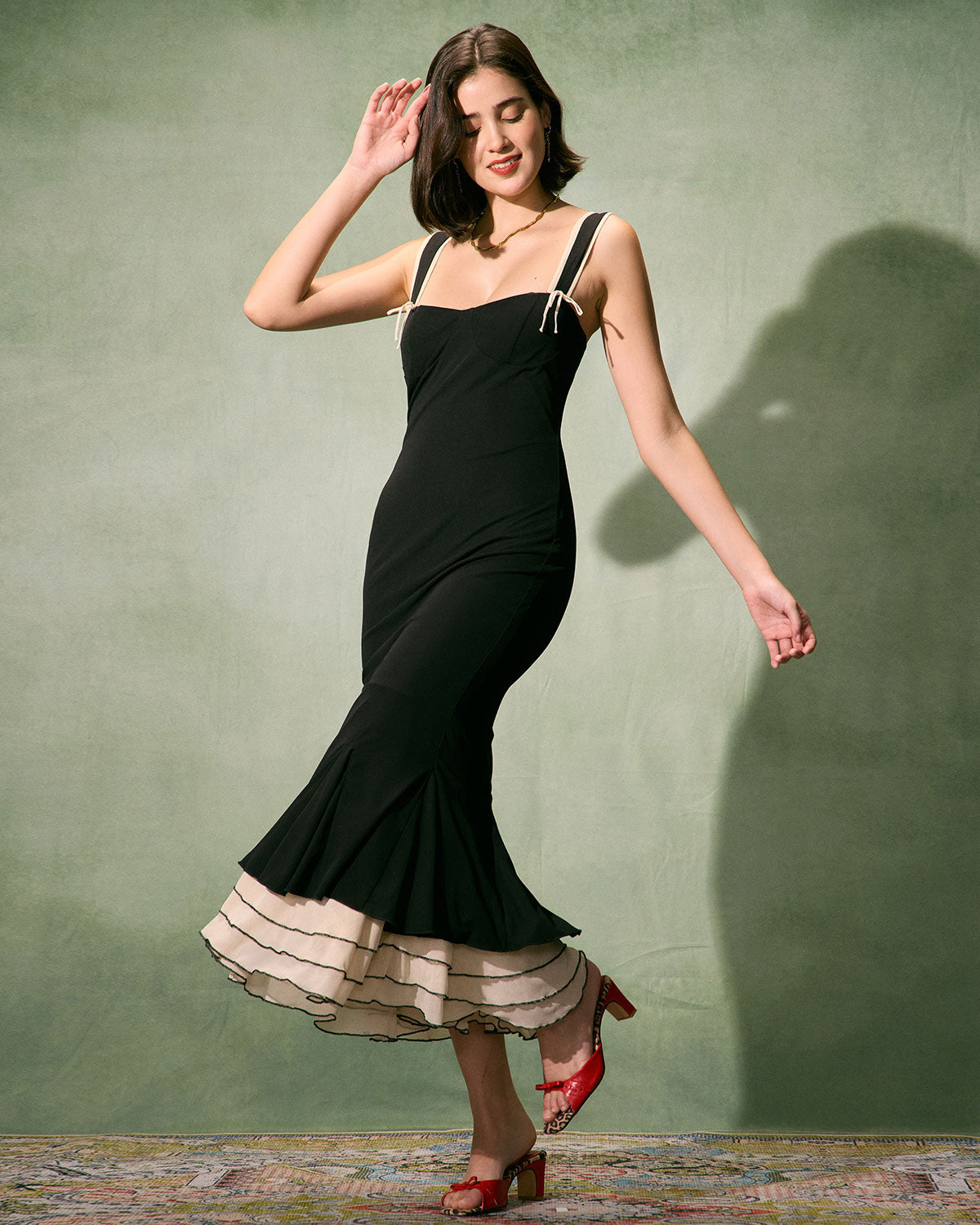
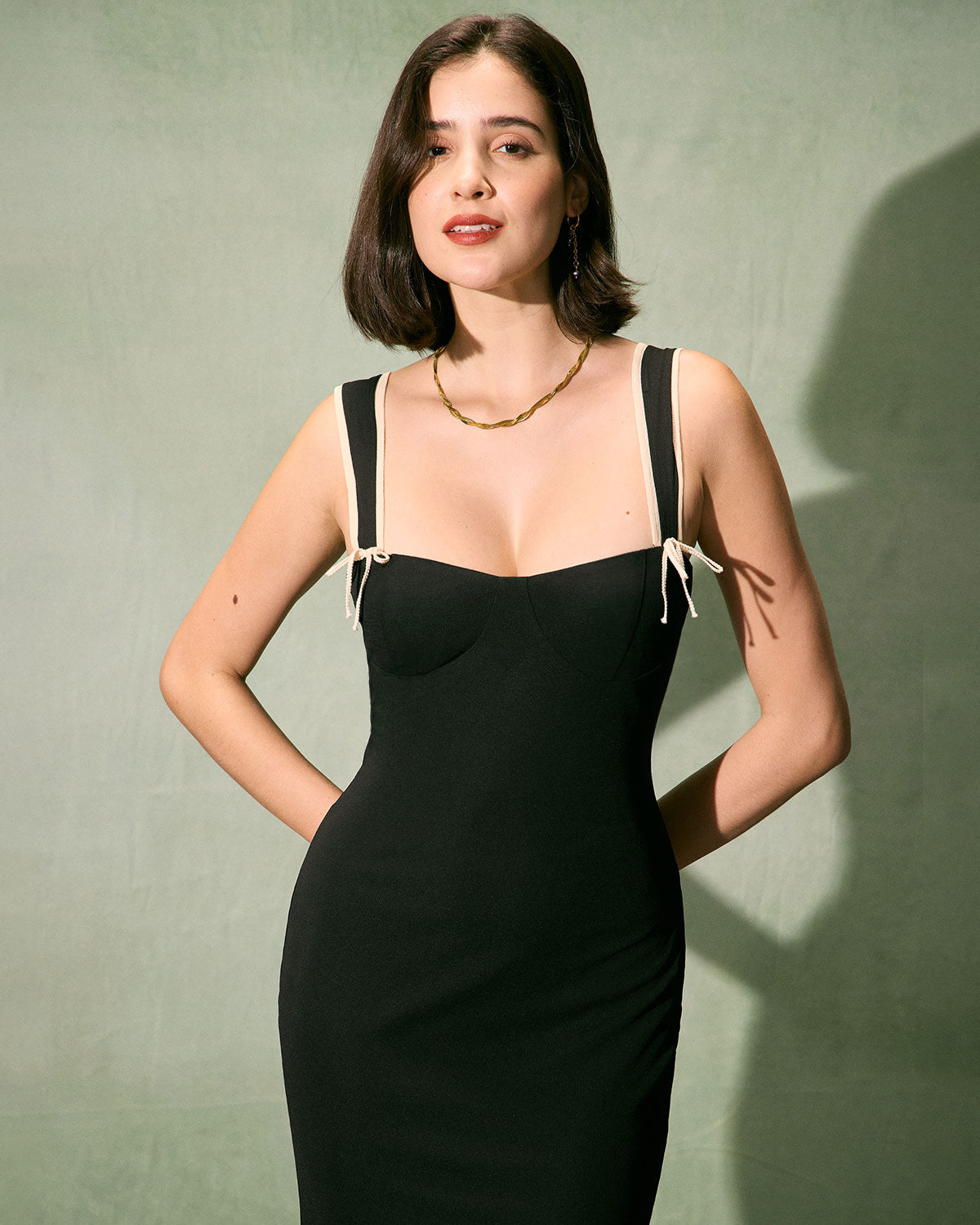
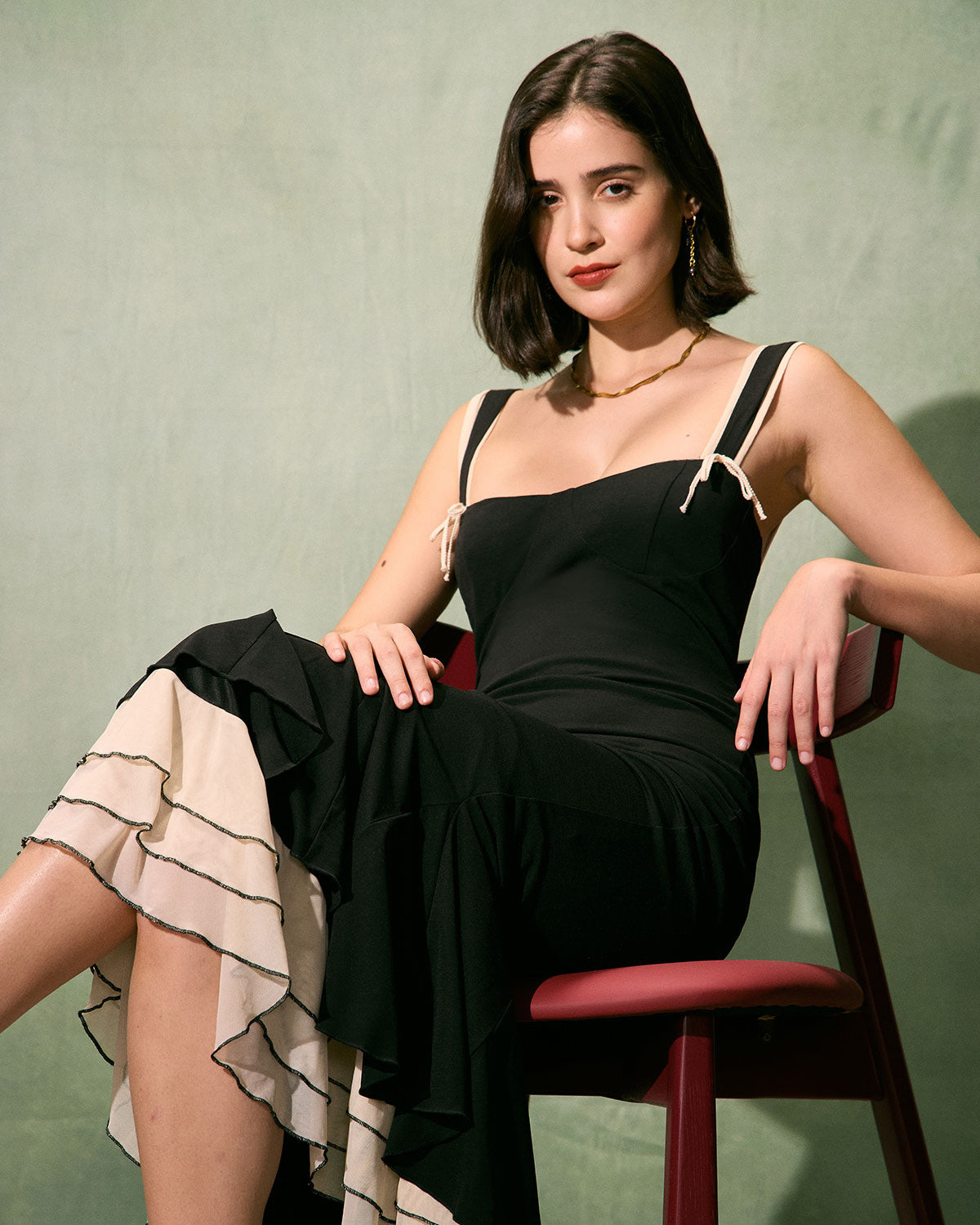
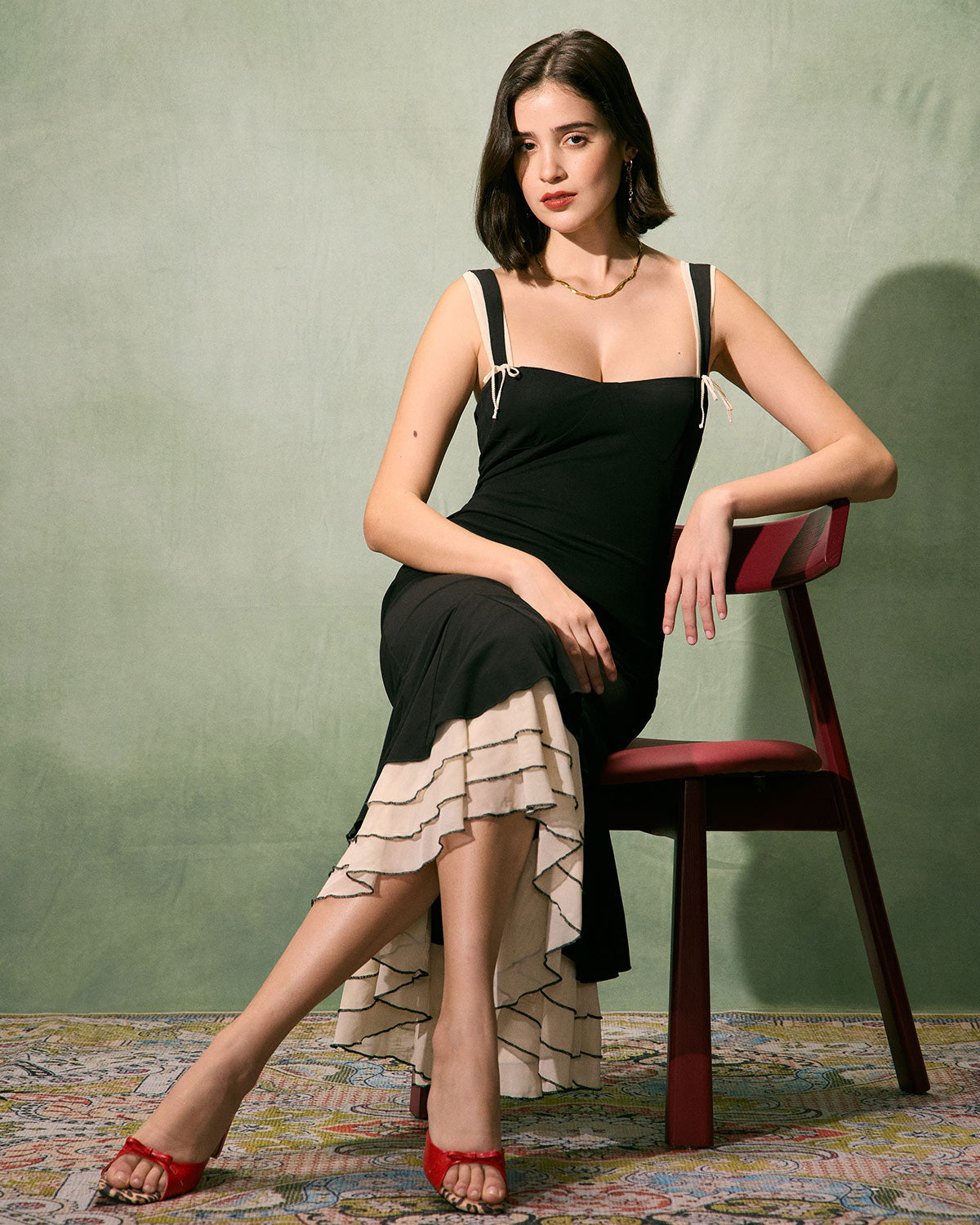
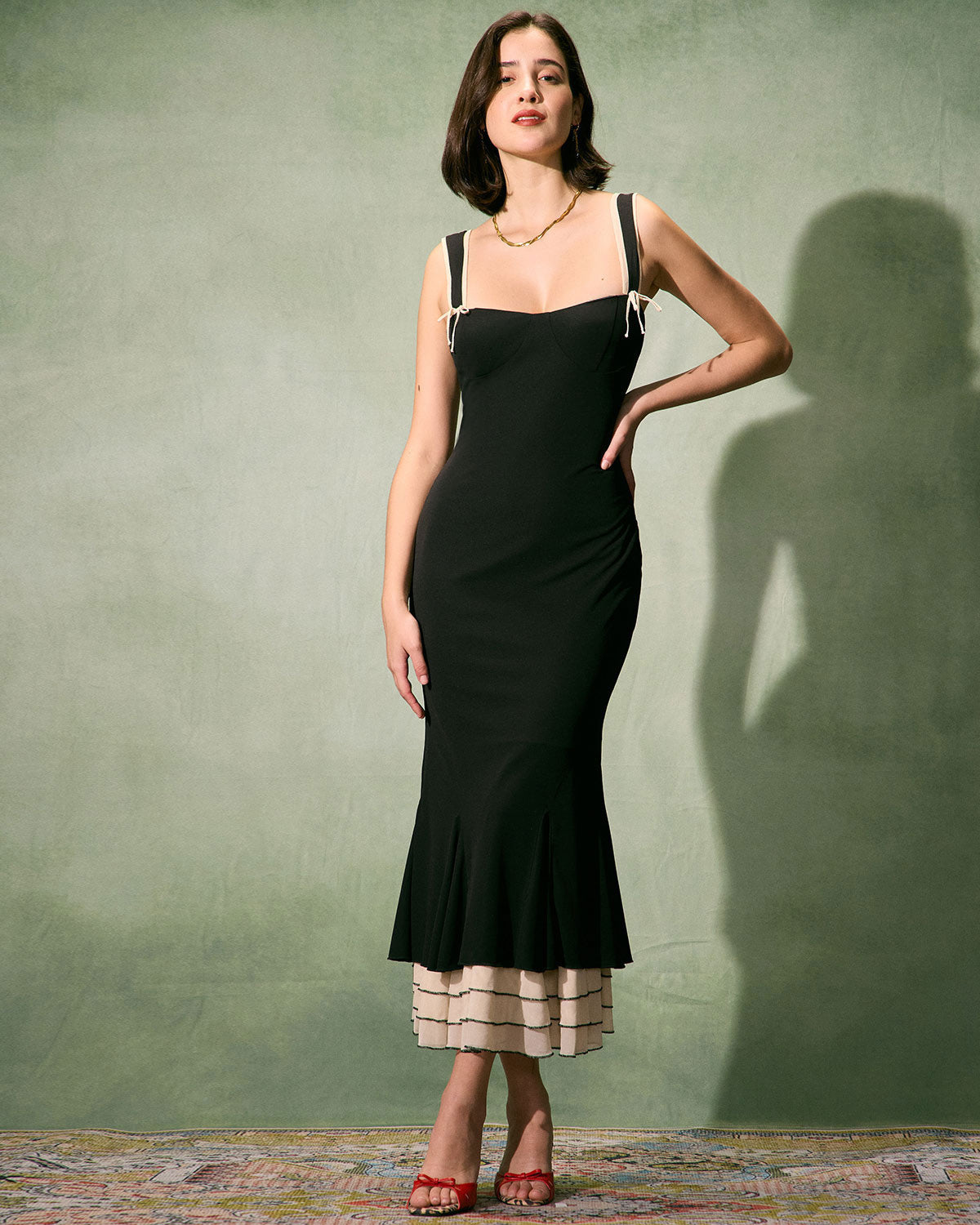
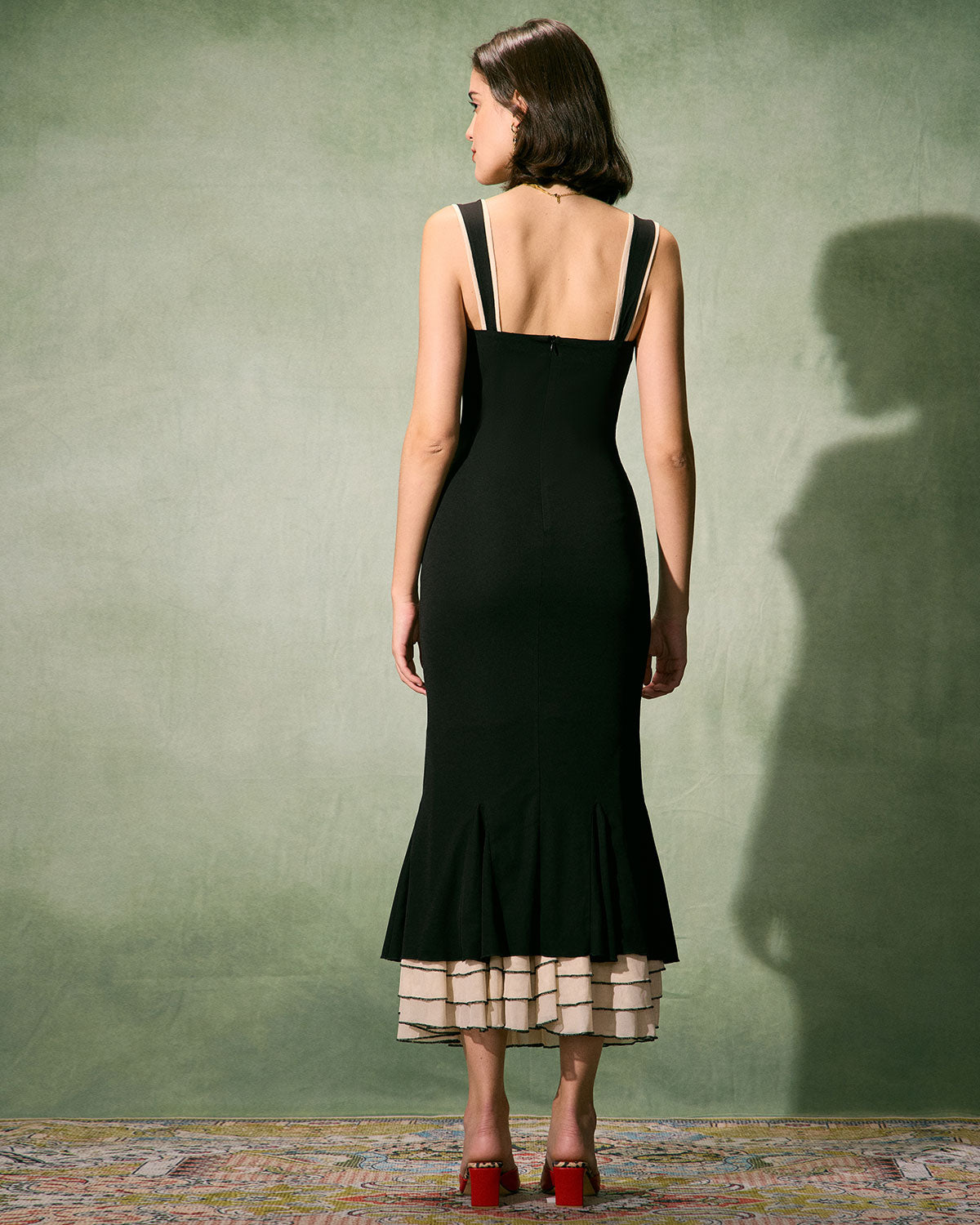
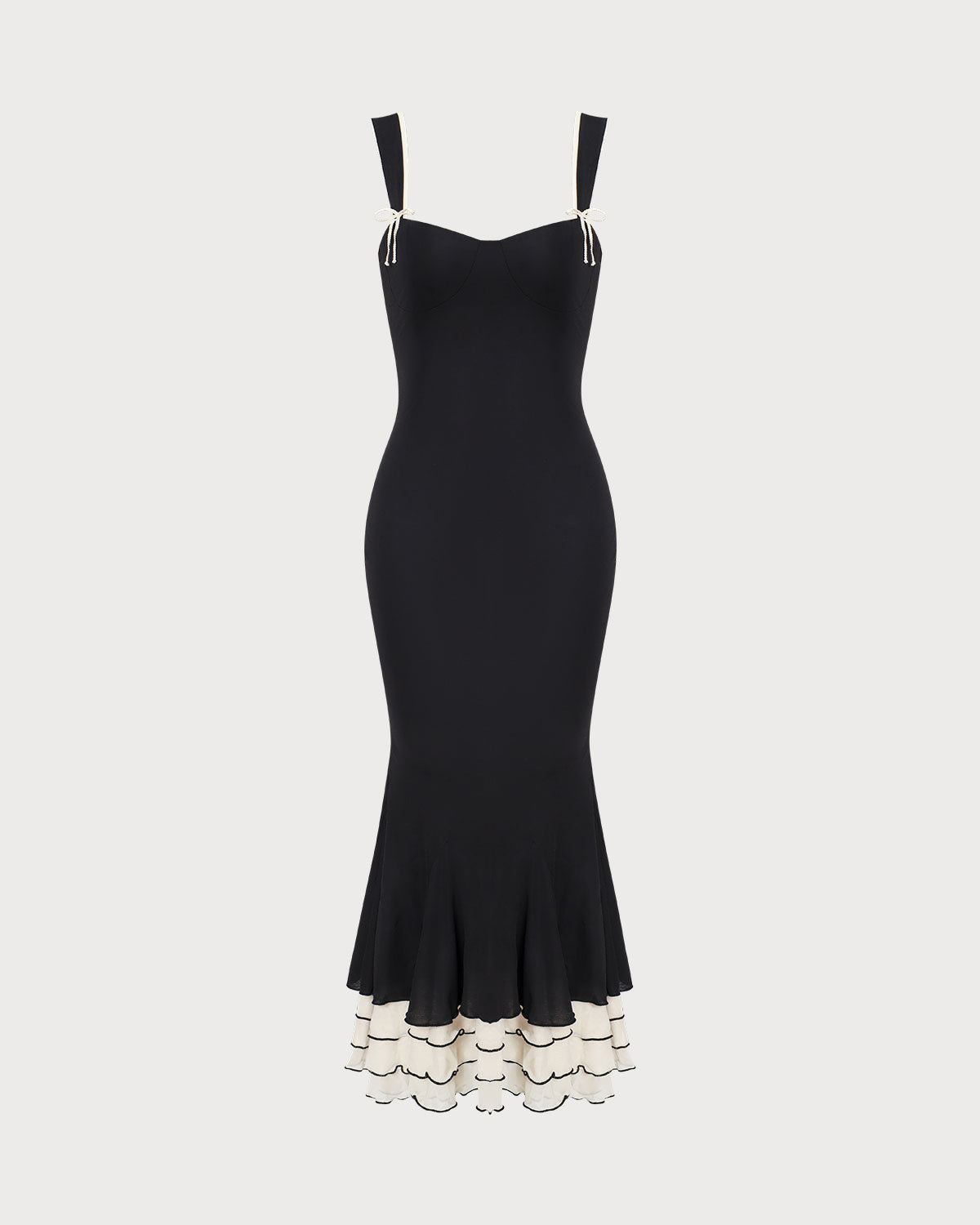

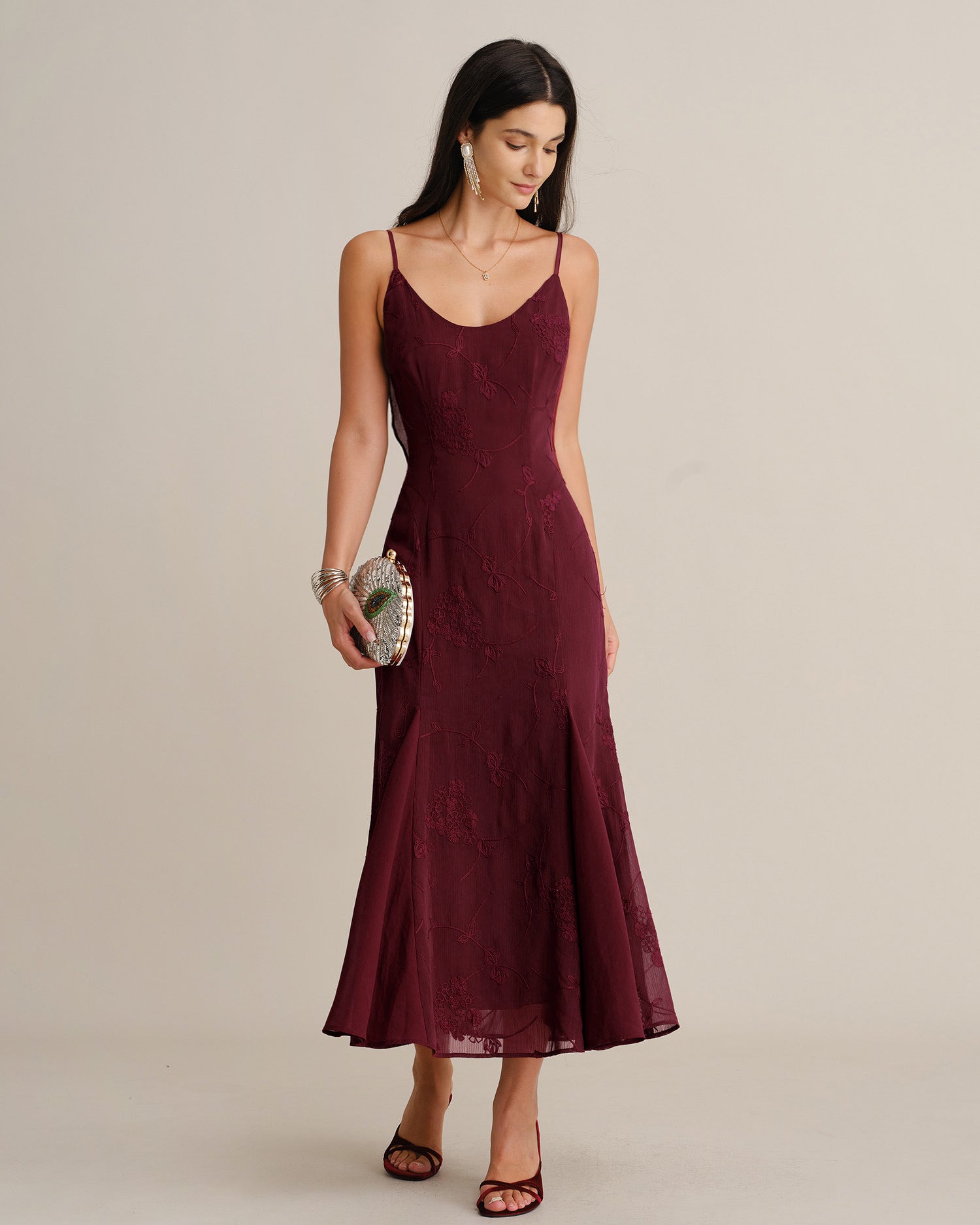
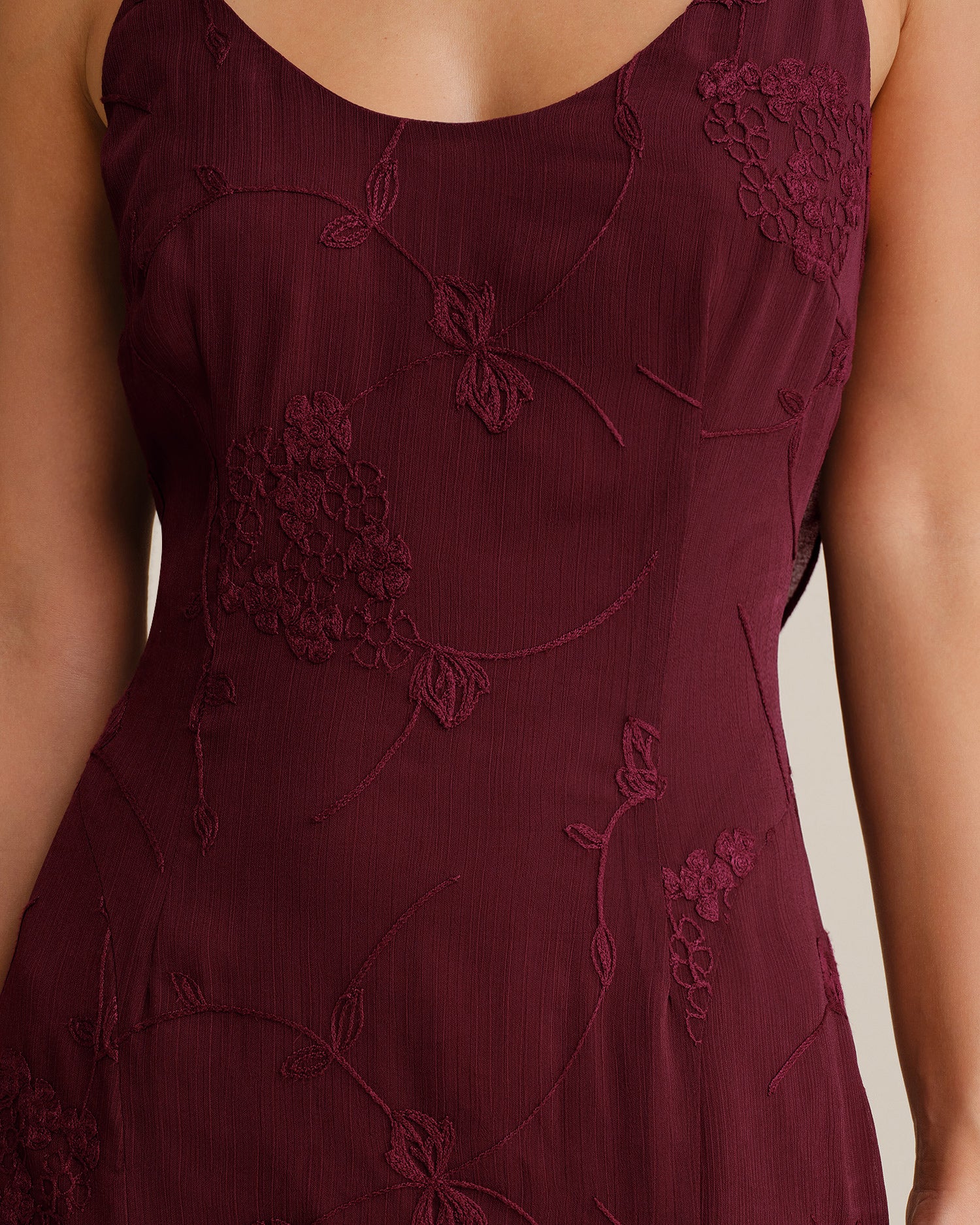
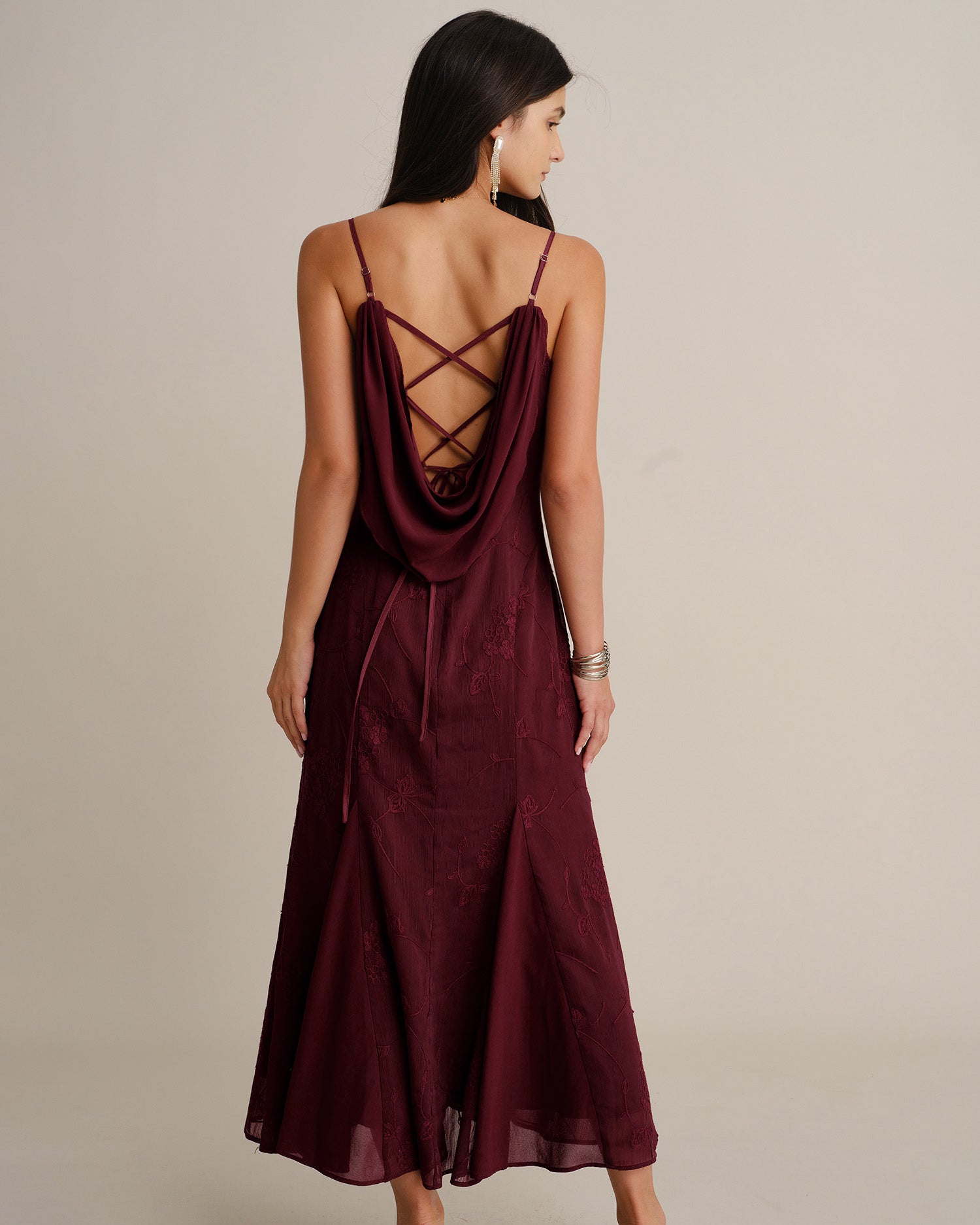
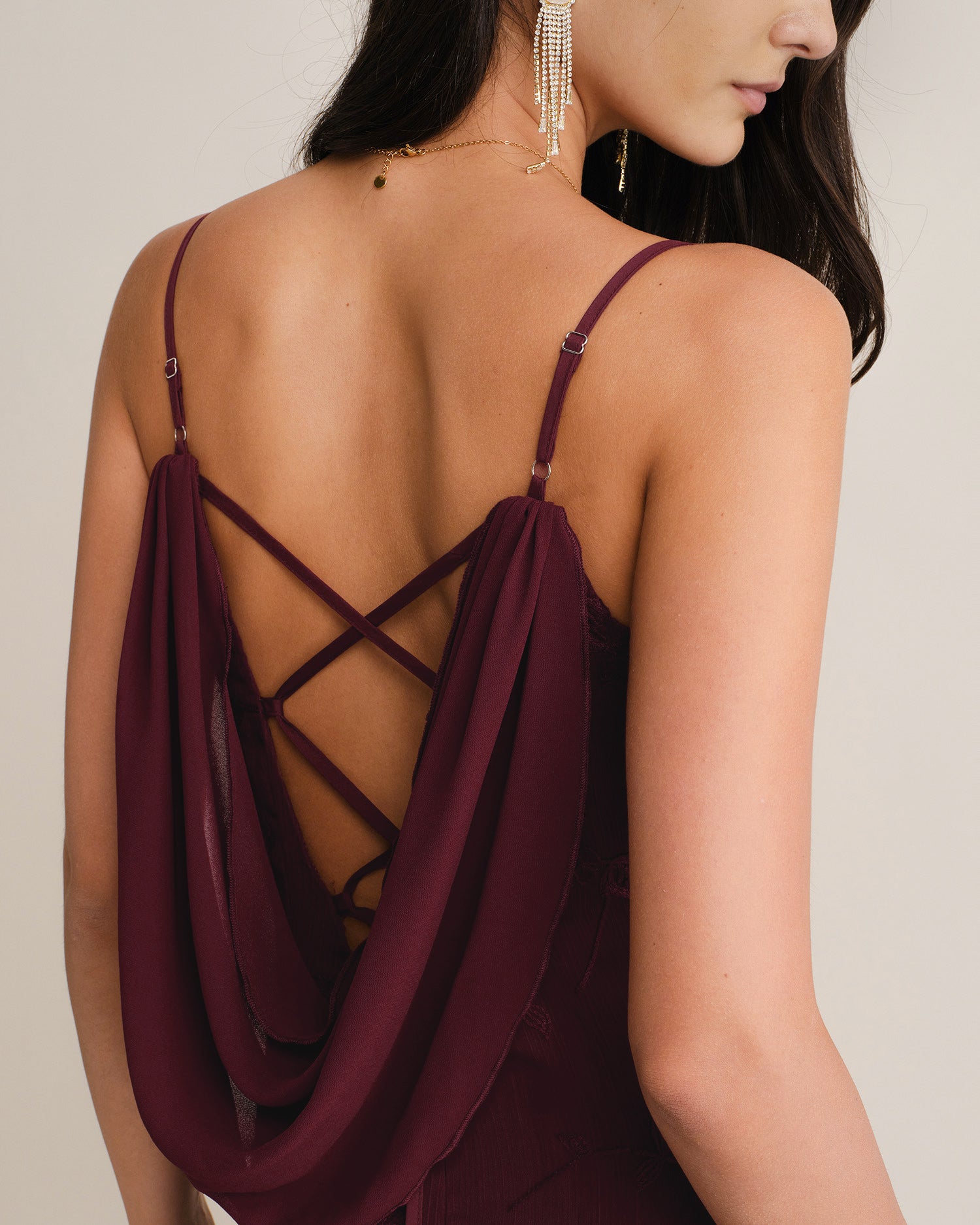
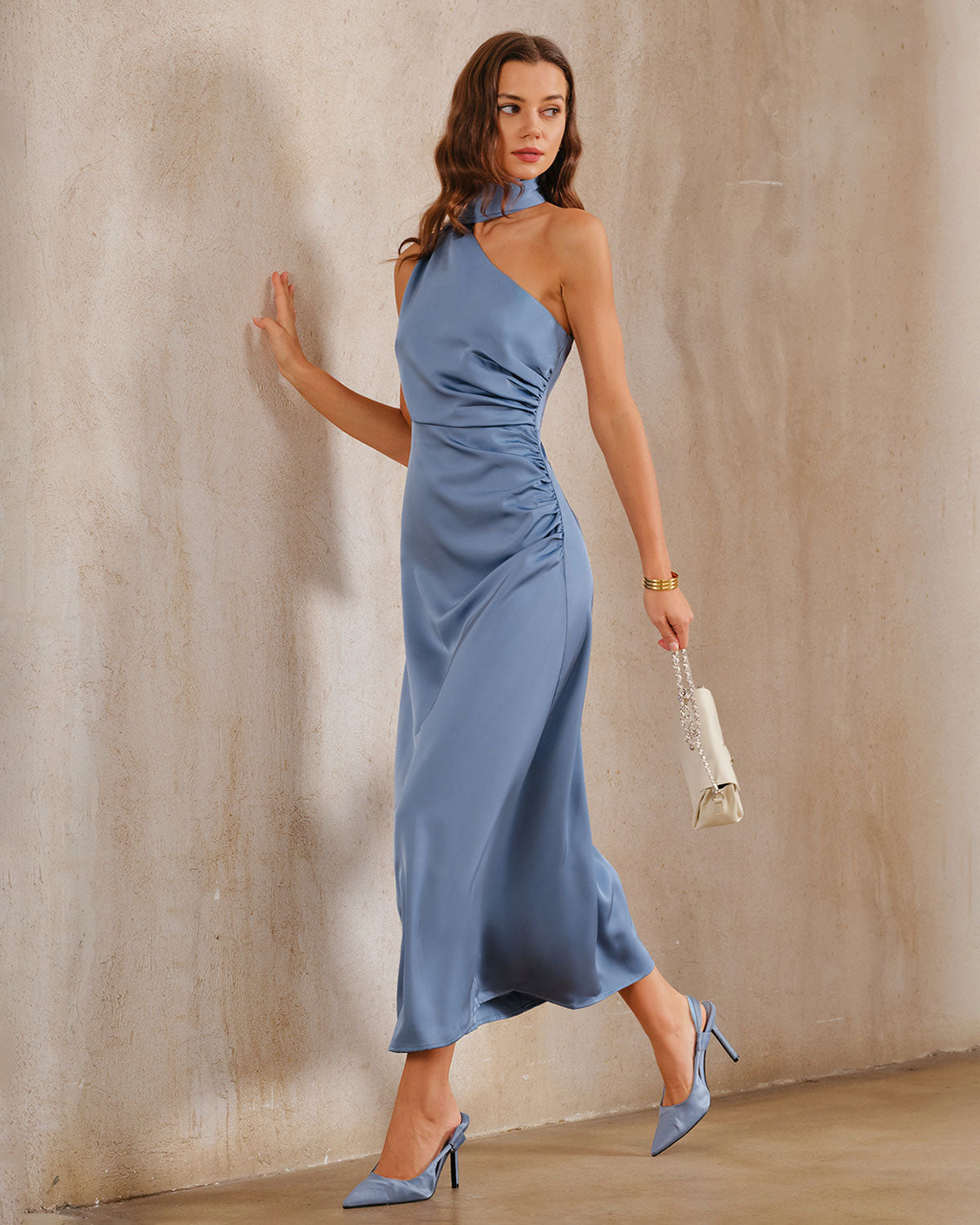
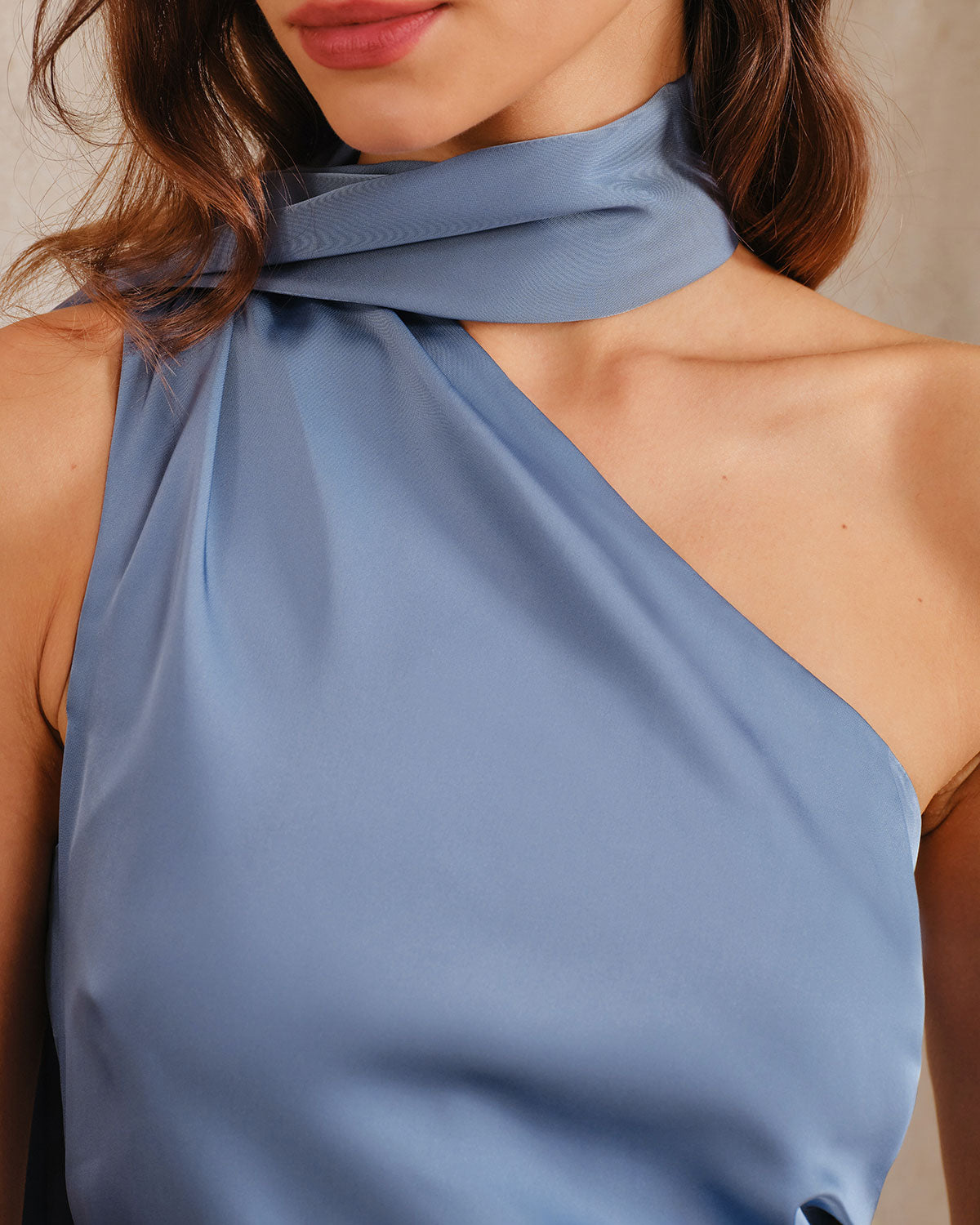
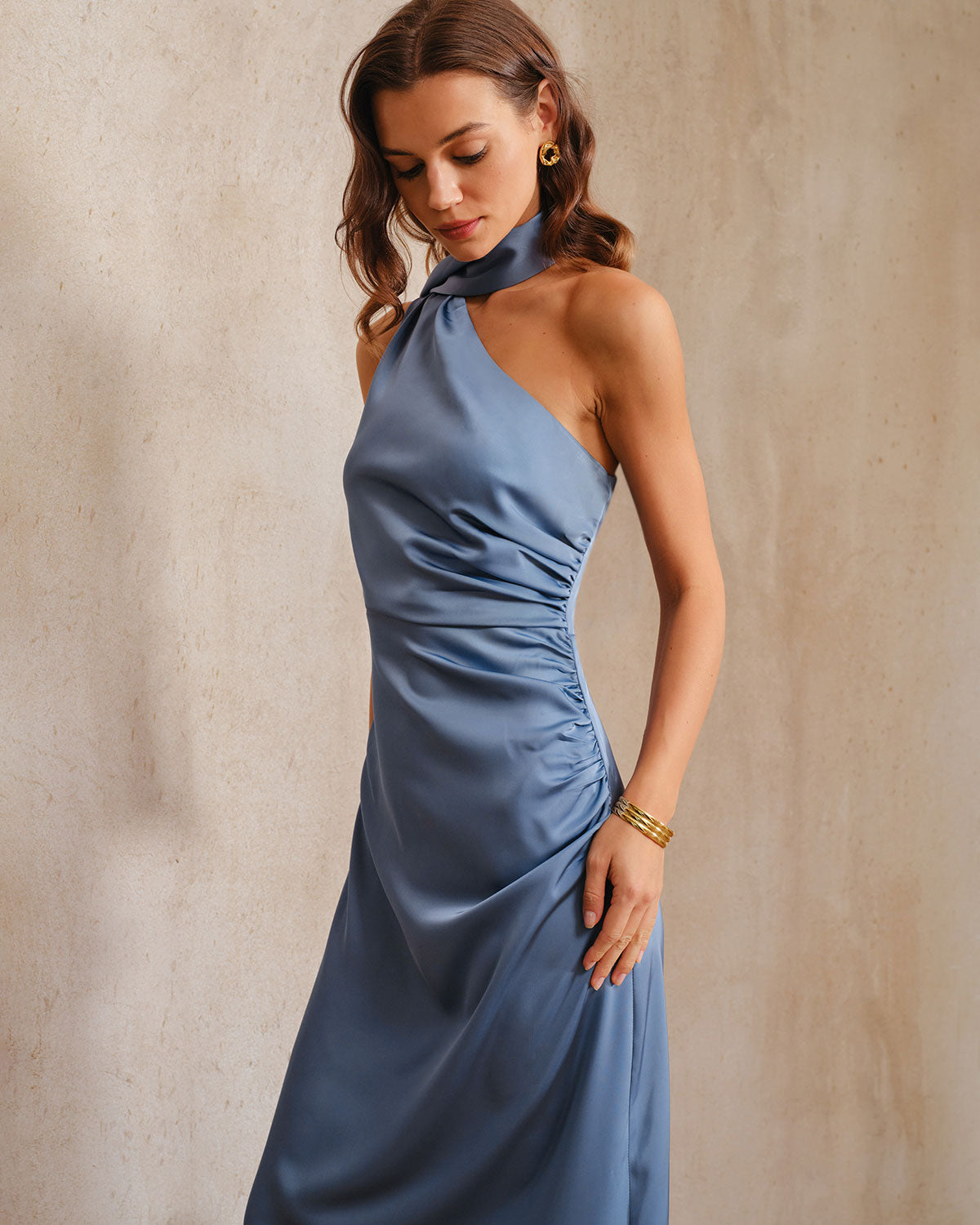
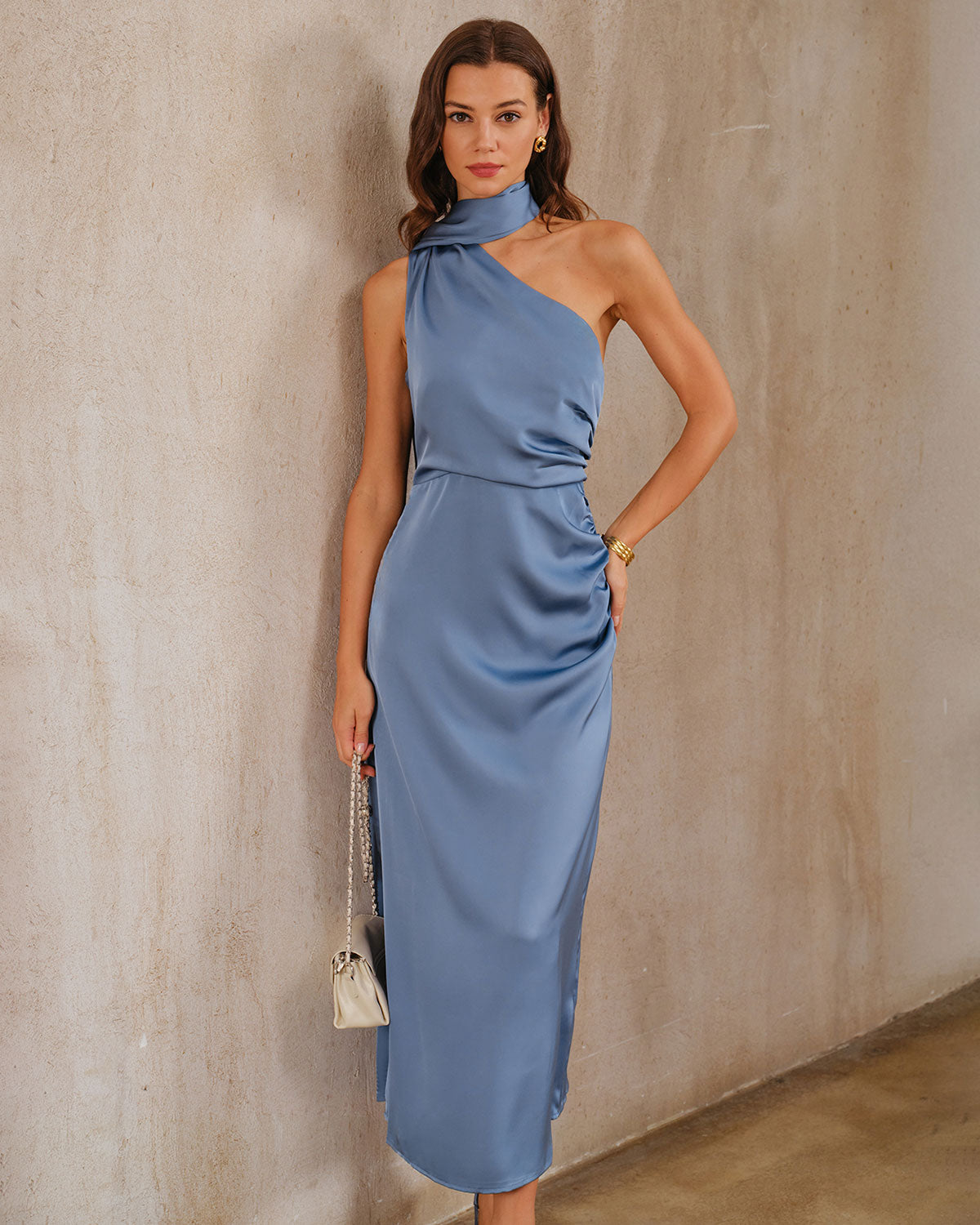
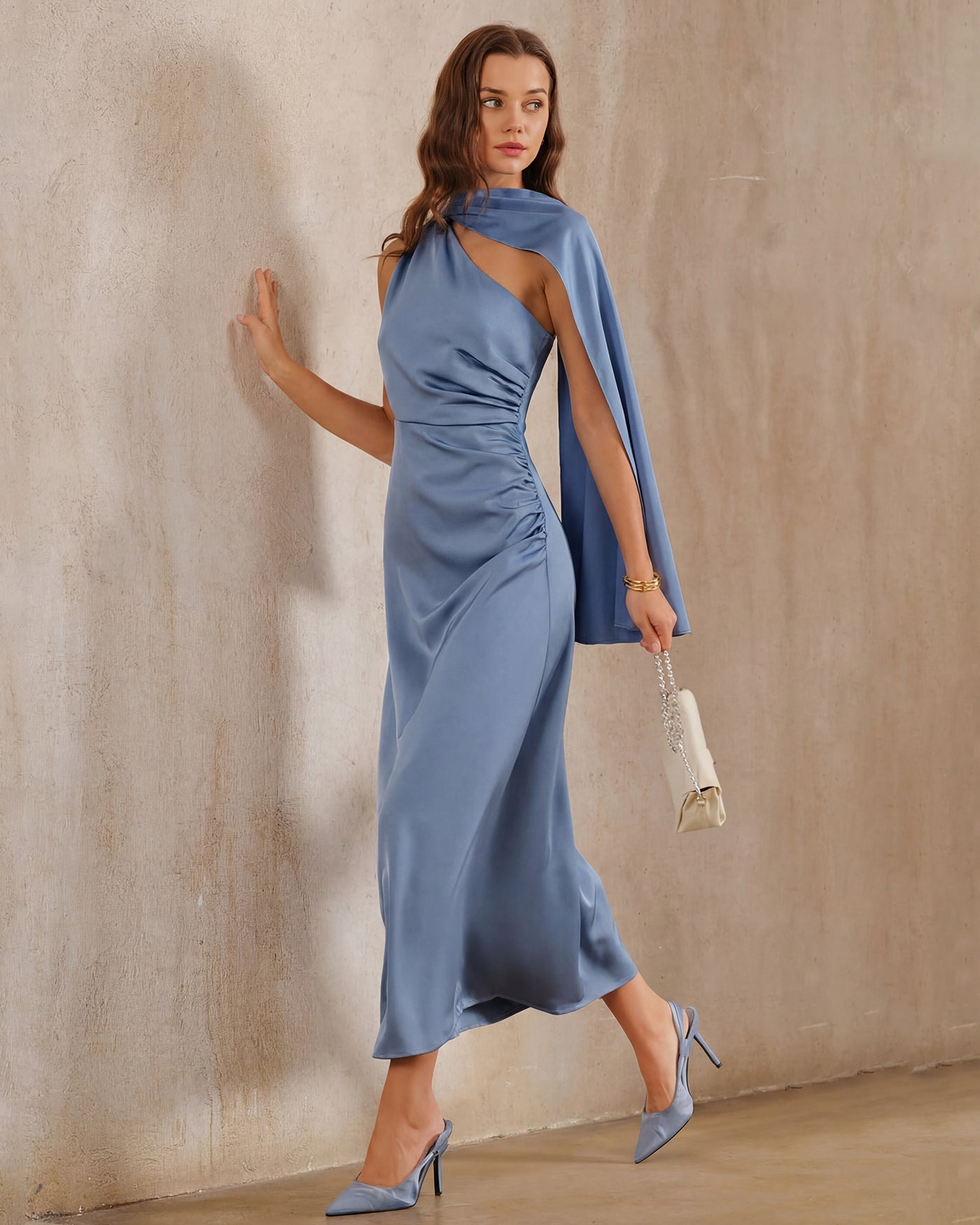
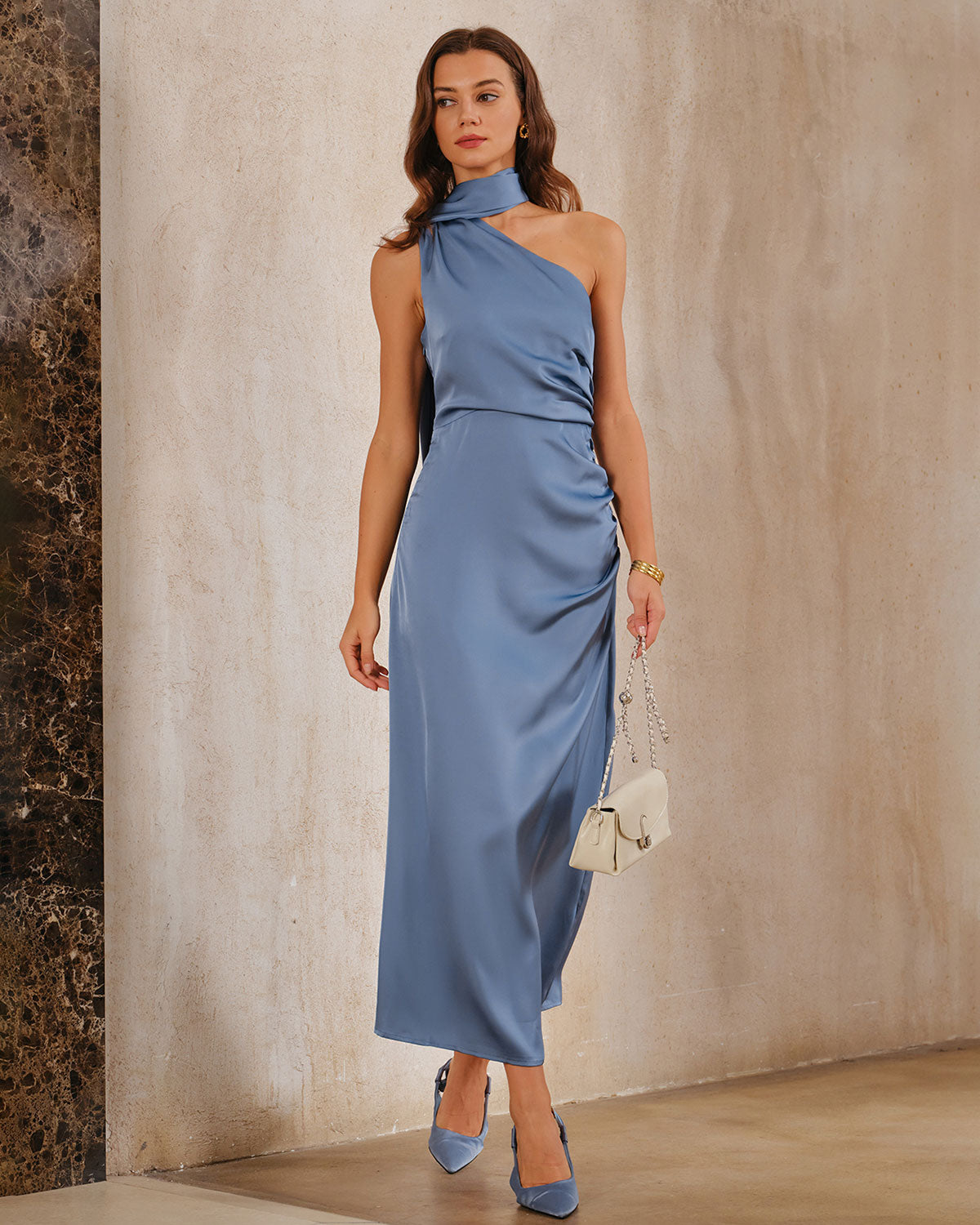
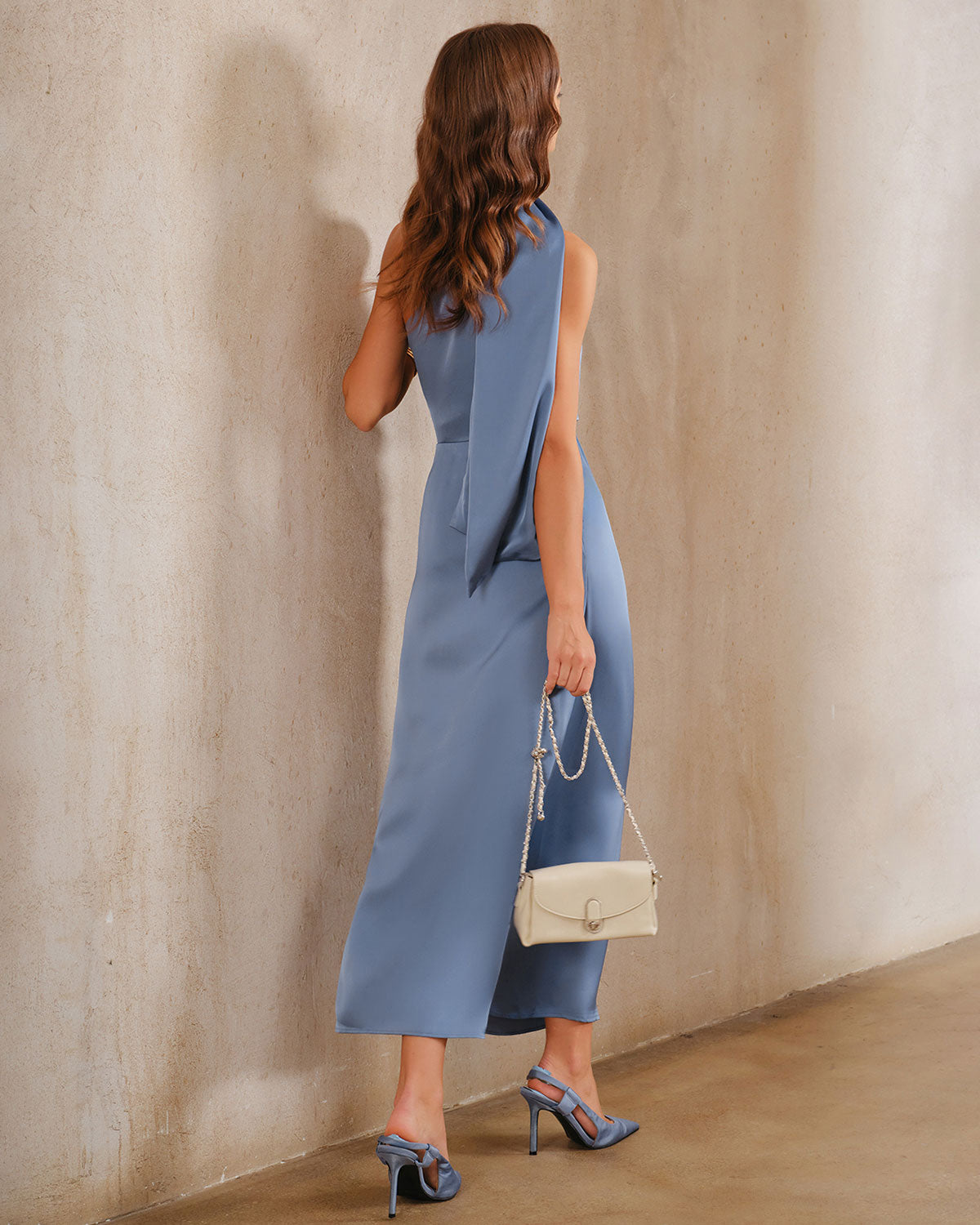
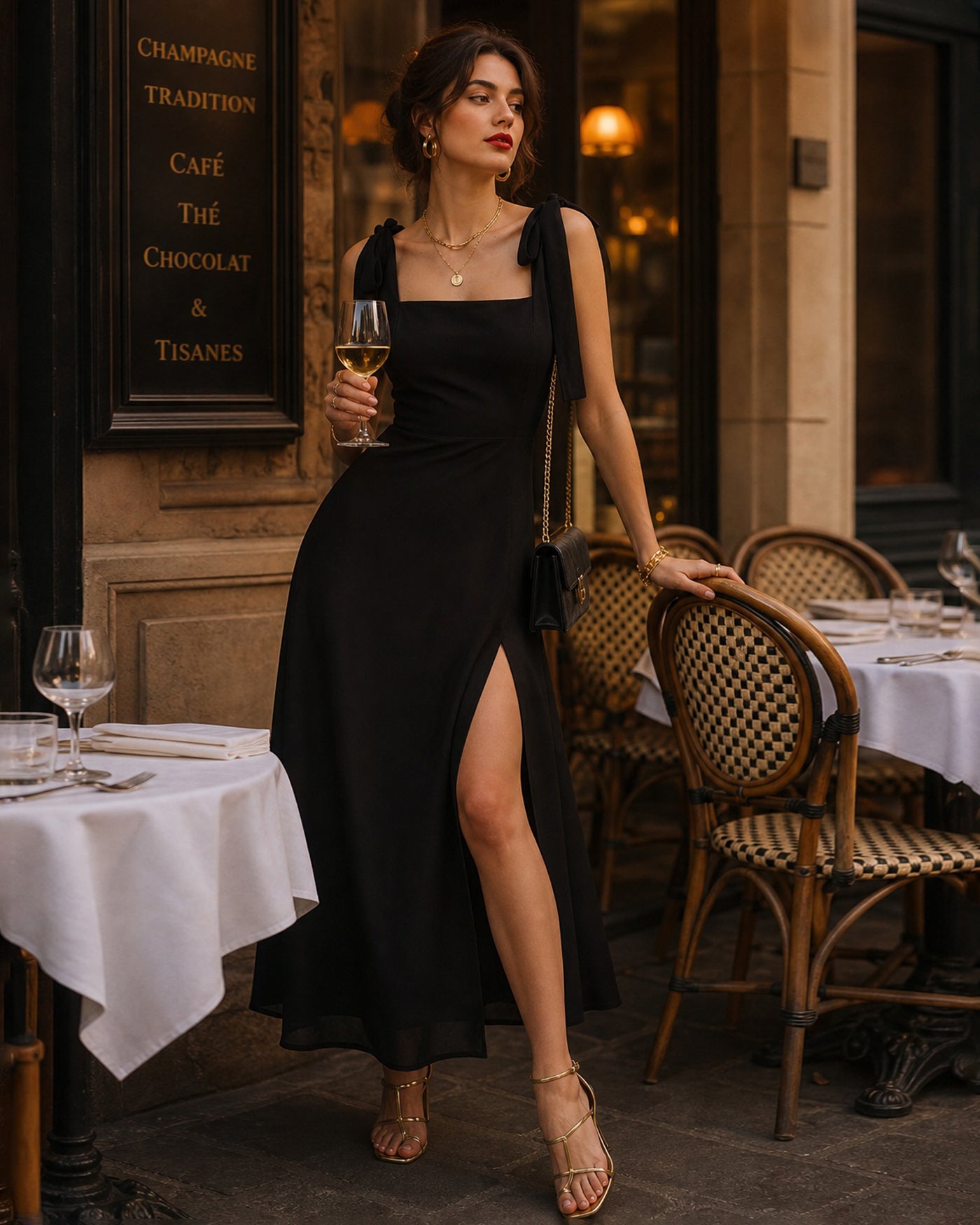
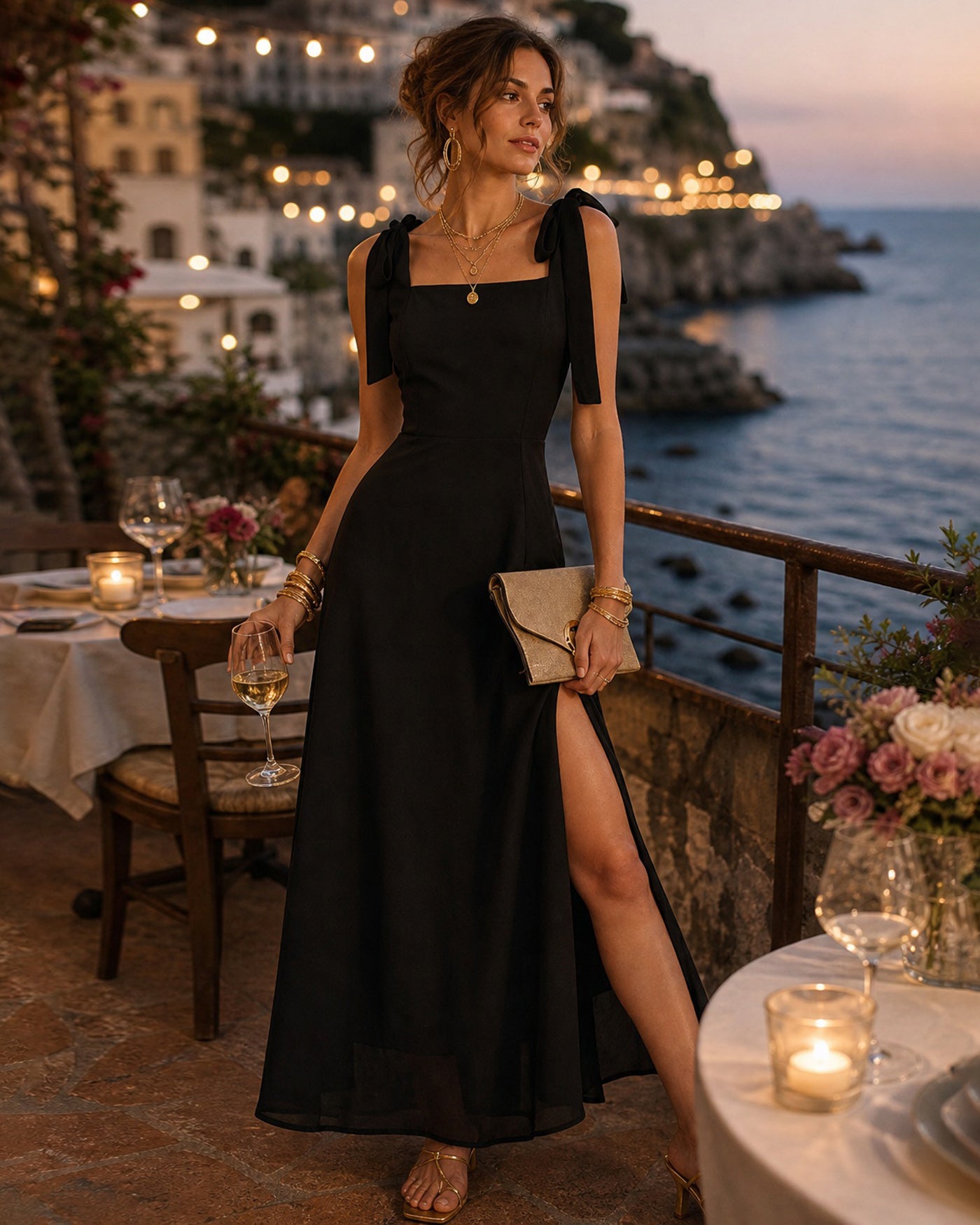
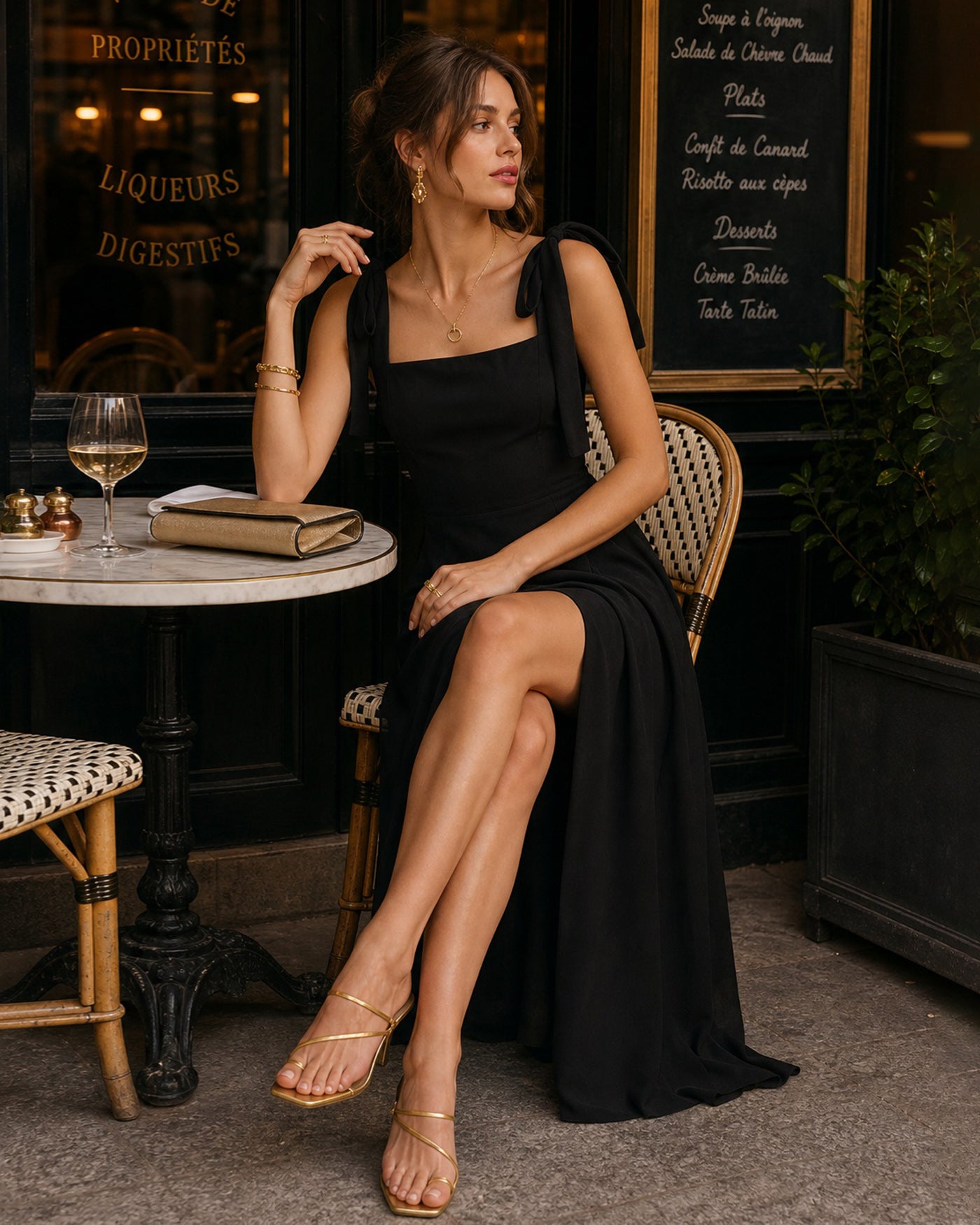
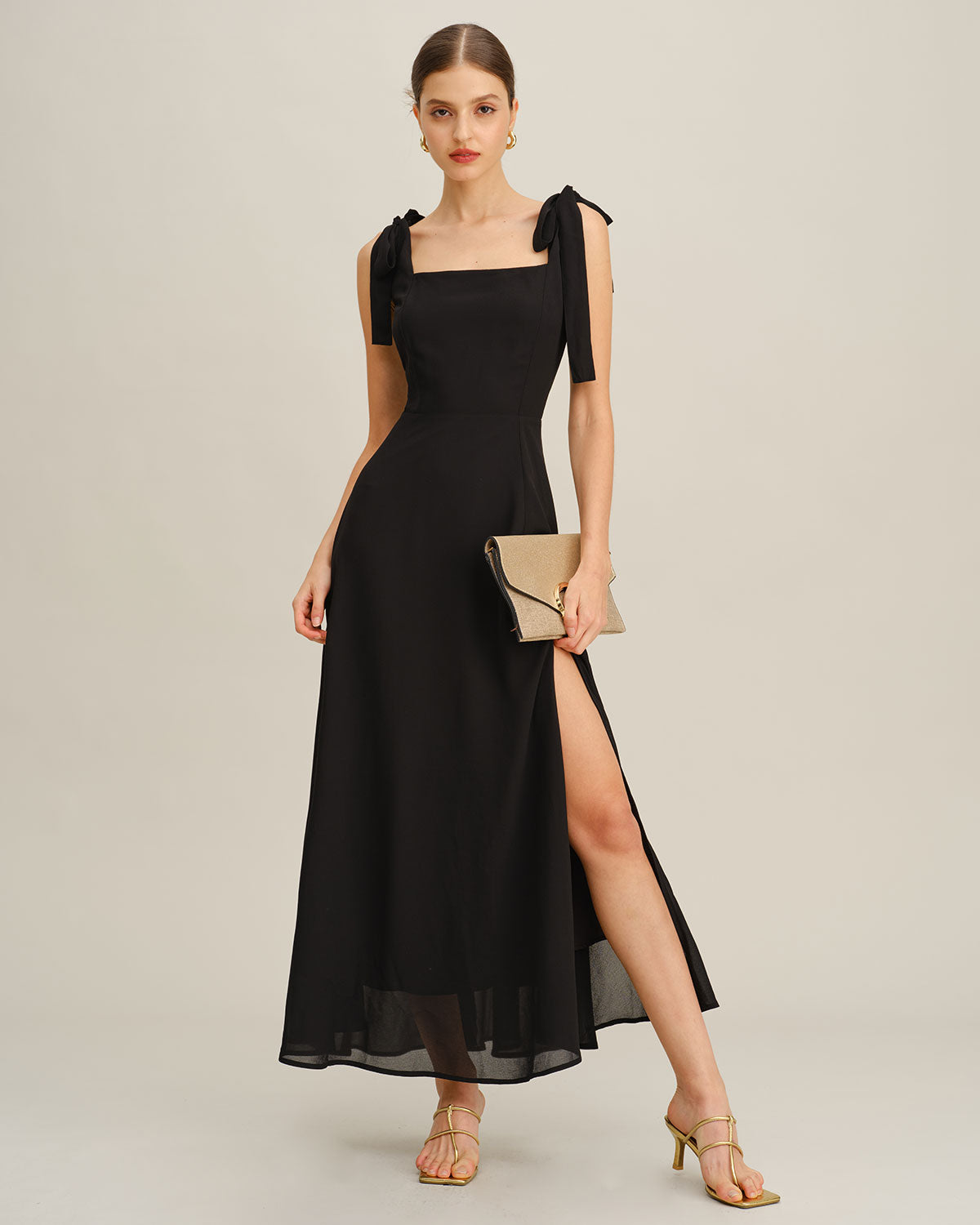
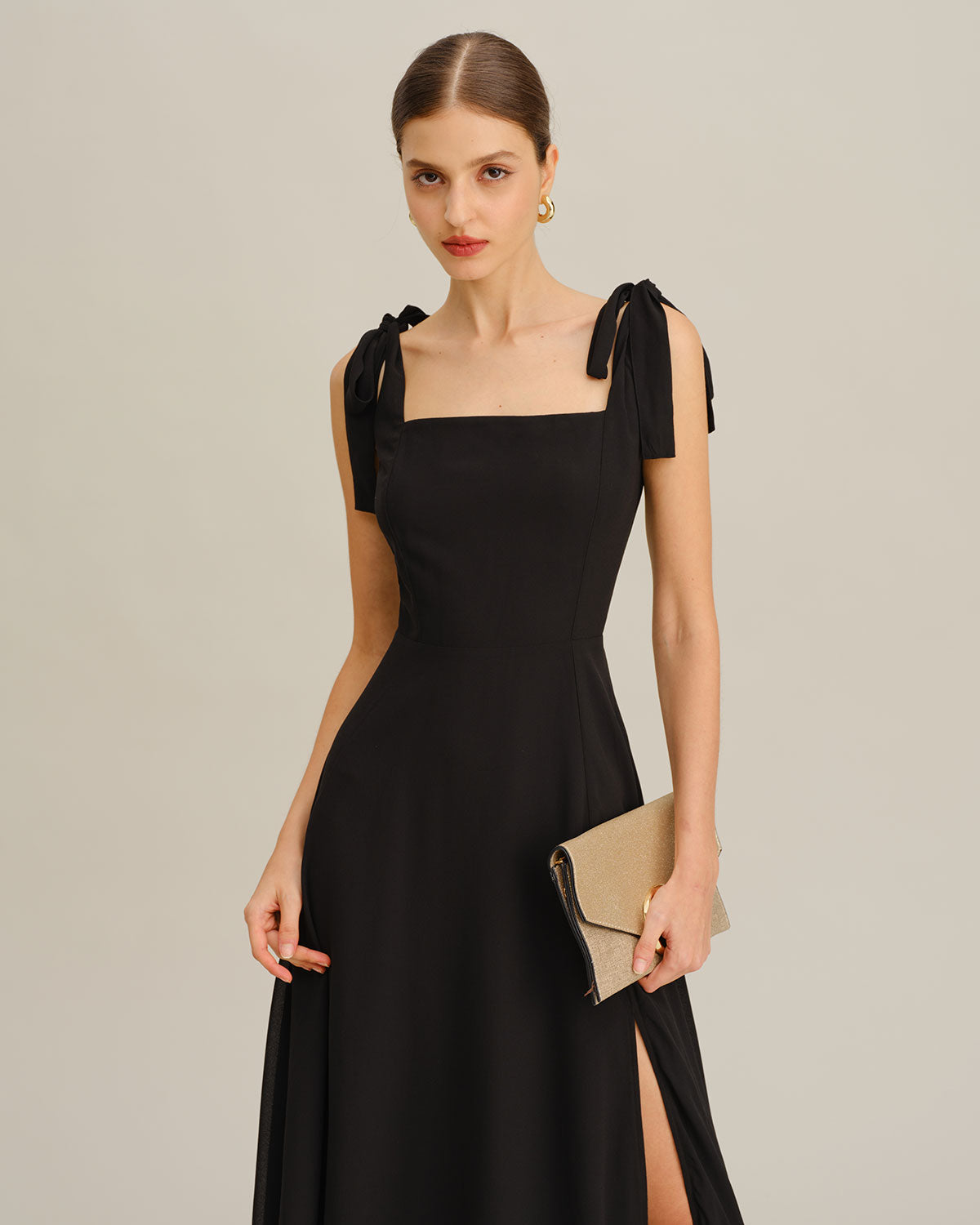
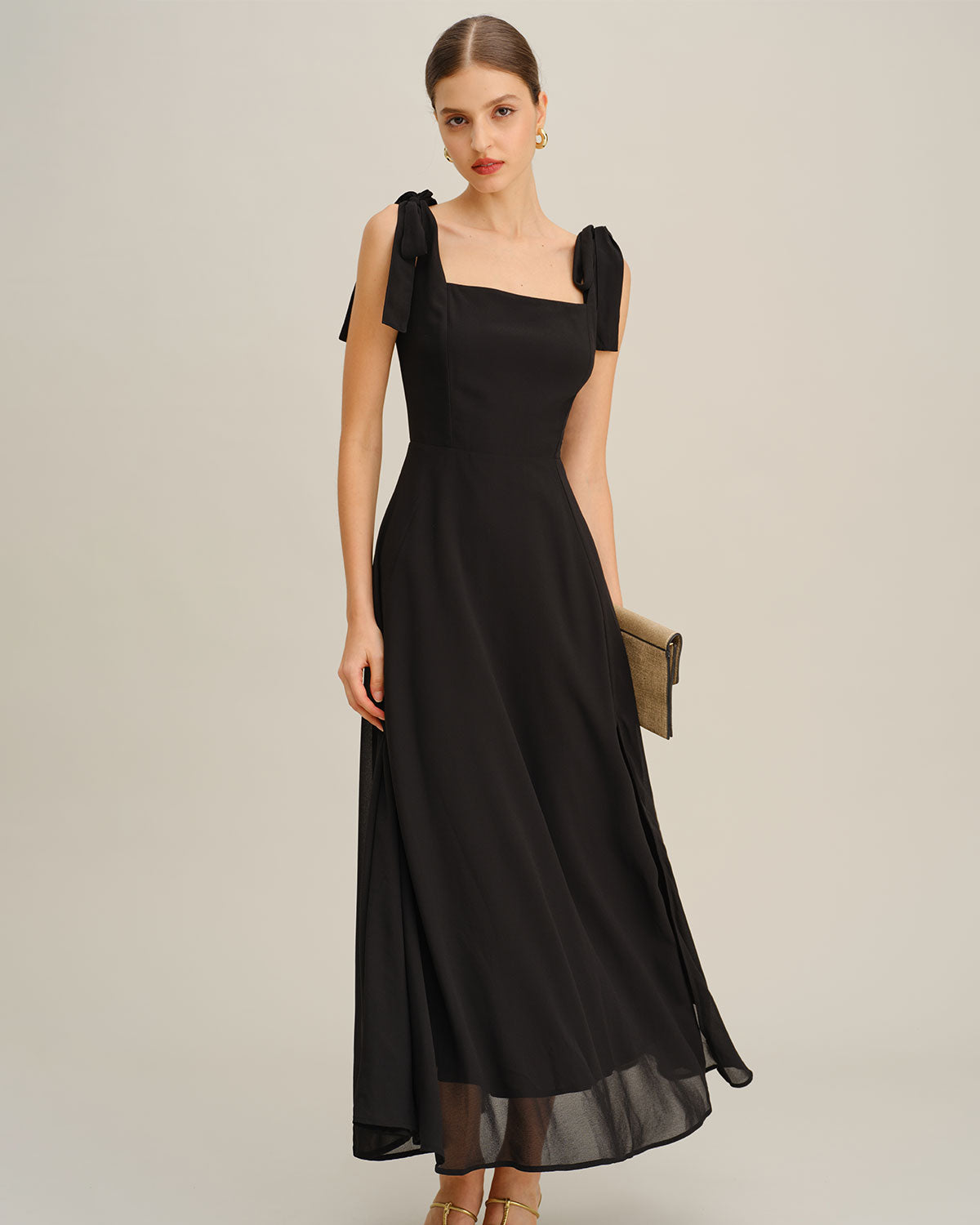
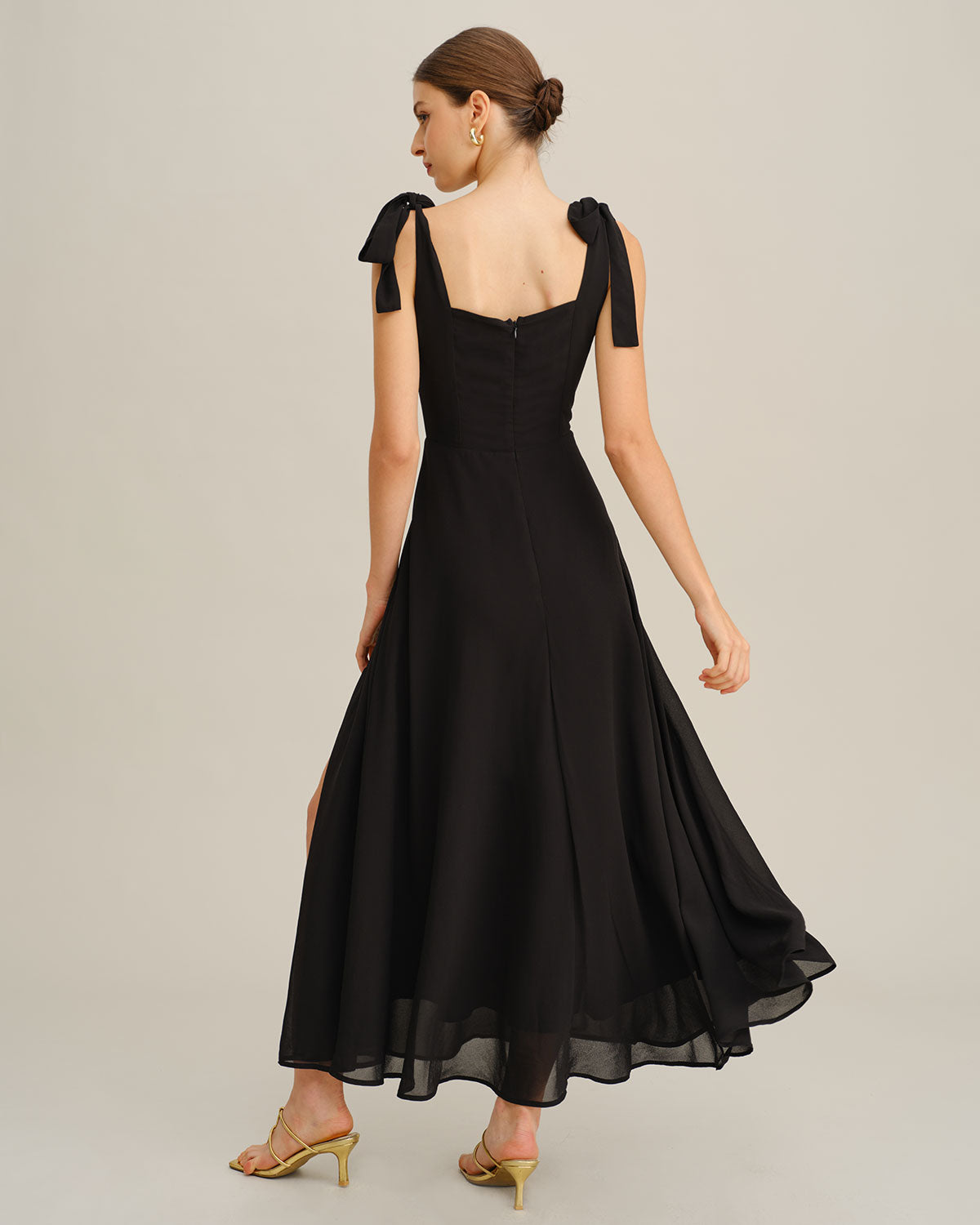
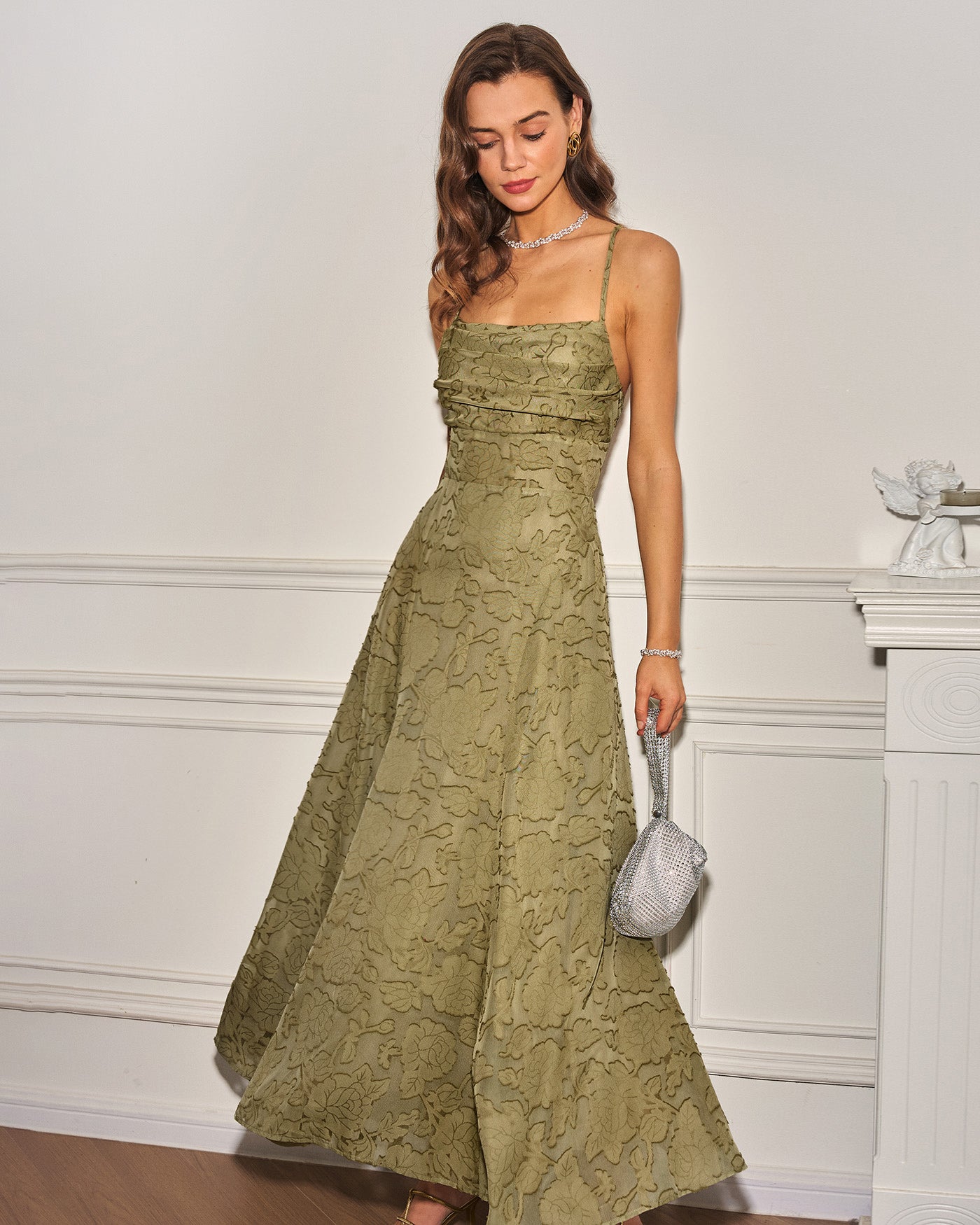
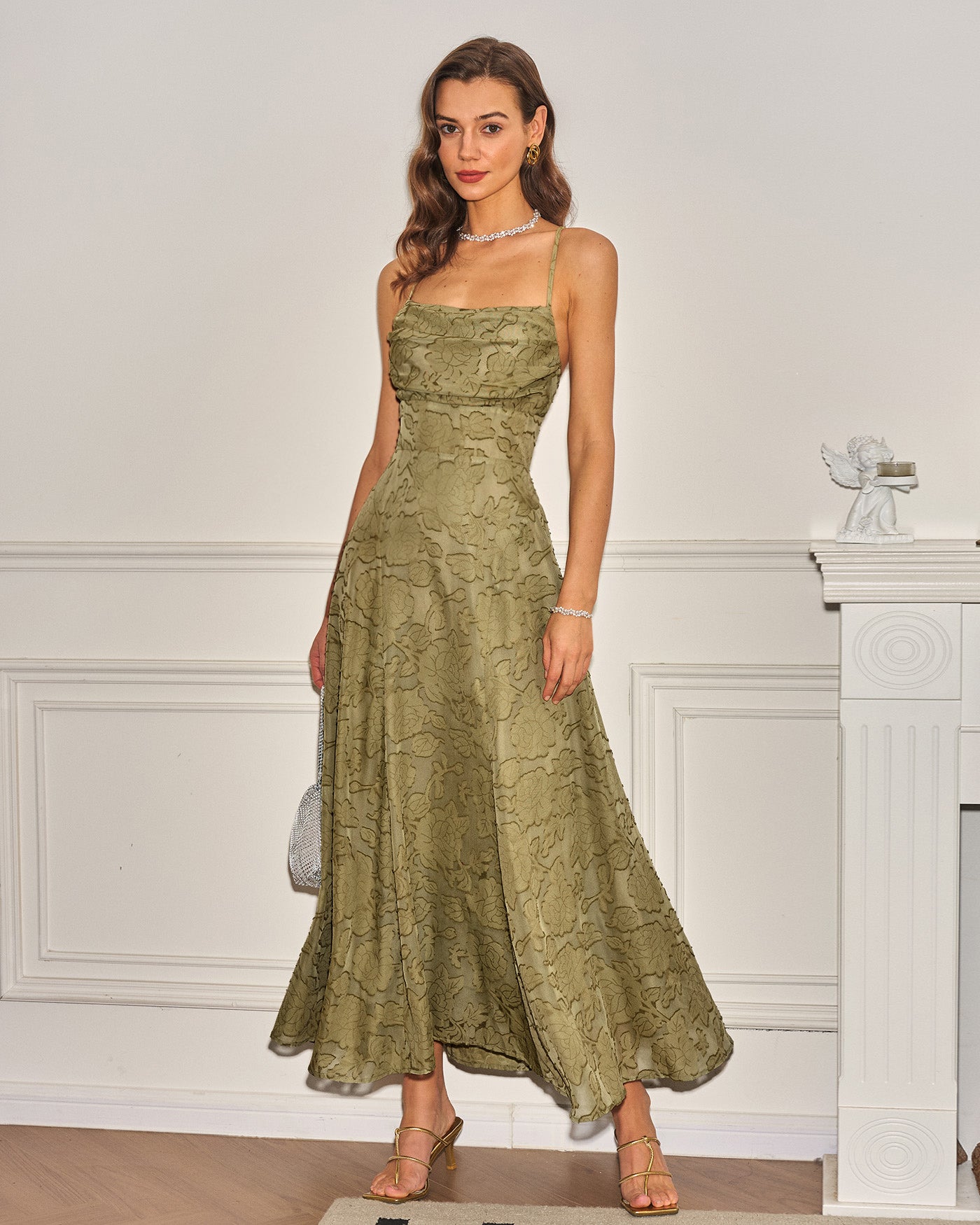

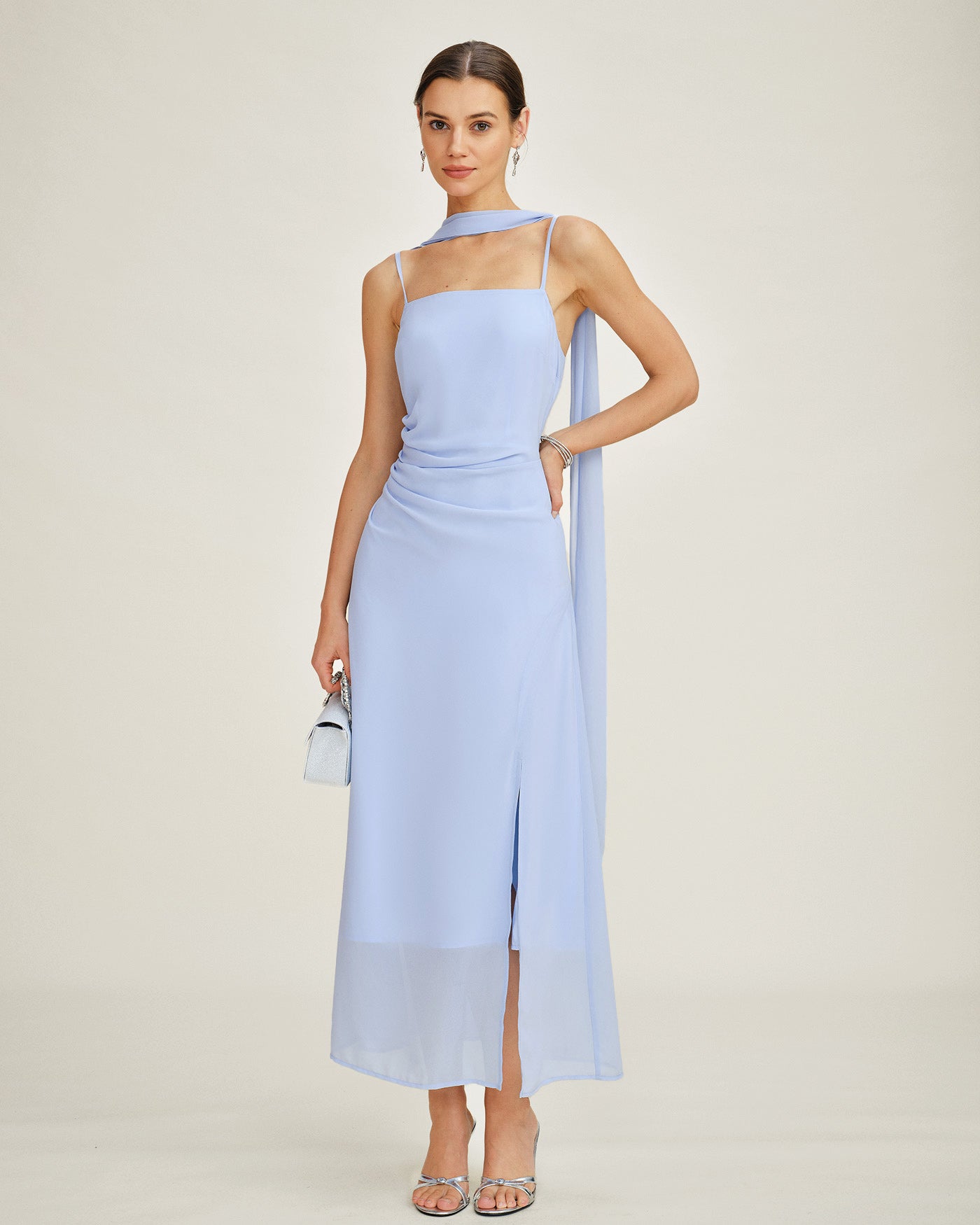
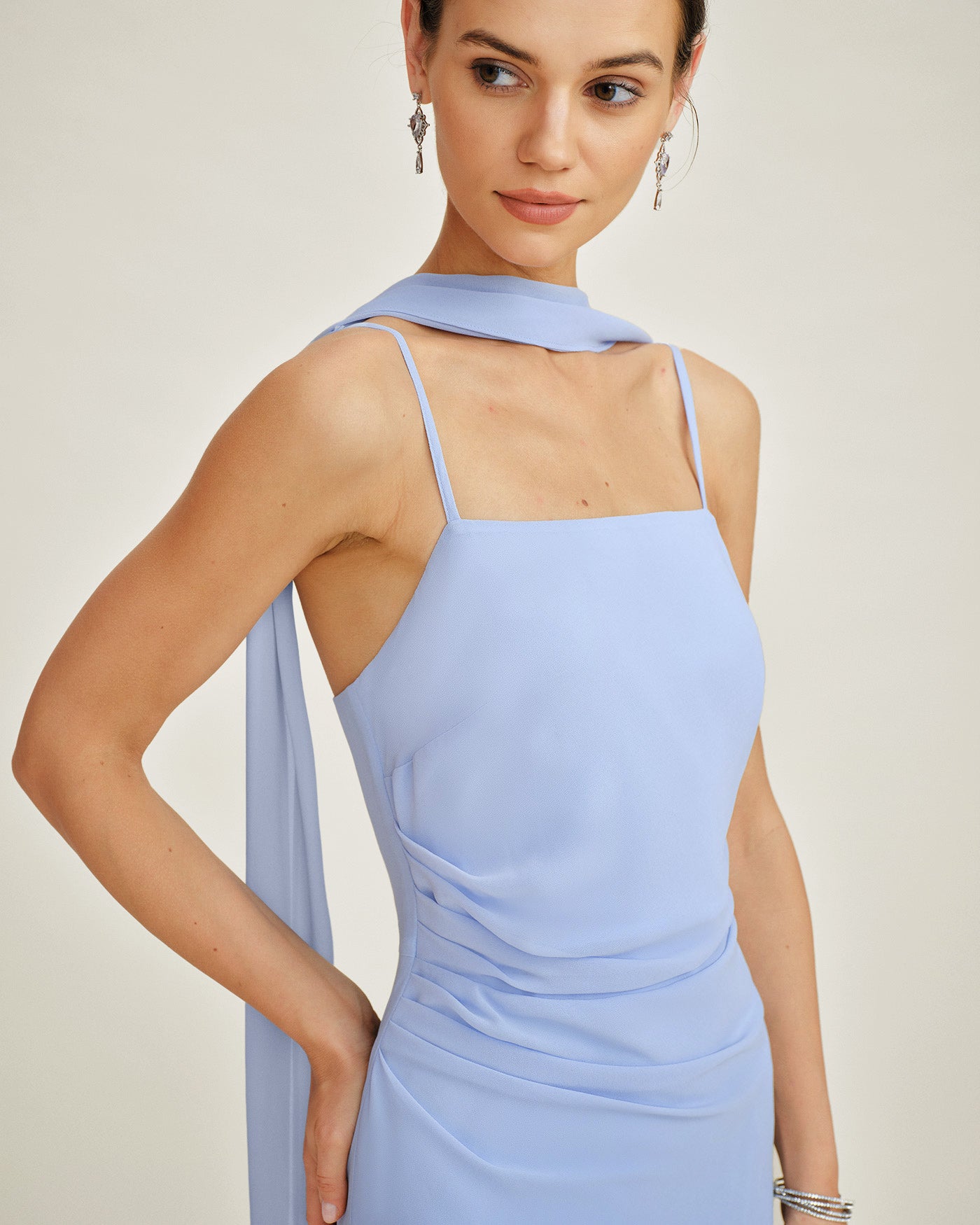
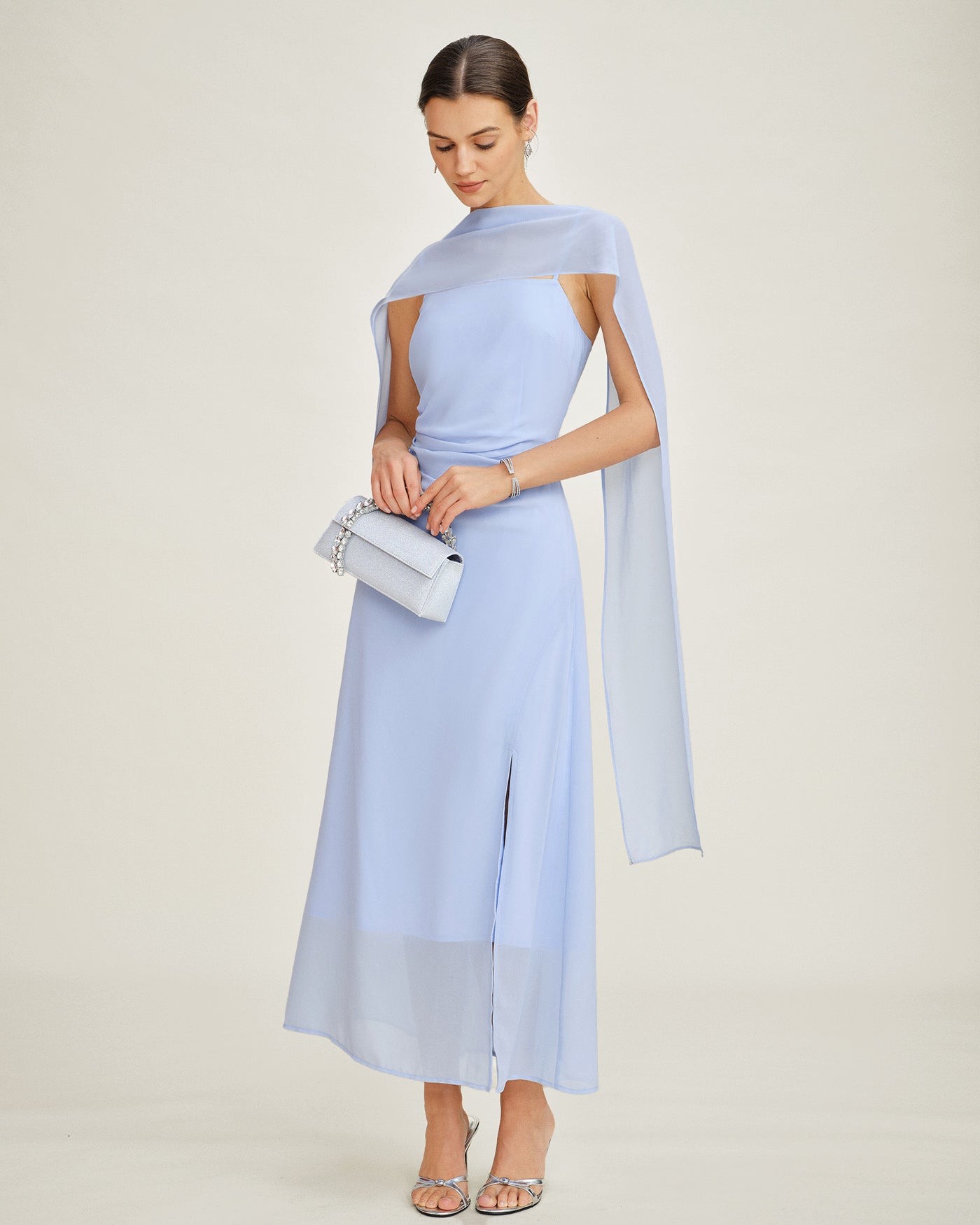
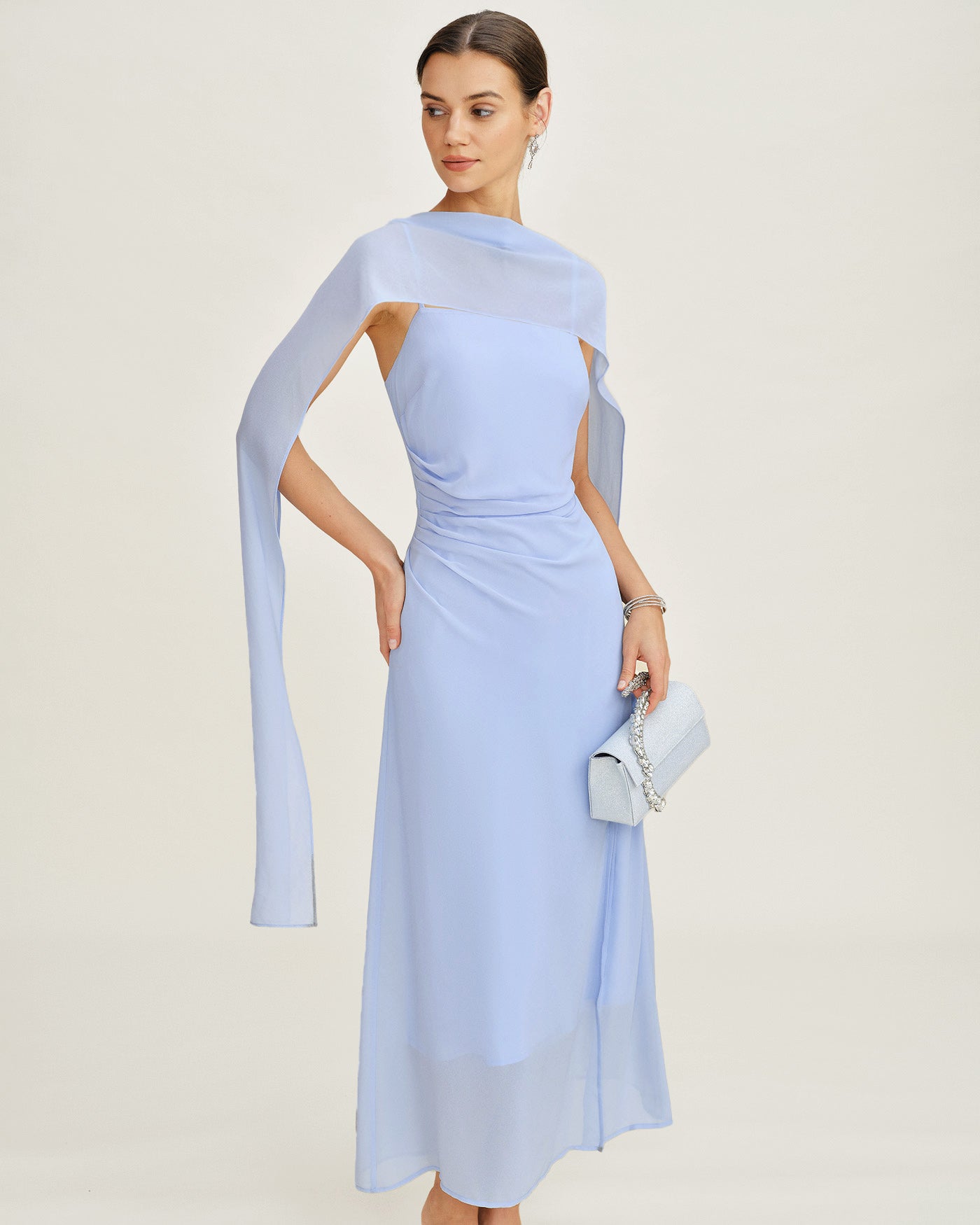
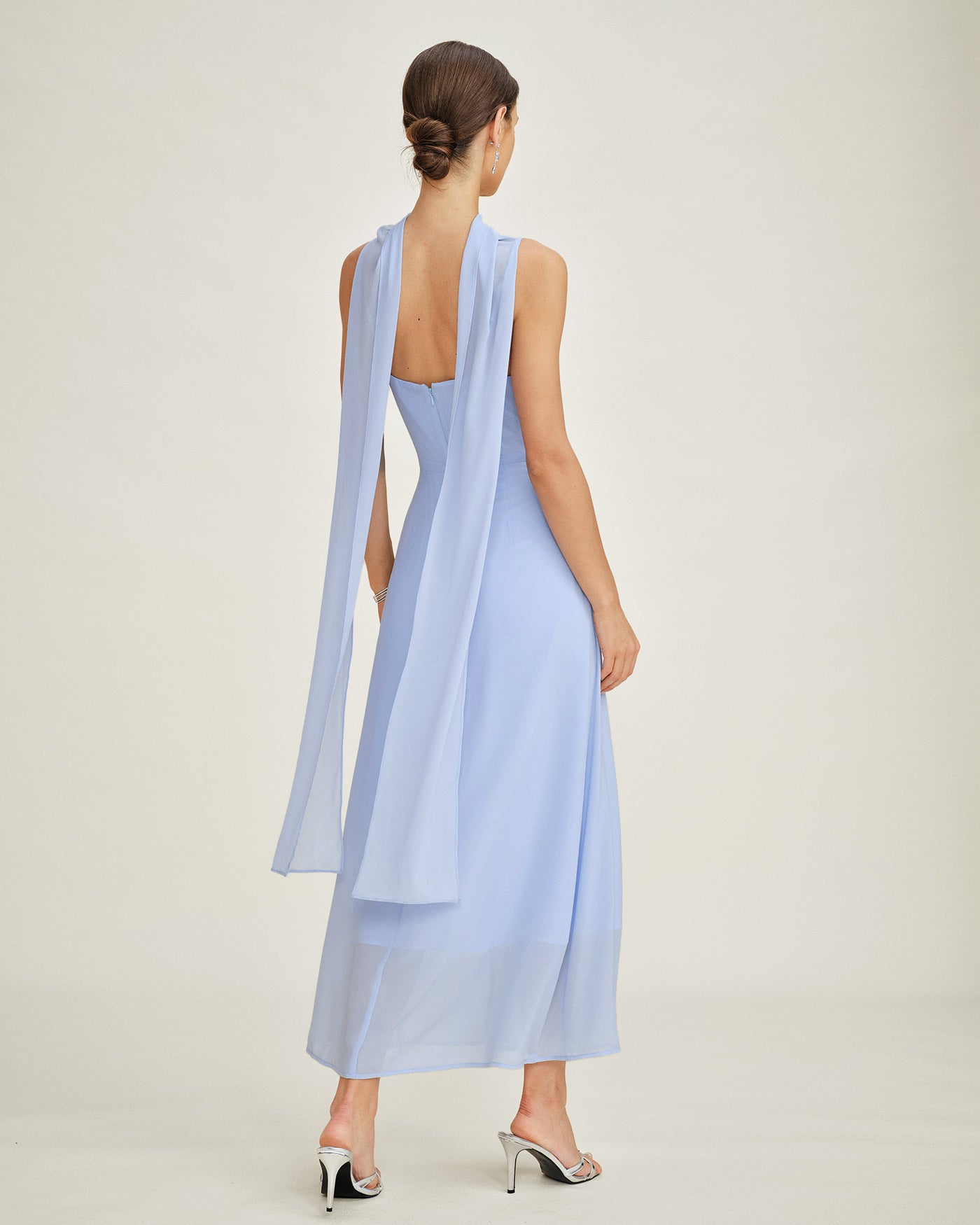
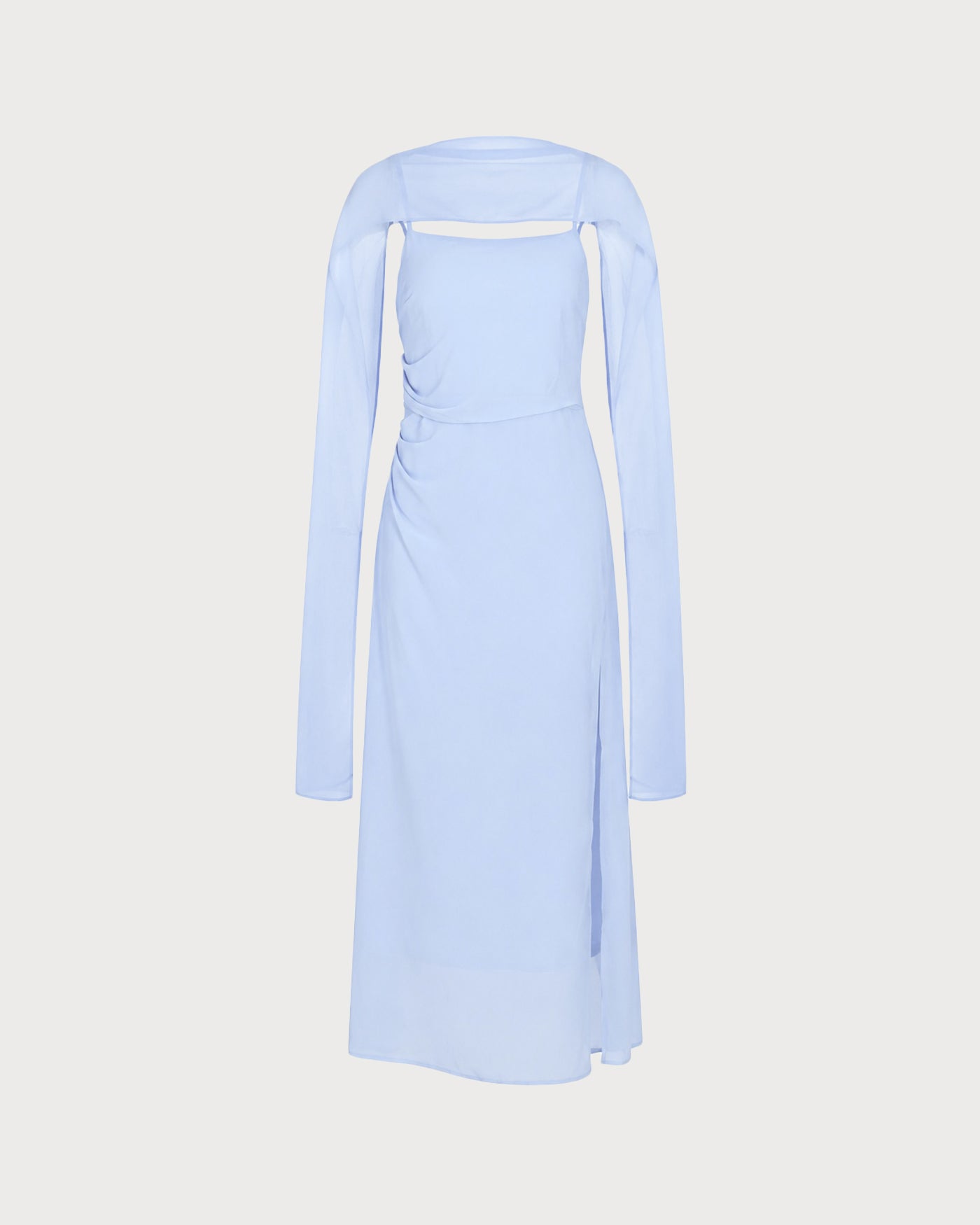


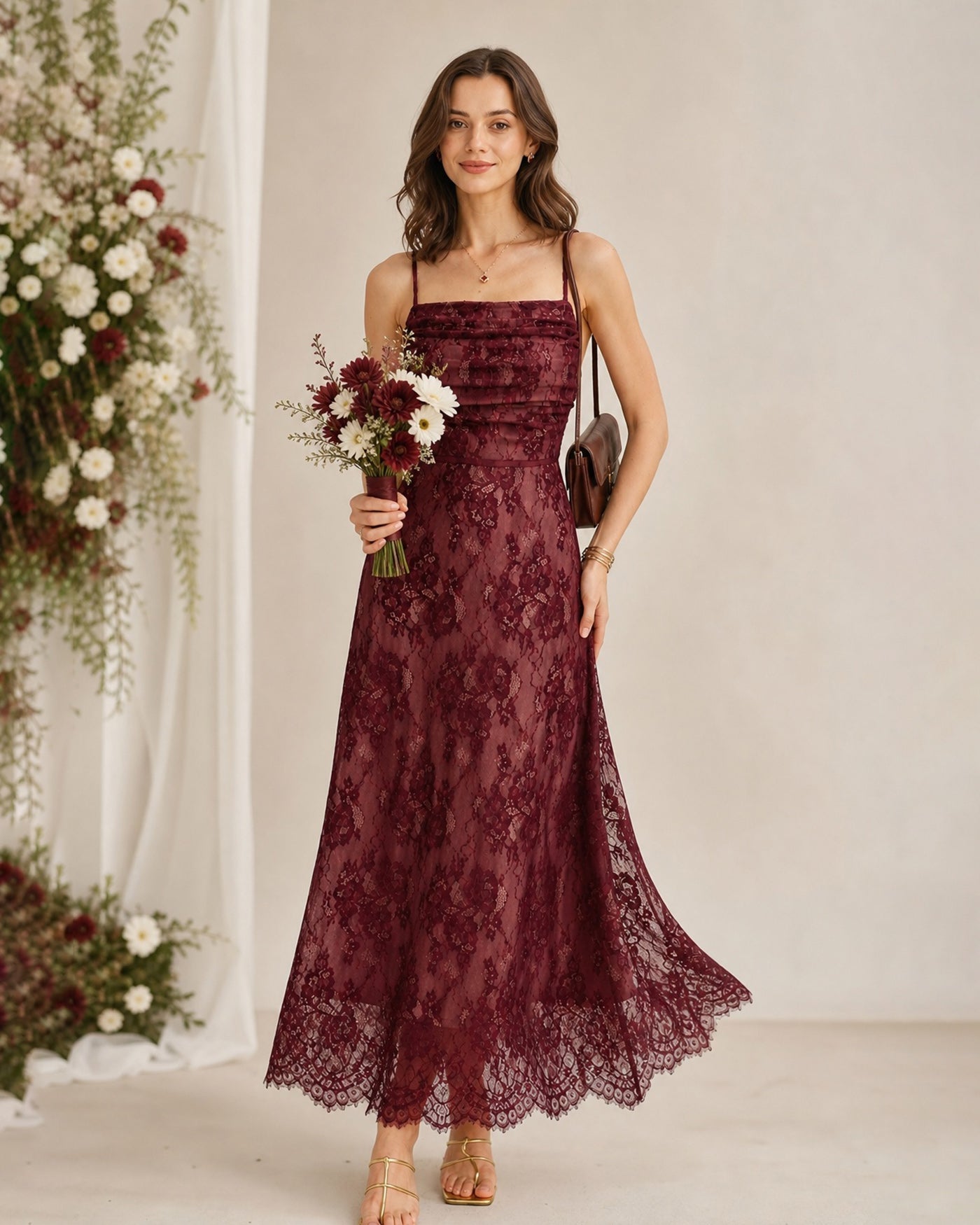
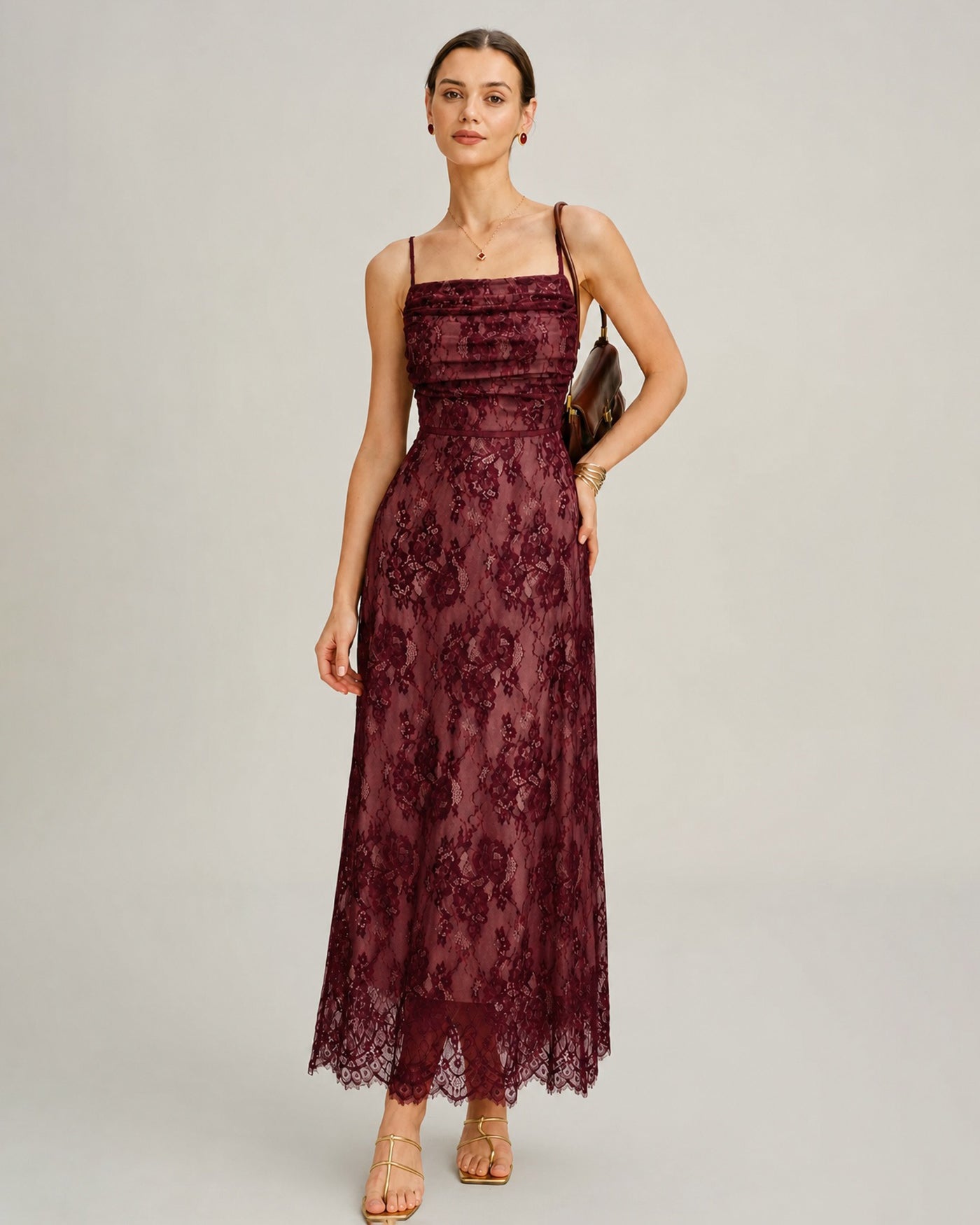

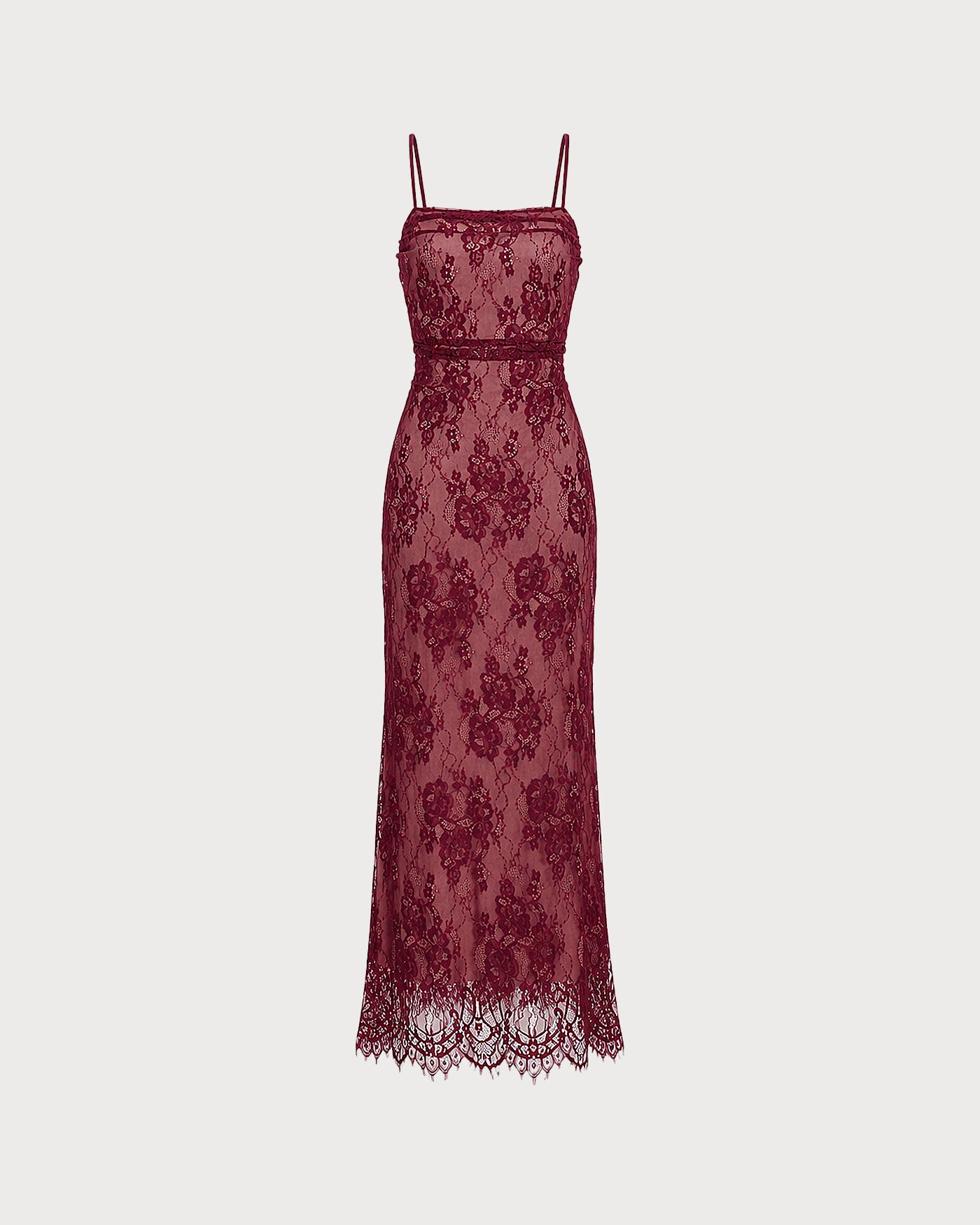
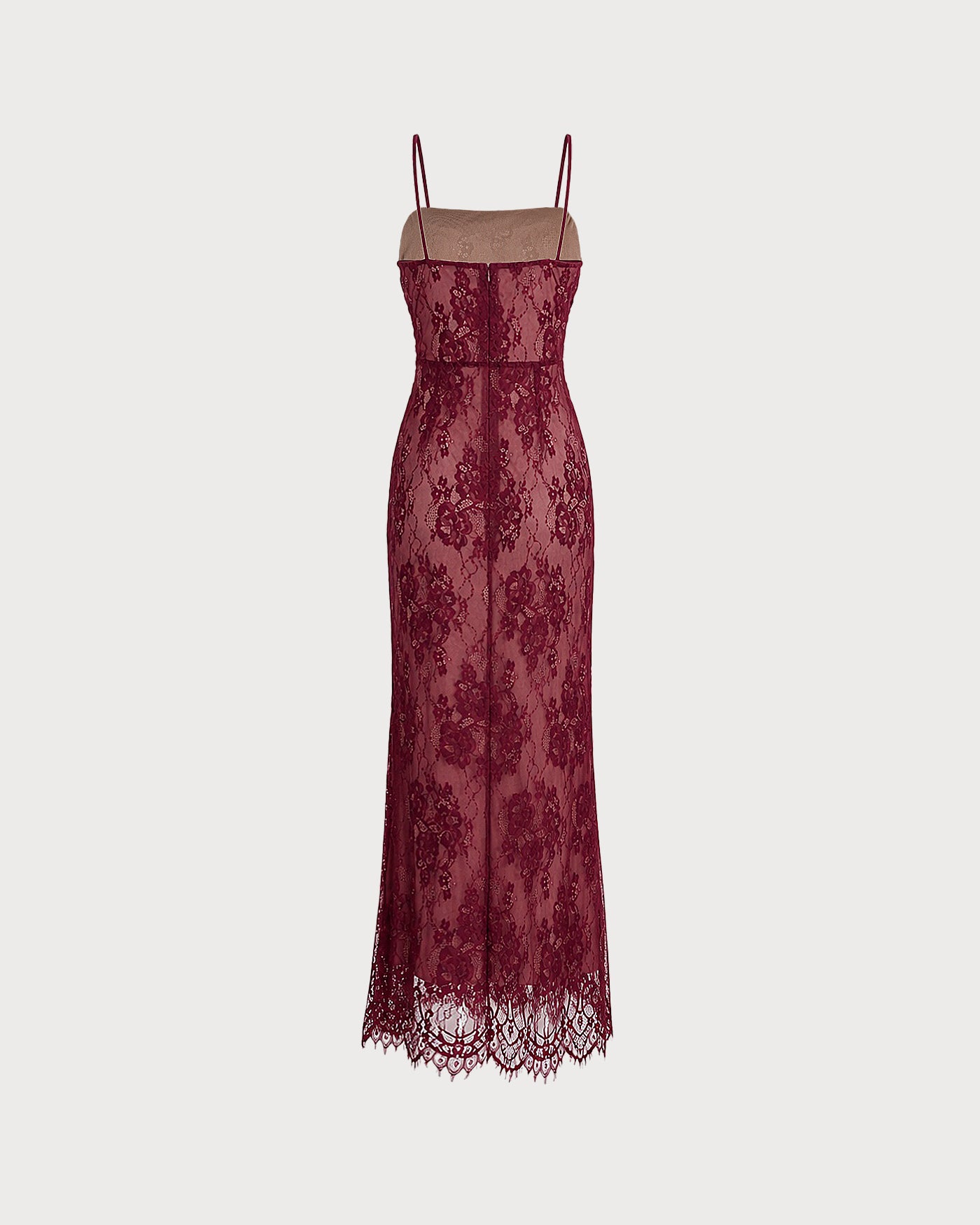


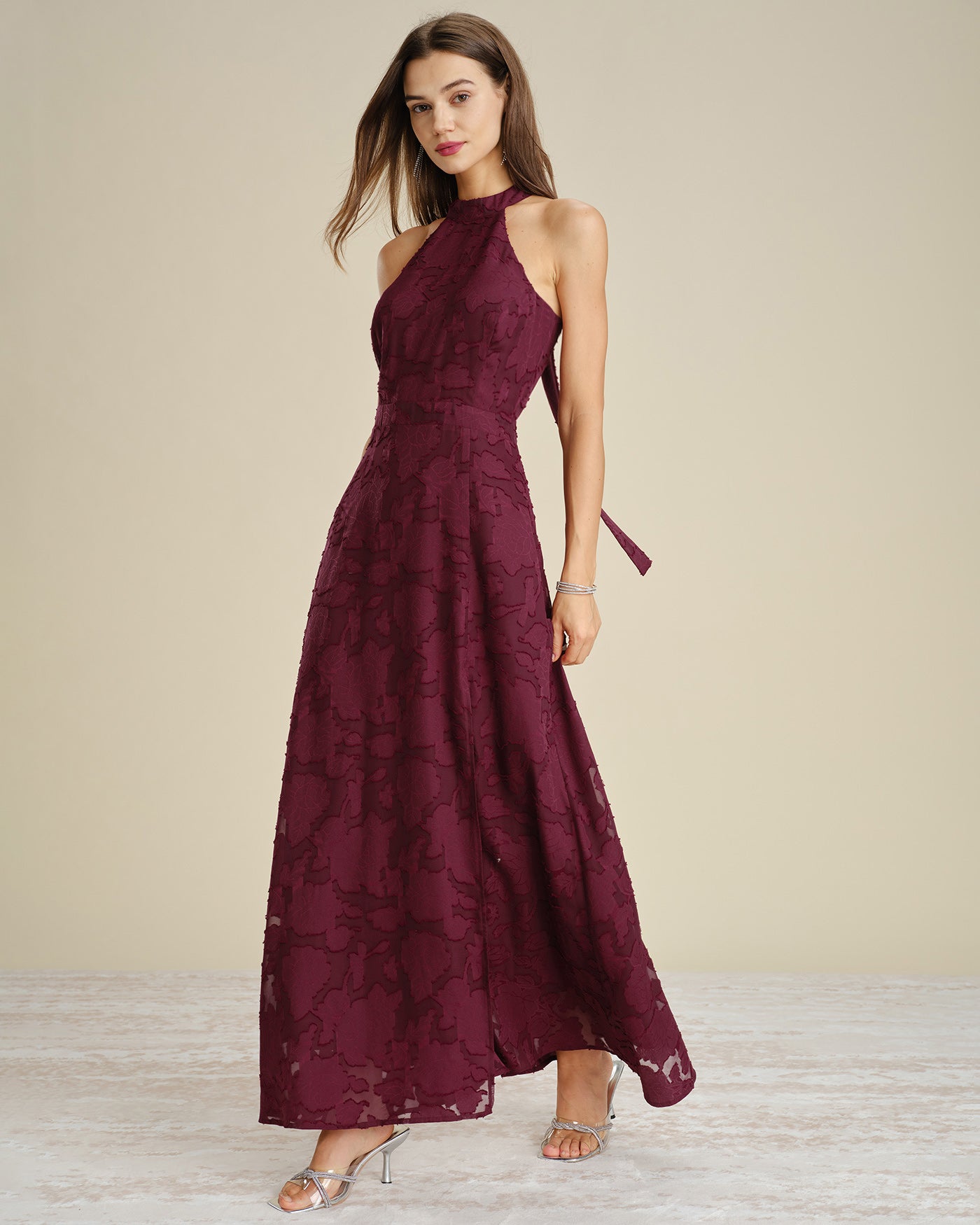
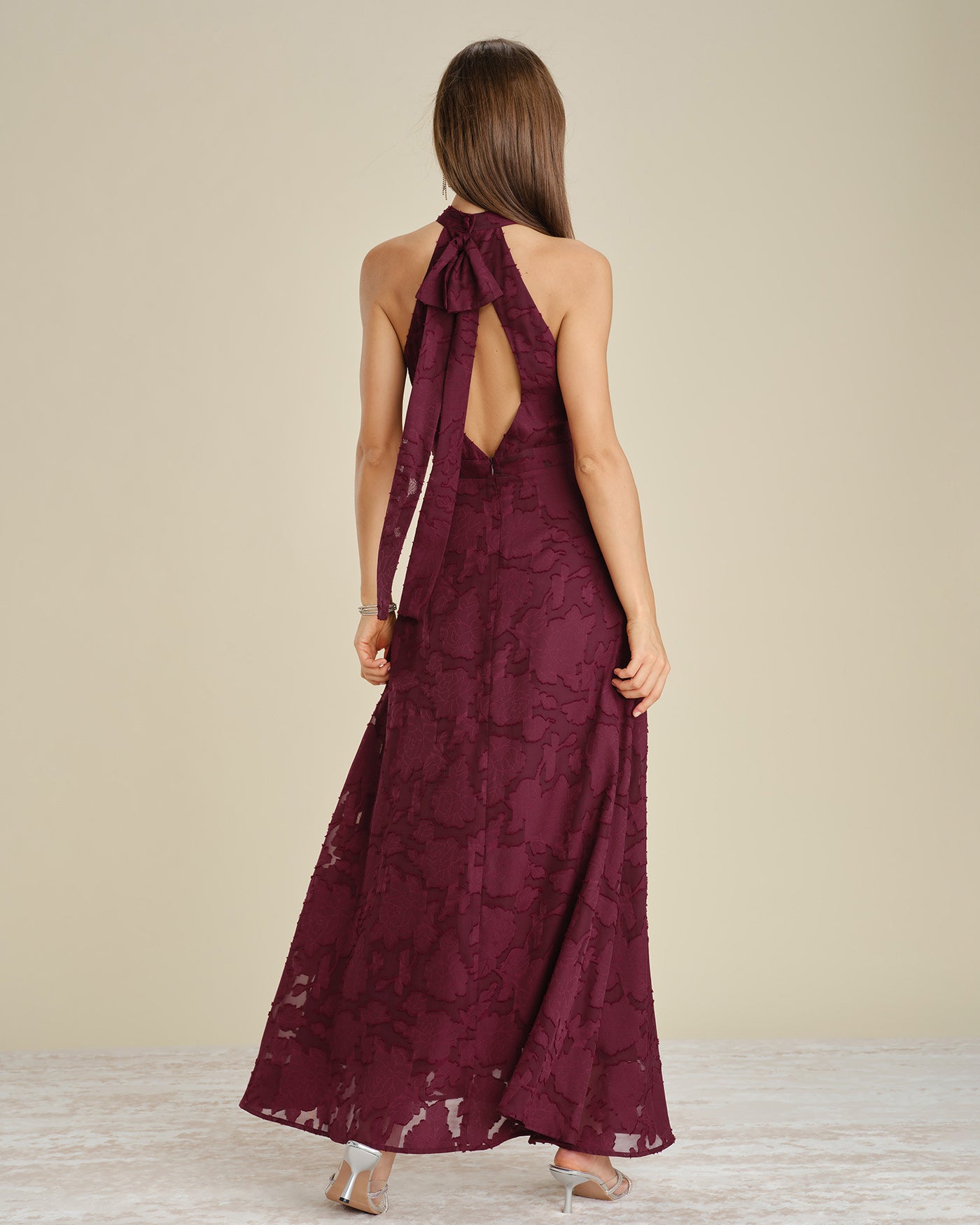
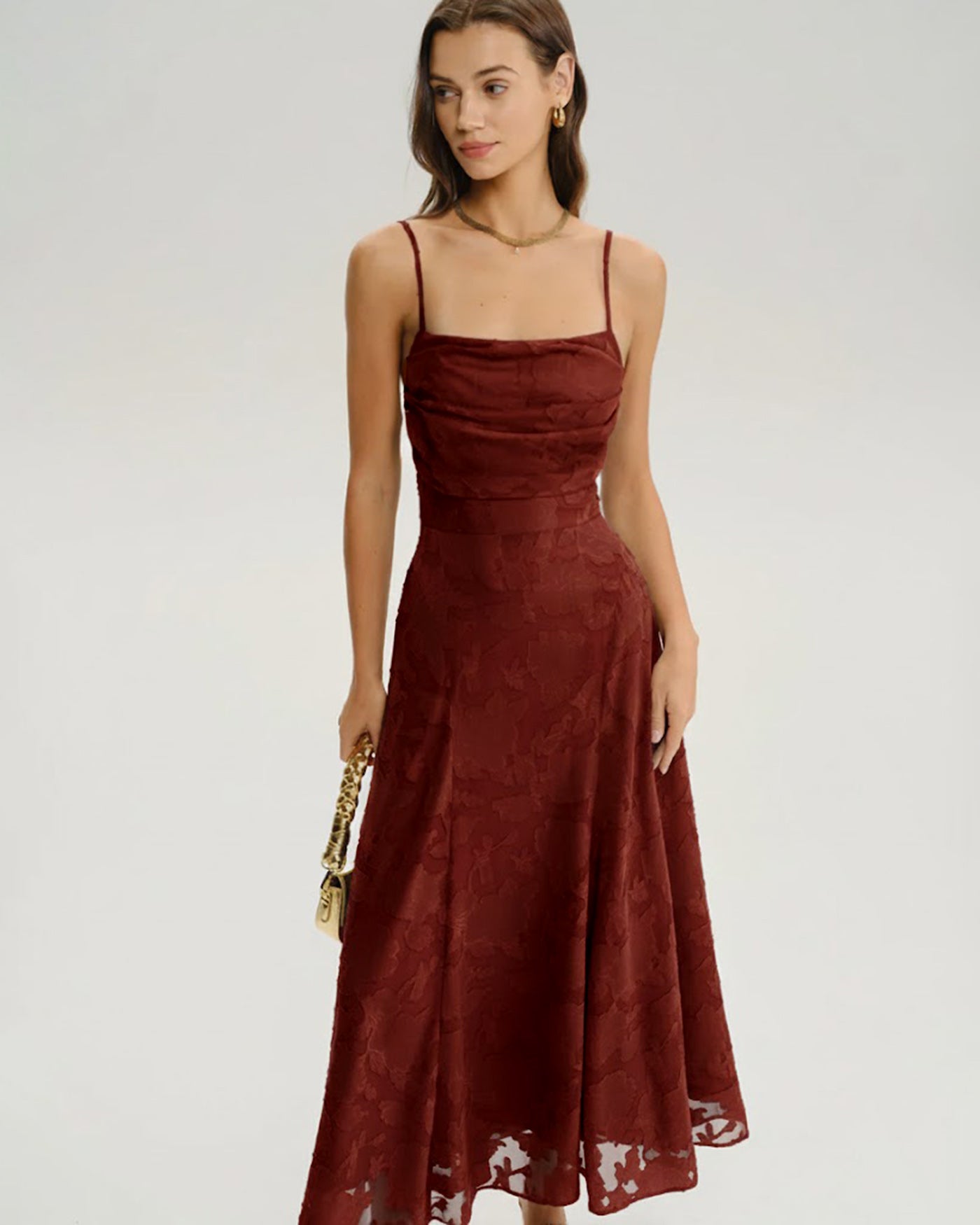
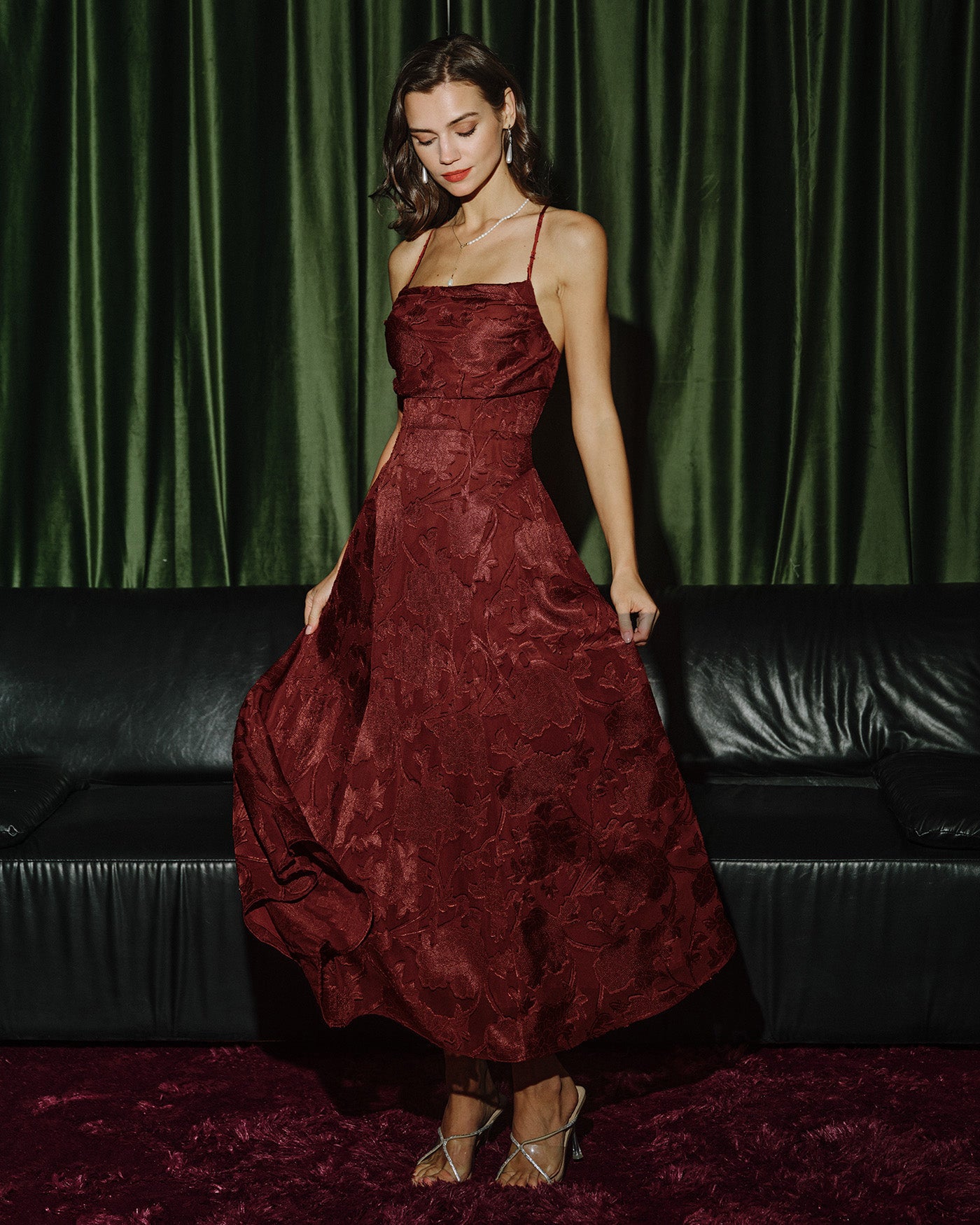
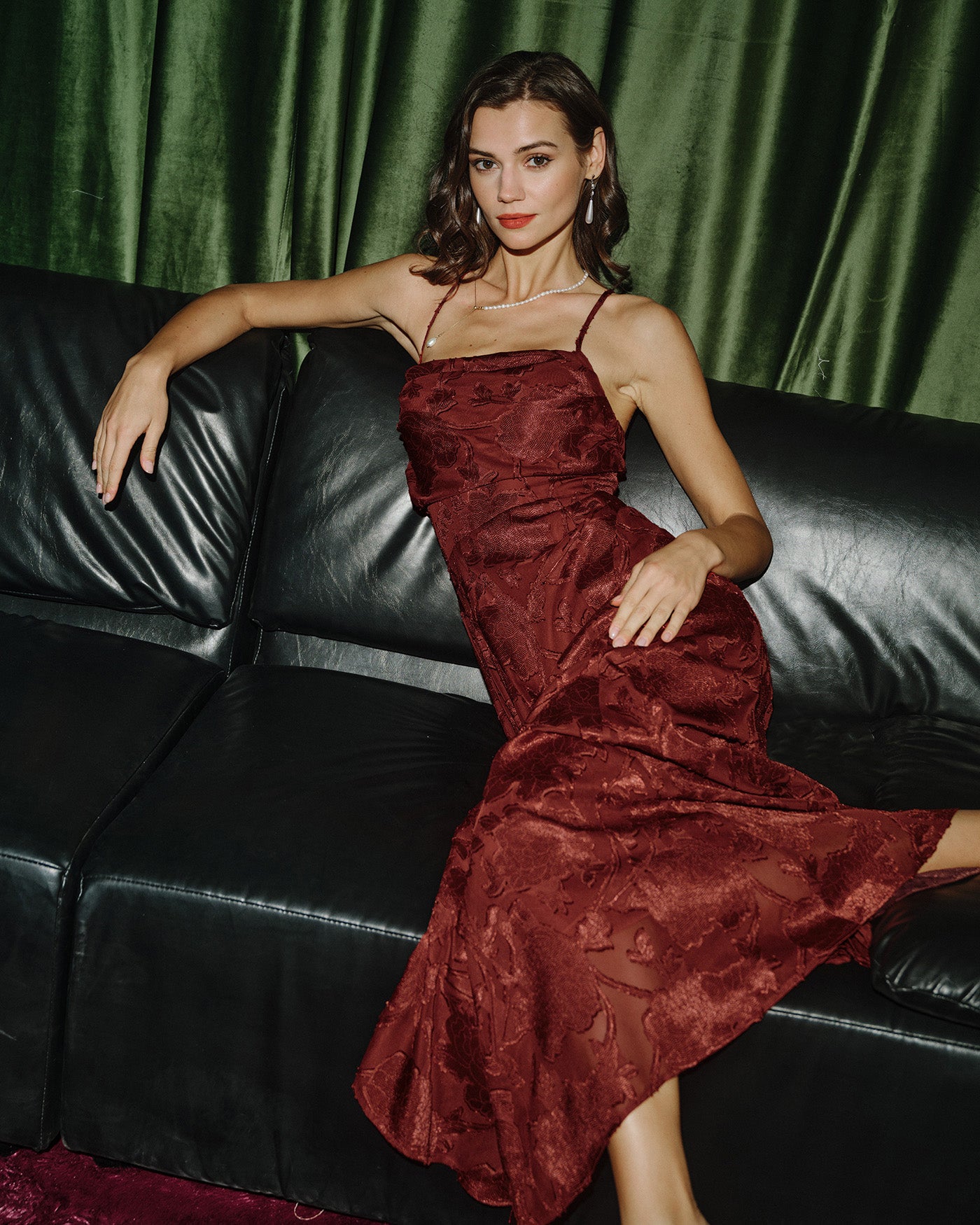
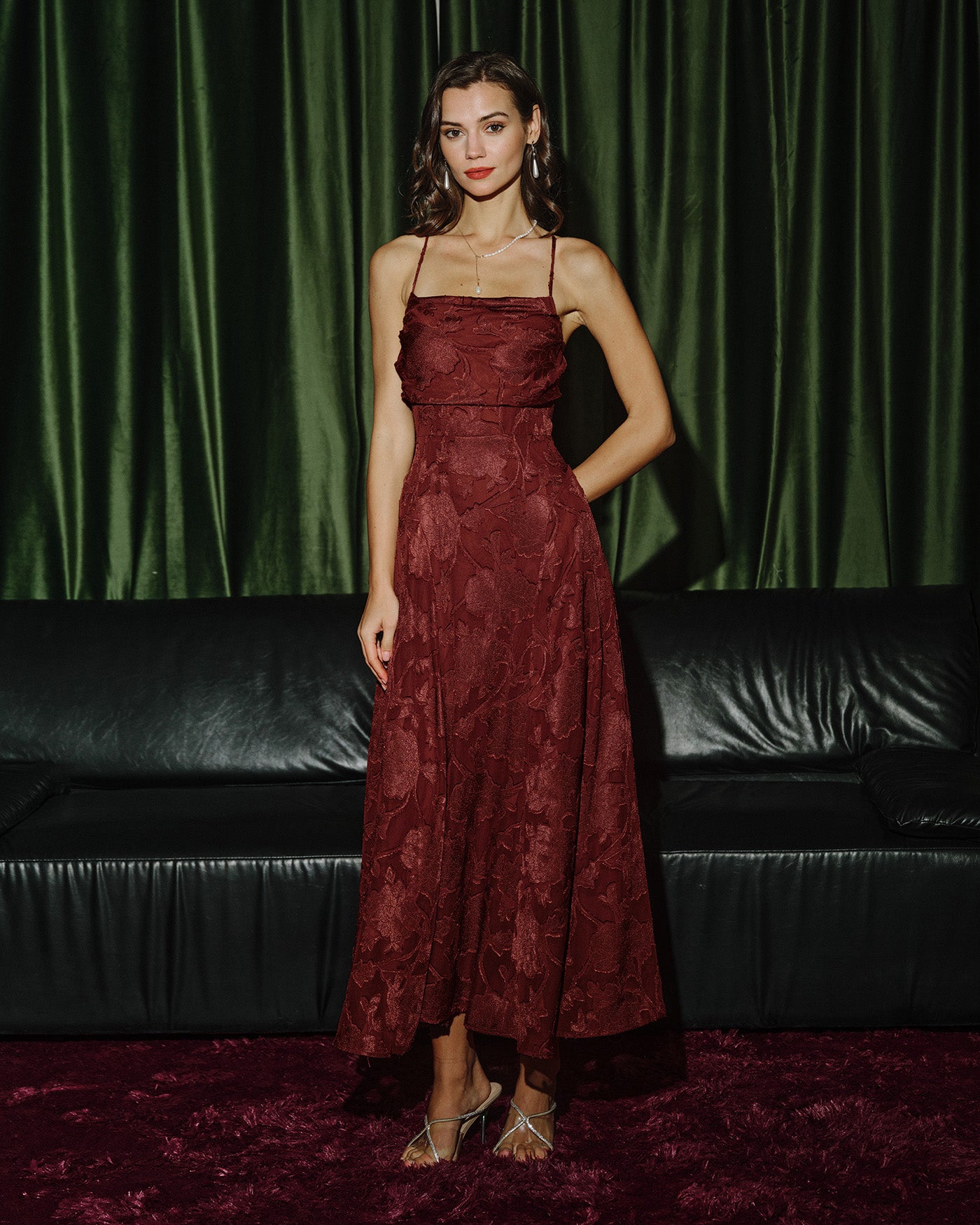

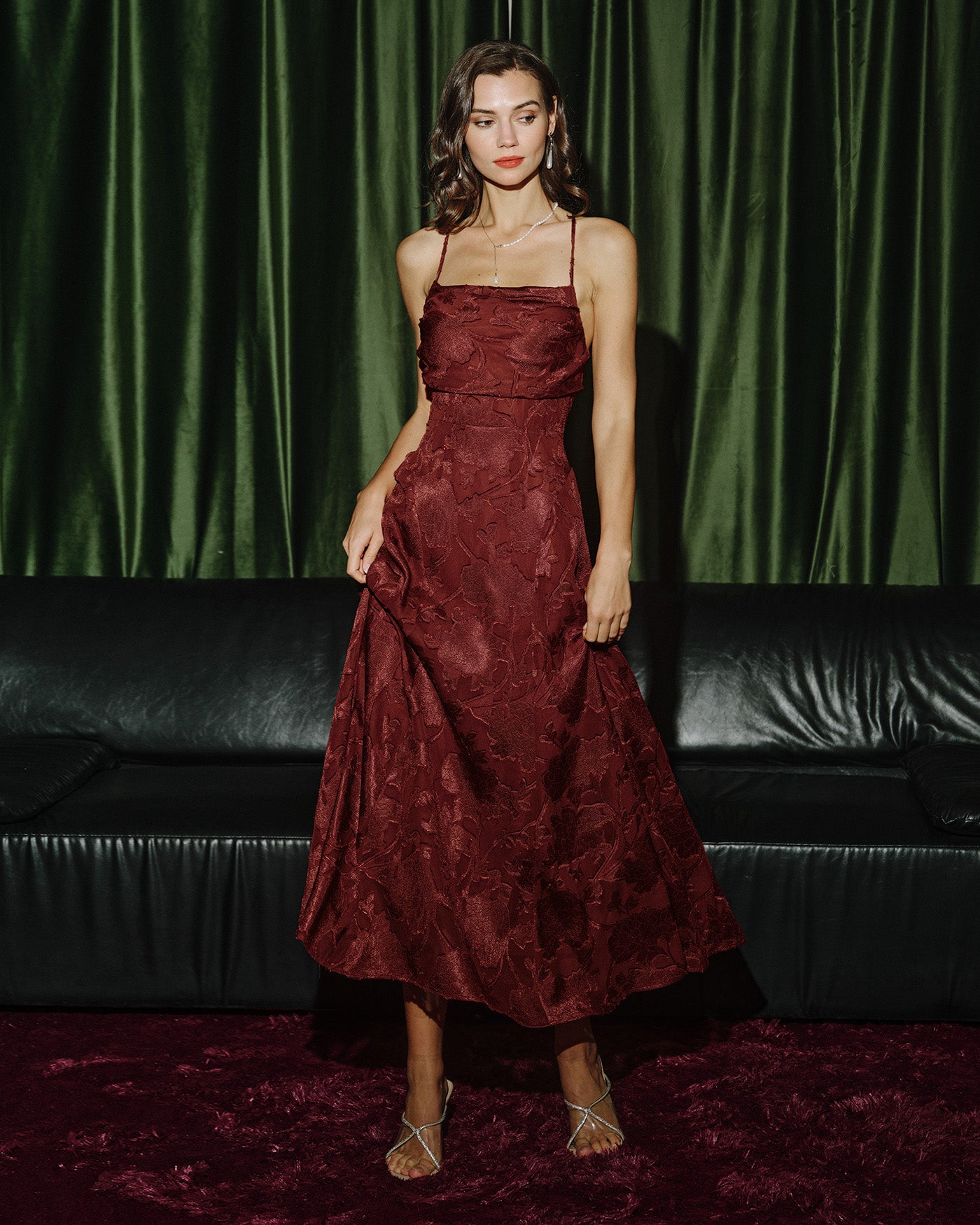
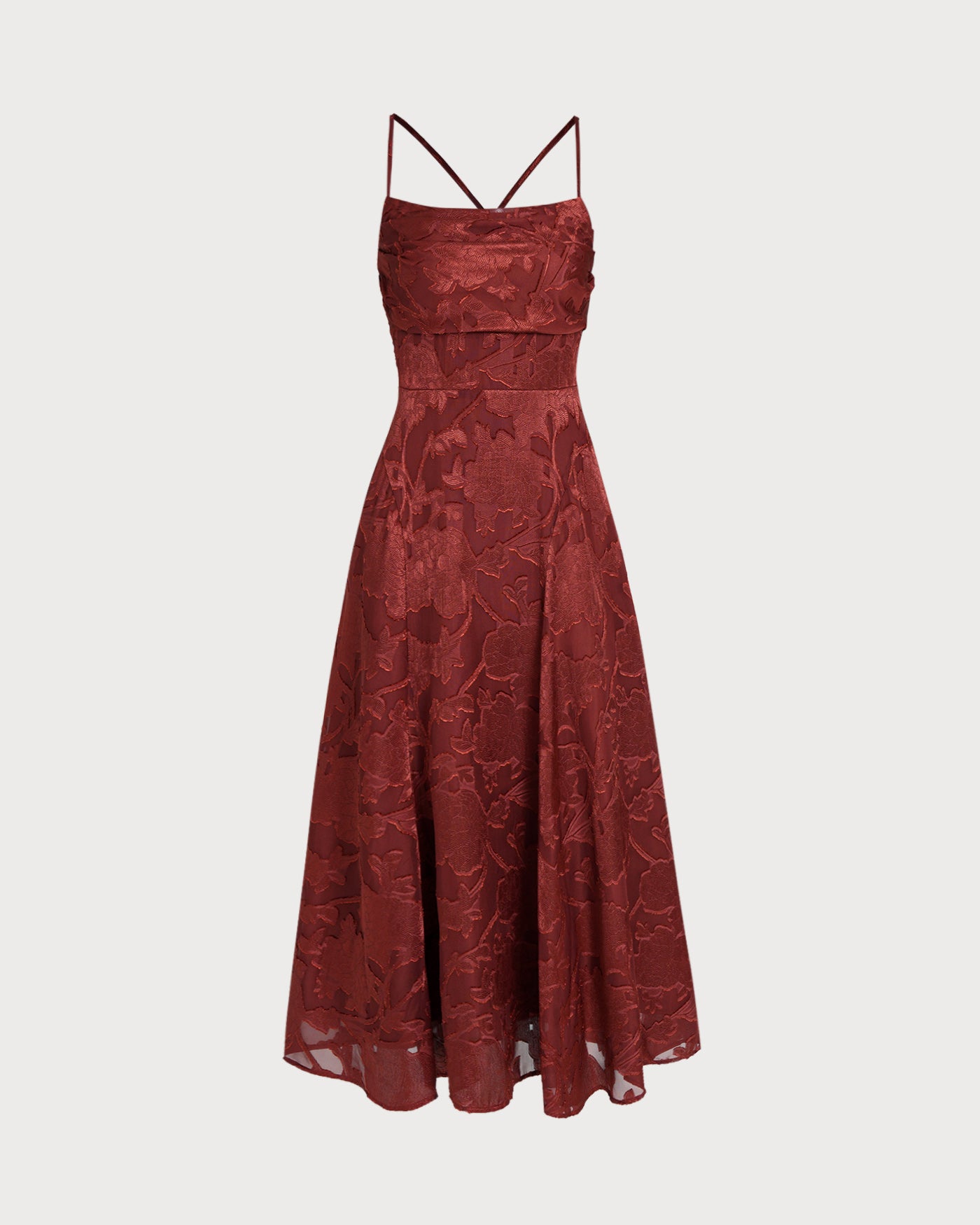
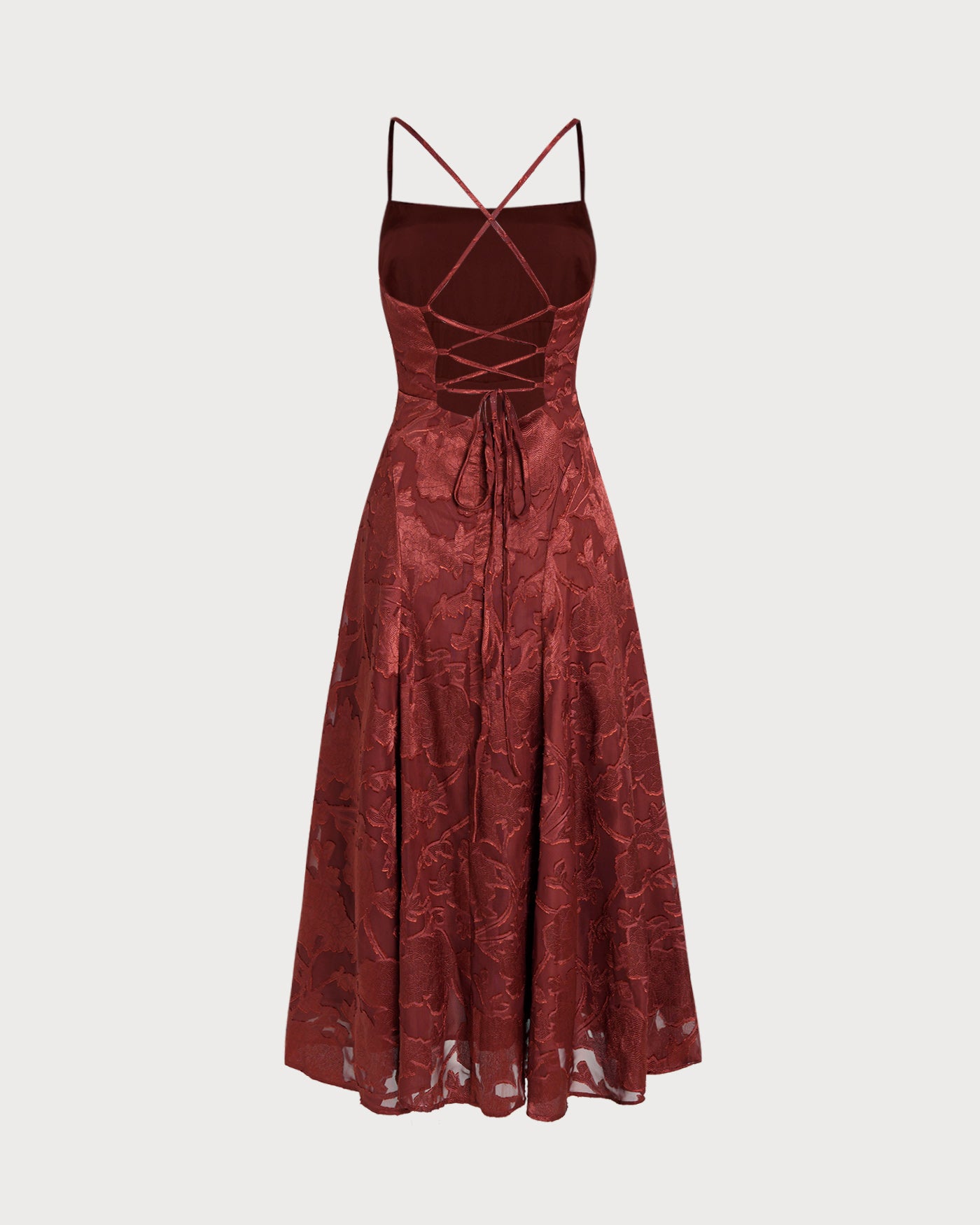
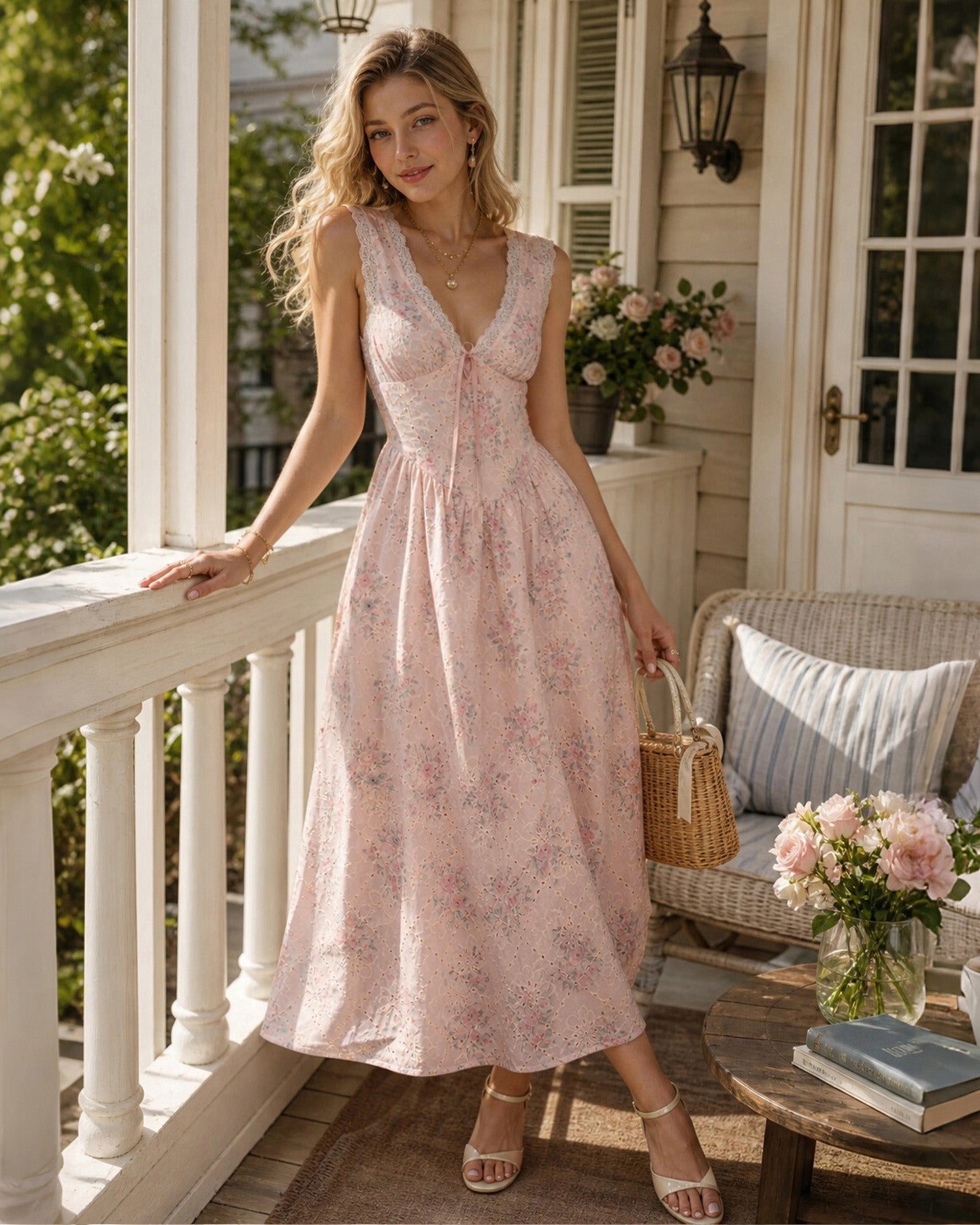
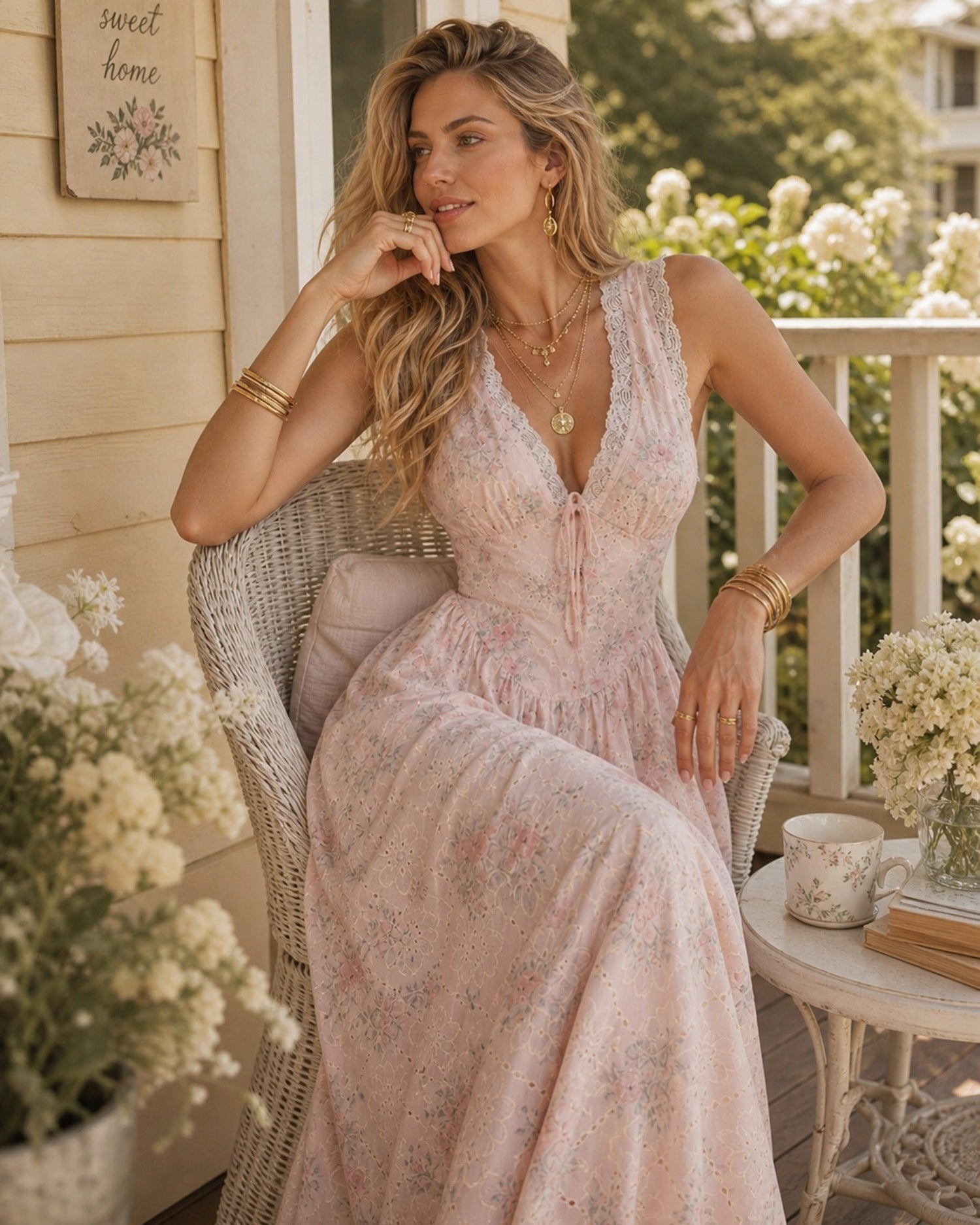
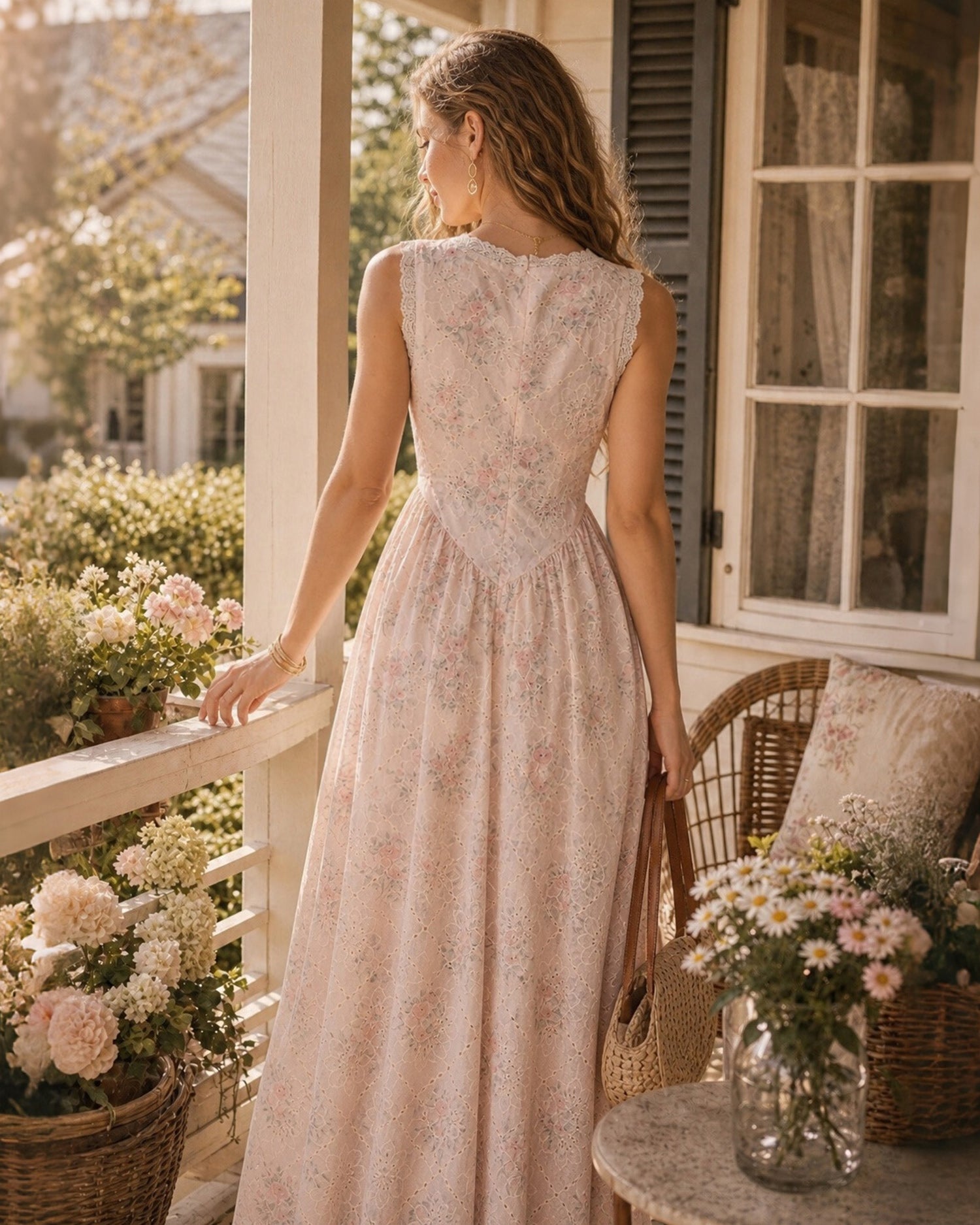
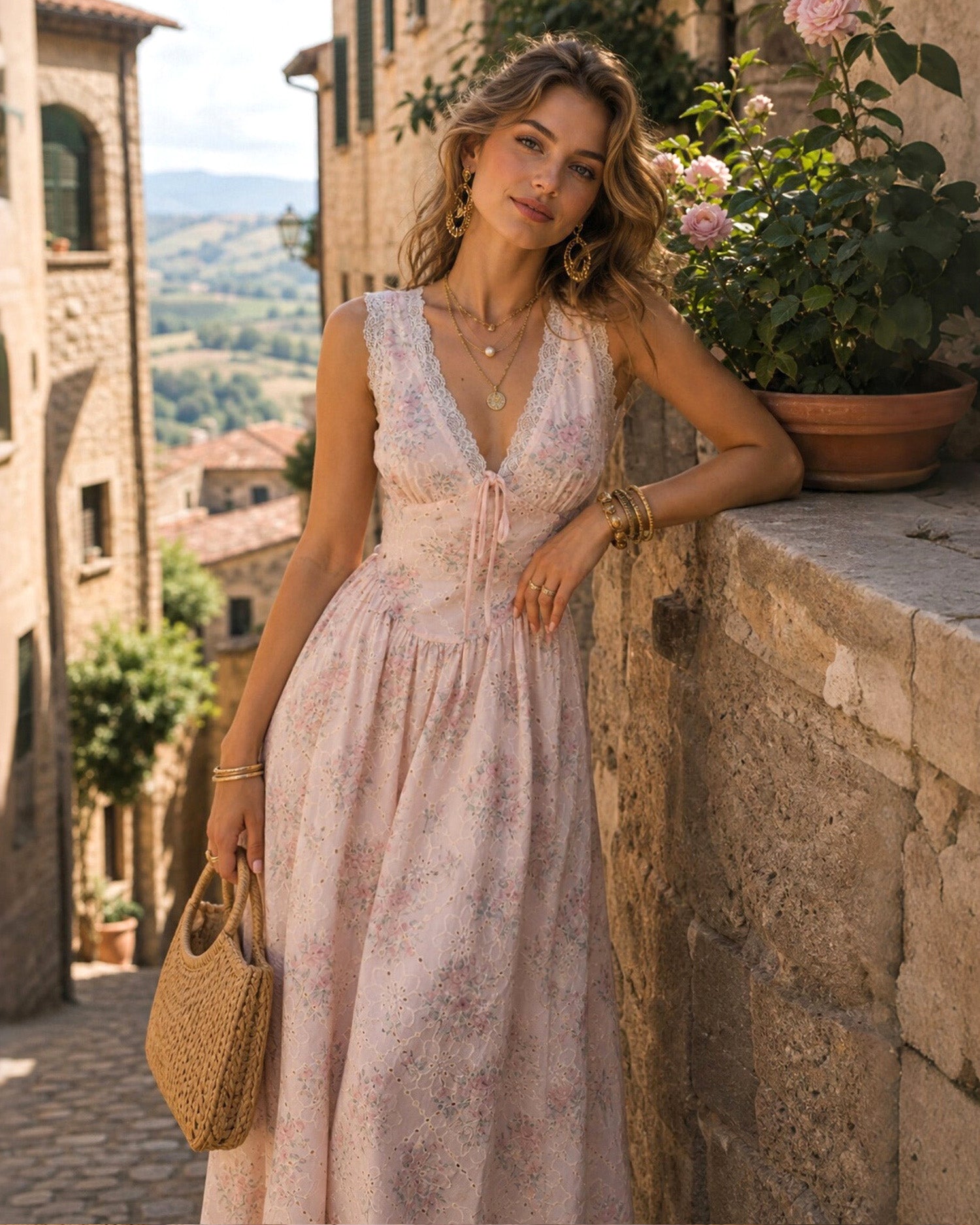
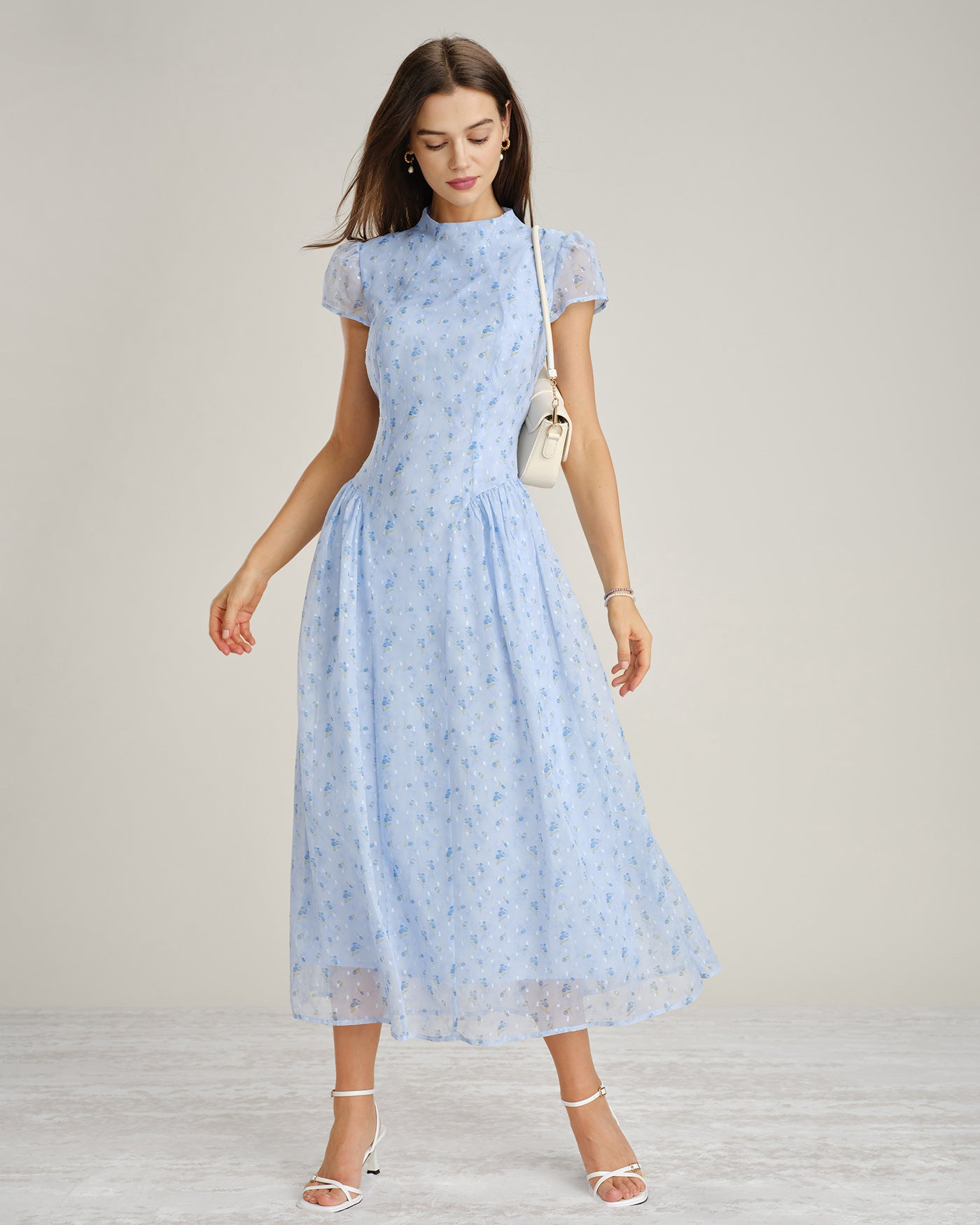
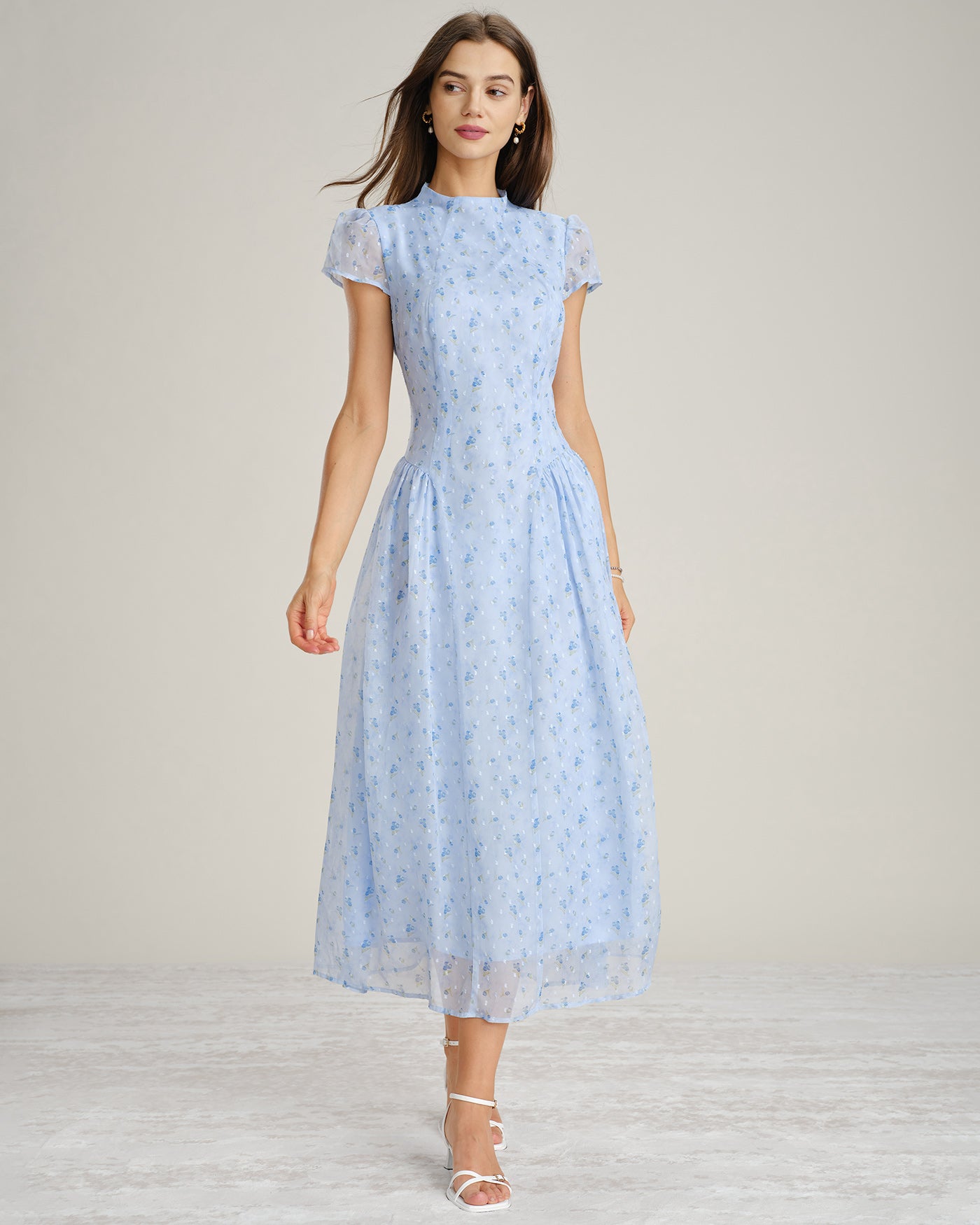
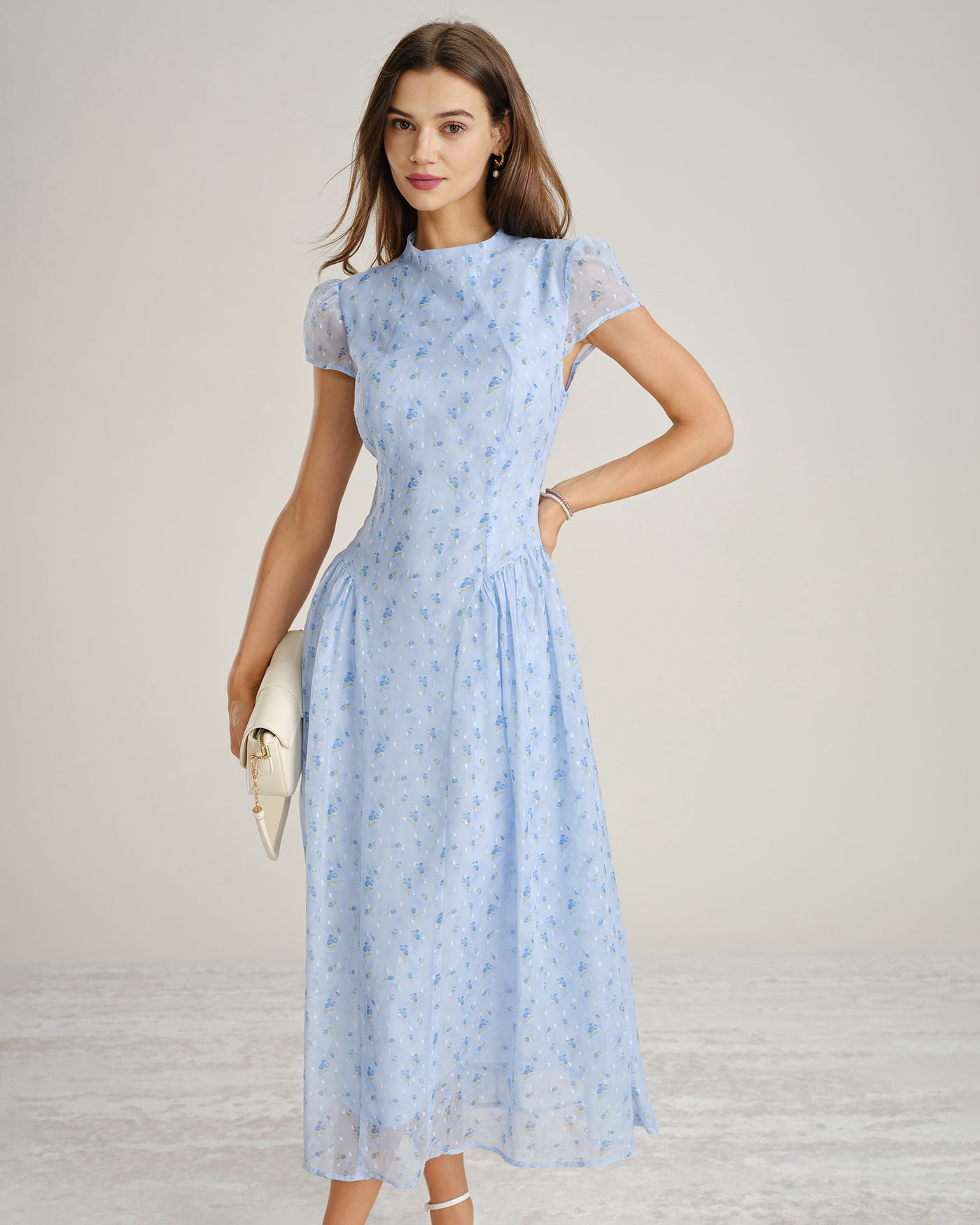
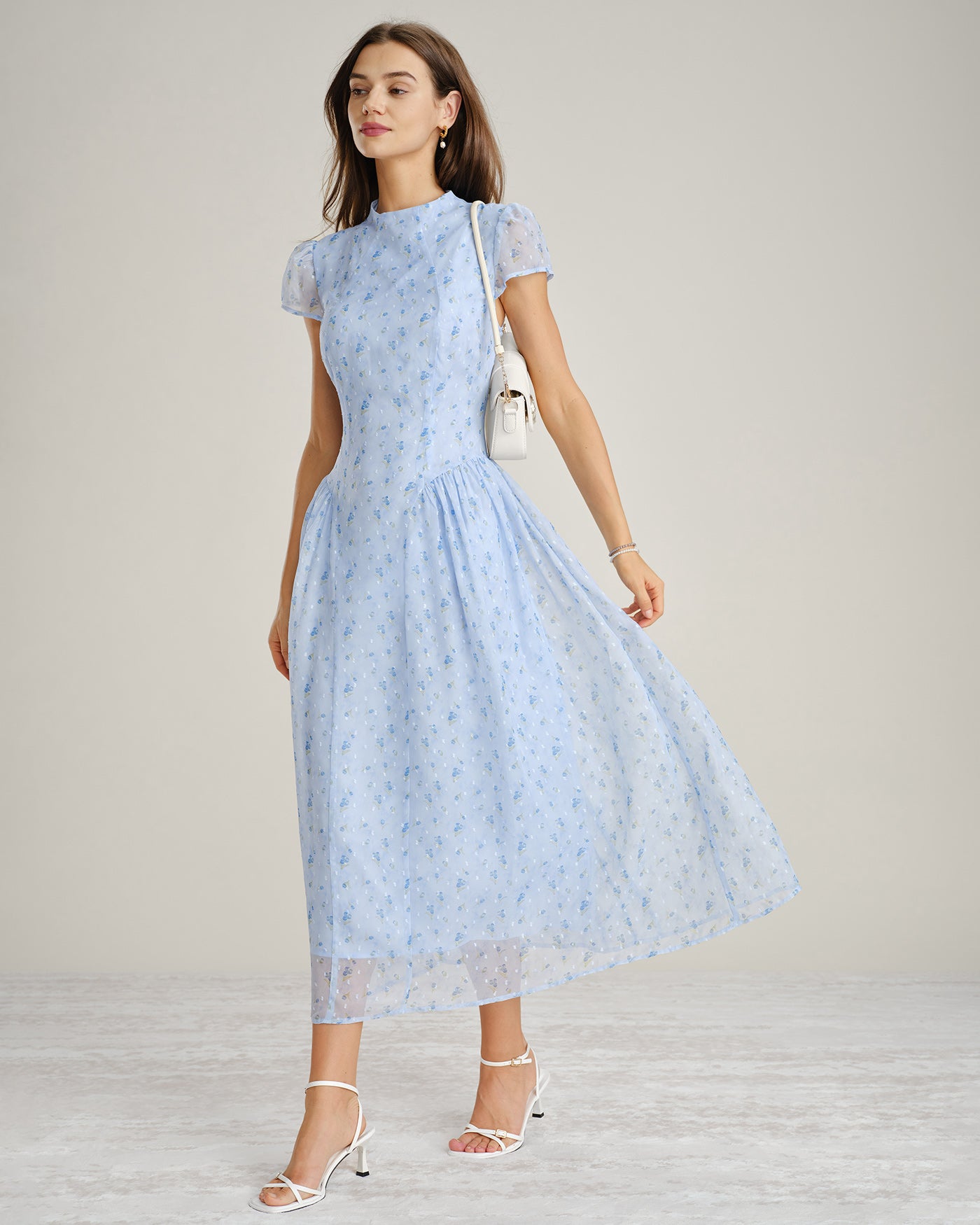
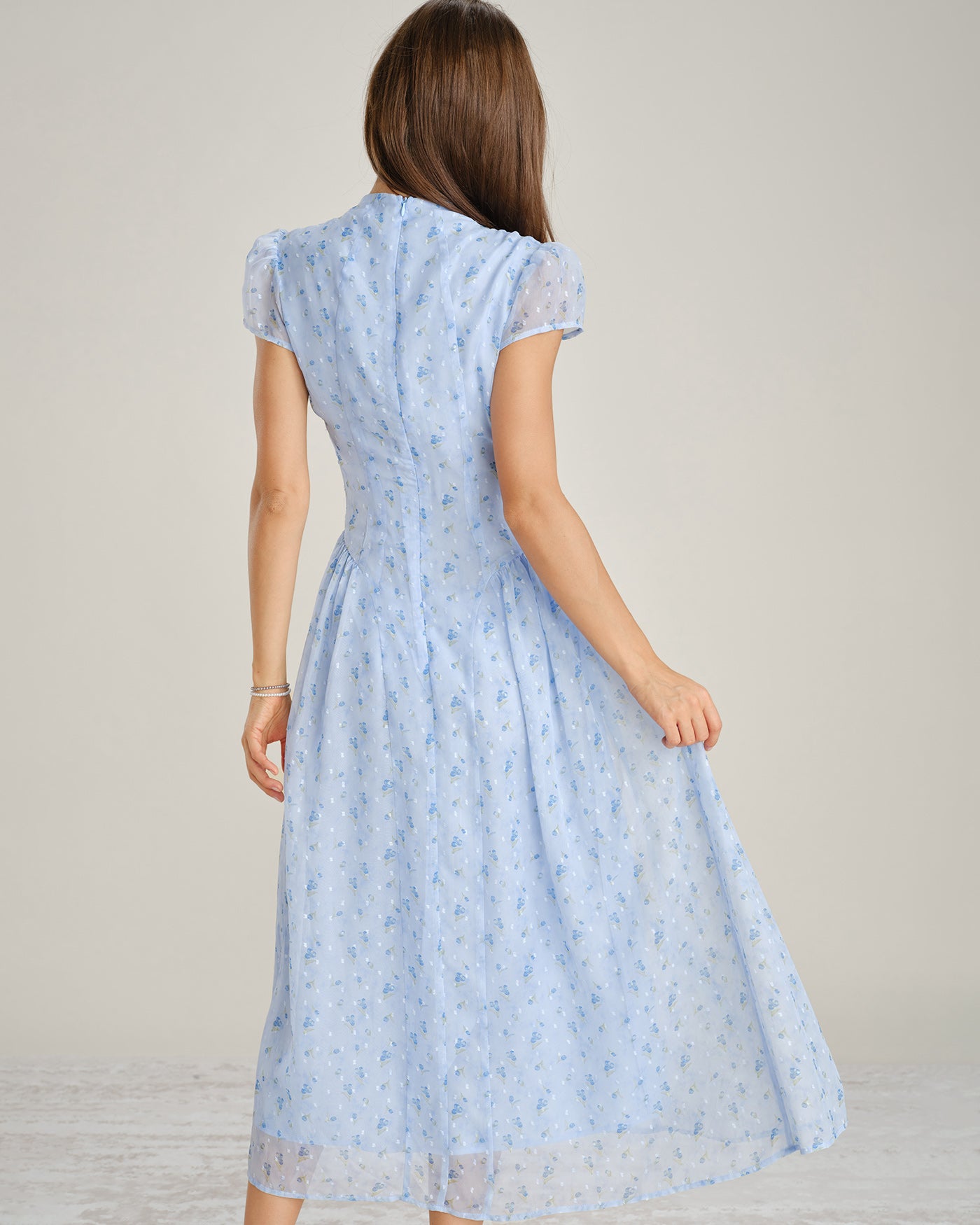


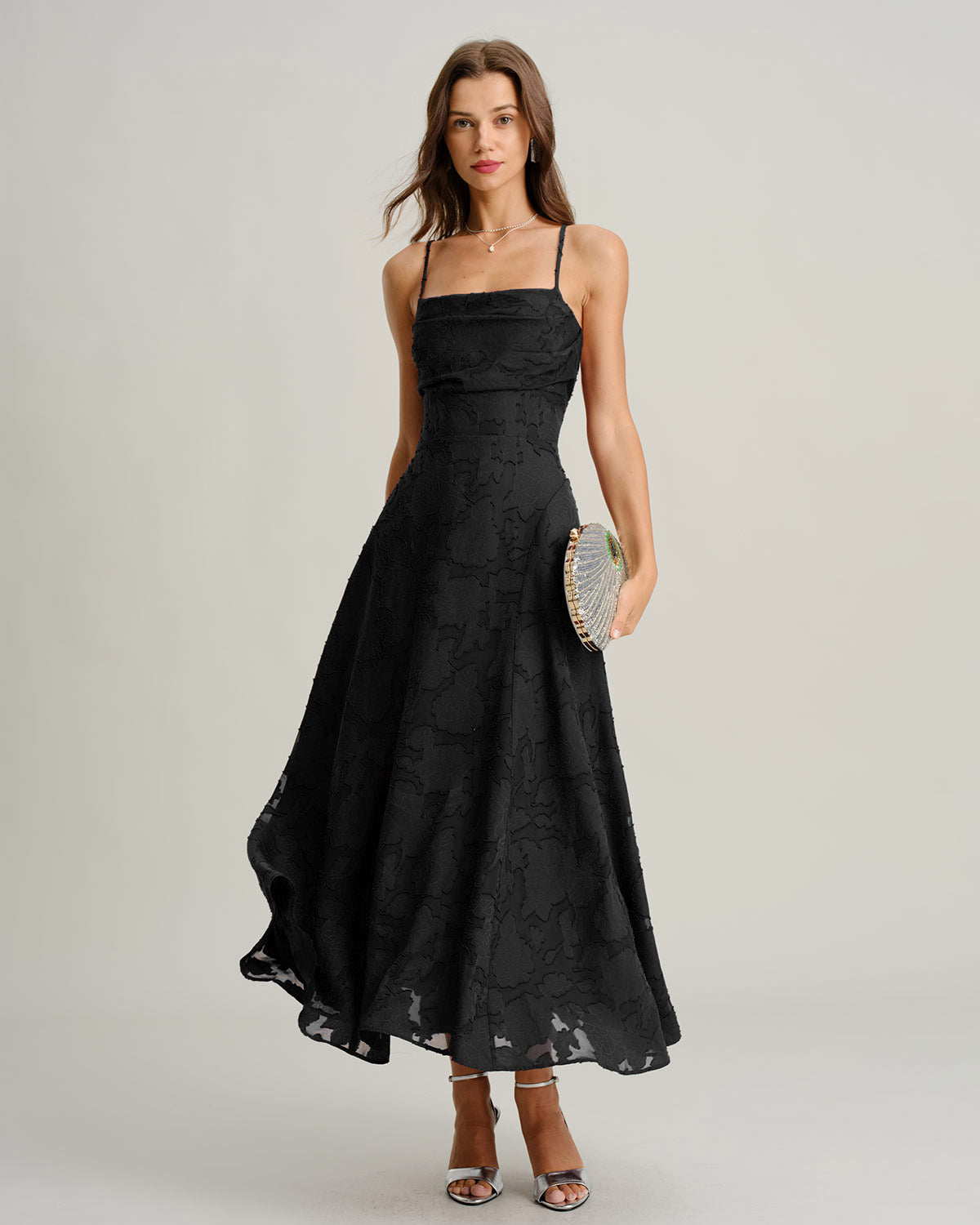
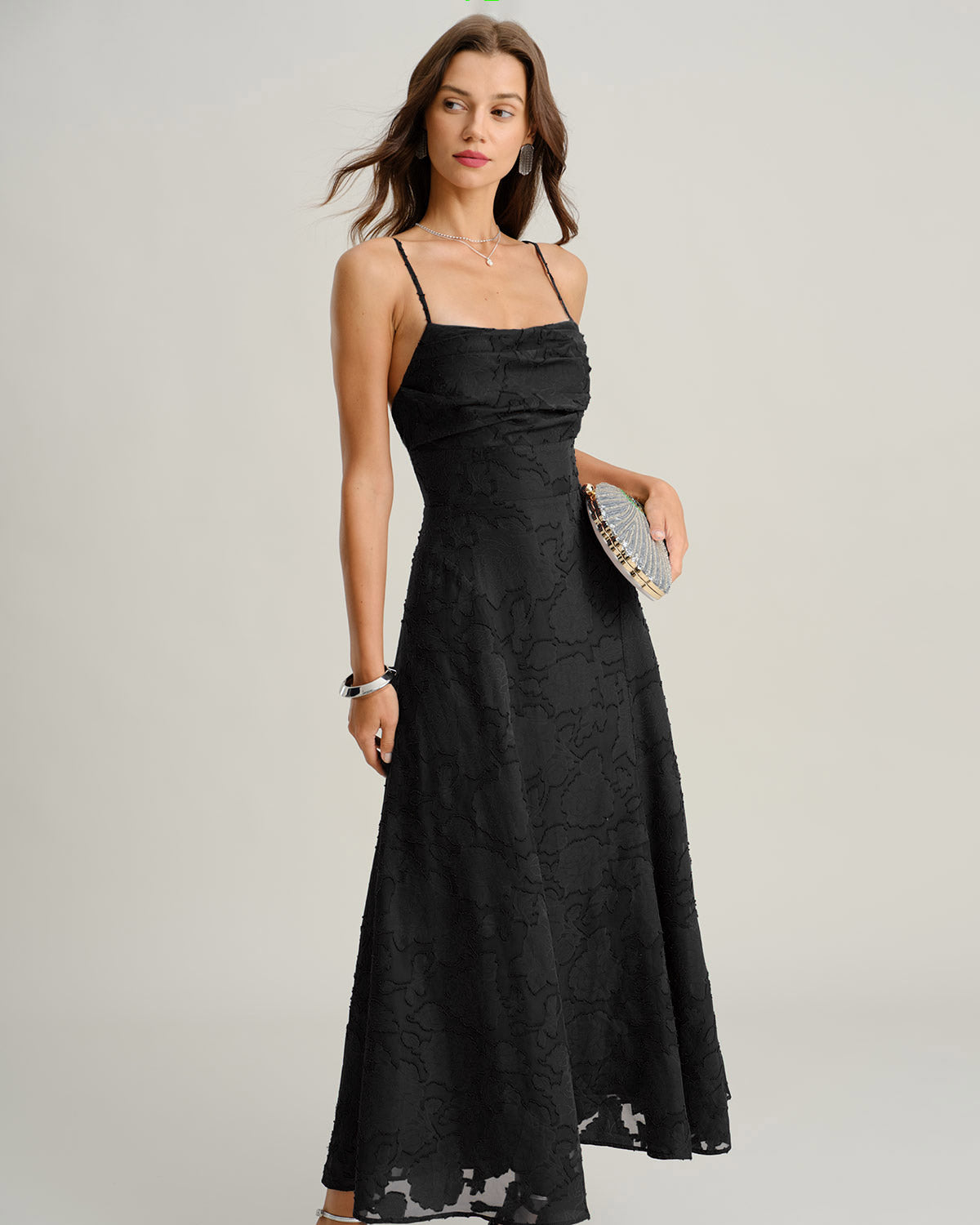
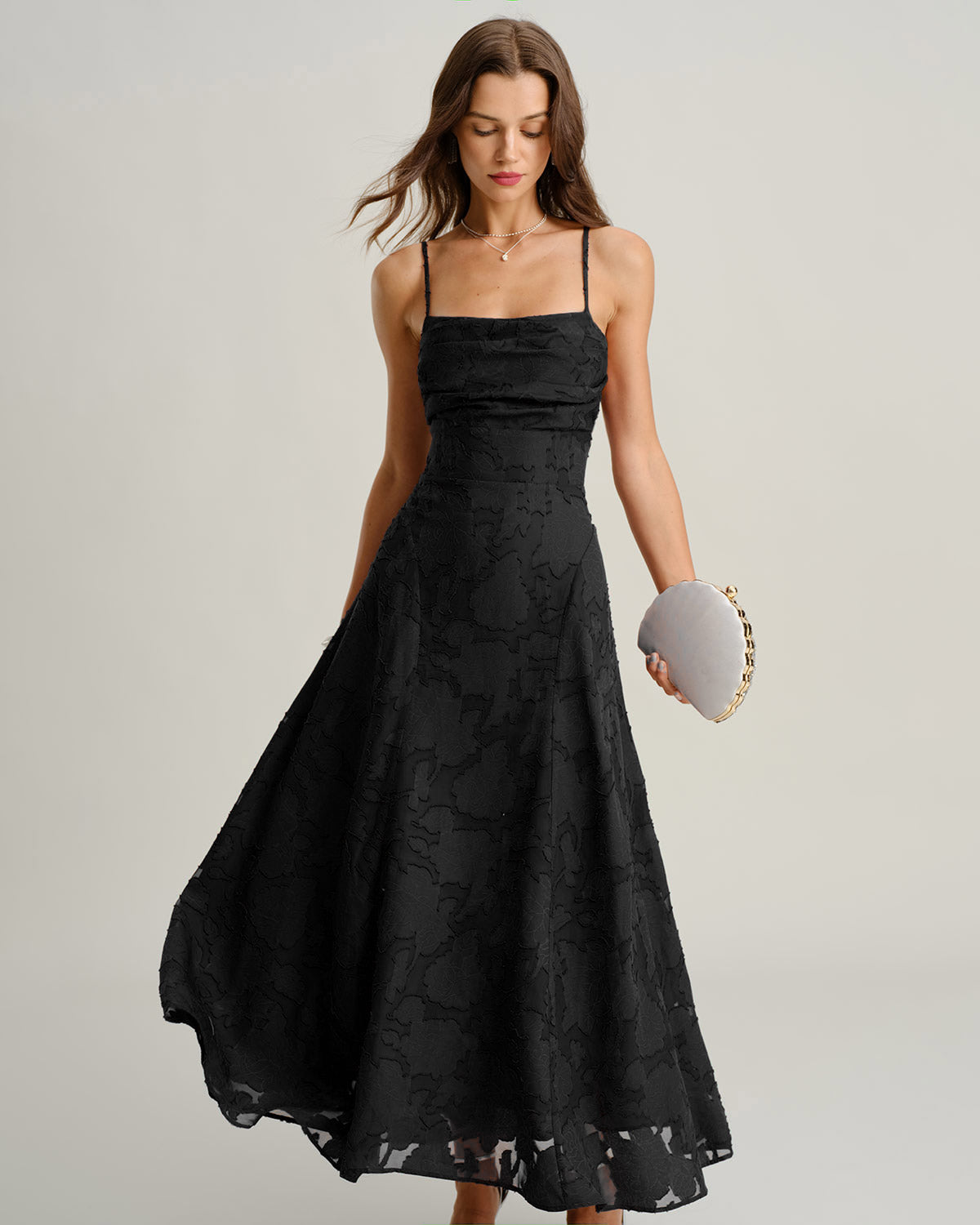
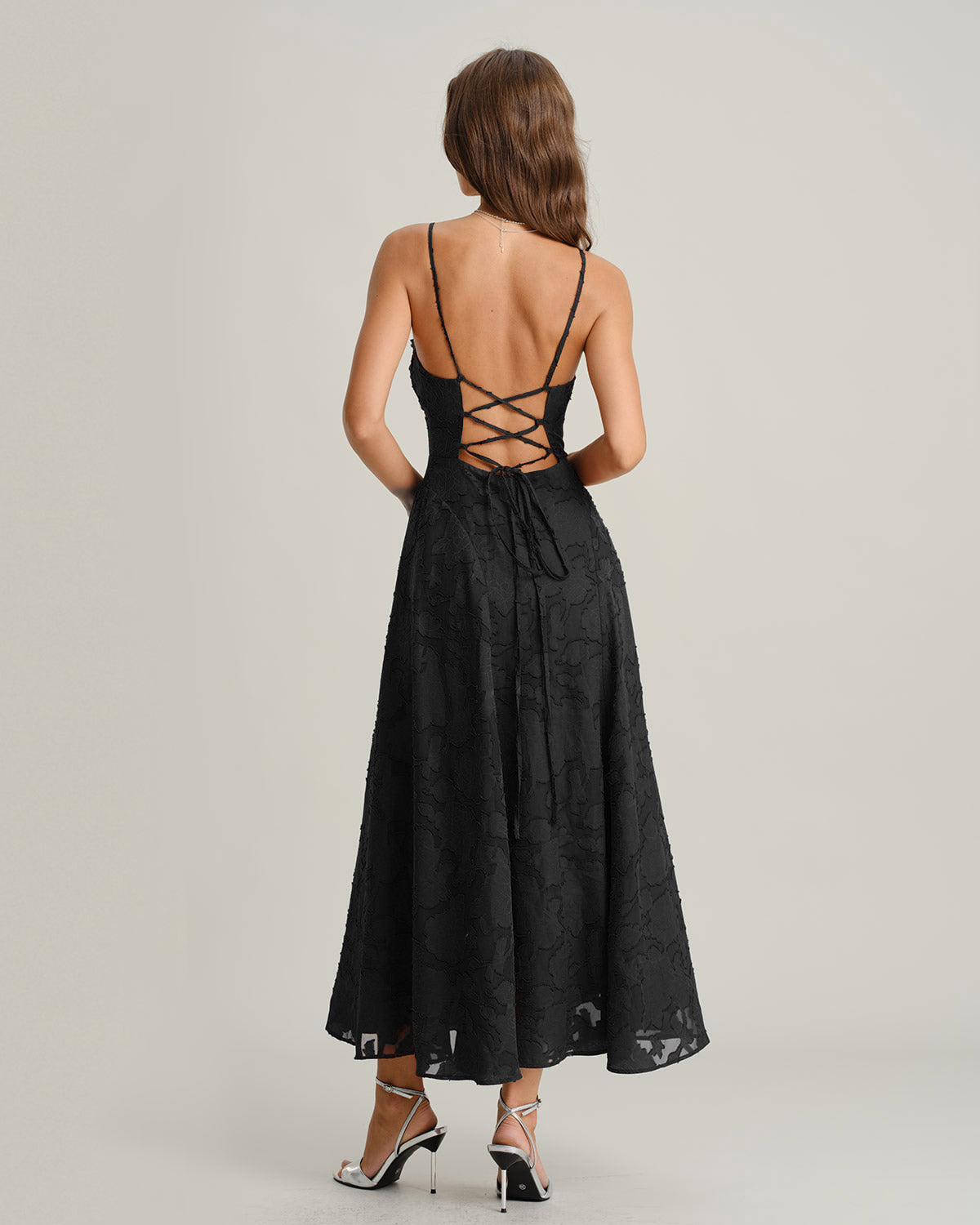
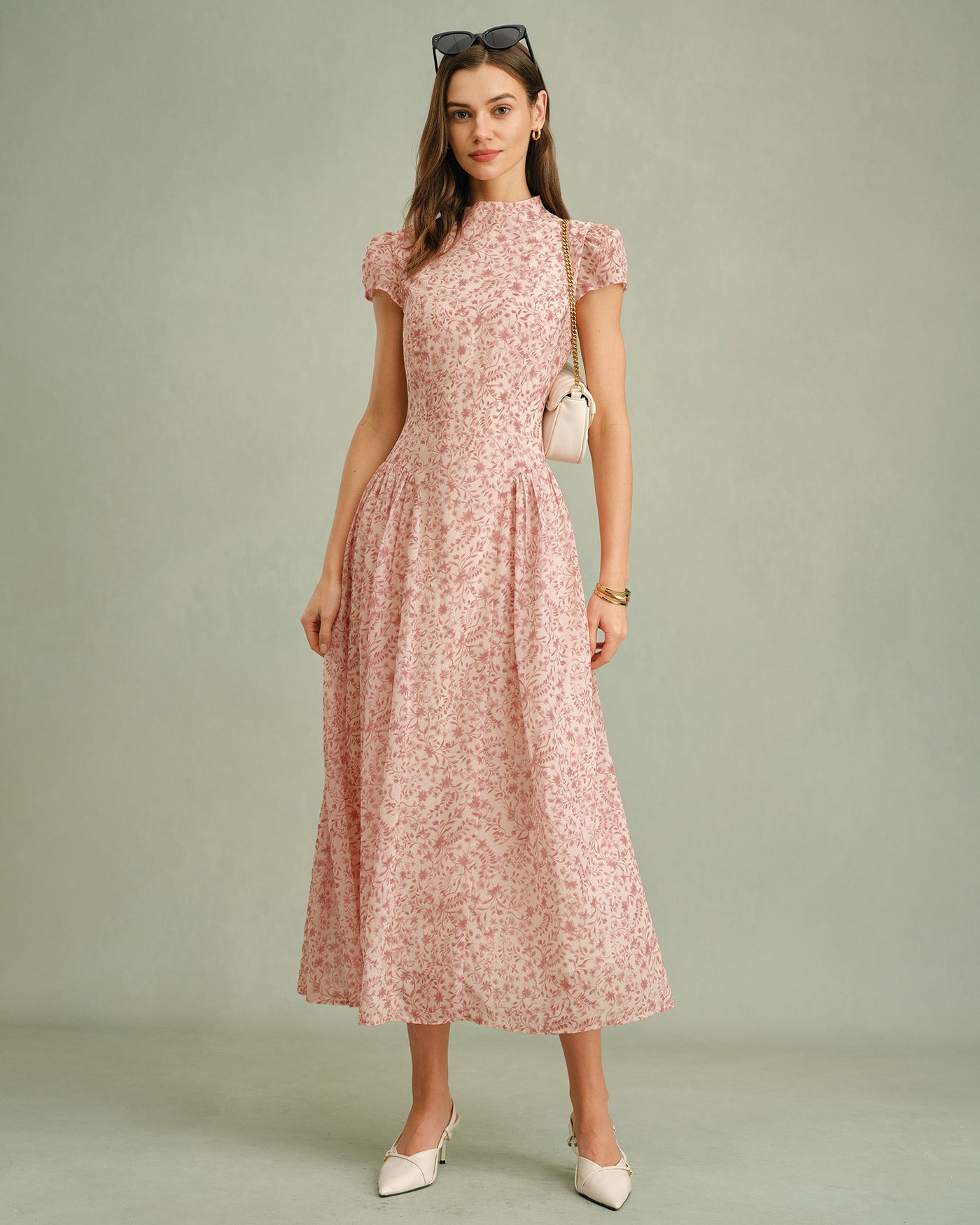
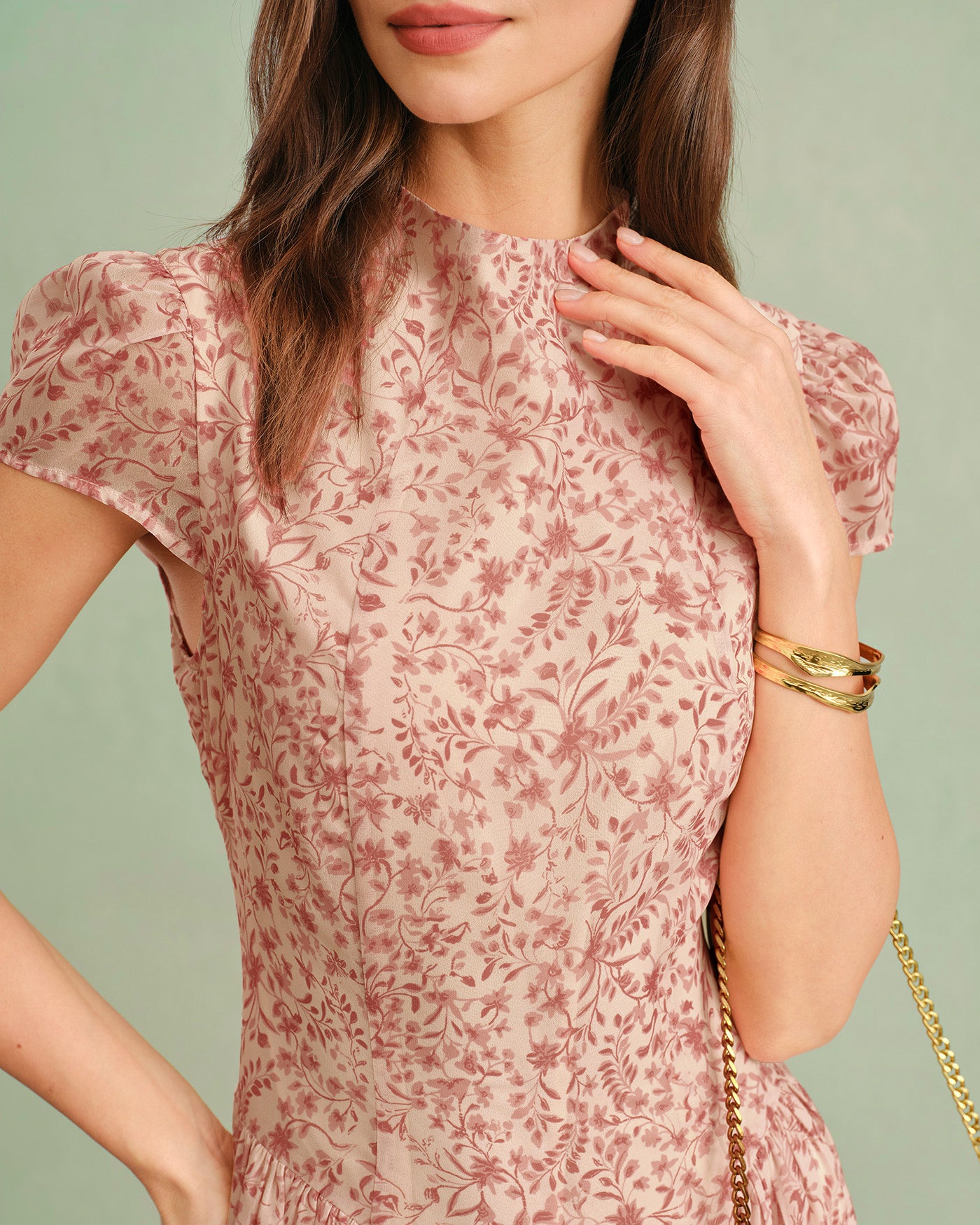
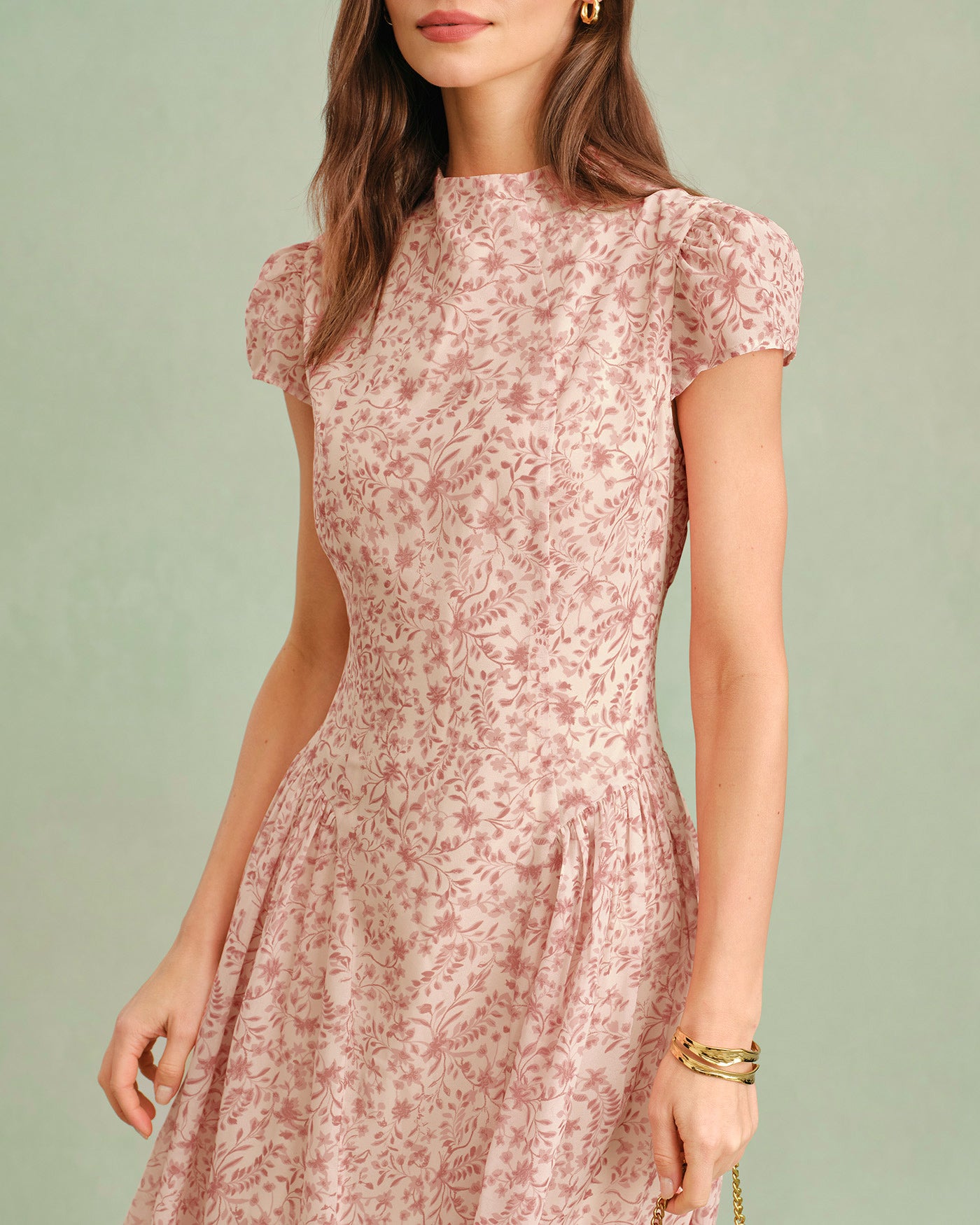
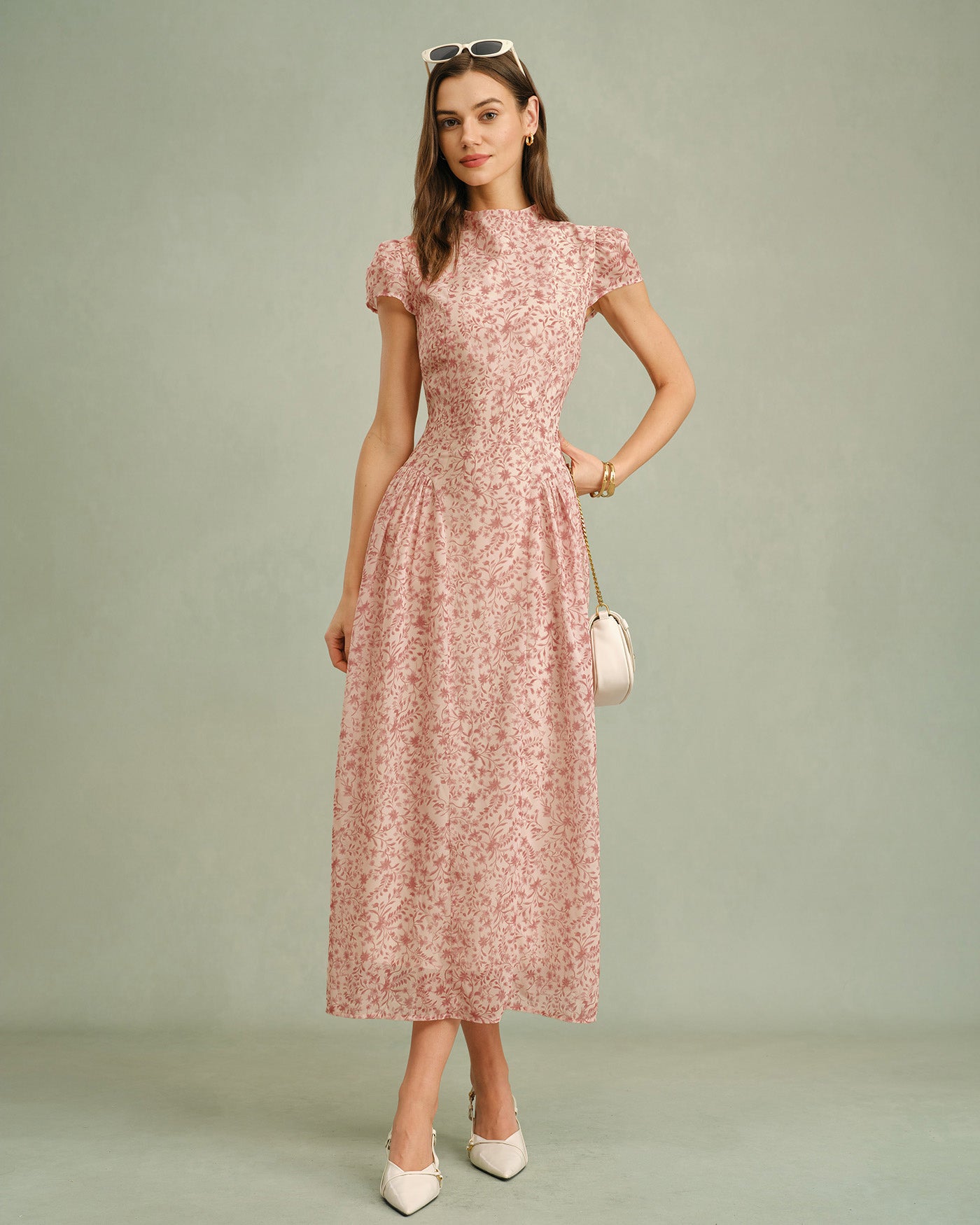
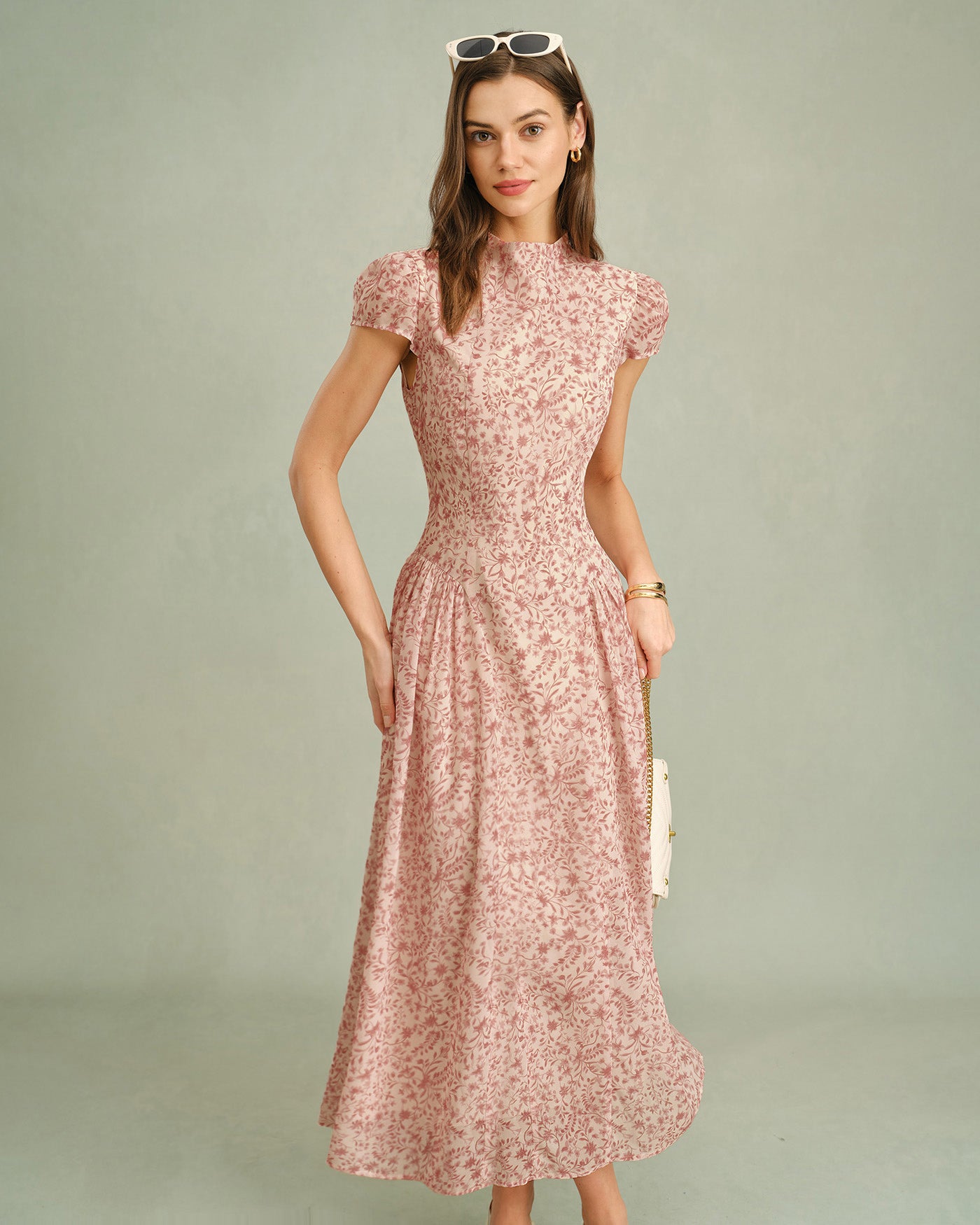
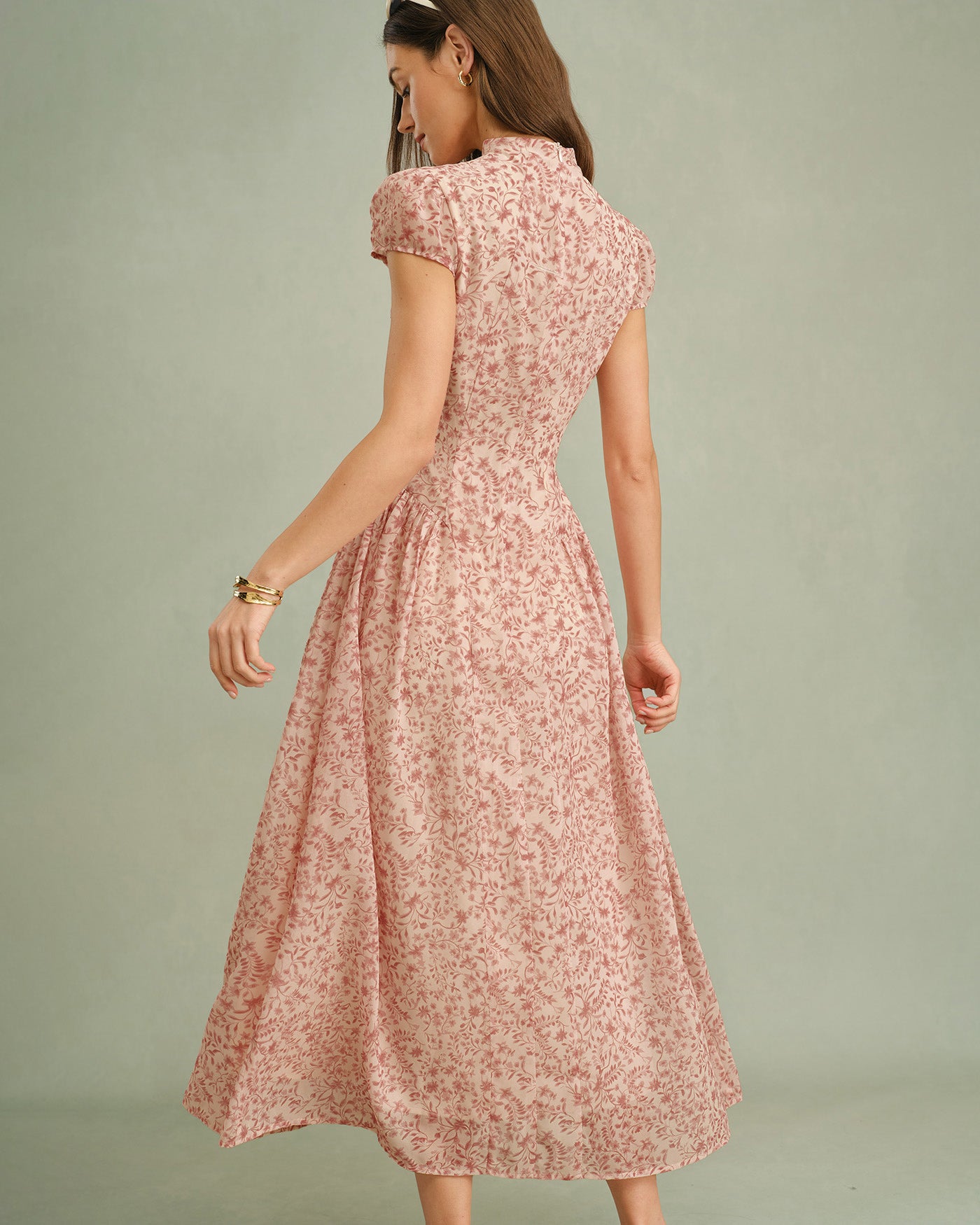
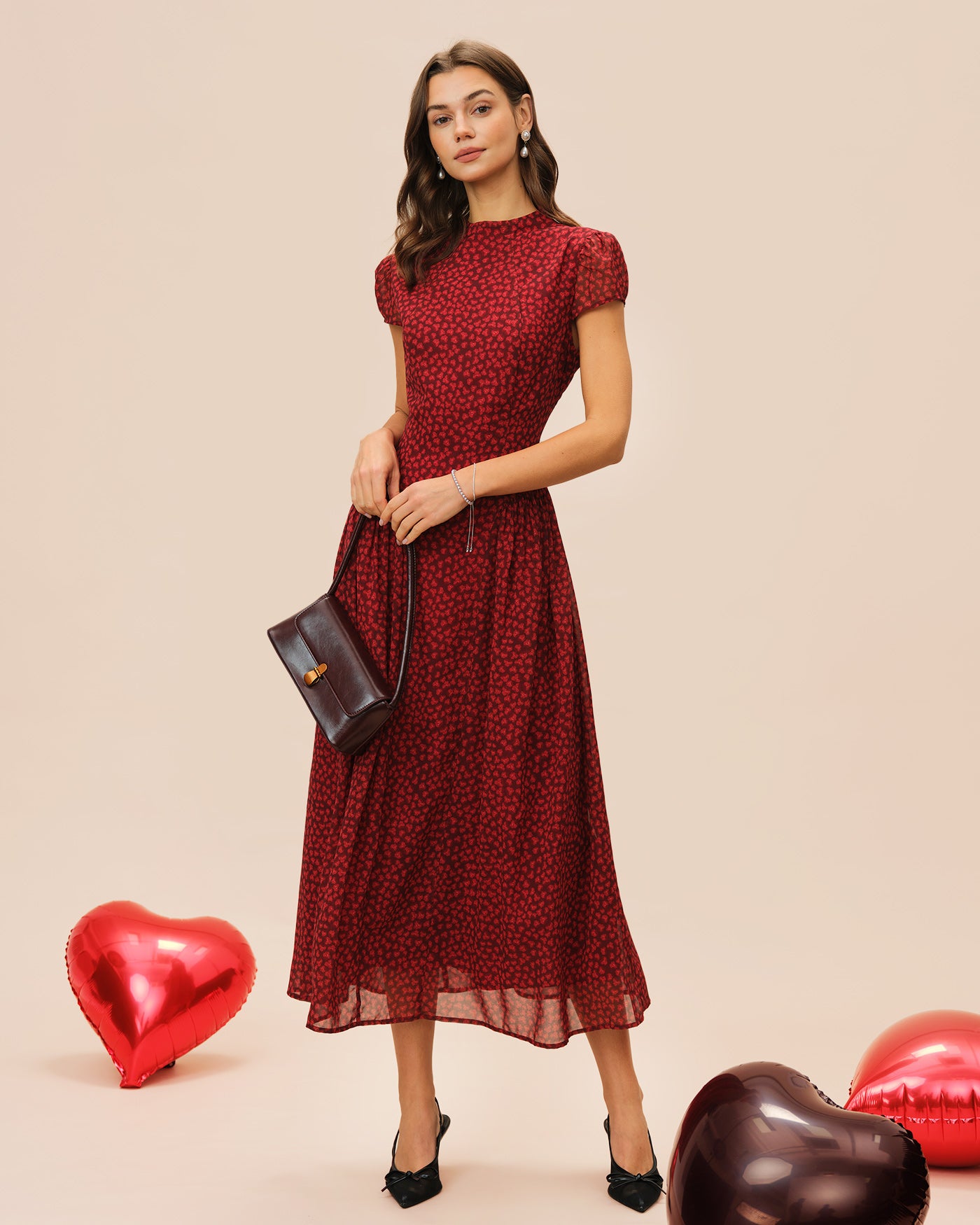
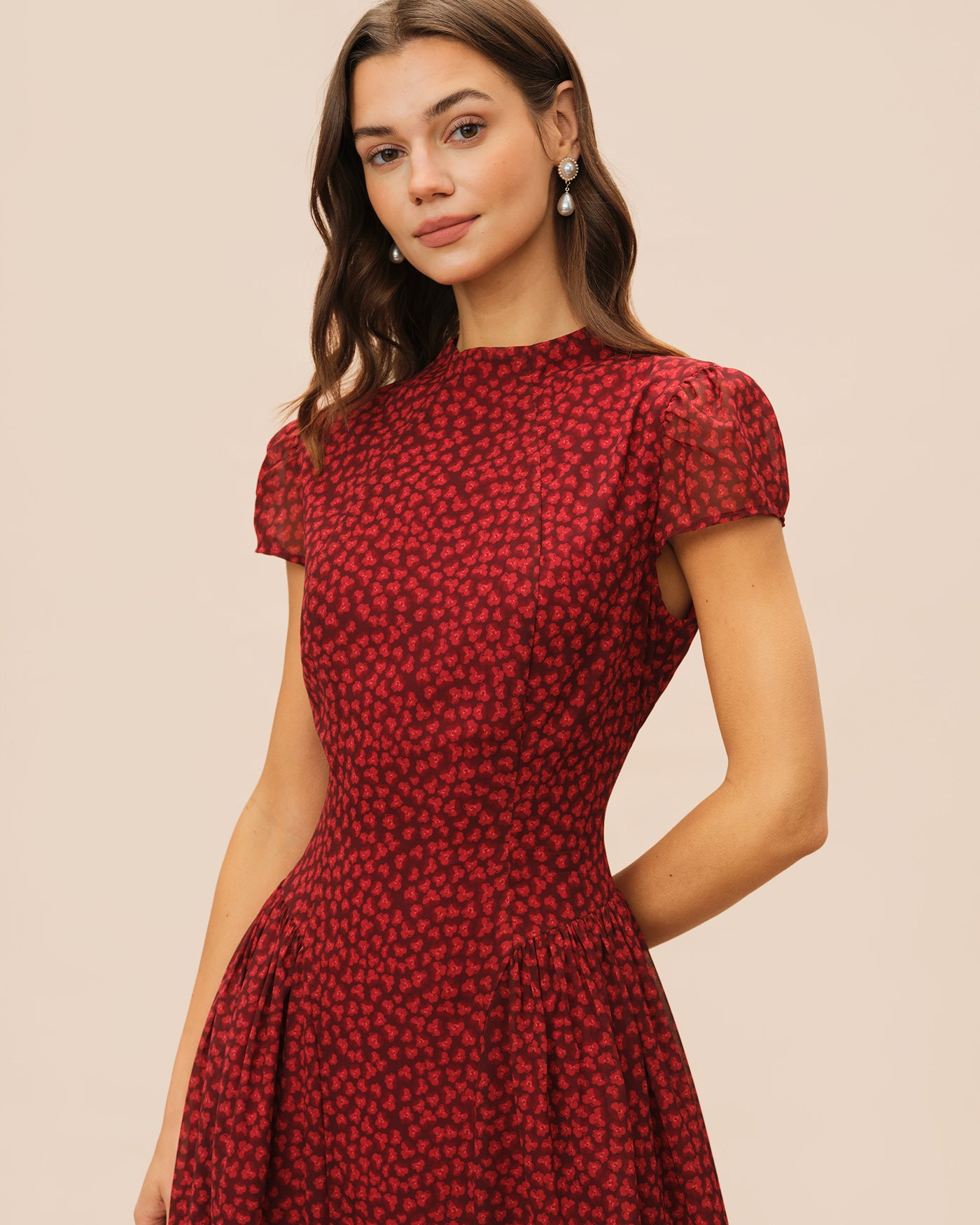
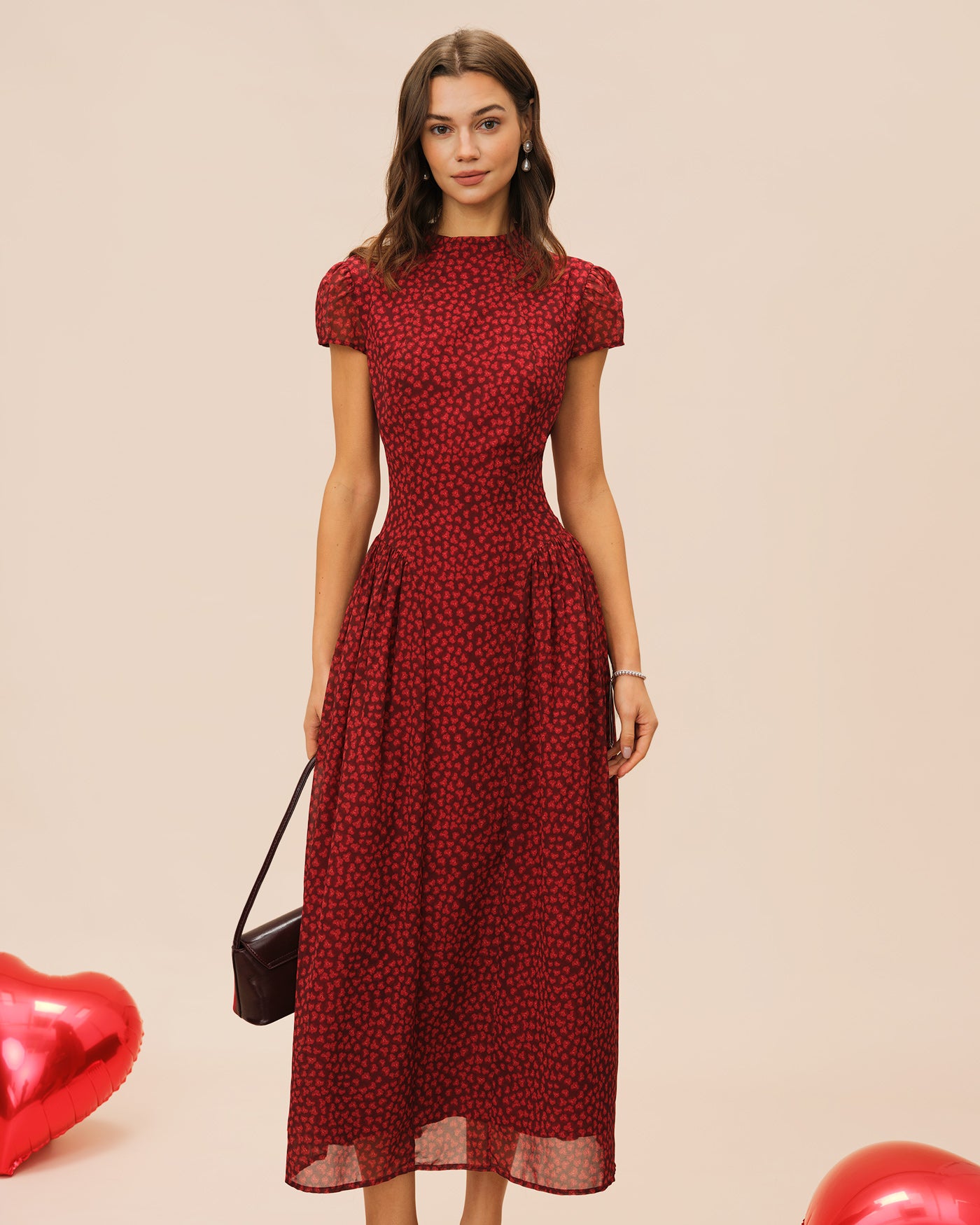
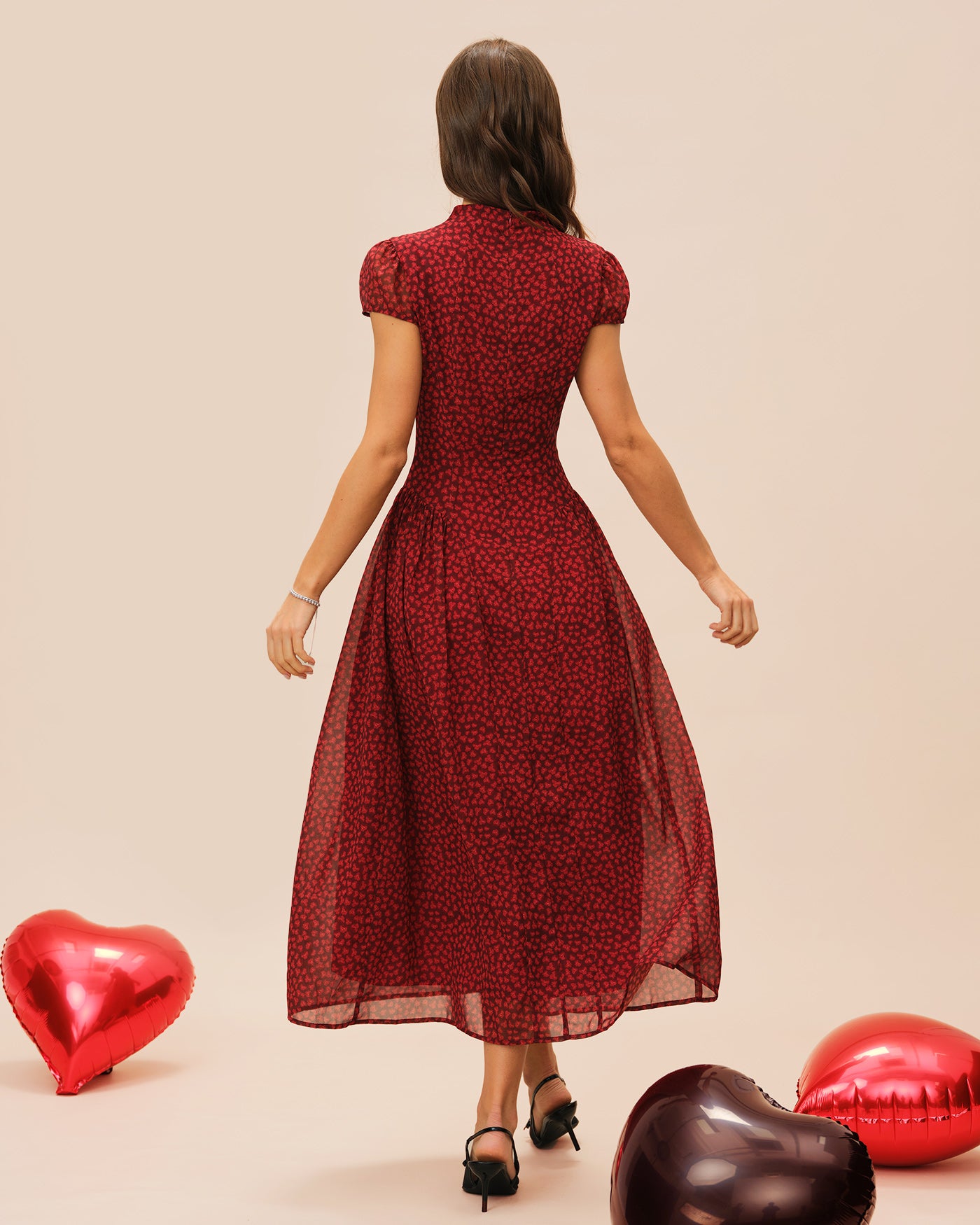
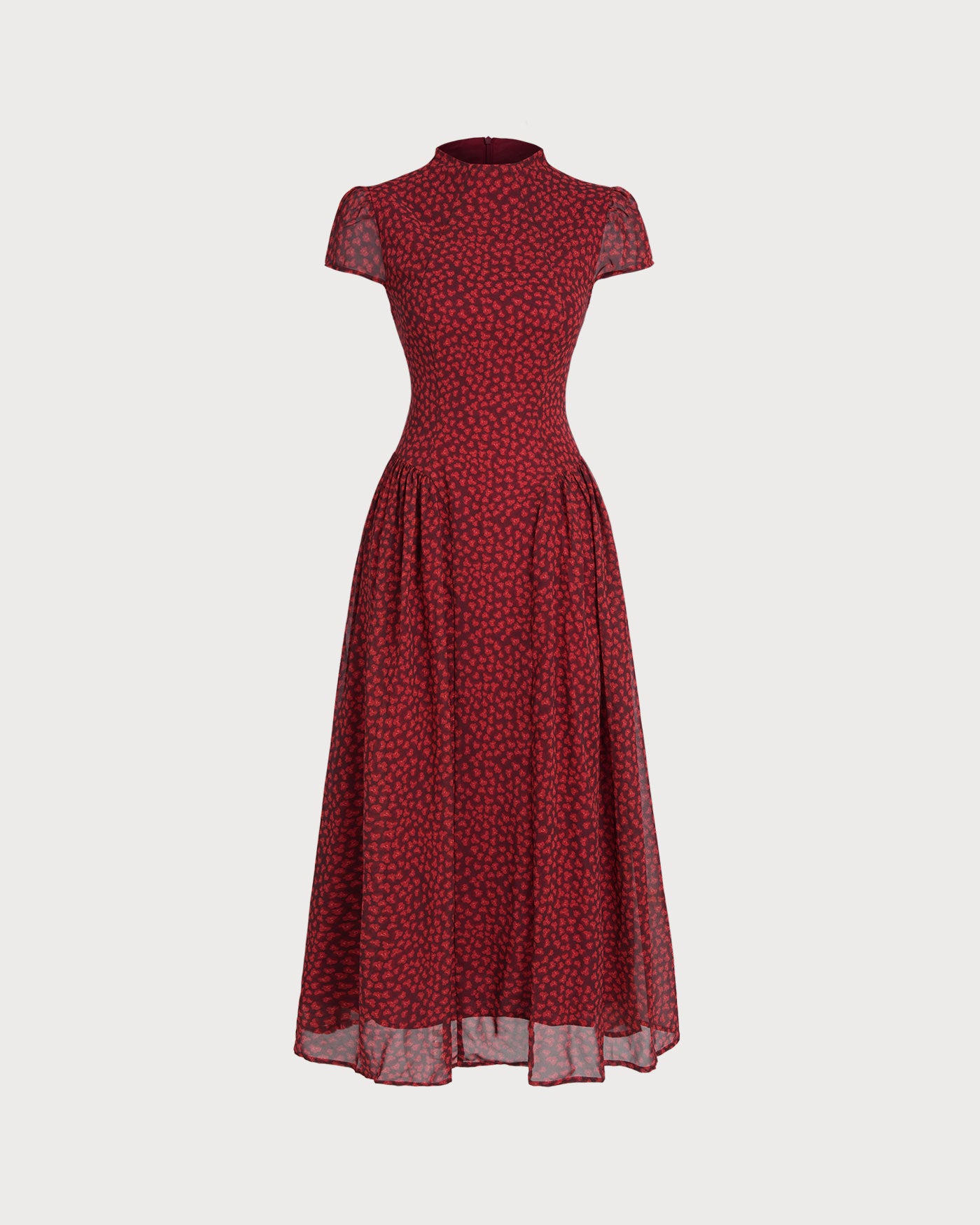
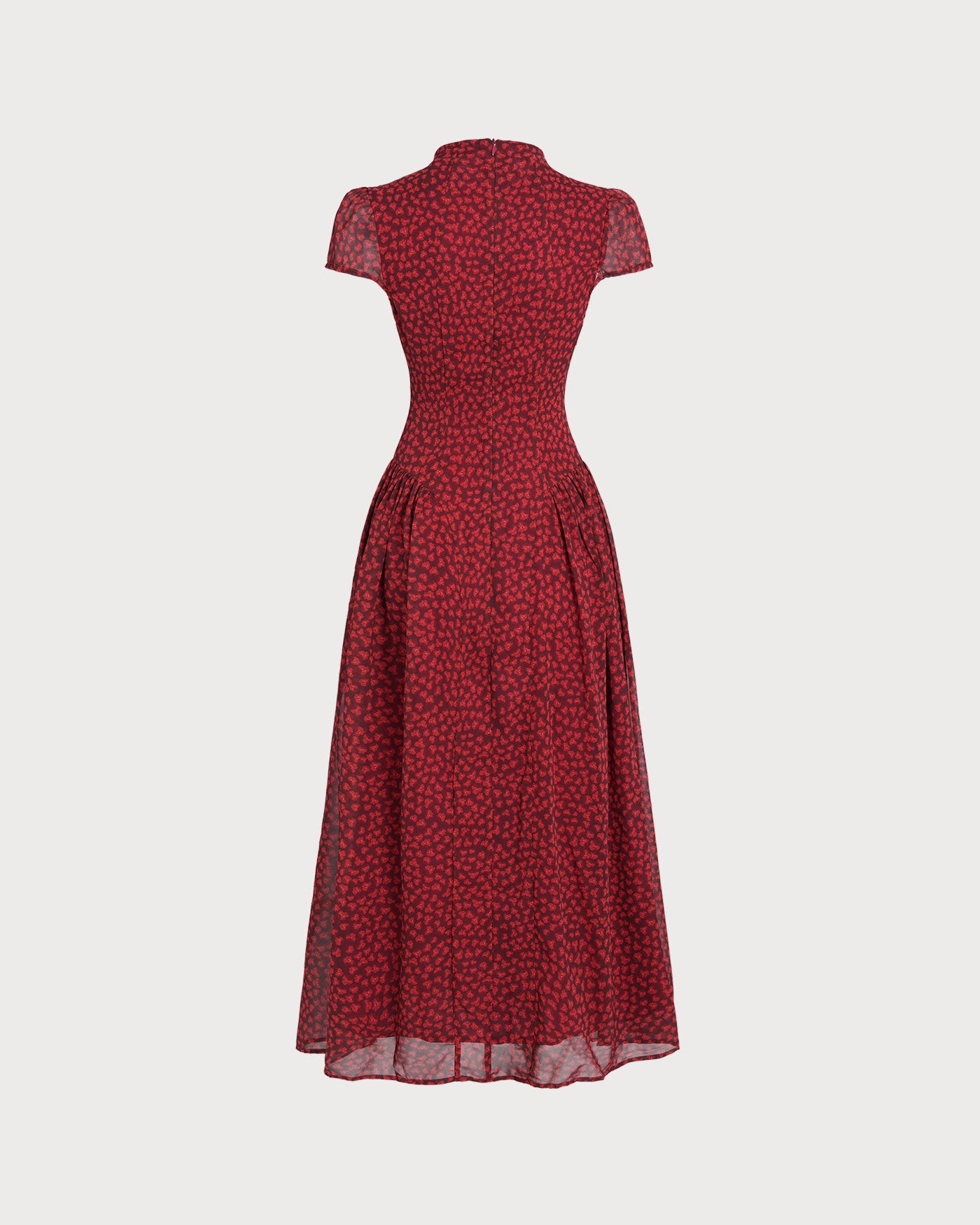
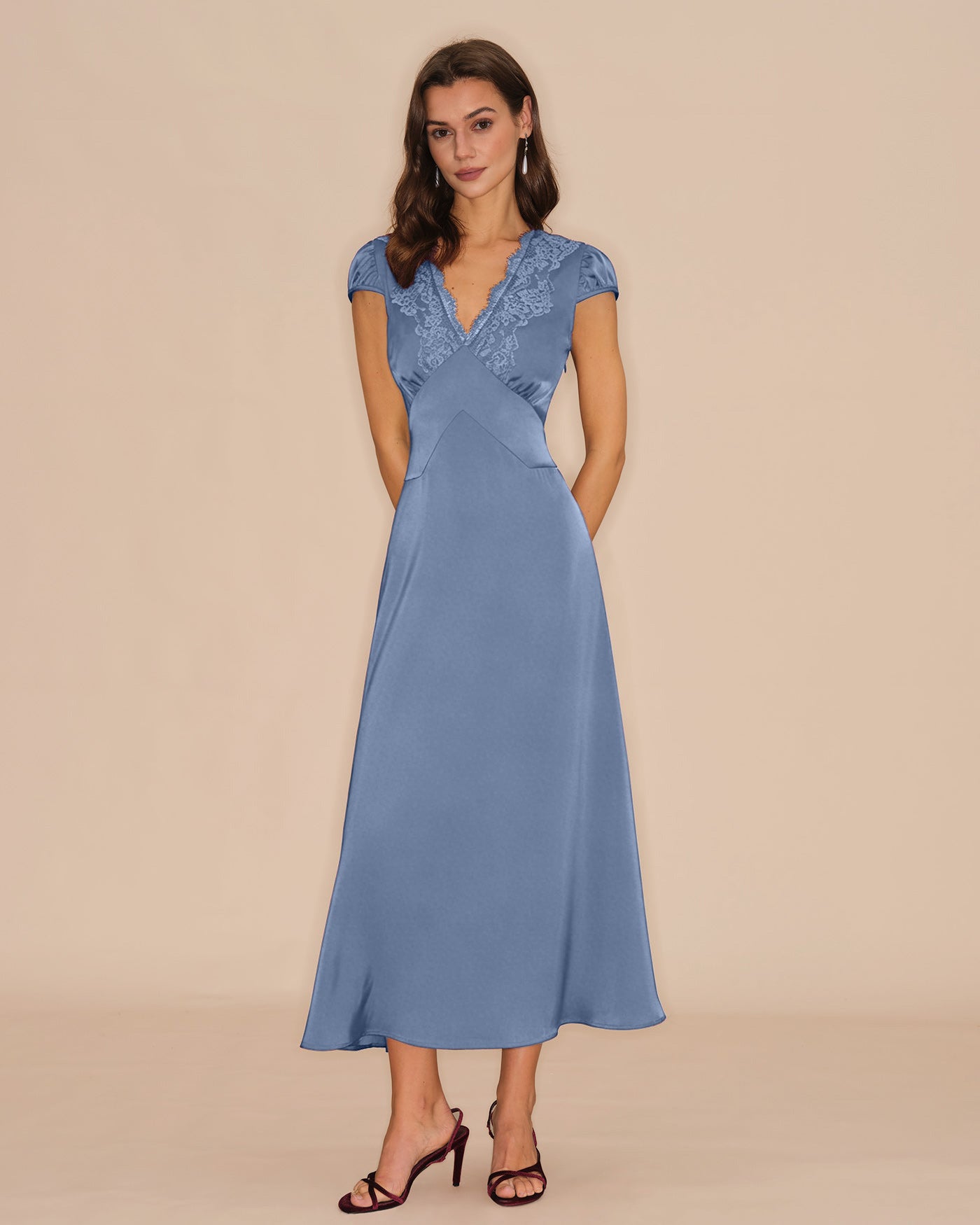
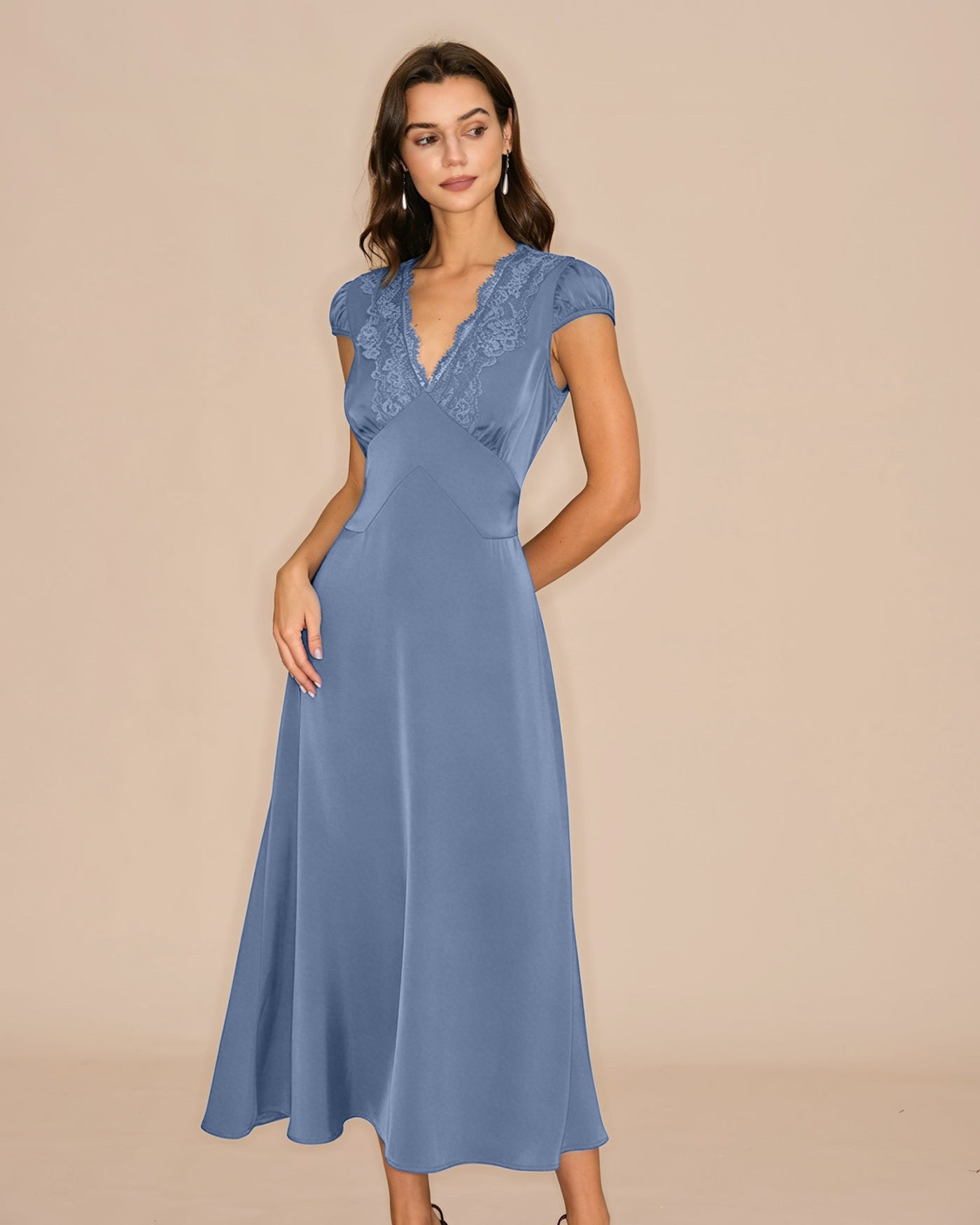
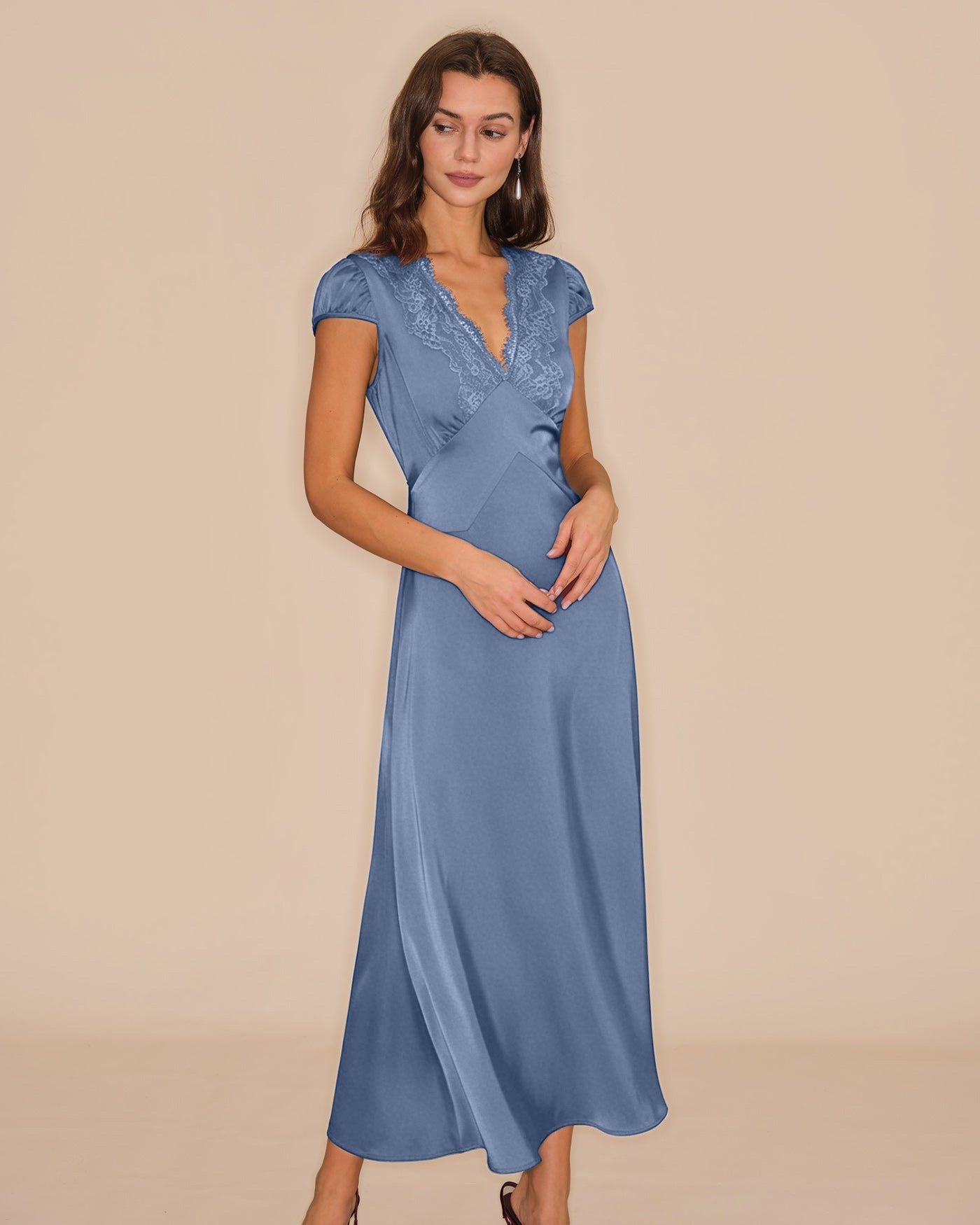
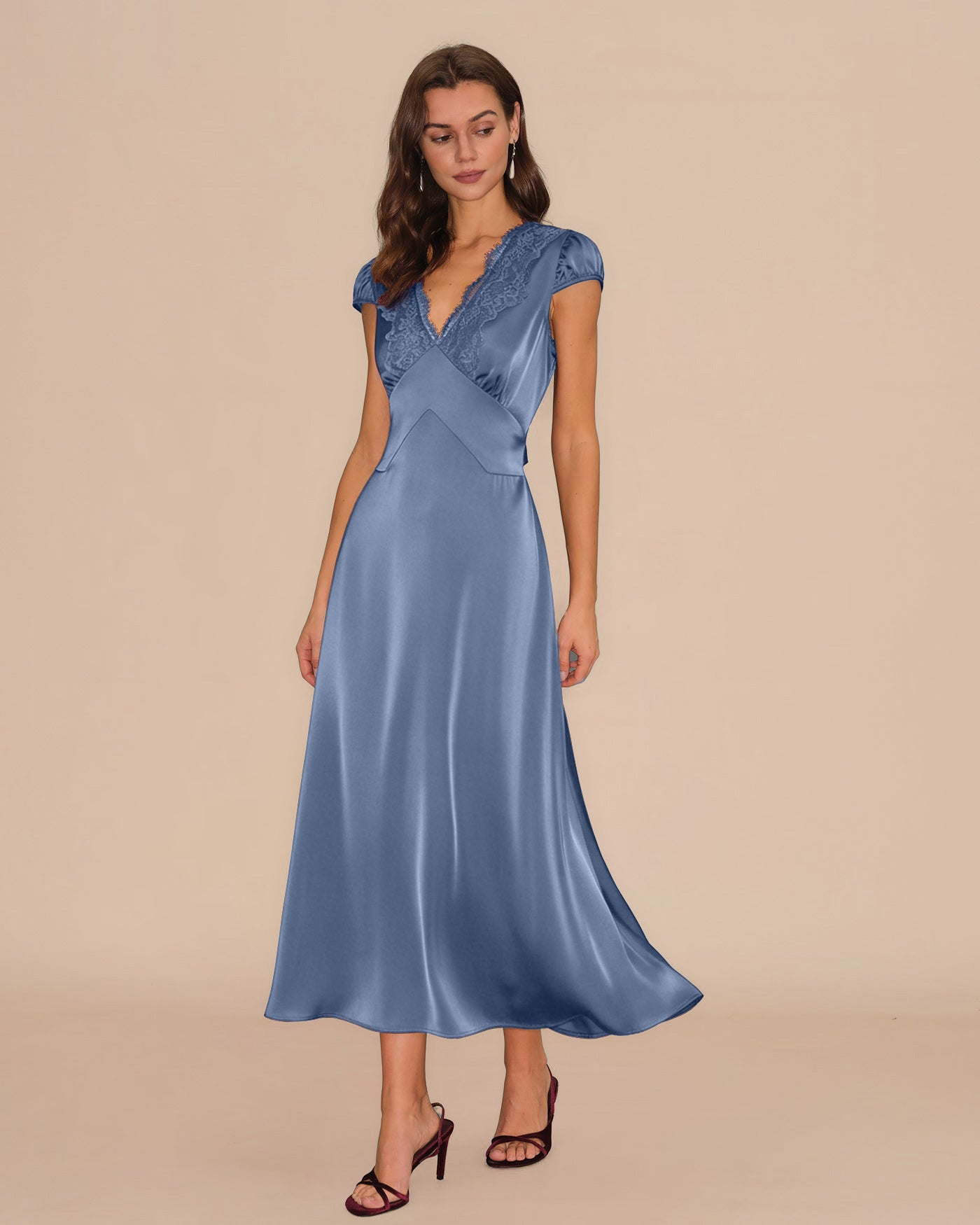
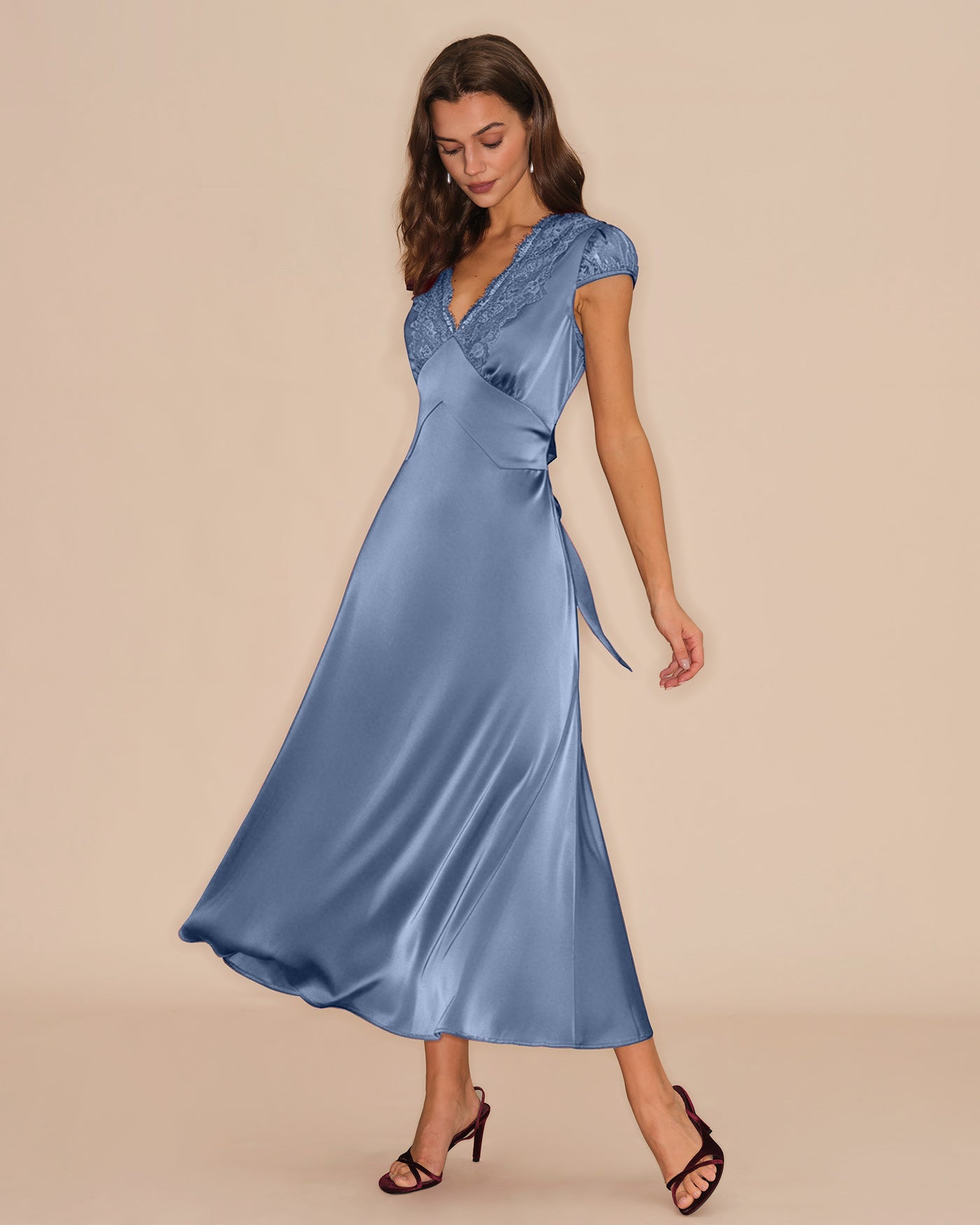
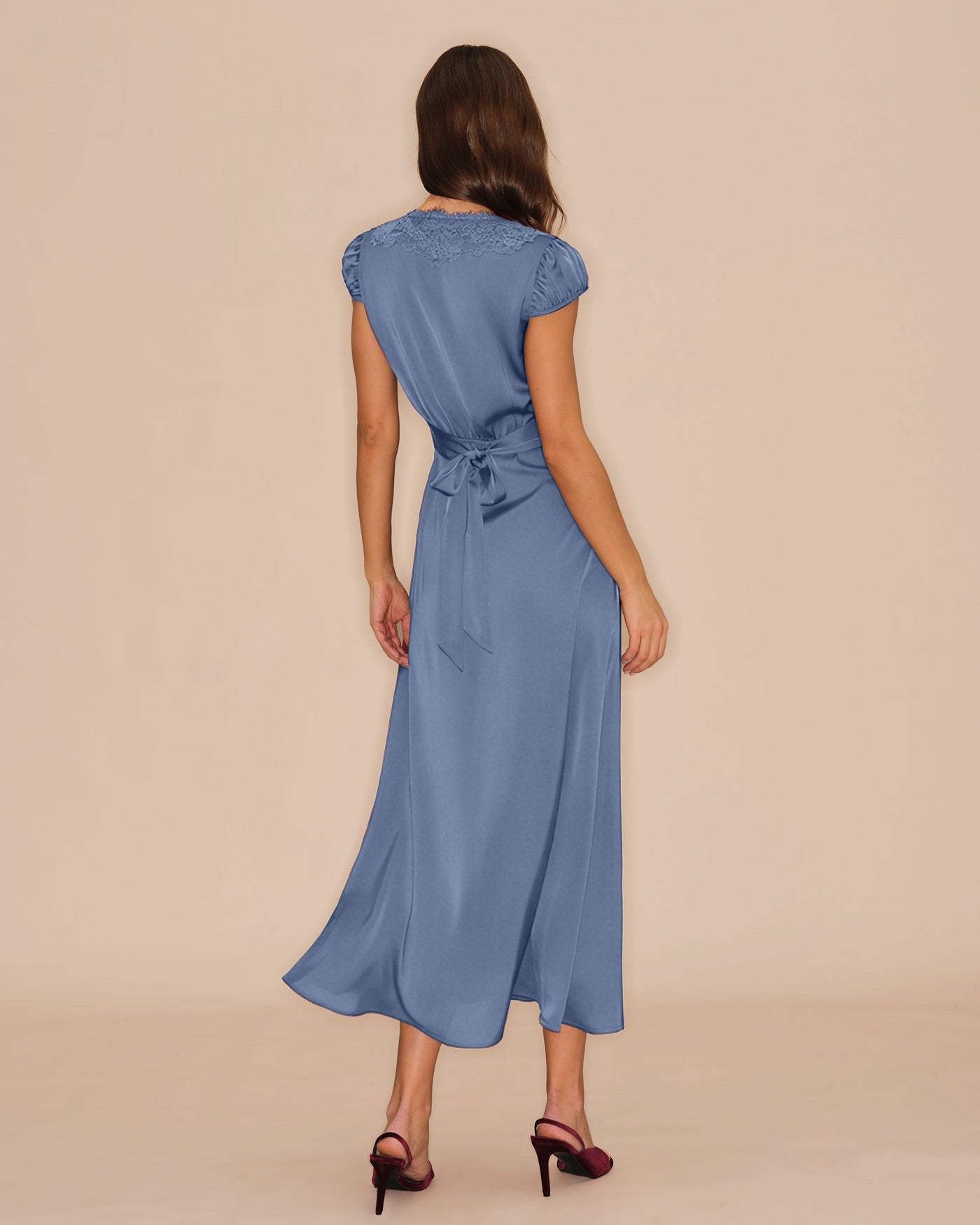
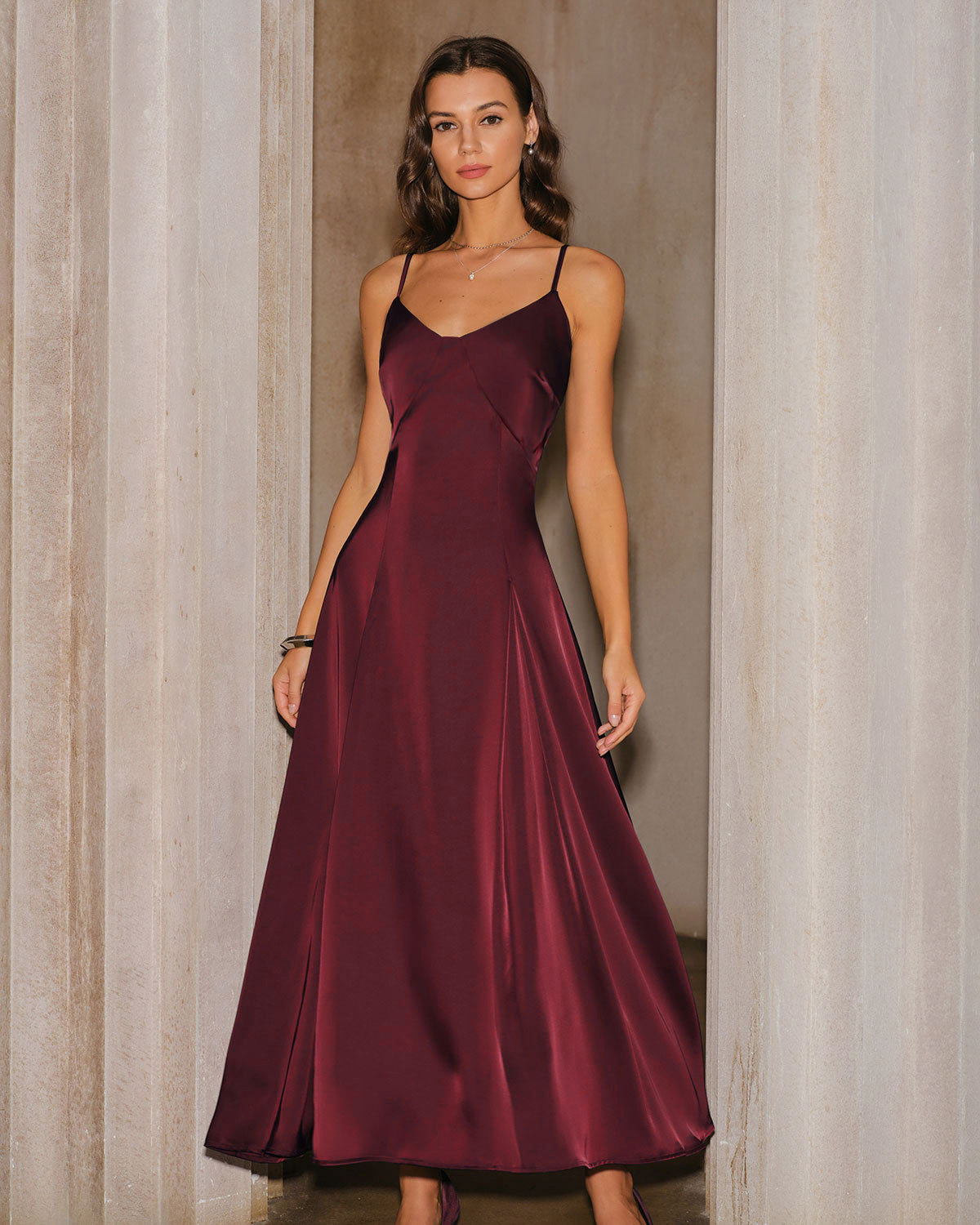
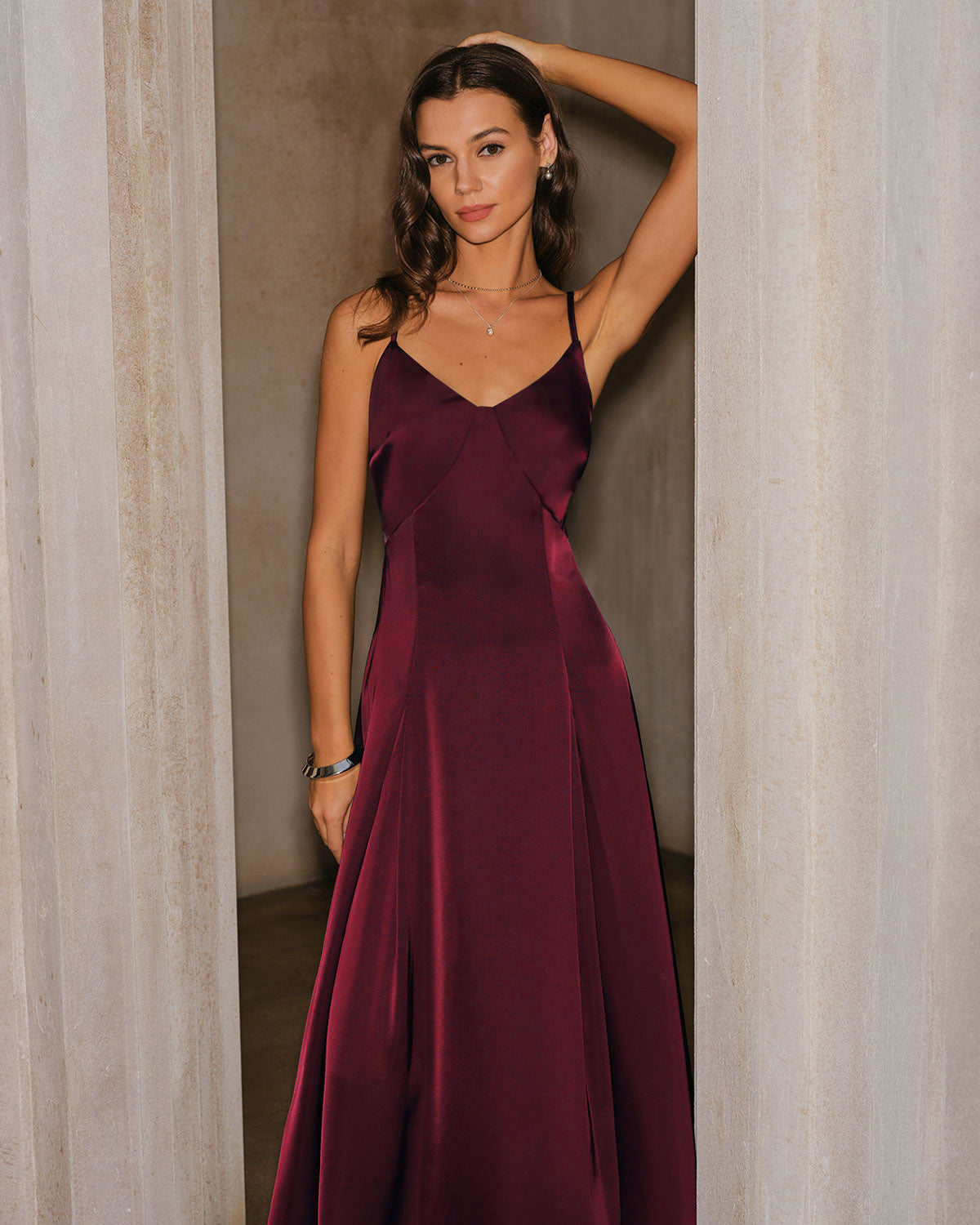
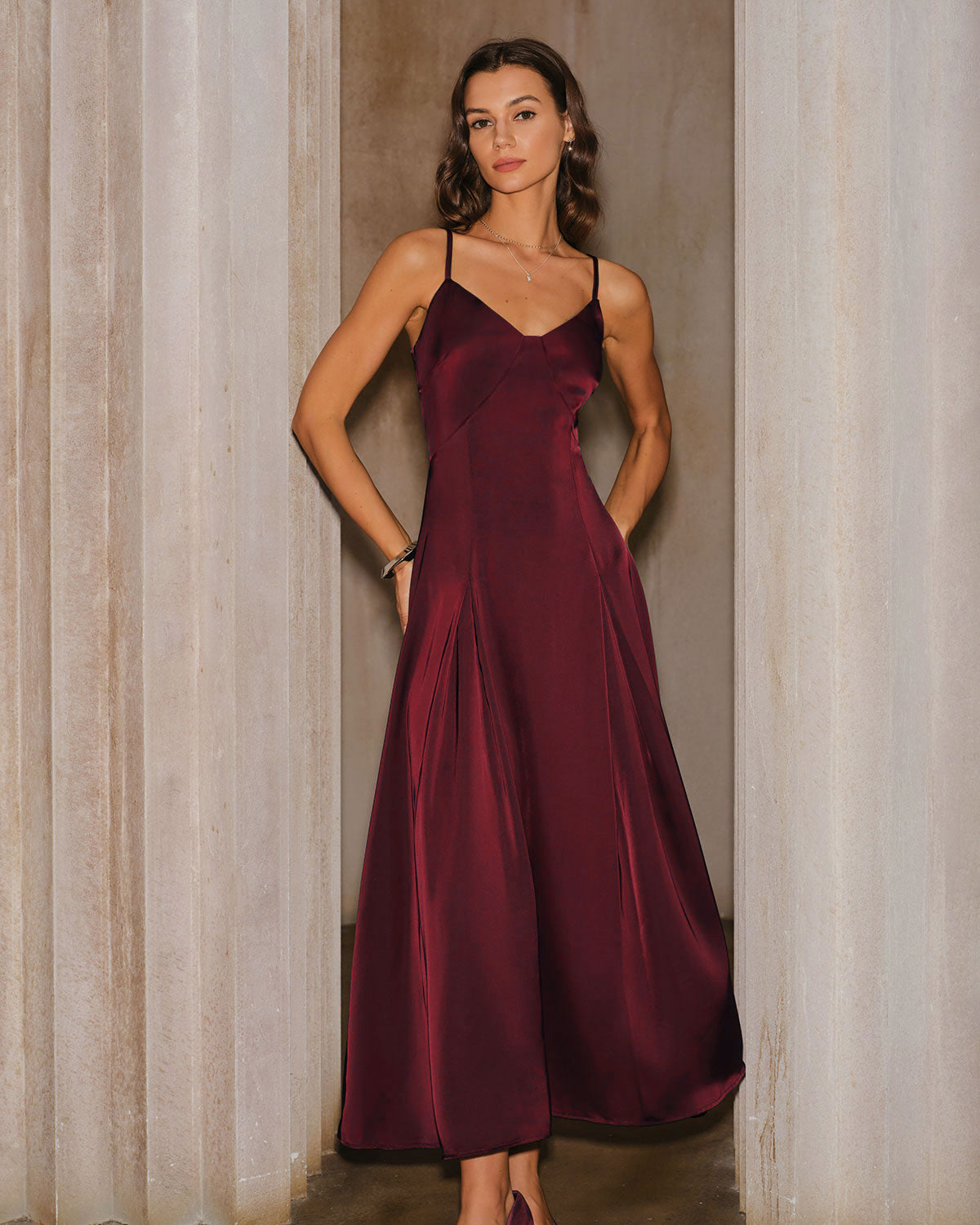
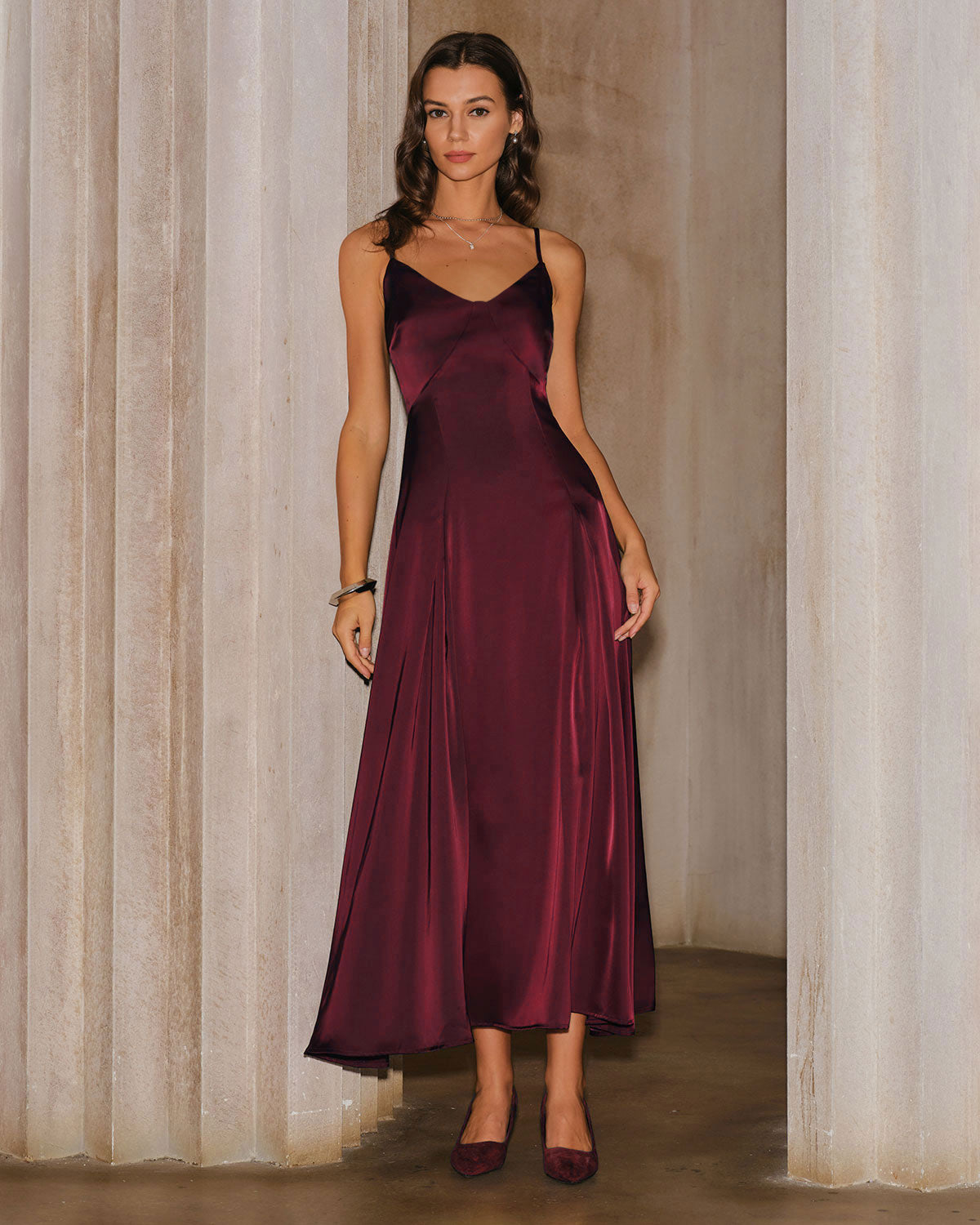
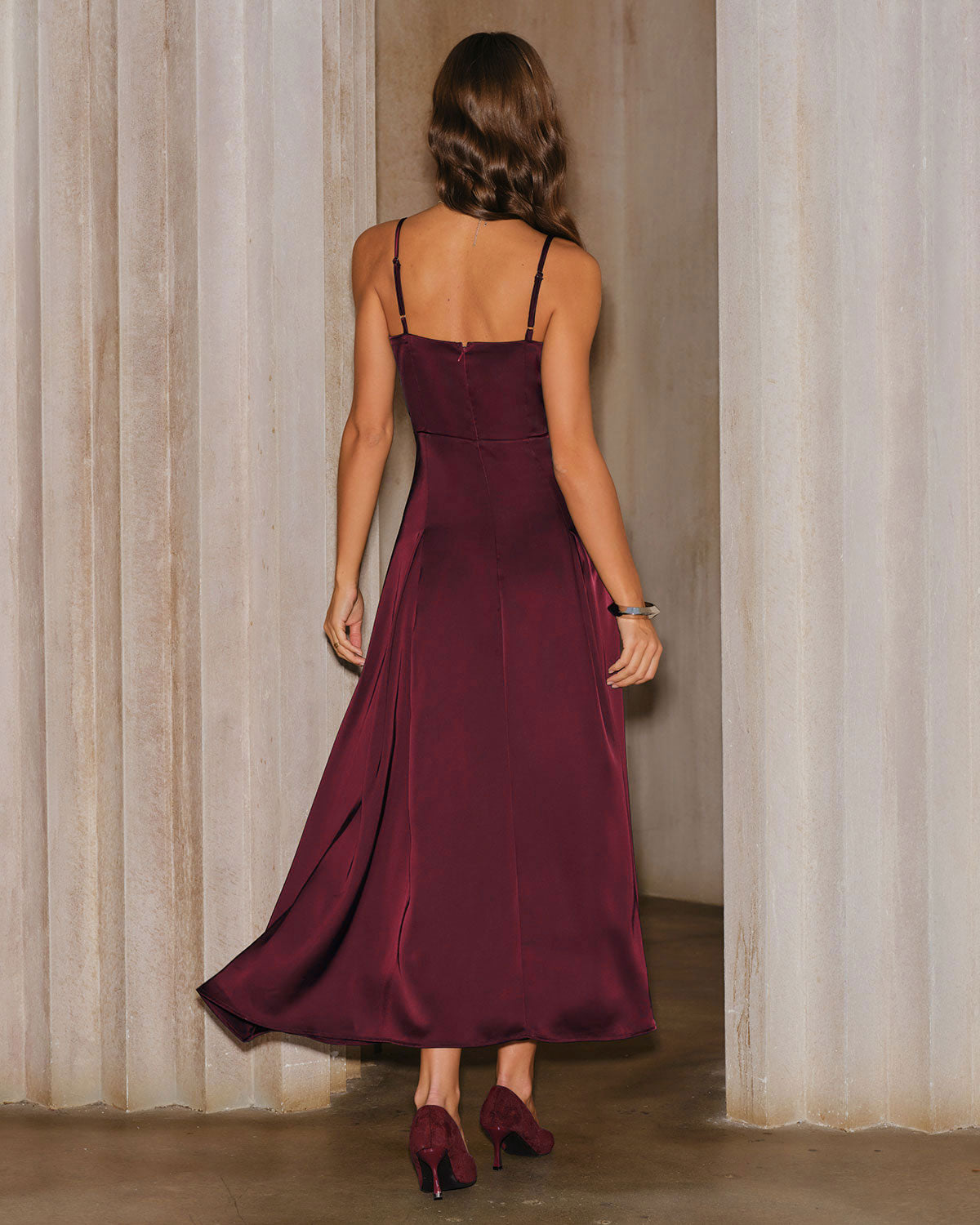
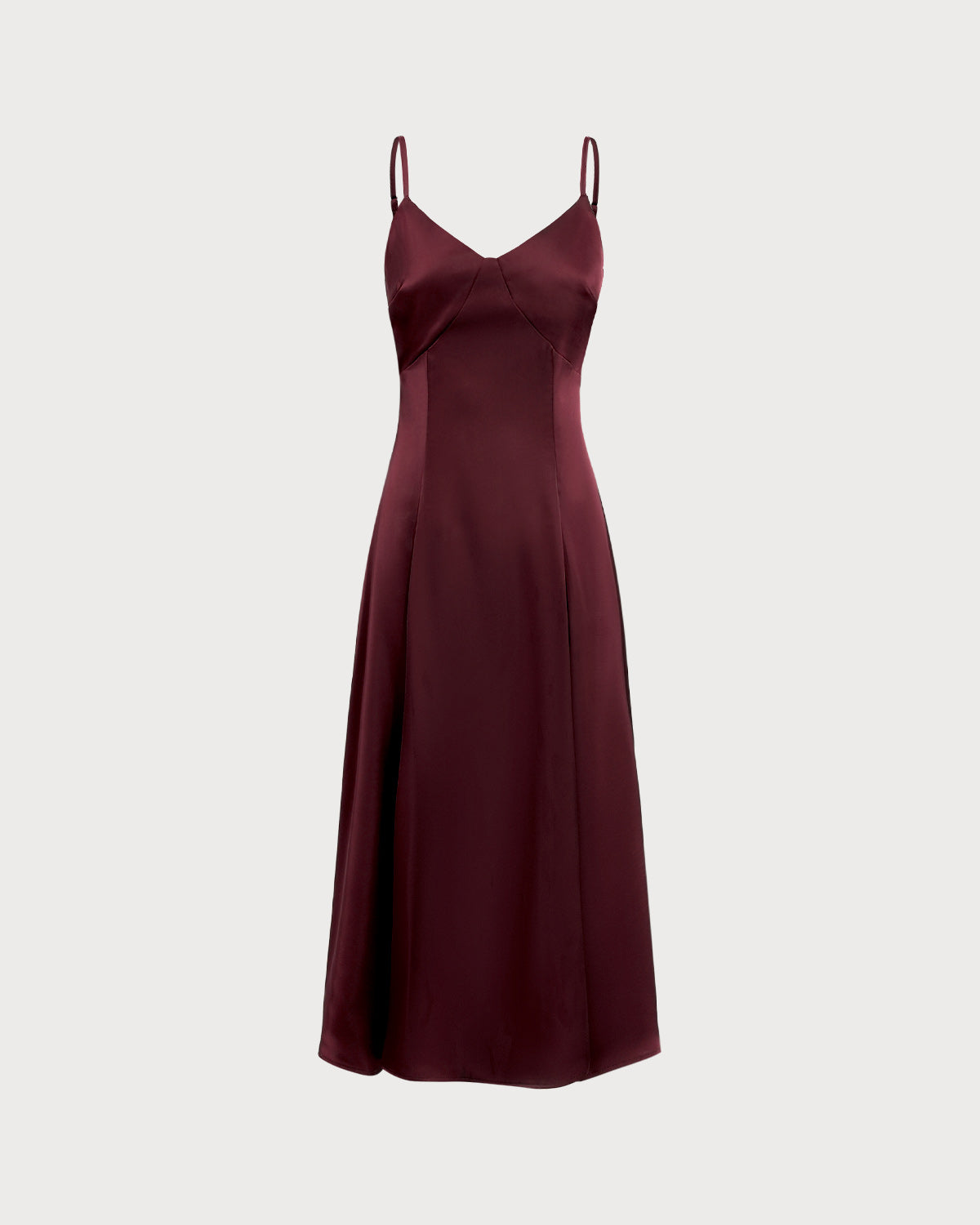
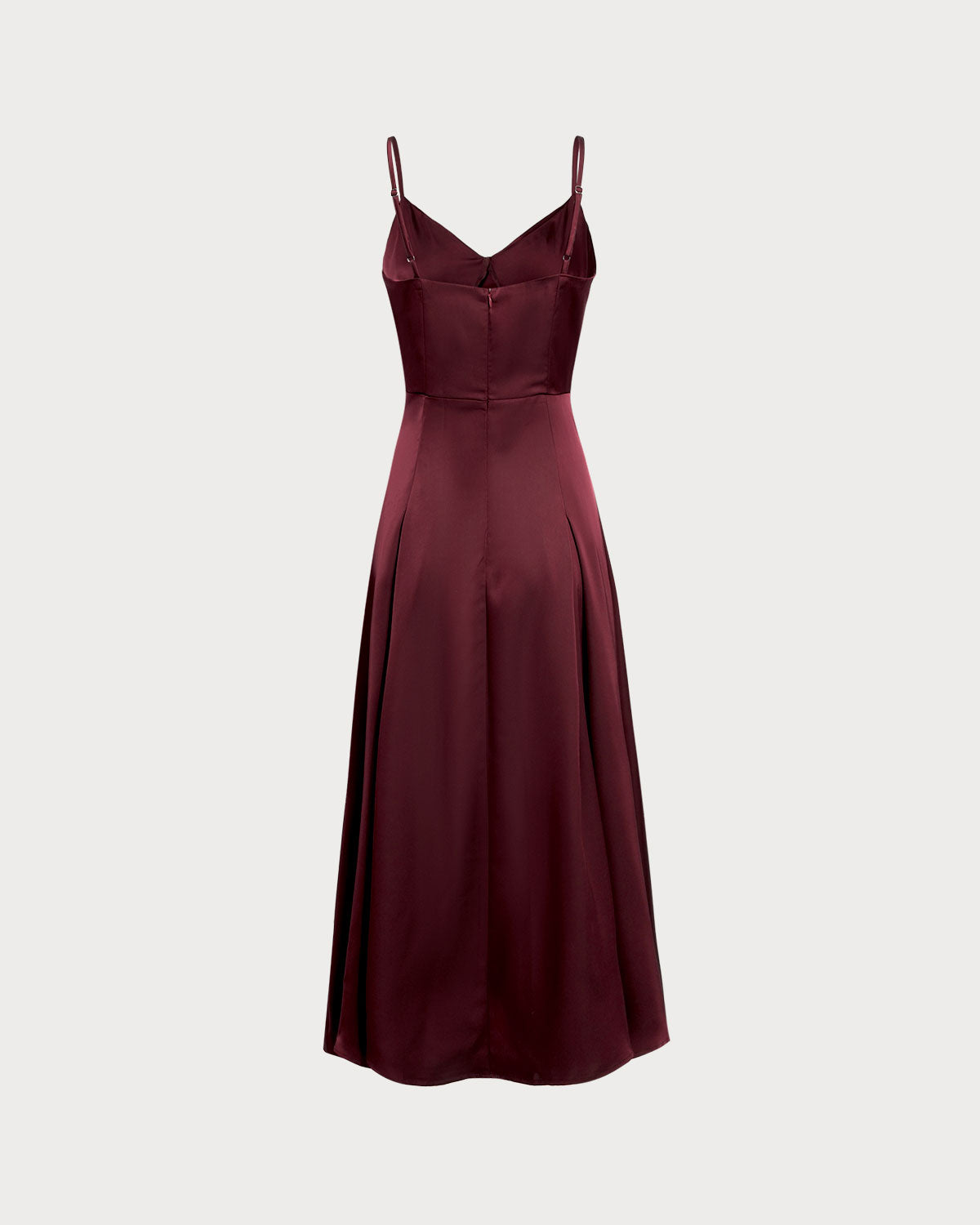

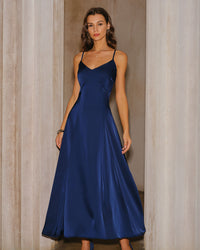

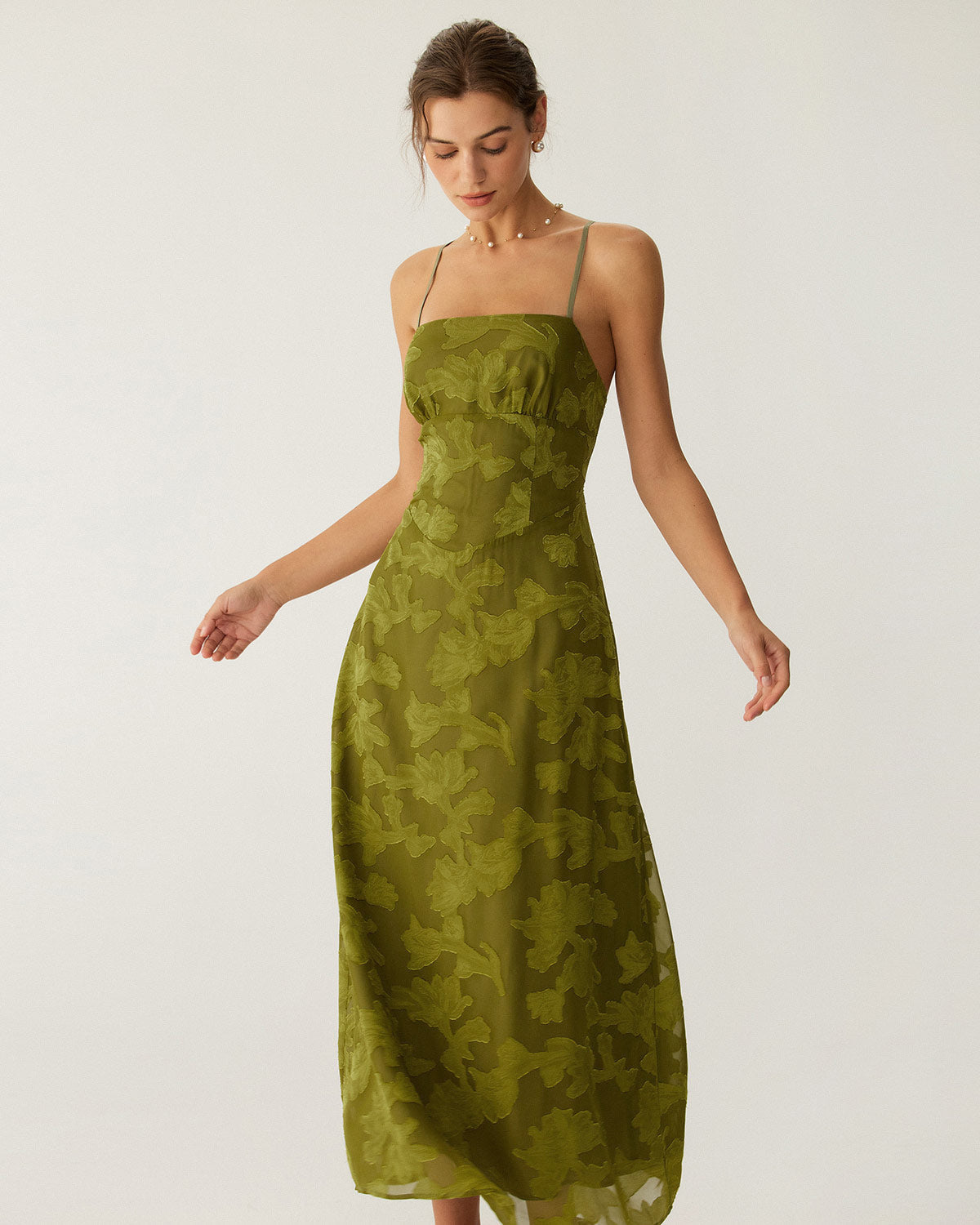
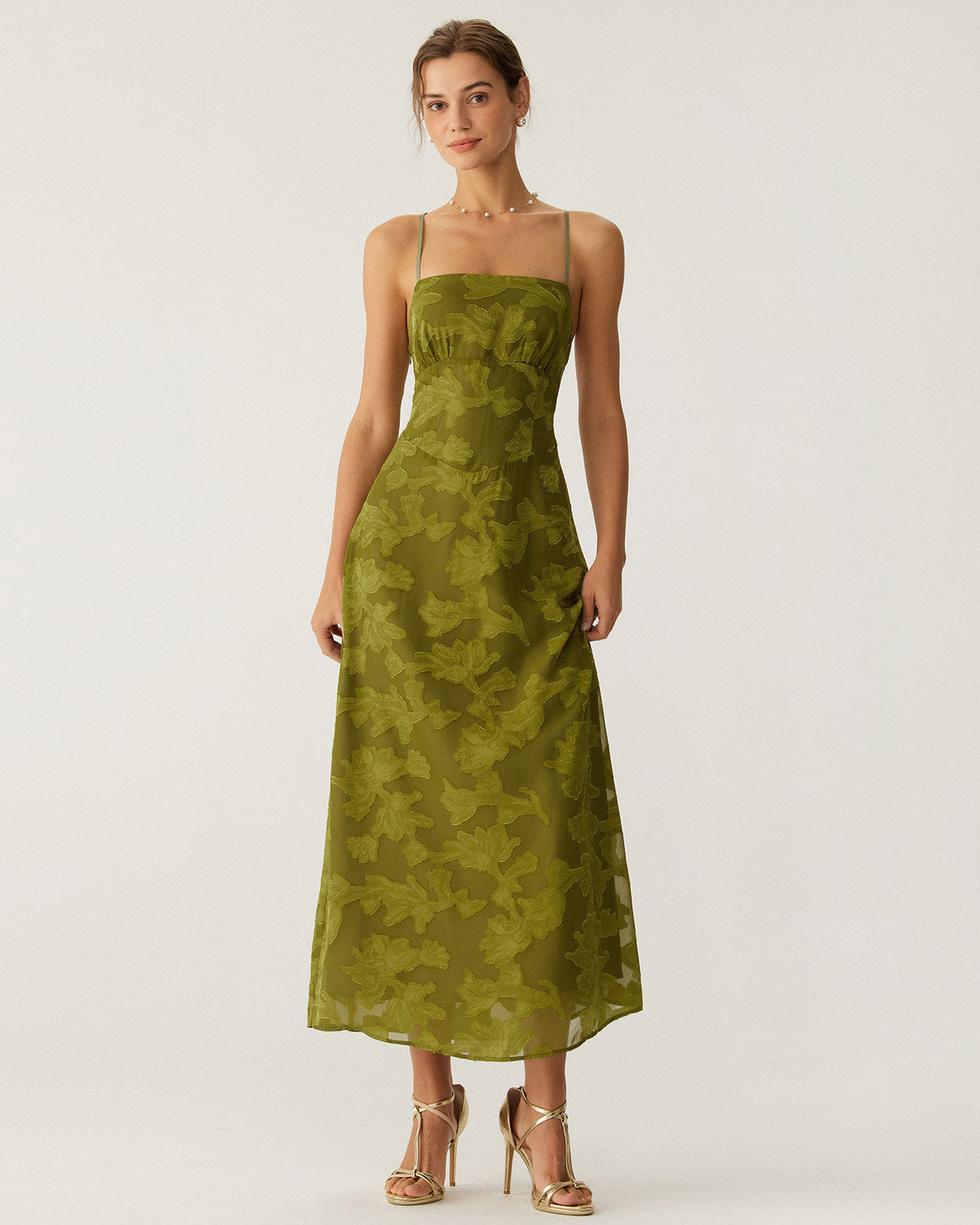
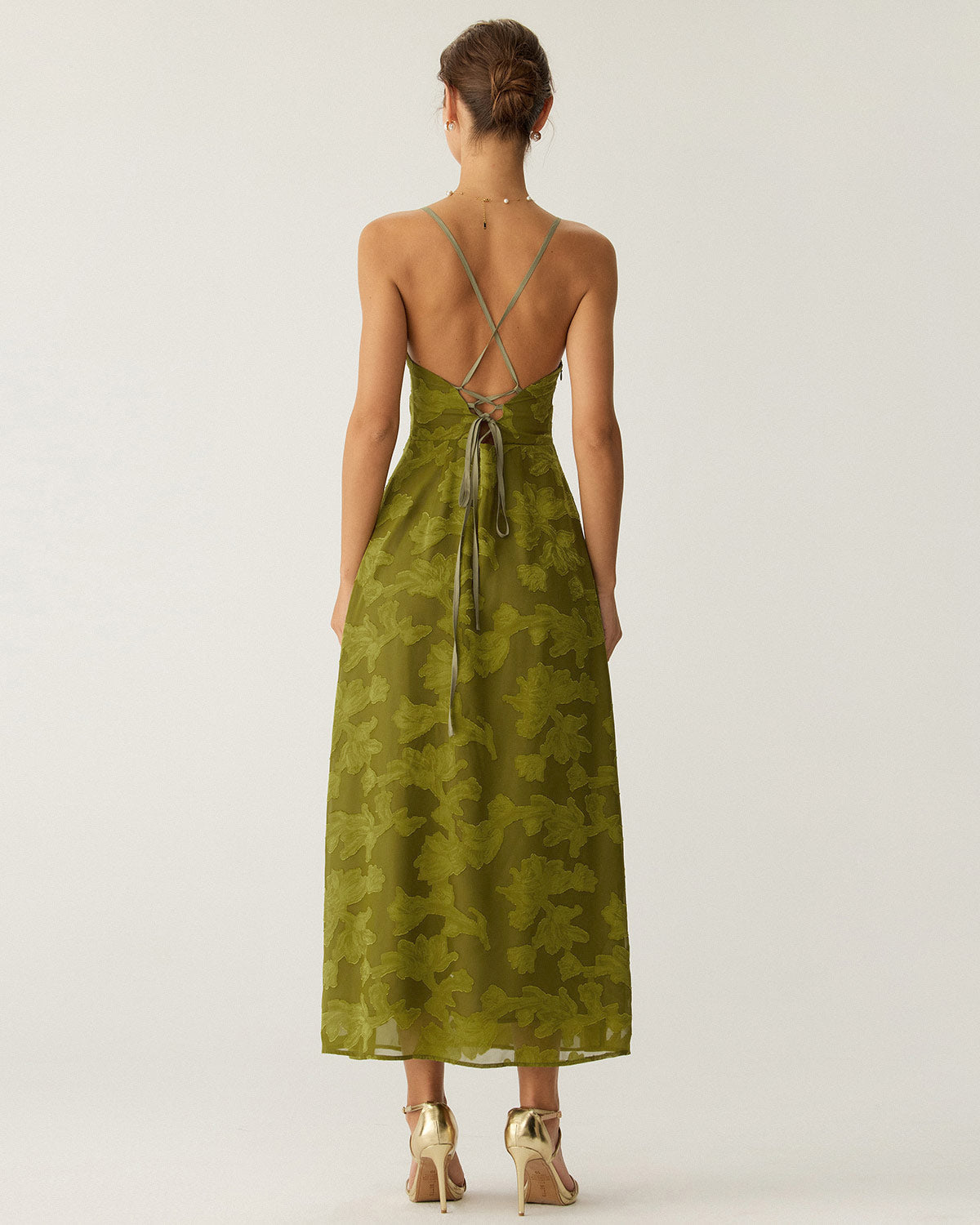


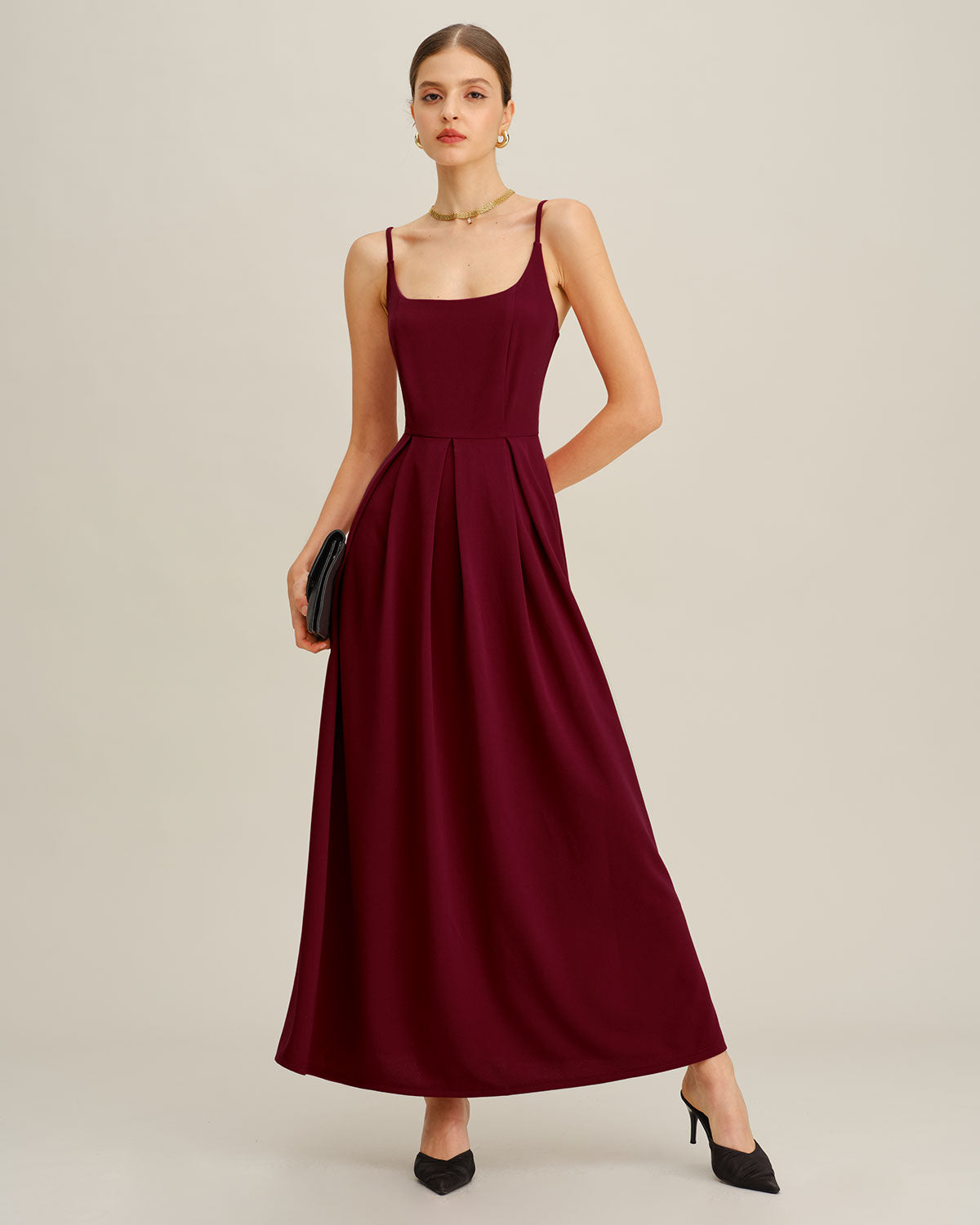
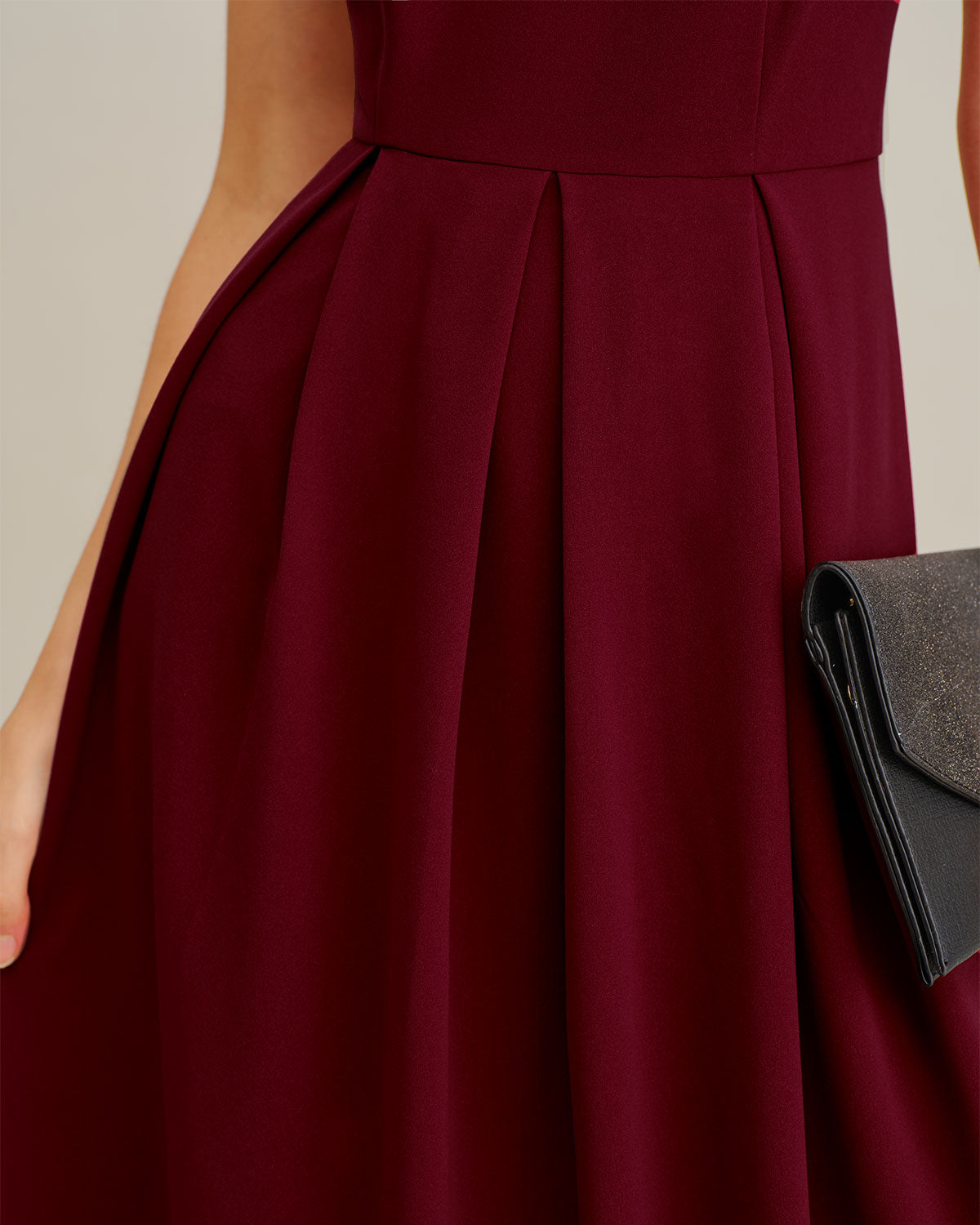
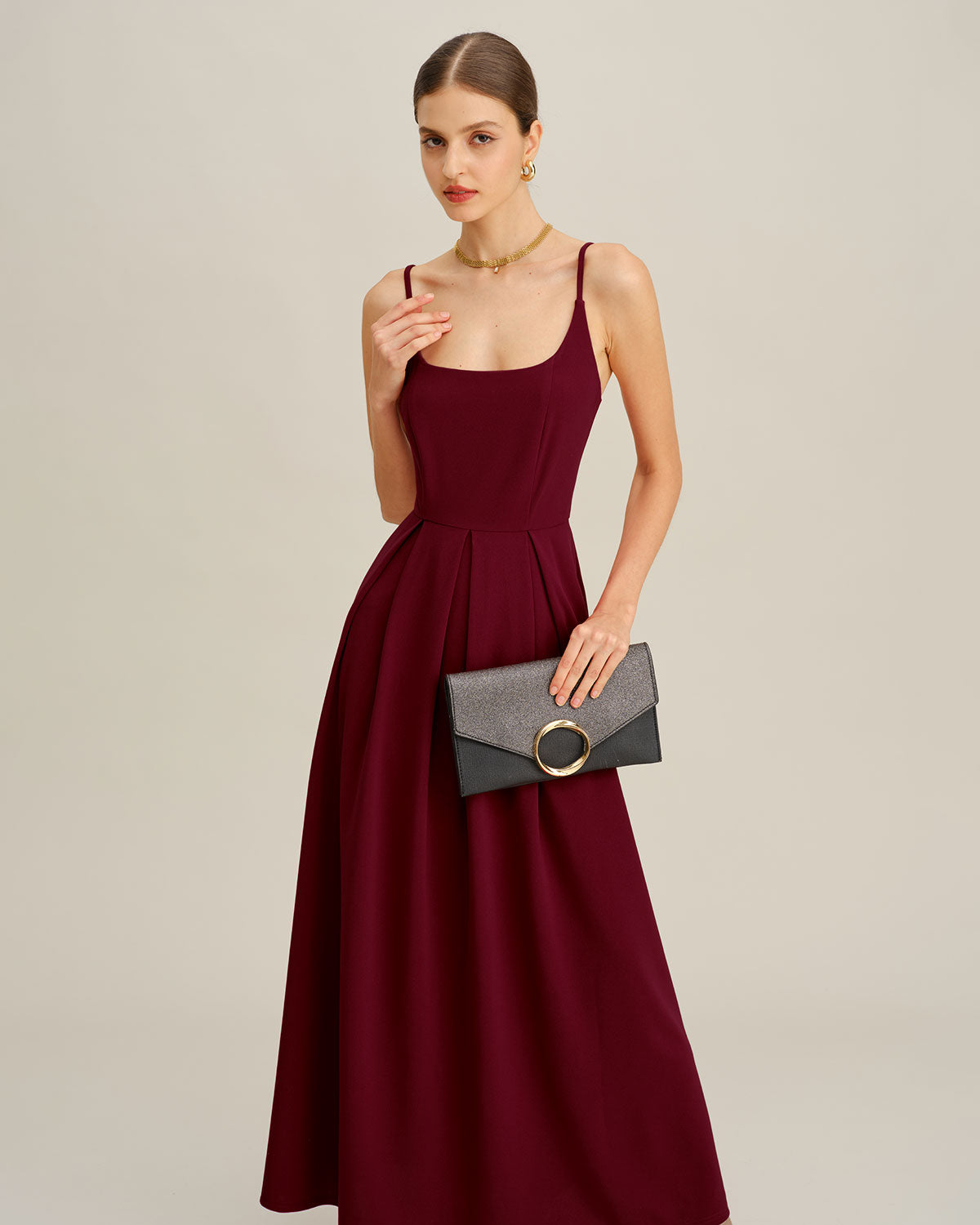
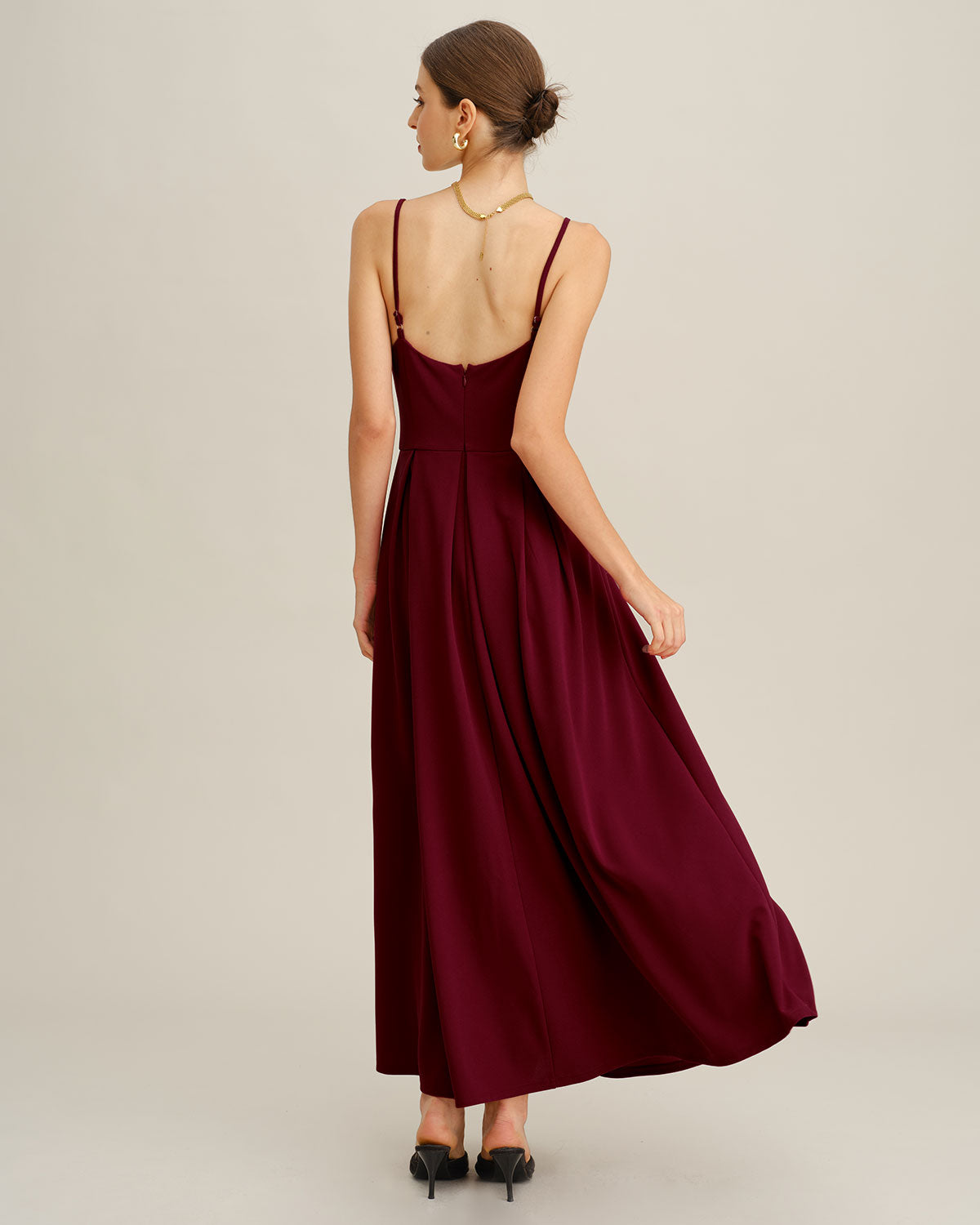


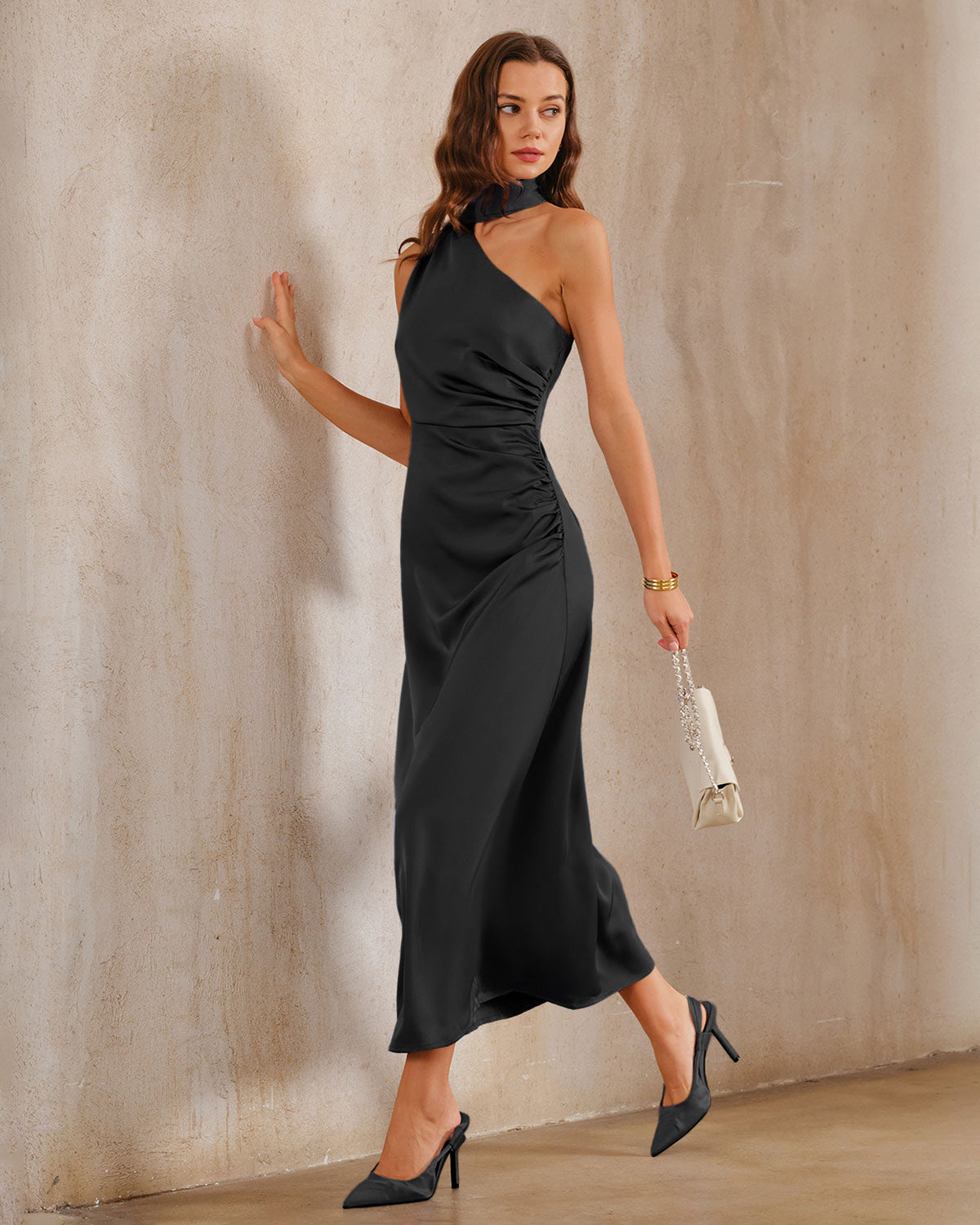
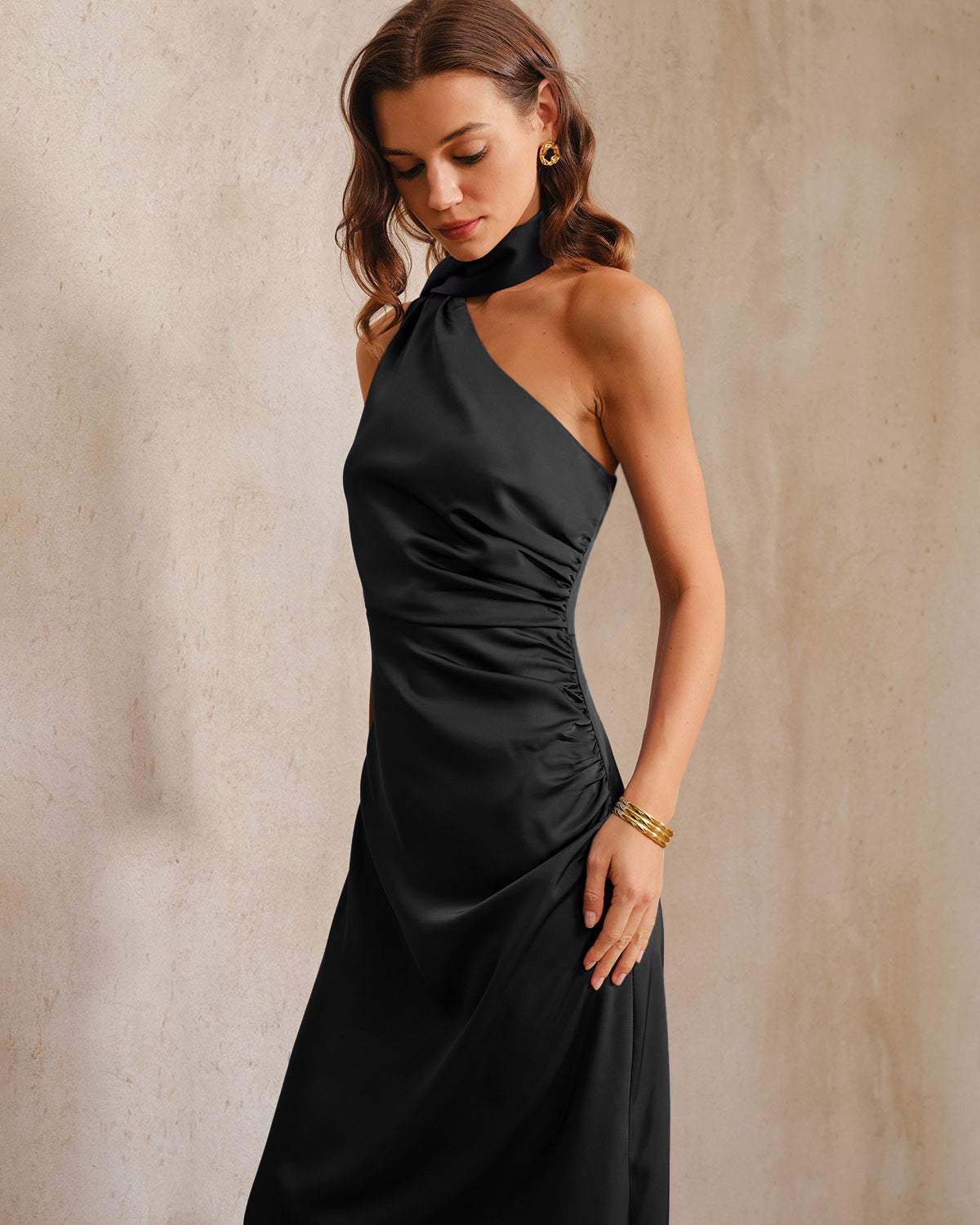
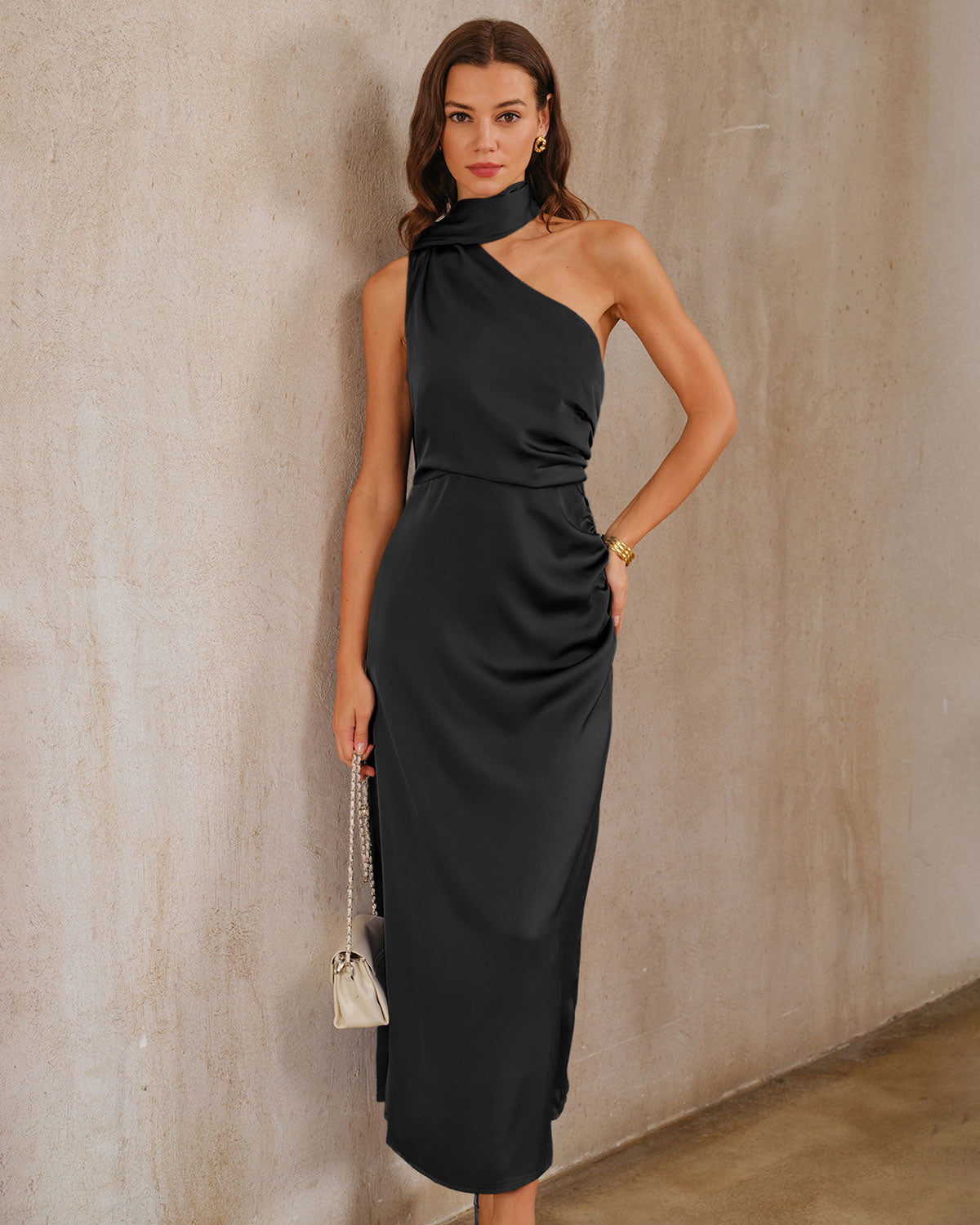
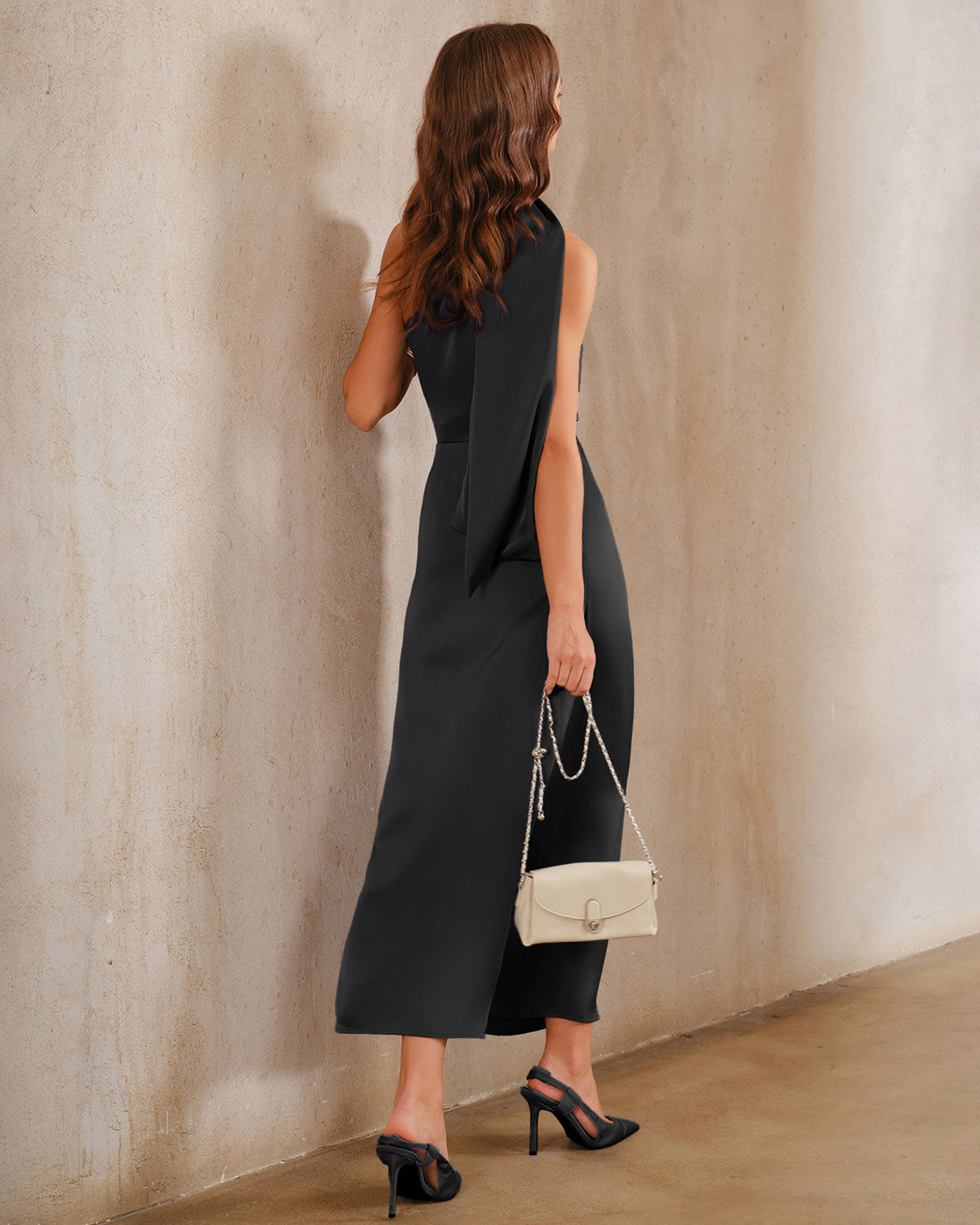
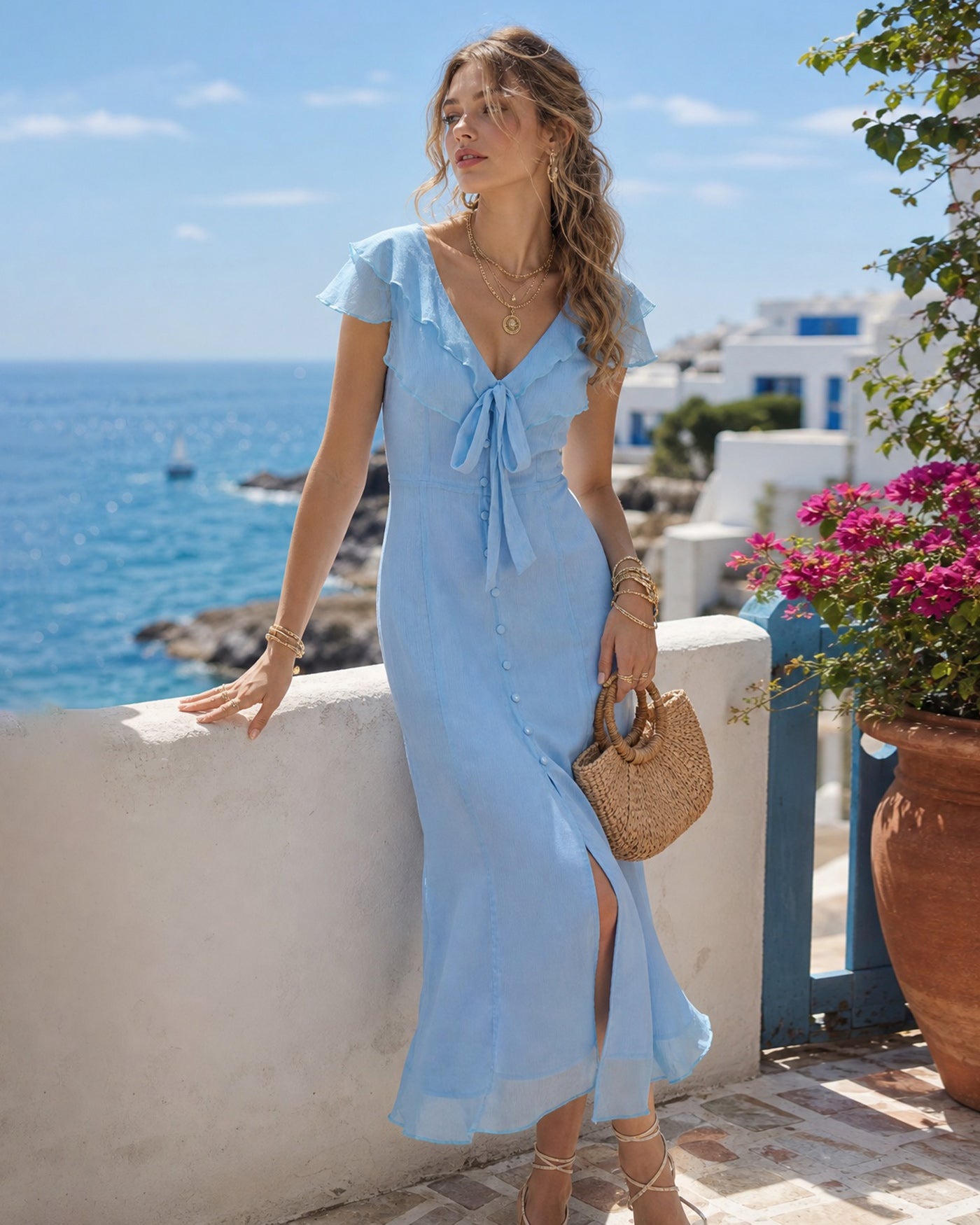
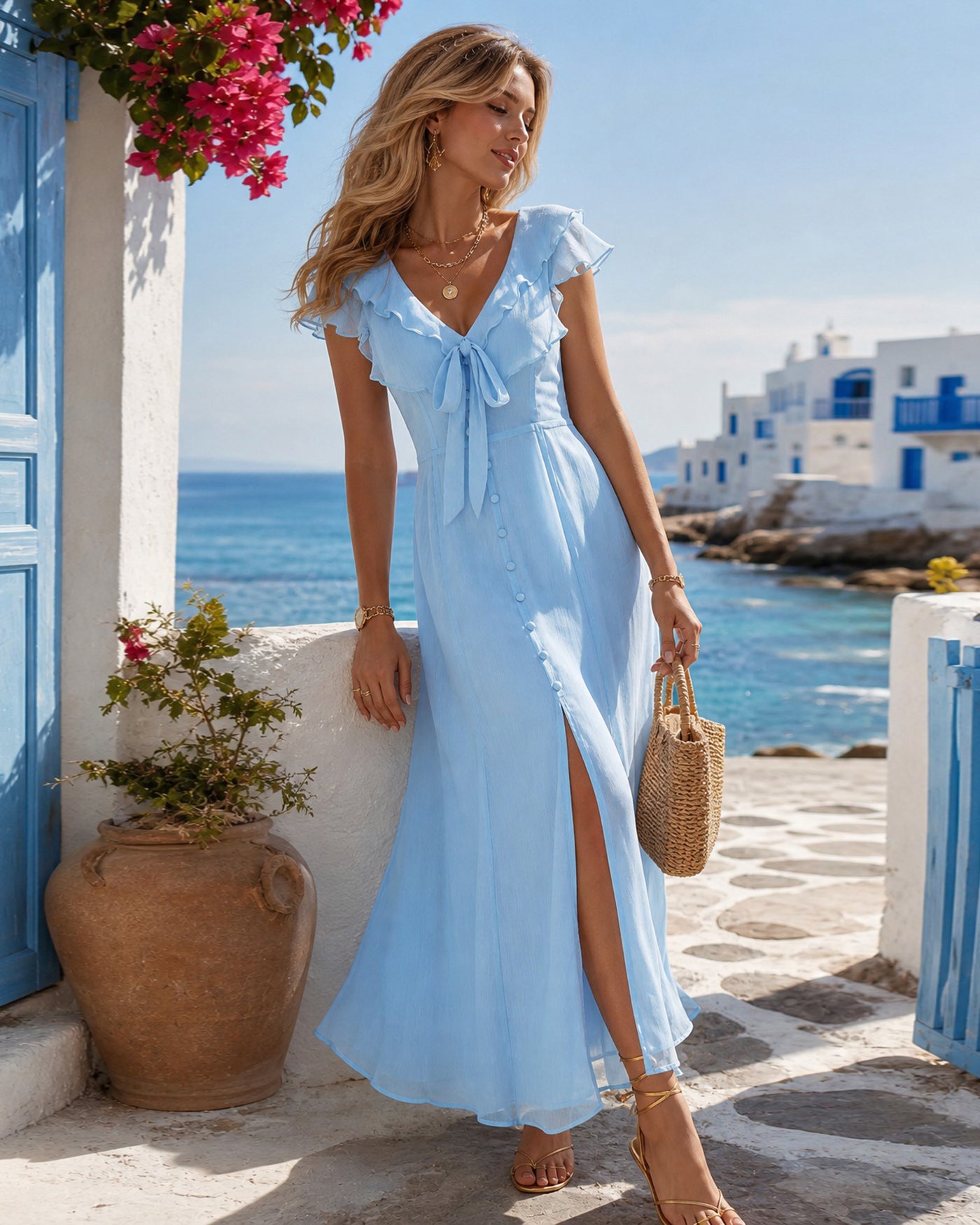
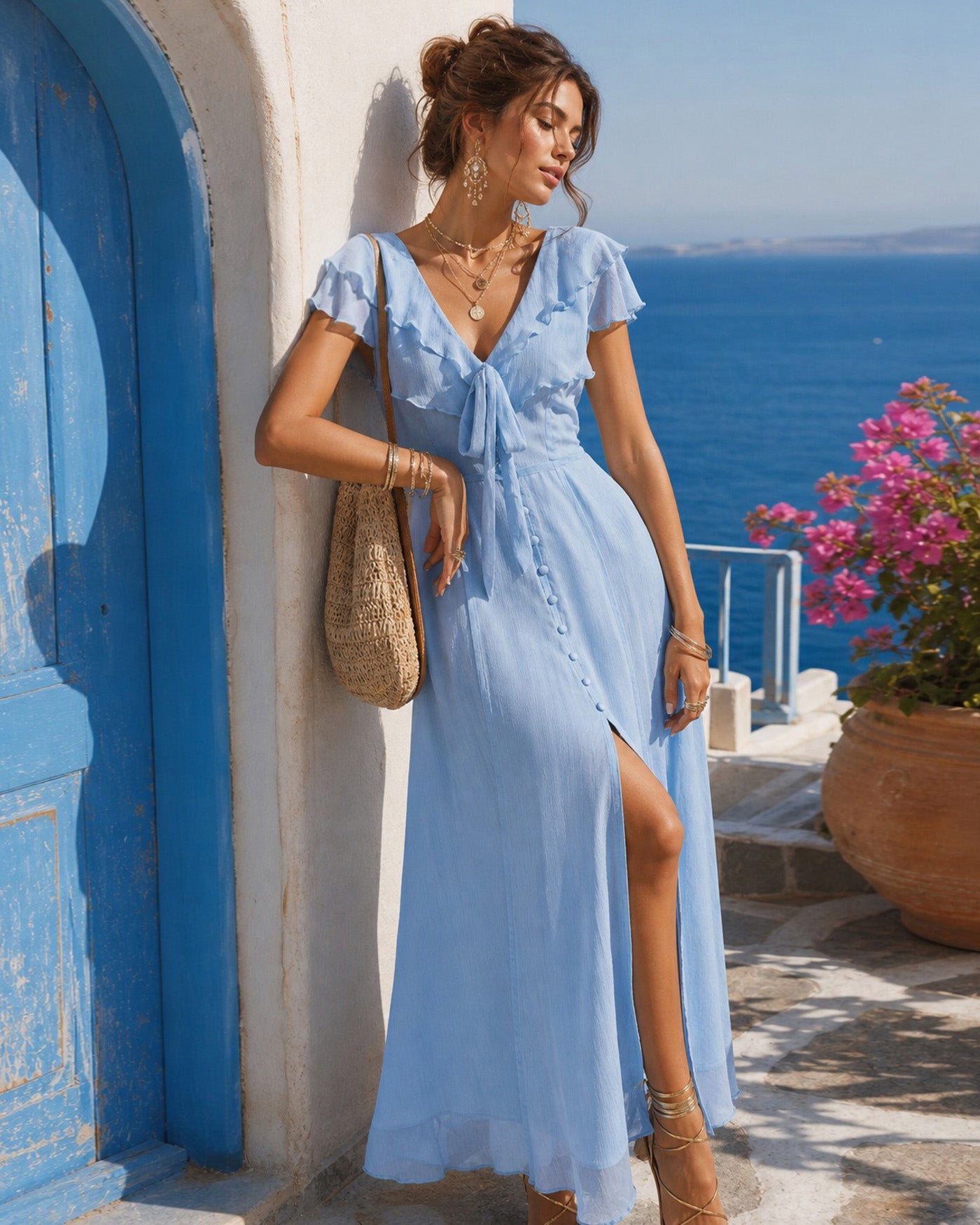
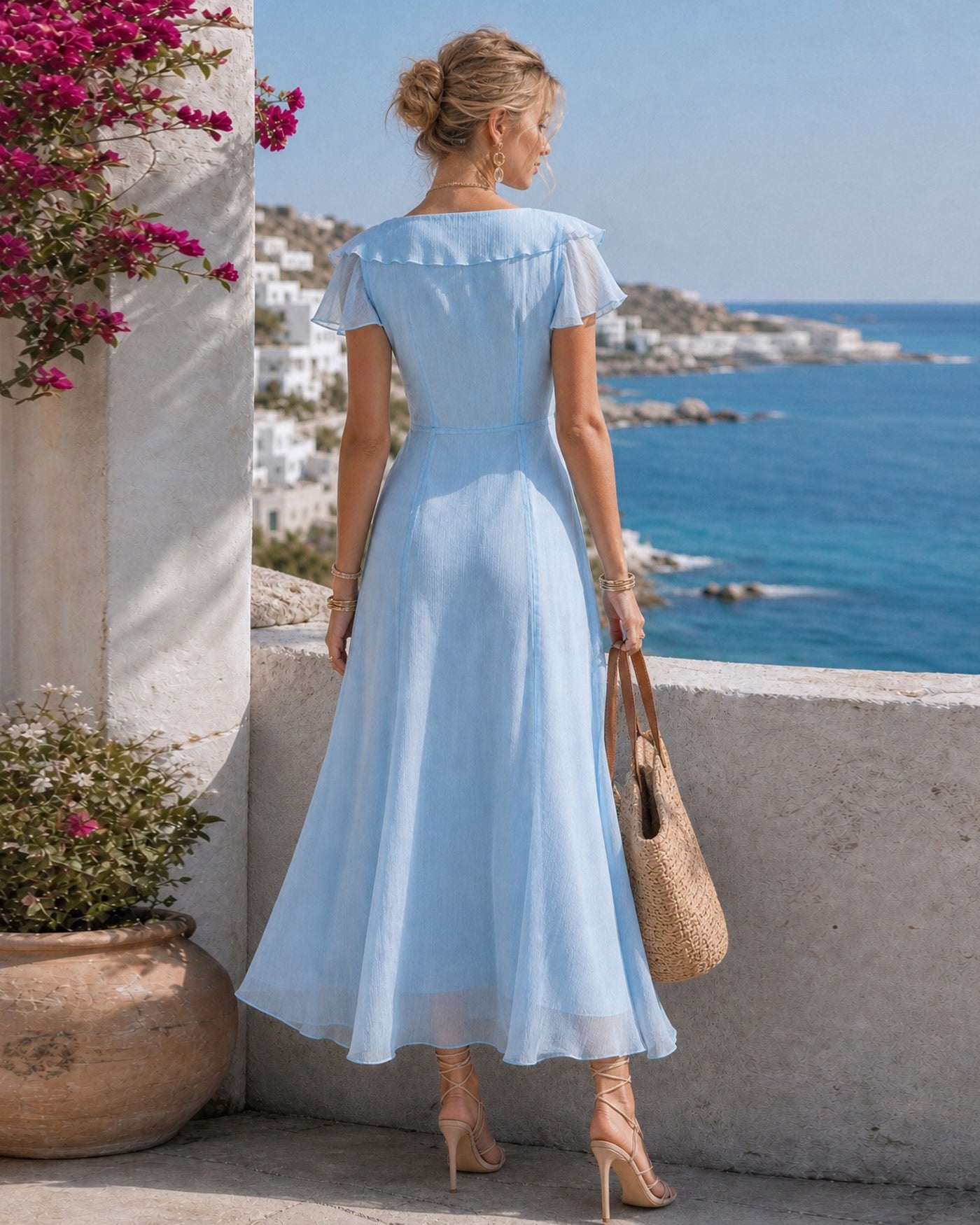
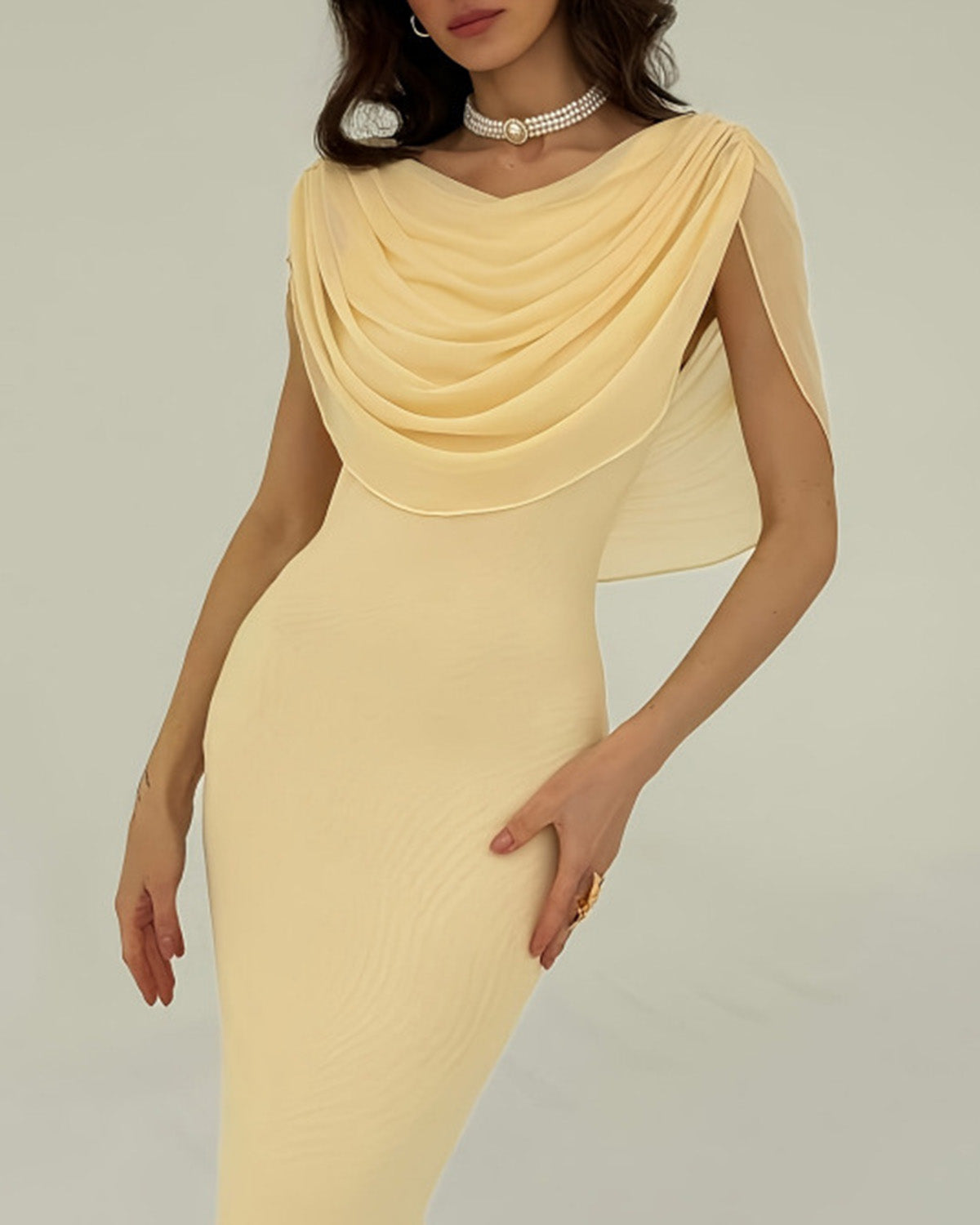
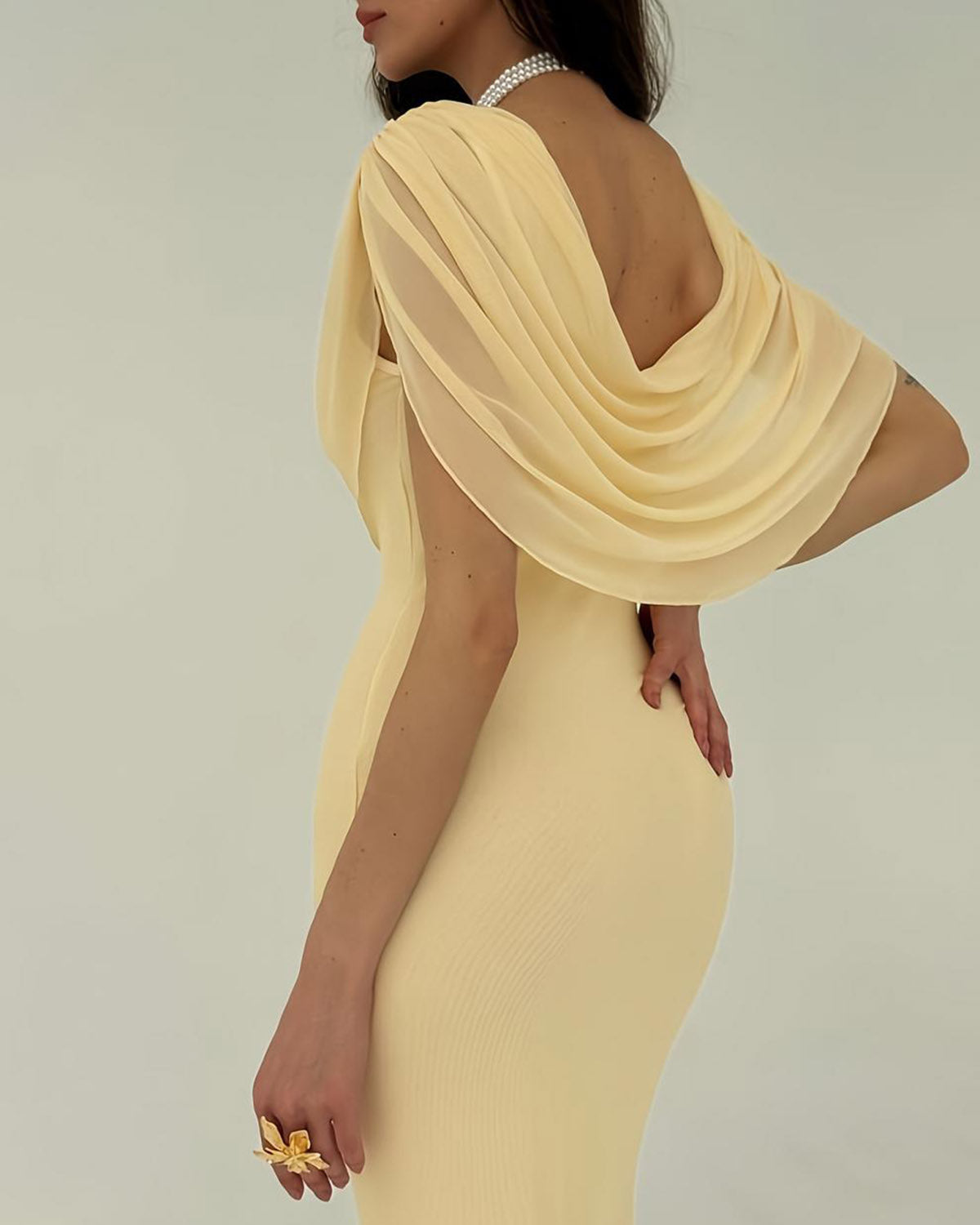
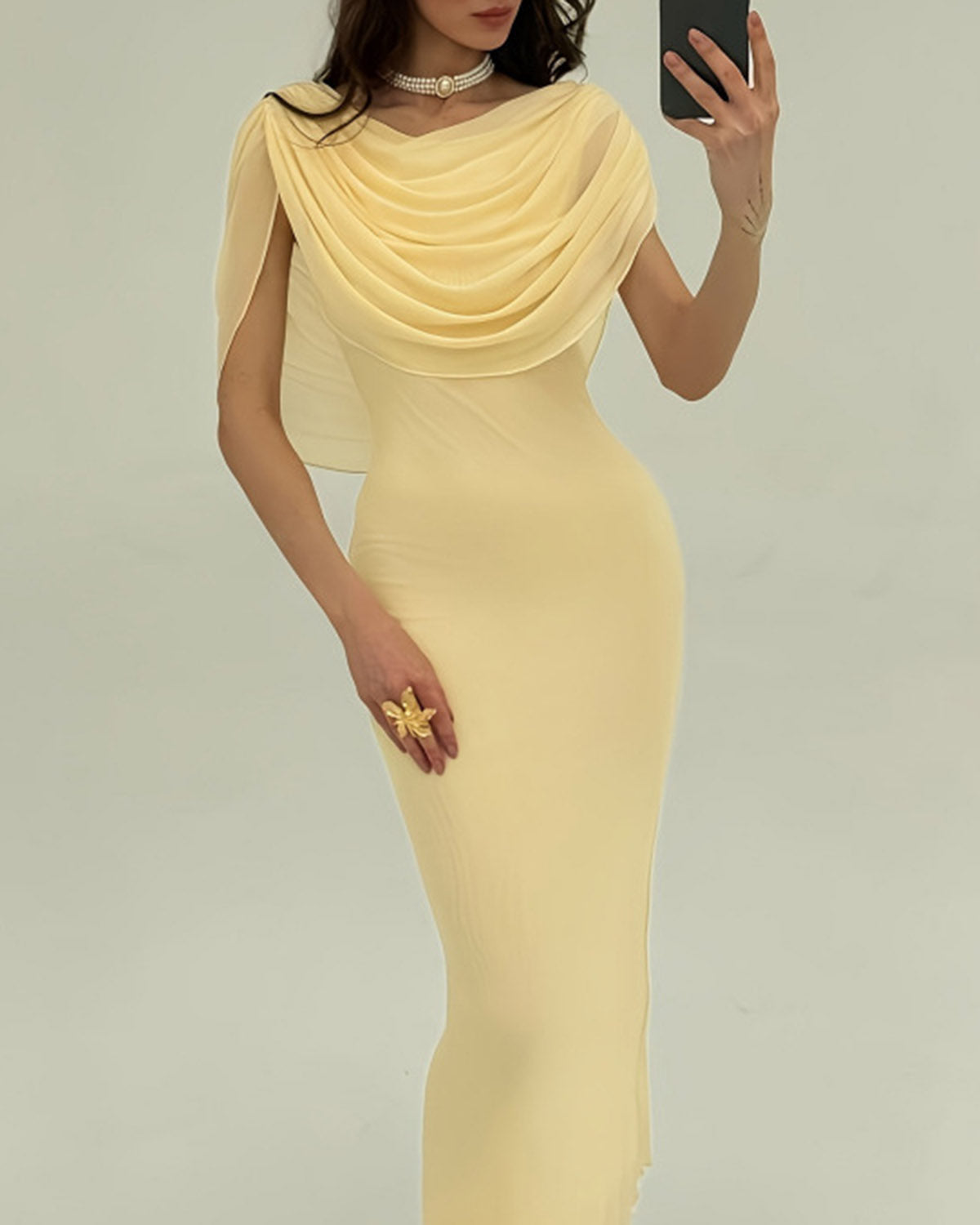
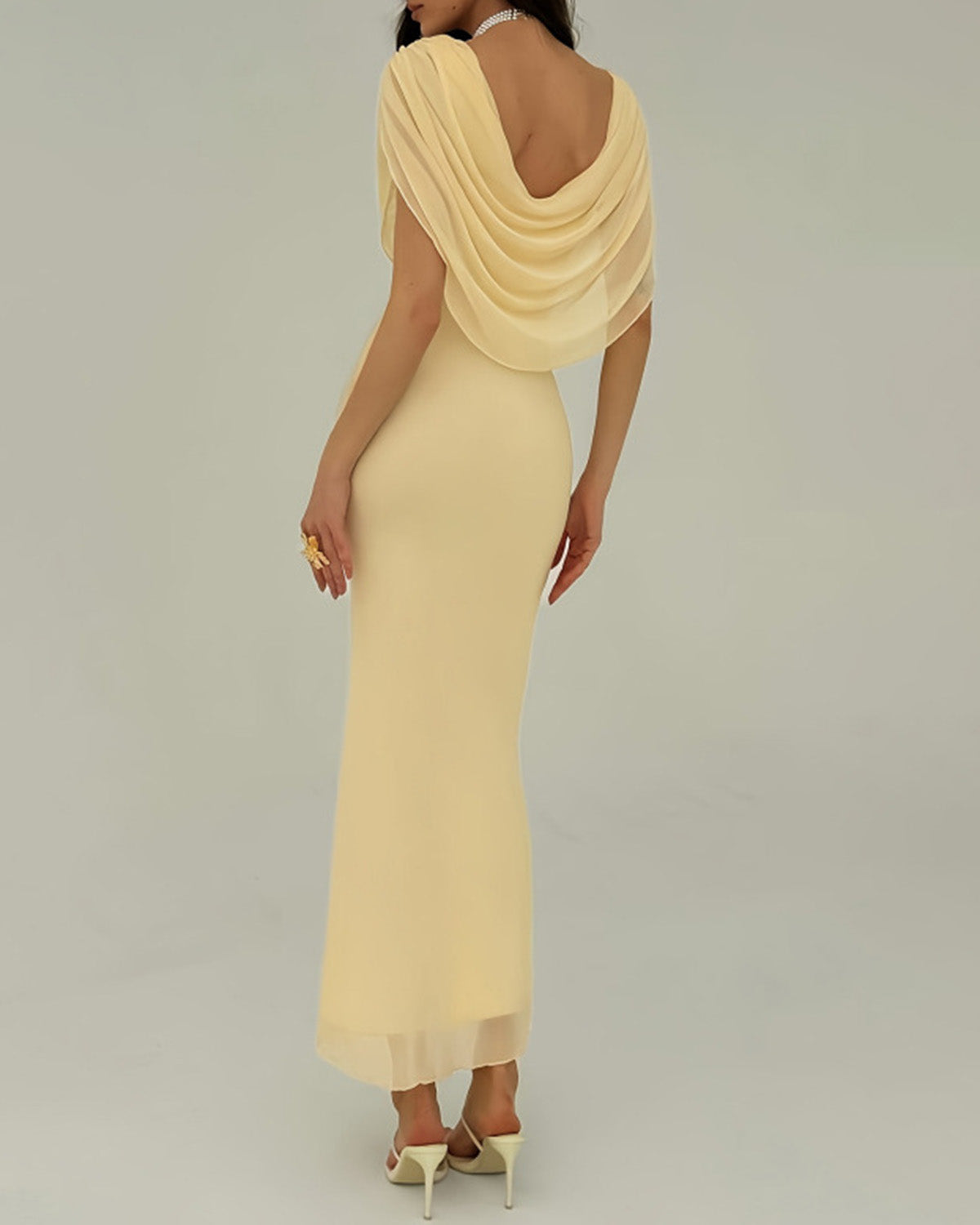


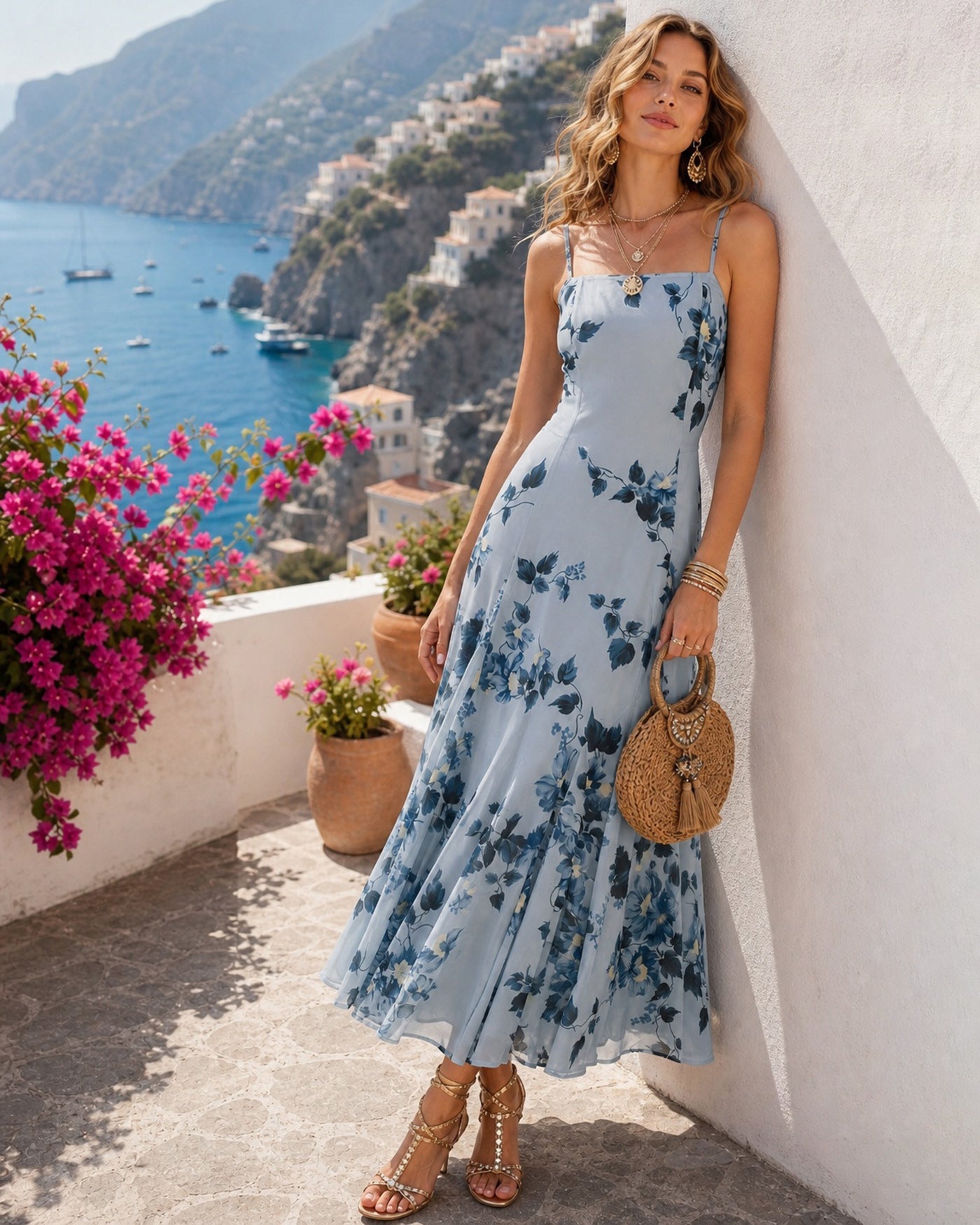
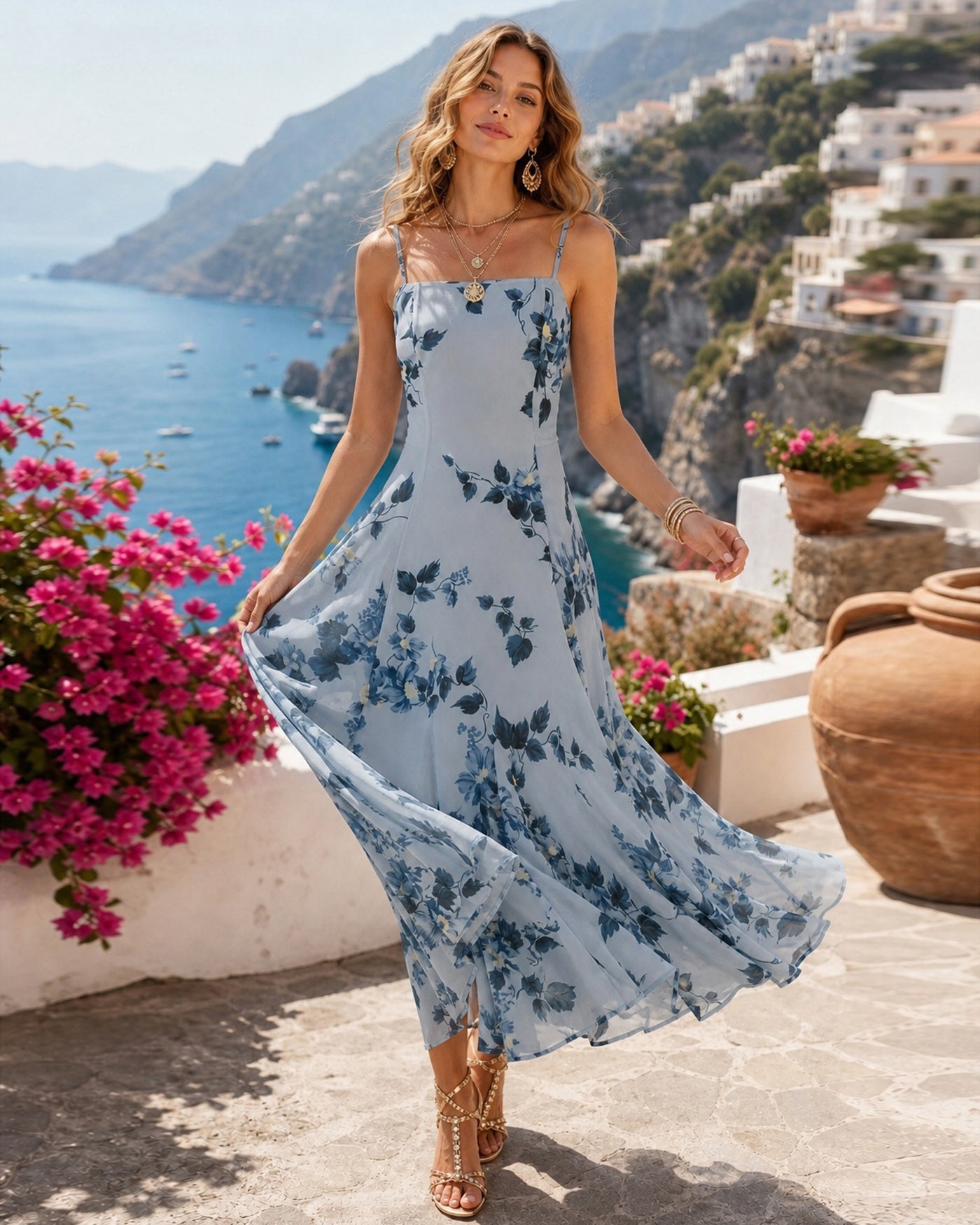
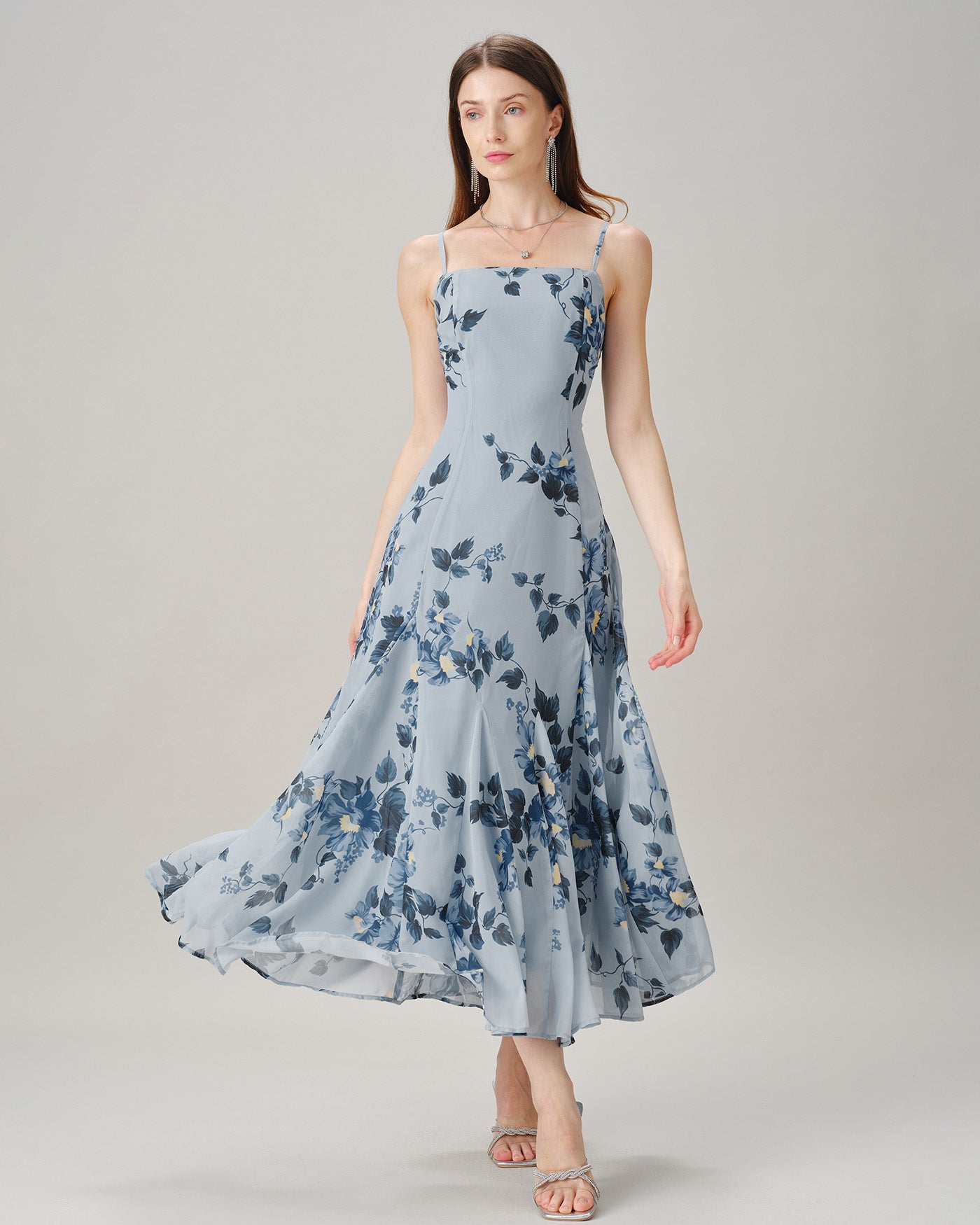
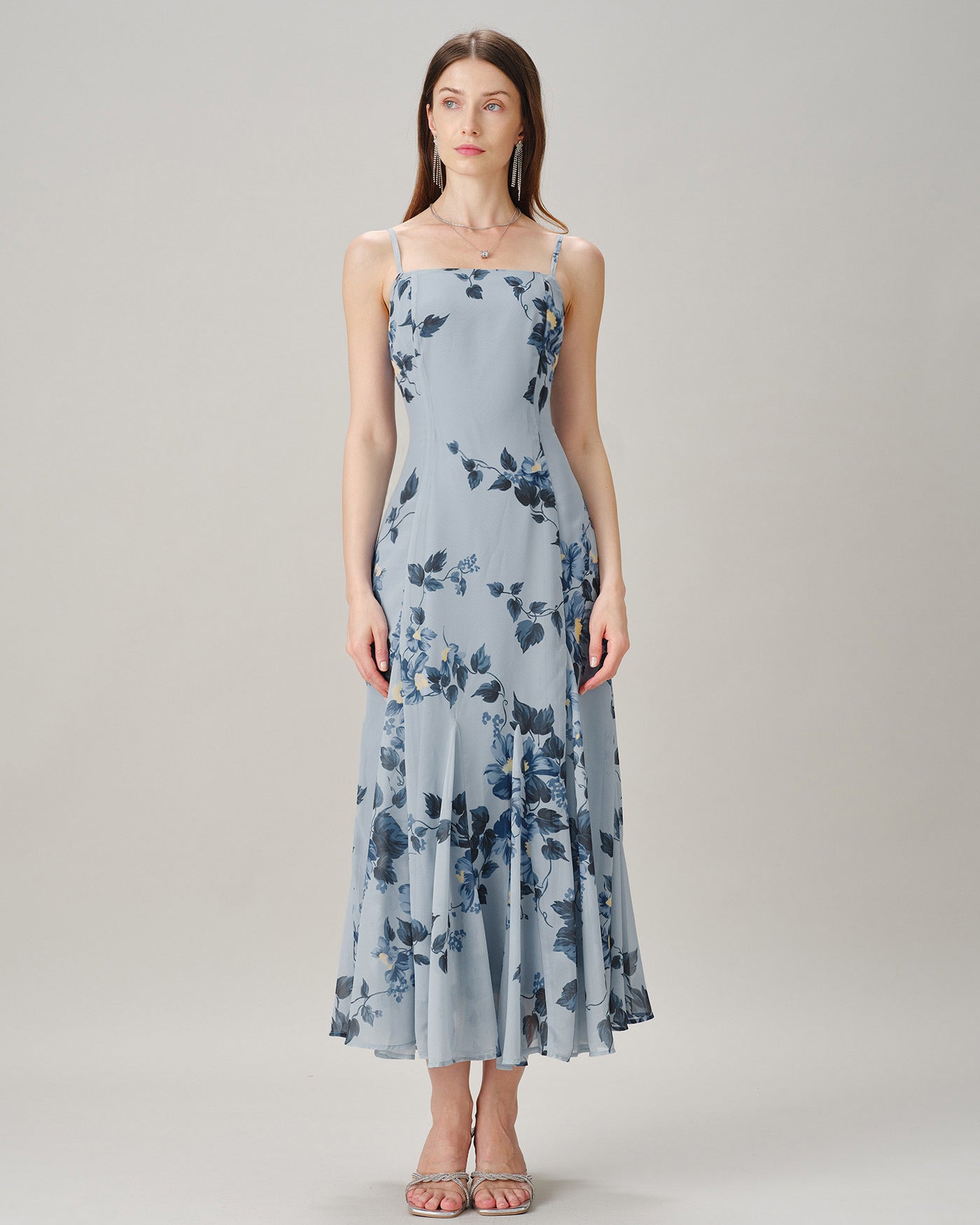
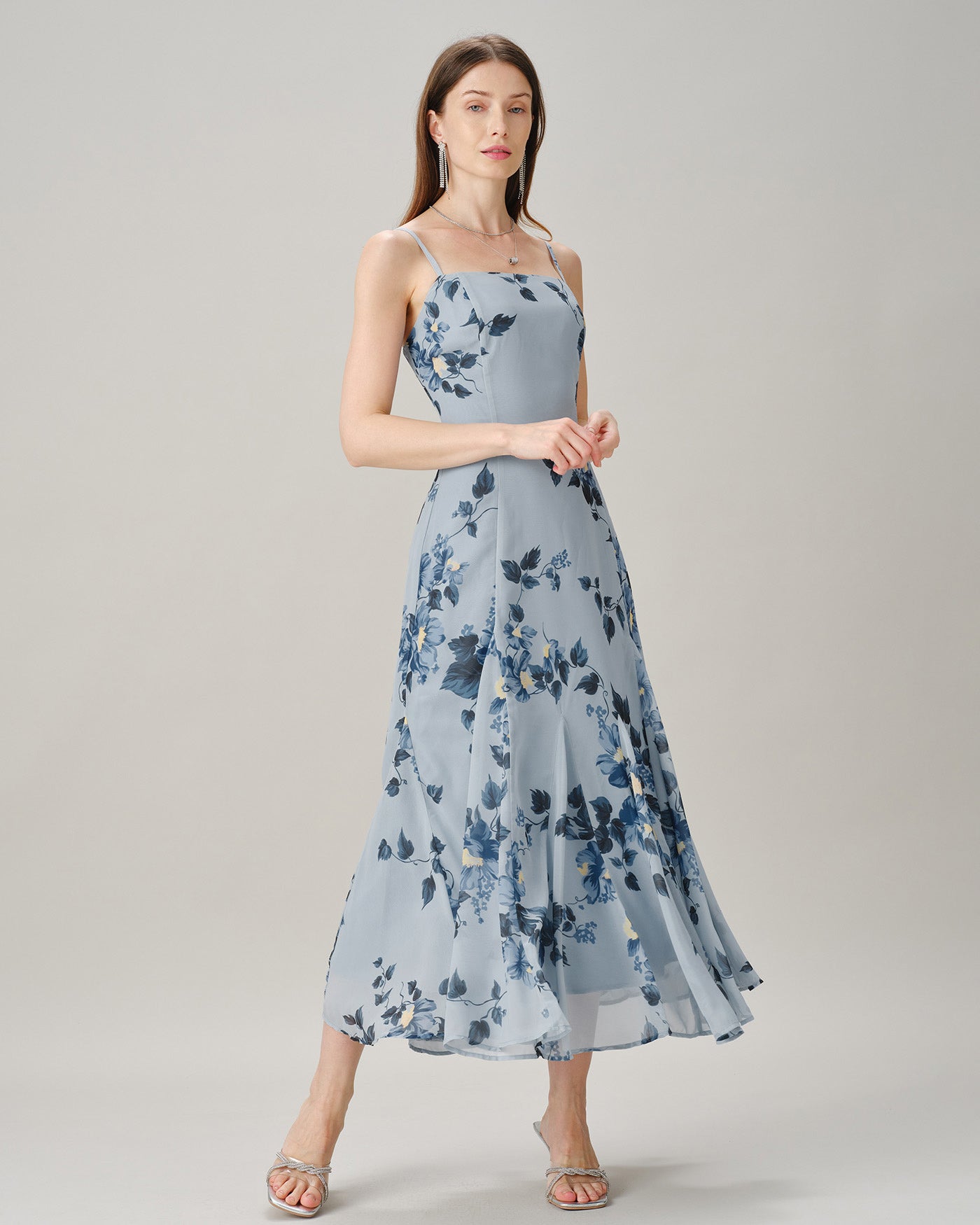
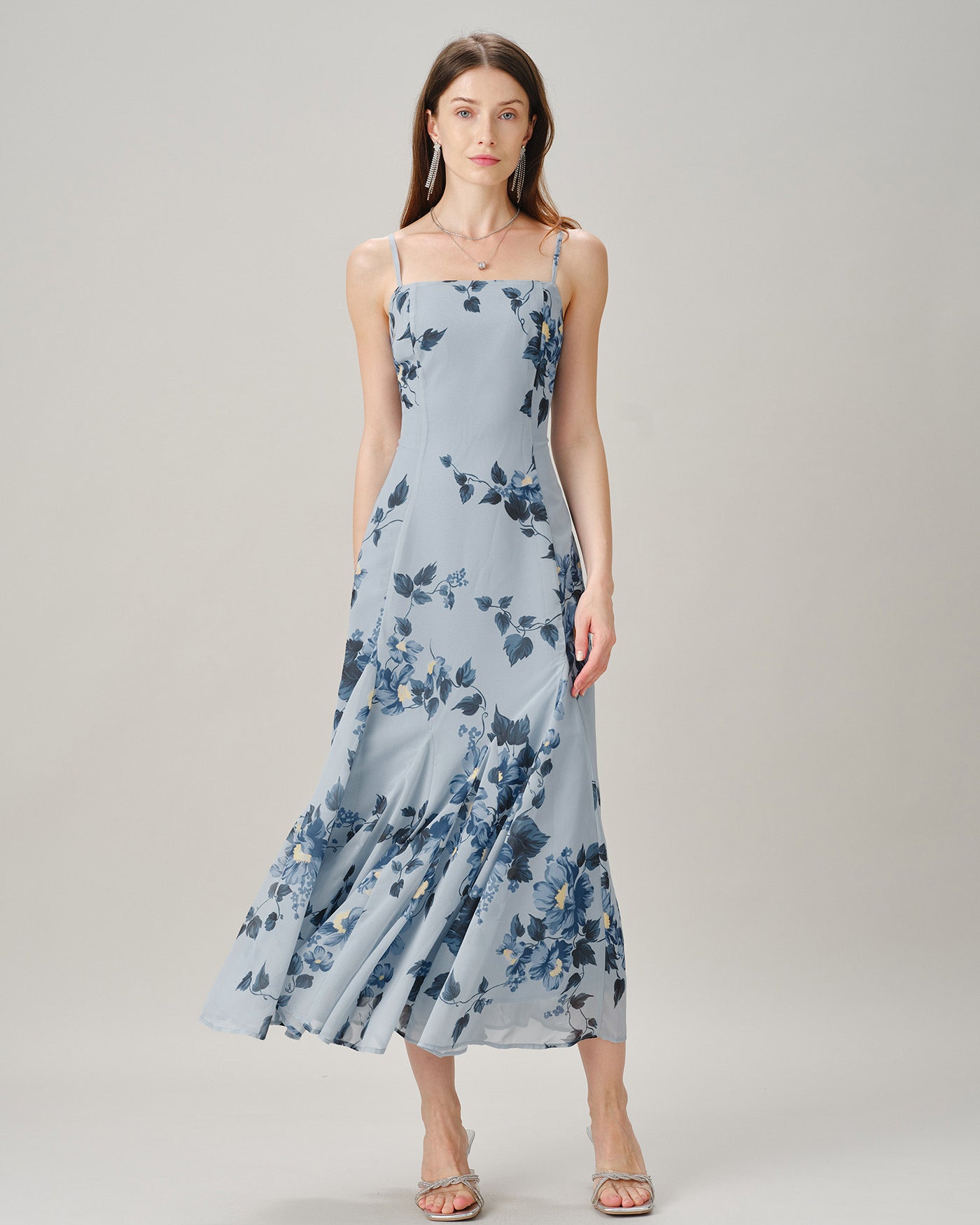
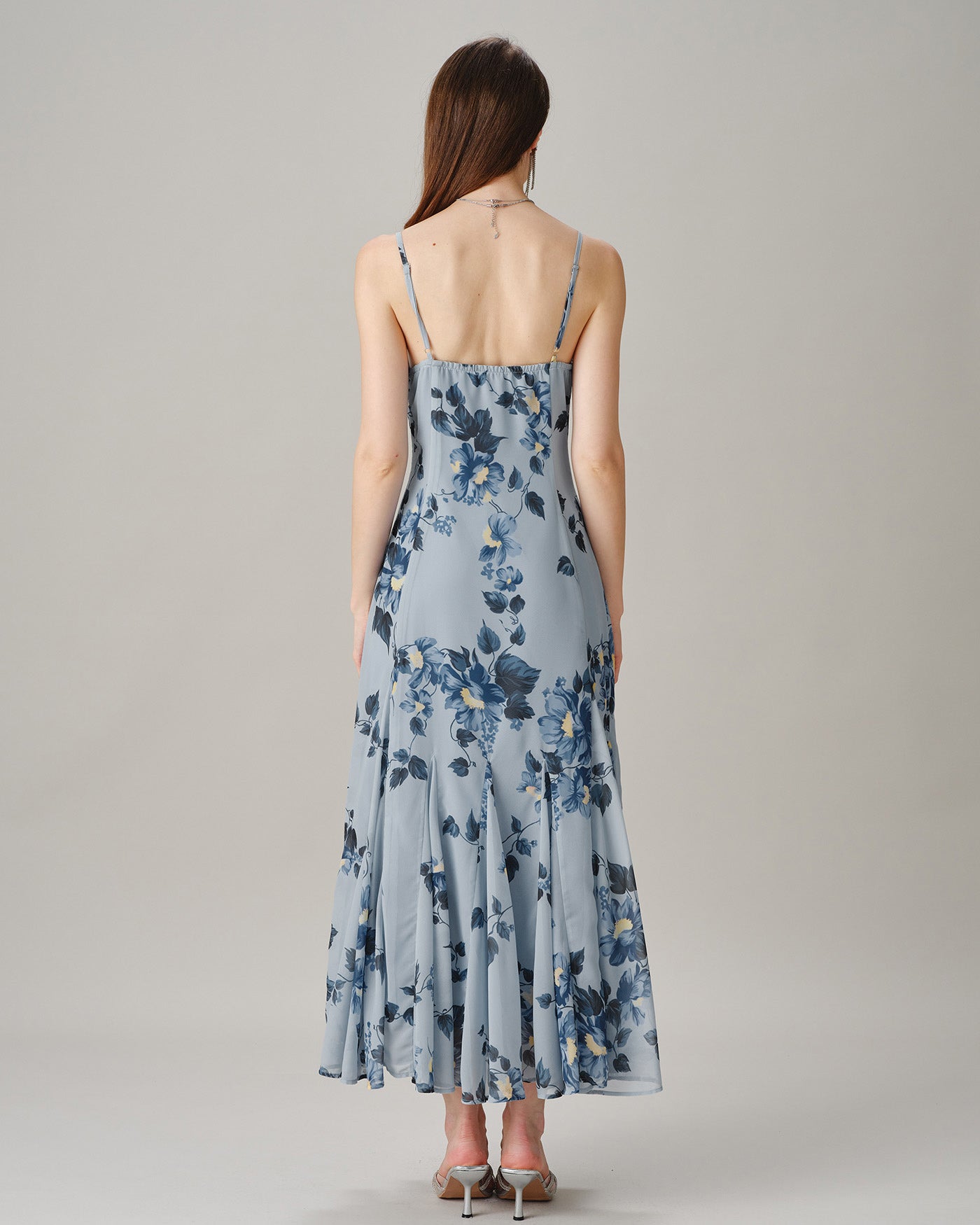
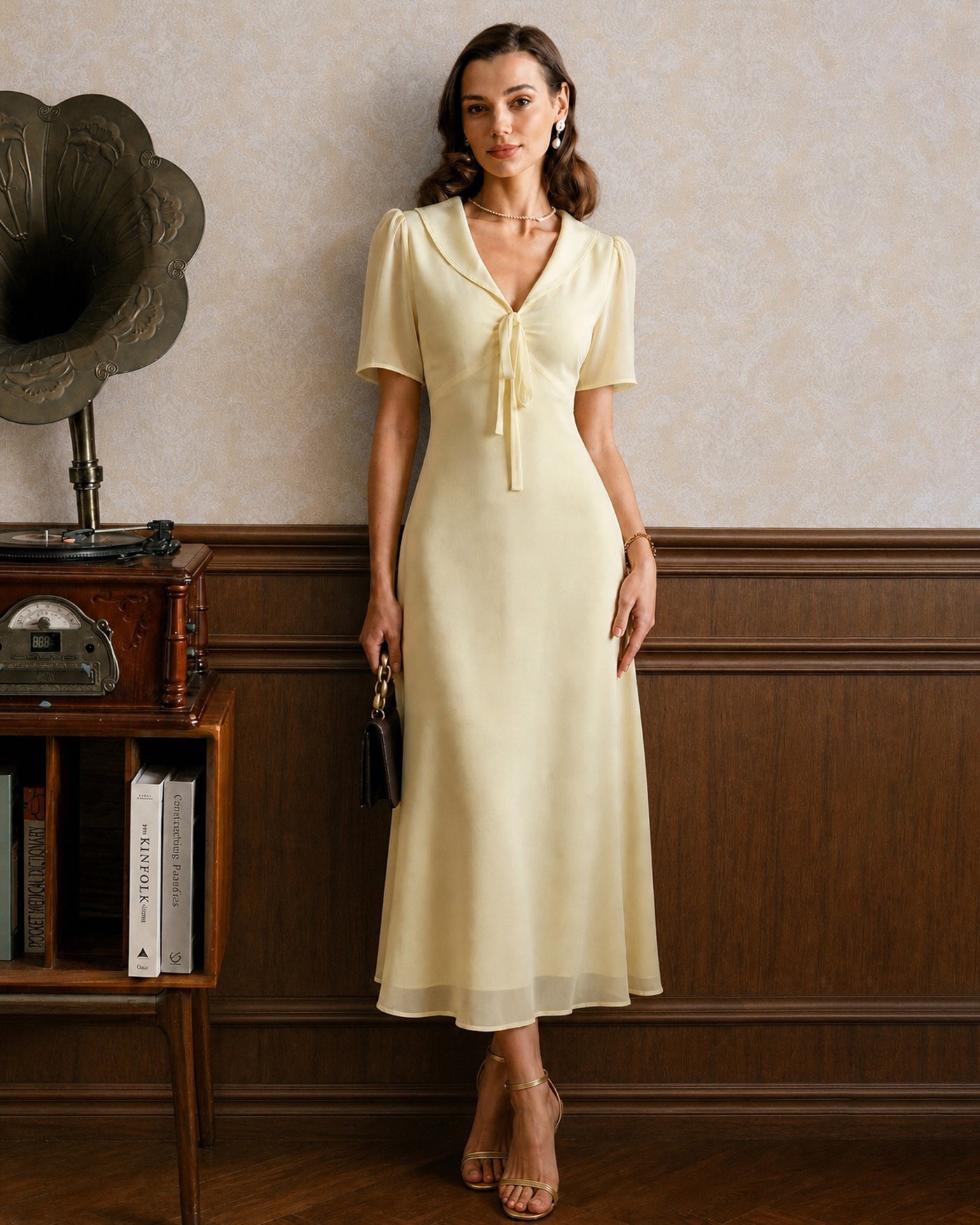
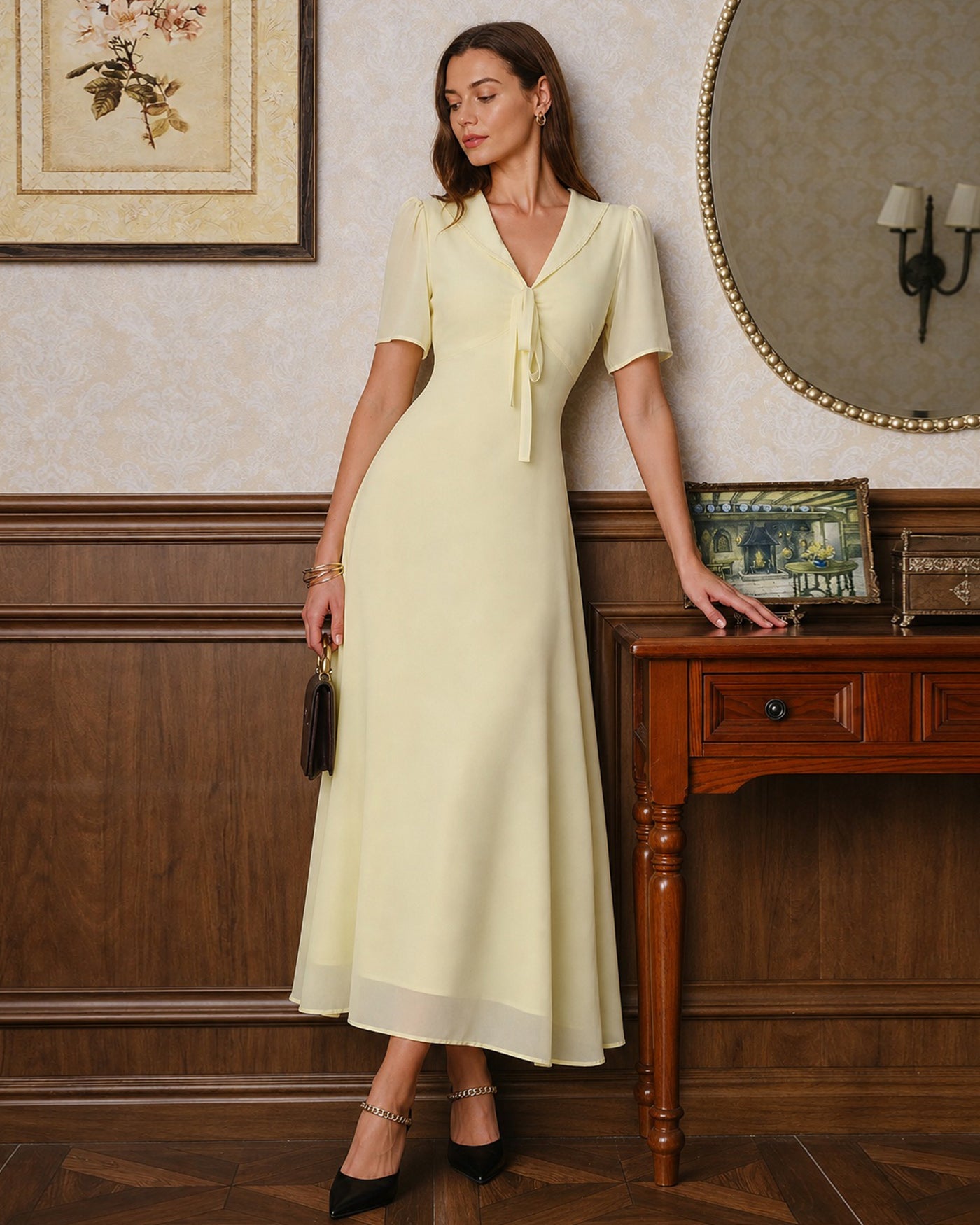
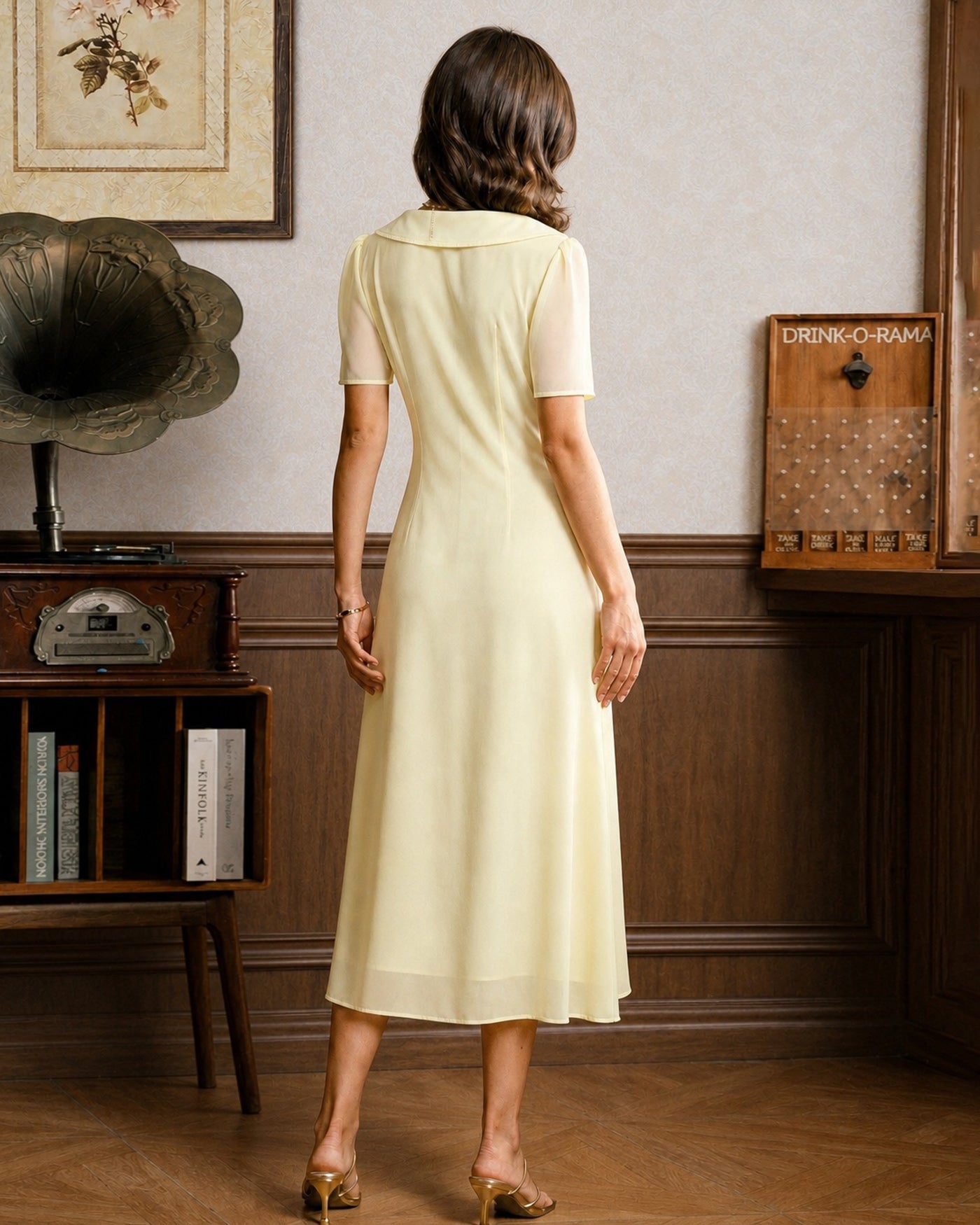
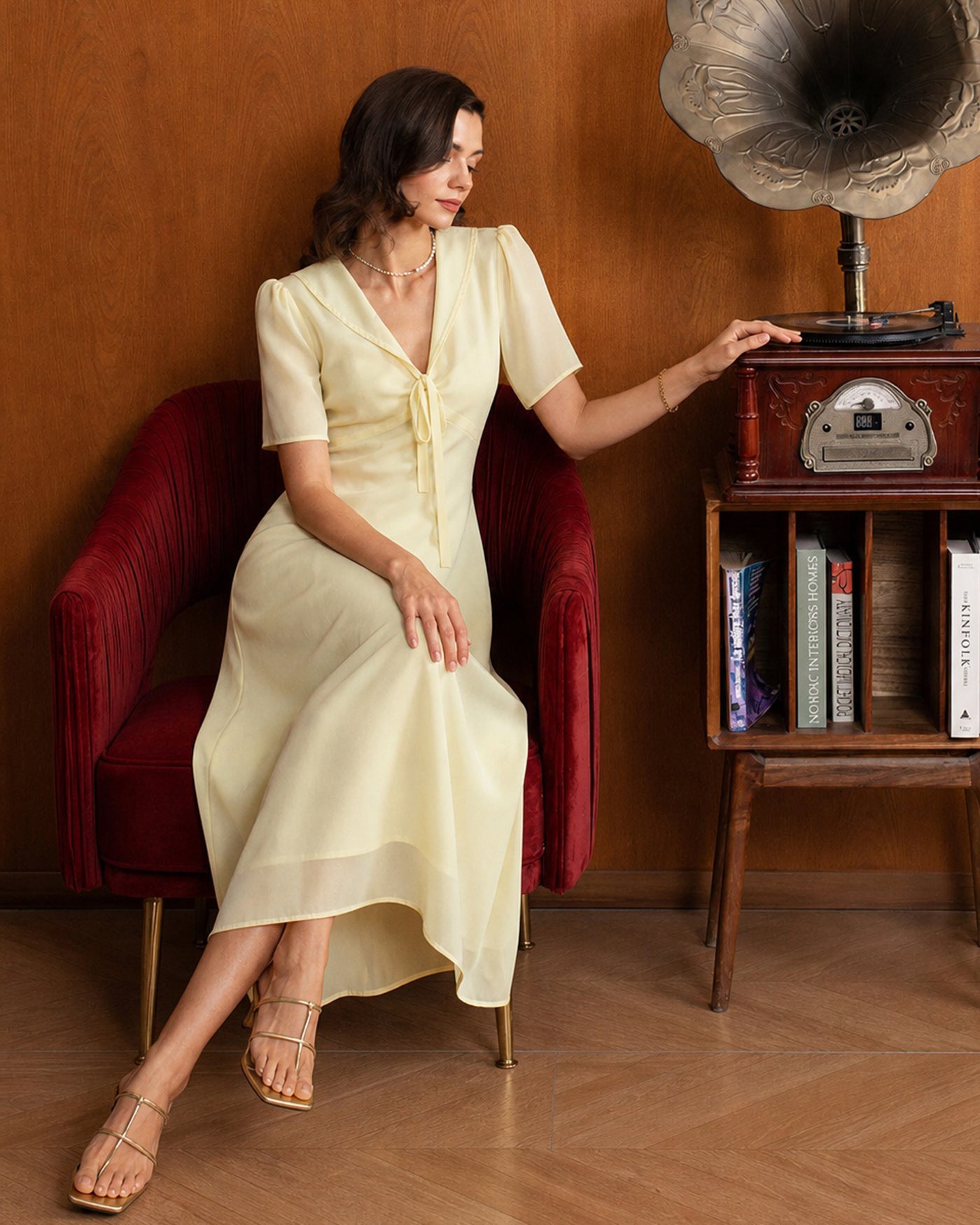
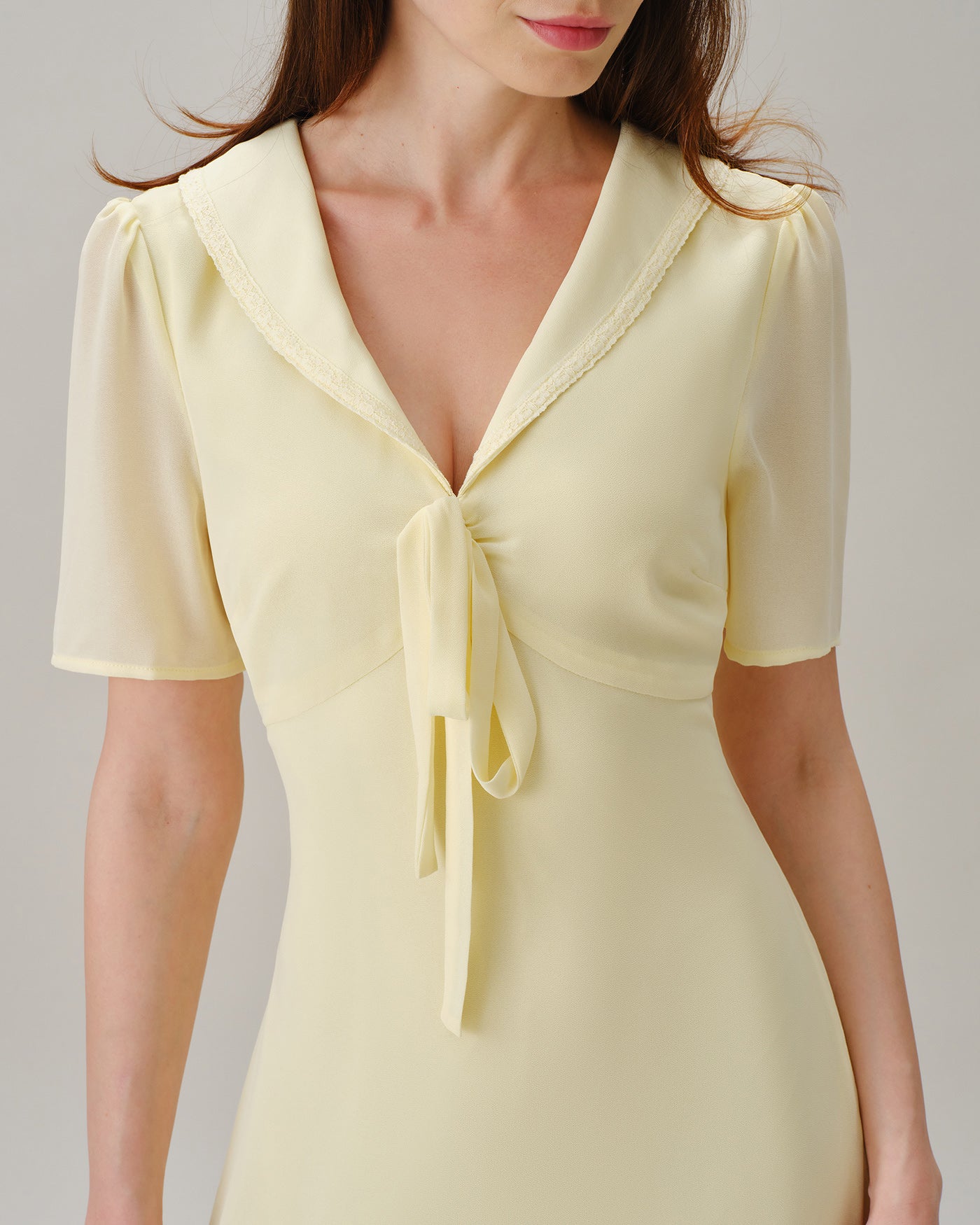
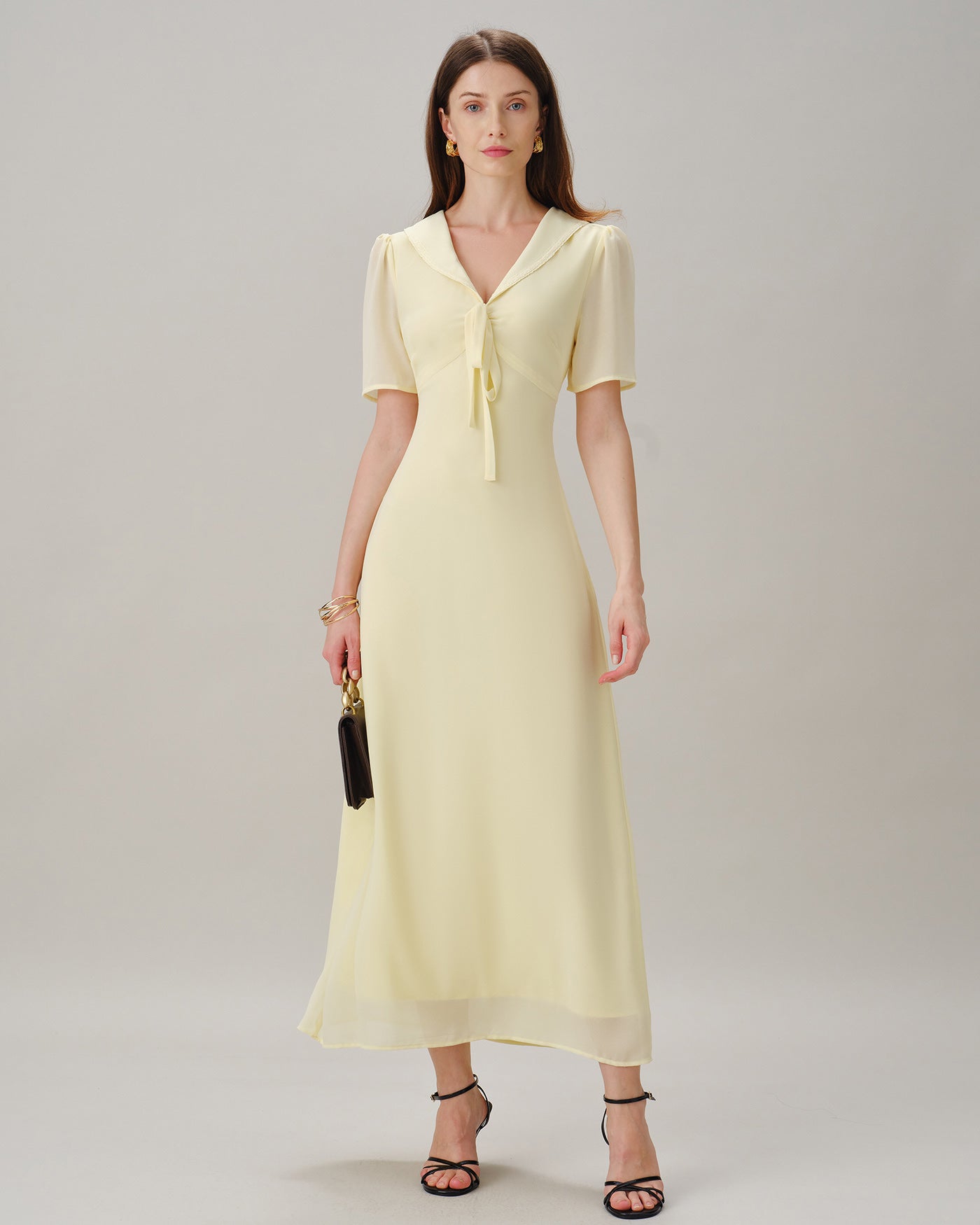
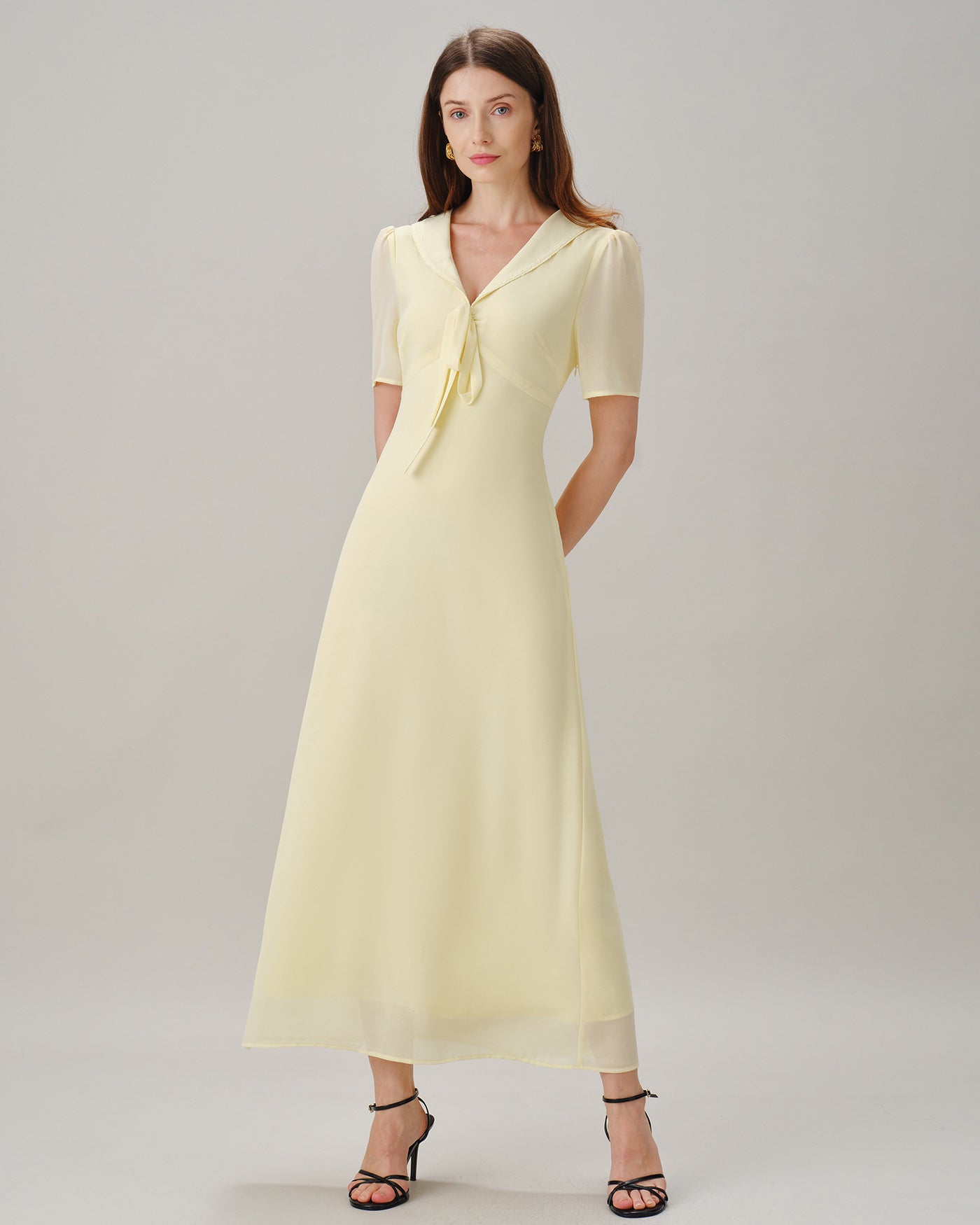
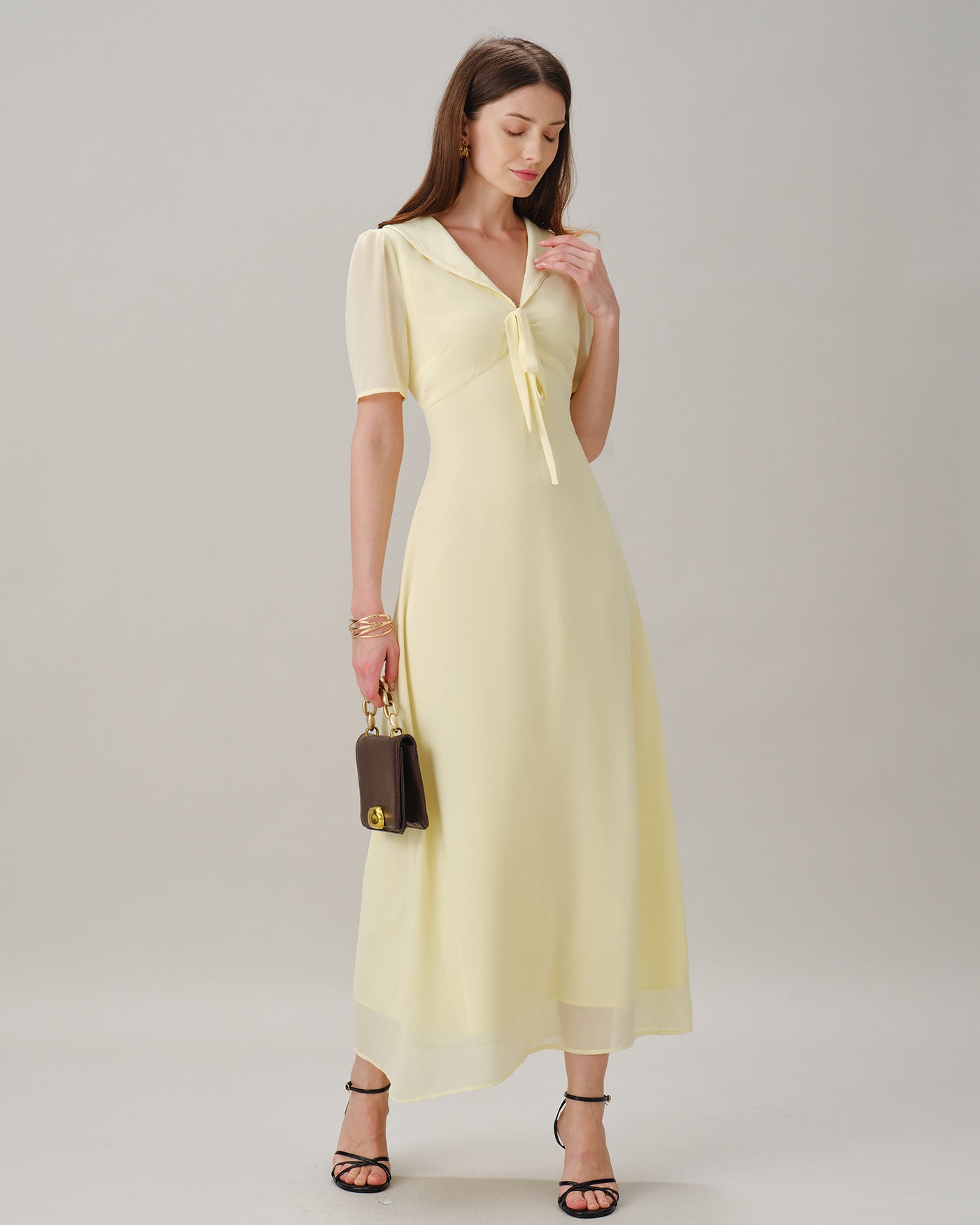
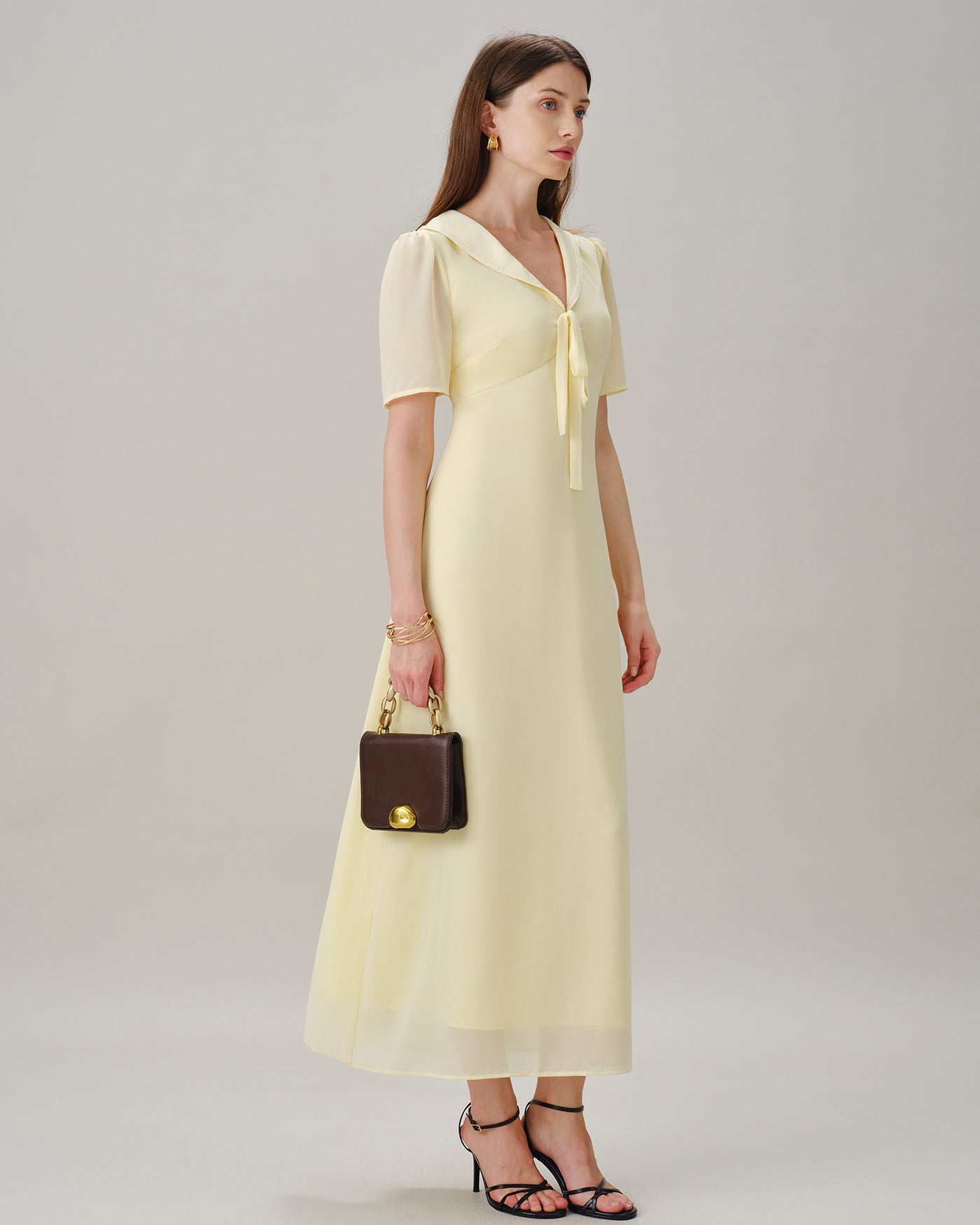
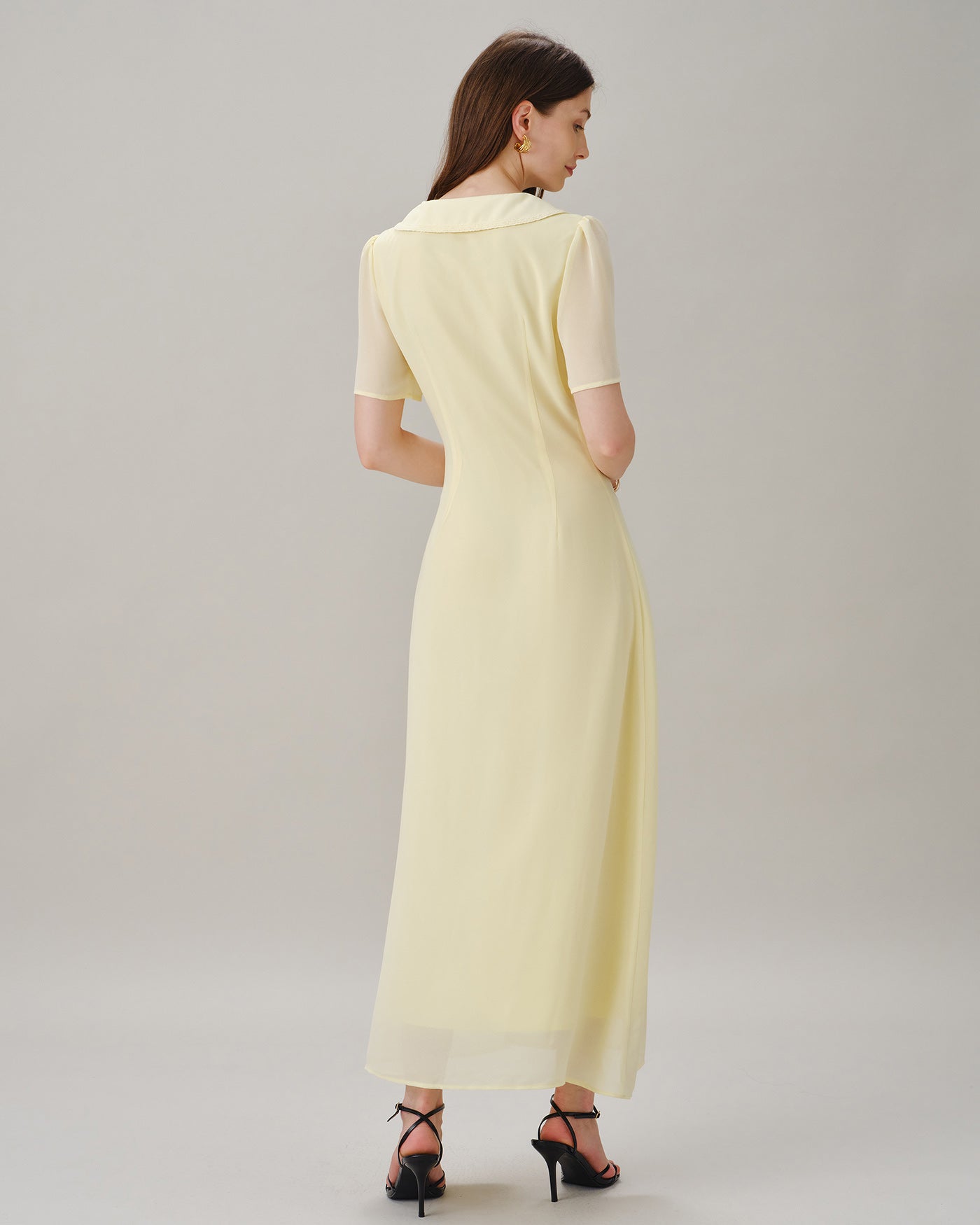
A maxi dress is defined by its longer hem, but “maxi” is not one fixed measurement. The same dress may finish at the ankle on one shopper and reach the floor on another. RIHOAS product pages provide a size-specific dress length, so compare that number with a dress you already own and consider the shoes you plan to wear. This gives you a more reliable idea of the finished hem than the model photo alone.
Choose the fit before the fabric
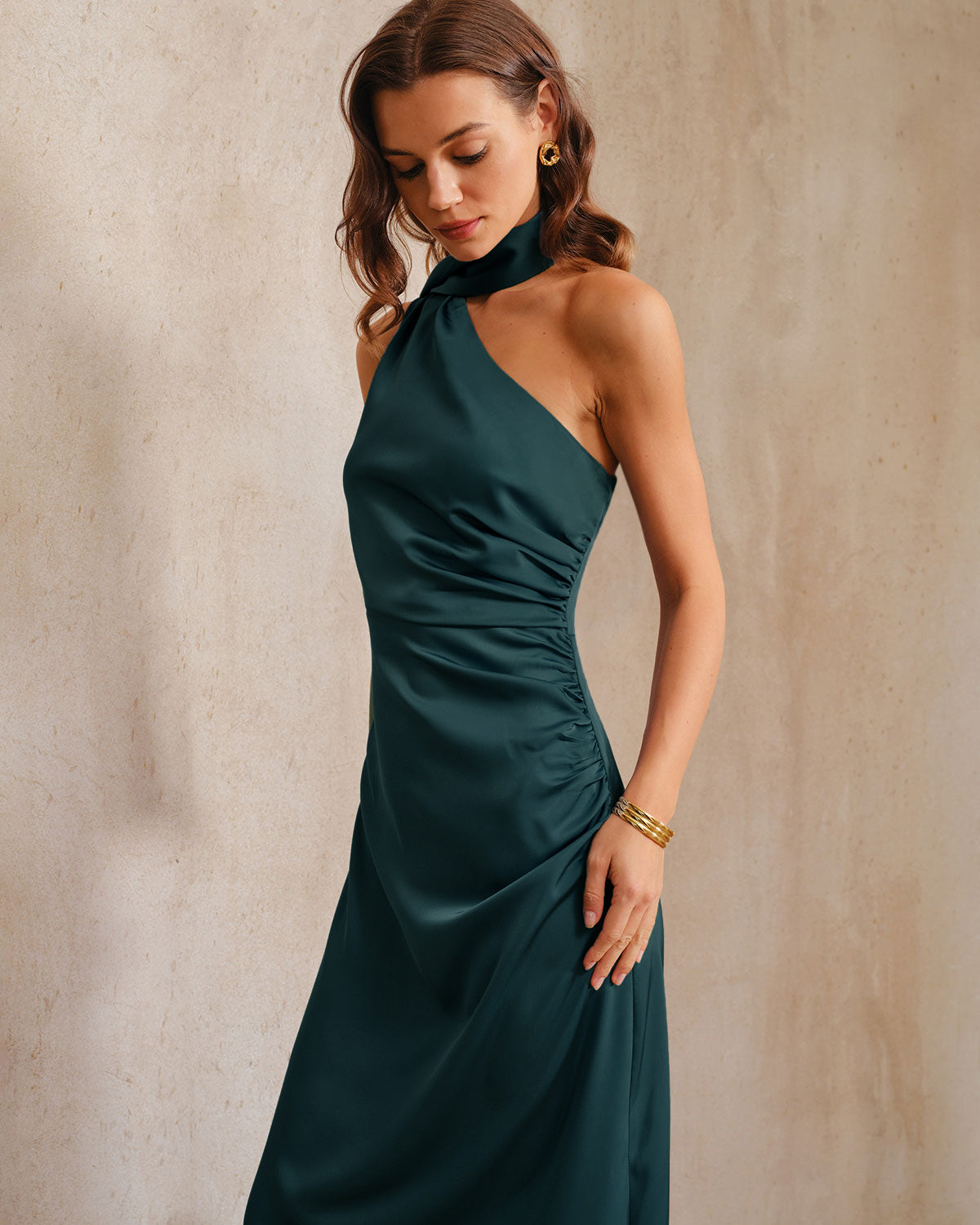
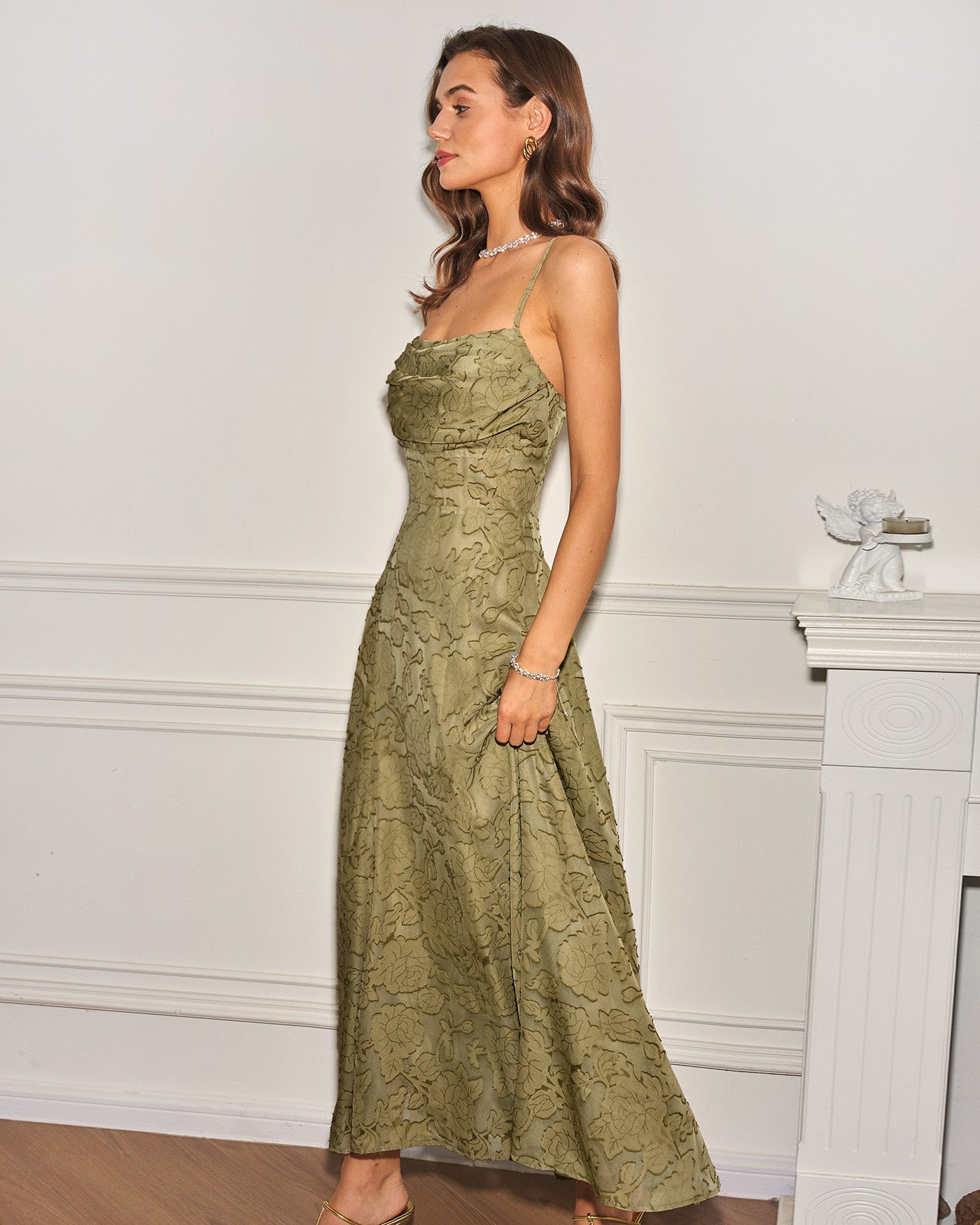
Start with how closely you want the dress to follow the body. A-line and fuller-skirted maxi dresses leave more space through the lower half and usually allow easier movement. Slip, sheath, bodycon and mermaid shapes sit closer through the waist or hip, which makes the bust, waist and hip measurements more important than the size label by itself.
For a fitted maxi dress, check whether the fabric stretches, whether the bodice and skirt are lined, and where the closure sits. A non-stretch style may need more room through the hip even when the waist measurement looks correct. If you already know you want narrow straps and a closer slip silhouette, go directly to Maxi Slip Dresses.
Check the hem, slit and skirt movement
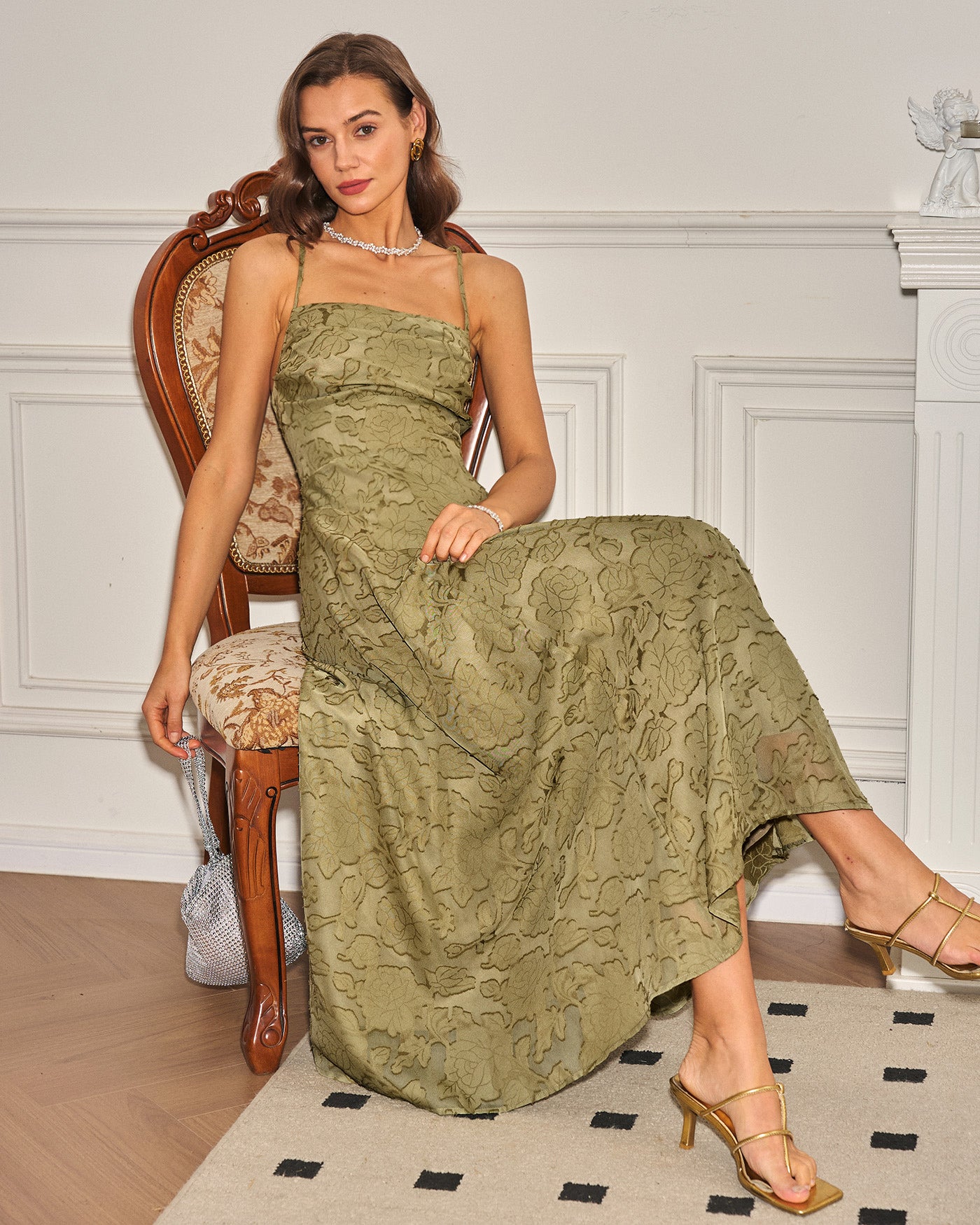
Length affects more than coverage. A floor-skimming hem needs to work with your footwear, while an ankle-length finish leaves more clearance for walking. A side slit can make a narrow skirt easier to move in, but it also changes how much leg shows when sitting or walking. Look at both the stated dress length and the product images showing the skirt in motion.
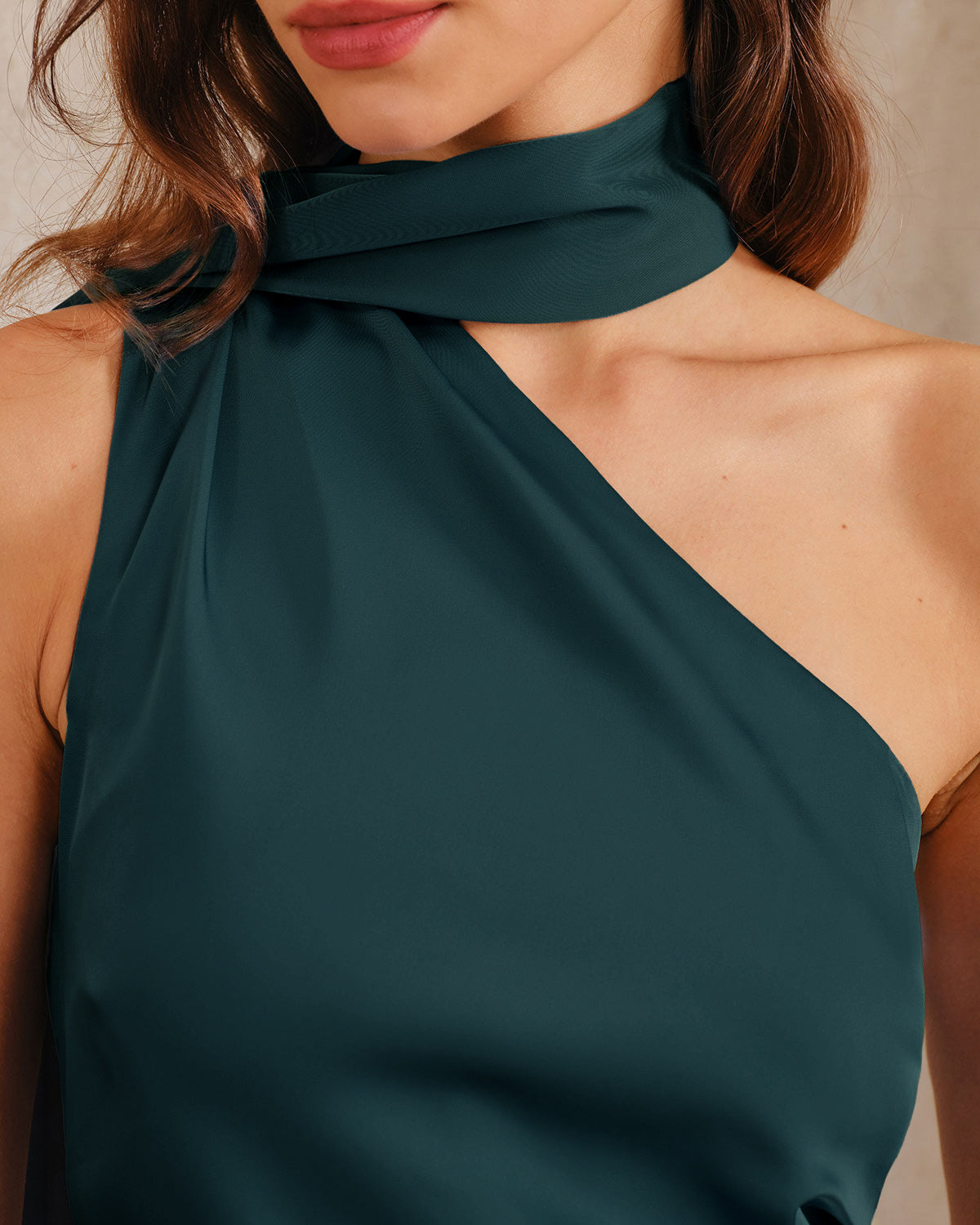
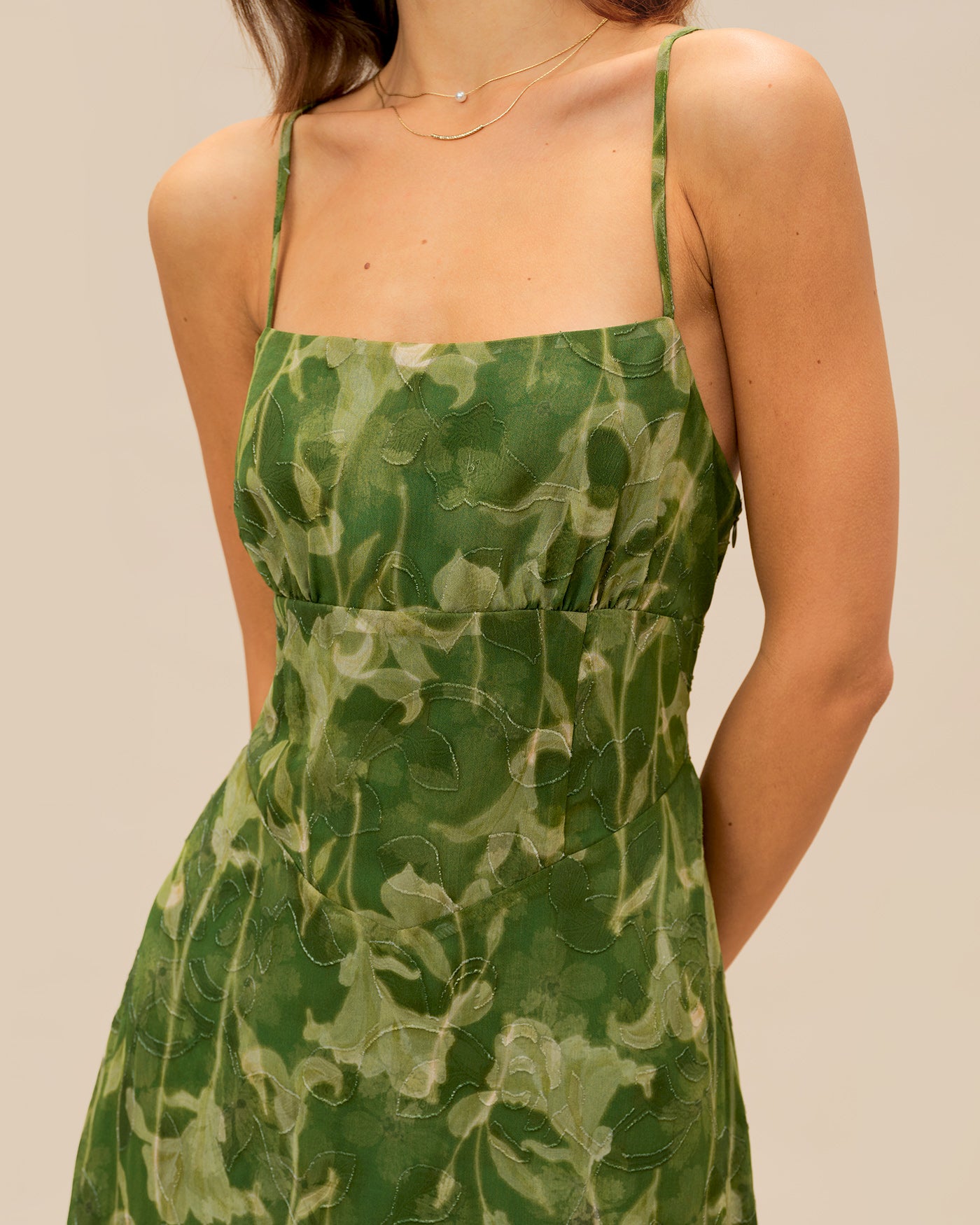
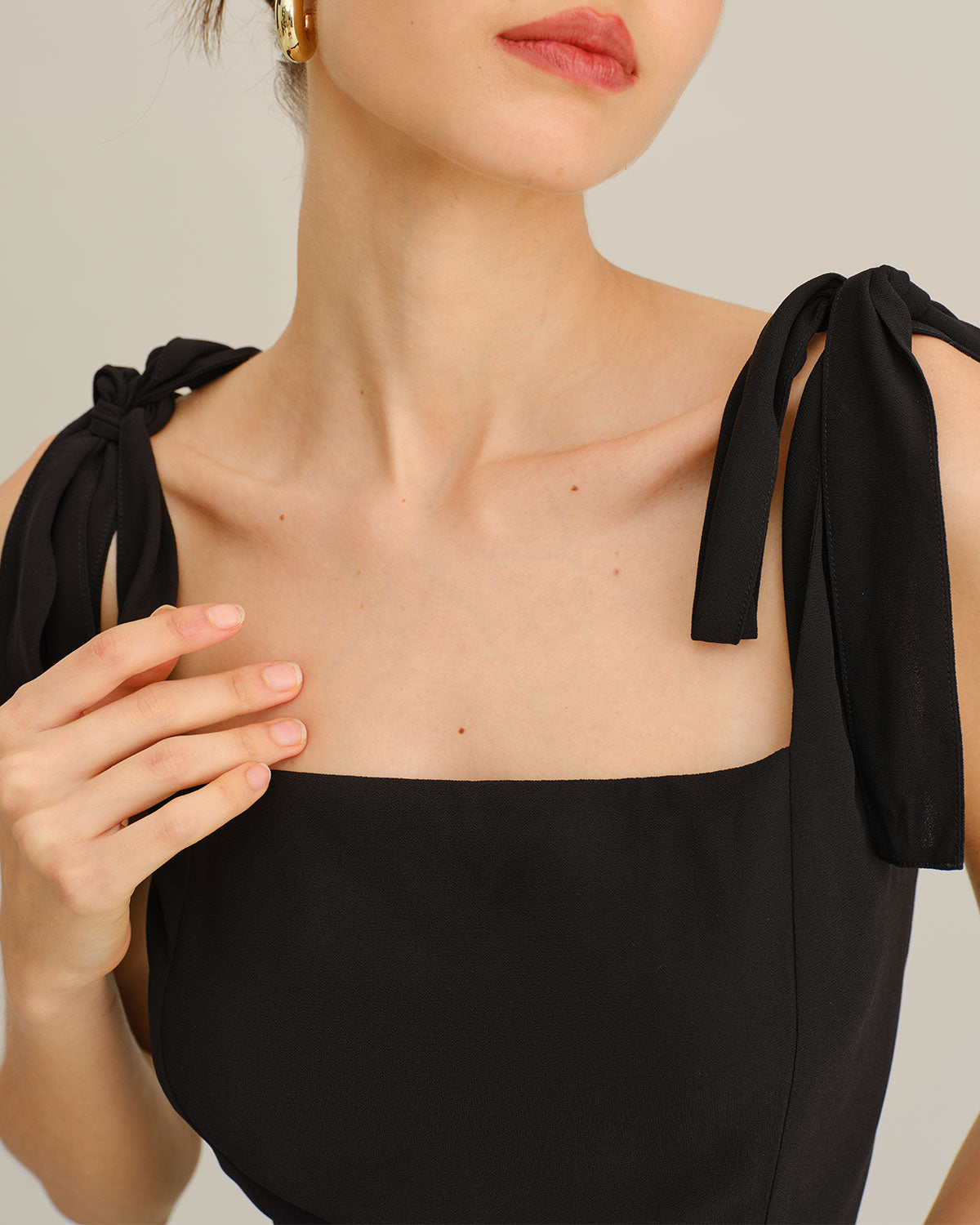
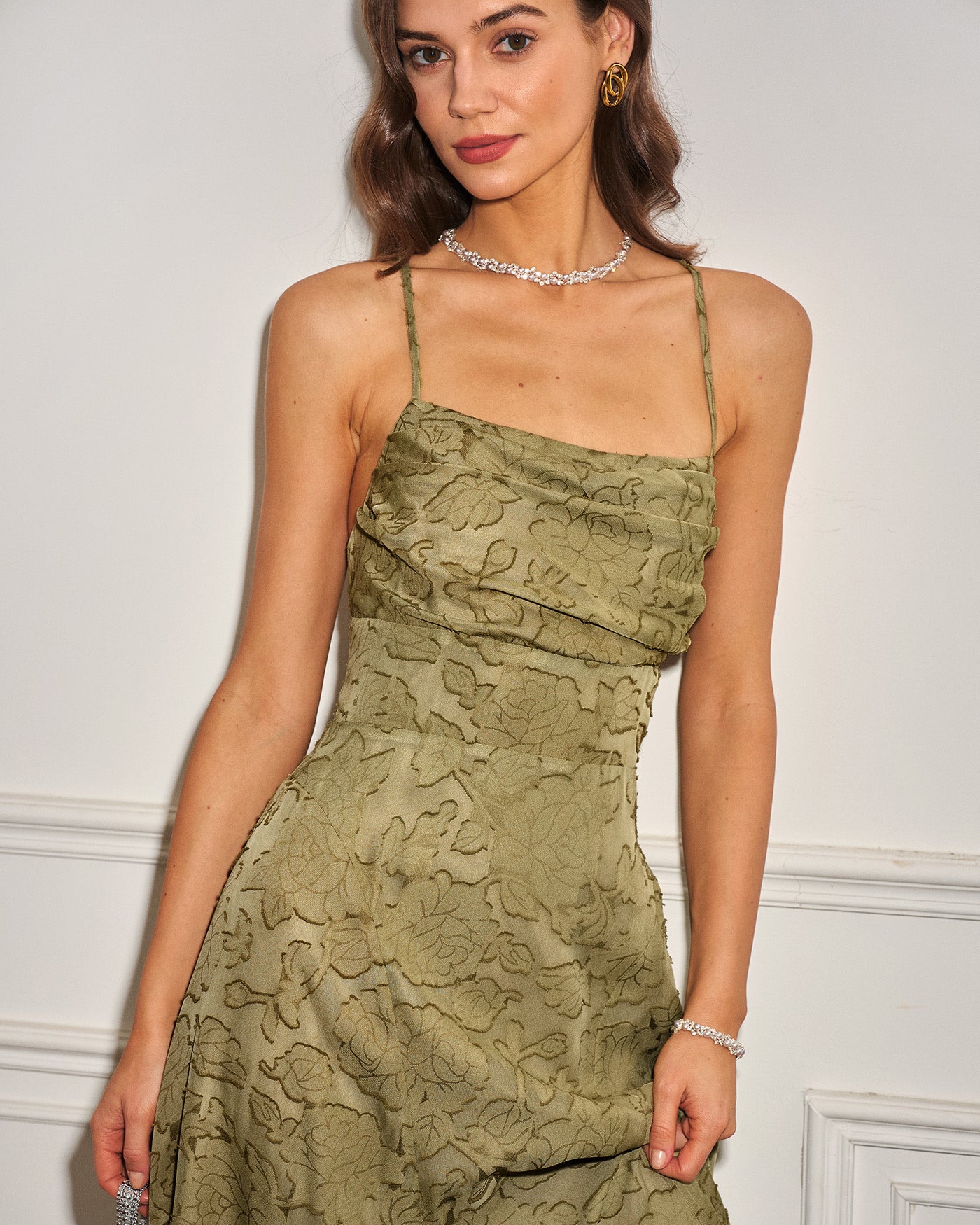
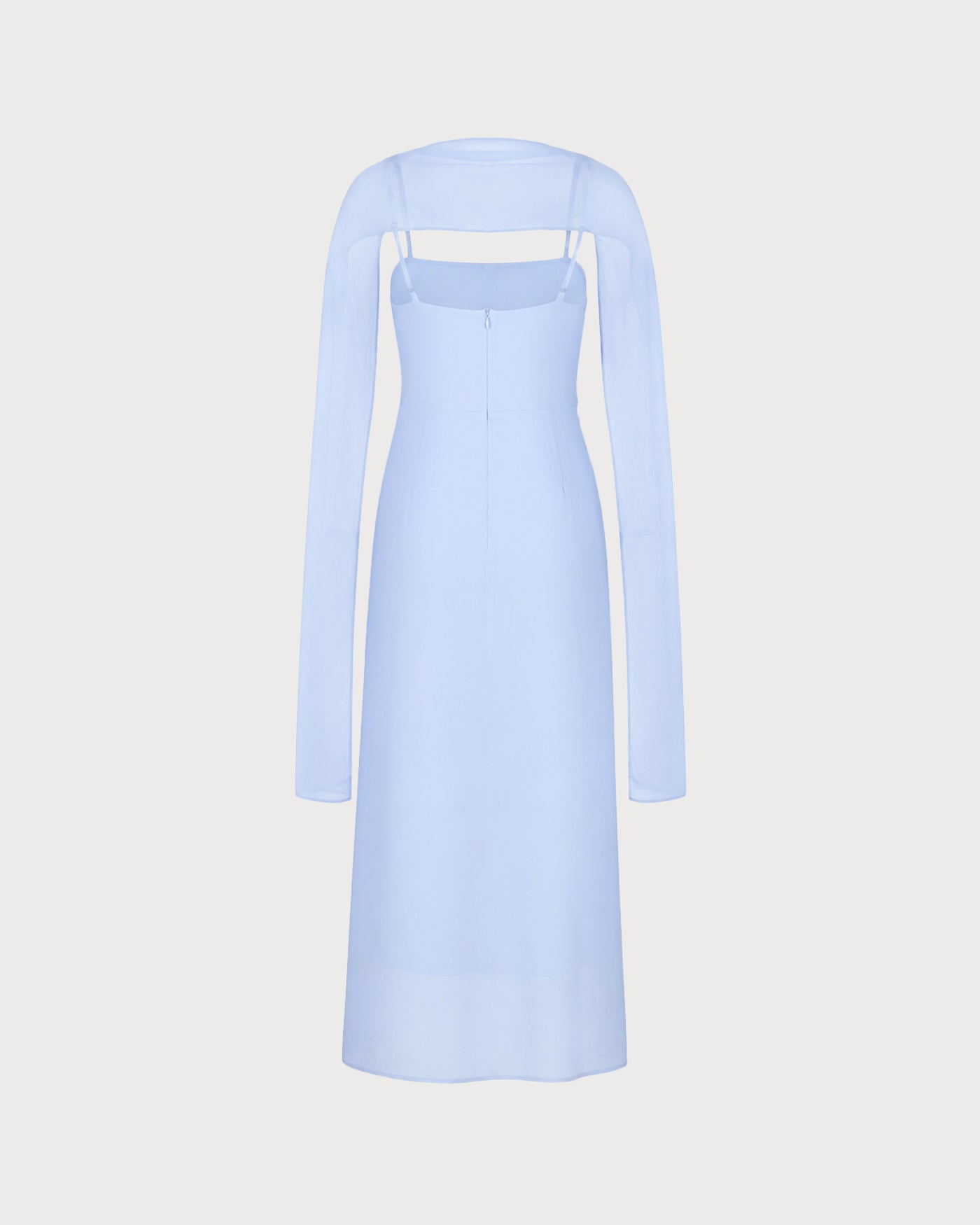
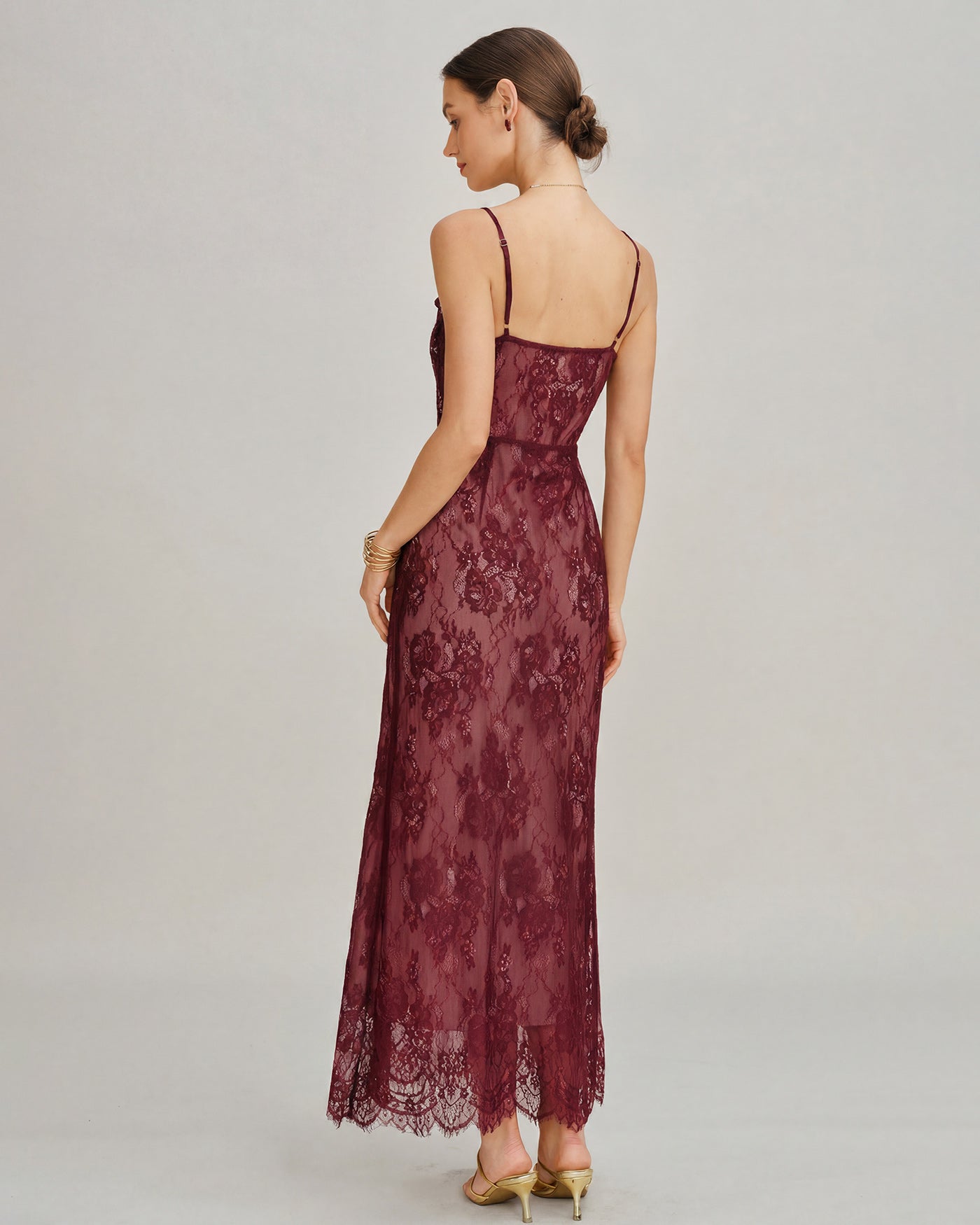
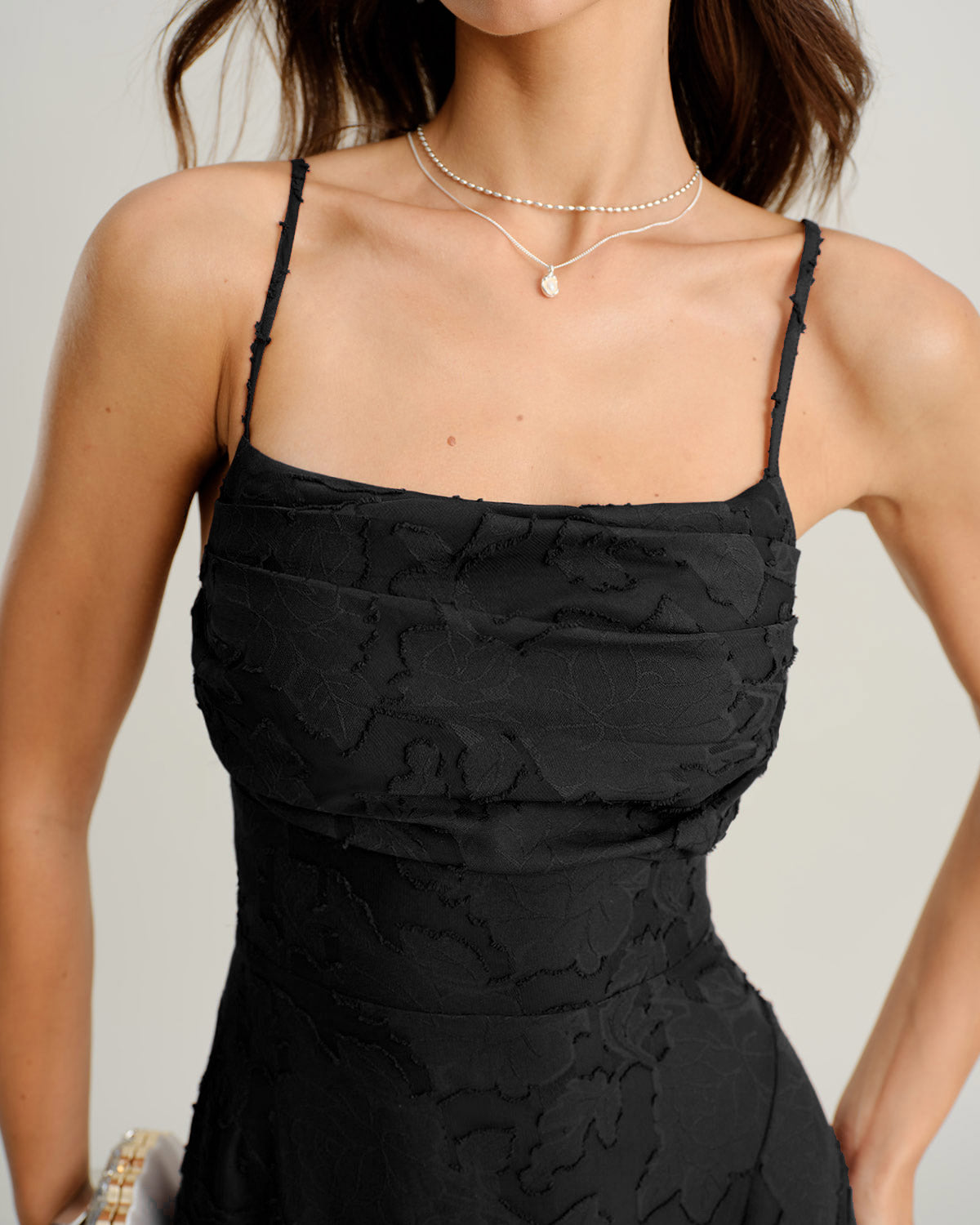
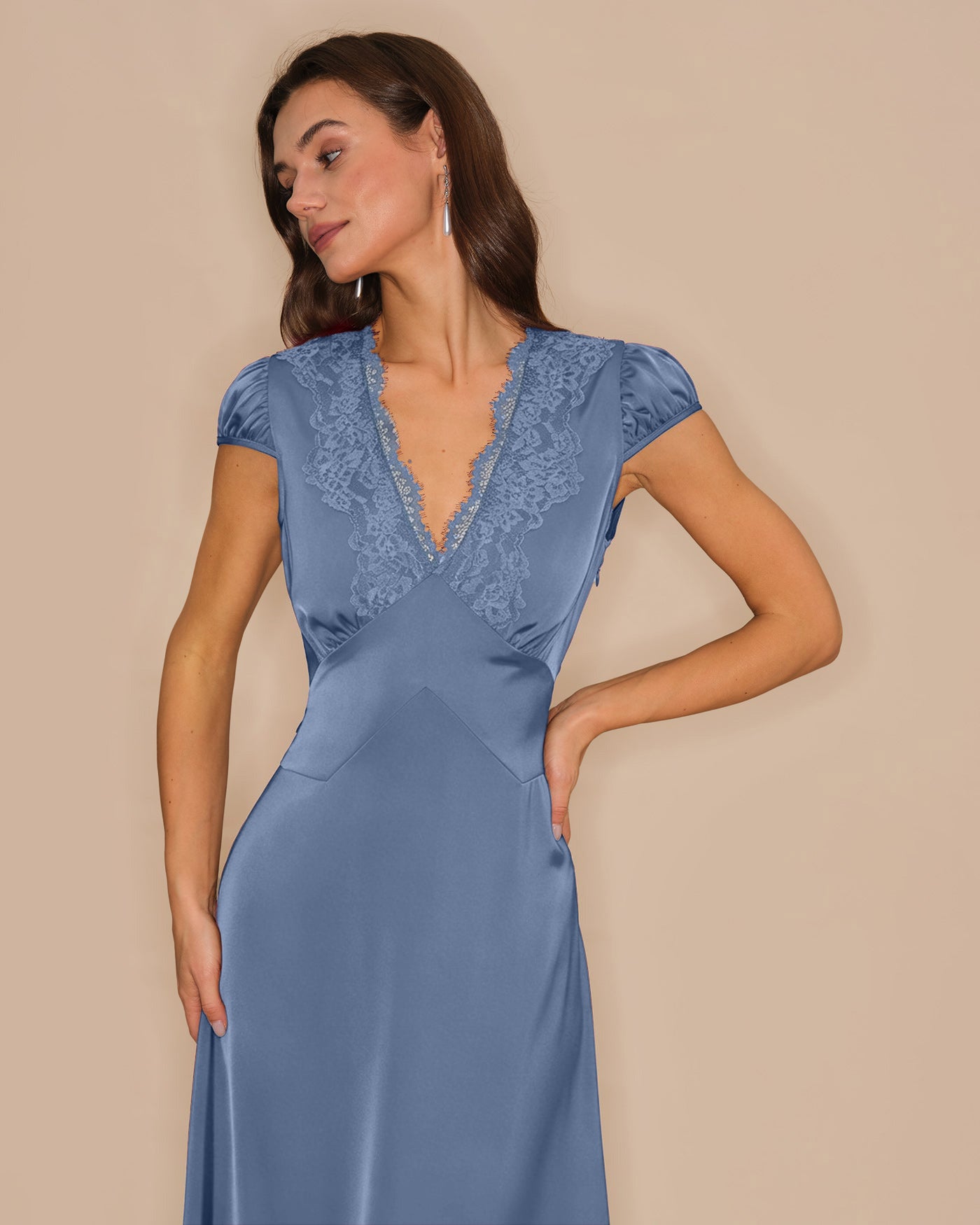
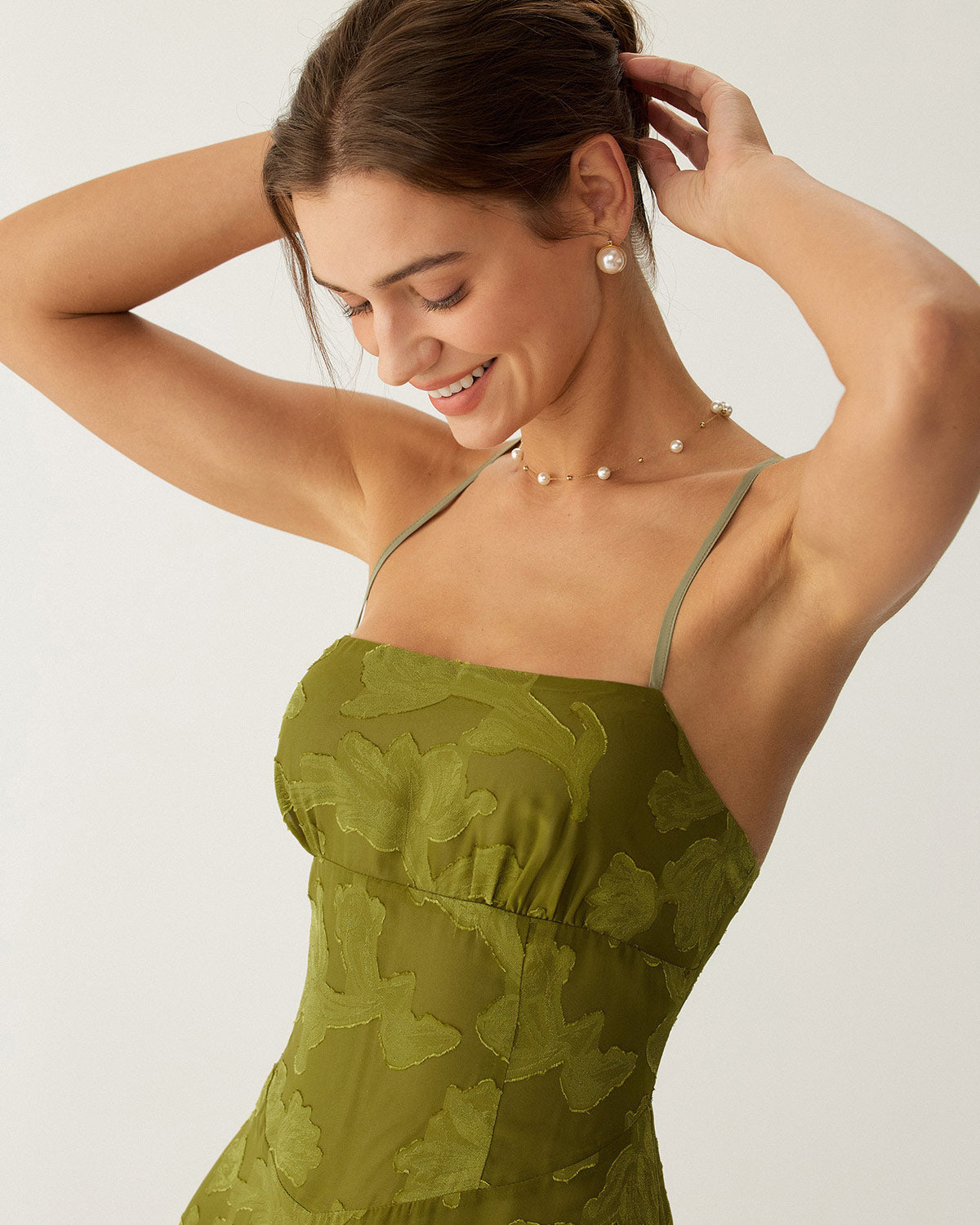
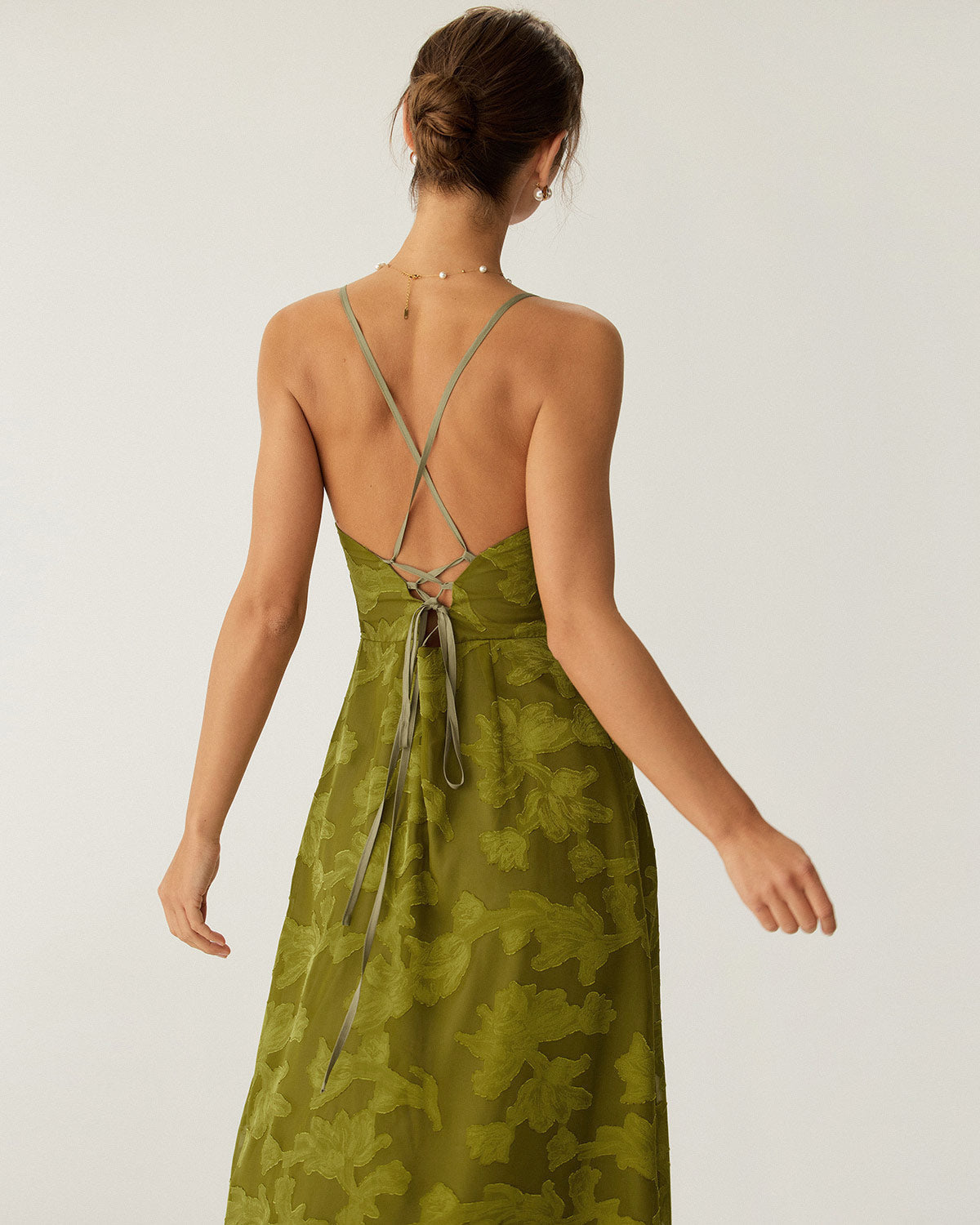
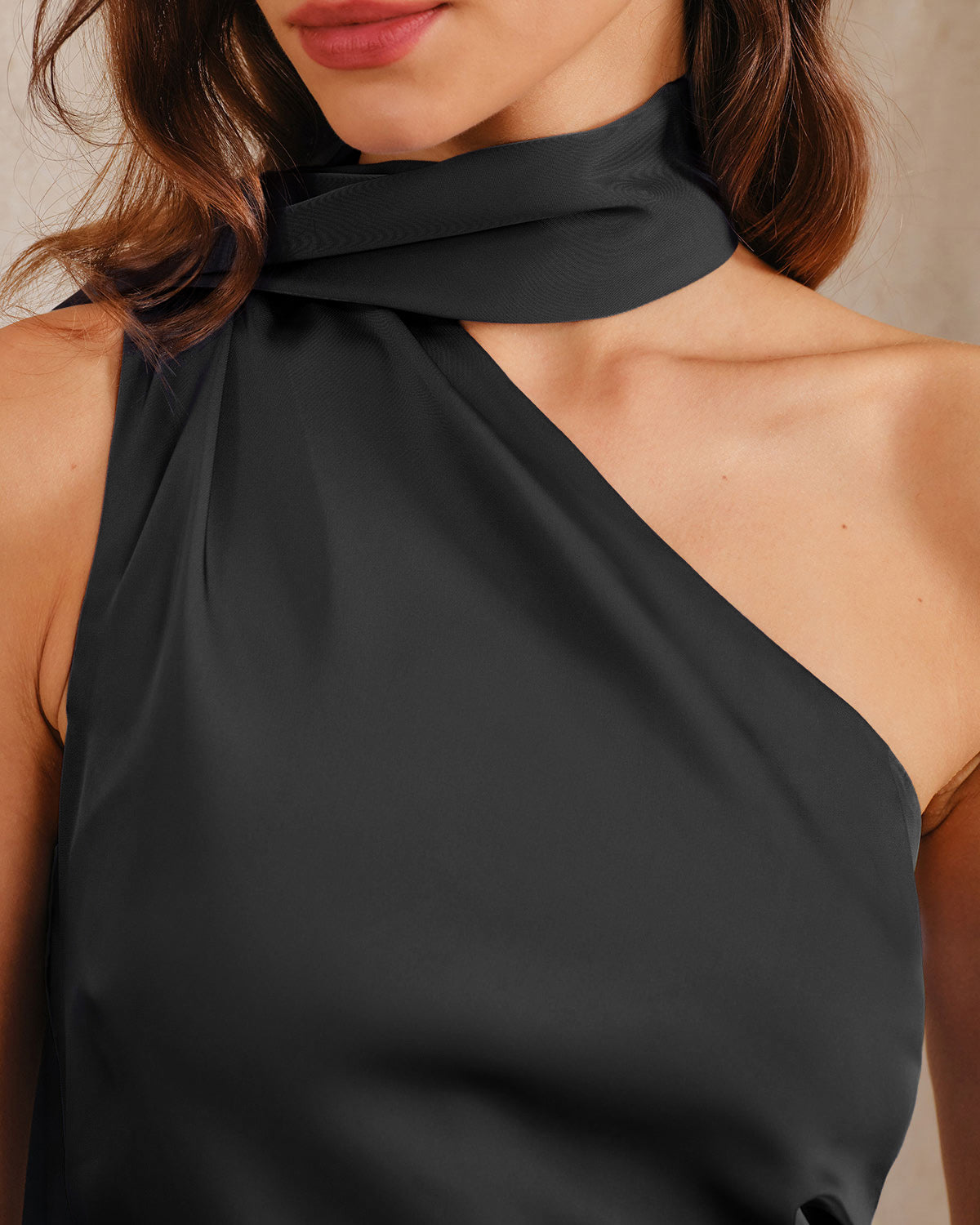
The top half matters as much as the hem. Thin straps, low backs and open-back designs may limit bra options, while square necks, mock necks and short sleeves provide more coverage. If the open back is the feature you are shopping for, use the Backless Maxi Dresses collection instead of filtering through every long dress.
Use fabric to decide how formal the dress feels
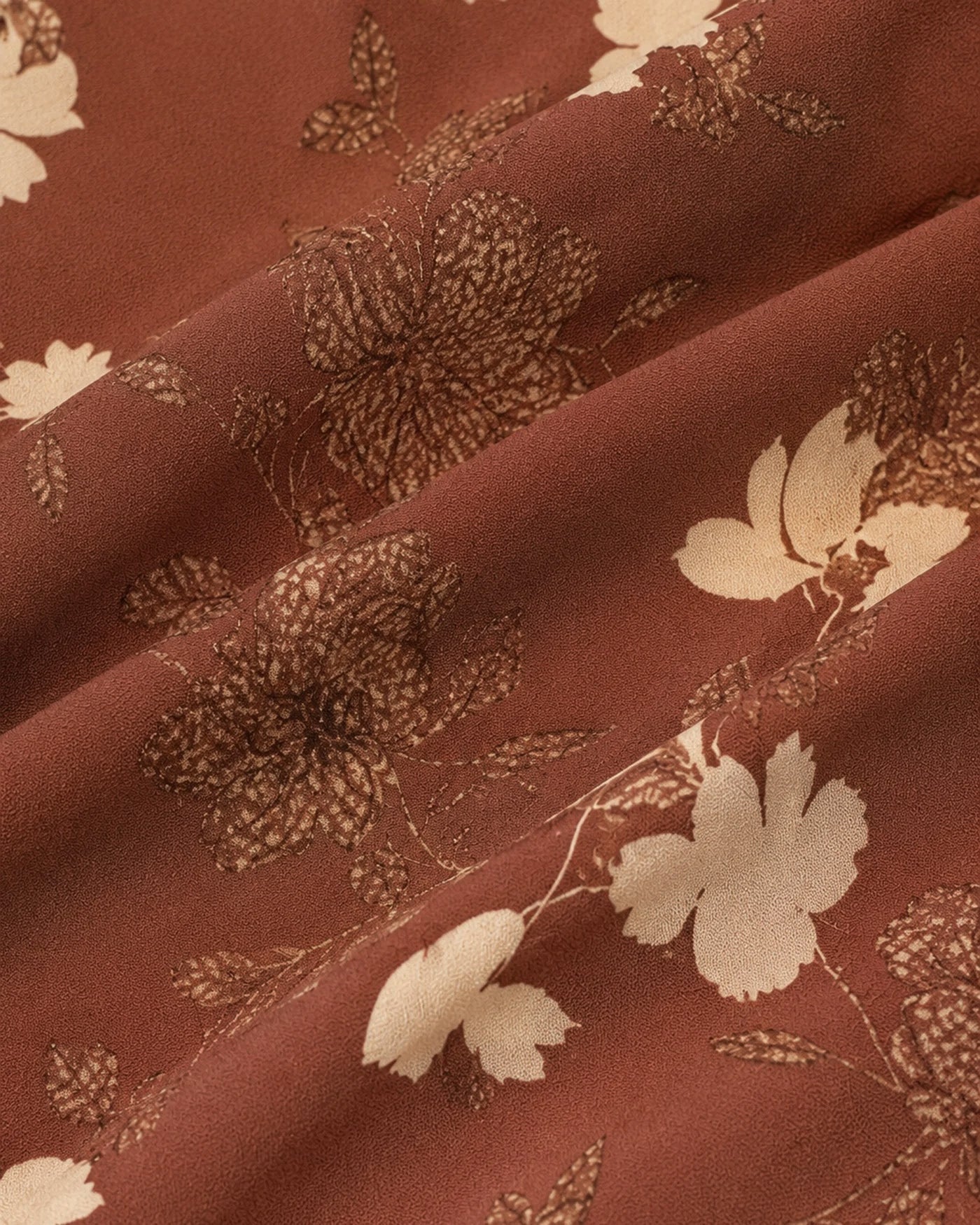
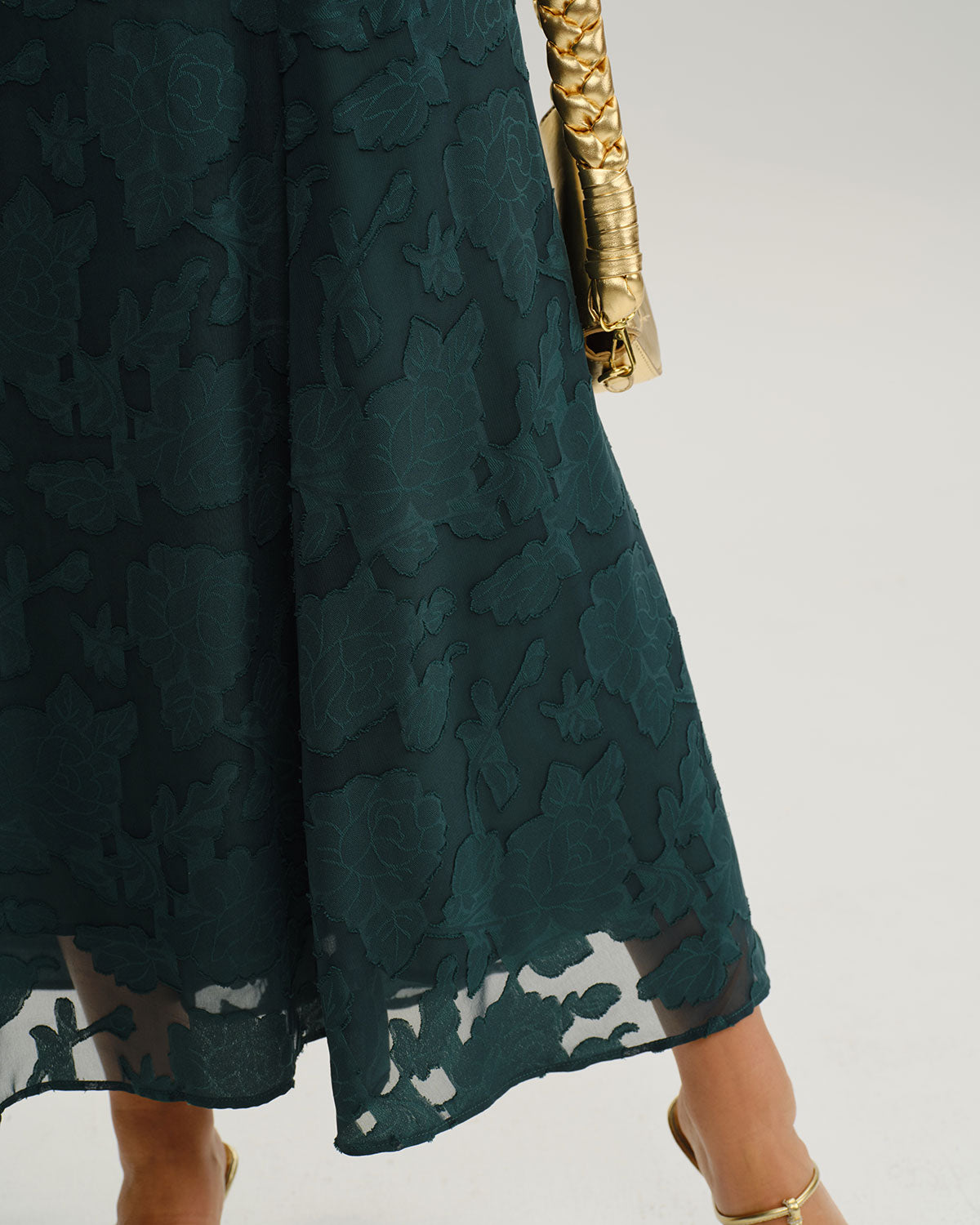
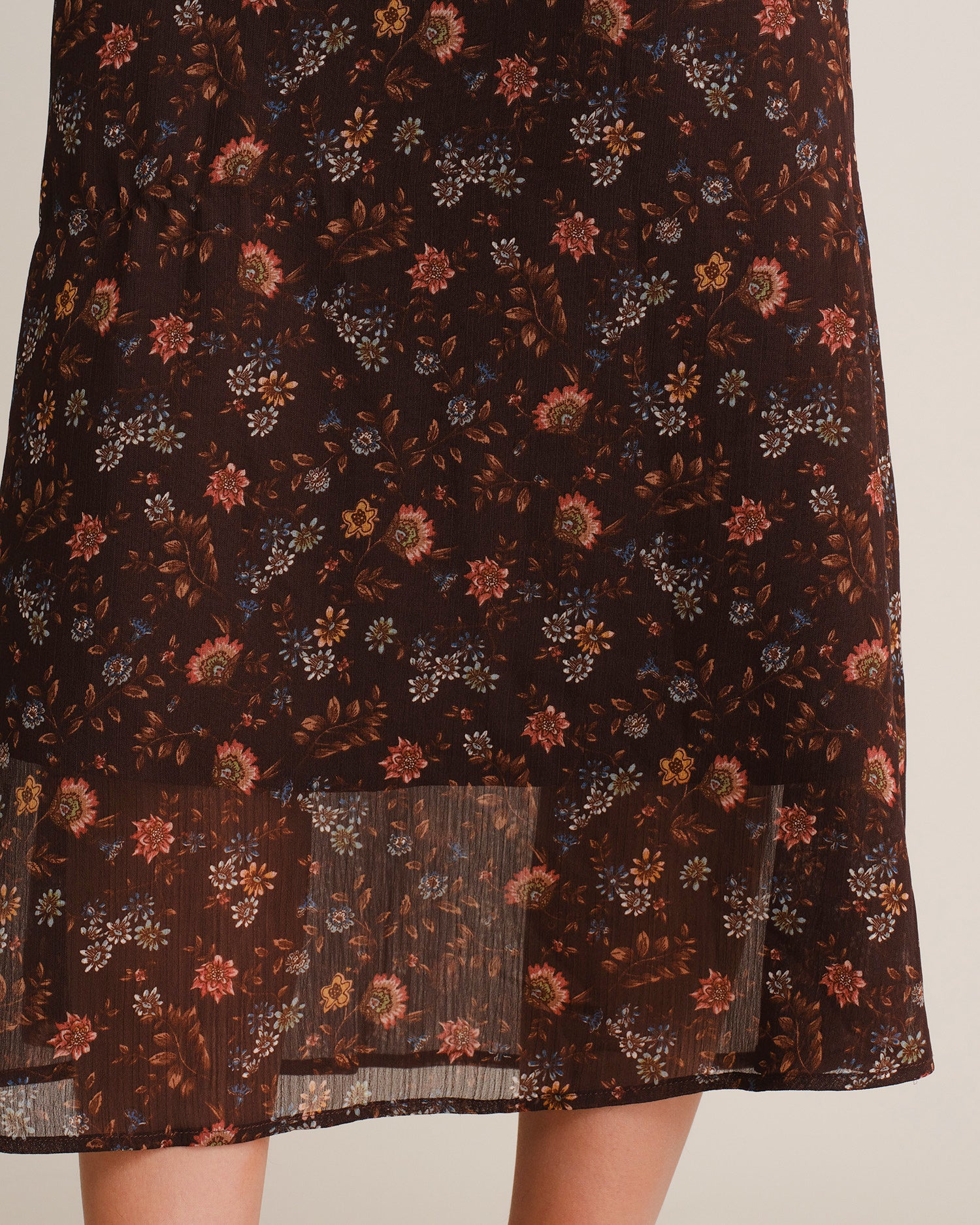
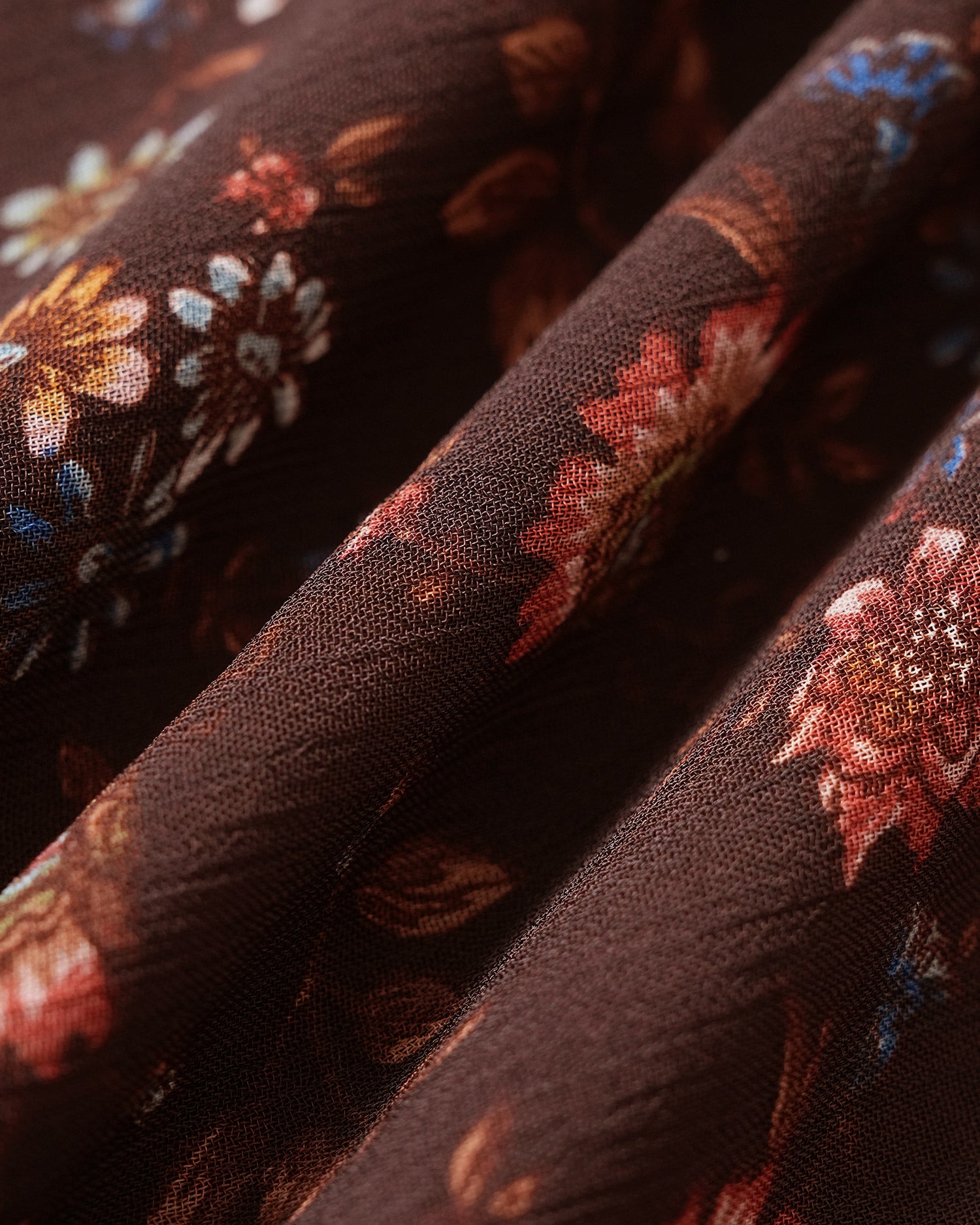
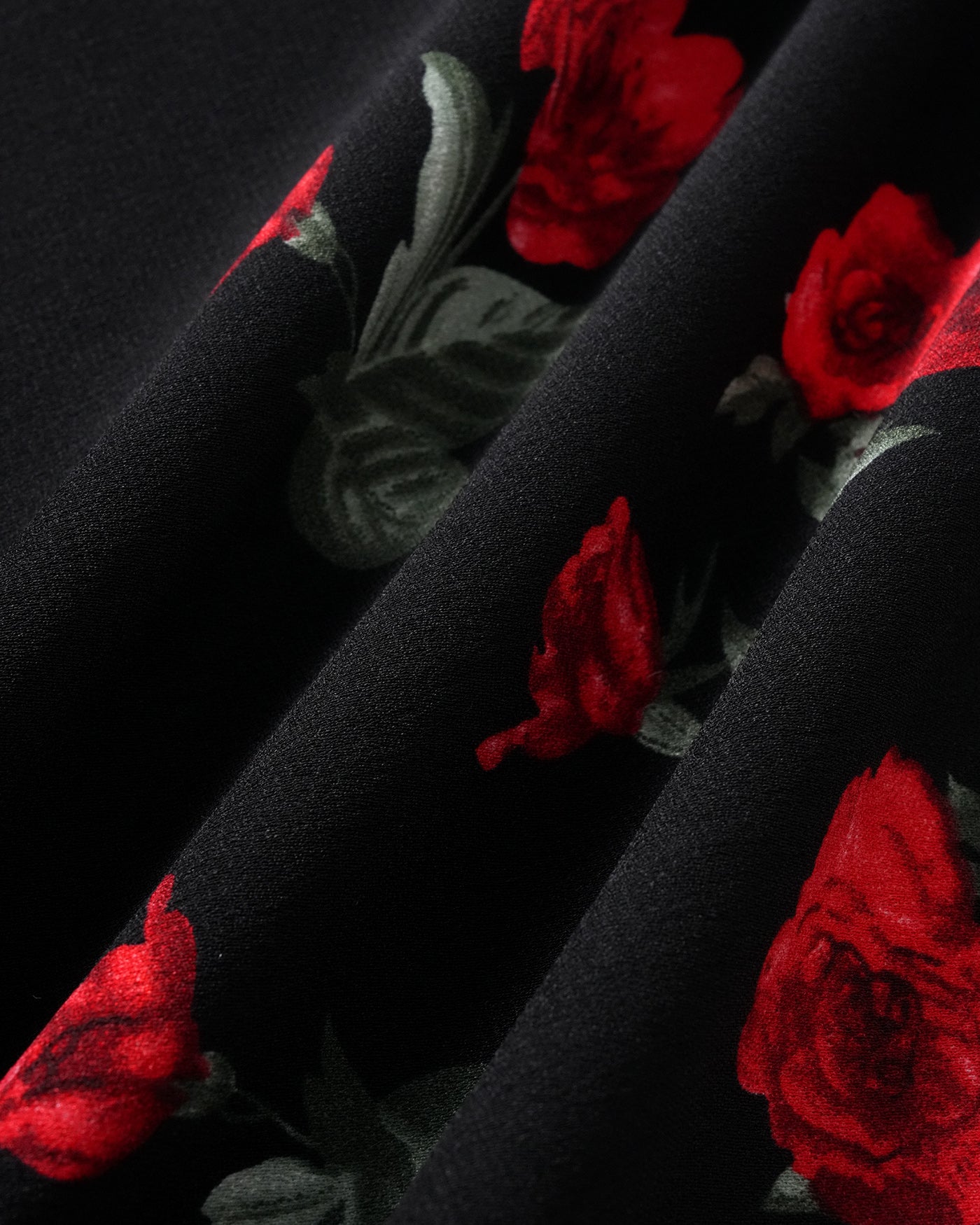
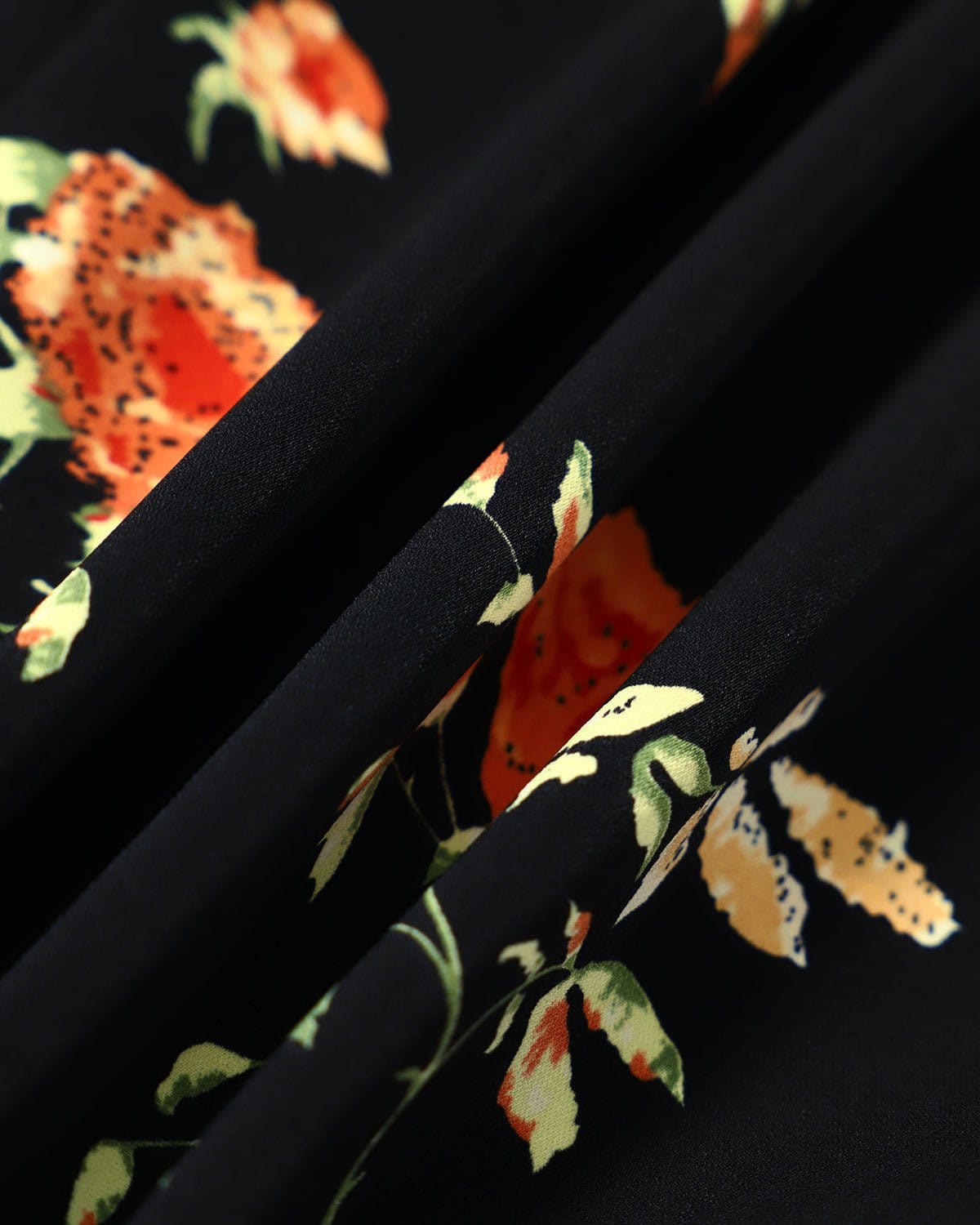
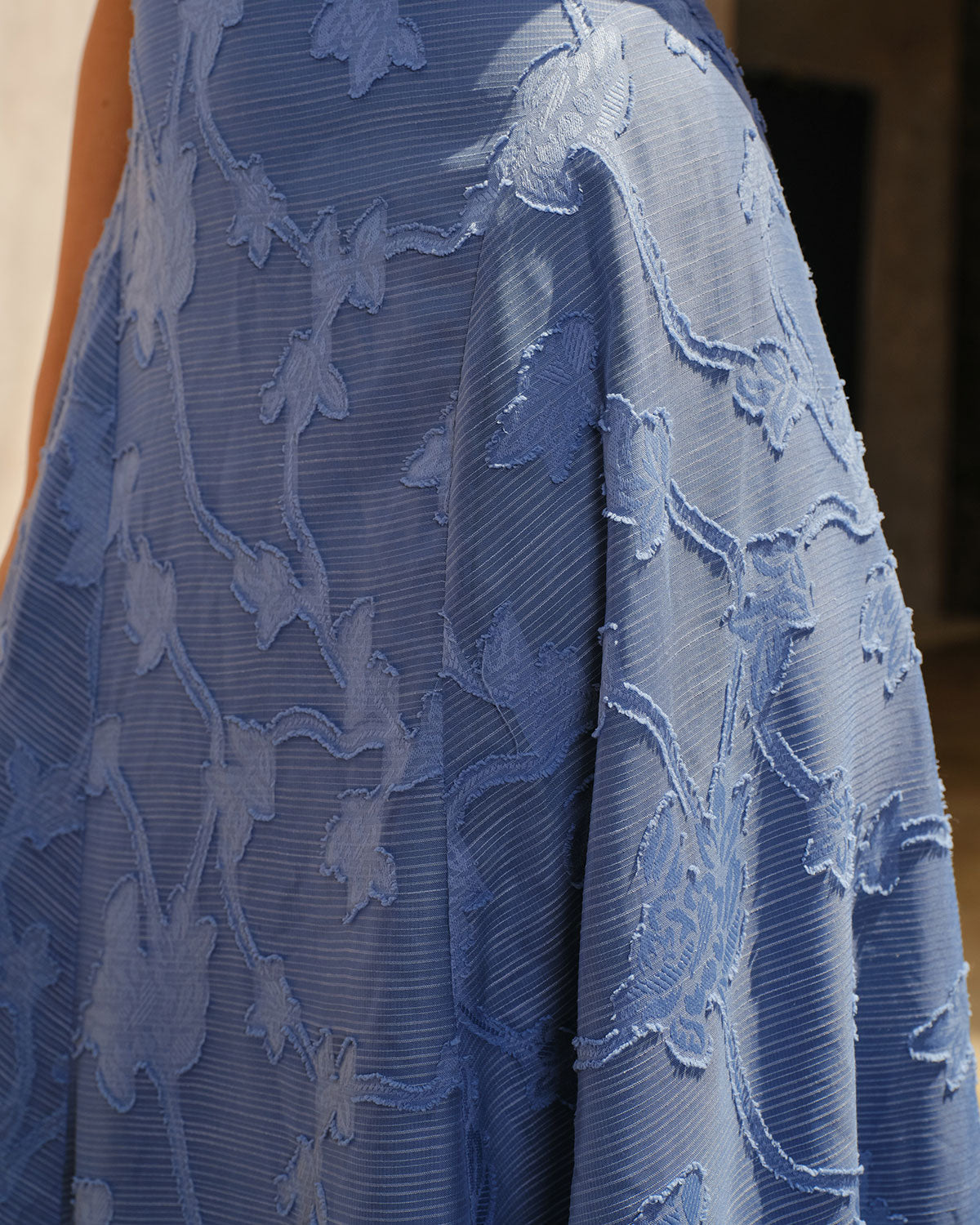
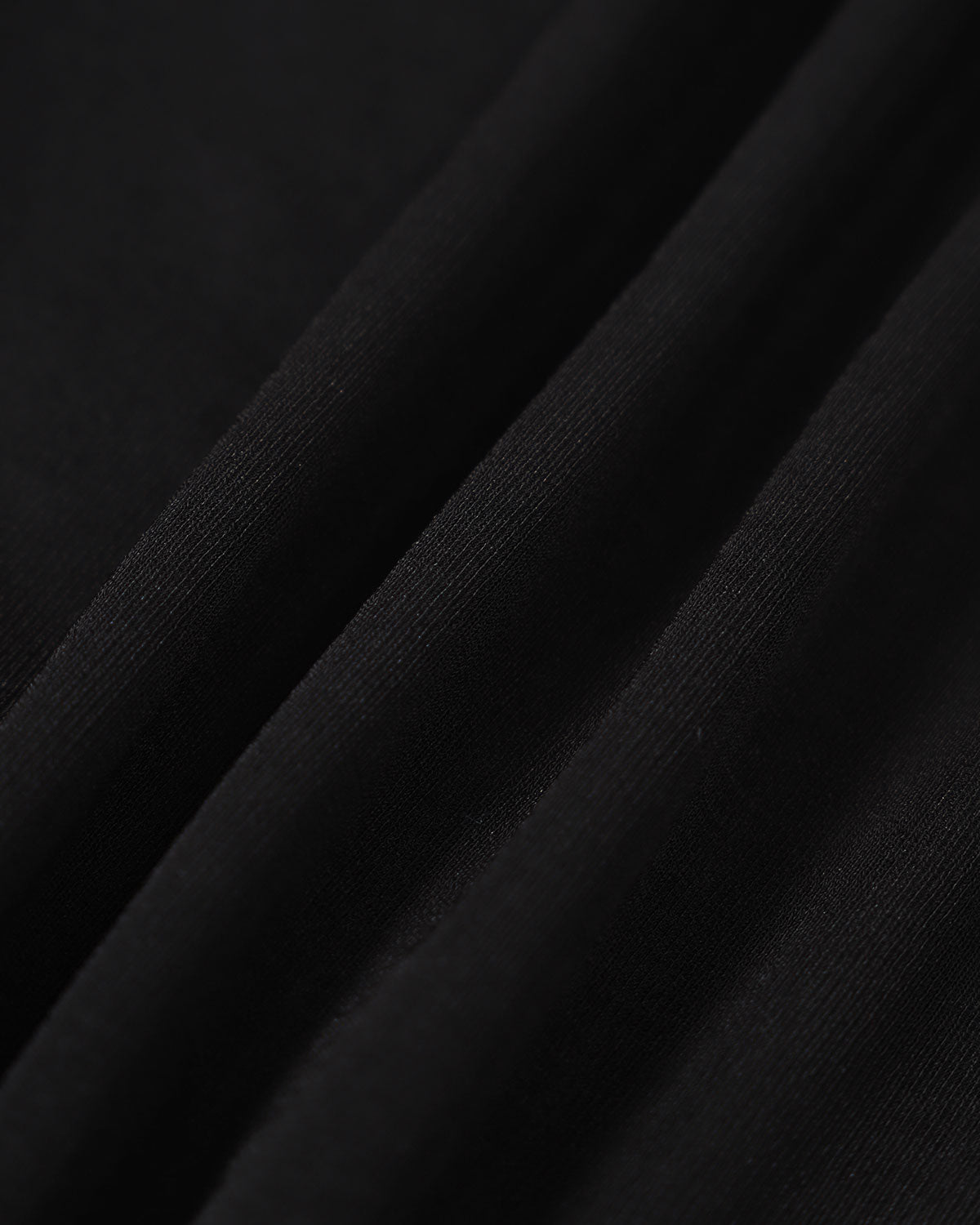
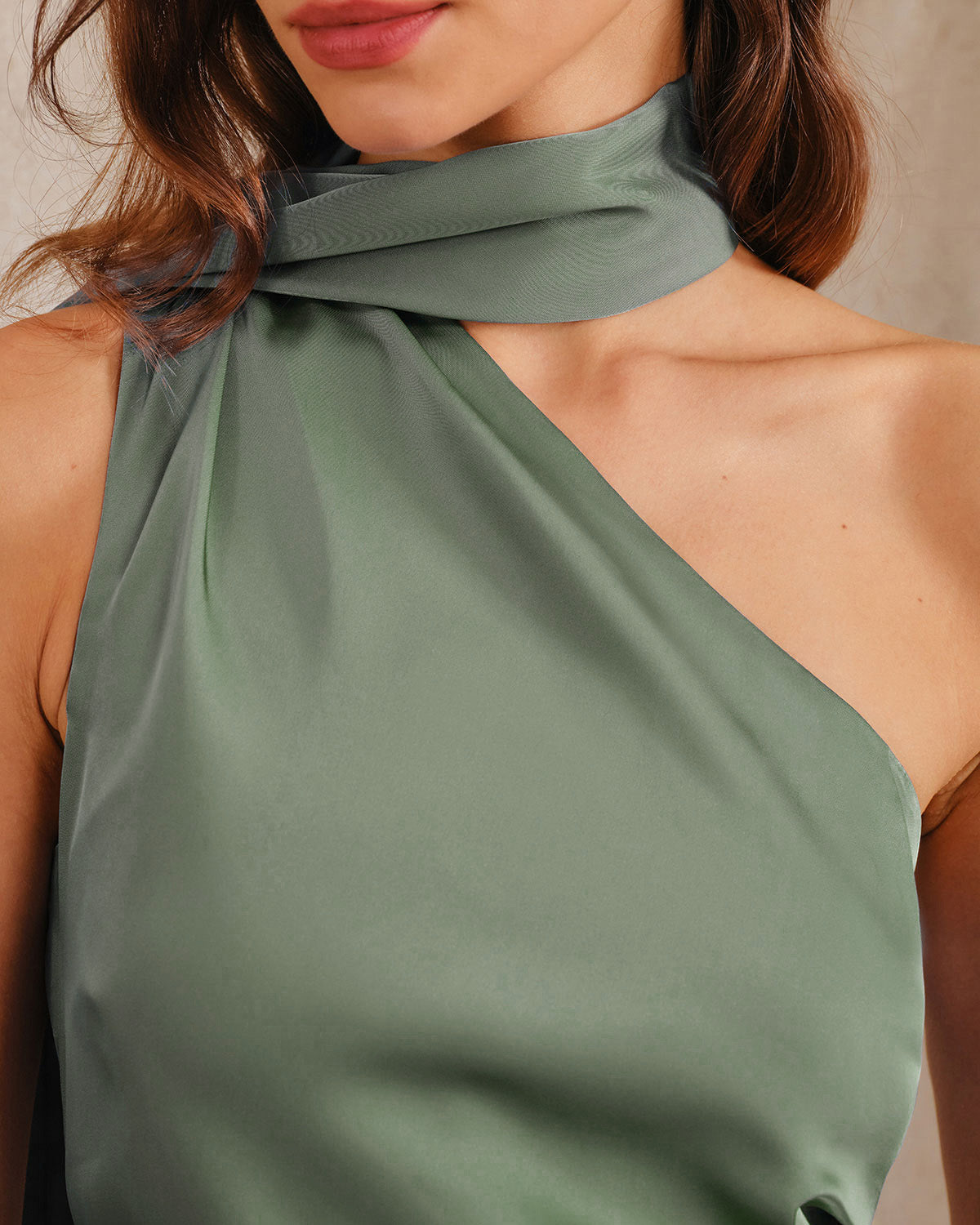
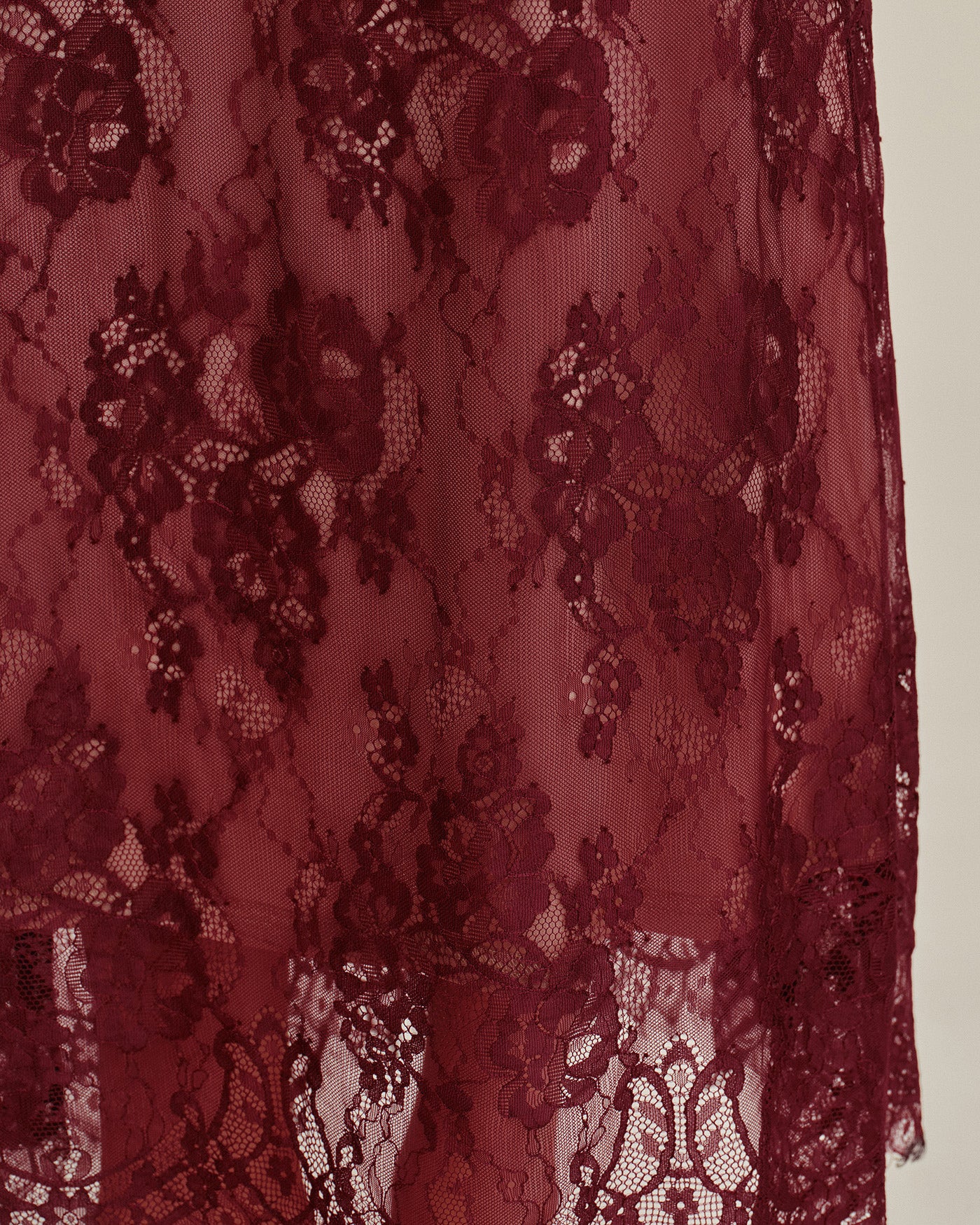
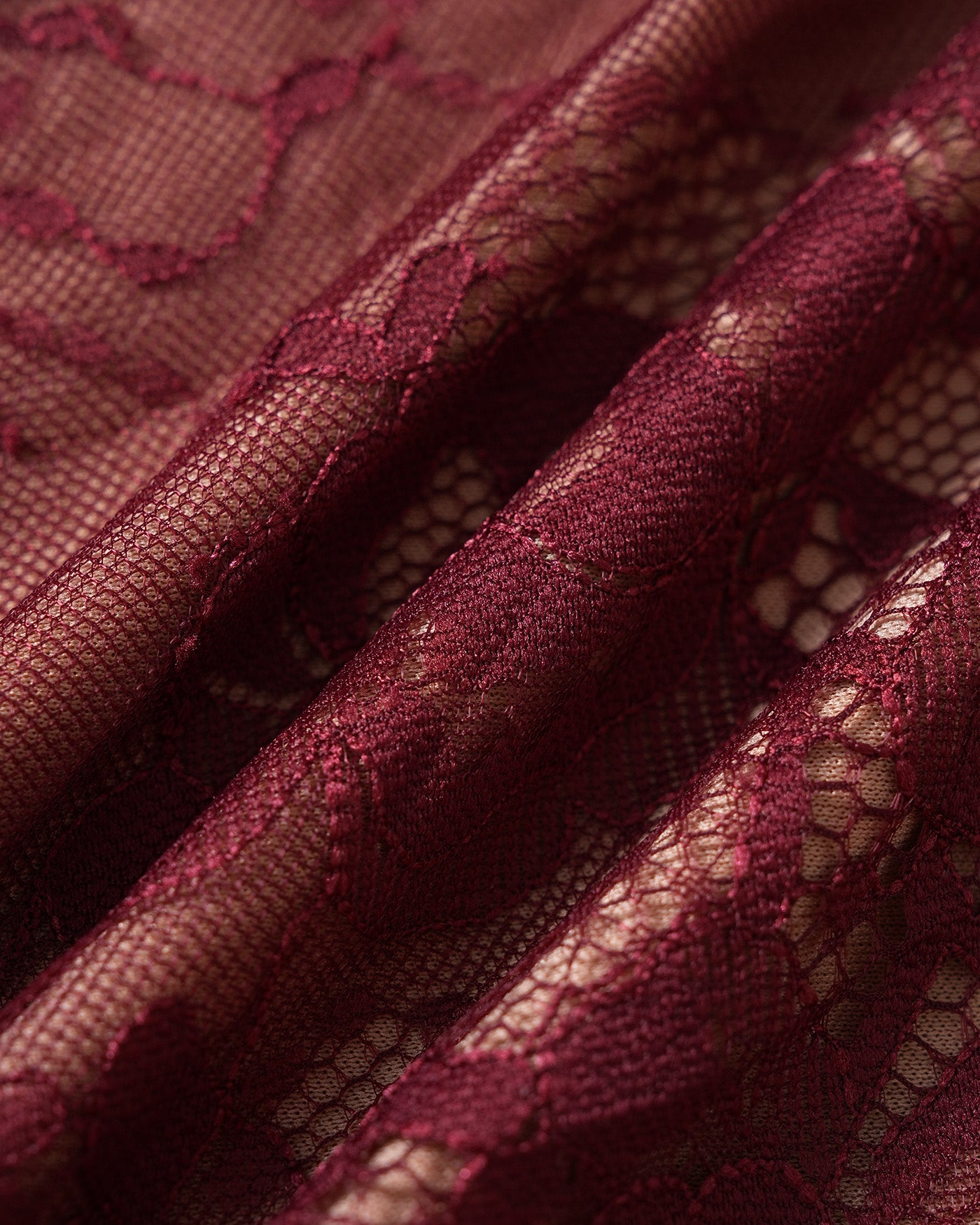
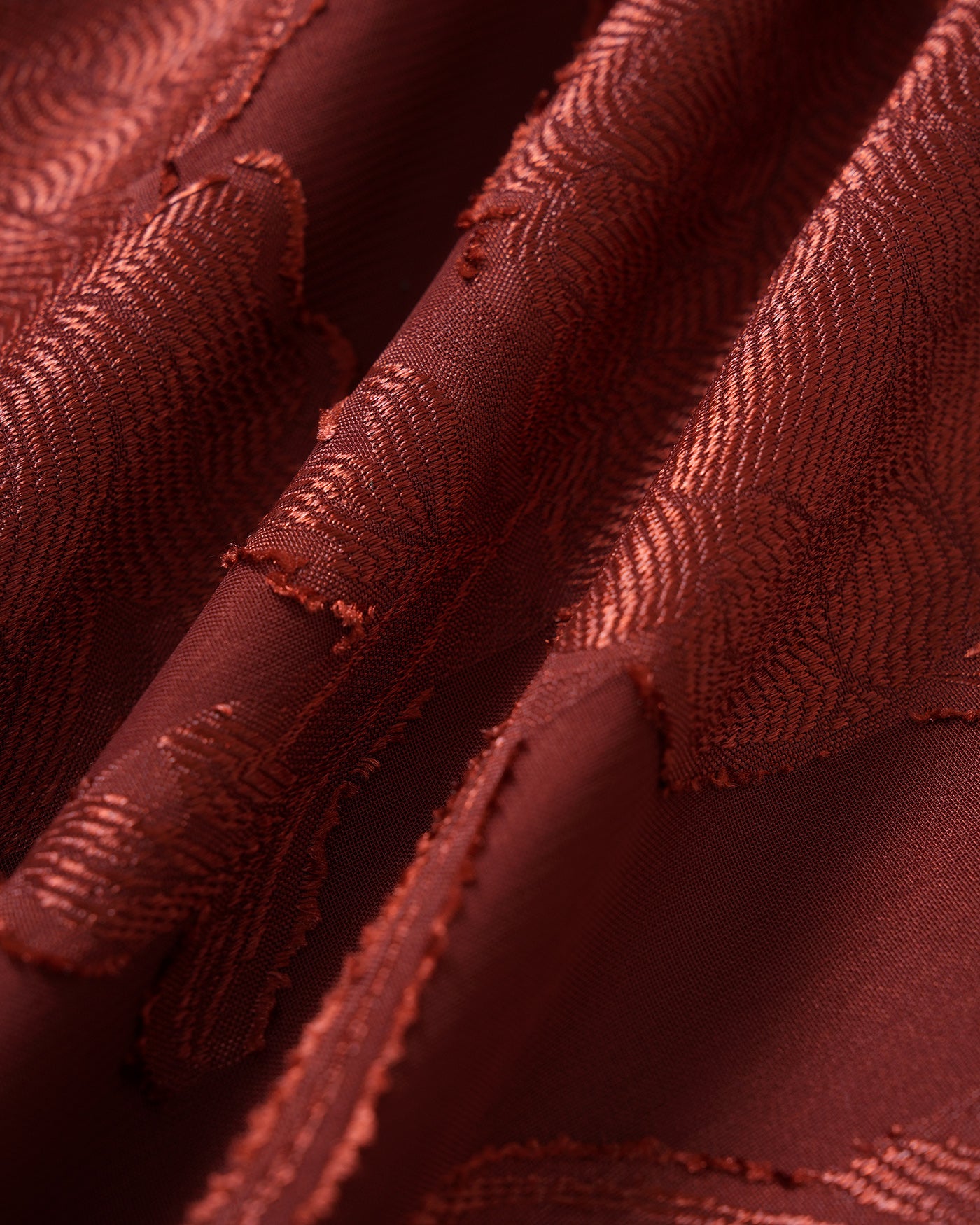
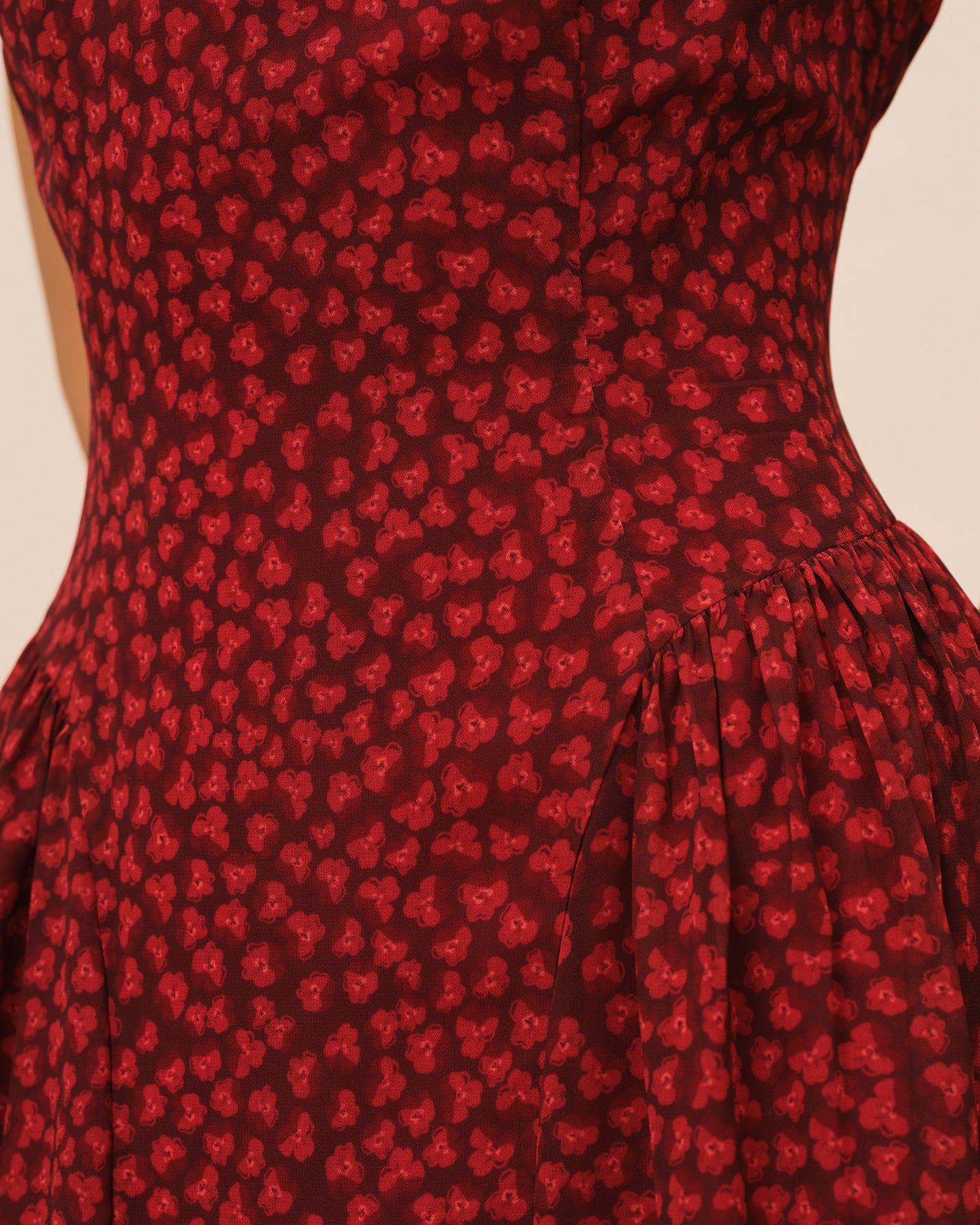
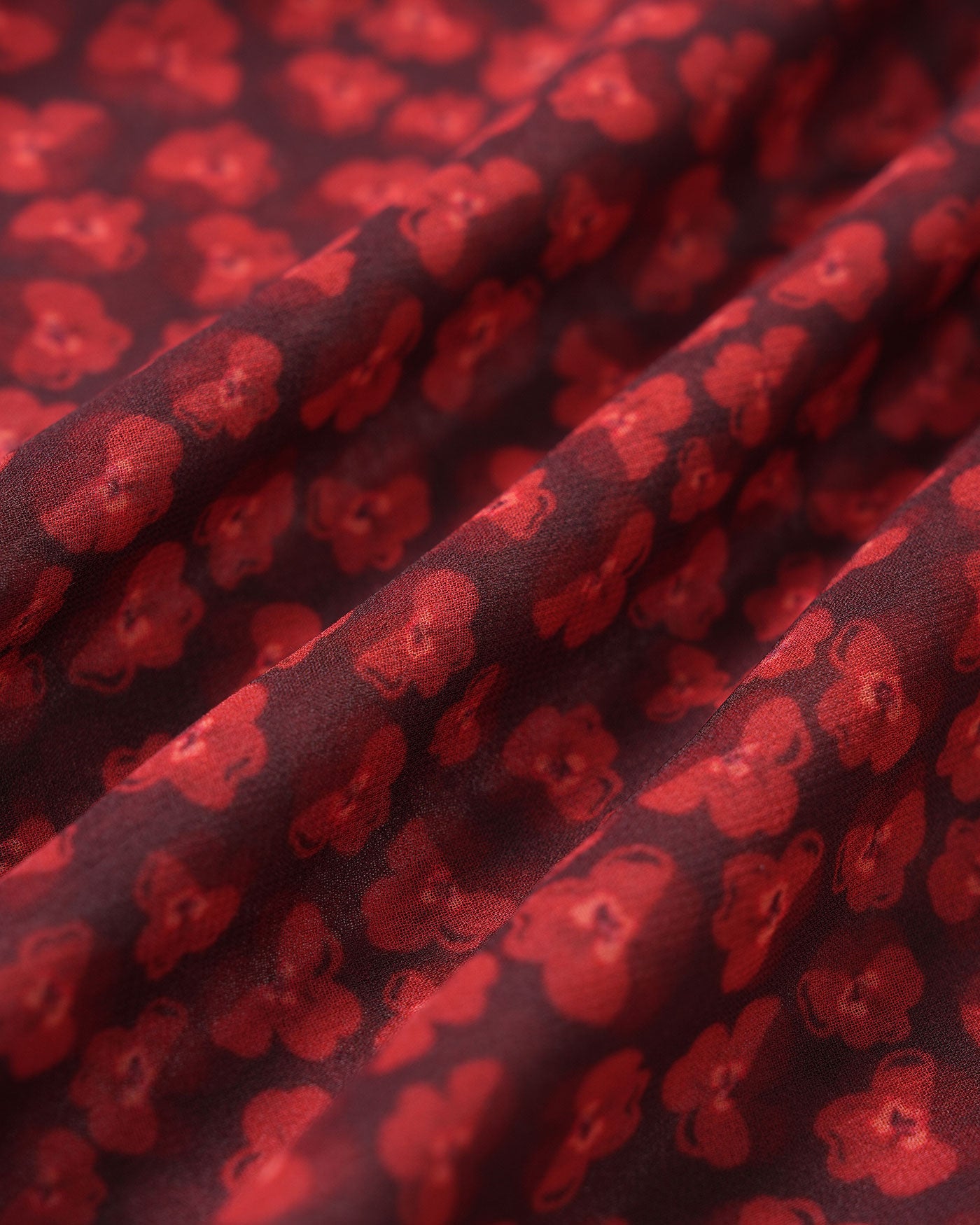
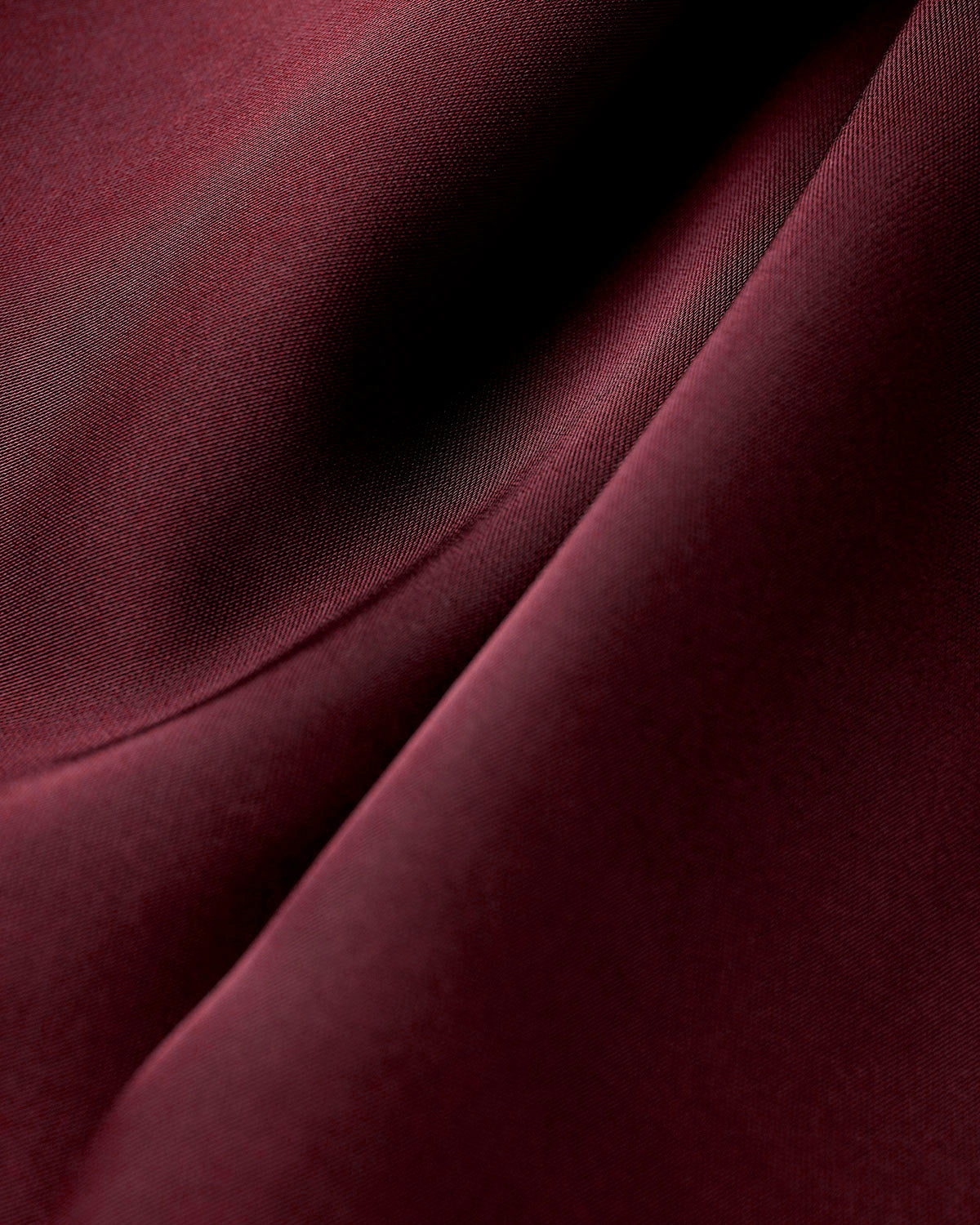
RIHOAS maxi dresses currently include chiffon, satin, jacquard, lace and cotton styles. These fabrics do not behave the same way. Chiffon creates a softer, lighter skirt; satin reflects more light and makes pulling or creasing easier to notice; jacquard adds visible texture and usually gives a simple silhouette more structure. Always confirm the product’s composition, lining and stretch rather than assuming those details from the collection image.
Print also changes the result. A floral pattern carries more visual detail and often needs fewer accessories, while a solid maxi dress puts more attention on the neckline, waist and fabric finish. If floral print is already decided, browse Floral Maxi Dresses.
Use a narrower collection only when the requirement is fixed
Stay on this page when length is the main requirement and you still want to compare different silhouettes, fabrics and sleeve options. Use New Maxi Dresses for recent arrivals and Best-Selling Maxi Dresses when you want to begin with established customer favorites. These narrower collections should support the main Maxi Dresses page rather than compete with it for the same broad query.


