

Halter Dresses
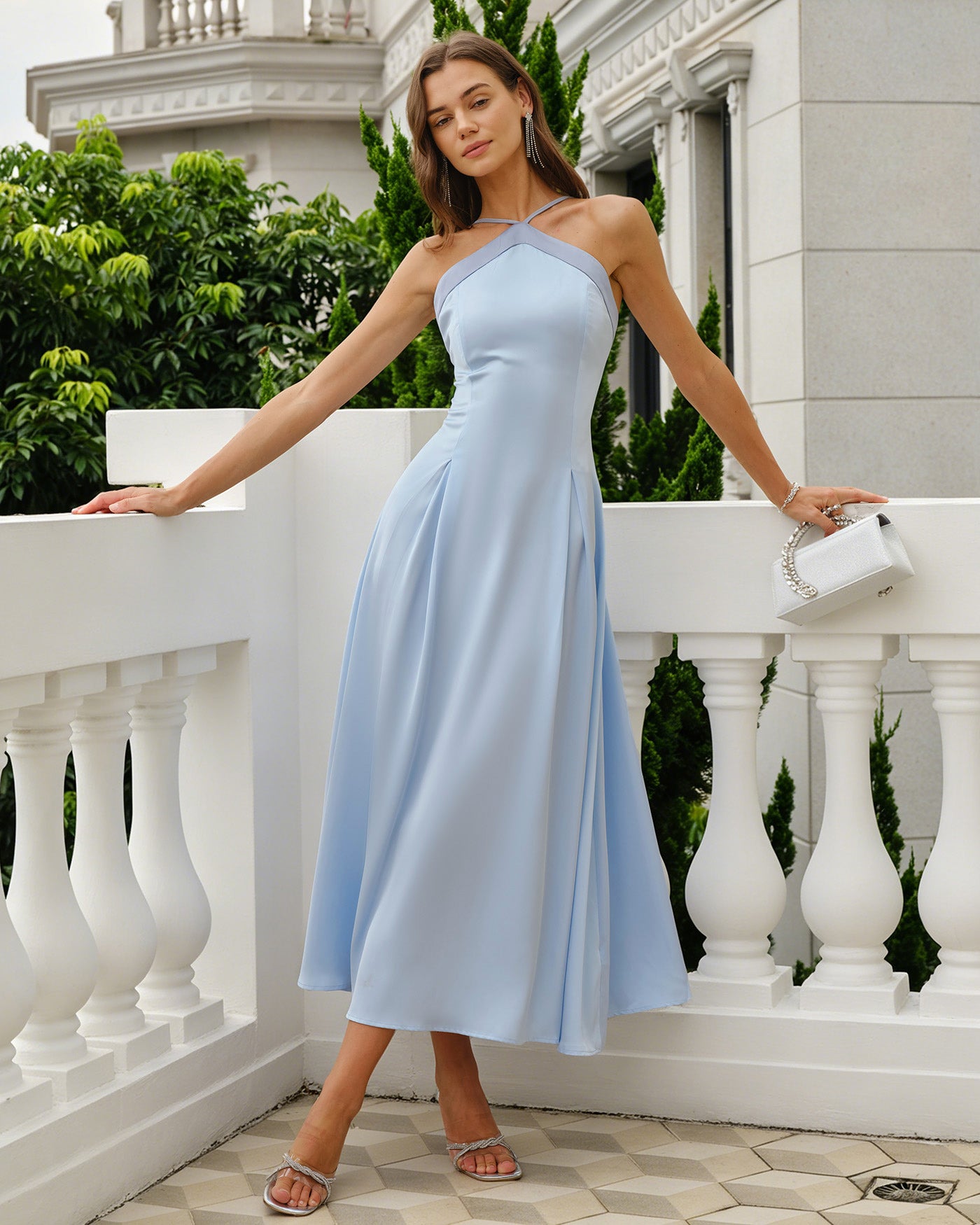
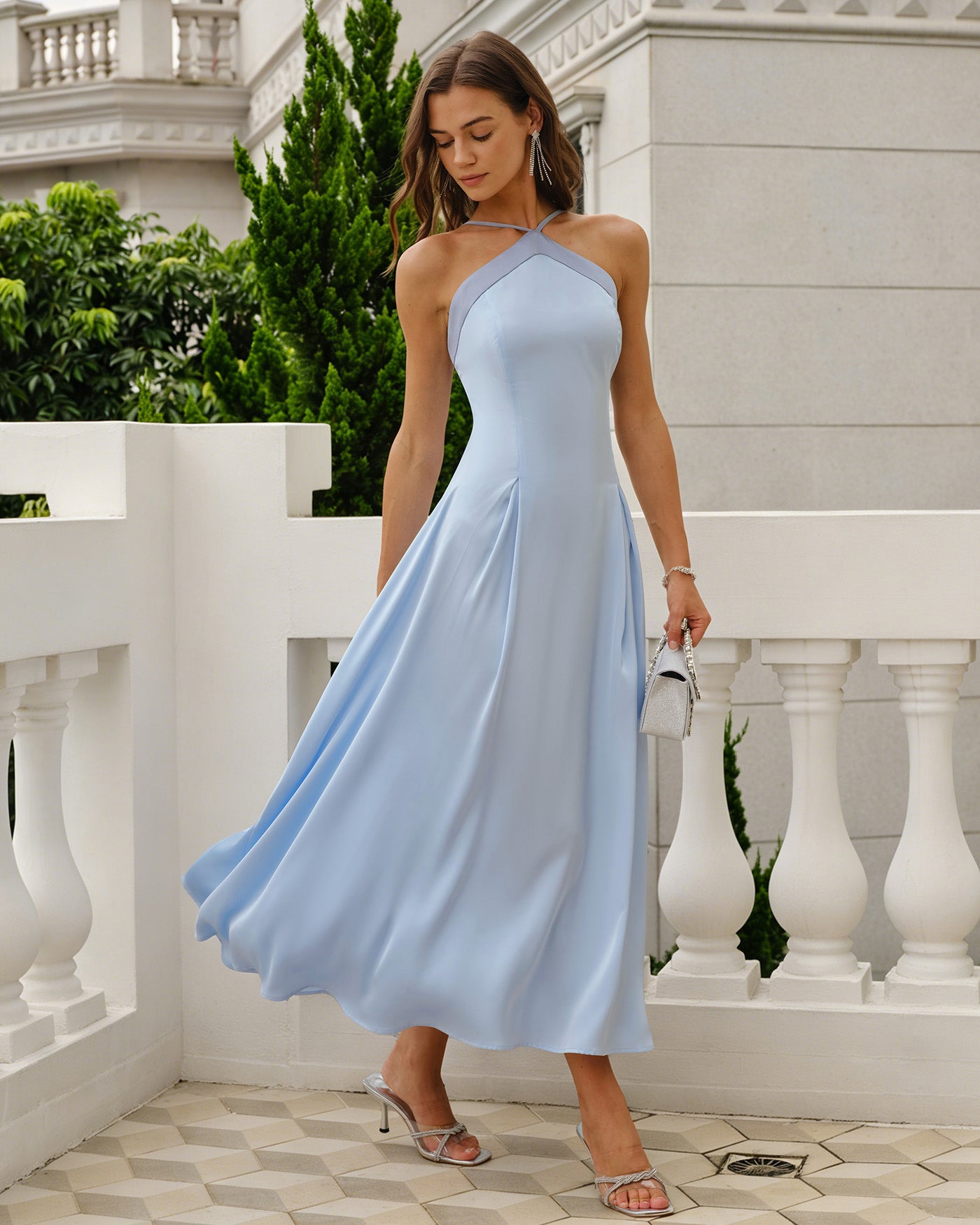
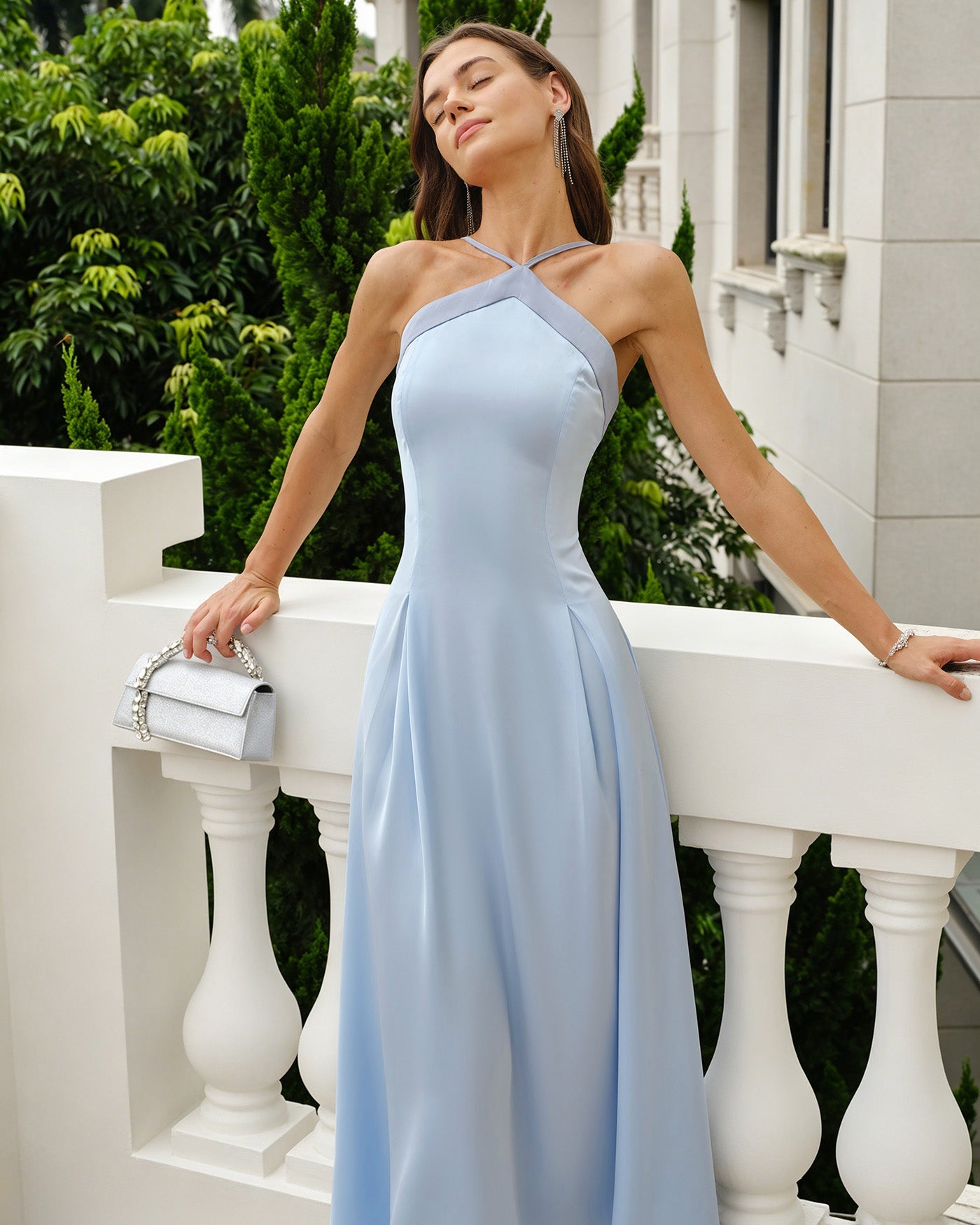
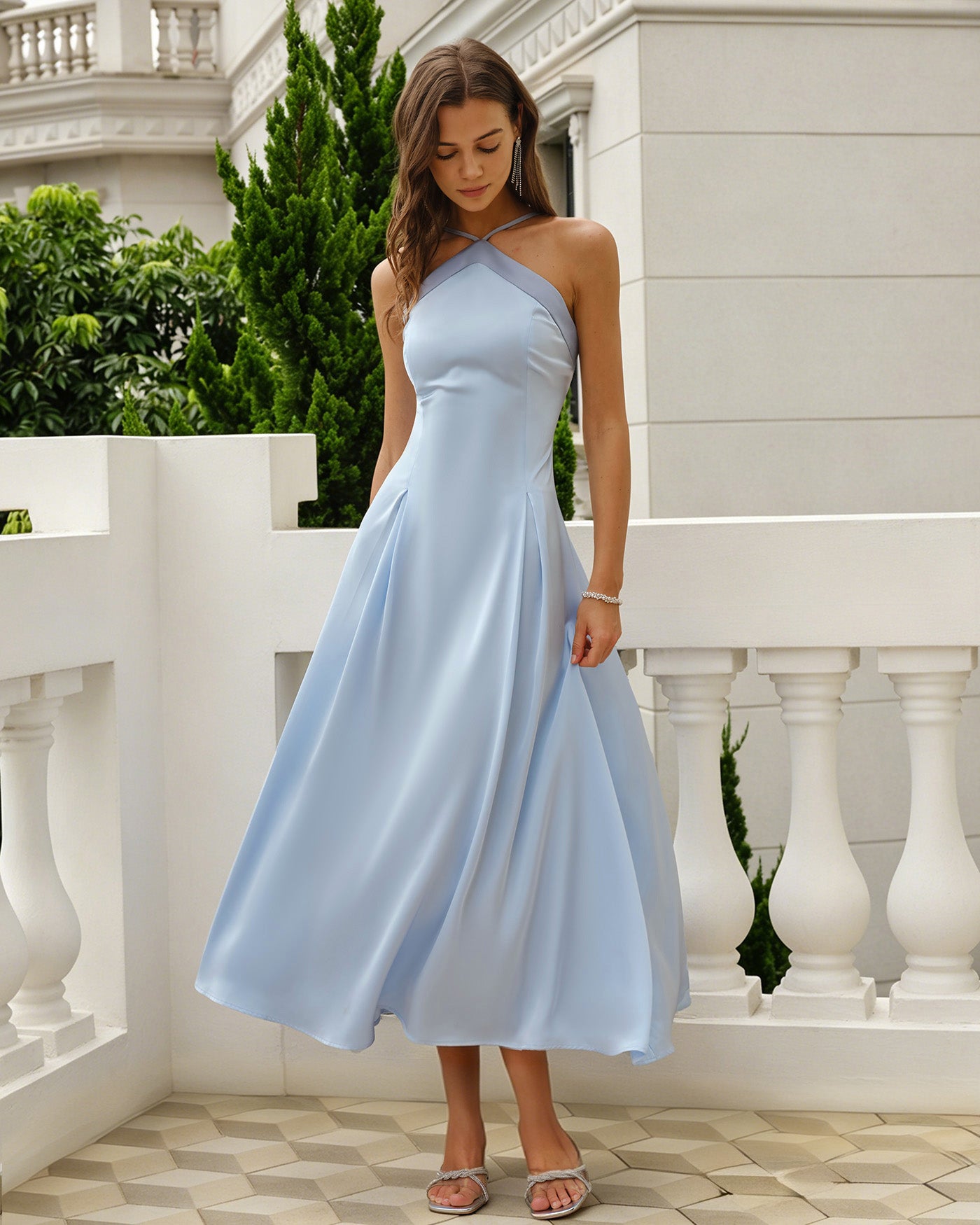
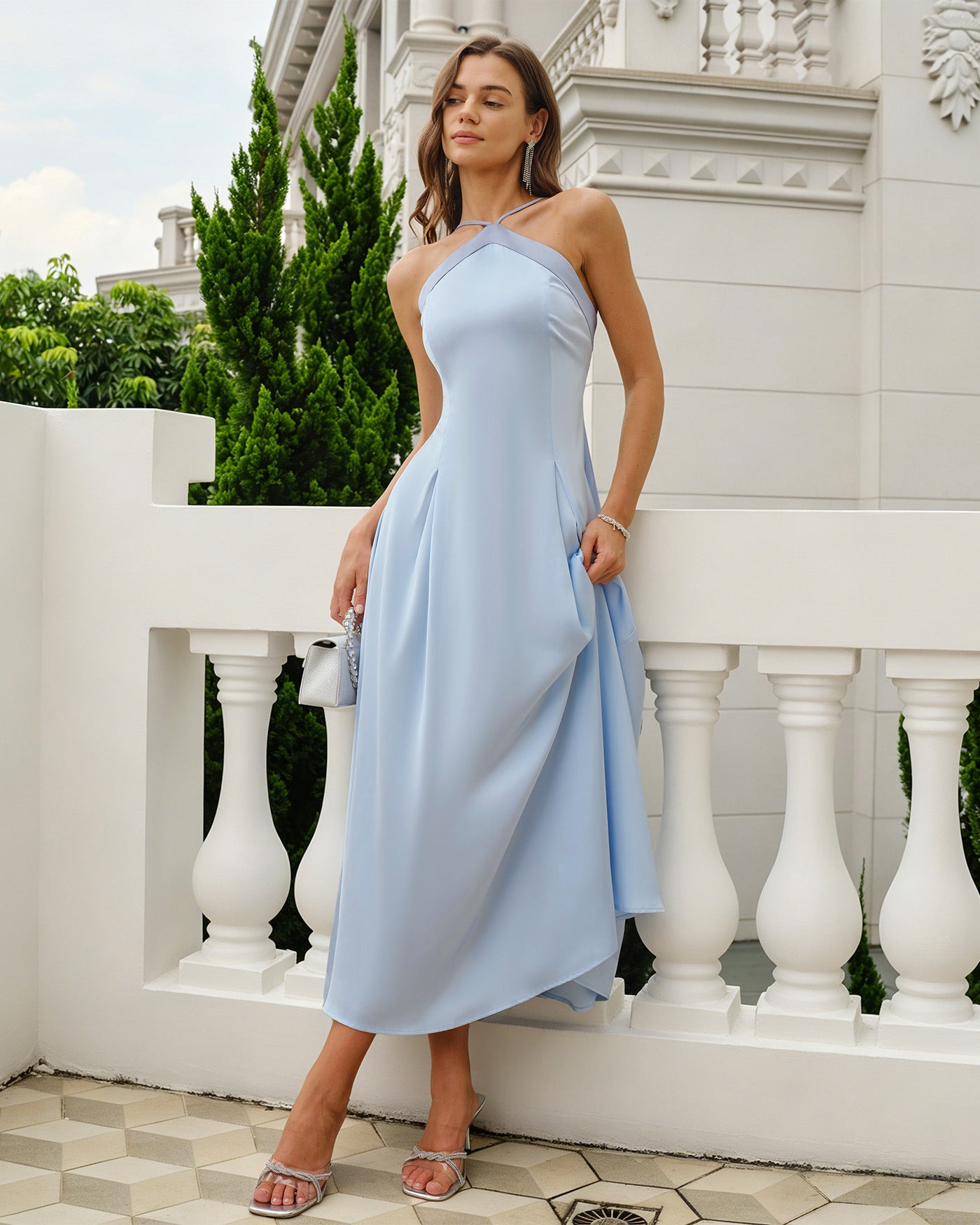
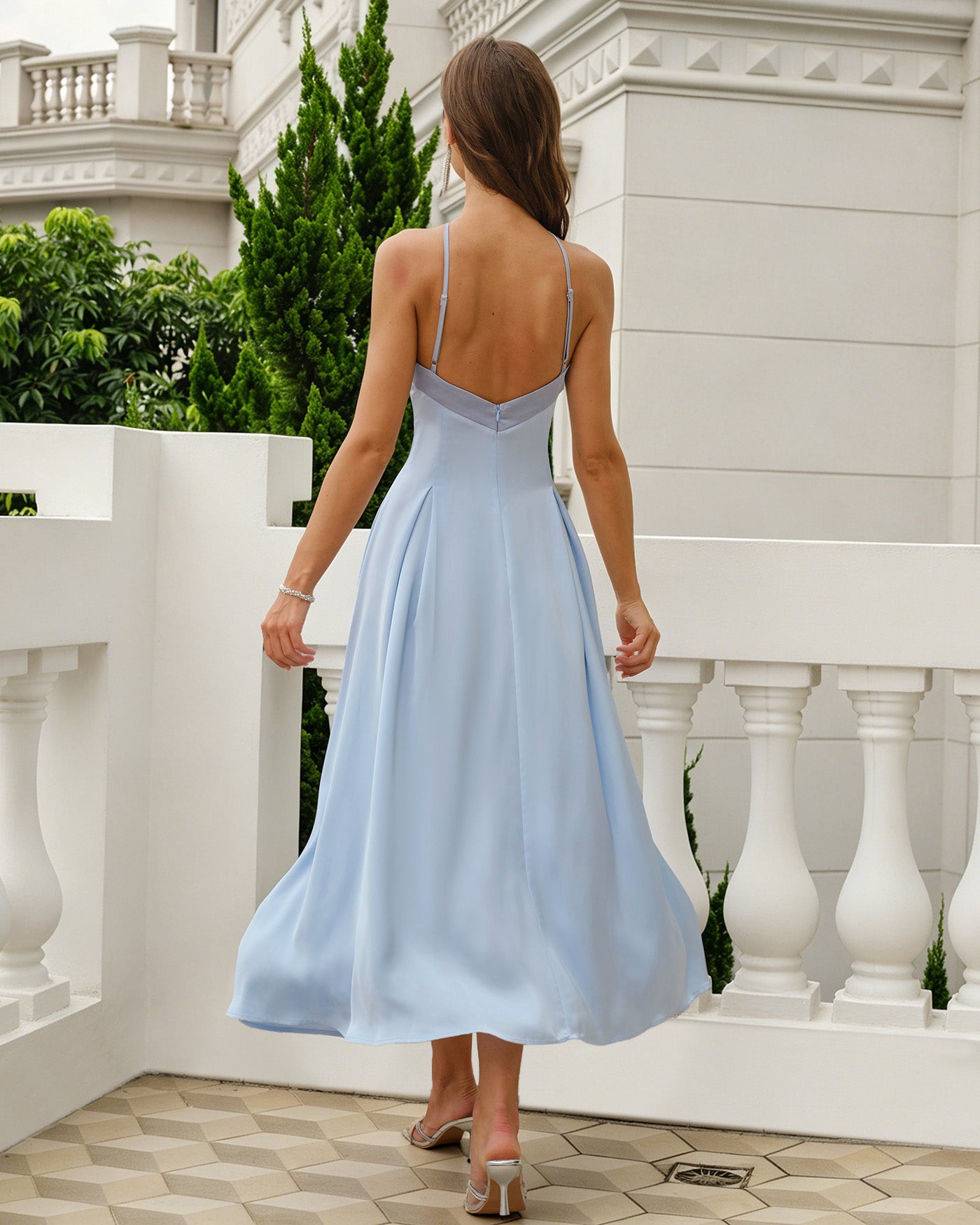
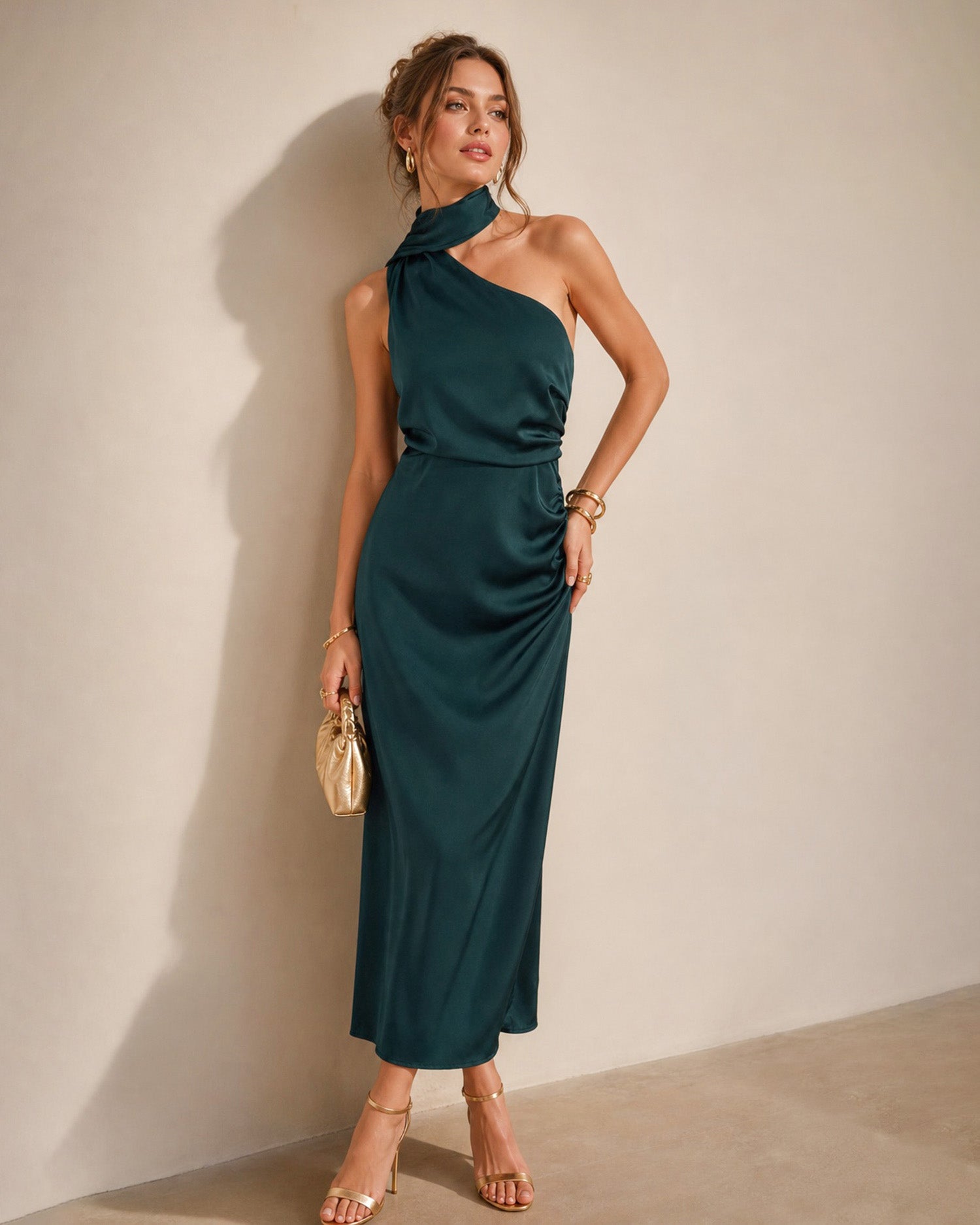
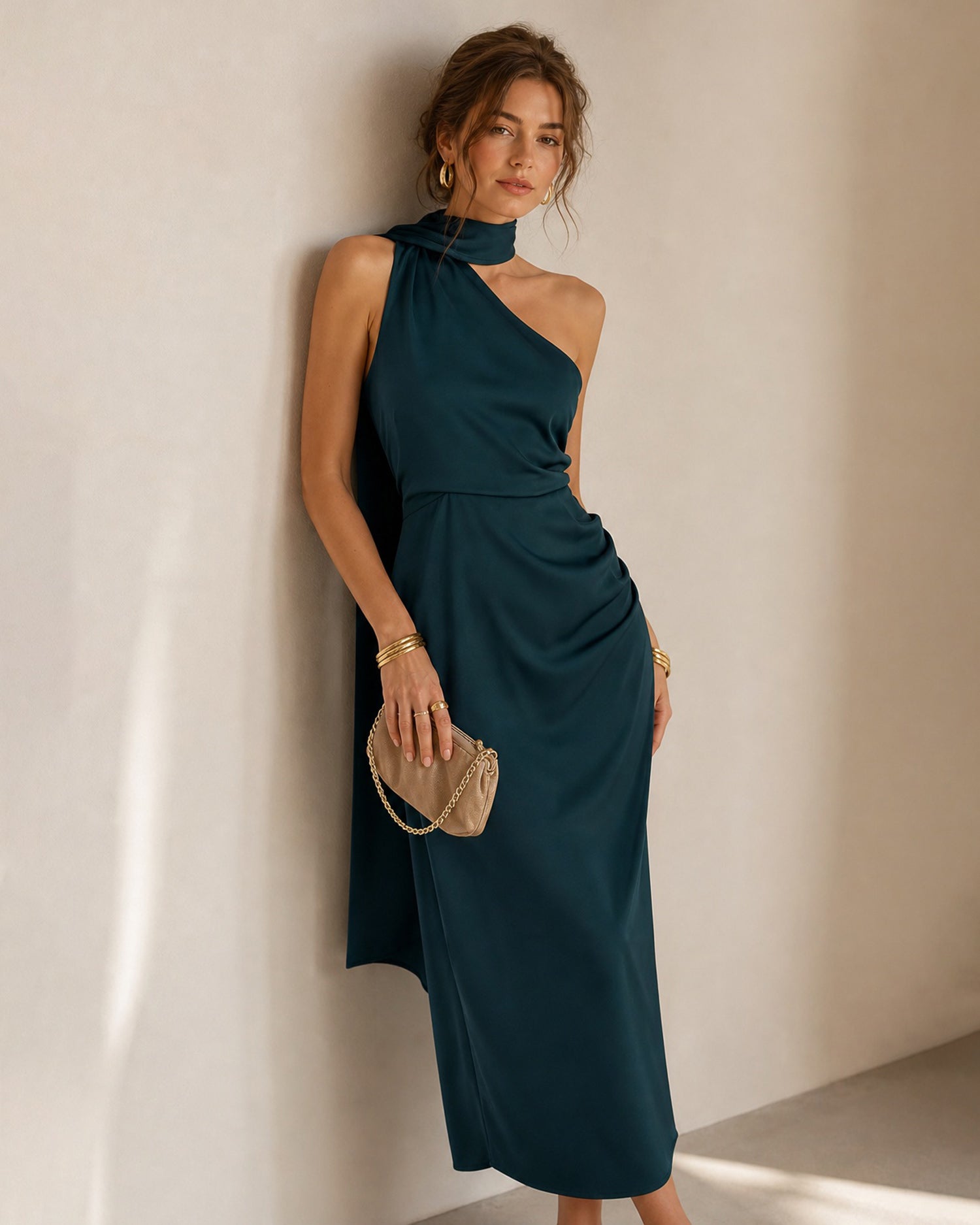
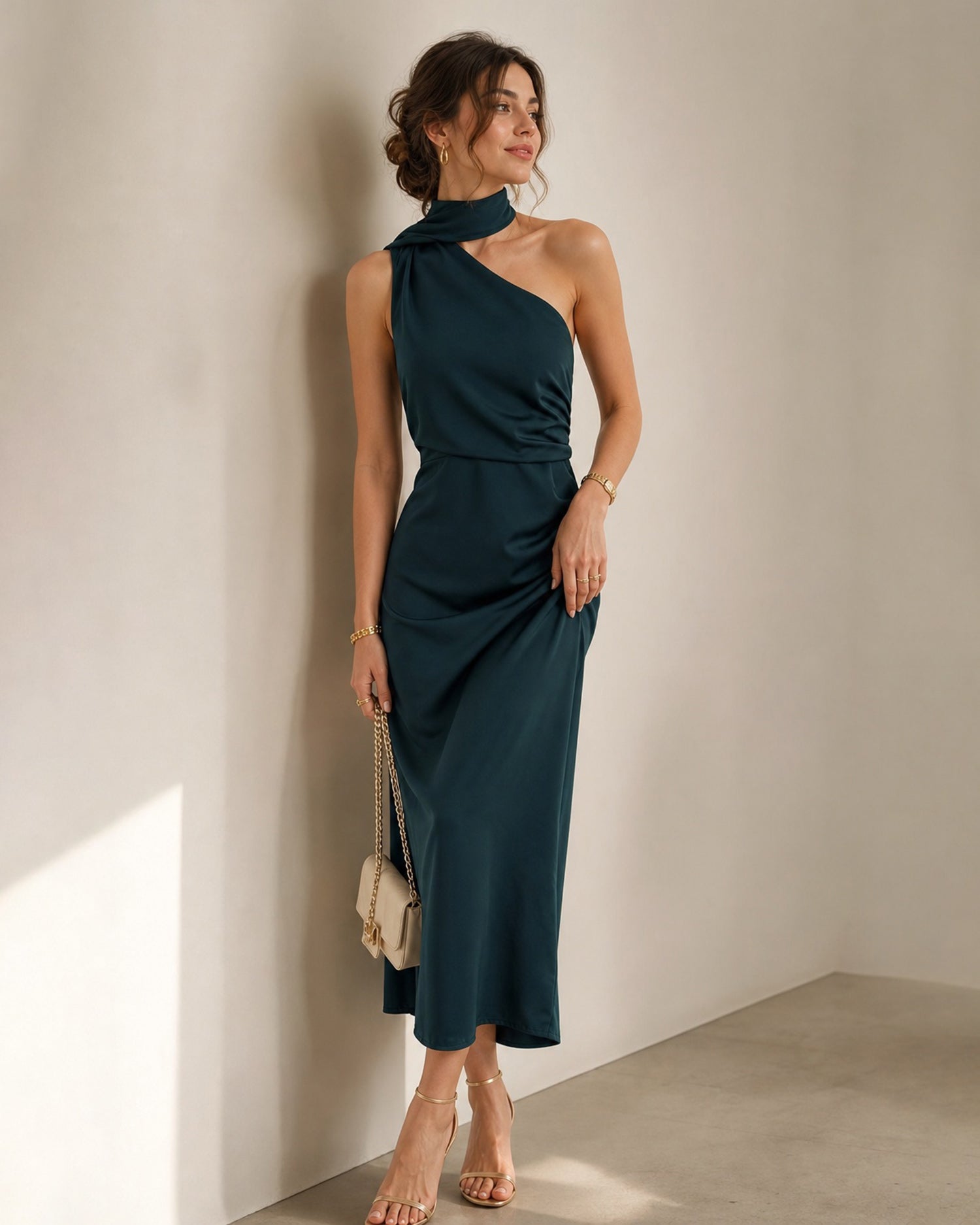
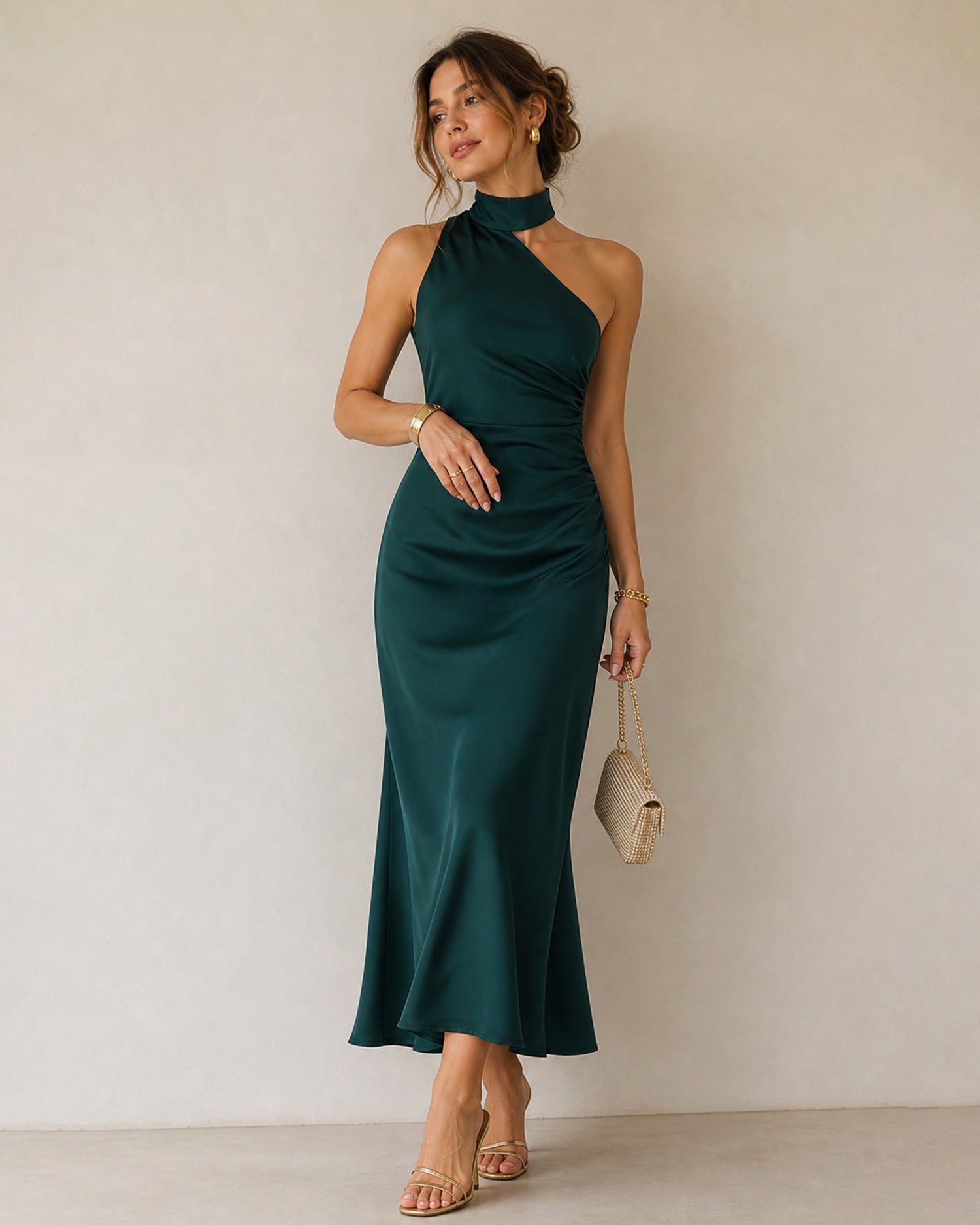
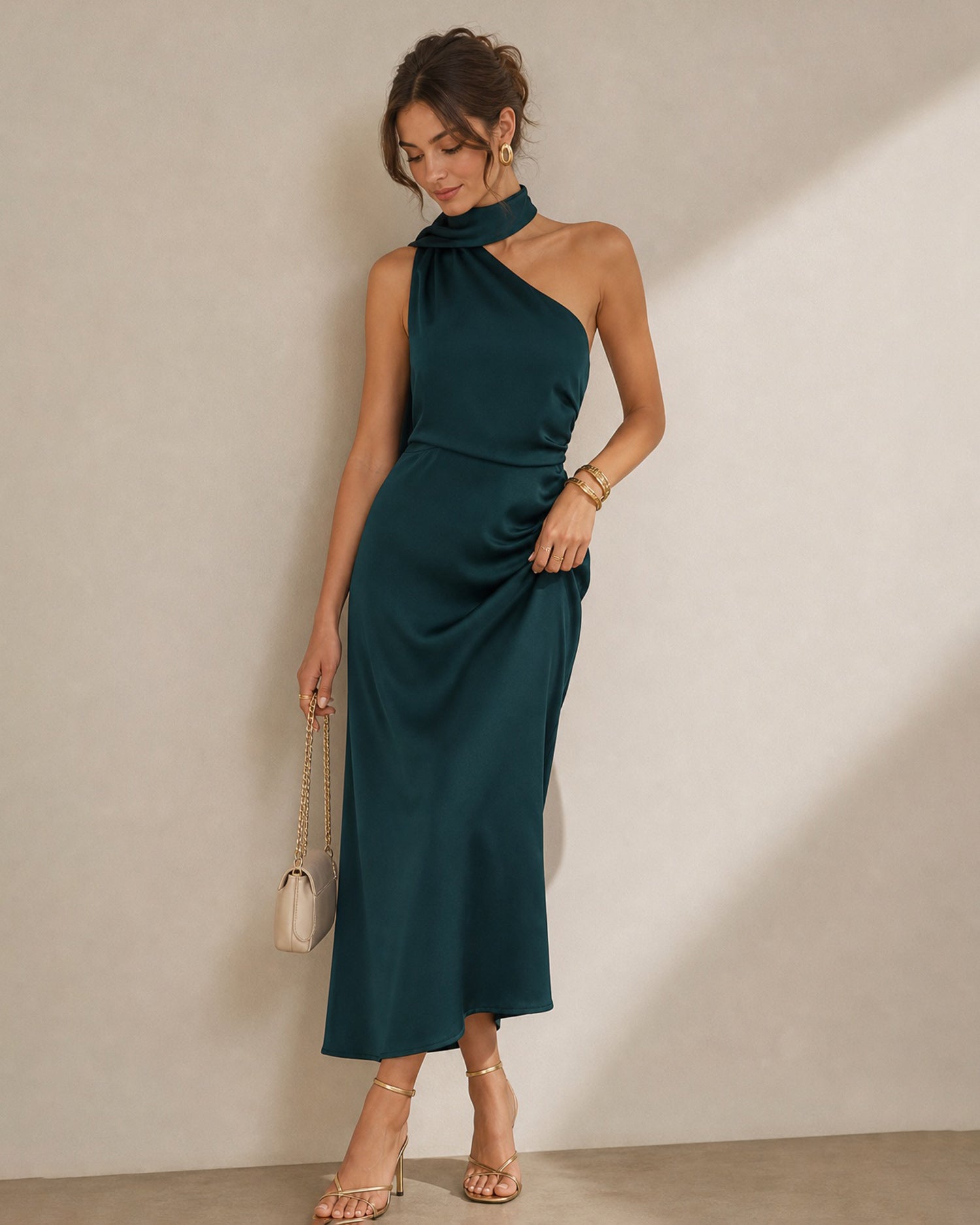
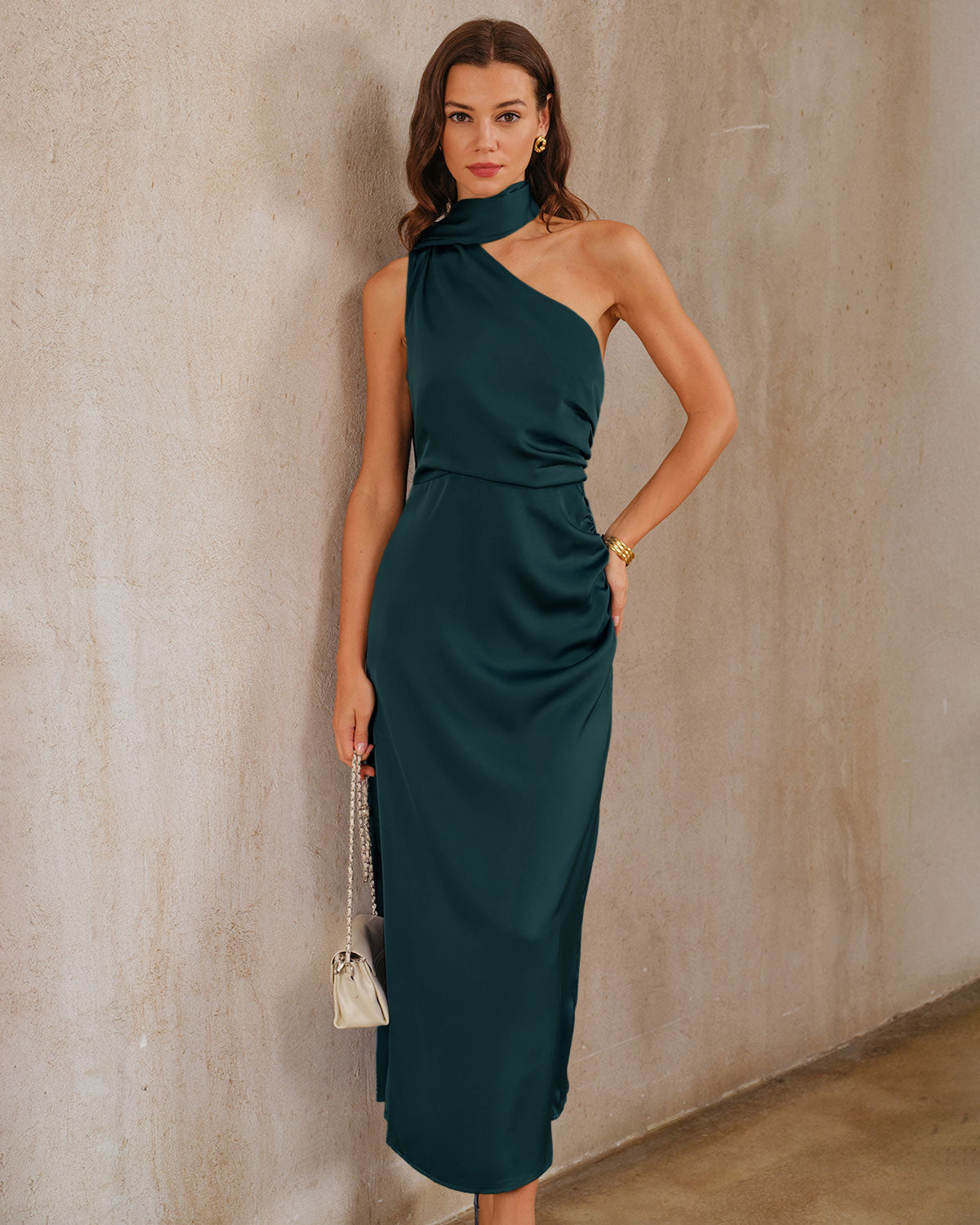
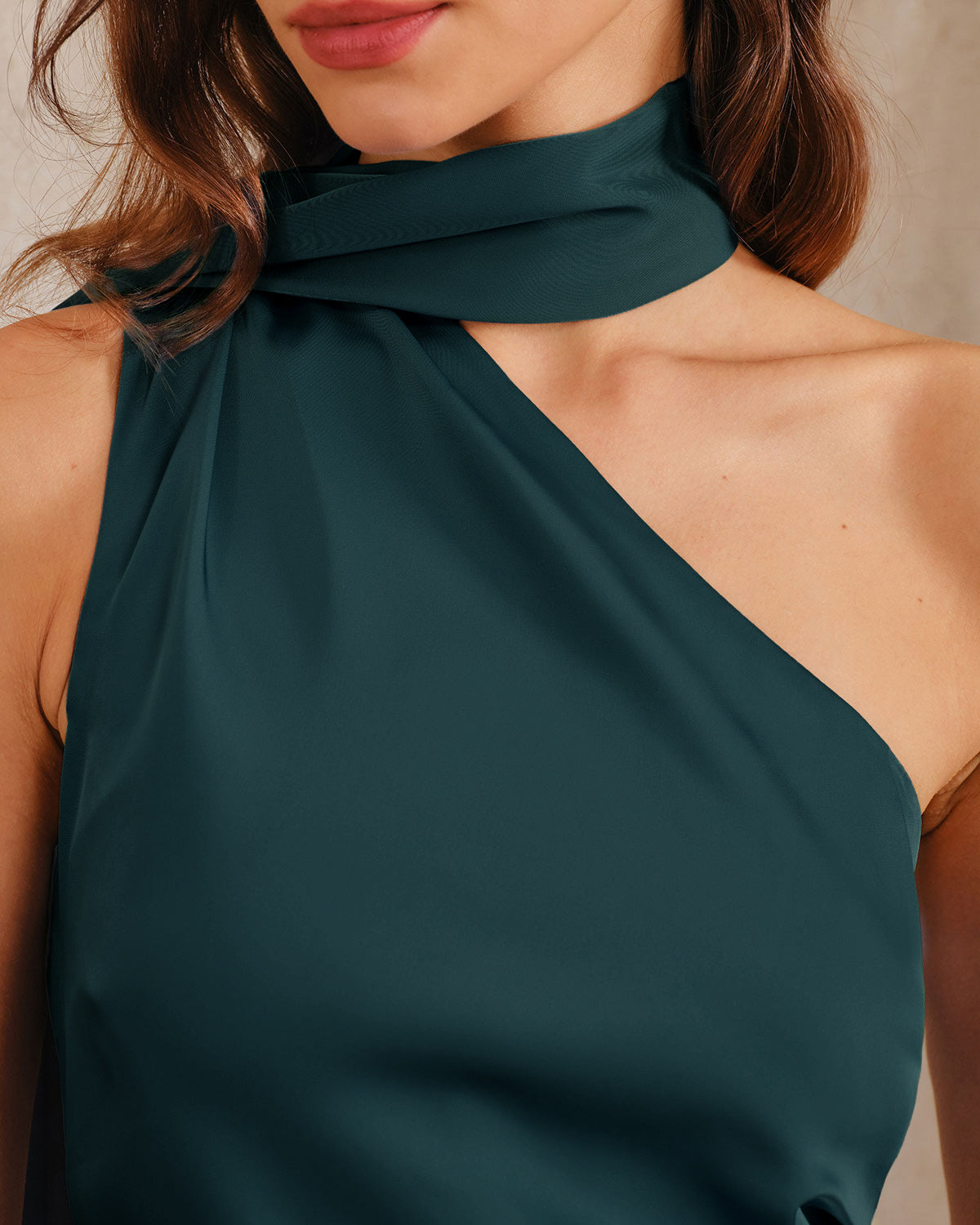
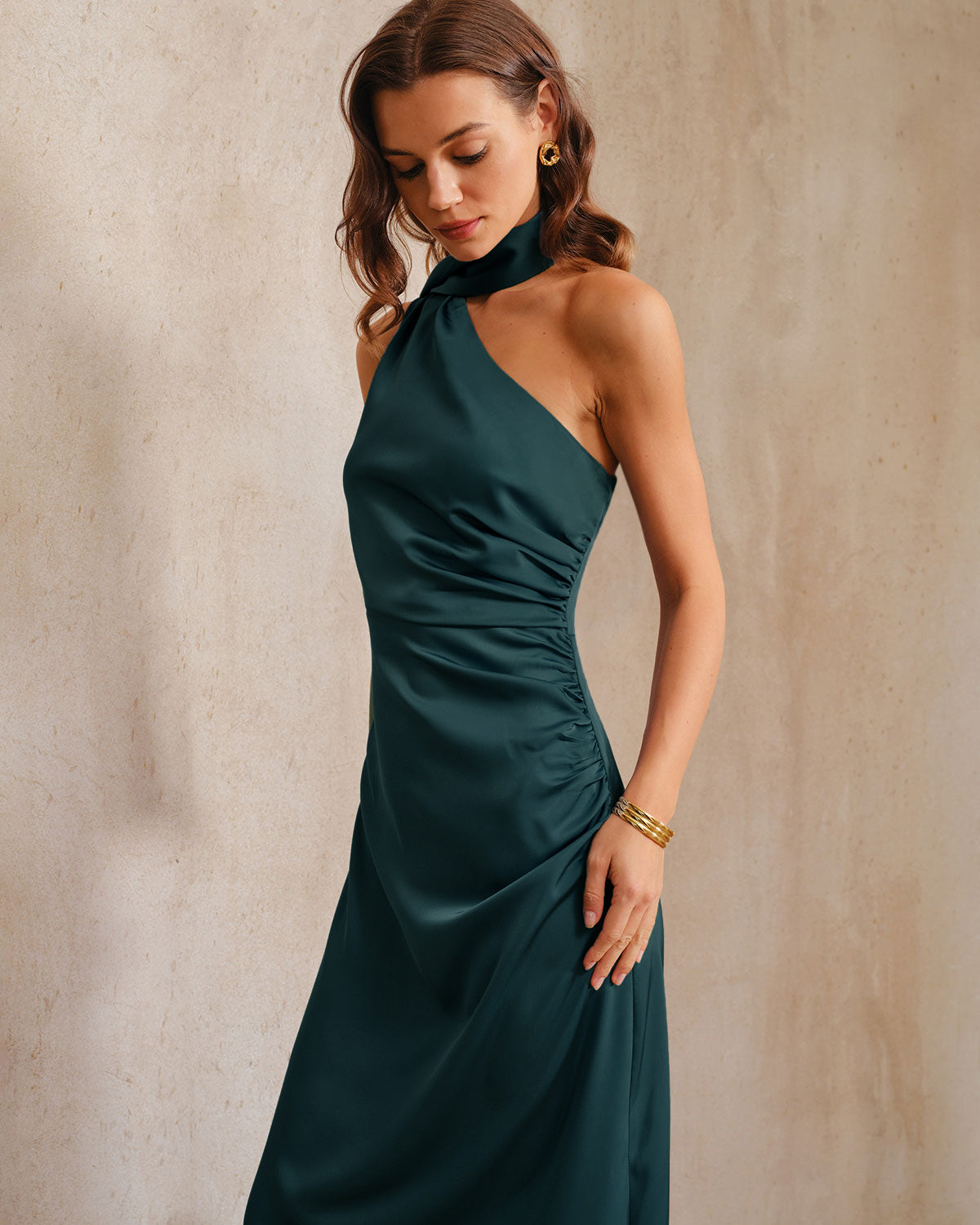
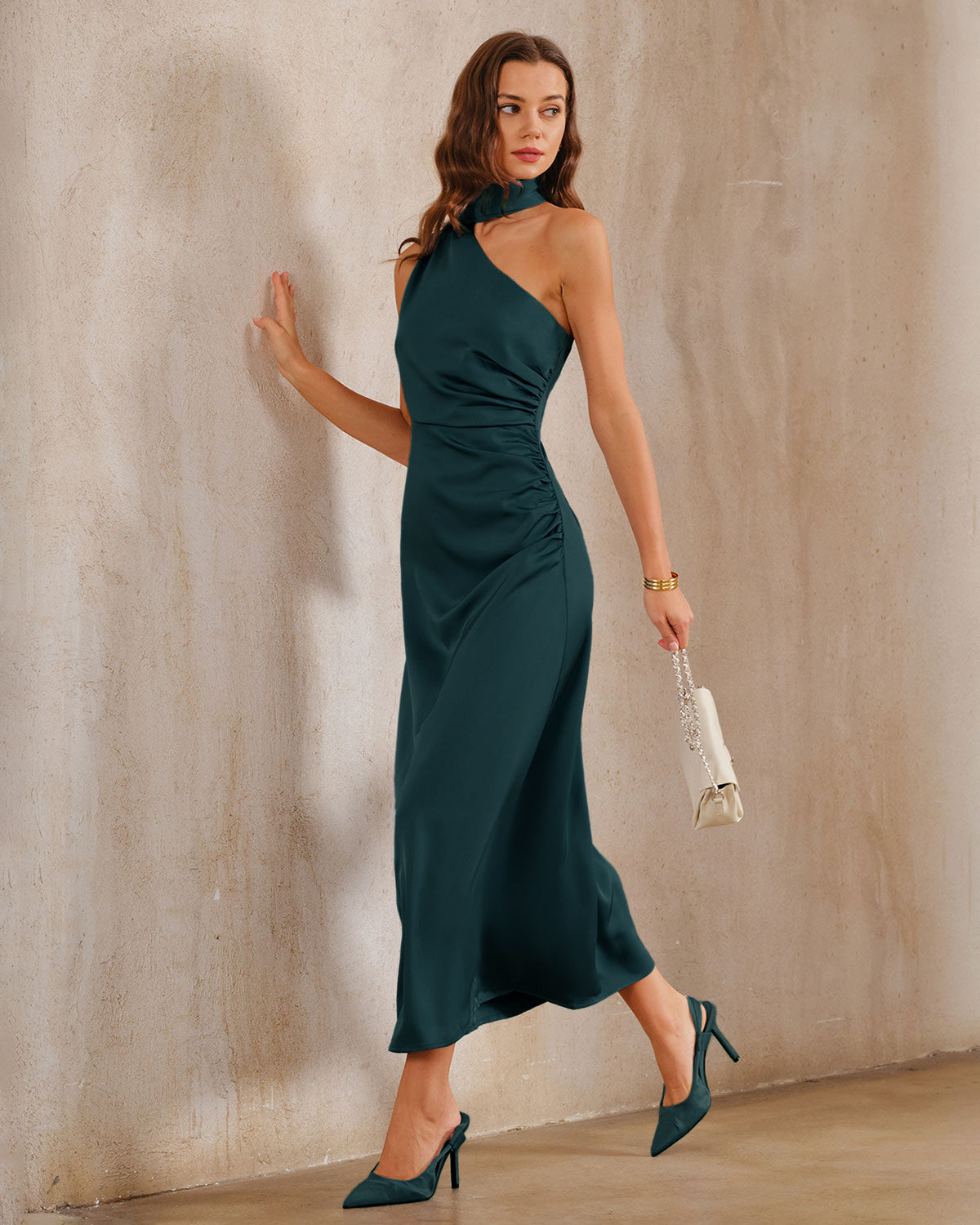
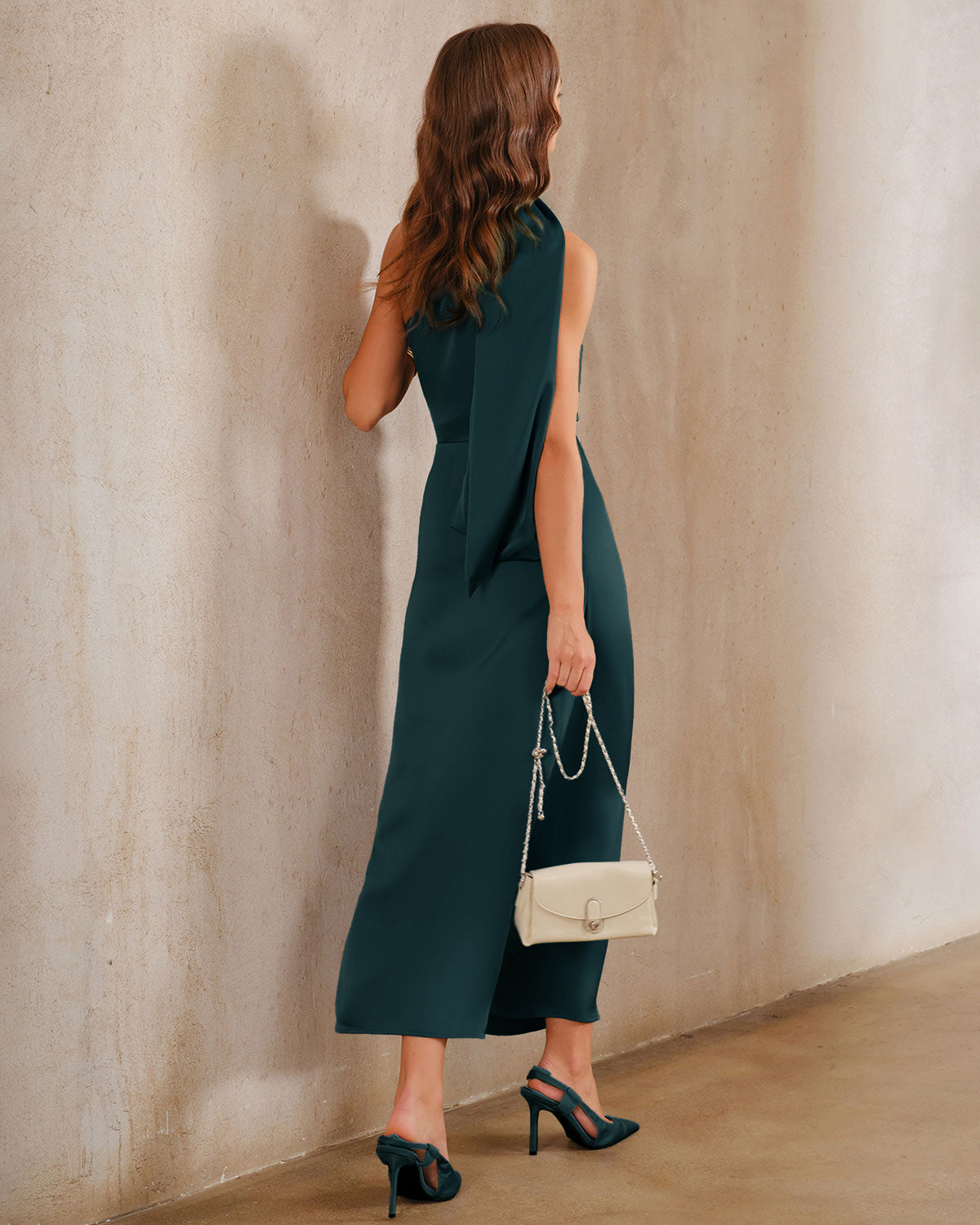

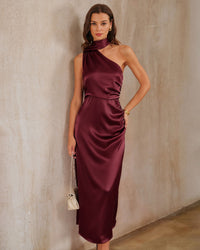
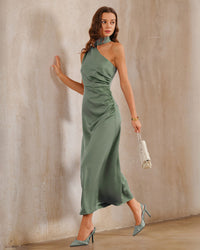
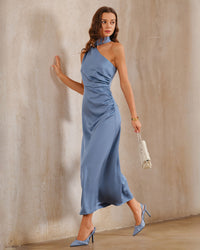


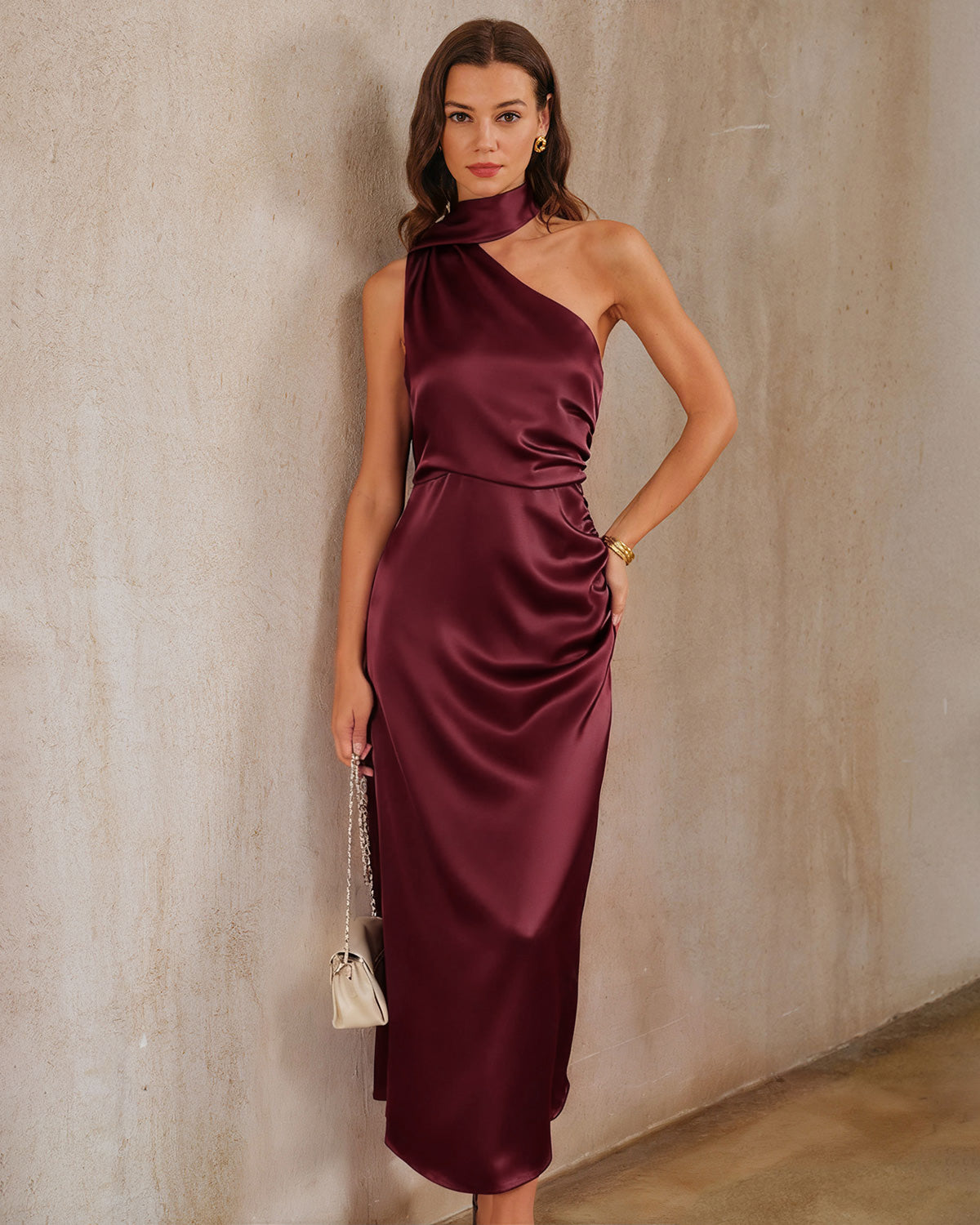
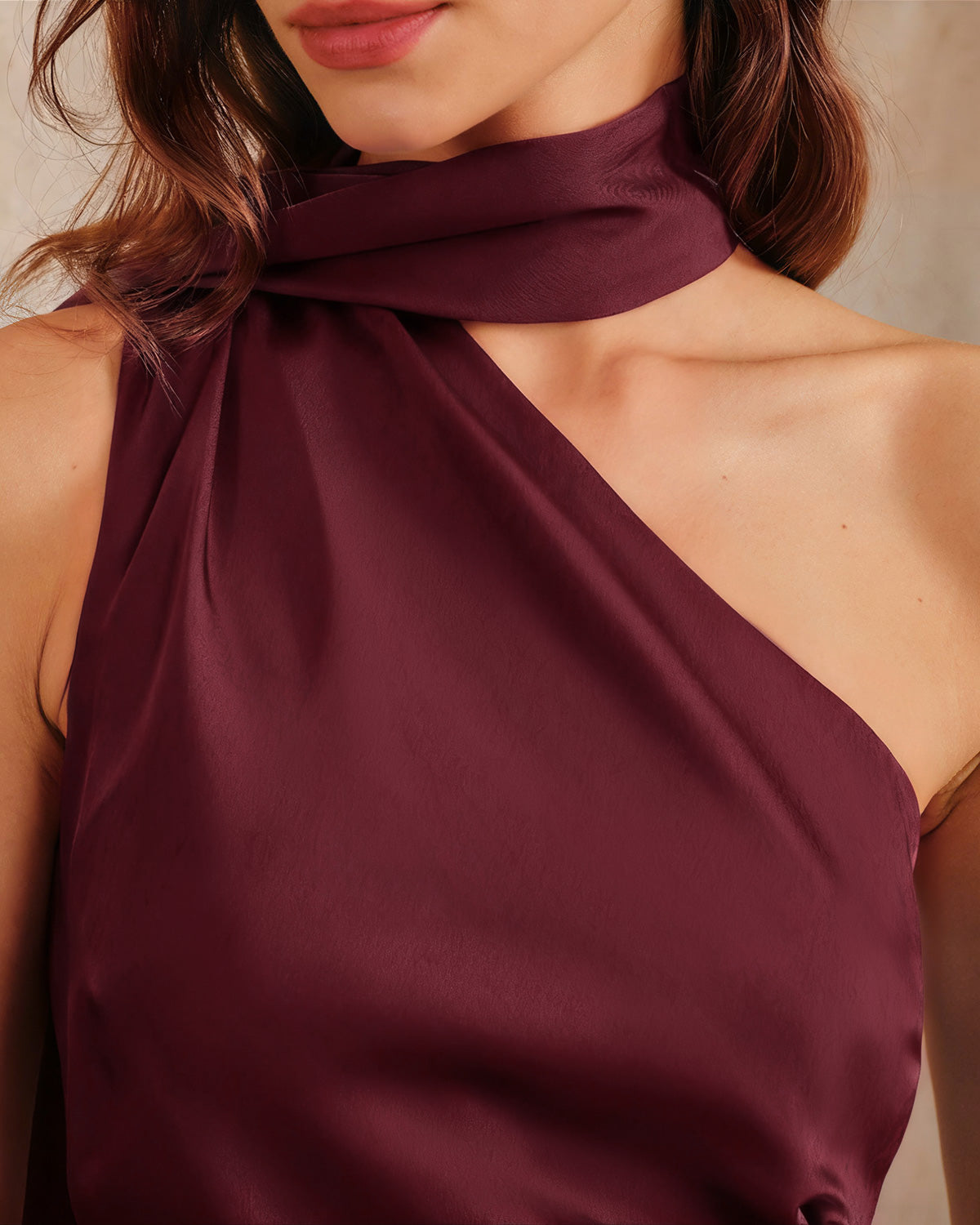
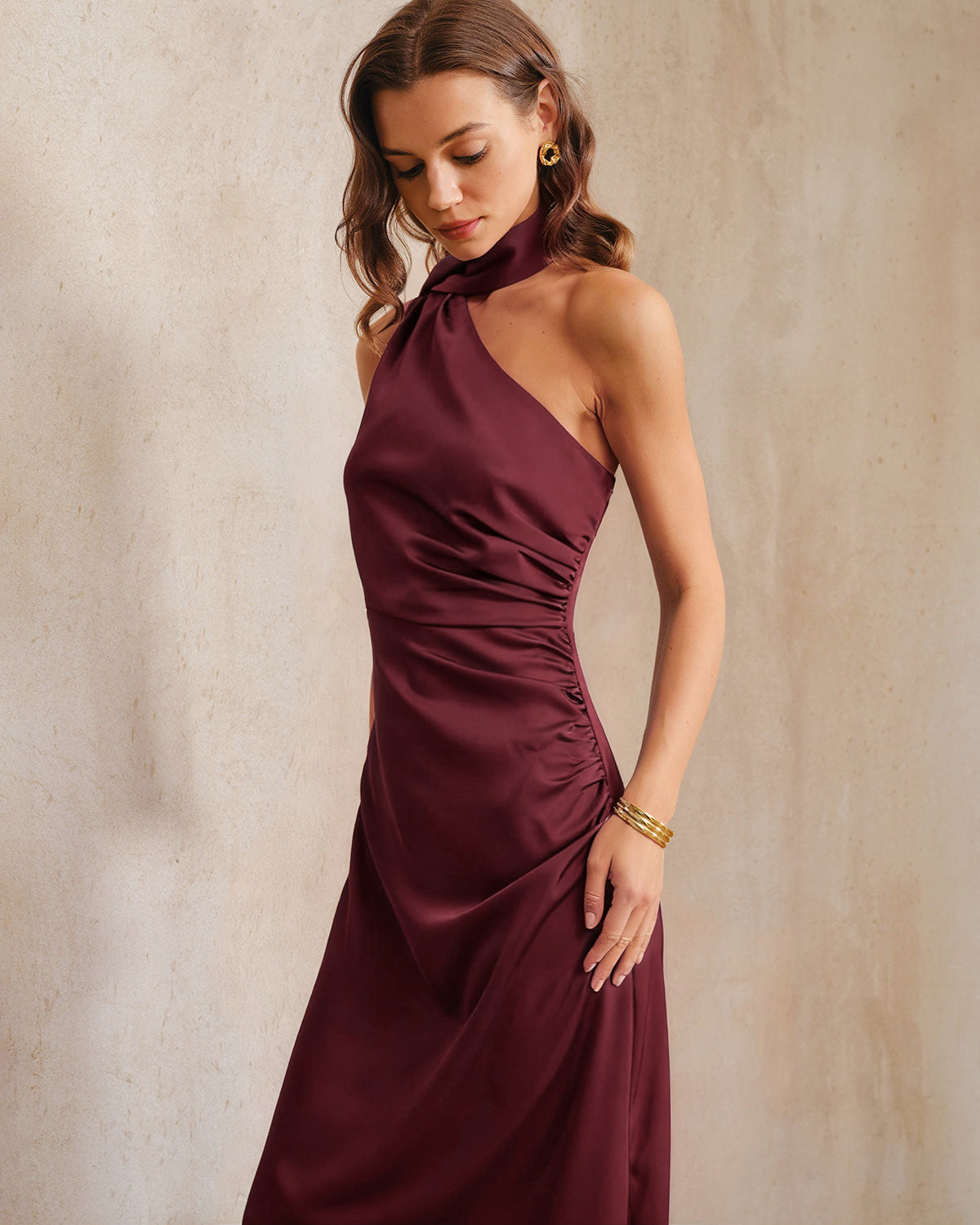
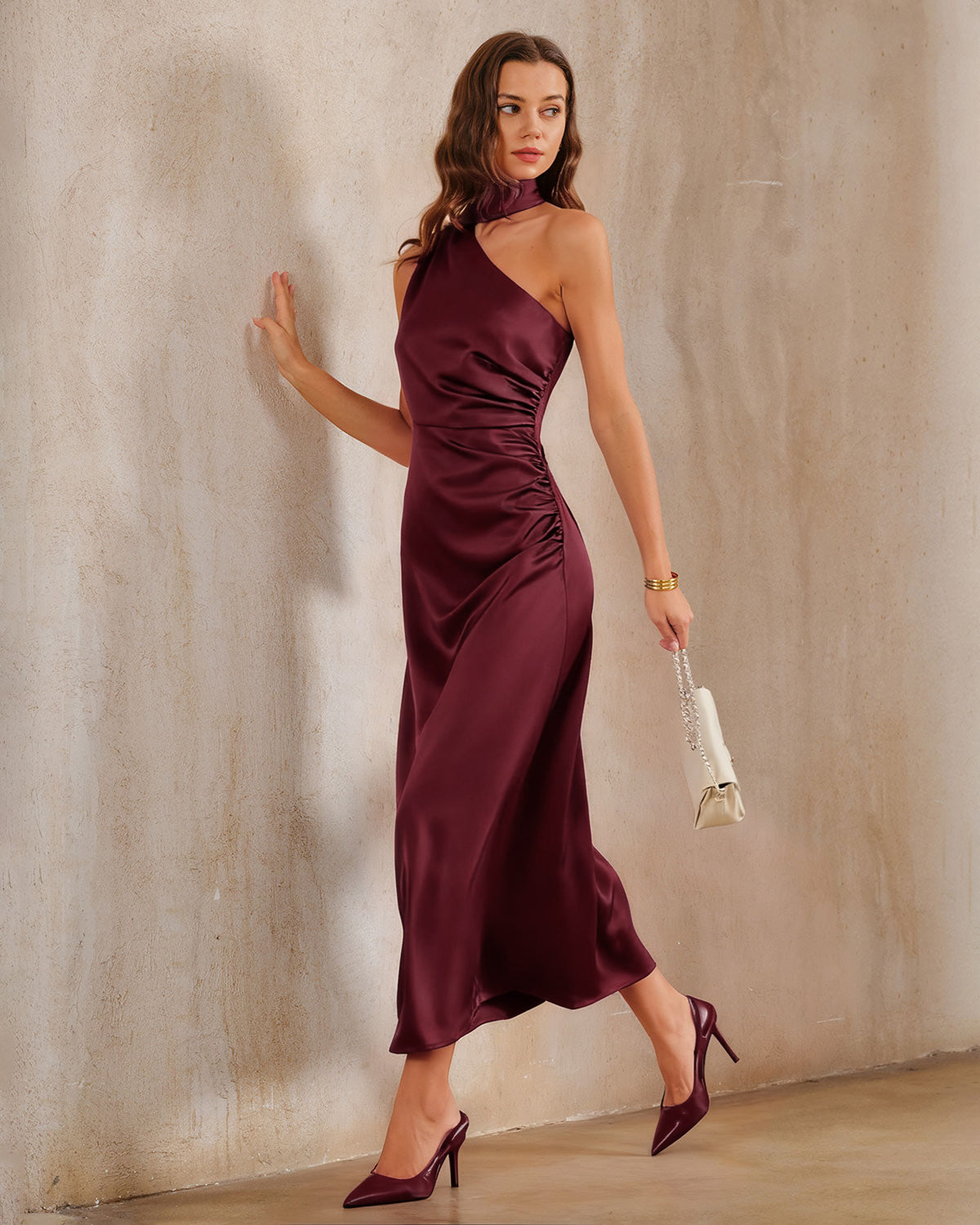
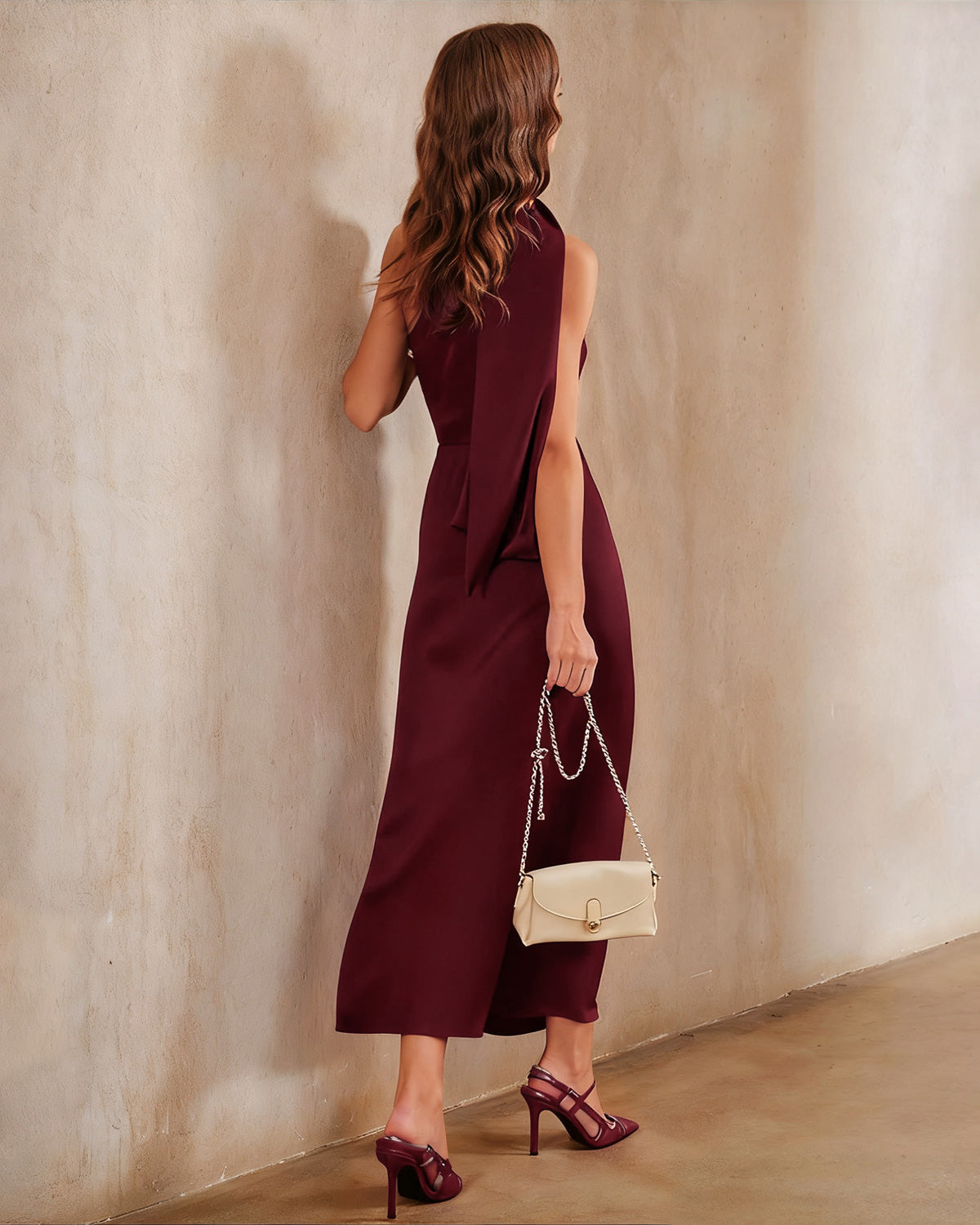
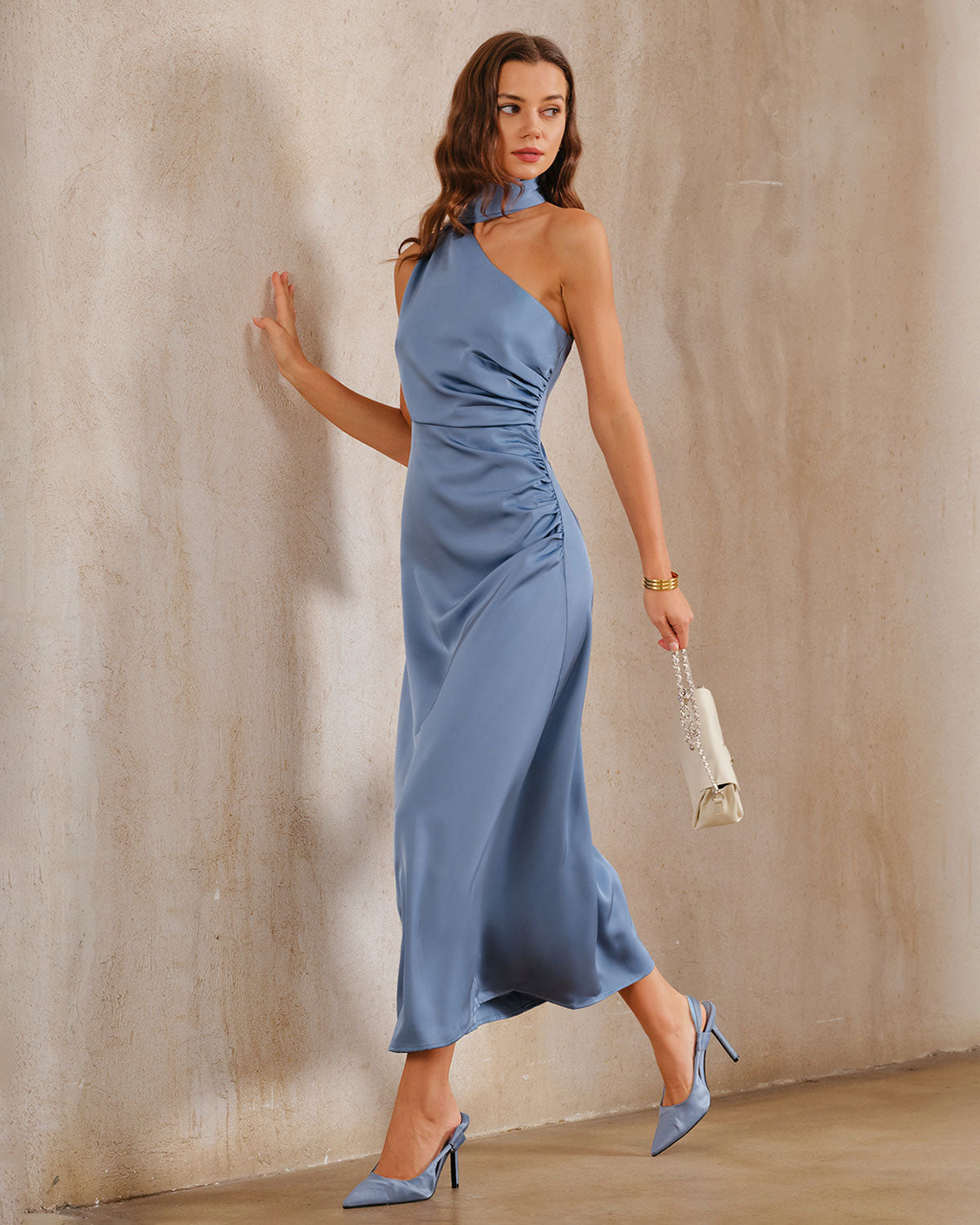
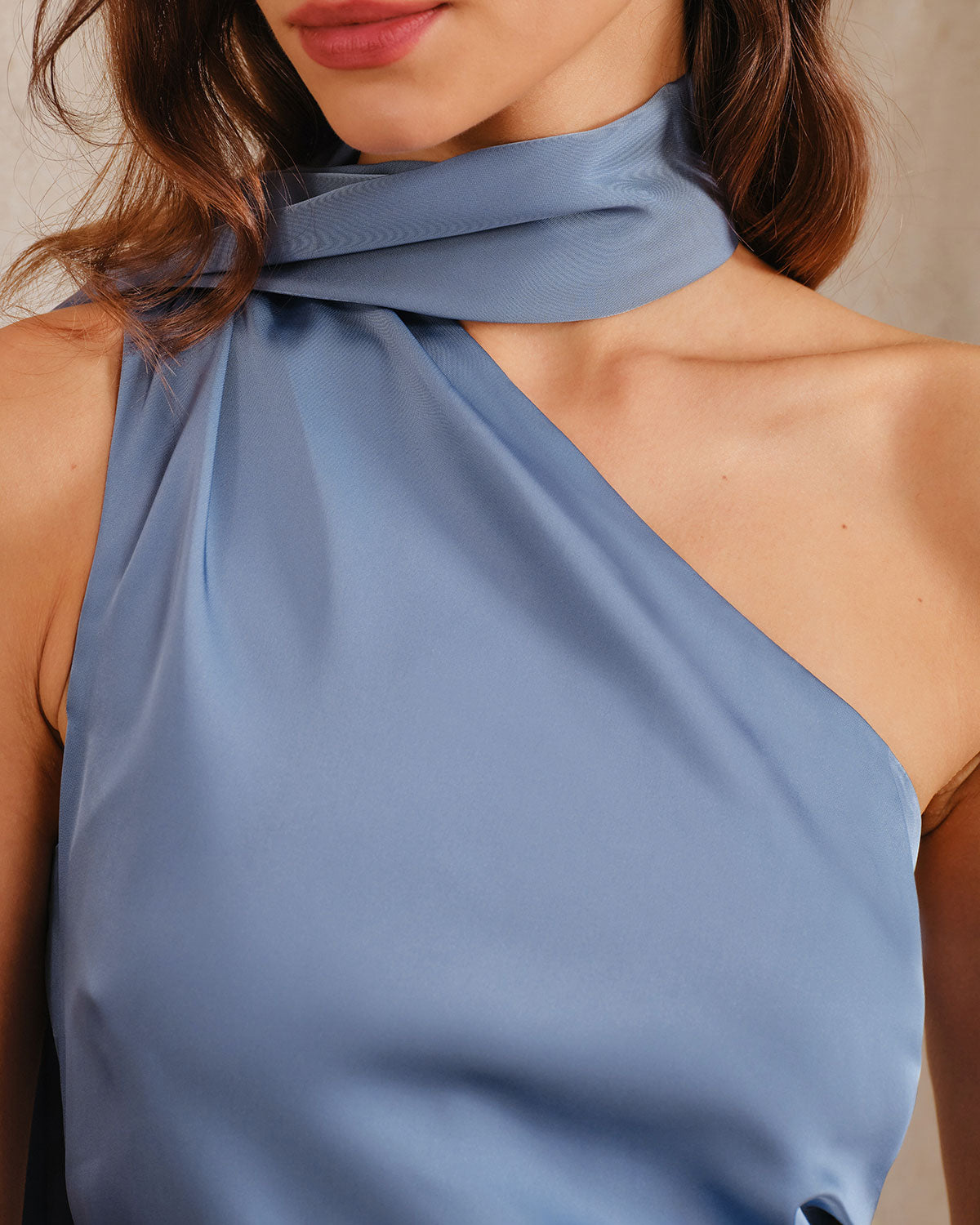
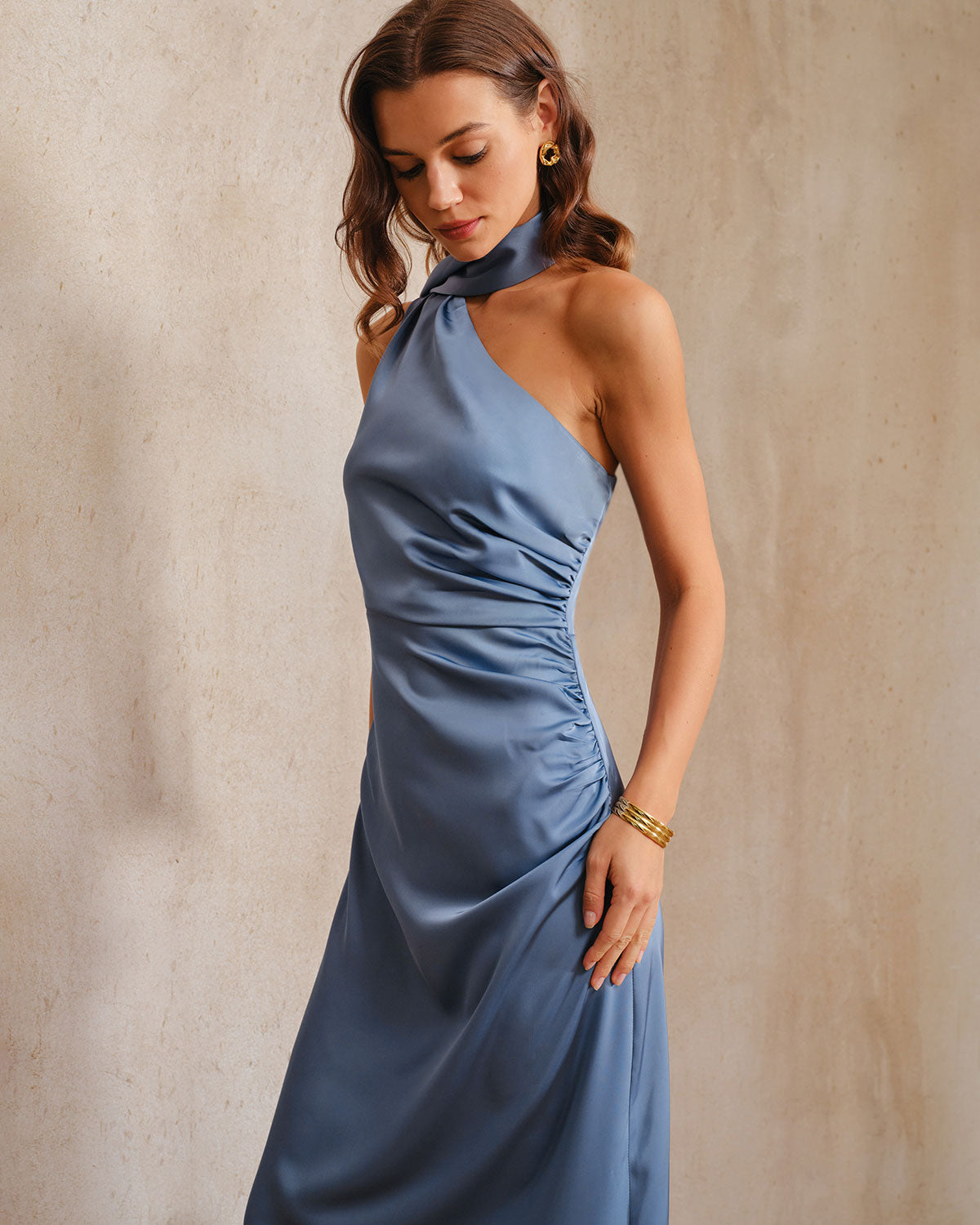
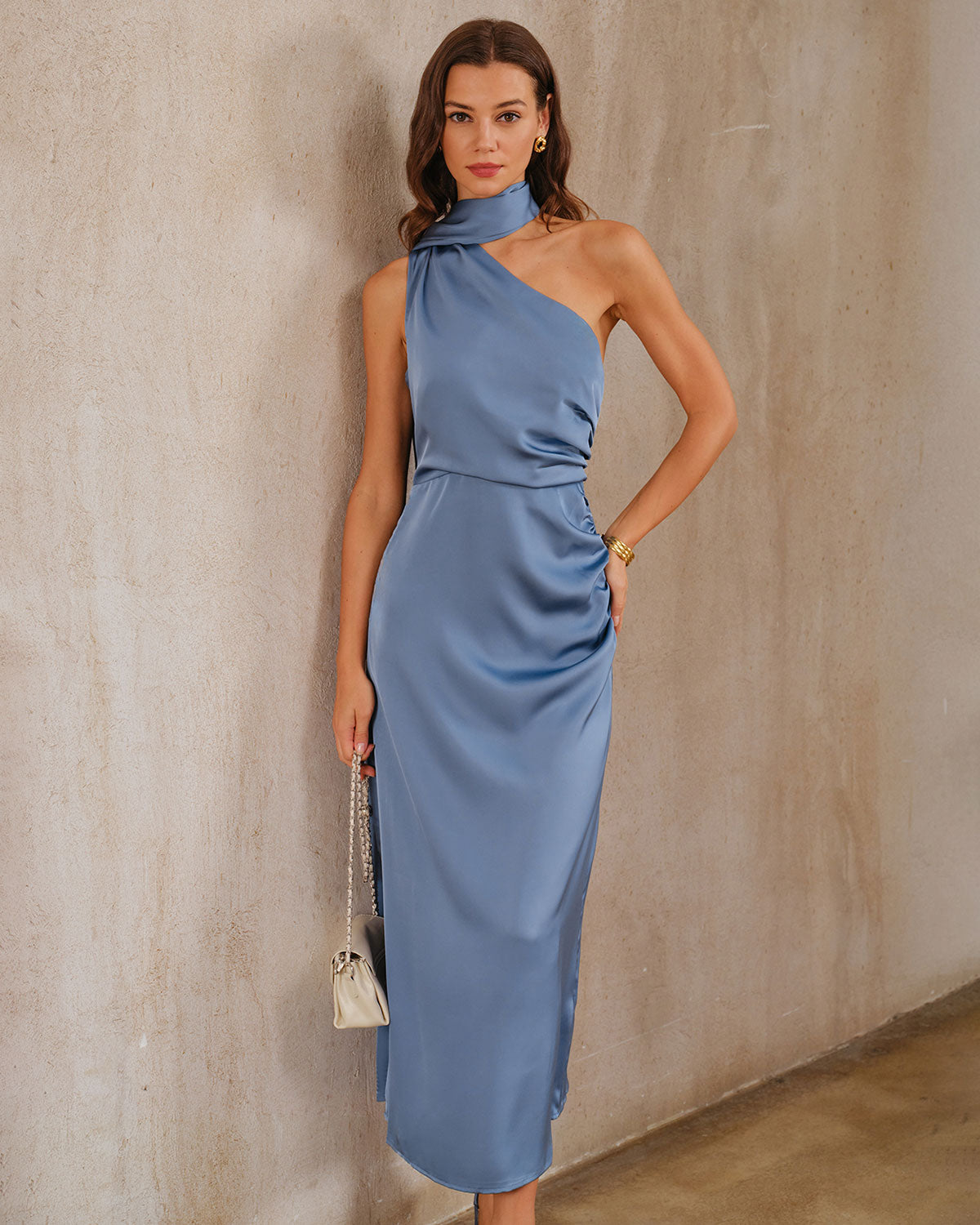
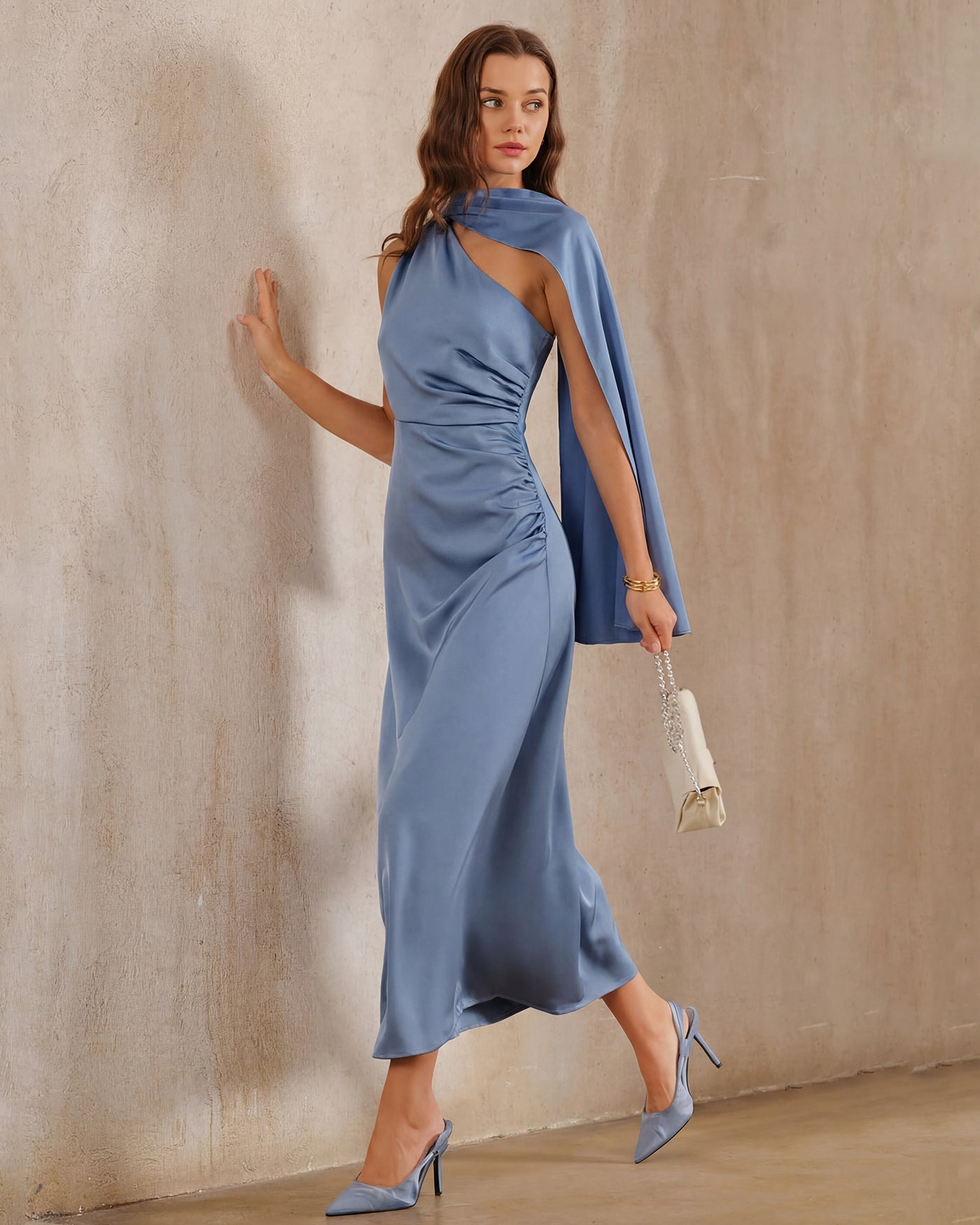
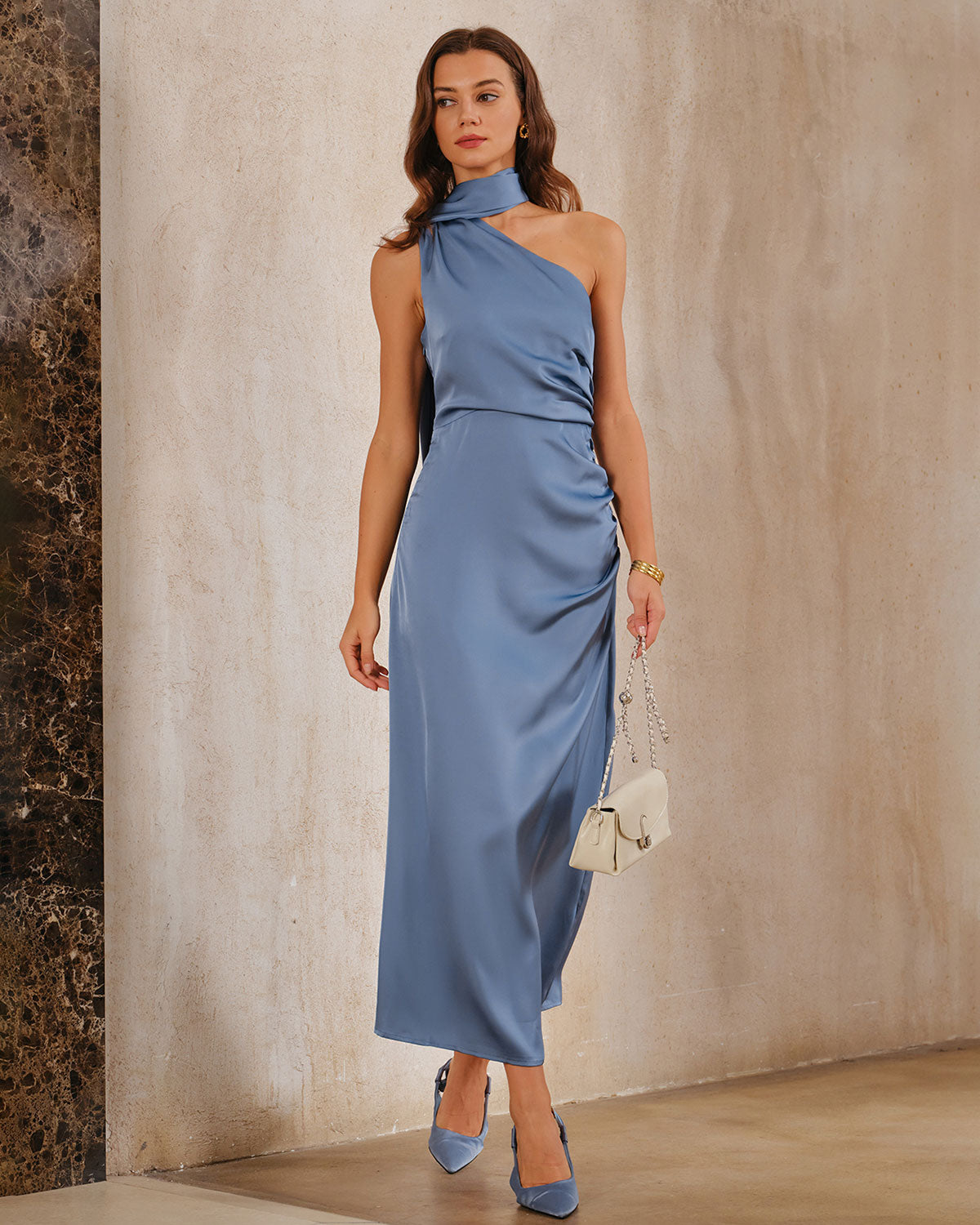
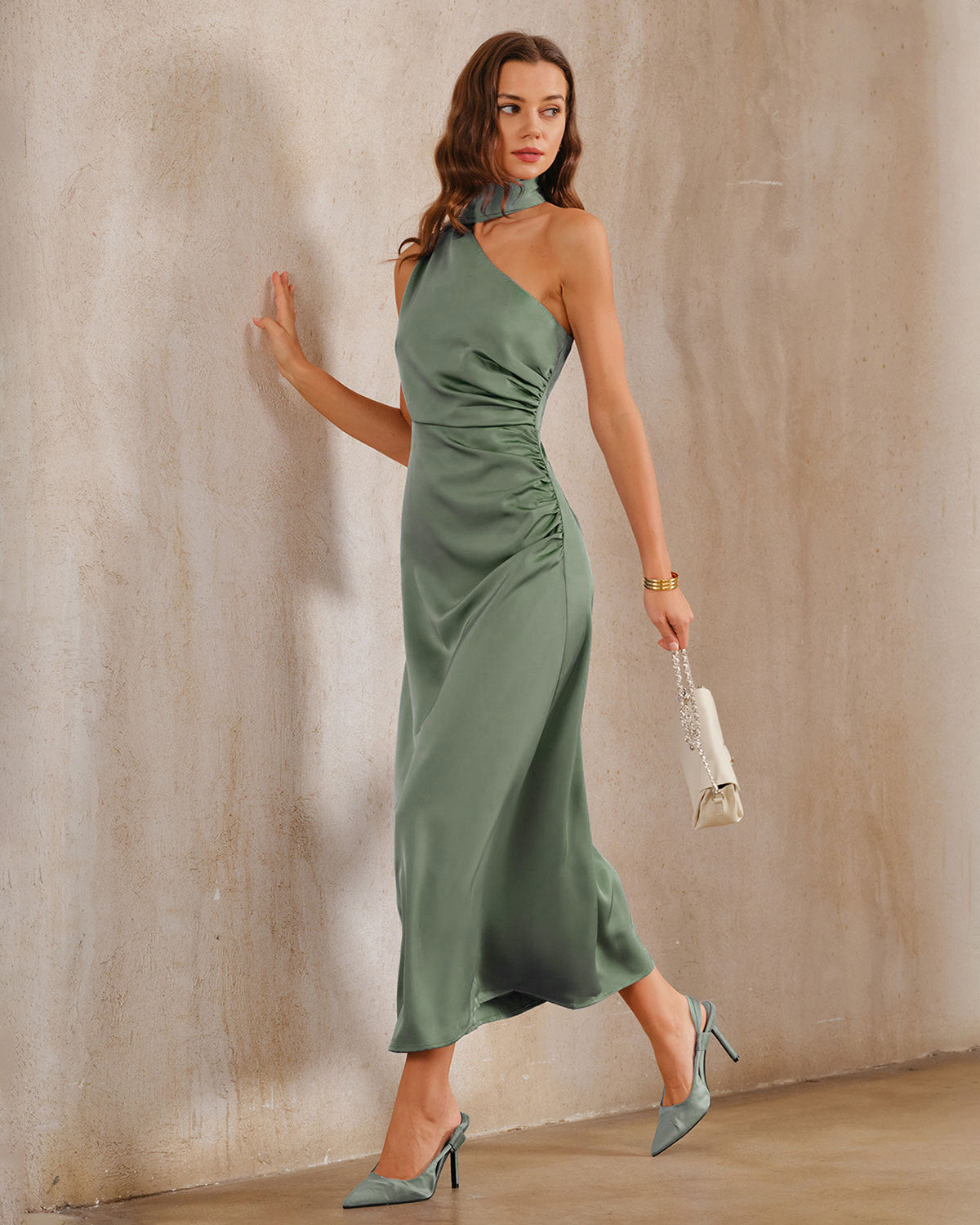
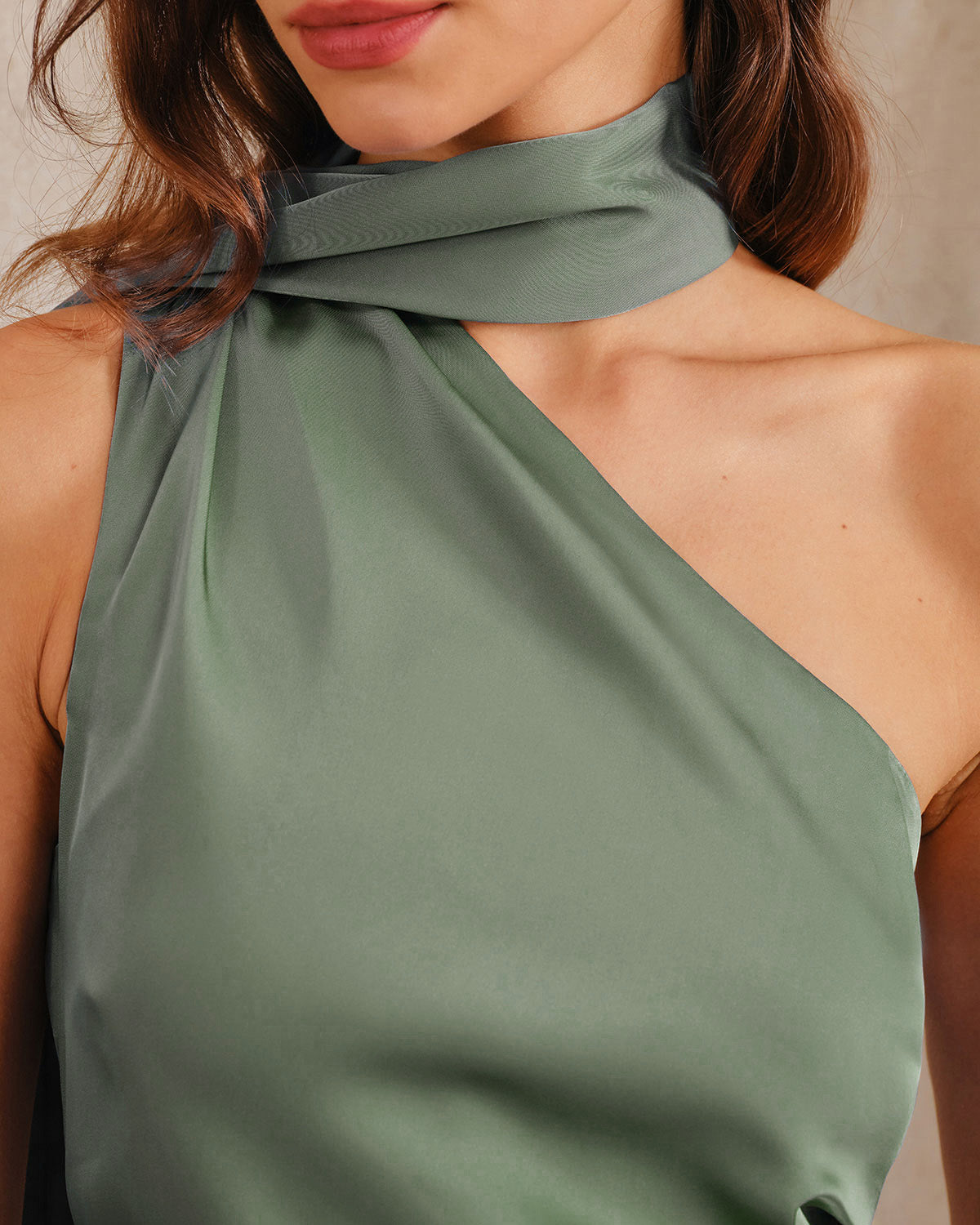
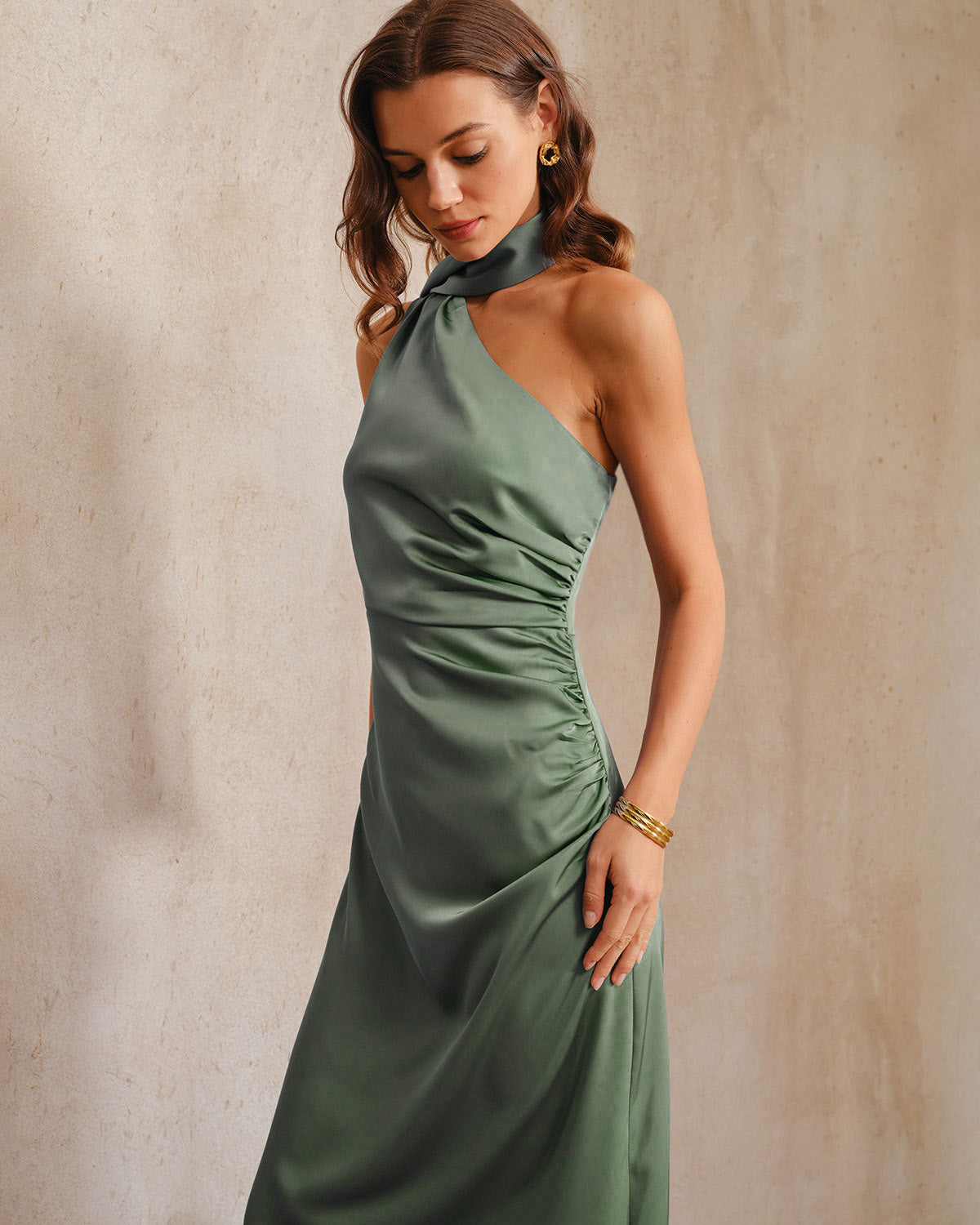
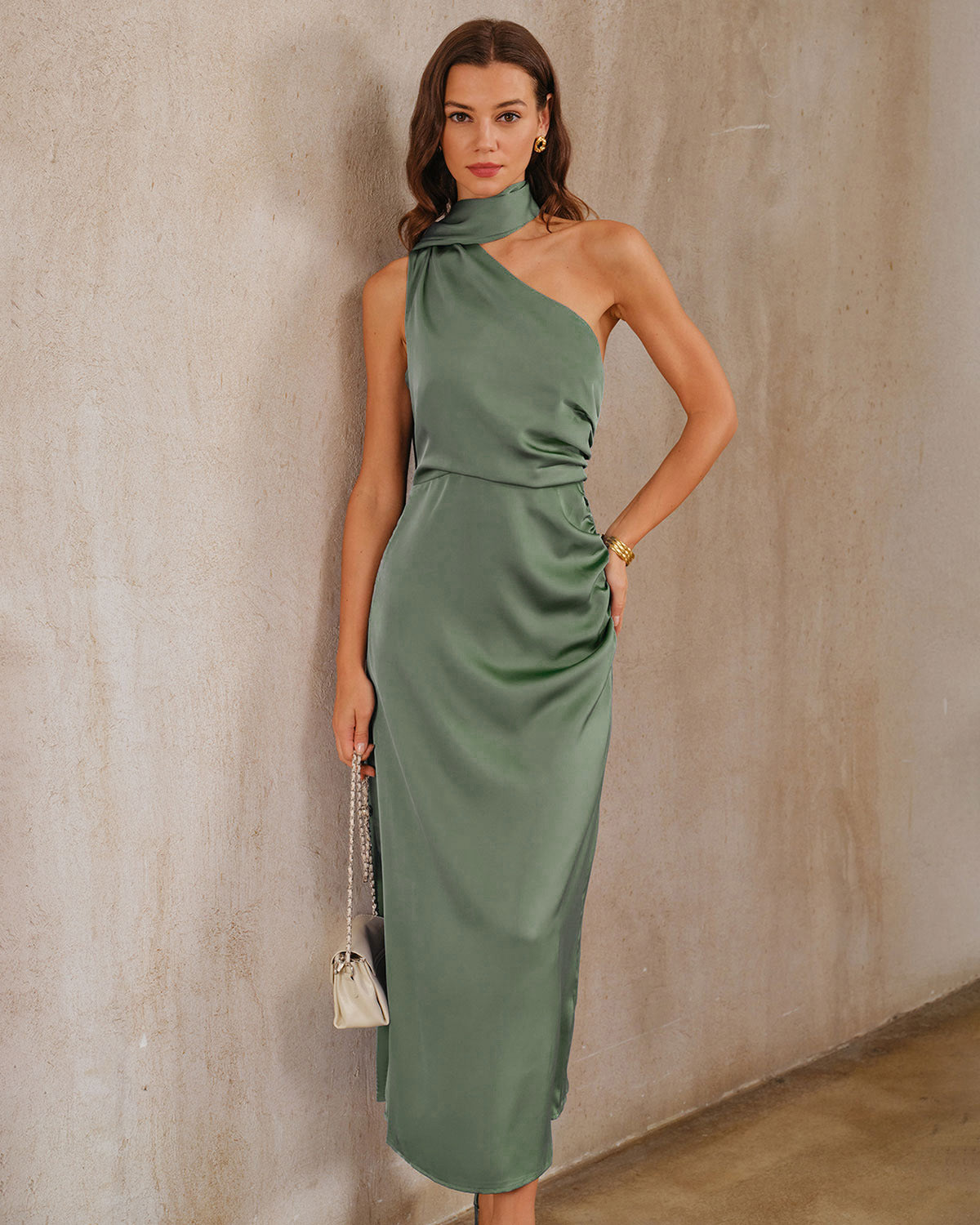
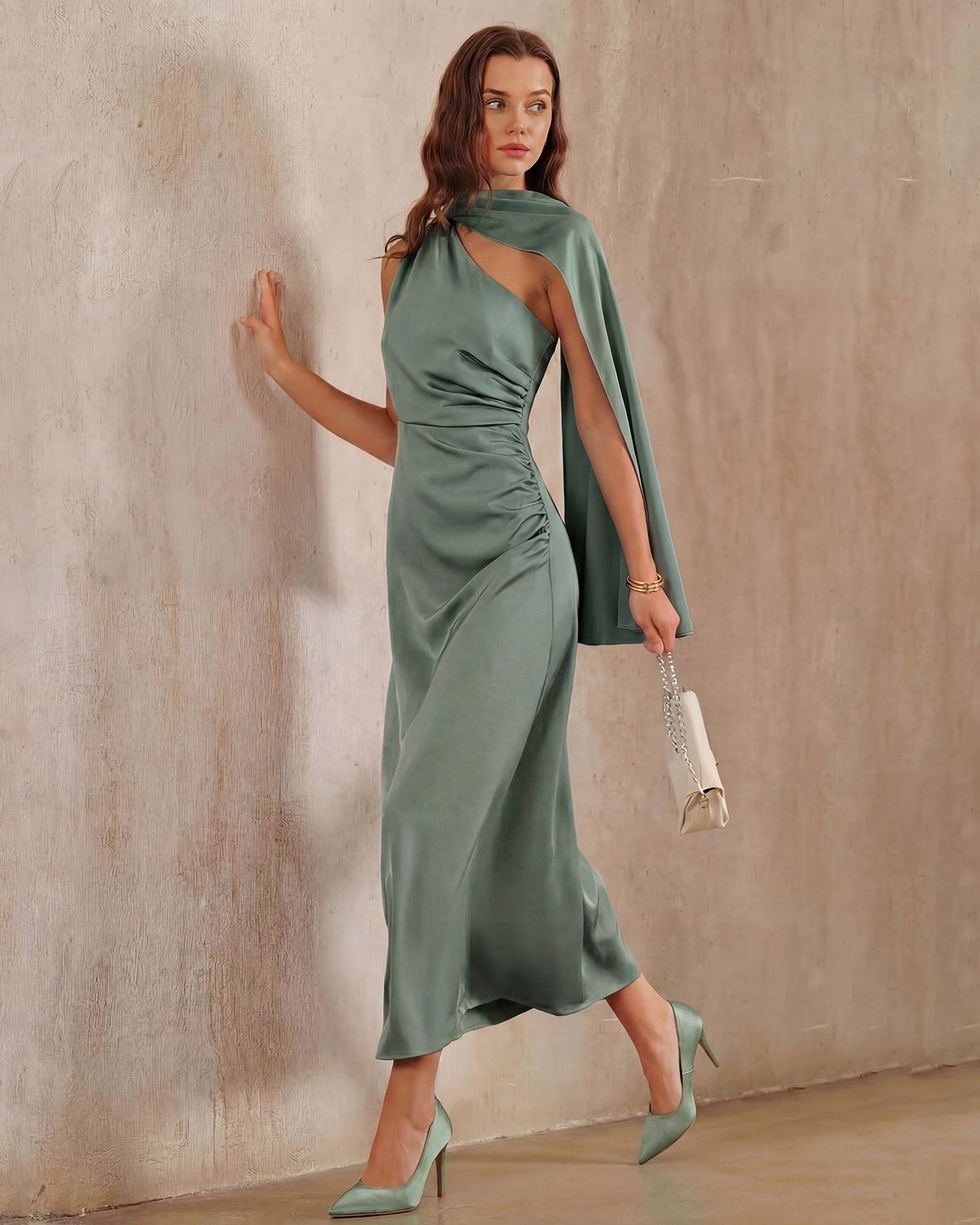
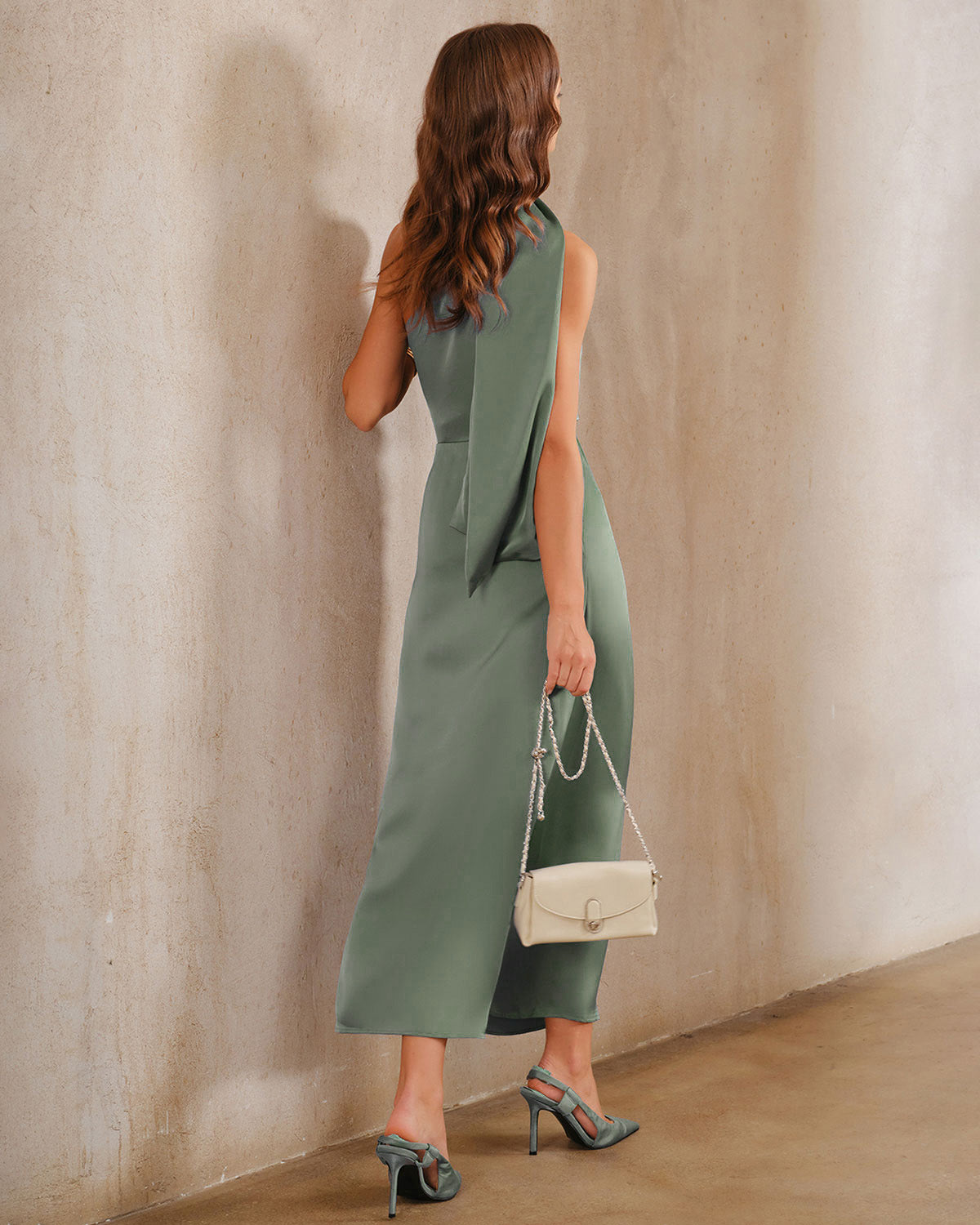
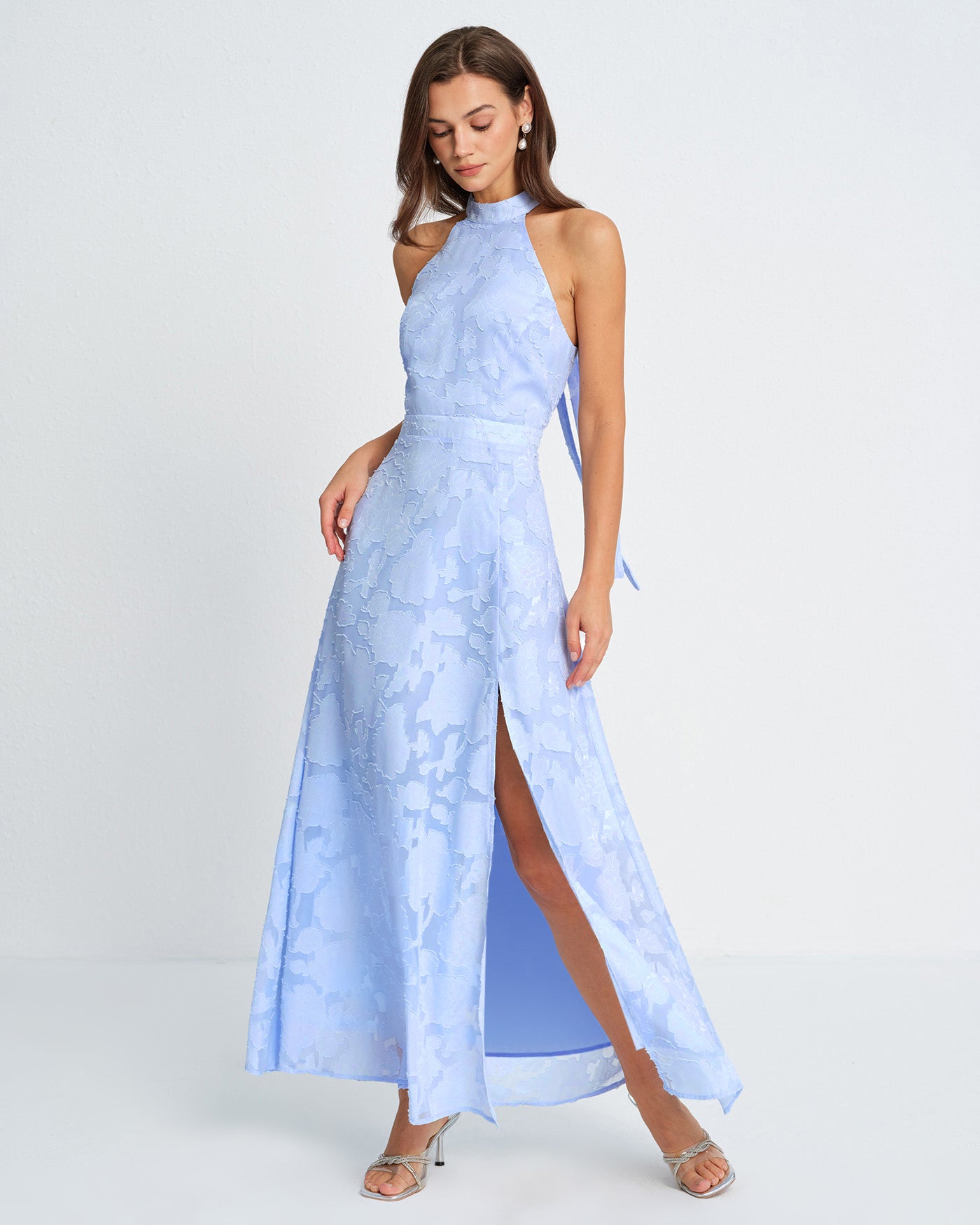
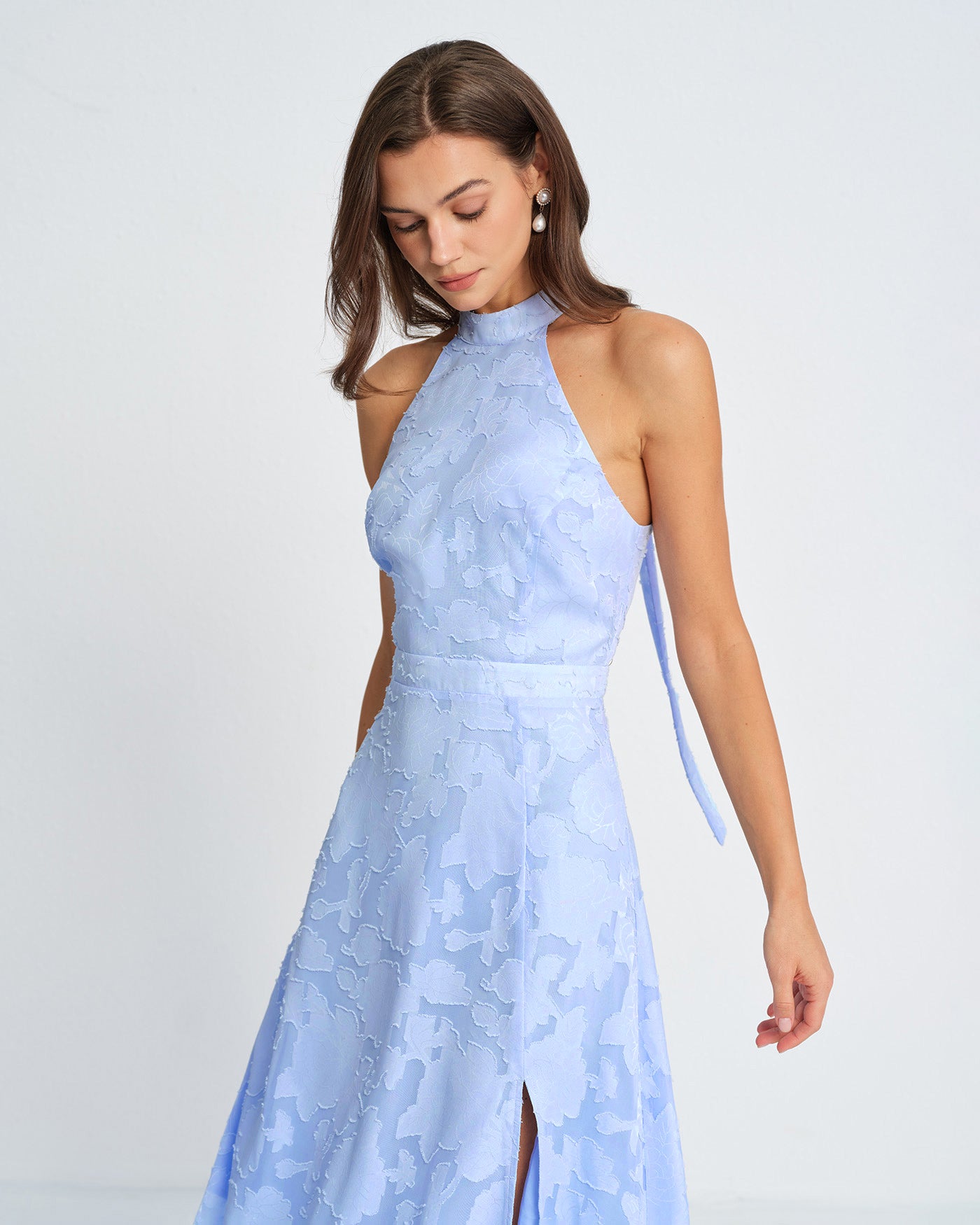
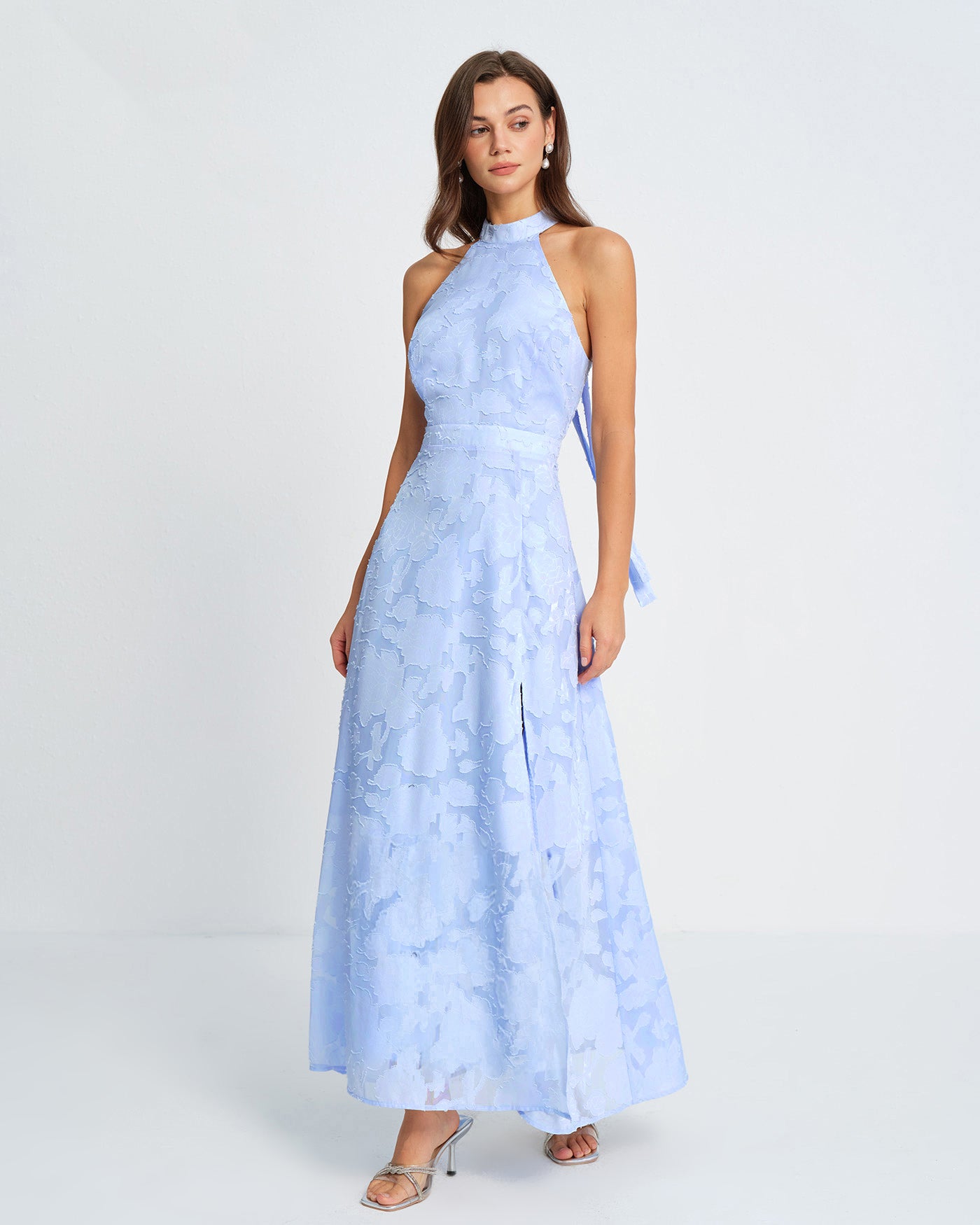
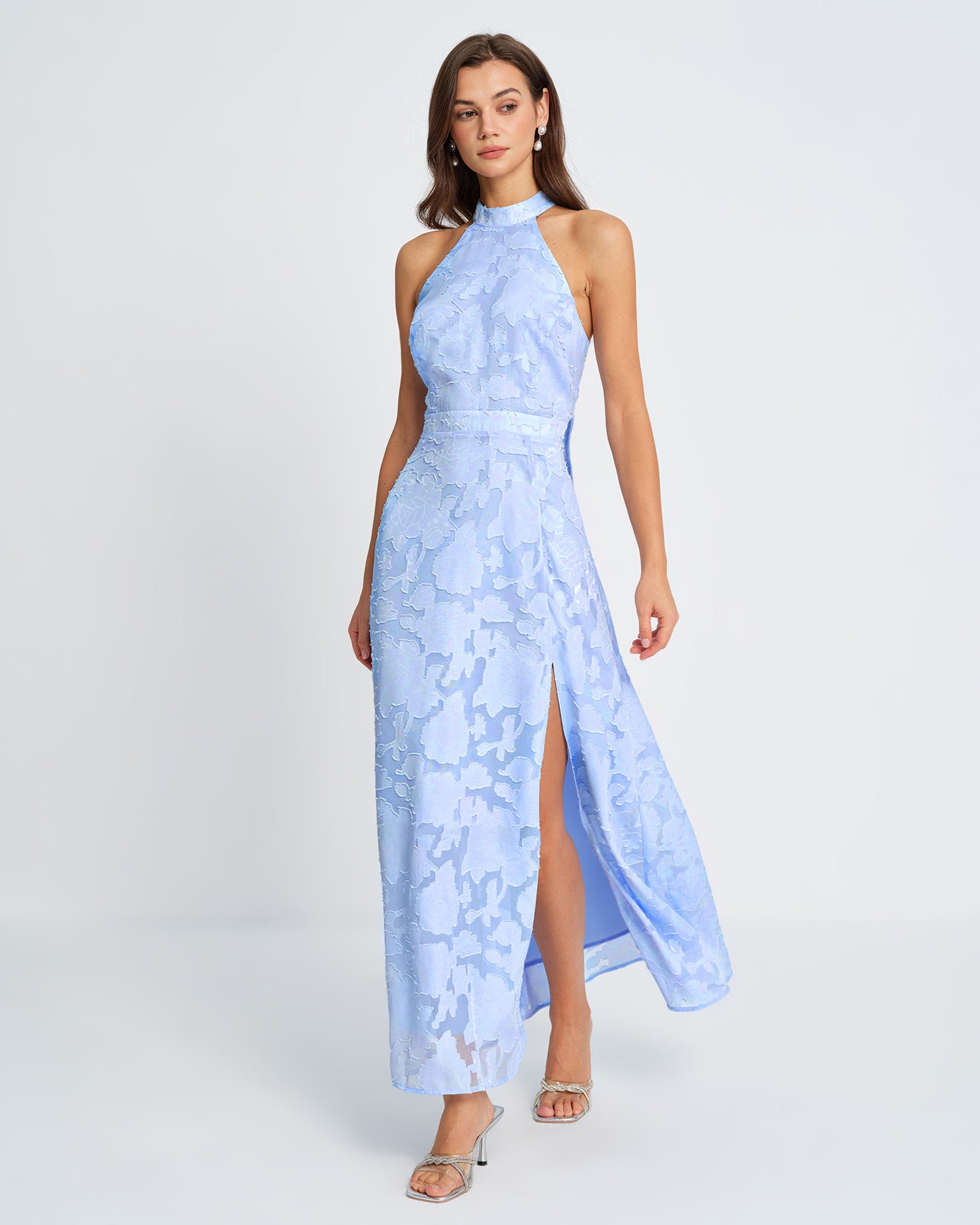
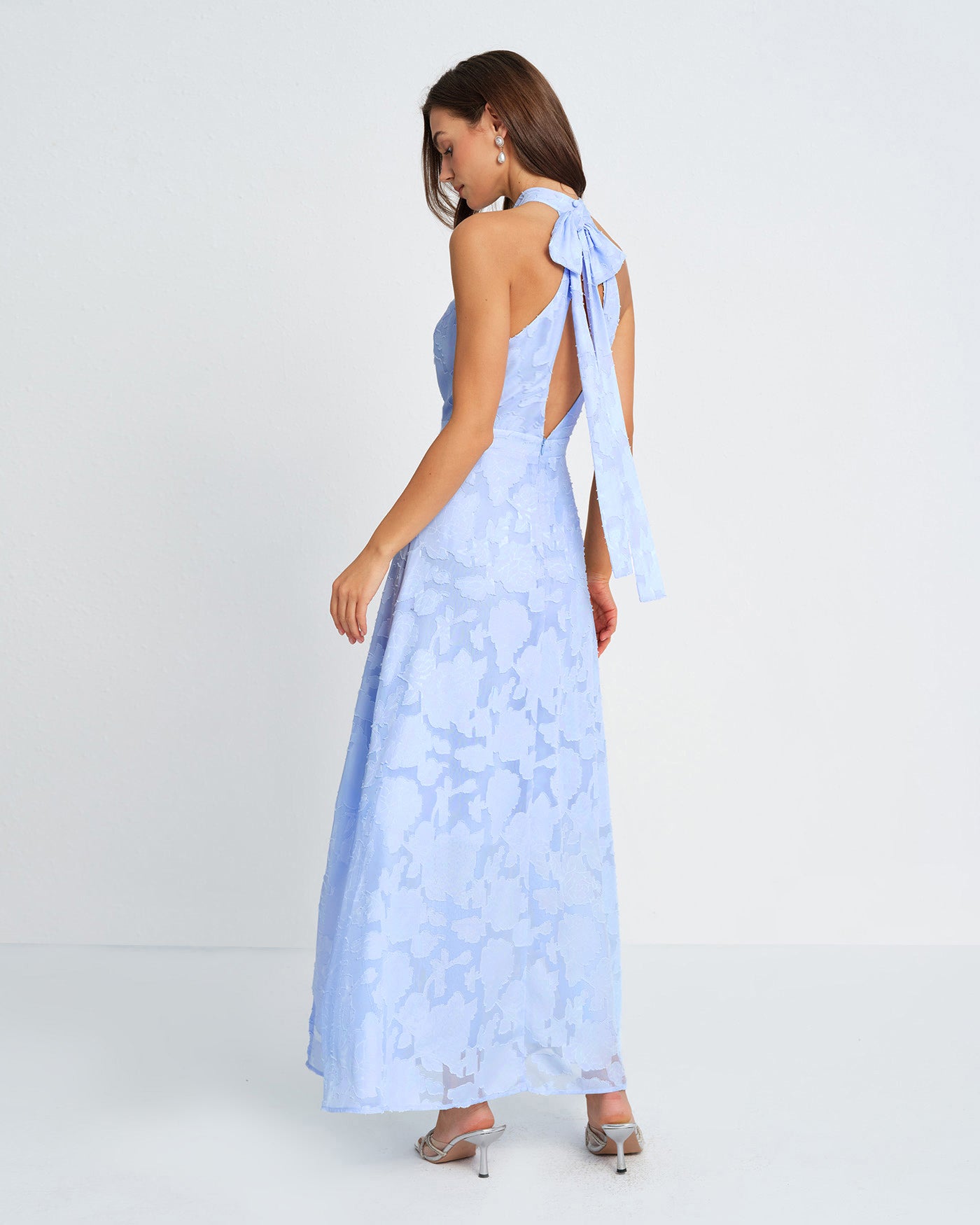
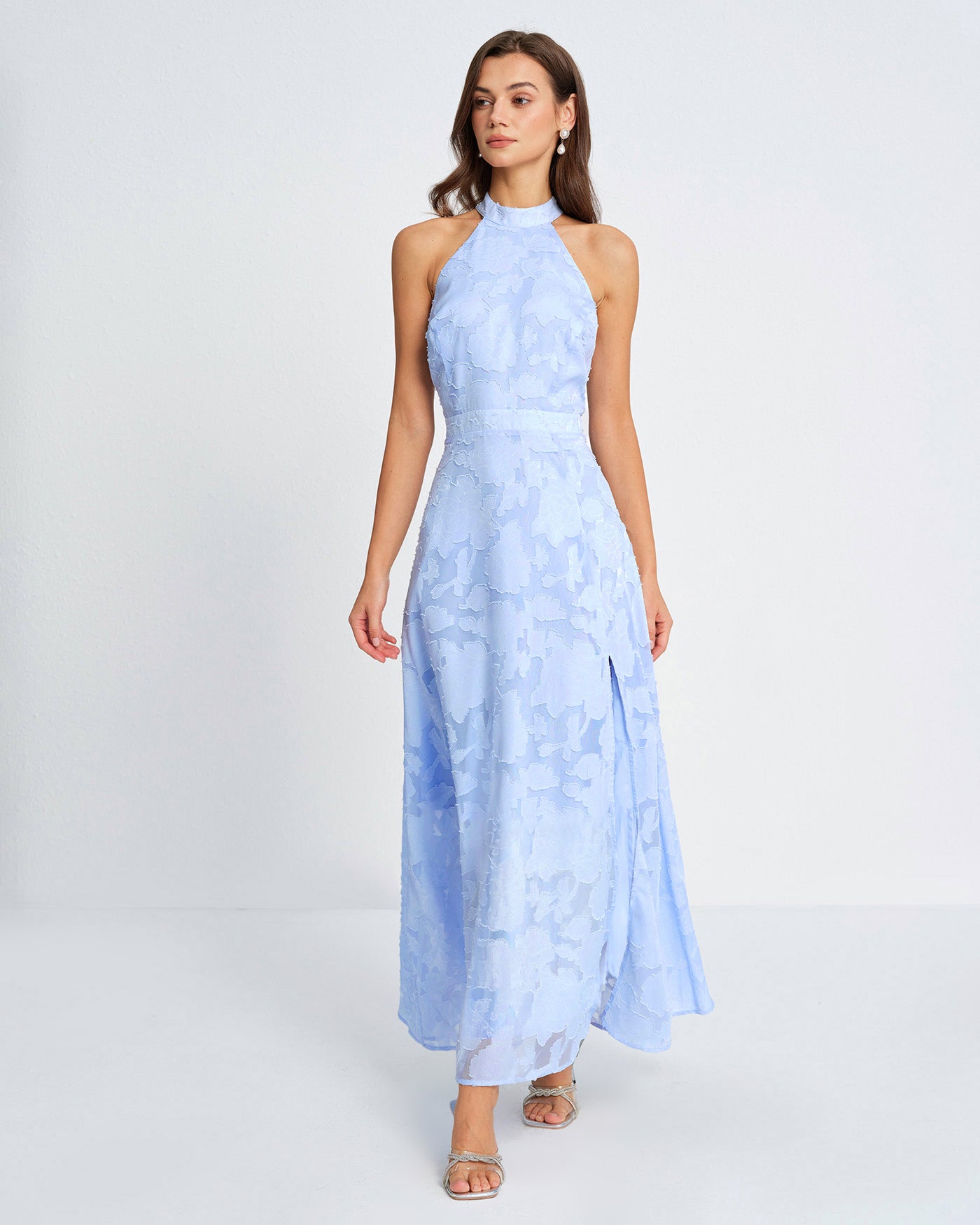


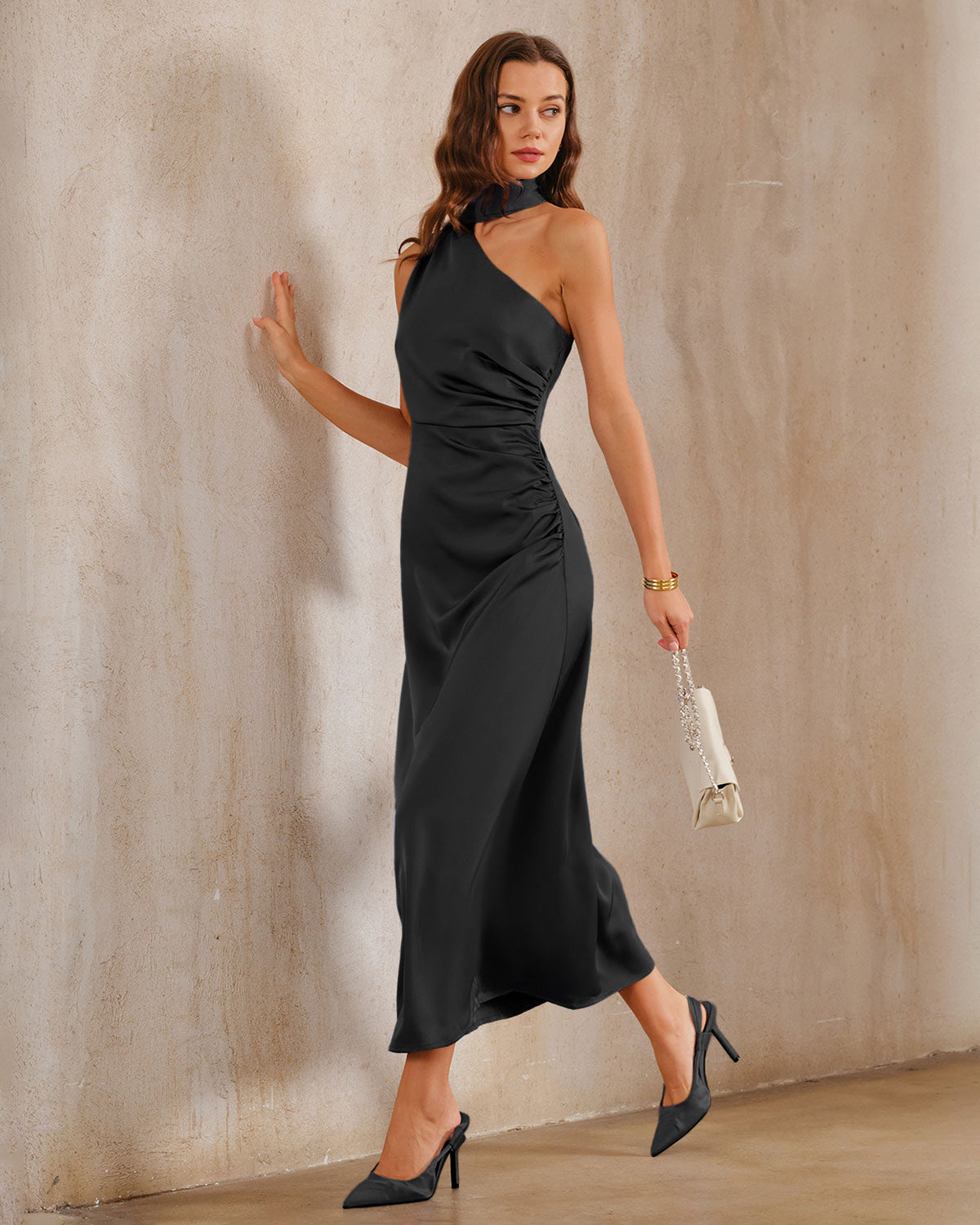
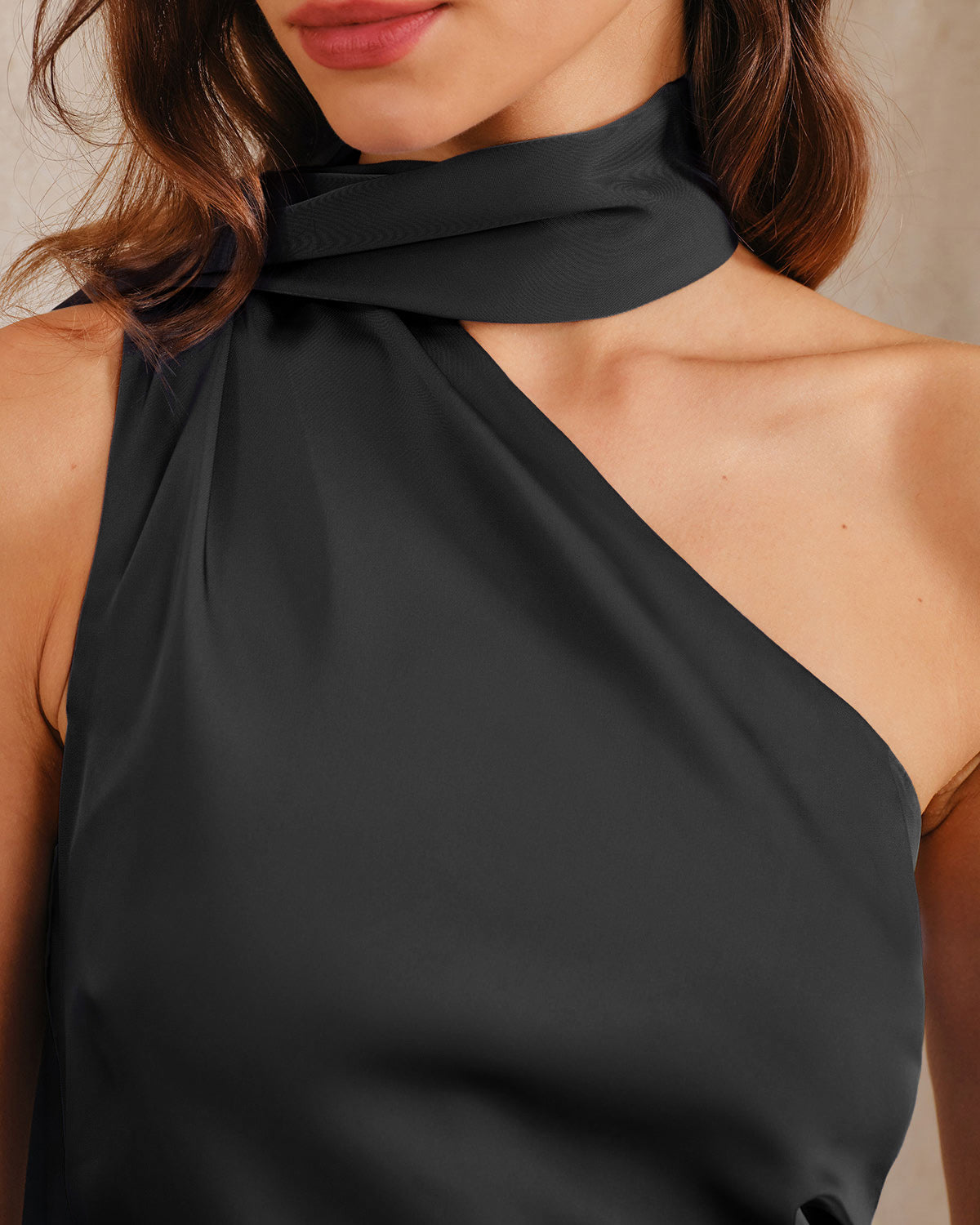
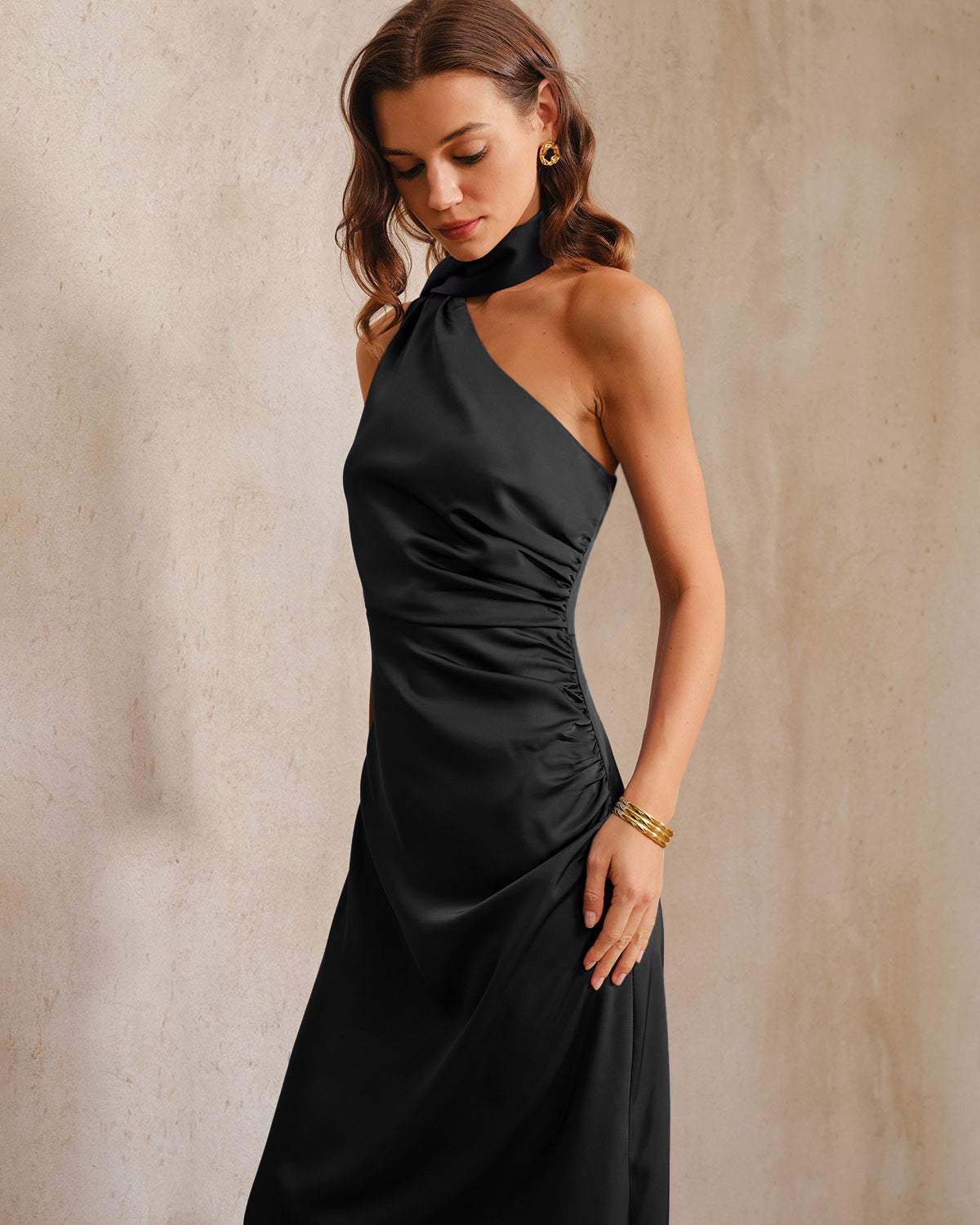
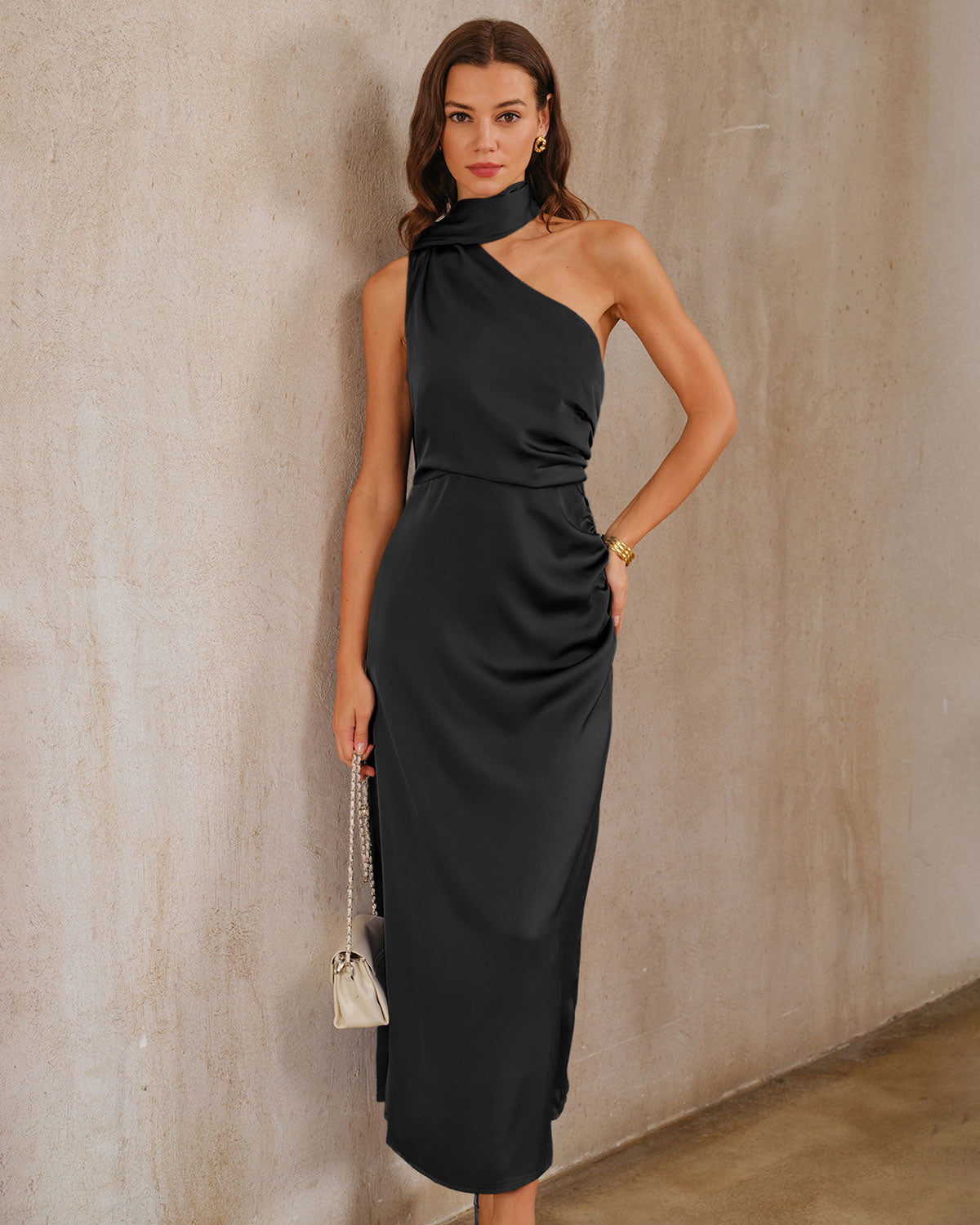
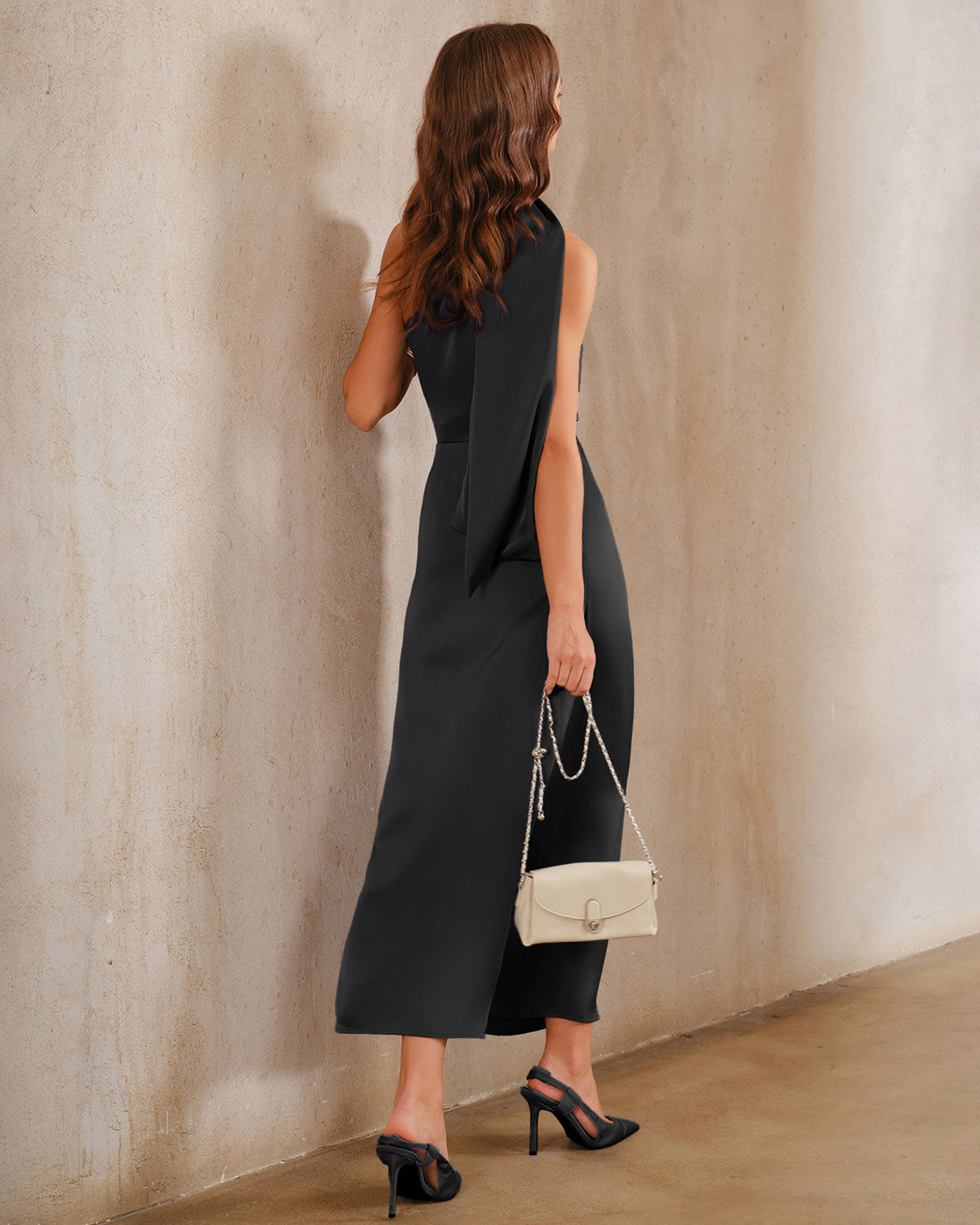
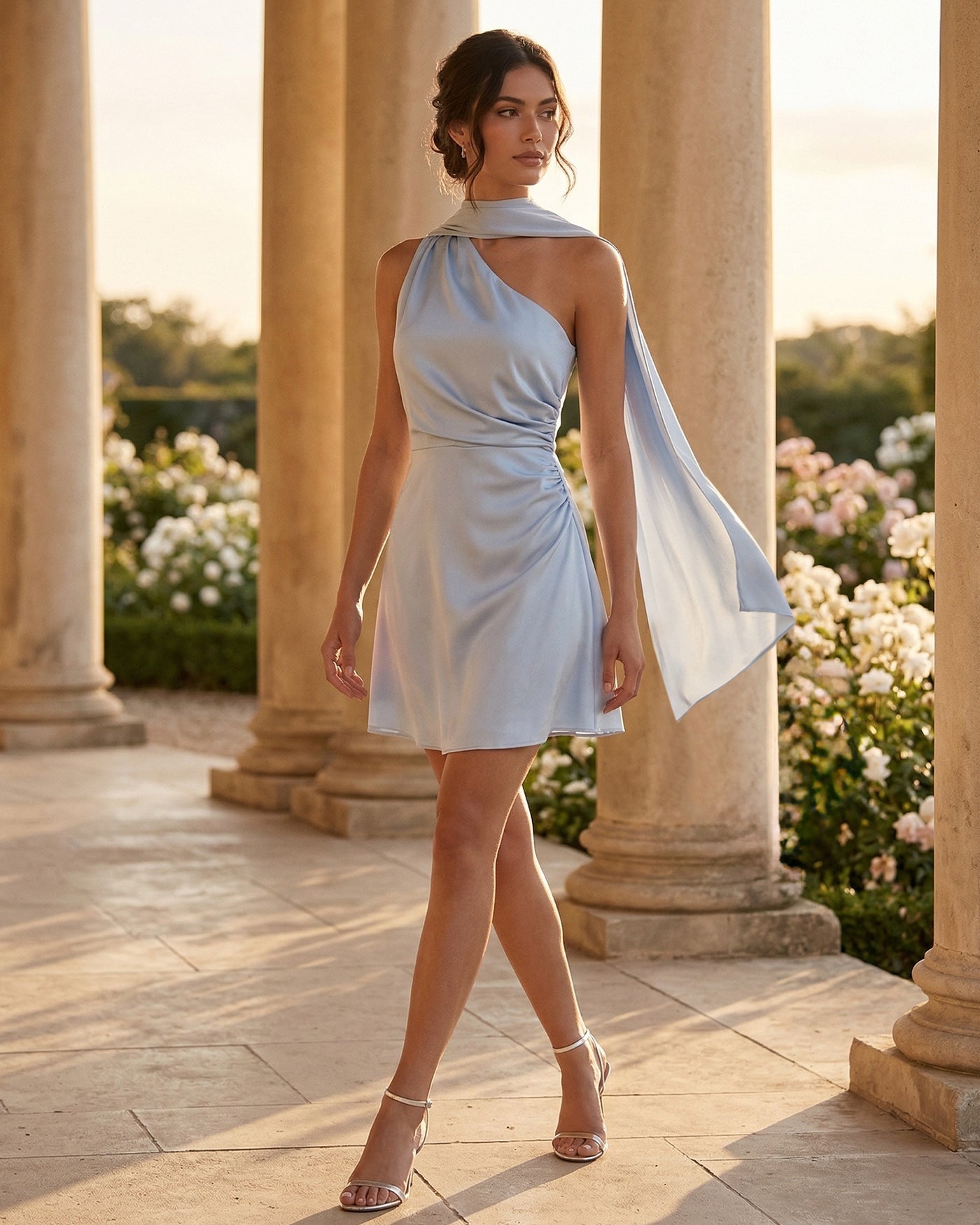
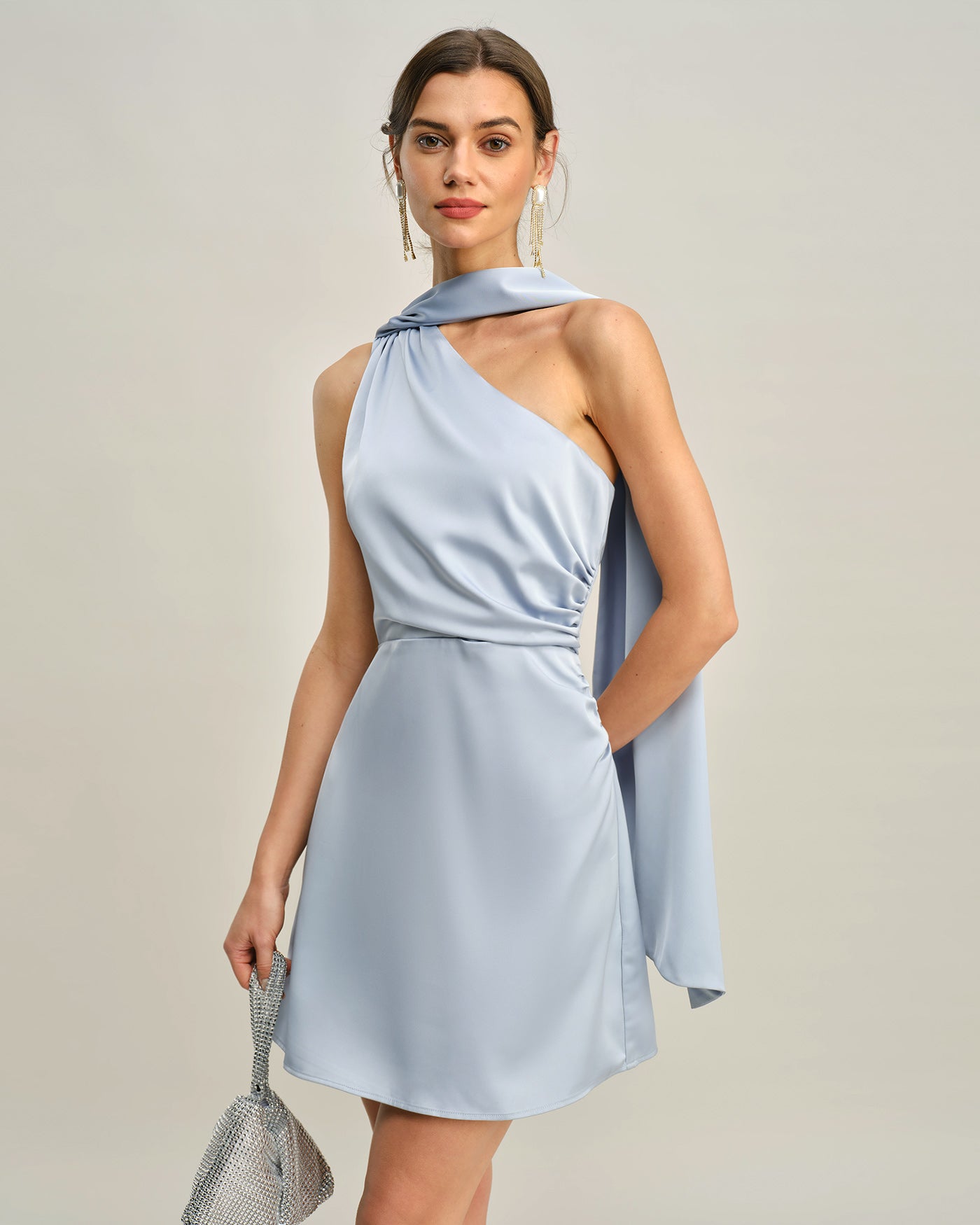
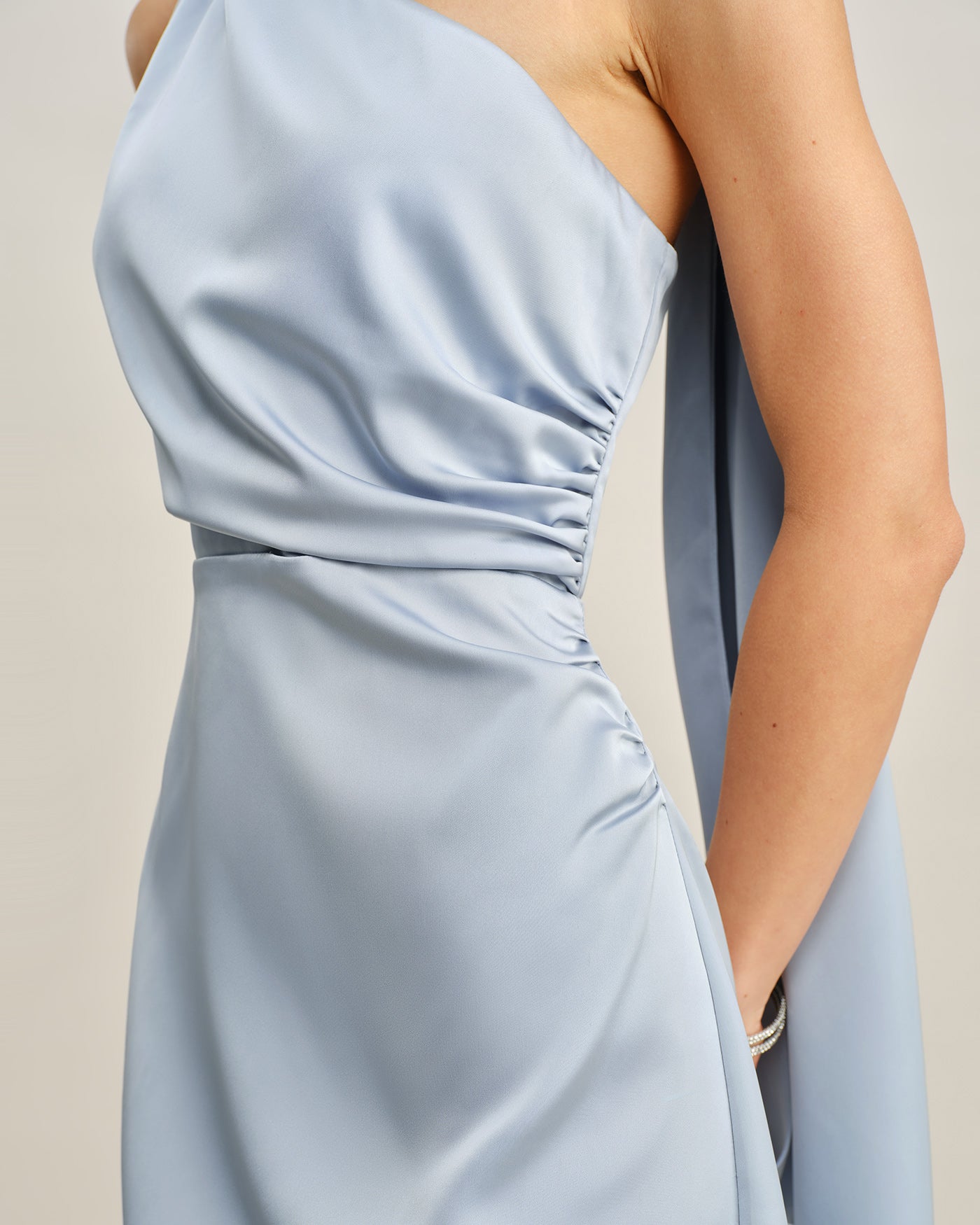
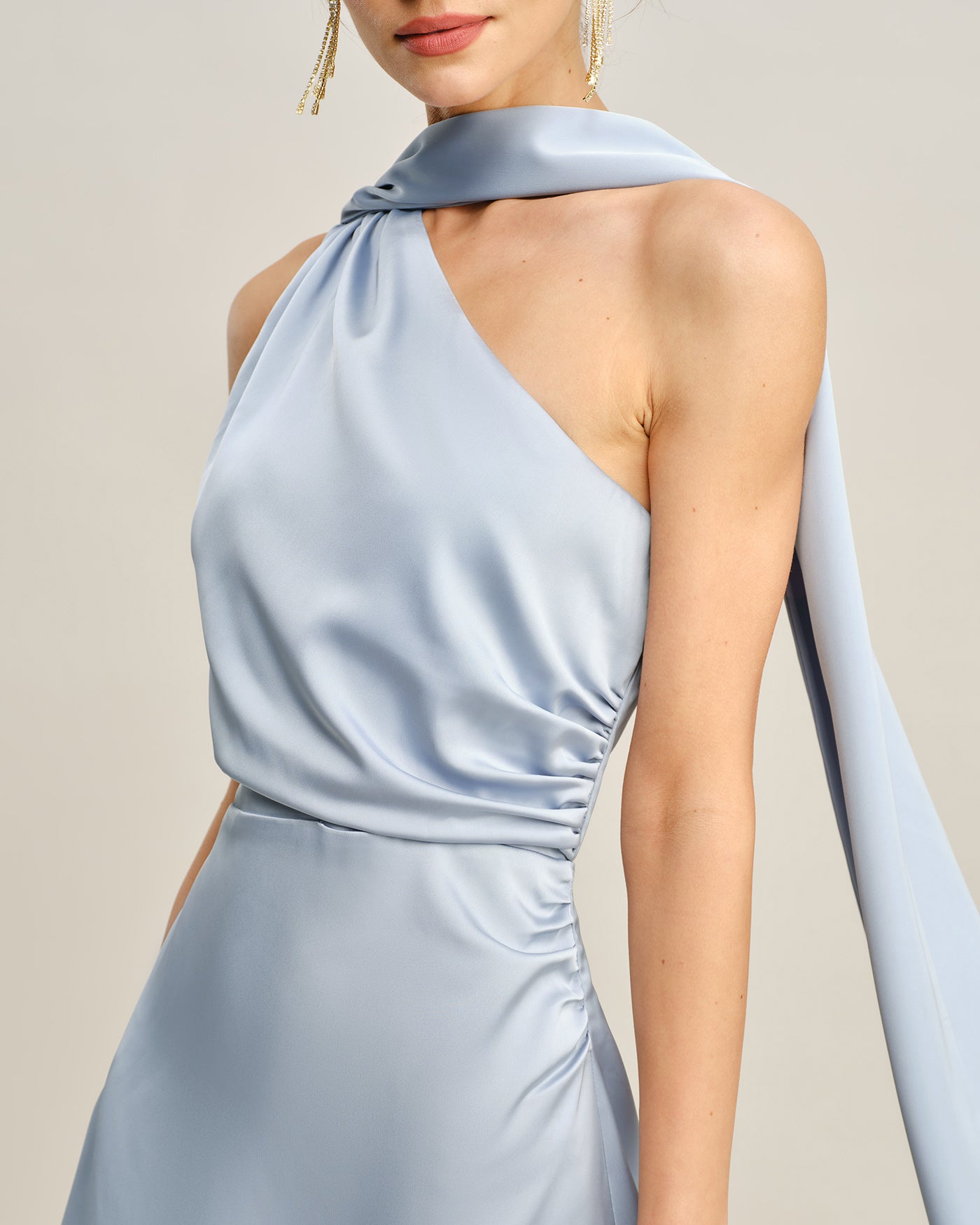
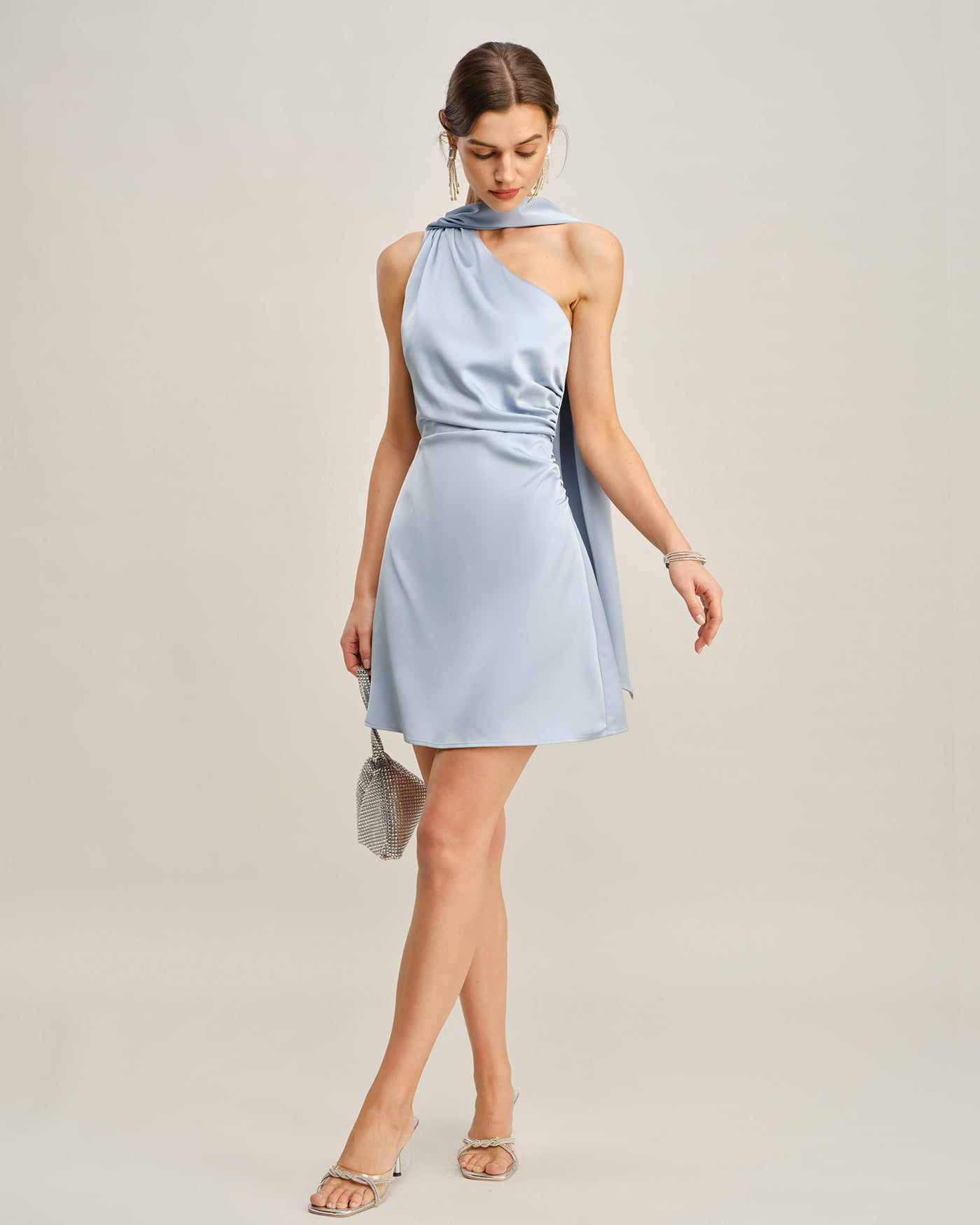

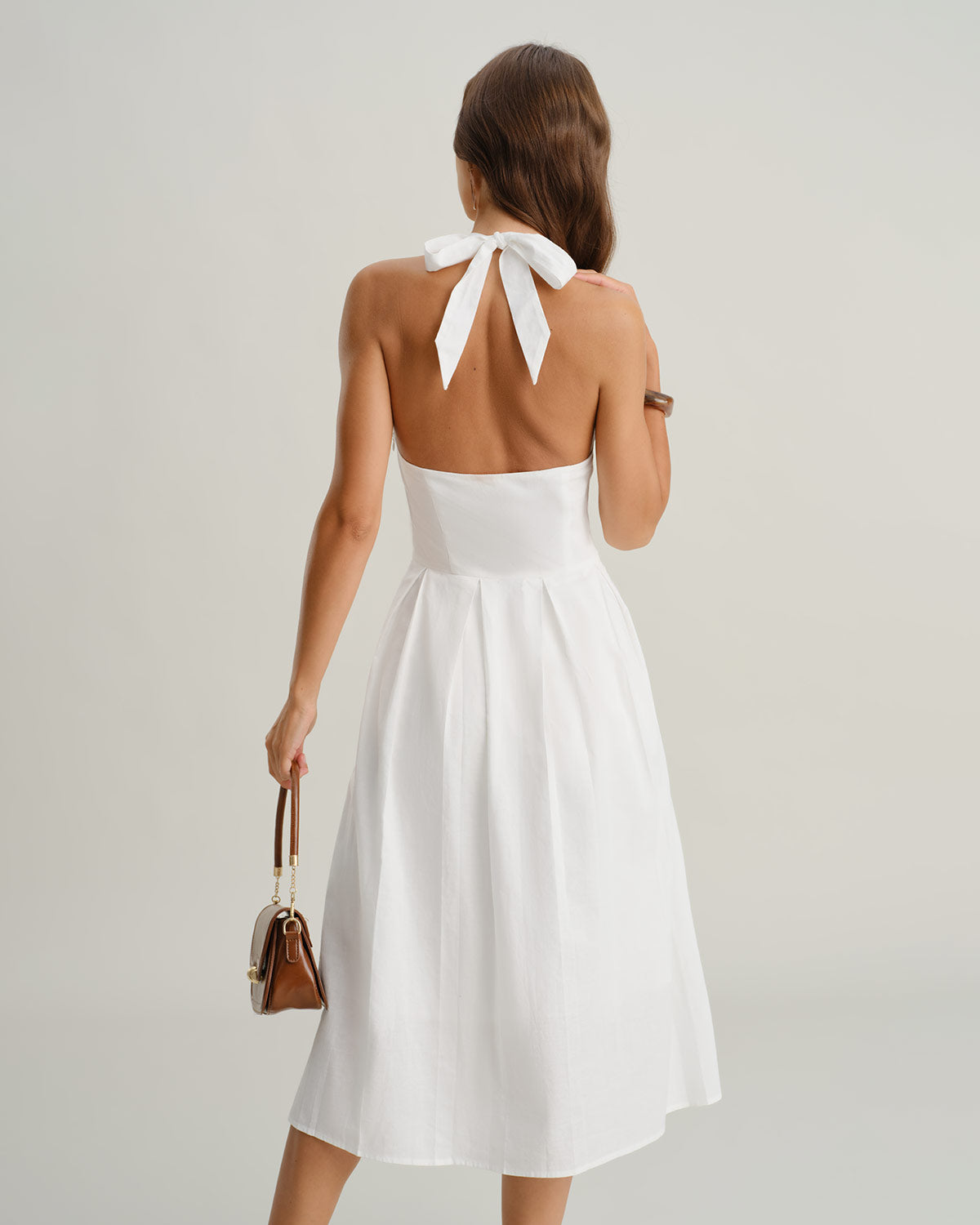
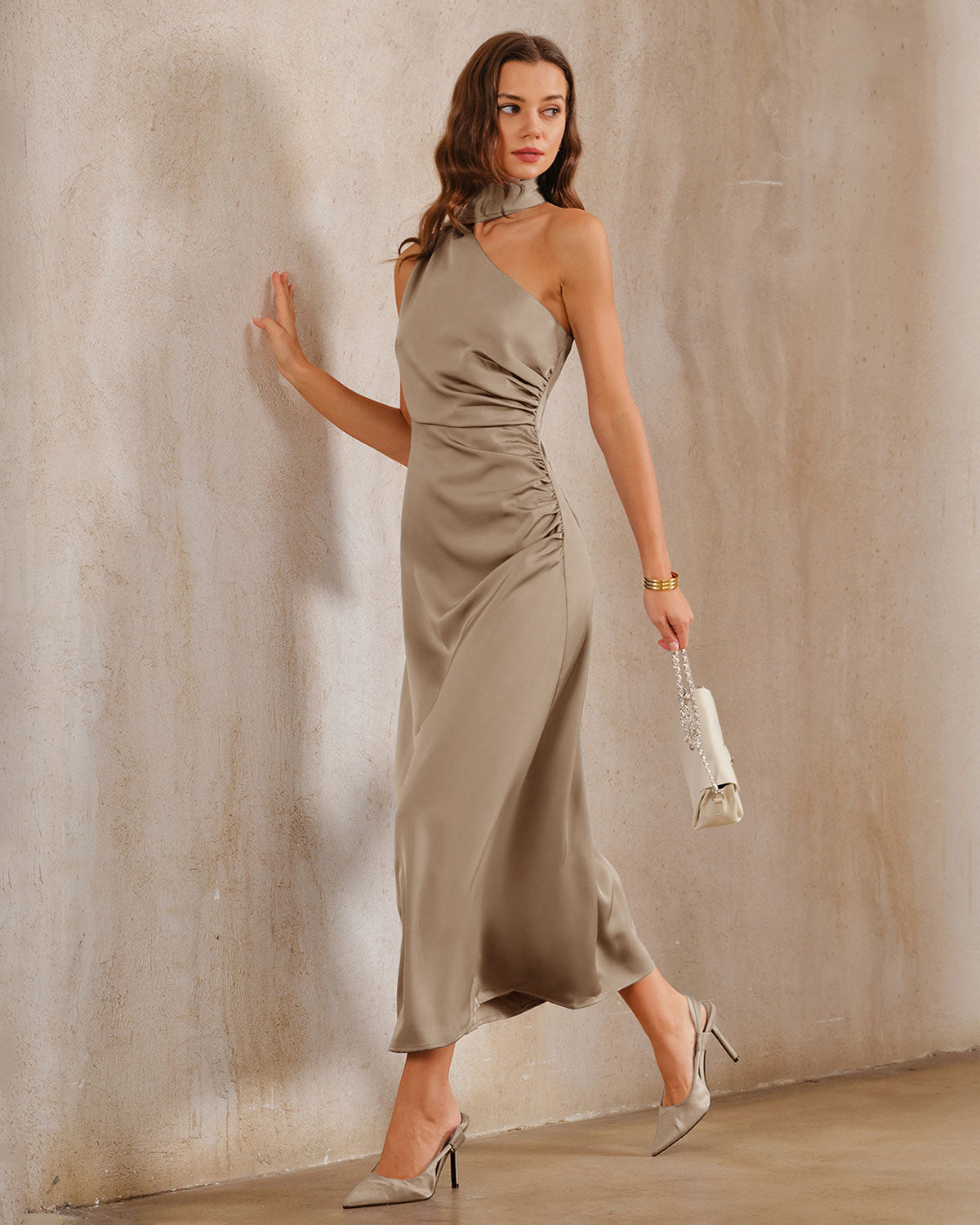
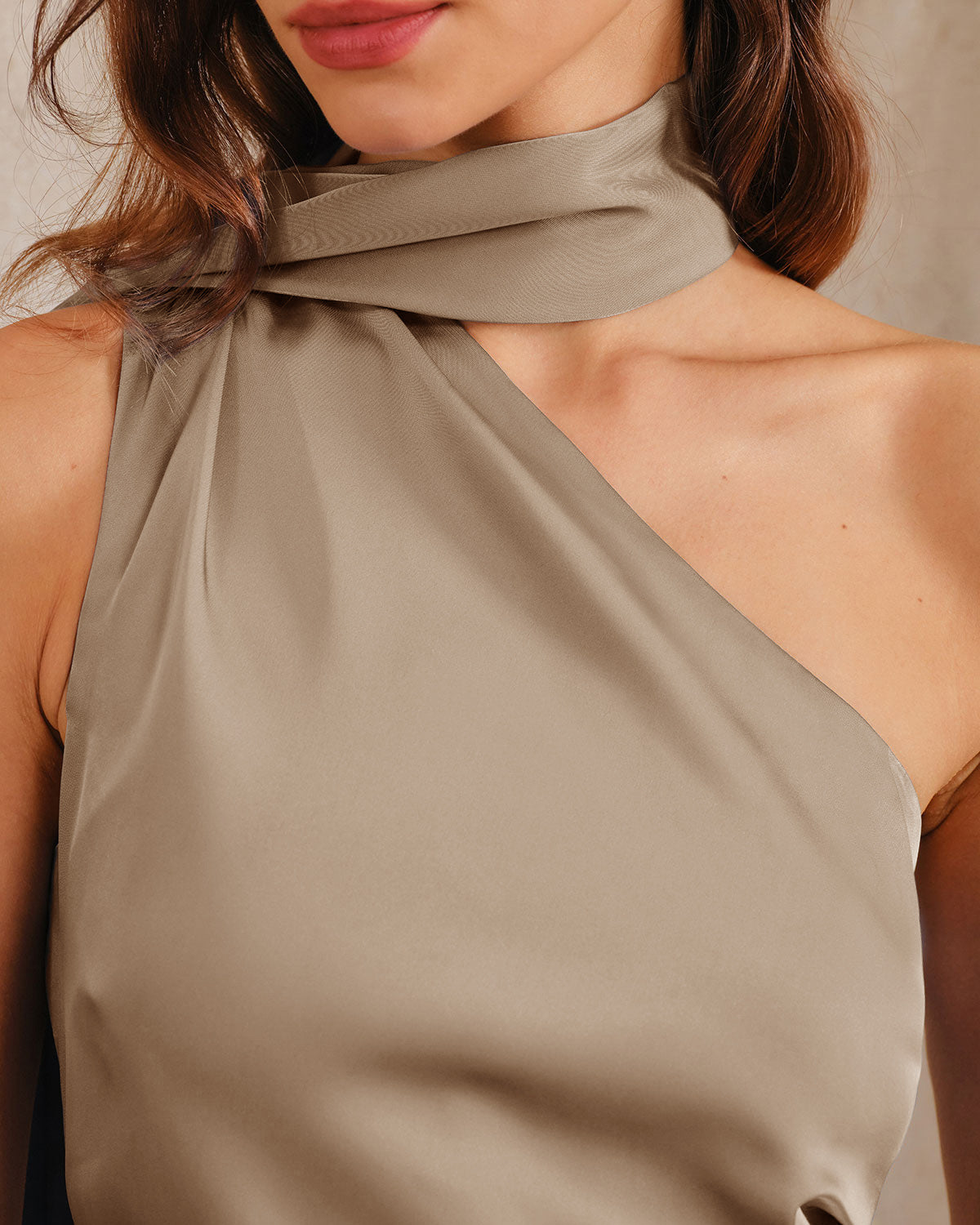
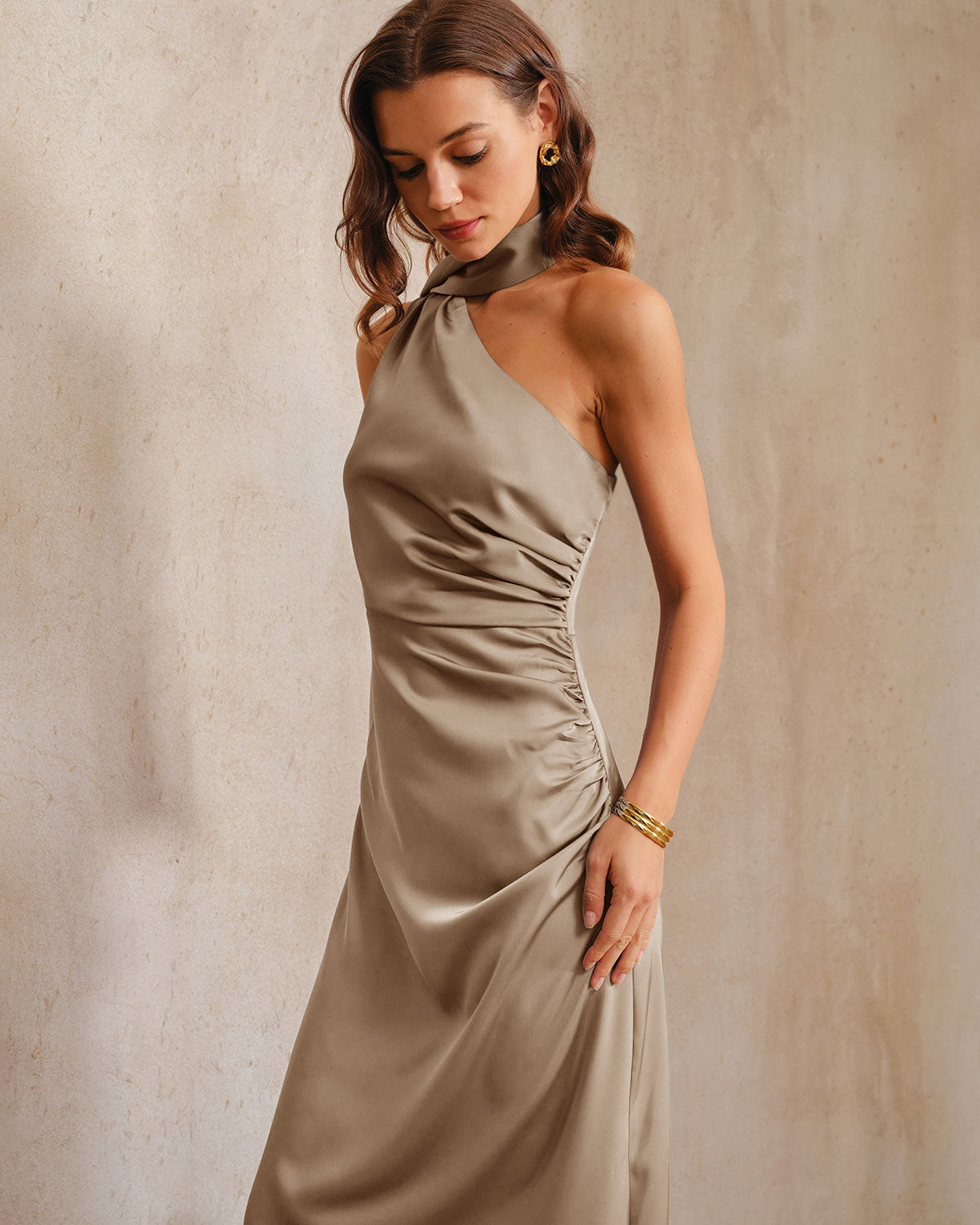
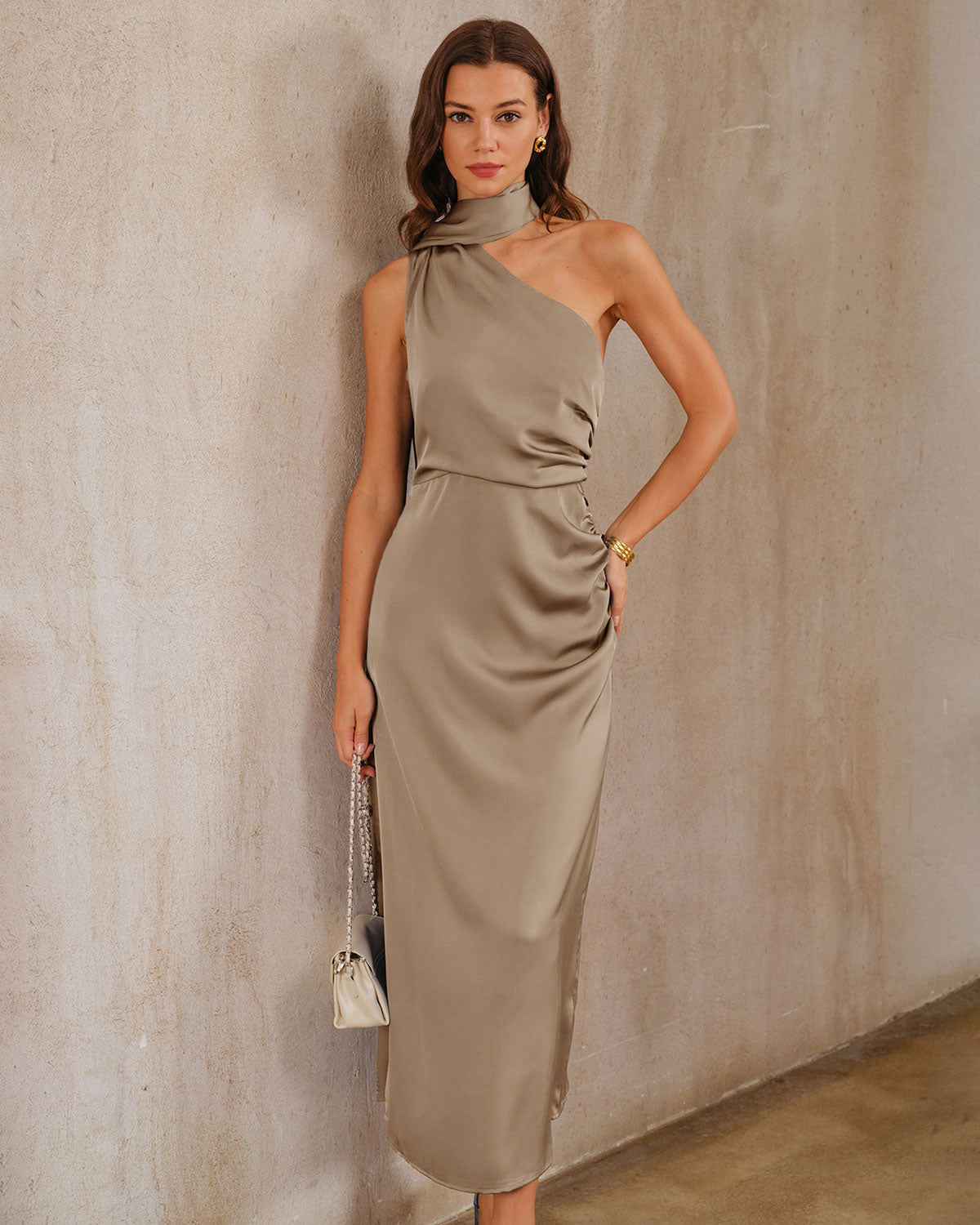
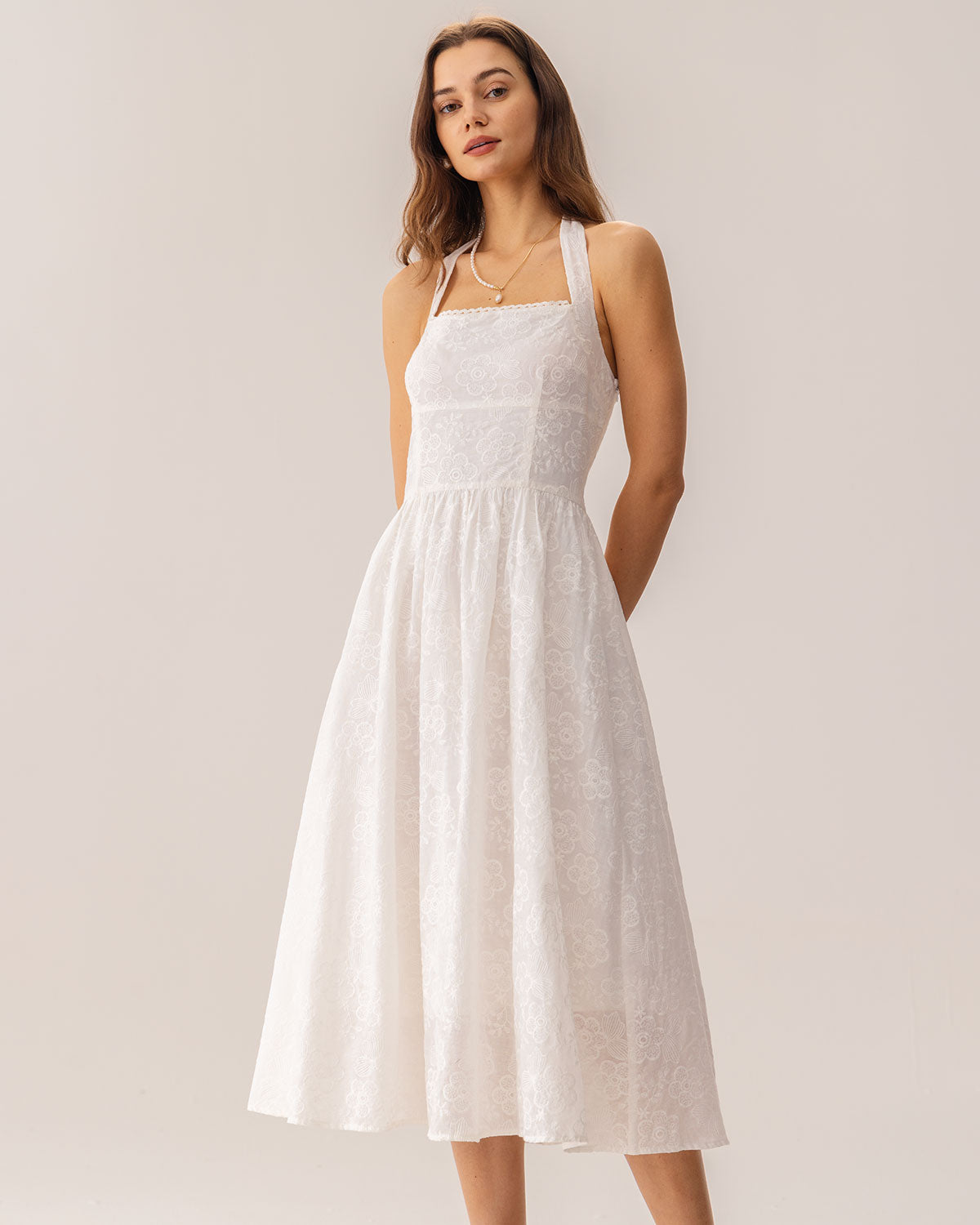
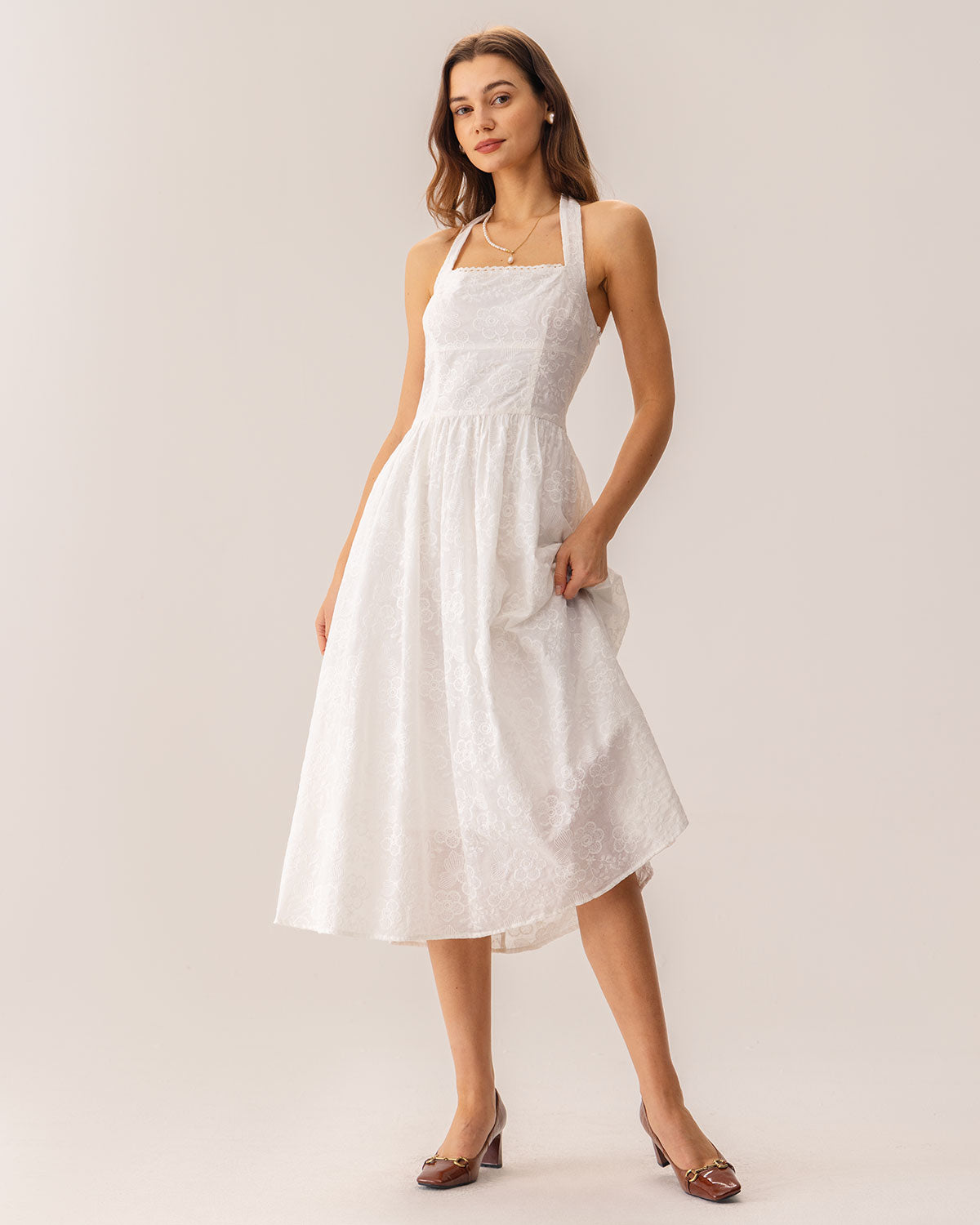
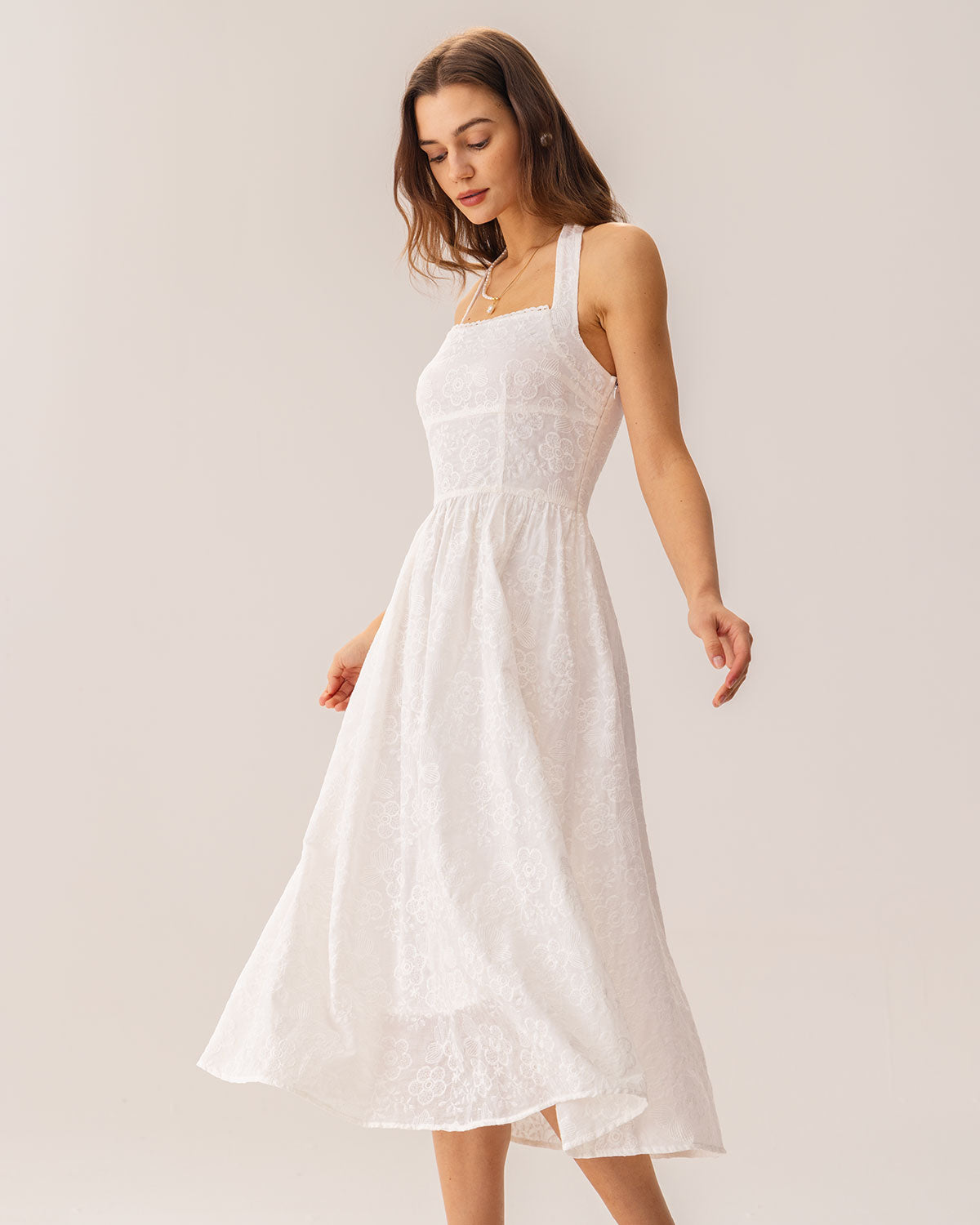

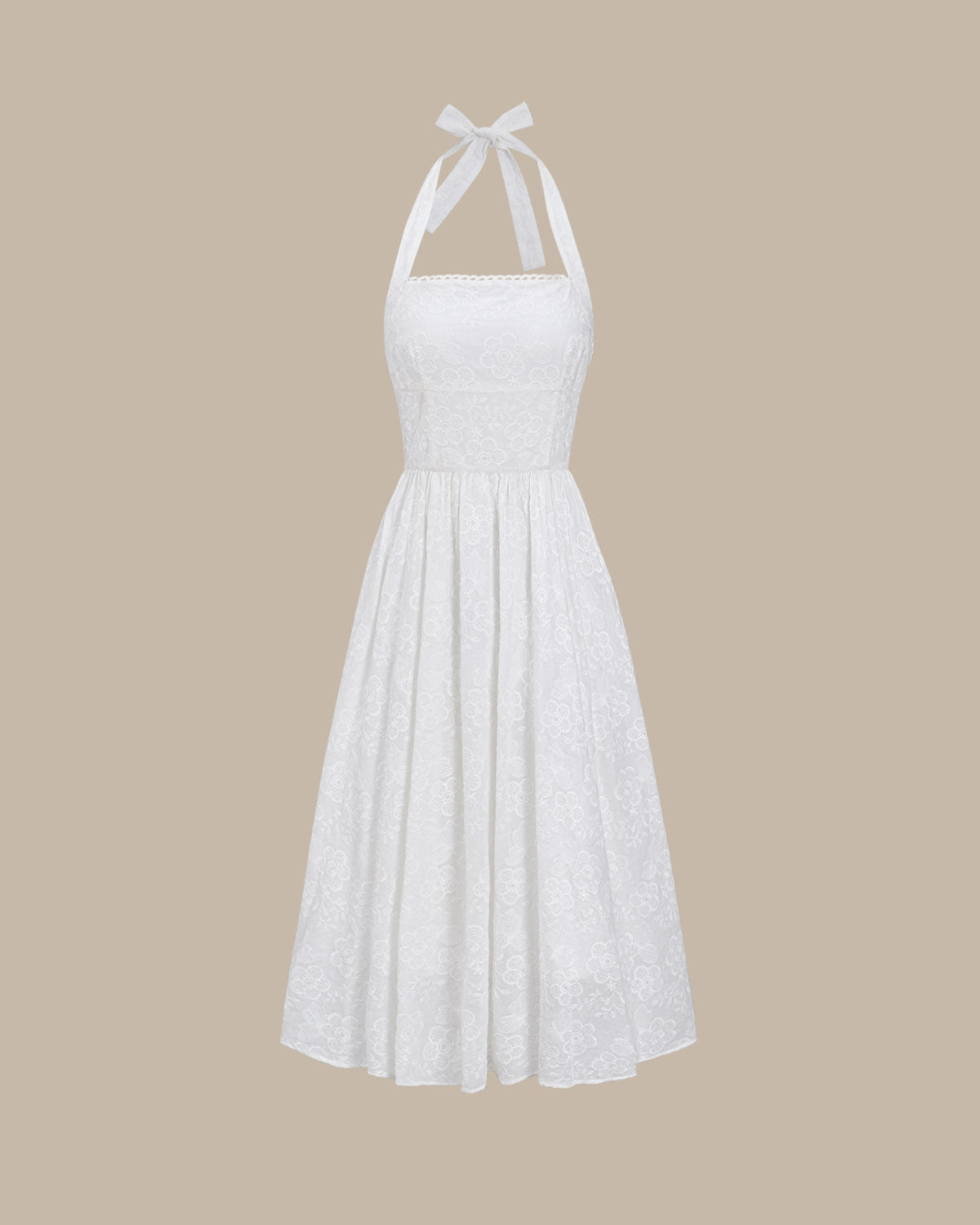


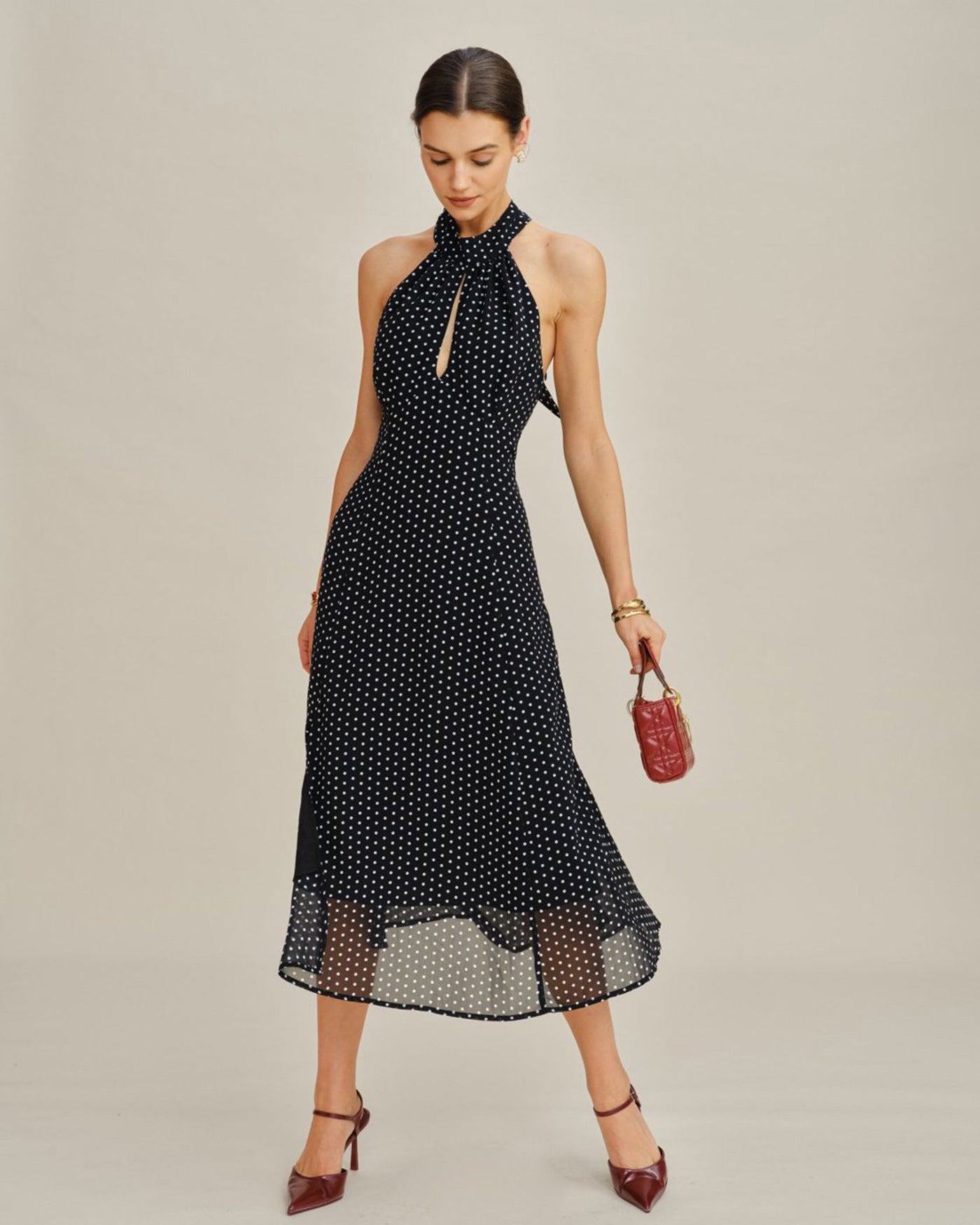
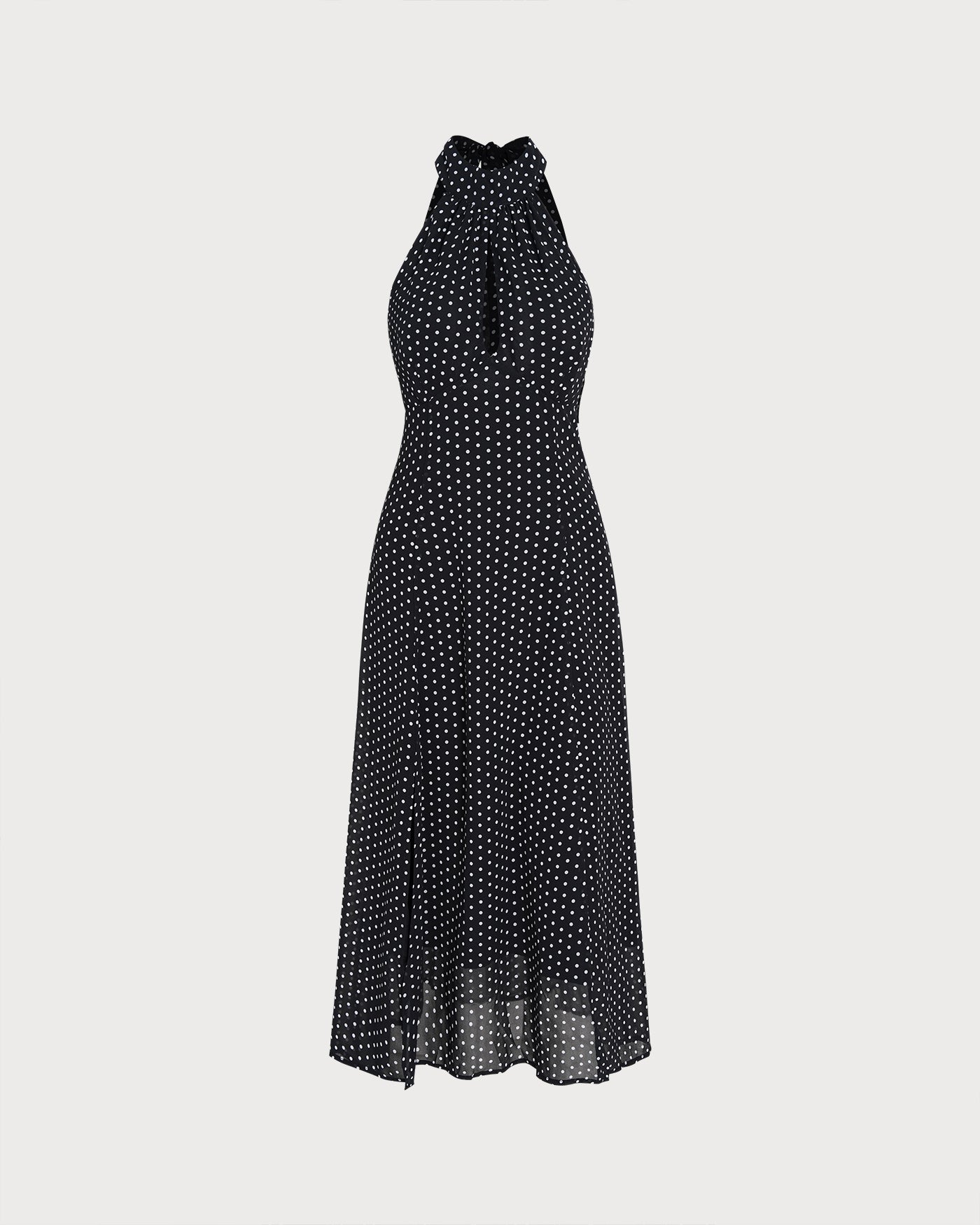
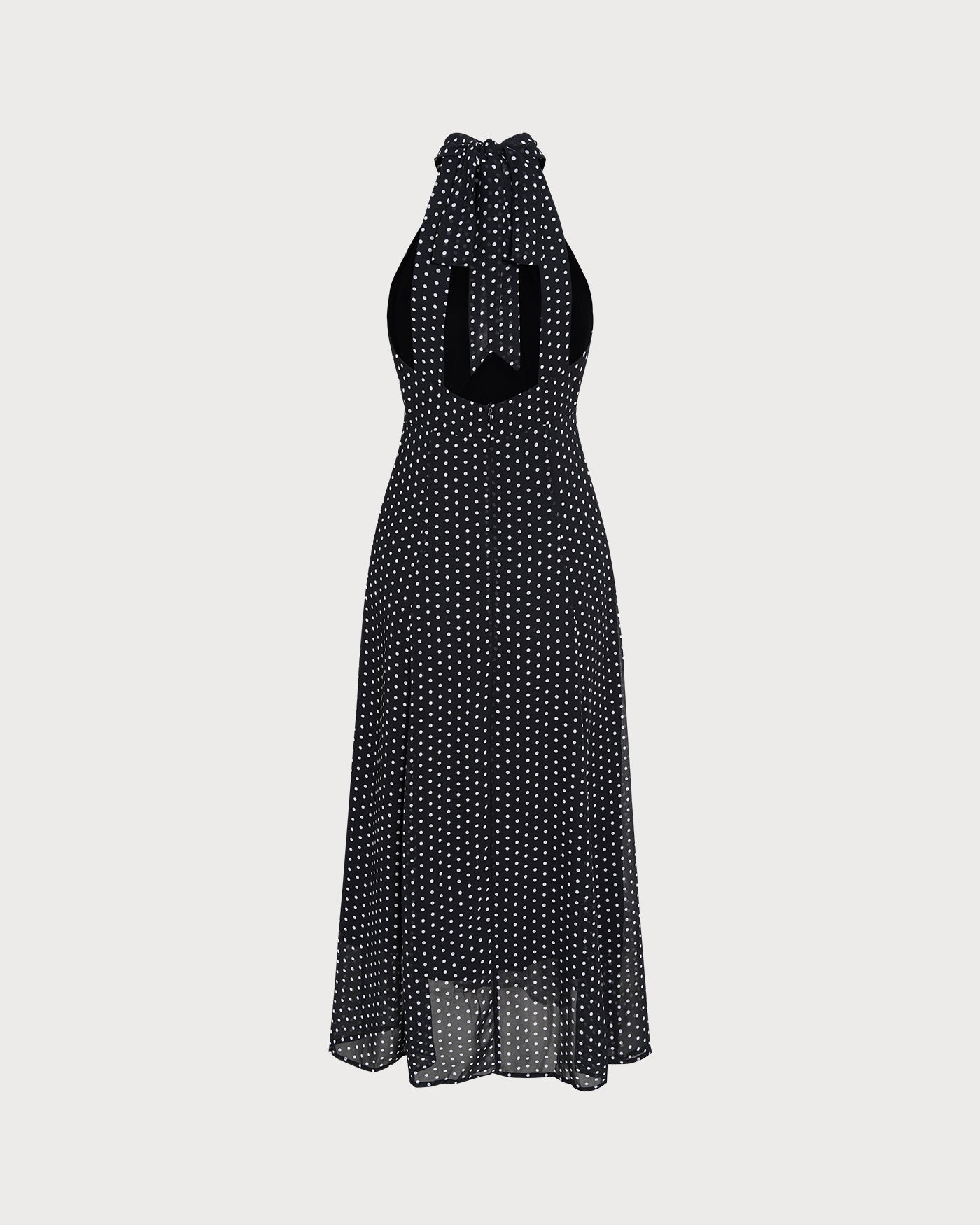
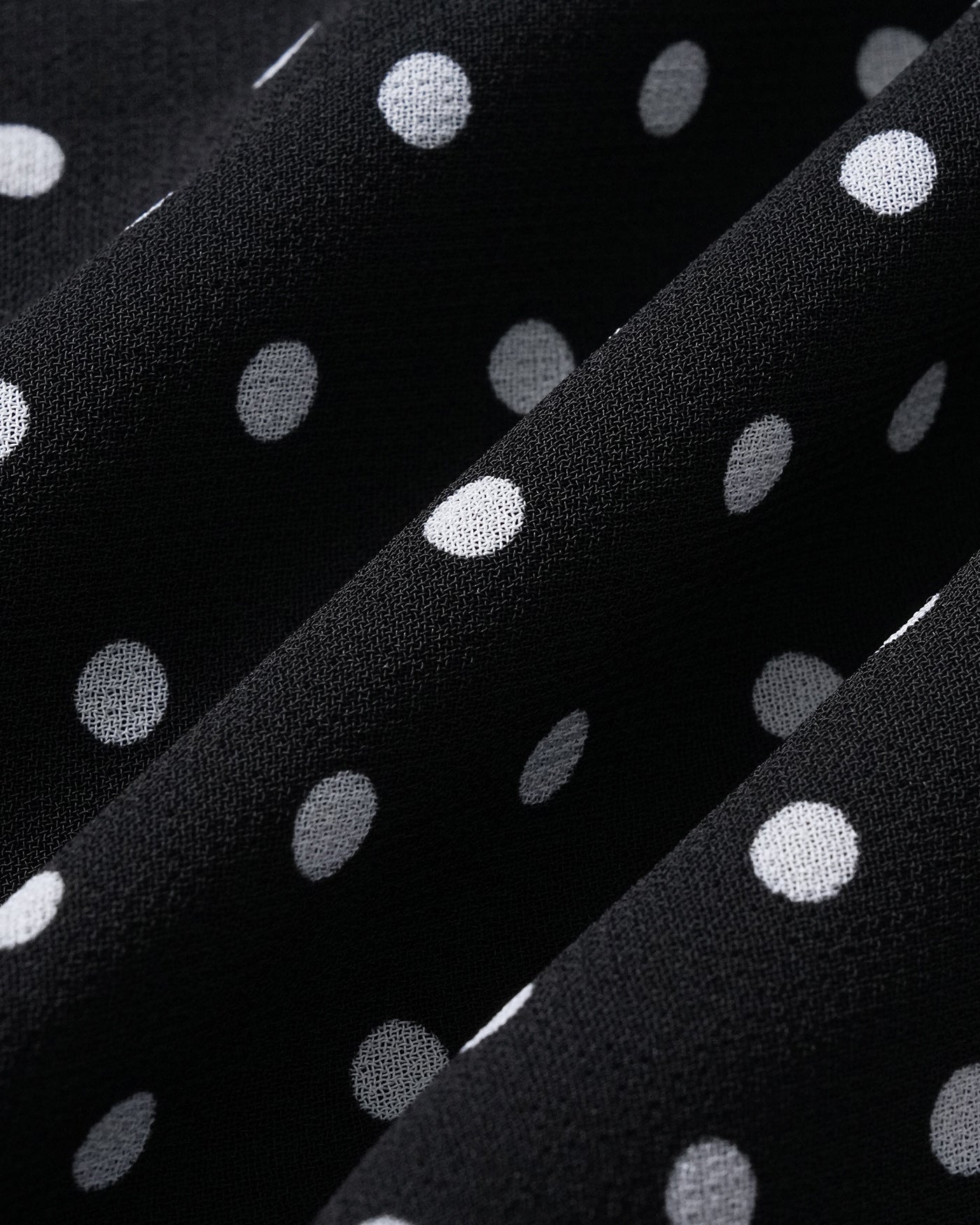

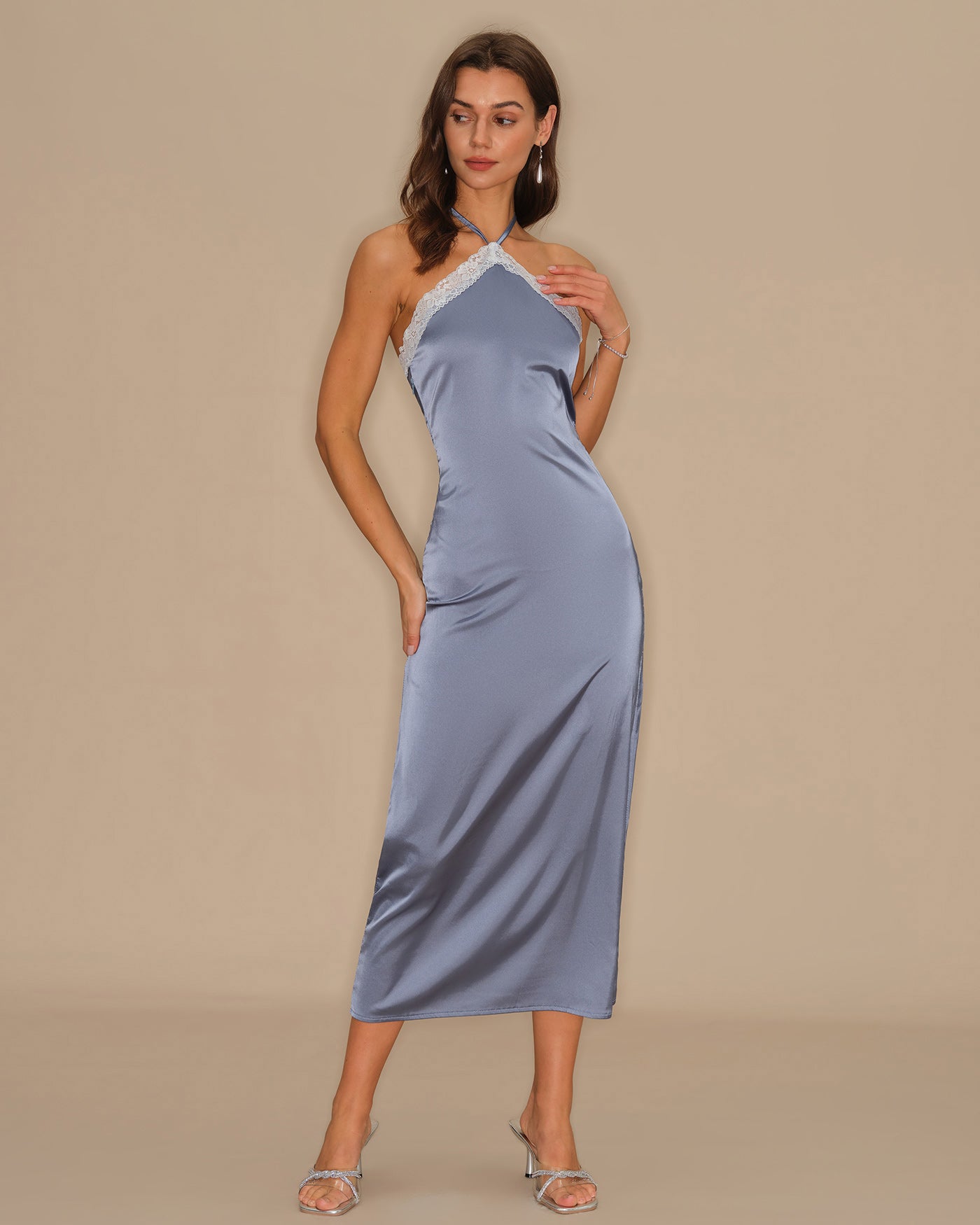
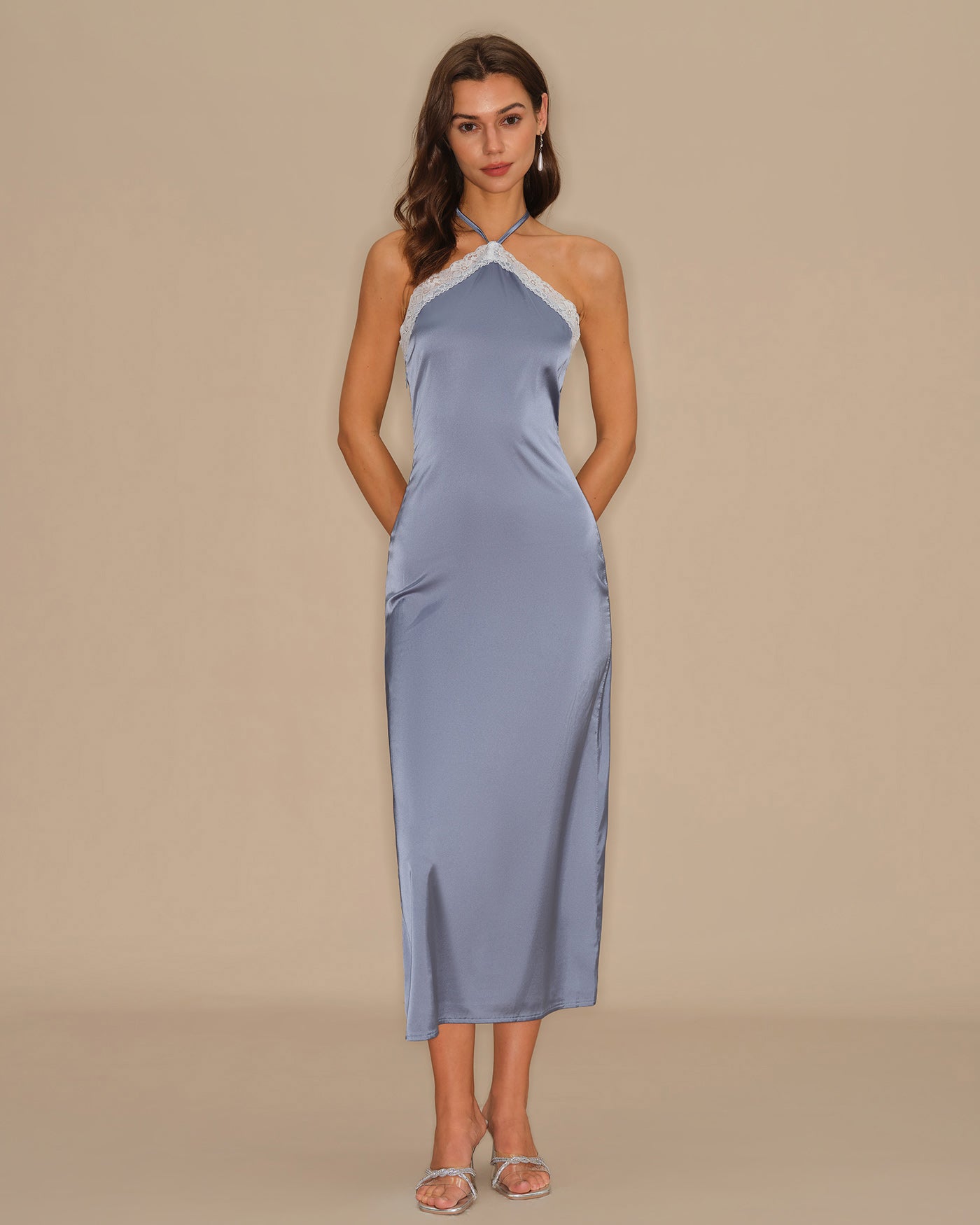
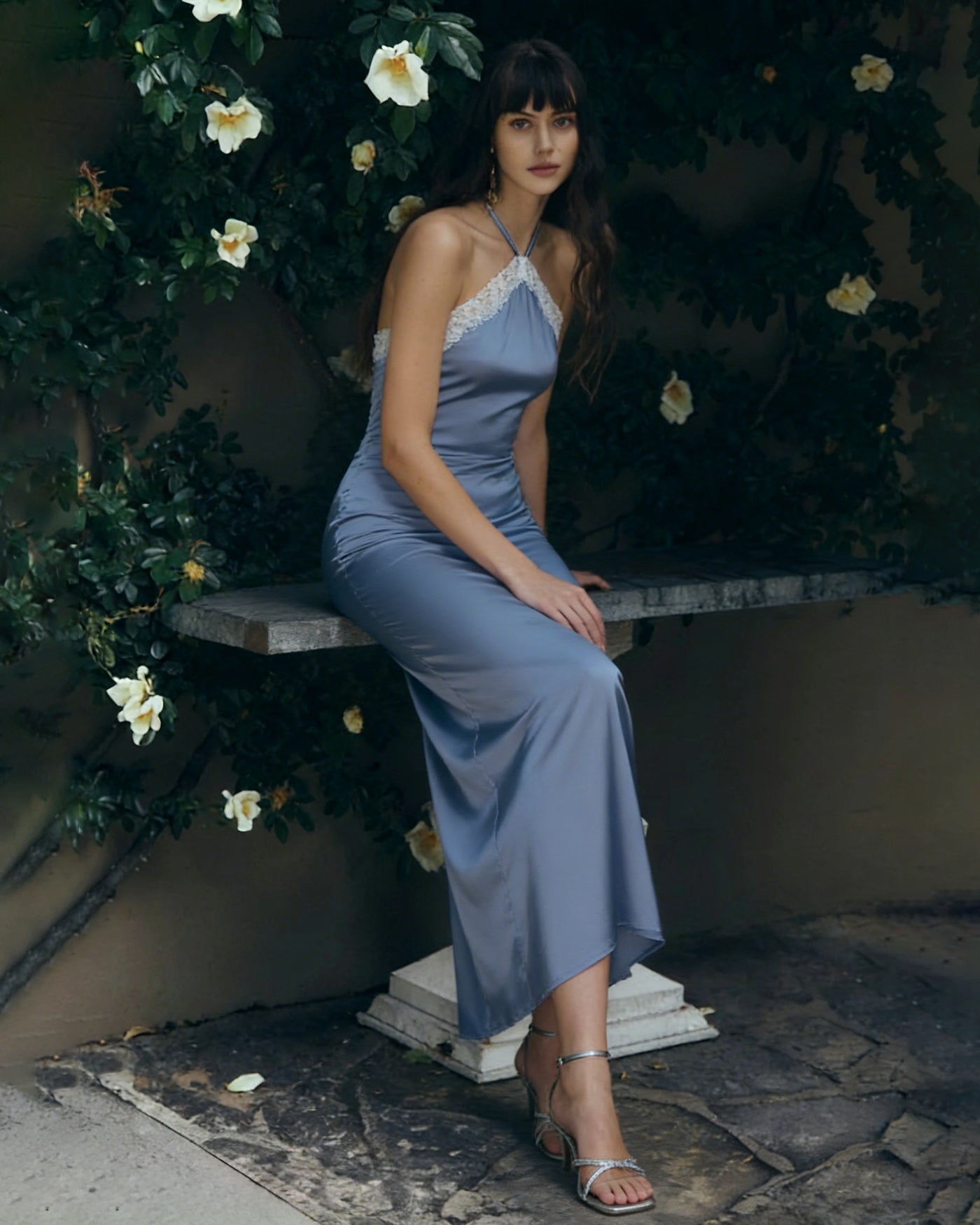
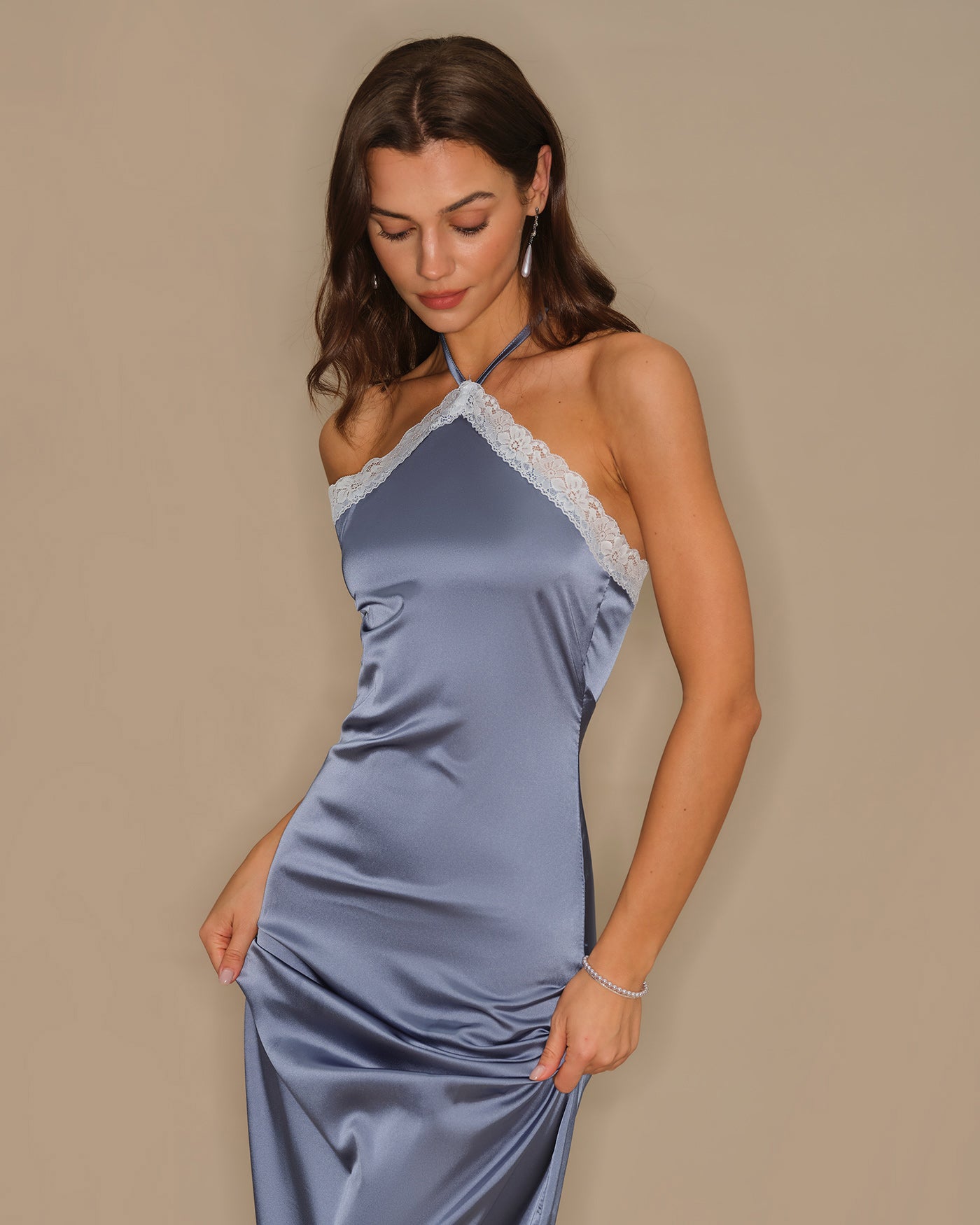
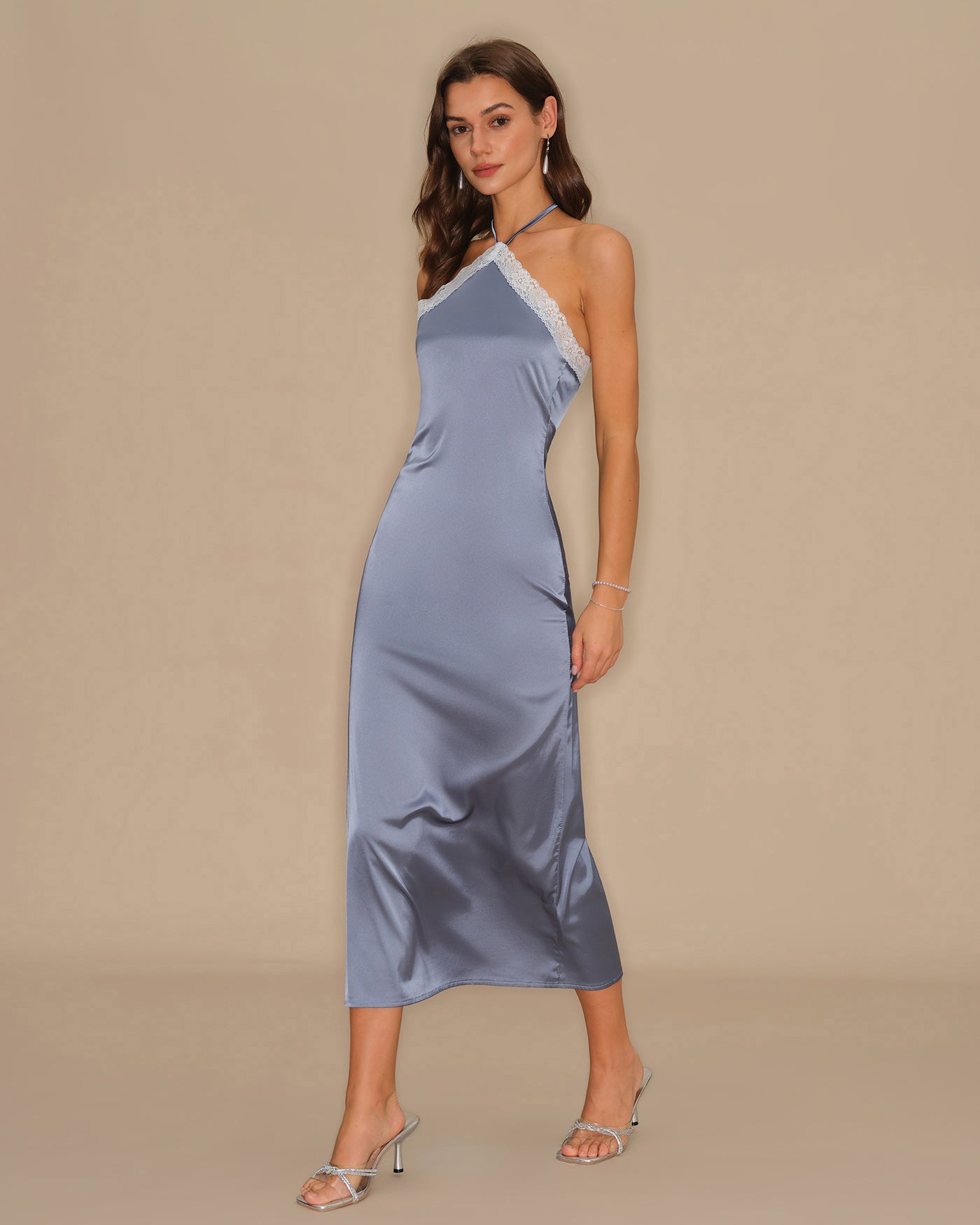
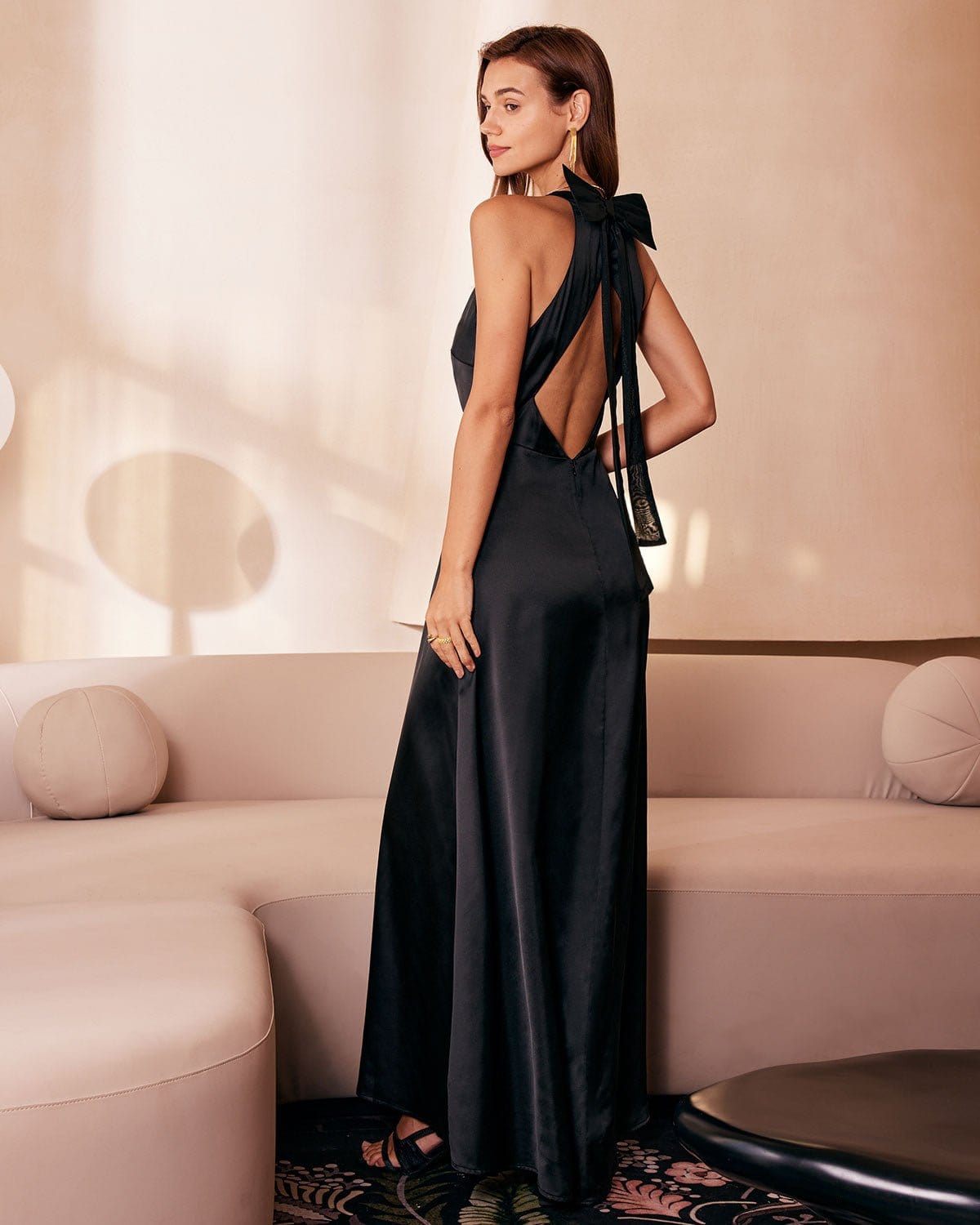
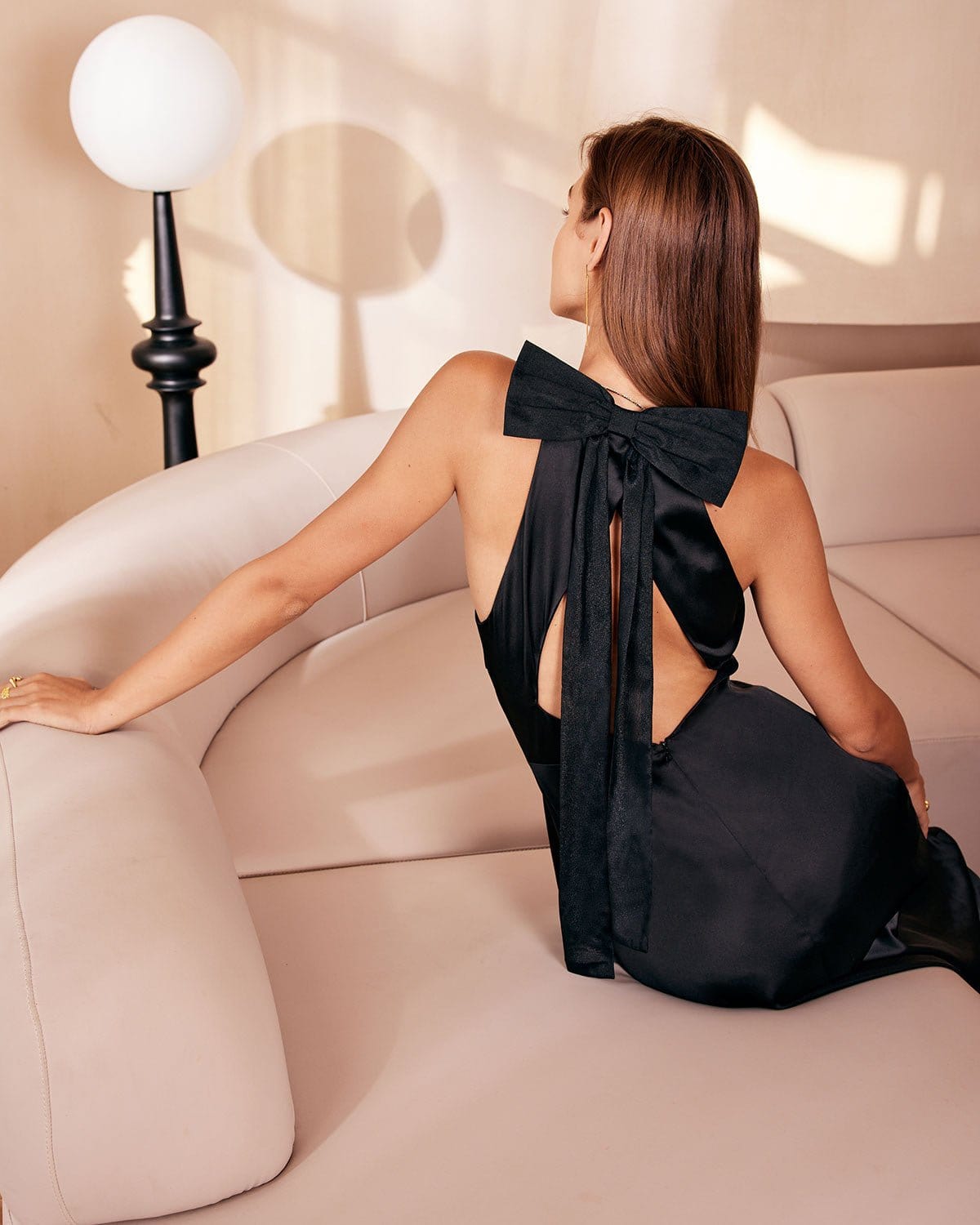
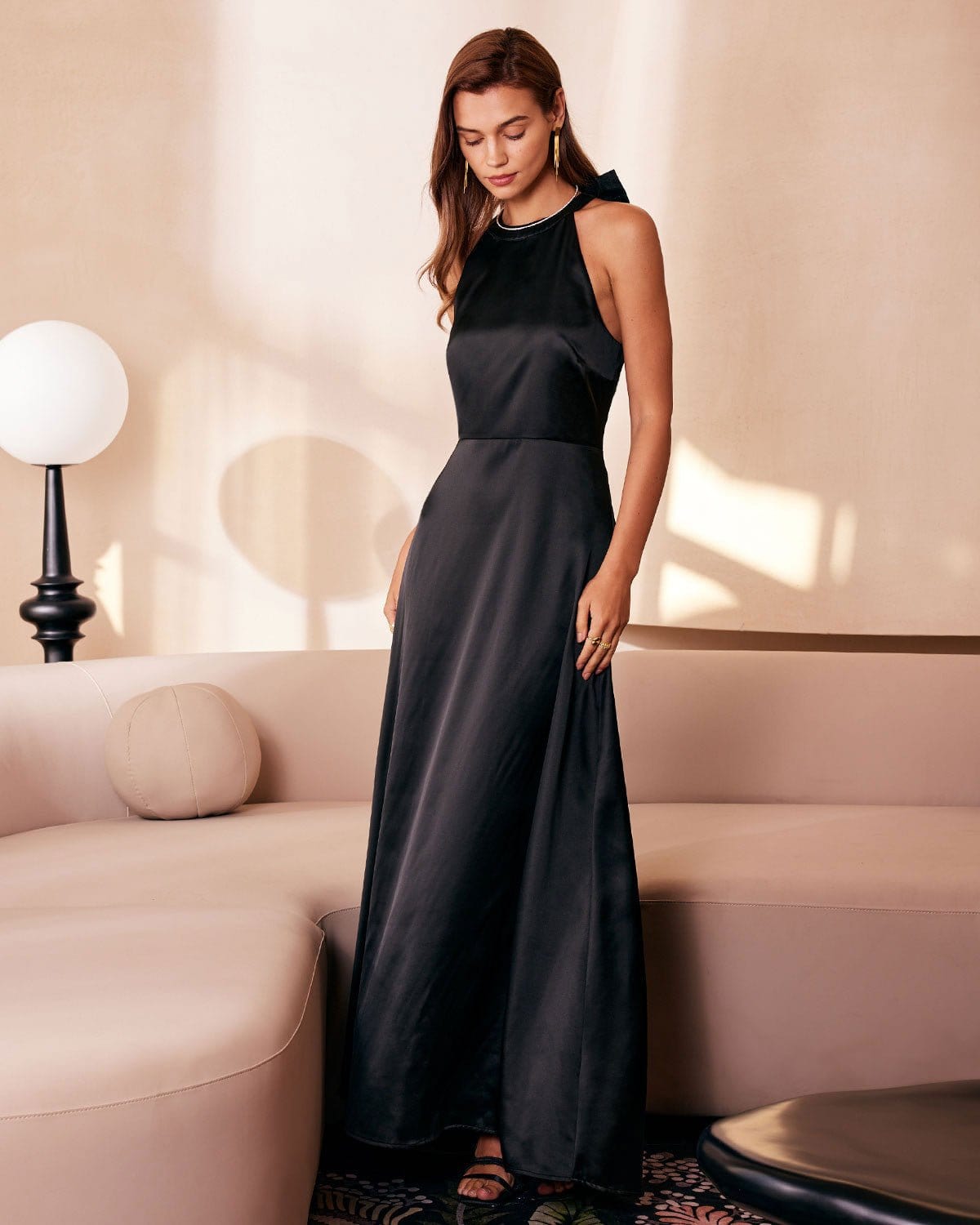
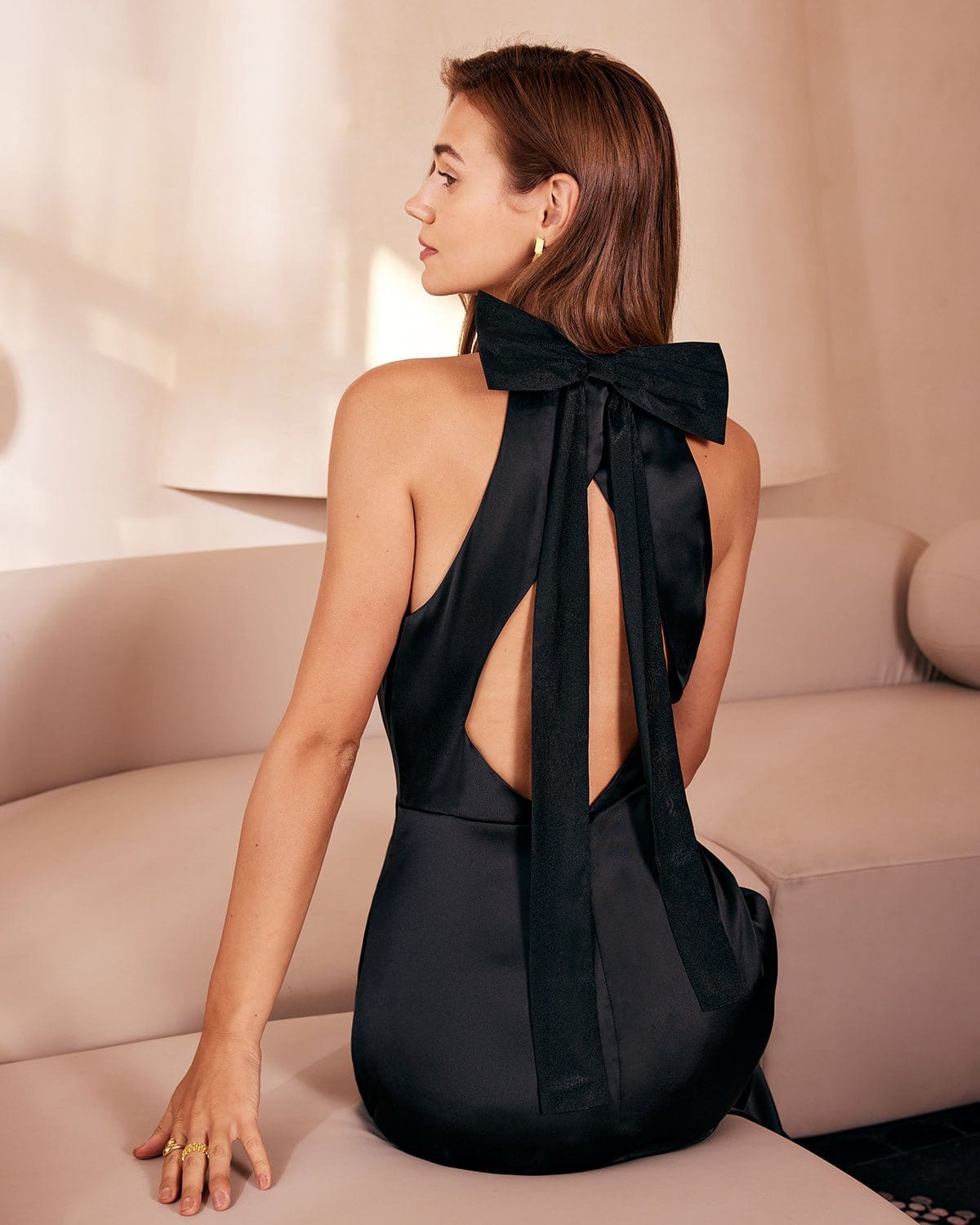
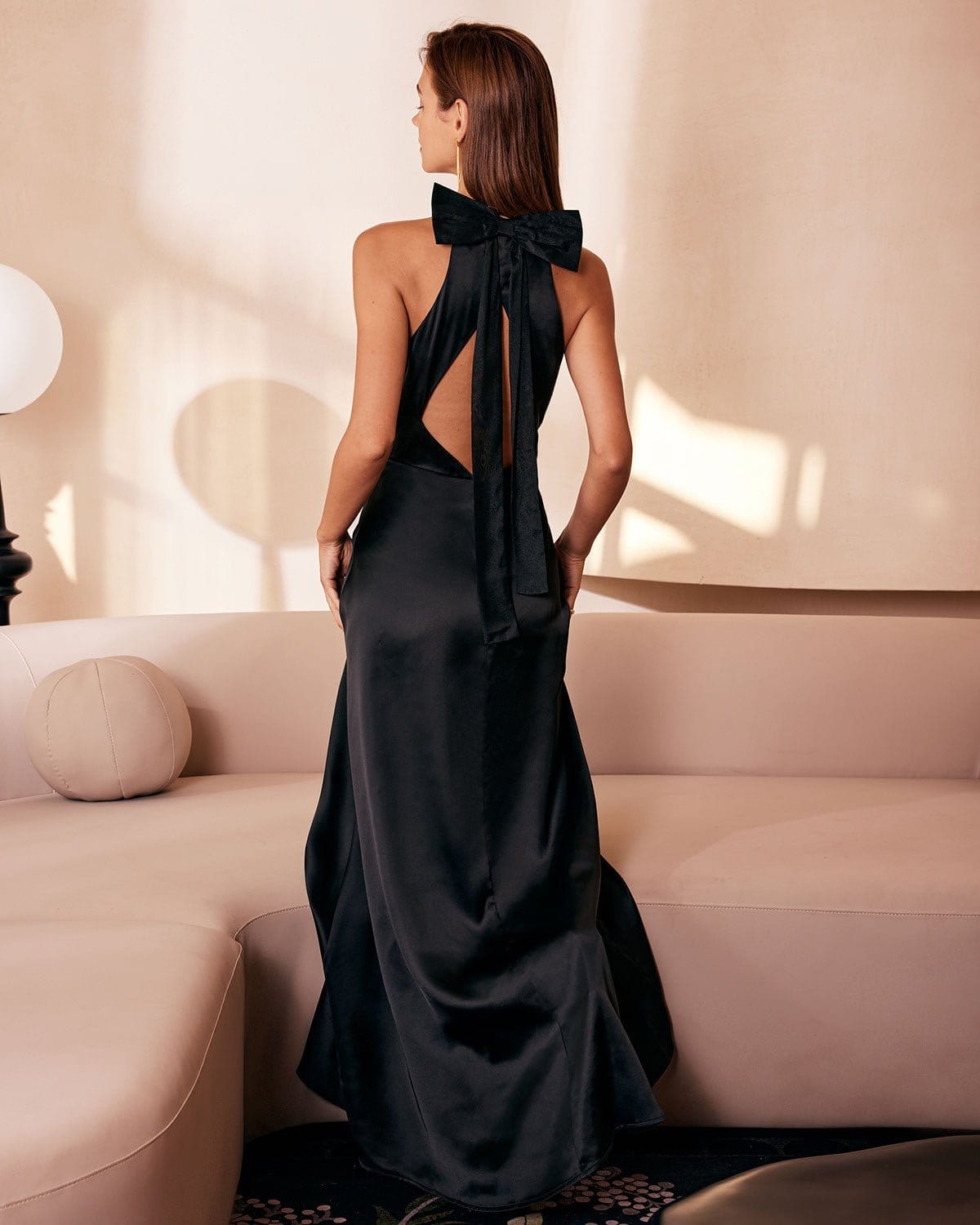
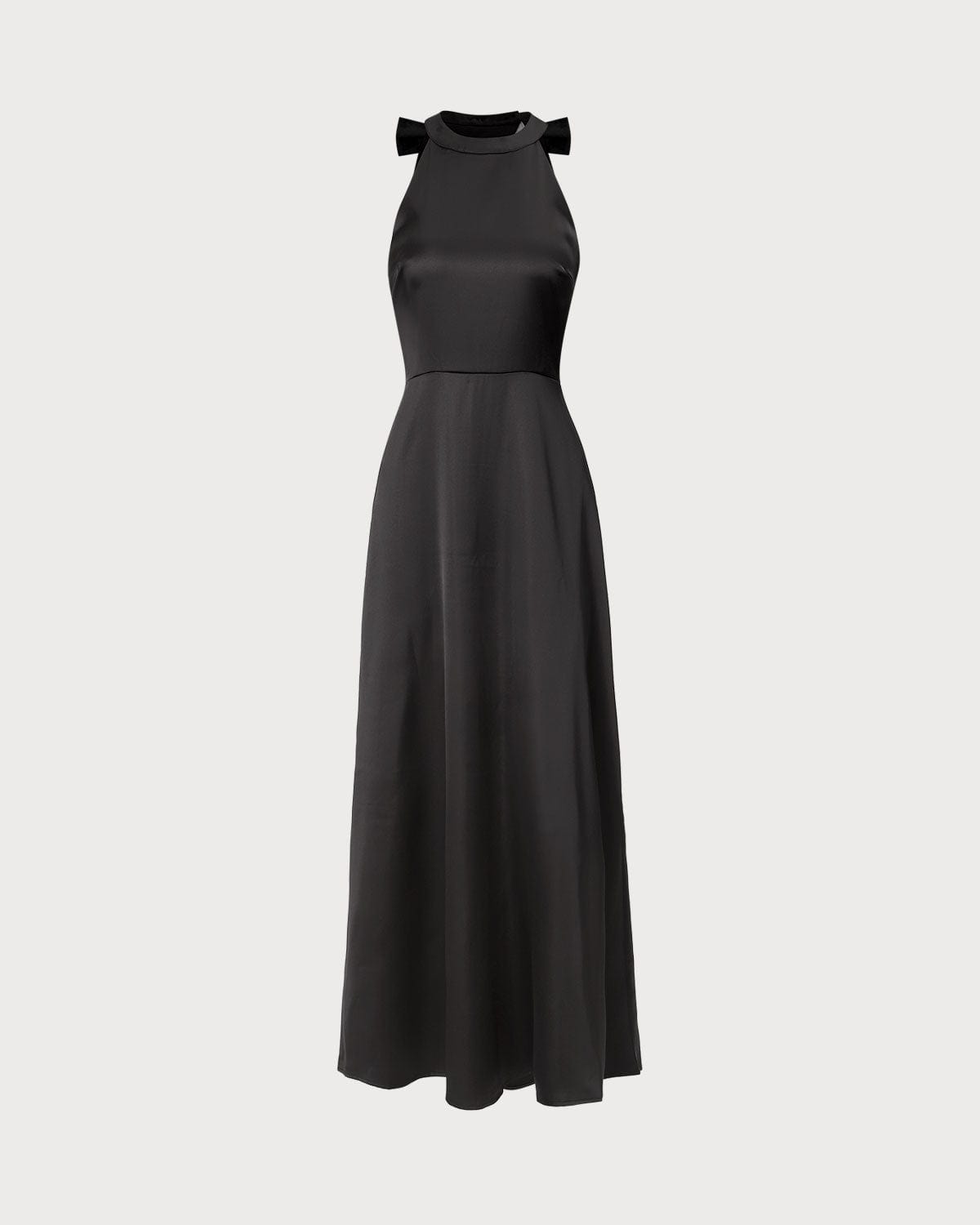


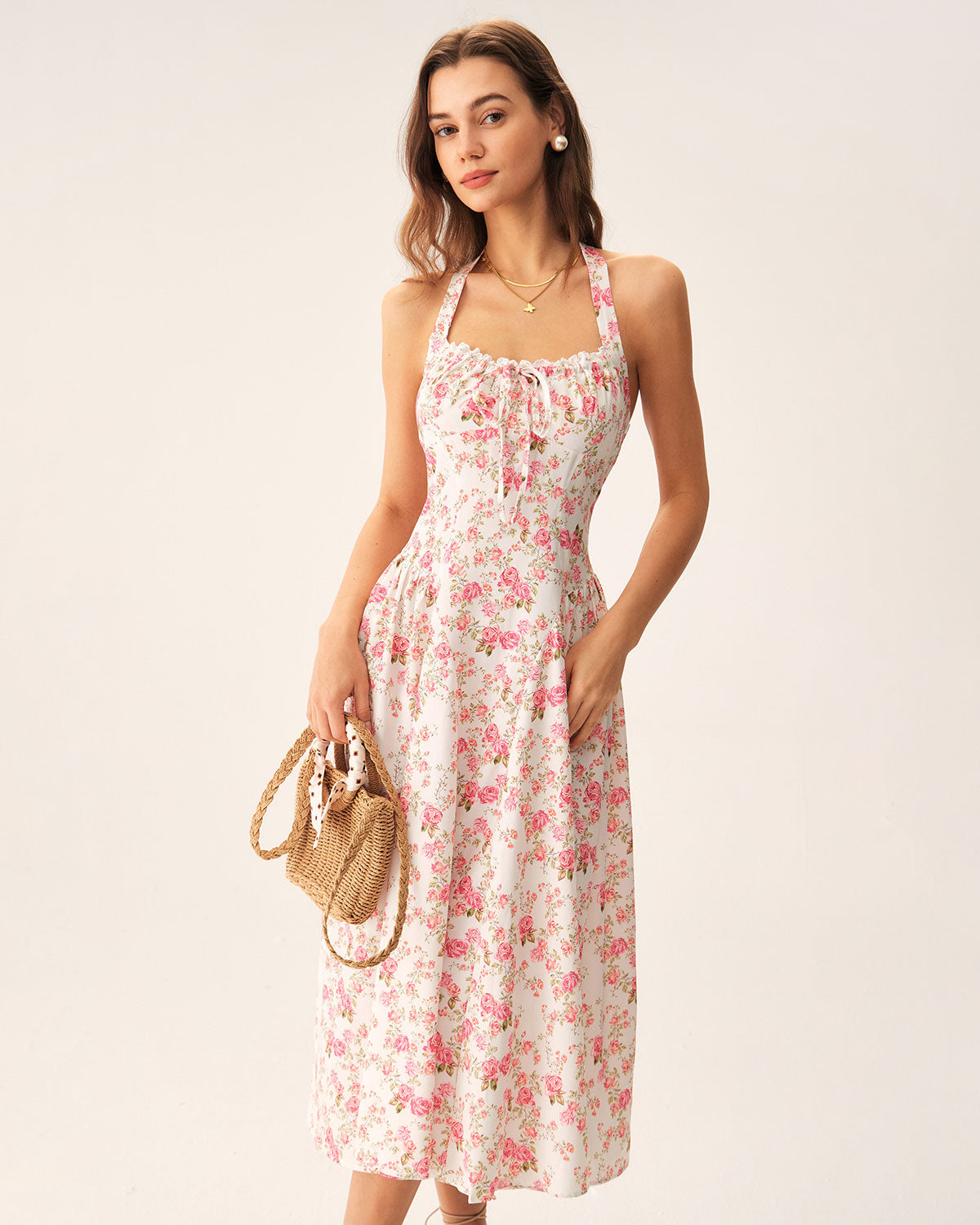
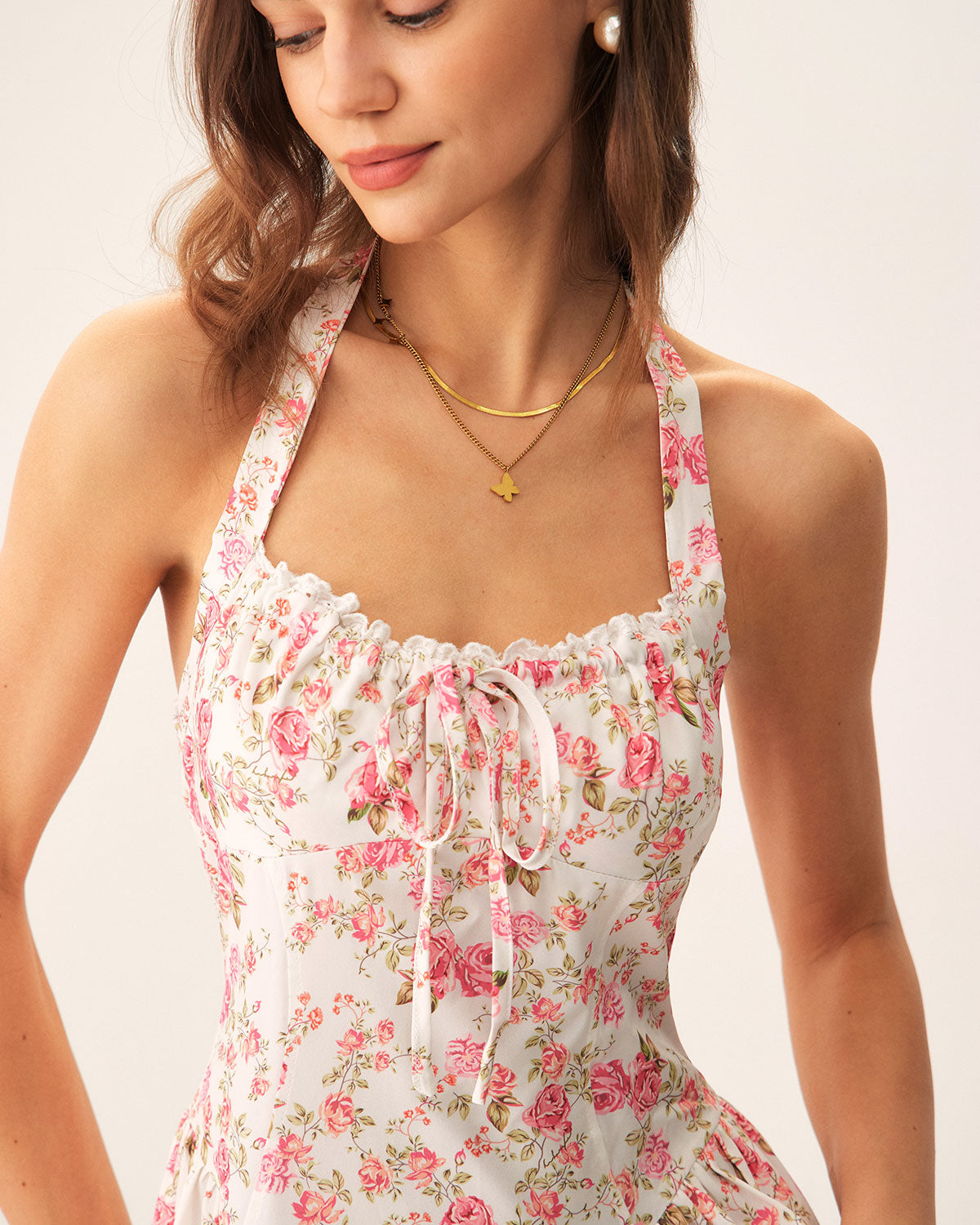
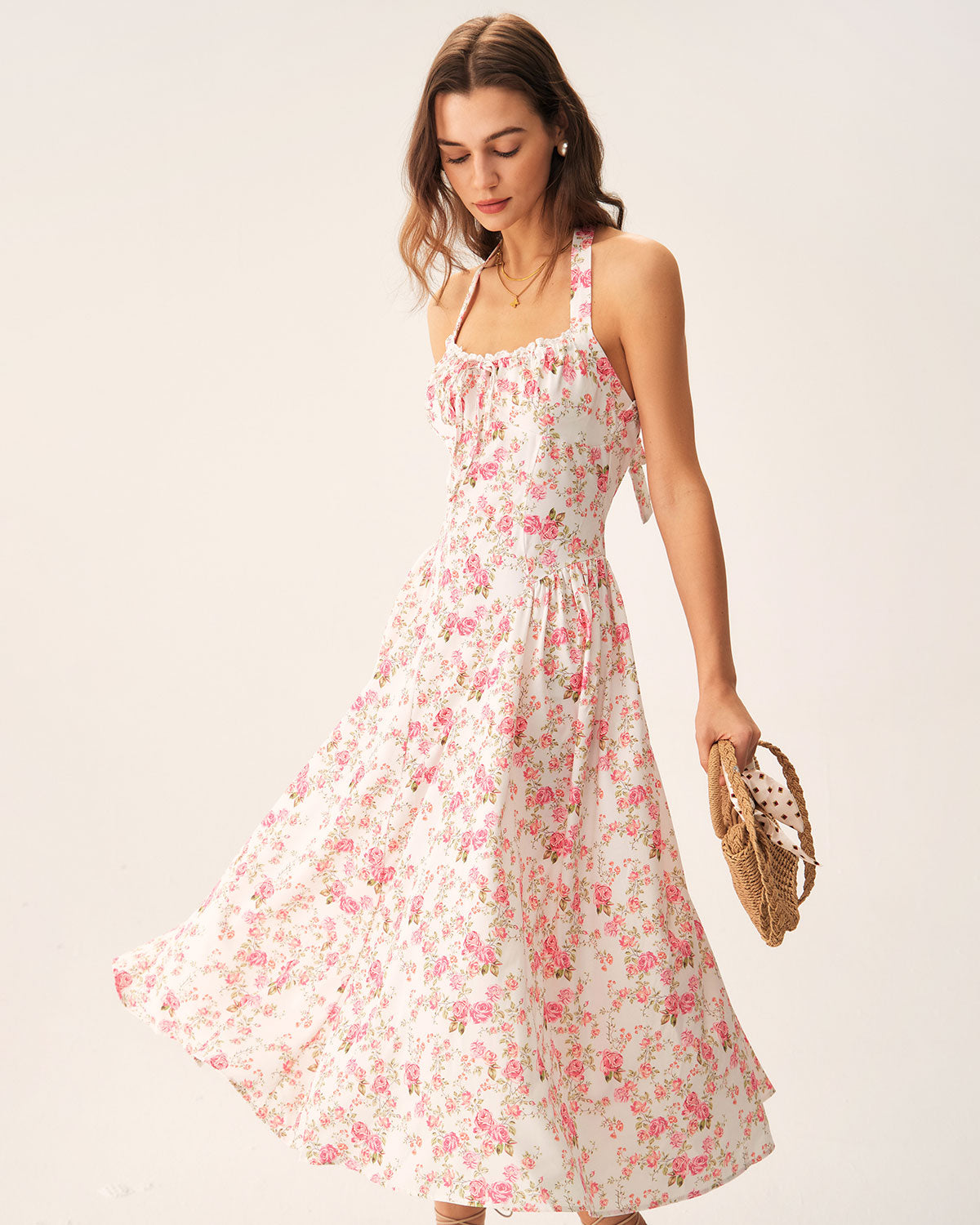
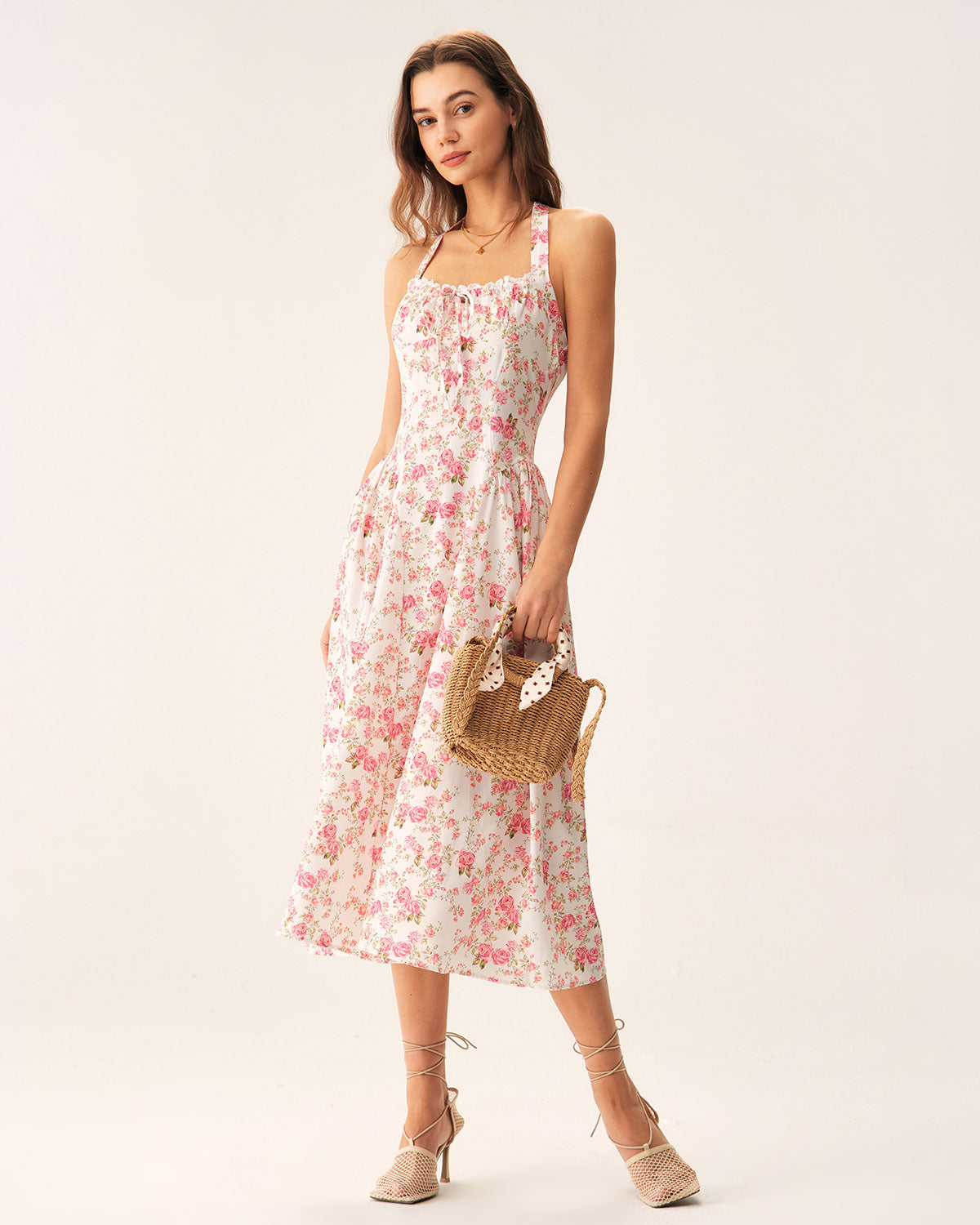
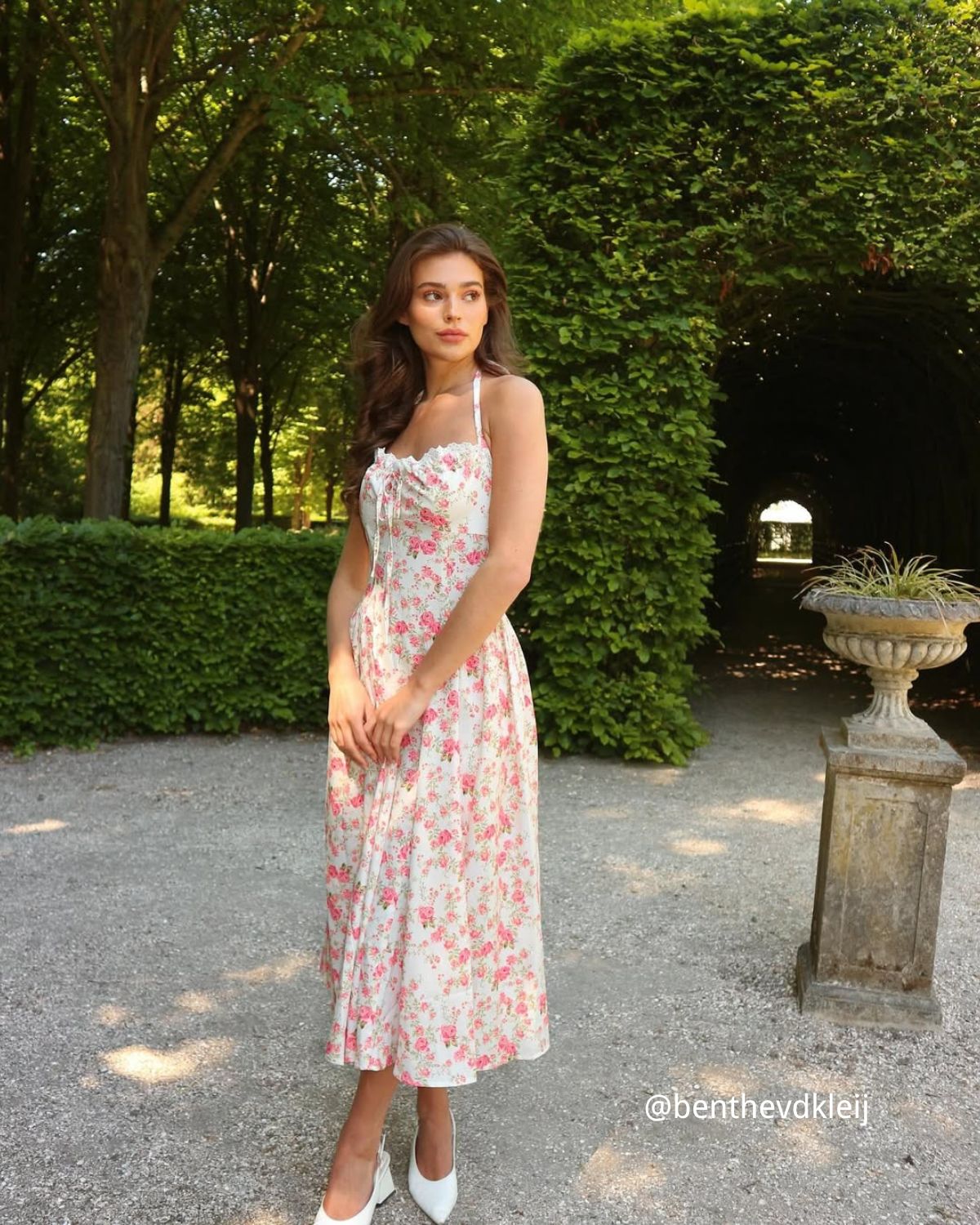
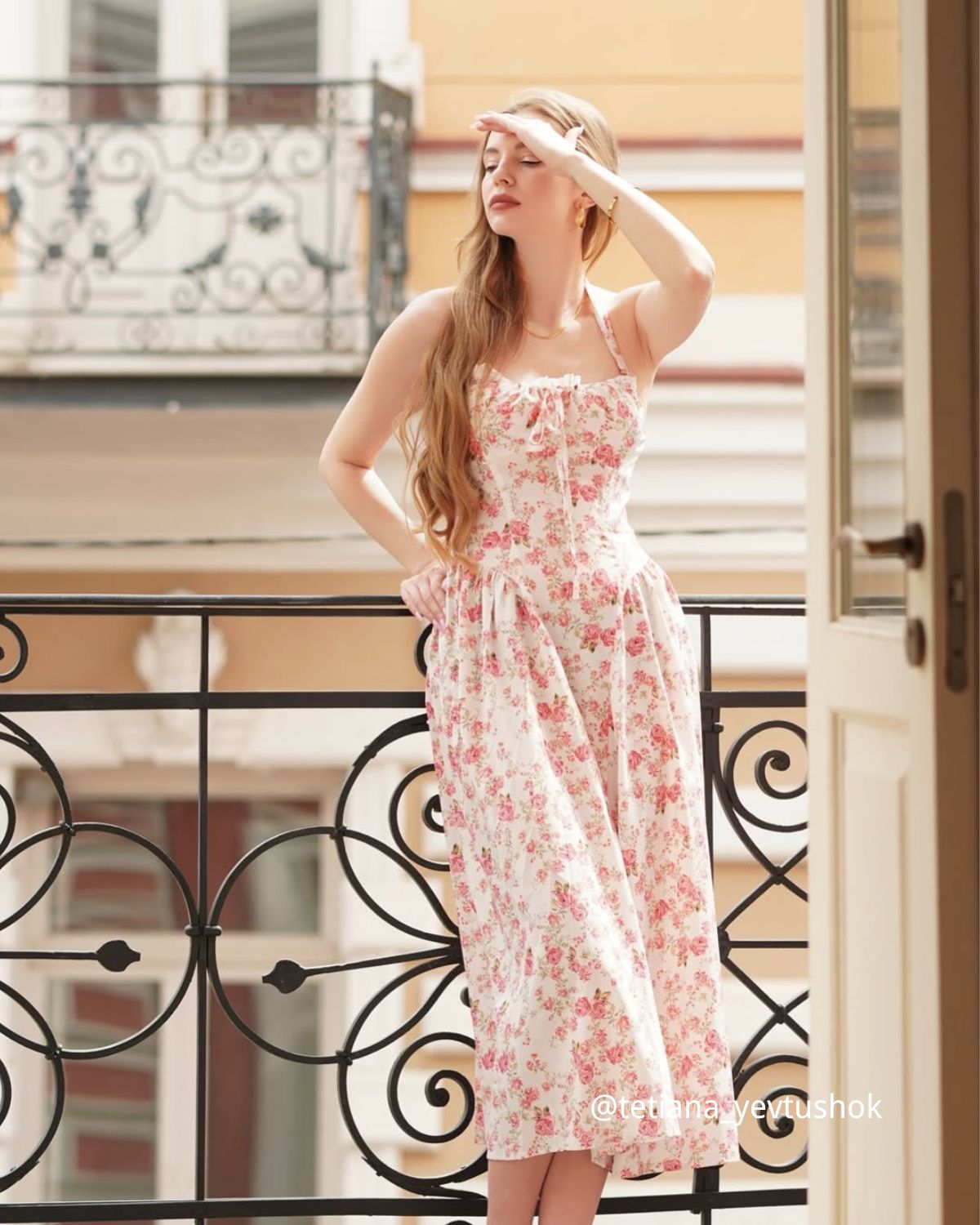
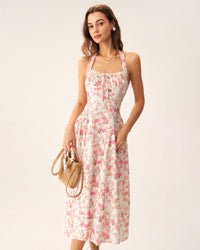
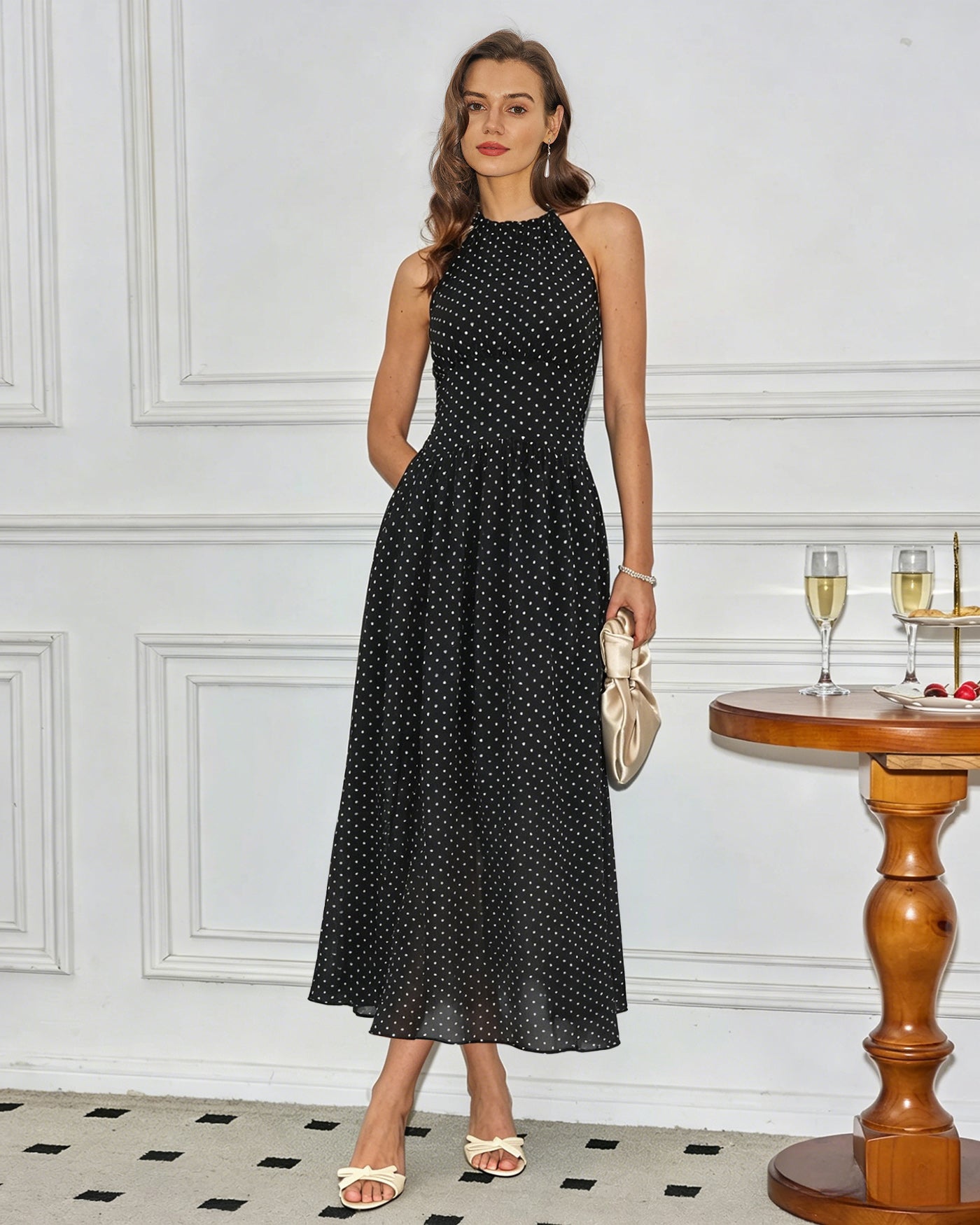
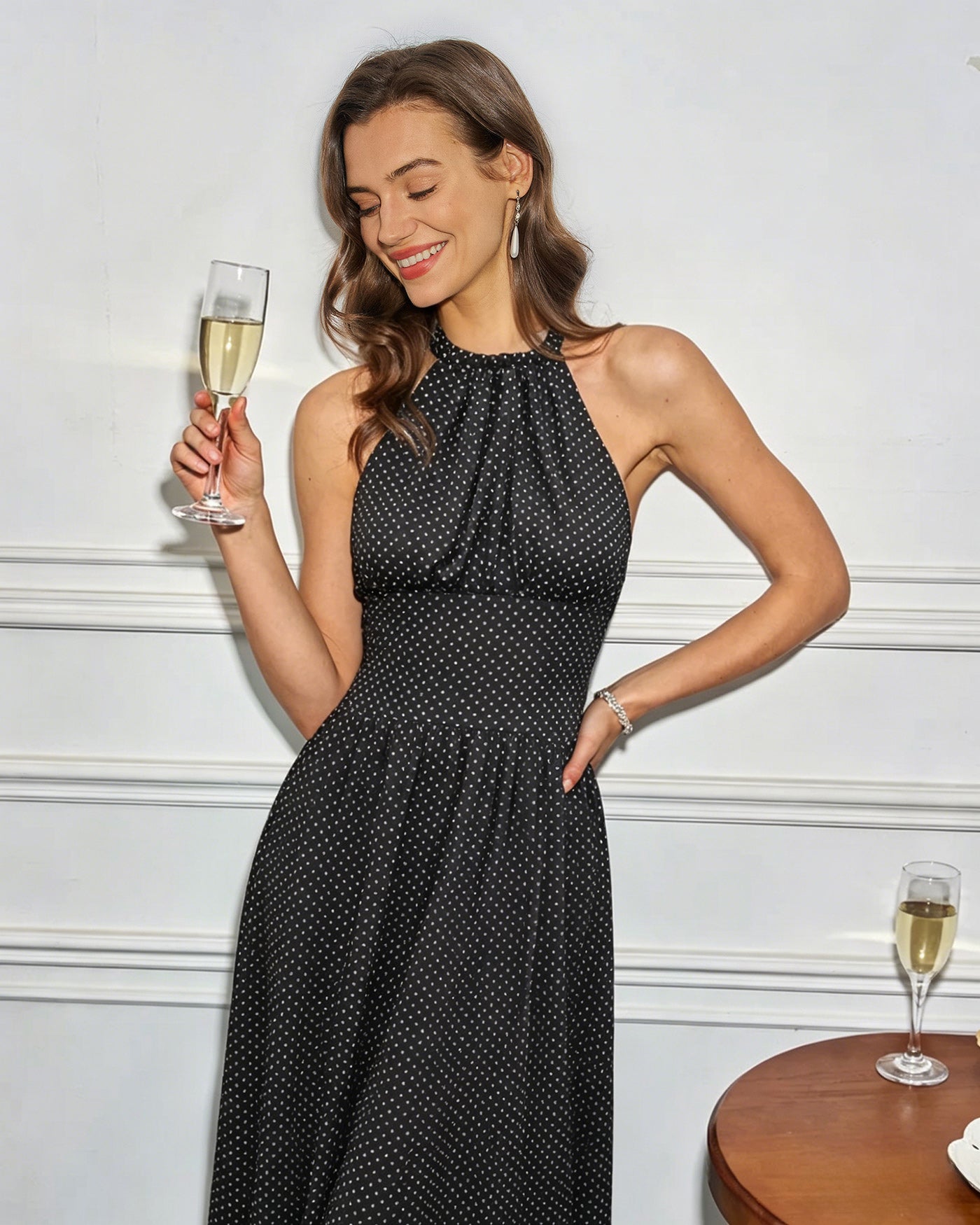
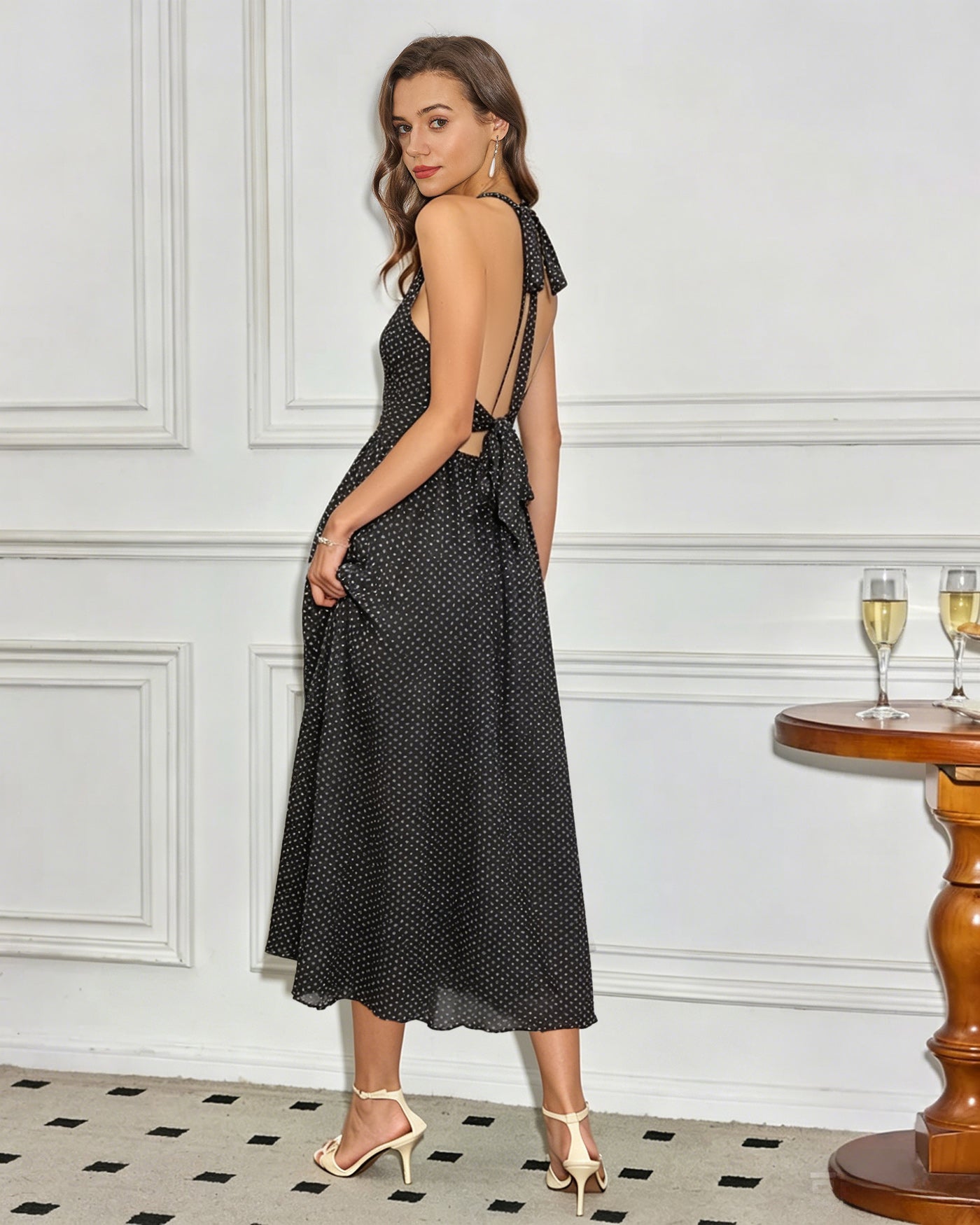
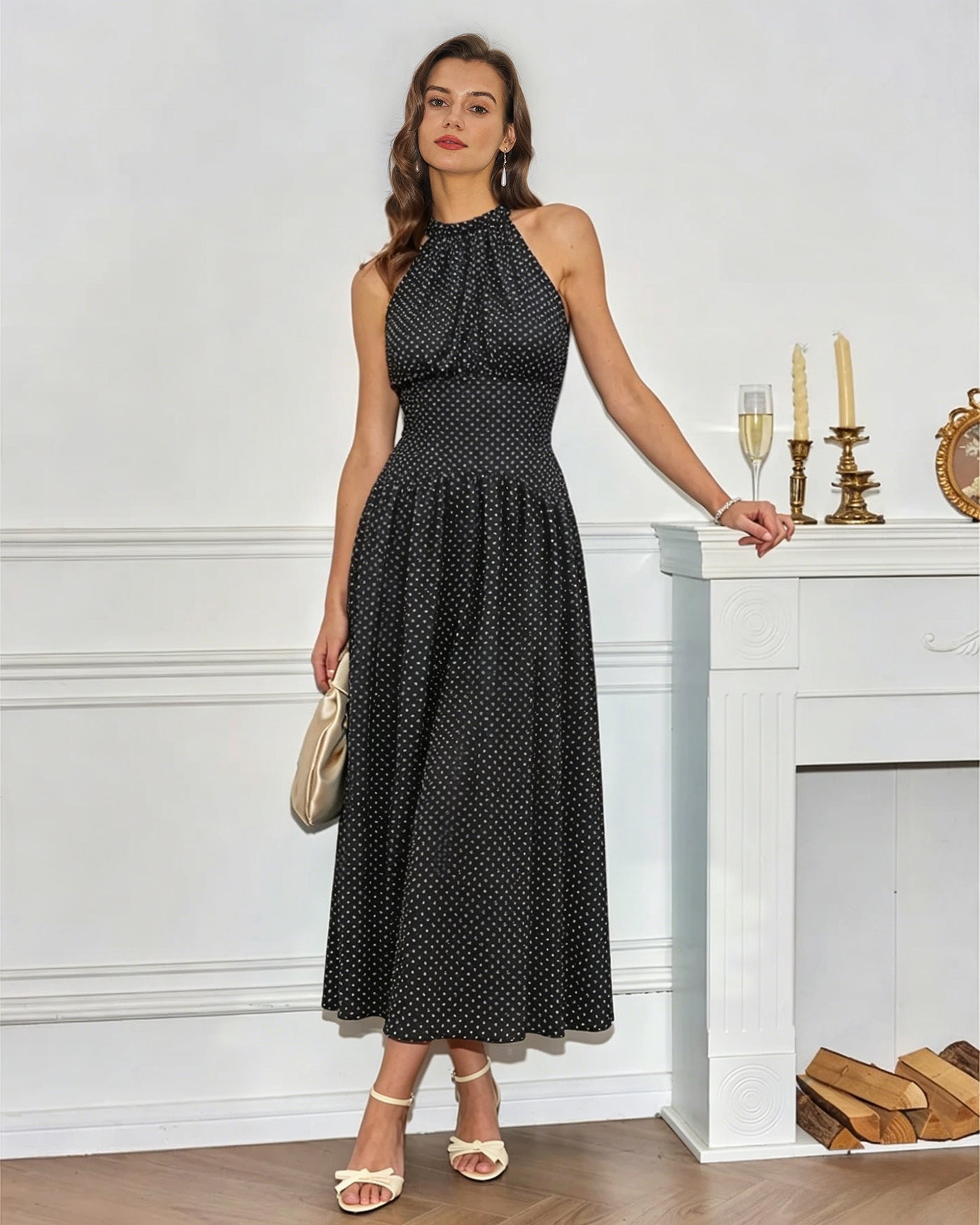
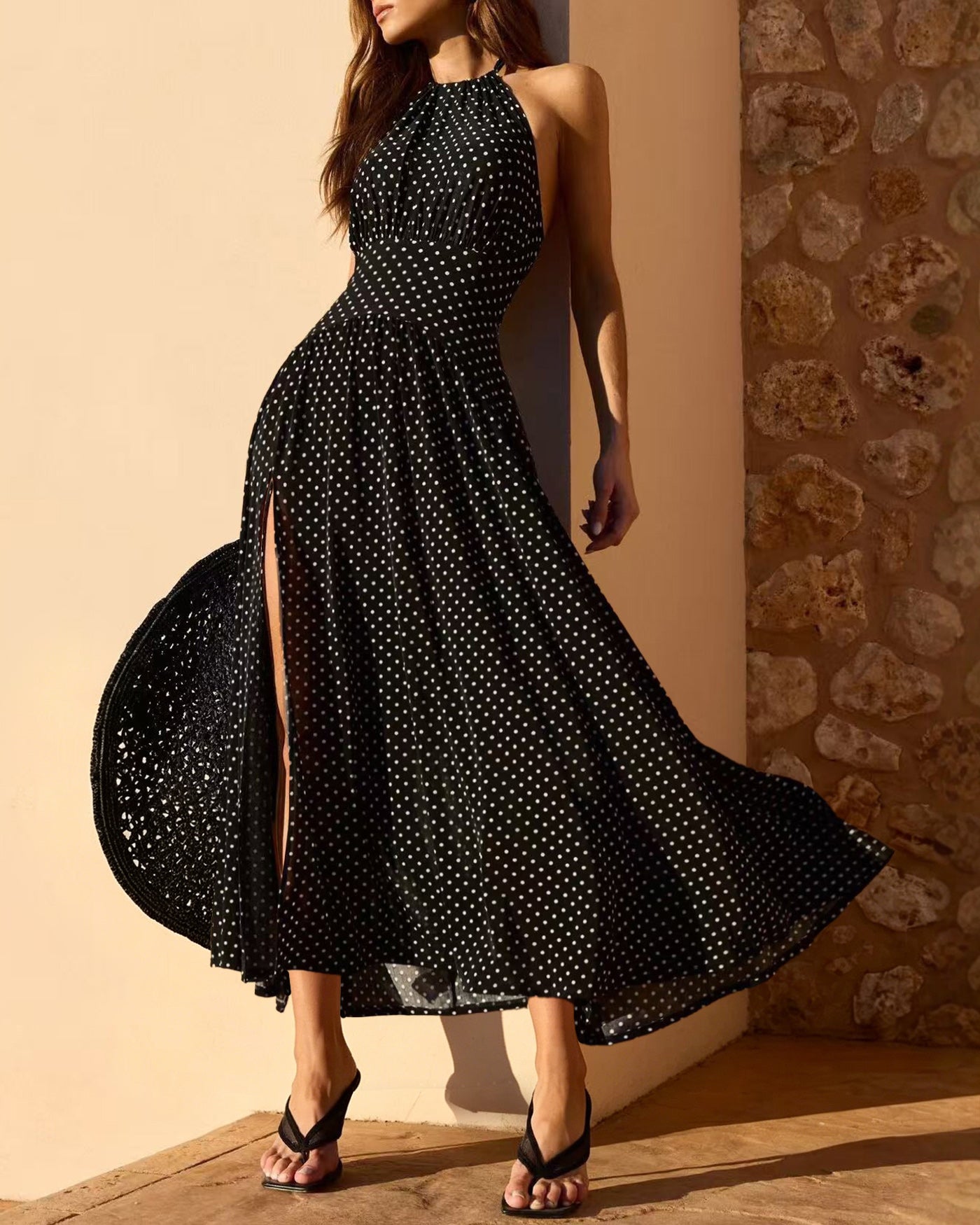
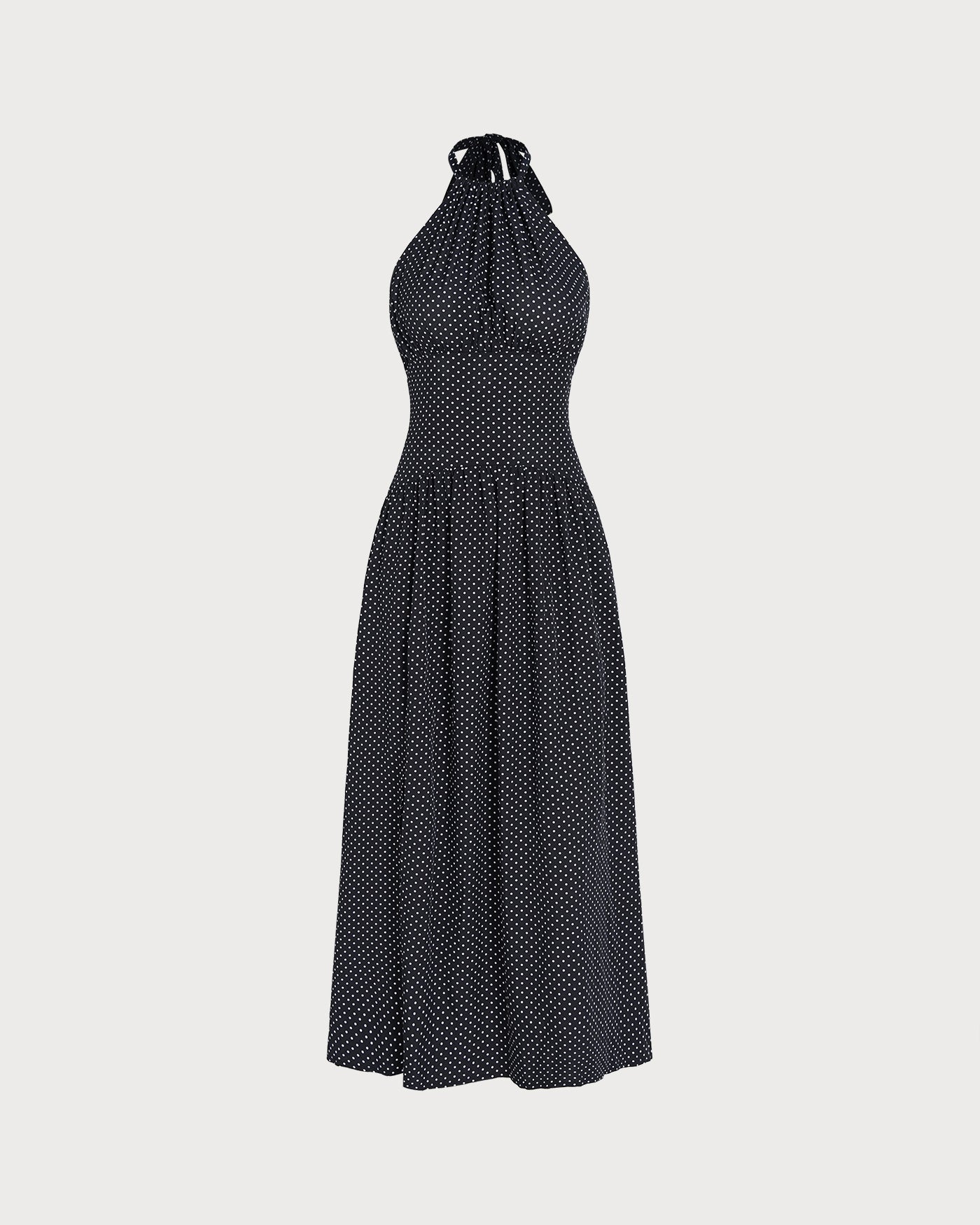
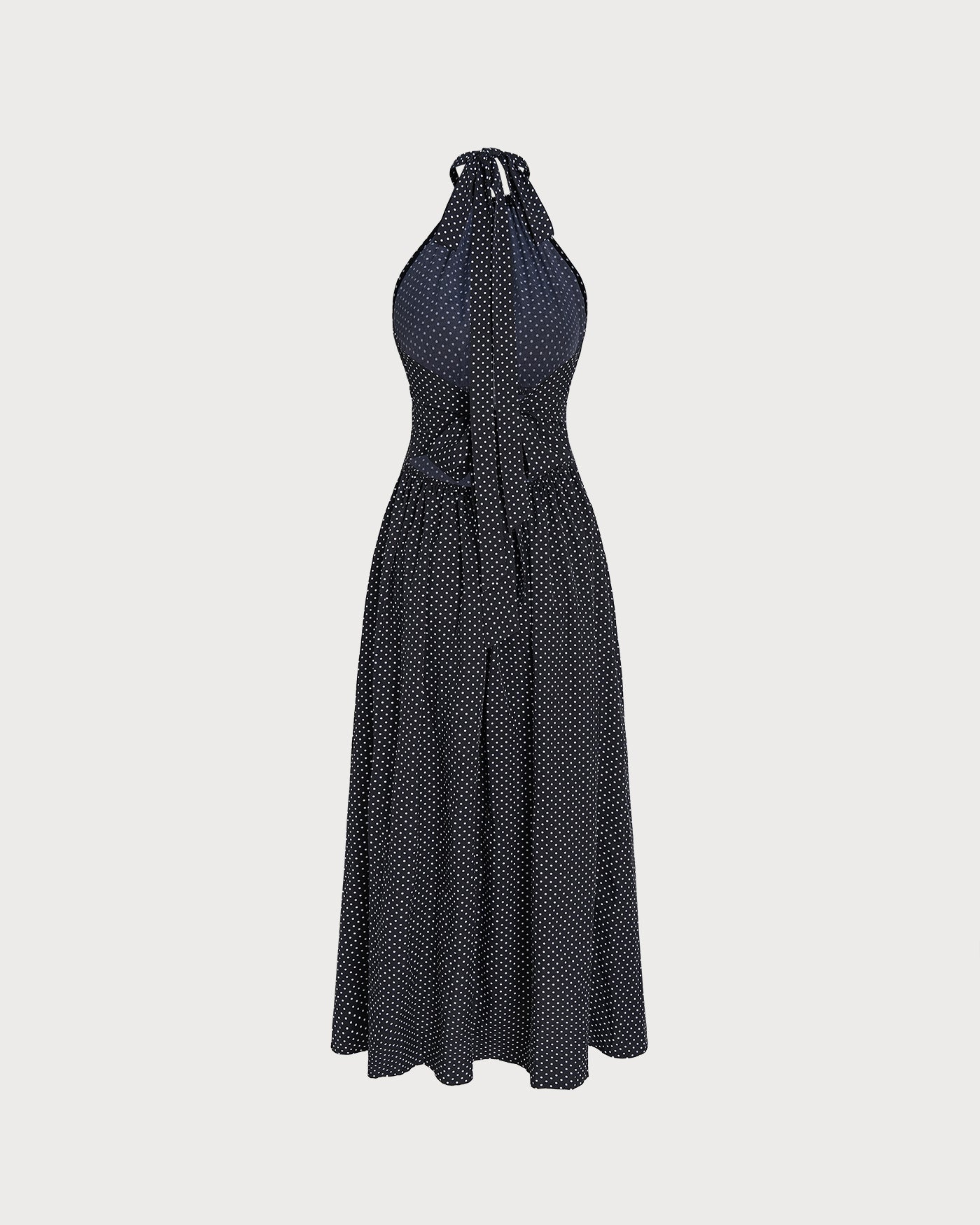
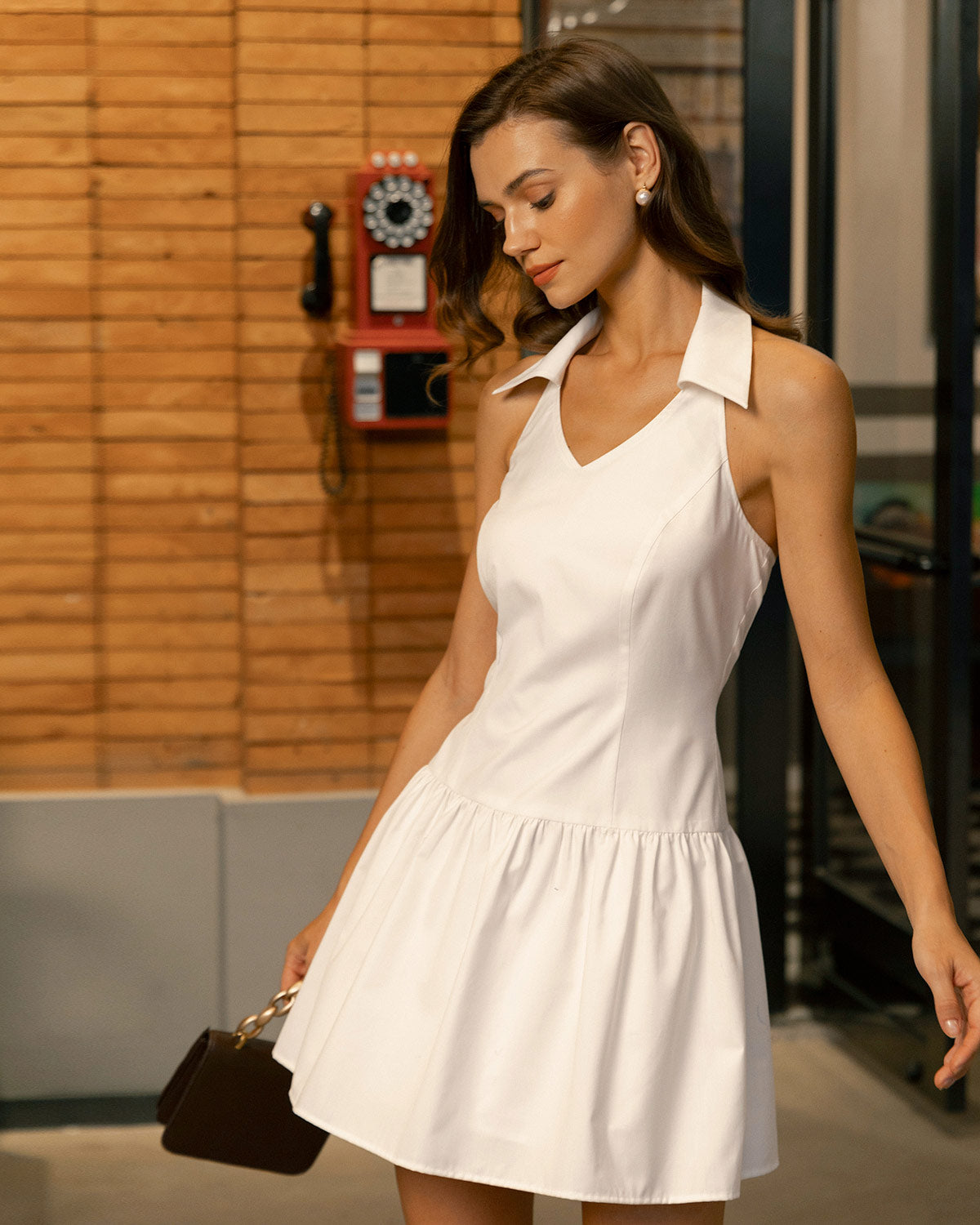
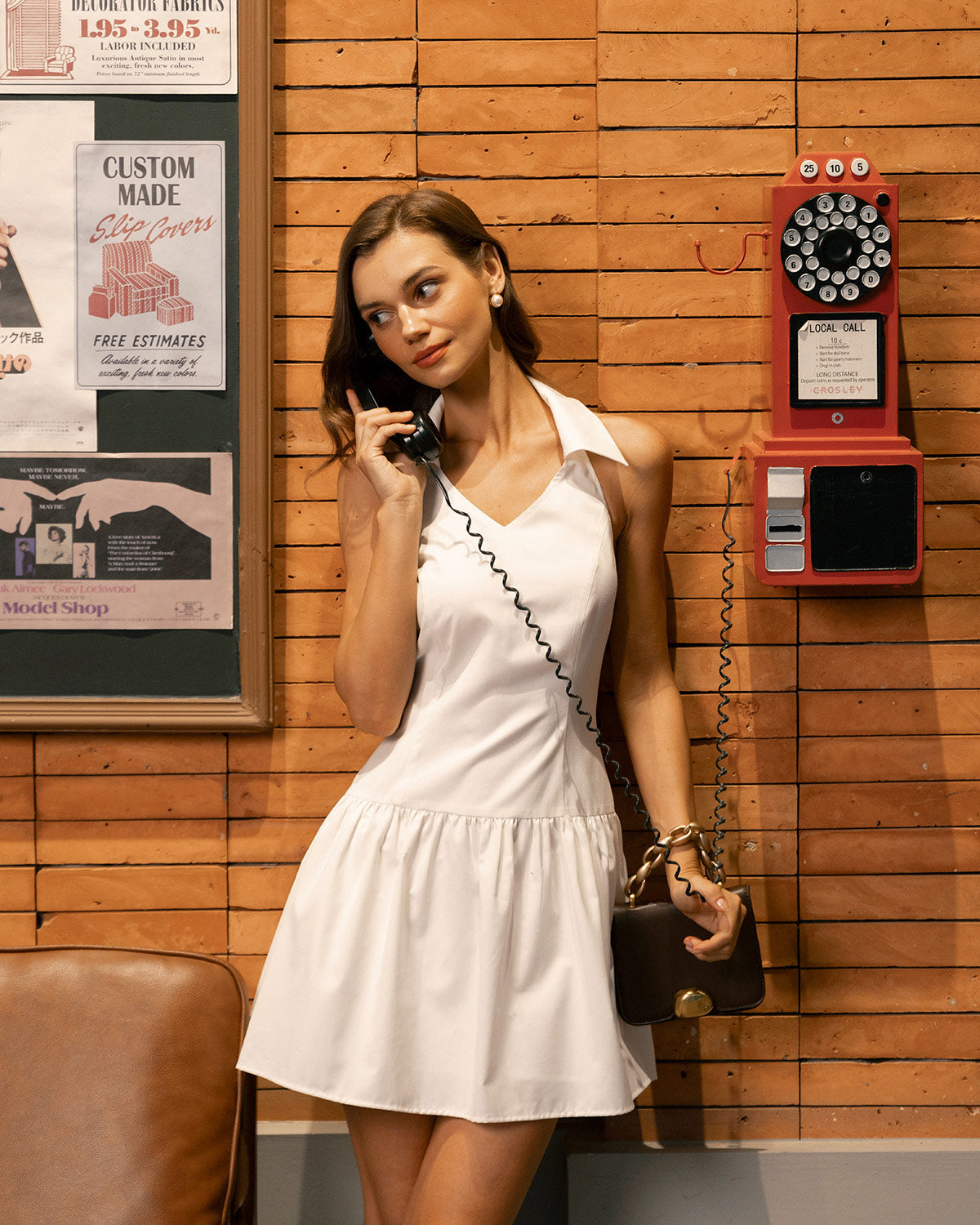
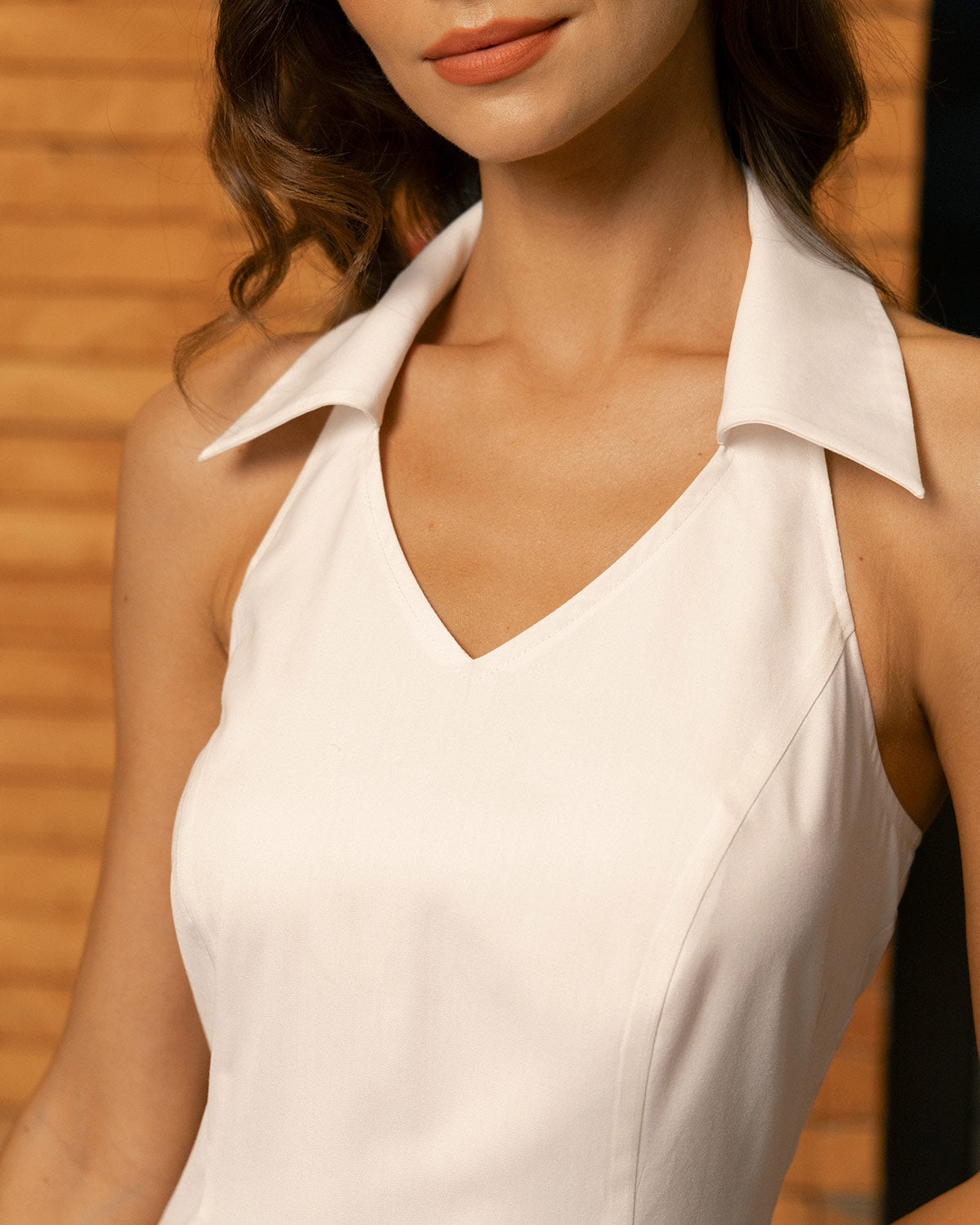
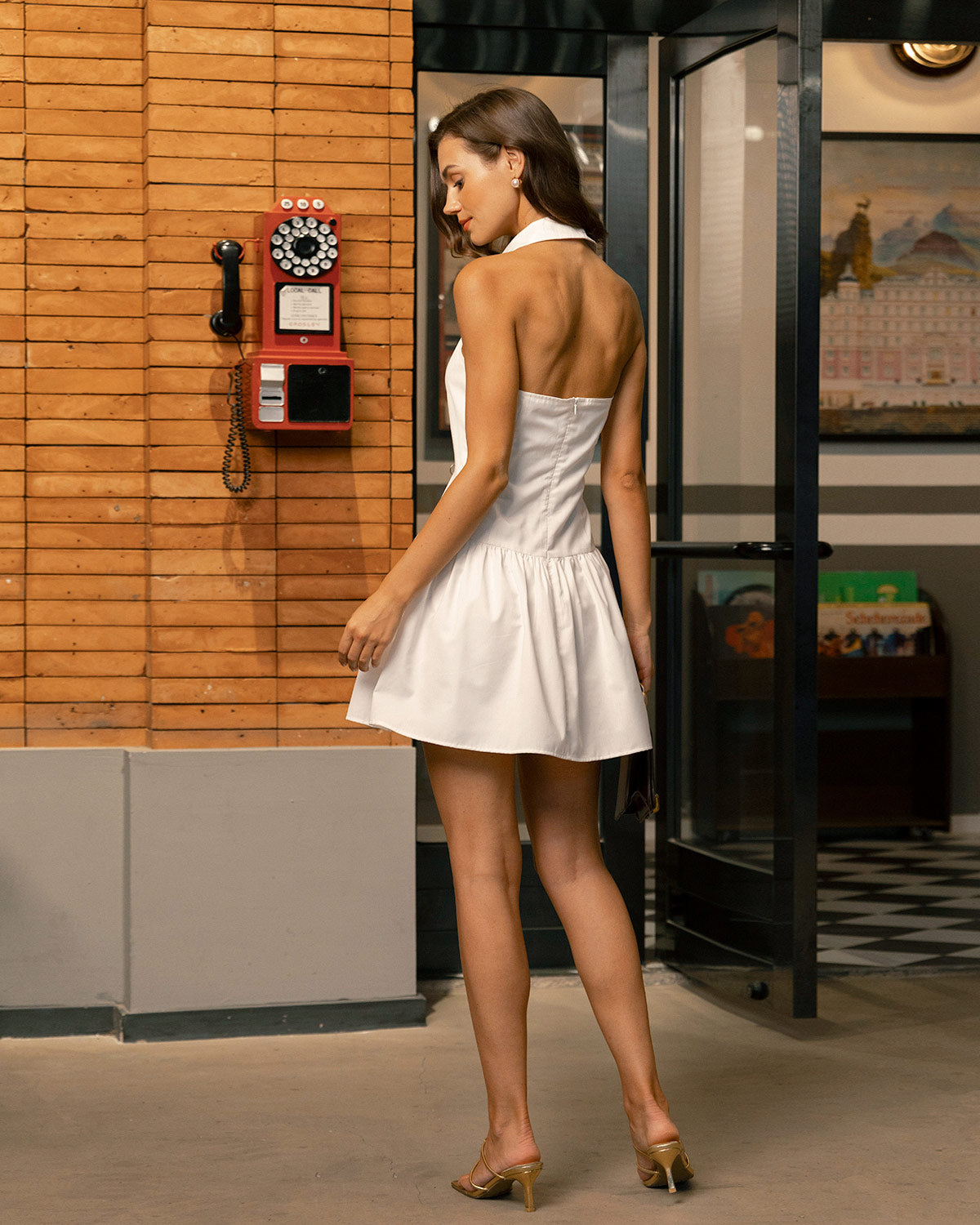
A halter should meet at the neck
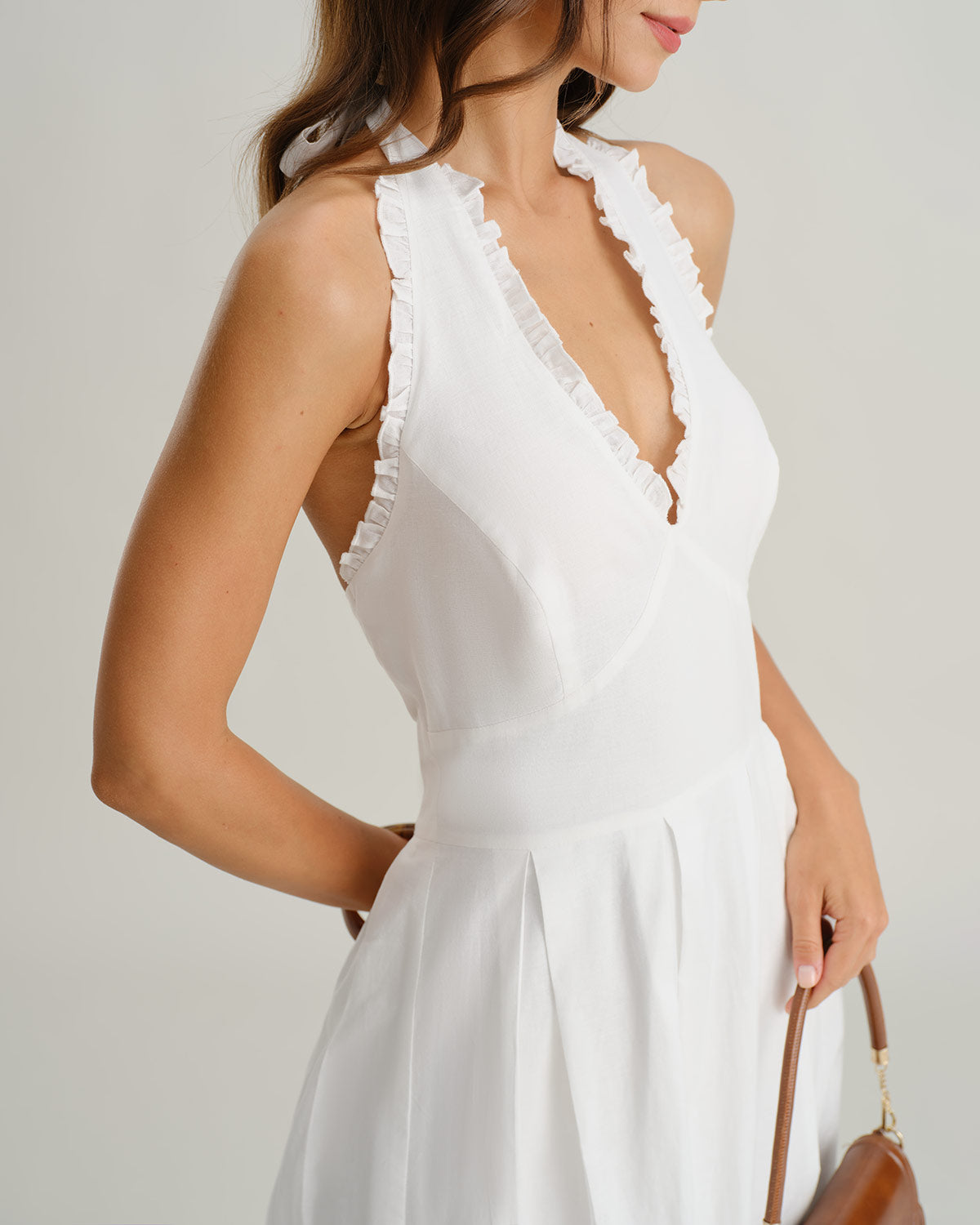
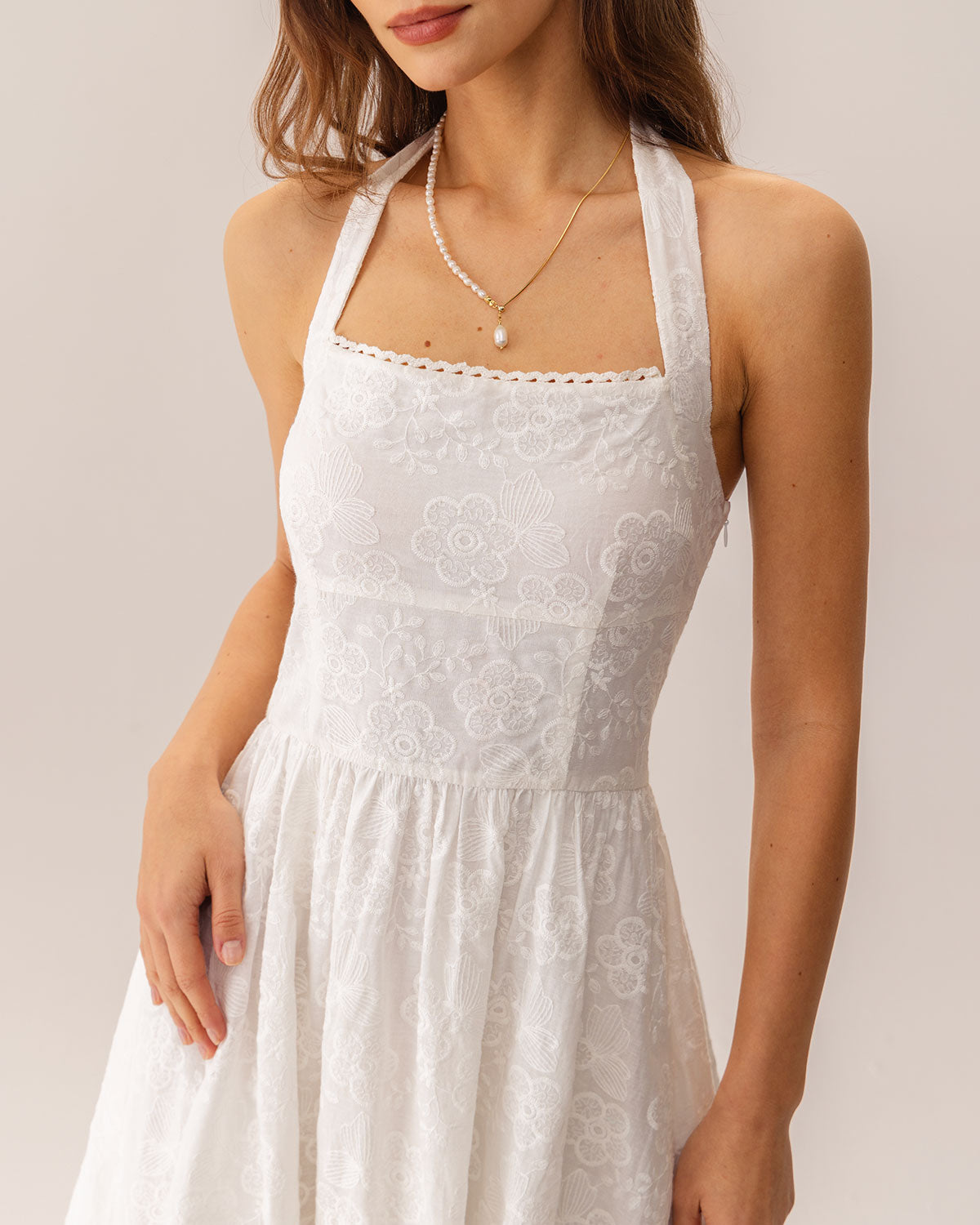
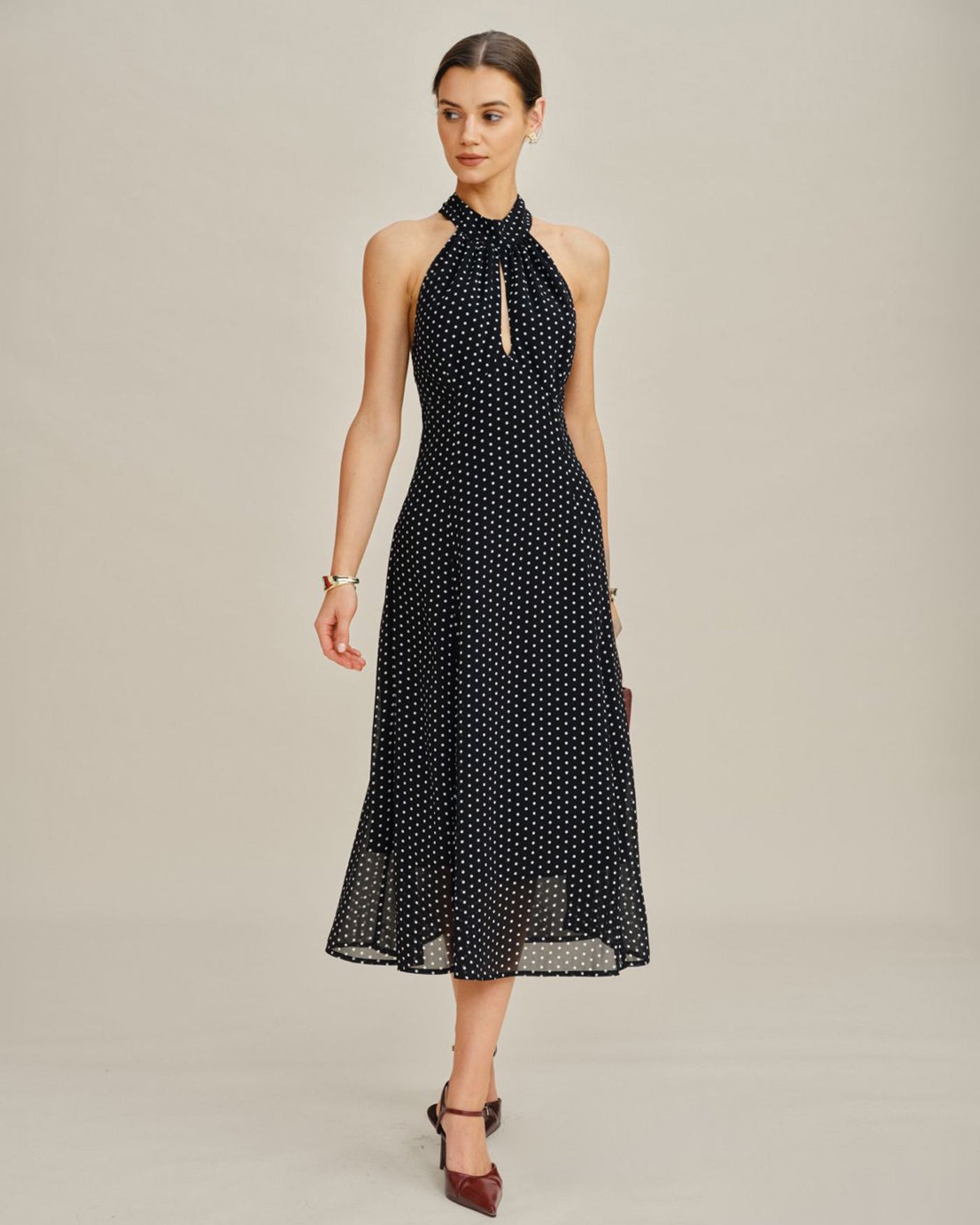
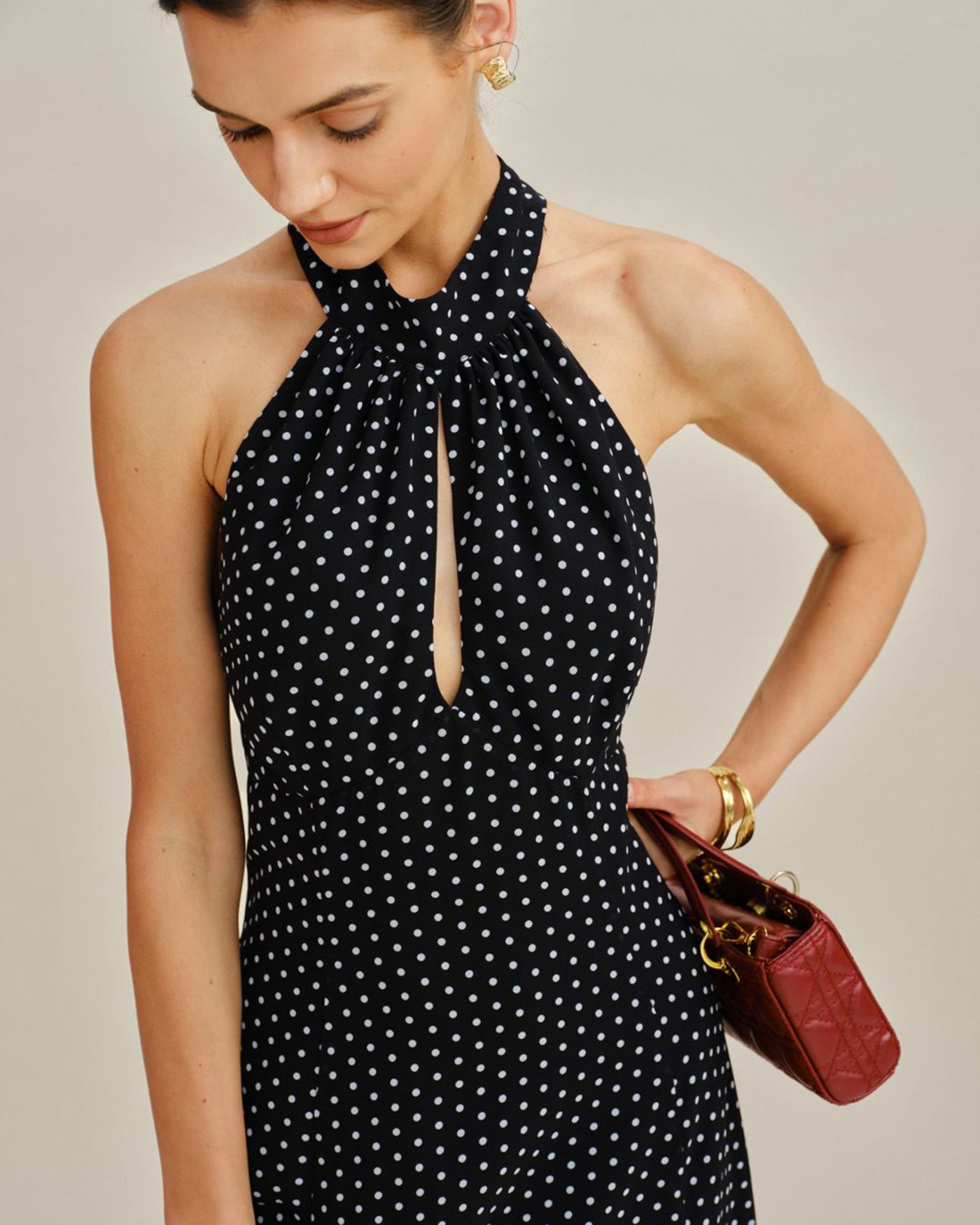
The defining line travels from the front of the dress and secures behind or around the neck, leaving the shoulders open. One-shoulder, strapless and ordinary sleeveless dresses are different shapes. A high neckline is not enough on its own. Look for the neck fastening and the exposed shoulder line before treating a dress as a halter.
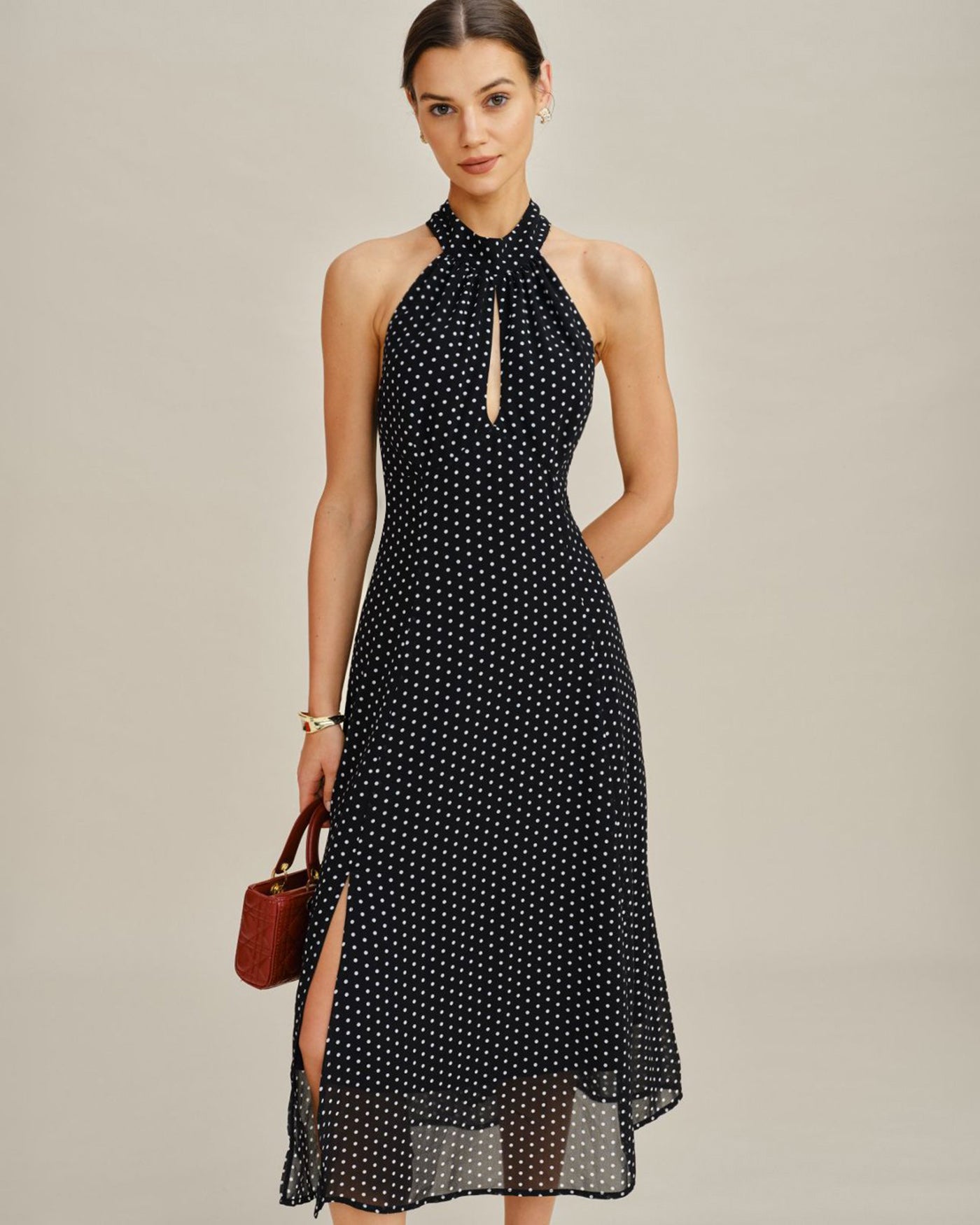
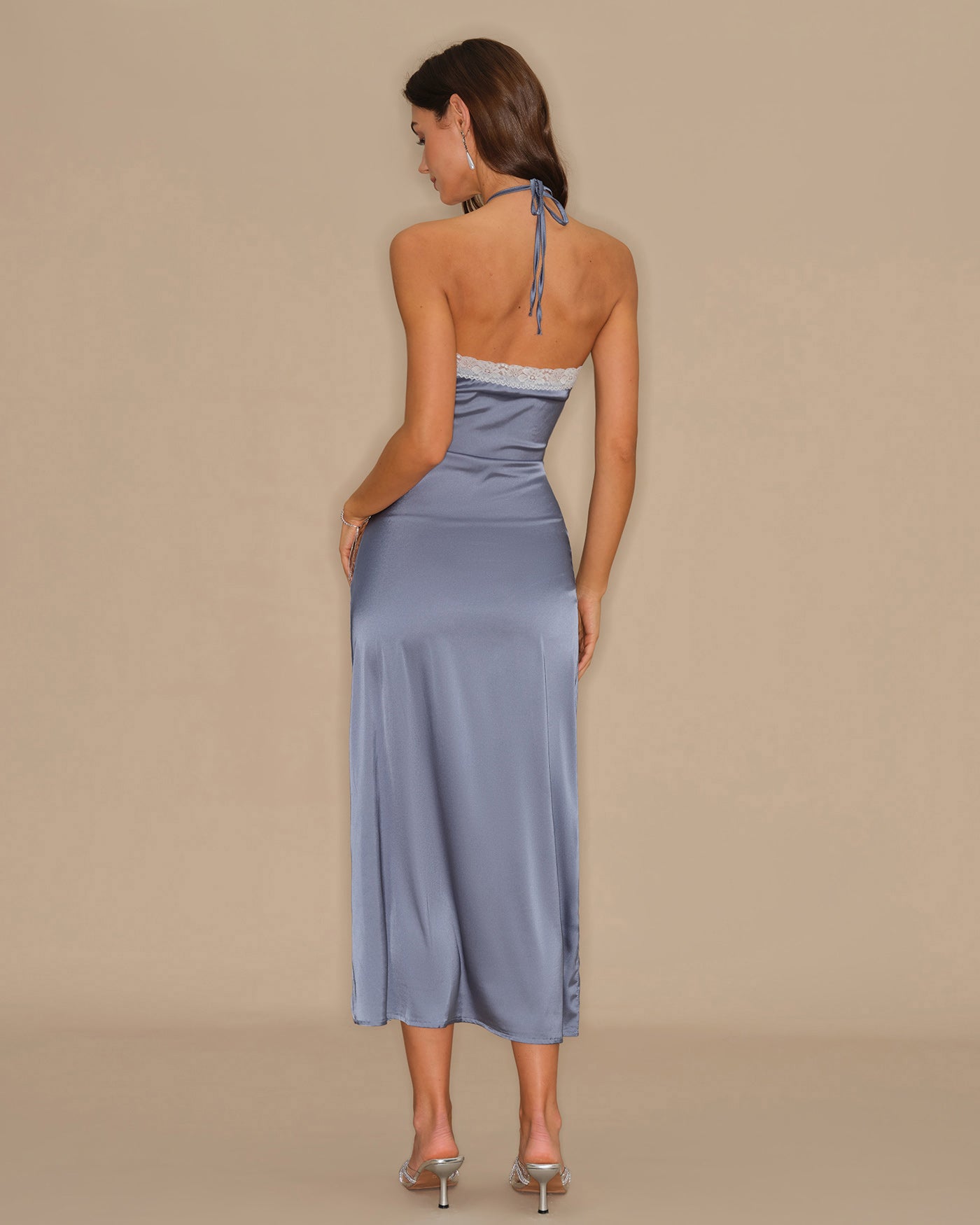
That distinction changes the outfit. A close, high halter can look composed from the front while the open shoulders and back keep it from feeling severe. A plunging or narrow-strapped version shows more skin immediately. The front view sets the mood; the back decides how the dress will actually work.
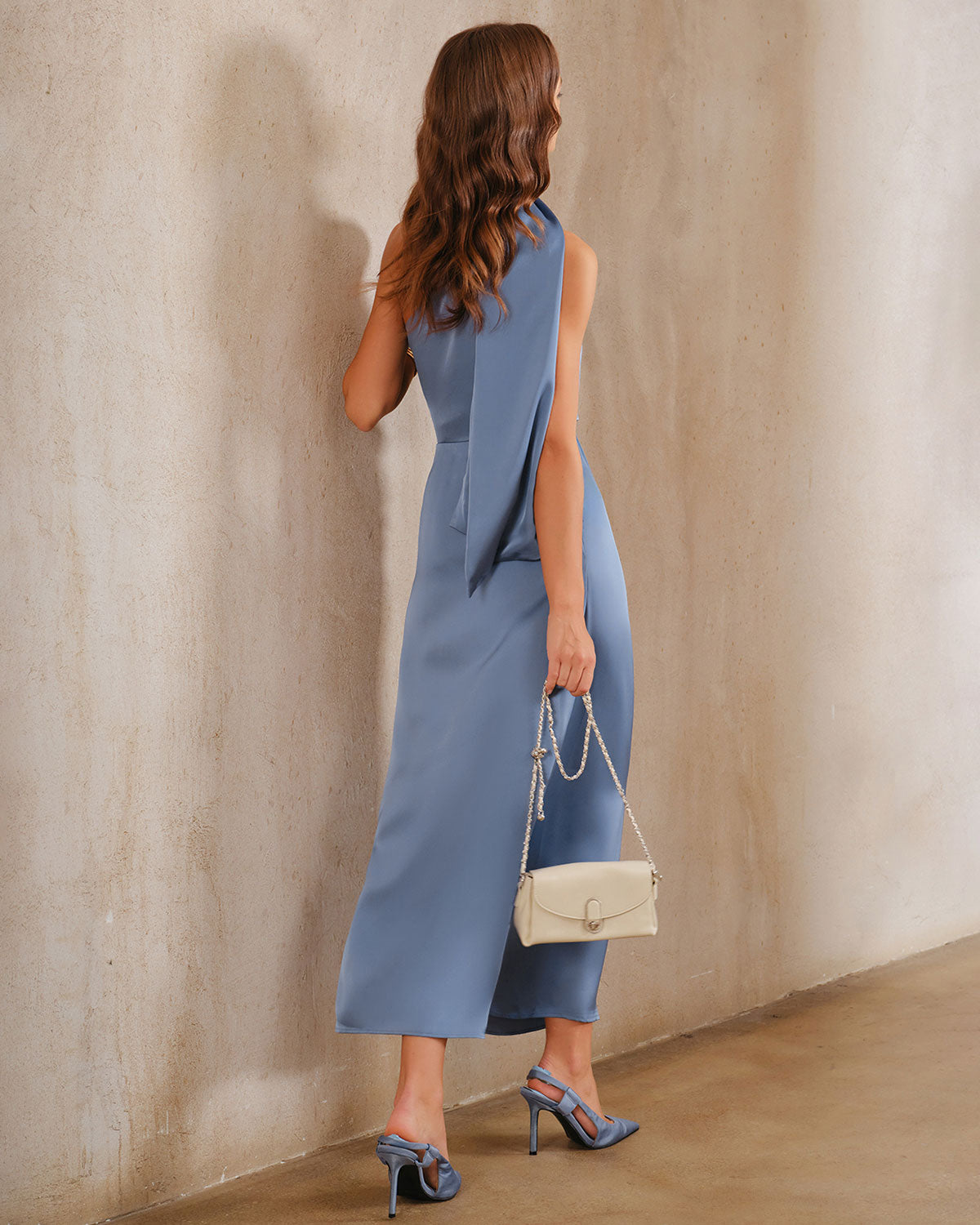
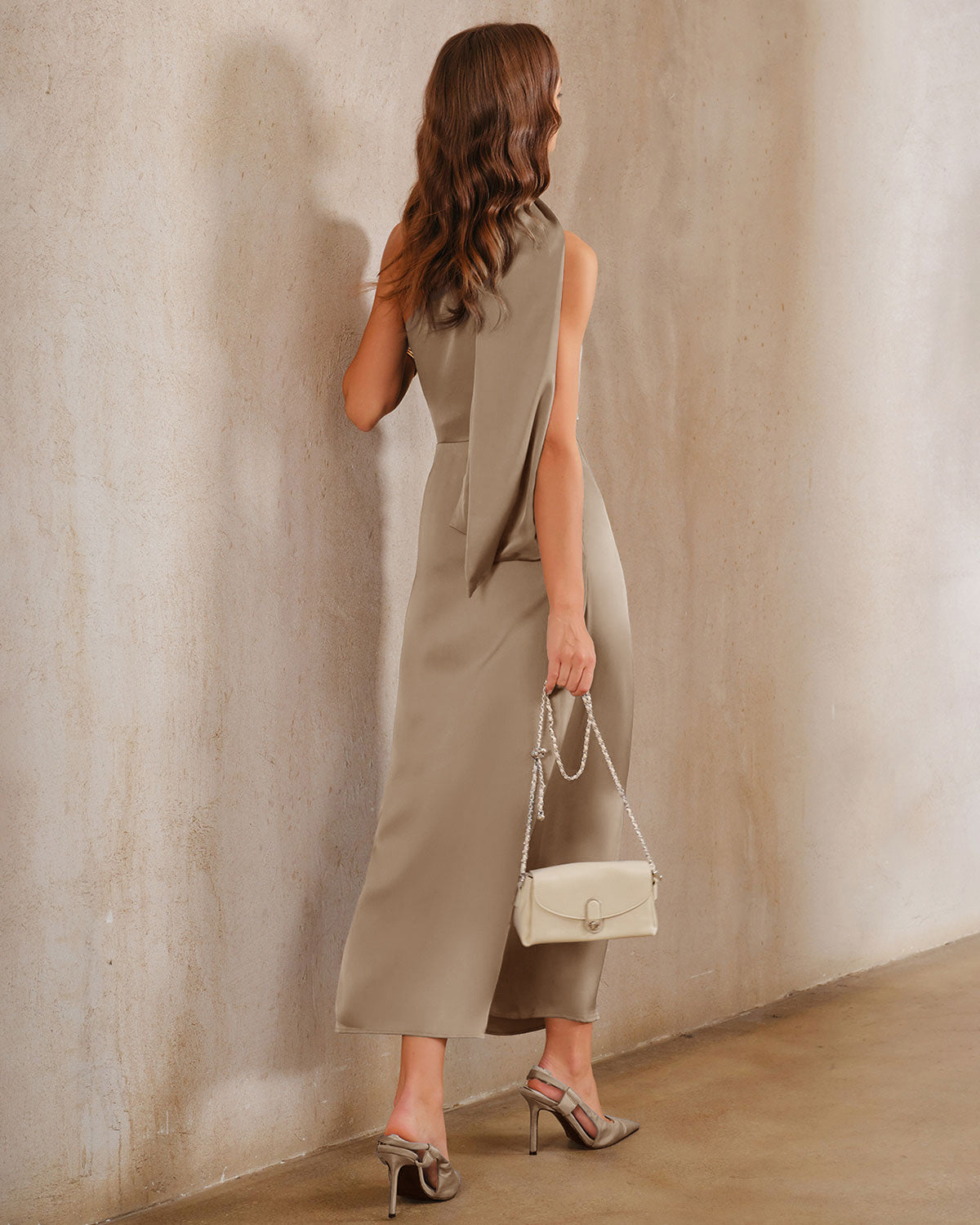
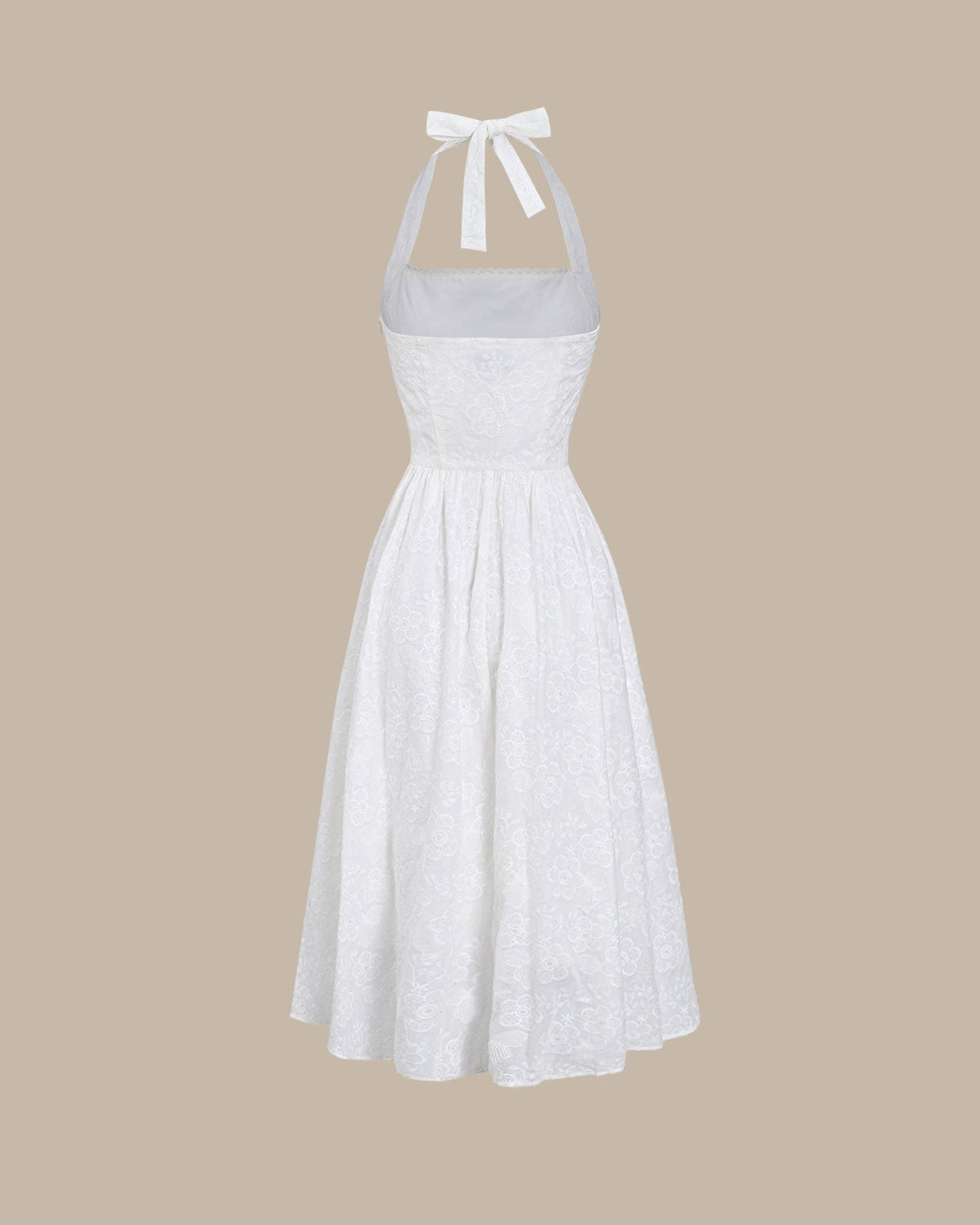
Start with the back view
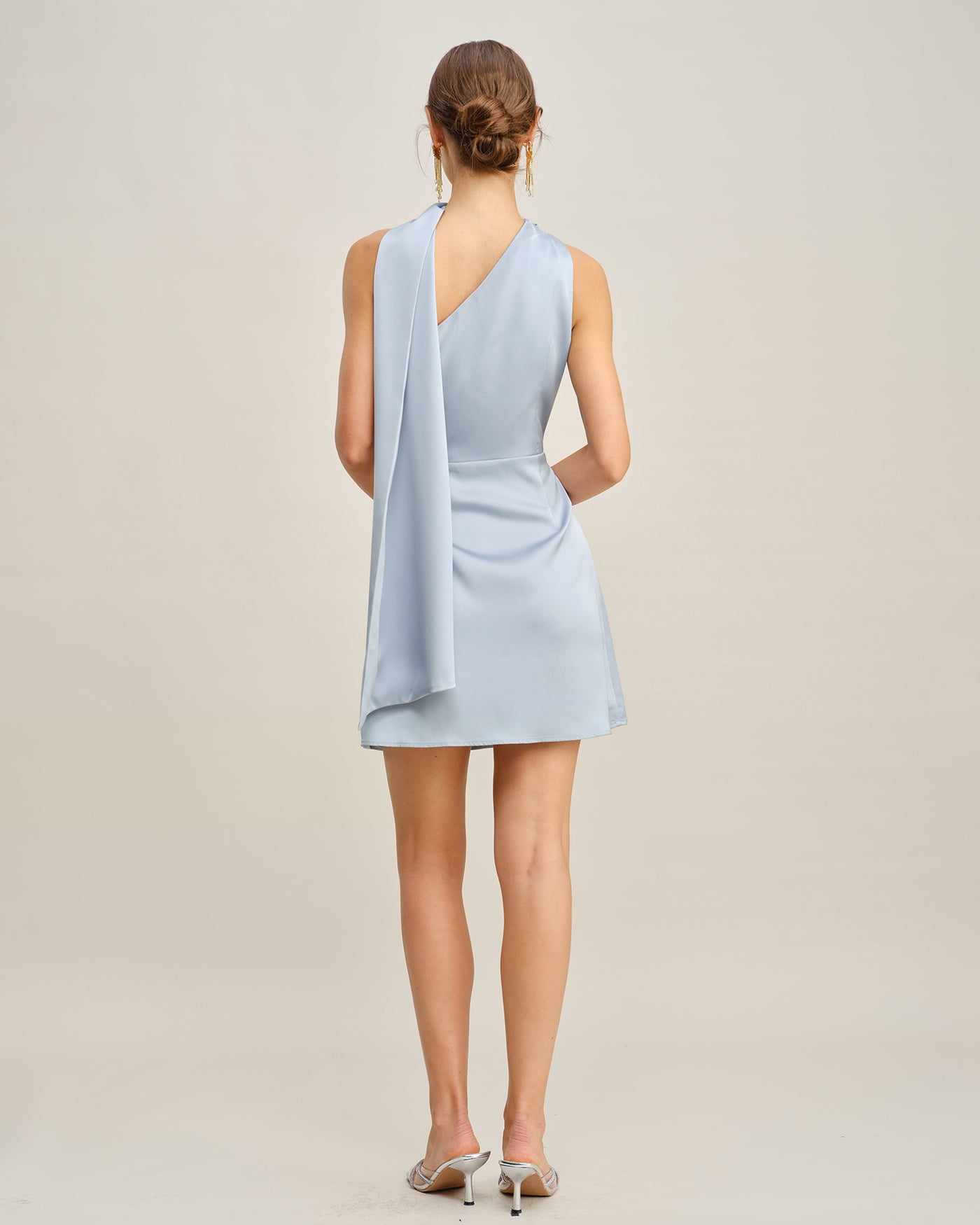
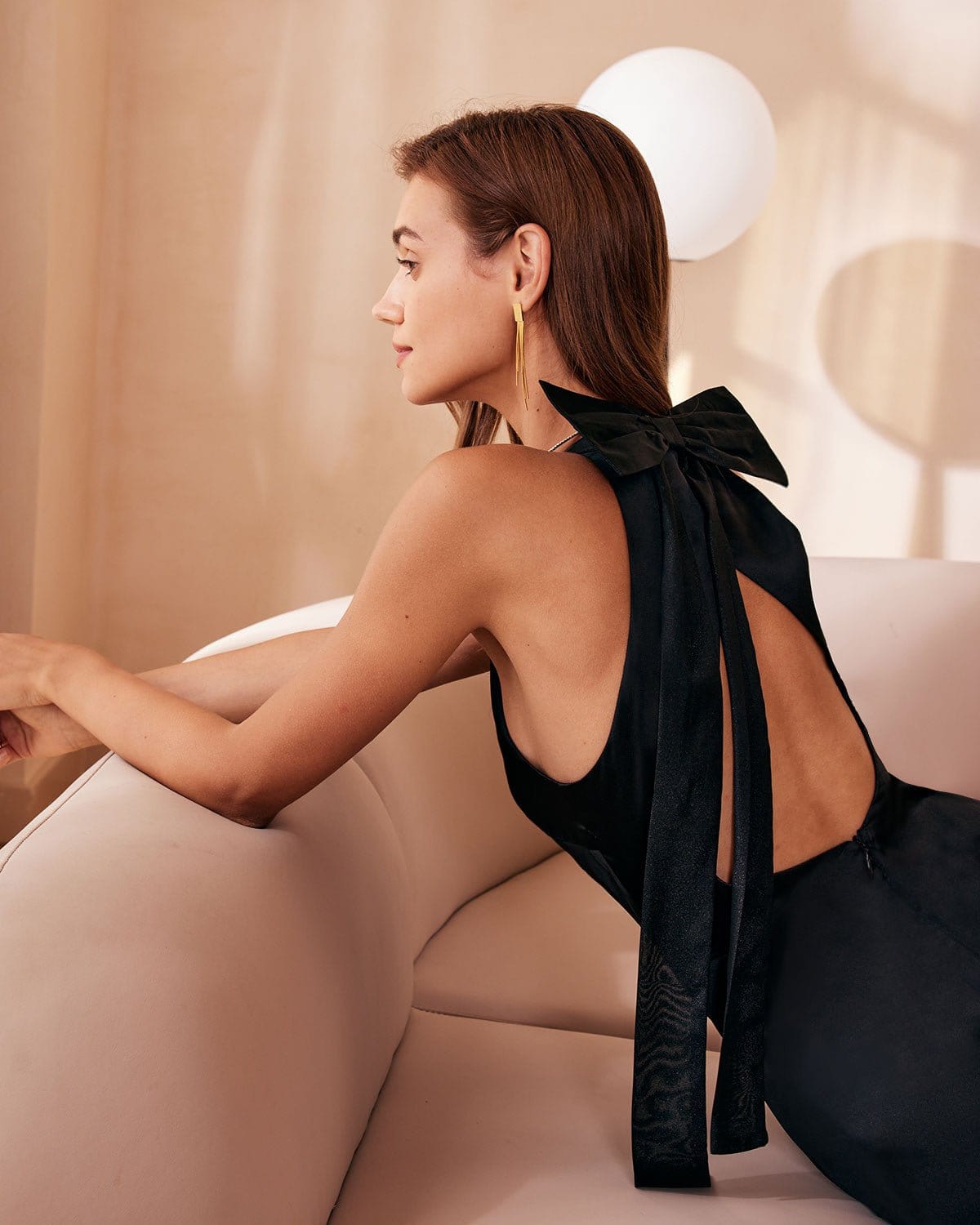
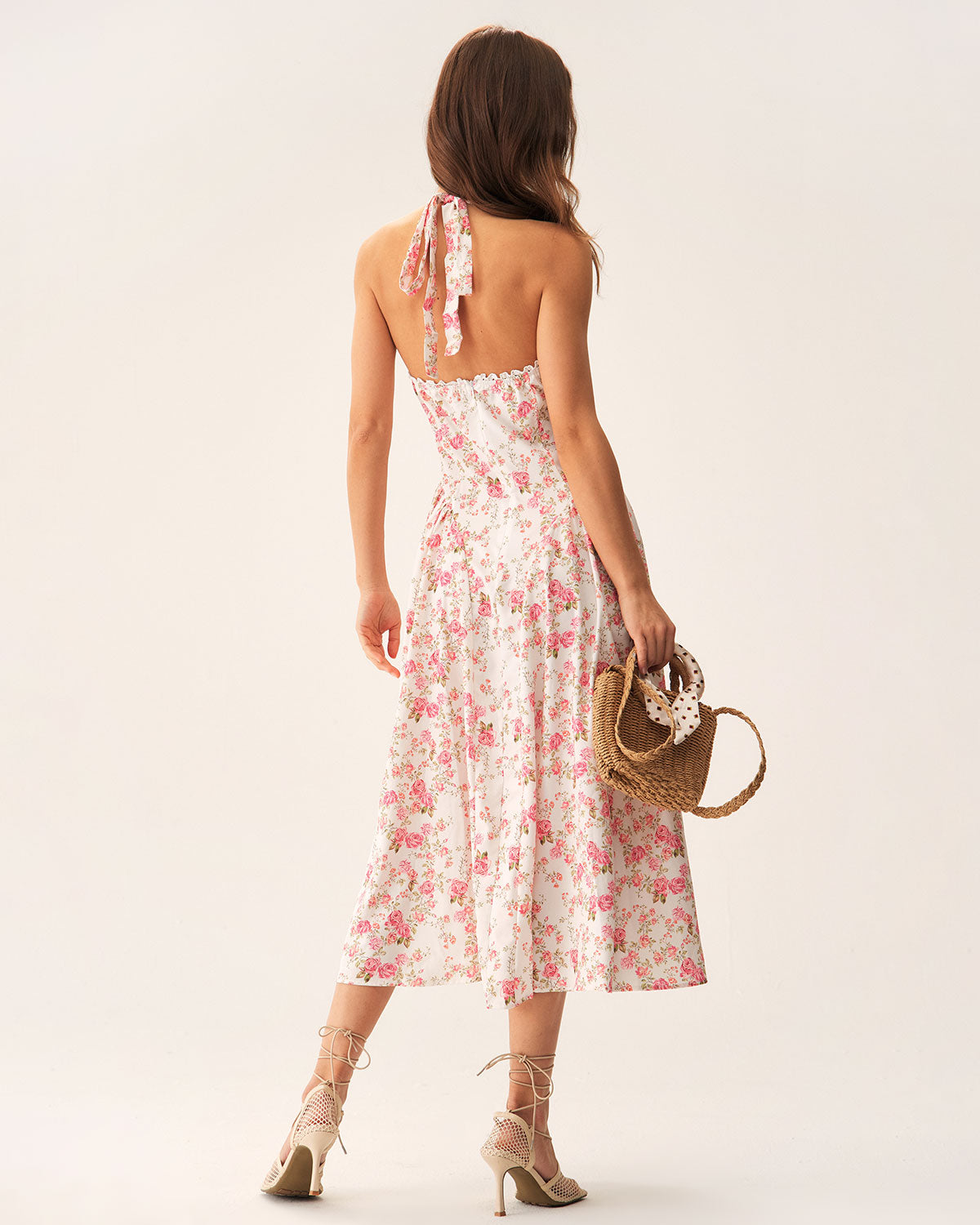
Halter dresses ask more of the neck and upper back than a standard sleeveless dress. Check if the style ties, buttons or closes at a fixed length. A tie lets you adjust where the bodice sits, but it does not create extra room across the bust. A fixed neck gives a cleaner line and leaves less room for improvising.
Next, look at the depth of the back and the position of the zipper. A low or cutout back changes the bra before it changes the shoes. If support is non-negotiable, settle that question before choosing between two colors. The product's side and back images are the useful ones here.
Cotton and satin tell different stories
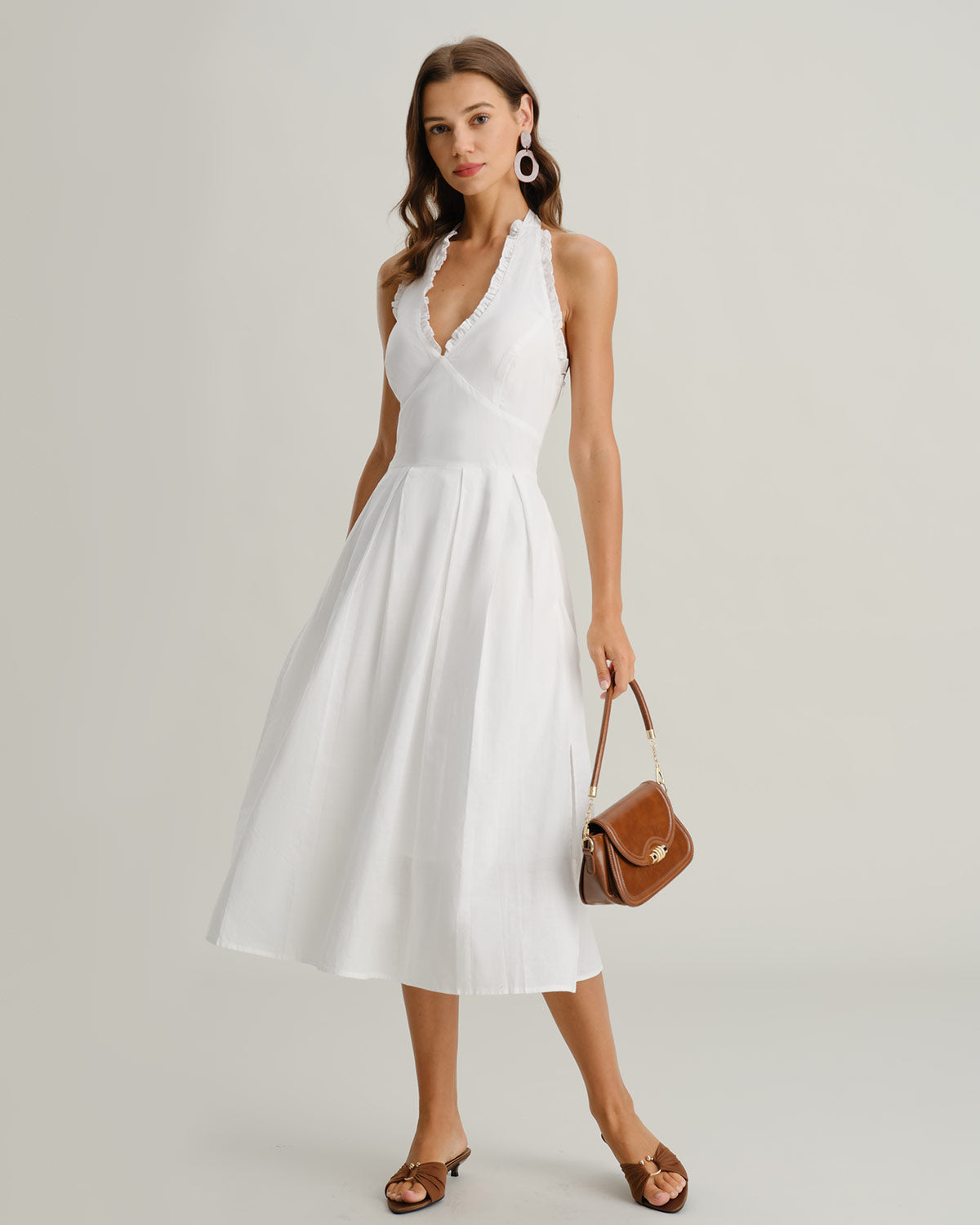
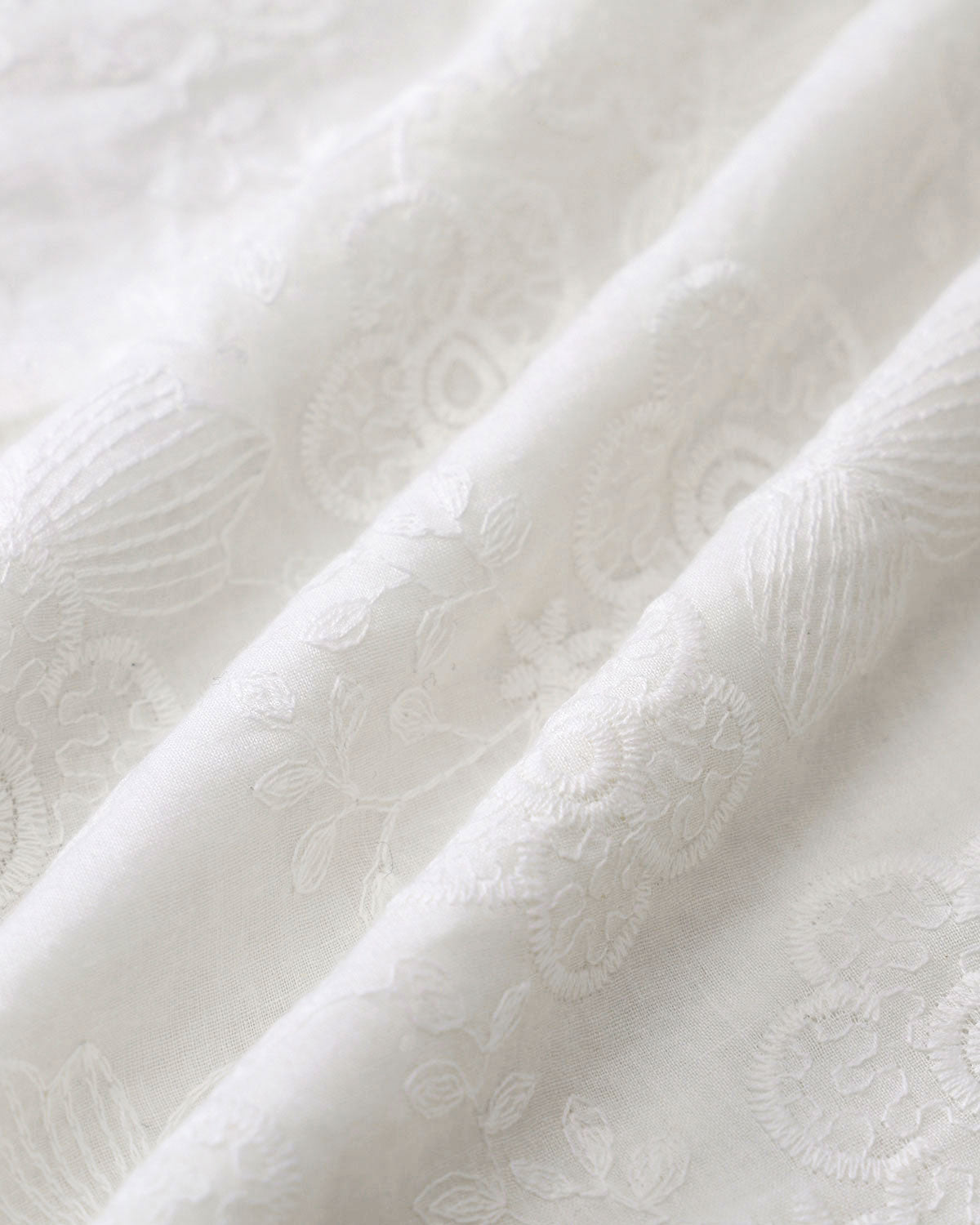
At RIHOAS, cotton and cotton-linen halter midis sit on the lighter side of the collection. Embroidery keeps a white dress interesting without adding shine, and the cleaner surface makes sense for warm daytime plans. These dresses still expose the shoulders, so a conservative office may call for another neckline rather than a cardigan used as a permanent fix.
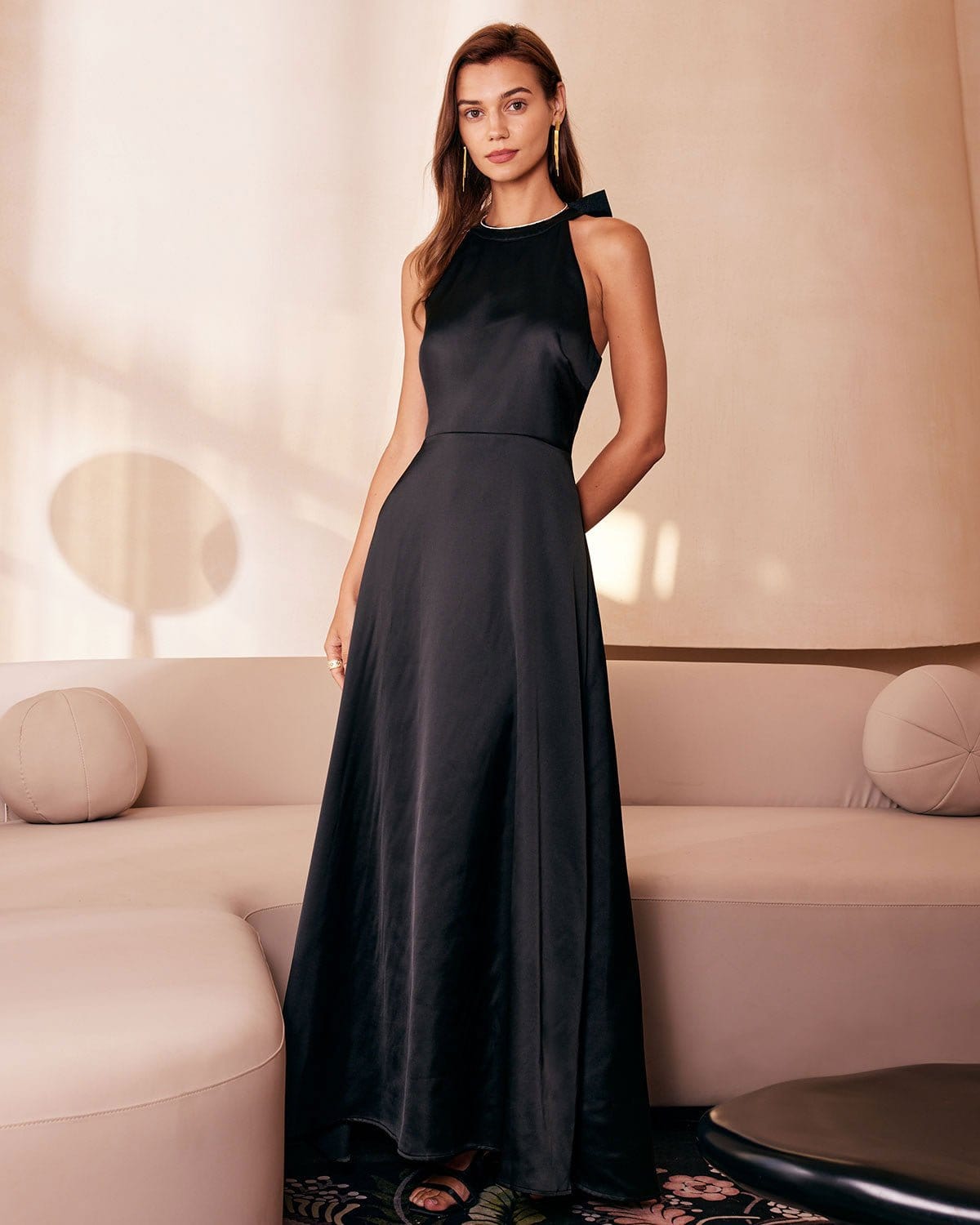
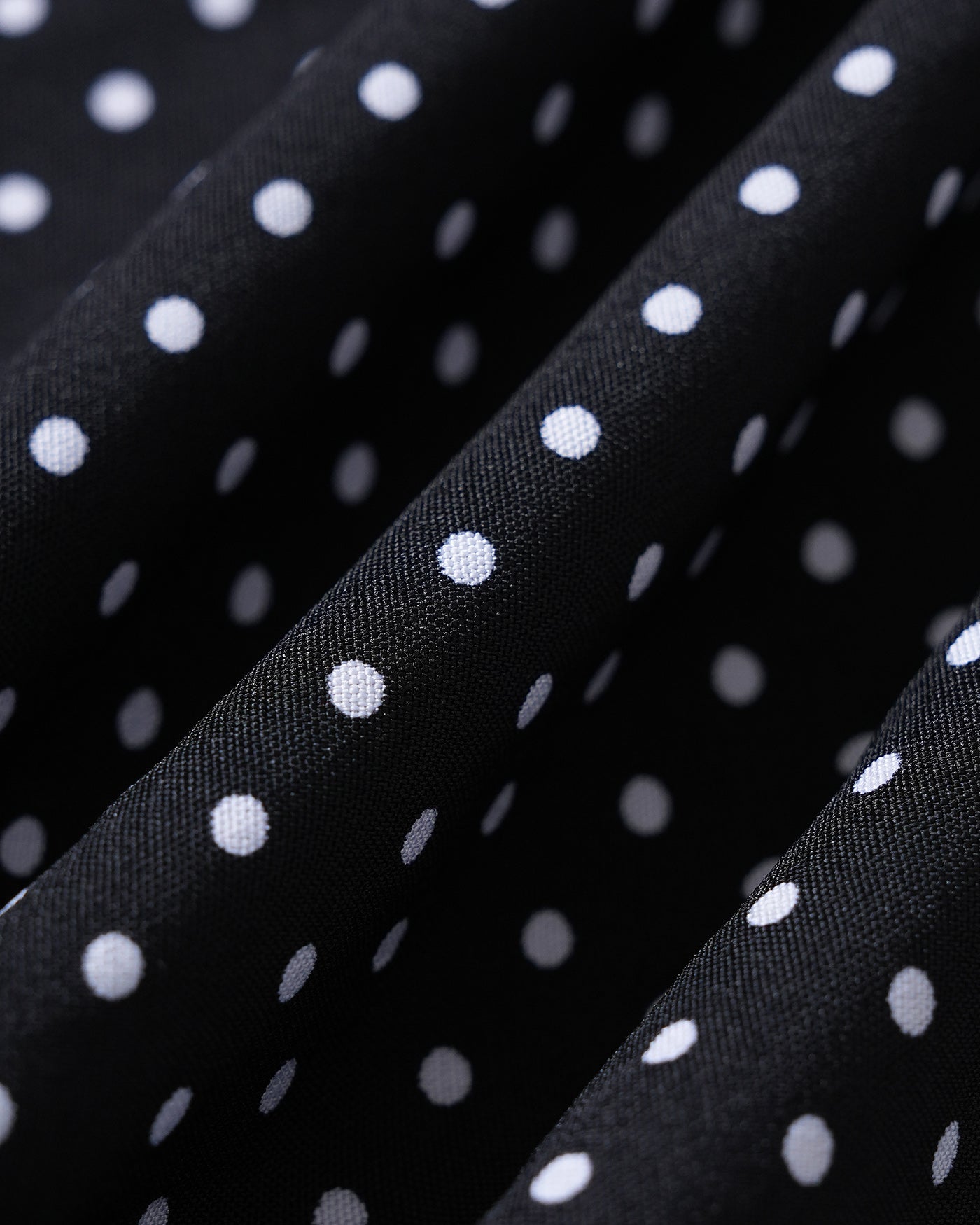
Satin pushes the same shoulder line toward evening. A long hem gives the shine more room; a close slip or lace-trimmed midi feels lighter and more direct. Jacquard and polka dots land between the two. They bring enough pattern or texture to carry the dress without turning every halter into a formal gown.
Length changes the balance
A mini puts the open neckline and shorter hem in the same frame, which makes it the boldest option even in a quiet color. Midi length steadies the proportion and gives embroidery, lace or a printed check room to register. A halter maxi creates the longest line, but fabric and back coverage still decide its formality. Length alone does not make a dress suitable for a ceremony.
For movement, check the skirt rather than assuming every halter falls close. A slim satin column, an A-line midi and a fuller maxi behave differently when seated or walking. Choose the lower half for the plan; the neckline is already making its statement.
Let the neckline breathe
A necklace often competes with the part of the dress you chose. Earrings, a cuff or a small bag usually leave the line cleaner. When an outer layer is needed, a short jacket or open cardigan keeps more of the shoulder shape visible than a closed blazer.
If the open back matters more than the neck fastening, browse backless dresses. If satin is the fixed requirement, compare satin dresses across several necklines. For bare arms without the neck tie, sleeveless dresses is the broader route.


