

Short Sleeve Dresses
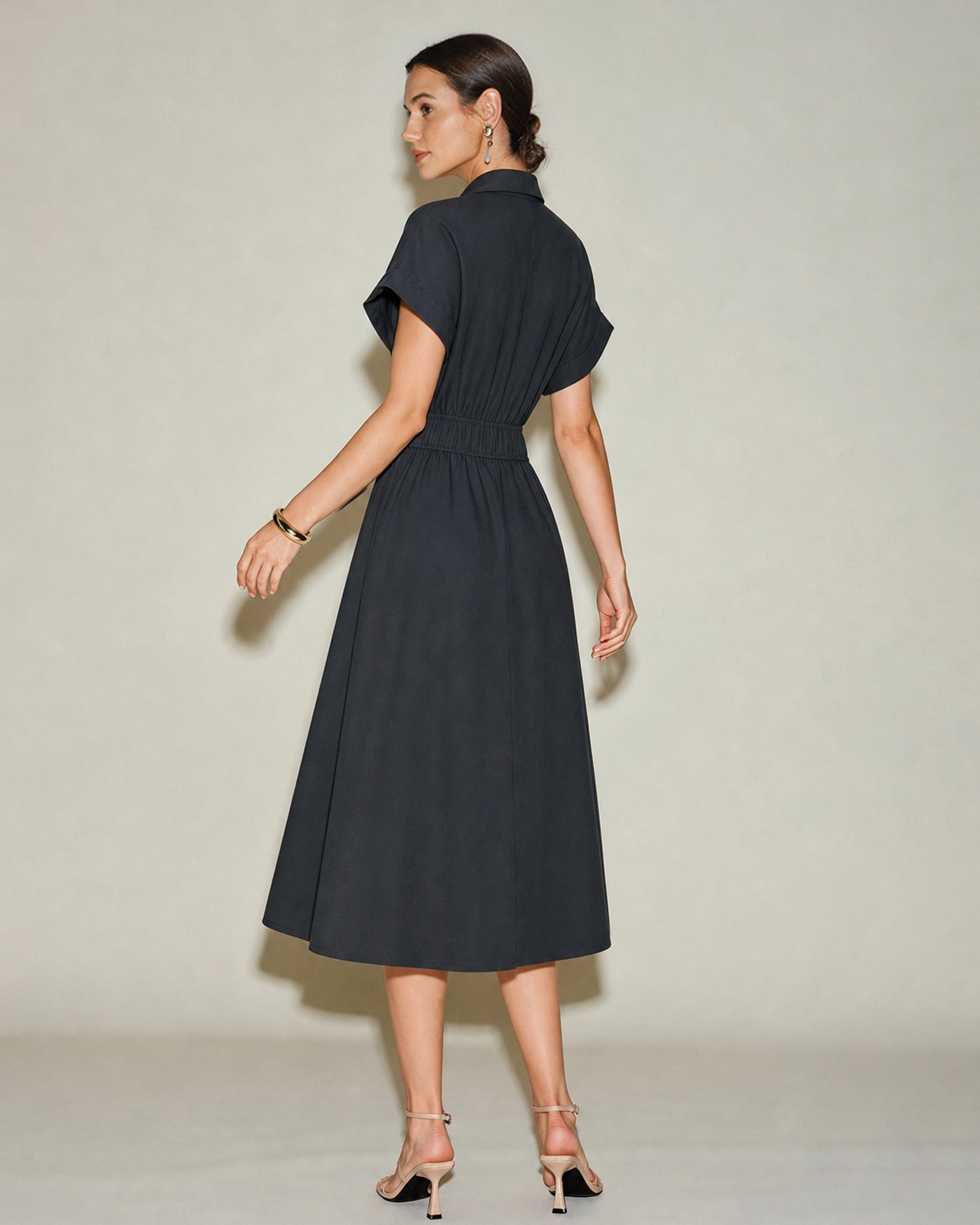
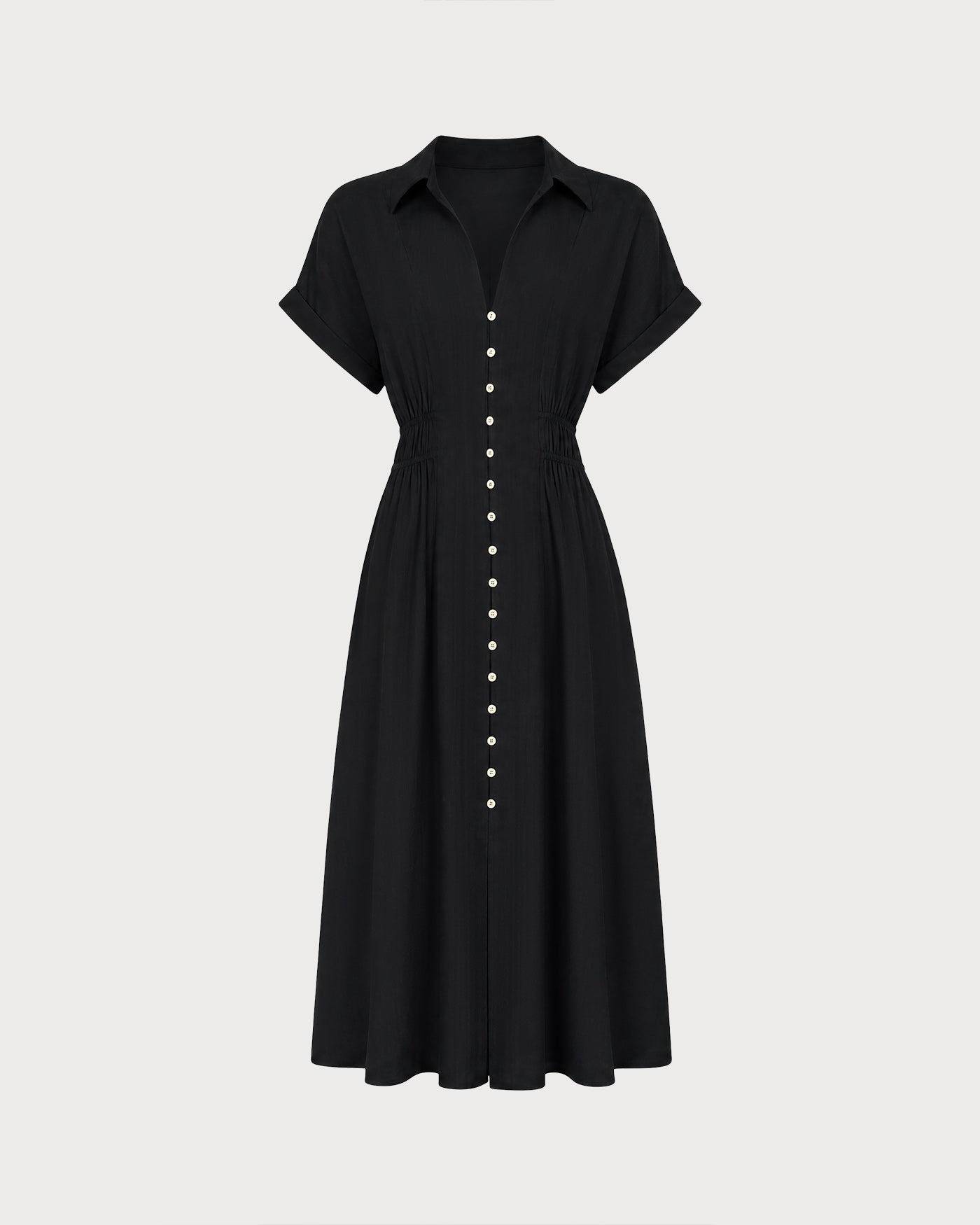
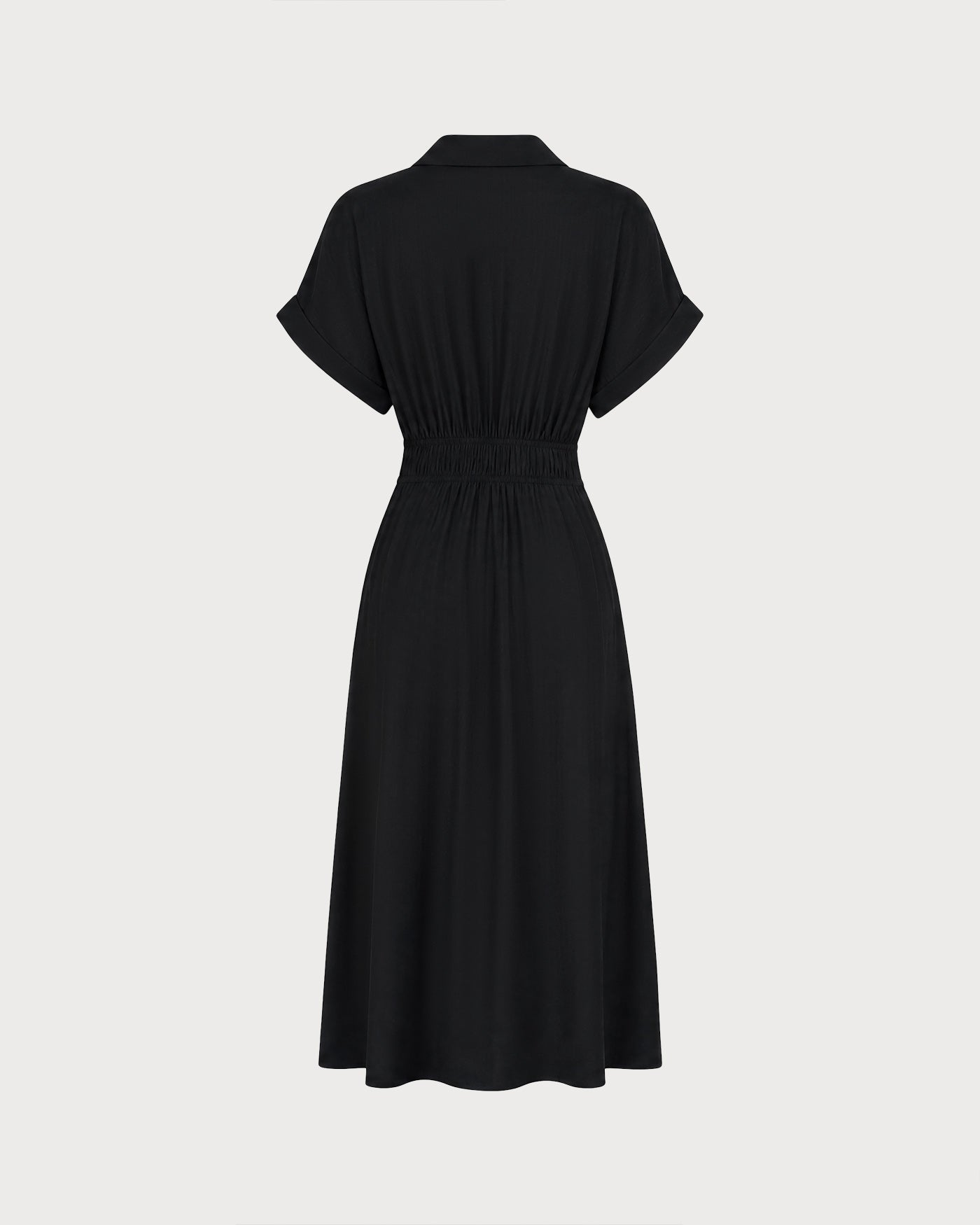
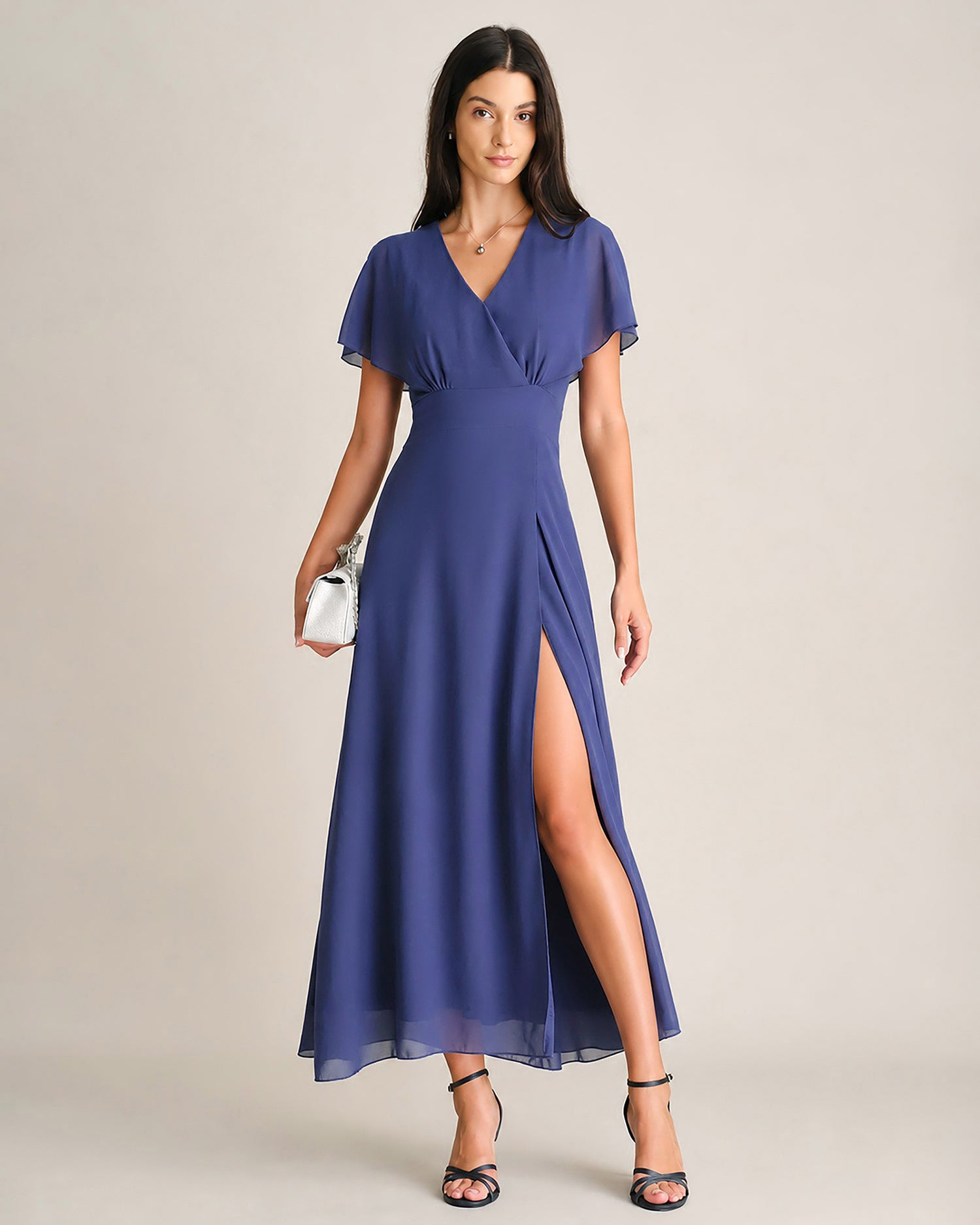
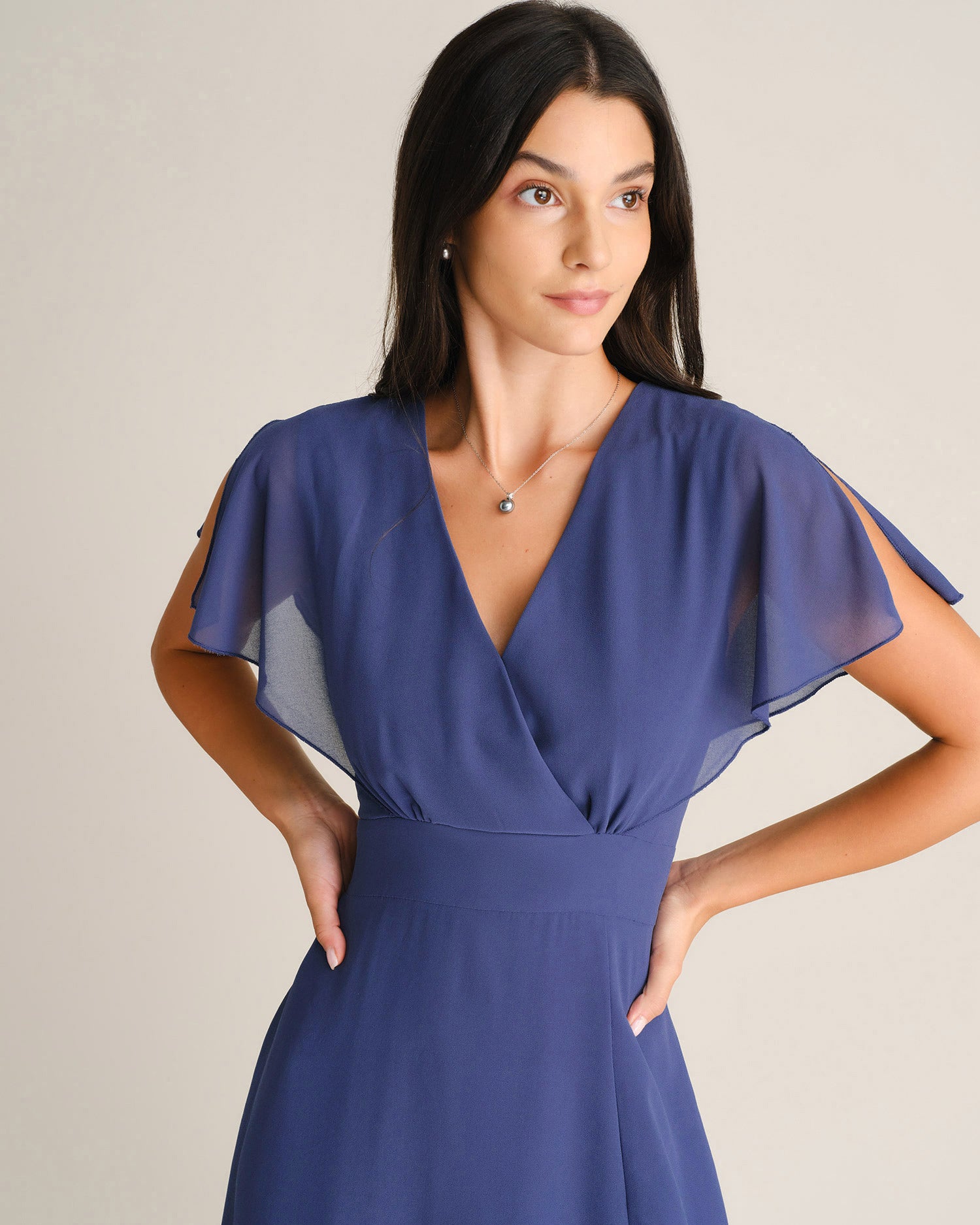
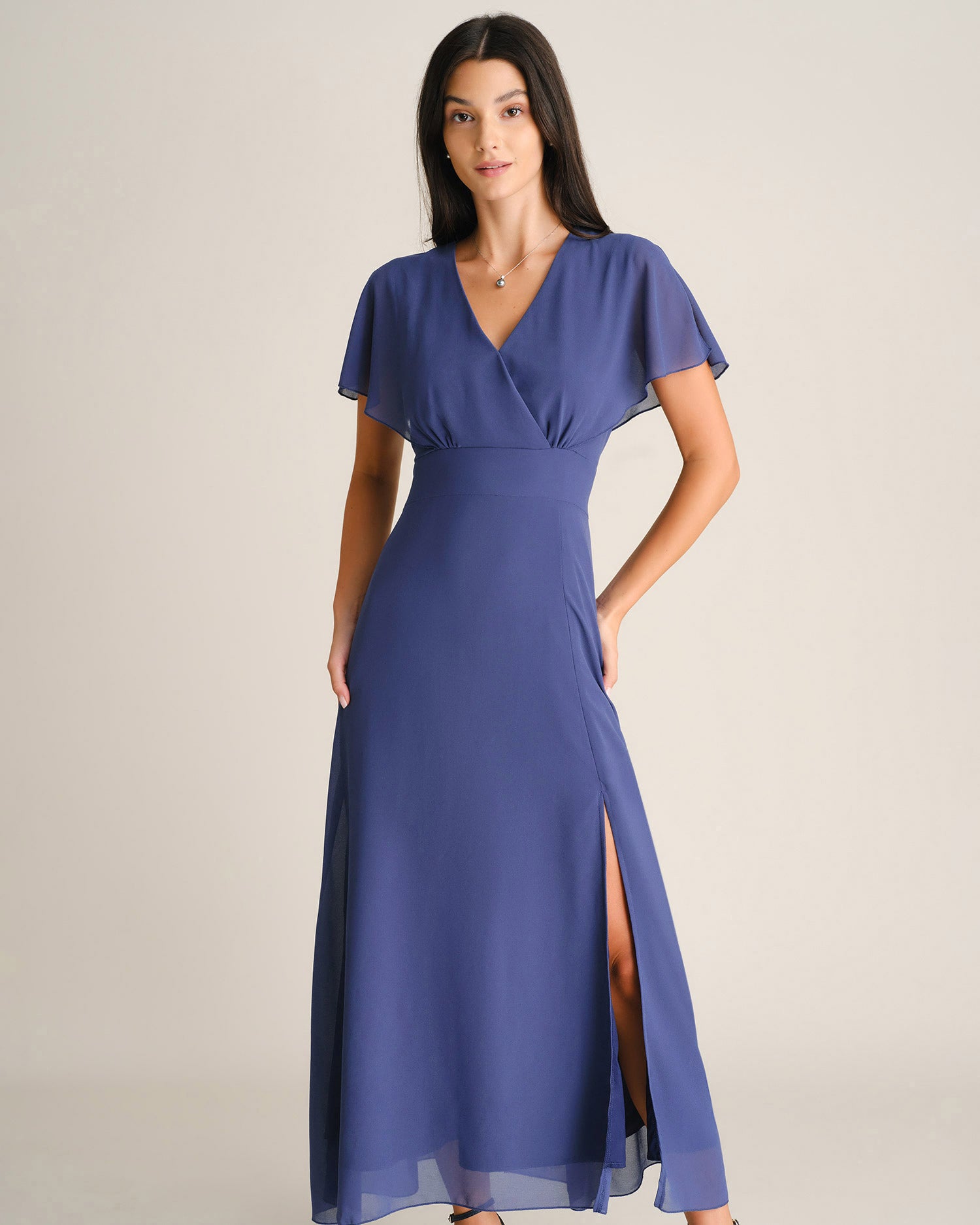
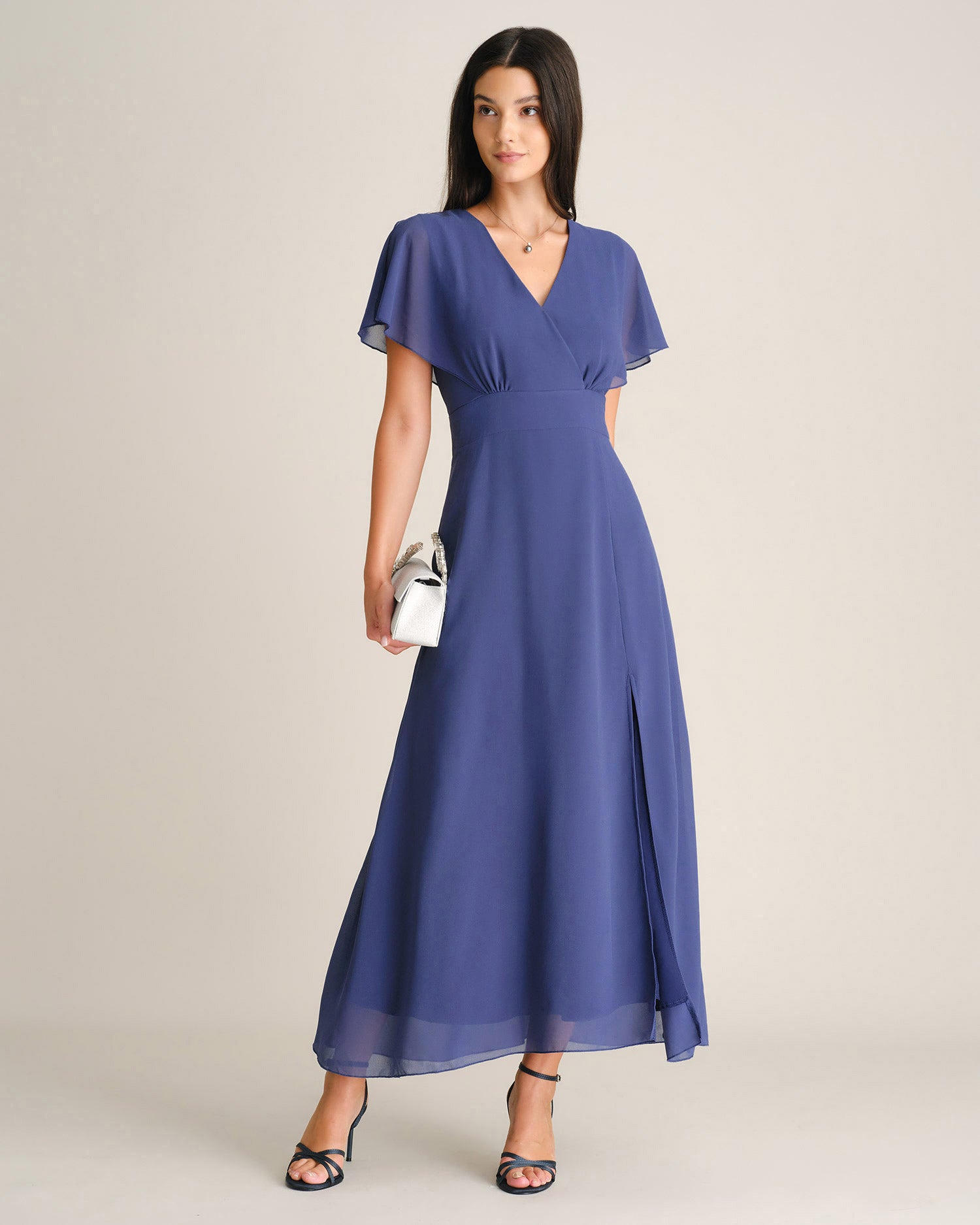
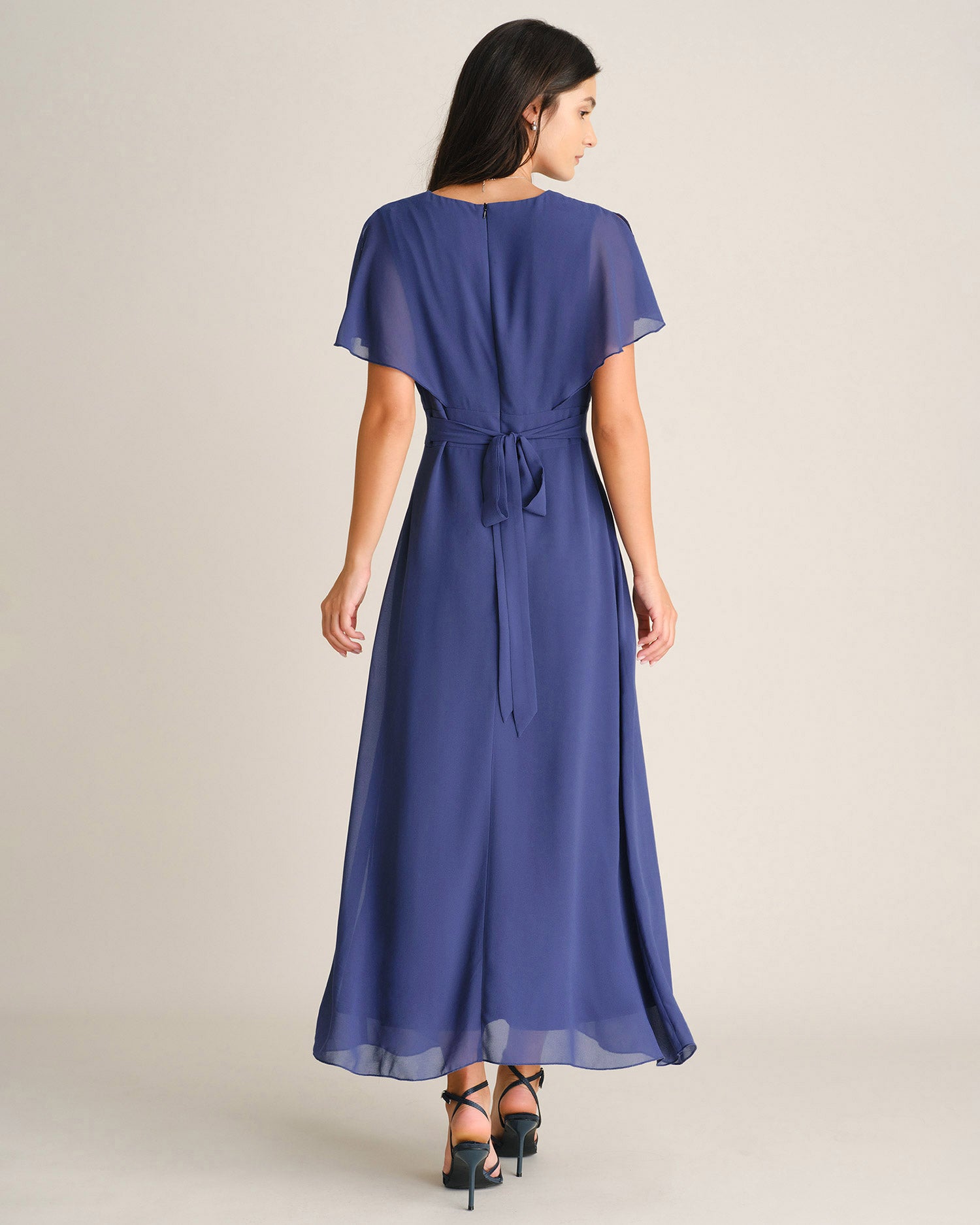
Short Sleeve Dresses, Chosen by Shape and Setting
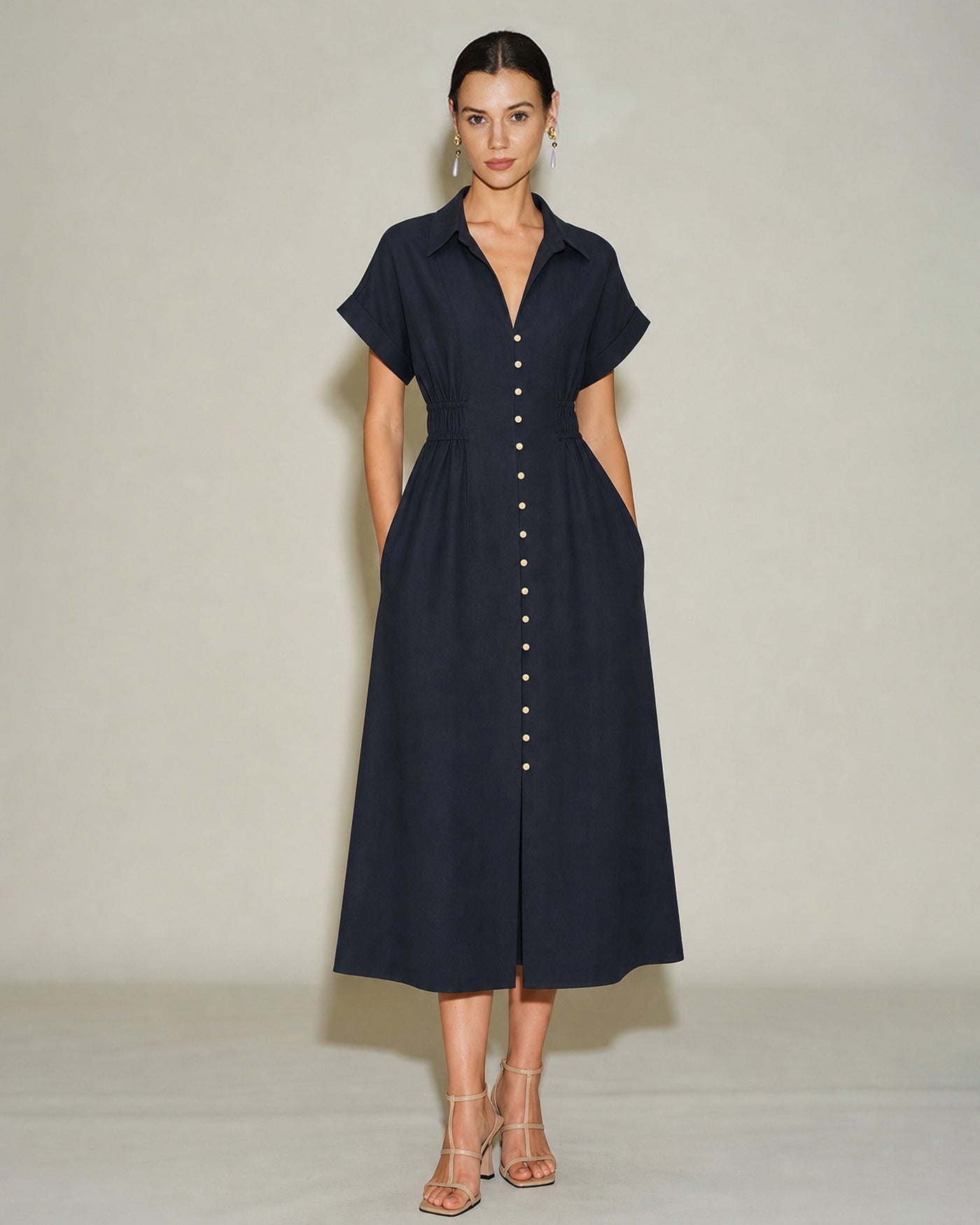
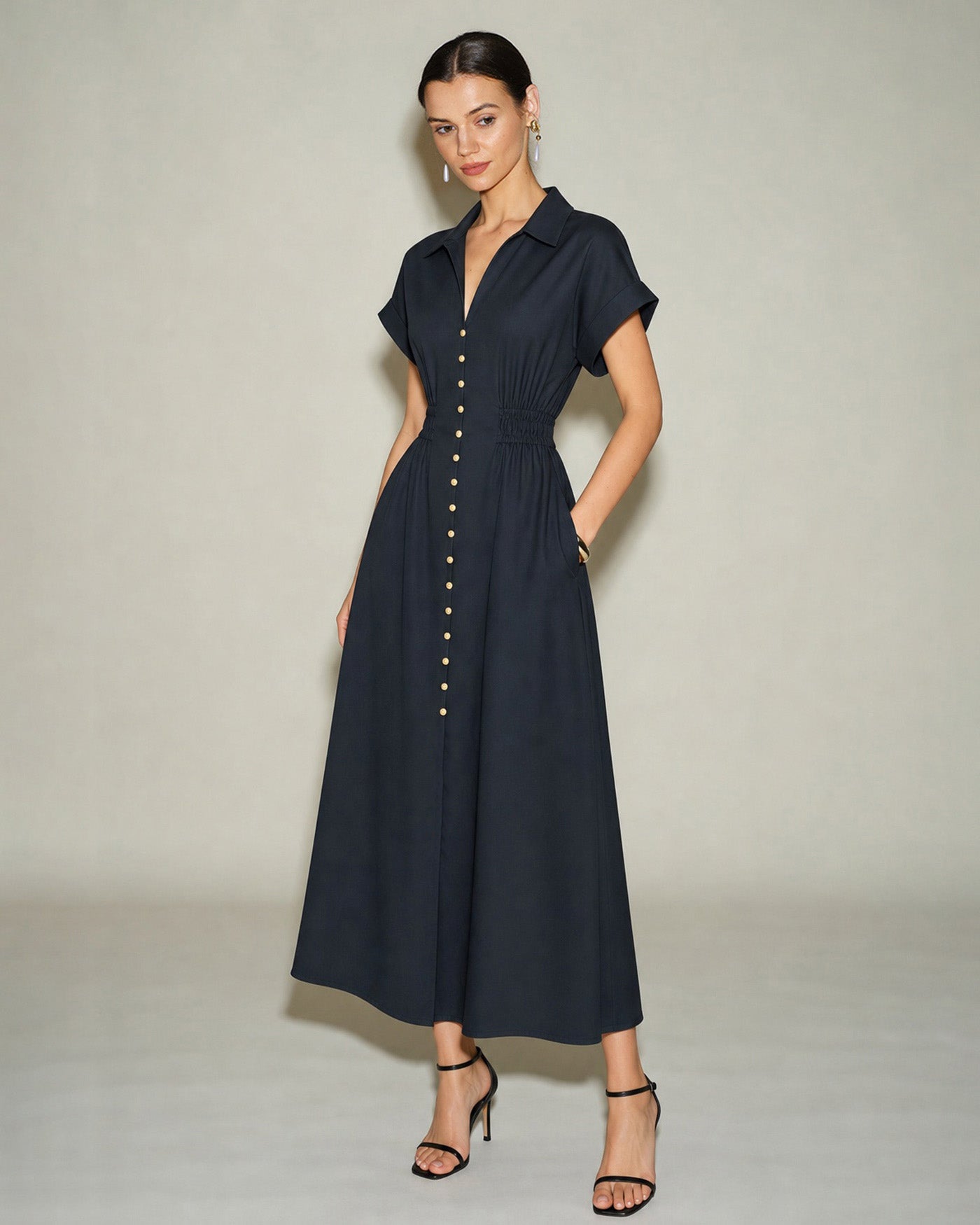
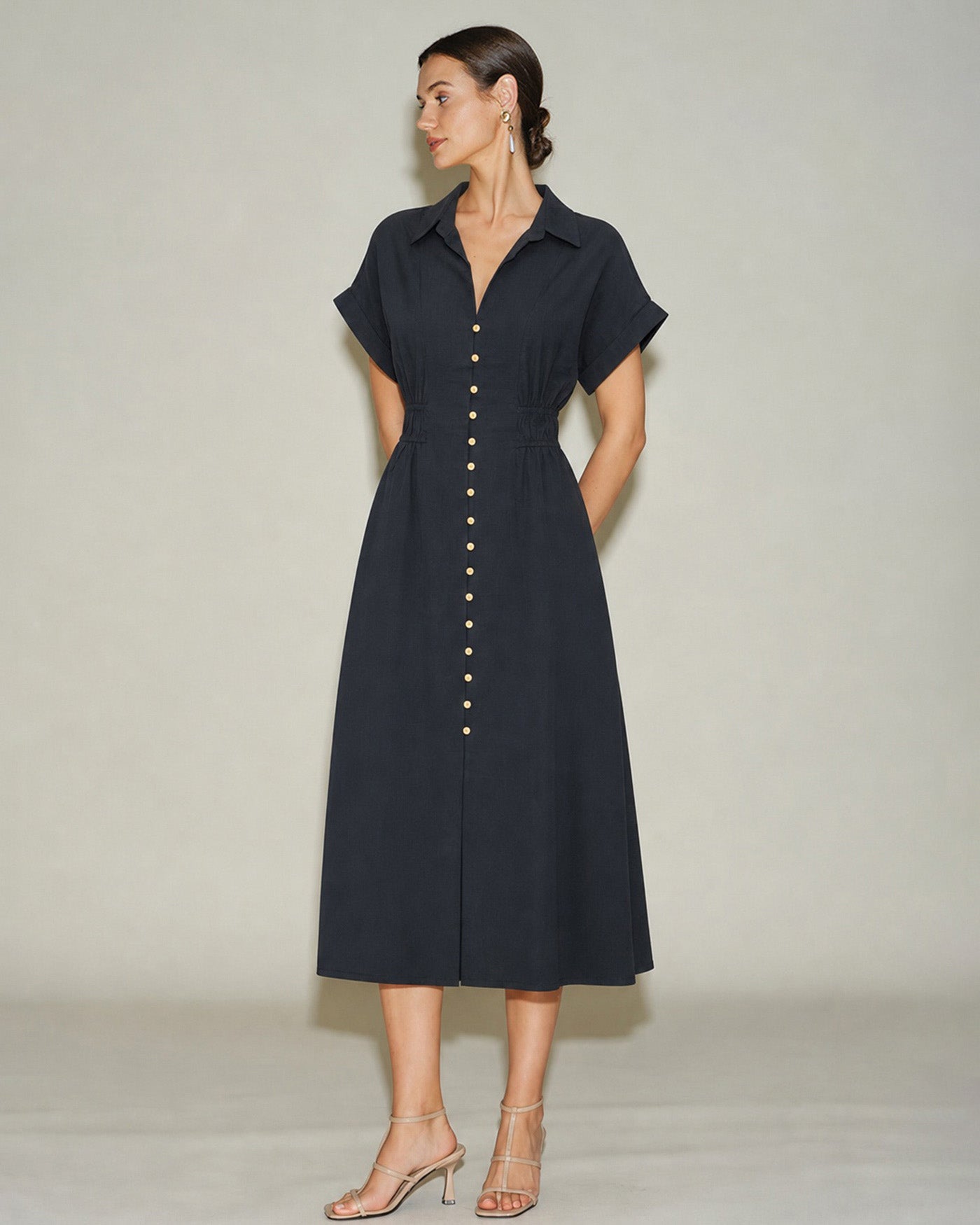
A short sleeve can make a dress easier to wear, but the sleeve alone does not decide how much coverage, structure, or movement the dress provides. RIHOAS short sleeve dresses range from close-cut cap sleeves to regular, puff, butterfly, petal, and cowl shapes, across mini, midi, and maxi lengths. The current collection is strongest in A-line and midi silhouettes, with floral prints, cotton, chiffon, satin, lace, and jacquard giving the same sleeve length very different roles.
Choose the sleeve shape first if upper-arm coverage or shoulder fit is non-negotiable. Choose the hem and fabric first if the occasion matters more. That order prevents a dress from looking right in the product title but wrong for the way you intend to wear it.
A Short Sleeve Is Not One Standard Cut
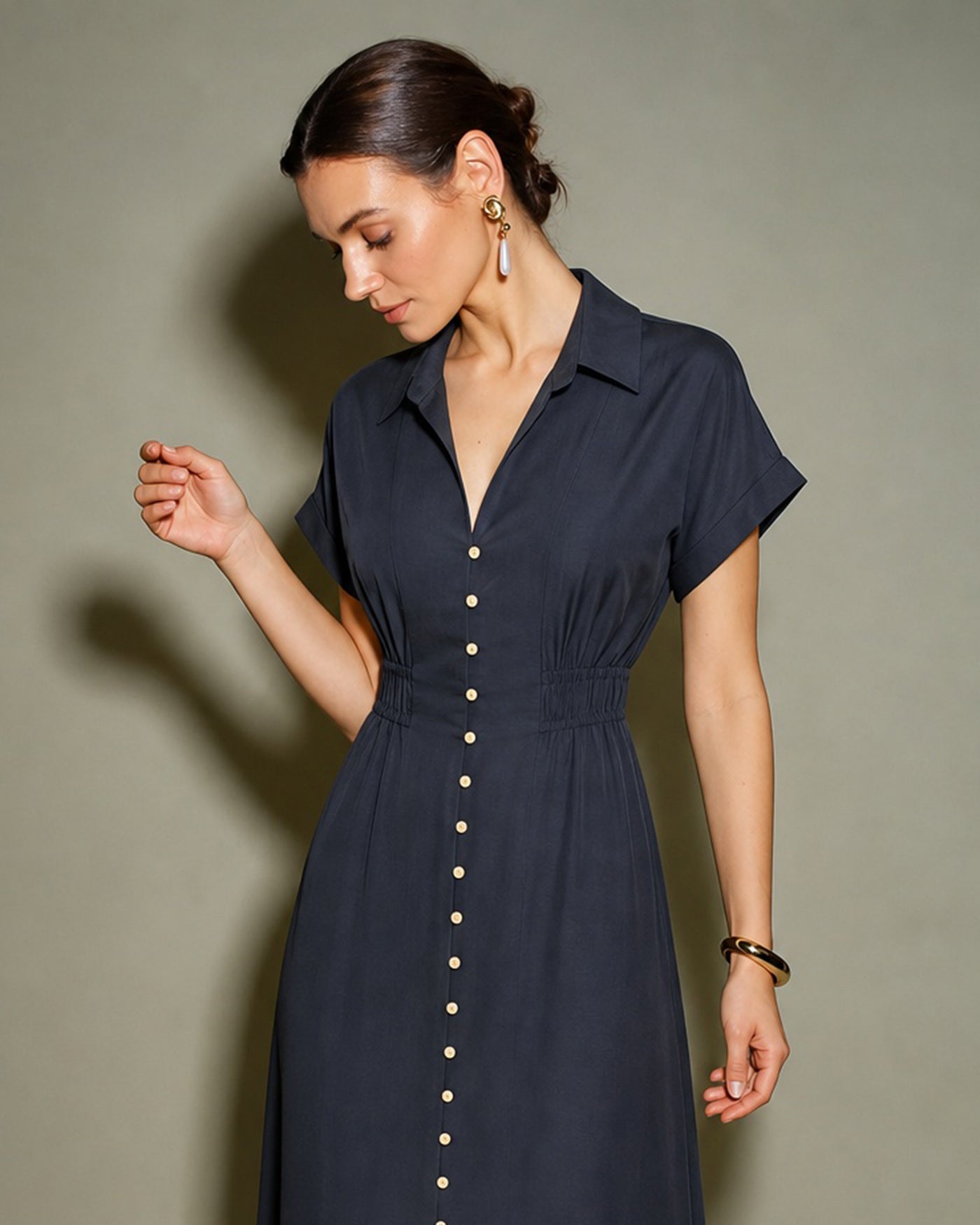
A cap sleeve sits close to the shoulder and creates the lightest outline, but it may offer little more coverage than a sleeveless dress. A regular short sleeve usually has a clearer shoulder seam and a more predictable fit through the upper arm. Puff sleeves add volume and structure, while butterfly and petal sleeves fall away from the arm for softer movement. A cowl or ruffled sleeve can make an otherwise simple dress feel more occasion-focused.
Neckline and back design matter just as much. A square neck frames puff sleeves cleanly; a V neck opens the upper half and balances a fuller skirt; a collar gives a short sleeve dress a more tailored direction. If shoulder coverage or standard-bra compatibility matters, check the front, side, and back product images. A cap sleeve paired with a wide neckline or open back may cover less than the collection name suggests.
Choose Mini, Midi, or Maxi Around the Occasion
Short sleeve midi dresses for the broadest use
A short sleeve midi dress is the most adaptable option in this collection. The longer hem balances puff, cap, and butterfly sleeves, while A-line, button-front, and defined-waist shapes can move between work, lunch, and daytime events. For a more conservative setting, prioritize a regular sleeve, covered back, and neckline that stays secure when sitting or moving.
Short sleeve mini dresses for a lighter proportion
A short sleeve mini dress keeps the outfit visually light, particularly in cotton, gingham, floral, or softly textured fabric. Puff sleeves can balance a shorter hem, while a collar or simple round neck makes the silhouette easier to dress down. If the dress also has lace, a fitted bodice, cutouts, or a dramatic neckline, it will read closer to partywear than an everyday mini.
Short sleeve maxi dresses for coverage without long sleeves
A short sleeve maxi dress gives more coverage through the skirt while leaving the arms less restricted. Look for a defined waist, open neckline, or moving sleeve shape so the added length does not feel heavy. Chiffon and softer florals suit weddings and garden events; cleaner cotton or button details are easier to bring into daytime outfits.
Fabric Changes What the Sleeve Can Do
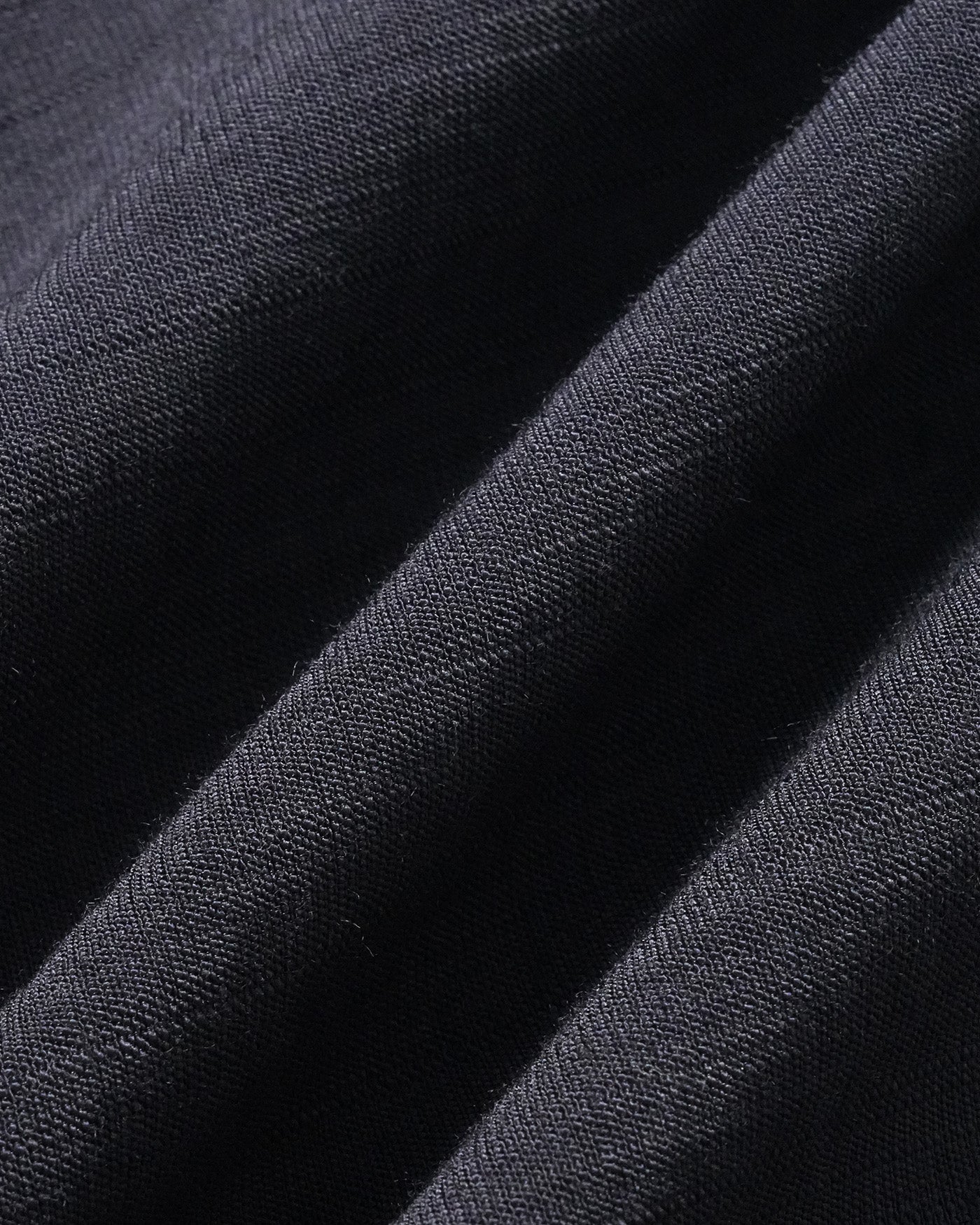
Fabric determines whether a short sleeve holds its shape, skims the arm, or moves with it. Cotton dresses are the direct choice for daytime wear and warmer conditions, especially when the design uses buttons, embroidery, plaid, or a fuller A-line skirt. Chiffon dresses create lighter movement in butterfly, ruffle, and puff sleeves, but lining and opacity should be checked on the individual product page.
Satin dresses give cowl, cap, or softly gathered sleeves a dressier finish, making them better suited to dinners and events than errands or a casual office. Jacquard and lace add visible texture and structure; they can make a simple sleeve look more formal even when the silhouette is A-line. For print-led options, floral dresses offer the widest bridge between daytime and occasion dressing.
Check Stretch, Closure, and Lining Before Size
Most dresses in the current RIHOAS short sleeve selection are woven styles with little or no stretch, and many use a side or back zipper. That makes the product measurements more useful than assuming your usual letter size will fit every silhouette. On a fitted bodice, compare the bust and waist measurements first; an A-line skirt provides room below the waist but cannot correct a tight upper half.
Buttons, shirring, ties, and elastic can change the amount of adjustment, but they should be verified dress by dress. Lining matters for light colors, chiffon, lace, and open-weave textures. The presence of cotton in a fabric description does not by itself confirm opacity, thickness, or stretch, so use the fabric composition and product images together.
Start With the Most Demanding Part of Your Day
- For work and commuting: Choose a midi, regular or softly puffed sleeve, a secure neckline, and a covered back. Button details, collars, and A-line skirts bring structure without requiring a bodycon fit. For a more focused edit, compare office and work dresses.
- For weddings and daytime events: Chiffon, satin, lace, jacquard, butterfly sleeves, and refined floral prints can carry more occasion detail. Start with wedding guest dresses when the dress code matters more than the sleeve.
- For warm weather and vacation: Favor cotton, an open but secure neckline, and a sleeve that does not grip the arm. Browse summer dresses when breathability and season are the first requirements, then narrow by sleeve.
- For casual plans: Florals, plaid, buttons, simple A-line shapes, and mini or midi hems need less styling. A sneaker or flat changes the mood, but the fabric and construction still decide whether the dress feels genuinely relaxed.
Find the Short Sleeve Dress That Solves the Right Problem
Shop this collection when sleeve length is the first requirement. Filter by cap, regular, puff, butterfly, or another sleeve shape before comparing color and print. If hem length, fabric, or event is more important, begin with that dedicated RIHOAS dress collection and narrow from there. A useful short sleeve dress should provide the coverage you expect, fit through the bodice, and suit the setting without depending on styling to correct the wrong silhouette.


