

Two decades still shape almost every vintage-inspired skirt worth owning. The 1950s gave us structure — a nipped waist, a flared or fitted line, a put-together look that feels composed the second you slip it on. The 1970s did the opposite: fluid, easy shapes that move with you, in earthy tones and soft florals. Most "retro" skirts today are really one of these two moods, modernized.
This is a practical guide to wearing both without looking like you're in costume — which silhouette suits you, how to style it with pieces you already own, and which skirts to actually buy. Everything below is in stock at RIHOAS, mostly between $28 and $45.
What makes a skirt look "vintage"?
A skirt reads as vintage when its silhouette echoes a specific era rather than its print alone. Two silhouette families do most of the work: the 1950s structured shape — a high, defined waist with either a full A-line/circle sweep or a fitted, fluted "wiggle" hem — and the 1970s relaxed shape, a softer A-line, midi or maxi that flows rather than holds. Fabric and pattern reinforce it: plaid, polka dots, and gingham lean fifties; soft florals, chiffon, and earthy solids lean seventies. The trick to looking current rather than costumed is to take one vintage element — the shape — and keep everything else modern. A genuinely retro silhouette in a good fabric, styled with today's basics, looks intentional; head-to-toe period dressing looks like a theme party.
The 1950s mood: structured, nipped-in, ladylike
The 1950s skirt is built around the waist. Designers cinched it tight and then went one of two ways: very full (the circle and swing skirts) or very fitted (the pencil and wiggle skirts), both creating that hourglass line. In a modern wardrobe, the most wearable version of this mood is a high-waisted A-line or a fitted midi in a retro pattern — true pencil and wiggle skirts are rare now and unforgiving to sit in, so a structured A-line gives the same composed feeling with room to move. Reach for this mood on days you want to feel polished and intentional: think a checked or polka-dot midi with a tucked-in knit and a slim belt. It's the look that turns an ordinary Thursday into something that feels deliberate.
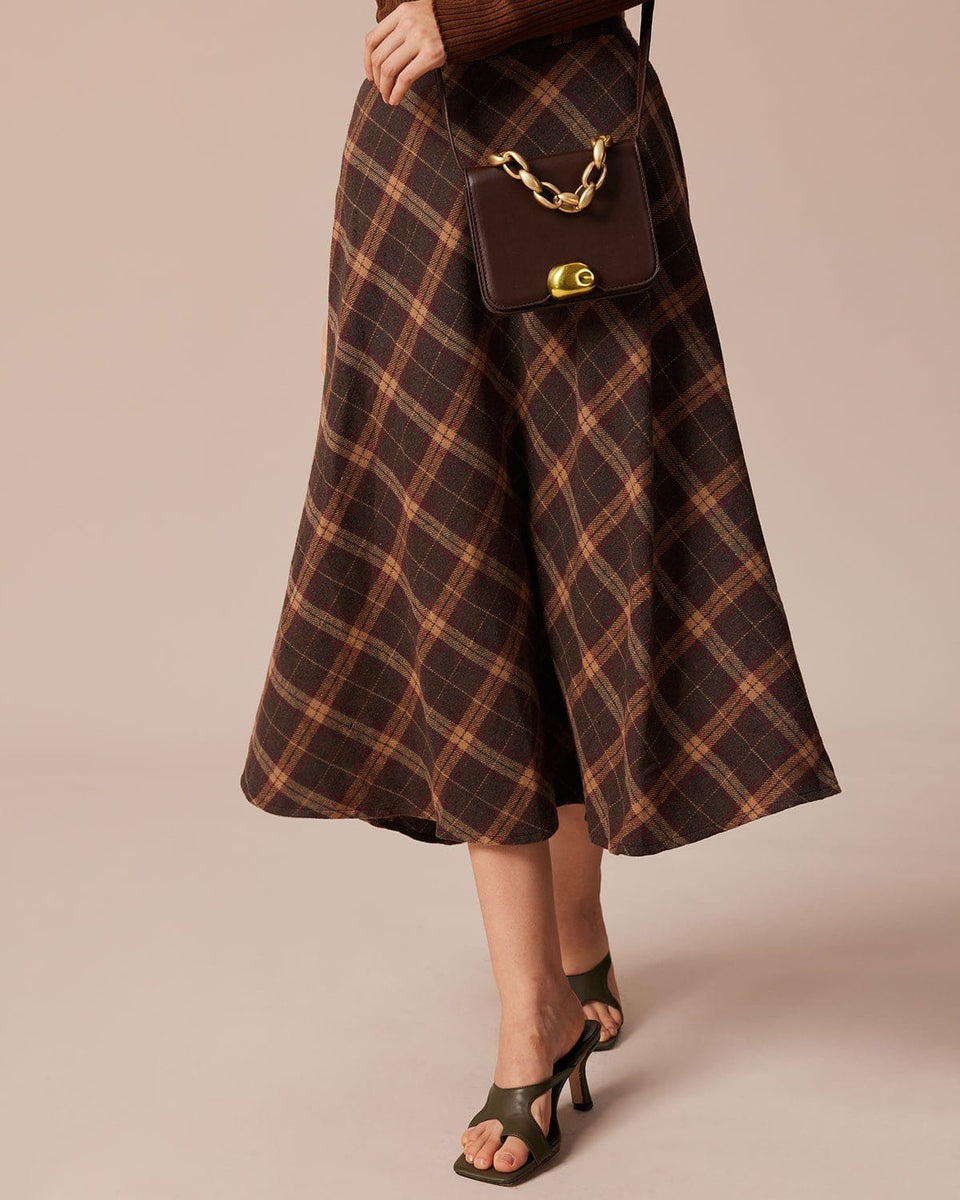
Most-loved · 50s mood
The plaid A-line that nails the fifties waist
The closest thing to a 1950s skirt in a modern wardrobe: a high, nipped waist that defines the middle, an A-line that flares gently over the hips, and a checked plaid that reads vintage without tipping into costume. The elastic waist holds its shape but gives after lunch, and at 15 reviews it's the most-loved skirt in the range. Midi length keeps it office- and everyday-appropriate. XS–XL, woven polyester.
Hourglass · 50s mood
Polka dots and a fluted hem, the pin-up line
Polka dots and a fitted, fluted hem are about as 1950s as it gets — this mermaid midi nips in through the hip and flares at the knee for that hourglass, pin-up line. It's the dressier end of the vintage look: pair it with a tucked knit for day, or a fitted top and heels for evening. It's a fitted cut with no stretch, so size for your hips and check the chart. XS–XL.
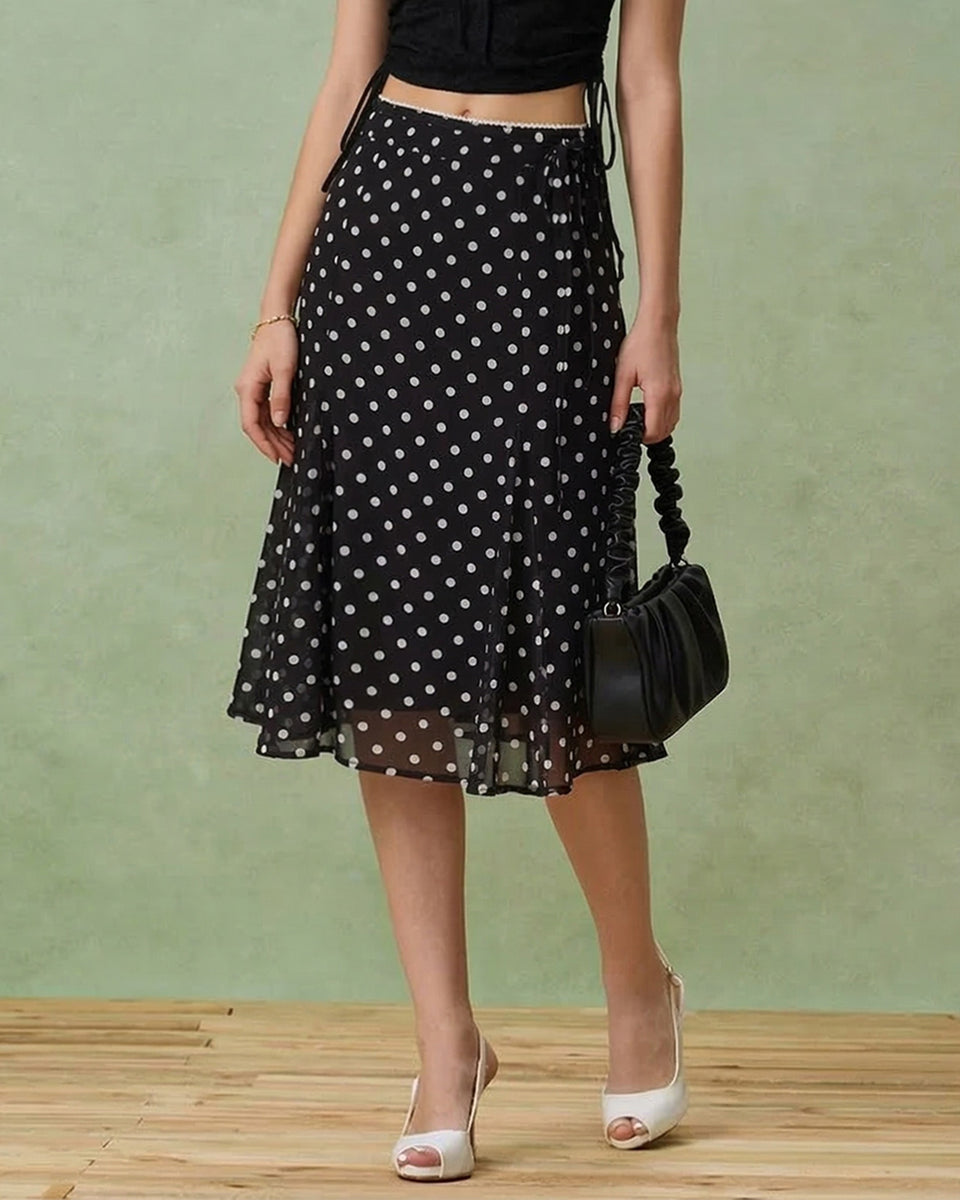
Both of these lean on retro patterns — browse more in the plaid skirts and retro plaid edit if checks and dots are your thing.
The 1970s mood: flowy, easy, earthy
Where the fifties held you in, the seventies let you breathe. The decade's skirts were about movement — soft A-lines, midis, and floor-skimming maxis in chiffon and jersey, often in earthy tones or loose florals. This is the mood for days you want your outfit to feel like an exhale: there's room to walk, sit, and move without anything pulling. In practice it's the easiest vintage look to wear now, because the relaxed shapes flatter most bodies and need almost no styling effort. A floral chiffon midi or a flowing midi skirt with a simple fitted top and flat sandals reads effortlessly seventies. Keep the top half closer to the body so the volume below stays balanced — that one proportion rule is what separates "boho and intentional" from "swamped in fabric."
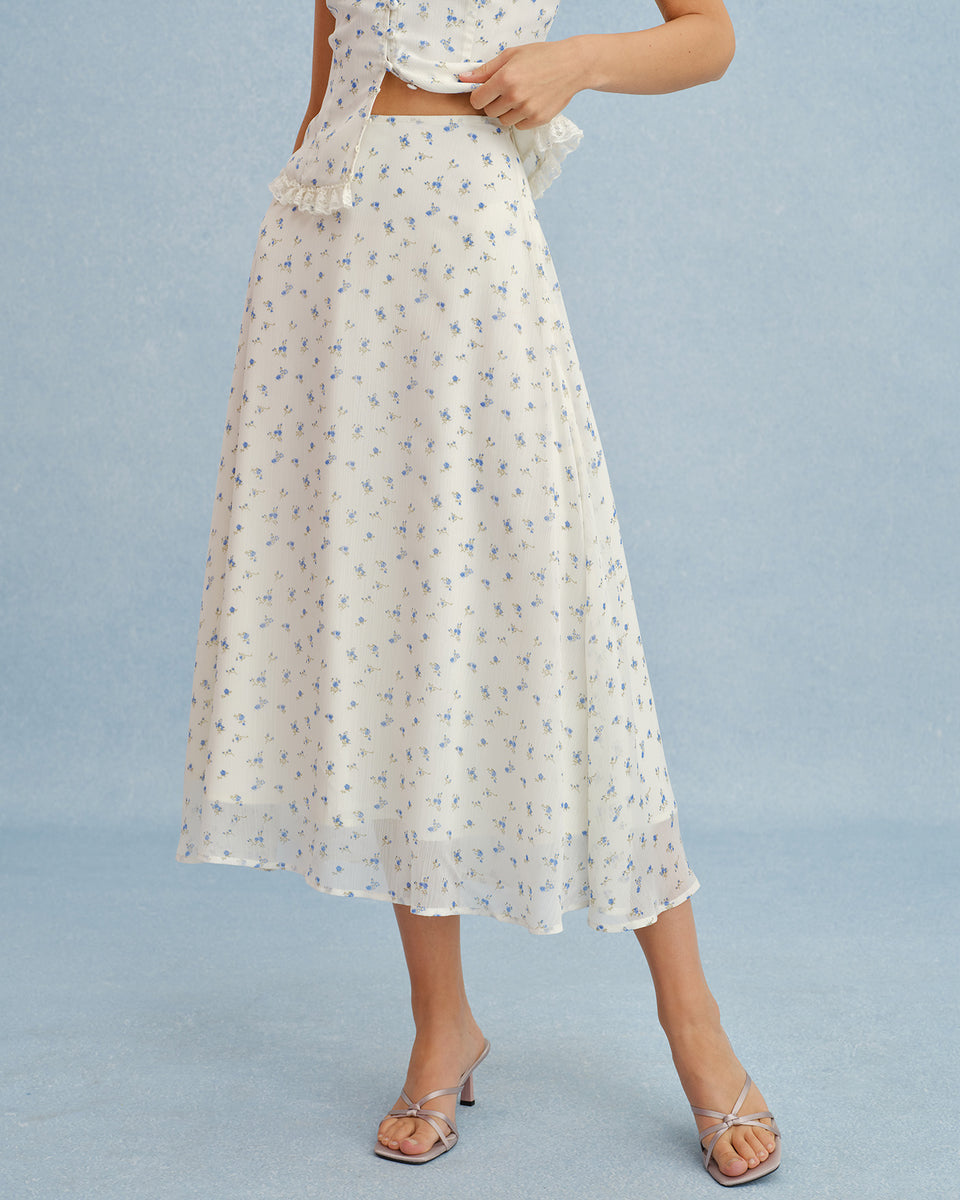
Breezy · 70s mood
A floral chiffon midi that moves
If the fifties was structure, the seventies was flow — and this chiffon midi is the easy, breezy end of vintage. The soft floral and fluid drape move when you walk, the neutral beige goes with everything, and the midi length feels effortless rather than fussy. It's lined, so it isn't see-through in sun. XS–XL. Best with flat sandals or boots for that relaxed seventies ease.
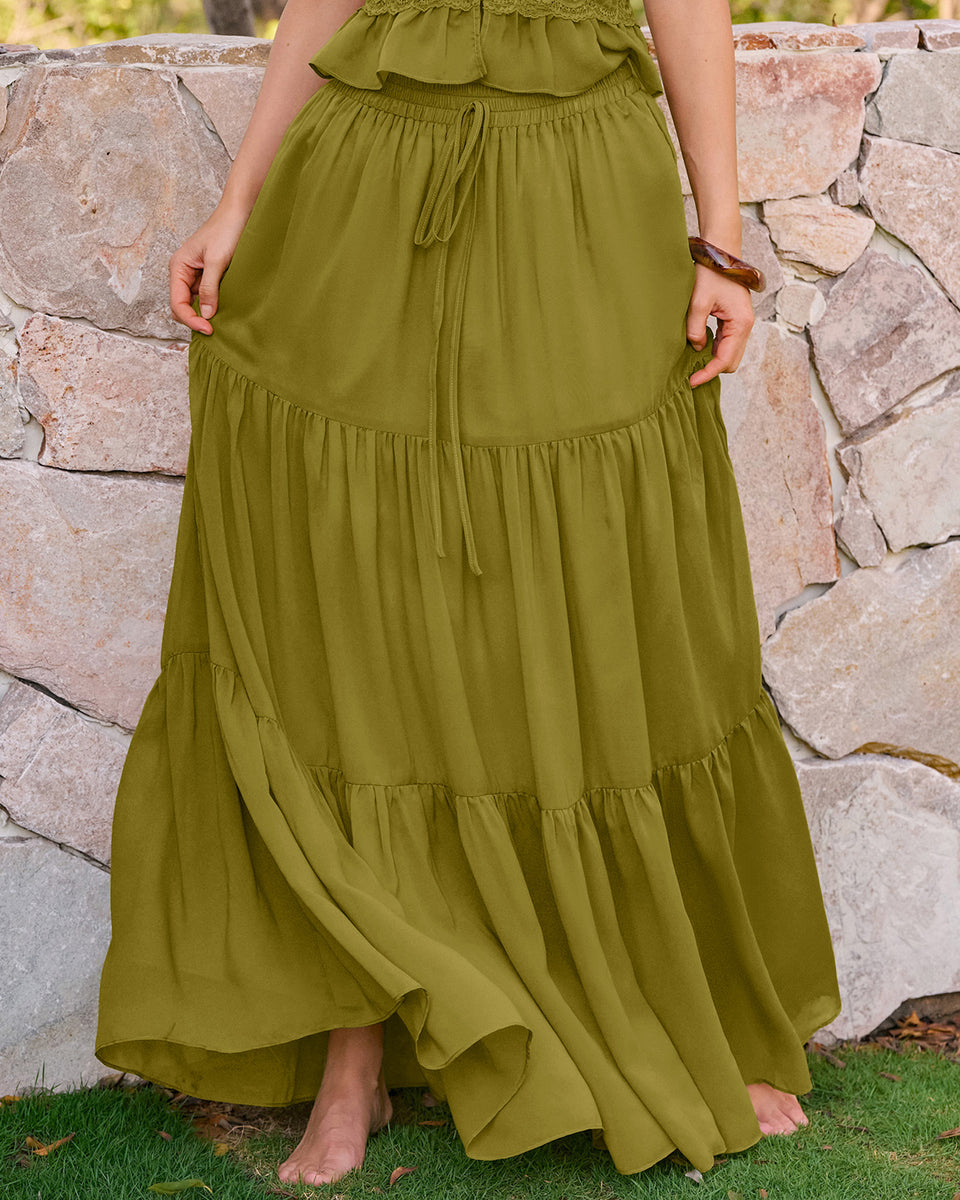
Maxi · 70s mood
The flowing maxi for full seventies ease
The 1970s maxi is having a real revival, and a flowing green chiffon is the most wearable way in. The elastic waist makes it forgiving and comfortable, the length skims the floor for that free, boho silhouette, and the earthy green suits most skin tones. It moves beautifully and photographs even better. XS–XL. Pair with a fitted top to balance the volume; add a heel or platform if you're petite so the hem clears the floor.
One shape that does both: the A-line
If you only buy one vintage-style skirt, make it an A-line midi — it's the single shape that swings either way. Belt it and tuck in a fitted top and it leans fifties; leave it loose with a relaxed knit and flat boots and it leans seventies. The A-line is also the most universally flattering cut, because it skims the hips and thighs without clinging, so it works on more bodies than either the full circle skirt or the fitted wiggle. A solid or small-print A-line in a dark color is the most versatile of all: it grounds the look for the office and dresses down for the weekend. Start here if vintage feels intimidating — it's the lowest-risk entry point and the piece you'll reach for most.
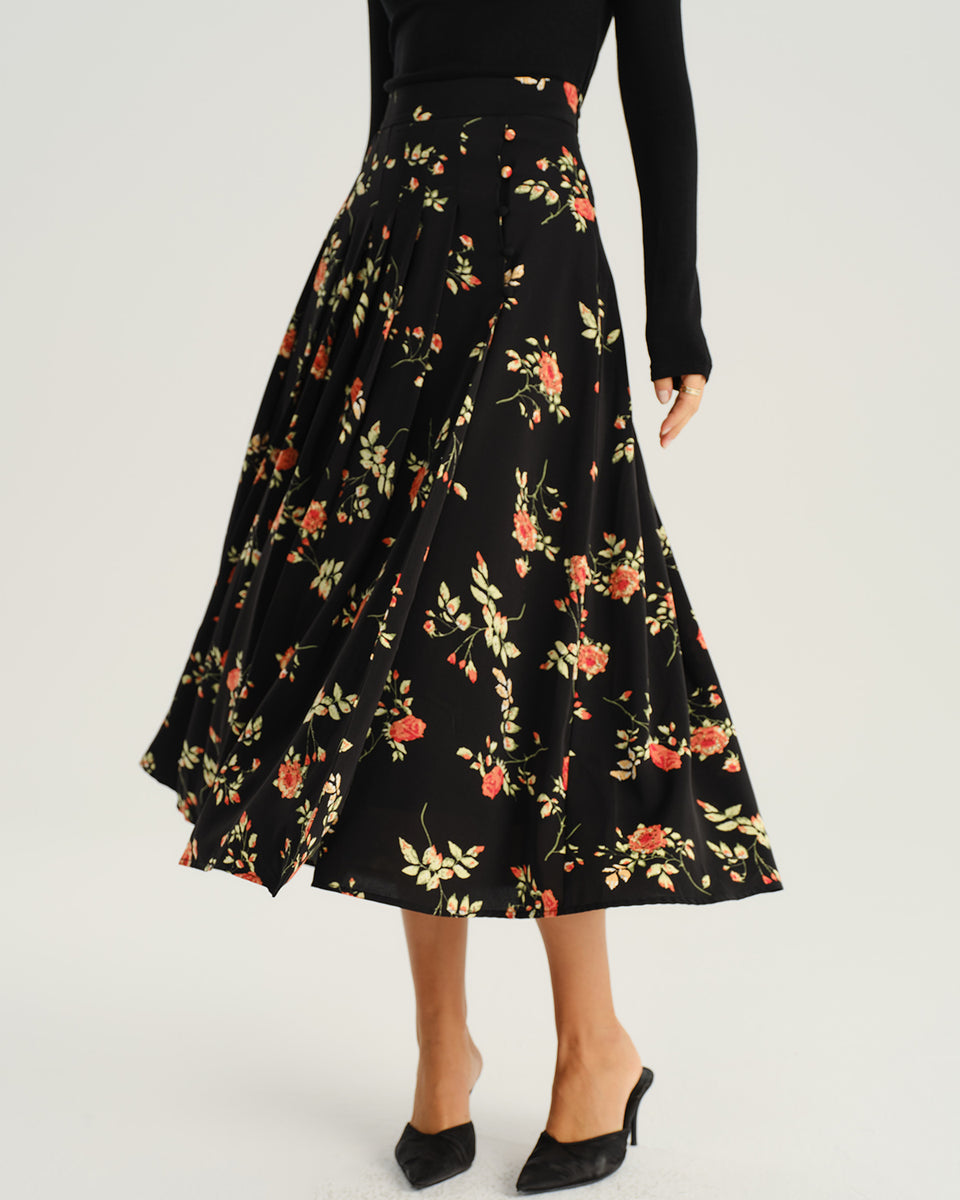
Most versatile · both moods
The do-anything A-line if you buy just one
The A-line swings either way: cinch it with a belt and tuck in a fitted top for a fifties feel, or leave it loose with a relaxed knit for a seventies mood. This black floral version is the most versatile skirt here — black grounds the print so it works for the office and after it. XS–XL. The do-anything piece if you only buy one.
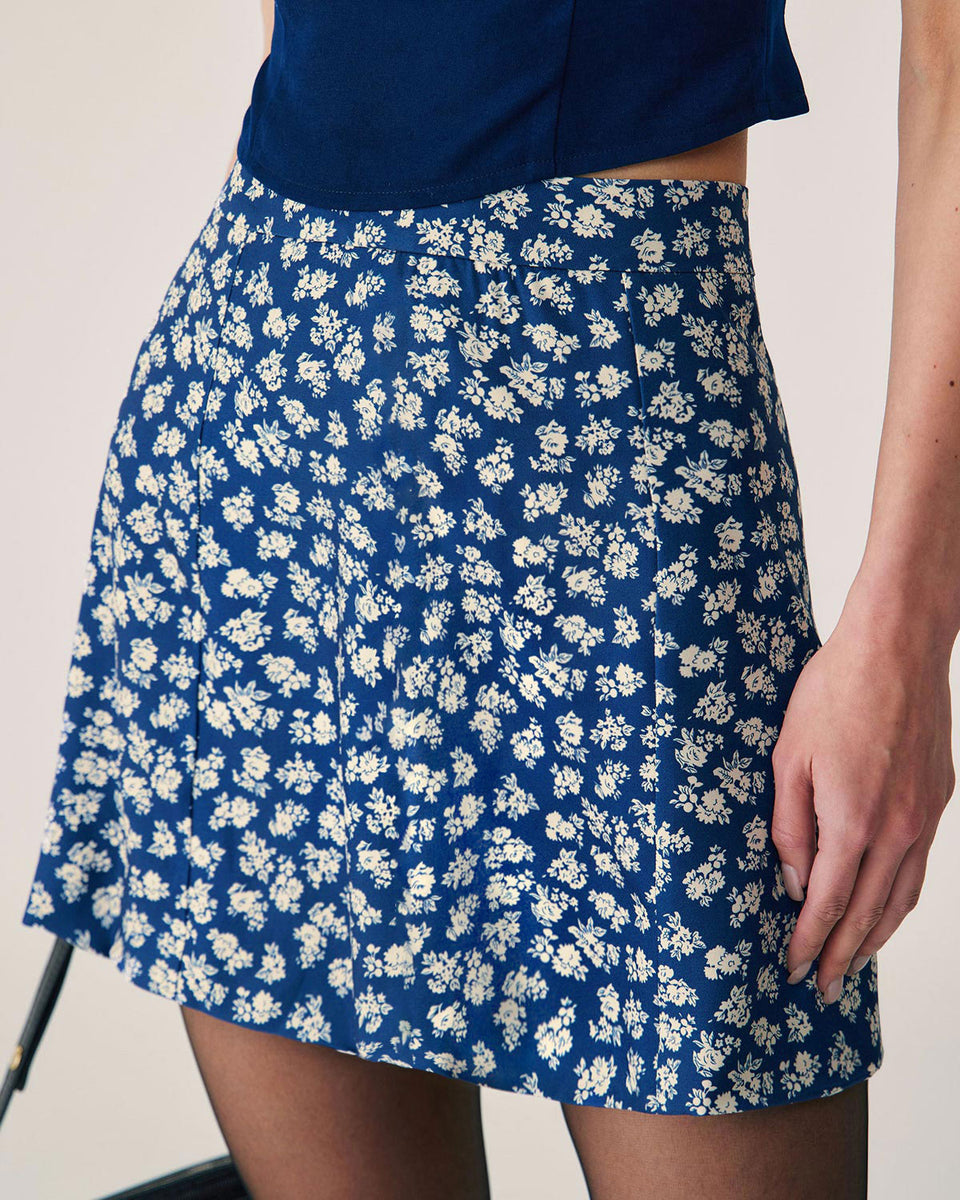
Easiest entry · $28
A budget A-line mini for everyday retro
The shortest, easiest, cheapest way into the look at $28: a navy floral A-line mini that reads retro but works with sneakers, boots, or flats for everyday. The A-line cut skims the hips and the high waist keeps it flattering. XS–XL. A mini reads younger and more casual than the midis above, so it's the pick for weekends and warmer days rather than formal settings.
How to style a vintage skirt without looking like a costume
The rule that keeps retro from tipping into fancy-dress is simple: wear one vintage piece, and let everything else be modern. Put a fifties polka-dot midi with a plain ribbed tank and clean white sneakers, or a seventies floral maxi with a fitted black tee — the contemporary basics signal that the skirt is a style choice, not a costume. Three habits do the heavy lifting: tuck or half-tuck your top so the waist (the whole point of a vintage skirt) stays visible; match the shoe to the mood (loafers and flats for fifties polish, sandals and boots for seventies ease); and keep accessories minimal so the silhouette speaks. Skip the matching headscarf, gloves, and cat-eye all at once — pick one nod to the era, never three.
Which length and silhouette suits you
Match the shape to your proportions and any vintage skirt will flatter. An A-line is the safest all-rounder because it skims fuller hips and thighs while defining the waist — it suits the widest range of bodies. A high, nipped waist (on an A-line or a fitted style) adds definition if you're straighter up and down, creating curve the fabric alone won't. A fitted mermaid or wiggle shape rewards an hourglass figure but is less forgiving to sit in, so it's the dressier, occasion choice. On length: a midi is the most universally wearable and the most office-appropriate; a maxi elongates and suits taller frames or anyone who adds a heel; a mini reads youngest and most casual. When in doubt, a high-waisted A-line midi is the lowest-risk, most flattering pick.
Frequently asked questions
What is a vintage-style skirt?
A vintage-style skirt is a modern skirt whose silhouette echoes a past era rather than being genuinely old. The two most common references are the structured 1950s shape — high, defined waist with a full A-line or fitted hem — and the relaxed 1970s shape, a flowy A-line, midi or maxi. Retro patterns like plaid, polka dots, and soft florals reinforce the look. It gives you the era's feel in new, well-fitting fabric.
Are pencil skirts and A-line skirts still in style?
A-line skirts are firmly in style and the easier of the two to wear, because they flatter most body shapes and move with you. Strict pencil and wiggle skirts are more of an occasional, dressier statement now — they read very retro but are less comfortable to sit and walk in. For everyday vintage style, a high-waisted A-line midi is the more versatile and forgiving choice.
How do I style a vintage skirt without looking like a costume?
Wear one vintage piece and keep everything else modern. Pair a retro skirt with a plain tank, fitted tee, or simple knit and contemporary shoes like white sneakers or ankle boots, and tuck the top so the waist shows. Avoid stacking era-specific accessories — pick a single nod to the decade rather than a full themed outfit, and the skirt reads as a deliberate style choice.
What length skirt is most flattering?
A midi length is the most universally flattering and the most versatile, working for the office, everyday, and dressier occasions. A maxi elongates the body and suits taller frames or anyone wearing a heel, while a mini reads youngest and most casual. Pairing the length with an A-line cut, which skims the hips, gives the most reliably flattering result across body types.
Where can I buy affordable vintage-inspired skirts?
RIHOAS carries vintage-inspired skirts mostly between $28 and $47, in A-line, pleated, mermaid, and chiffon styles up to size XL, in retro plaids, polka dots, and florals. Shopping new vintage-inspired pieces avoids the sizing and condition gamble of true secondhand vintage, and the modern fabrics are easier to care for. Browse the full skirts edit to compare lengths and silhouettes.
Build the look
Start with the shape that feels like you
Choose one featured skirt above, then make it current with a simple fitted top and shoes you already reach for.
Last updated: June 2026. Prices and availability change — we review this guide quarterly.


