


The Solid Color Lapel Midi Dress


| Size | US | Bust | Waist | Hip | Length |
|---|---|---|---|---|---|
|
XS
|
0
|
84
33.1
|
66
26.0
|
92
36.2
|
116
45.7
|
|
S
|
2-4
|
88
34.6
|
70
27.6
|
96
37.8
|
117
46.1
|
|
M
|
6-8
|
94
37.0
|
76
29.9
|
102
40.2
|
118.5
46.7
|
|
L
|
10-12
|
100
39.4
|
82
32.3
|
108
42.5
|
120.5
47.4
|
|
XL
|
14-16
|
108
42.5
|
90
35.4
|
116
45.7
|
122.5
48.2
|
|
2XL
|
18-20
|
116
45.7
|
98
38.6
|
124
48.8
|
123.5
48.6
|
|
3XL
|
20-22
|
124
48.8
|
106
41.7
|
132
52.0
|
124.5
49.0
|
| Size | US | EU | Bust | Waist | Hip |
|---|---|---|---|---|---|
|
XXS
|
00
|
30
|
78-80
30.7-31.5
|
60-62
23.6-24.4
|
86-88
33.9-34.6
|
|
XS
|
0
|
32
|
81-83
31.9-32.7
|
63-65
24.8-25.6
|
89-91
35.0-35.8
|
|
S
|
2-4
|
34-36
|
84-89
33.1-35.0
|
66-71
26.0-28.0
|
92-97
36.2-38.2
|
|
M
|
6-8
|
38-40
|
90-95
35.4-37.4
|
72-77
28.3-30.3
|
98-103
38.6-40.6
|
|
L
|
10-12
|
42-44
|
96-101
37.8-39.8
|
78-83
30.7-32.7
|
104-109
40.9-42.9
|
|
XL
|
14-16
|
46-48
|
102-110
40.2-43.3
|
84-92
33.1-36.2
|
110-118
43.3-46.5
|
|
2XL
|
18-20
|
50-52
|
111-116
43.7-45.7
|
93-98
36.6-38.6
|
119-124
46.9-48.8
|
|
3XL
|
20-22
|
52-54
|
117-124
46.1-48.8
|
99-106
39.0-41.7
|
125-132
49.2-52.0
|

Description
Fabric:
It is made of Polyester and Cotton. Polyester is an artificial fiber that feels soft, looks lustrous, and dries fast. It's also durable, with good resistance to wrinkles, stains, and sunlight. Cotton fabric features humidity balance, durability, and eco-friendly nature, feeling soft but not stiff when touching the skin.
Description:
This midi dress is absolutely a gift for women for the simple cut shows female grace and gentleness to the fullest. Featuring a lapel and a v-neck, as well as the cap sleeve, the female upper part is much more stereo. Plus, the high-waisted design offers women a good figure ratio, while the ruffle trim decorates female legs and adds enough sense of design to it. The white is perfect for all occasions.
Details:
- Lapel
- Ruffle hem
- Cocktail & Party
- Cozy & Casual
- Office & Work Dresses
- Stylish
- Sorority Rush
Sizing Help

| Size | US | Bust | Waist | Hip | Length |
|---|---|---|---|---|---|
|
XS
|
0
|
84
33.1
|
66
26.0
|
92
36.2
|
116
45.7
|
|
S
|
2-4
|
88
34.6
|
70
27.6
|
96
37.8
|
117
46.1
|
|
M
|
6-8
|
94
37.0
|
76
29.9
|
102
40.2
|
118.5
46.7
|
|
L
|
10-12
|
100
39.4
|
82
32.3
|
108
42.5
|
120.5
47.4
|
|
XL
|
14-16
|
108
42.5
|
90
35.4
|
116
45.7
|
122.5
48.2
|
|
2XL
|
18-20
|
116
45.7
|
98
38.6
|
124
48.8
|
123.5
48.6
|
|
3XL
|
20-22
|
124
48.8
|
106
41.7
|
132
52.0
|
124.5
49.0
|
| Size | US | EU | Bust | Waist | Hip |
|---|---|---|---|---|---|
|
XXS
|
00
|
30
|
78-80
30.7-31.5
|
60-62
23.6-24.4
|
86-88
33.9-34.6
|
|
XS
|
0
|
32
|
81-83
31.9-32.7
|
63-65
24.8-25.6
|
89-91
35.0-35.8
|
|
S
|
2-4
|
34-36
|
84-89
33.1-35.0
|
66-71
26.0-28.0
|
92-97
36.2-38.2
|
|
M
|
6-8
|
38-40
|
90-95
35.4-37.4
|
72-77
28.3-30.3
|
98-103
38.6-40.6
|
|
L
|
10-12
|
42-44
|
96-101
37.8-39.8
|
78-83
30.7-32.7
|
104-109
40.9-42.9
|
|
XL
|
14-16
|
46-48
|
102-110
40.2-43.3
|
84-92
33.1-36.2
|
110-118
43.3-46.5
|
|
2XL
|
18-20
|
50-52
|
111-116
43.7-45.7
|
93-98
36.6-38.6
|
119-124
46.9-48.8
|
|
3XL
|
20-22
|
52-54
|
117-124
46.1-48.8
|
99-106
39.0-41.7
|
125-132
49.2-52.0
|
Shipping & Returns
- Processing time typically takes between 1-5 business days. (Please refer to the Shipping Info page for various shipping costs and times to international destinations.)
- We have a 14-day return policy, which means you have 14 days after receiving your item to request a return.( (Please refer to the Returns & Exchanges page for details)


Fit true to size and their size chart. I have a larger chest and it didn’t gape at the buttons. Not see through even though white! I got a ton of compliments the first time I wore it and will continue to wear it all spring and summer!

Wore this dress while on a summer trip and felt very comfortable, both in regards to the heat and walking amongst a more modest culture.
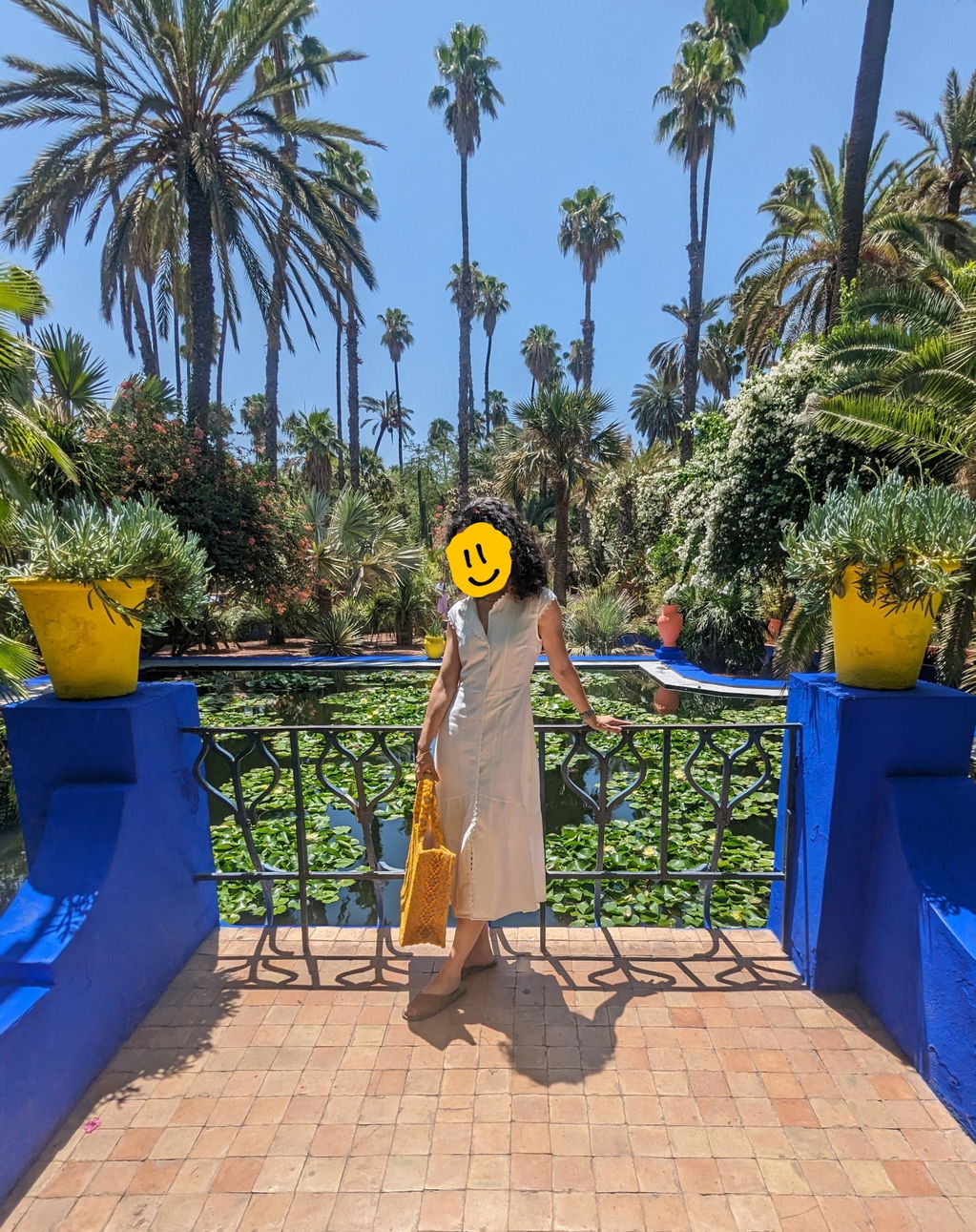
I didn't expect such a good quality of fabrics and very good seams.For sure I ll buy again!
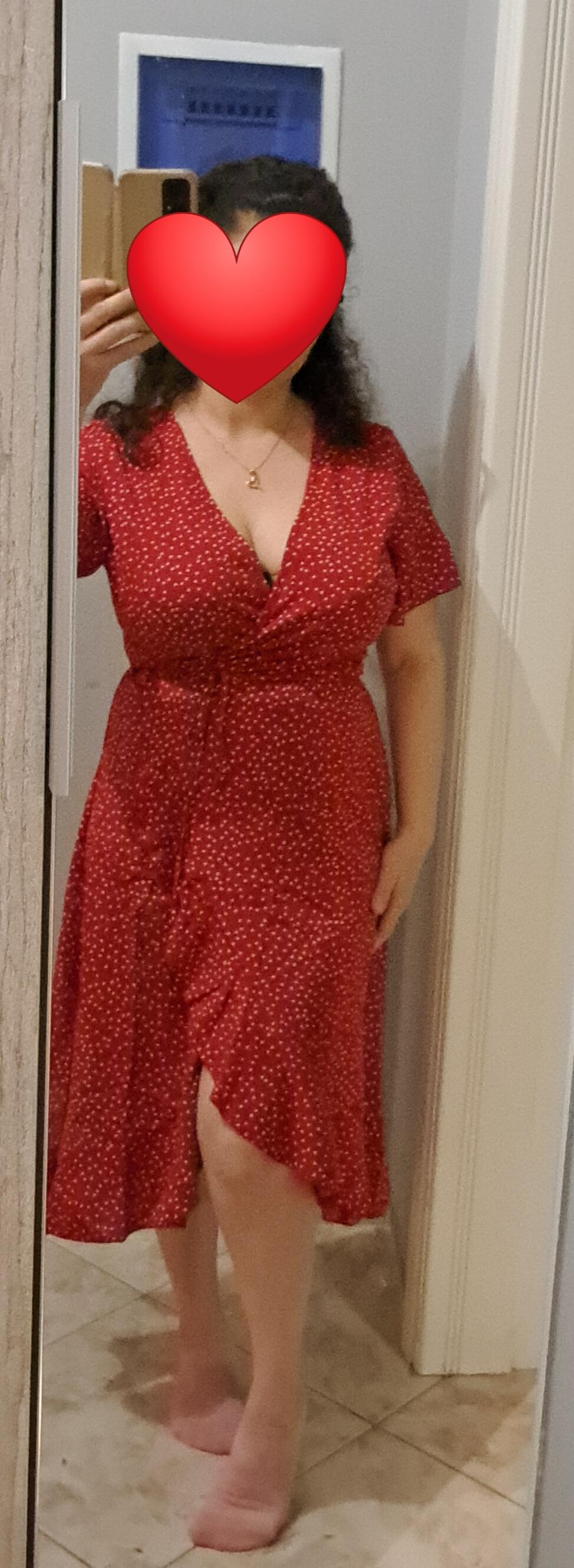
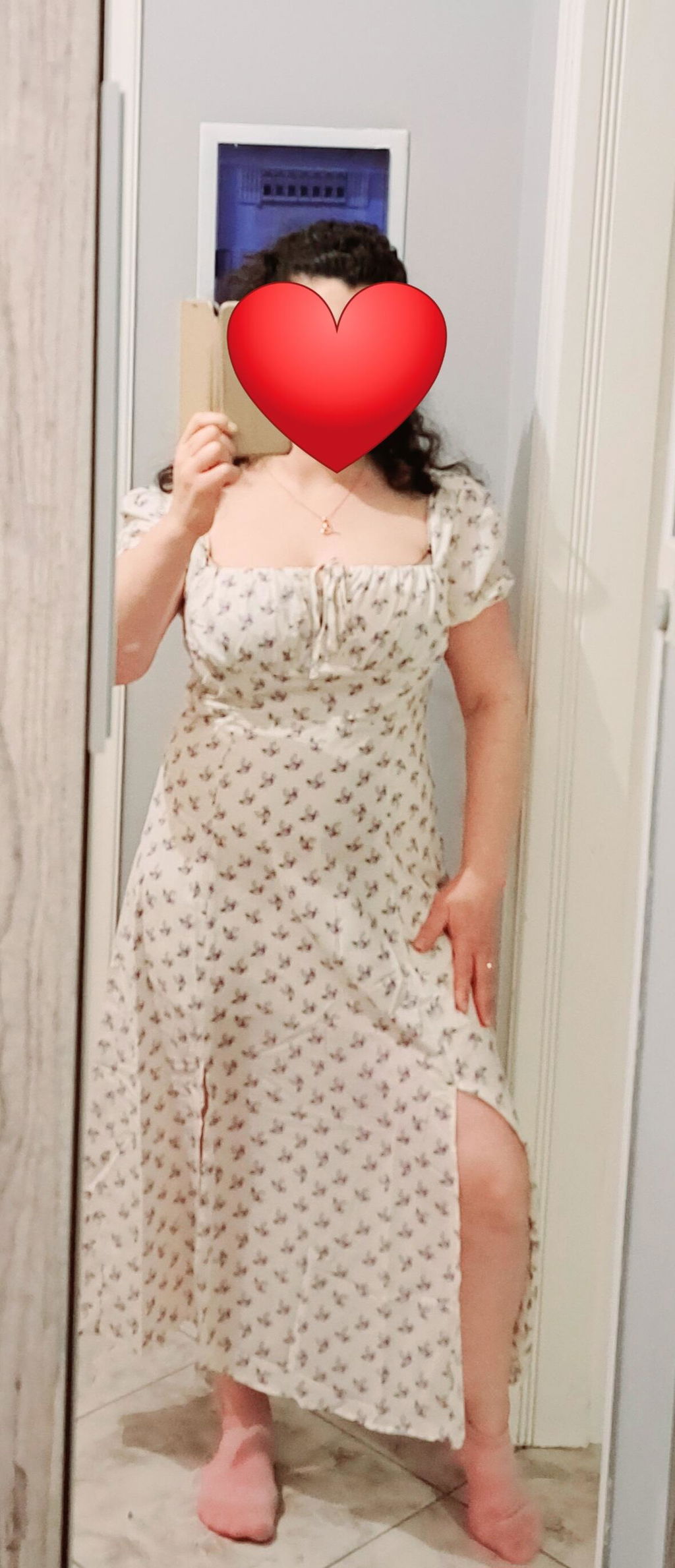
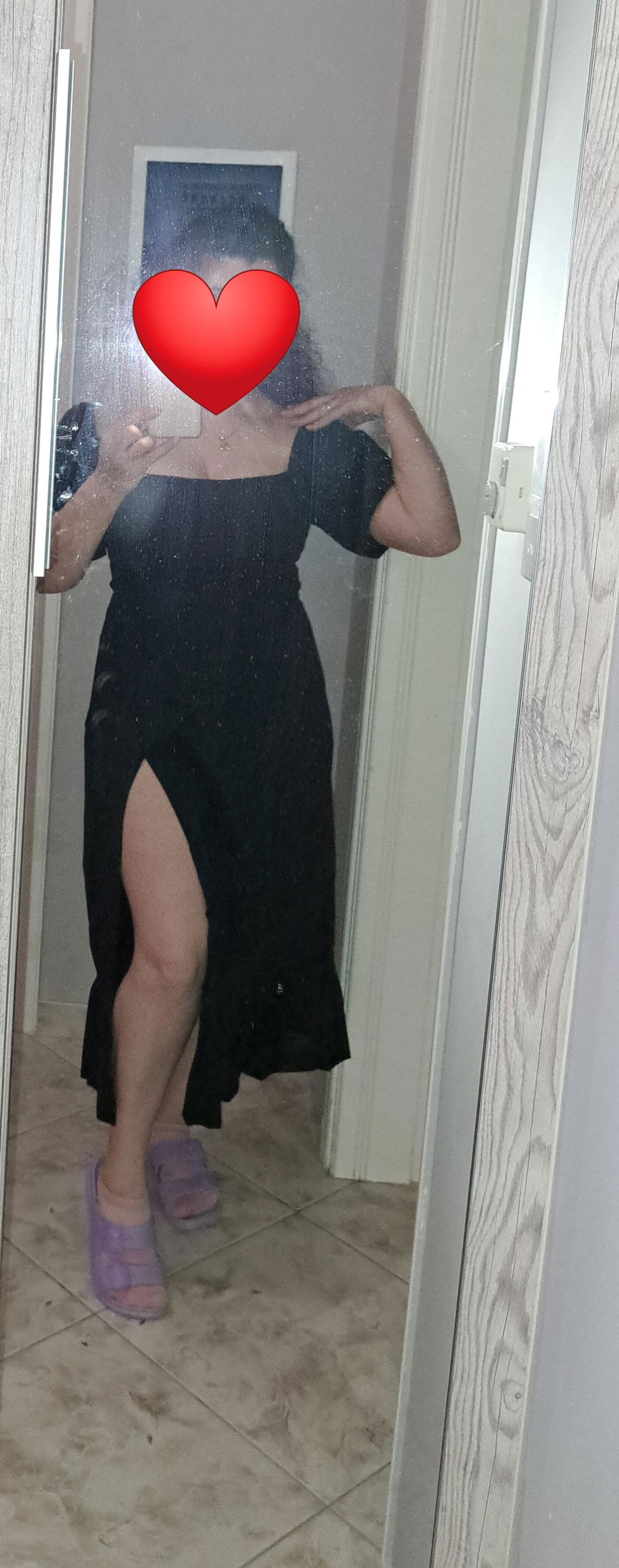
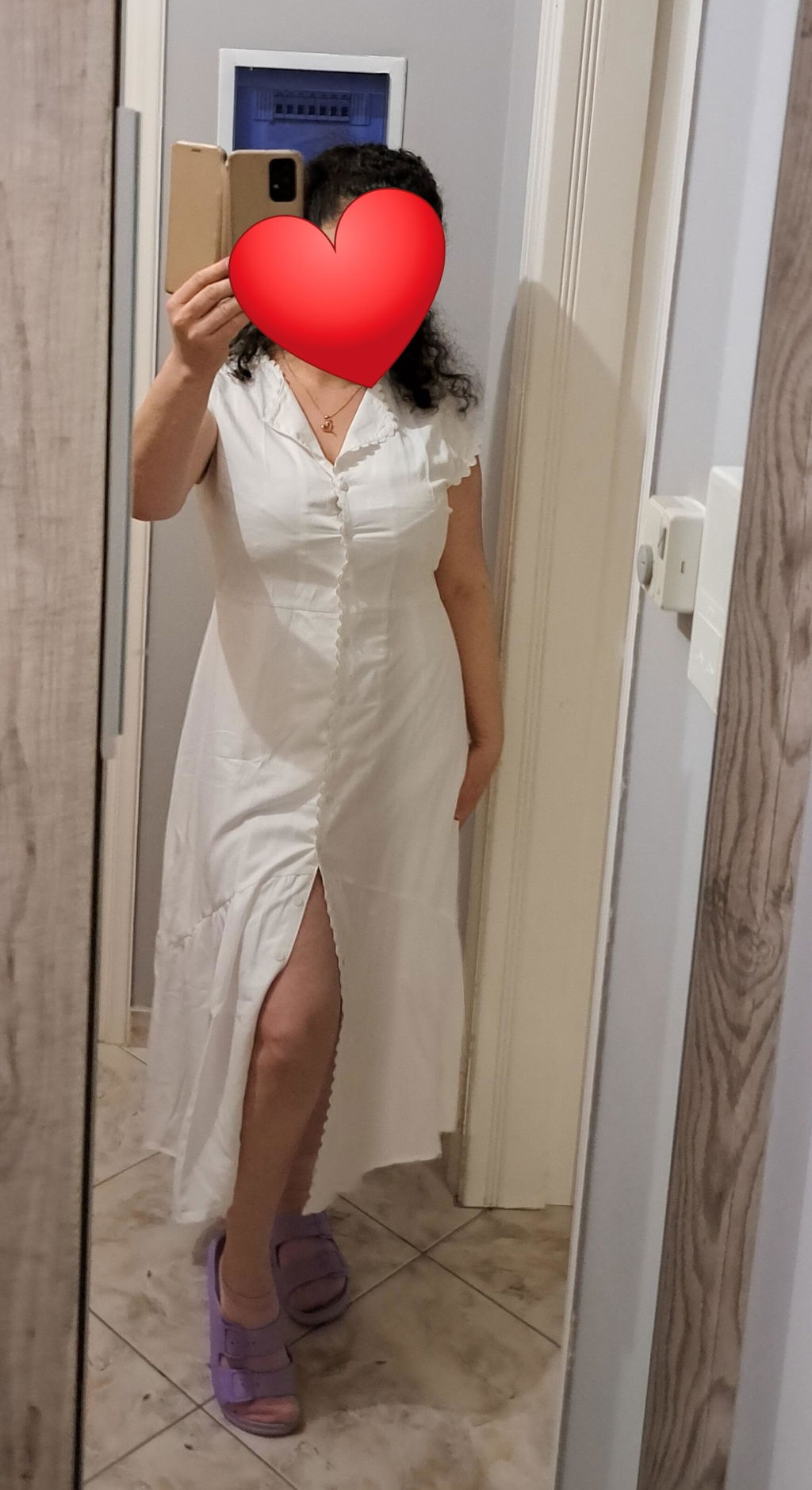
Very comfortable and fit well. I got a lot a complements.
I ordered this dress and unfortunately it ended up being too snug. The team did a great job in helping me get the right size and it’s fun to wear. Only downside was that the replacement dress had a few spots on it. But with a tide pen all was made right. I can see replacing the buttons on this dress in the future to make it look more expensive.
Fits perfectly according to the size measurements on the website.
I bought six size M dresses from Rihoas and this was the only one that didn't fit. It was too tight at the bust and the button was pulling even with a minimizer bra :( I was so bummed because it fit perfect everywhere else.
Whoever said this was poorly made and designed is either blind or got bad stock because there is absolutely nothing wrong with this purchase. It’s perfect for the price. Needs an iron. But it fits me well! I got 2xl my hips are 120cm and my boobs are 100cm
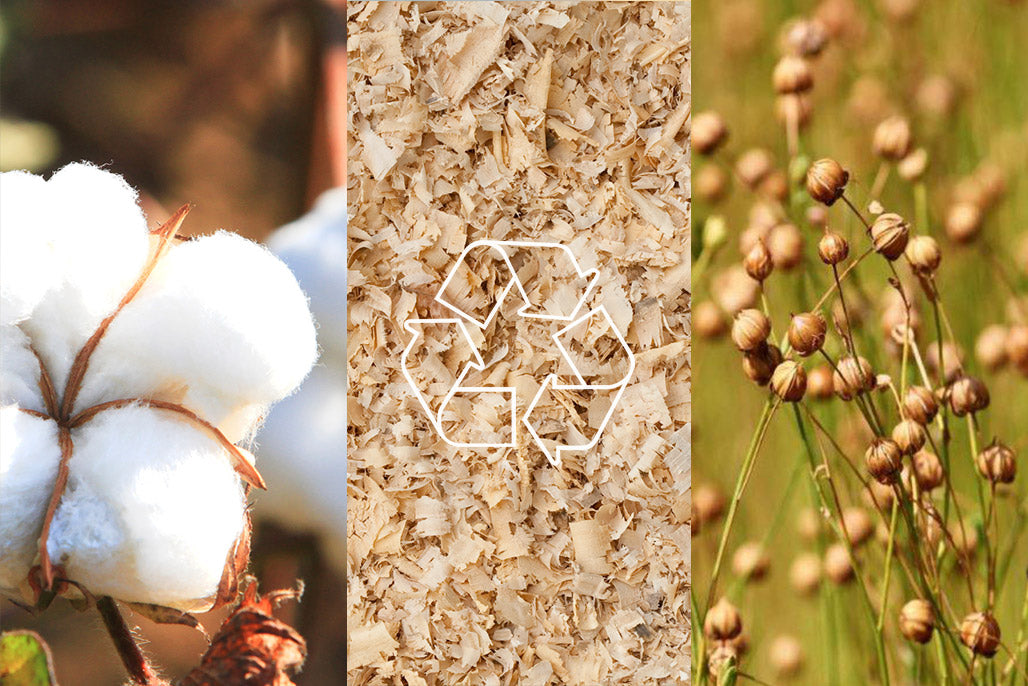
Sustainable & Premium
Sustainability is something we've been working on—from our factories, fabrics and packaging. These premium clothes are made of sustainable material such as Linen, Organic Cotton and Recycled Viscose. We aim to exploring more sustainable premium fabrics and transforming them into fashionable pieces.

Chic design
We not only care about the sustainability of a fabric but also to design and make these clothes that effortless silhouettes that celebrate the feminine figure.

Better Materials
Being made of better material, these clothes are pretty comfortable, giving you a good feel and touch. So cozy and natural that it is perfect for your different occasions outfits.
Related Collections
- All for Influencers
- Best Sellers
- Best-selling
- Brunch Dresses
- Casual Dresses
- Church Dresses
- Classics
- Daily Casual for Spring Summer
- Easter Dresses
- Everyday
- for key influencer
- Hot Picks for DE
- Hot Picks for FR
- Hot Picks for UK
- Midi Dresses Bestsellers
- Midi Dresses for Date Nights
- Mother's Day Hot Picks
- Party Dresses
- Rihoas Dresses
- Summer Trend in British
- Swimwear&Clothing
- Trend Edit in Asia
- White Graduation Dresses
- White Midi Dresses
- Work Dresses


