

Cocktail Dresses
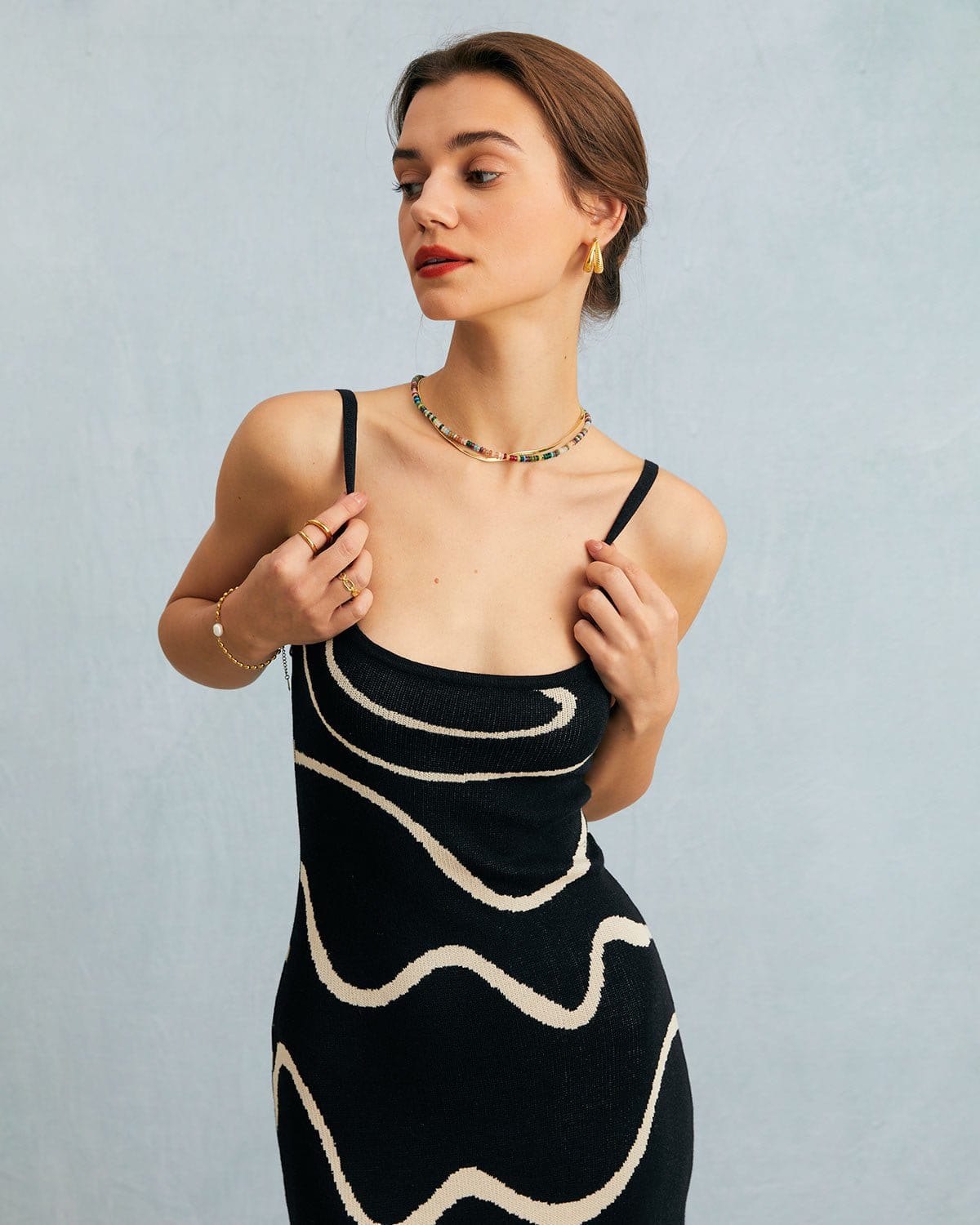
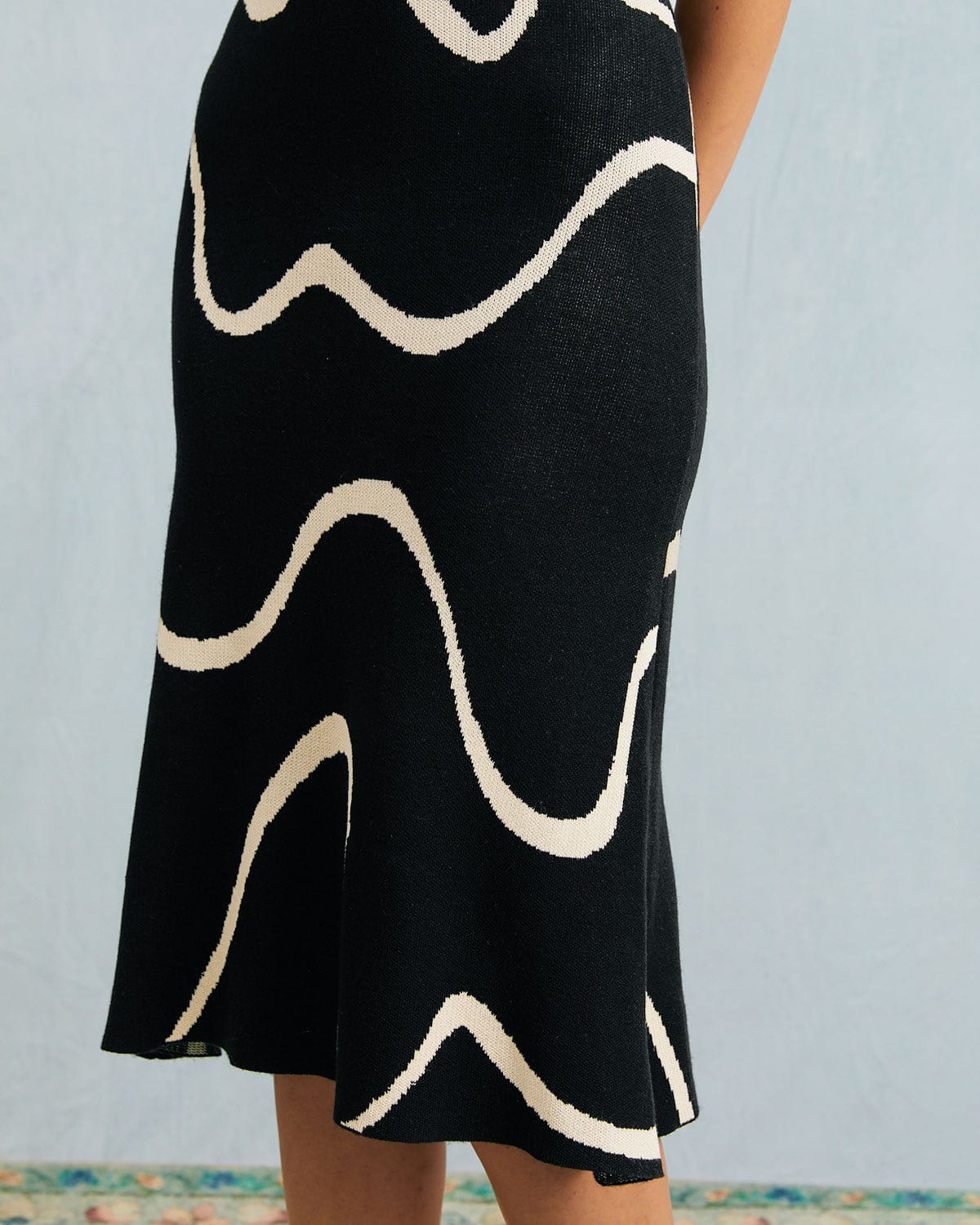
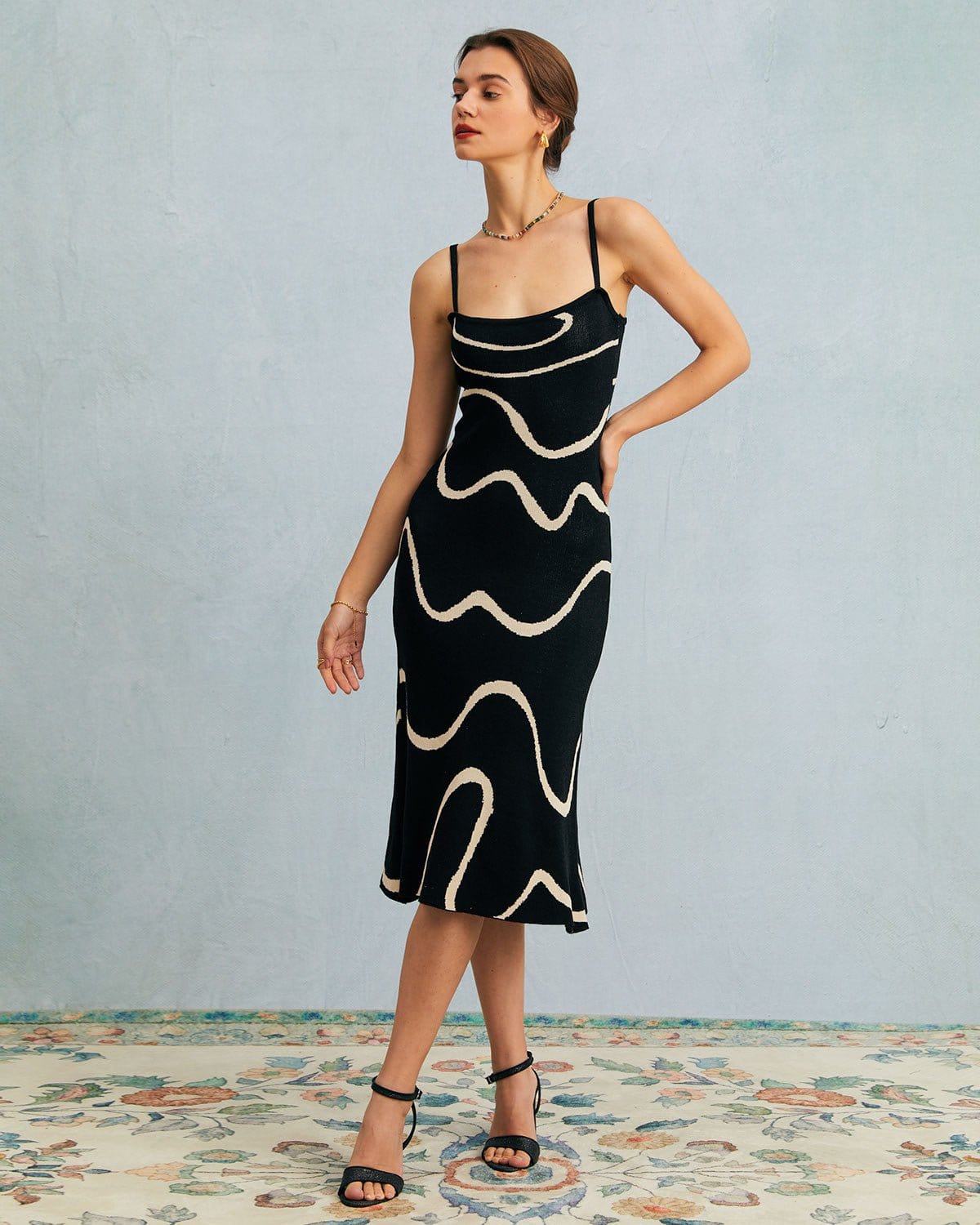
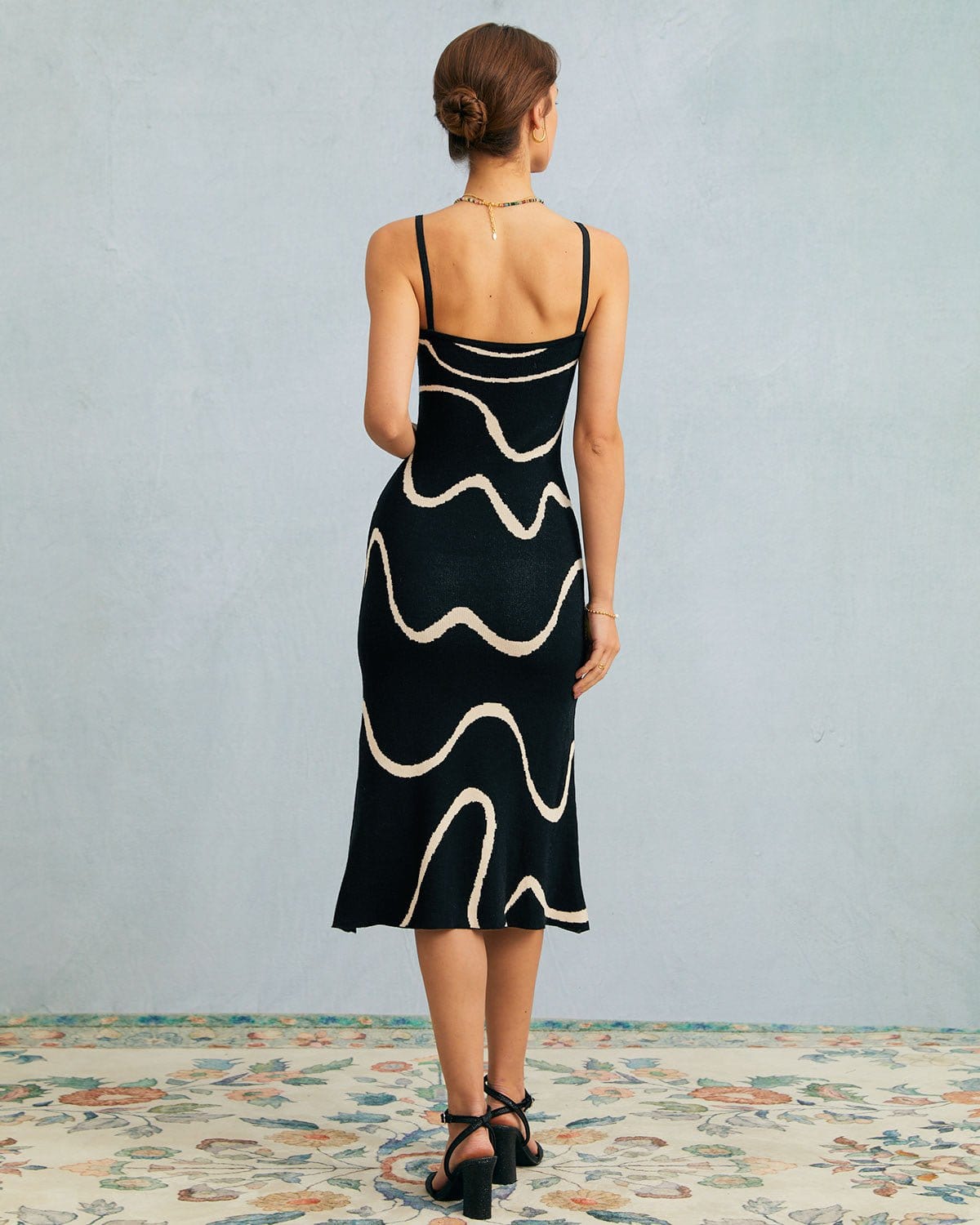
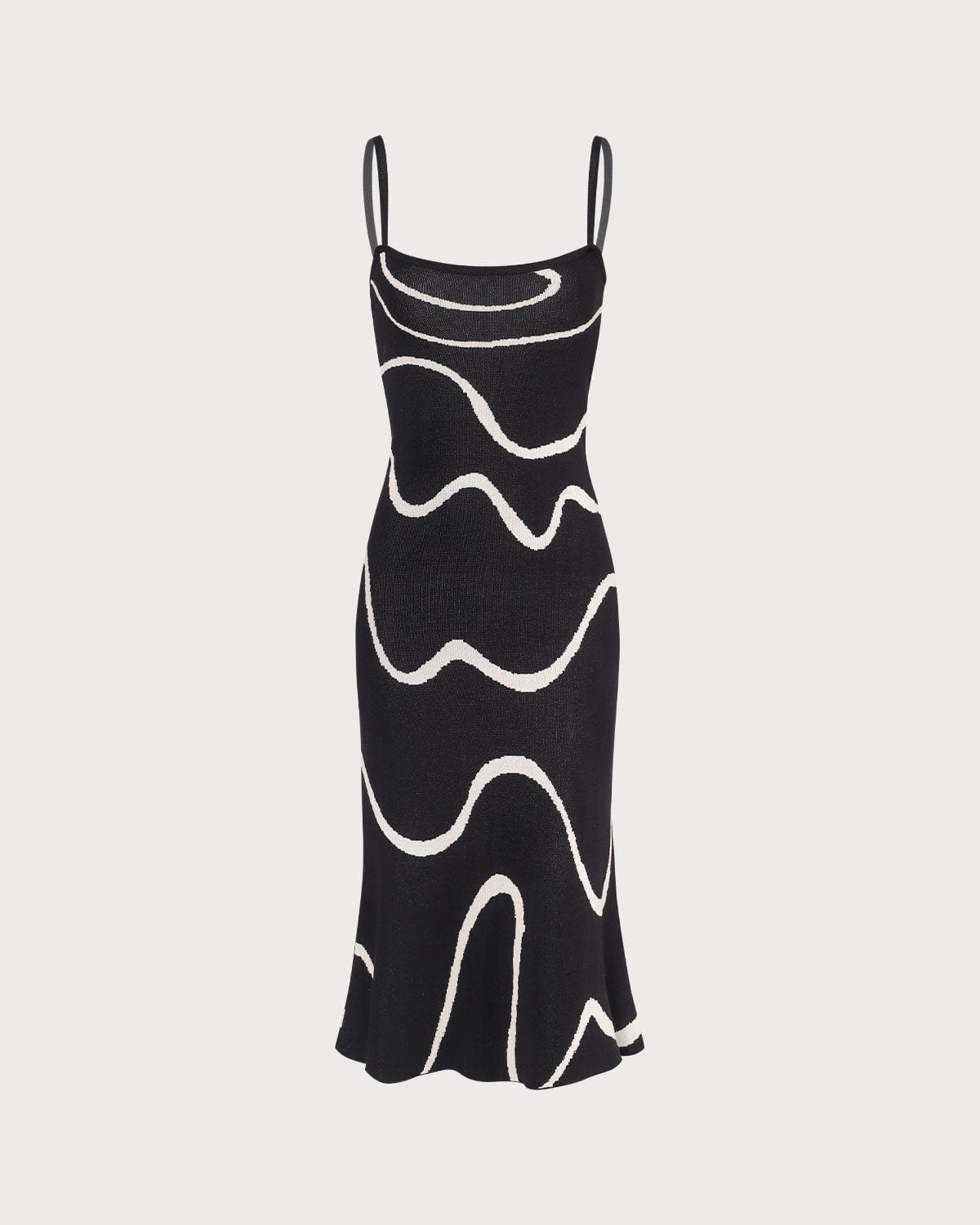
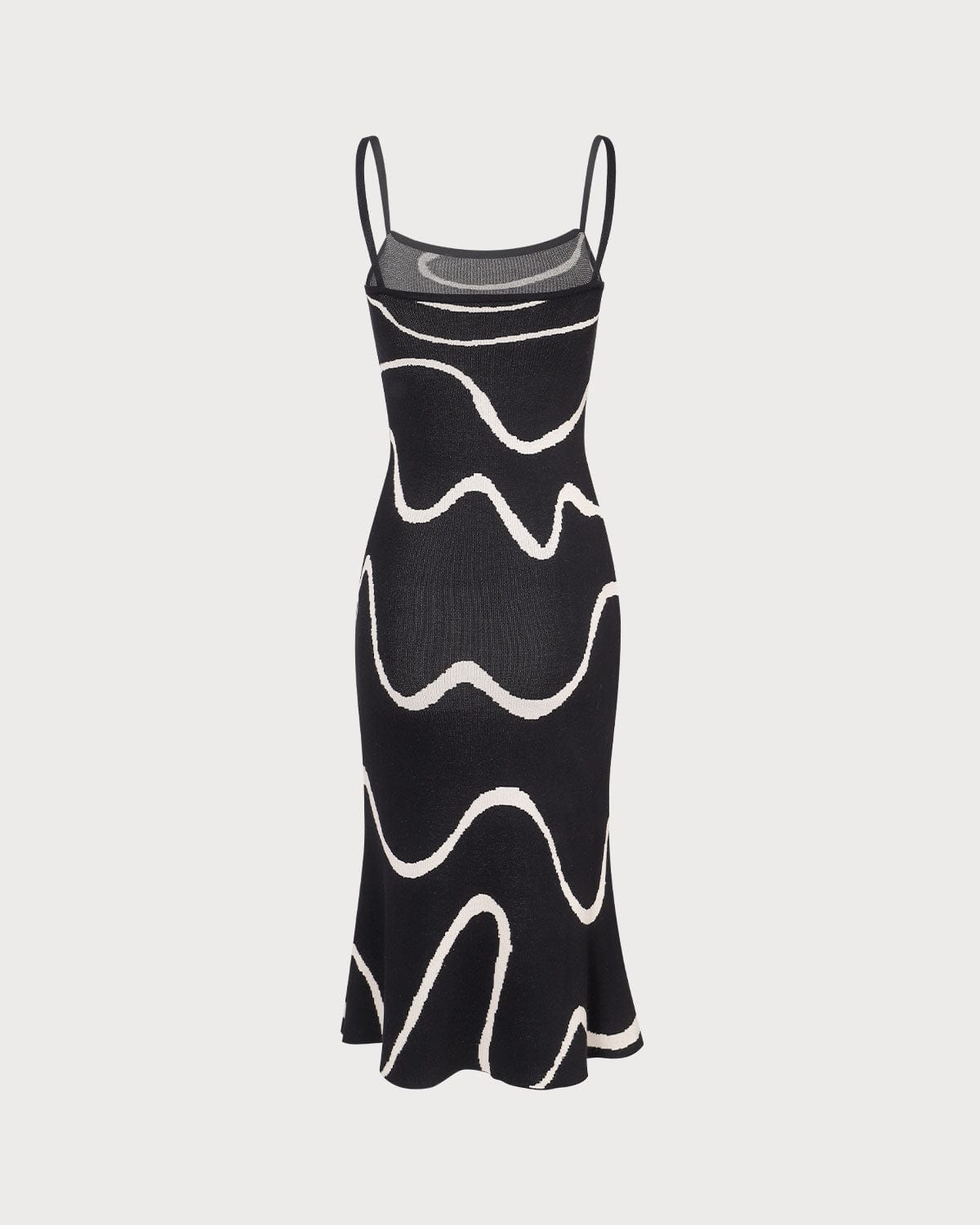
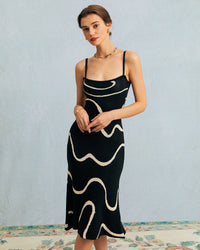
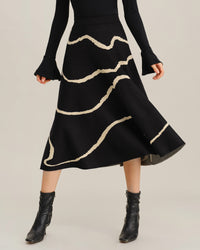
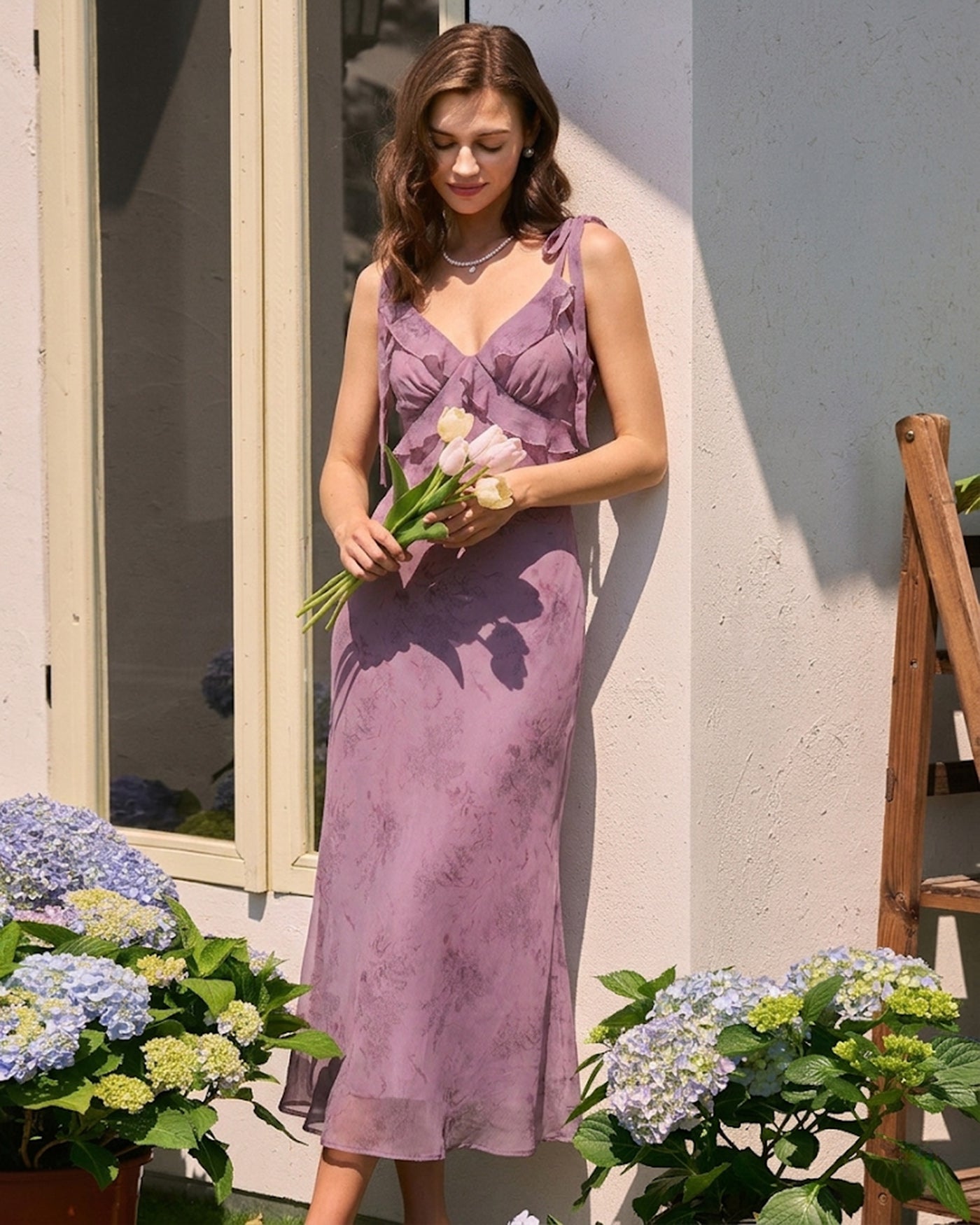
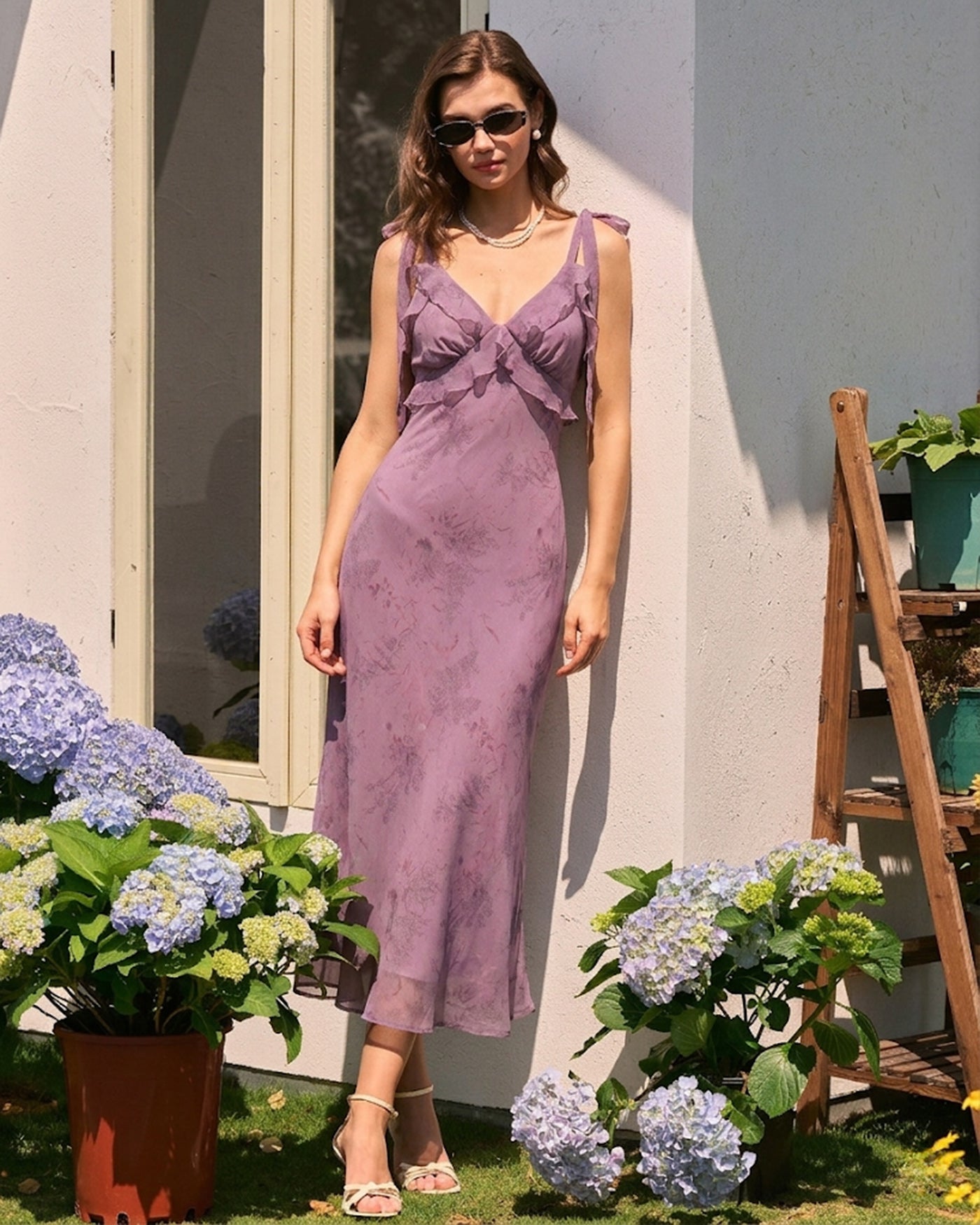
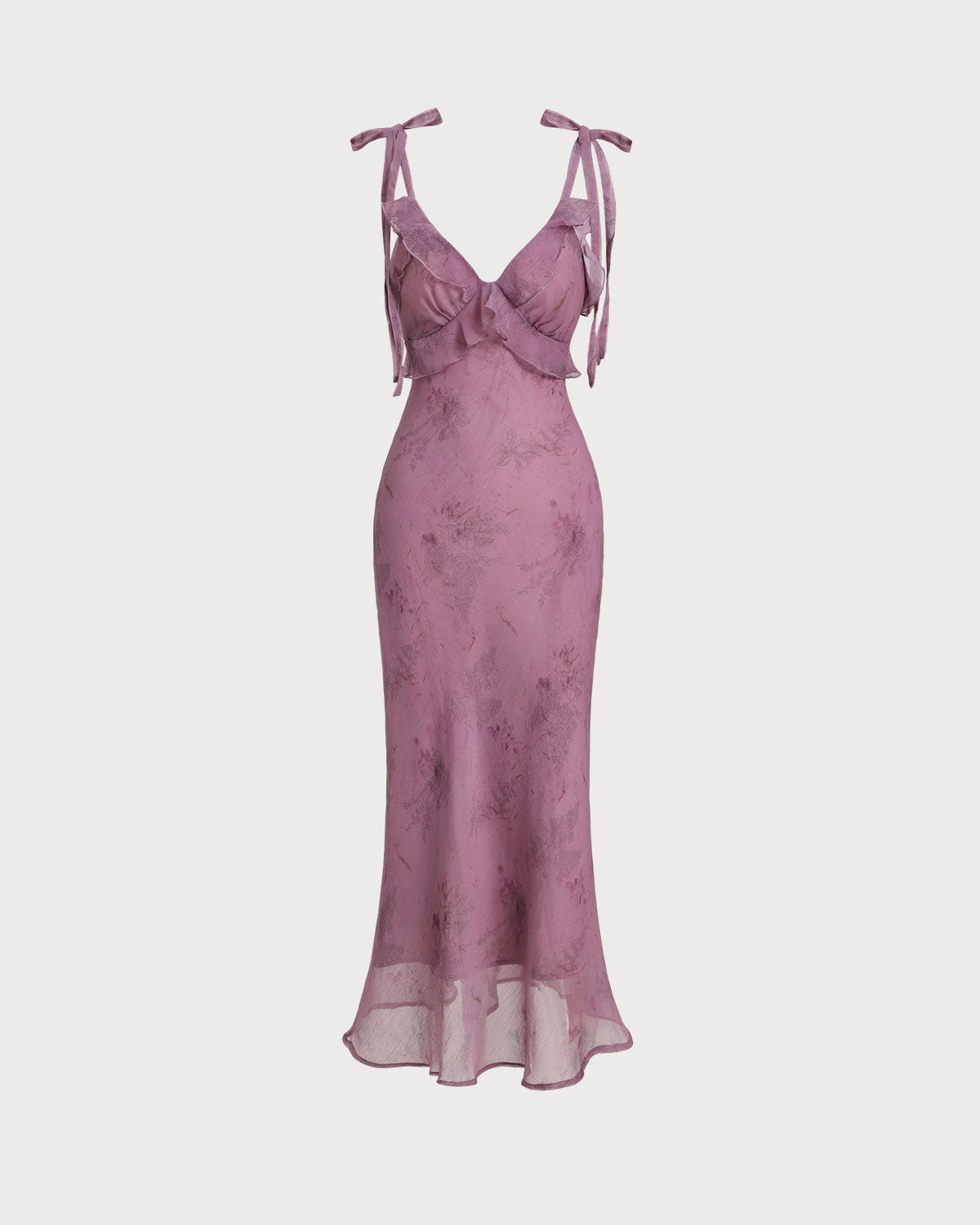


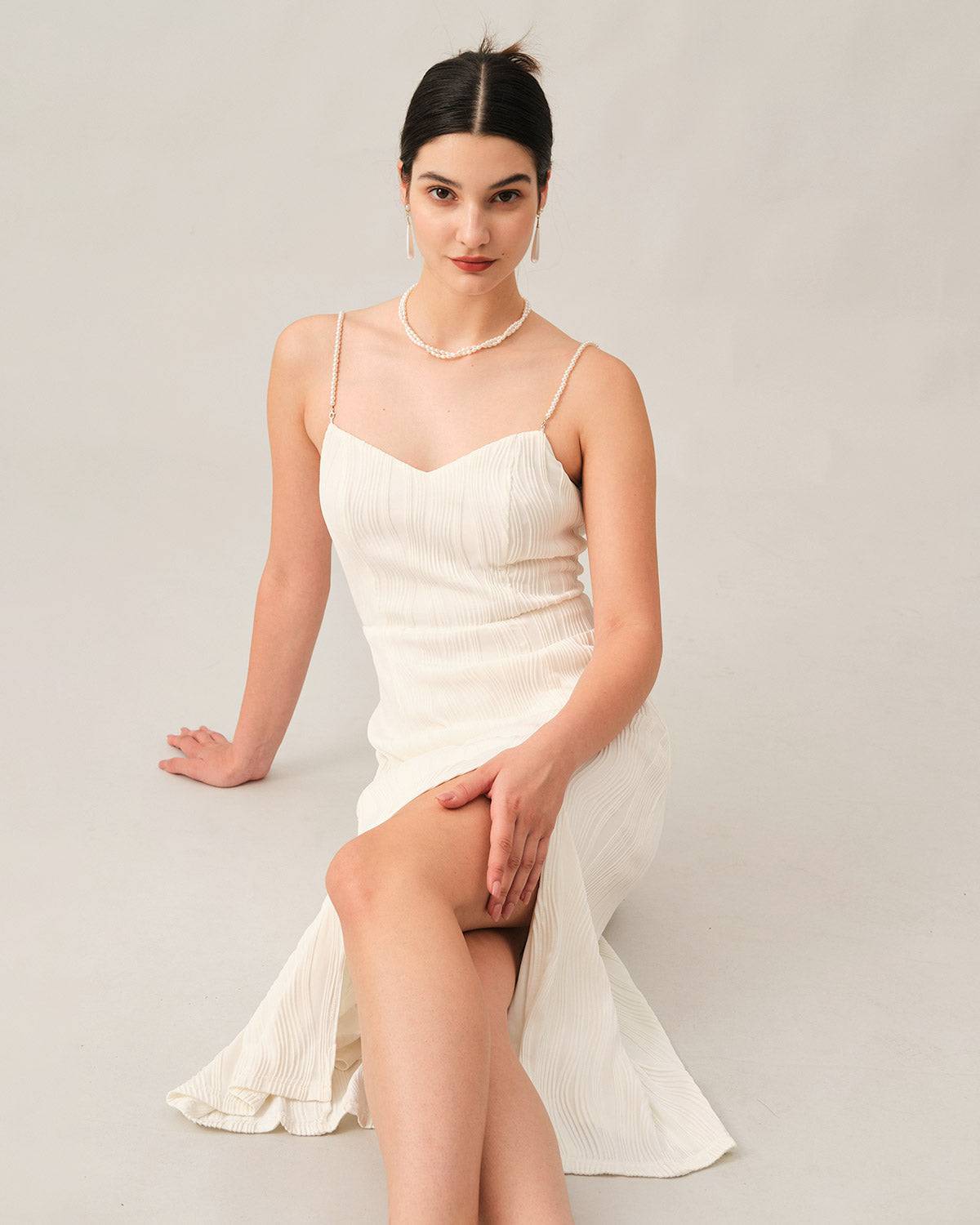
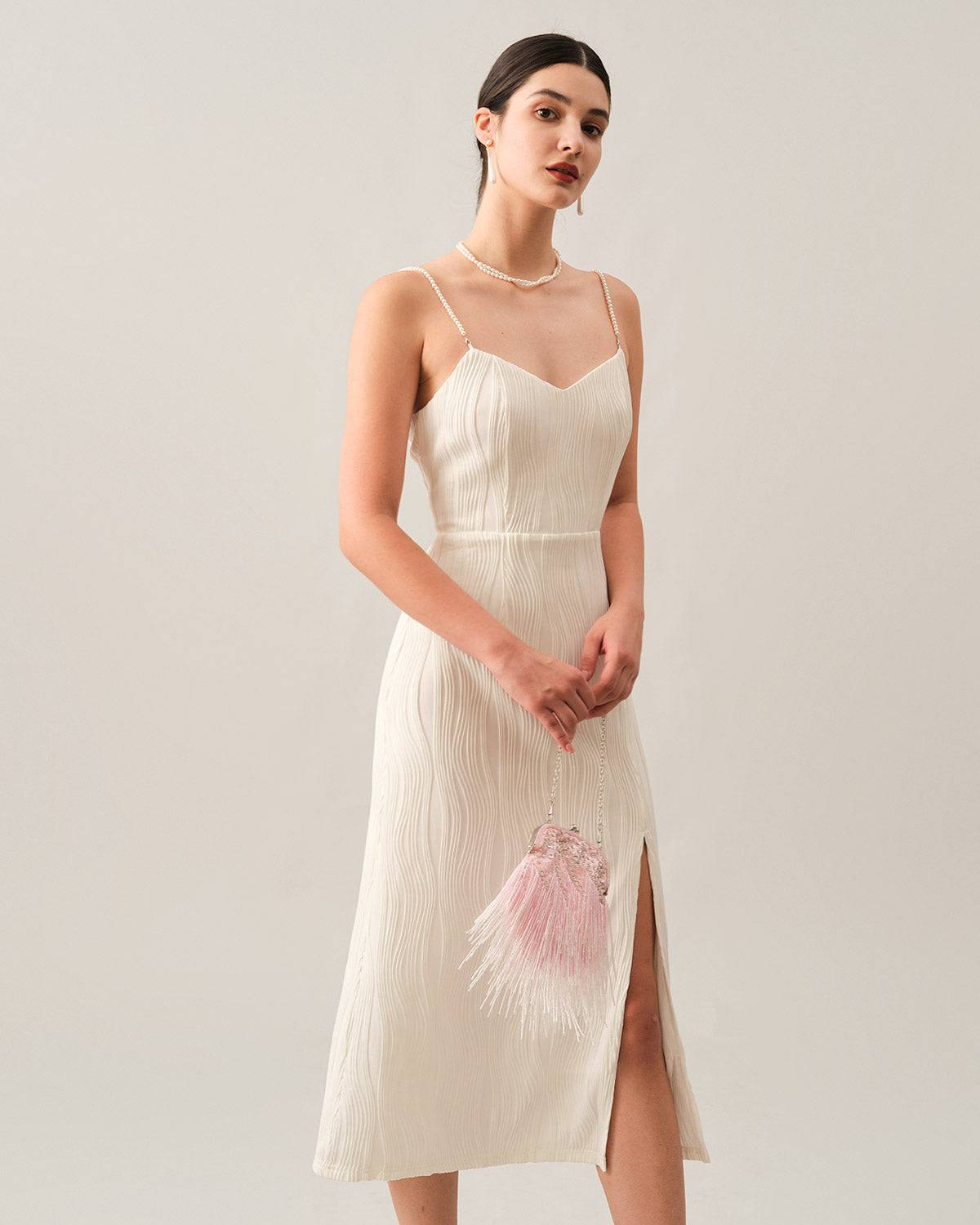
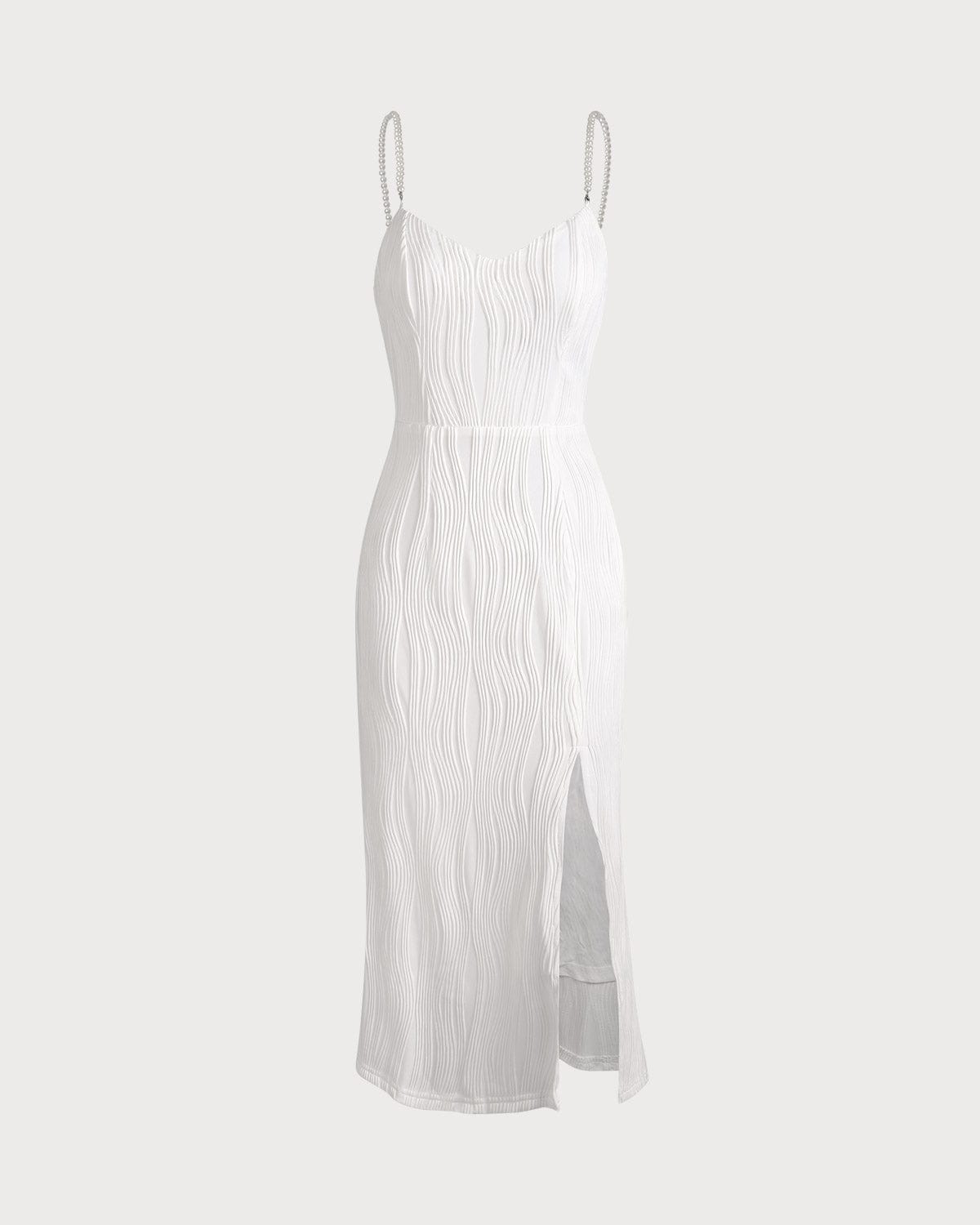

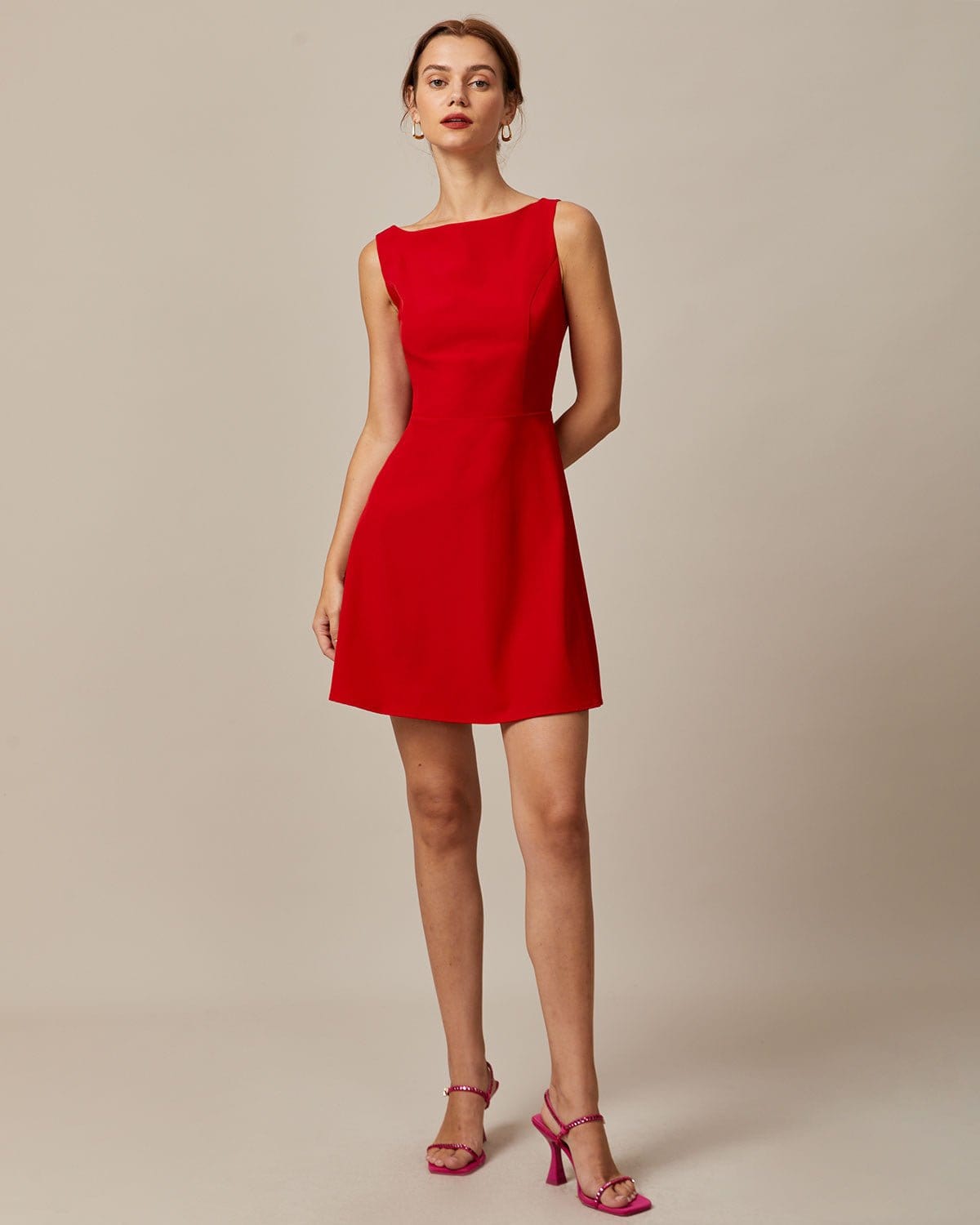
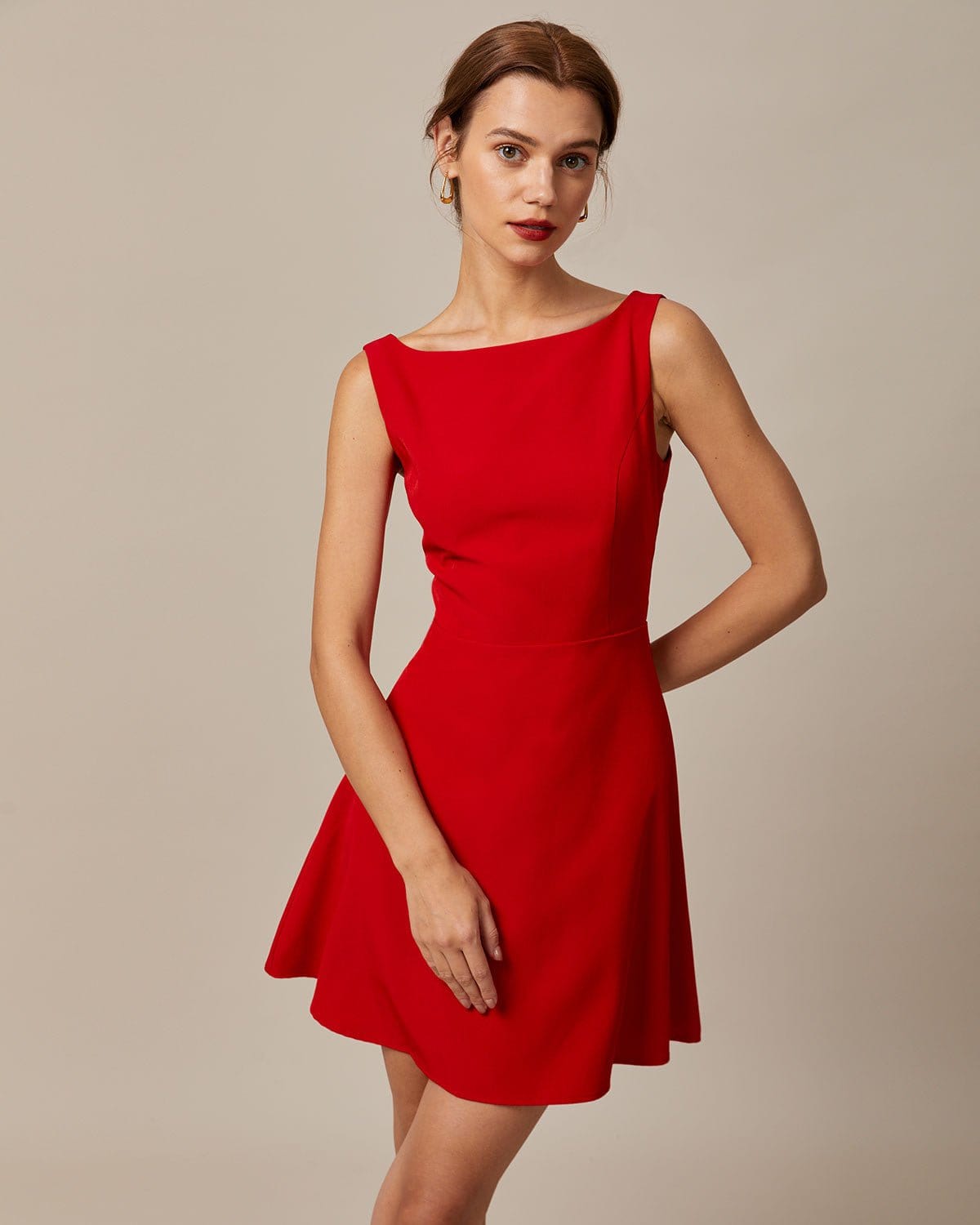
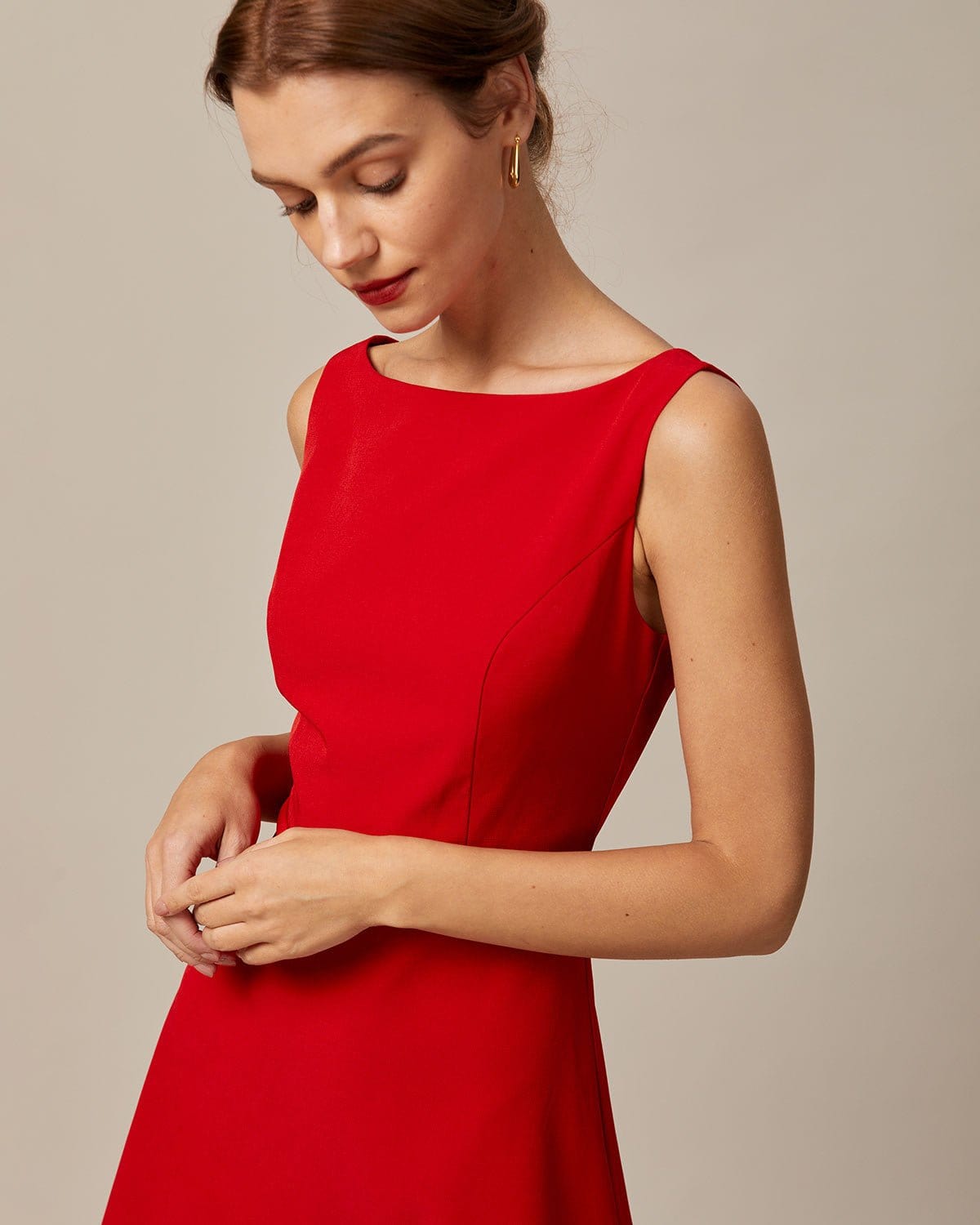
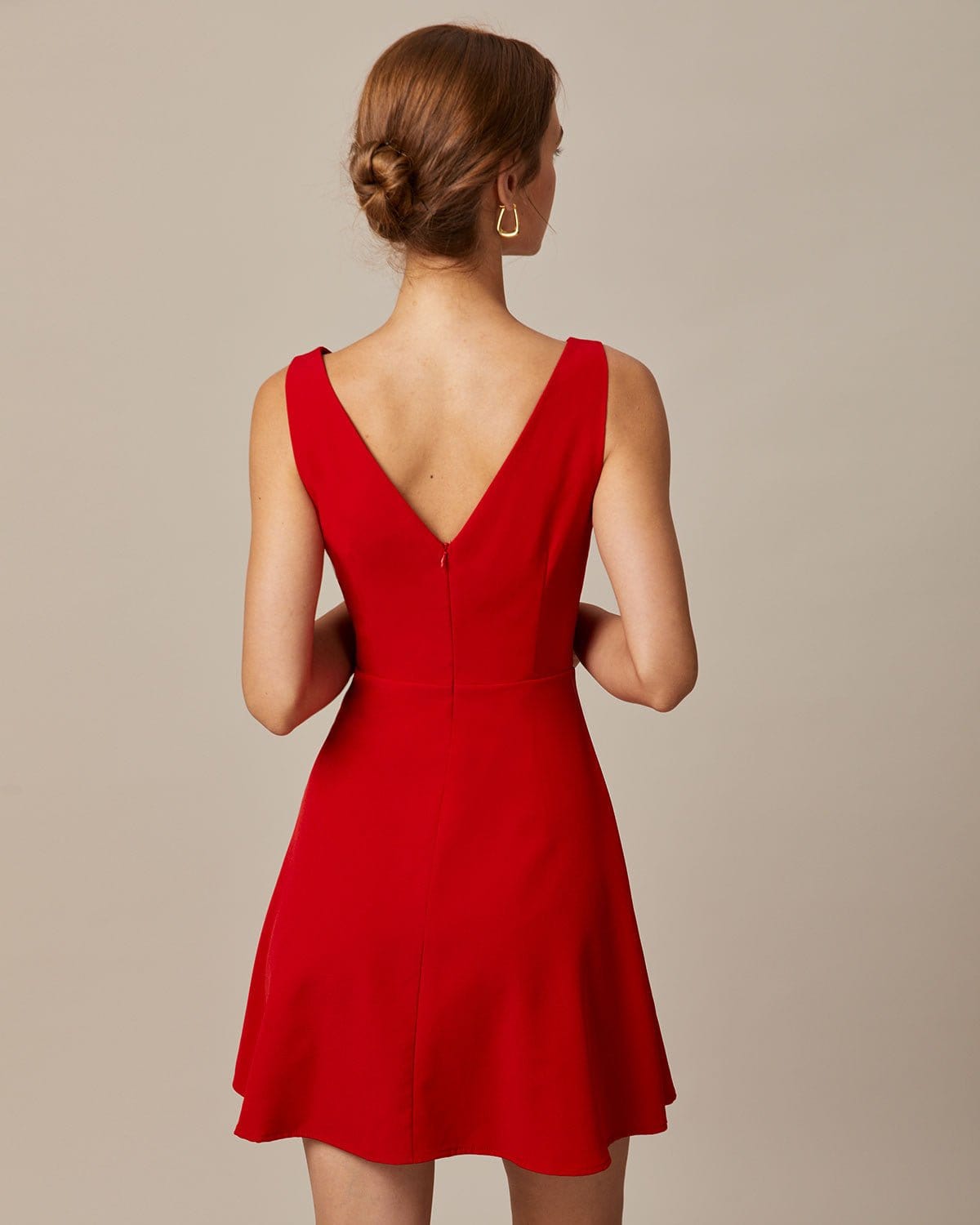
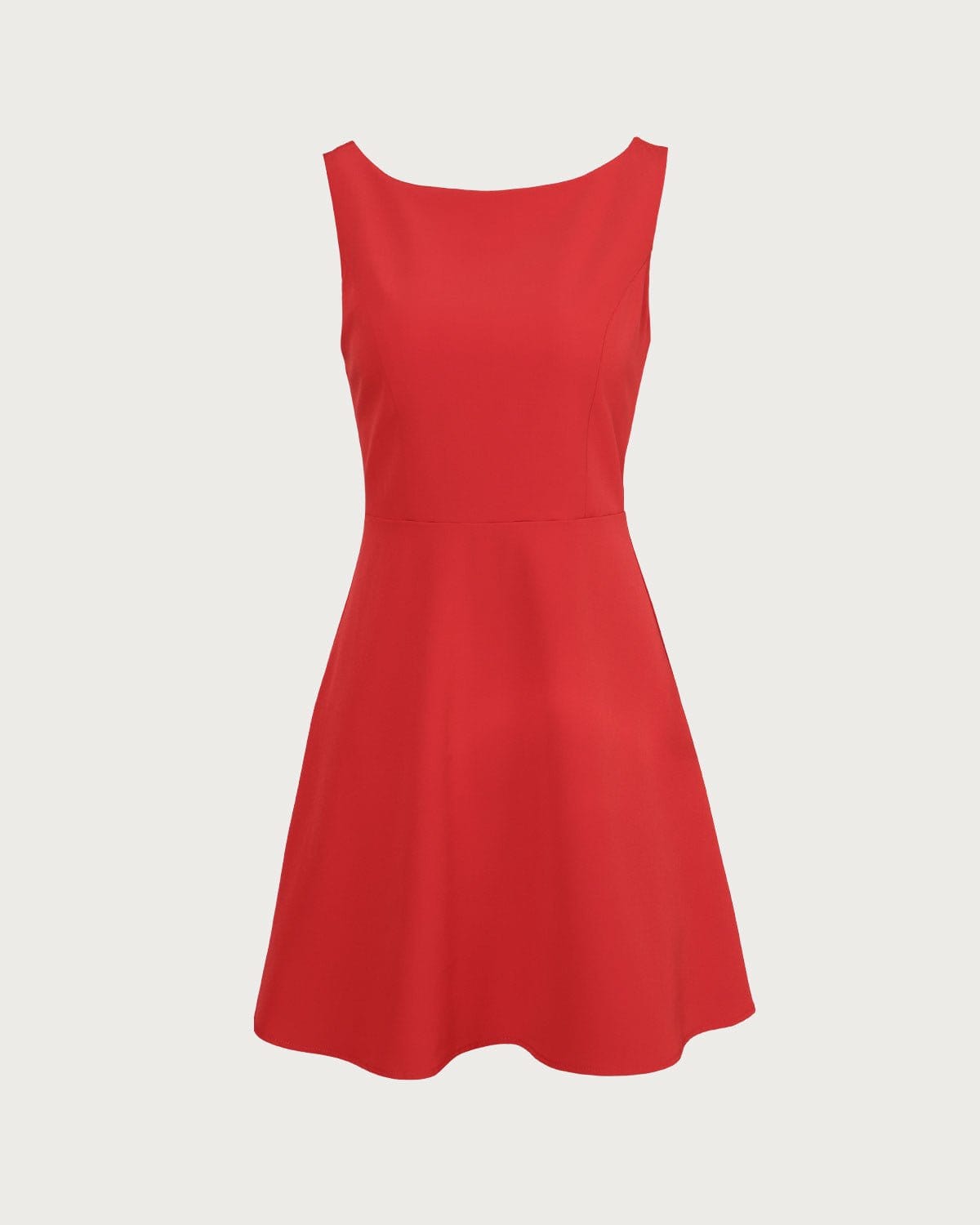
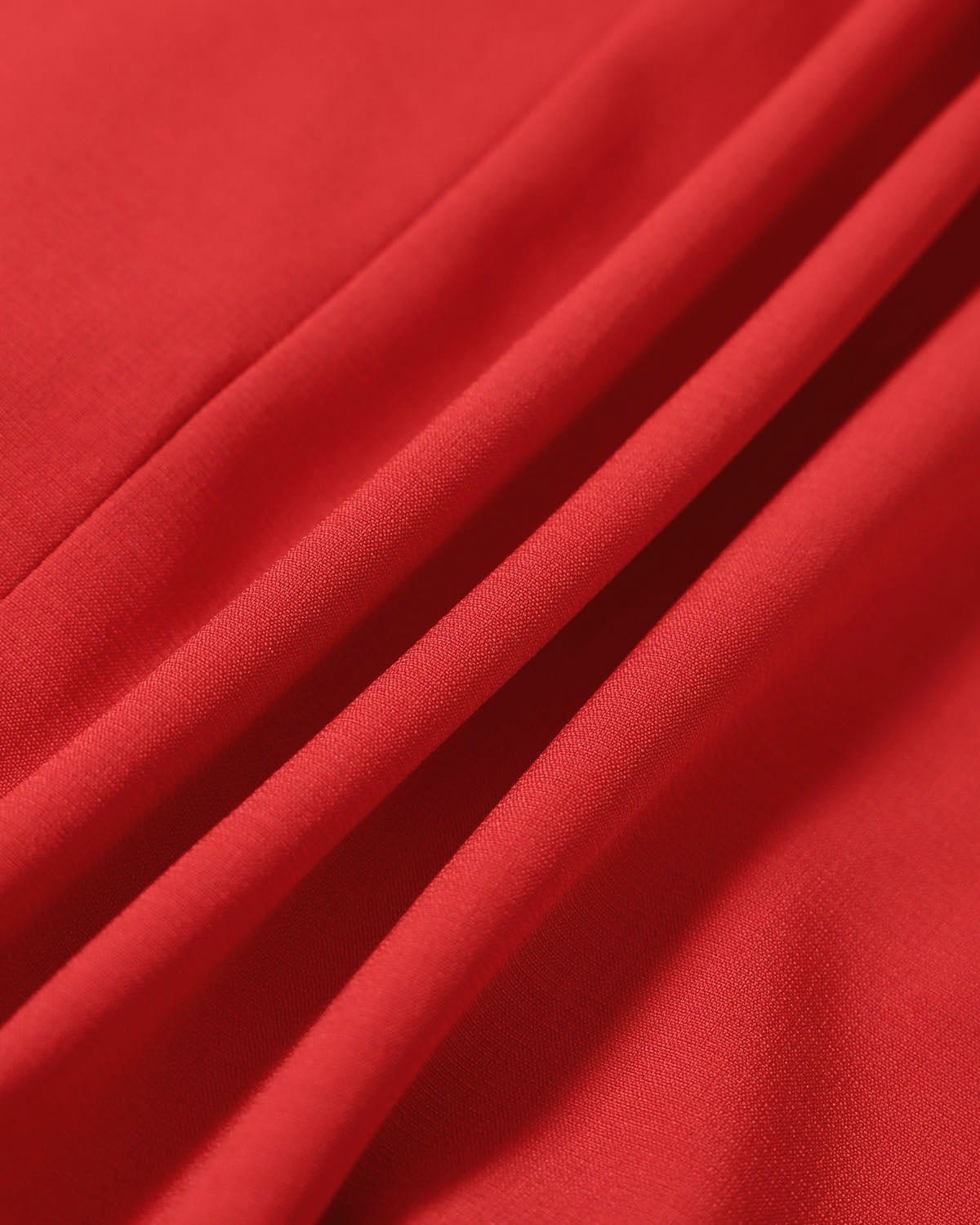
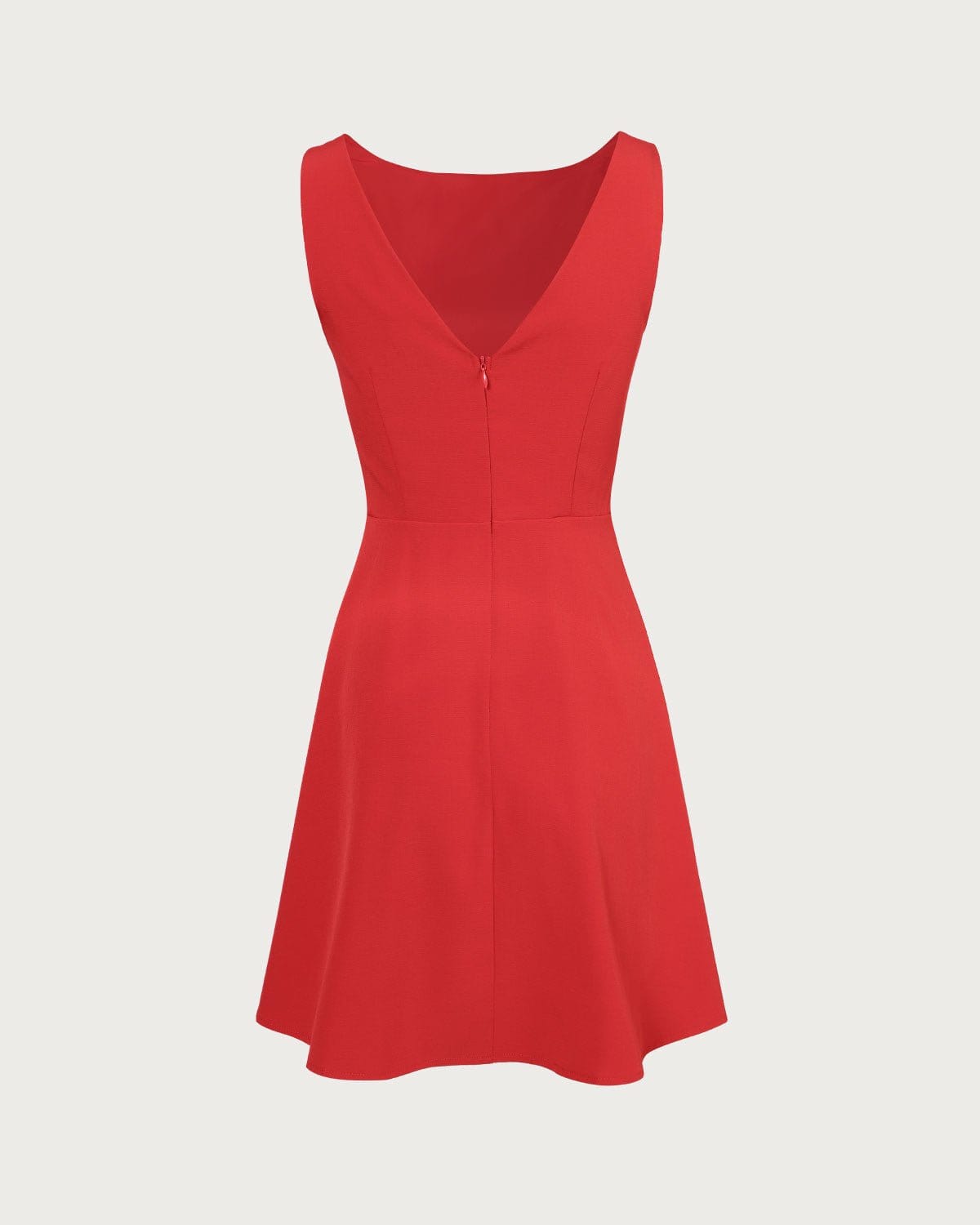
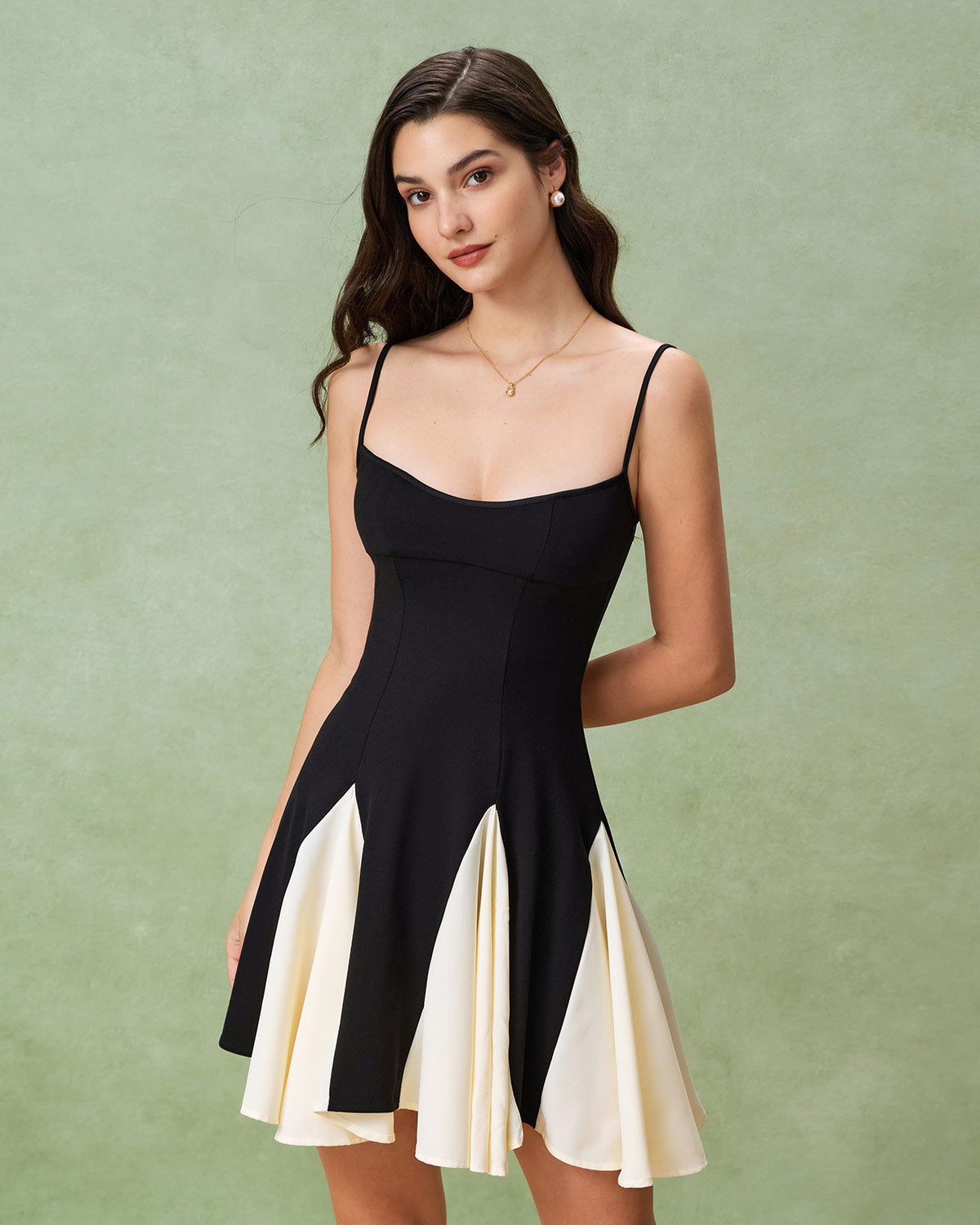
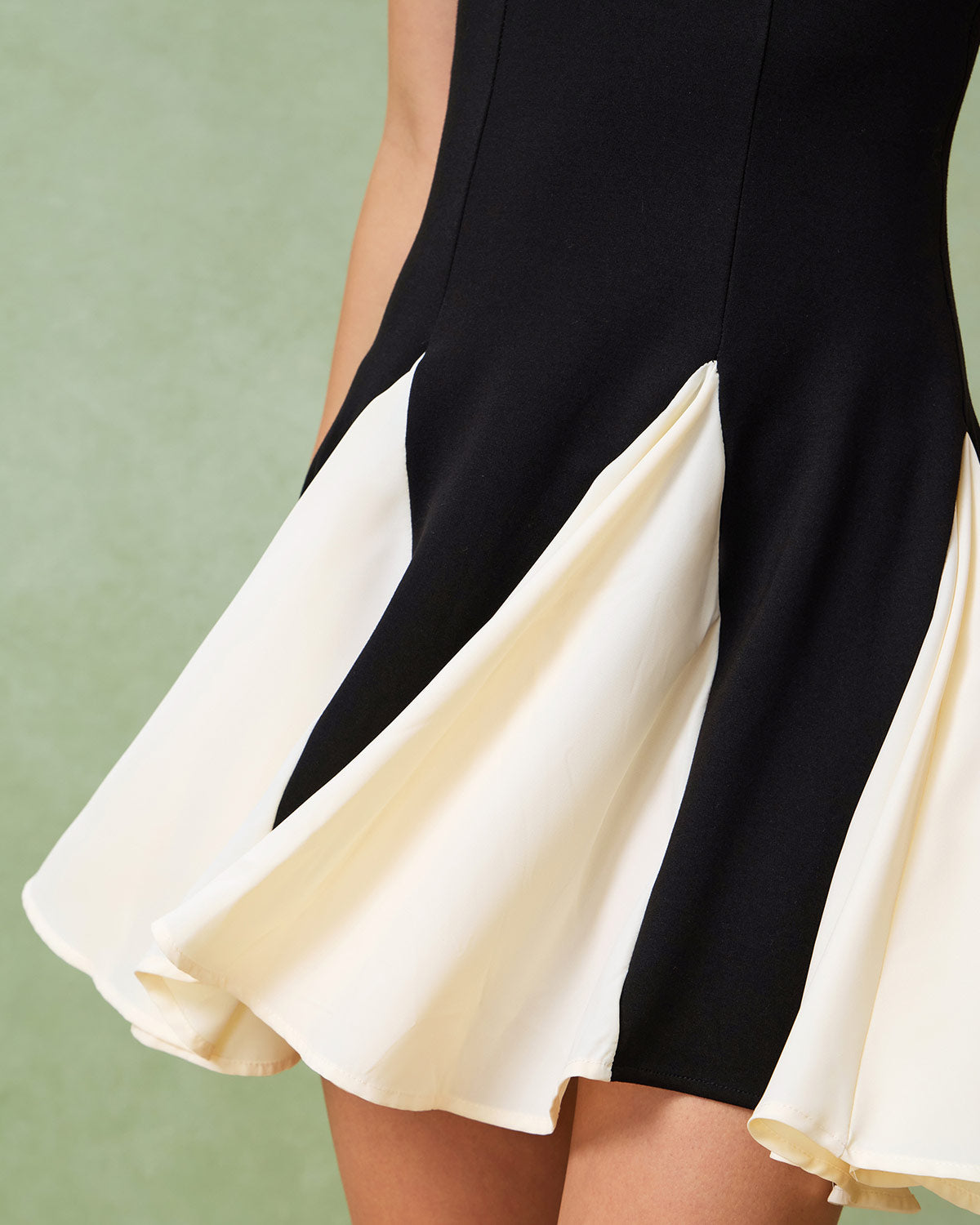
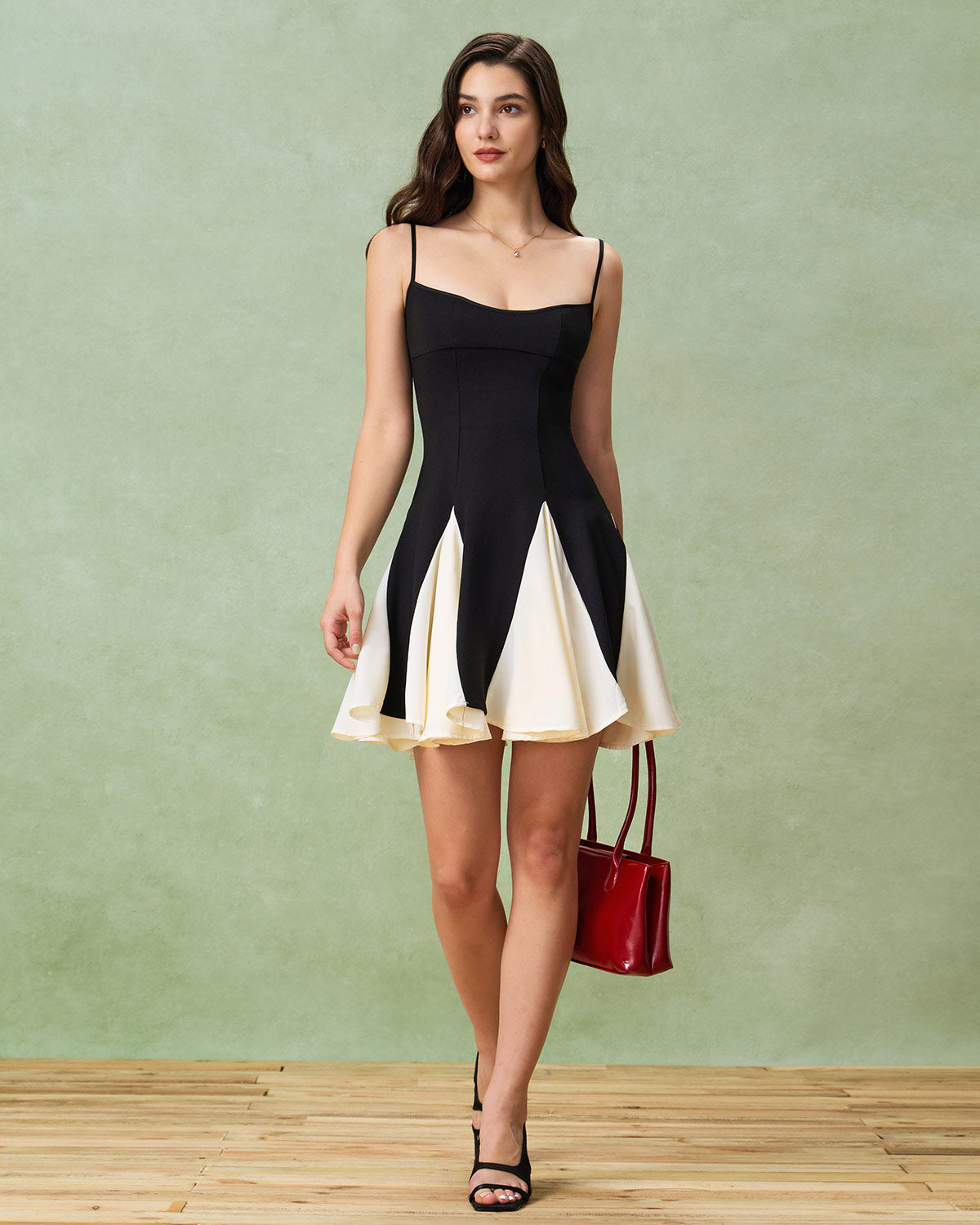
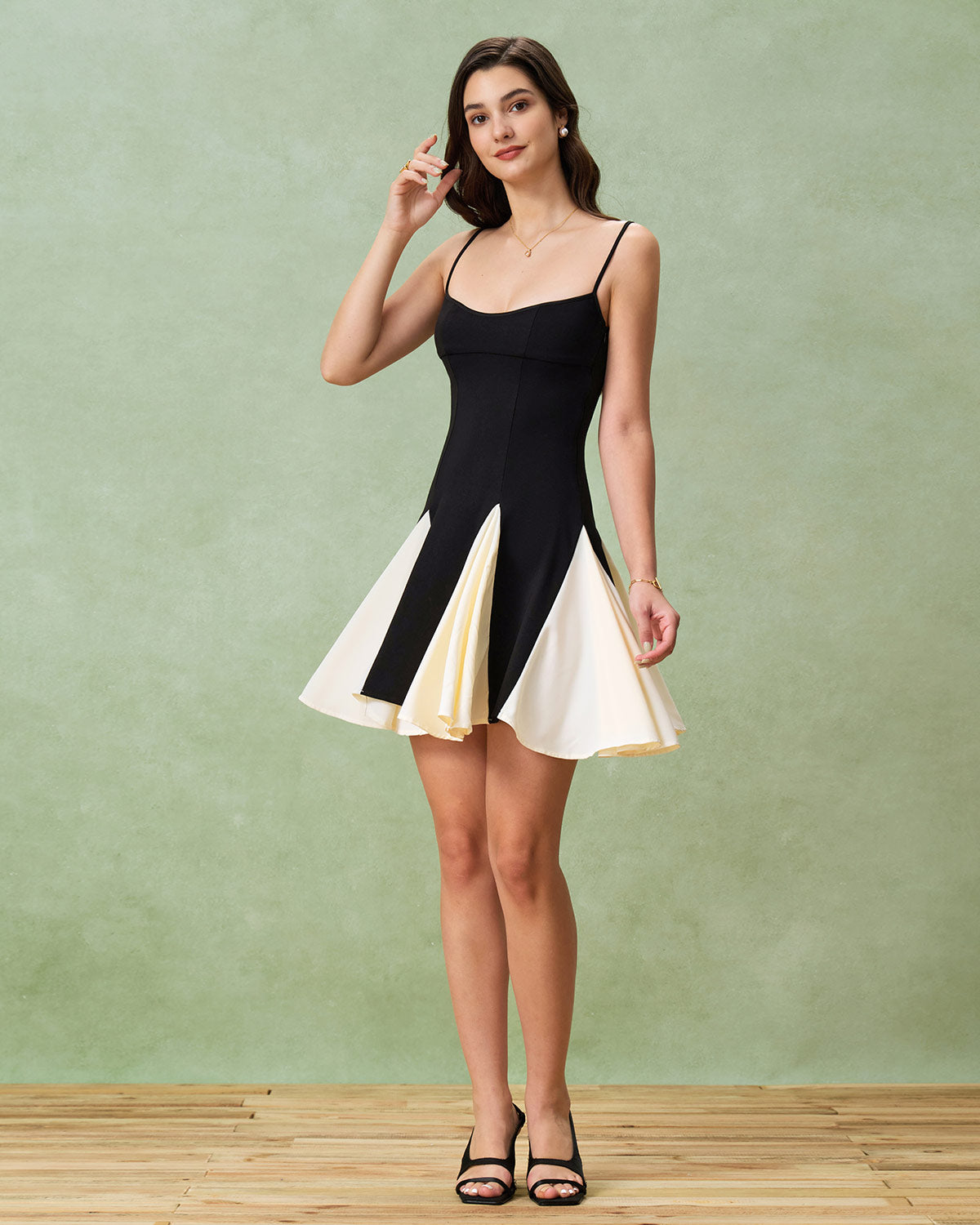
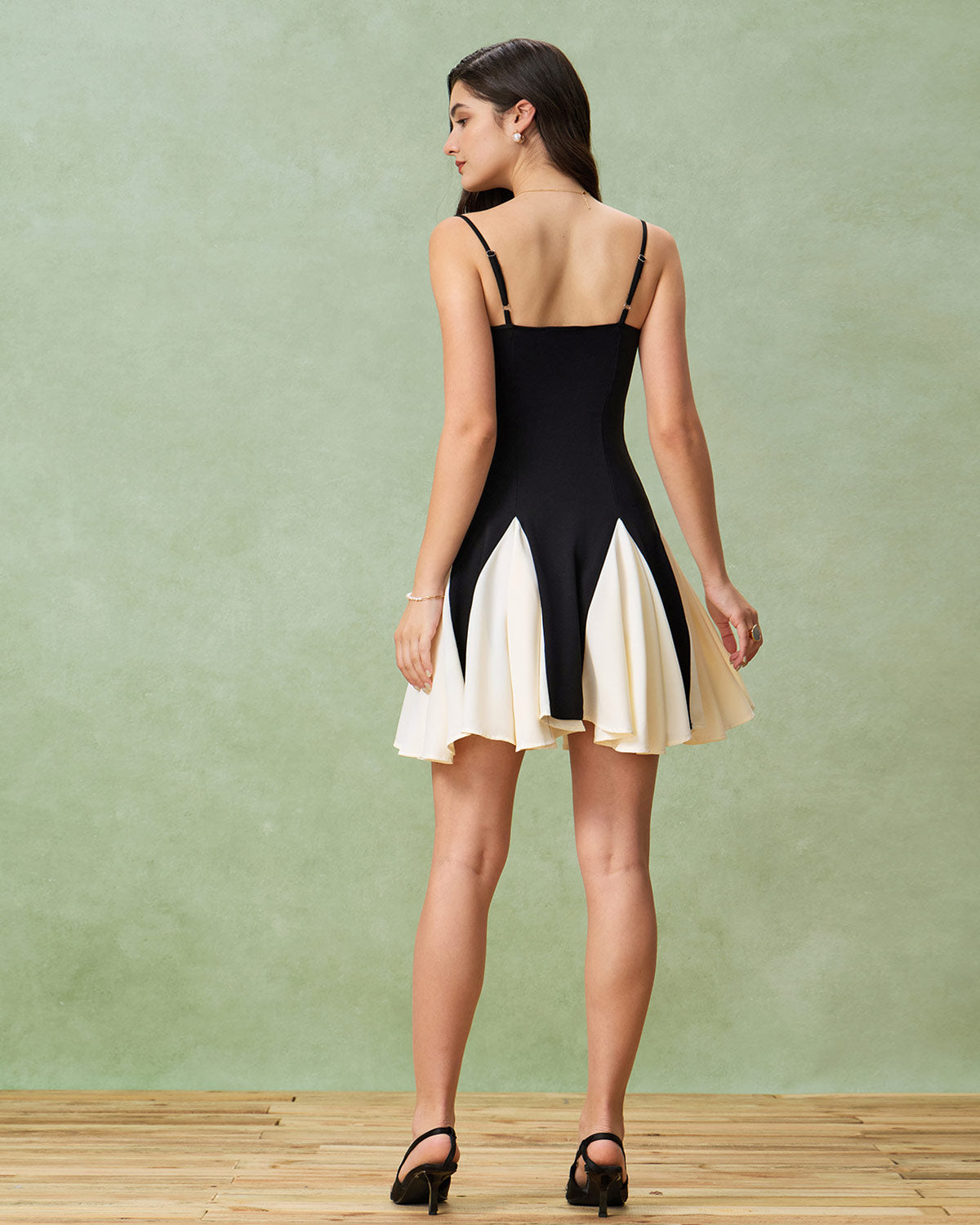
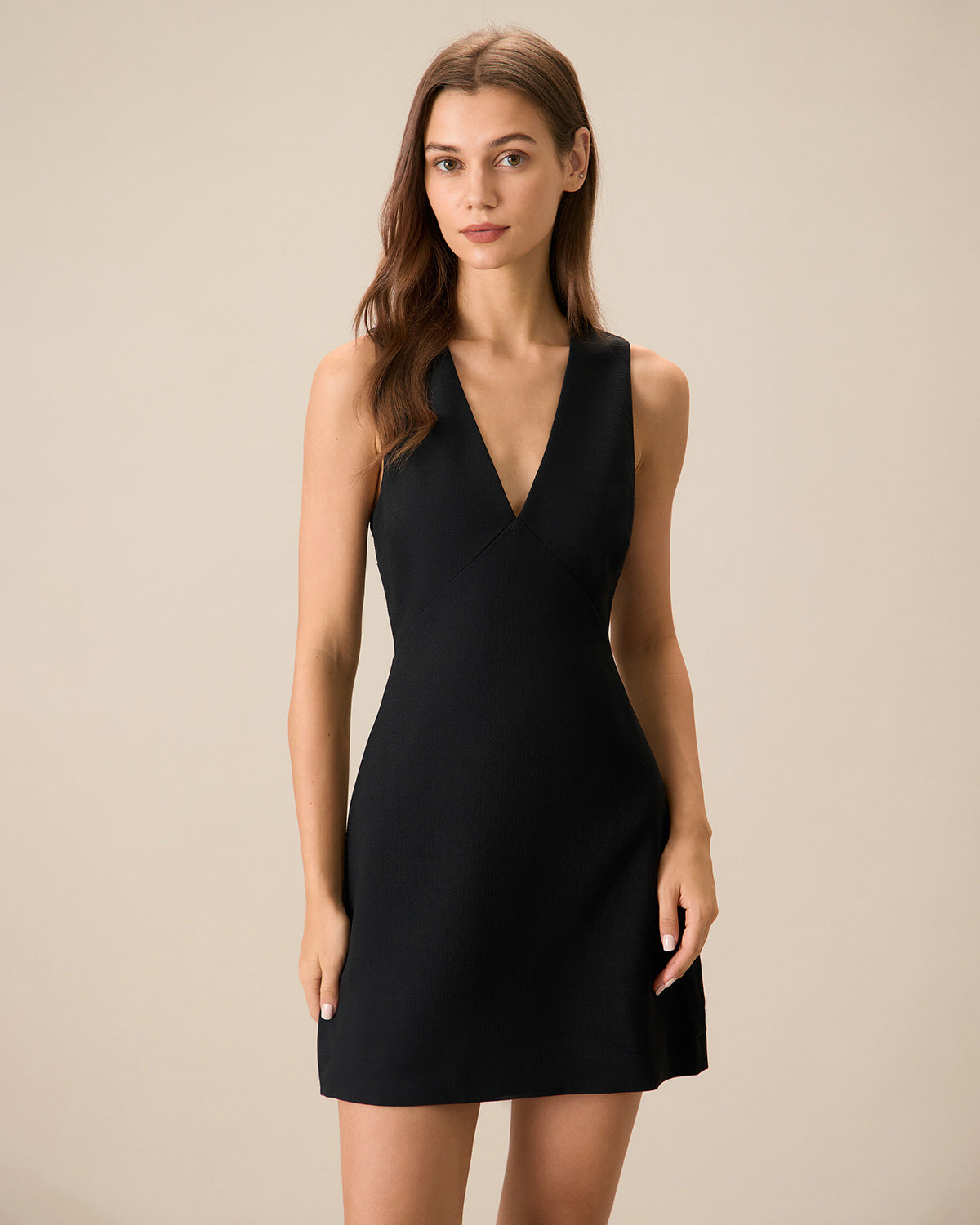
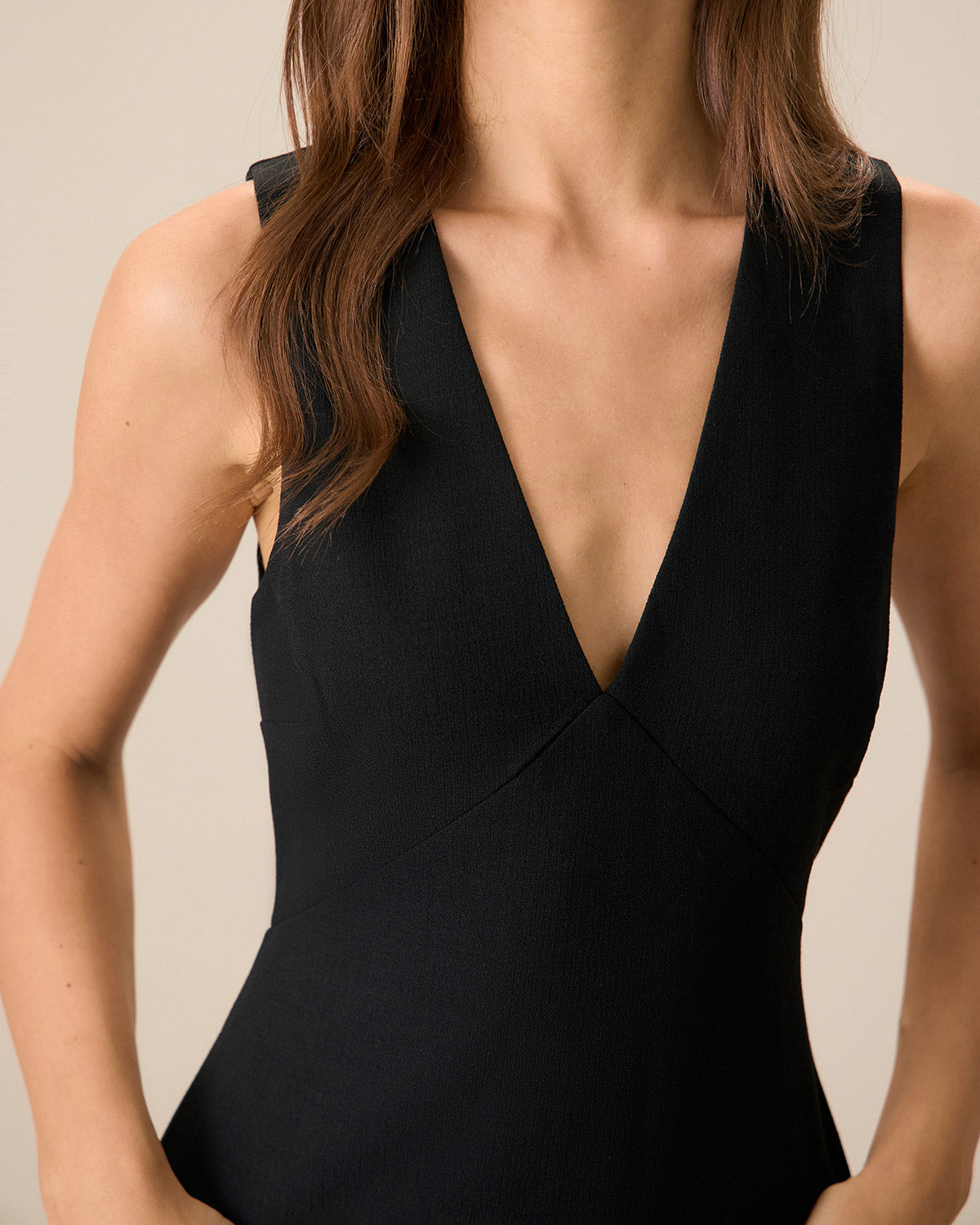


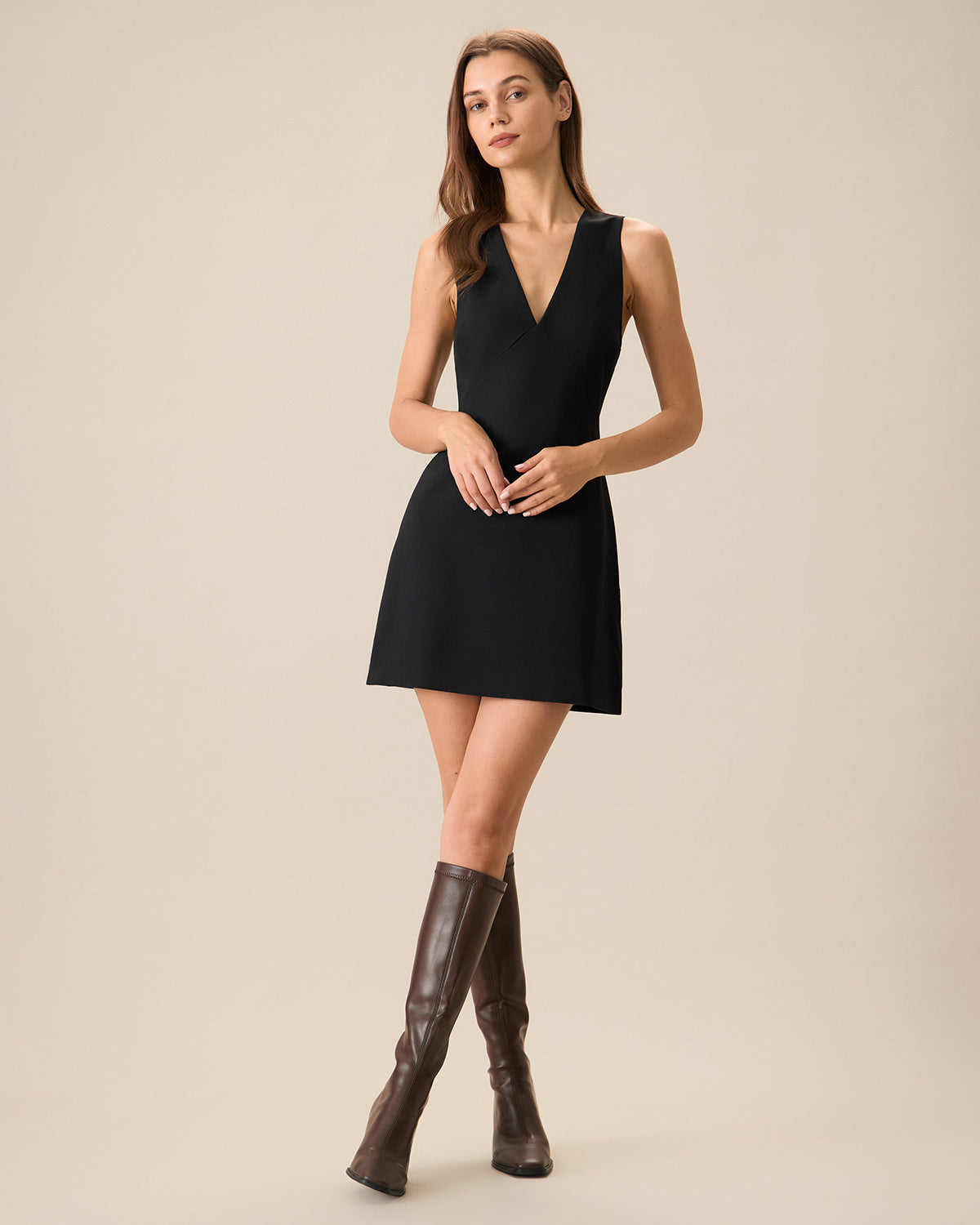
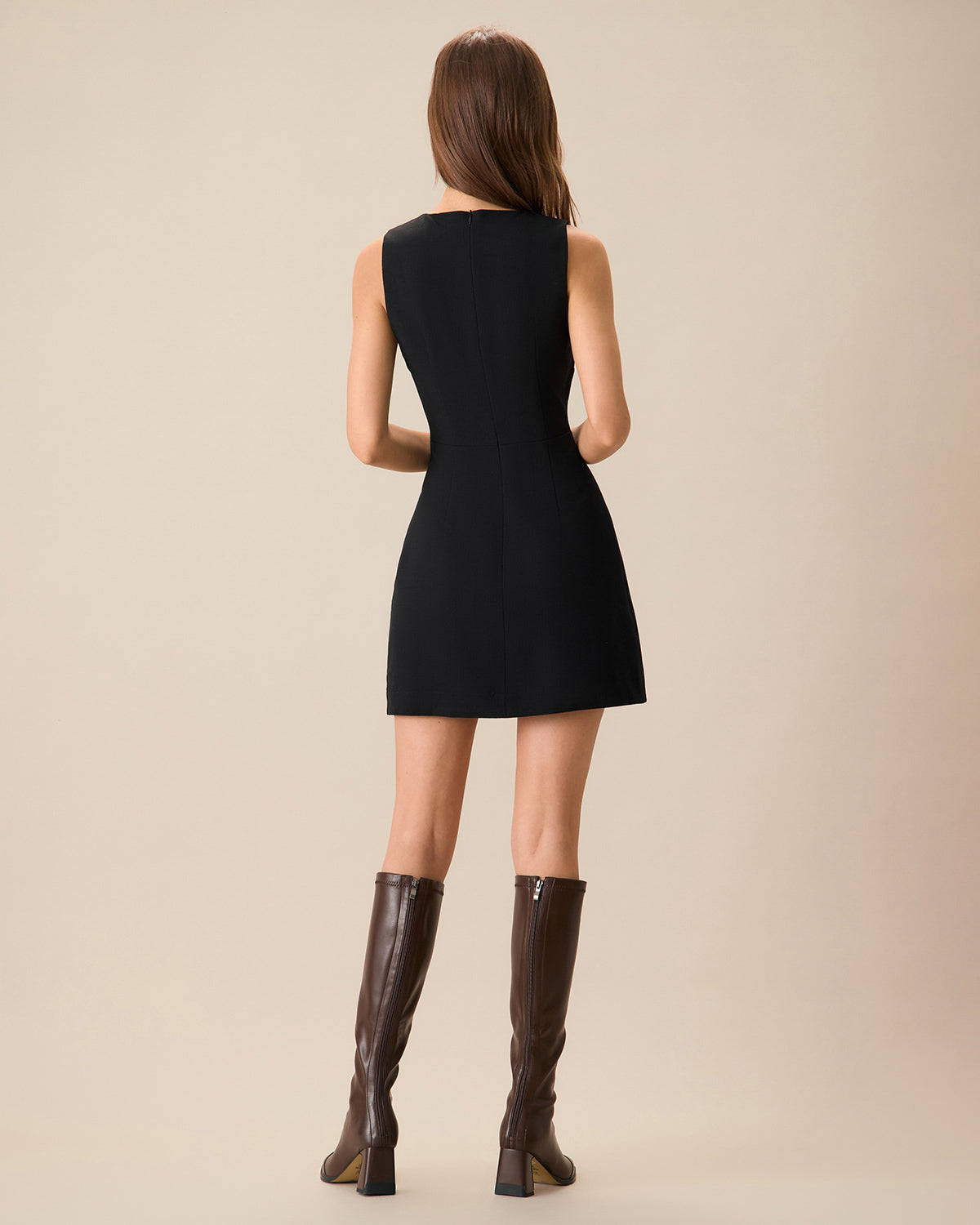



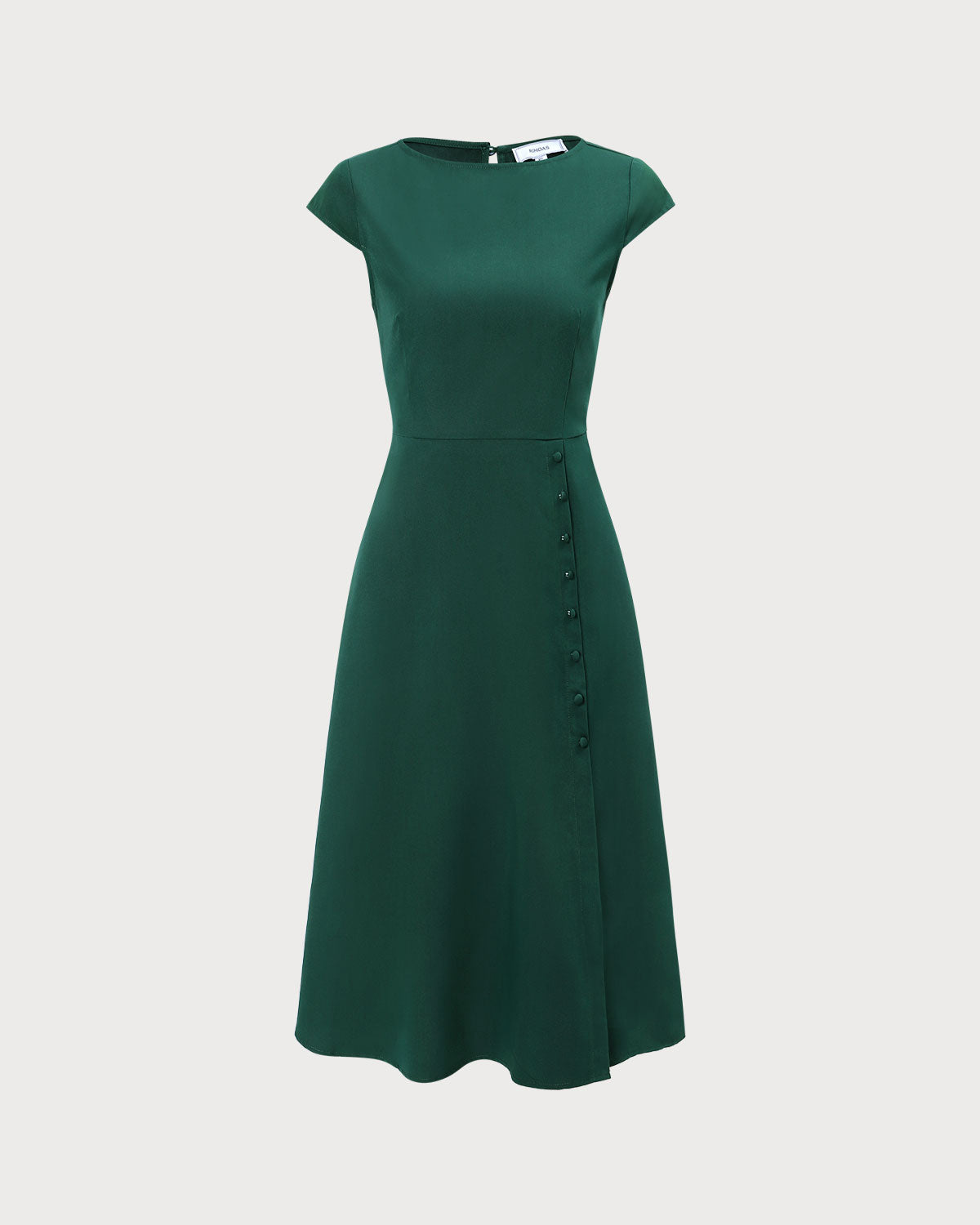


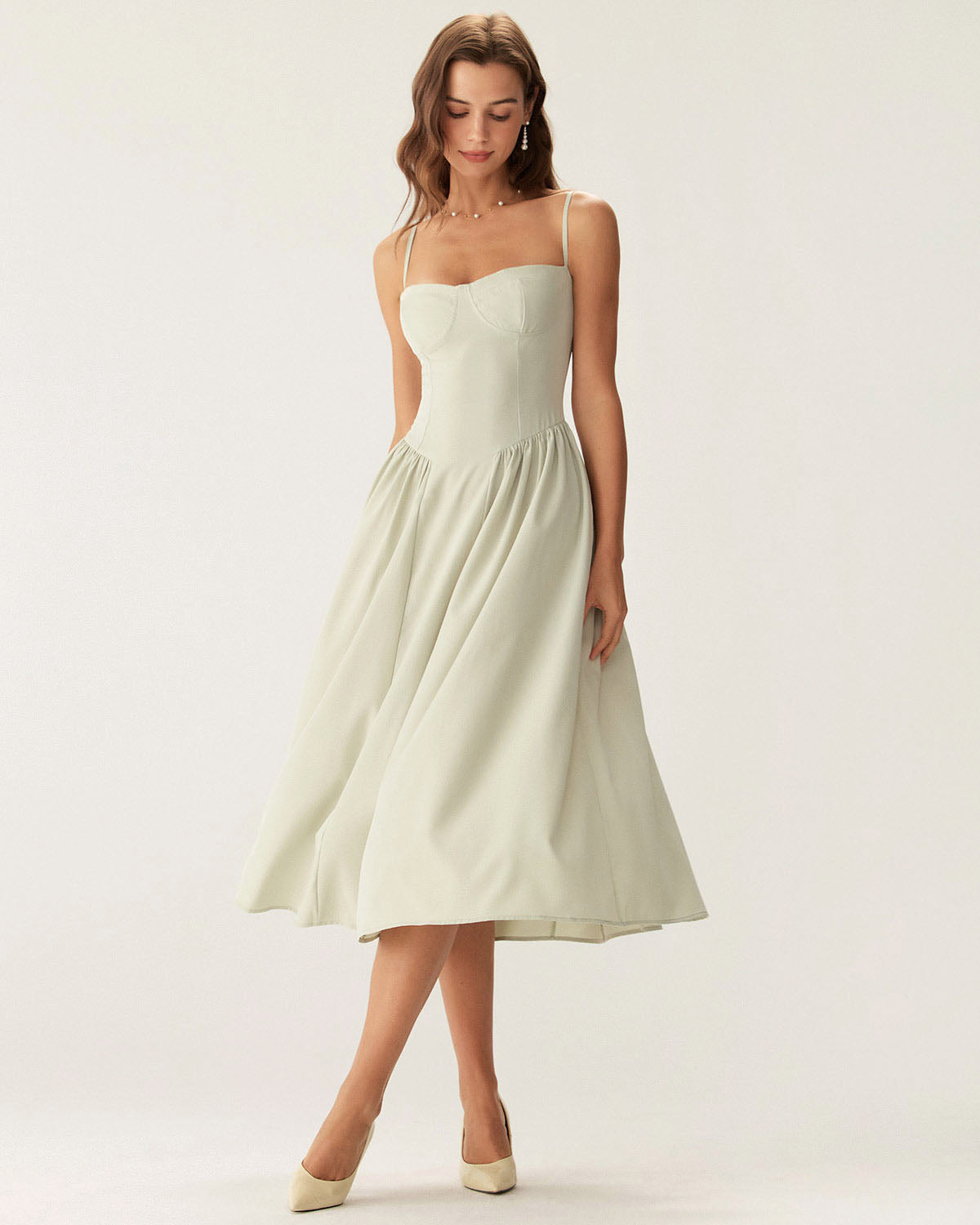
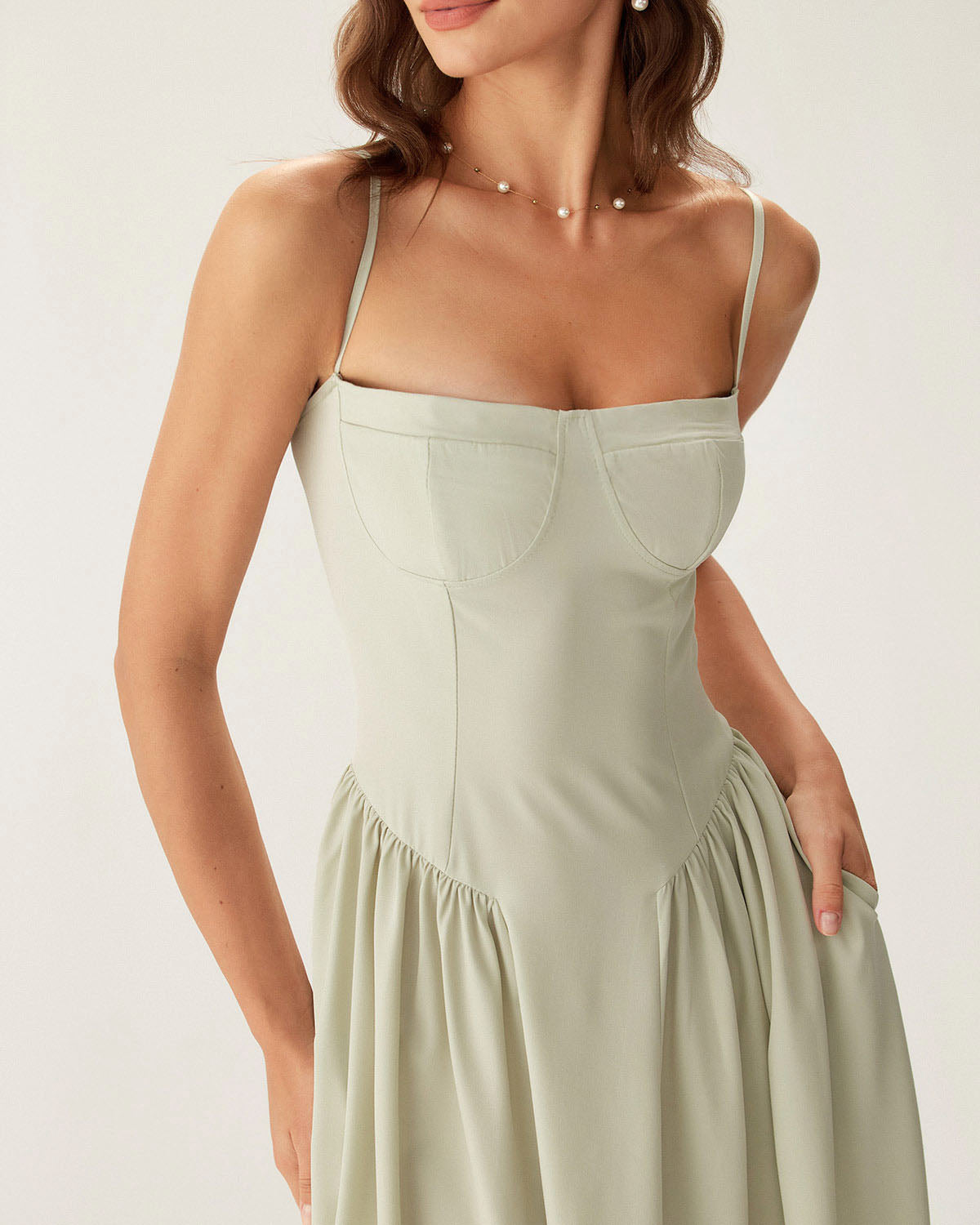
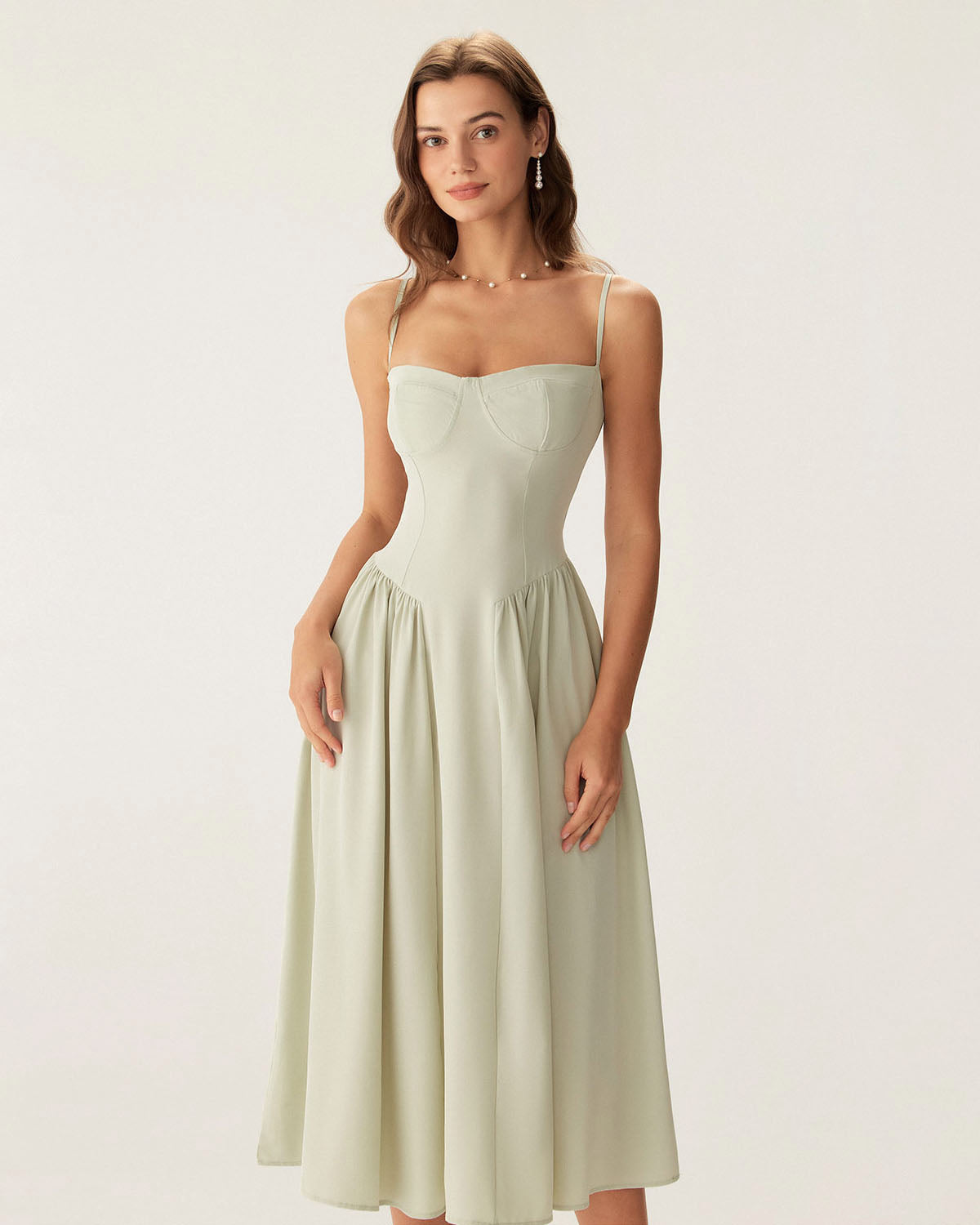
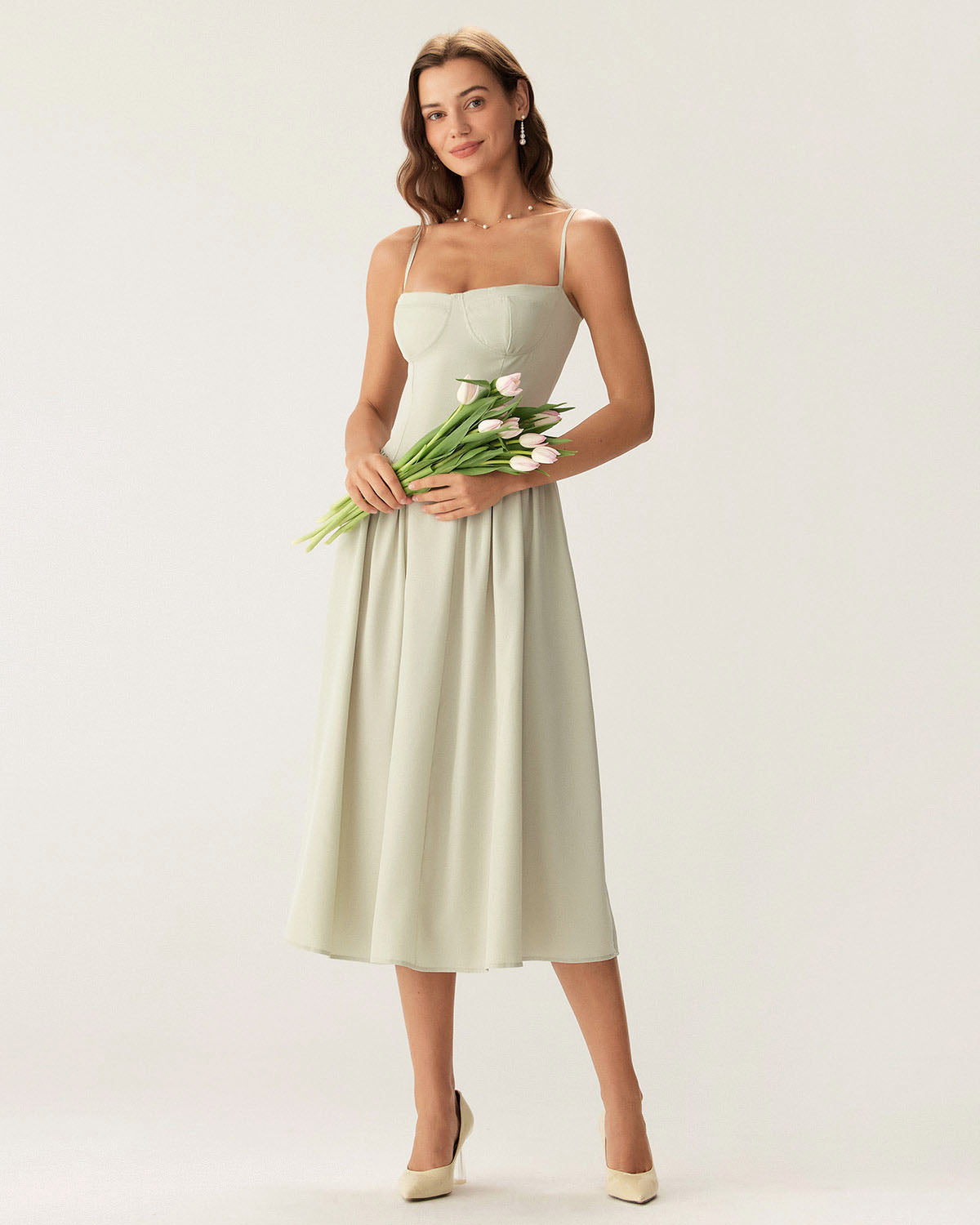
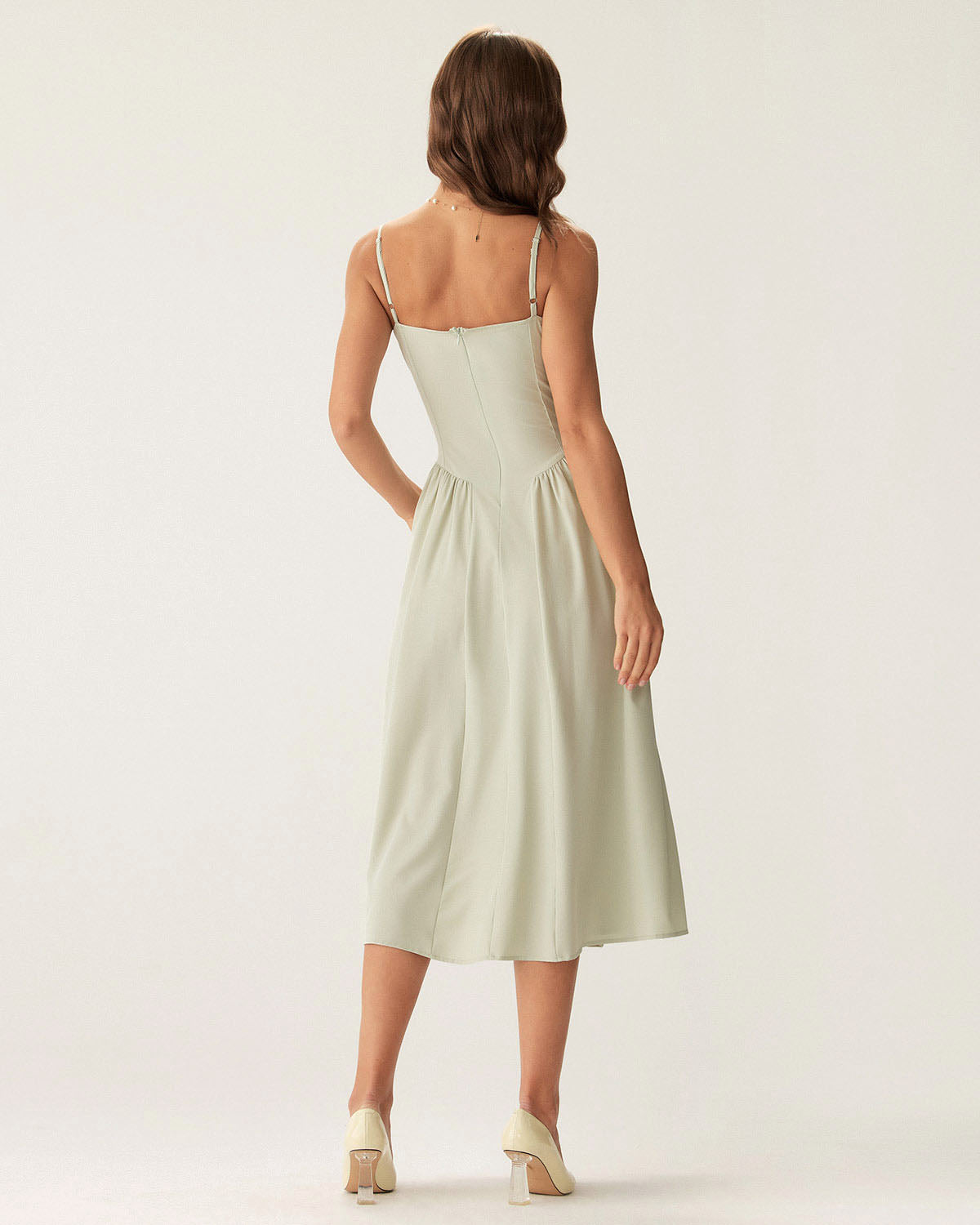
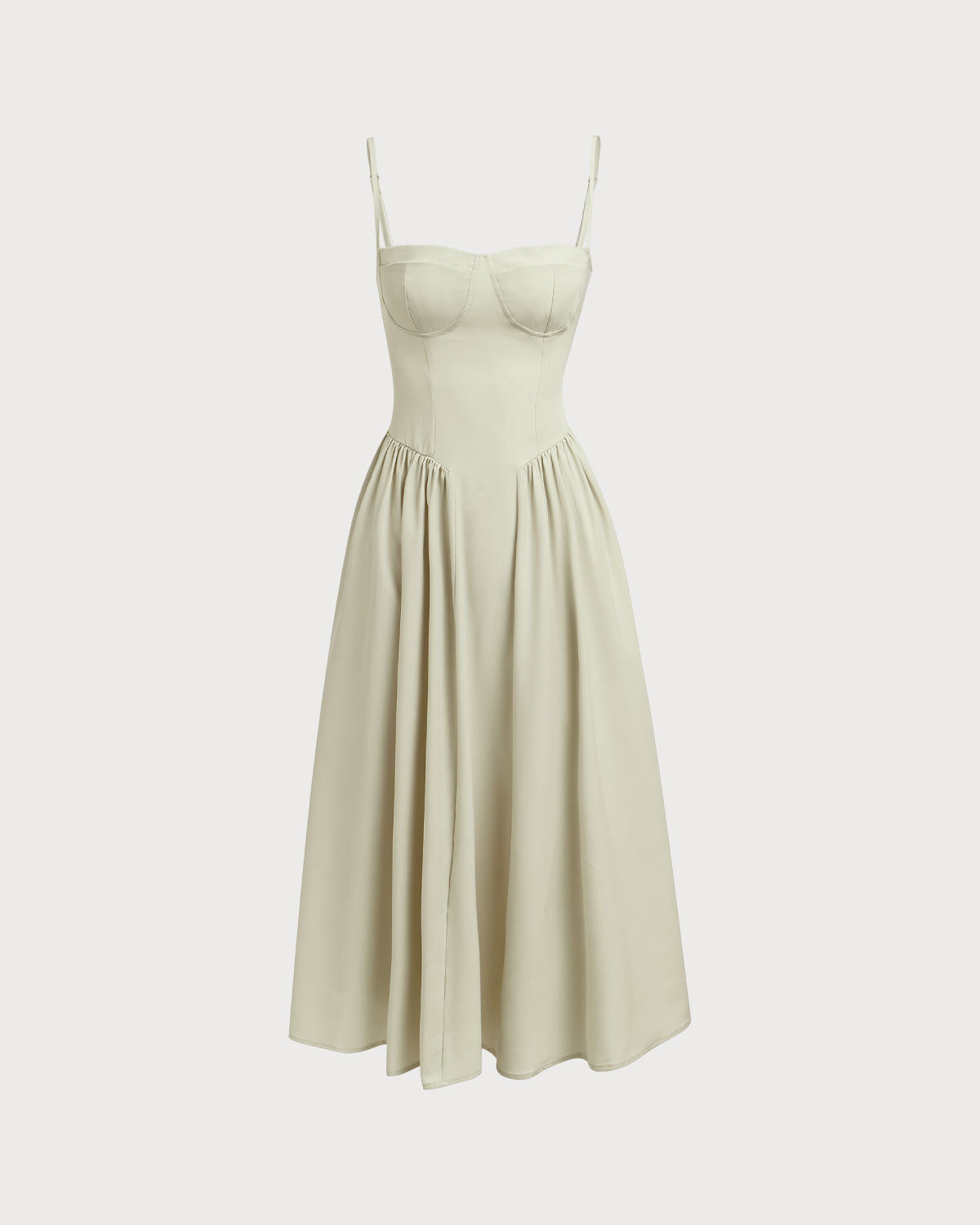
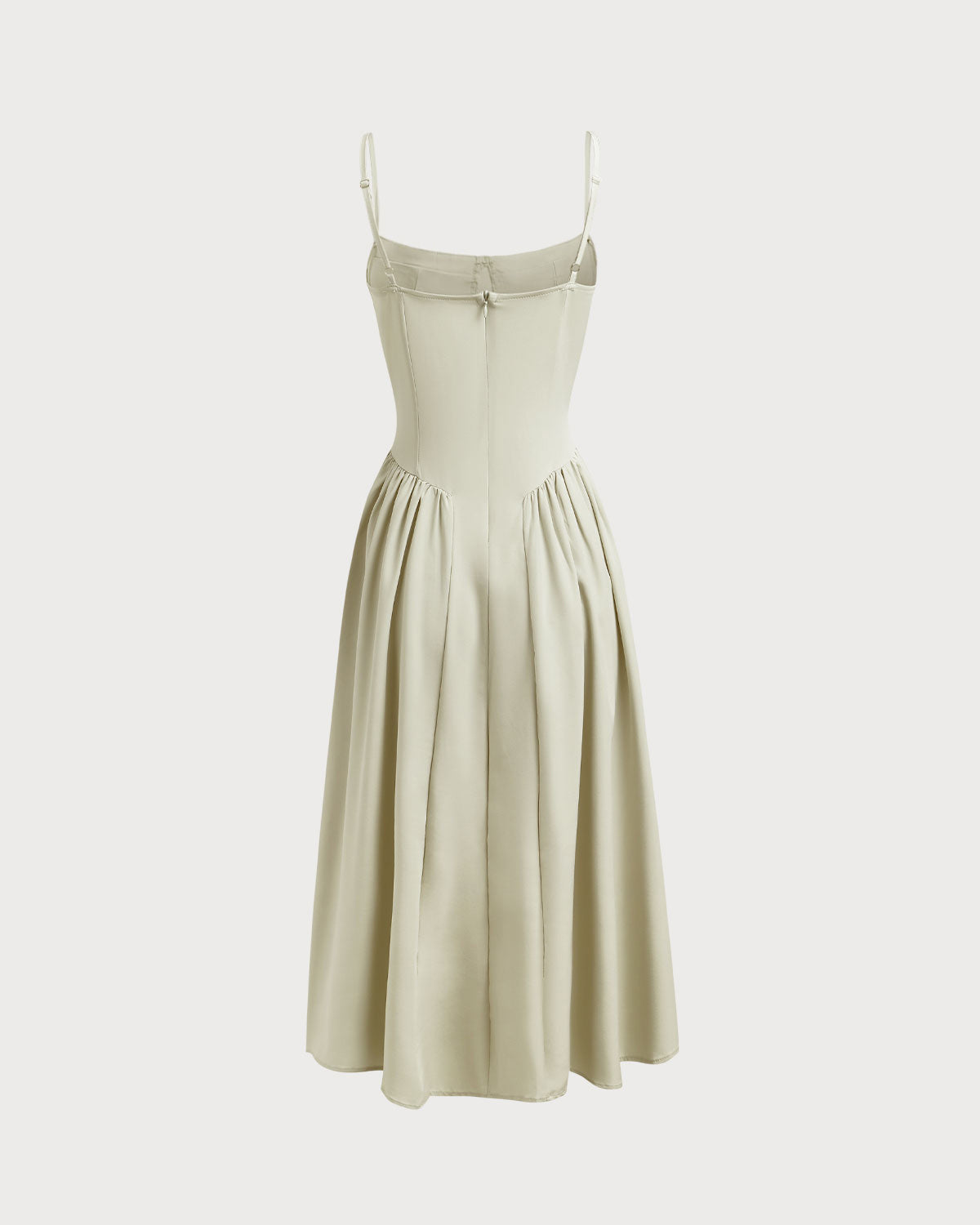




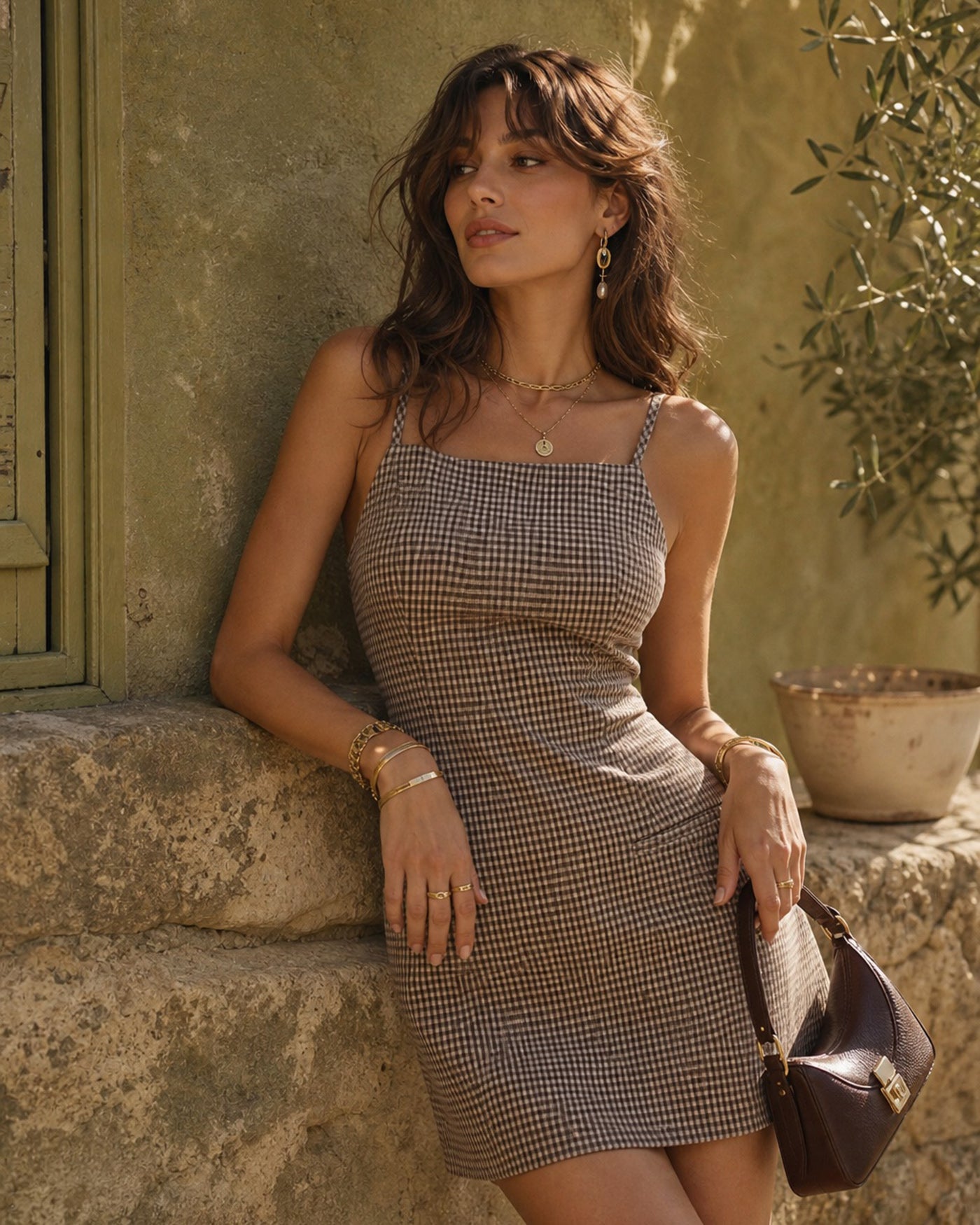
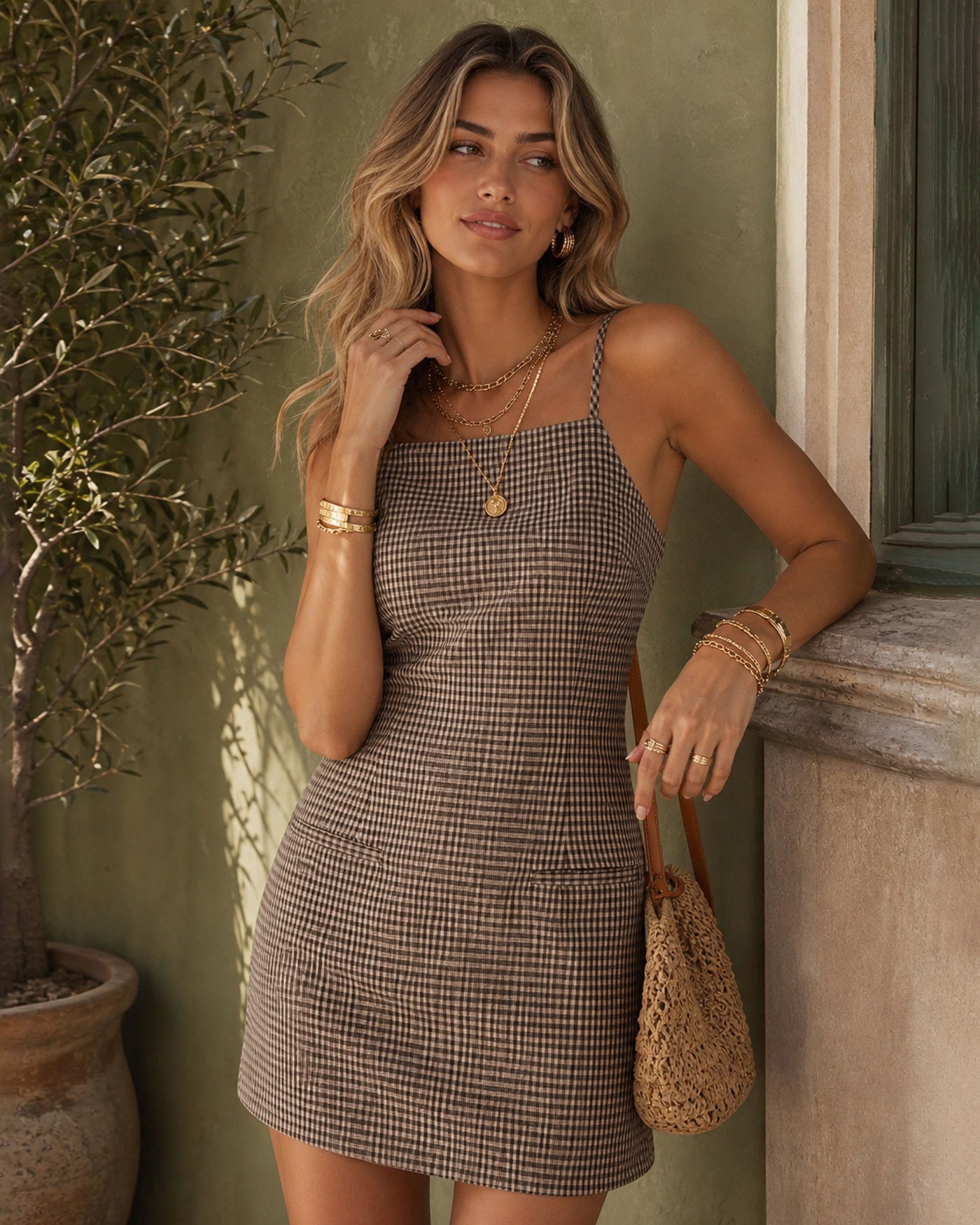
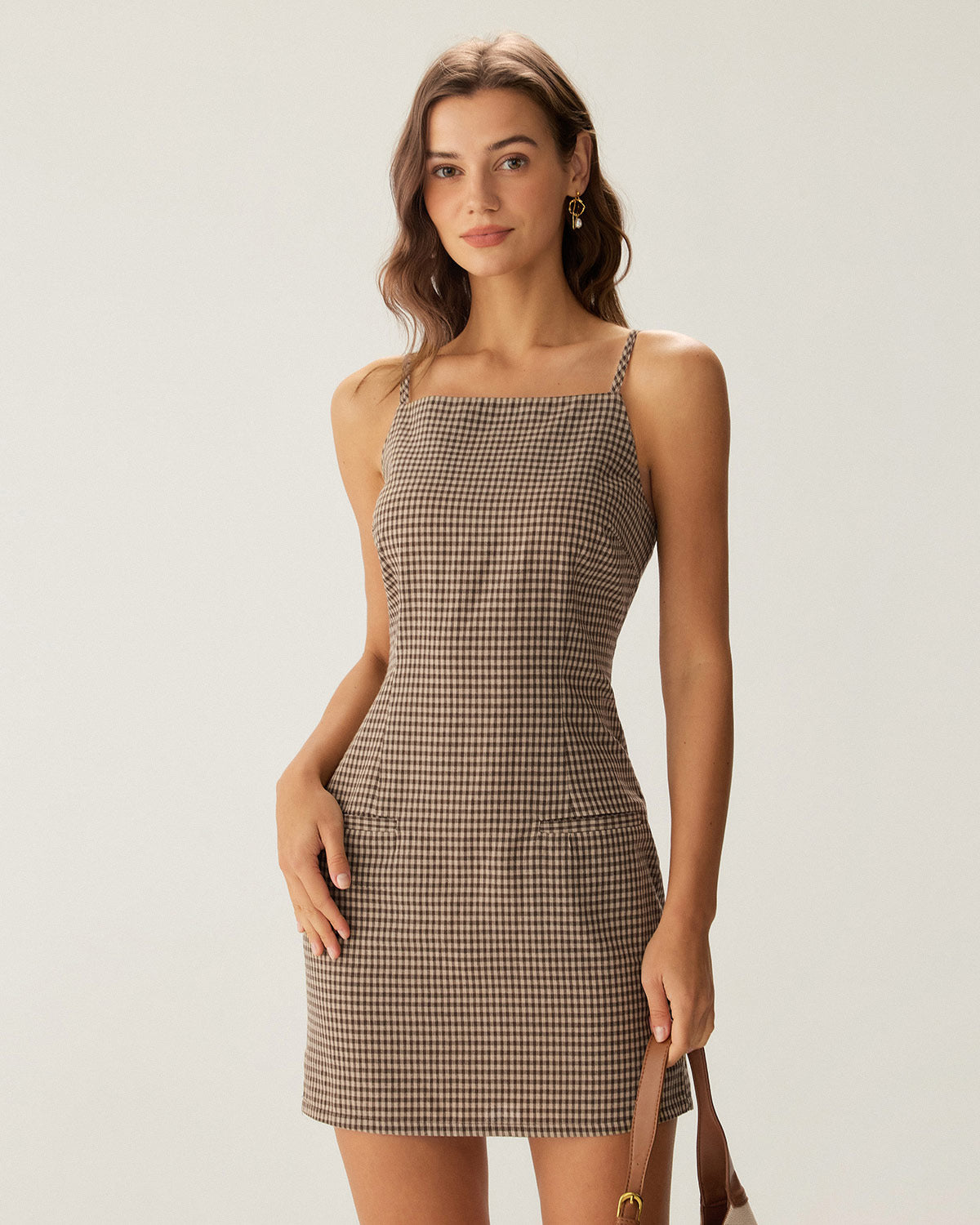
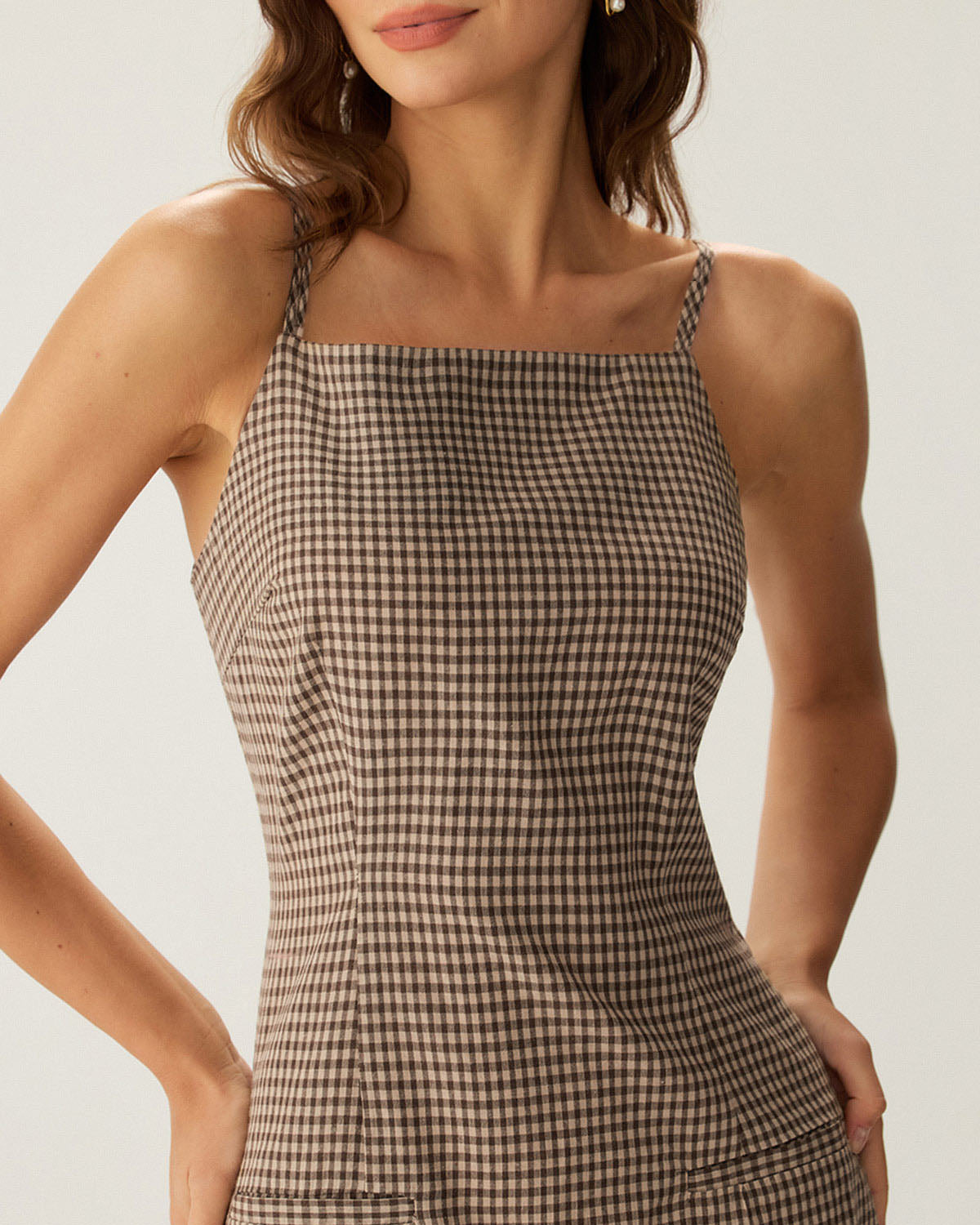
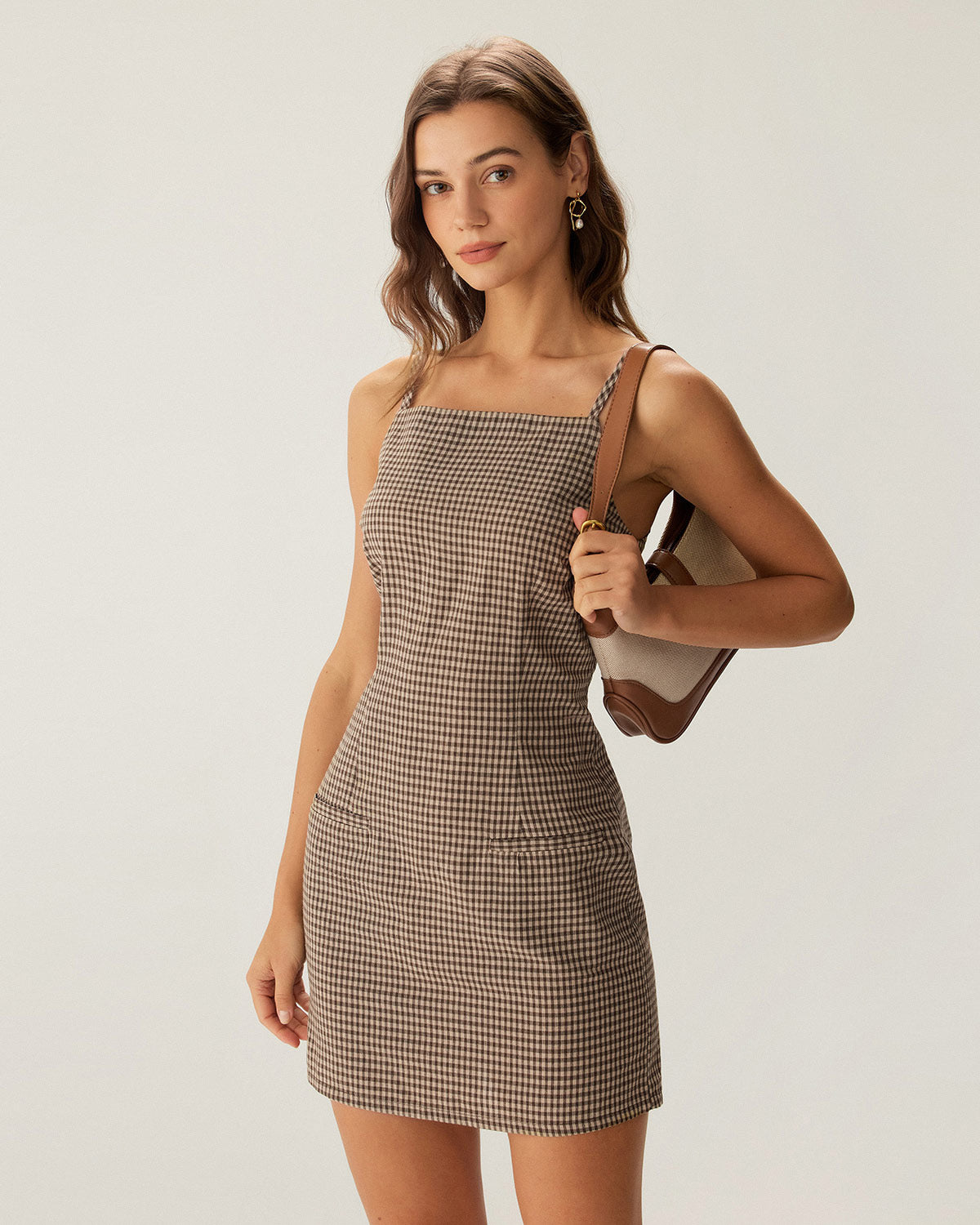
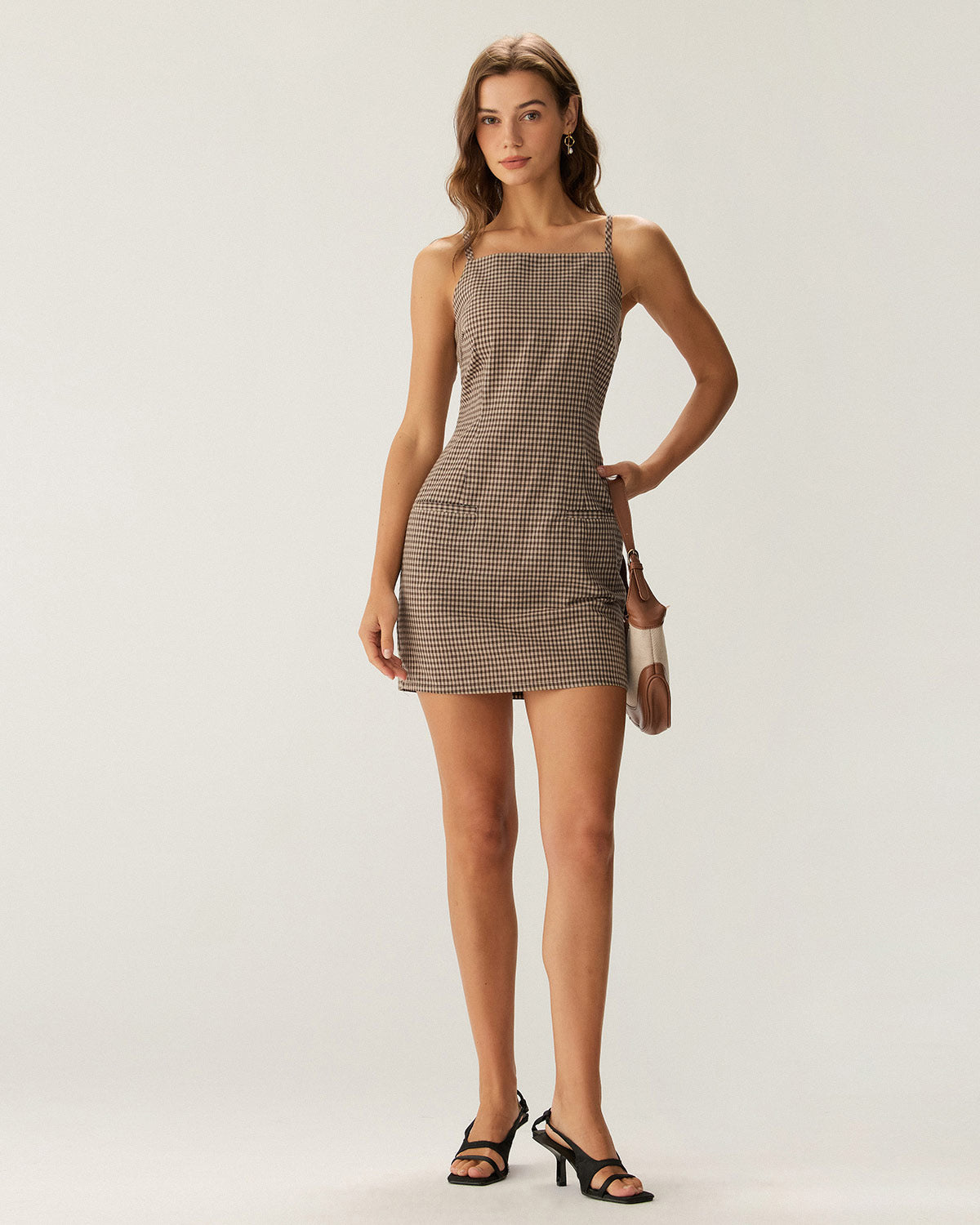
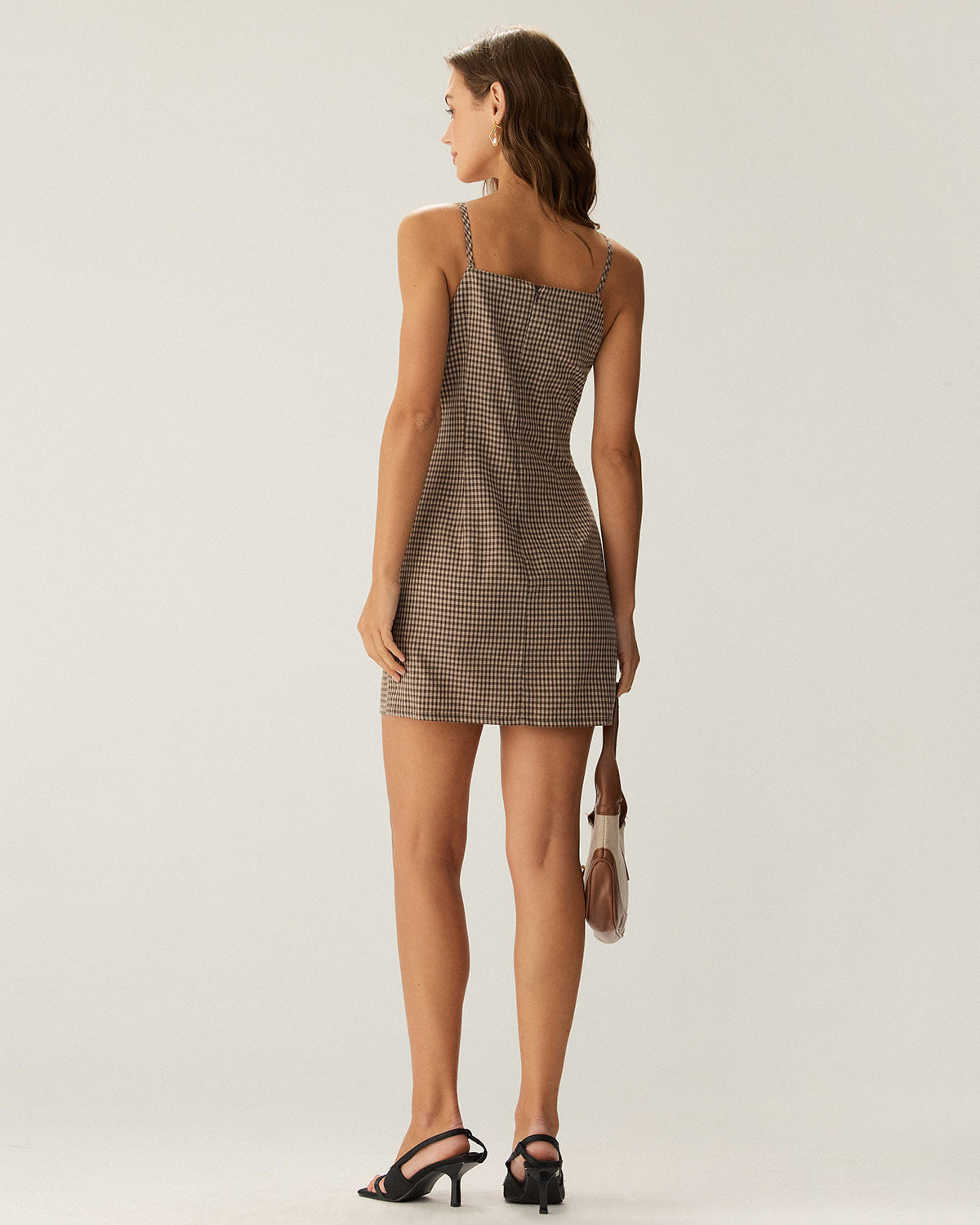
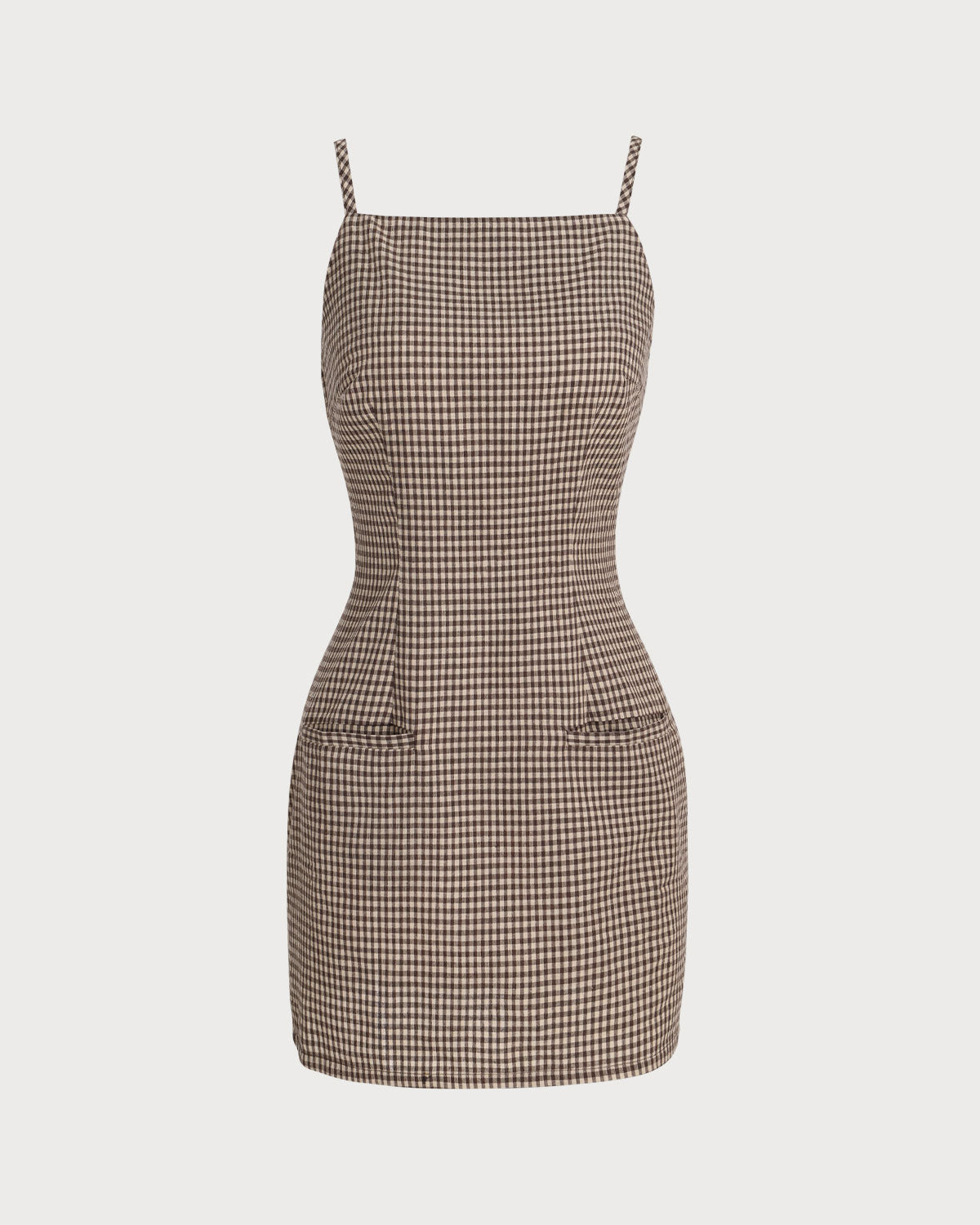






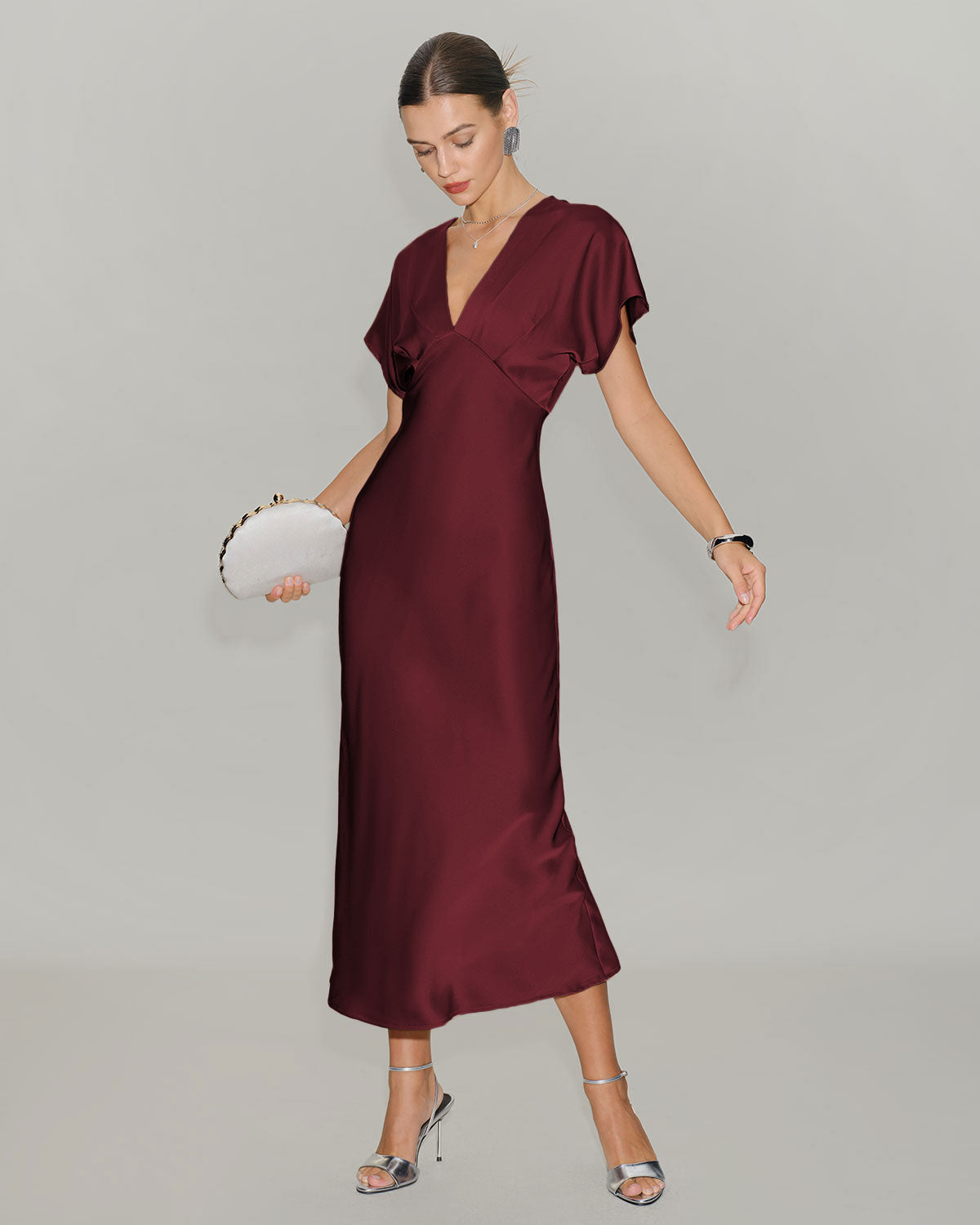
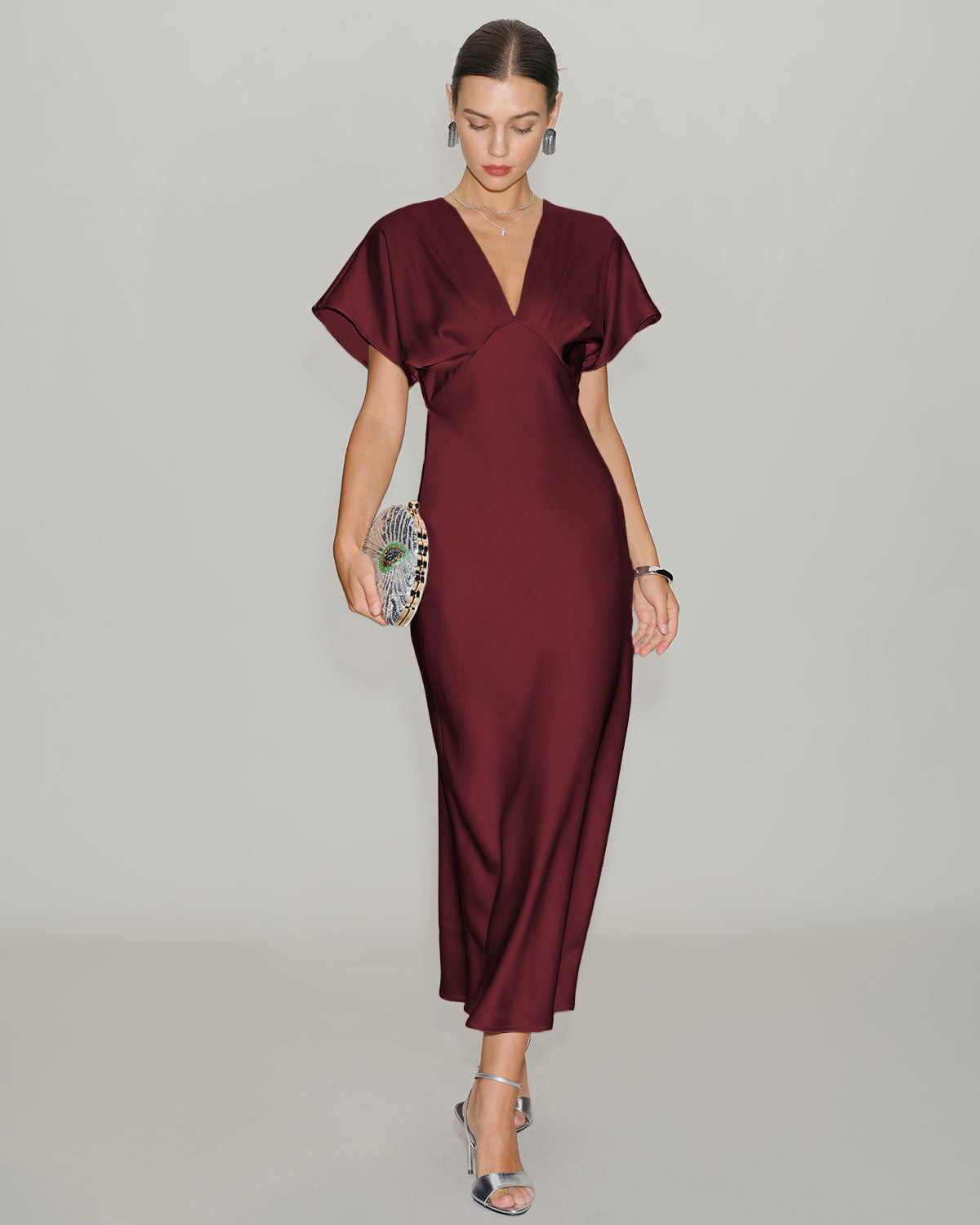



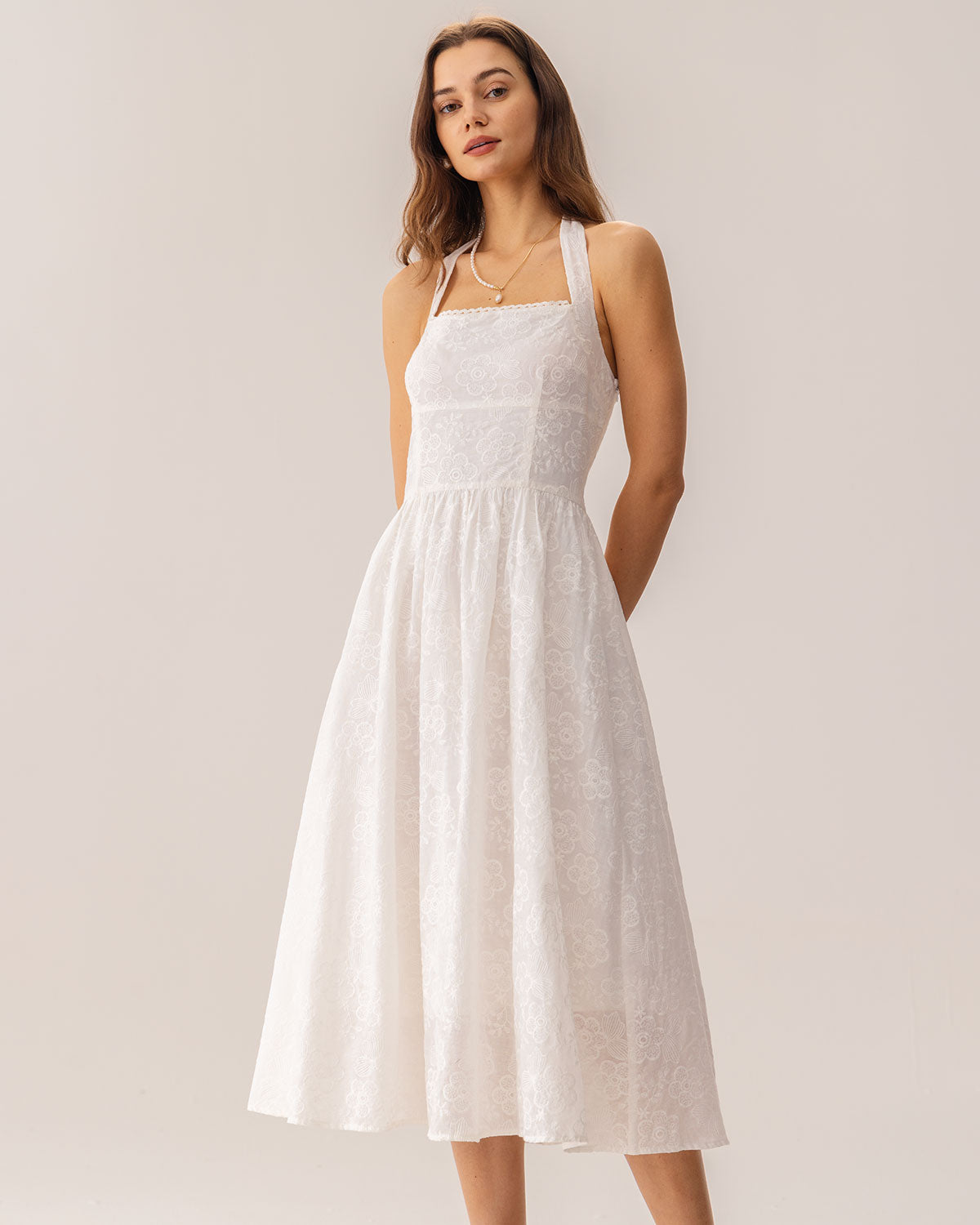
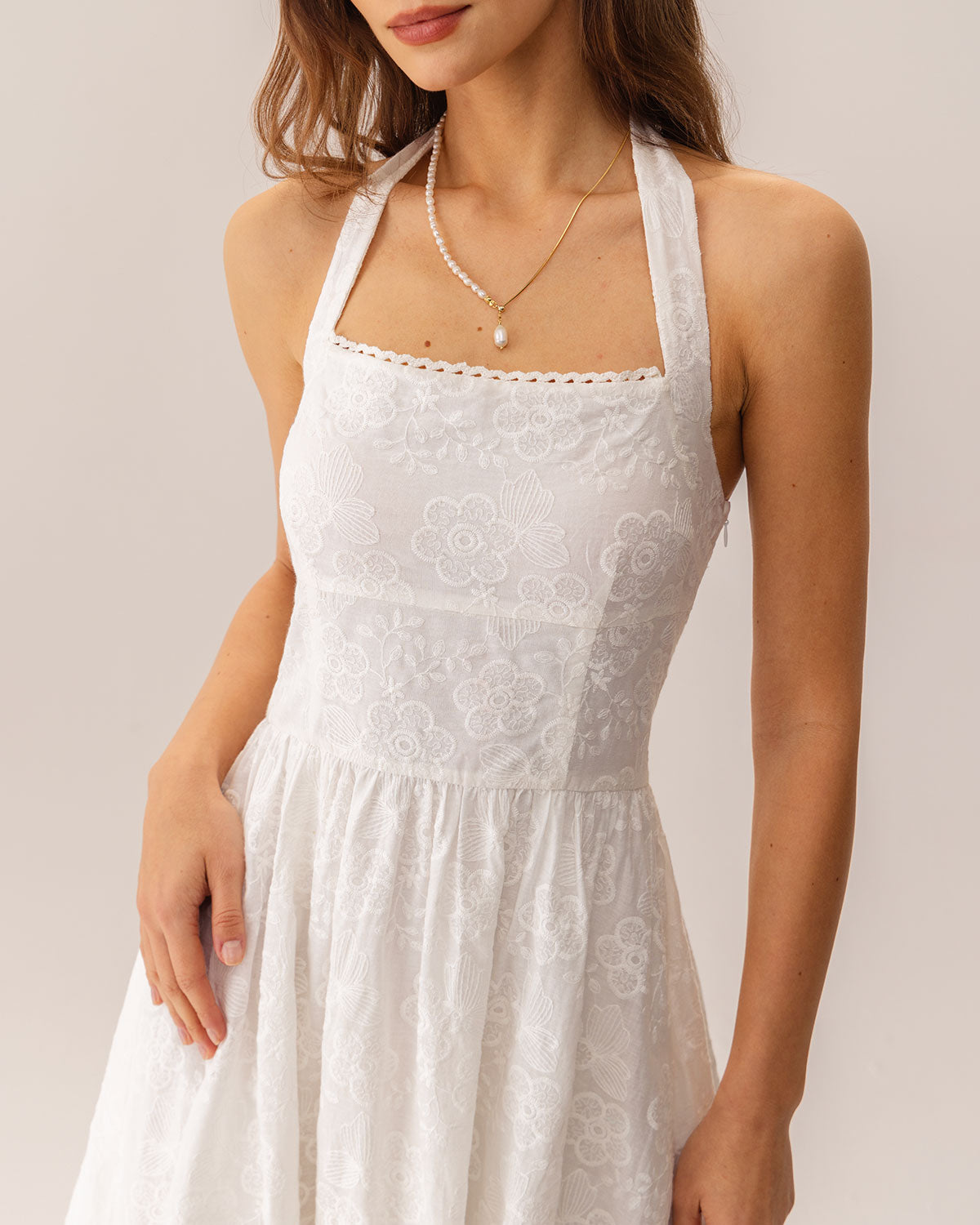
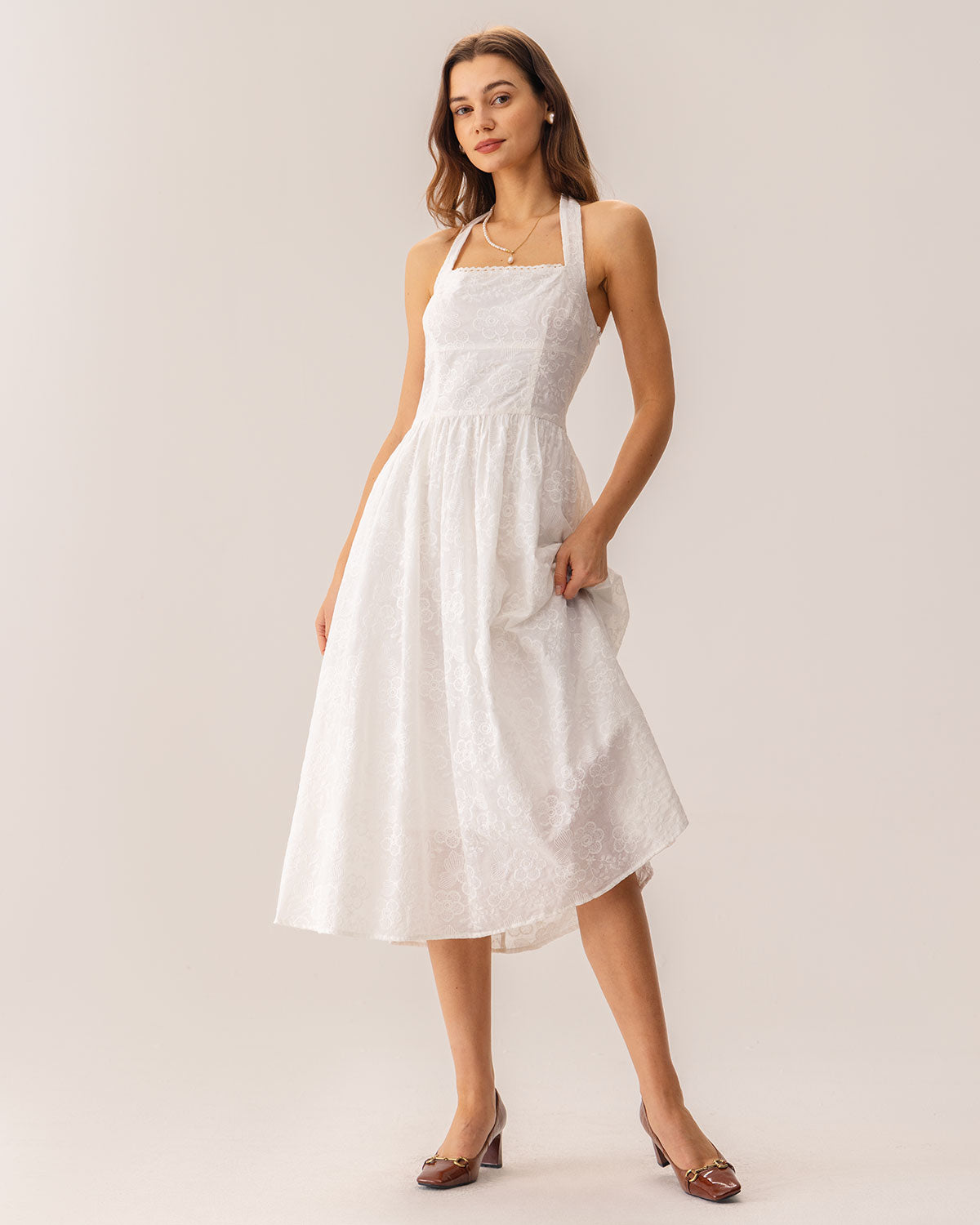
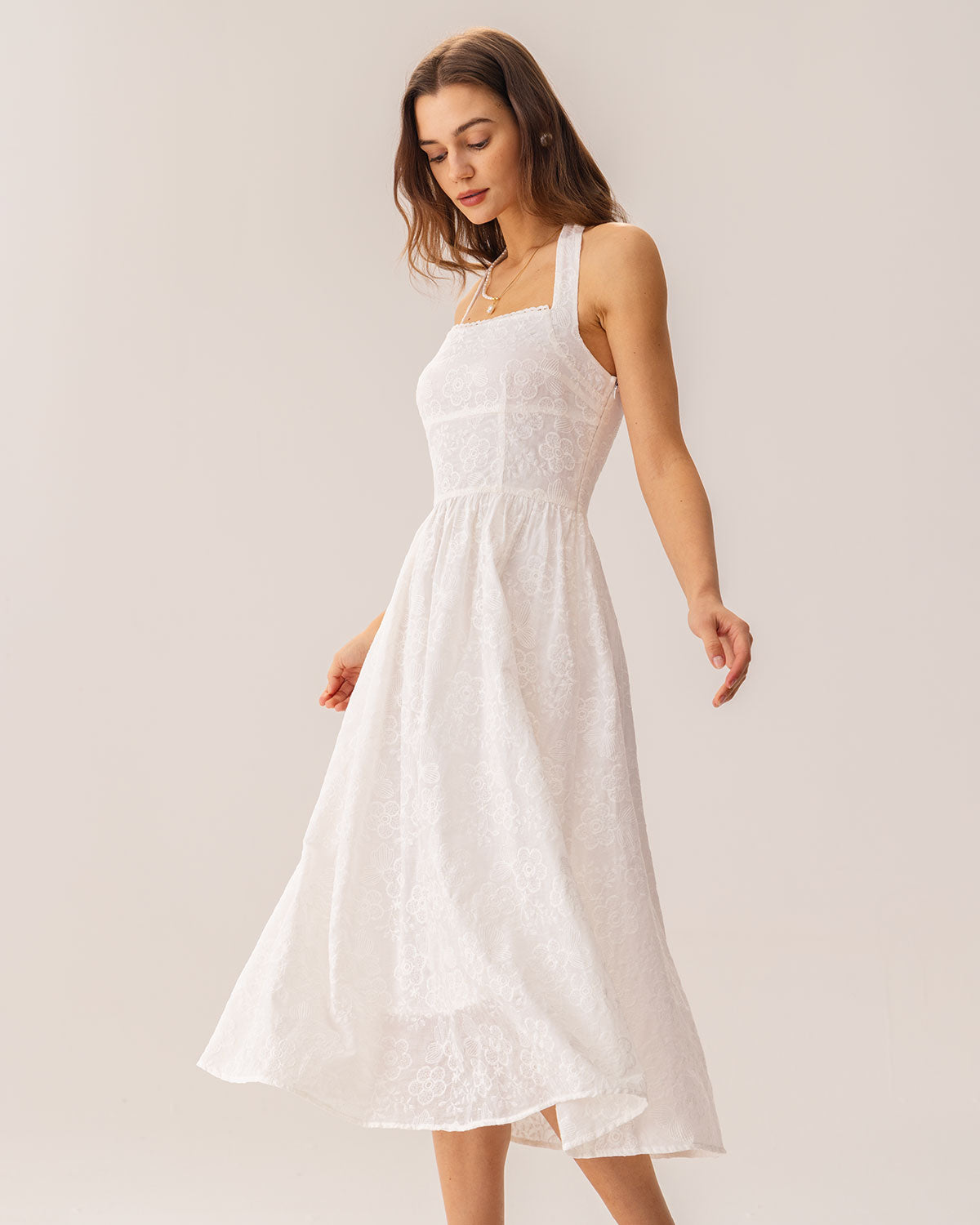


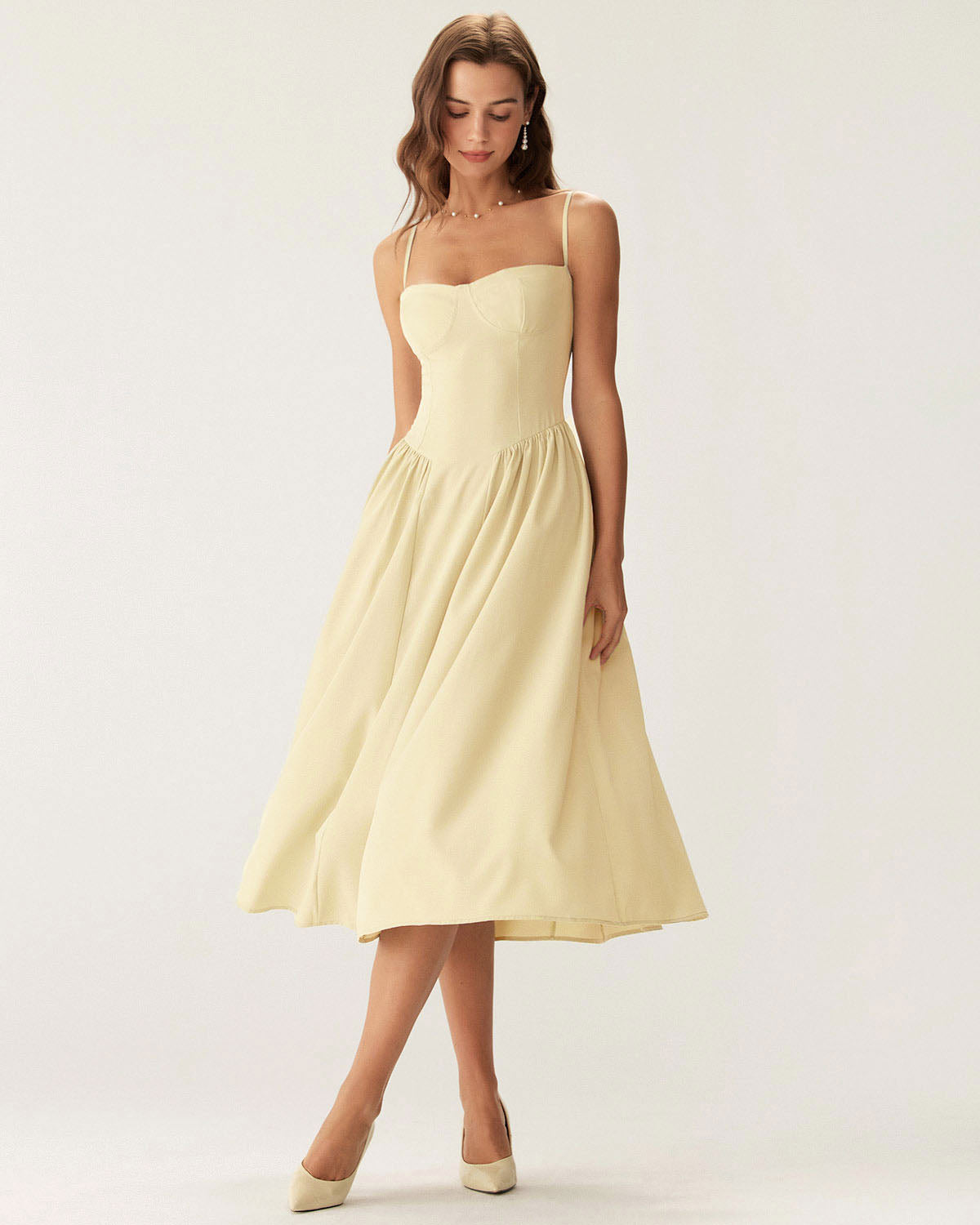
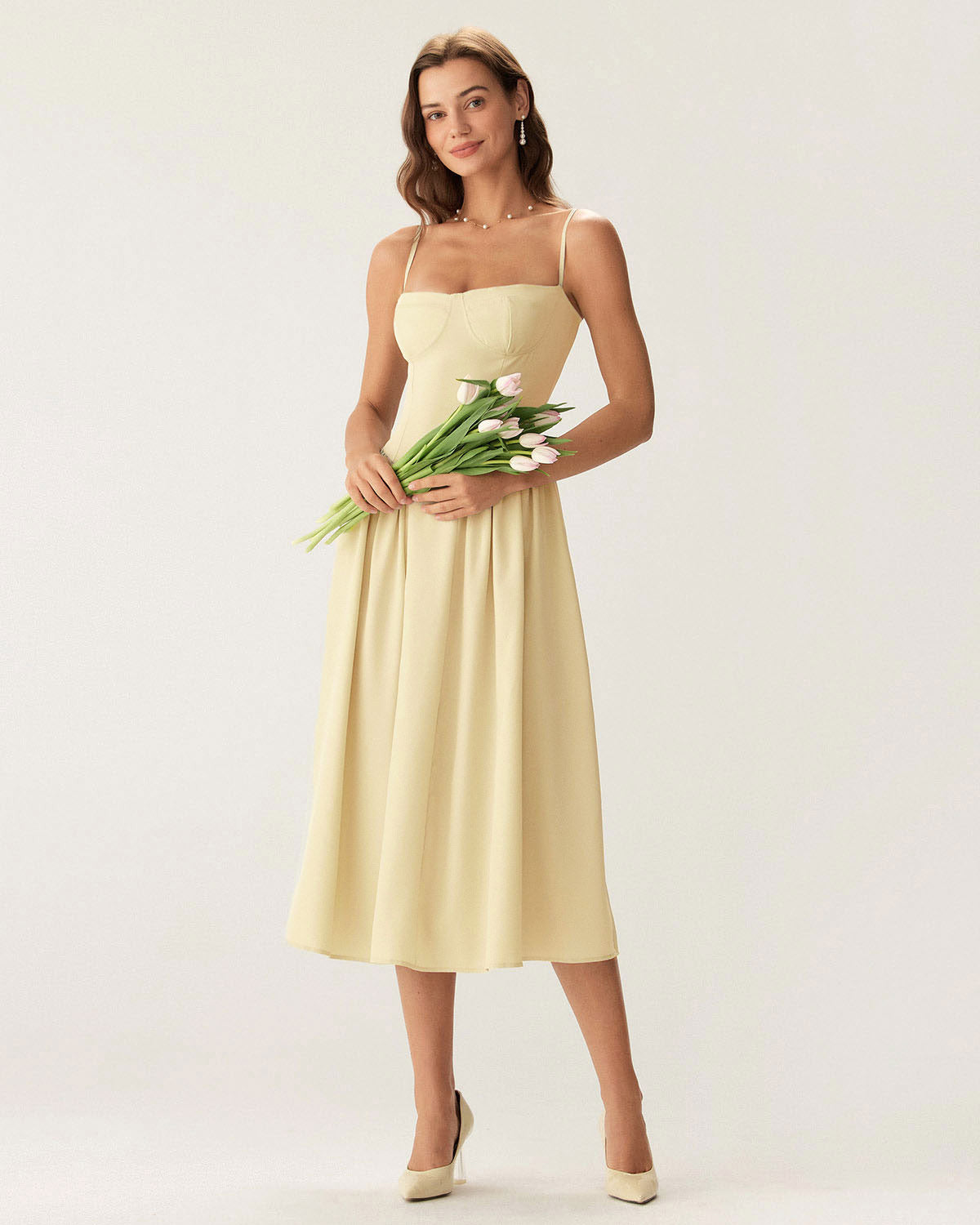
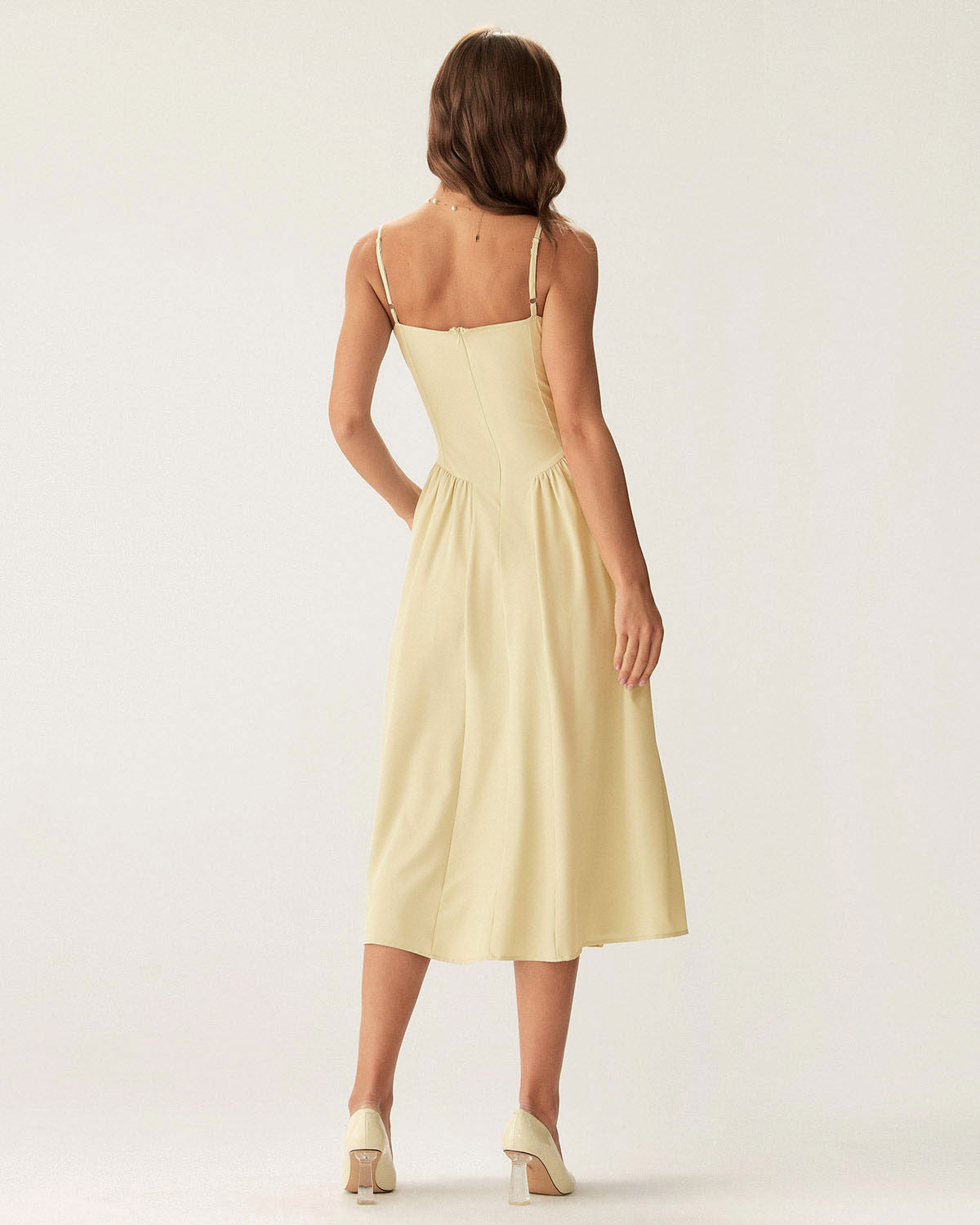
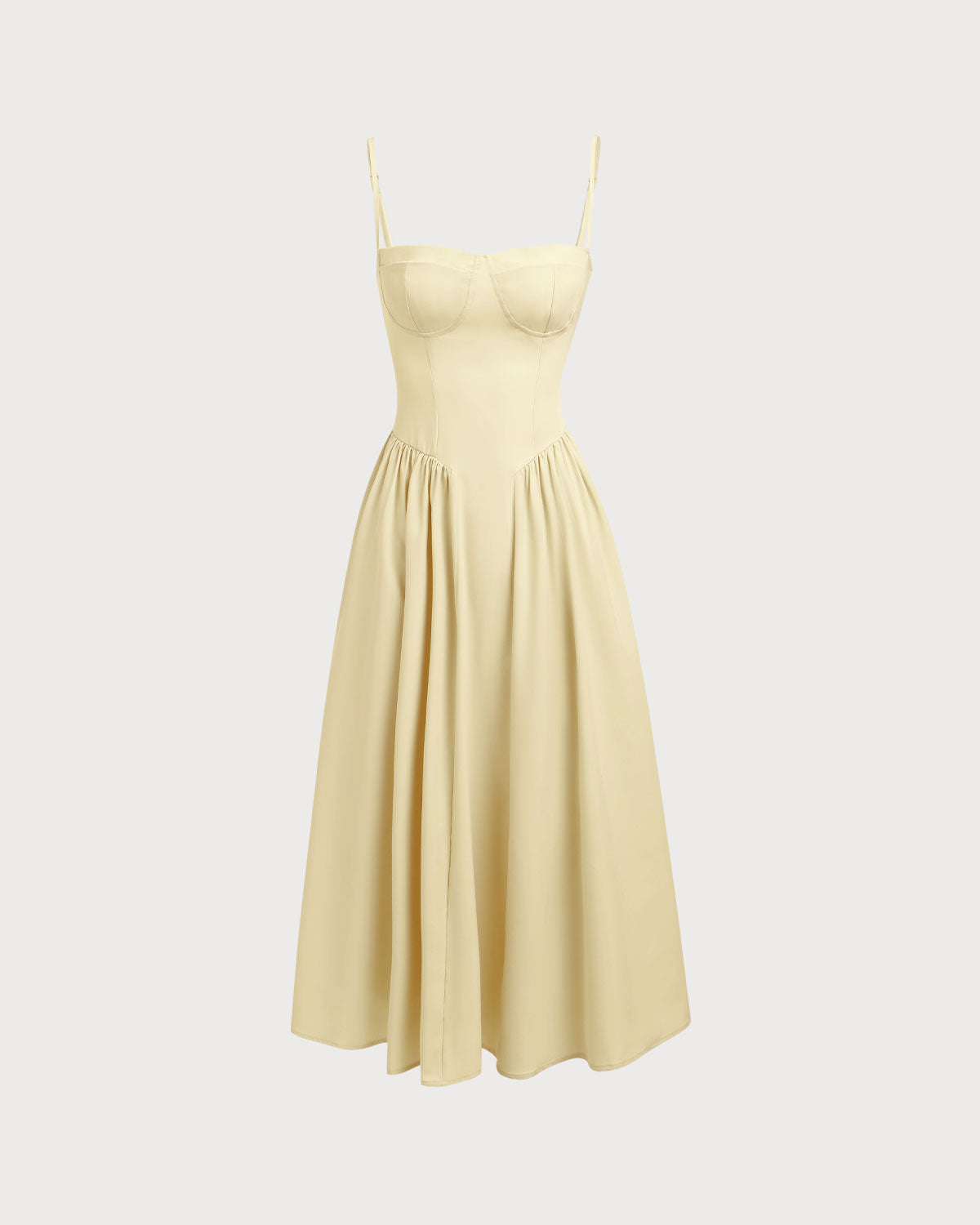
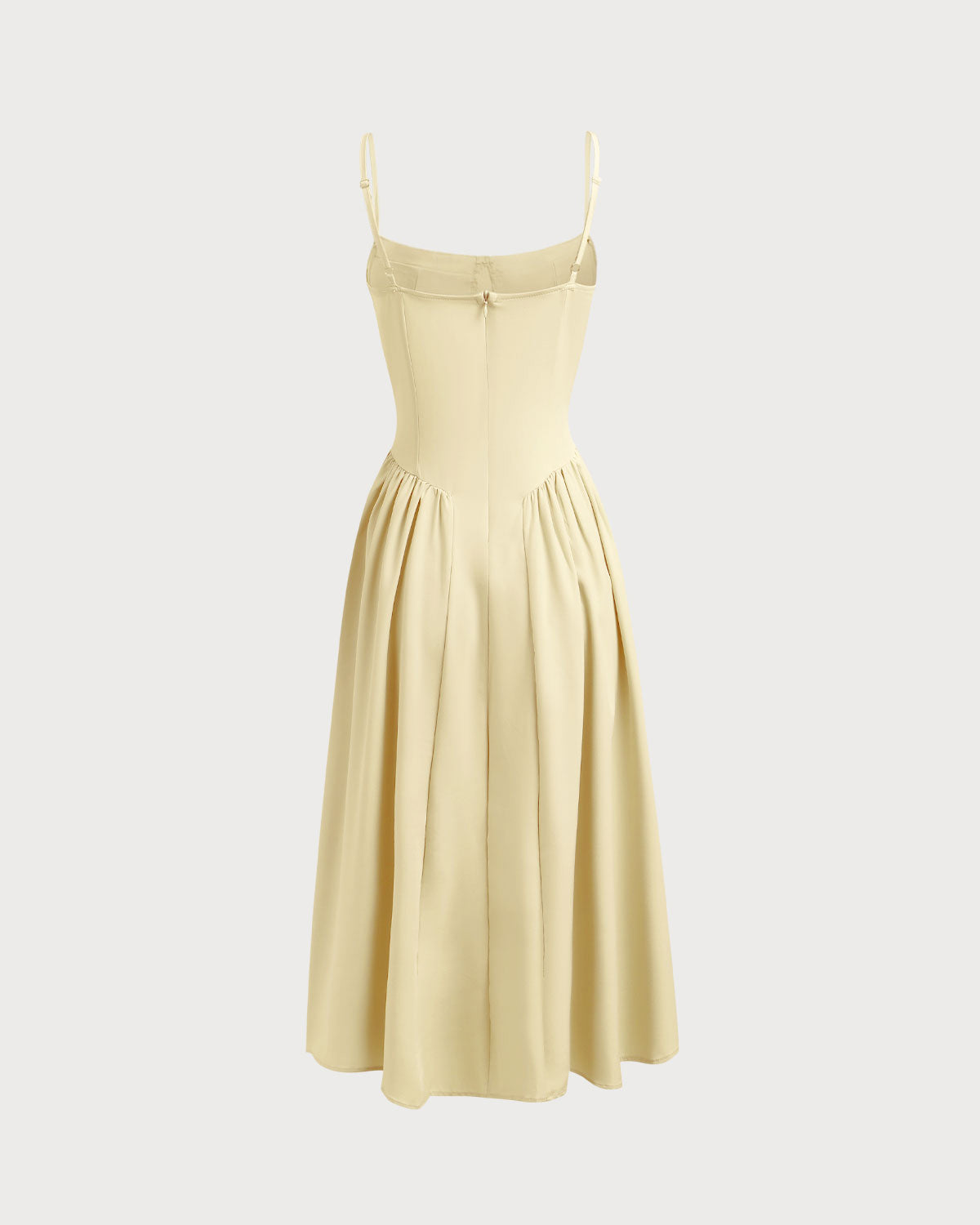
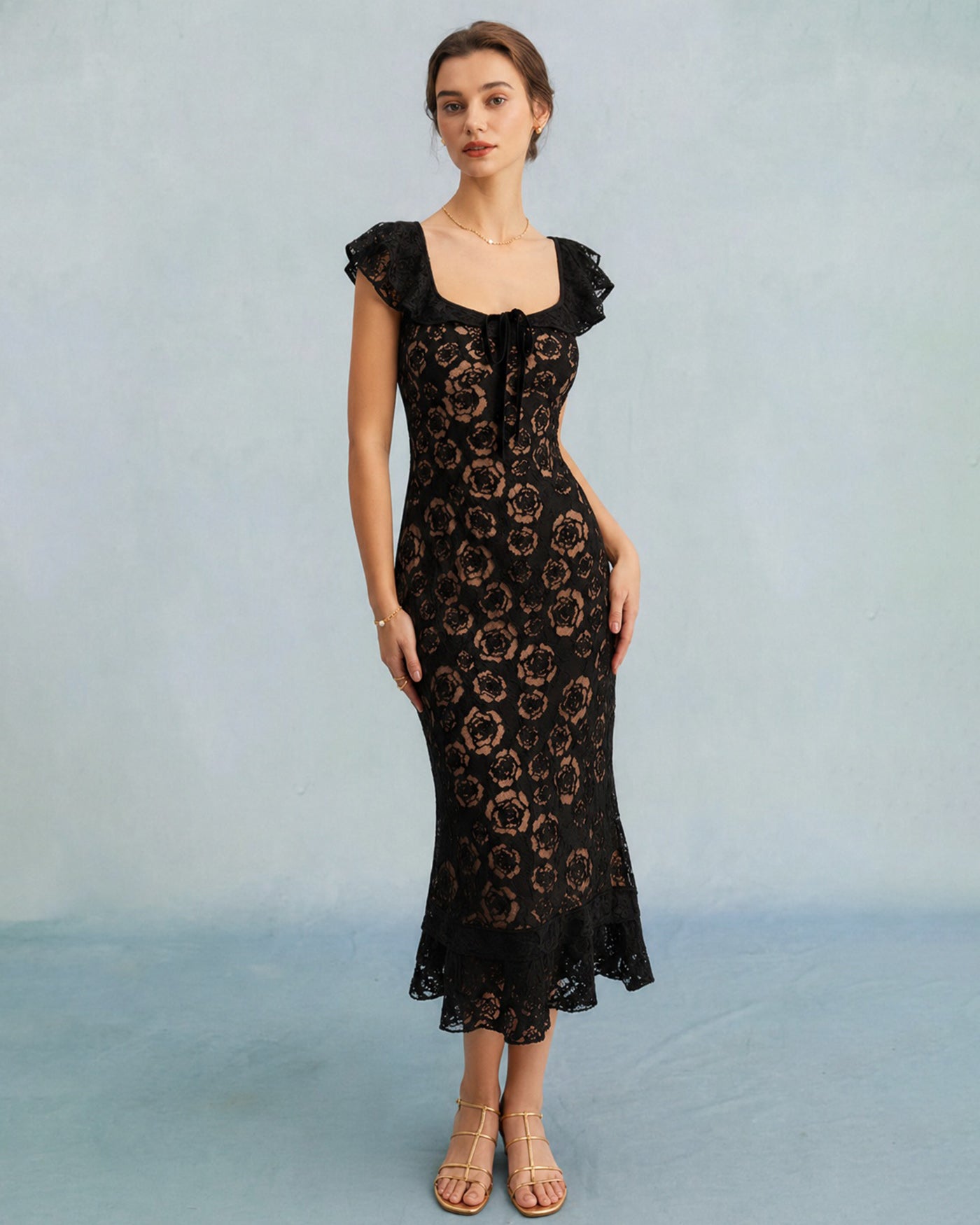
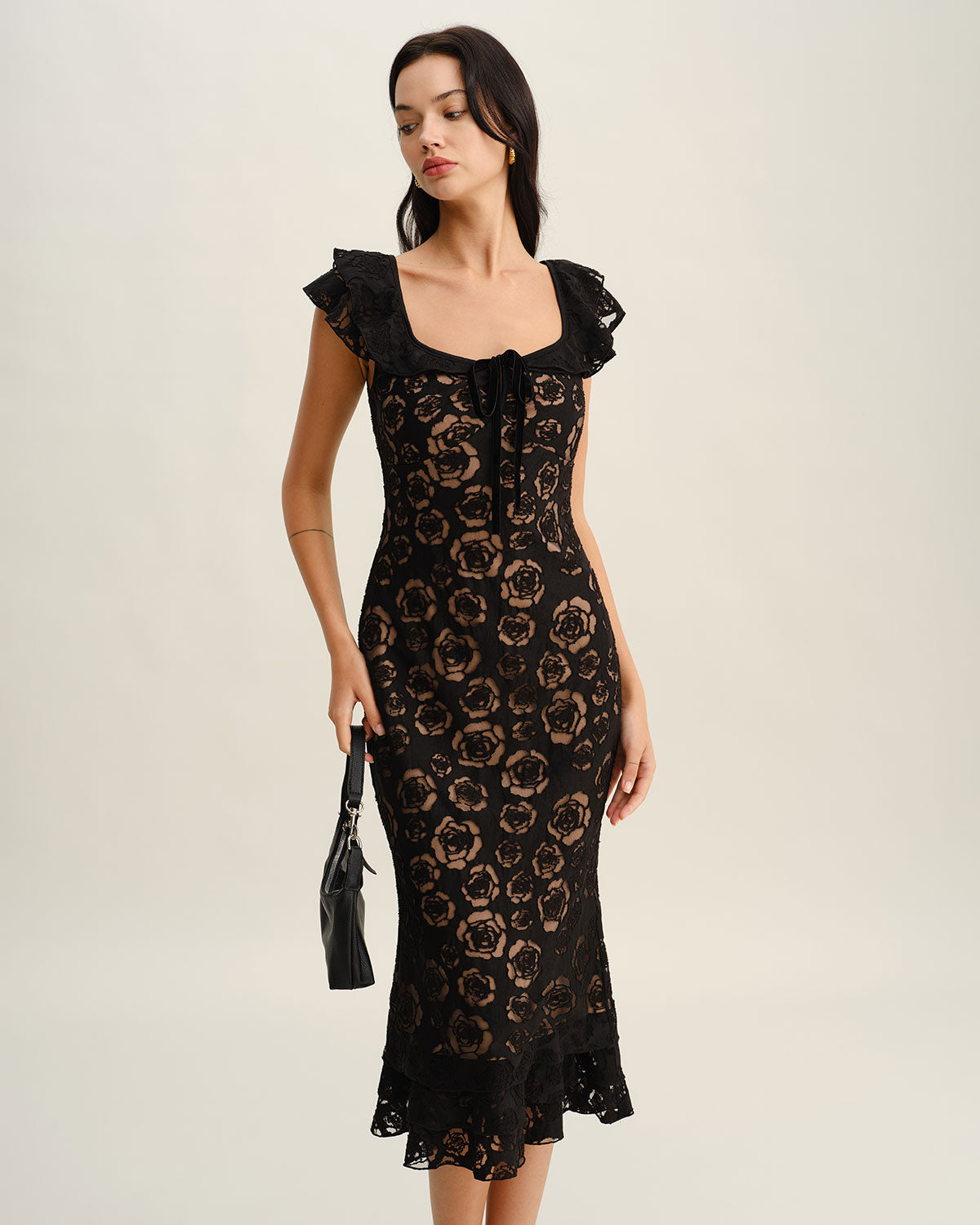


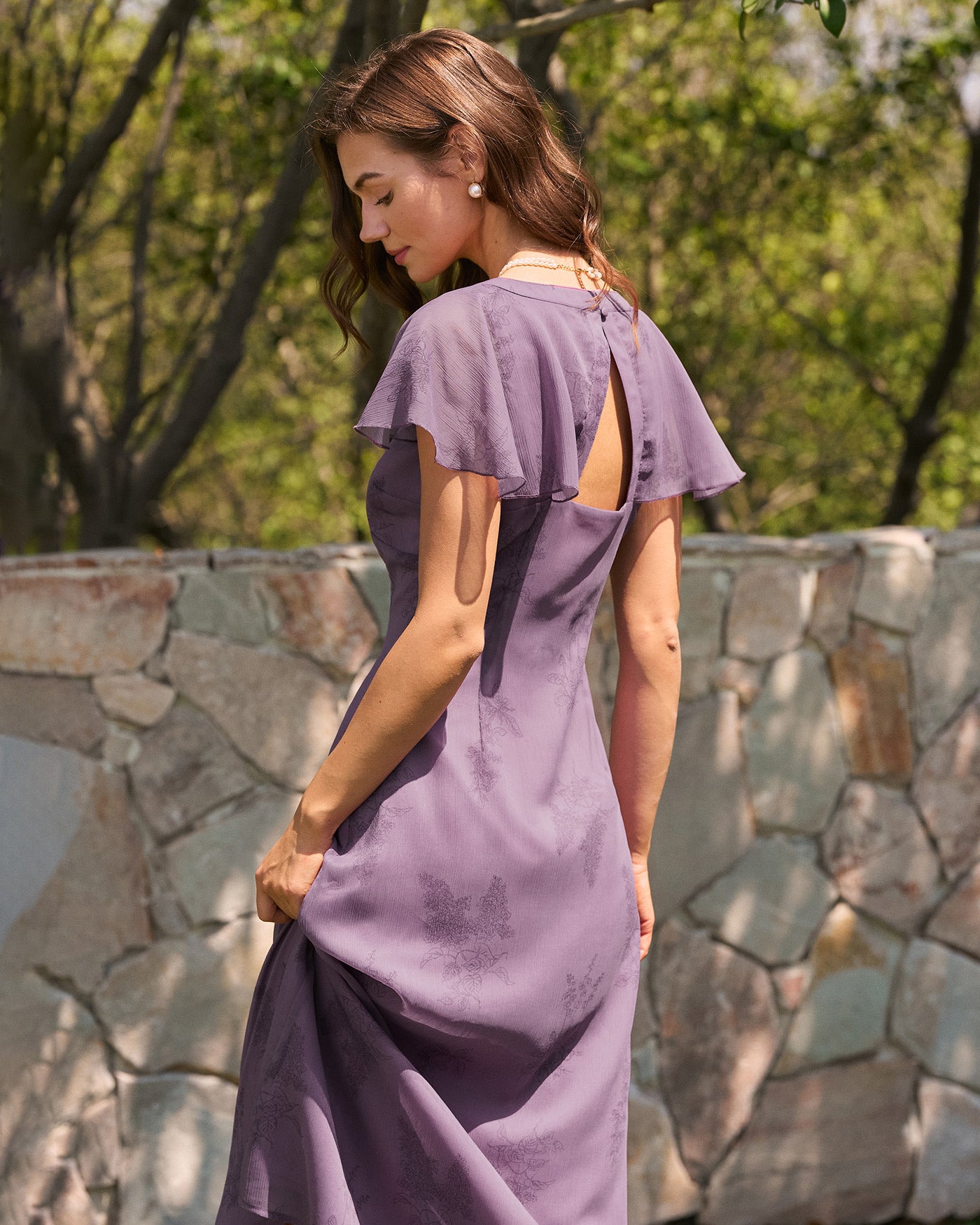
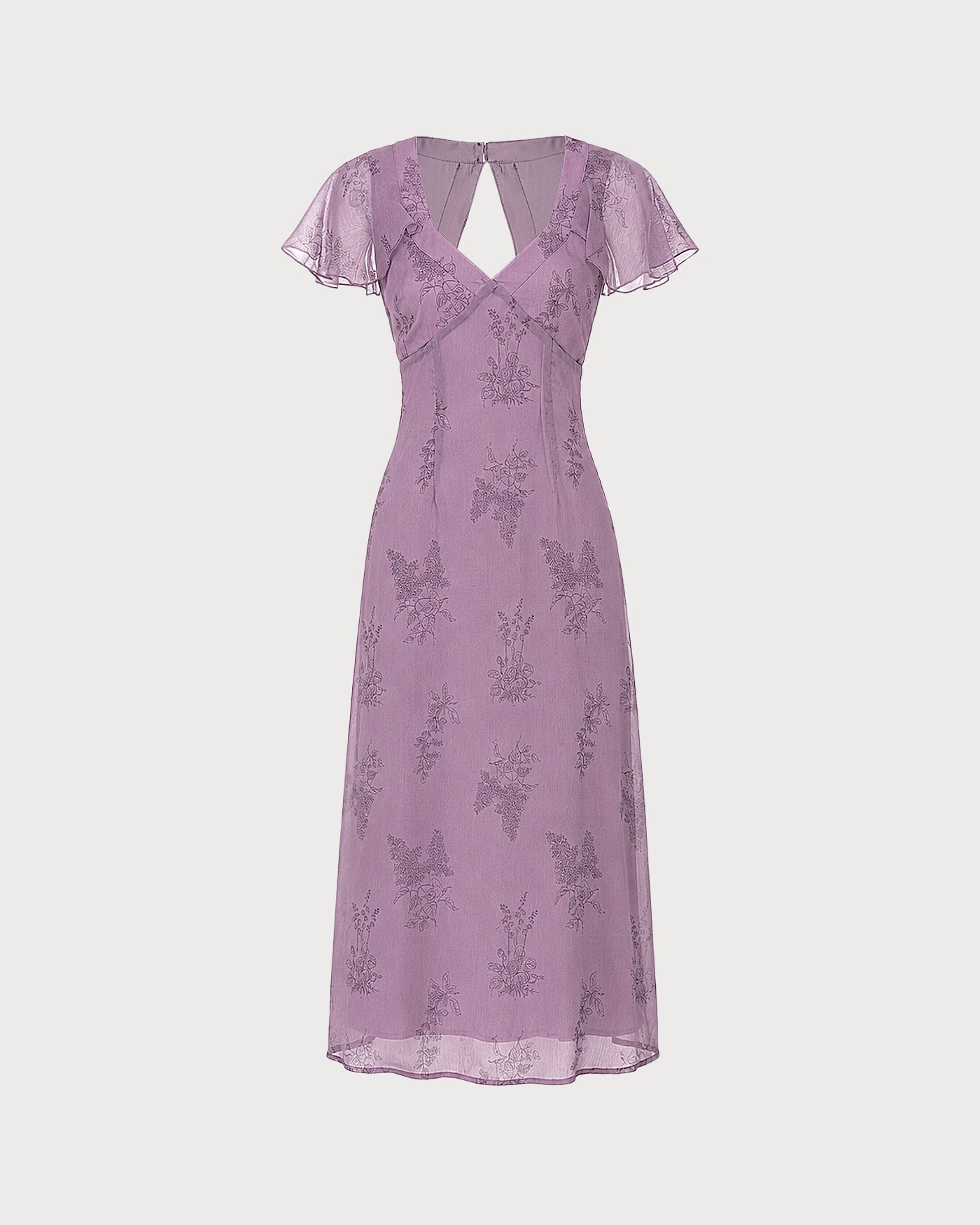
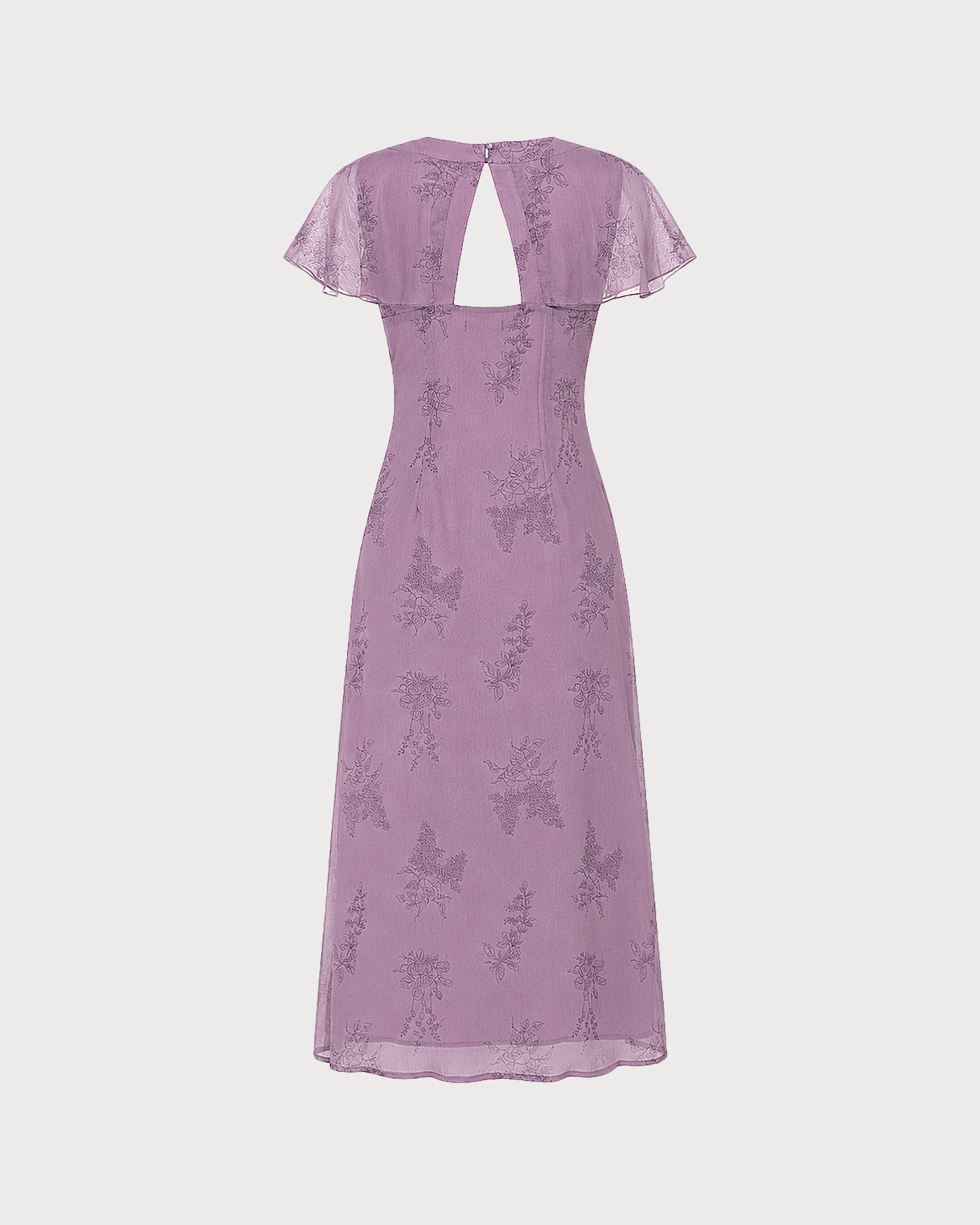


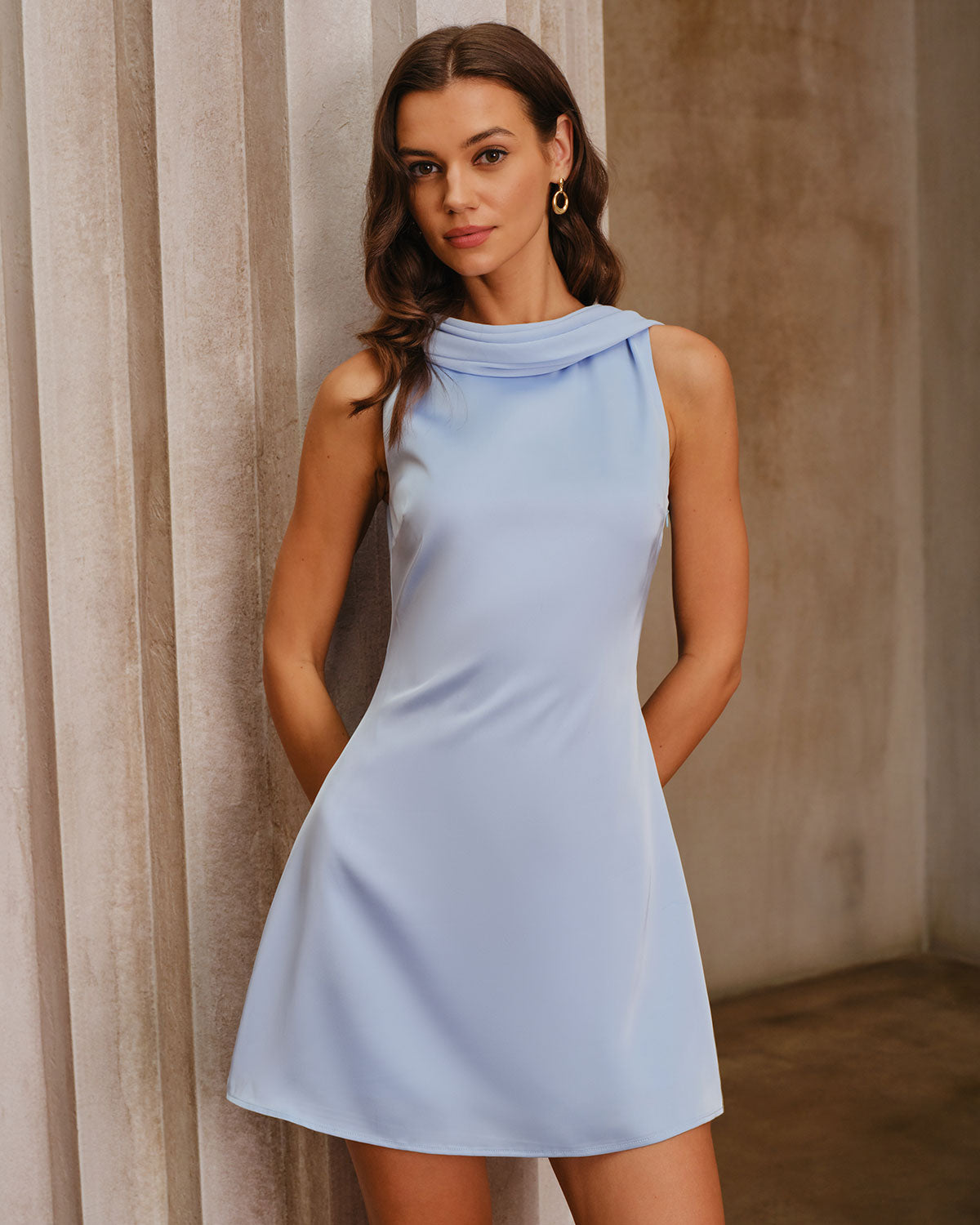
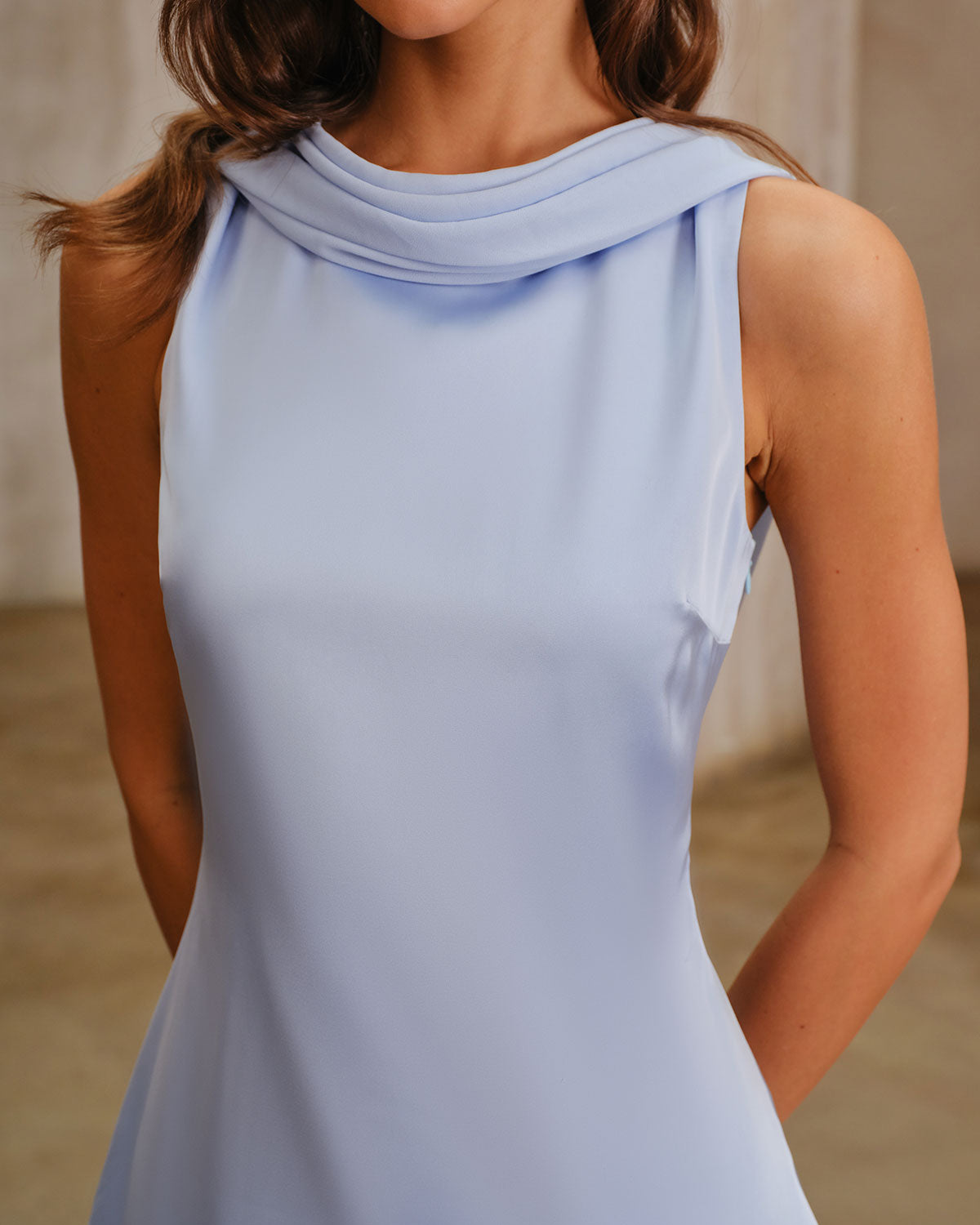
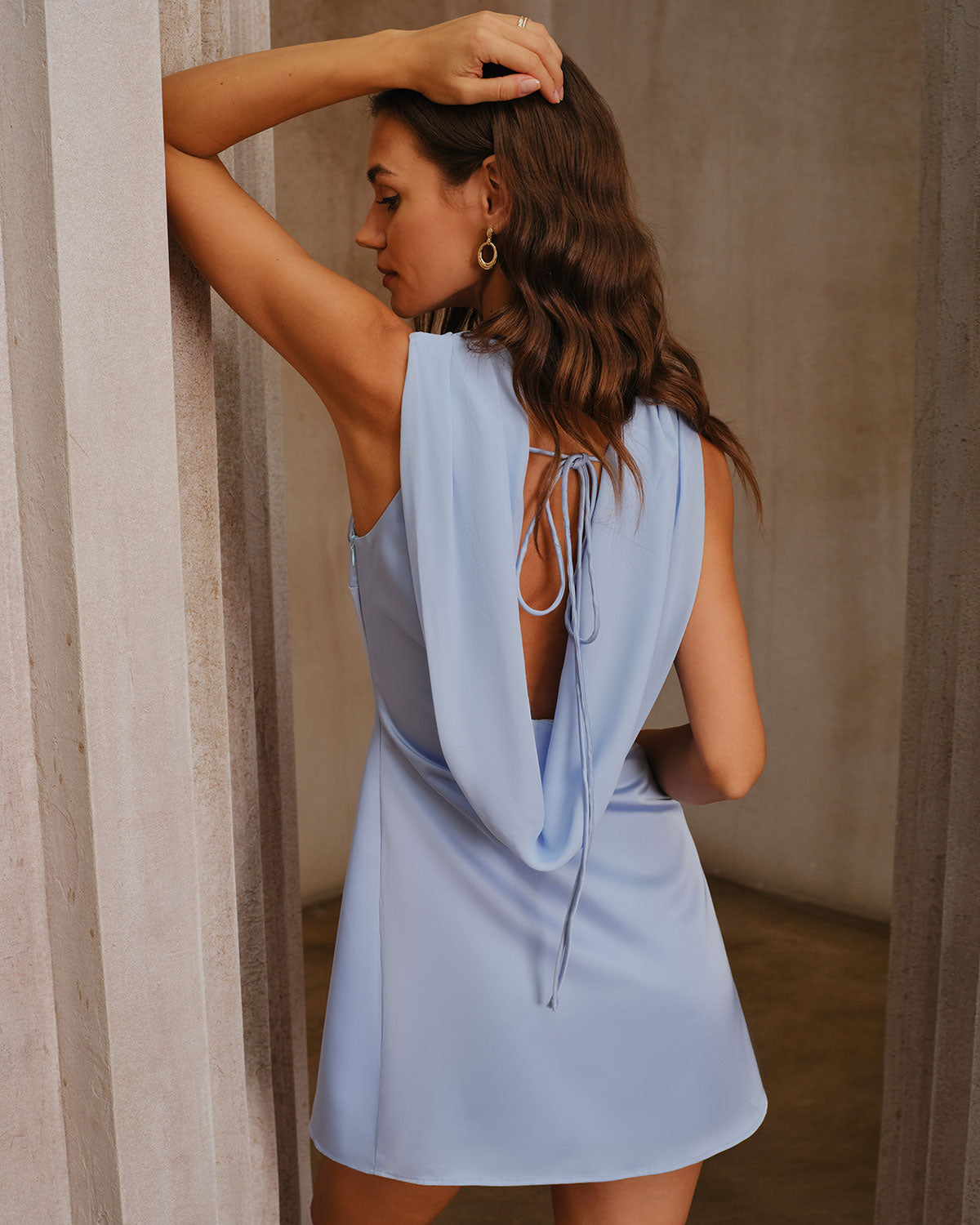
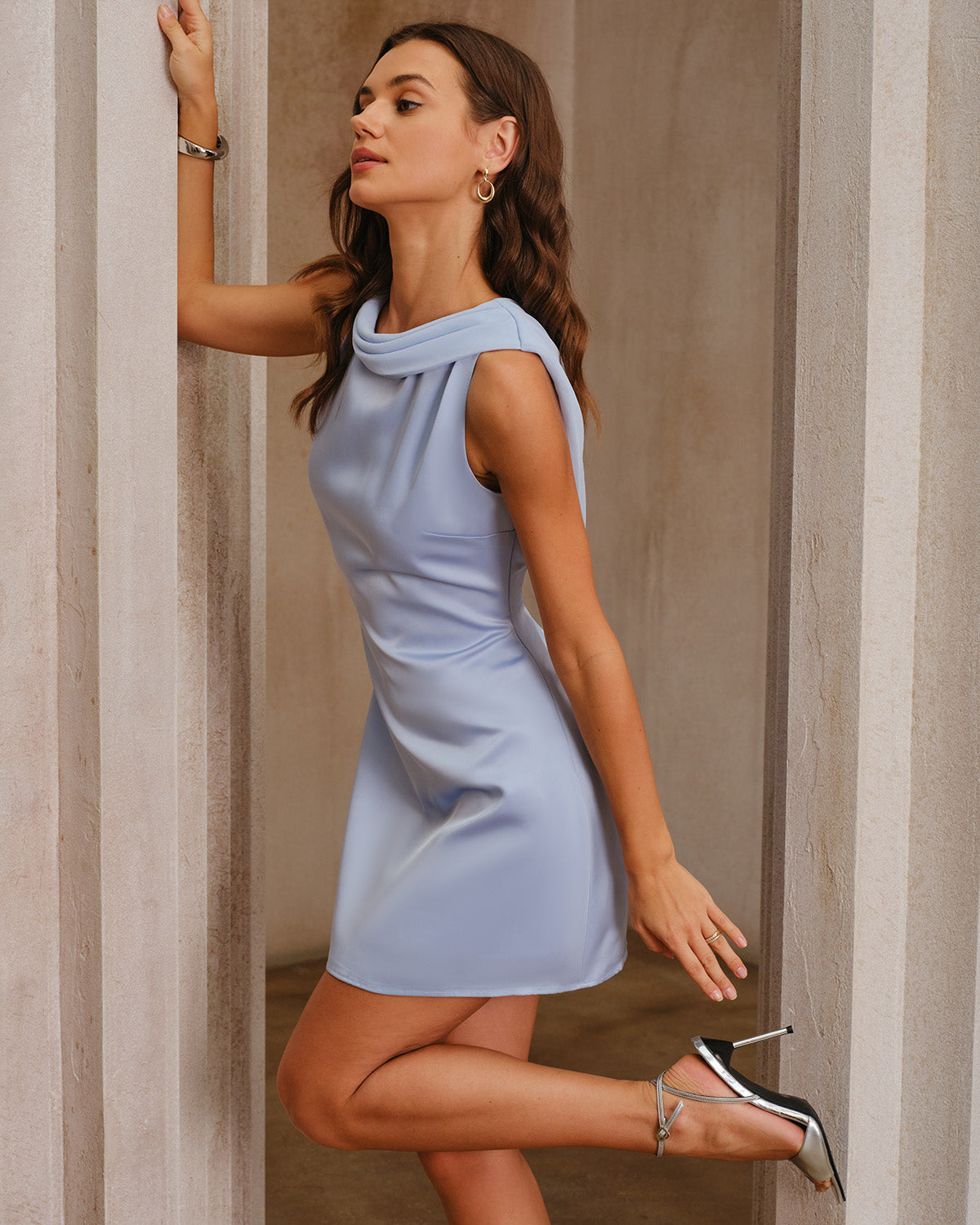


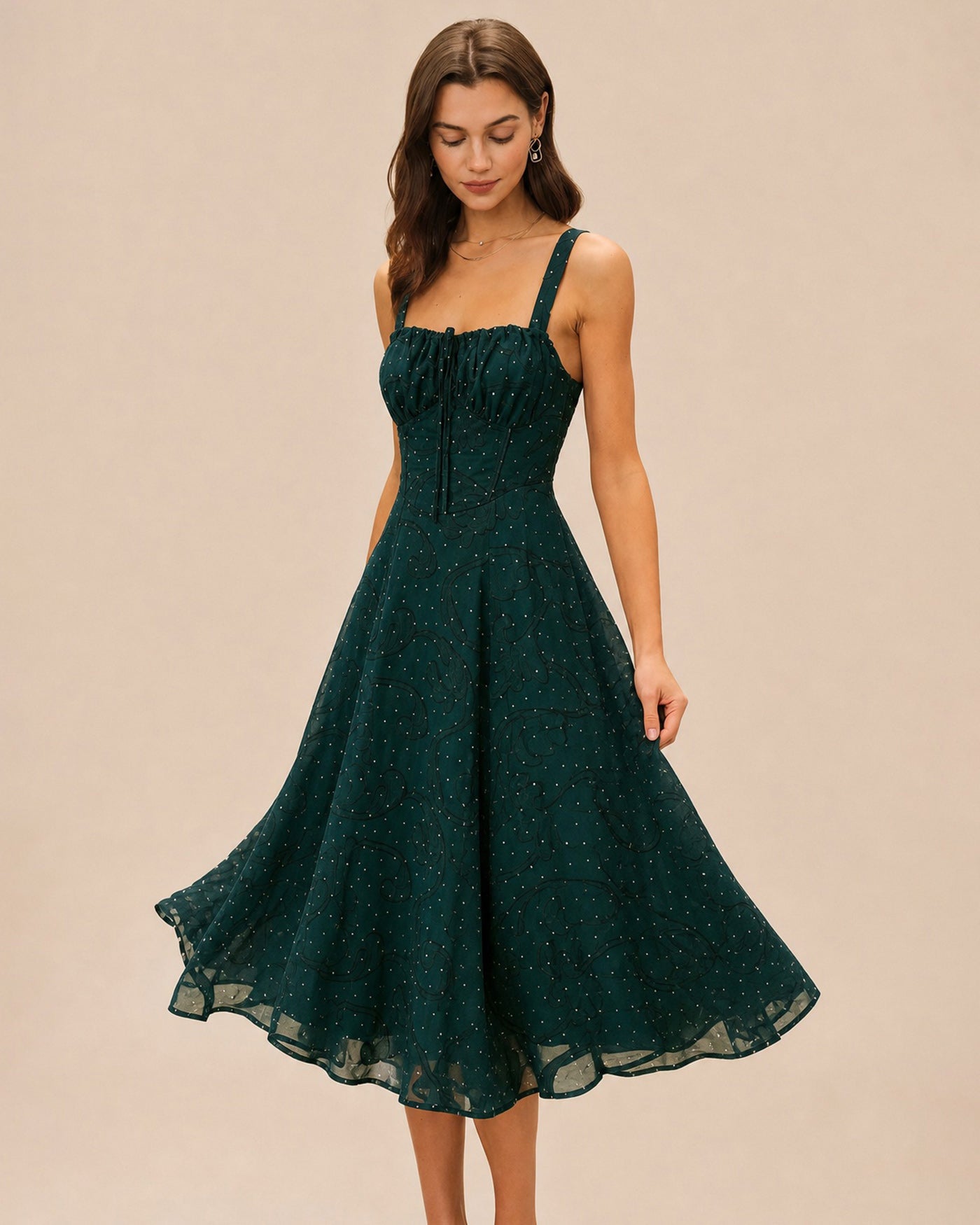
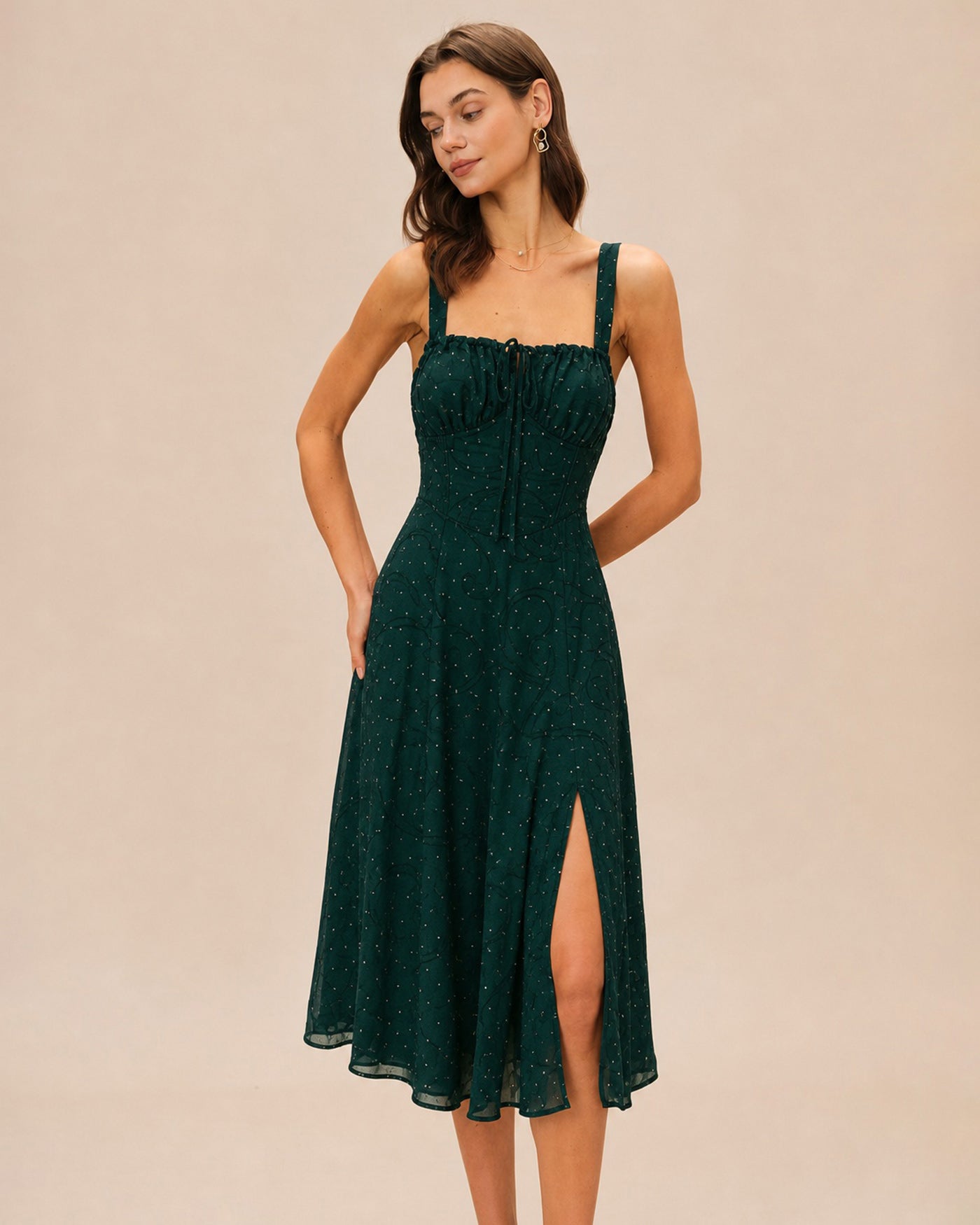
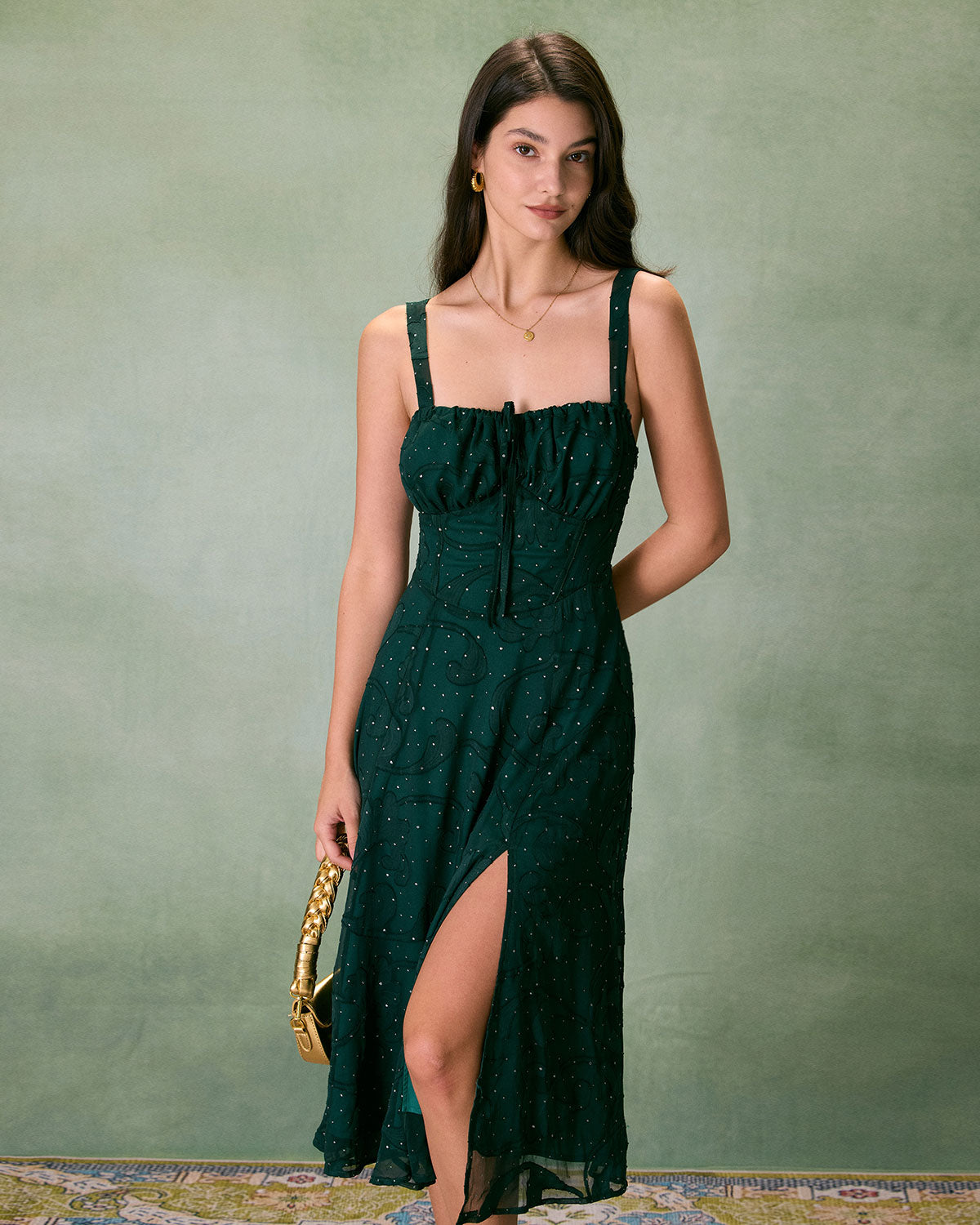
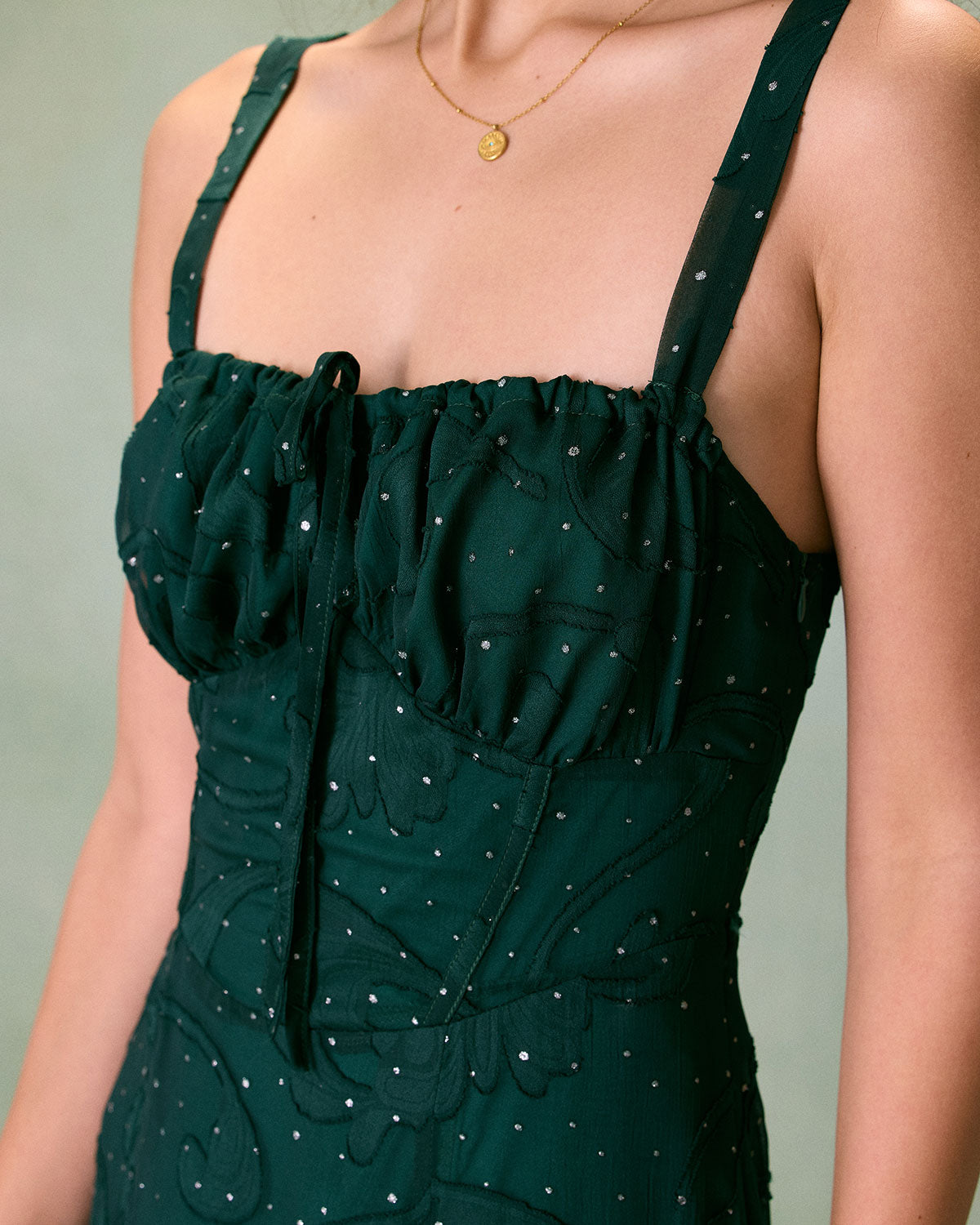




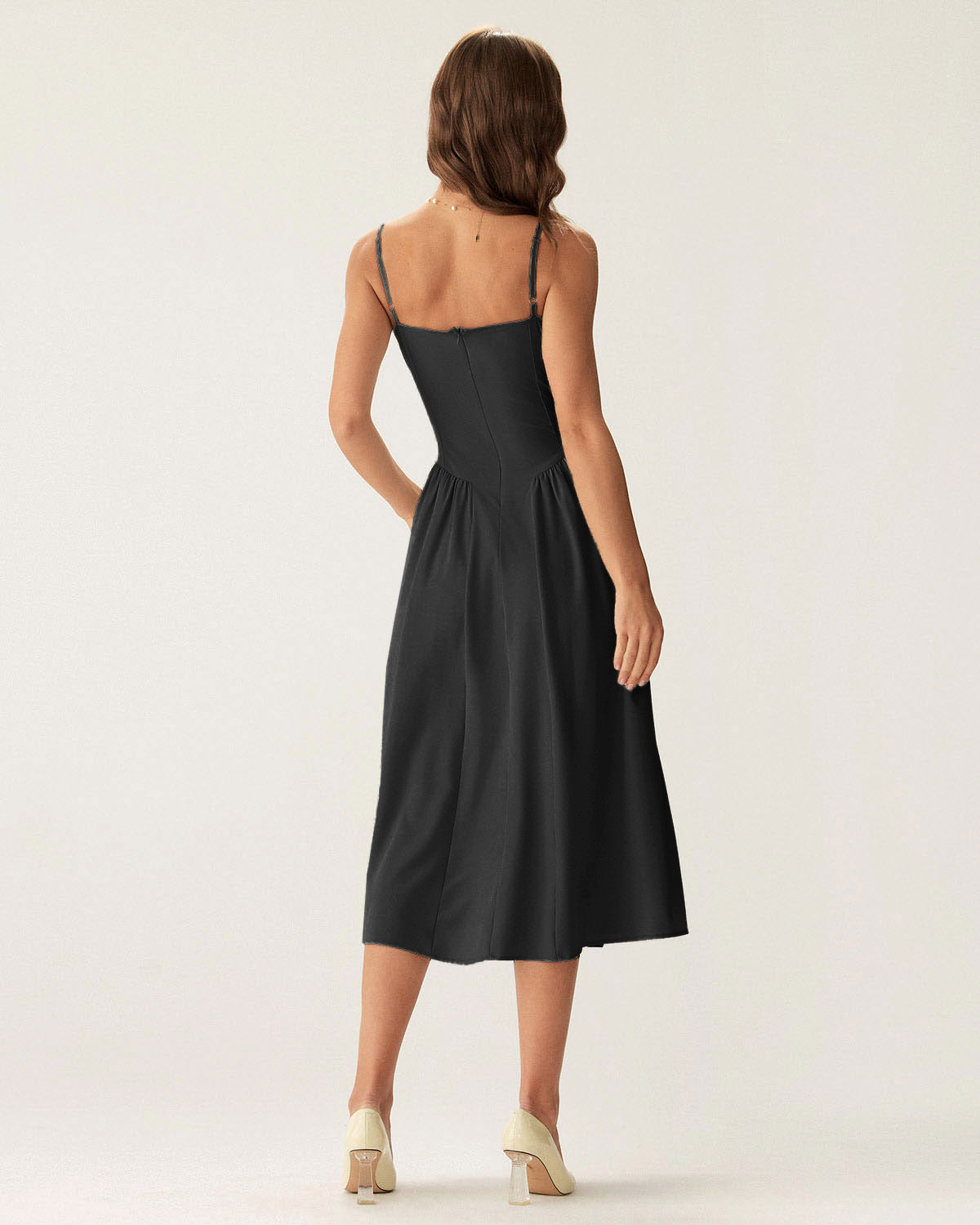
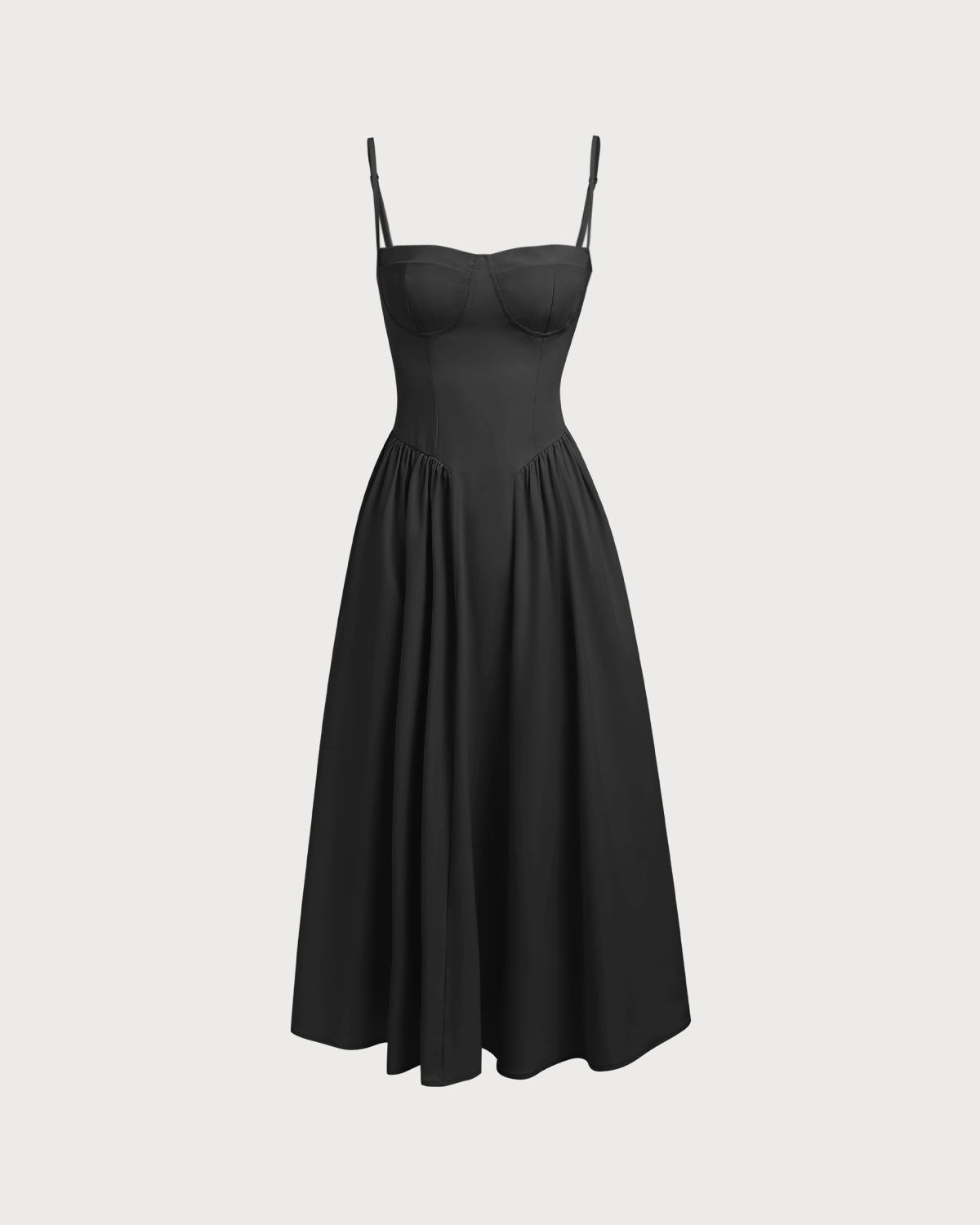
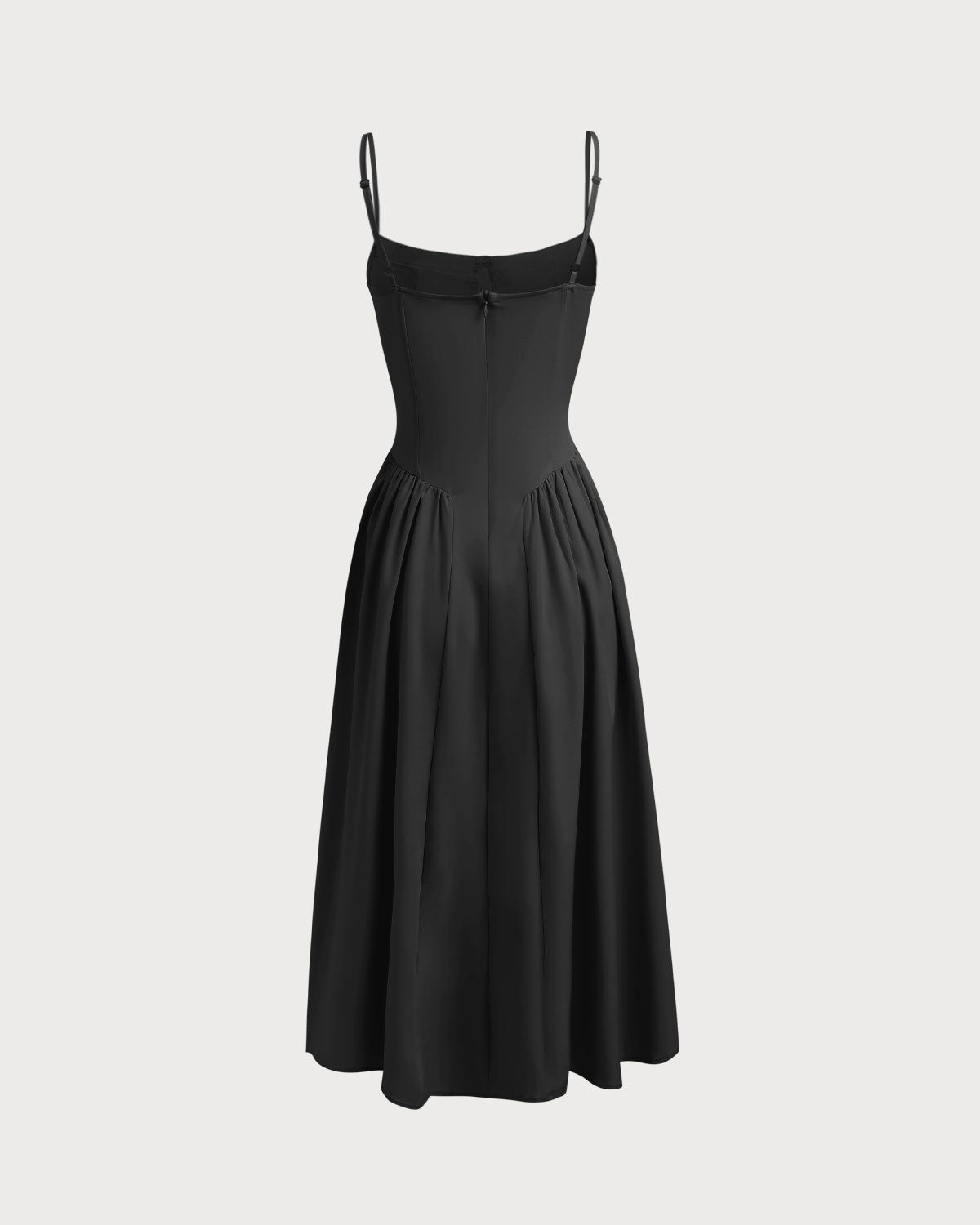

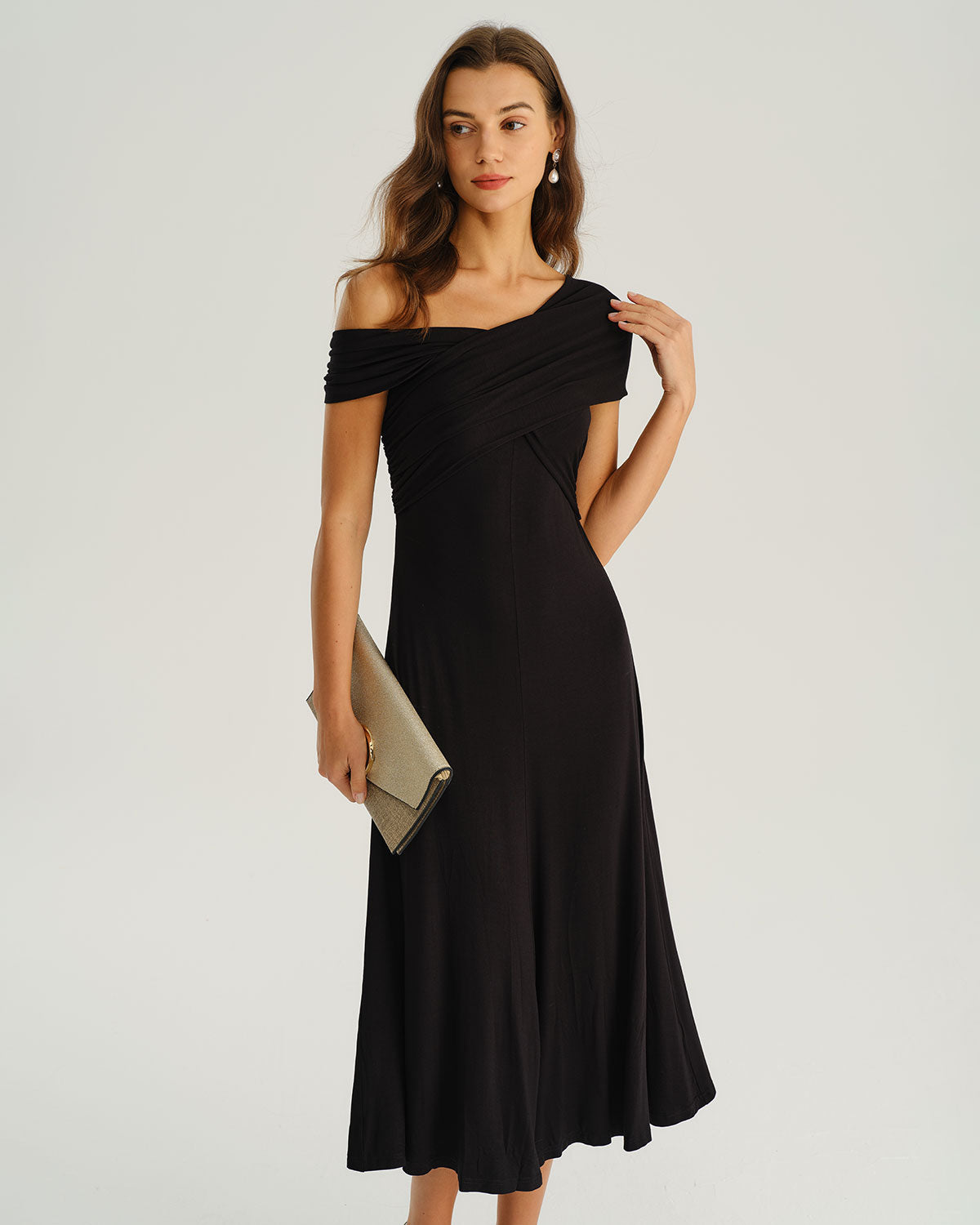
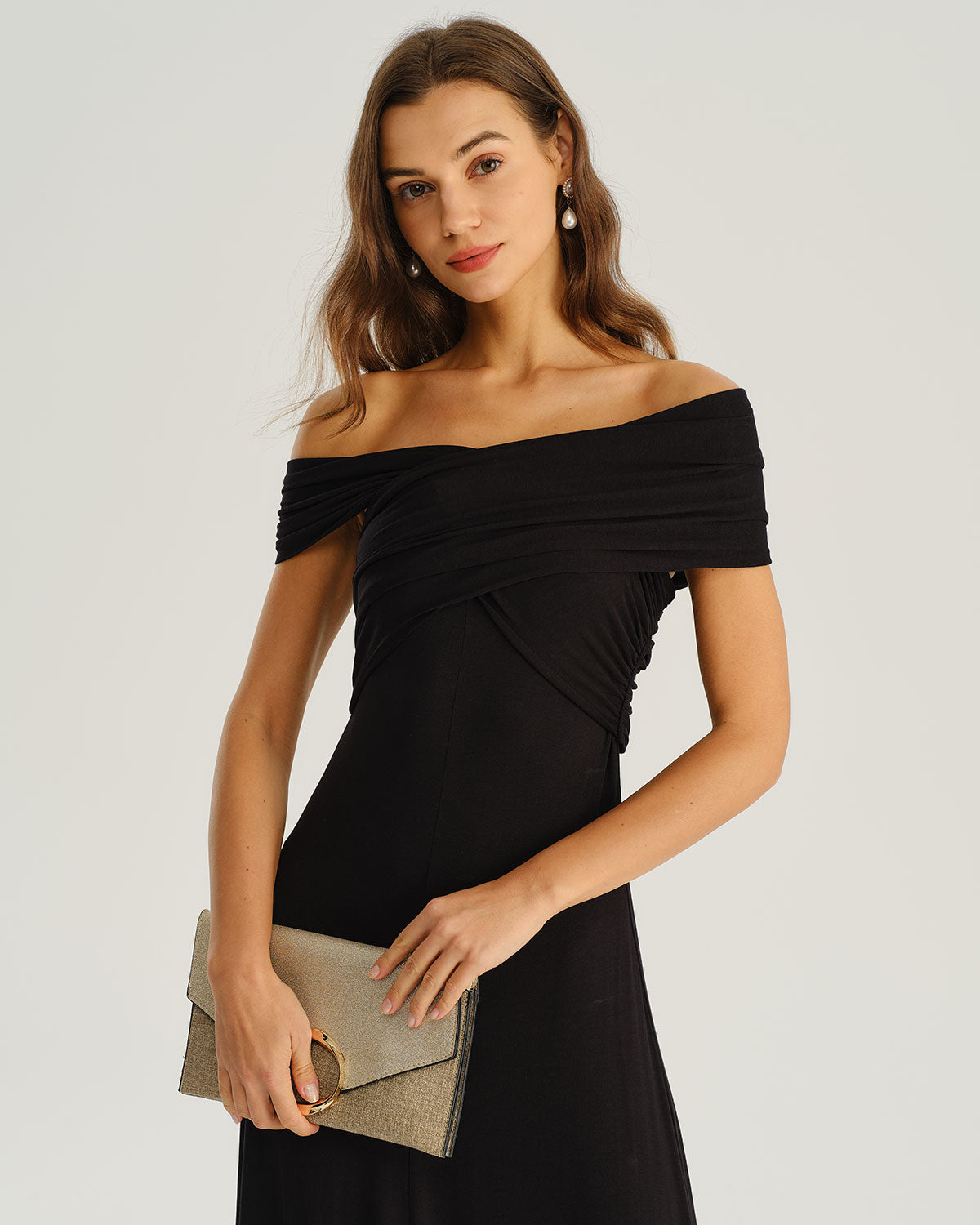
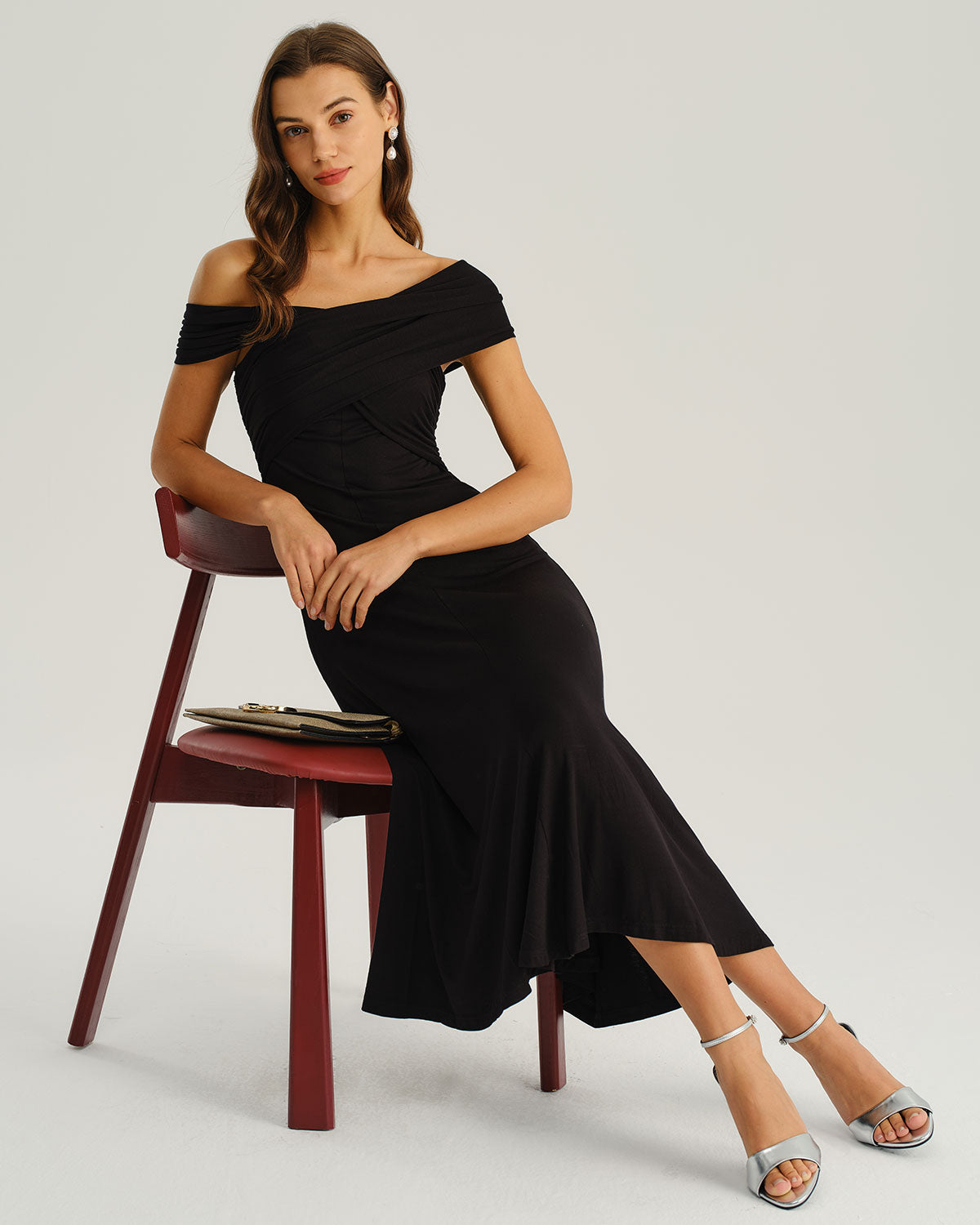
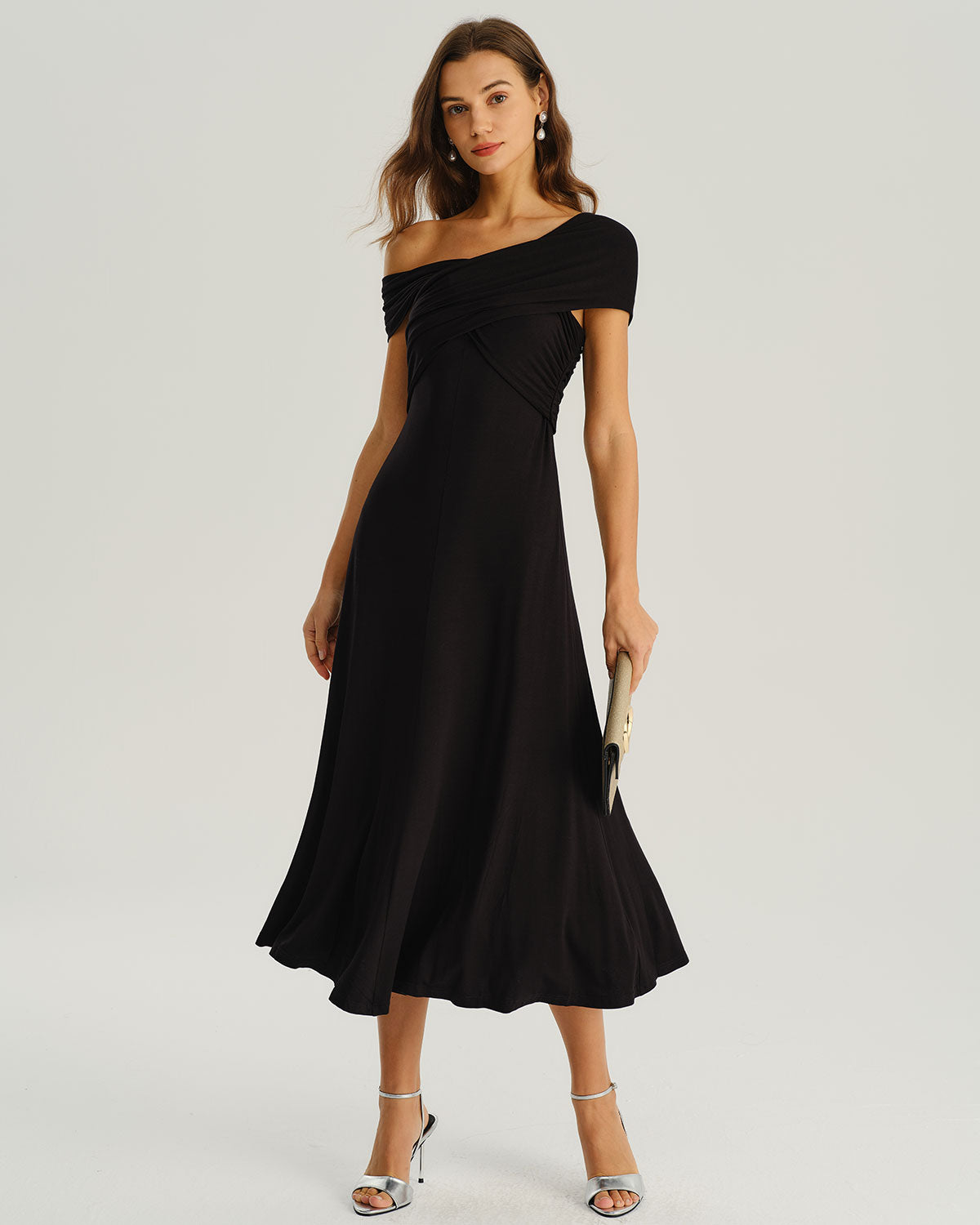
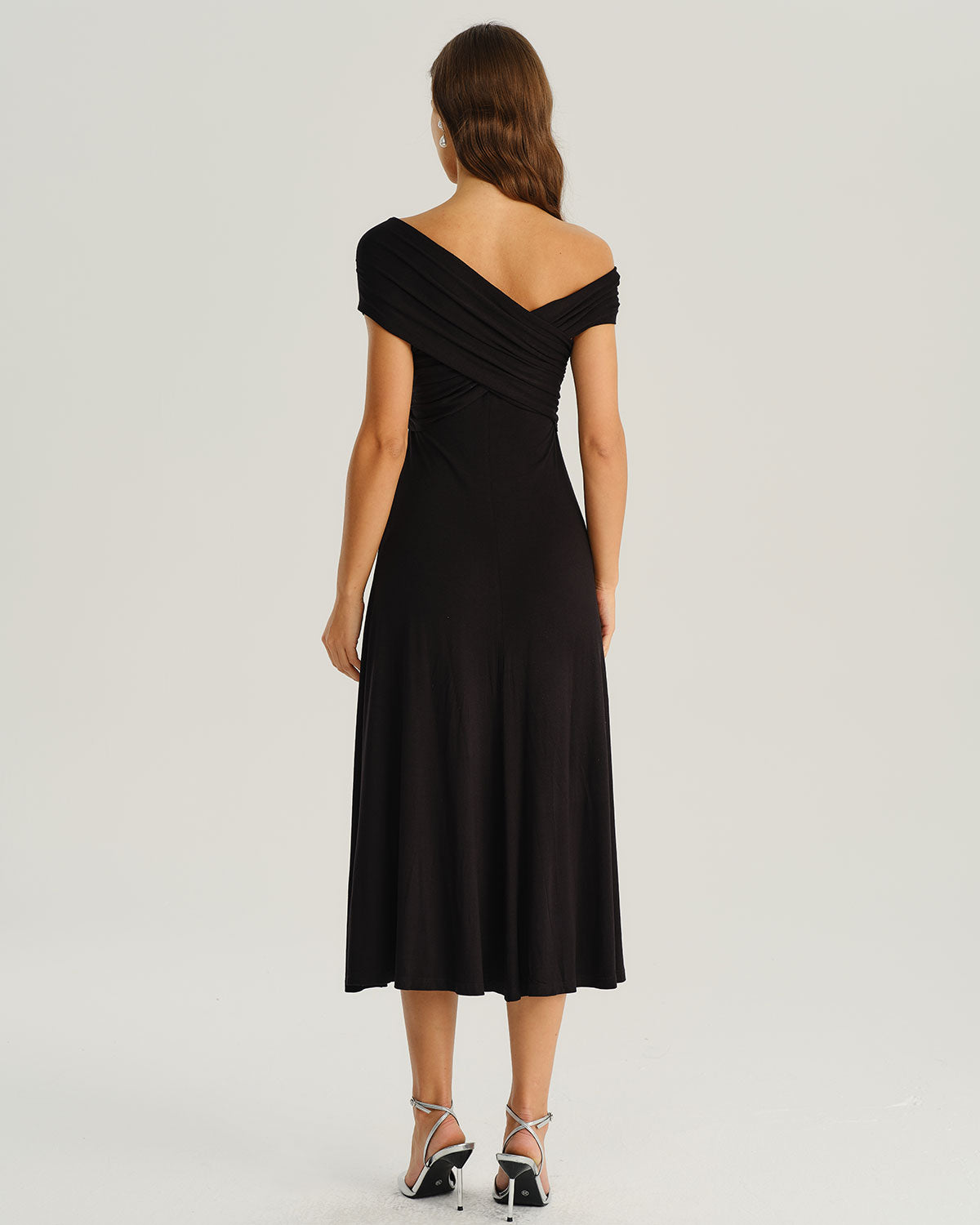


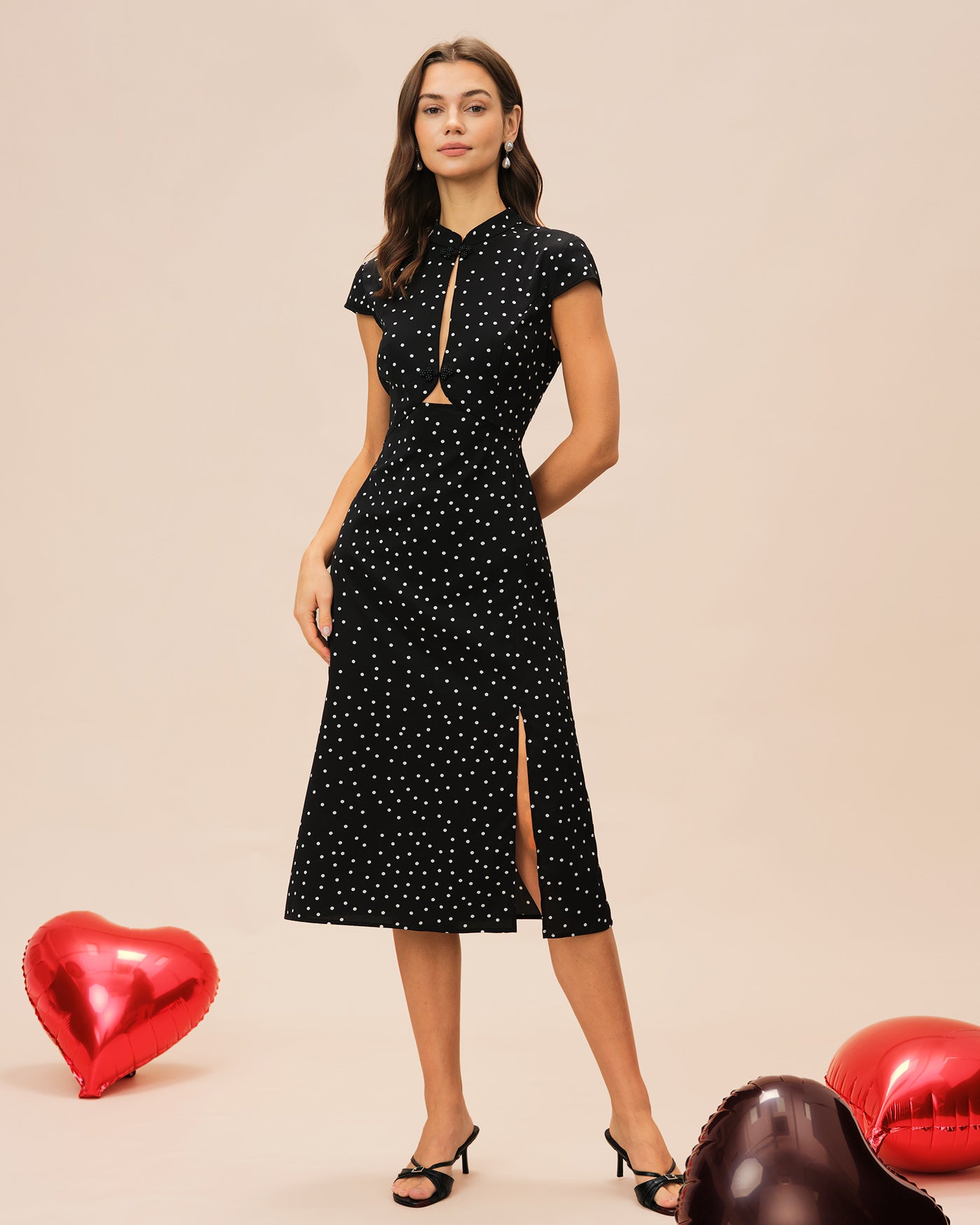
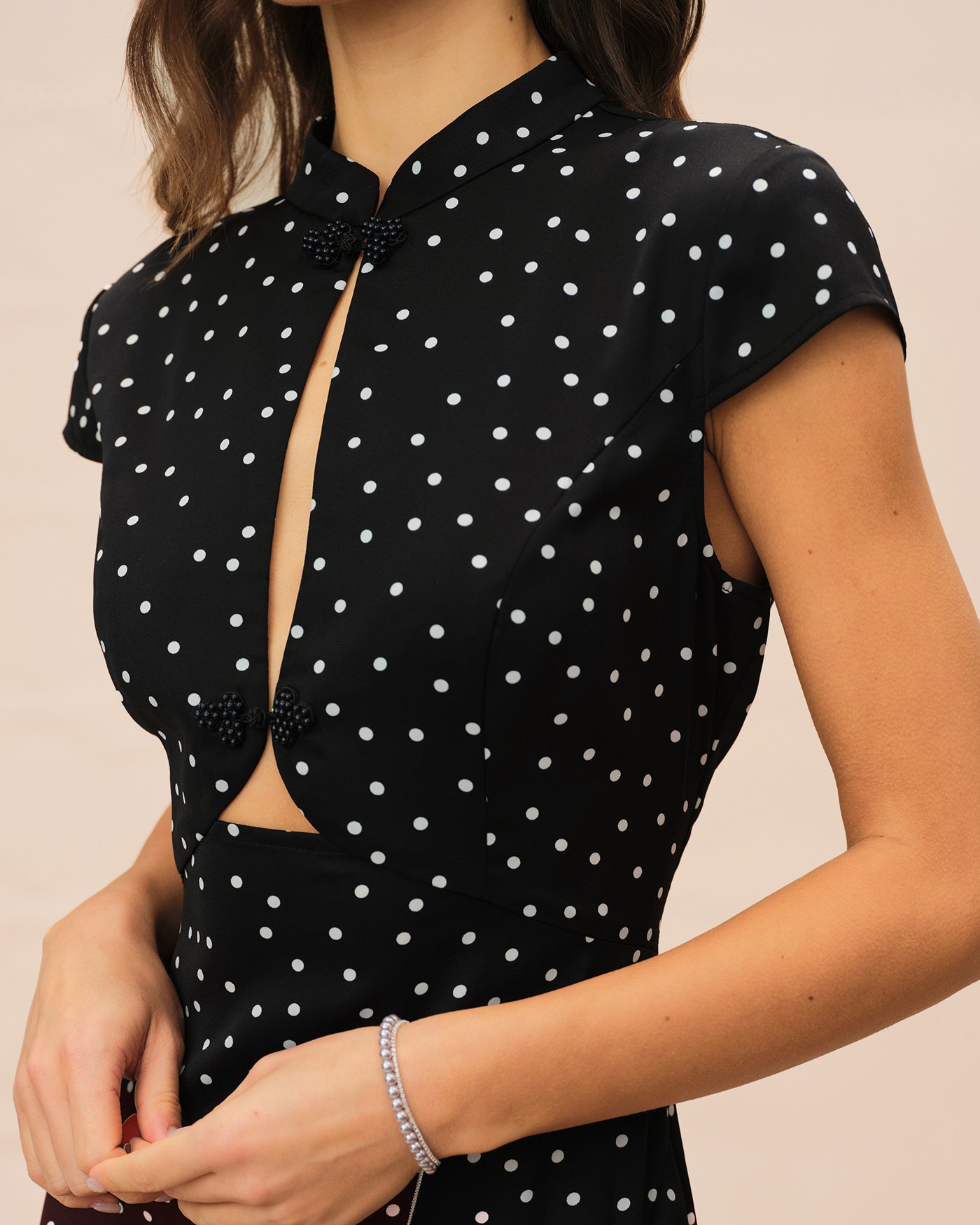
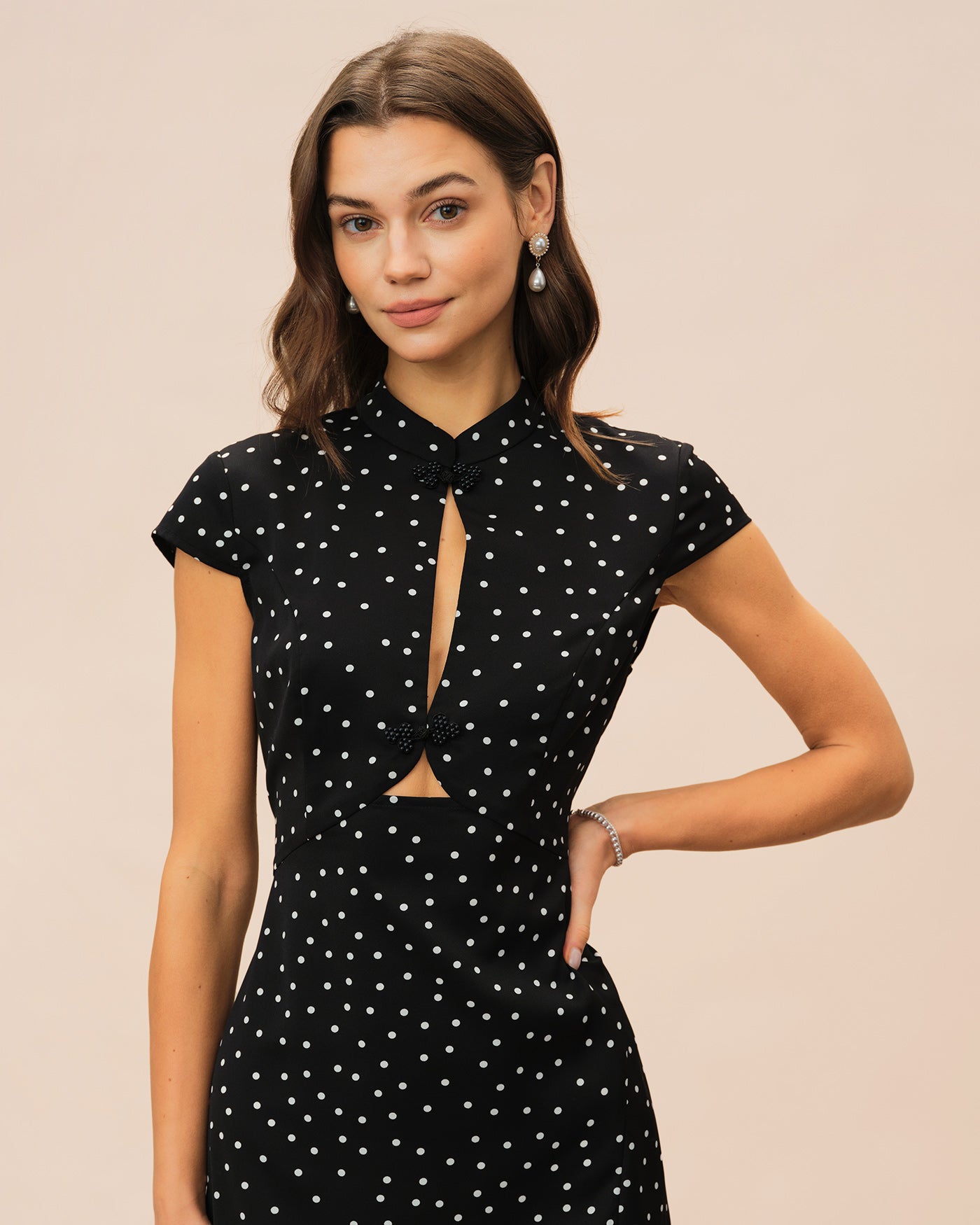
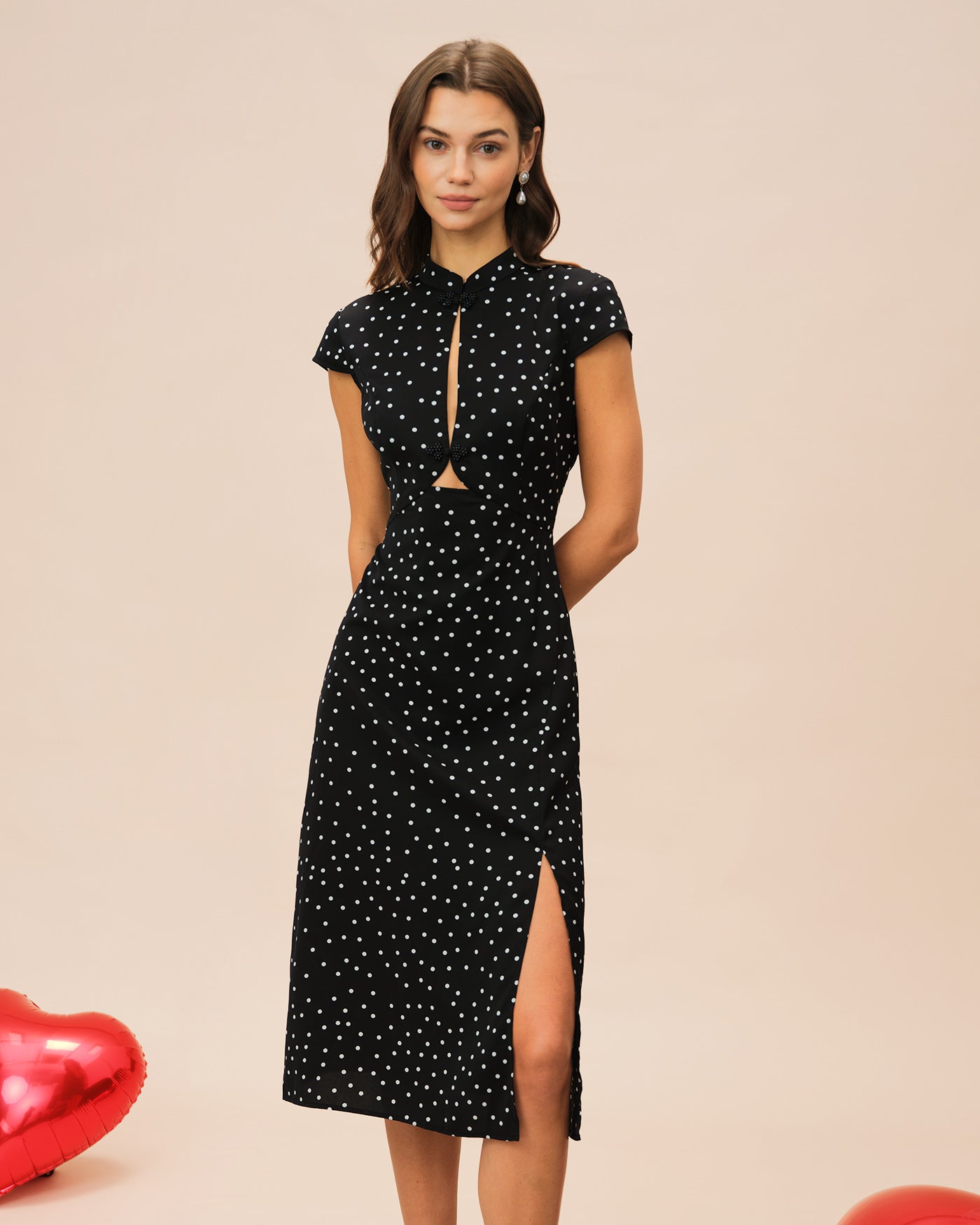

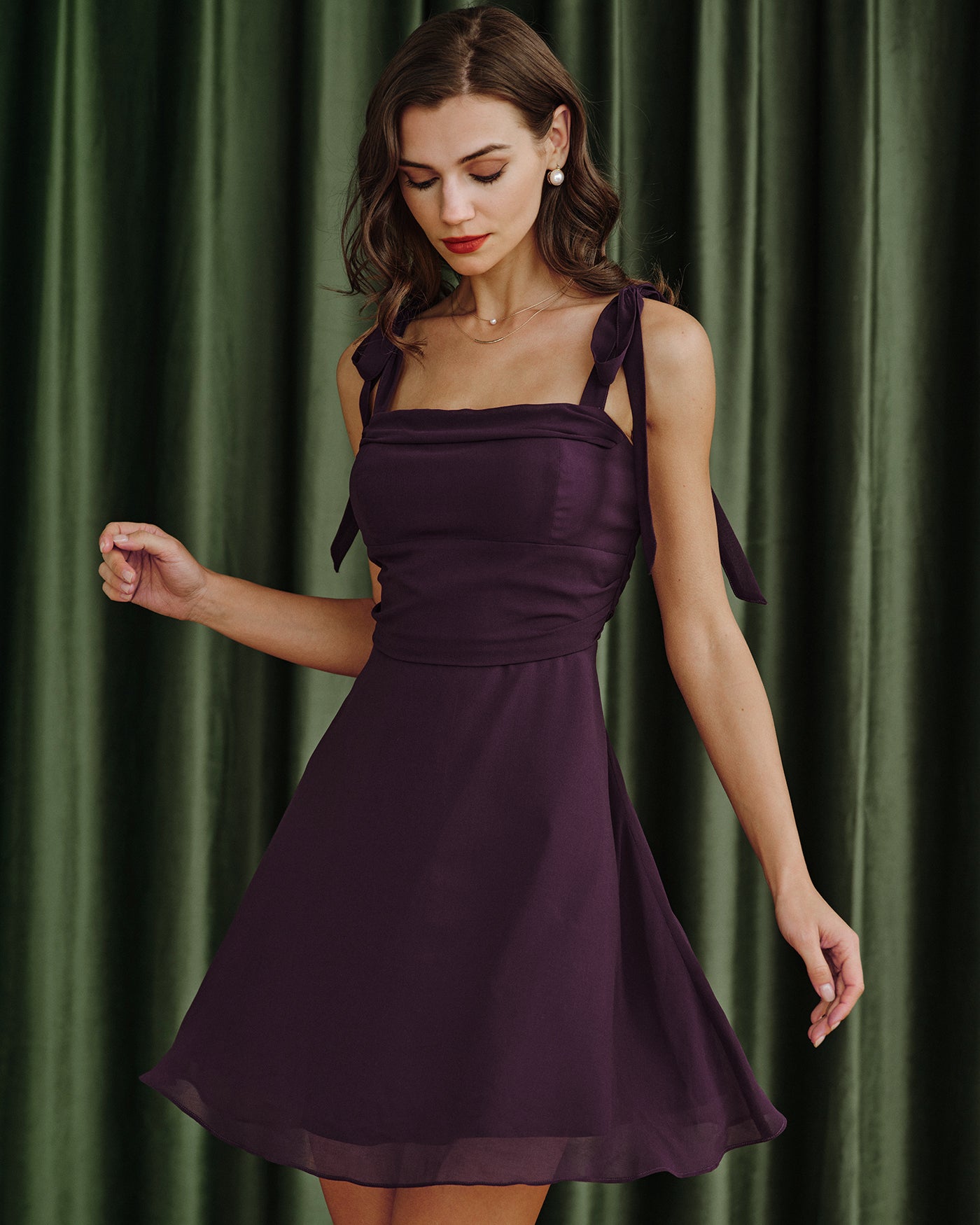
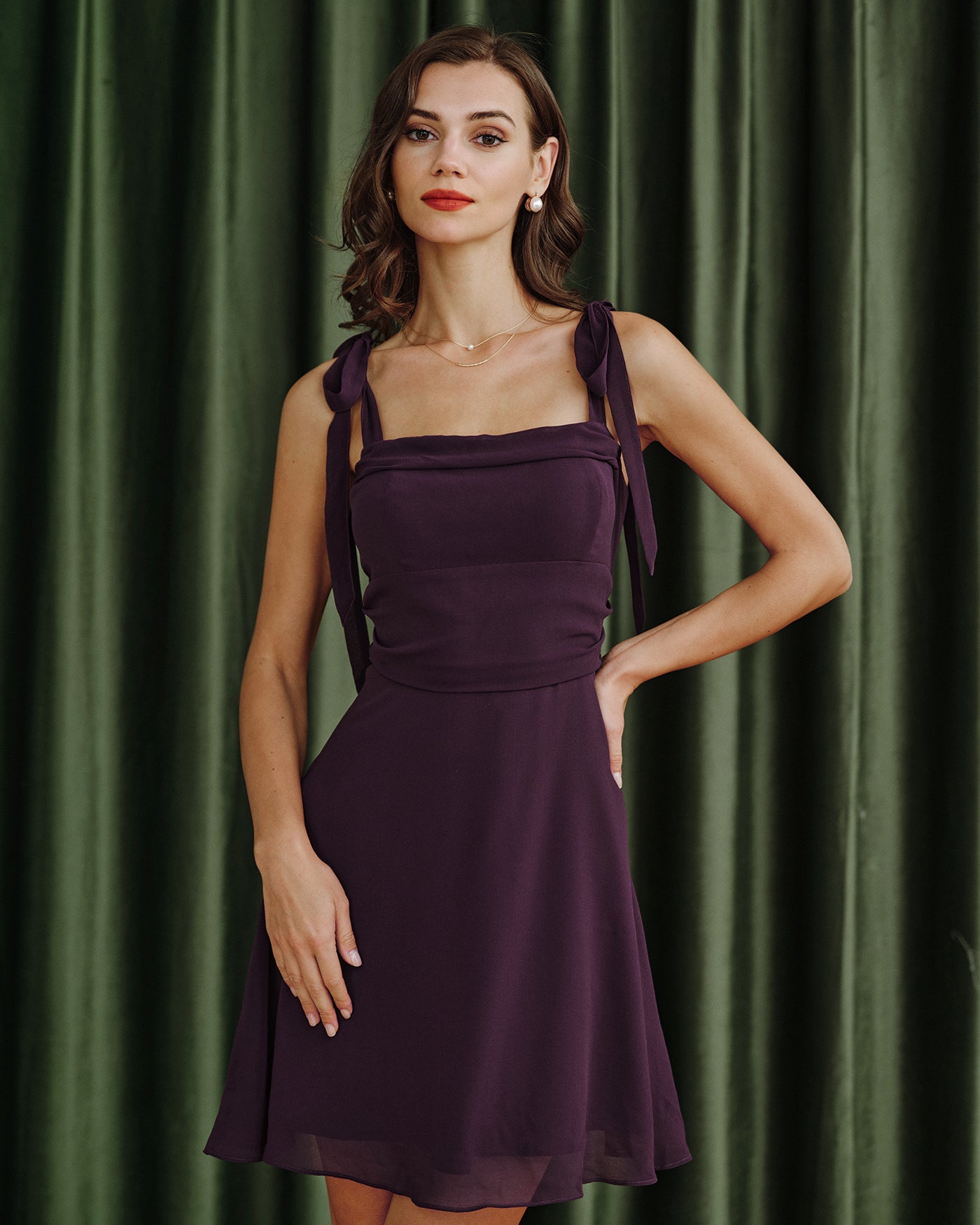
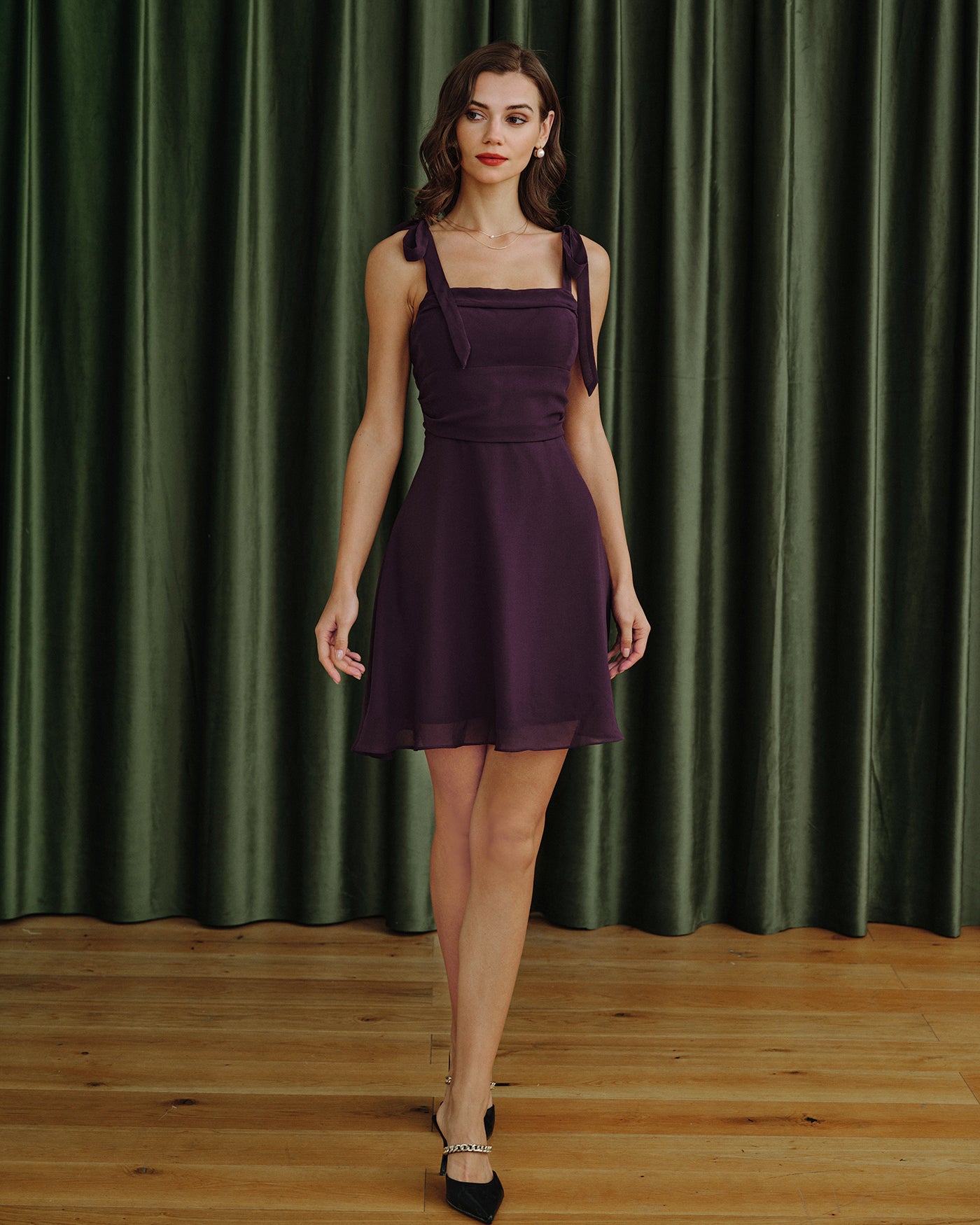
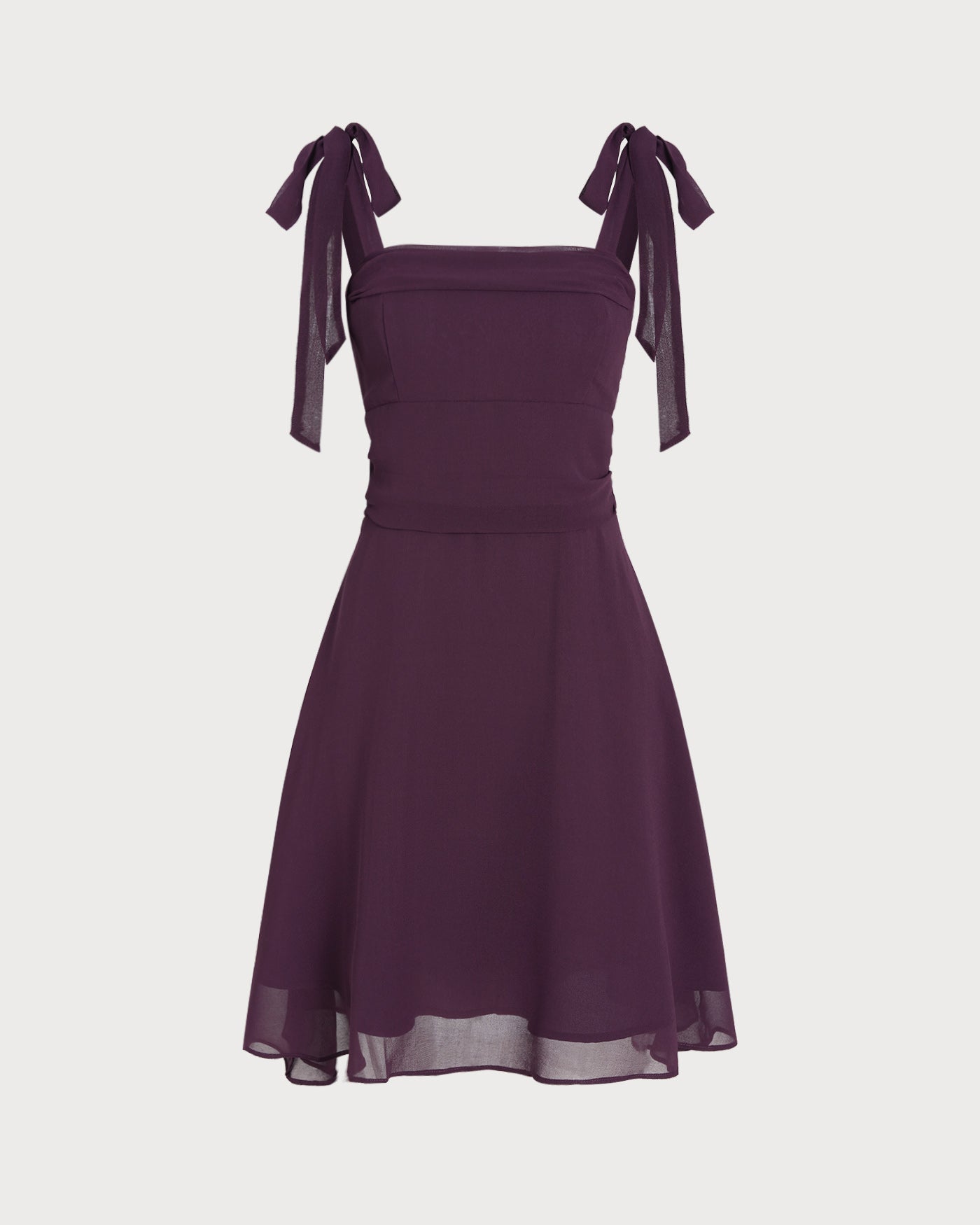


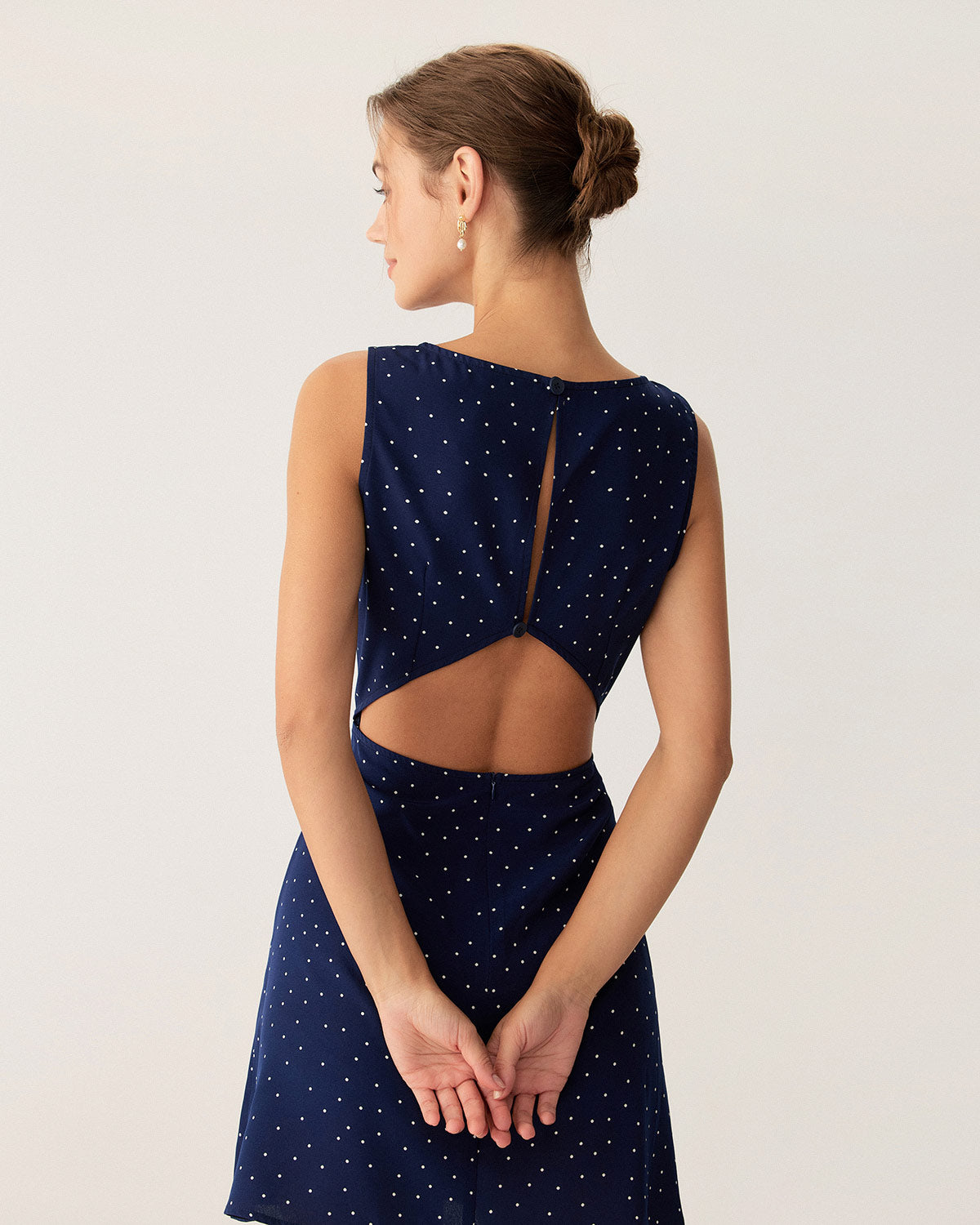
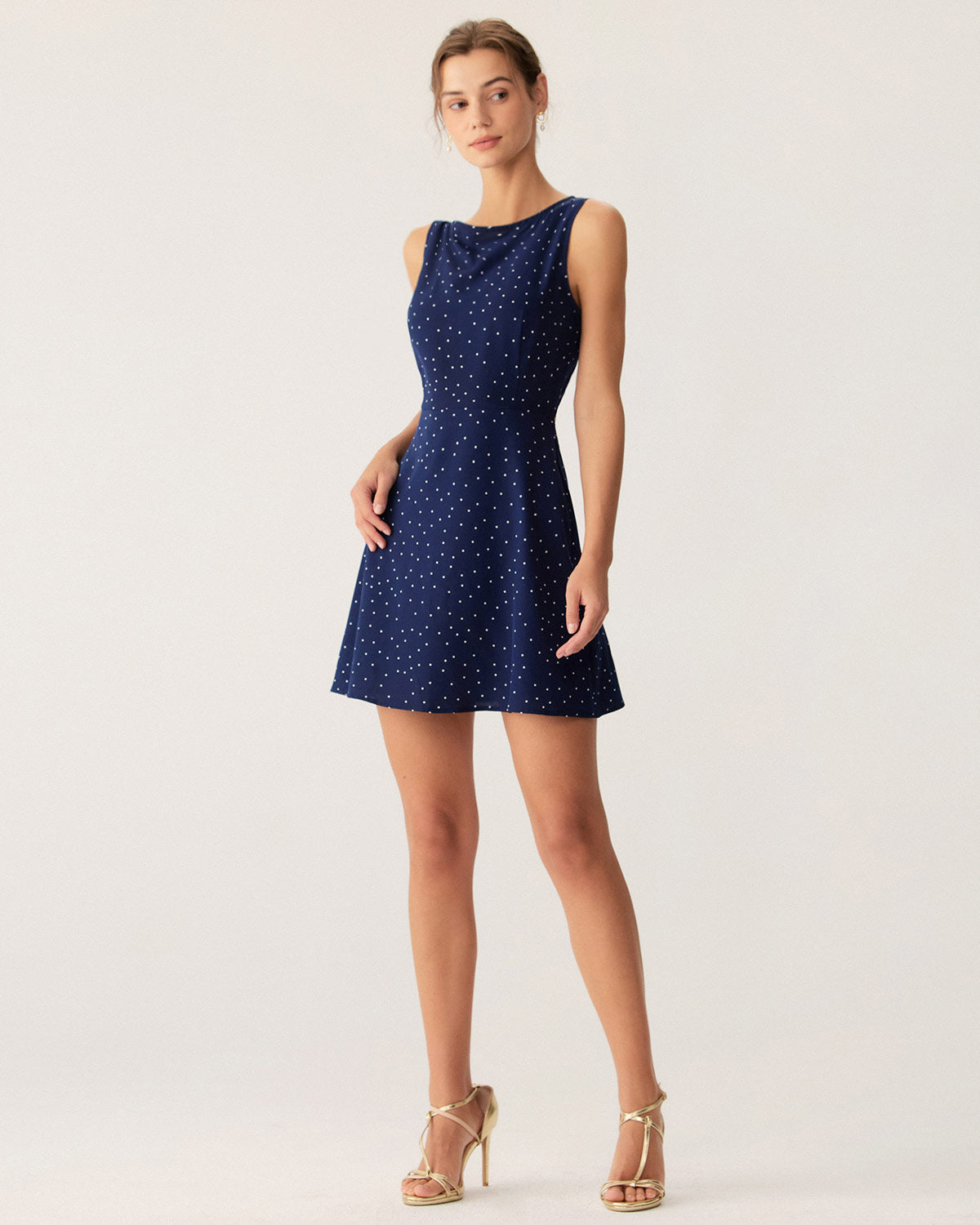
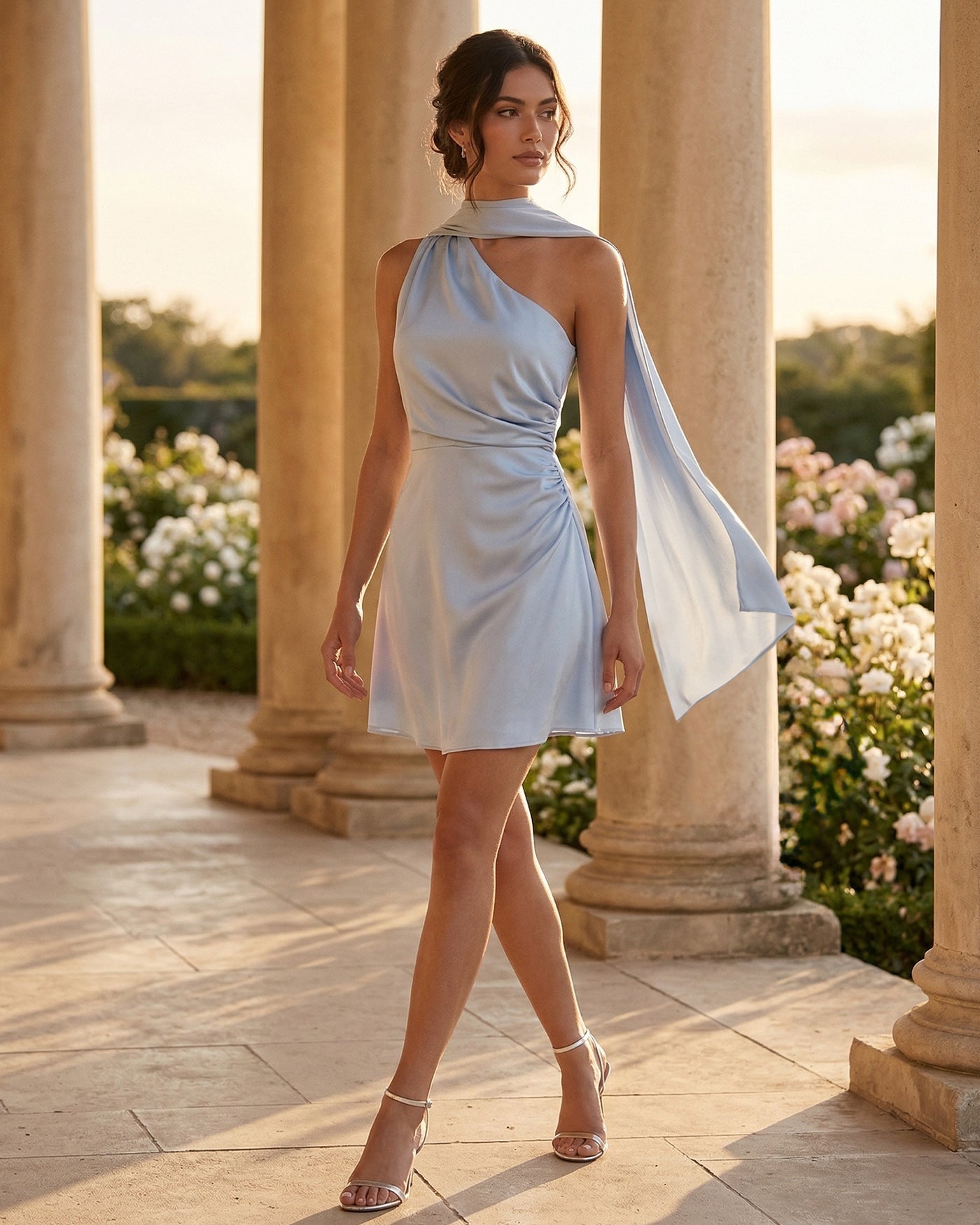
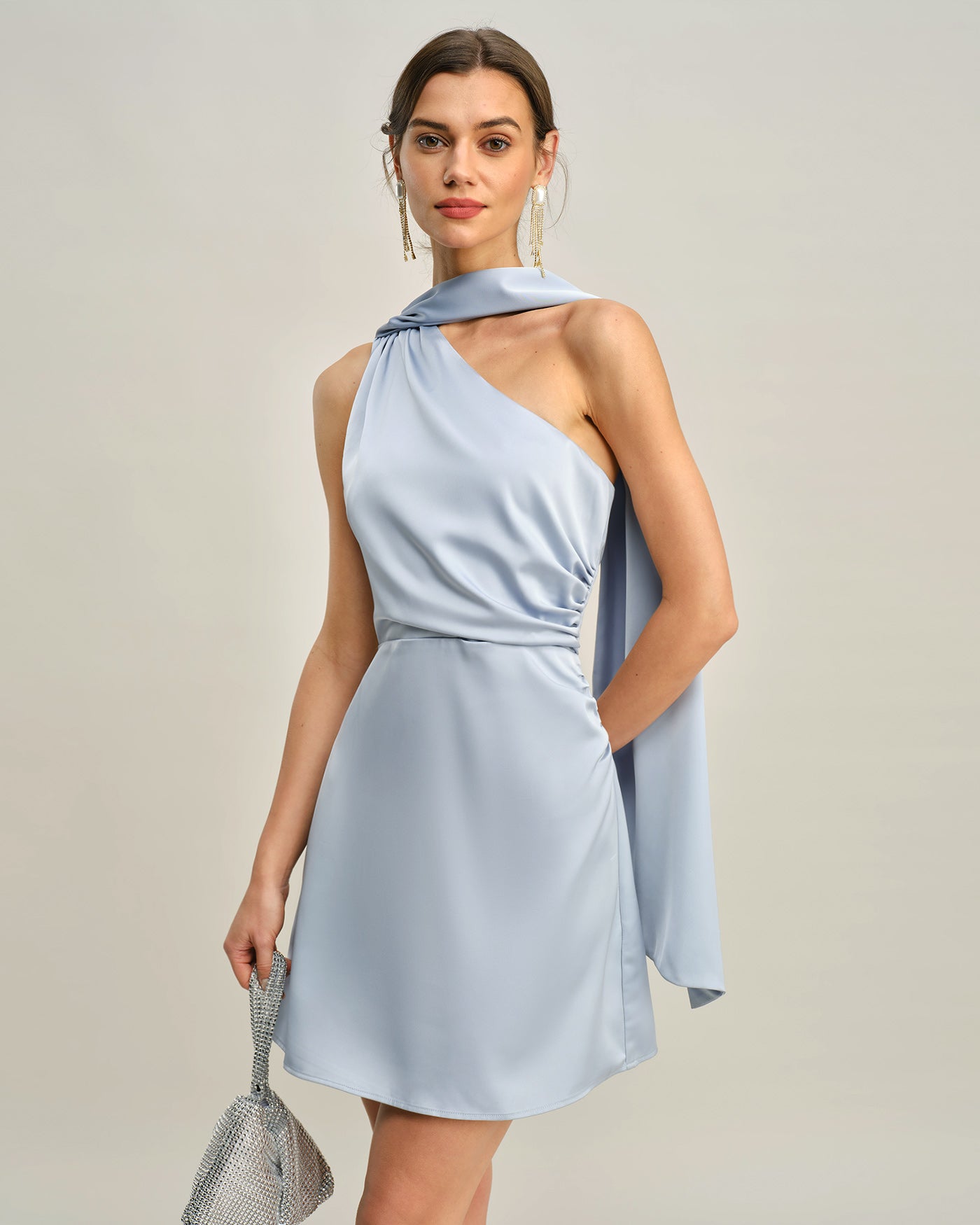
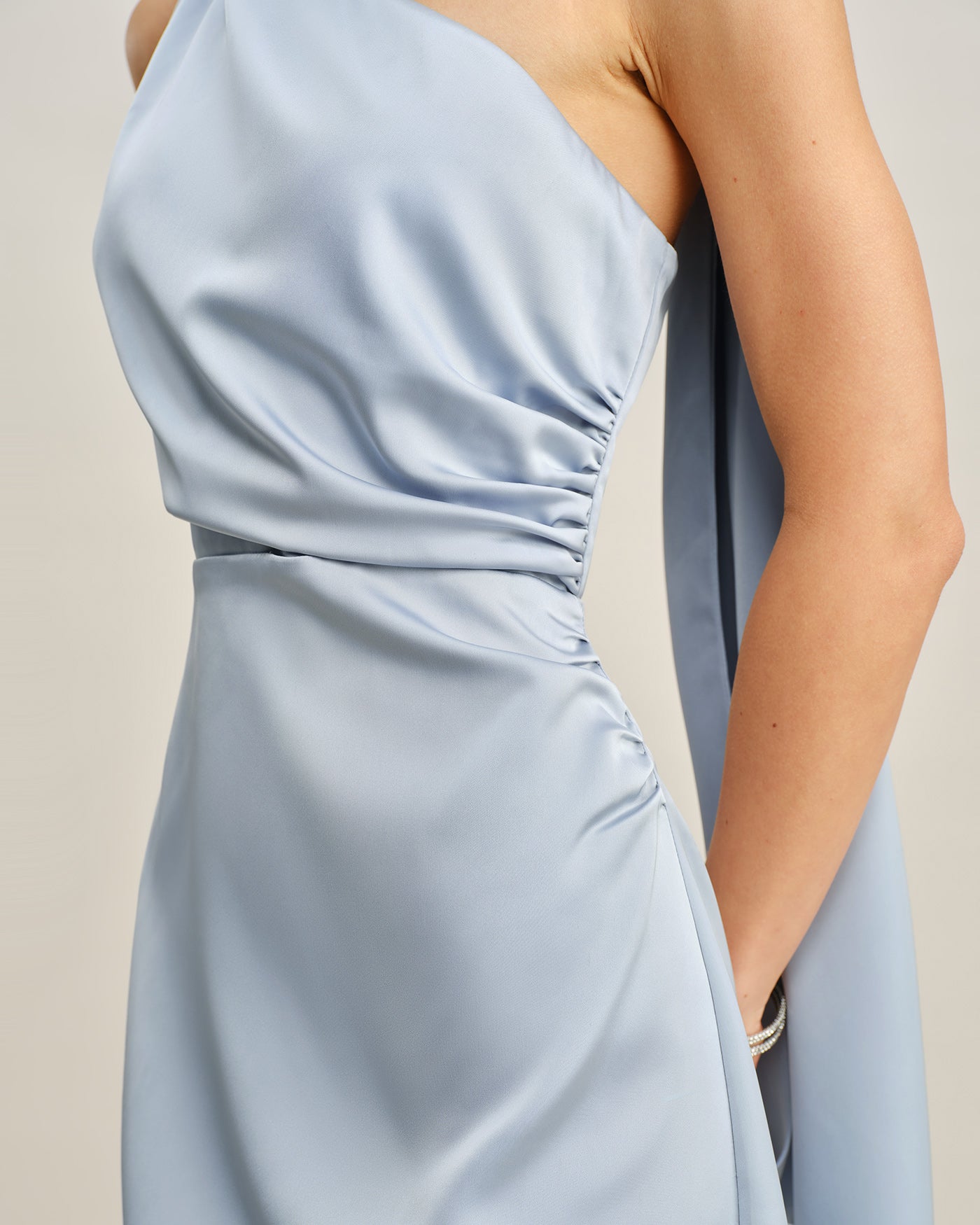
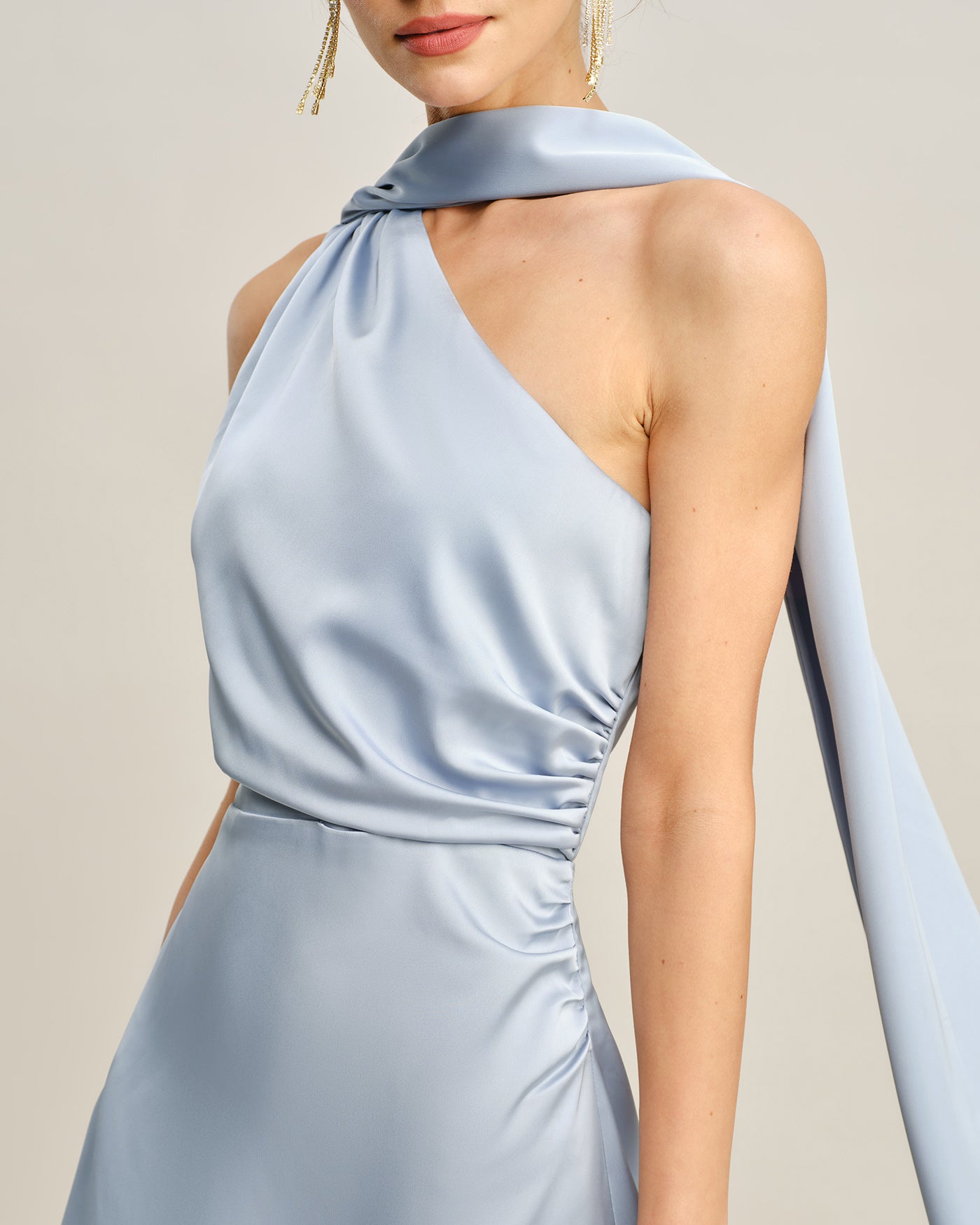
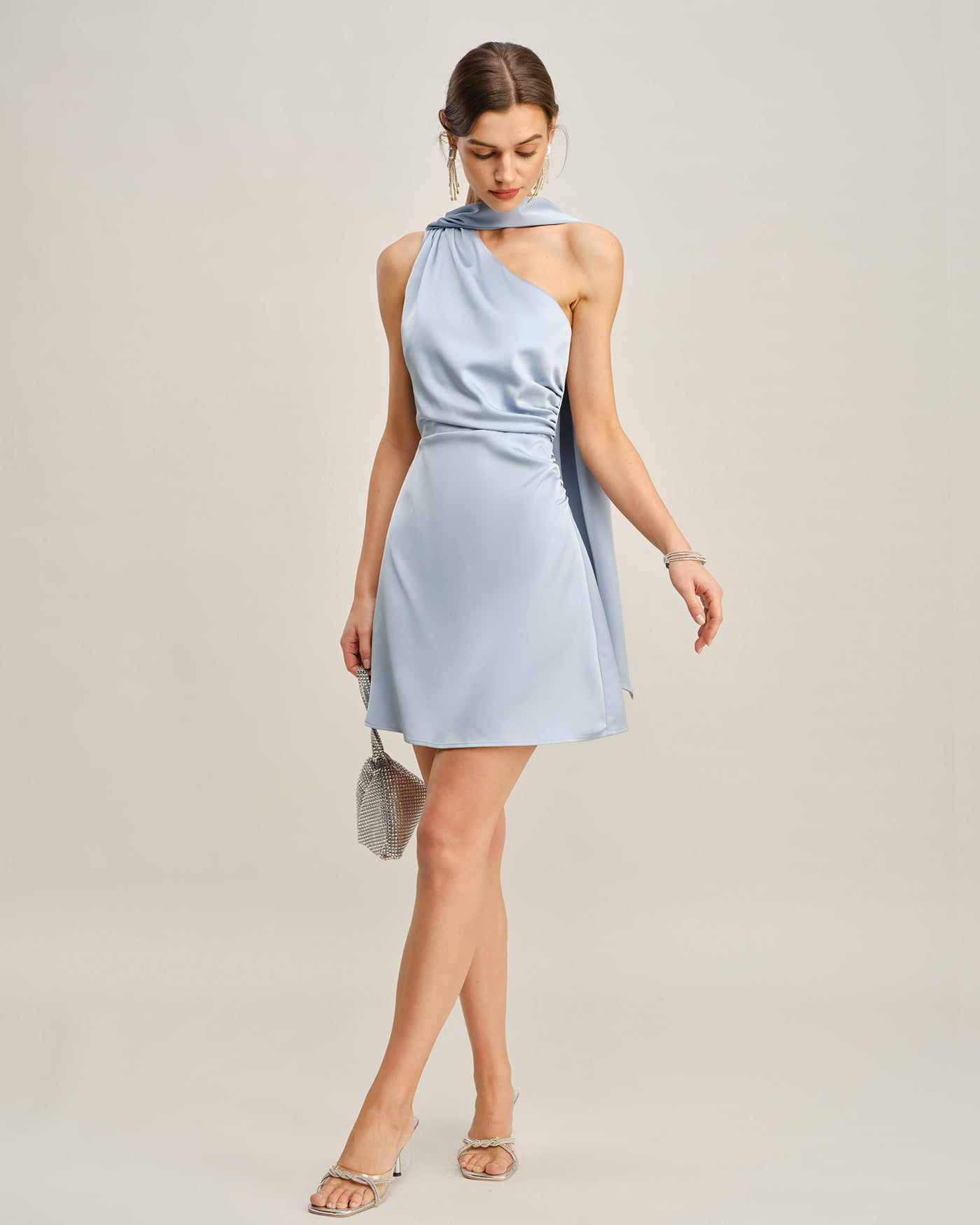
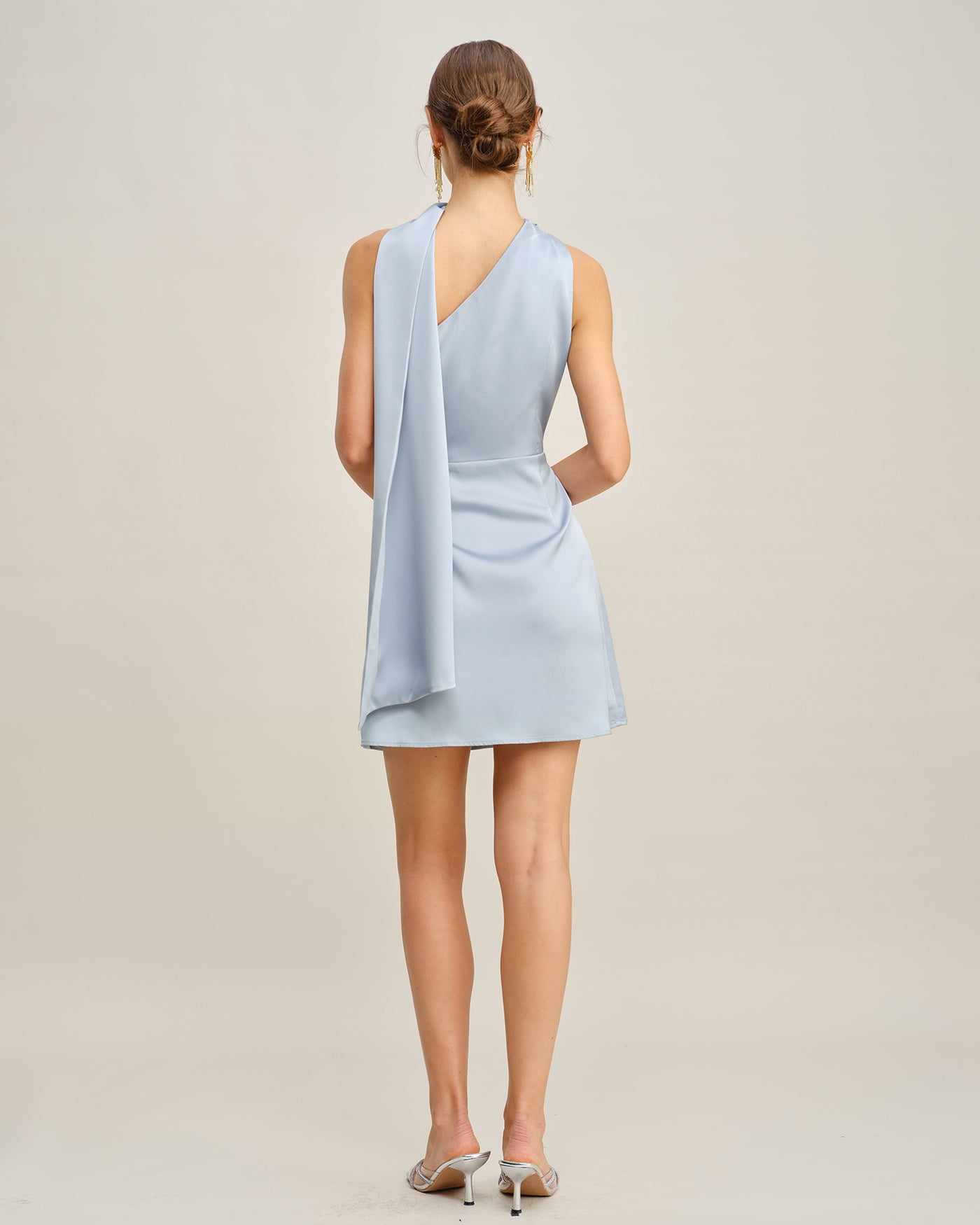






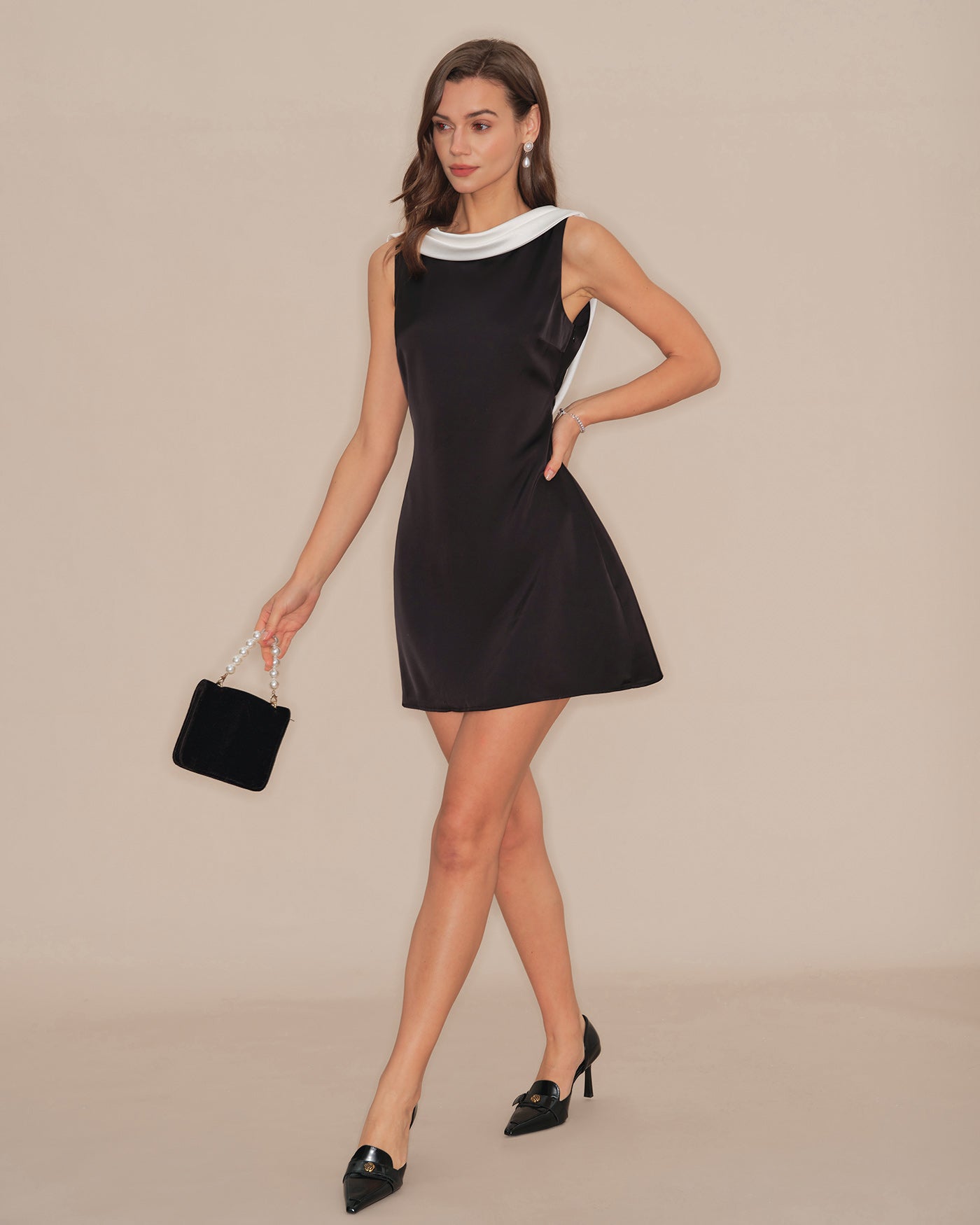
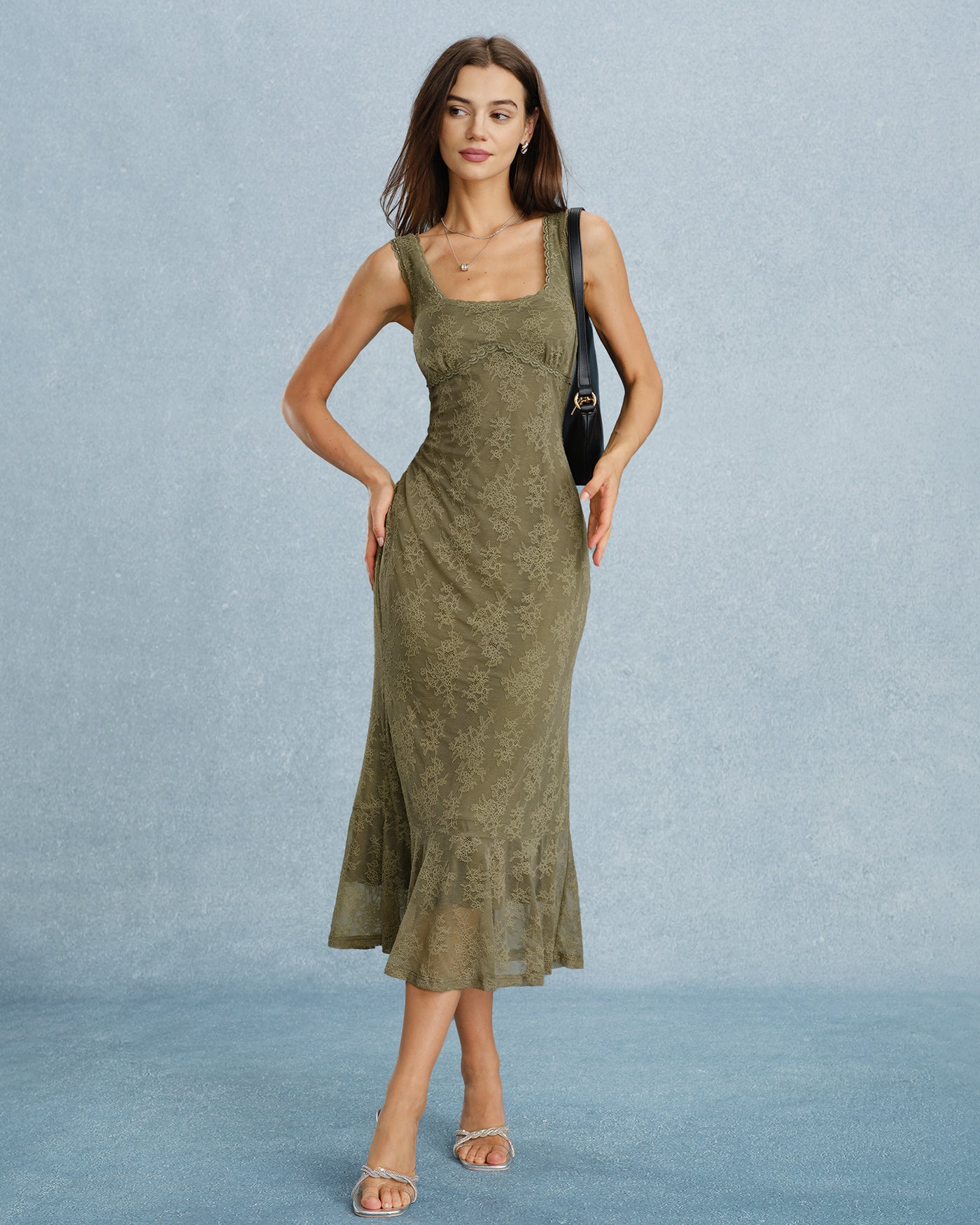
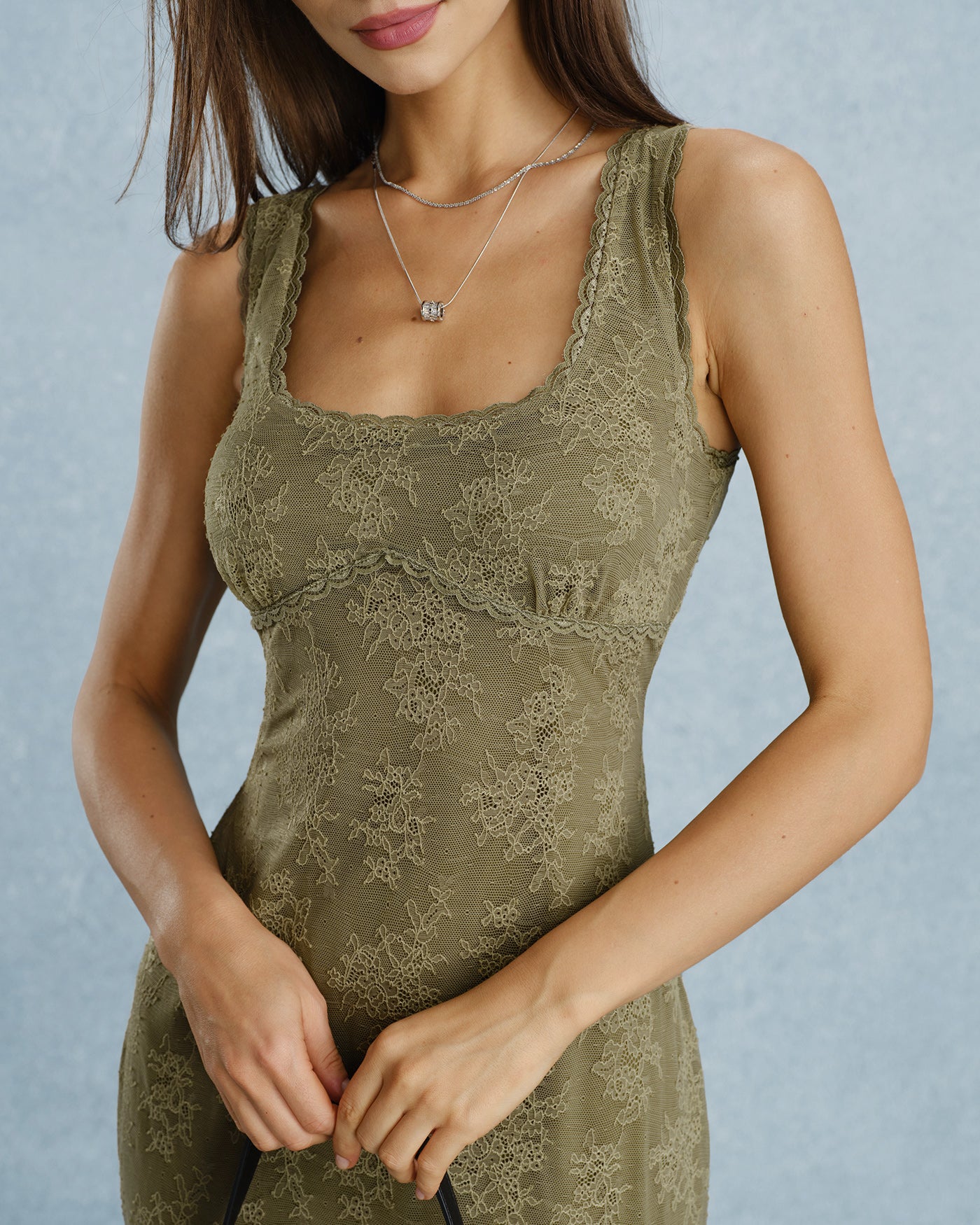
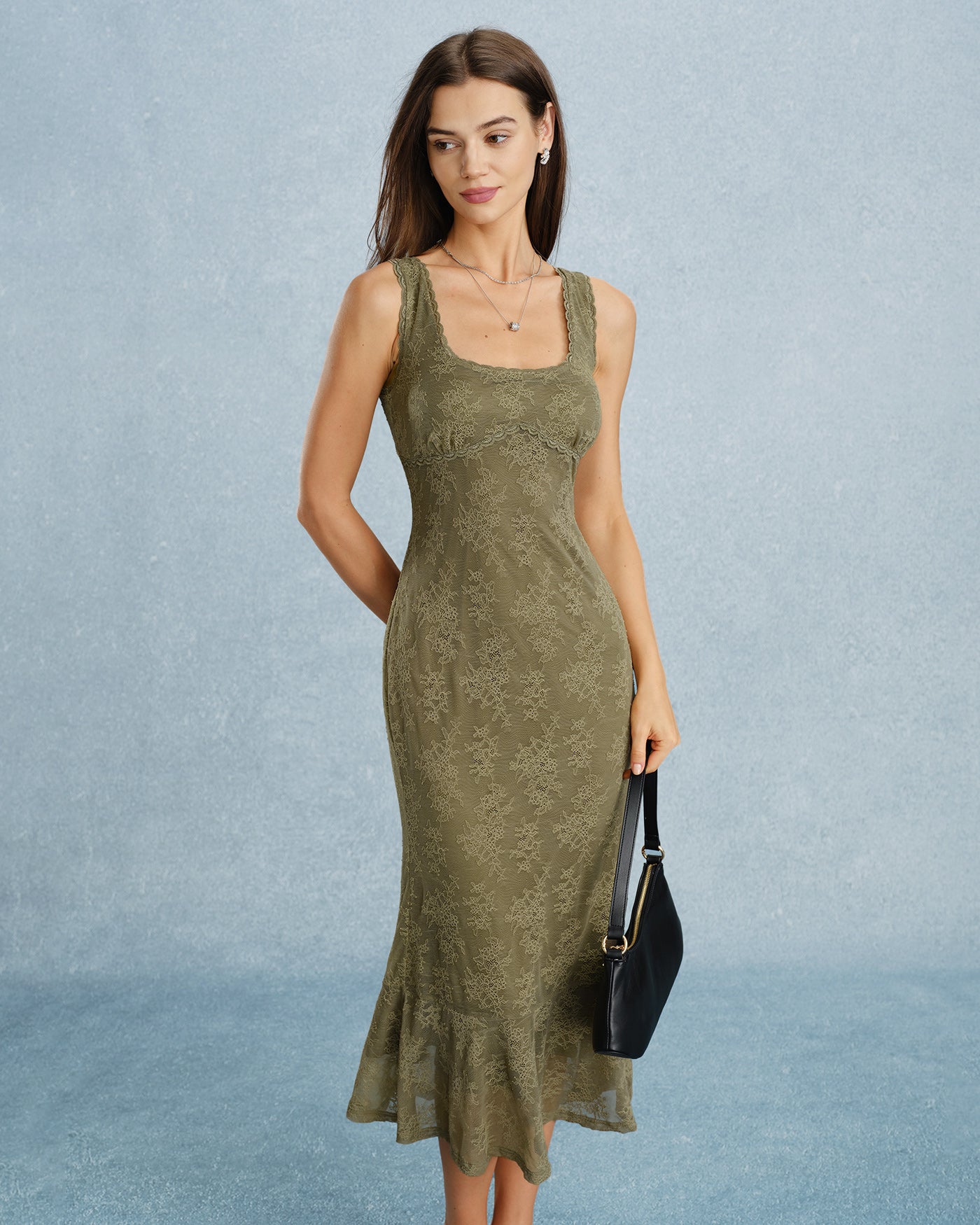
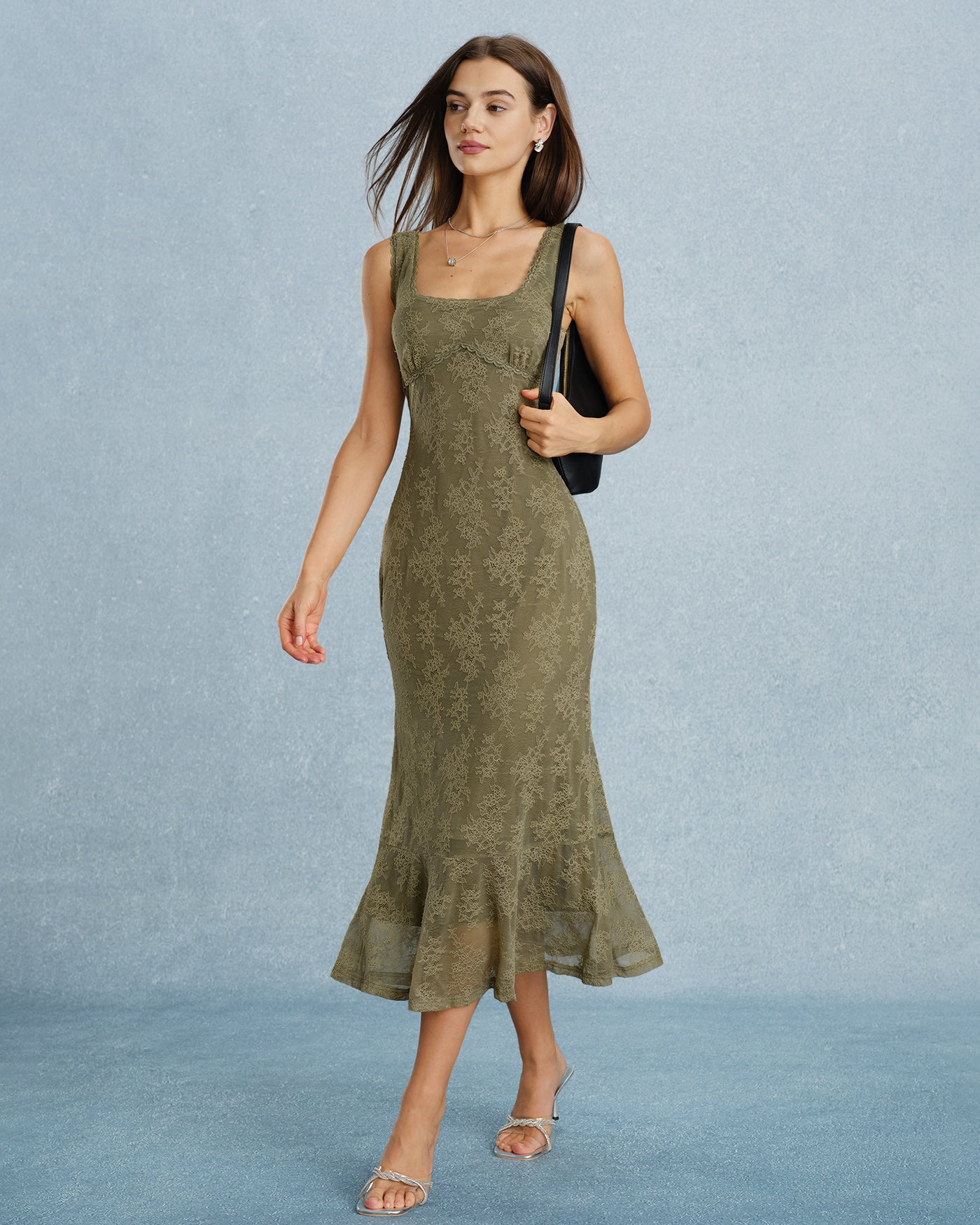
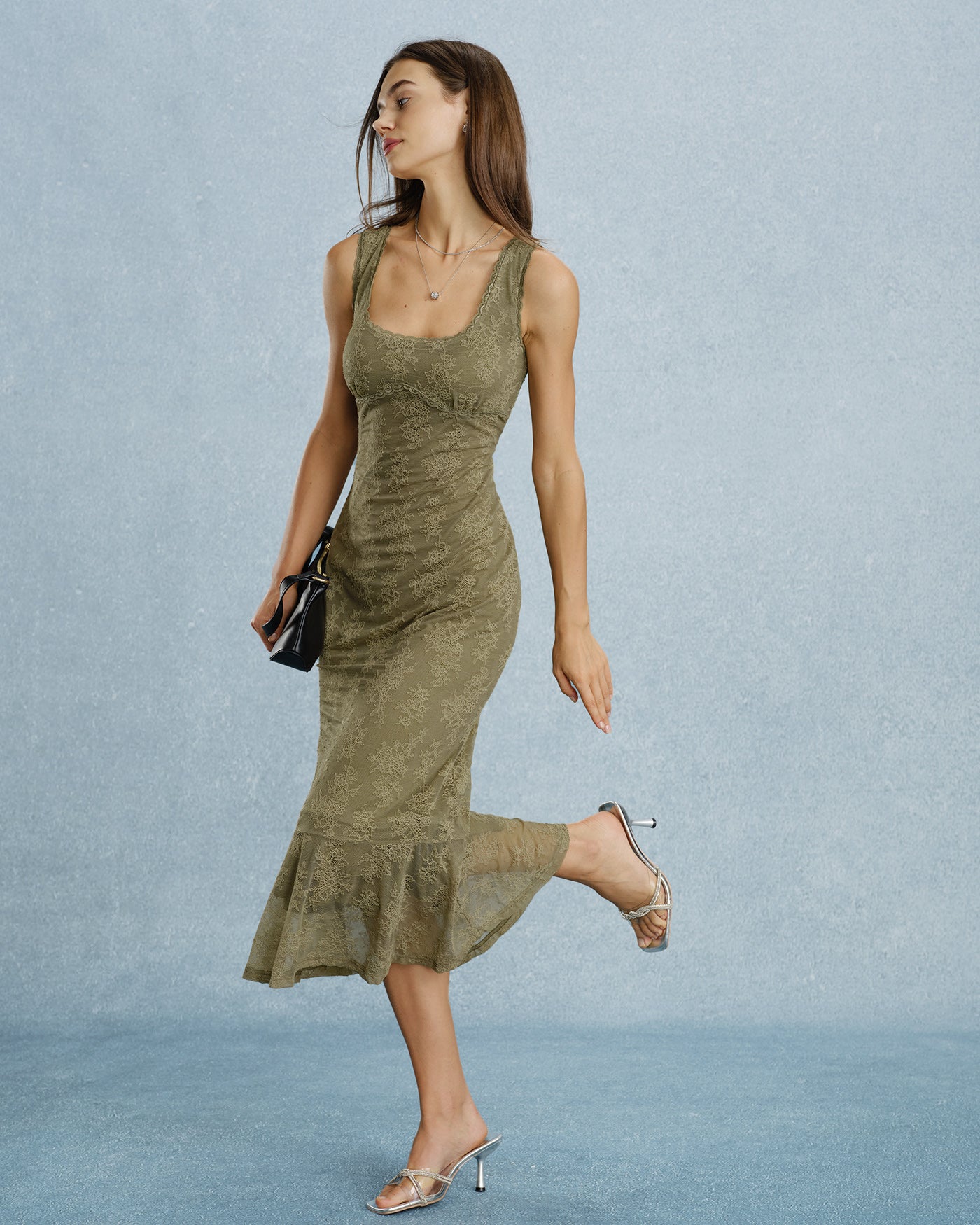
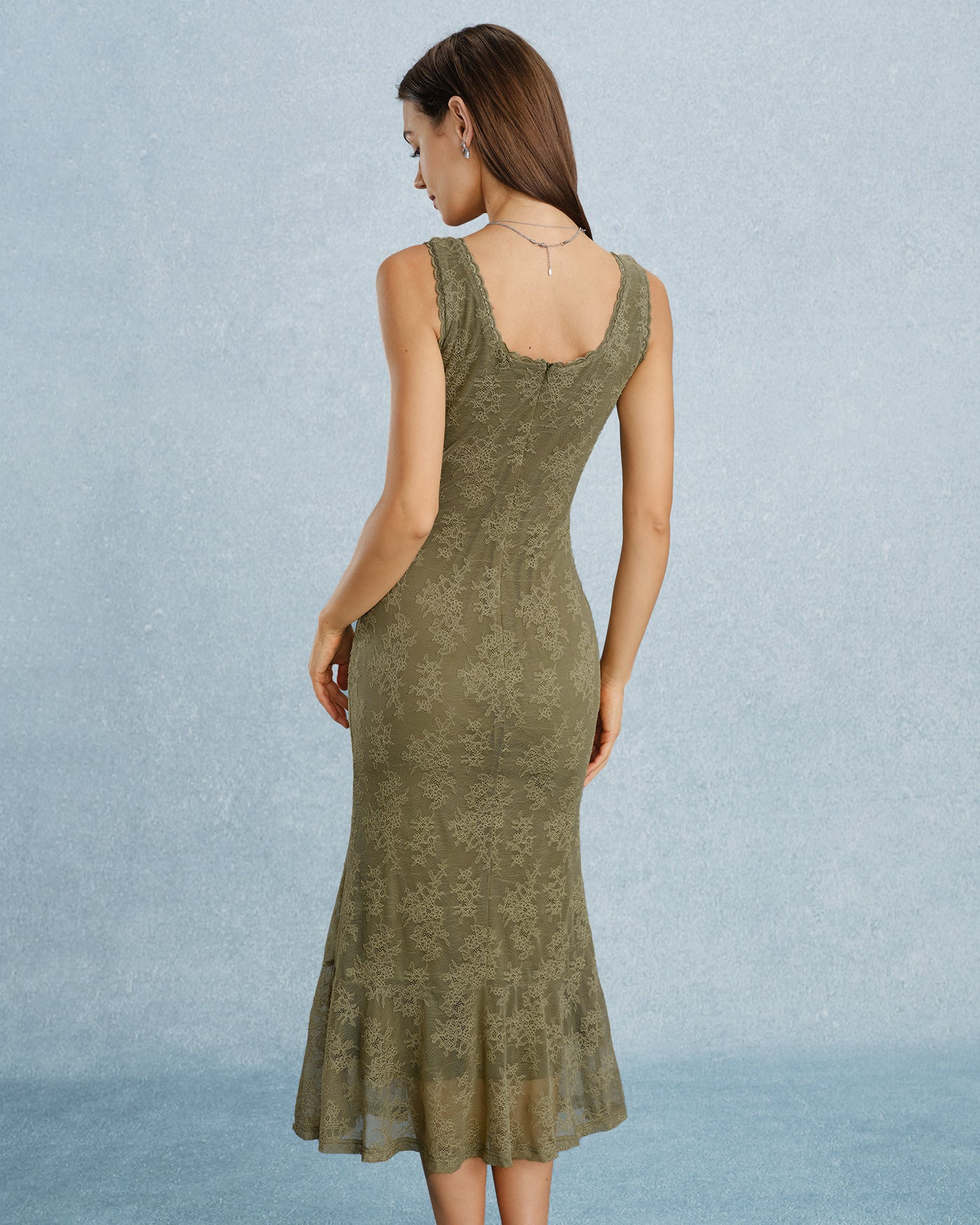







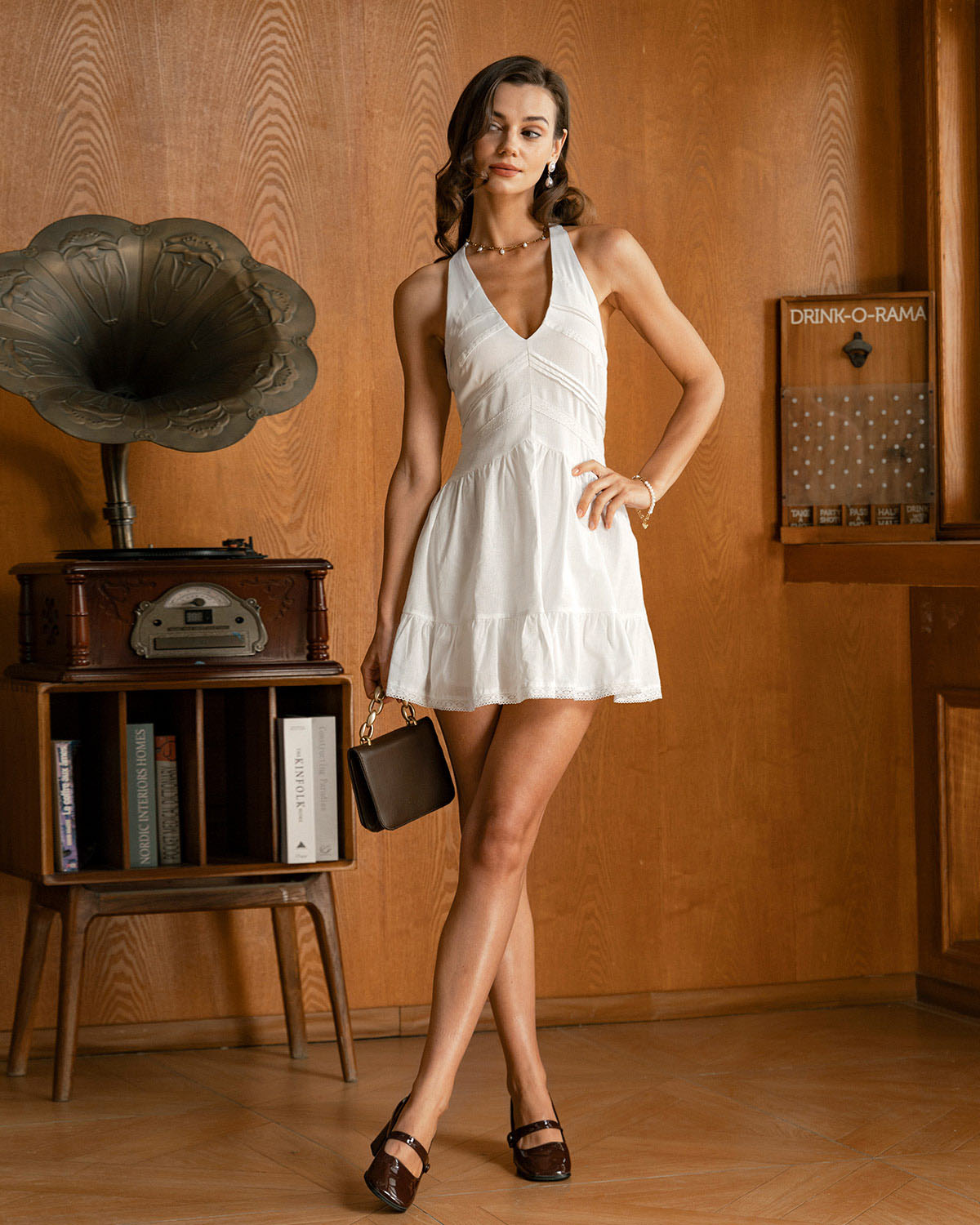
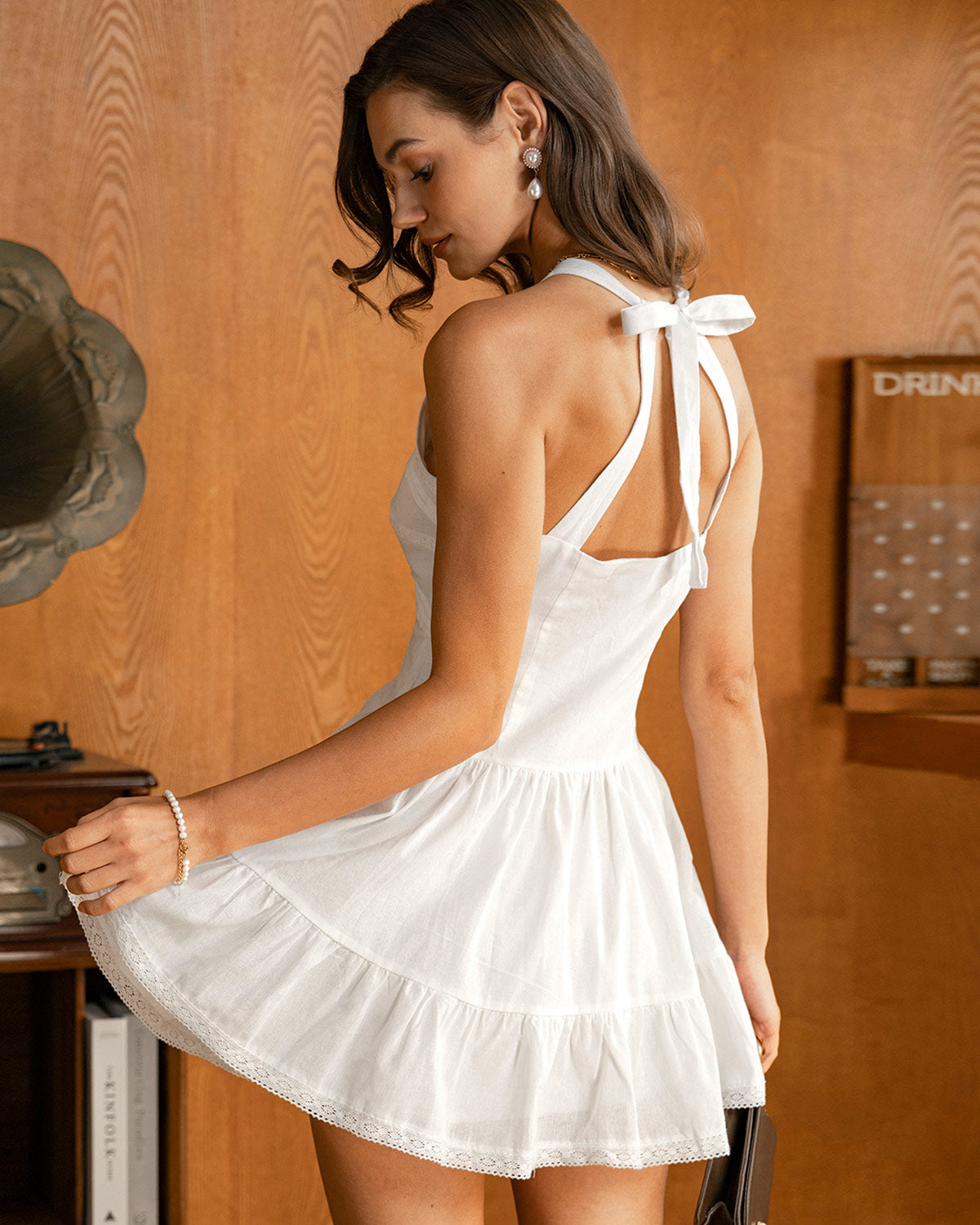
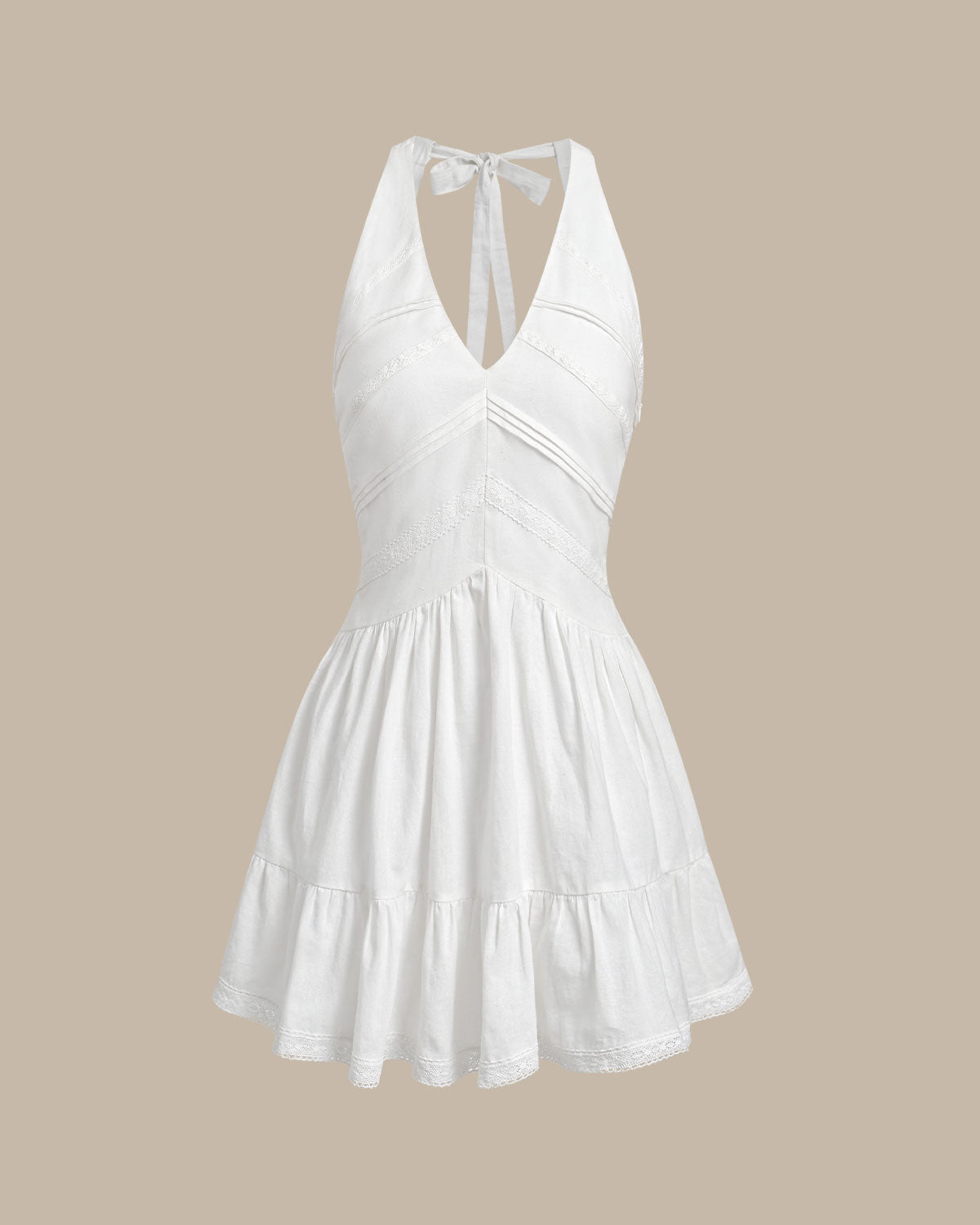
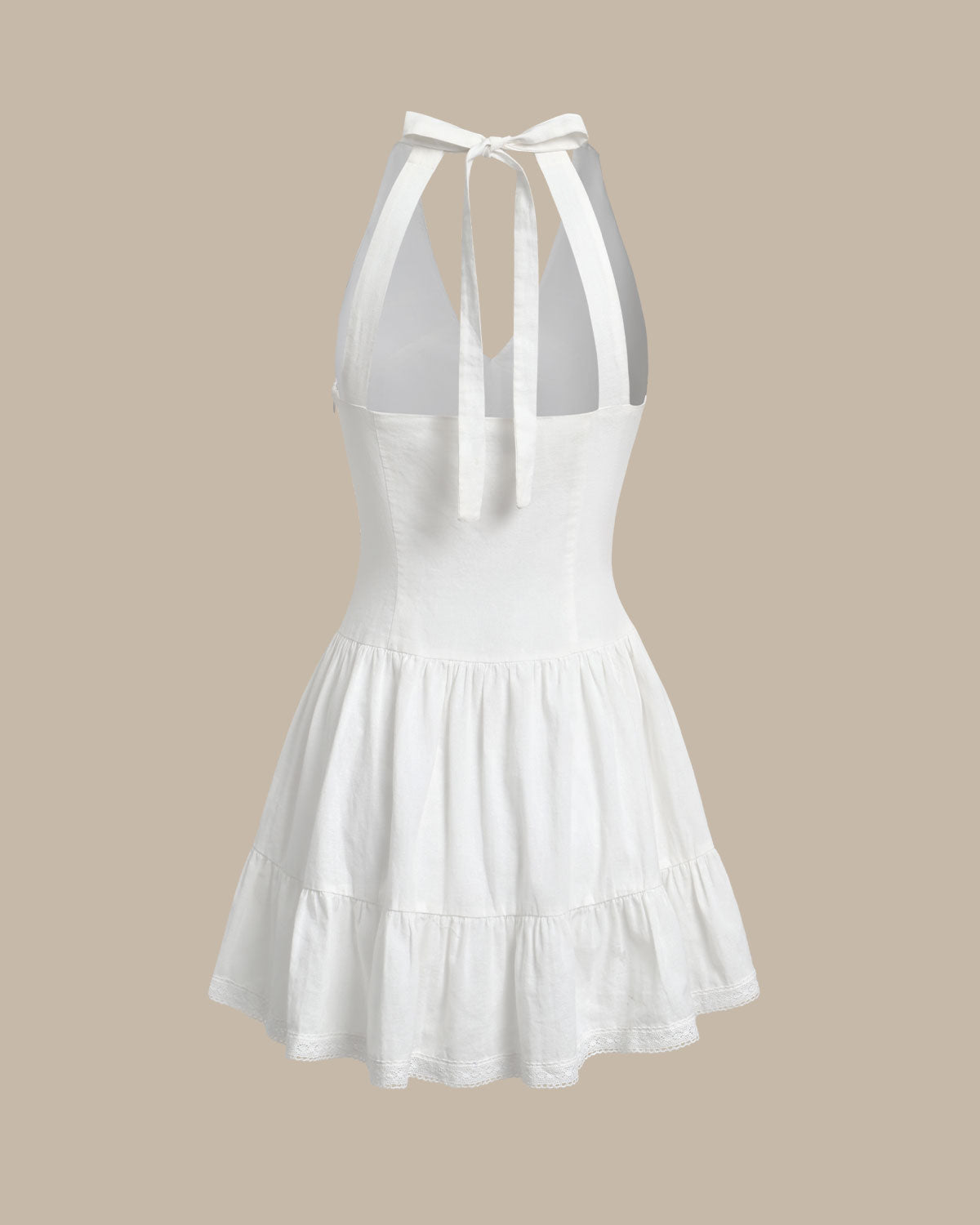
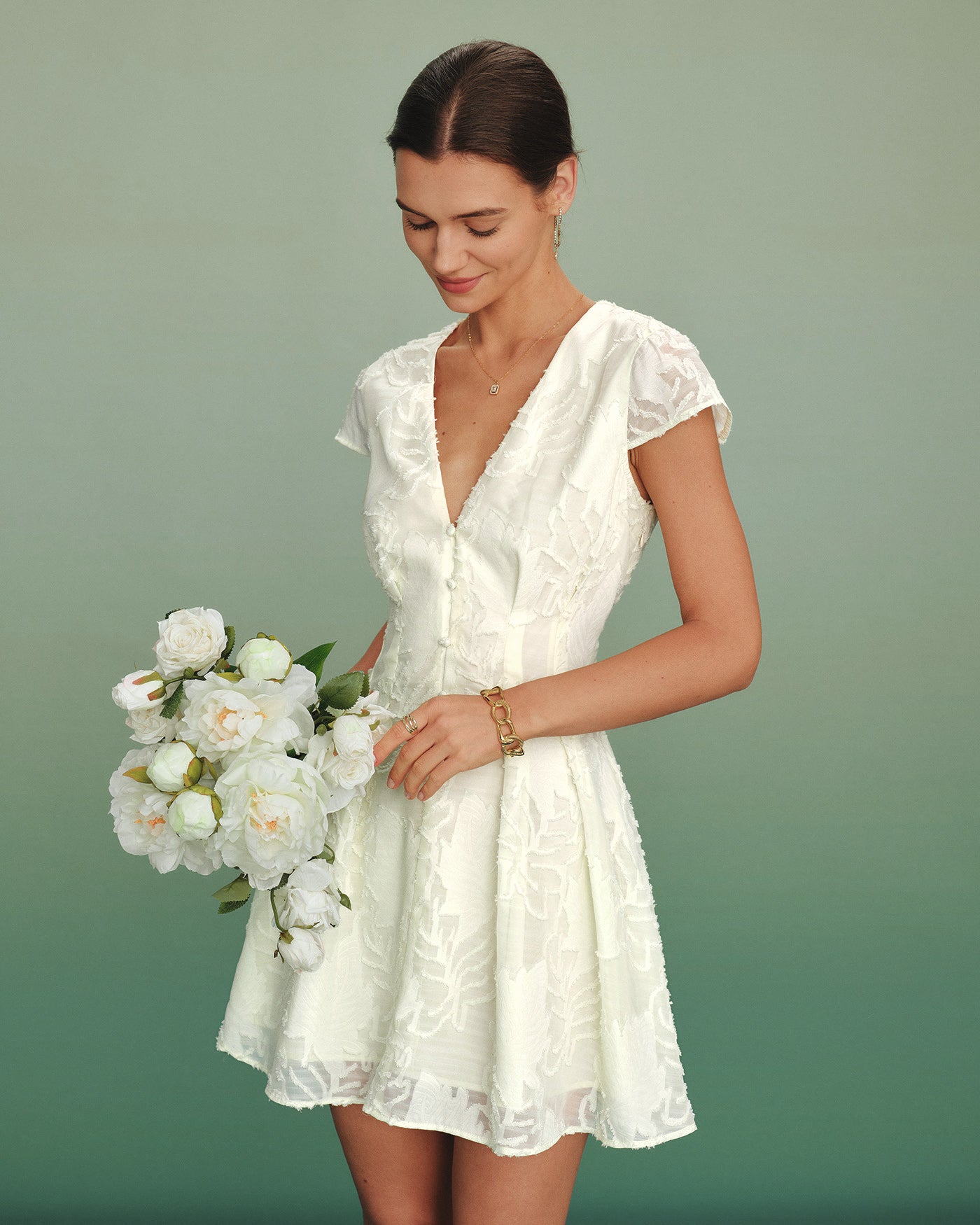
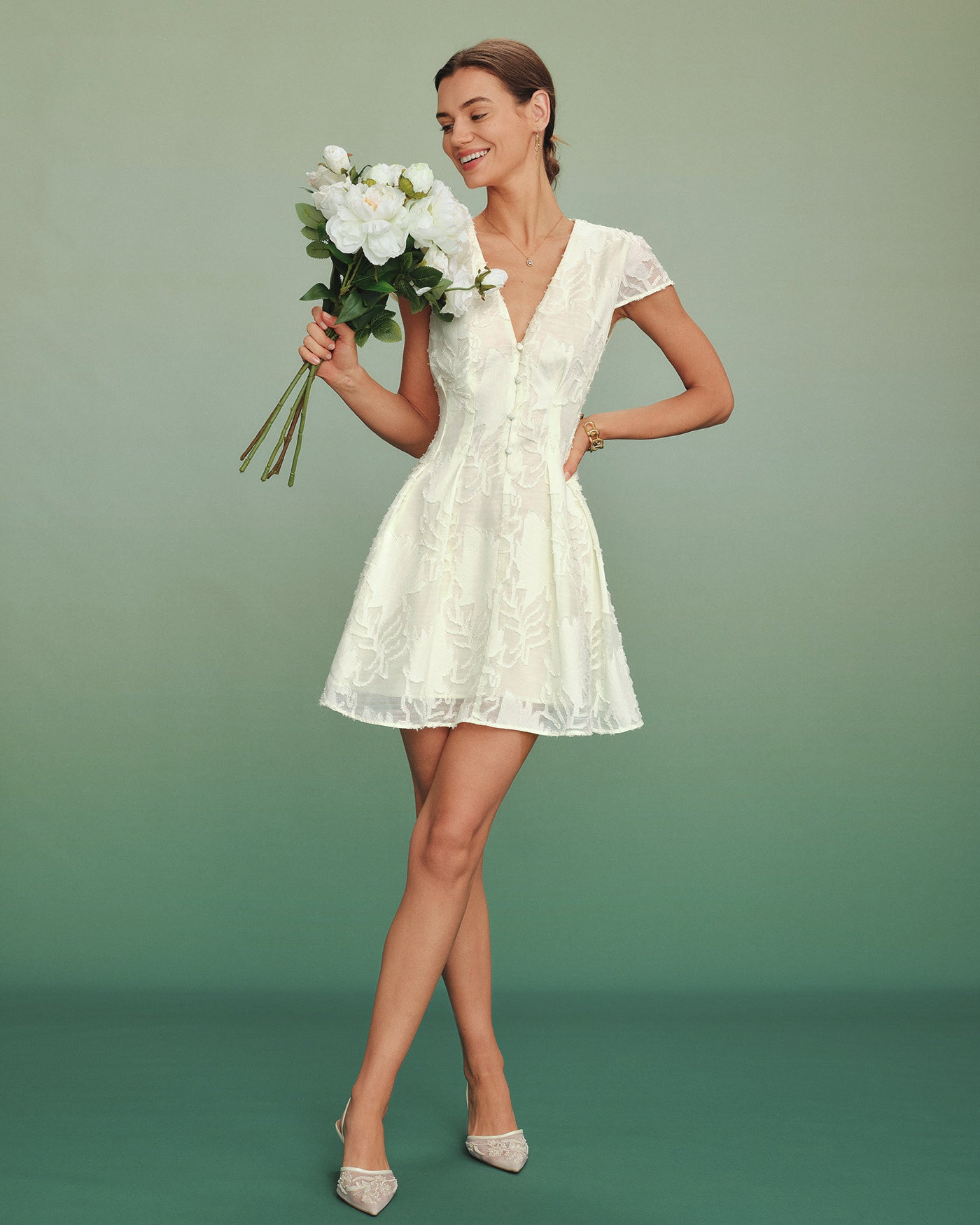
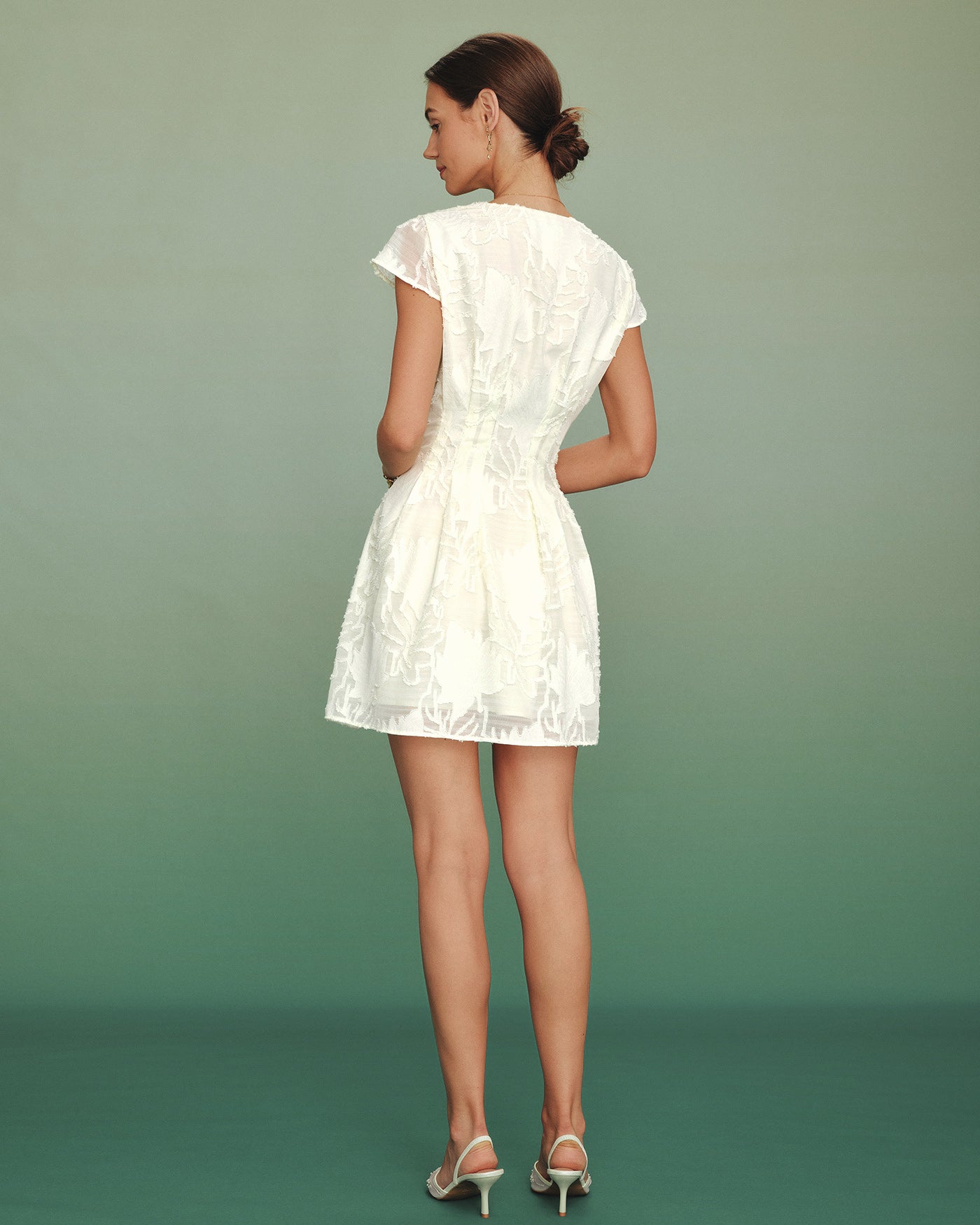
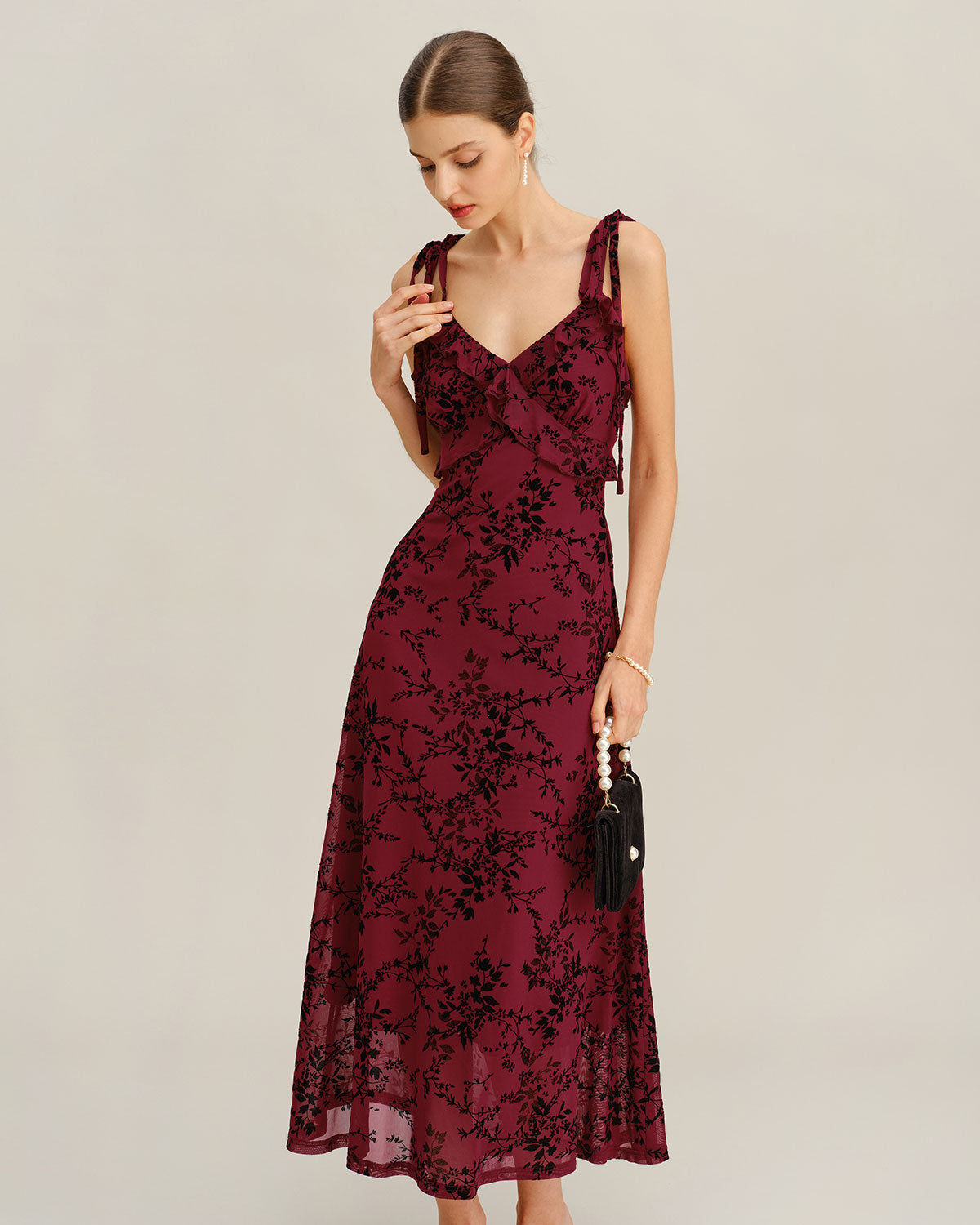
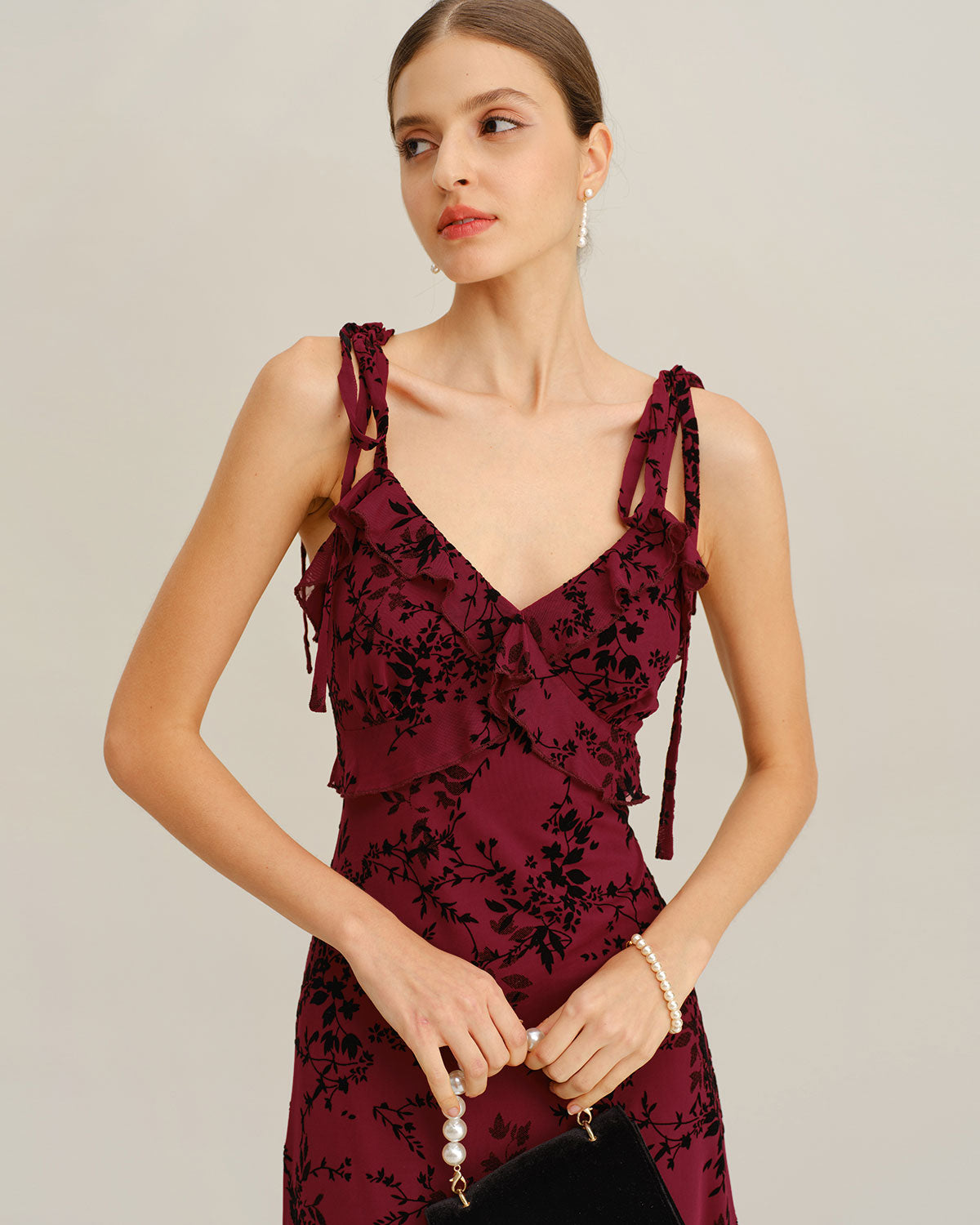
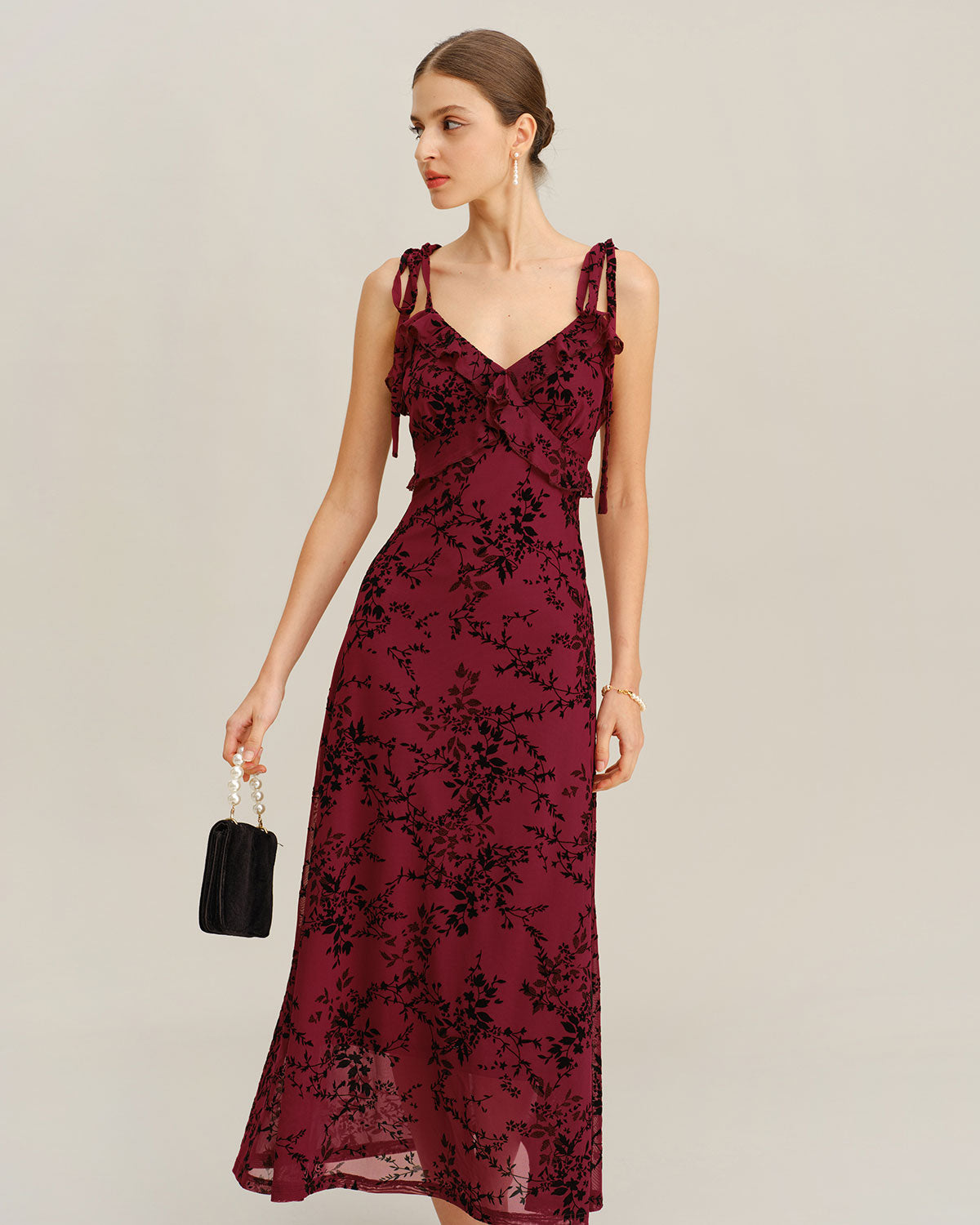
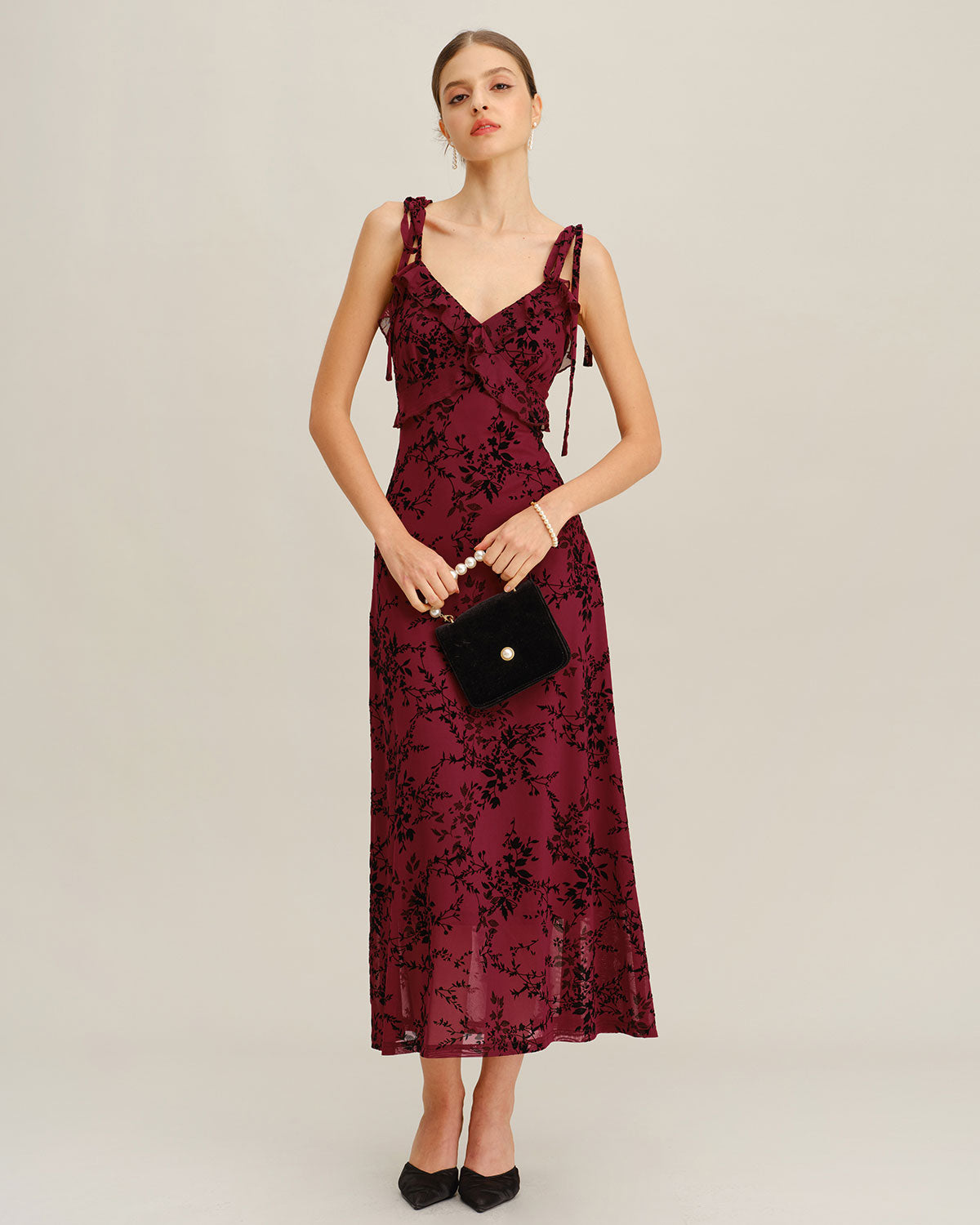
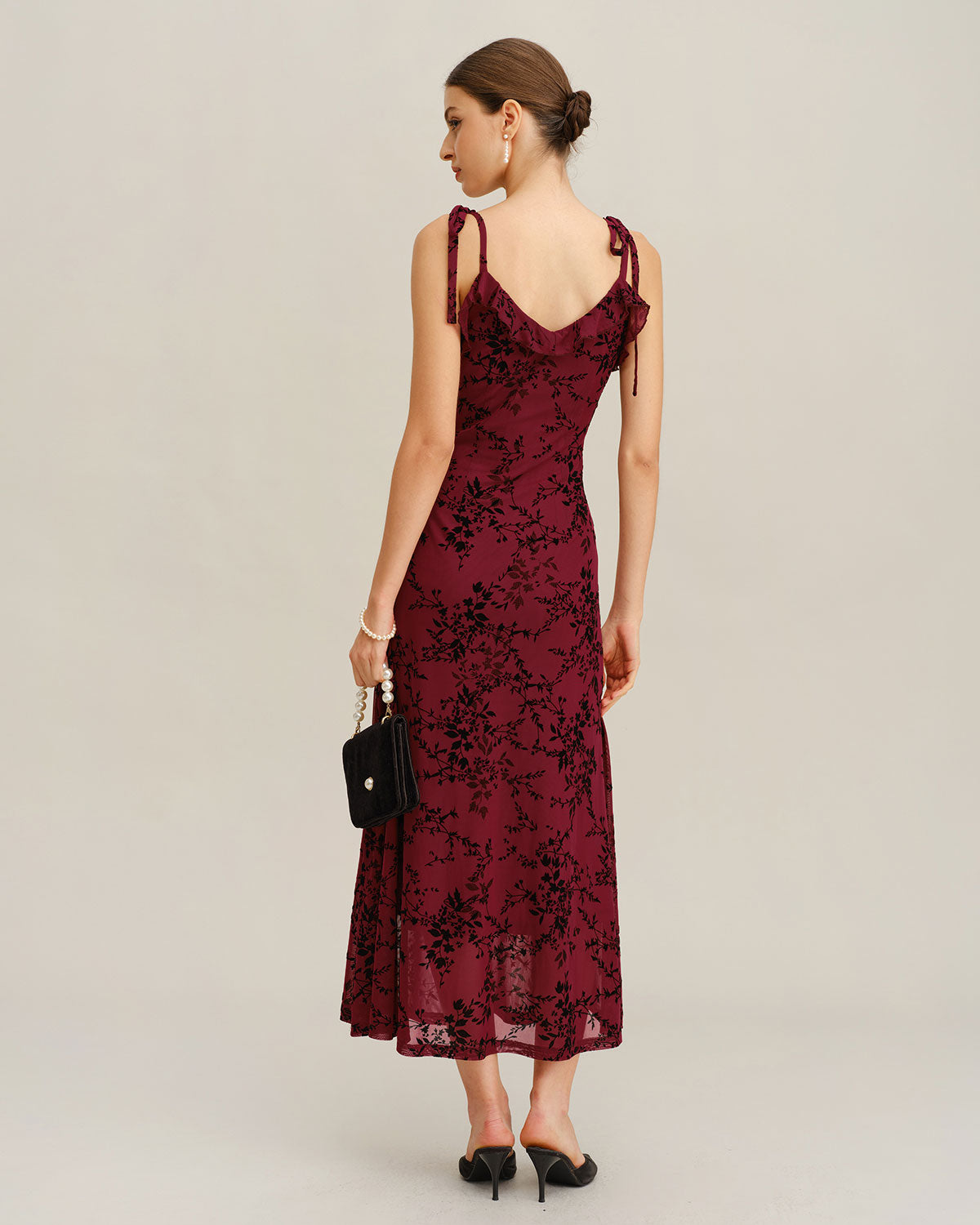



What counts as a cocktail dress
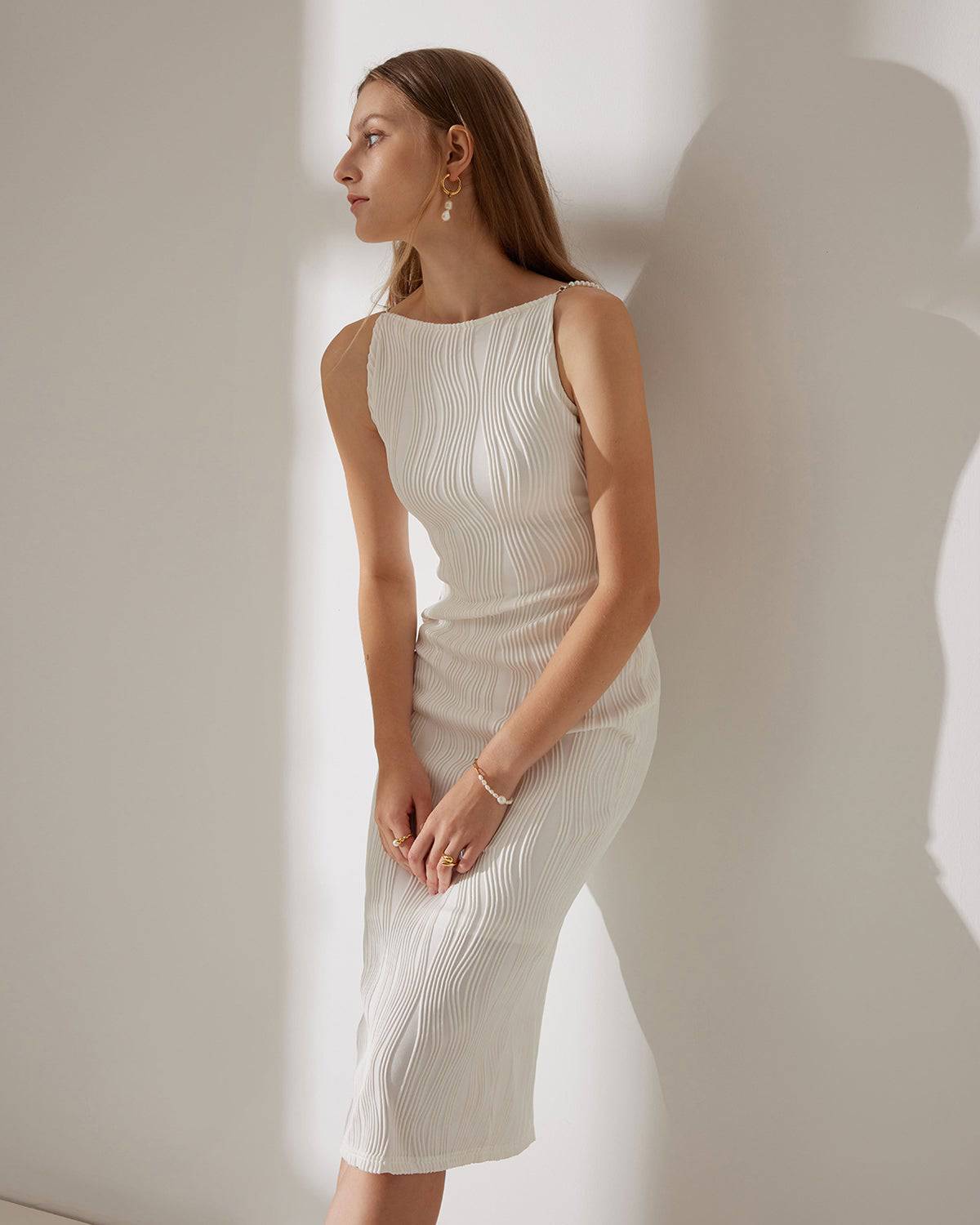
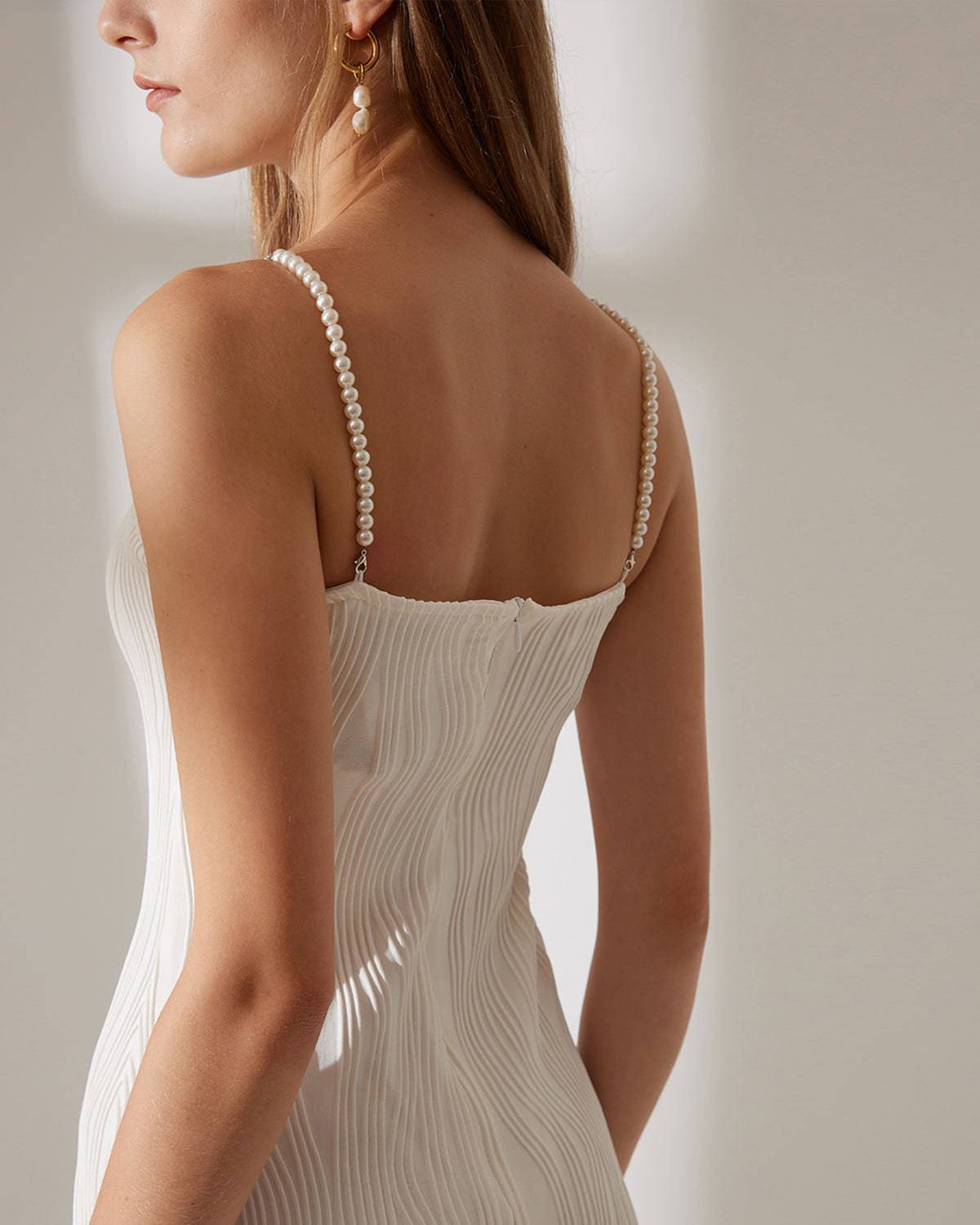
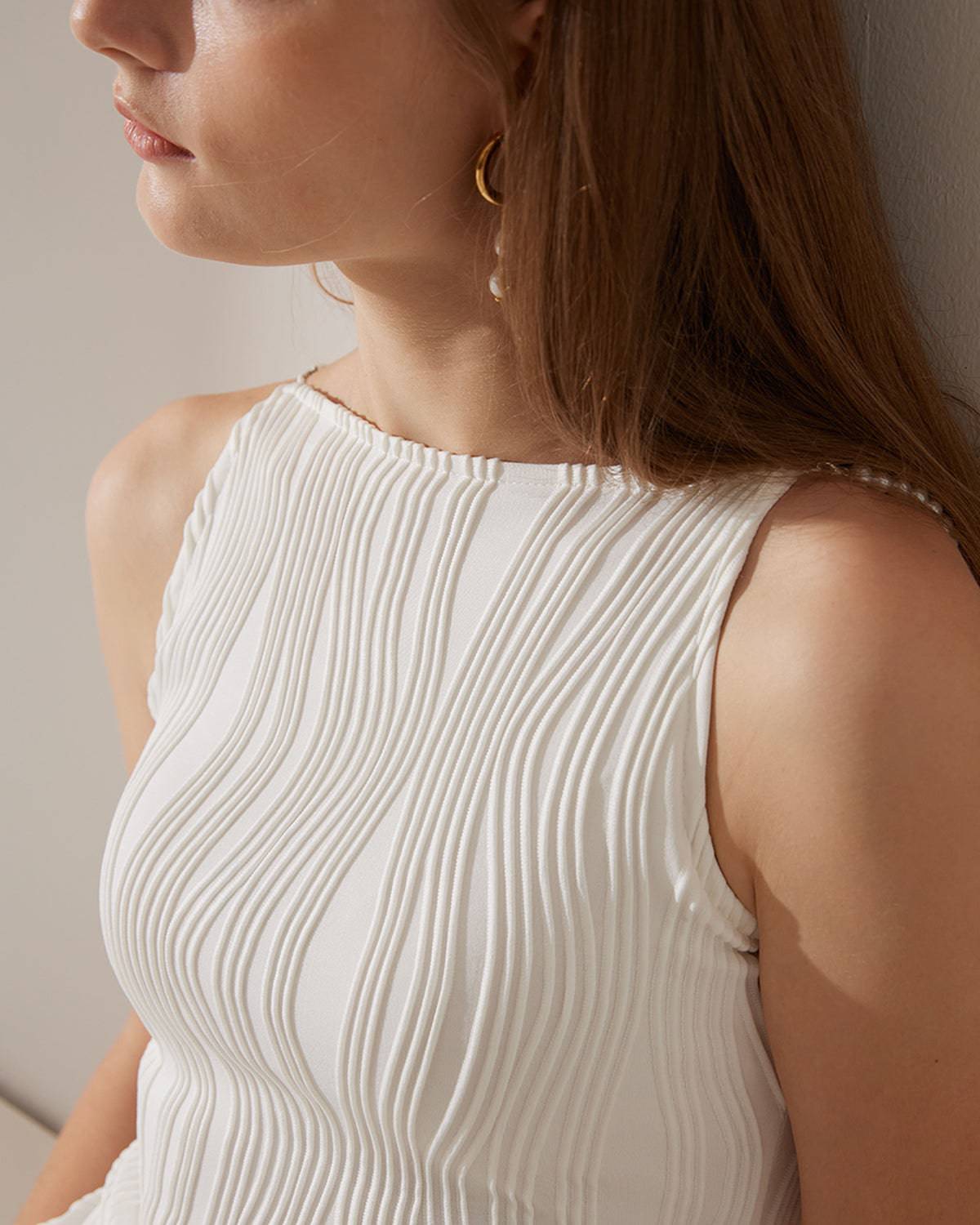
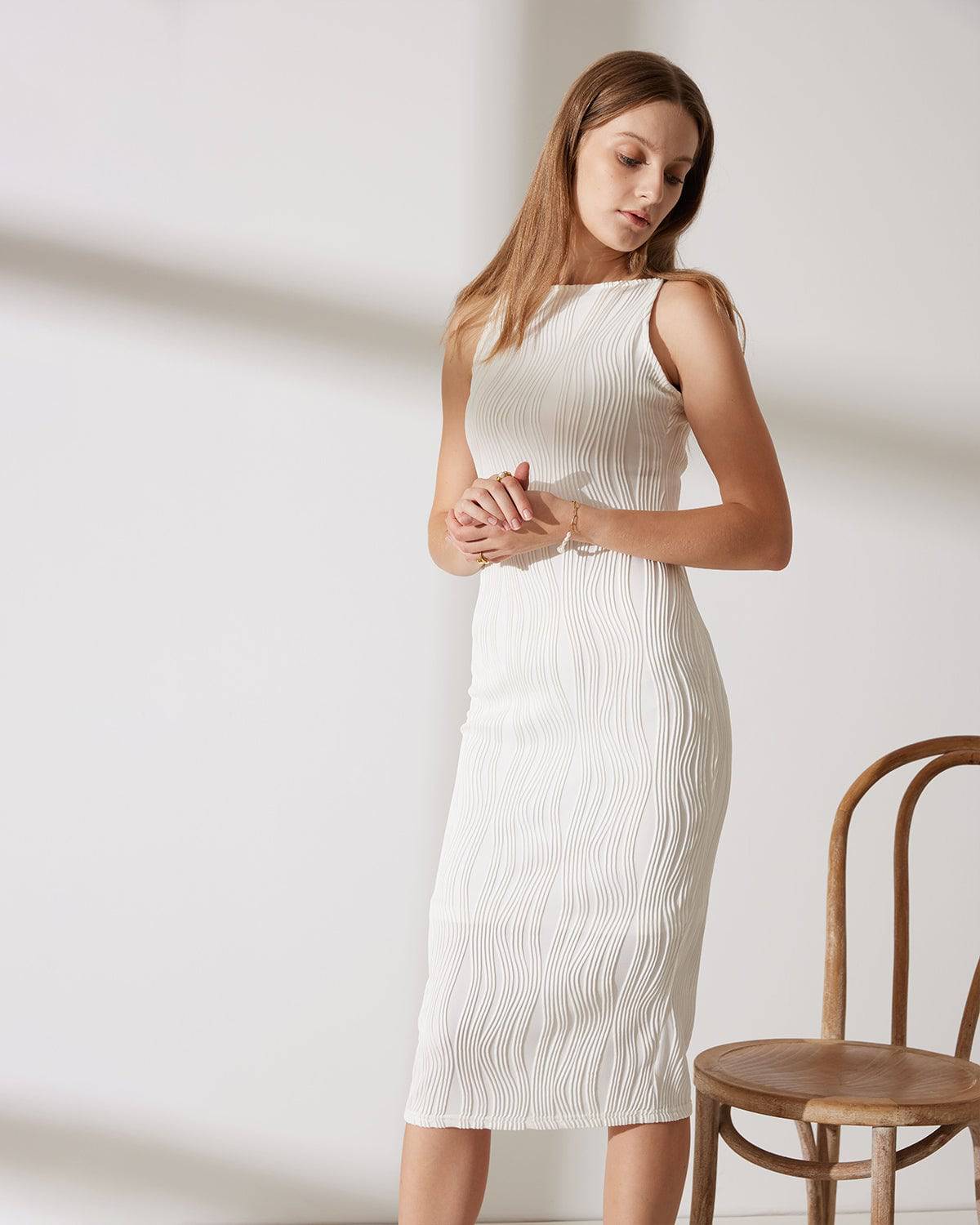
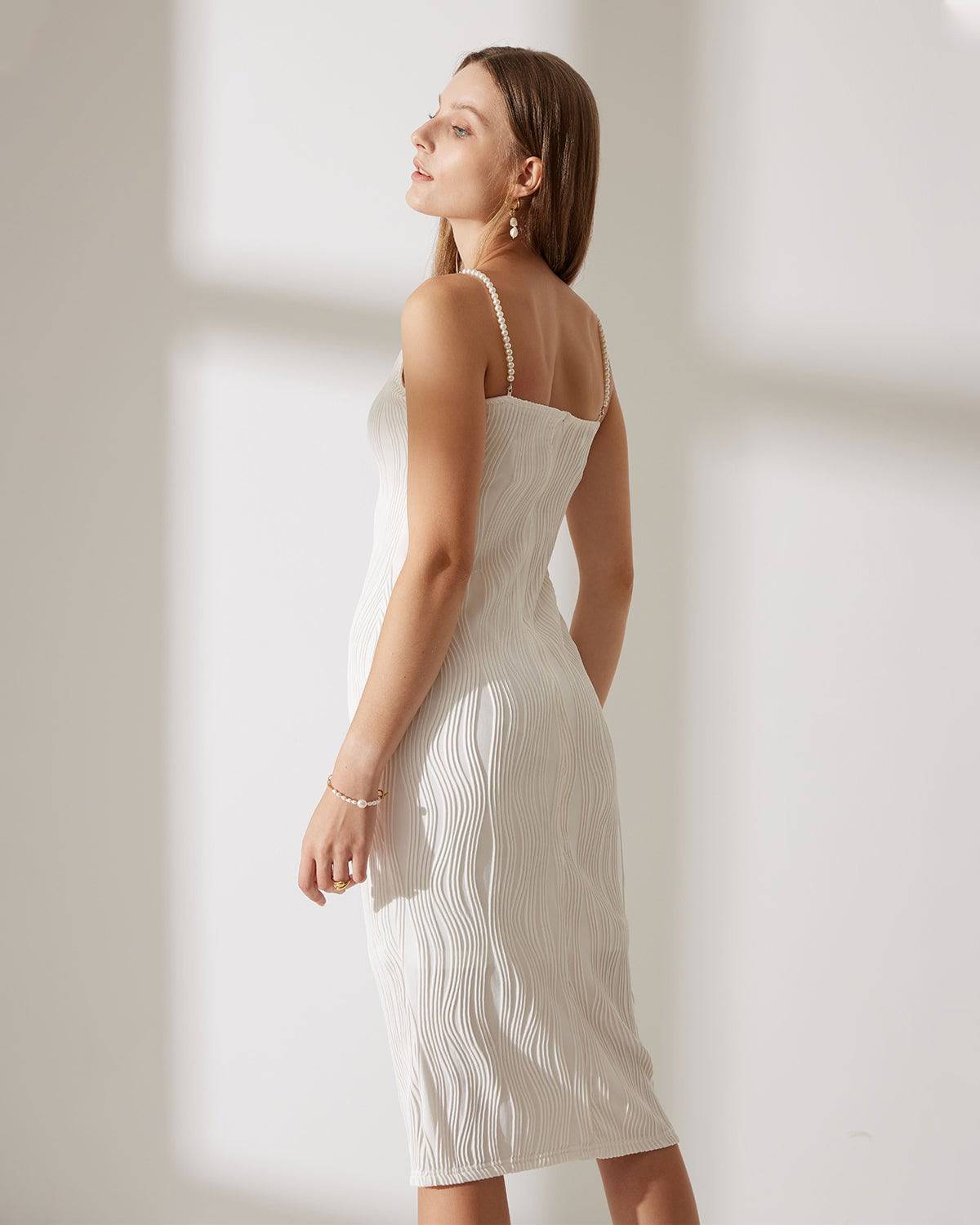
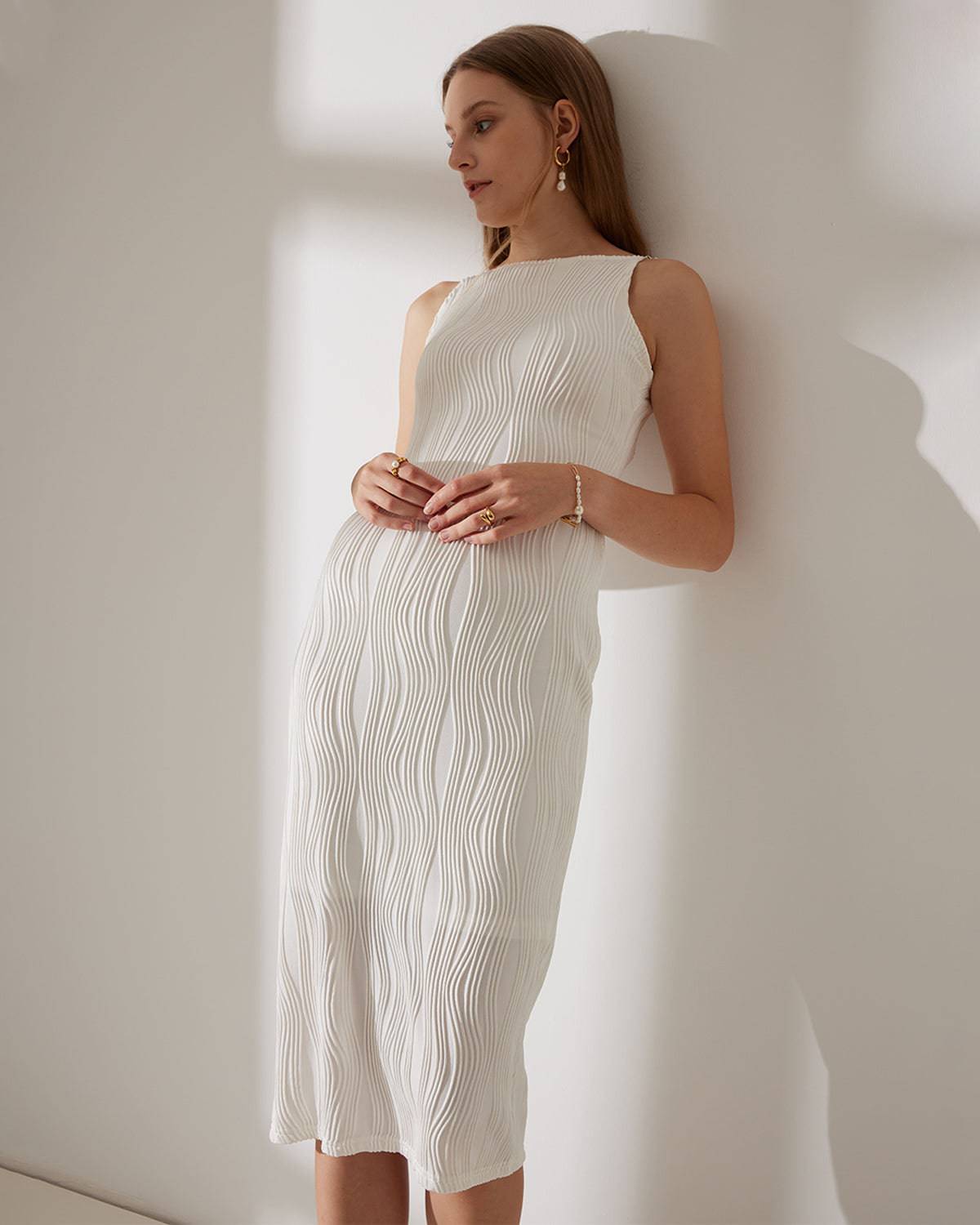
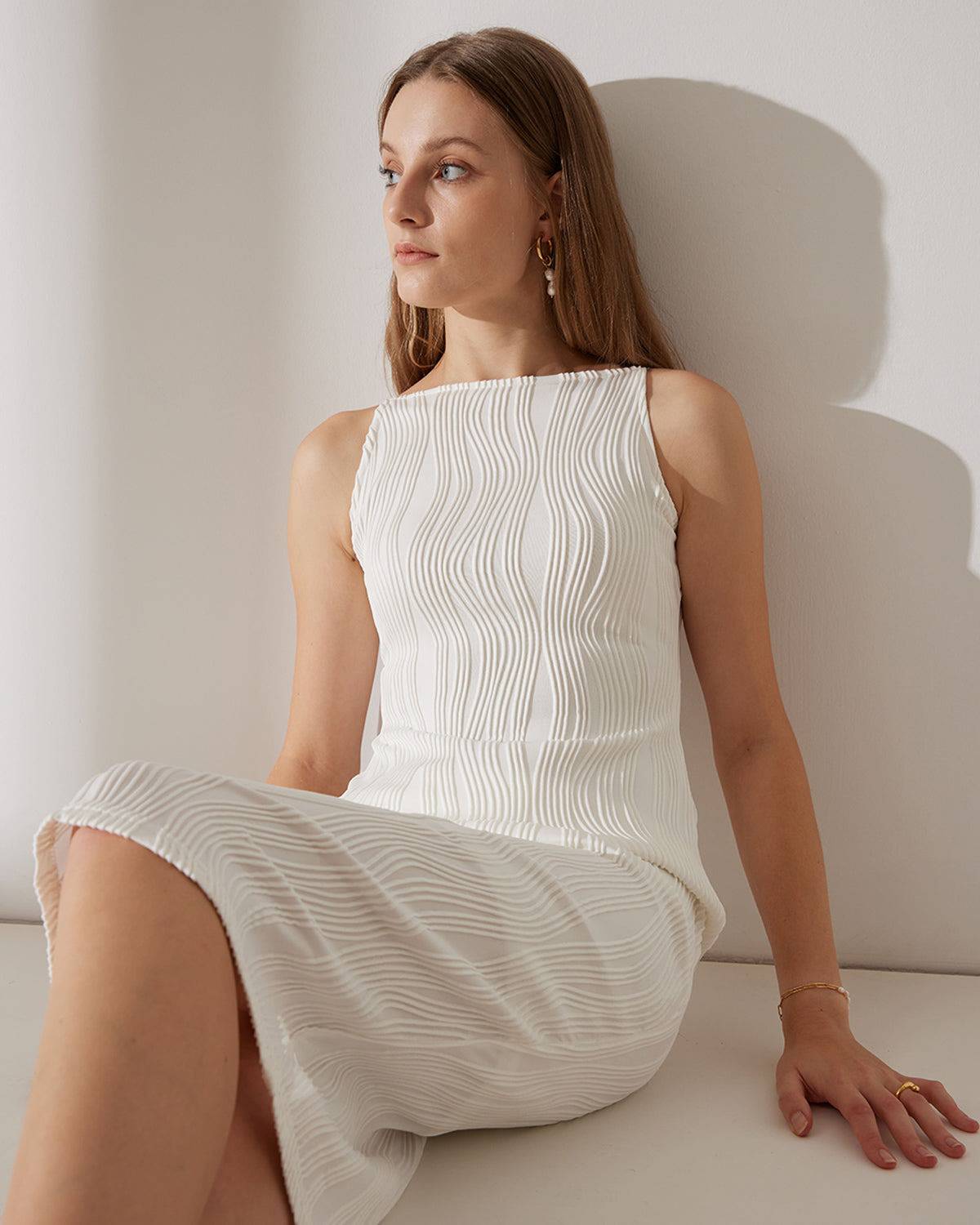
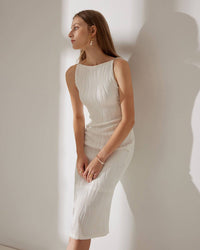
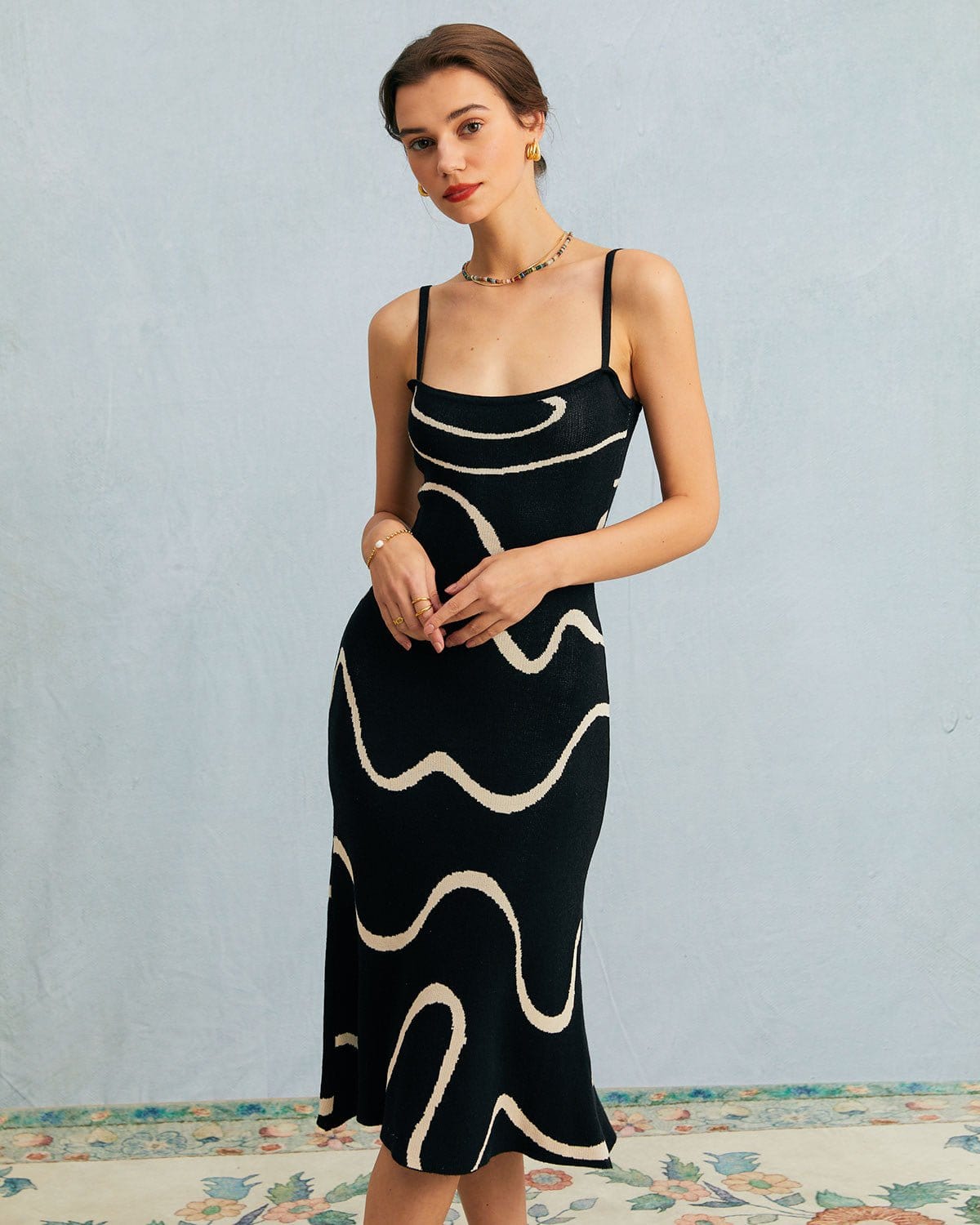
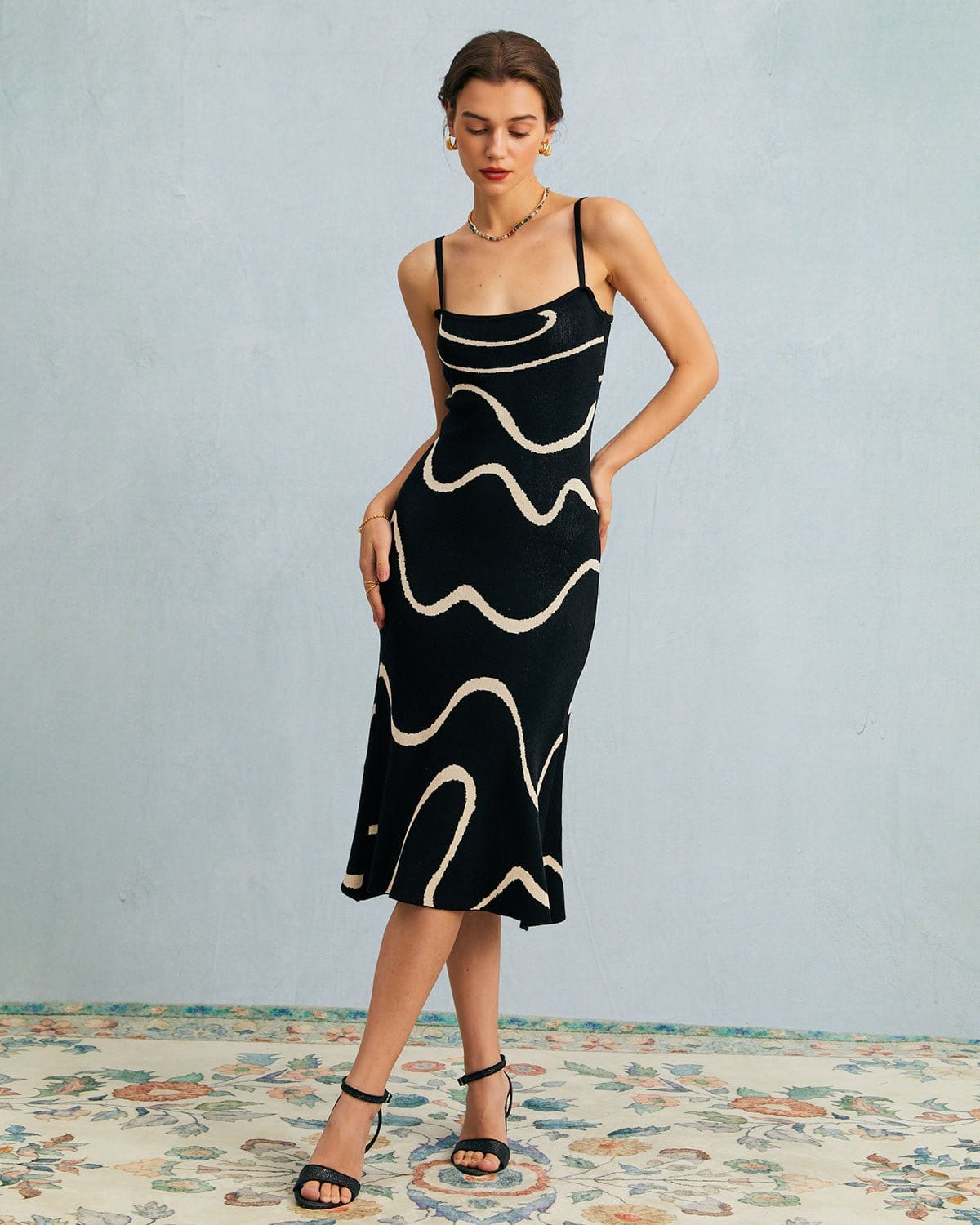
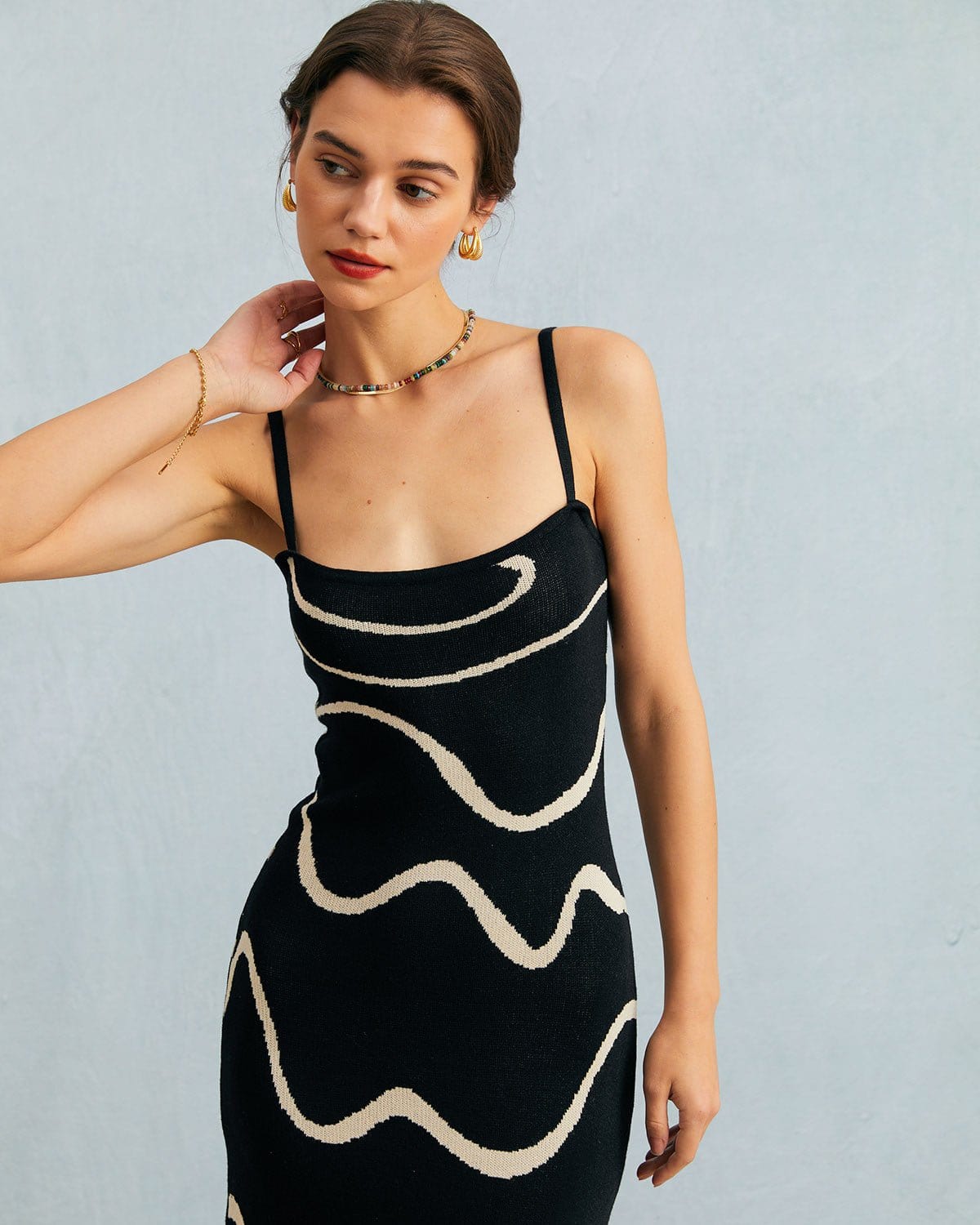
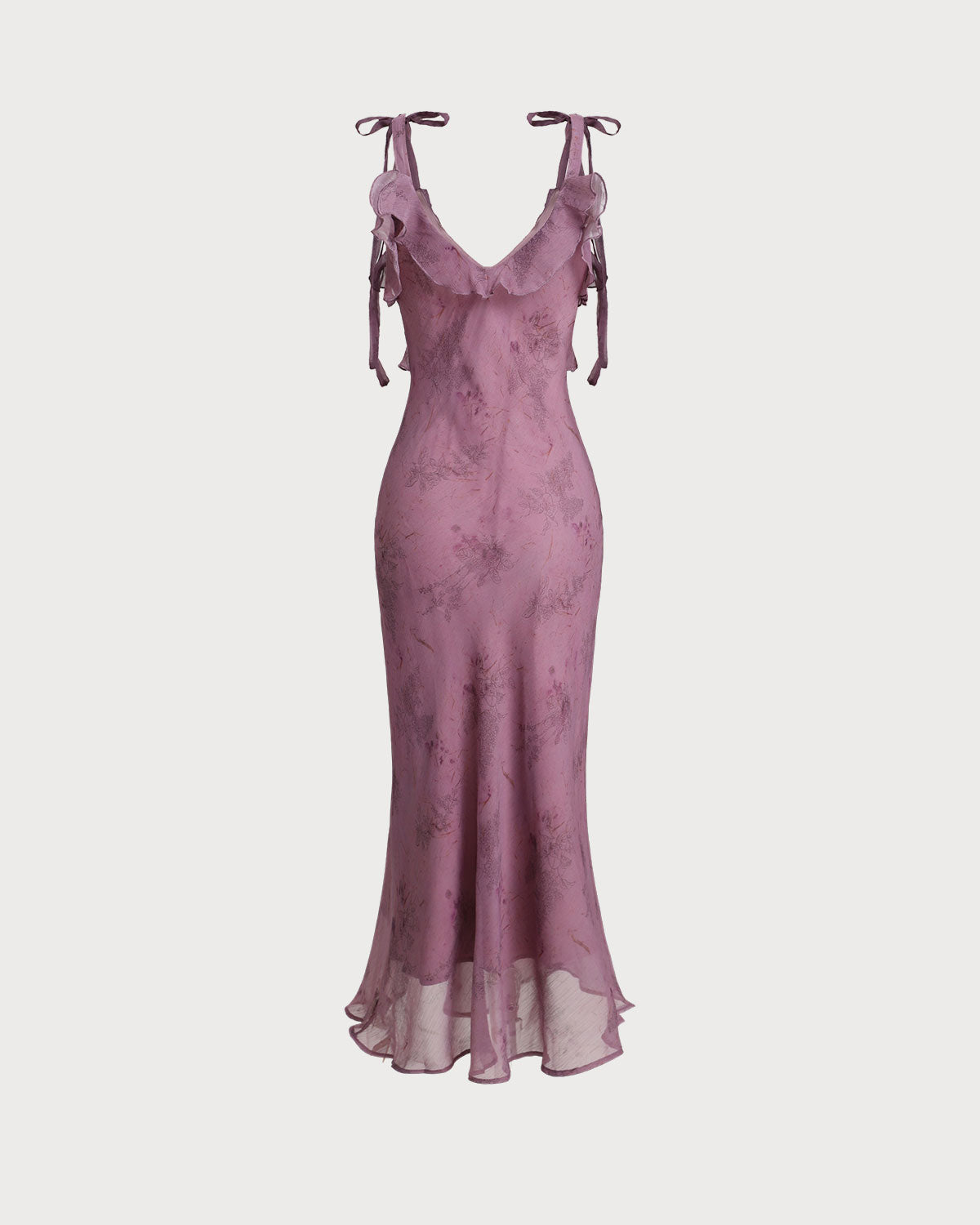
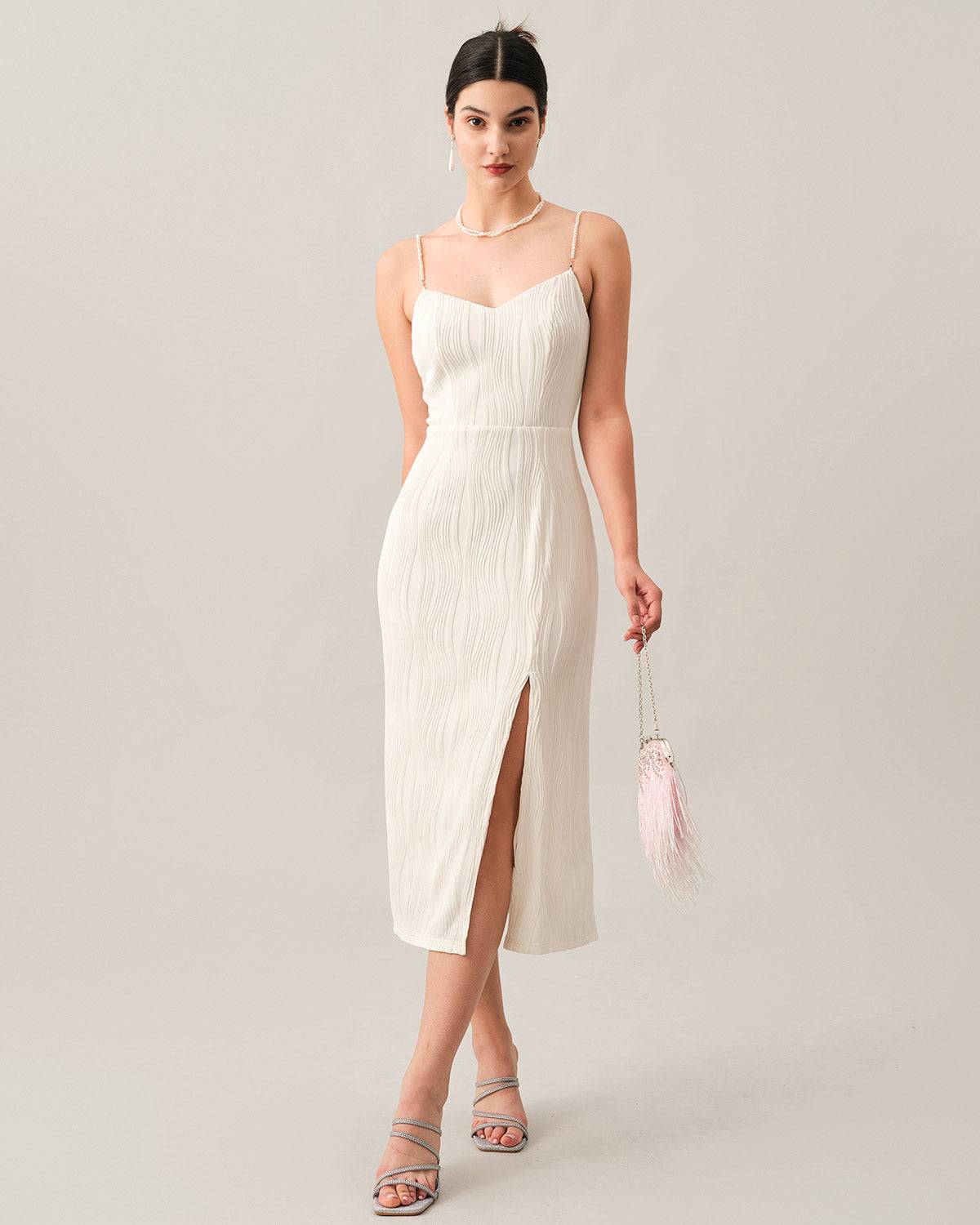
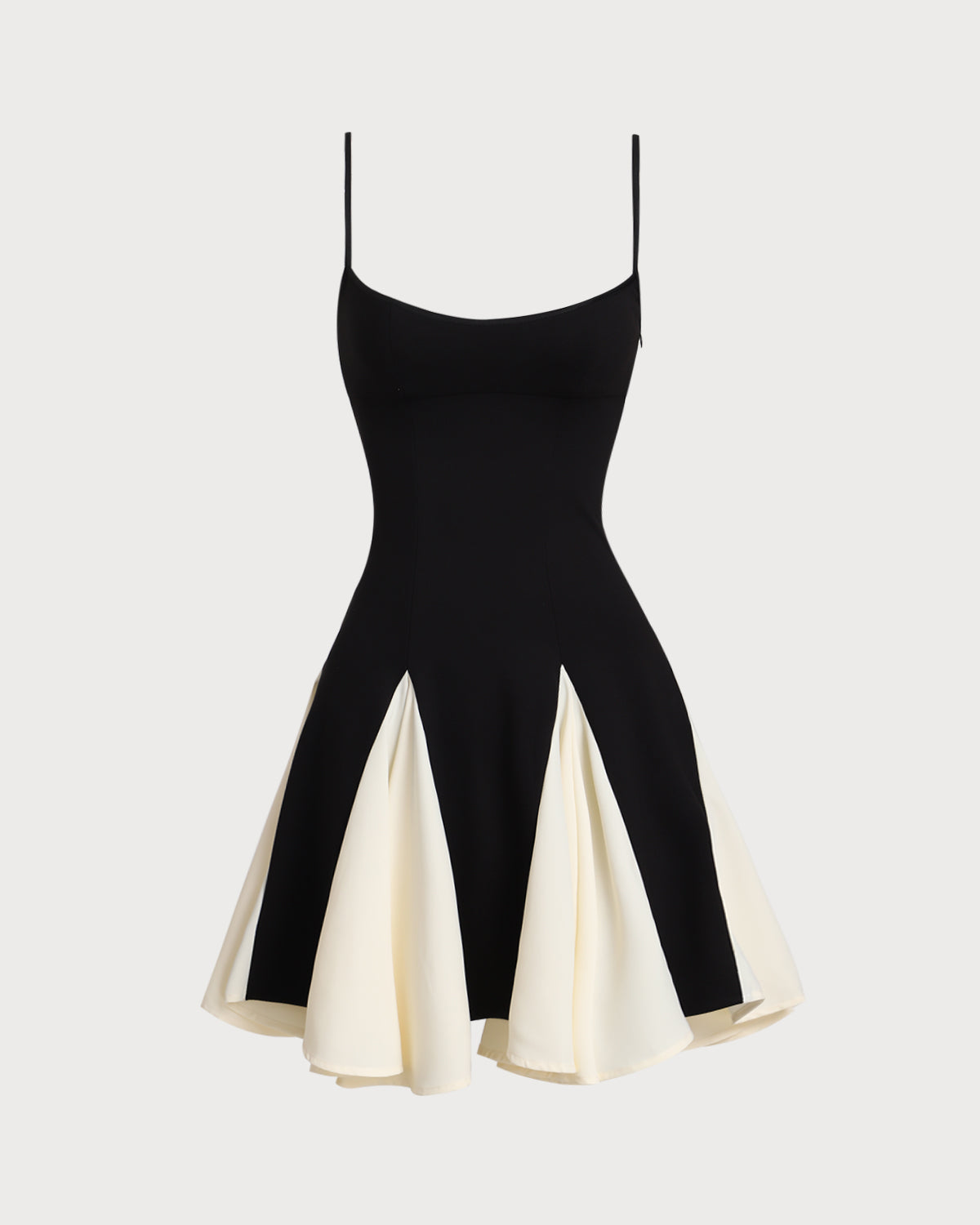
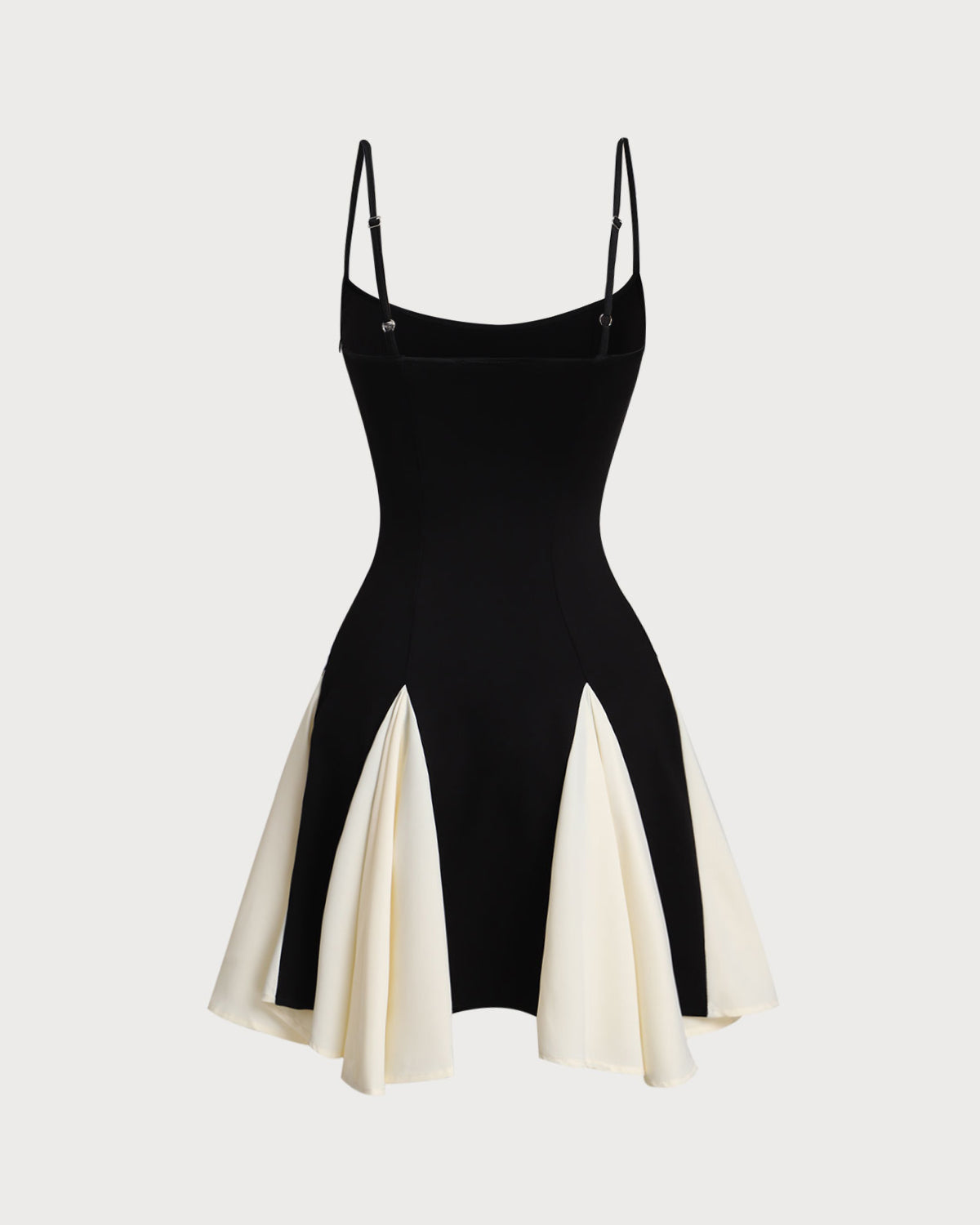
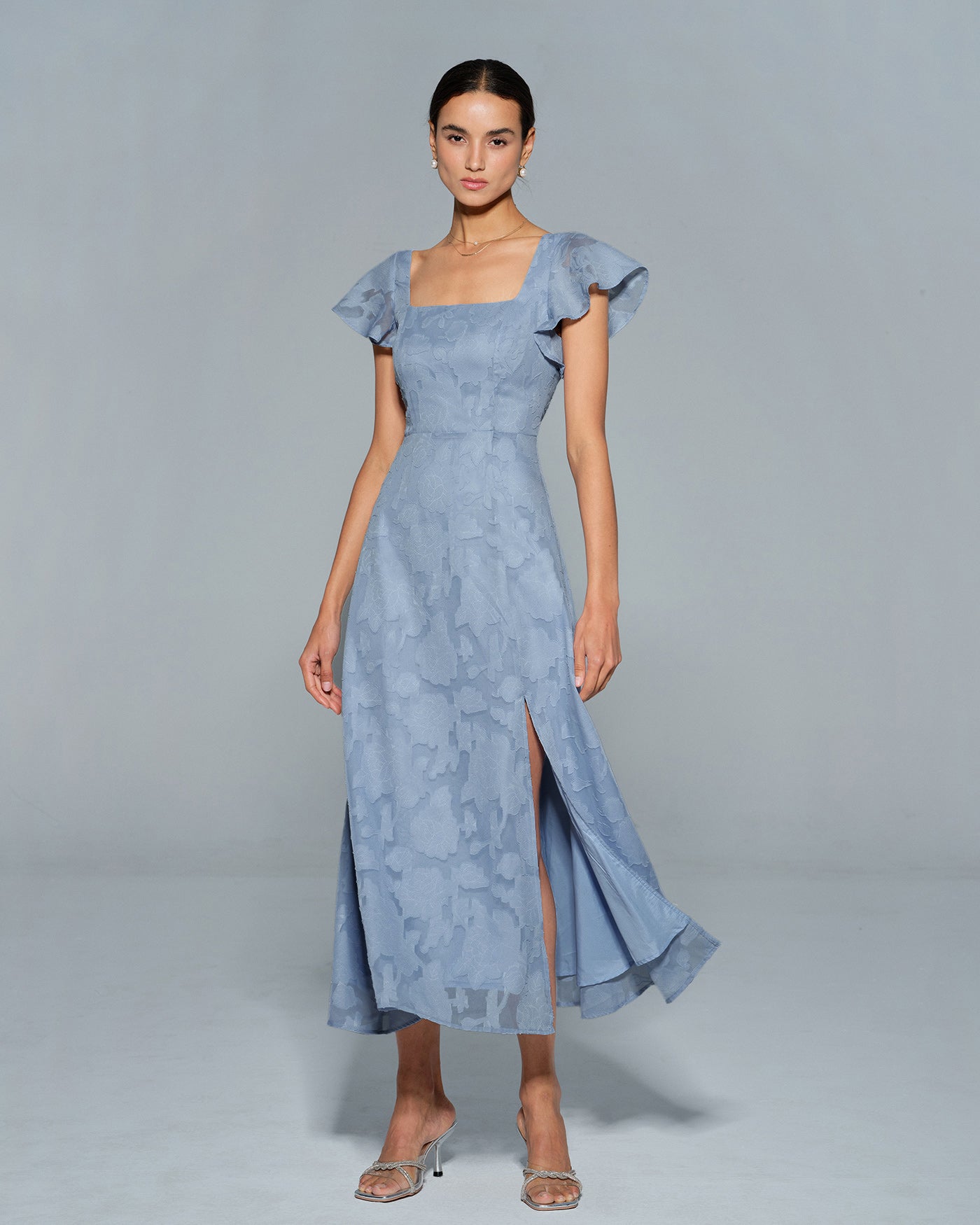
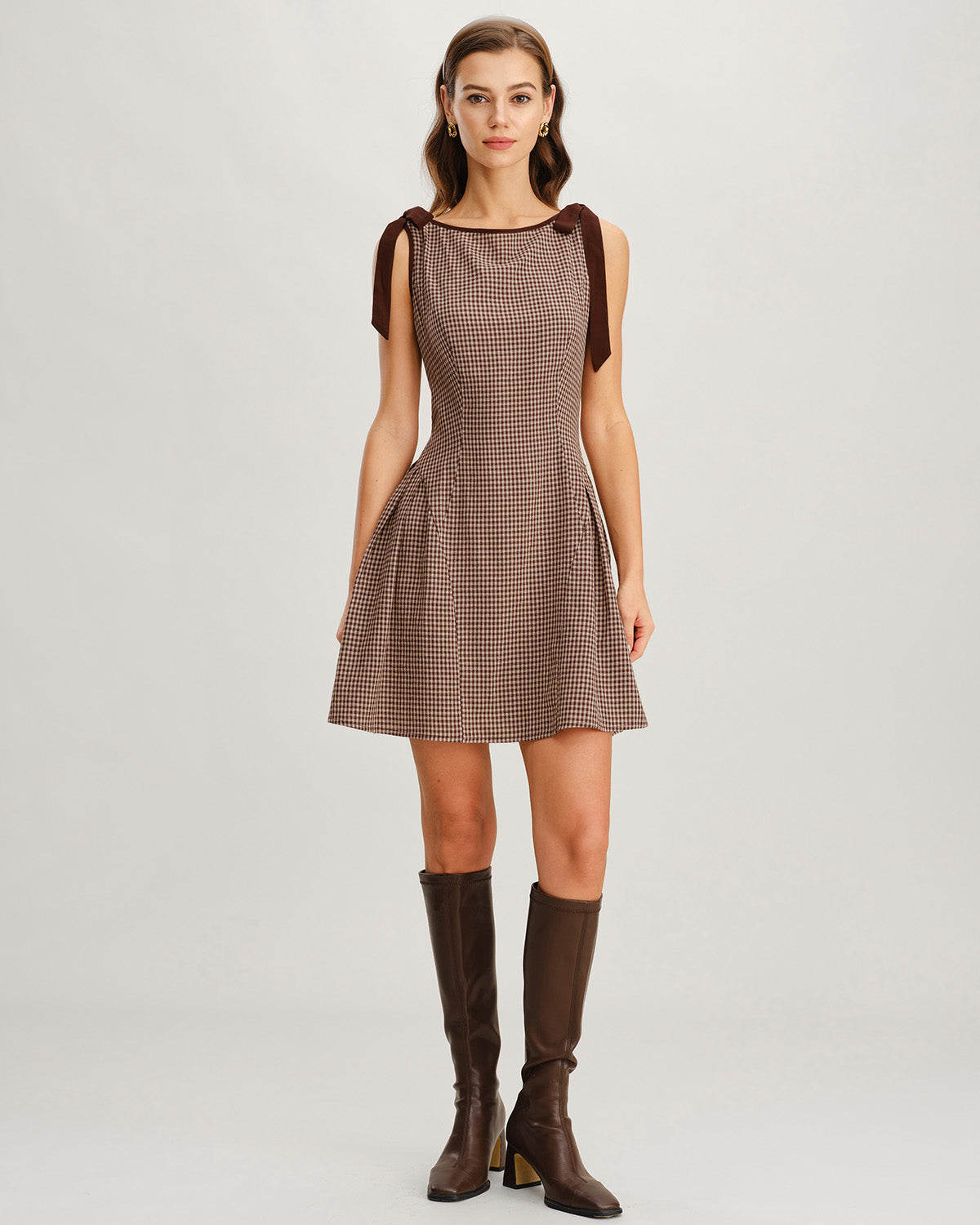
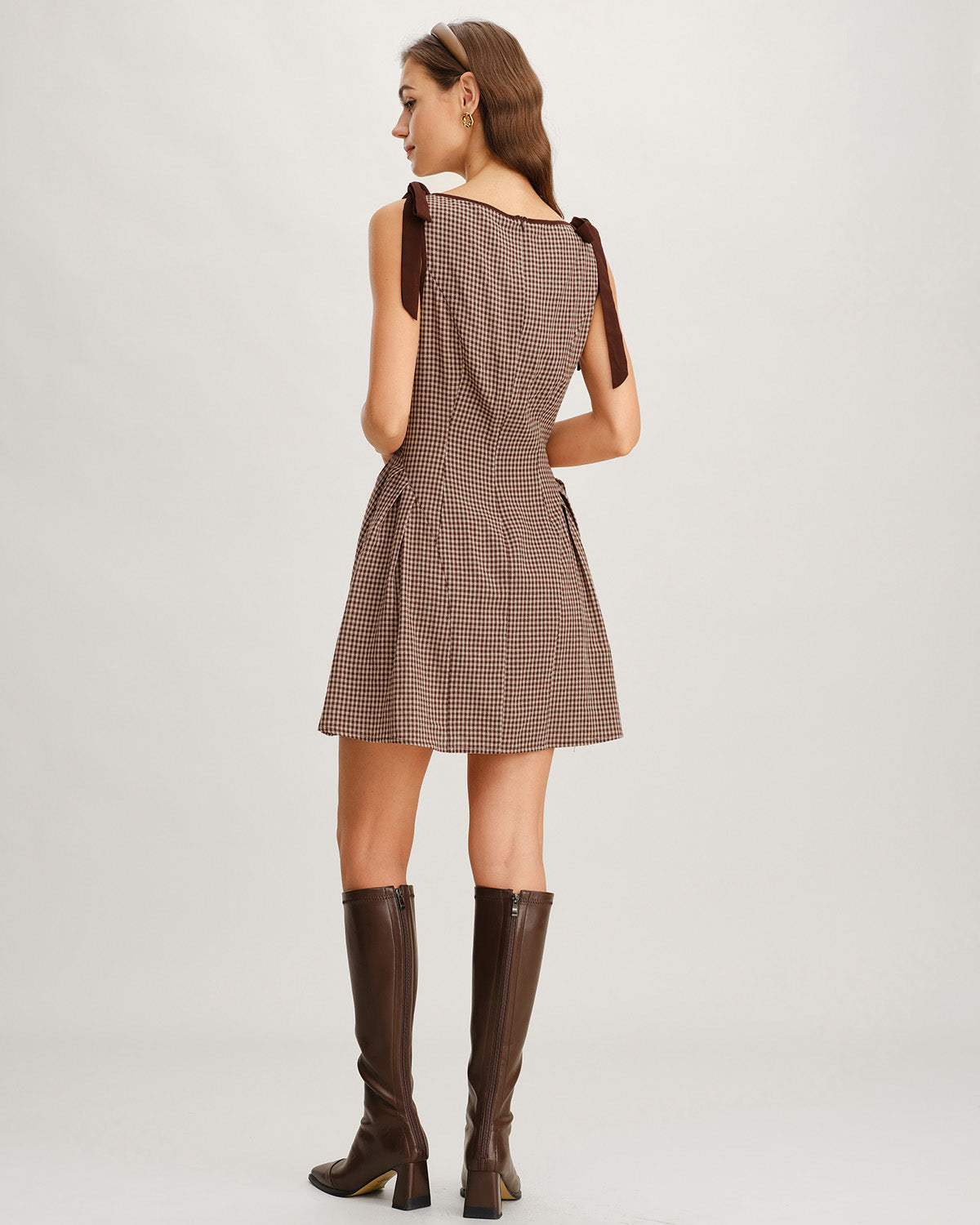
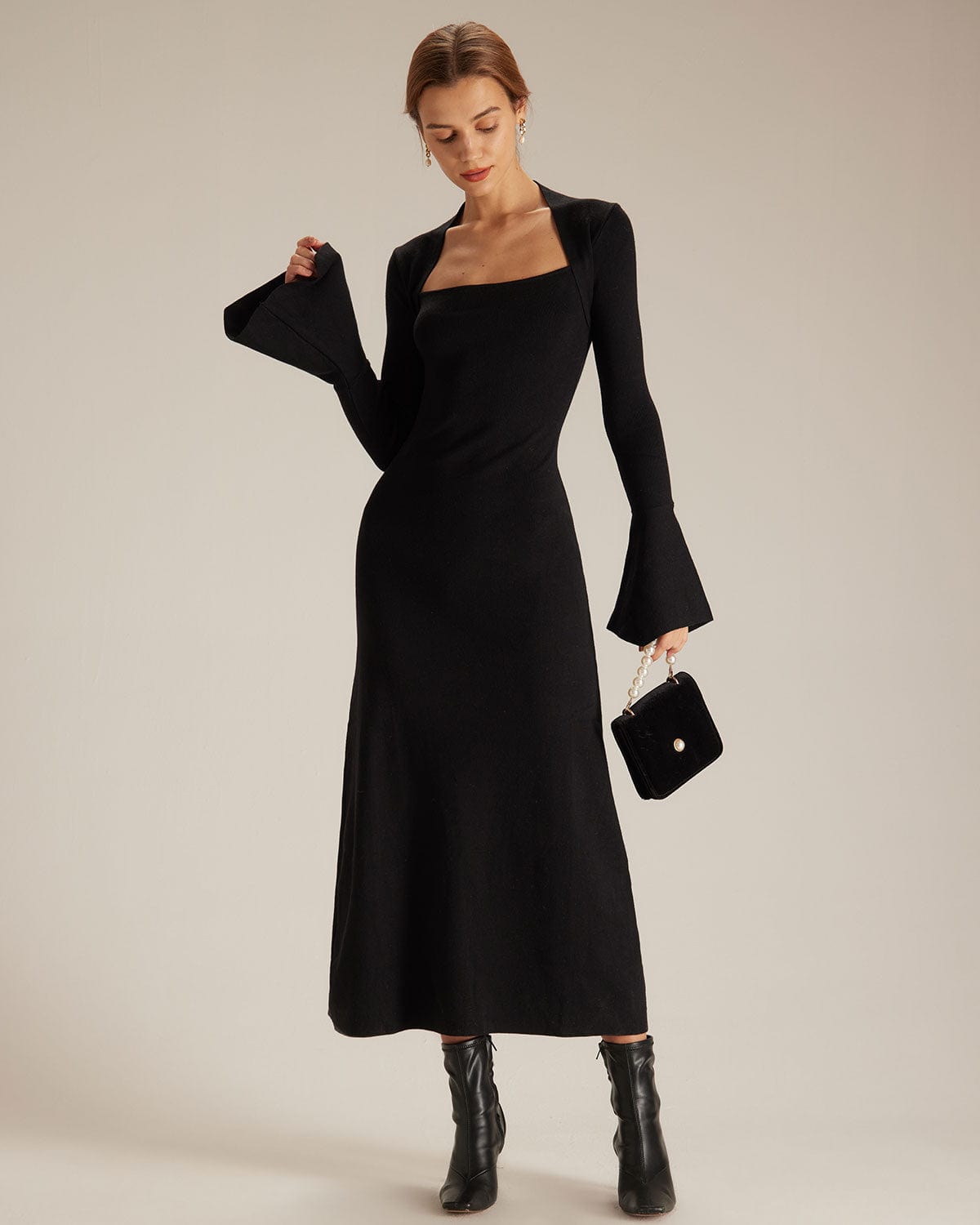
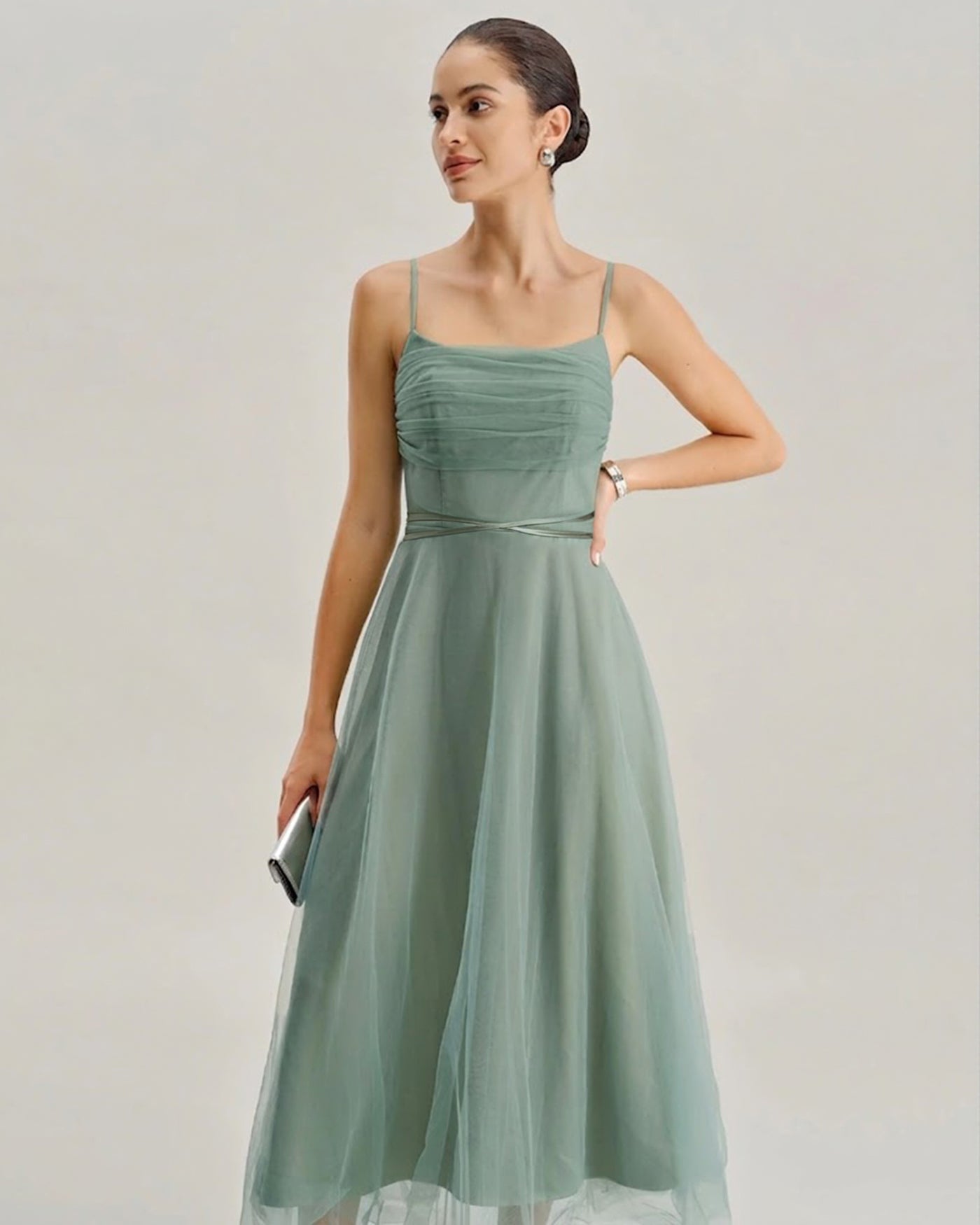
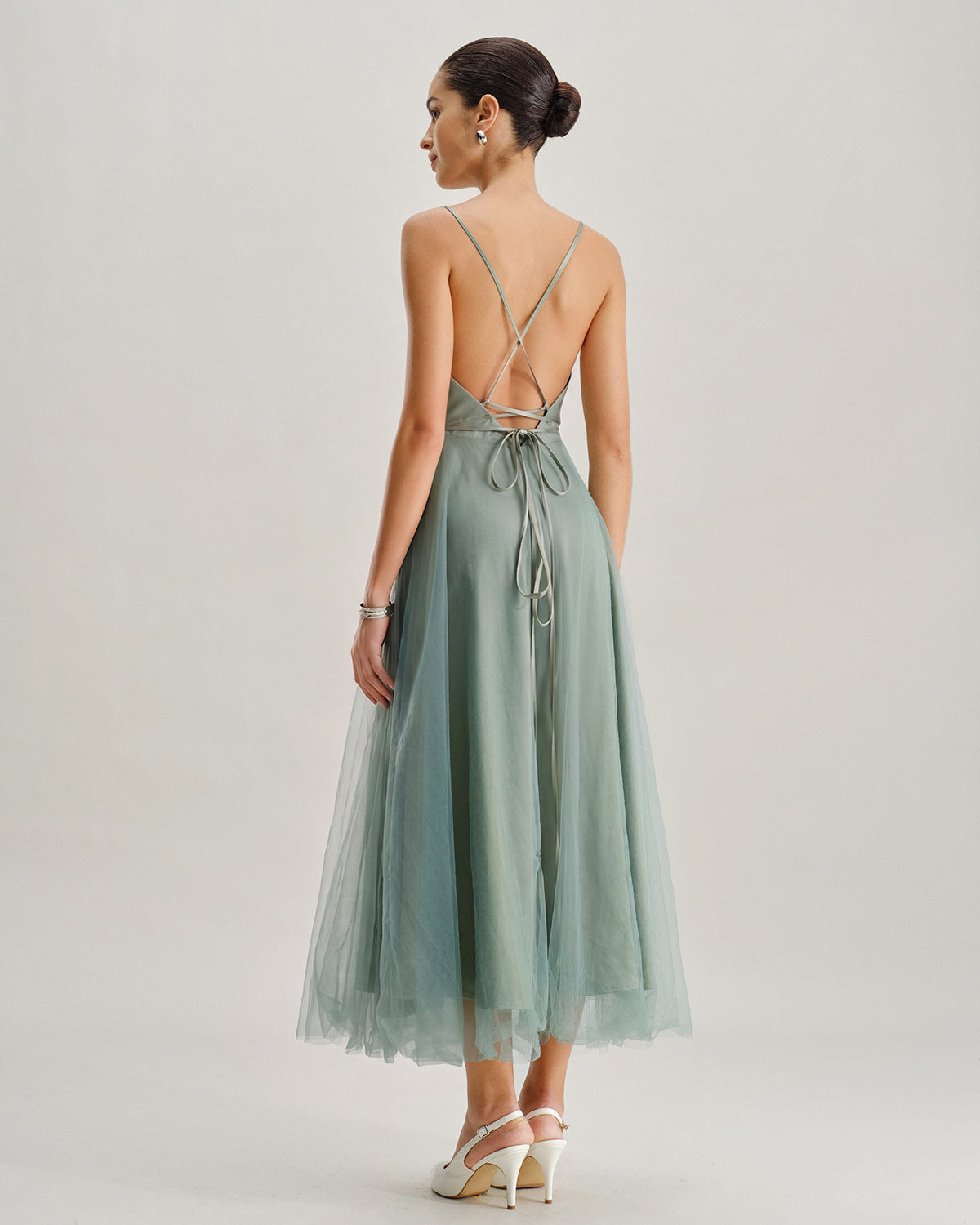
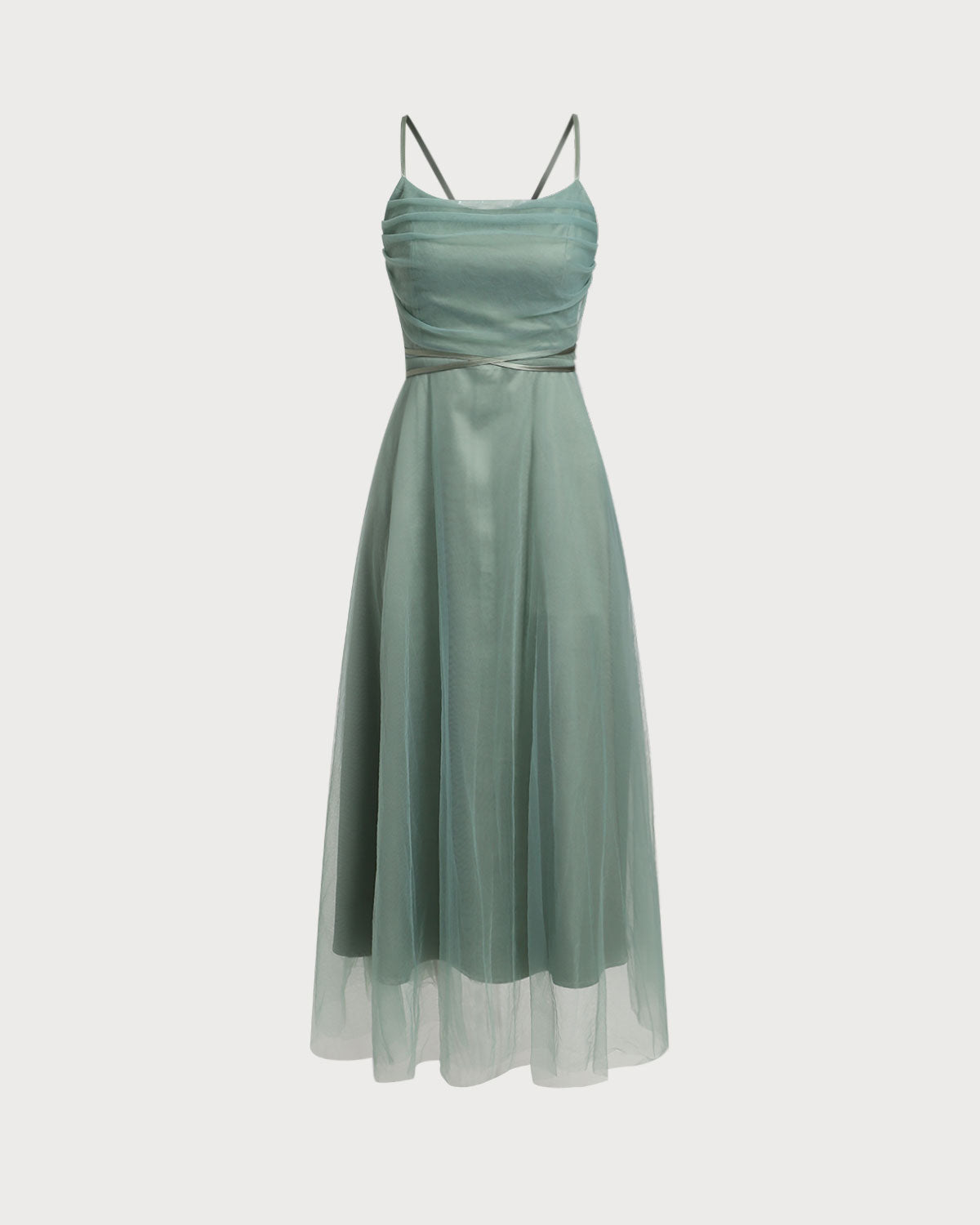
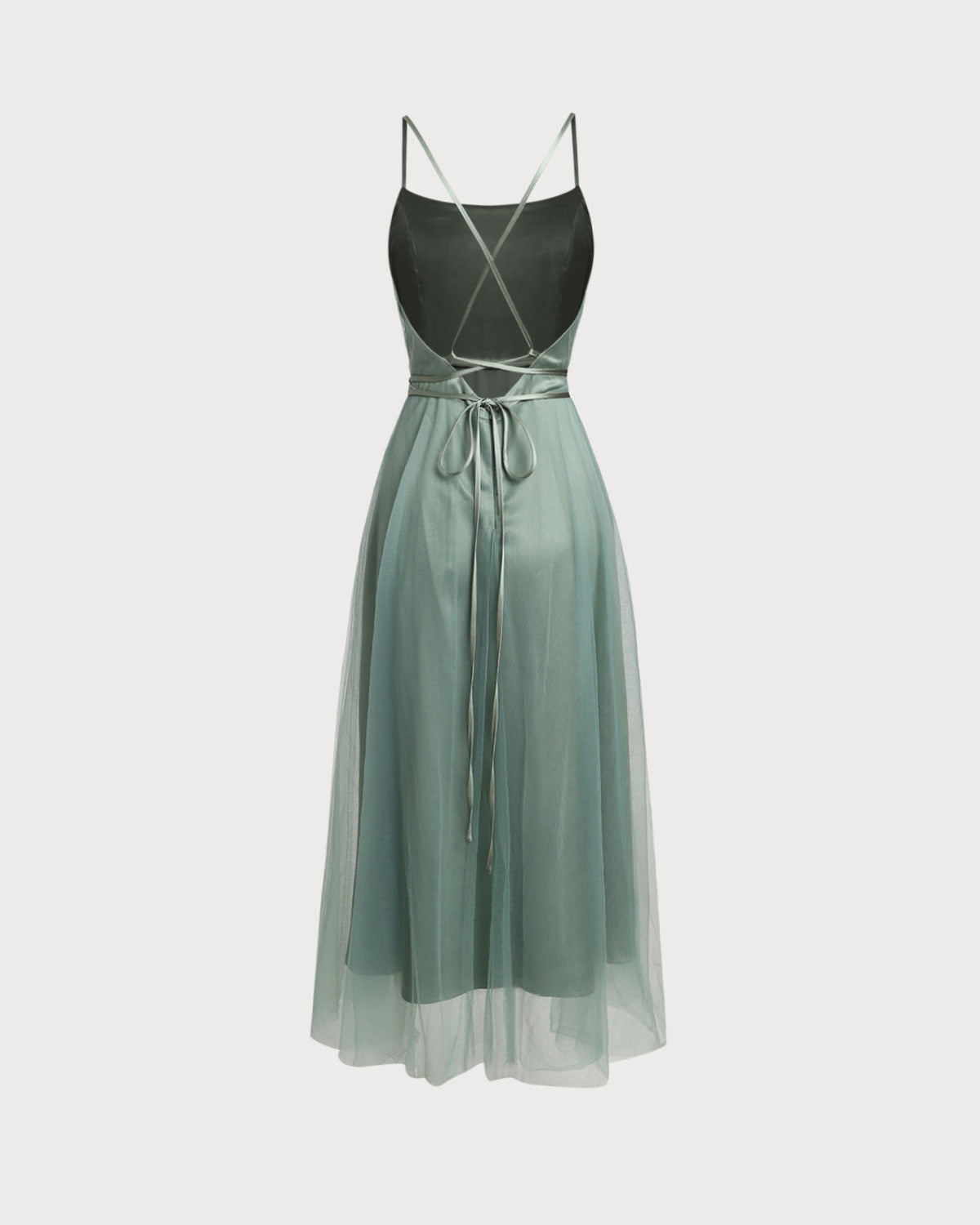
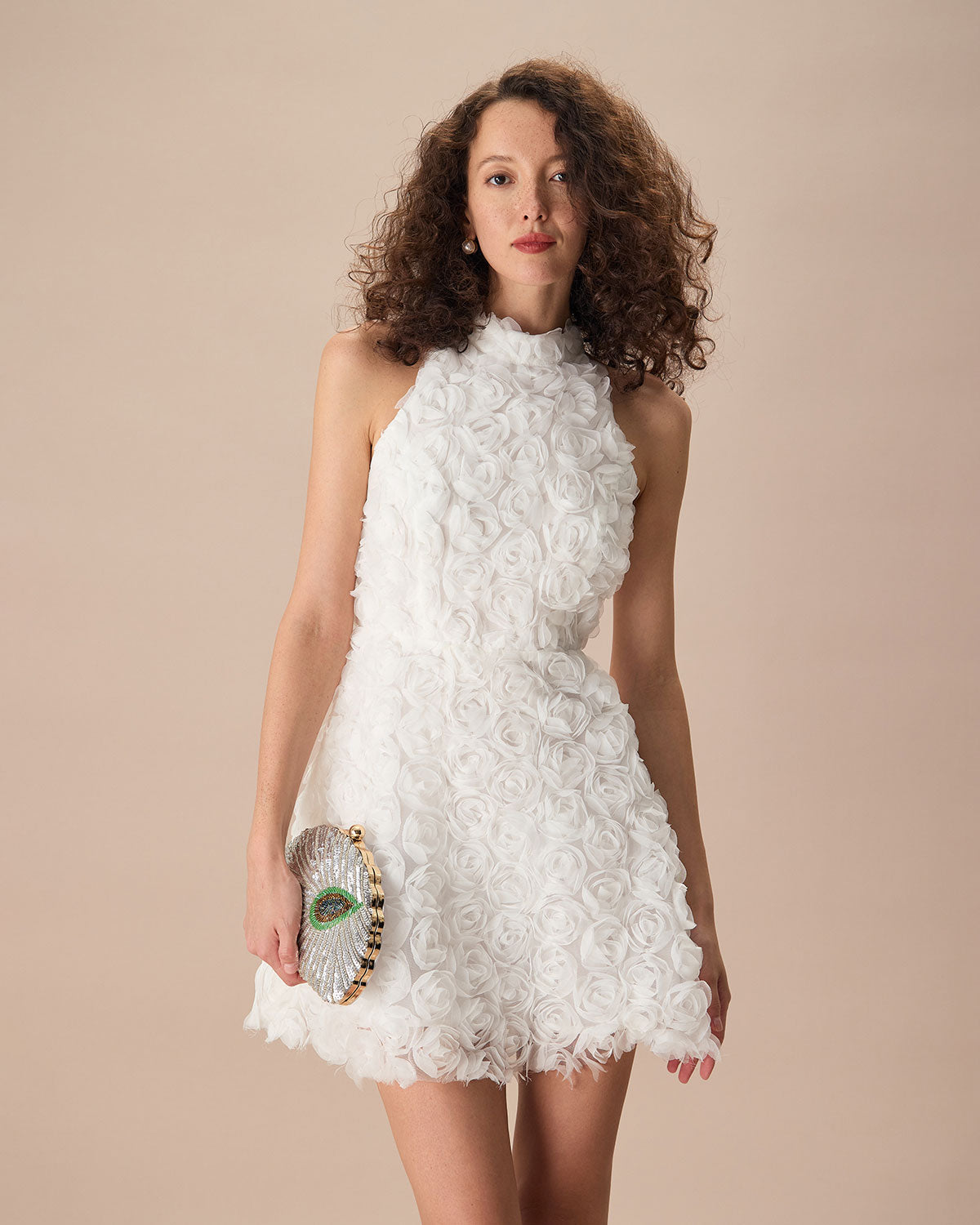
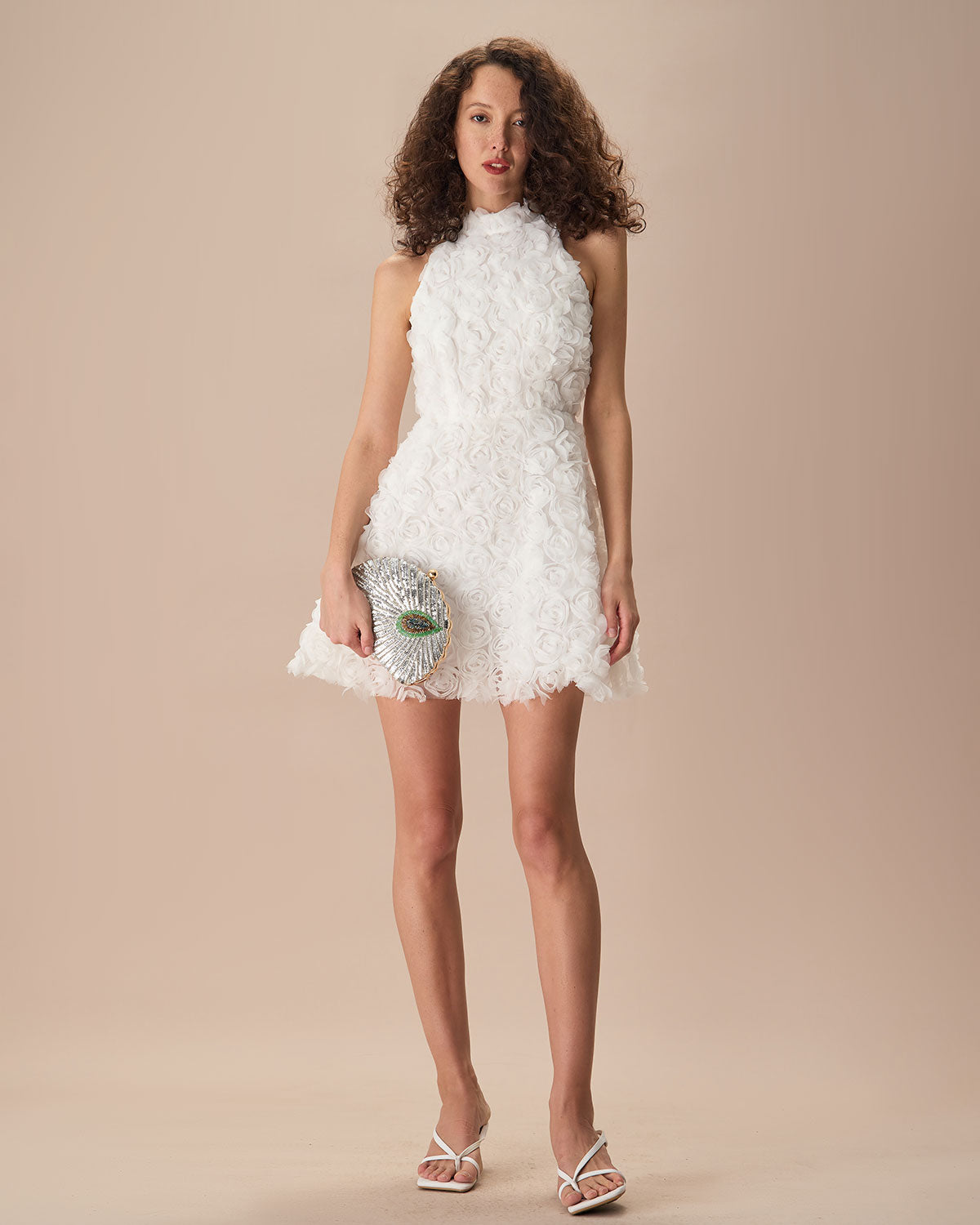
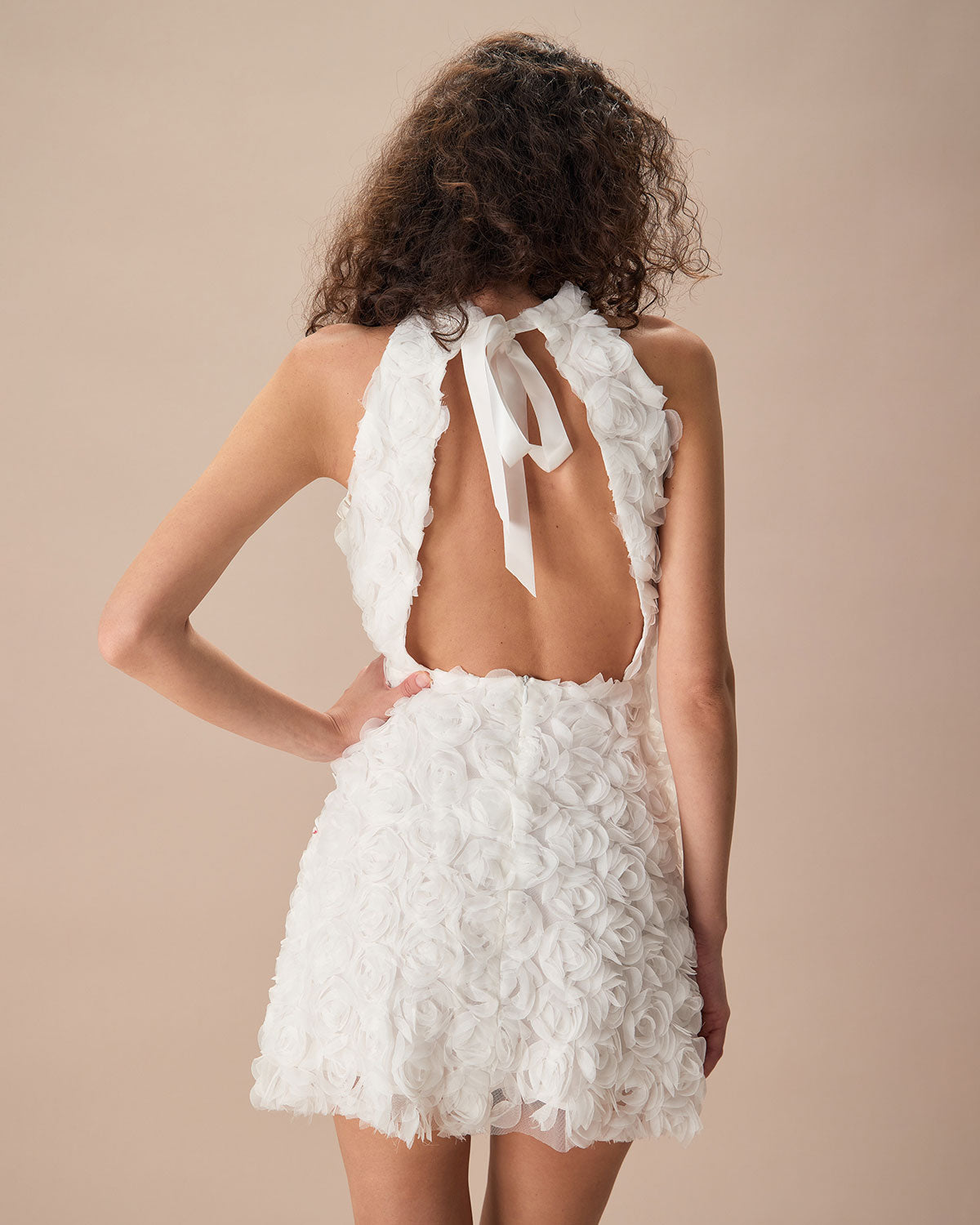
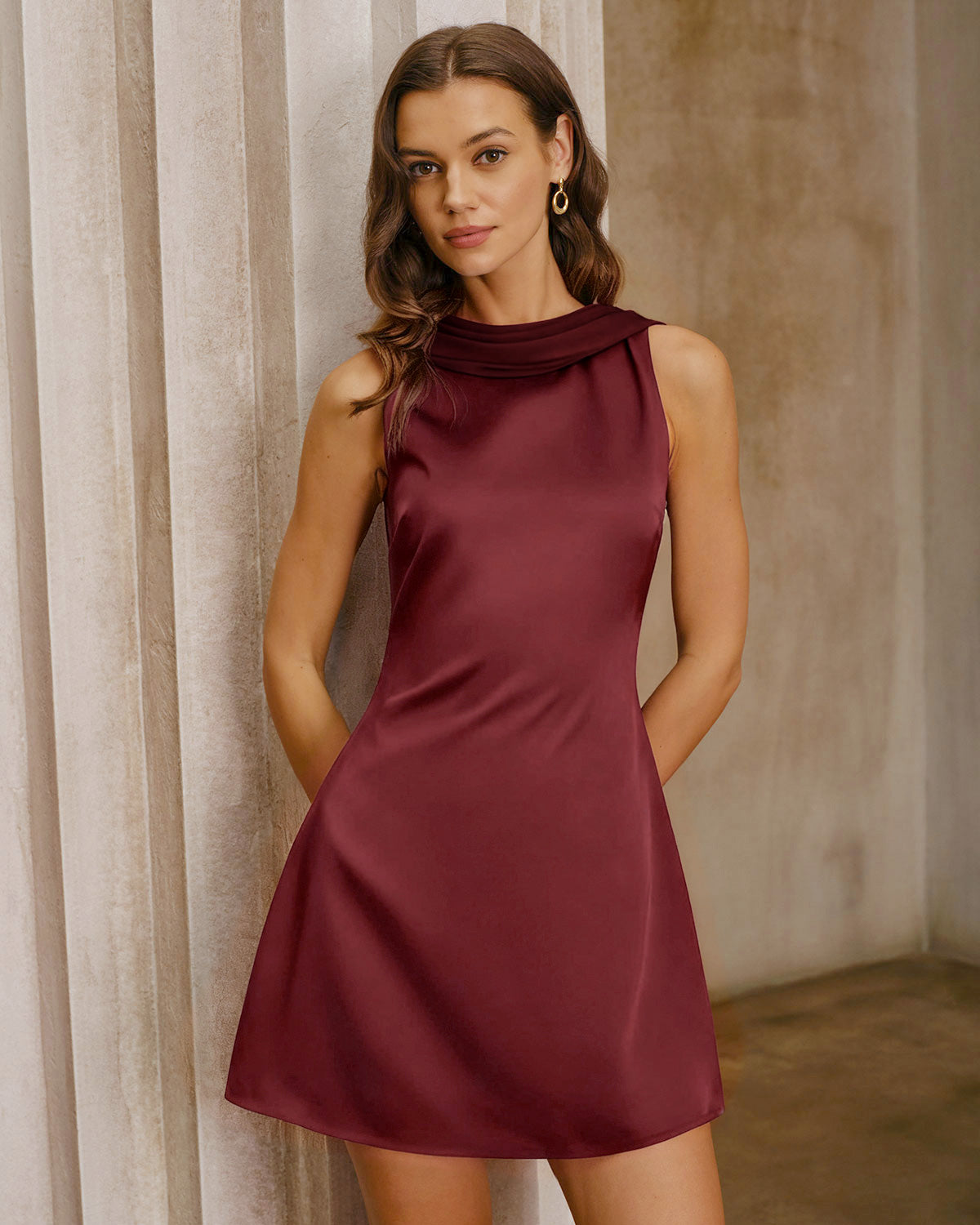
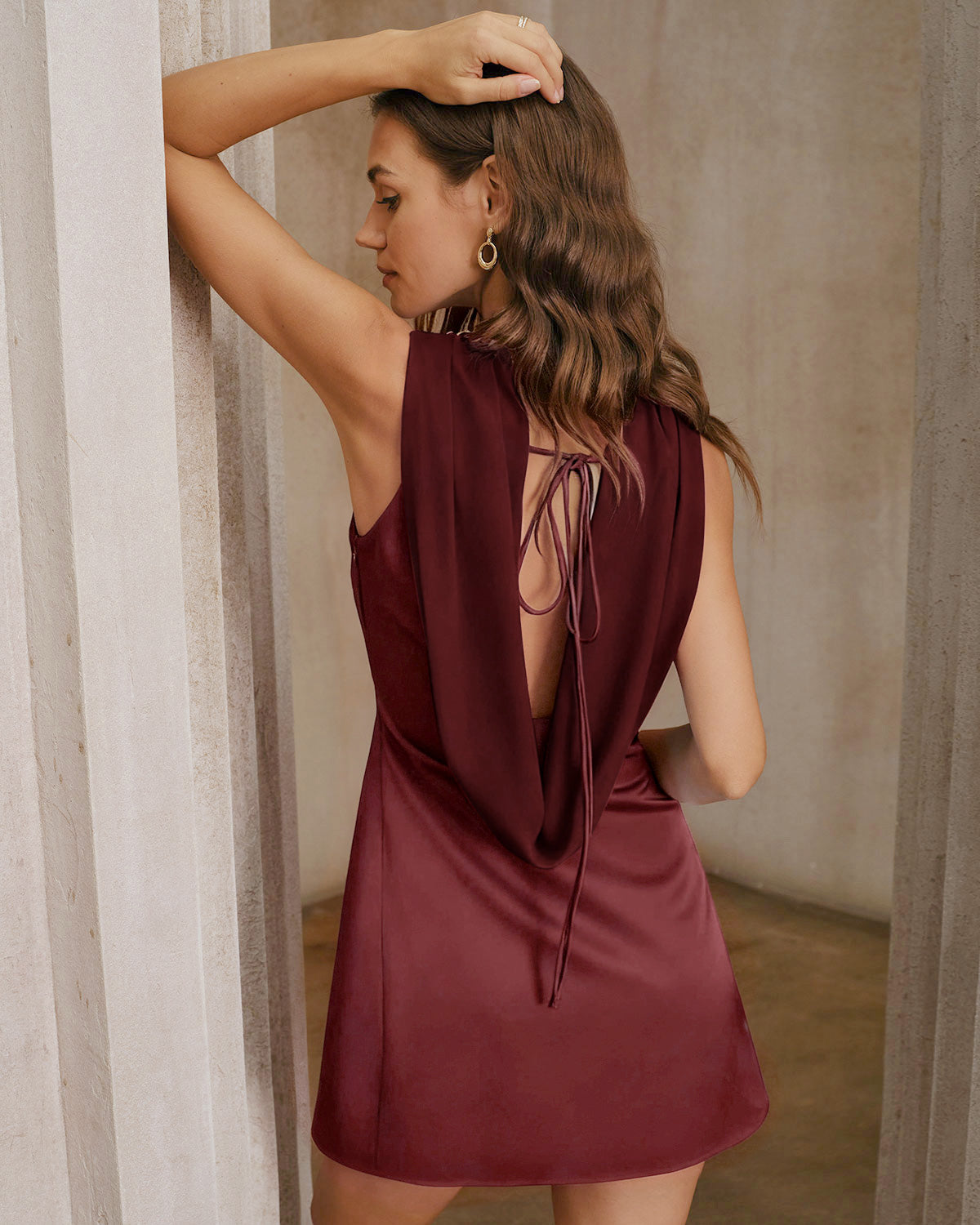
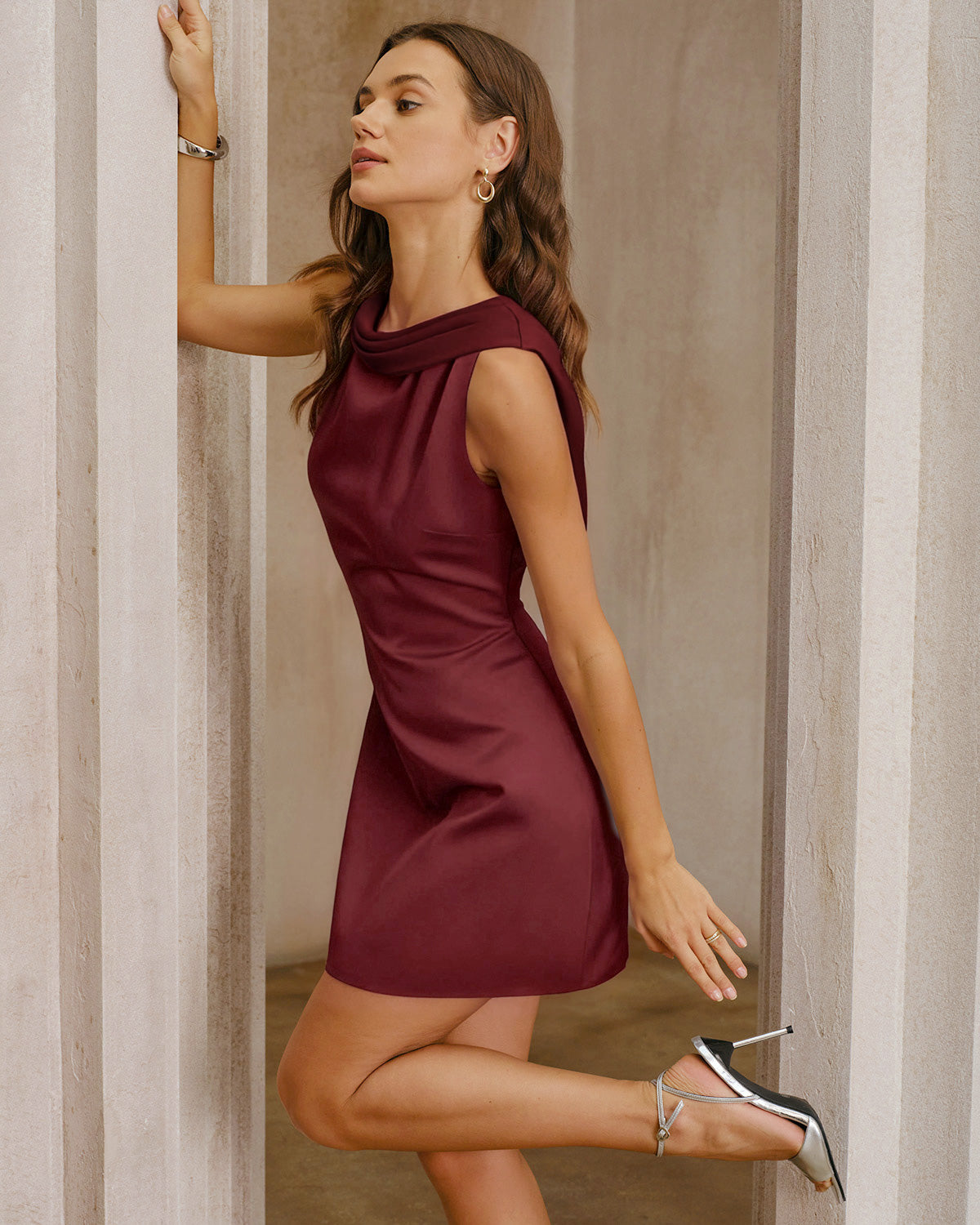
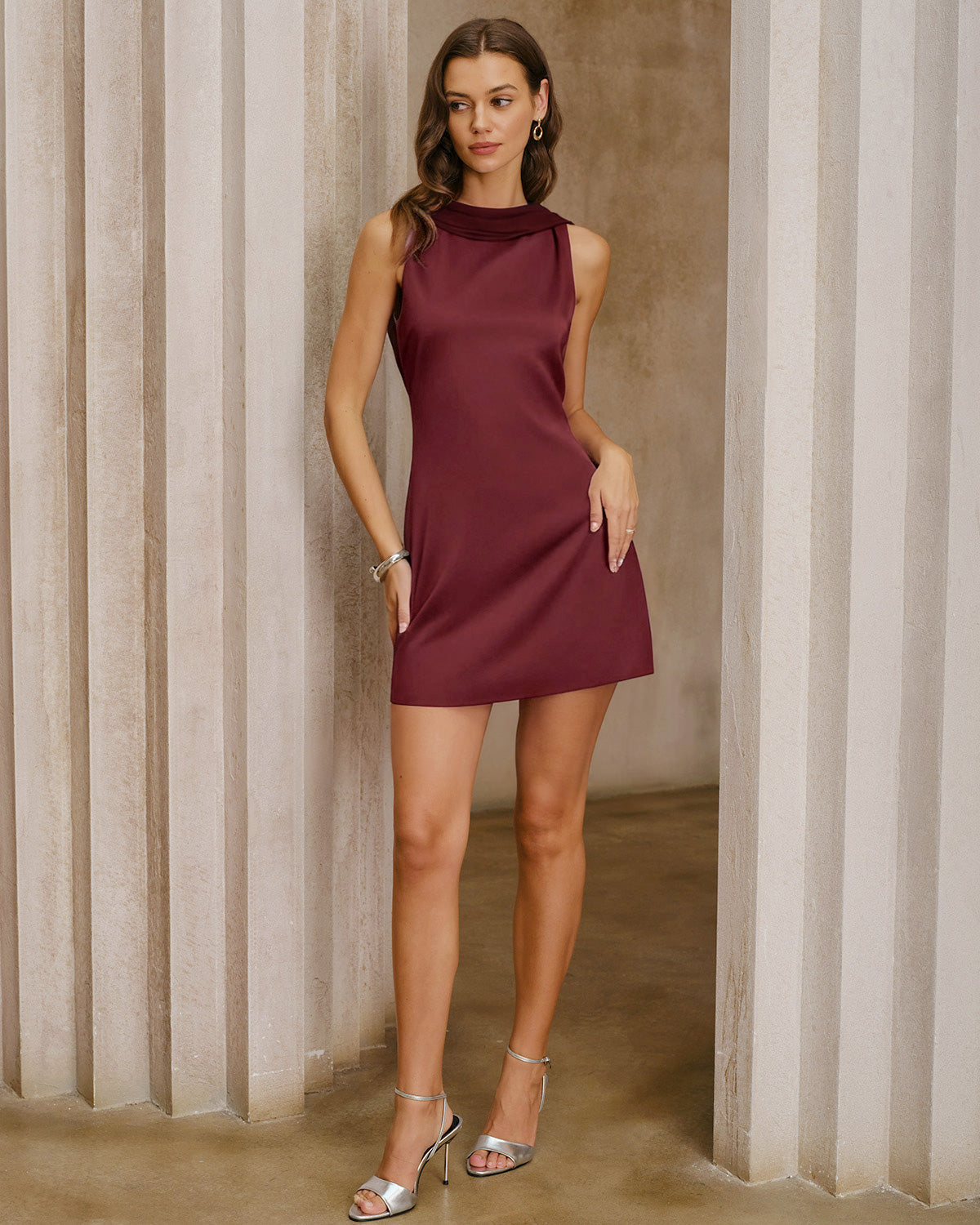
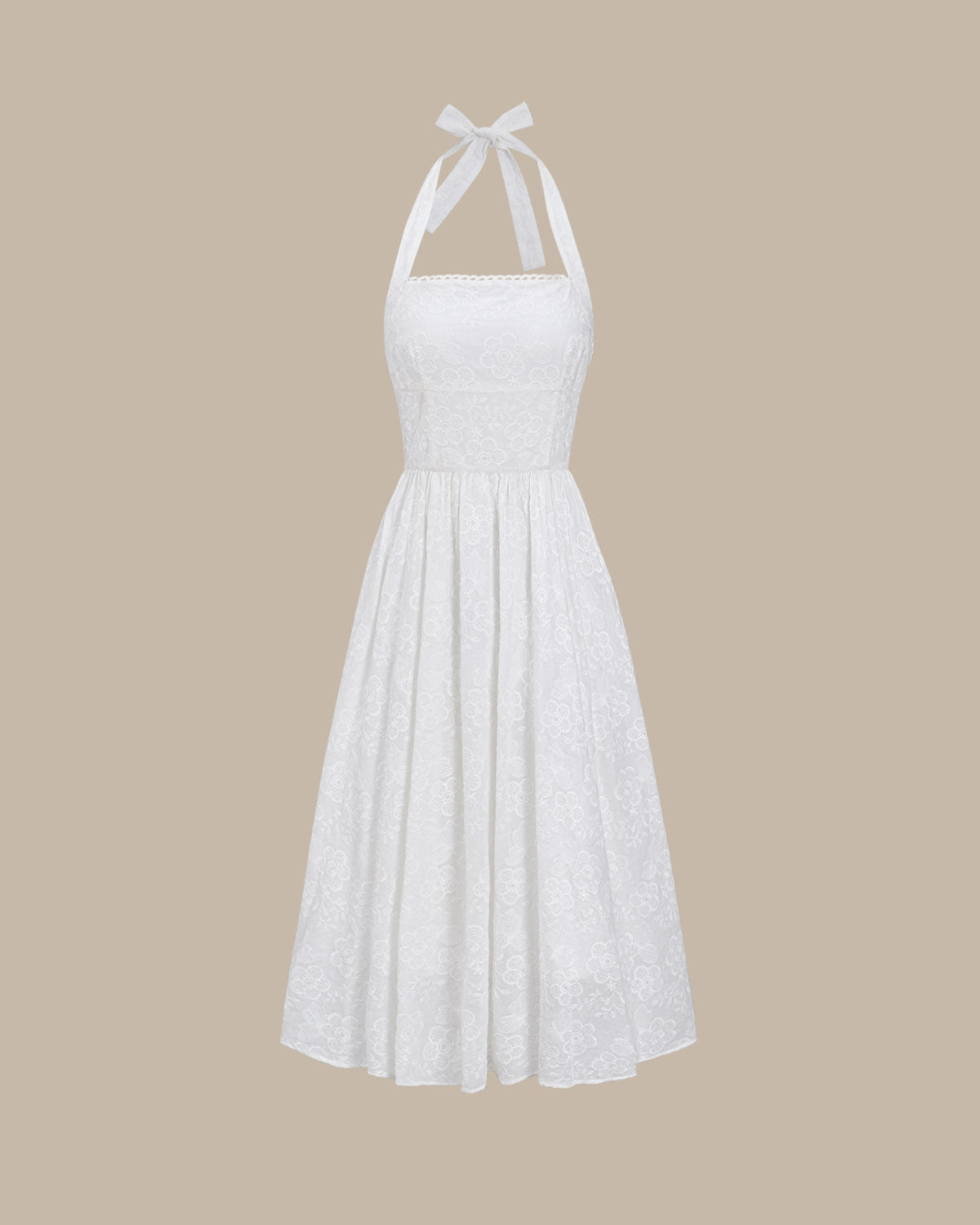
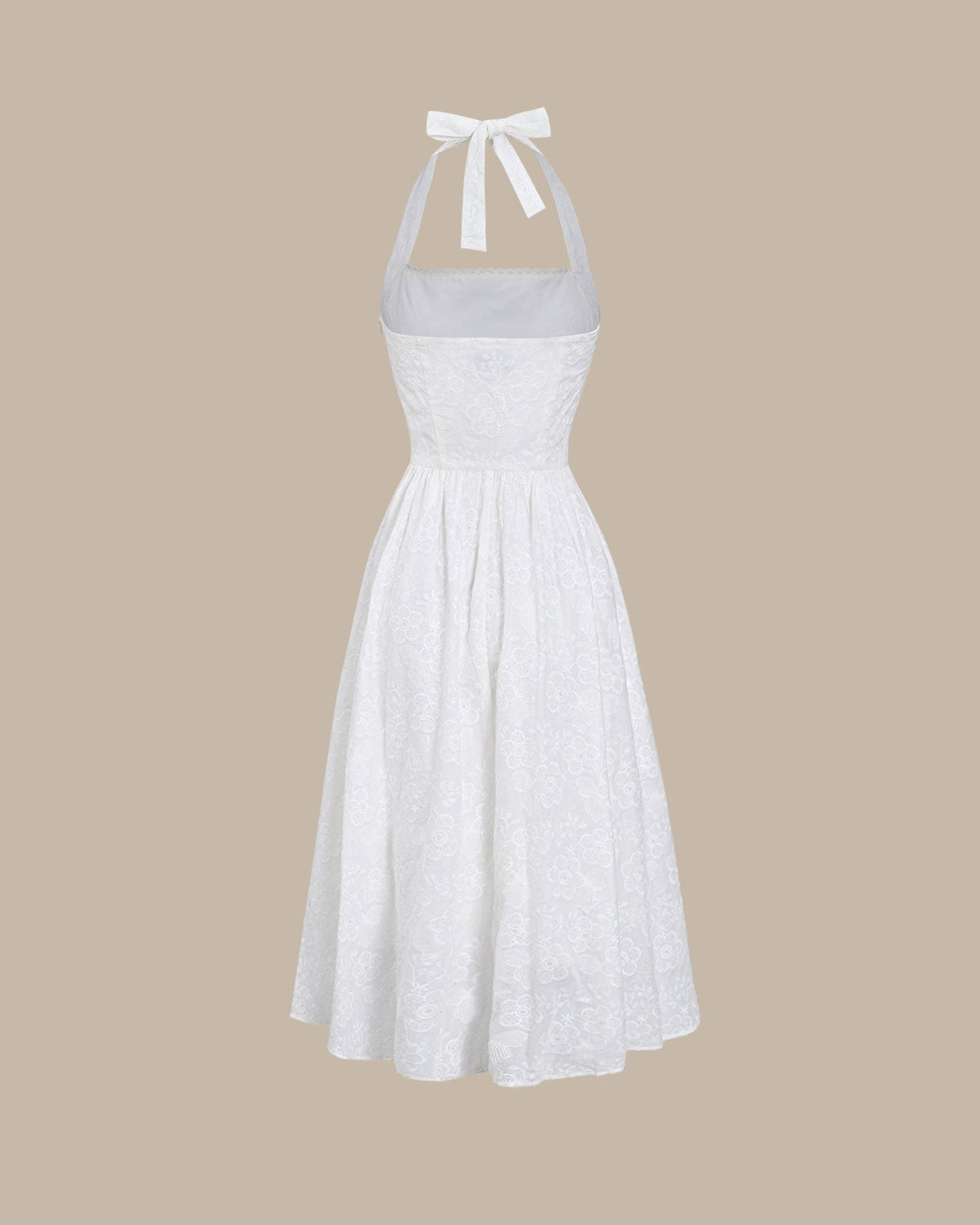
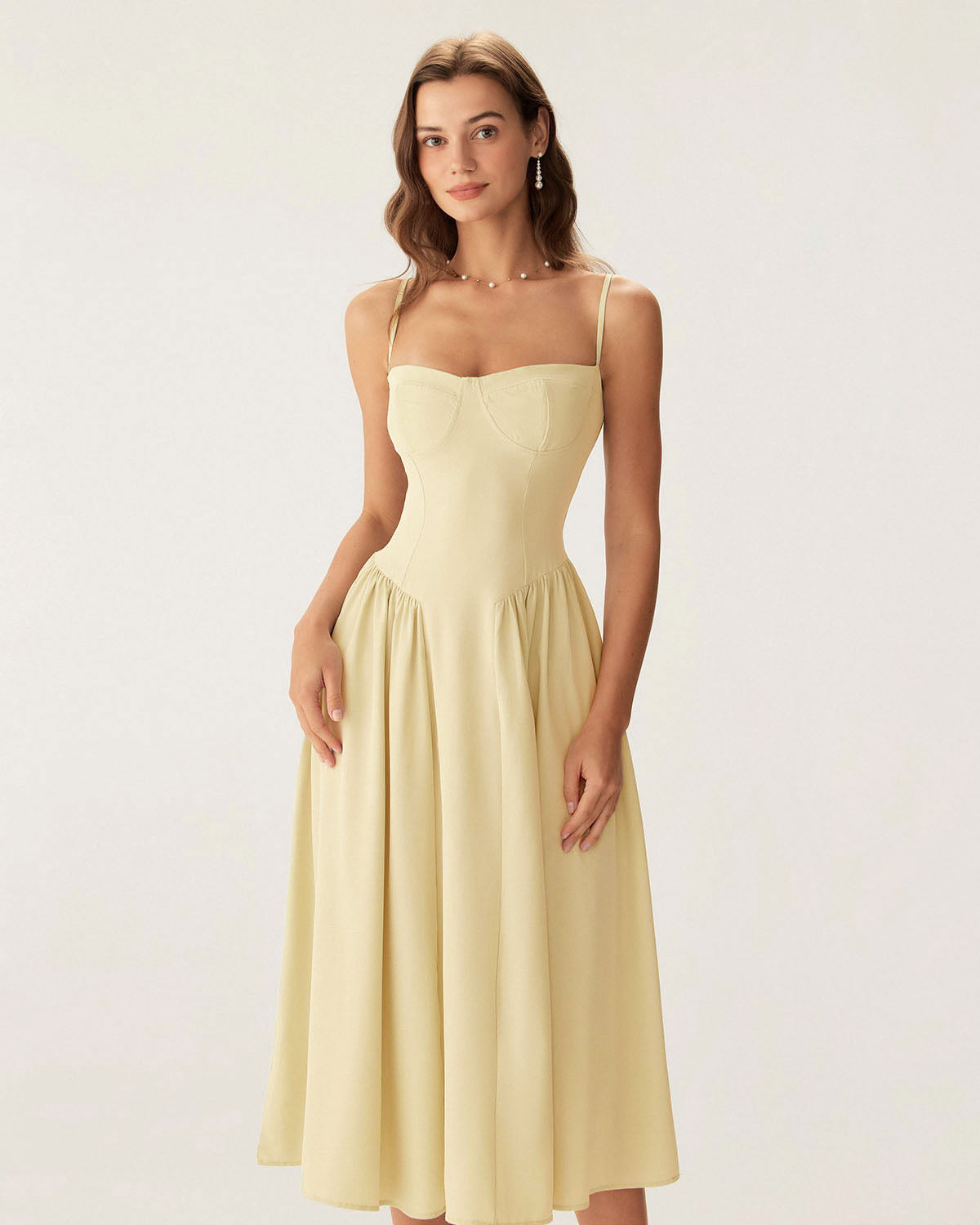
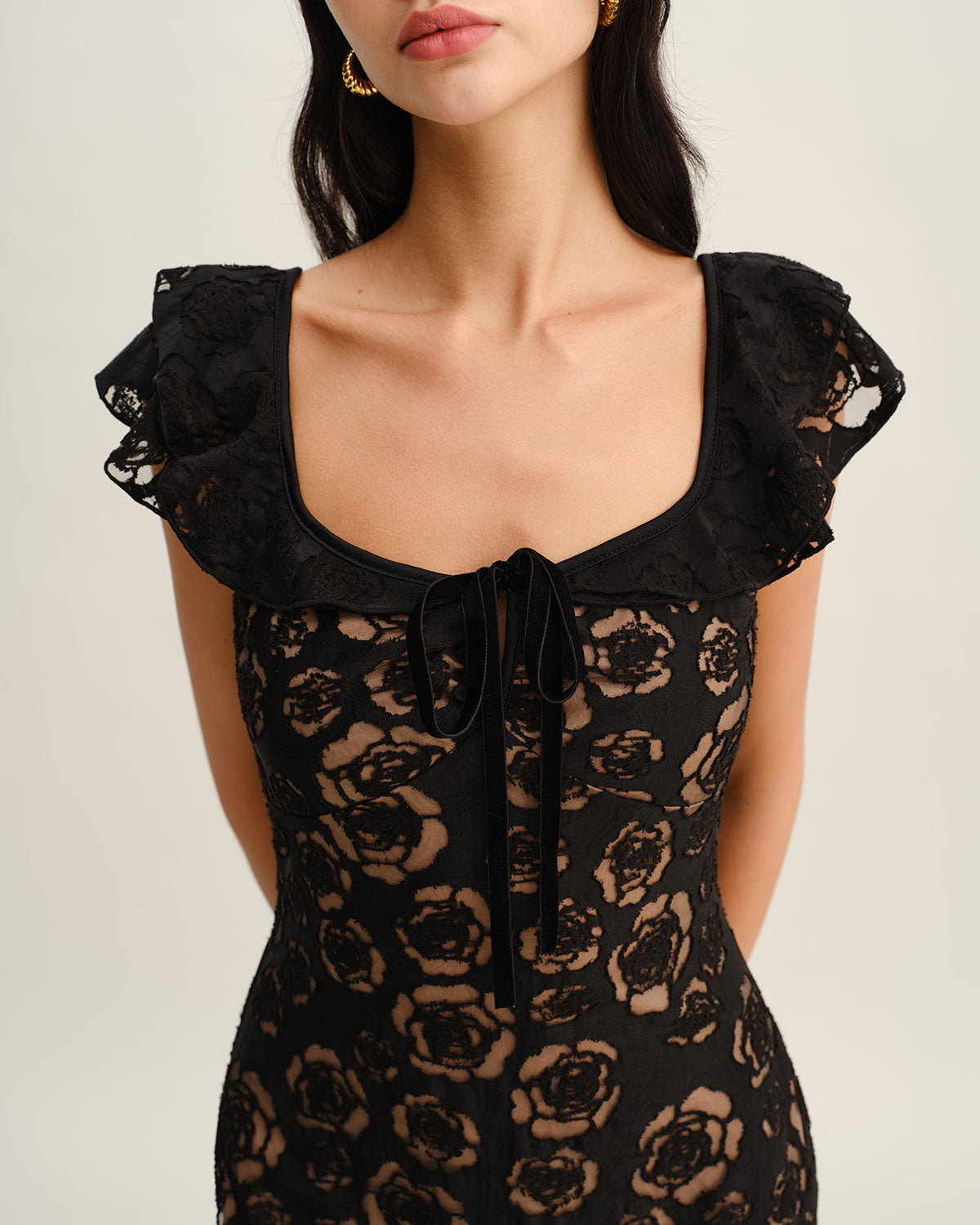
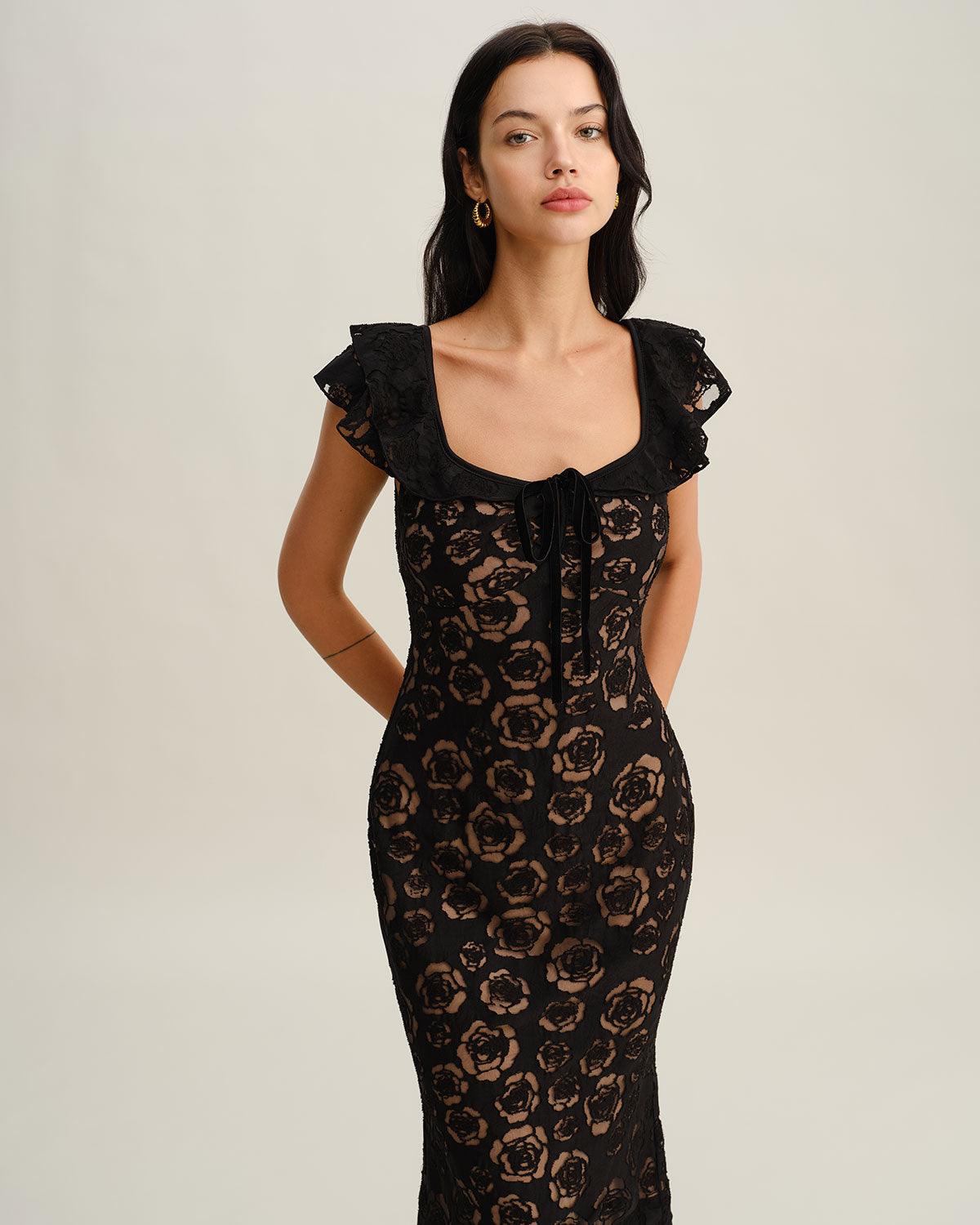
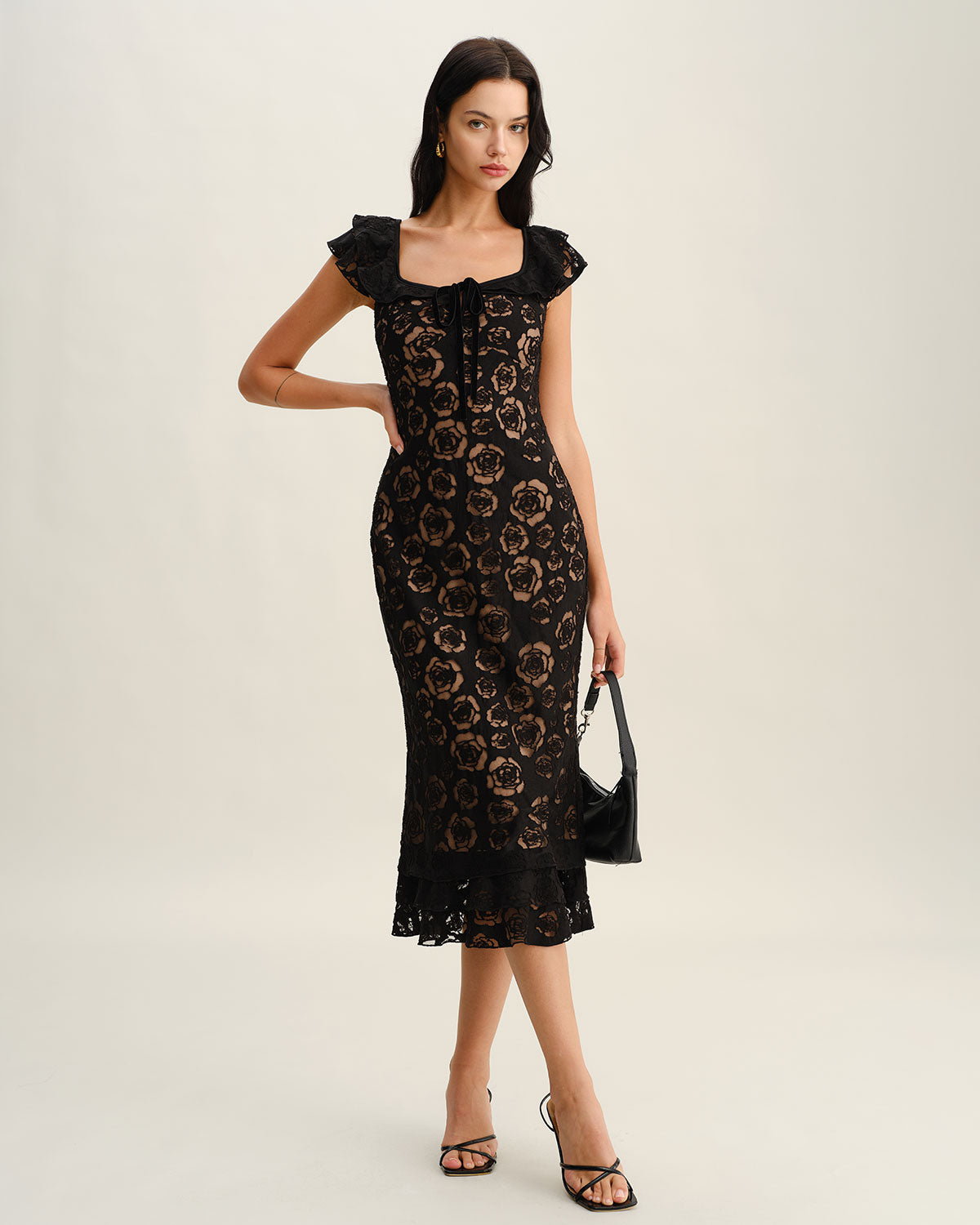
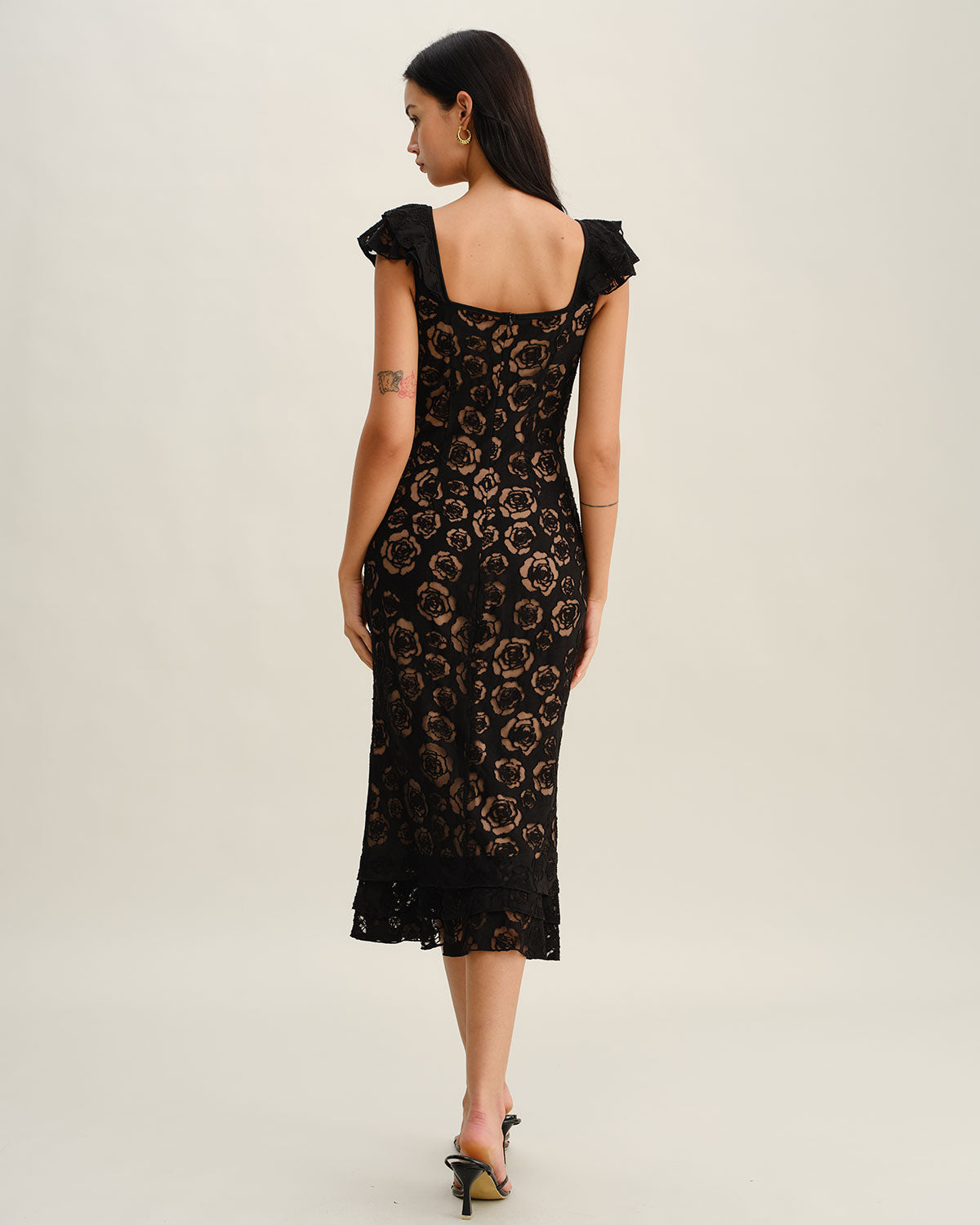
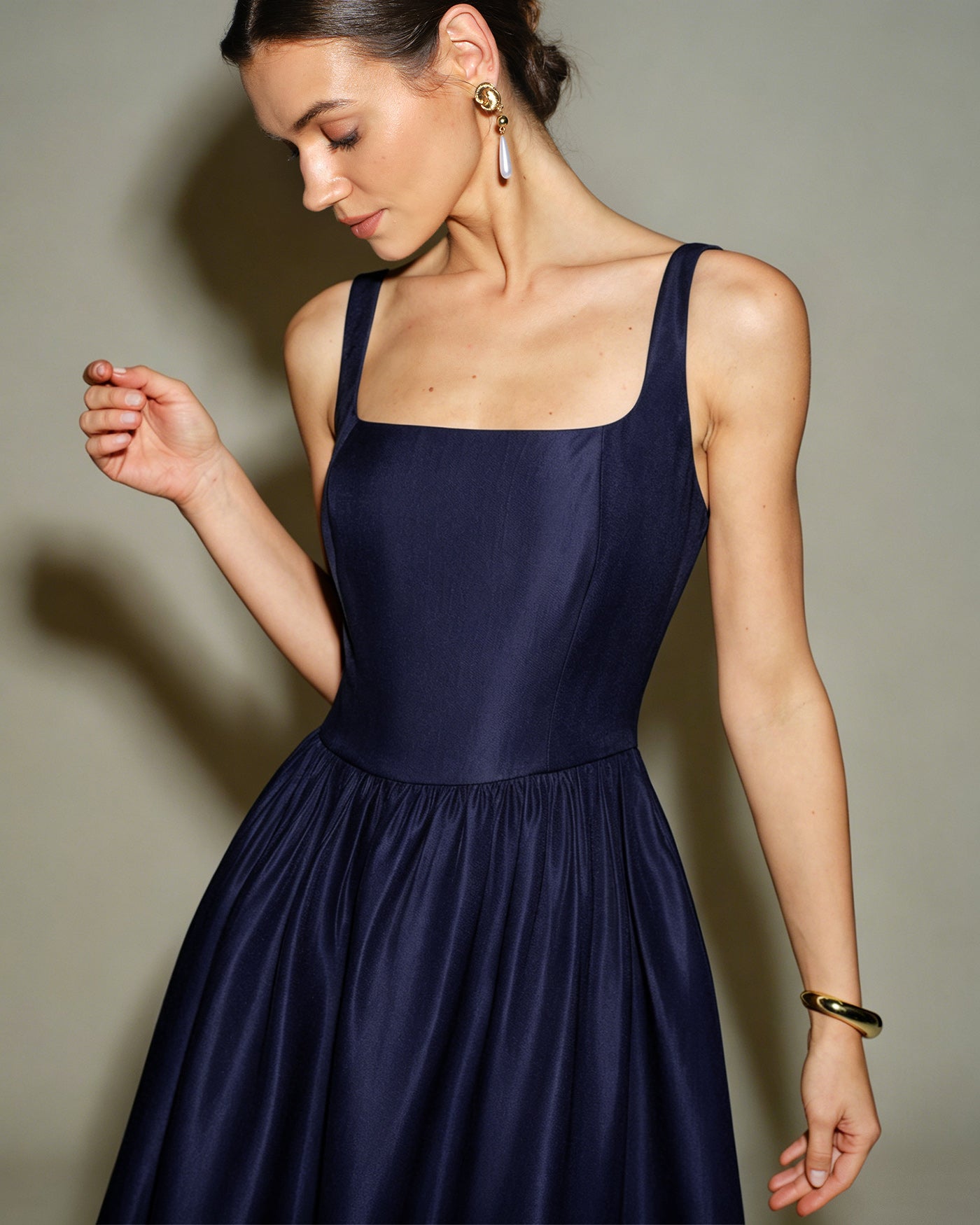
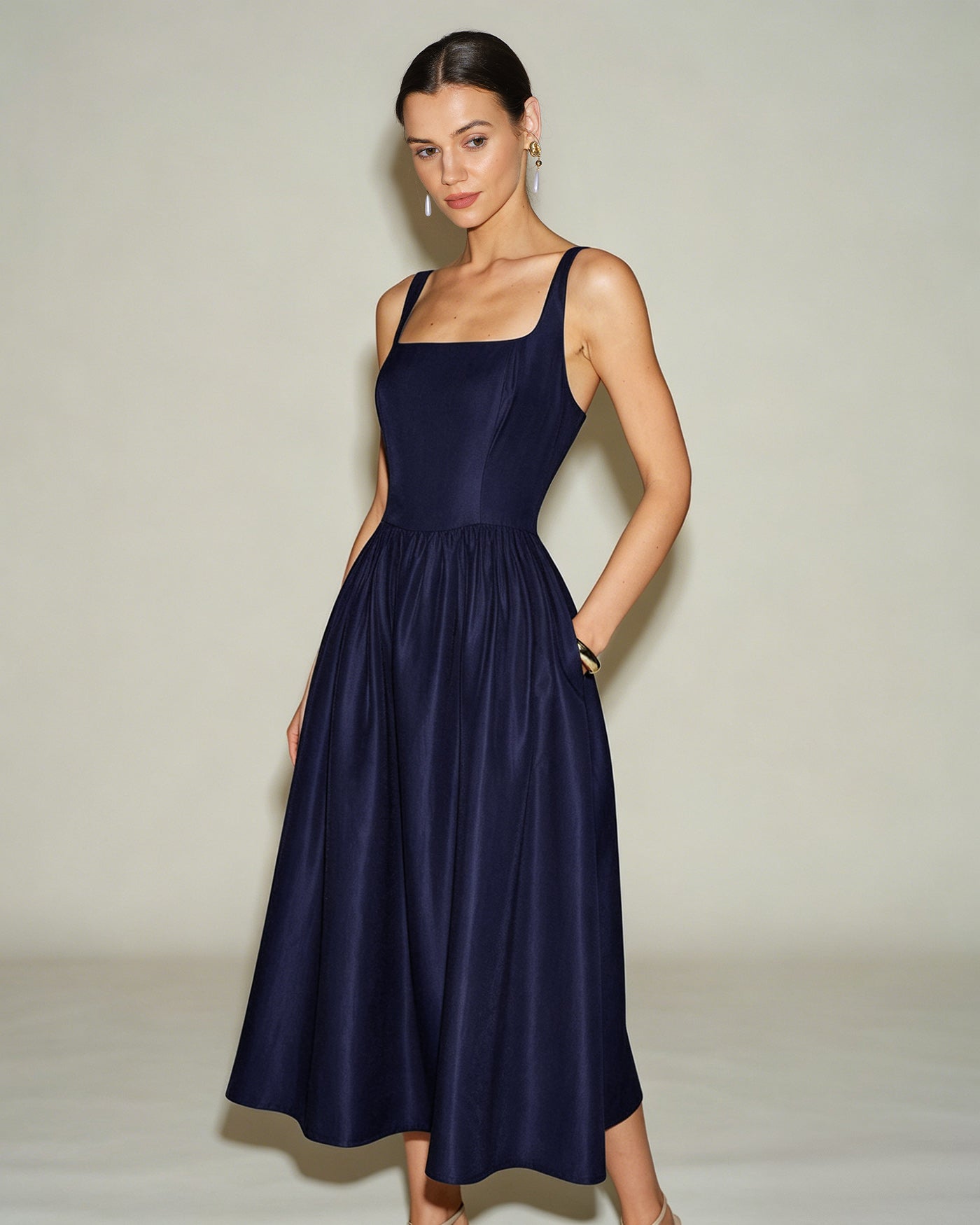
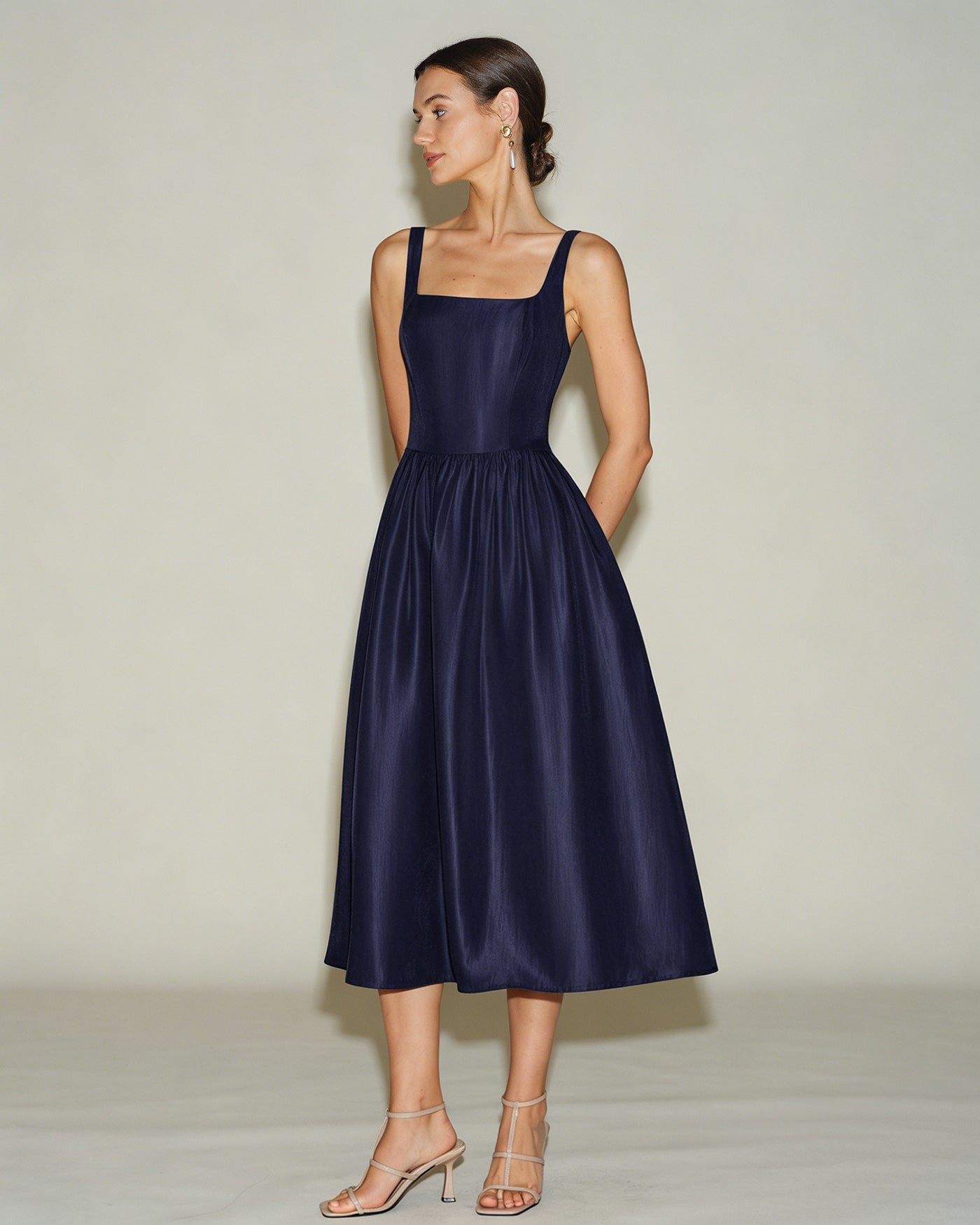
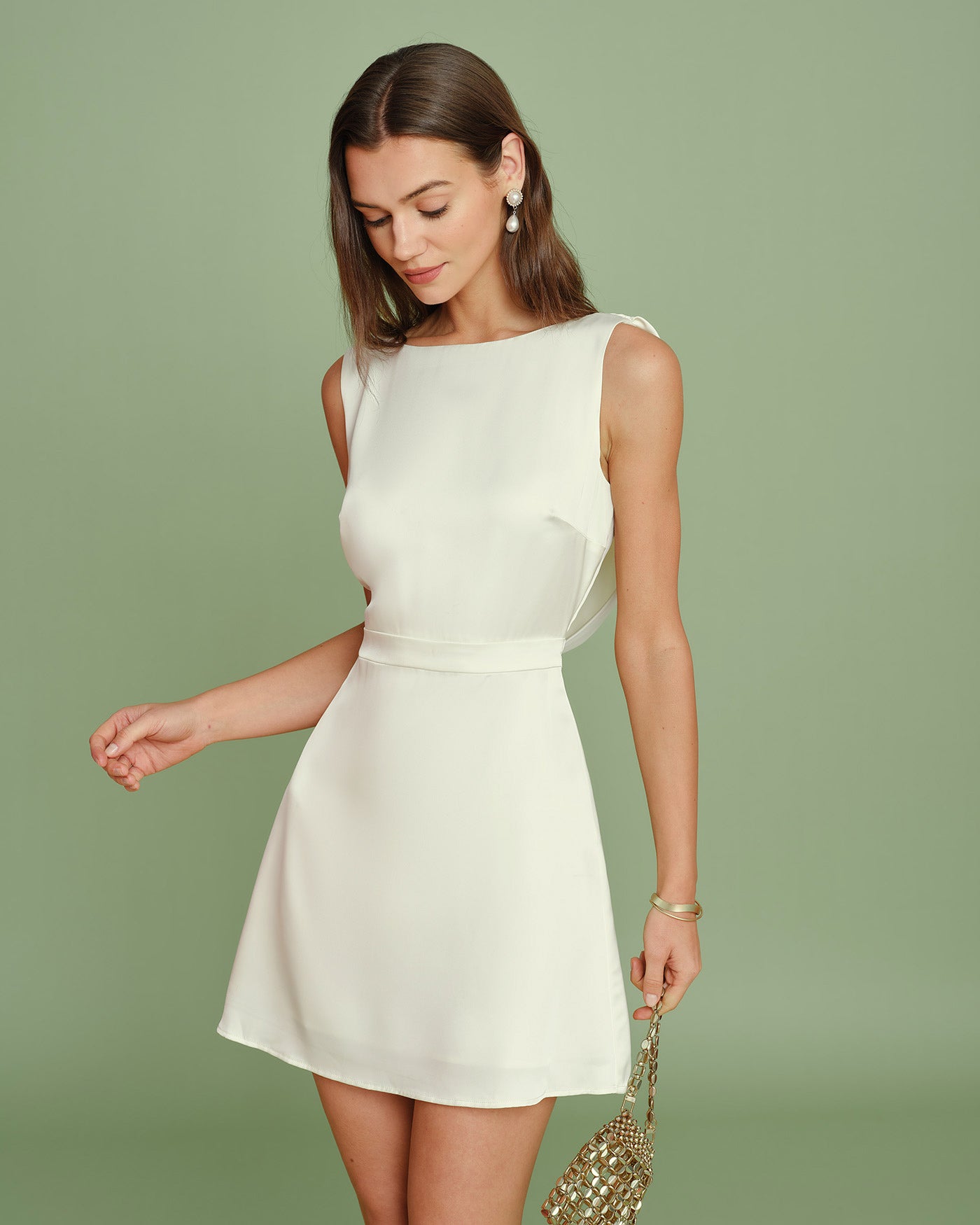
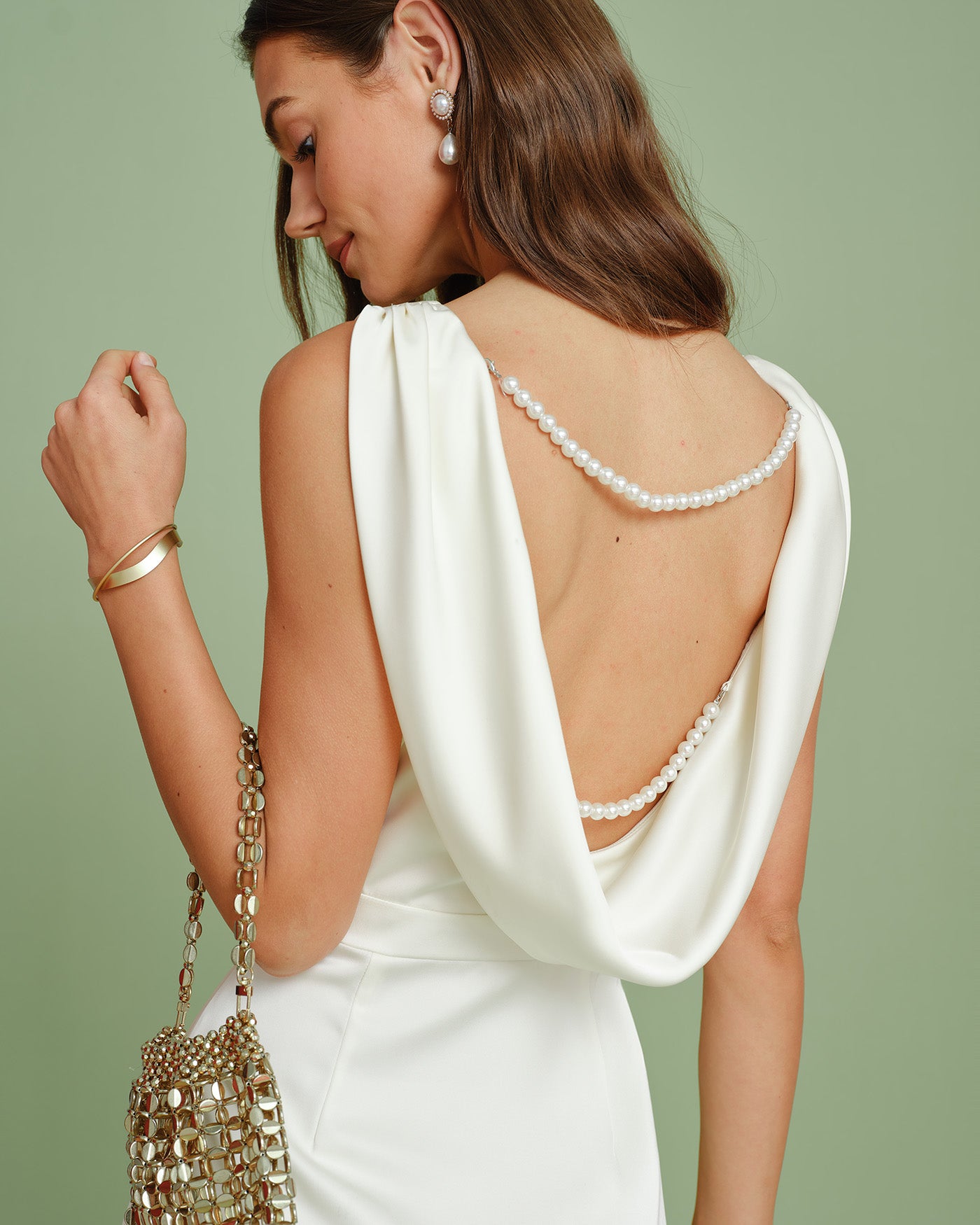
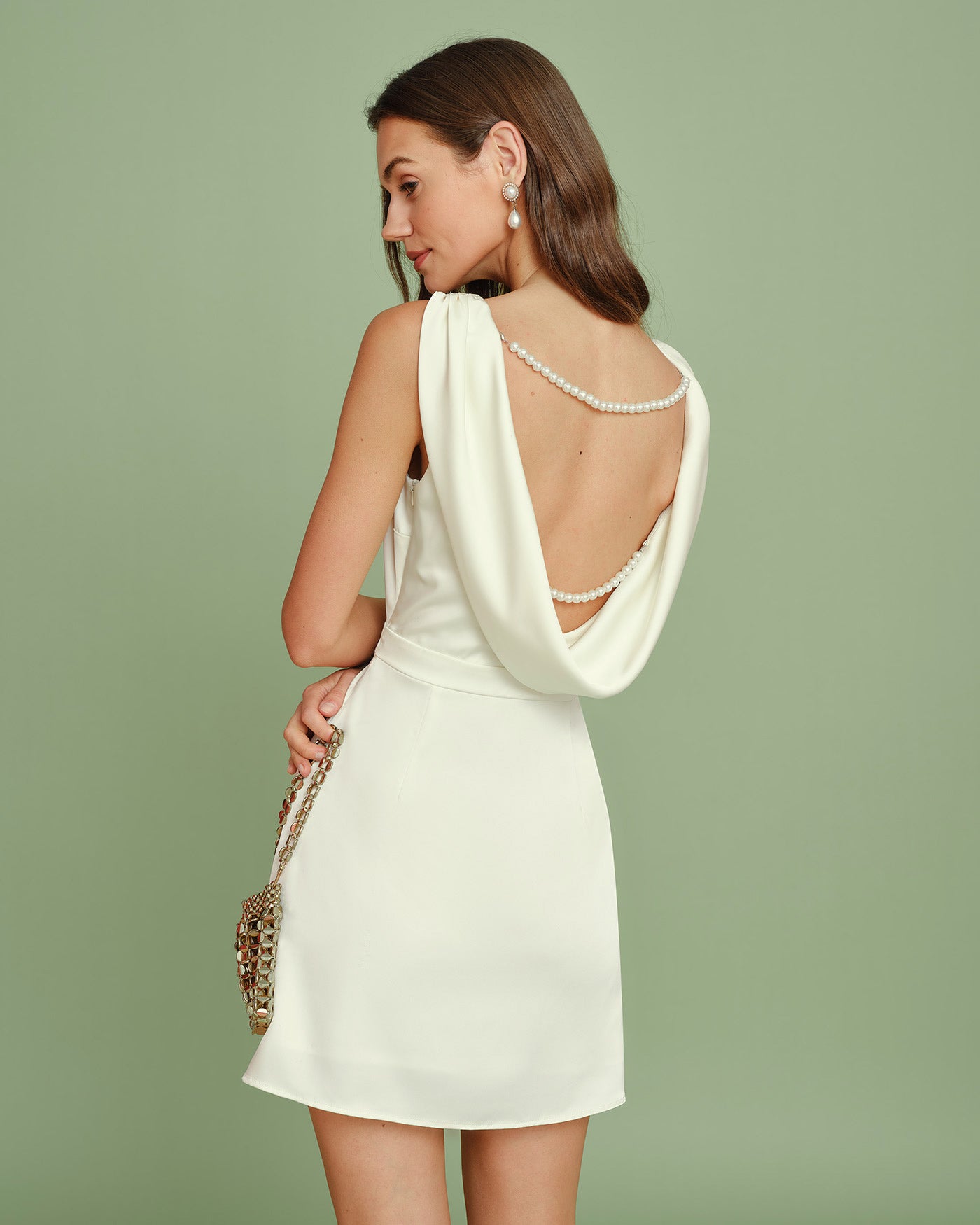
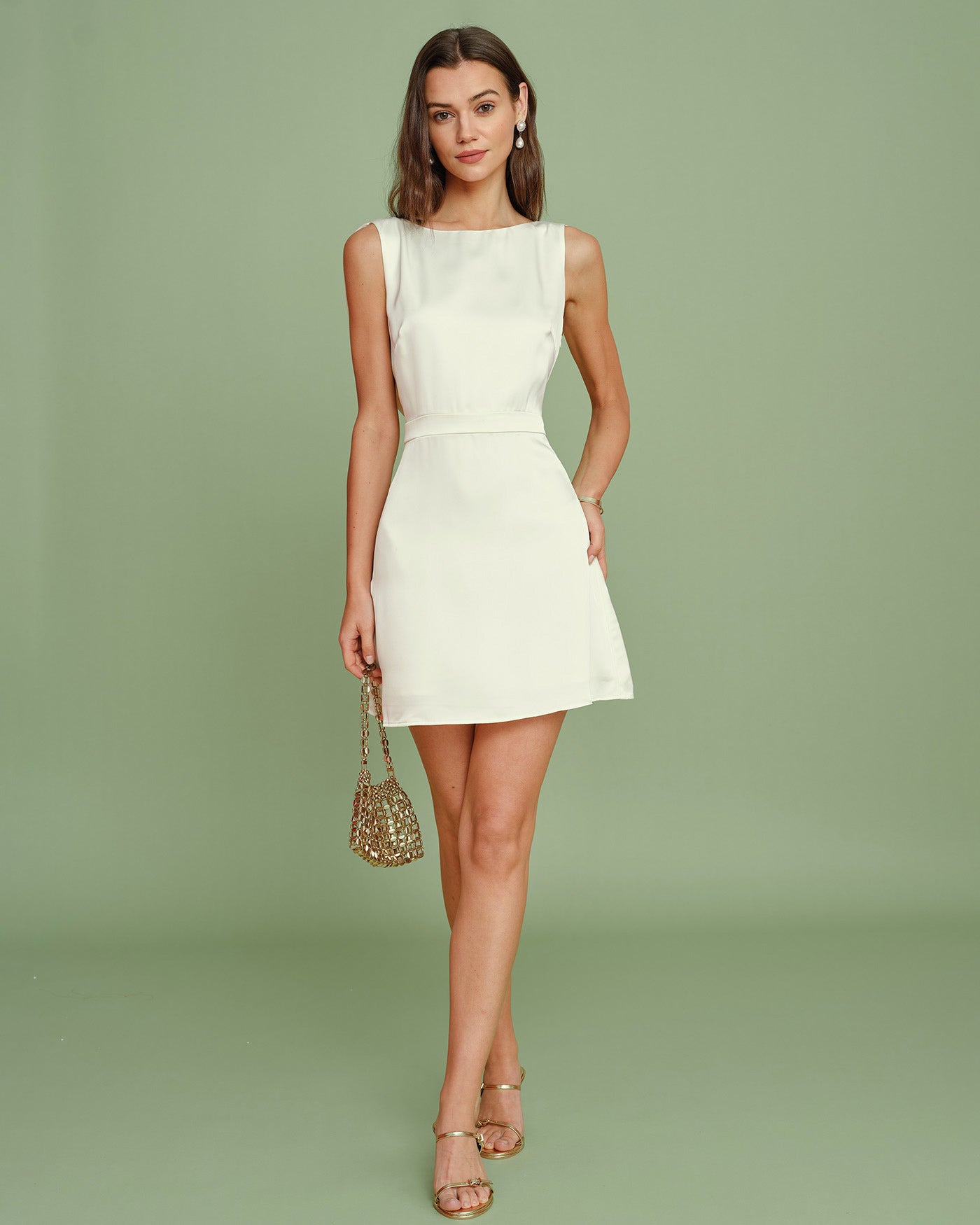
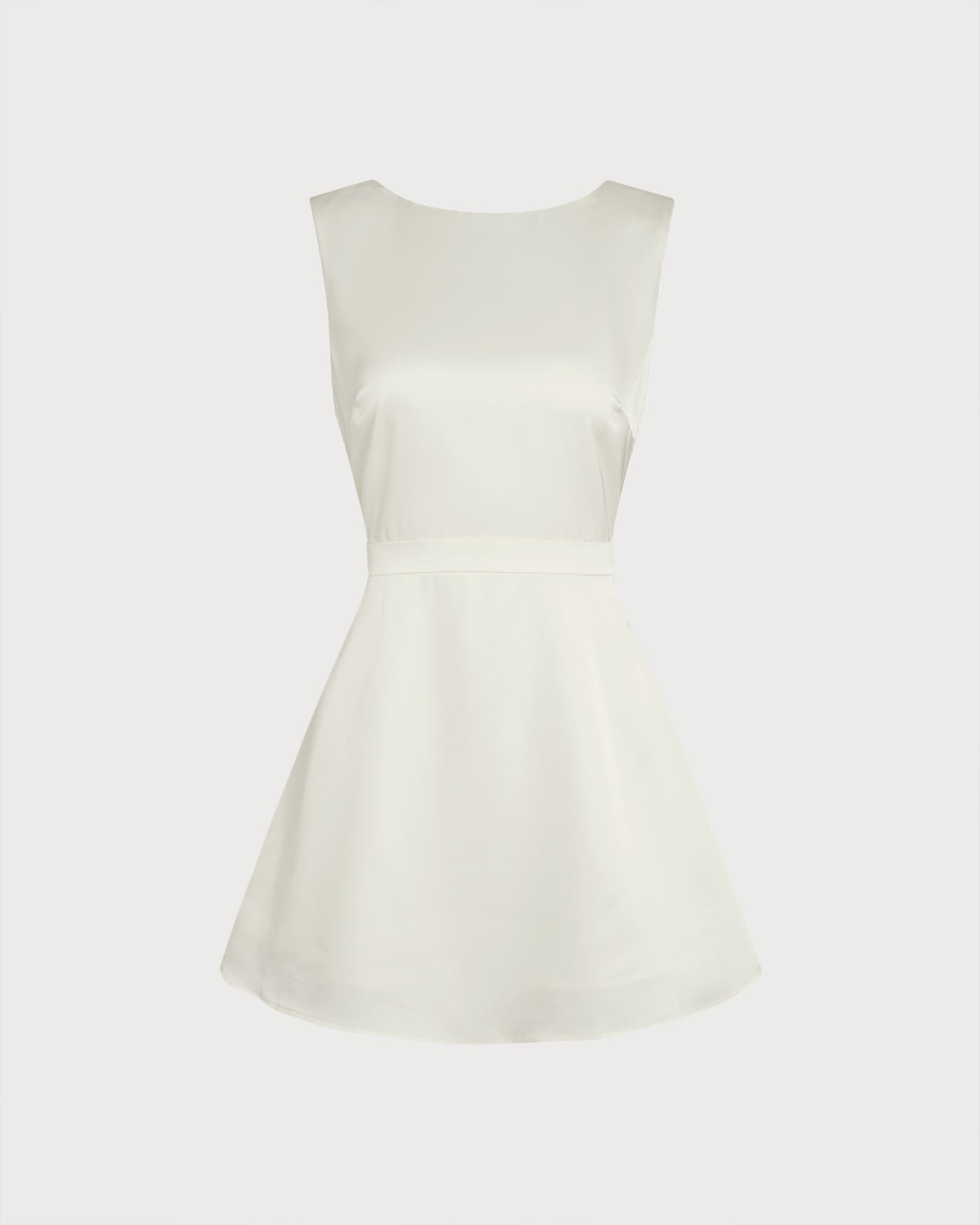
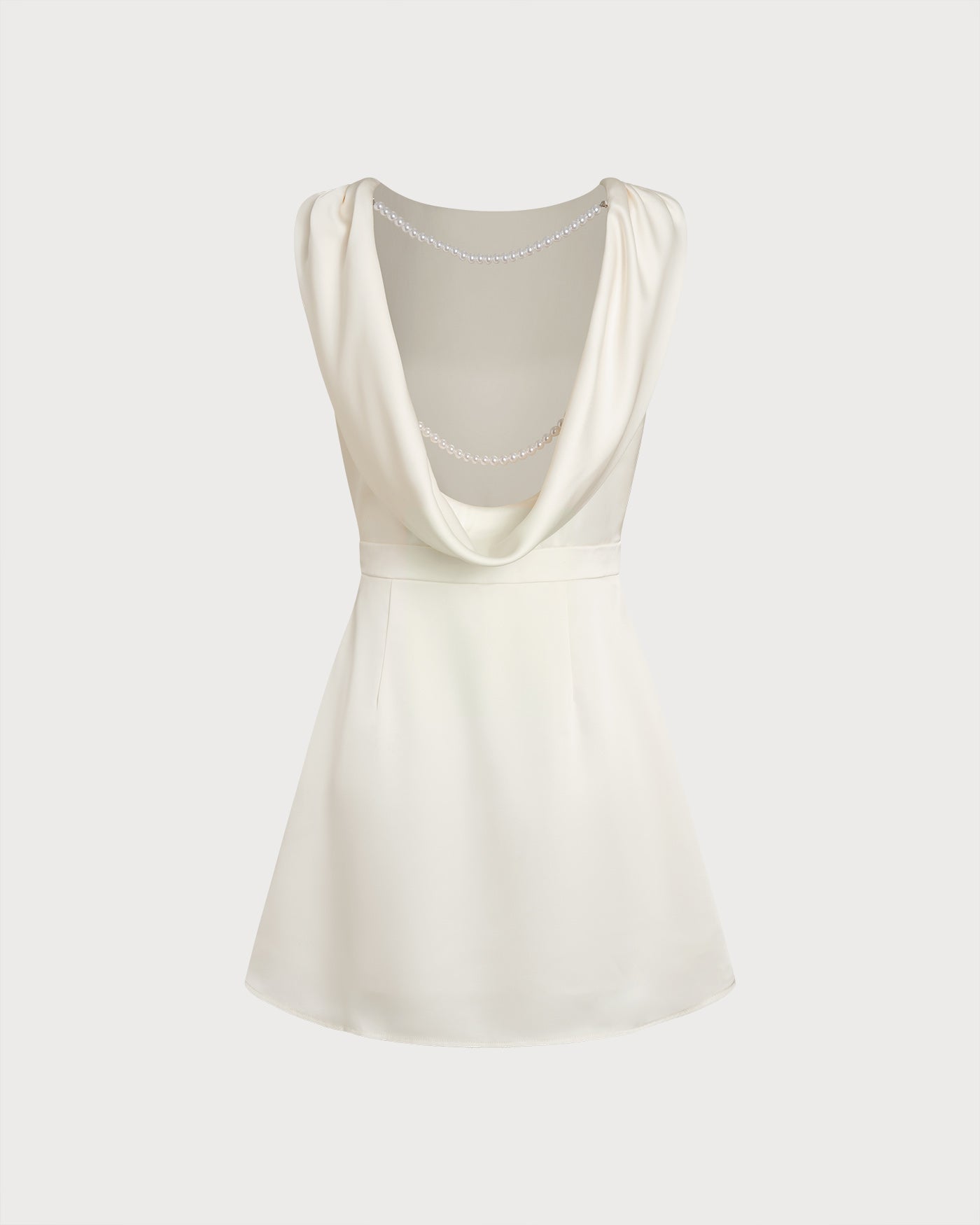
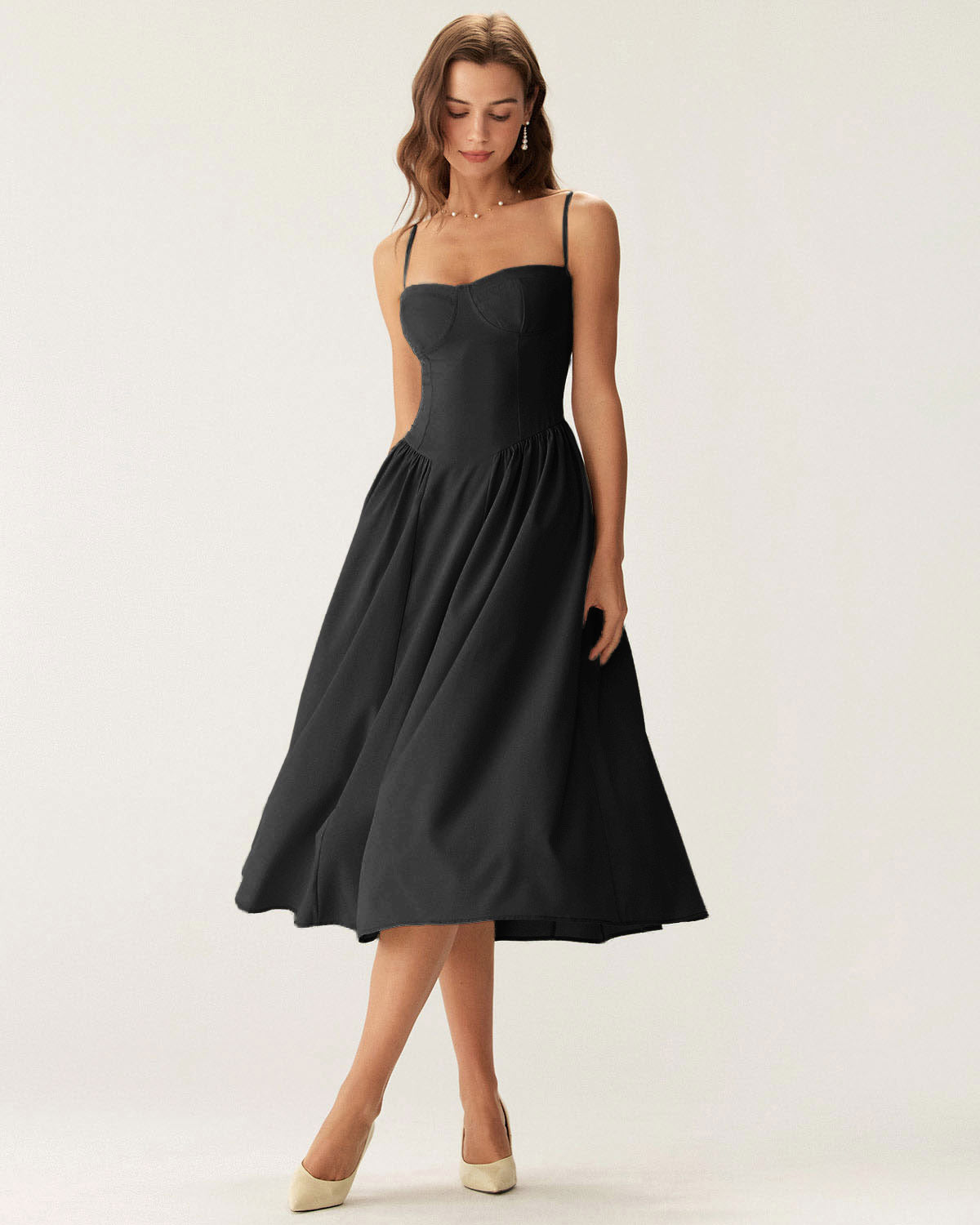
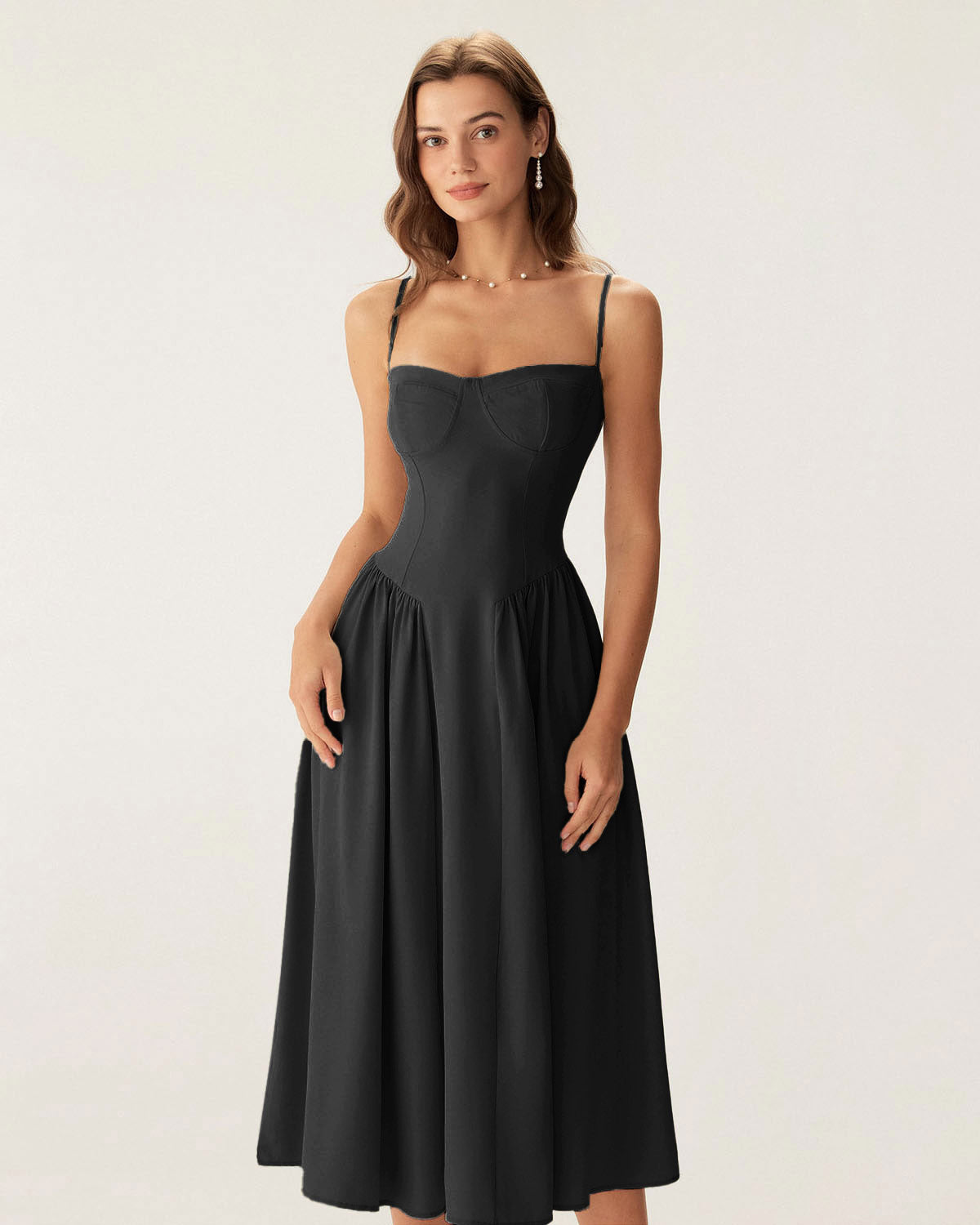
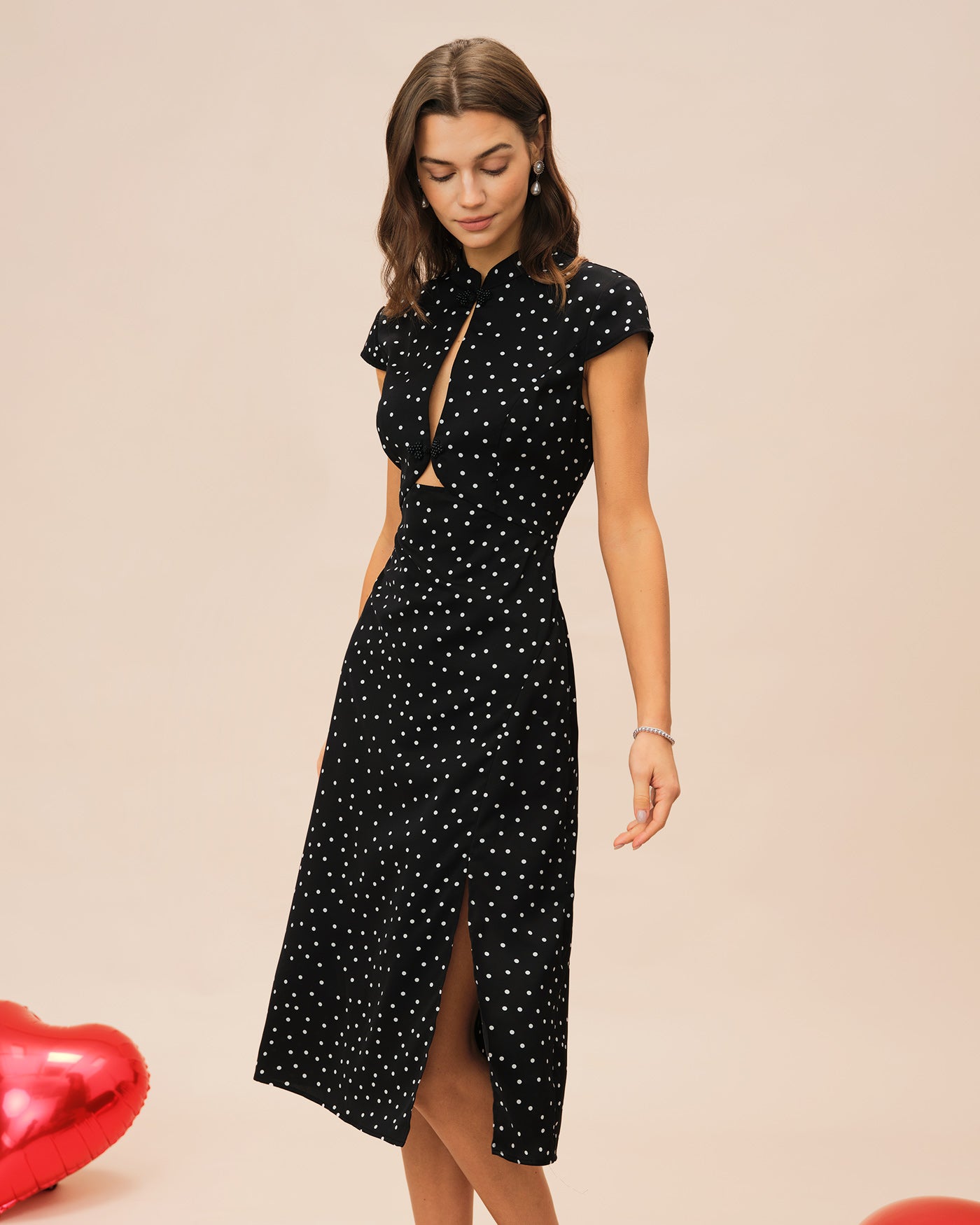
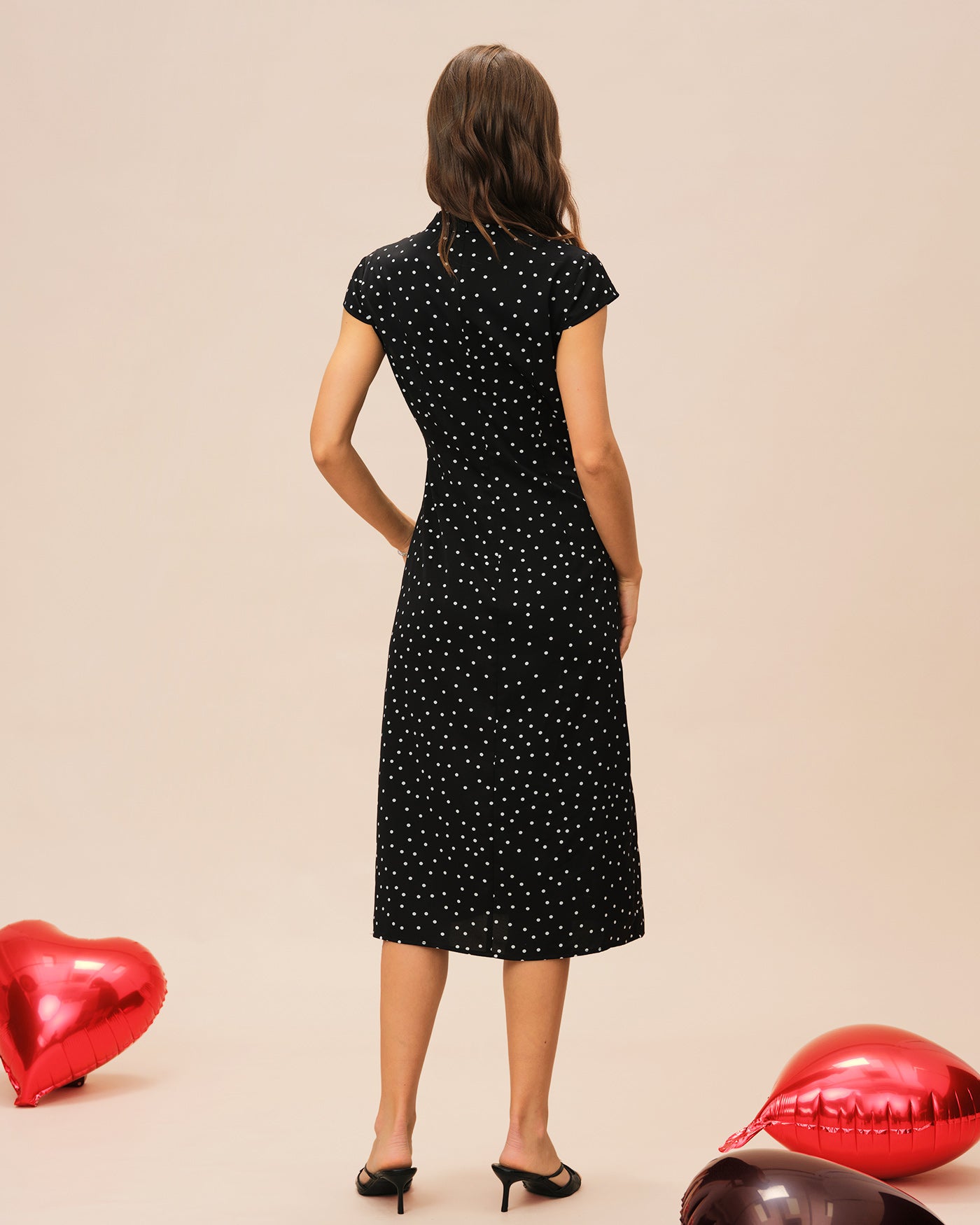
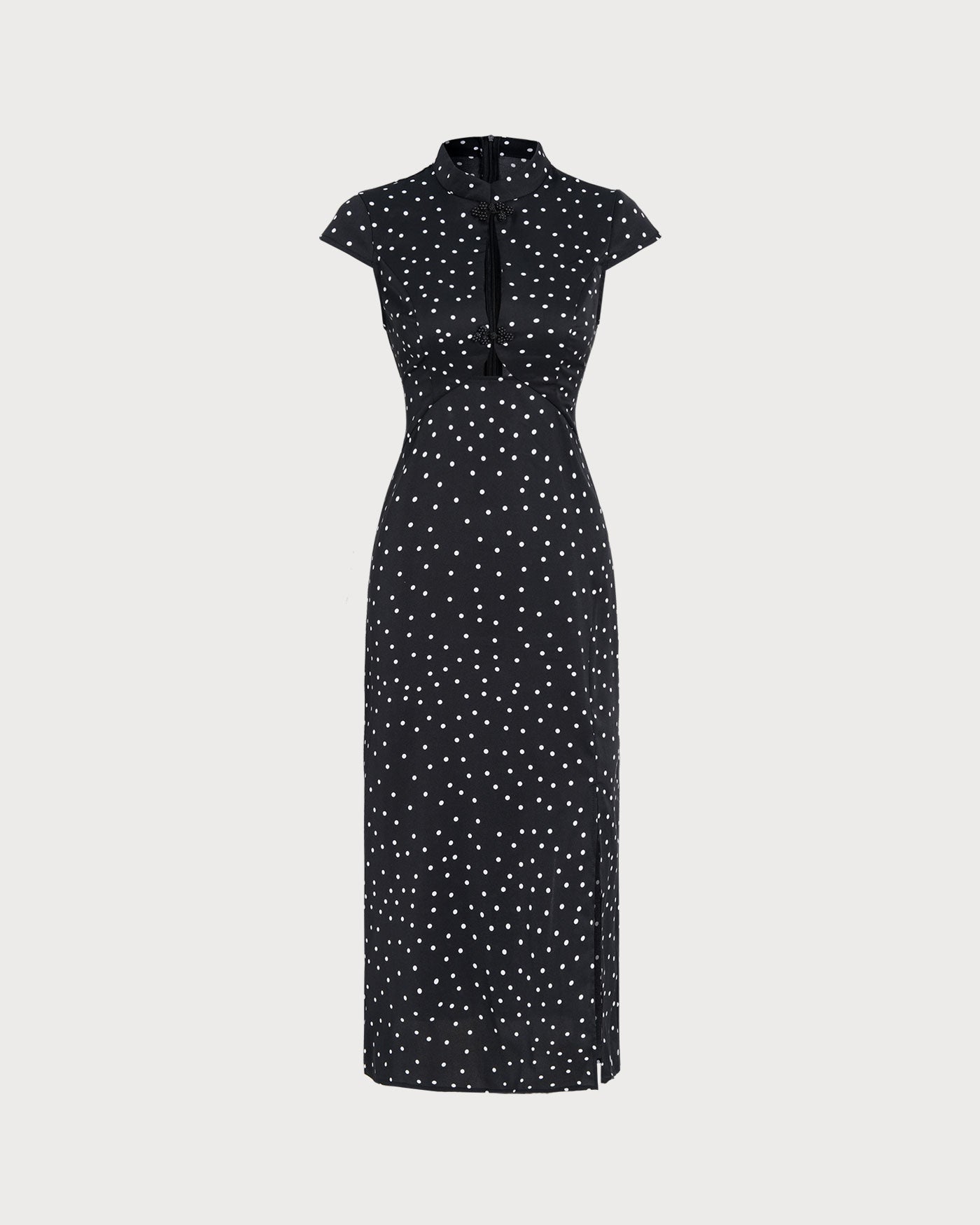
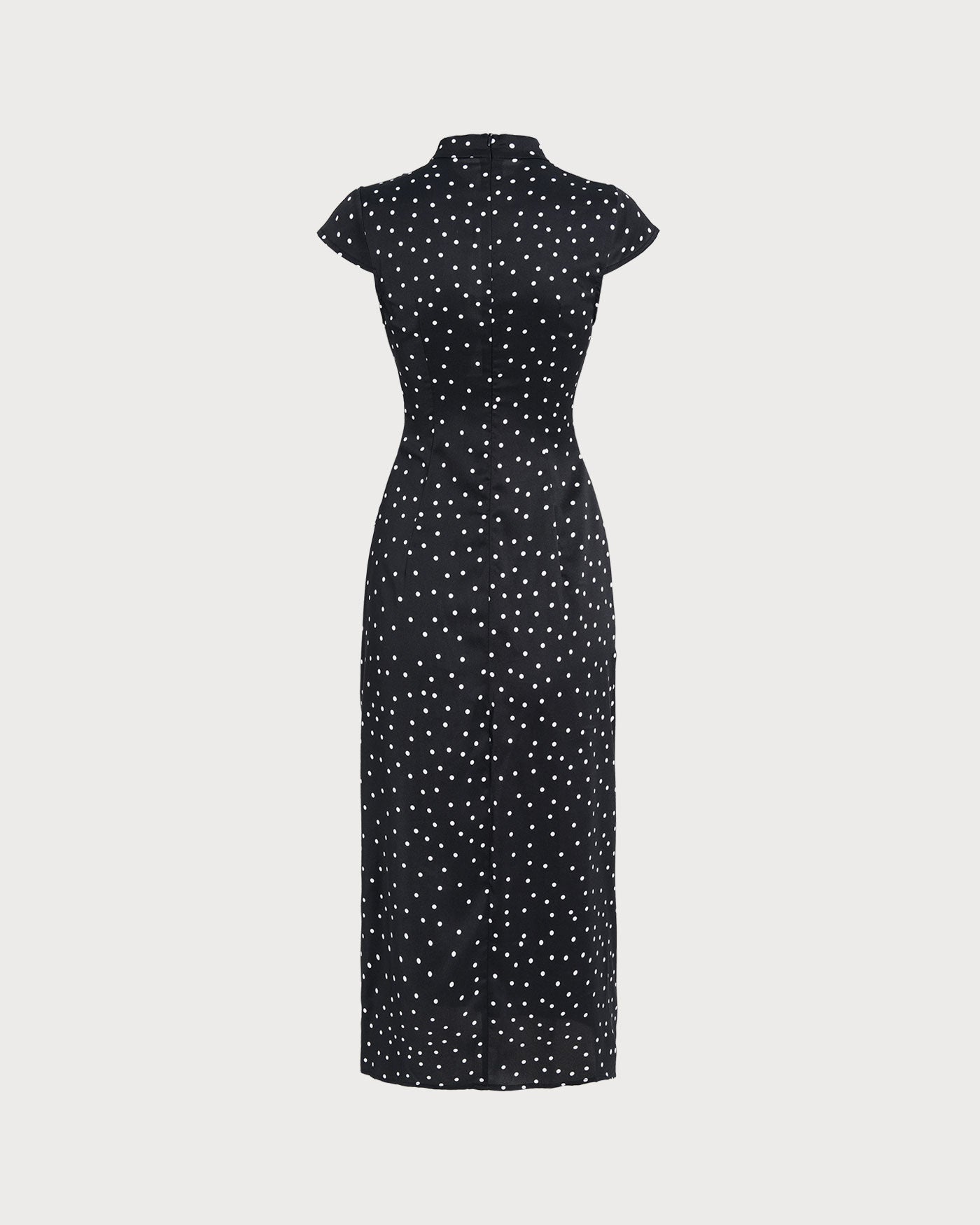
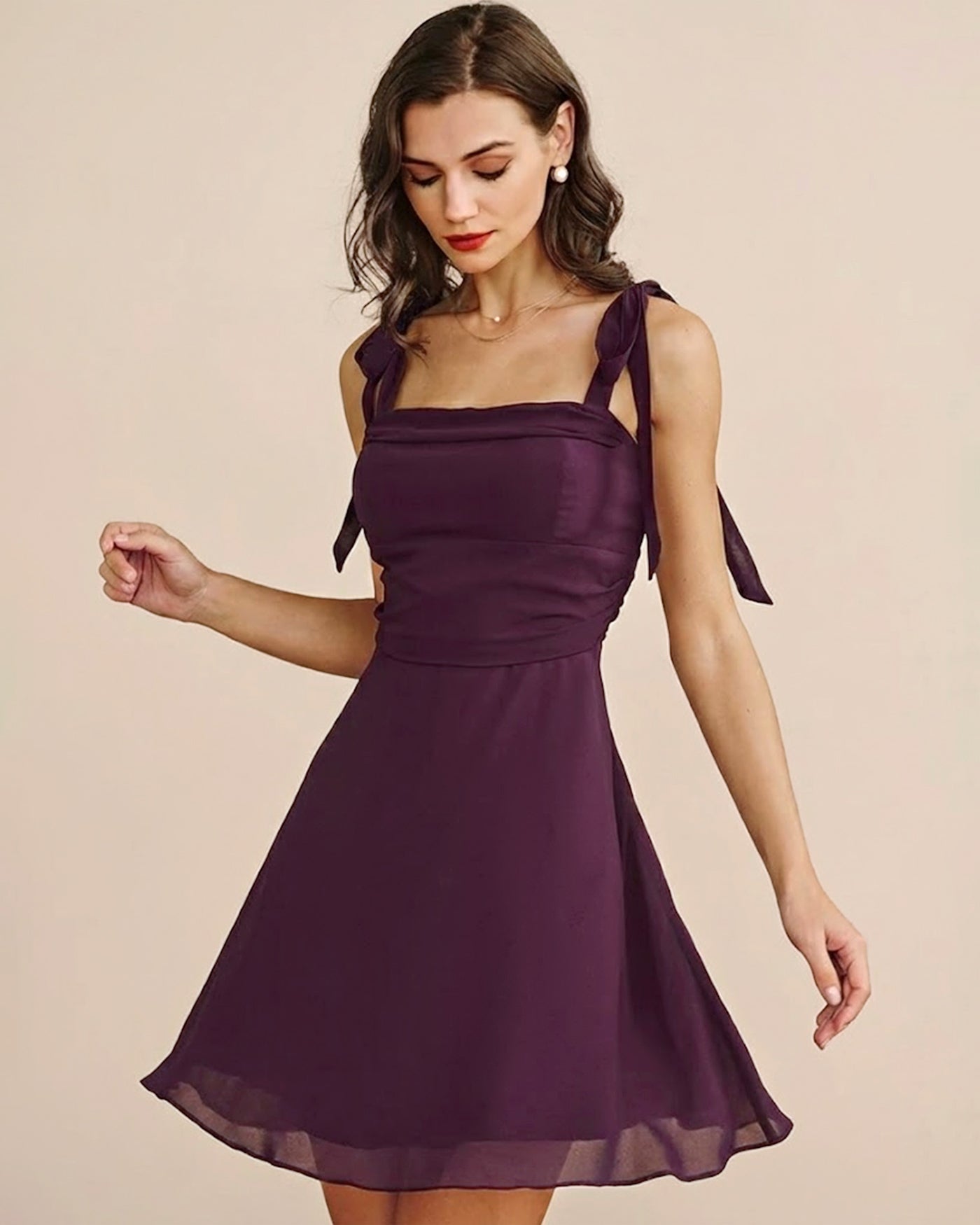
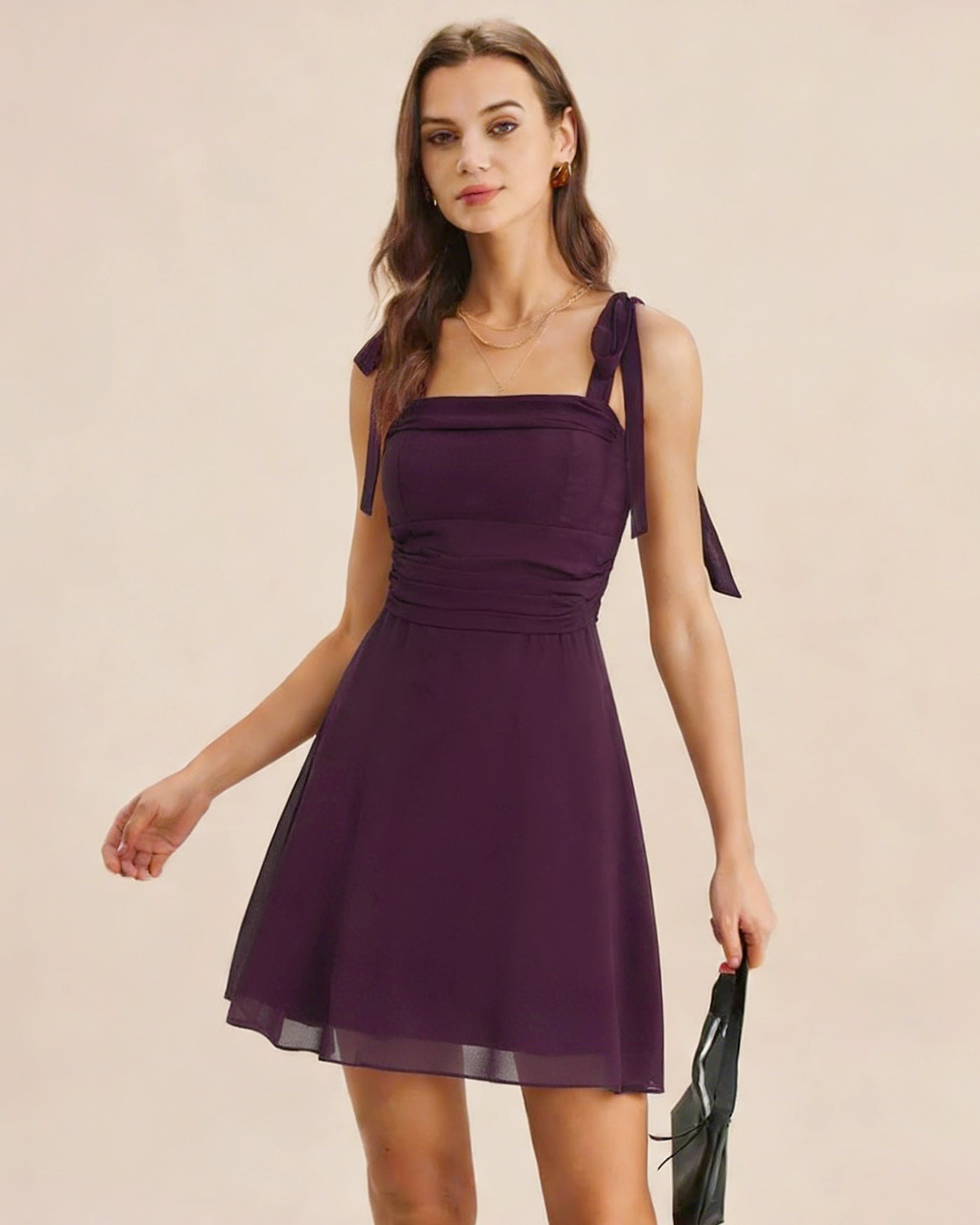
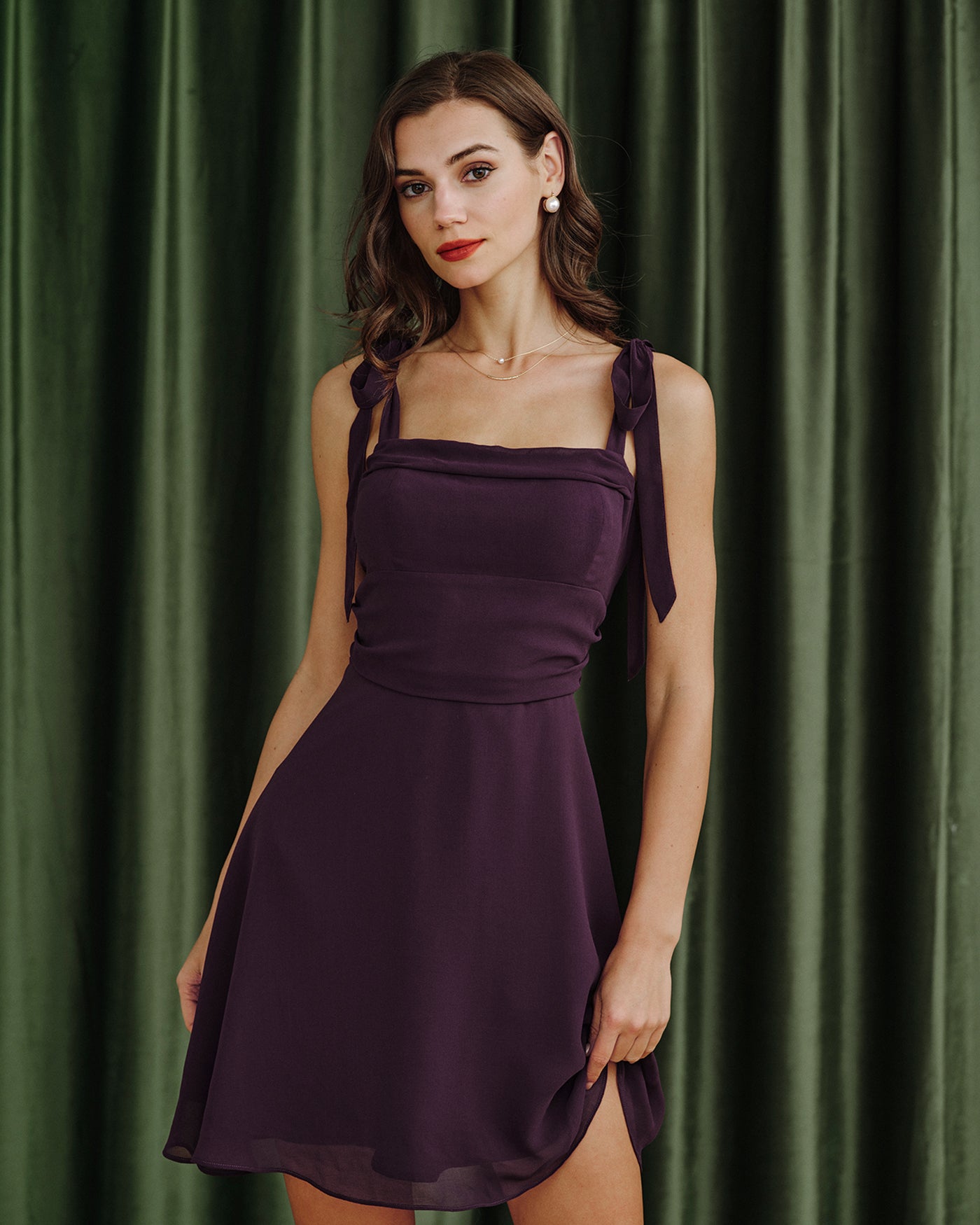
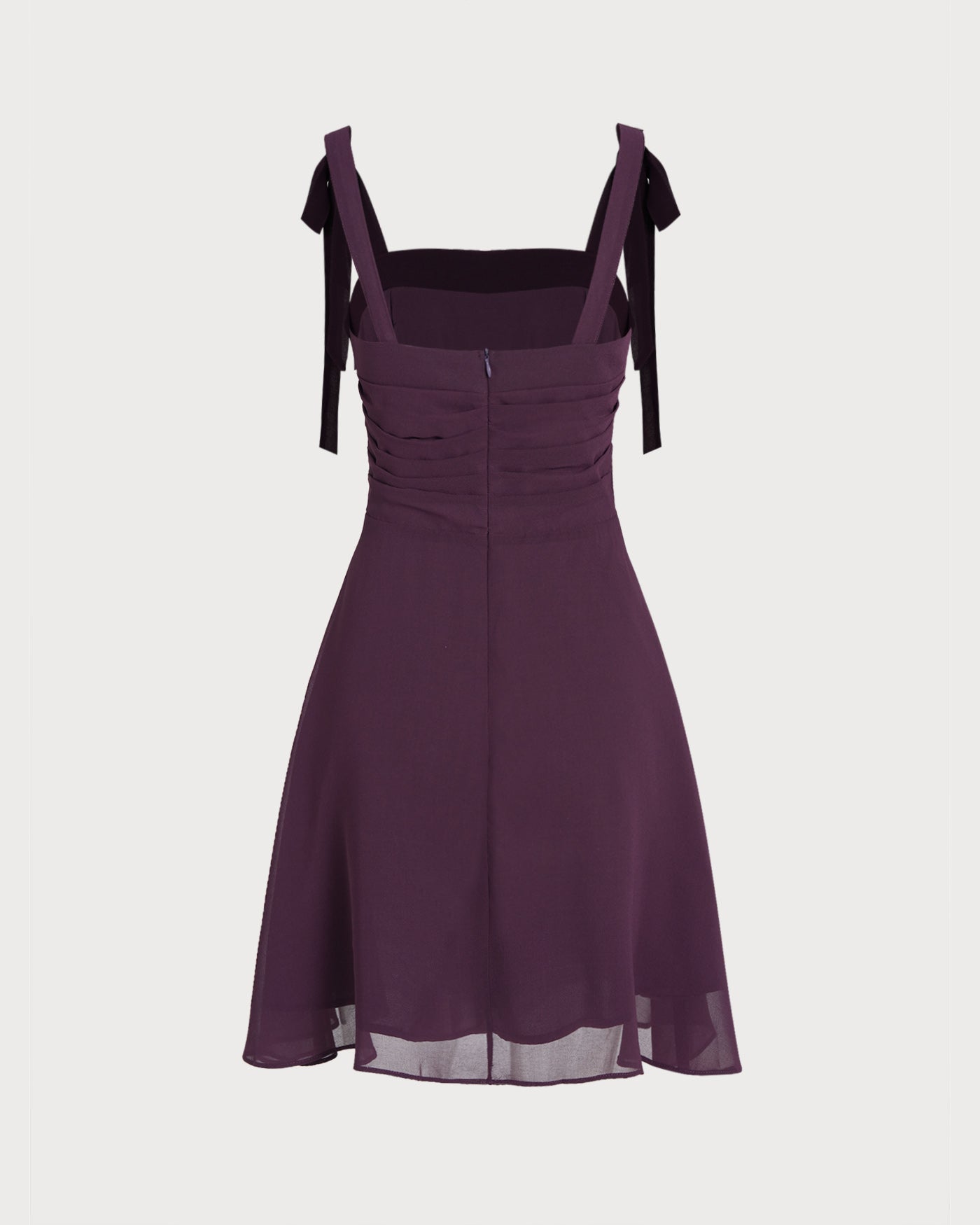
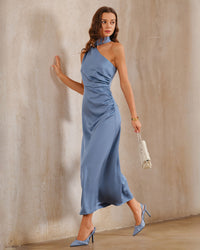
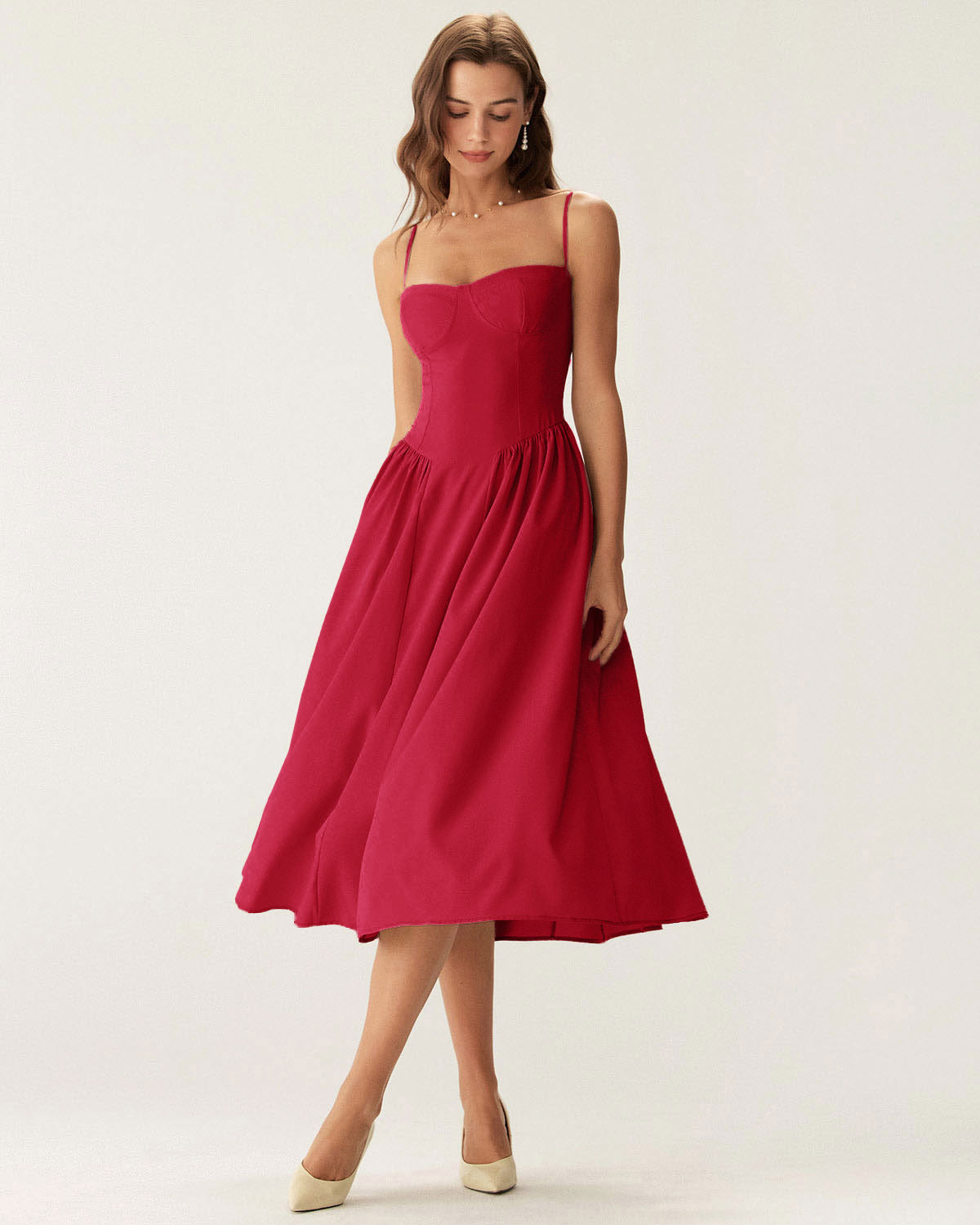
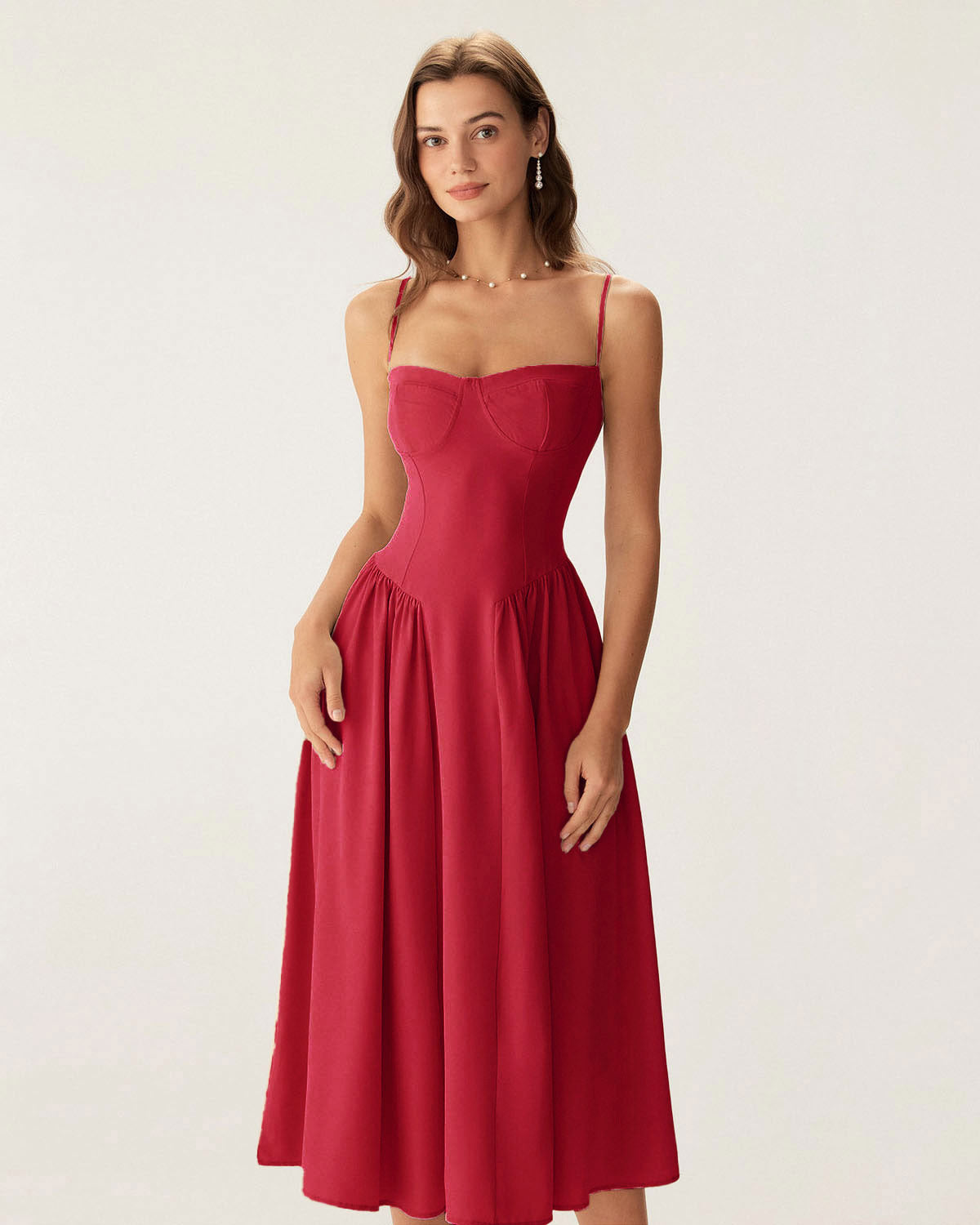
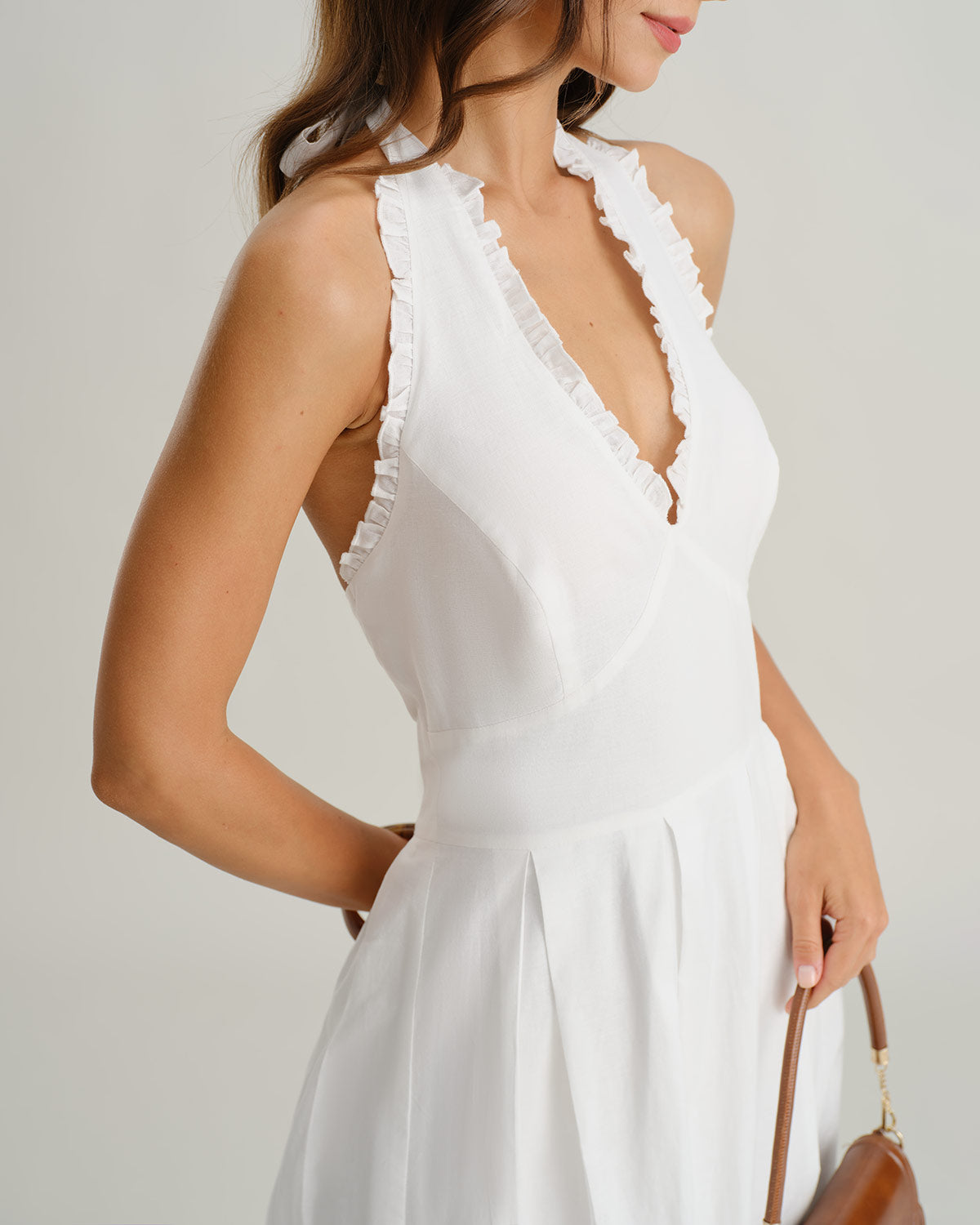
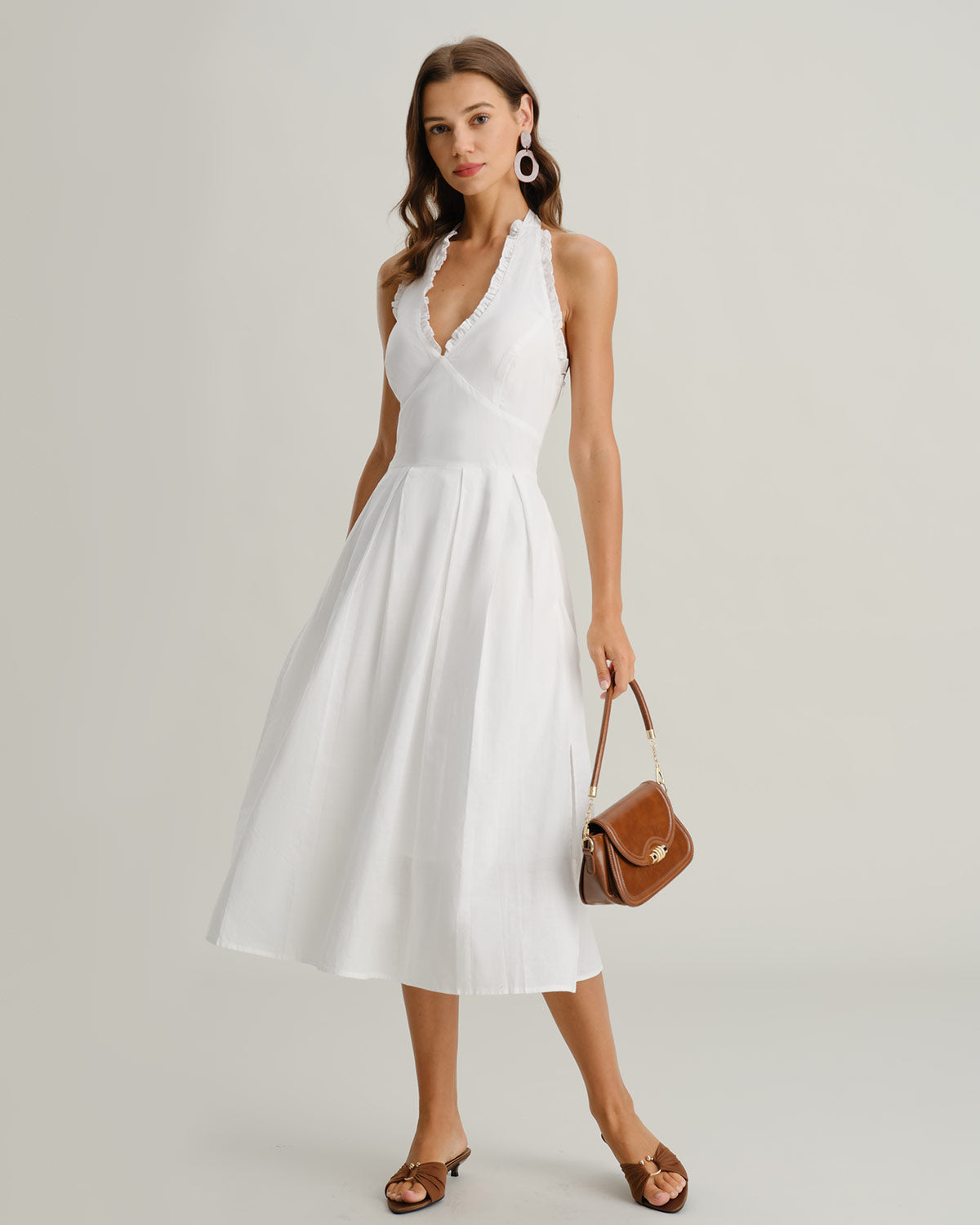
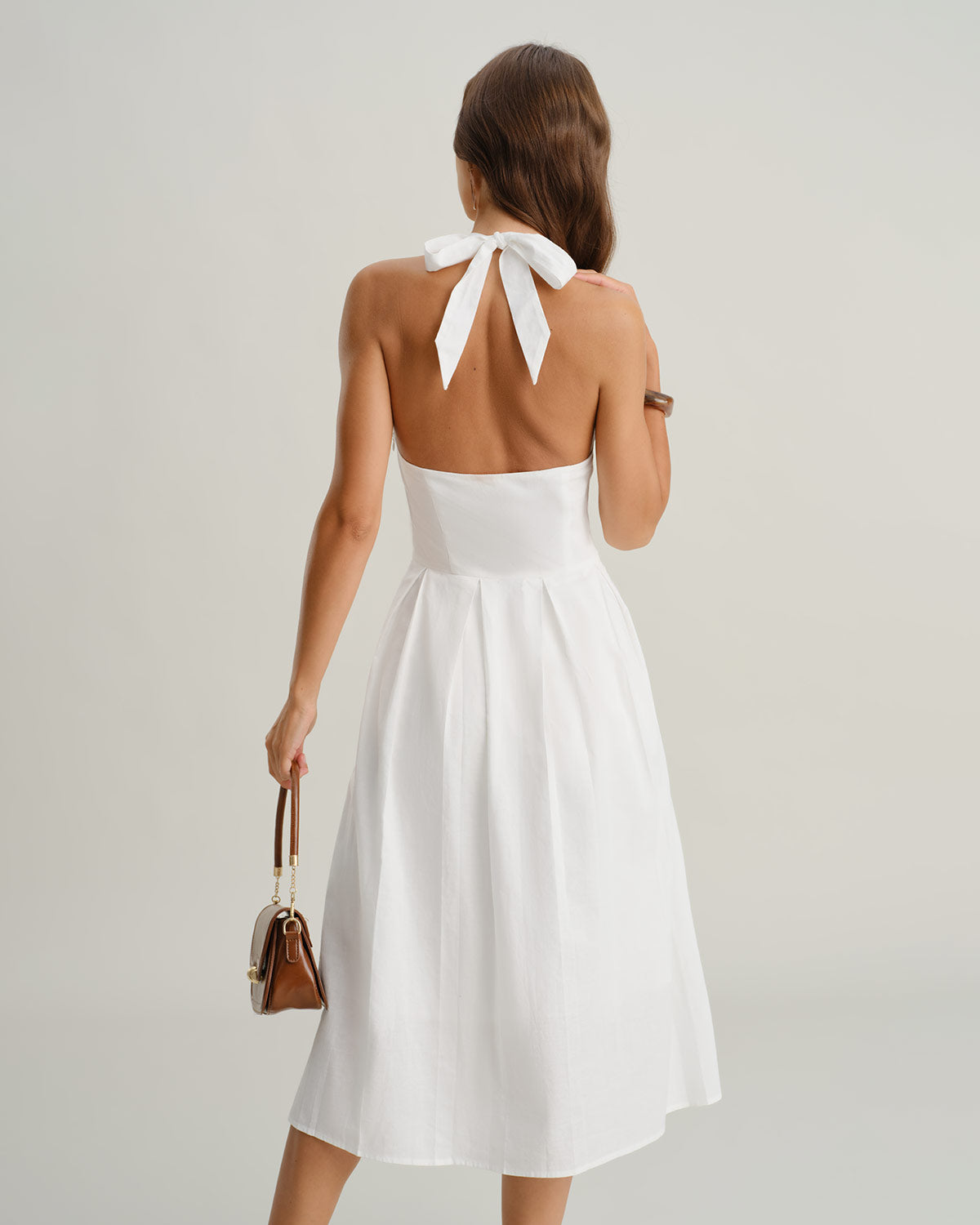
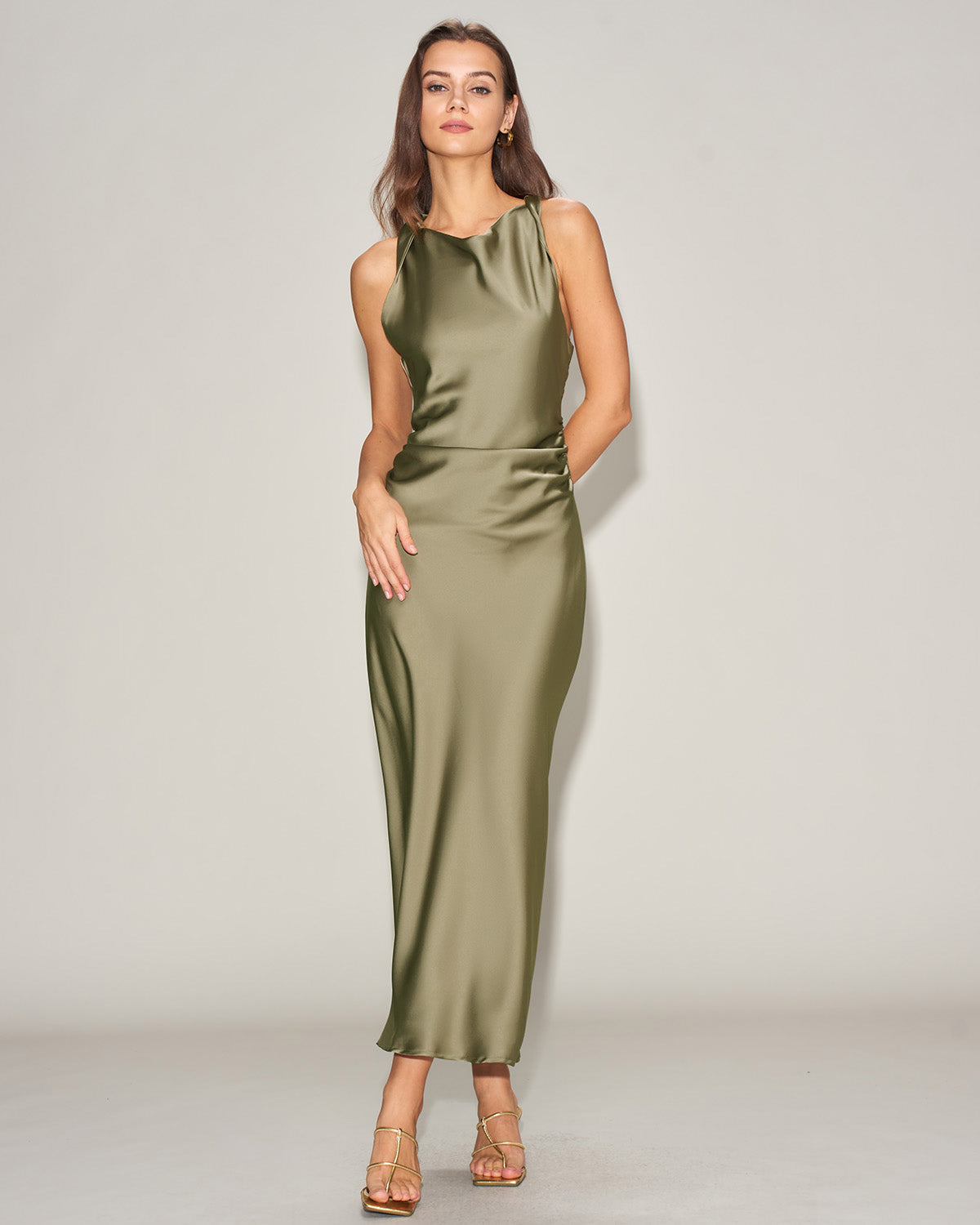
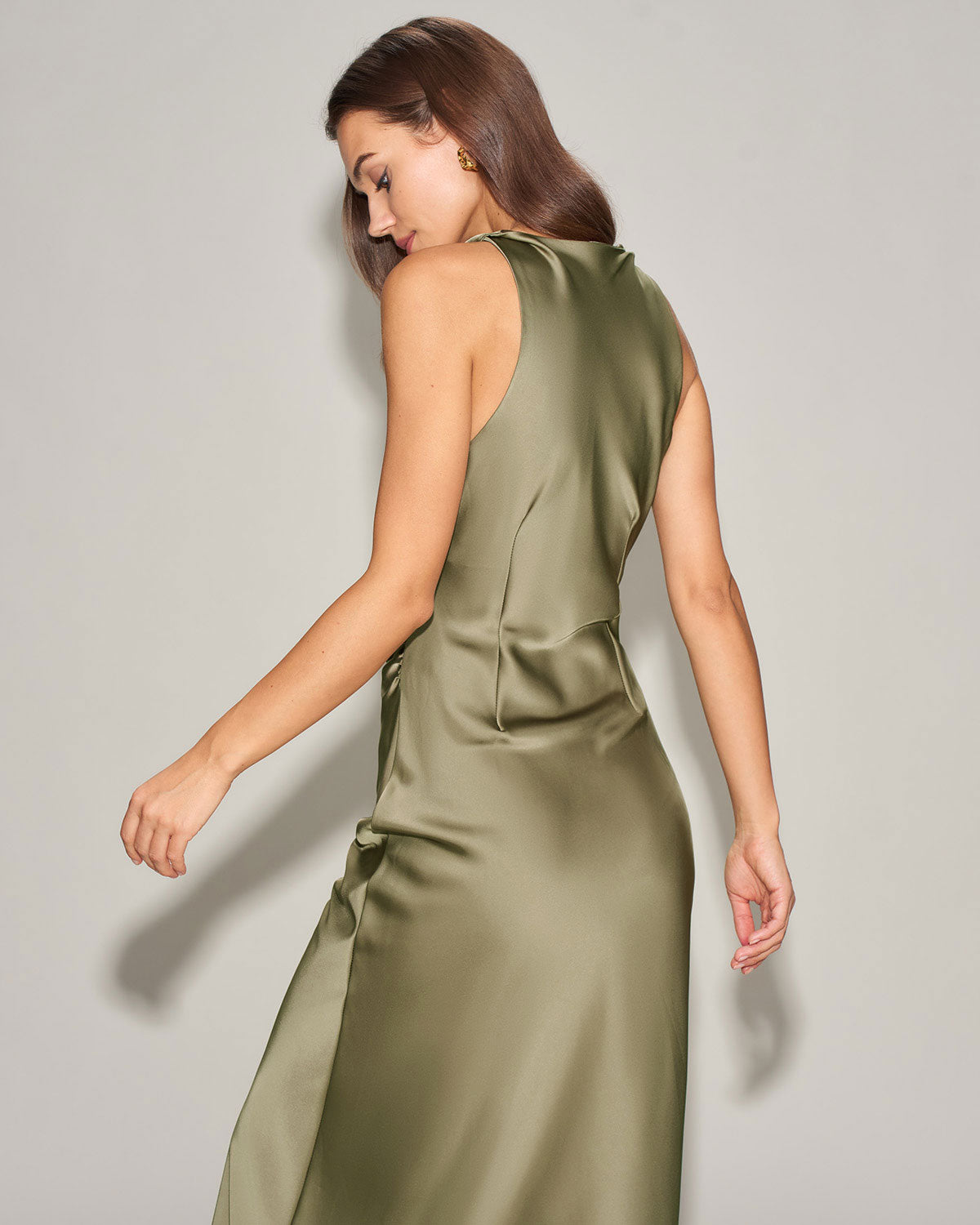
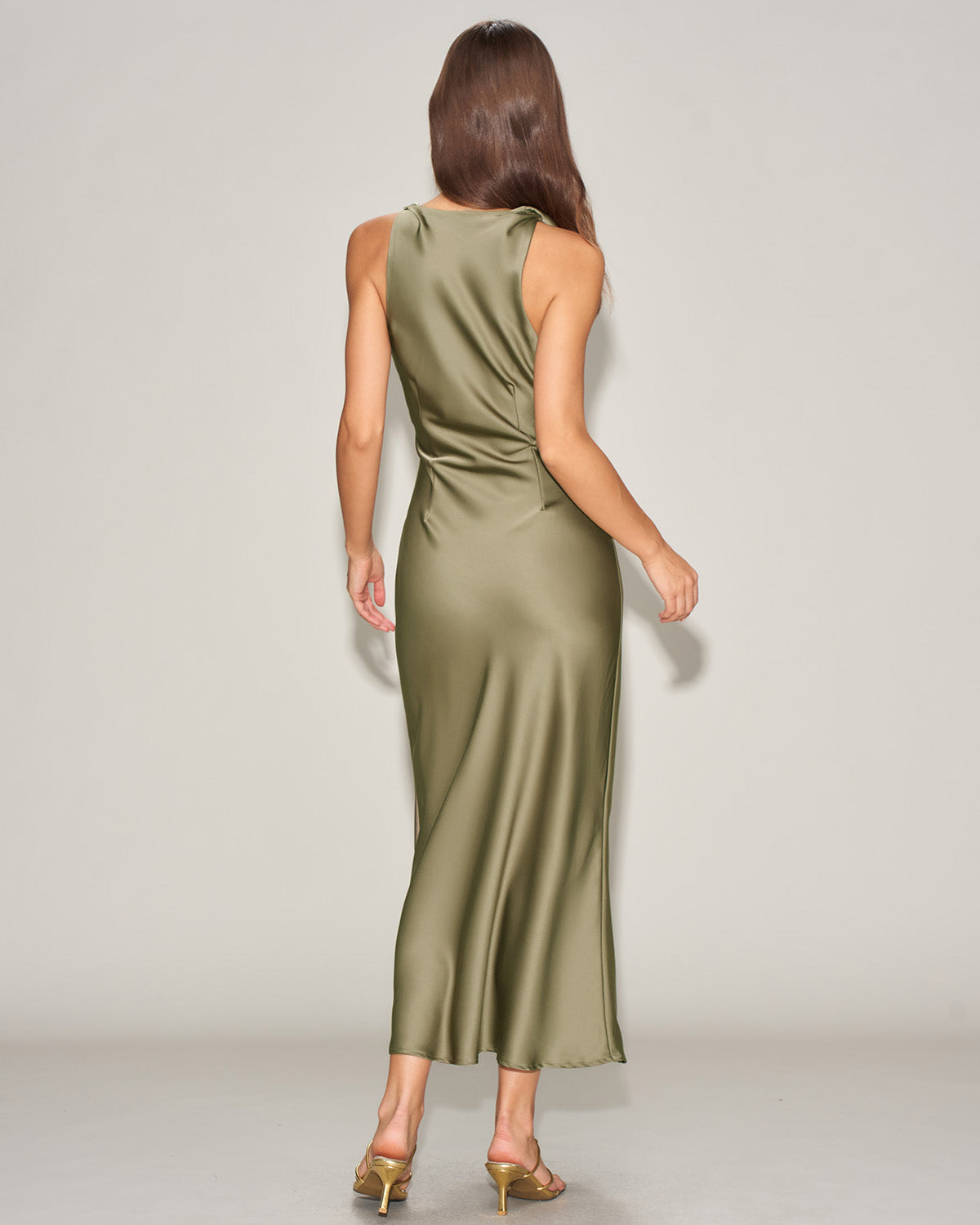
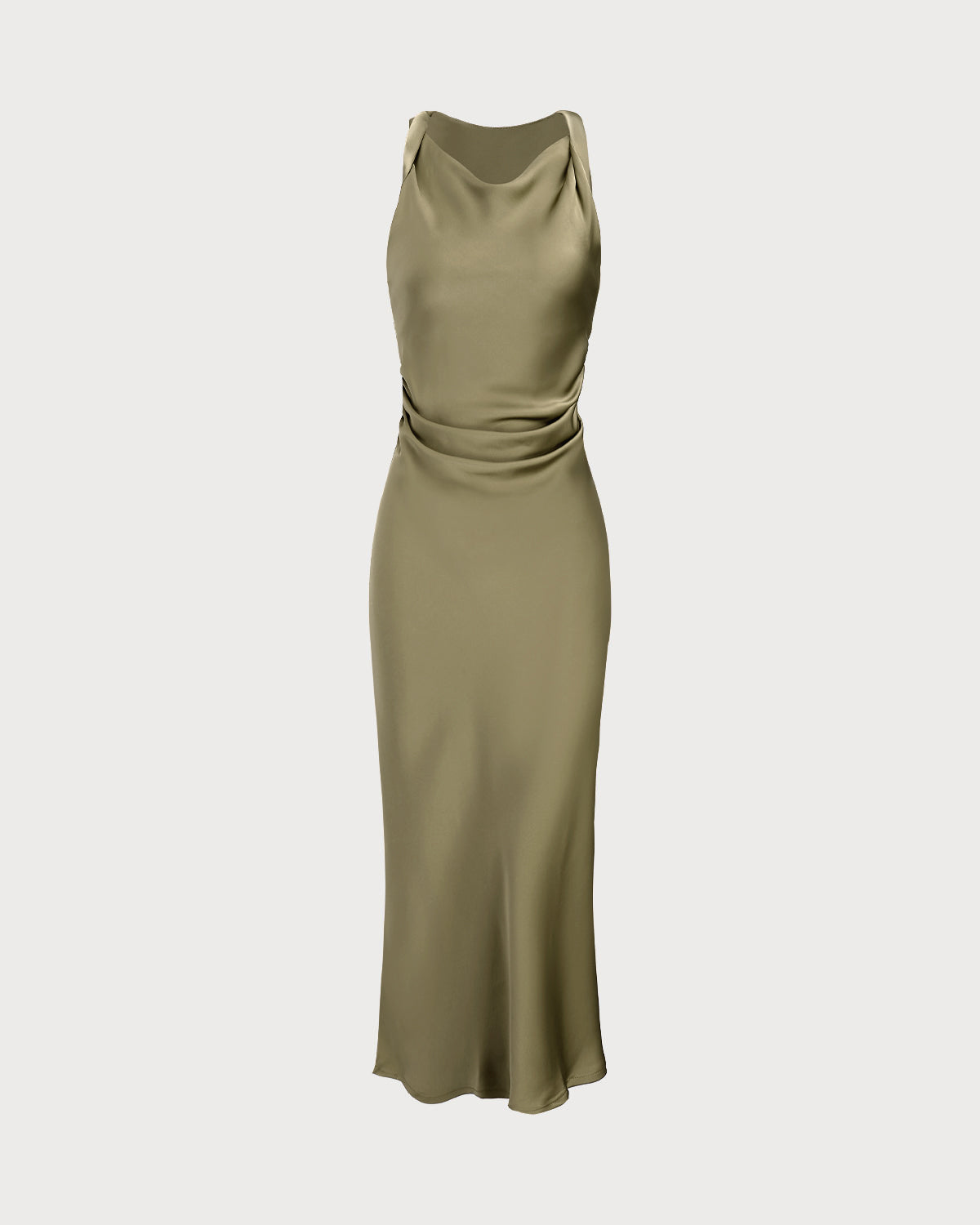
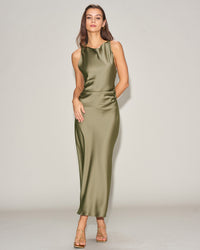
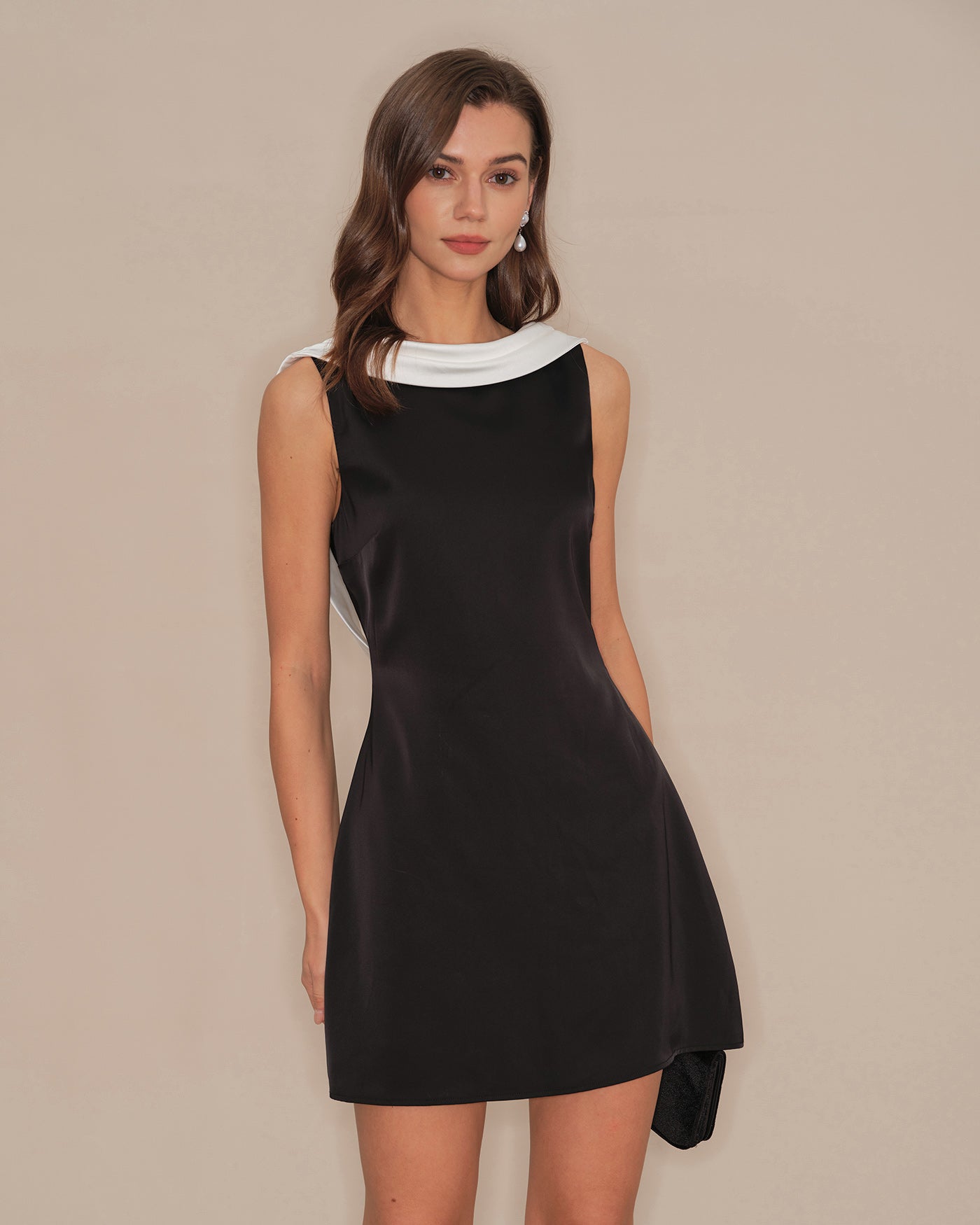
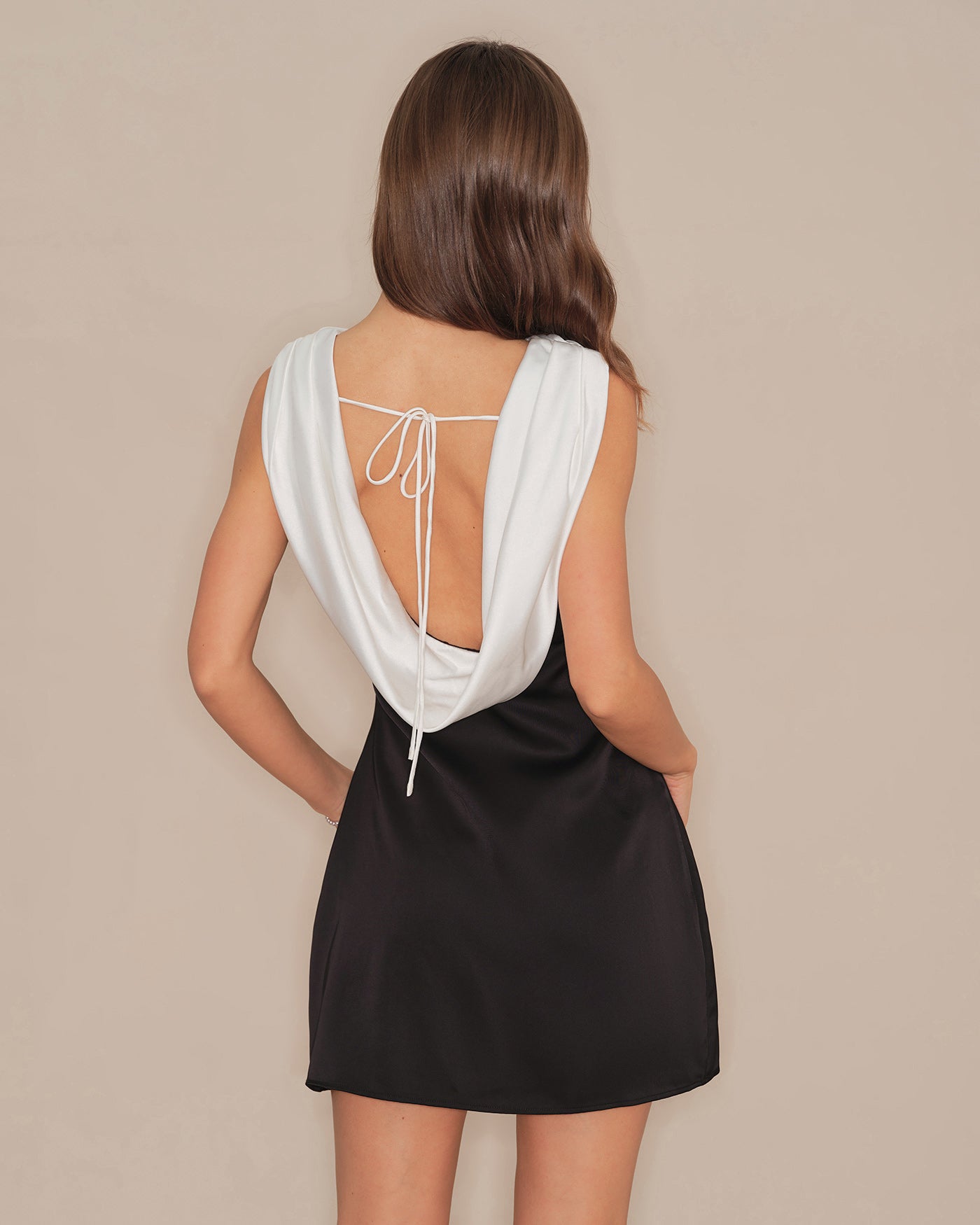
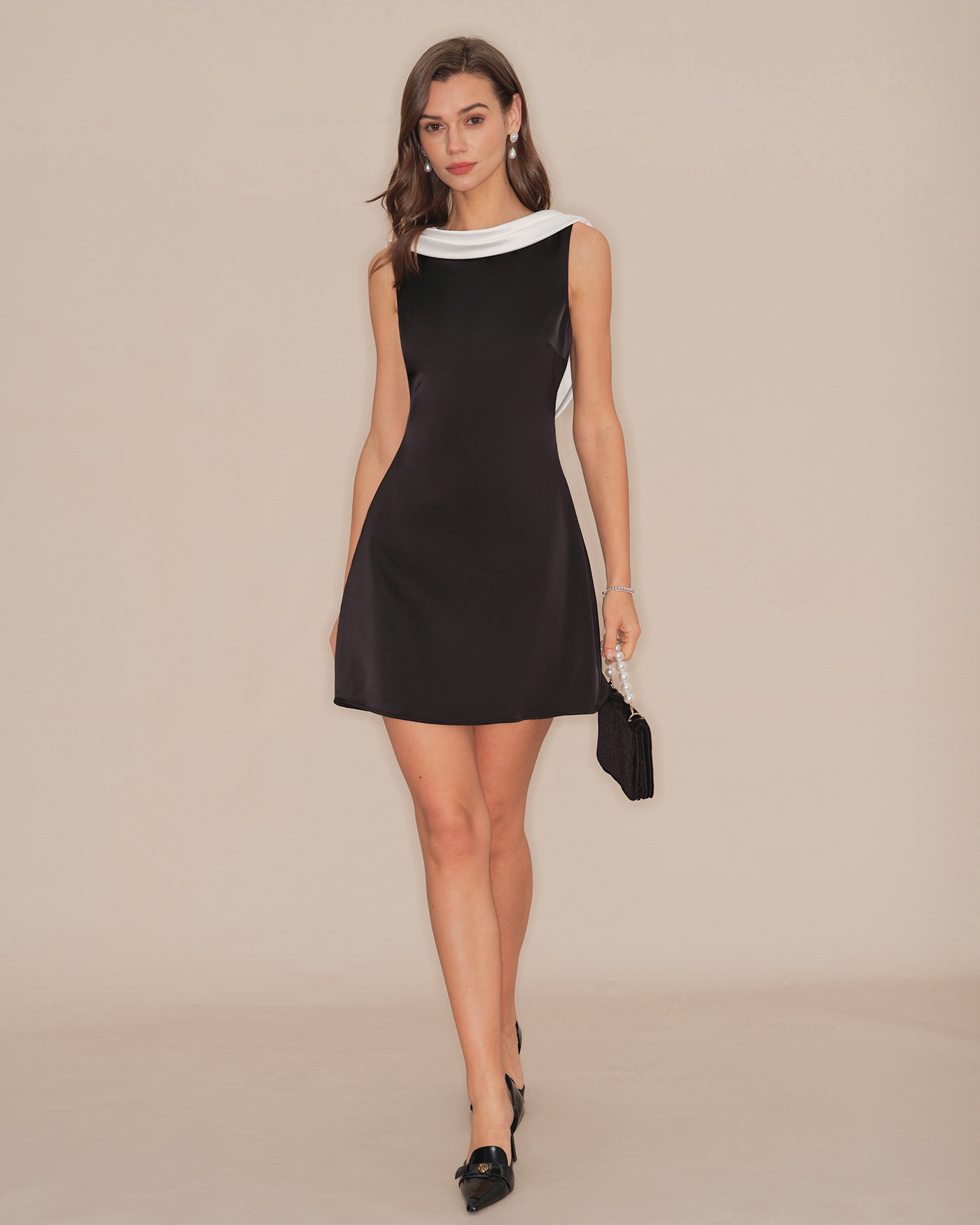
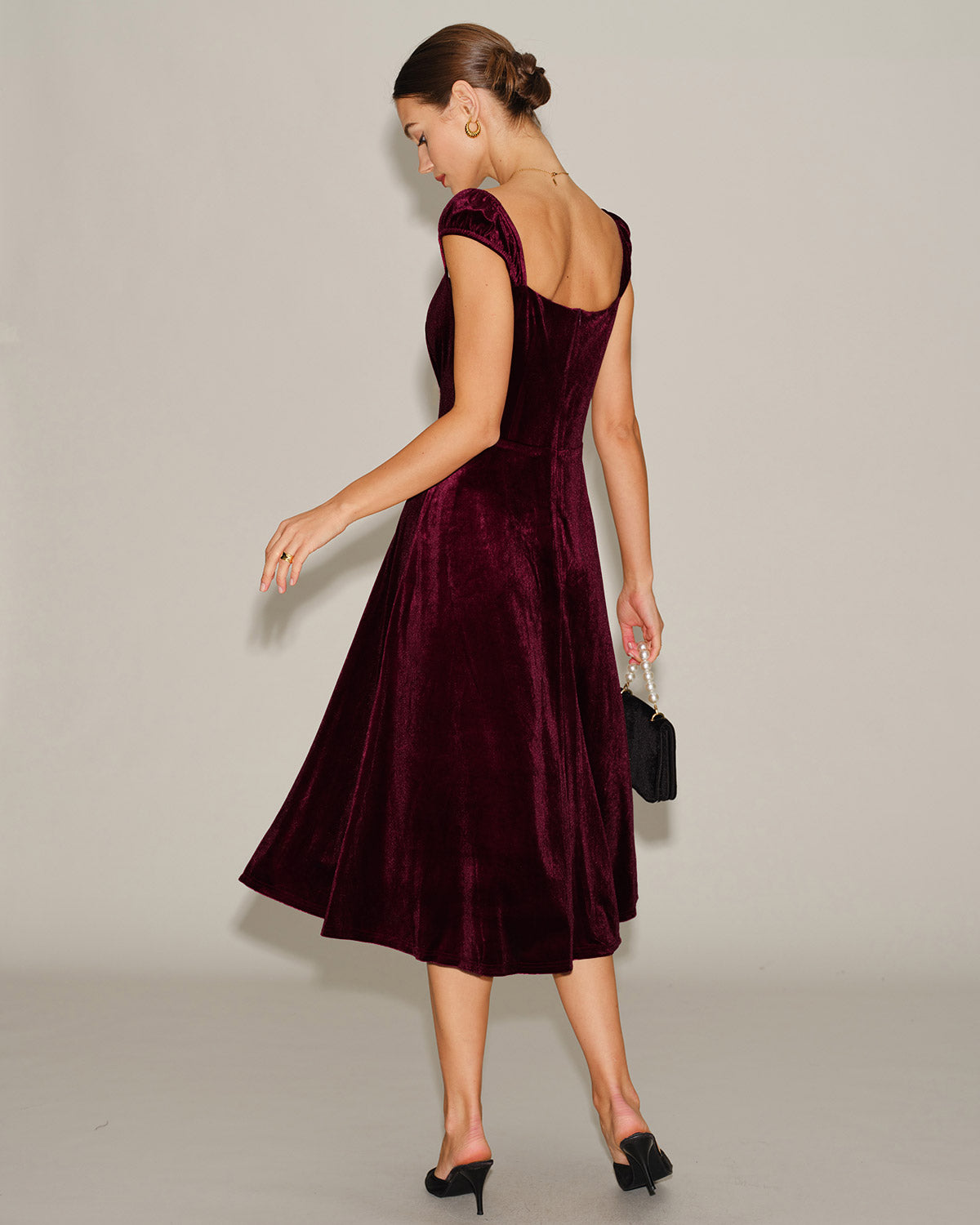
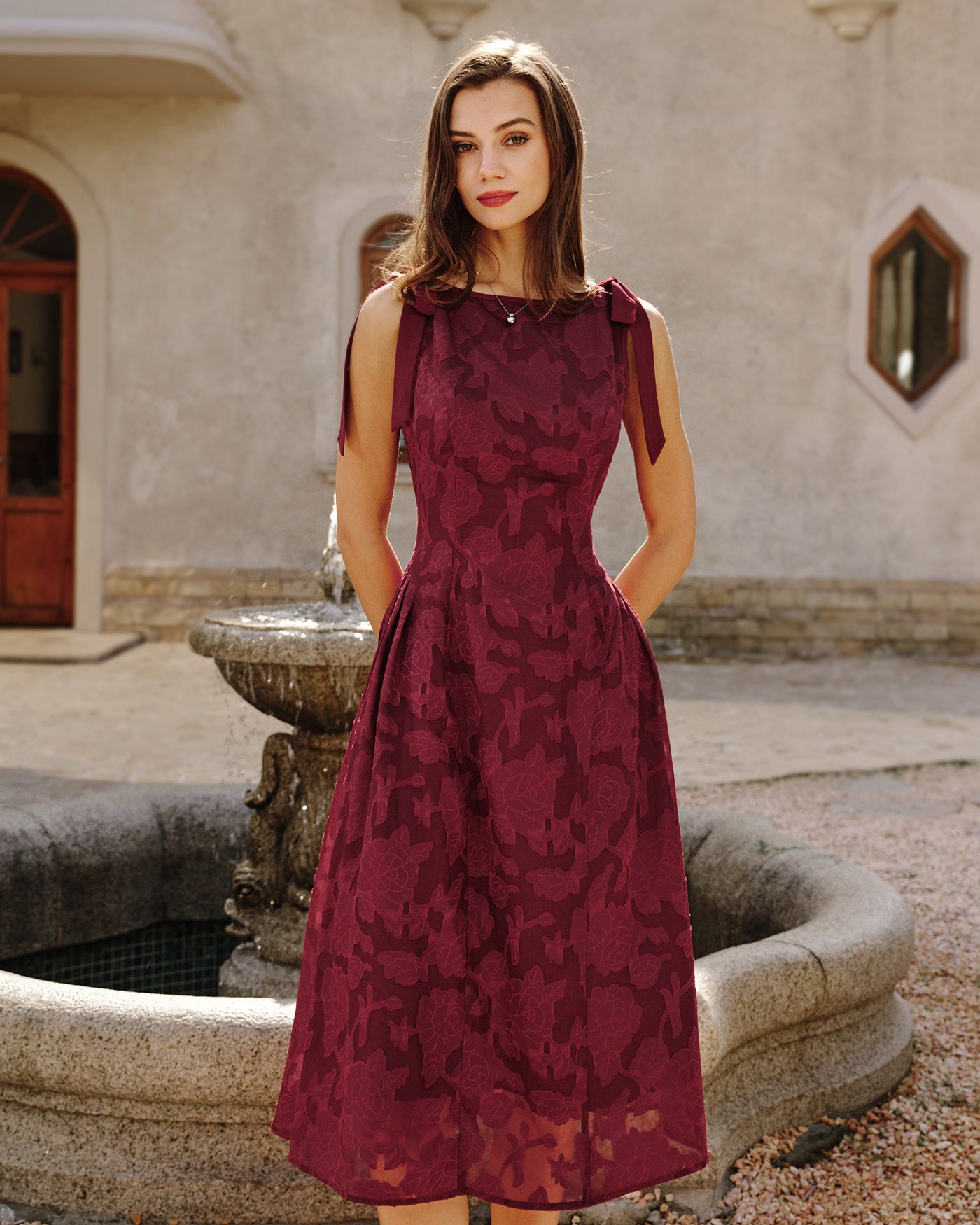
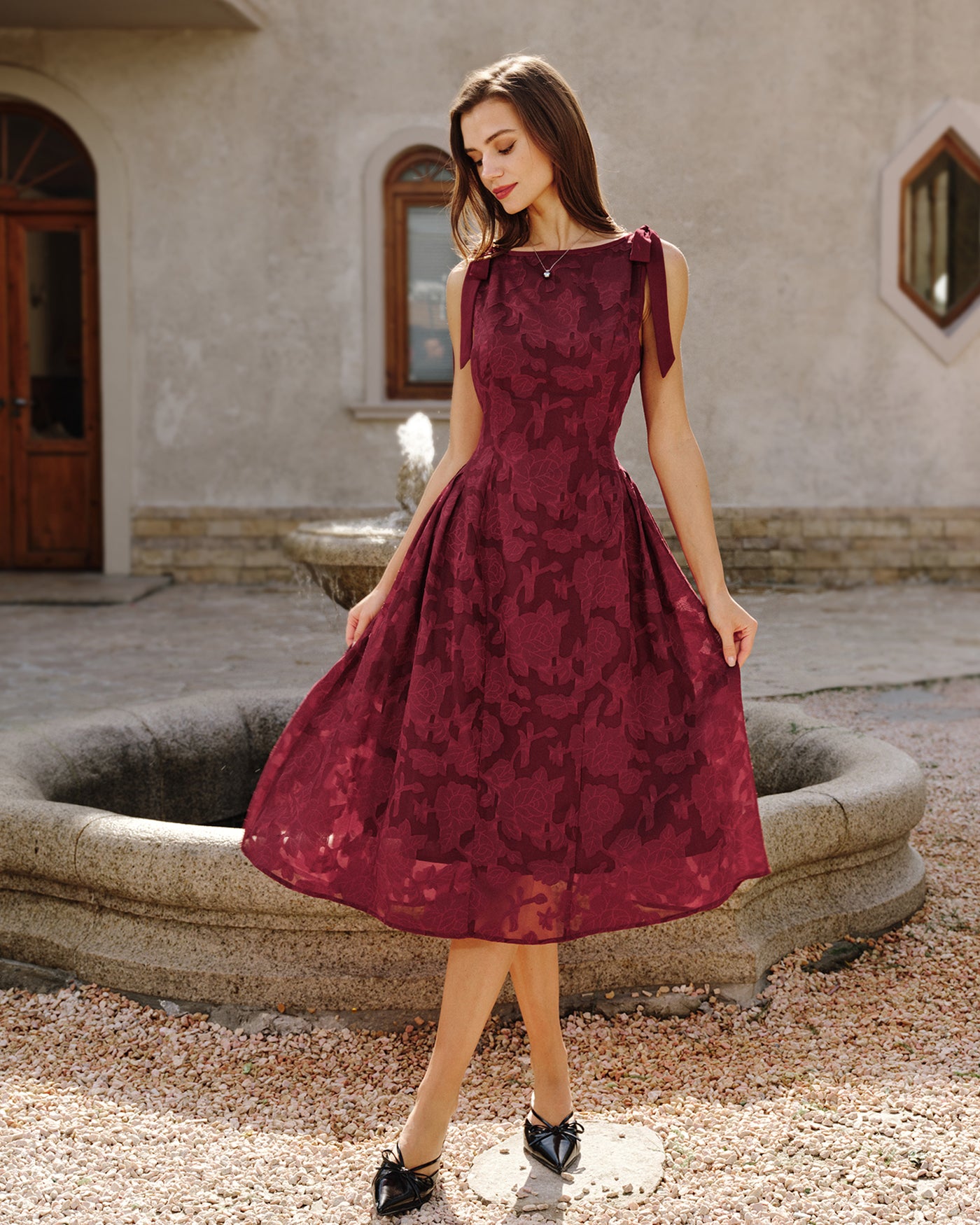
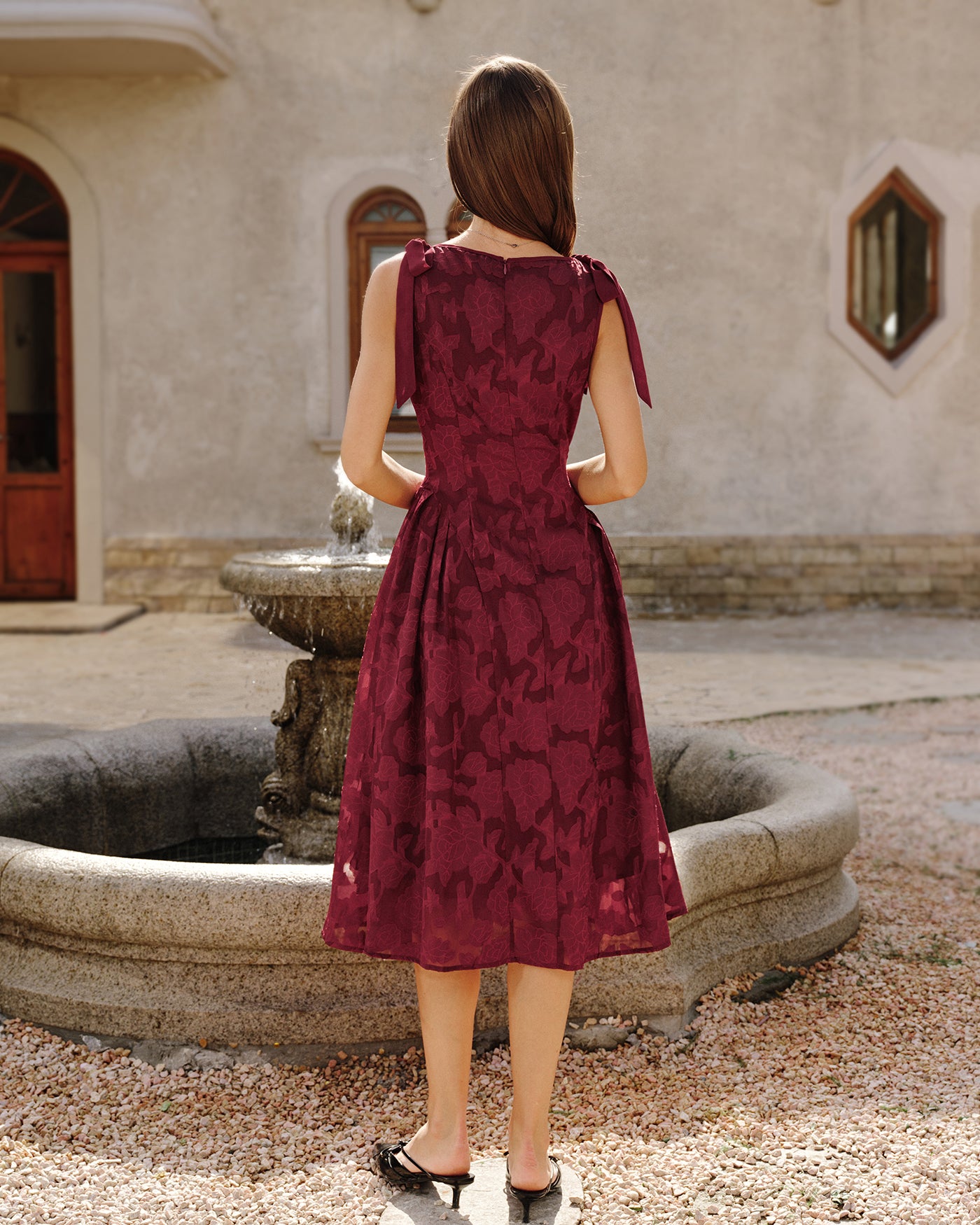
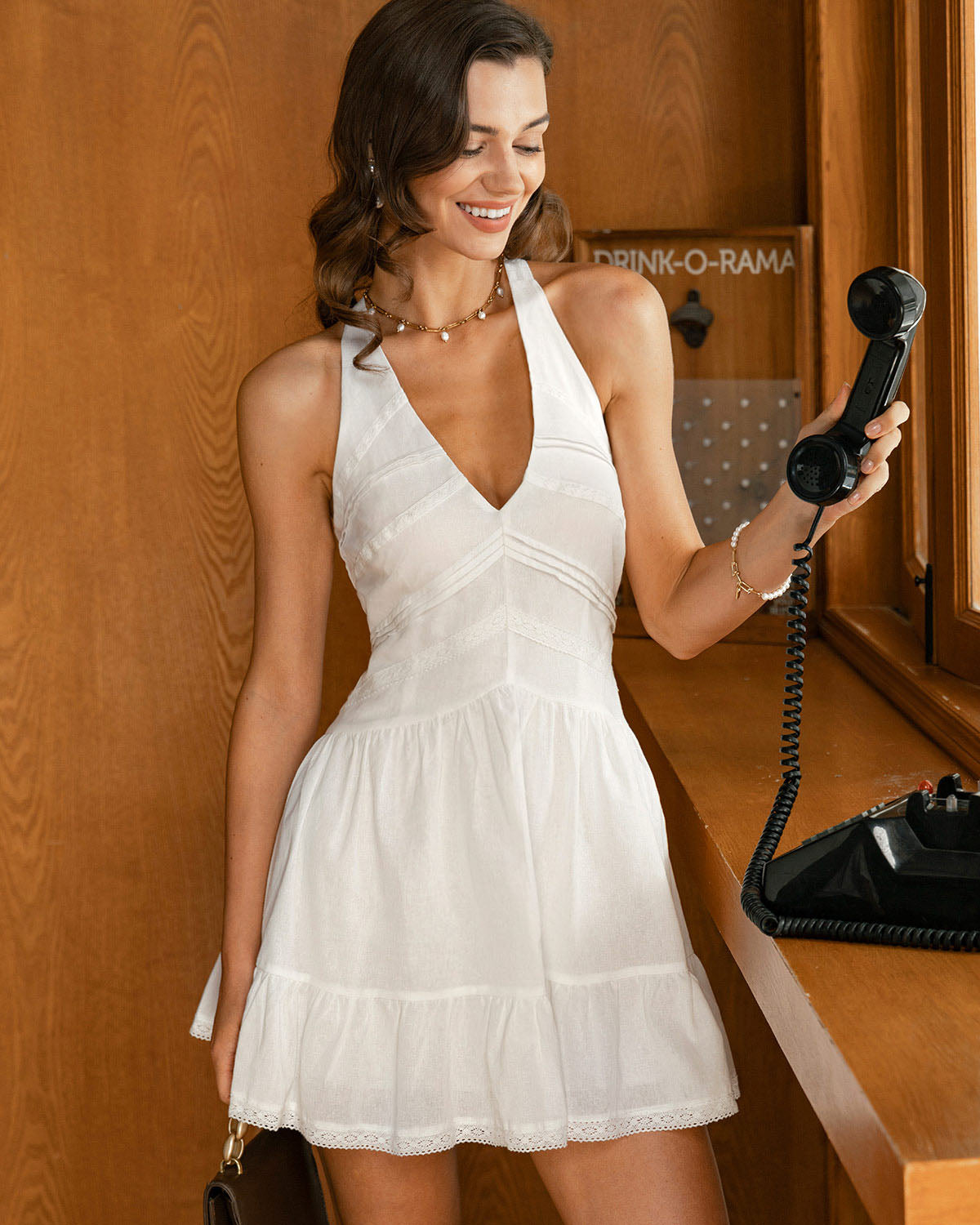
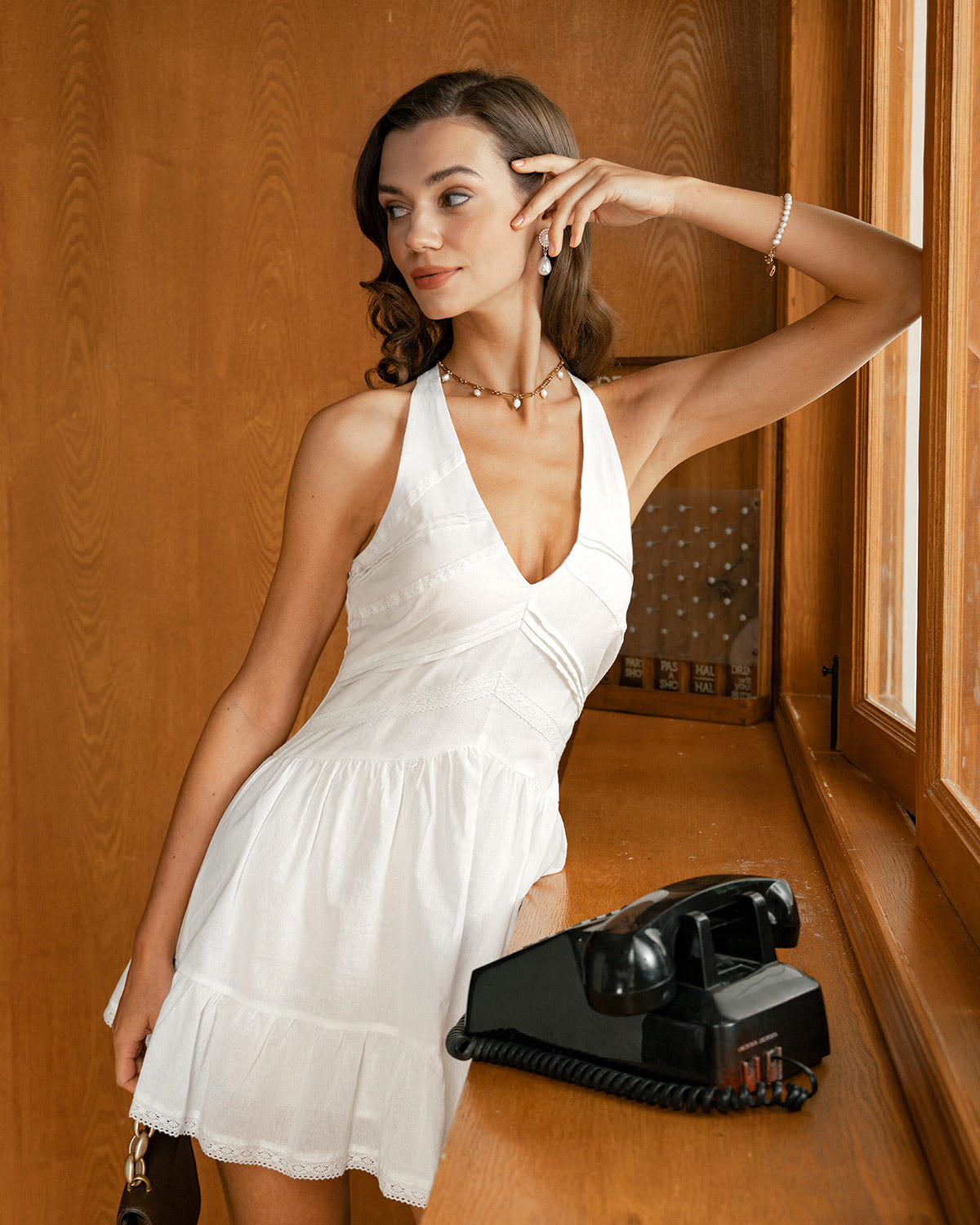
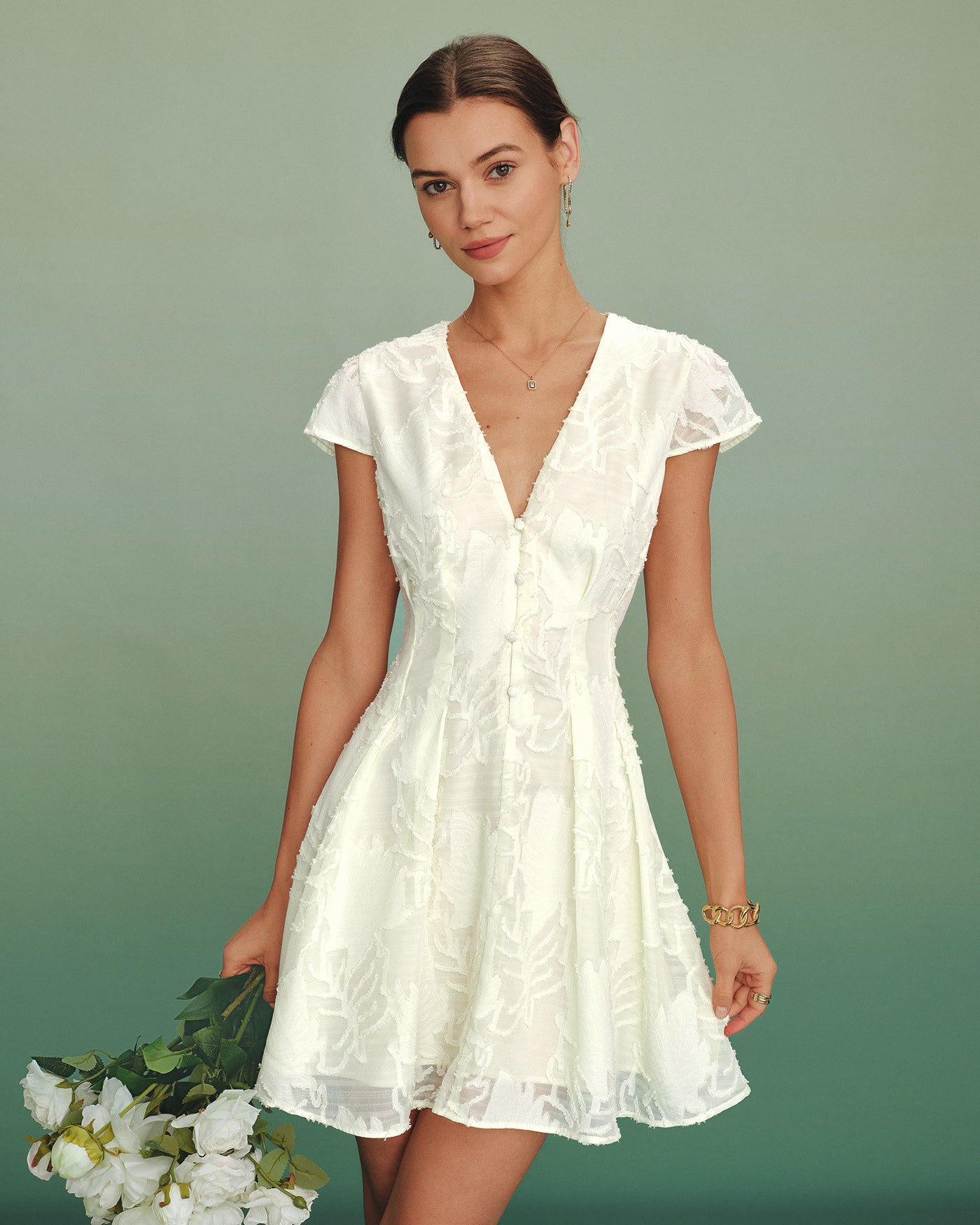
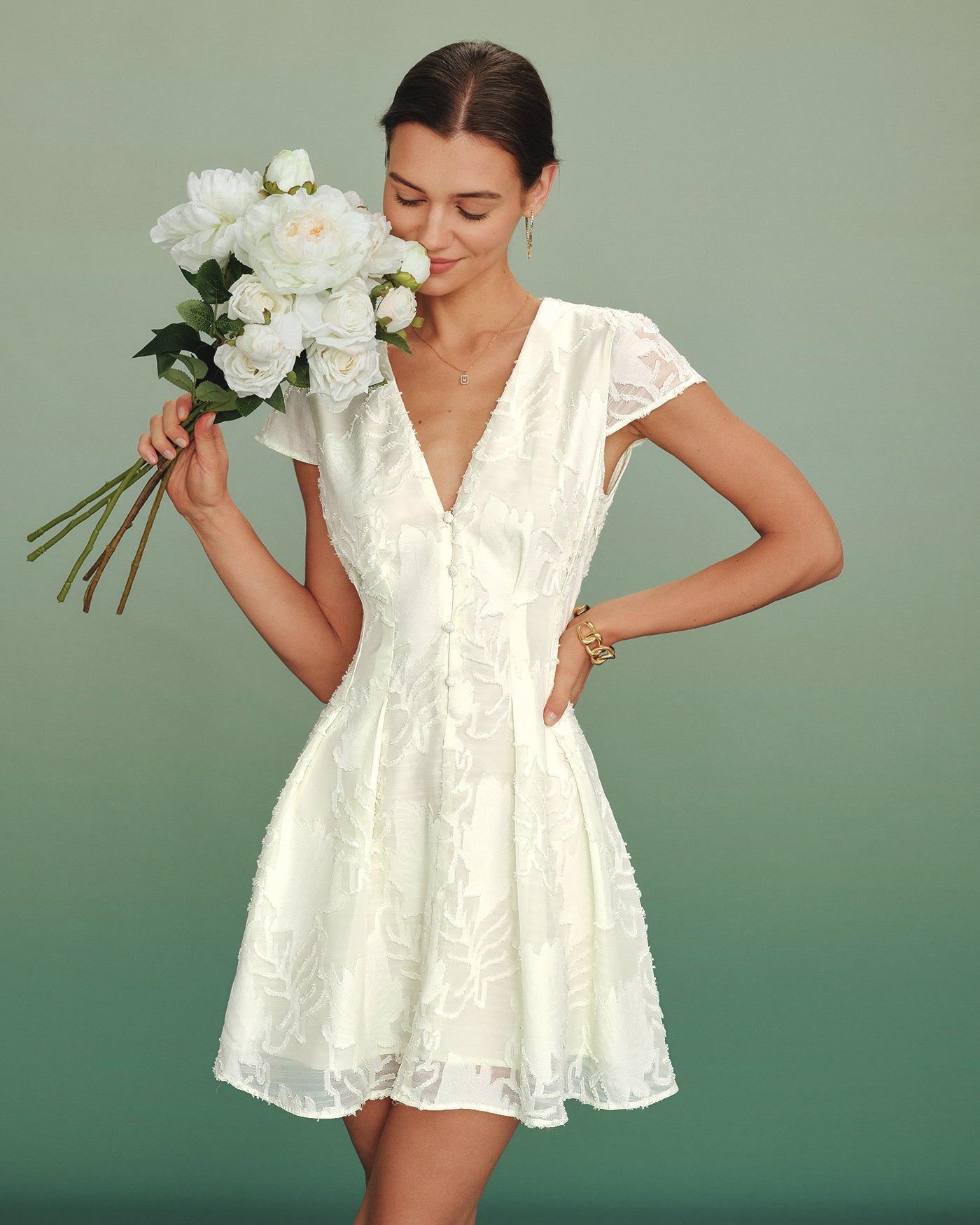
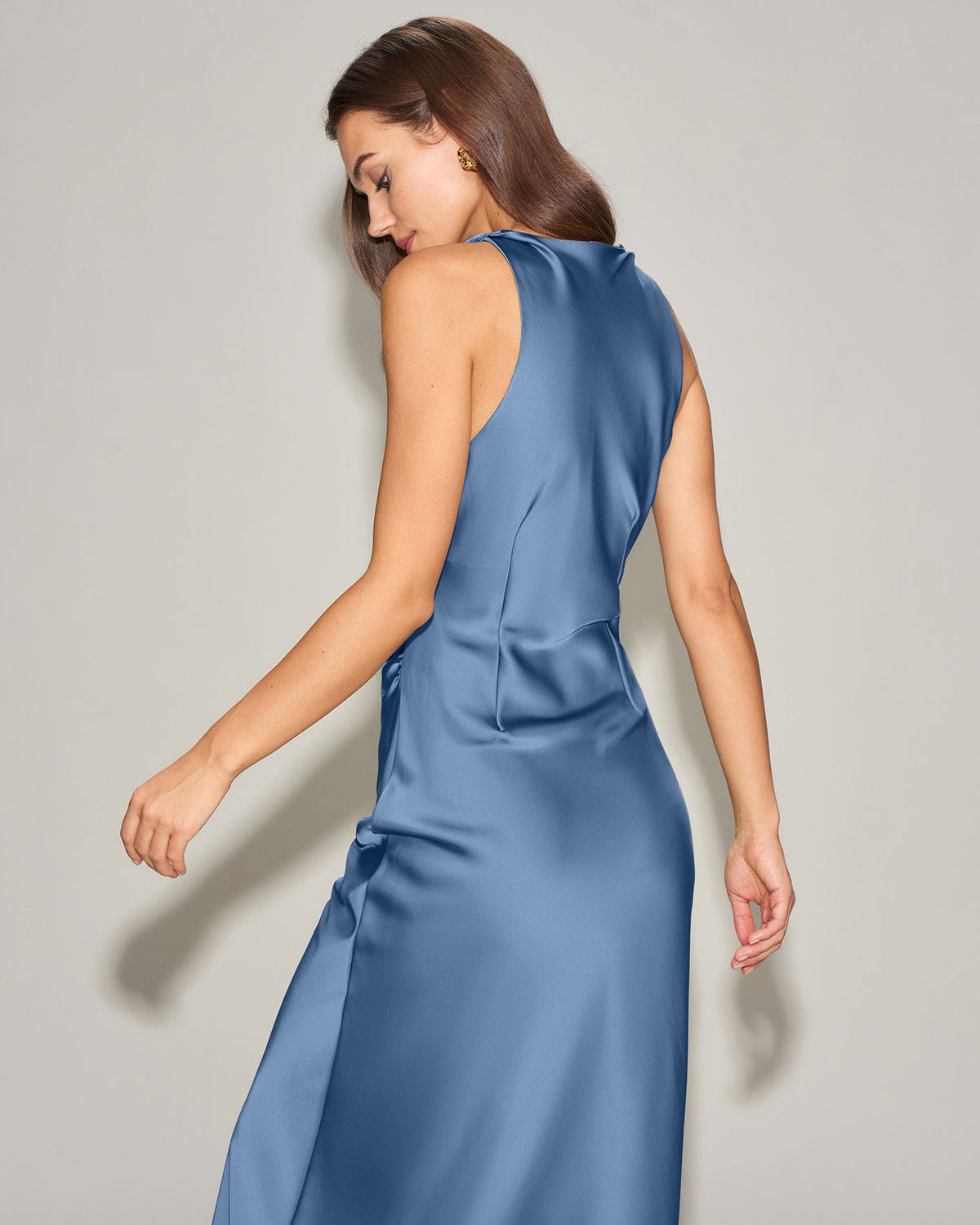
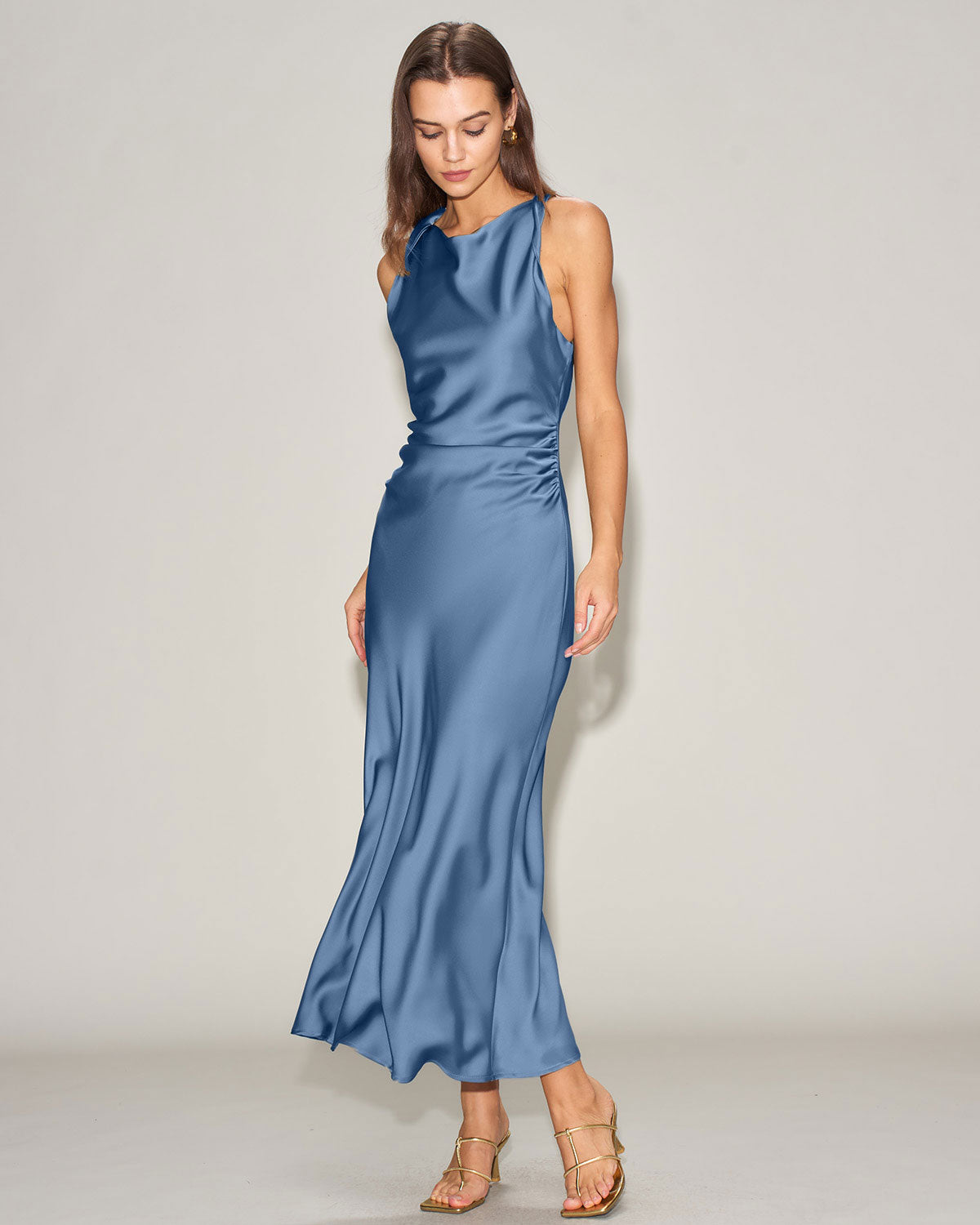
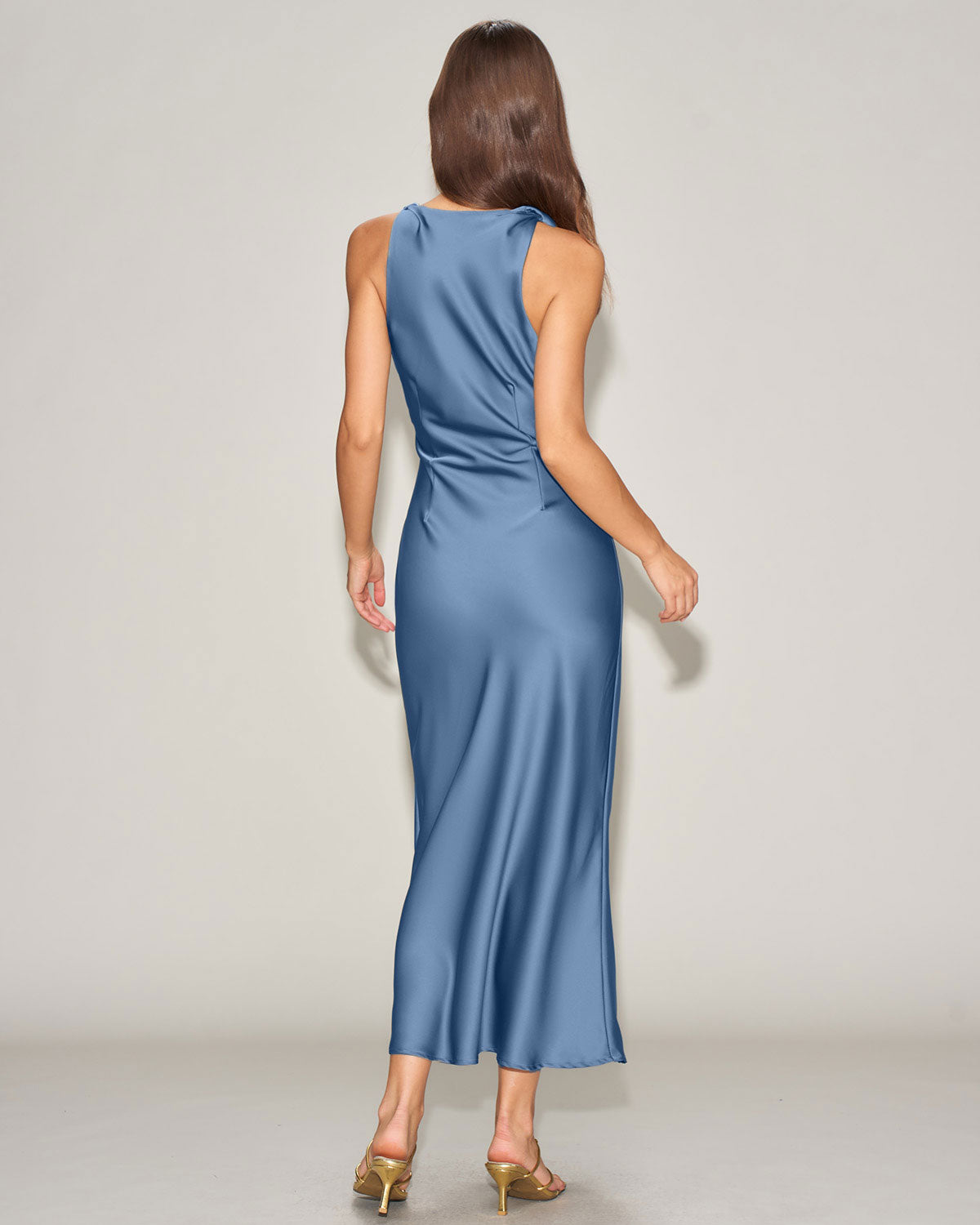
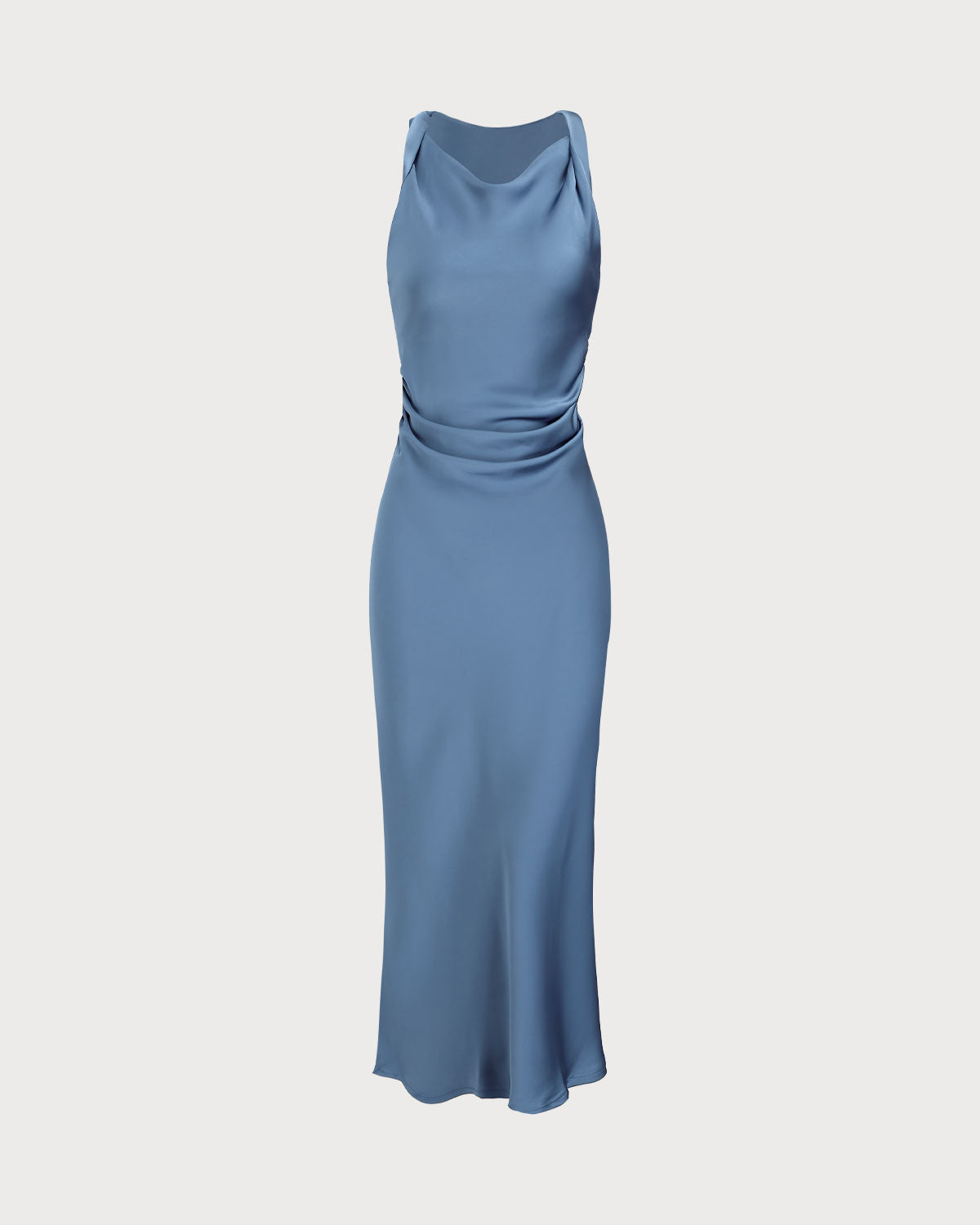
A cocktail dress sits between casual and black tie. It is dressier than what you would wear to brunch but shorter and less structured than a formal gown. Most cocktail dresses fall above the knee or at mid-calf. The fabric has some intention — satin, lace, chiffon, textured knit — rather than plain cotton or basic jersey. If an invitation says "cocktail attire," this is the range it means.
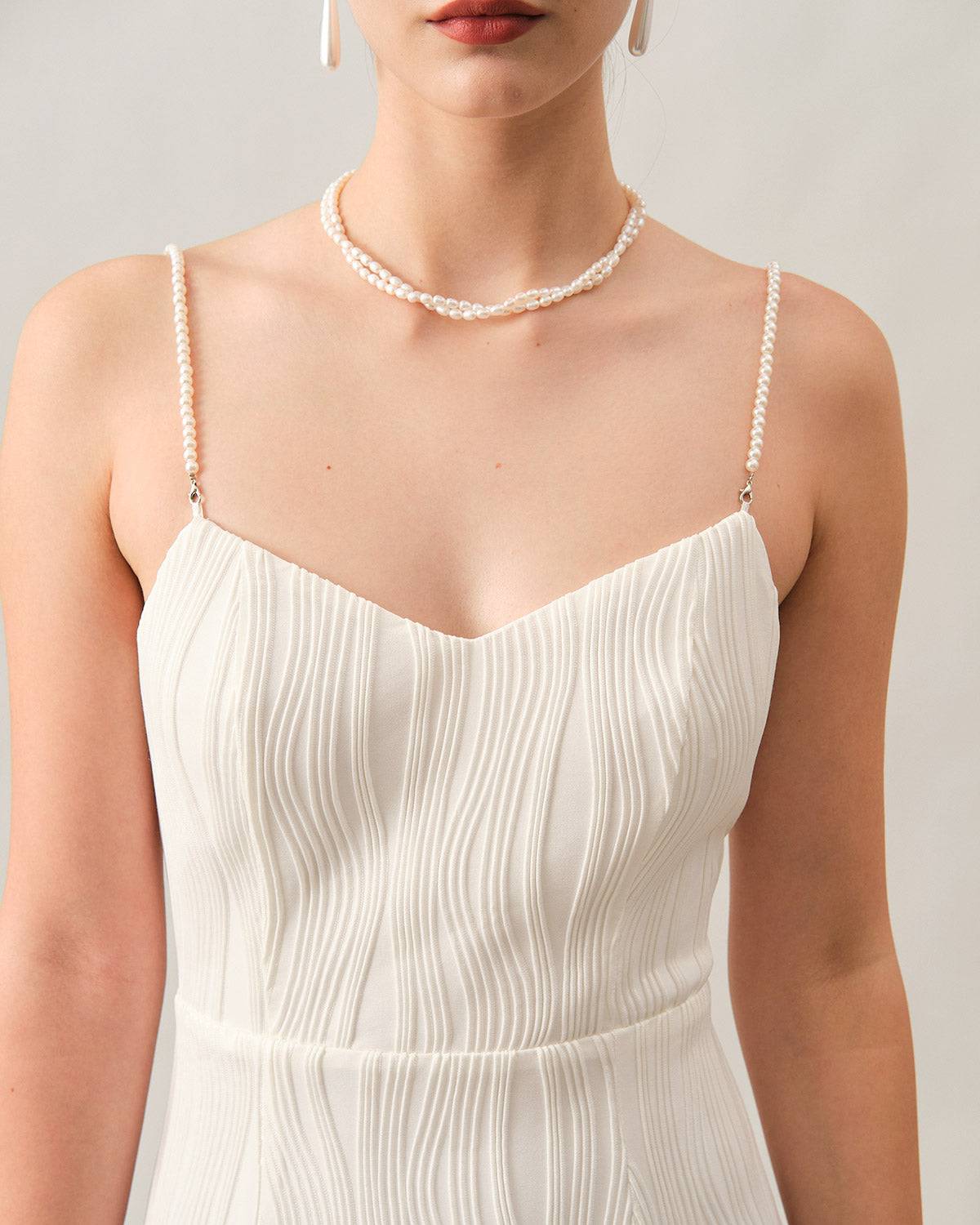
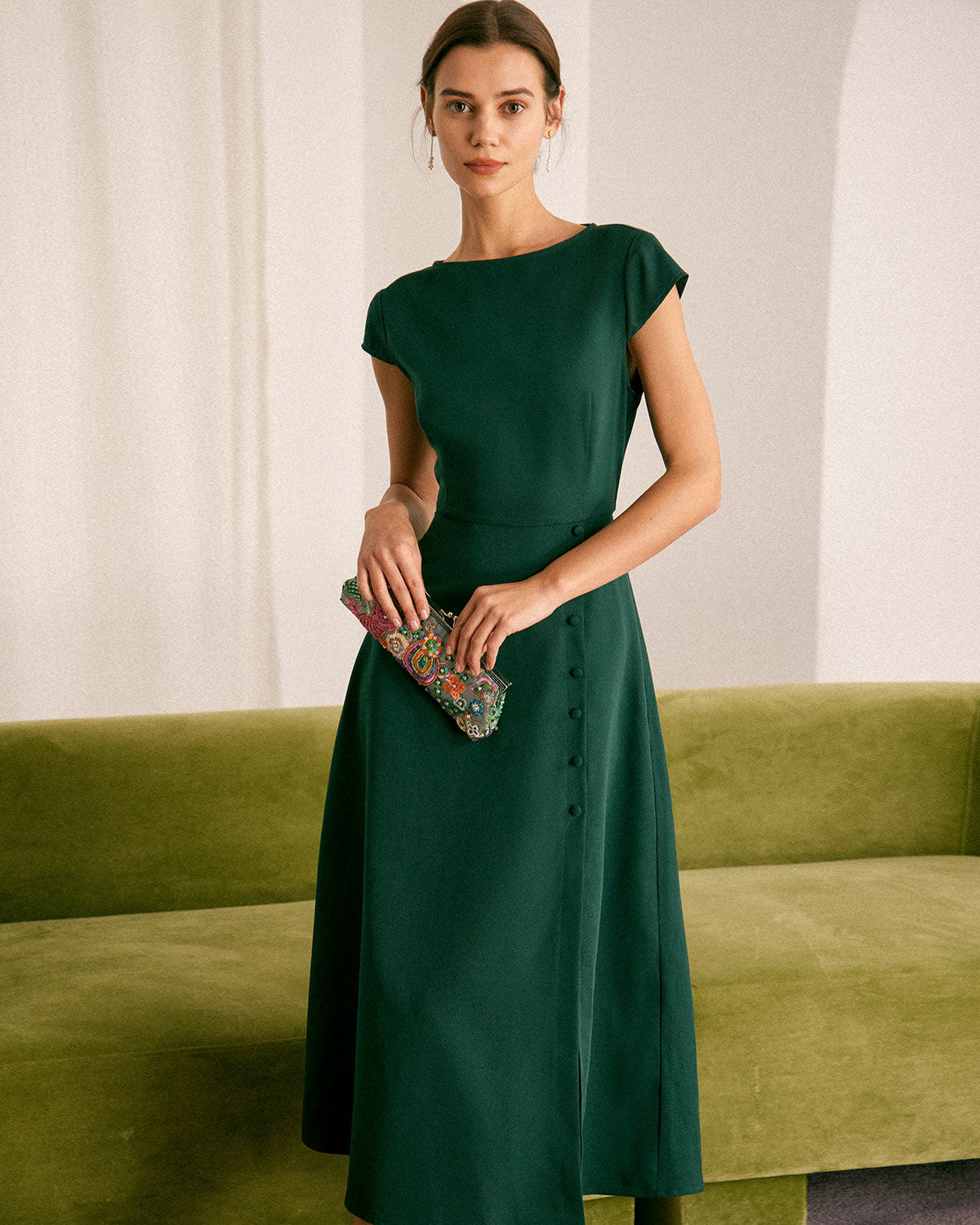
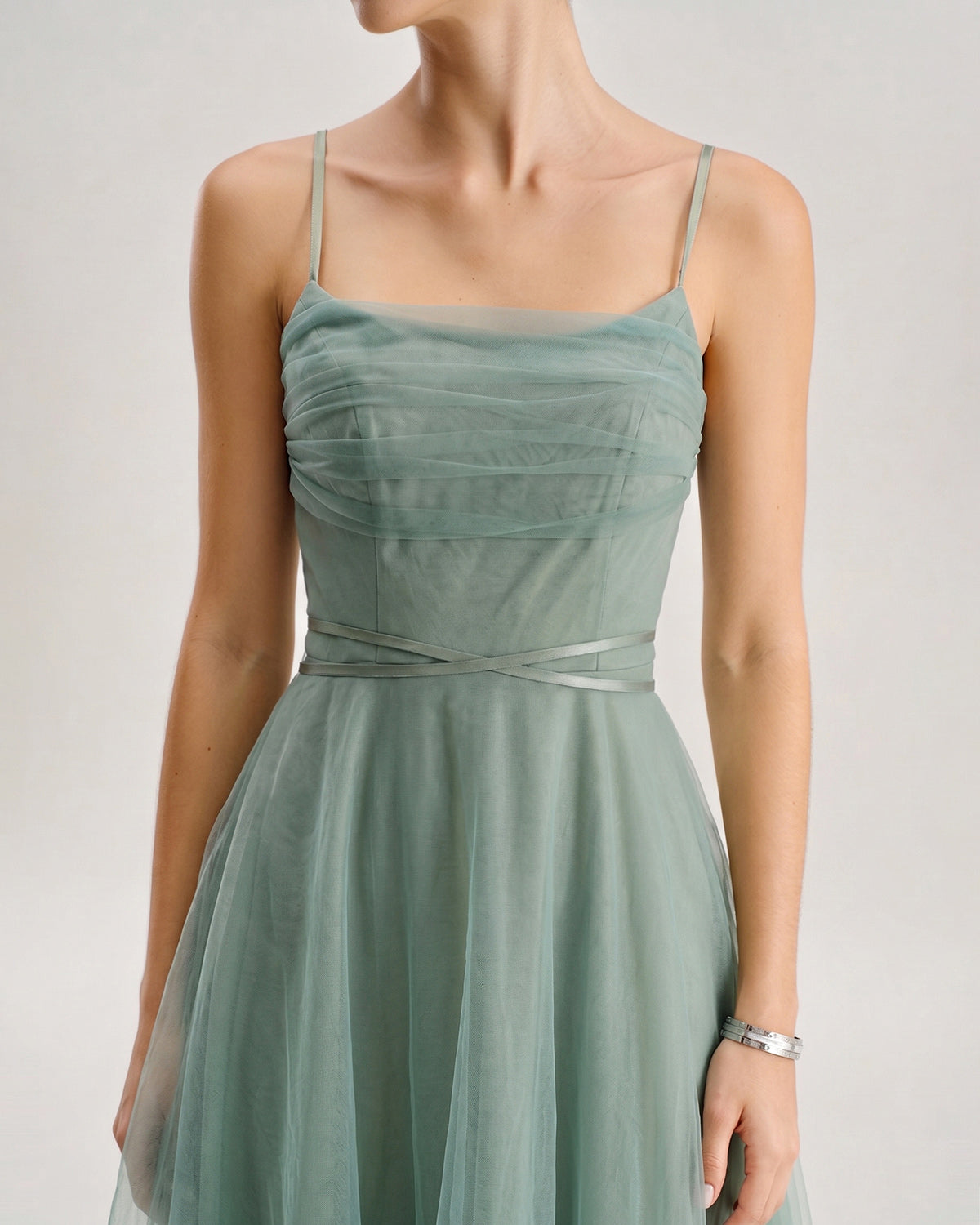
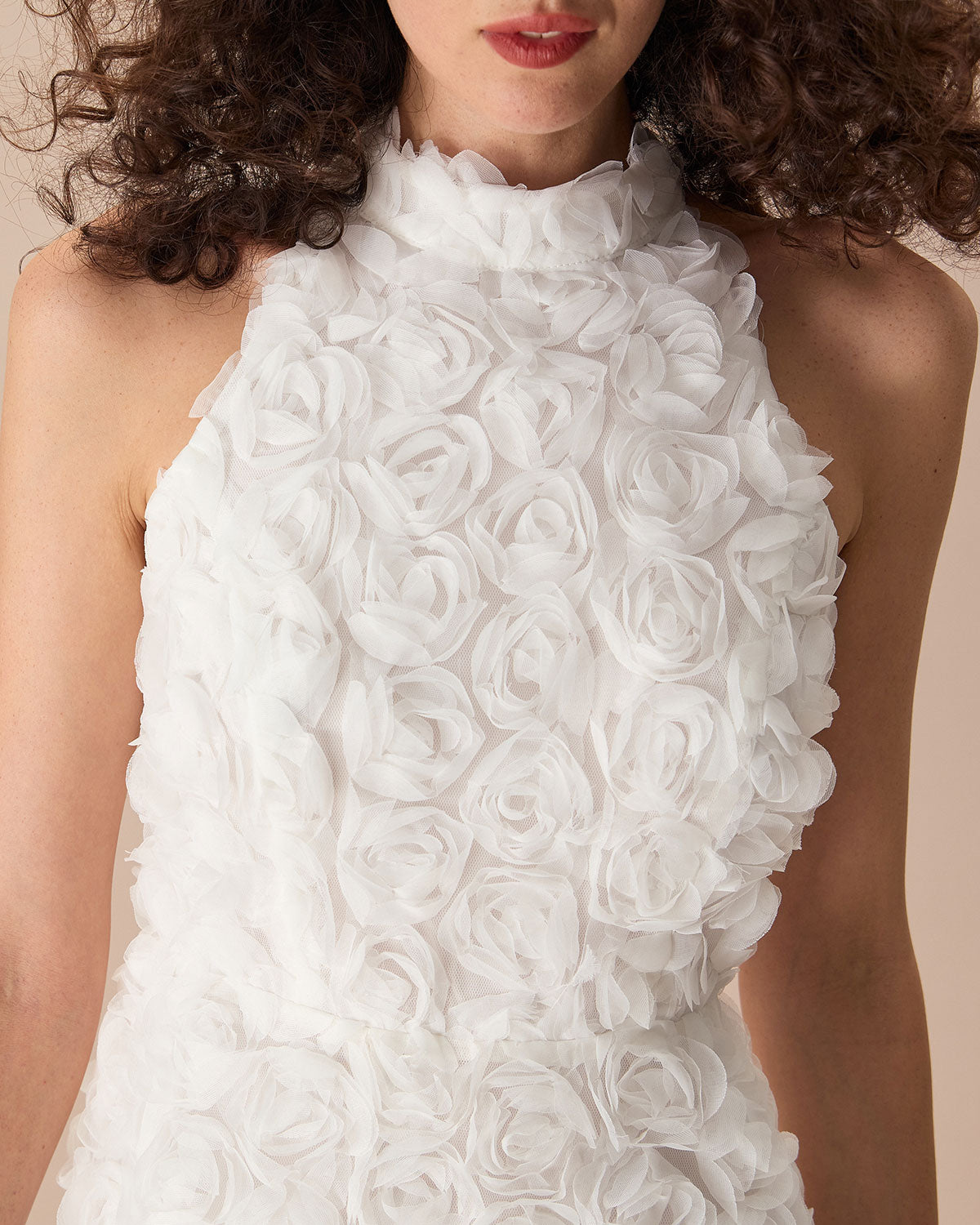
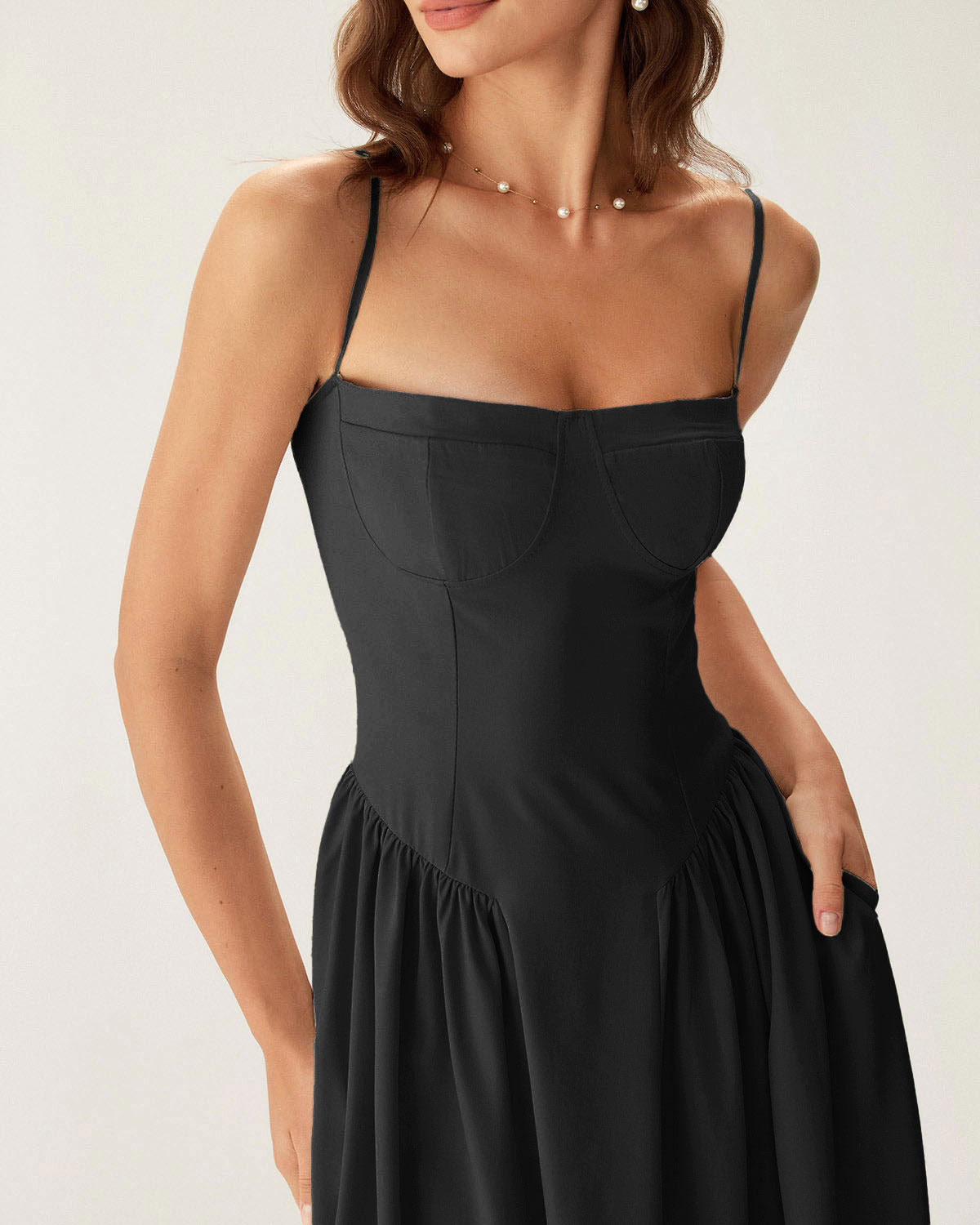
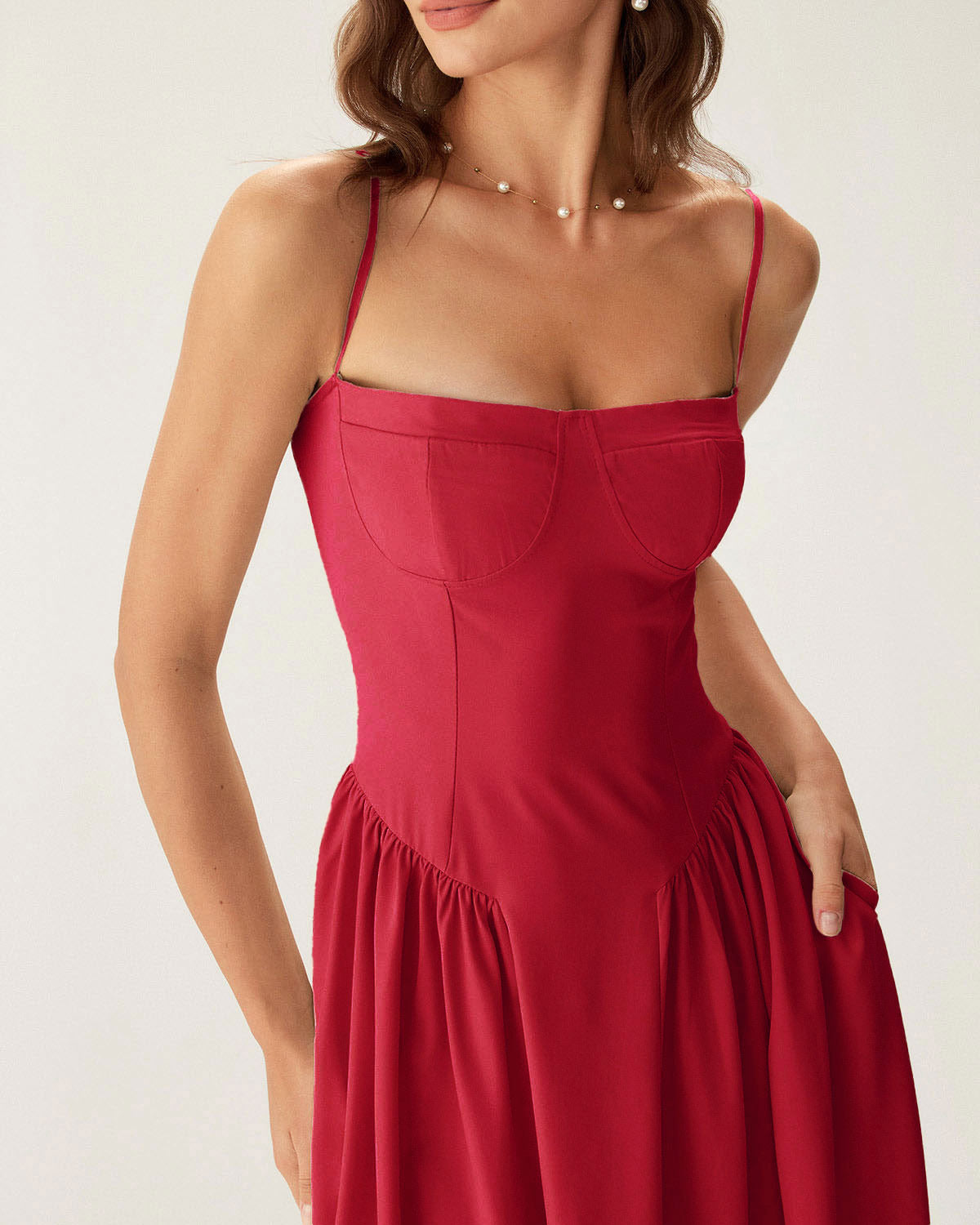
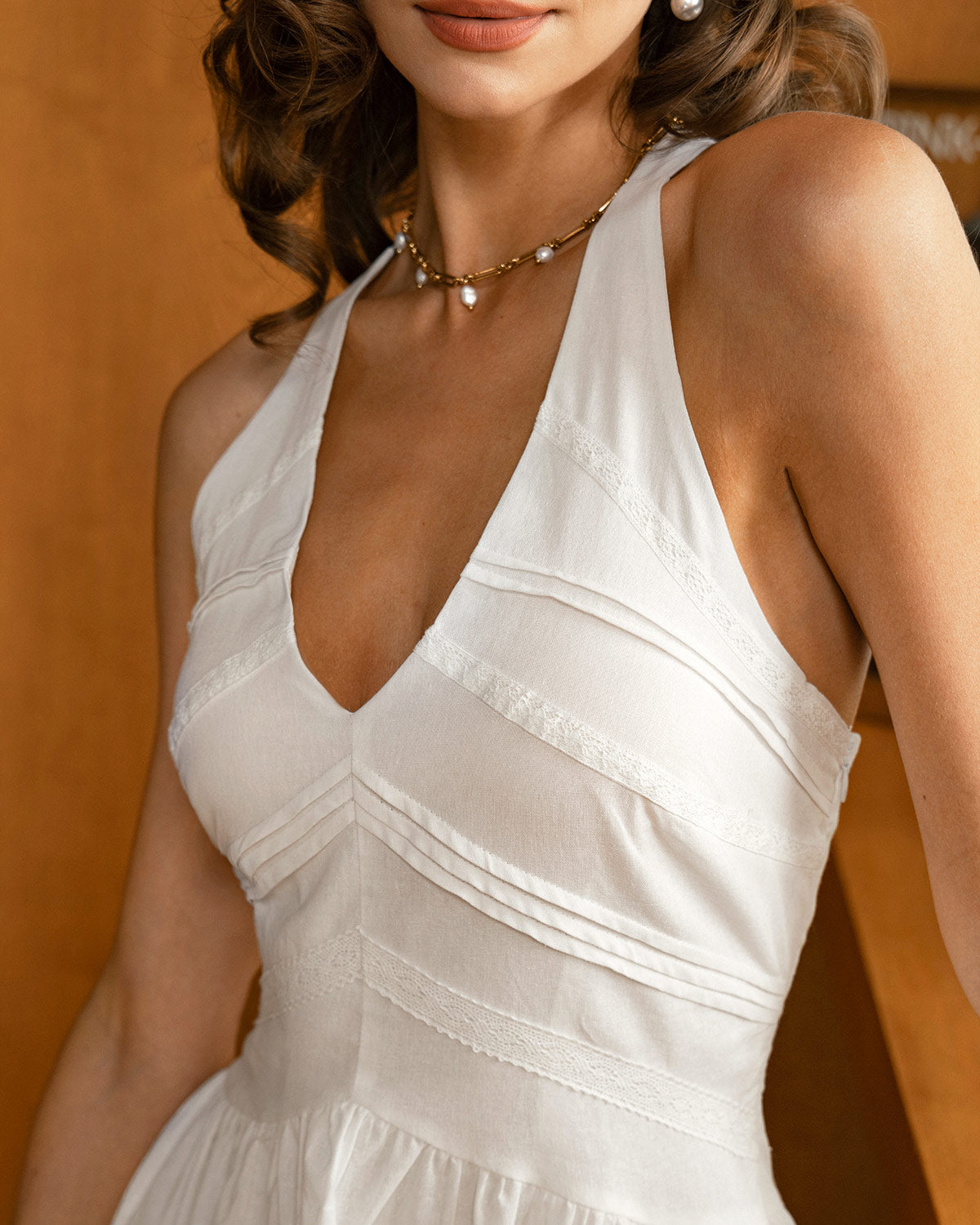
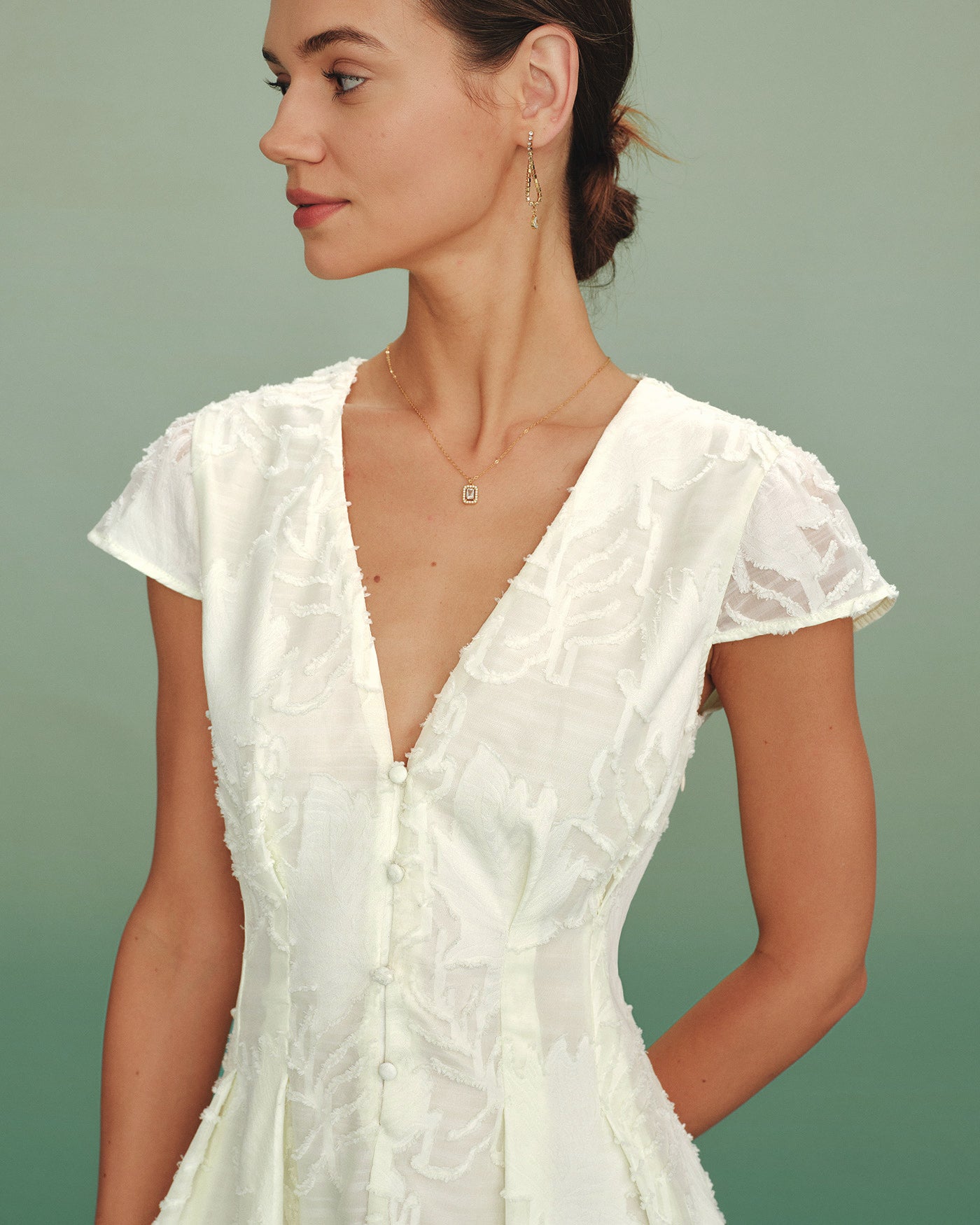
Where it gets confusing is the overlap with semi-formal. Semi-formal runs slightly dressier: a cocktail dress still works, but the fabric and construction should lean more polished. Adding structured details — a defined waist, a higher-quality fabric, beading or texture — moves a cocktail dress into semi-formal territory without needing a longer hem. For events that say formal or black tie, step up to a floor-length option instead.
Pick by event, not just by style
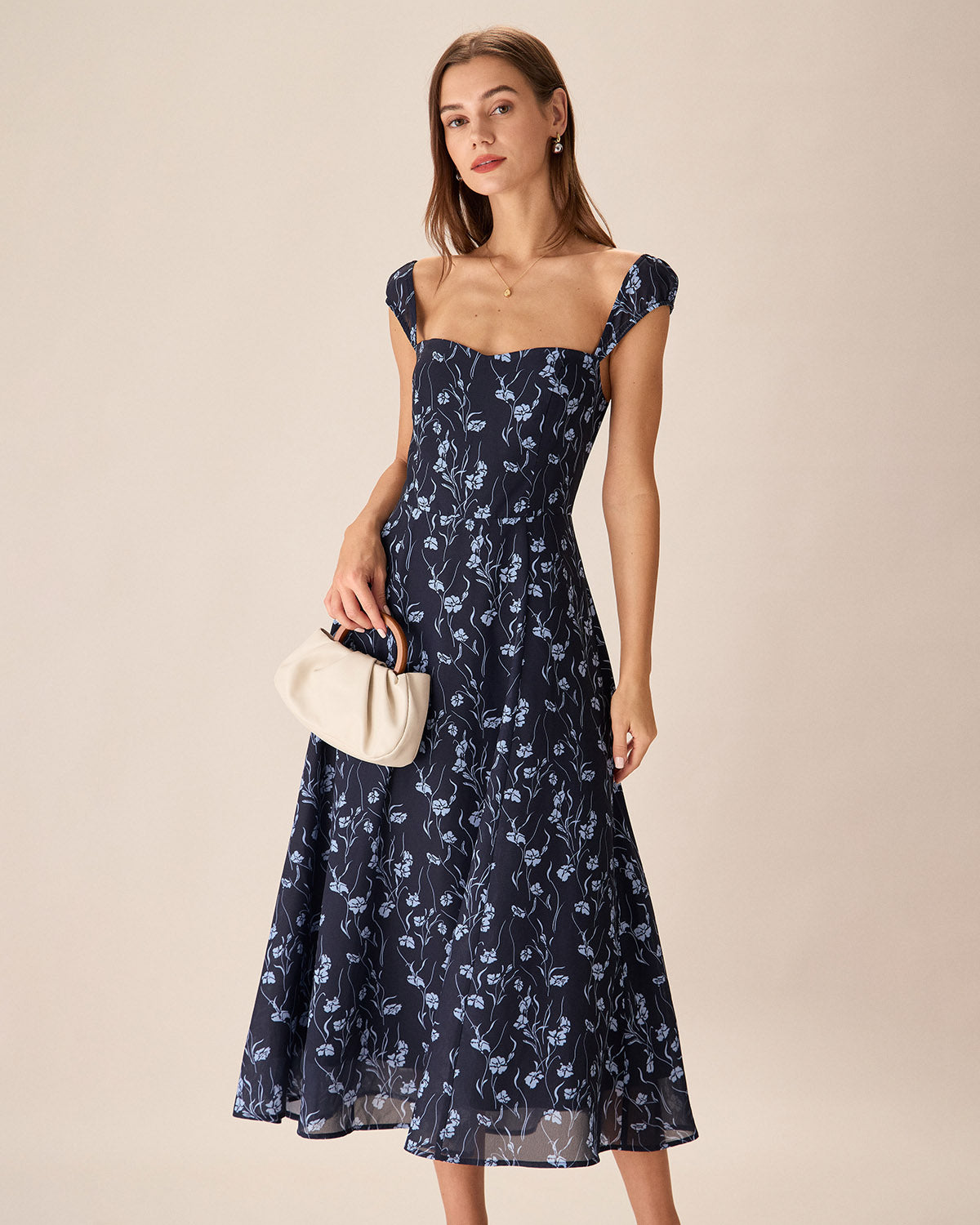
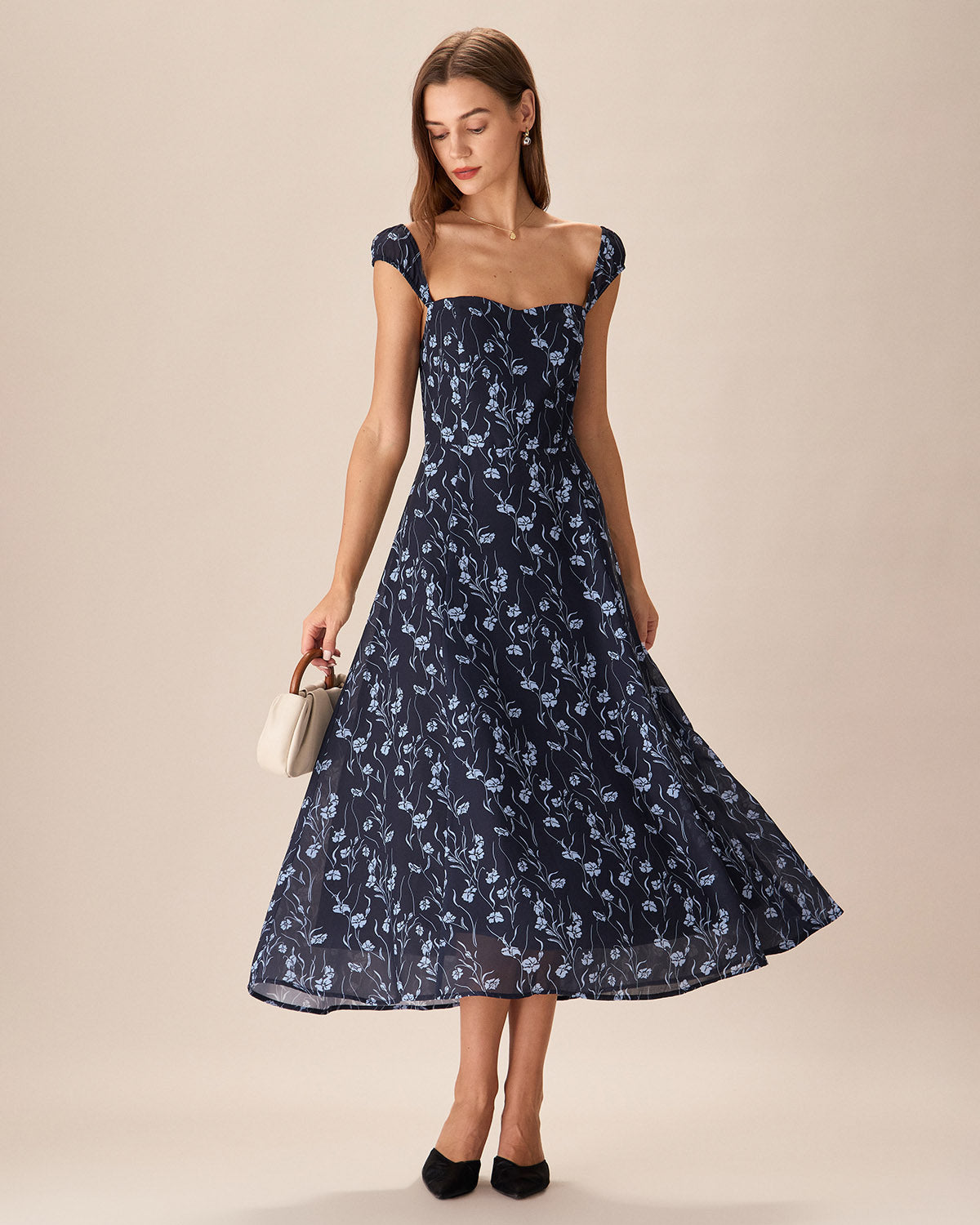
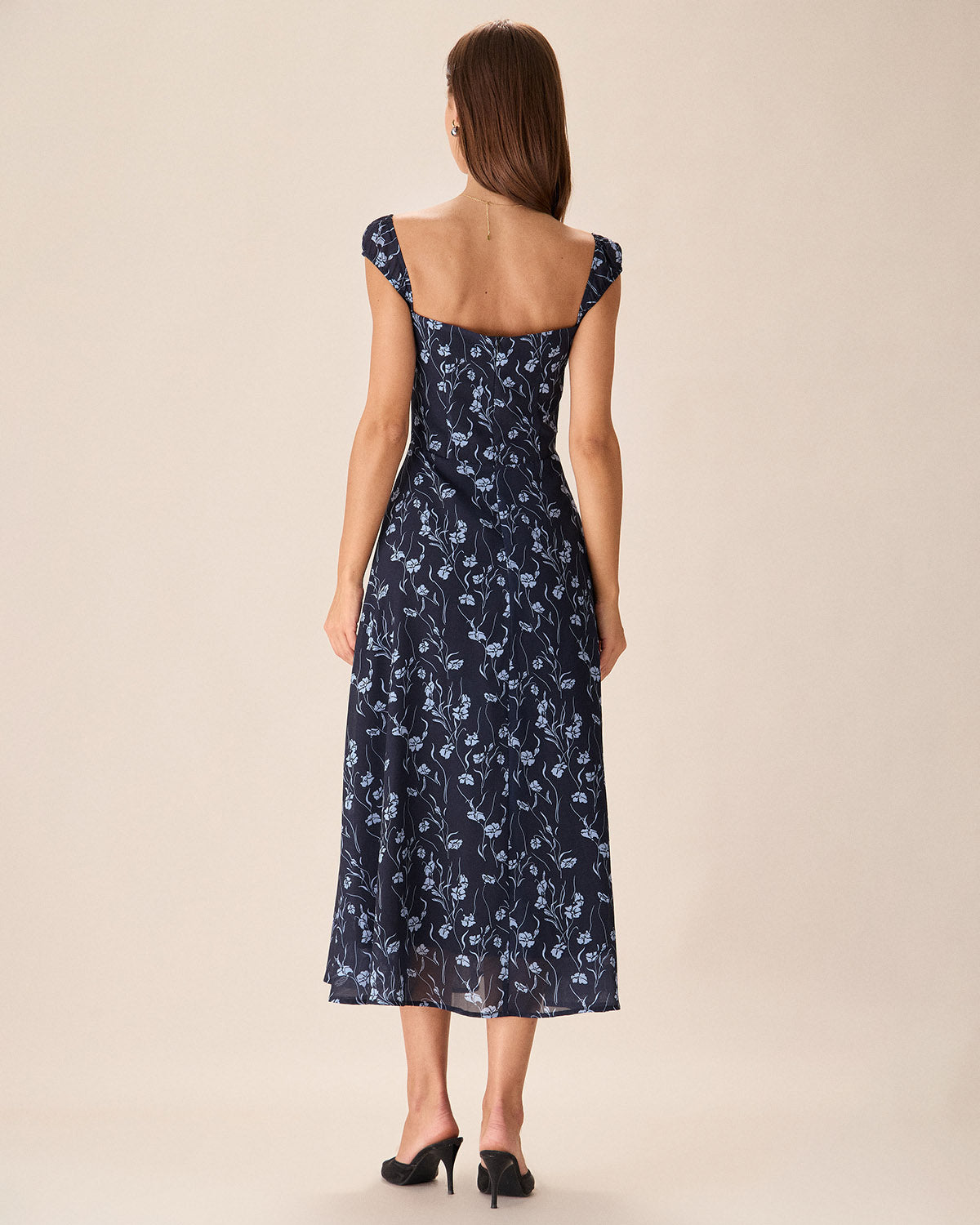
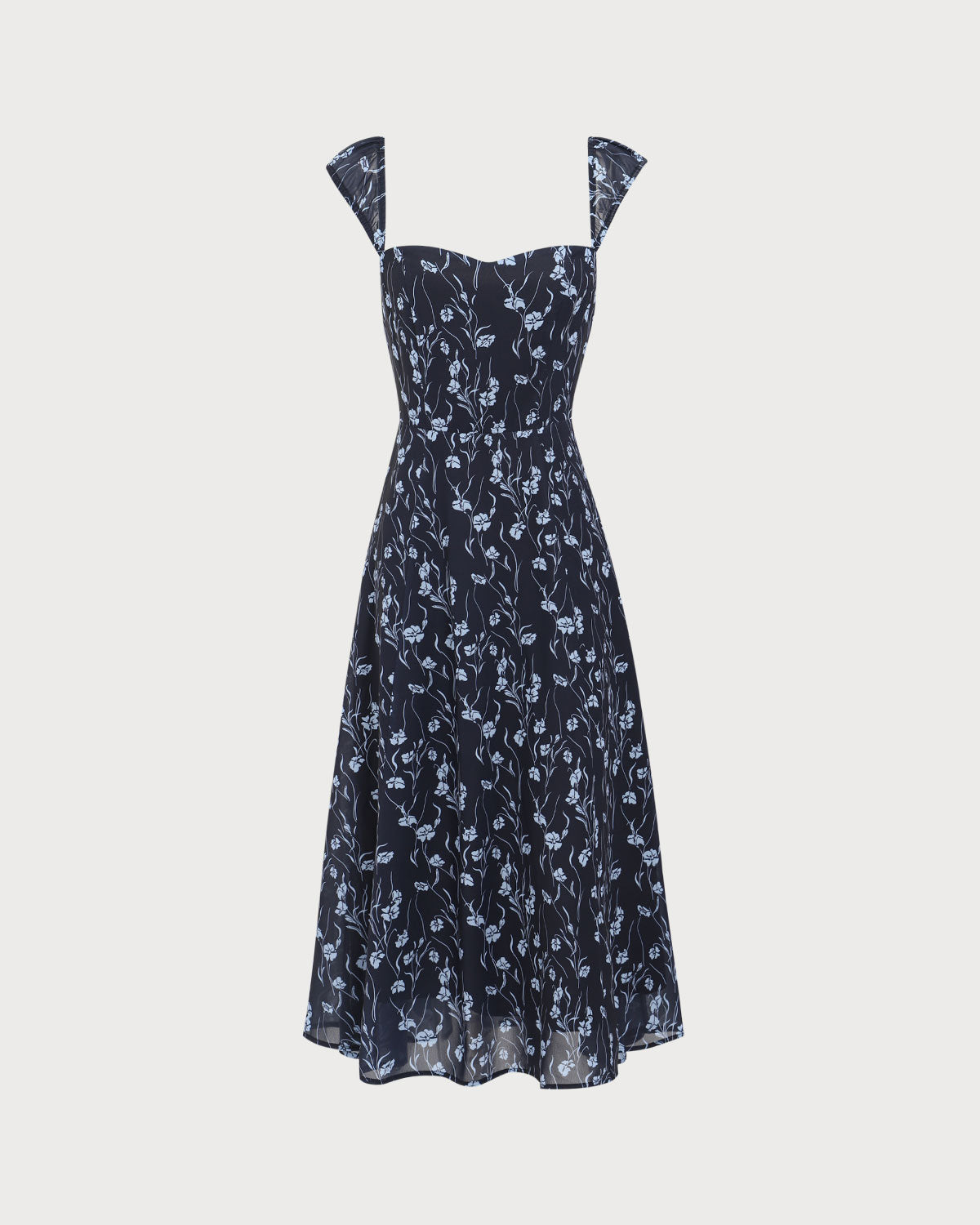
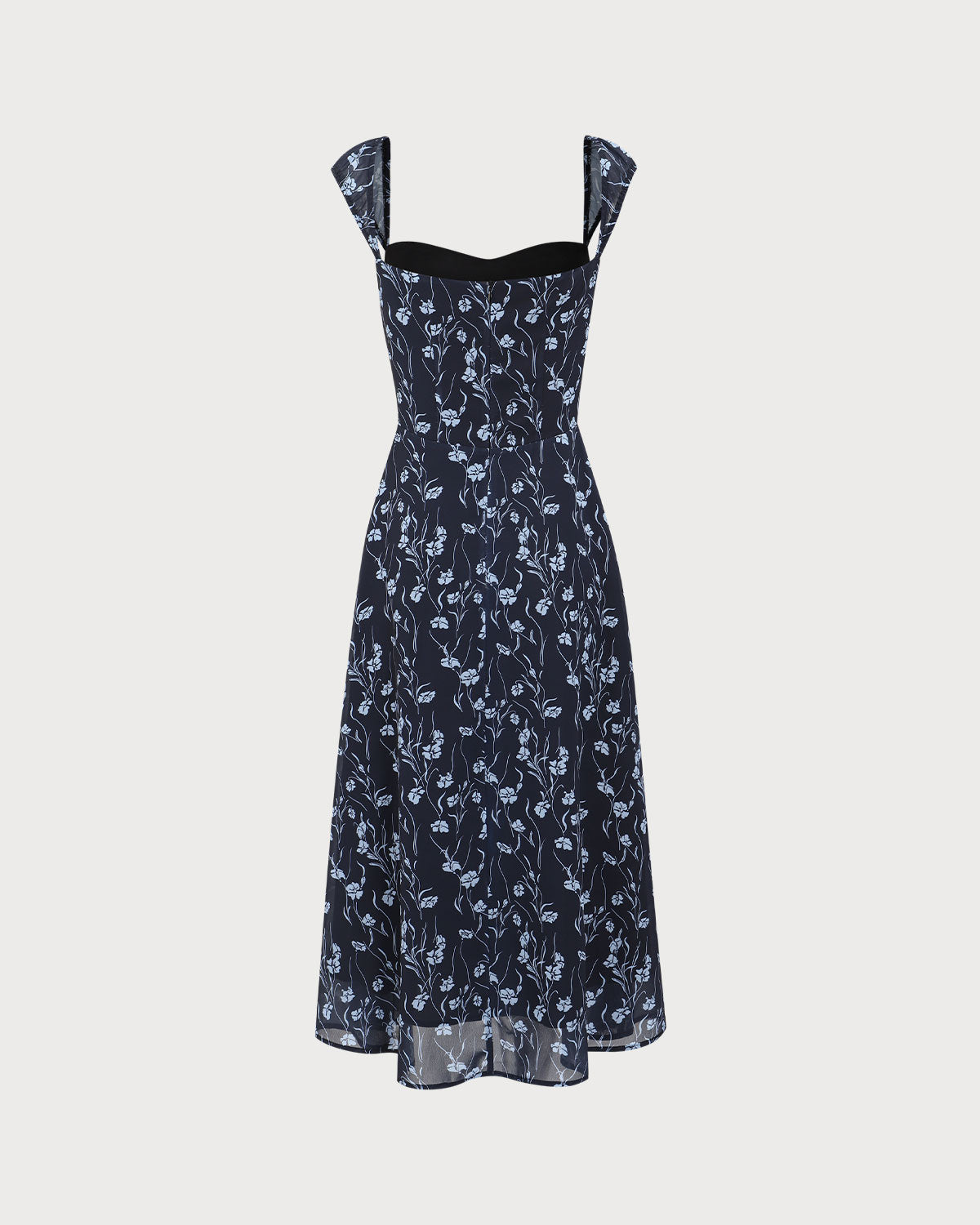
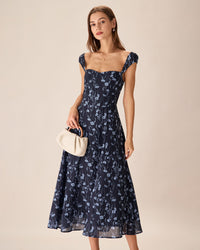
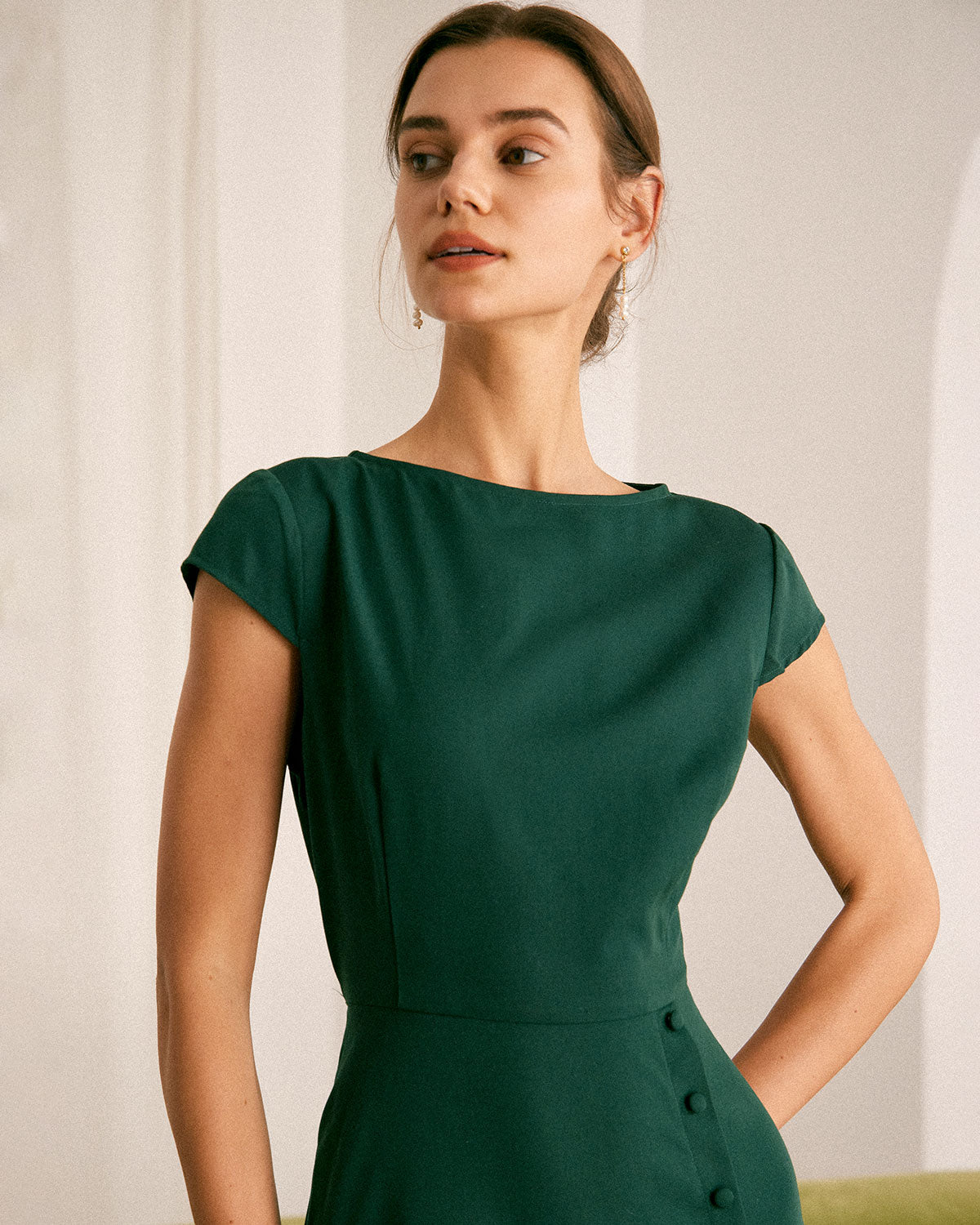
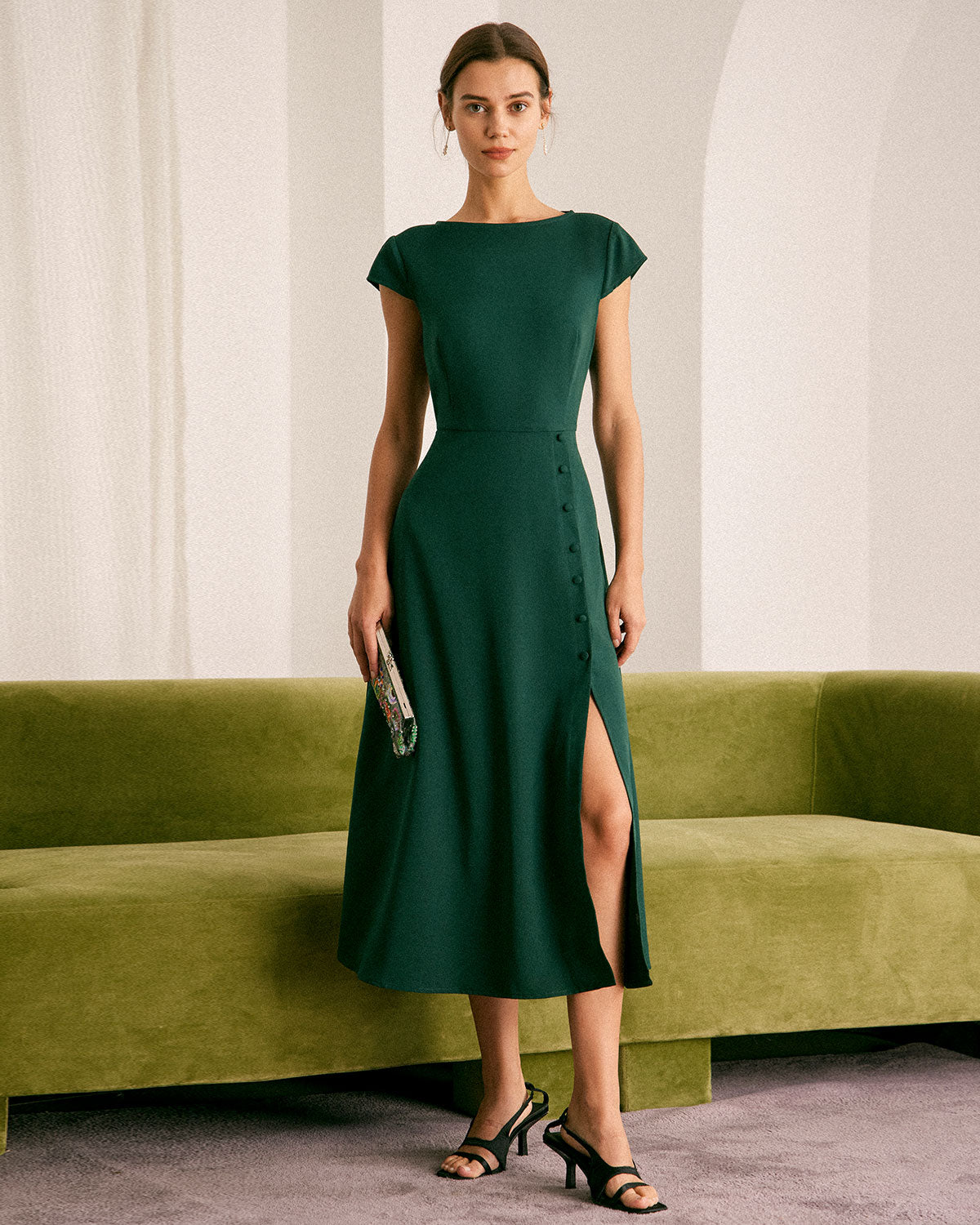
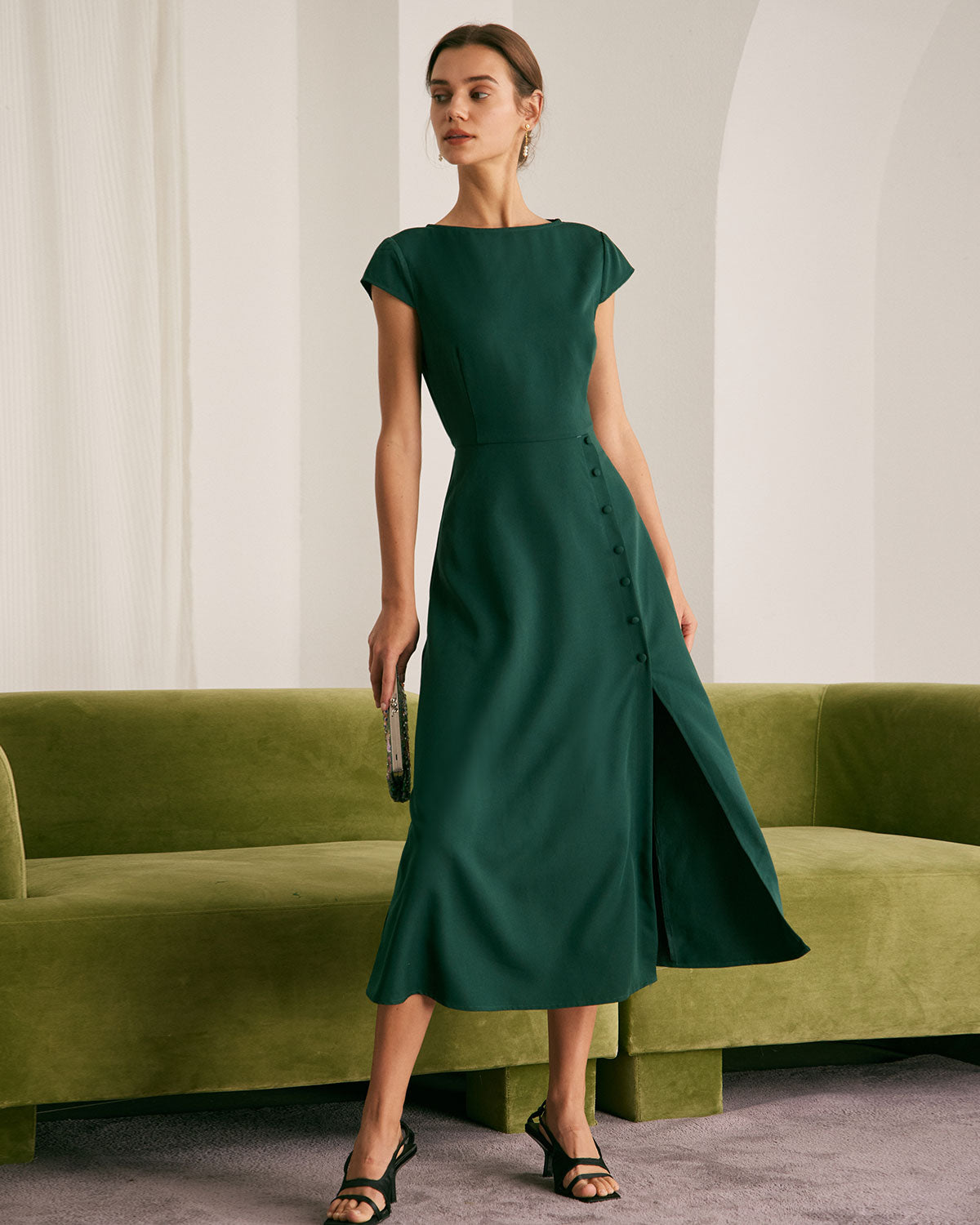
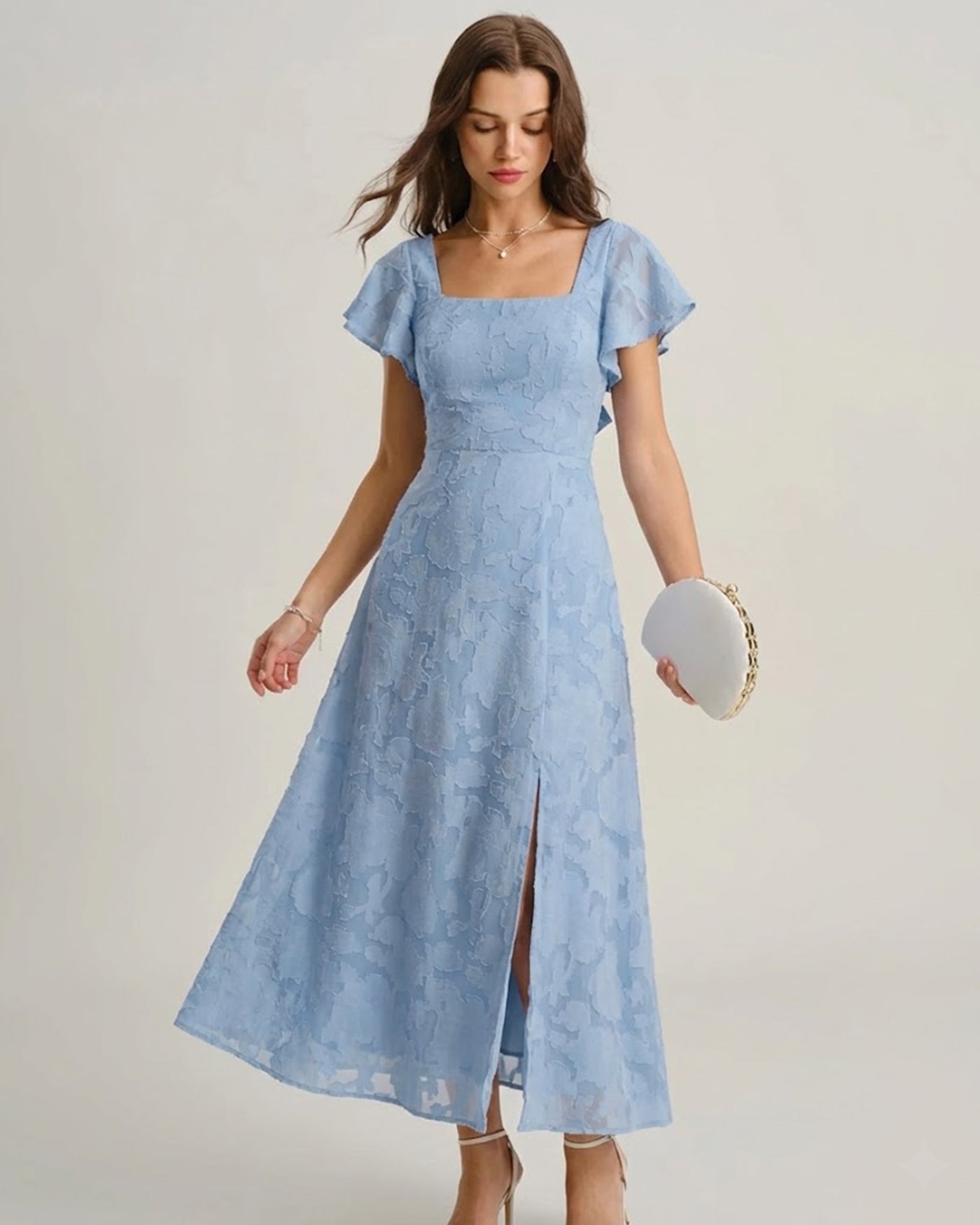
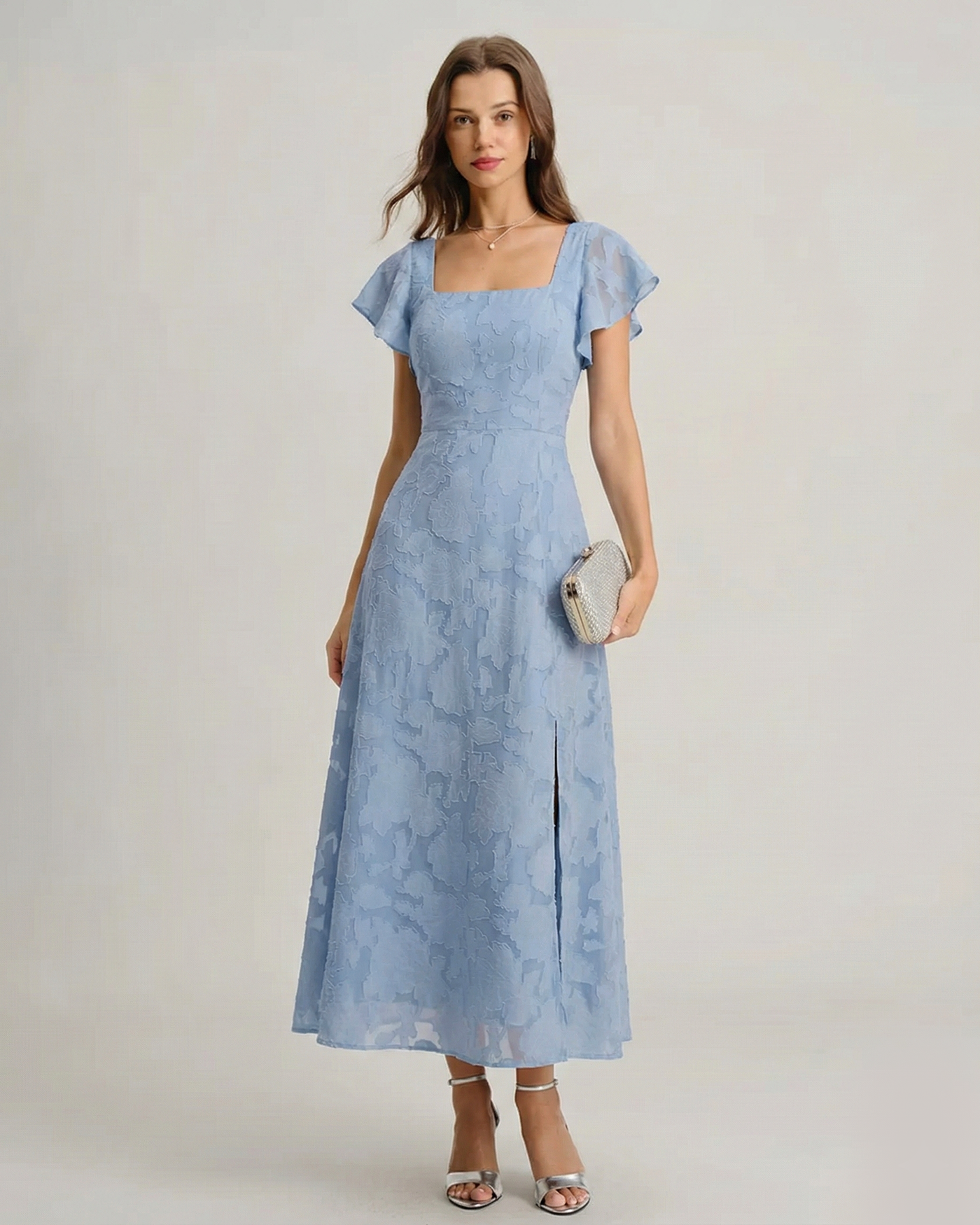
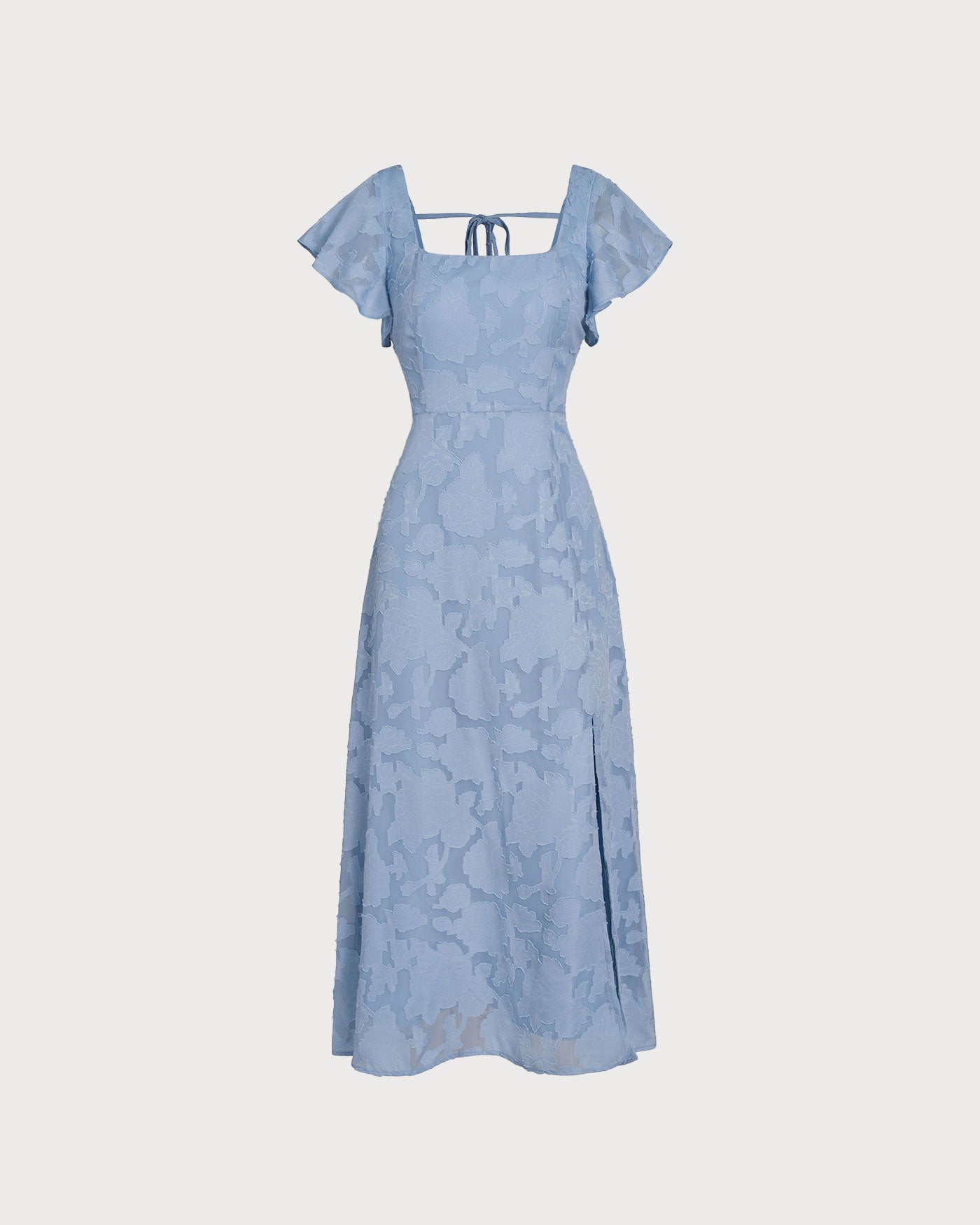
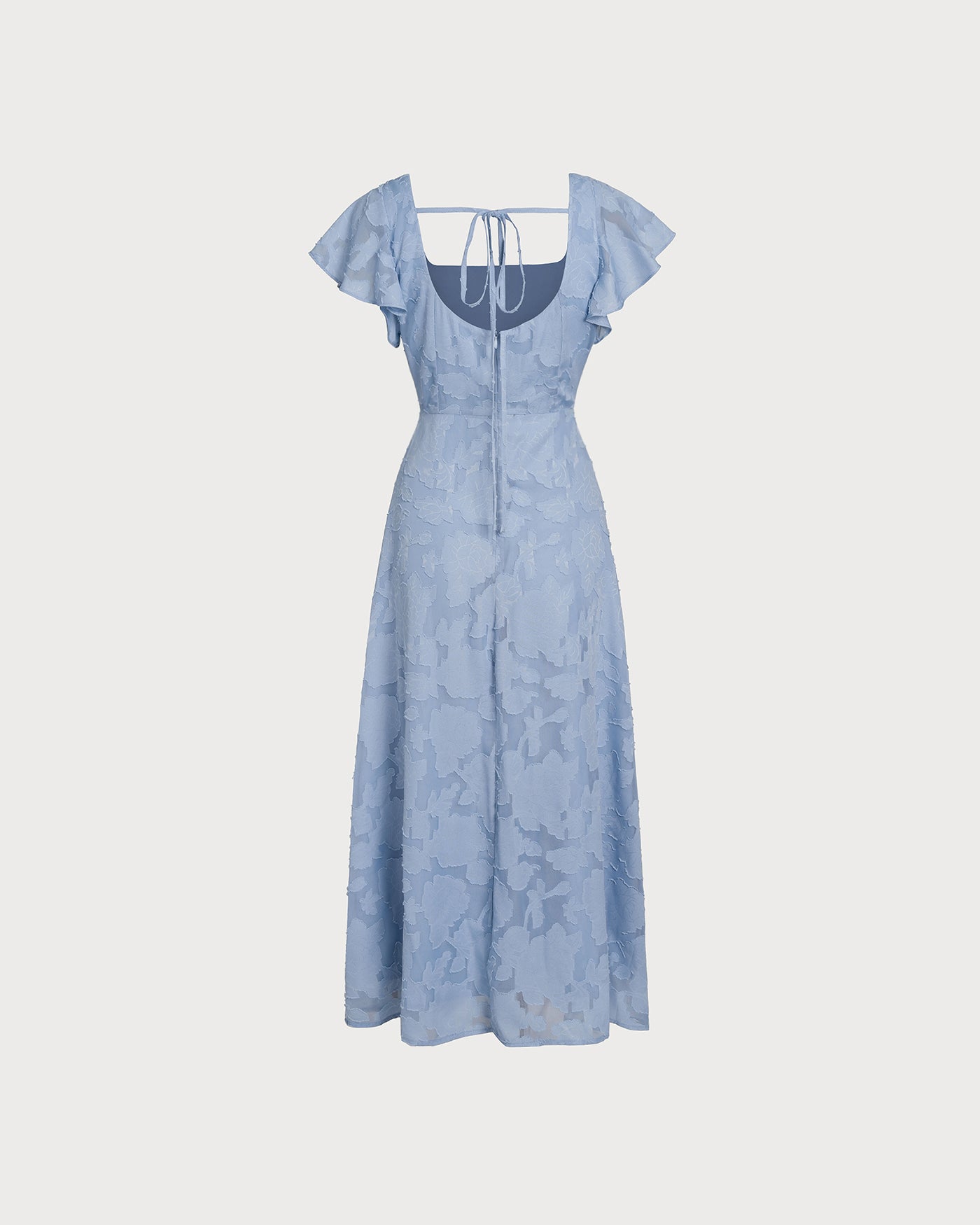
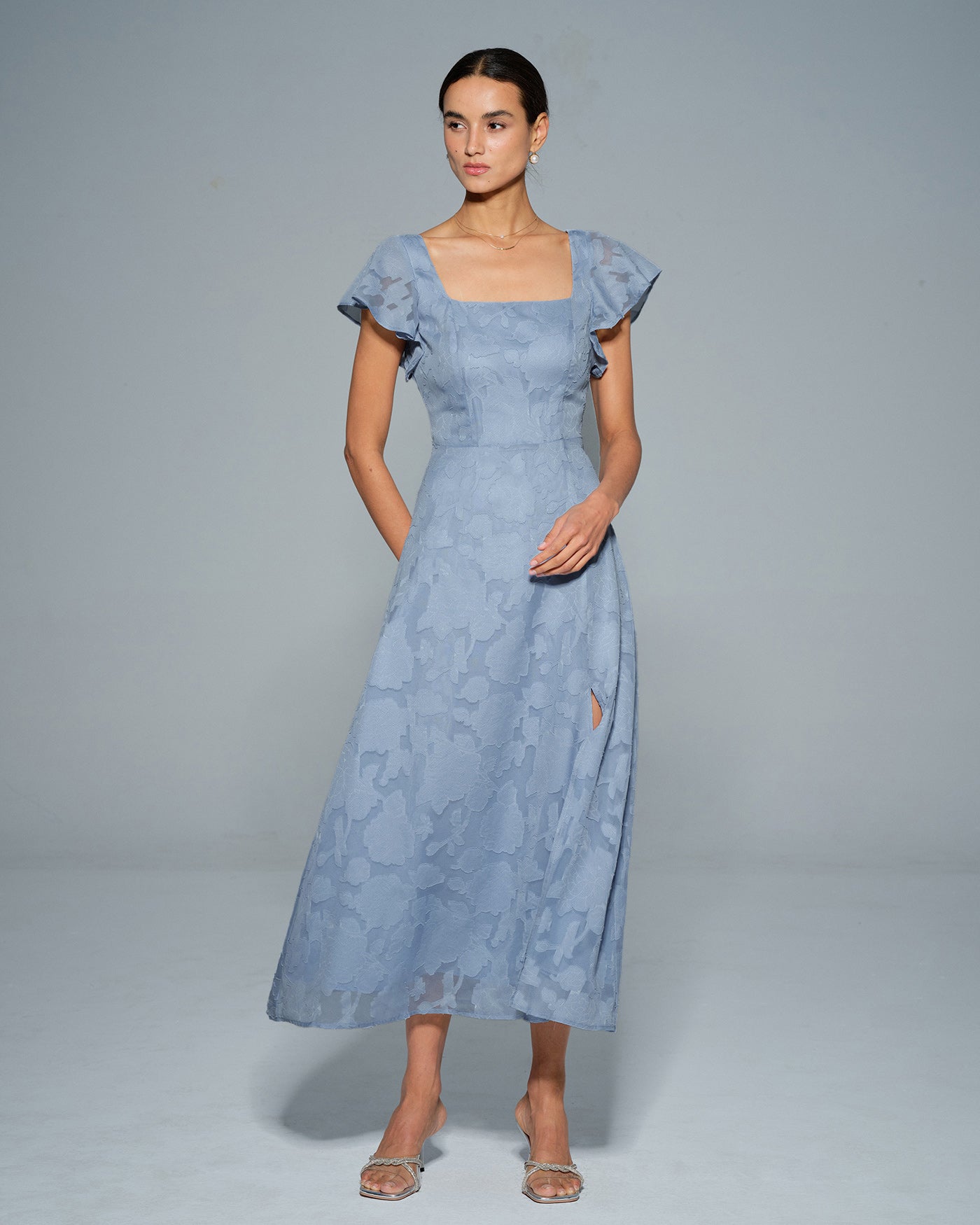
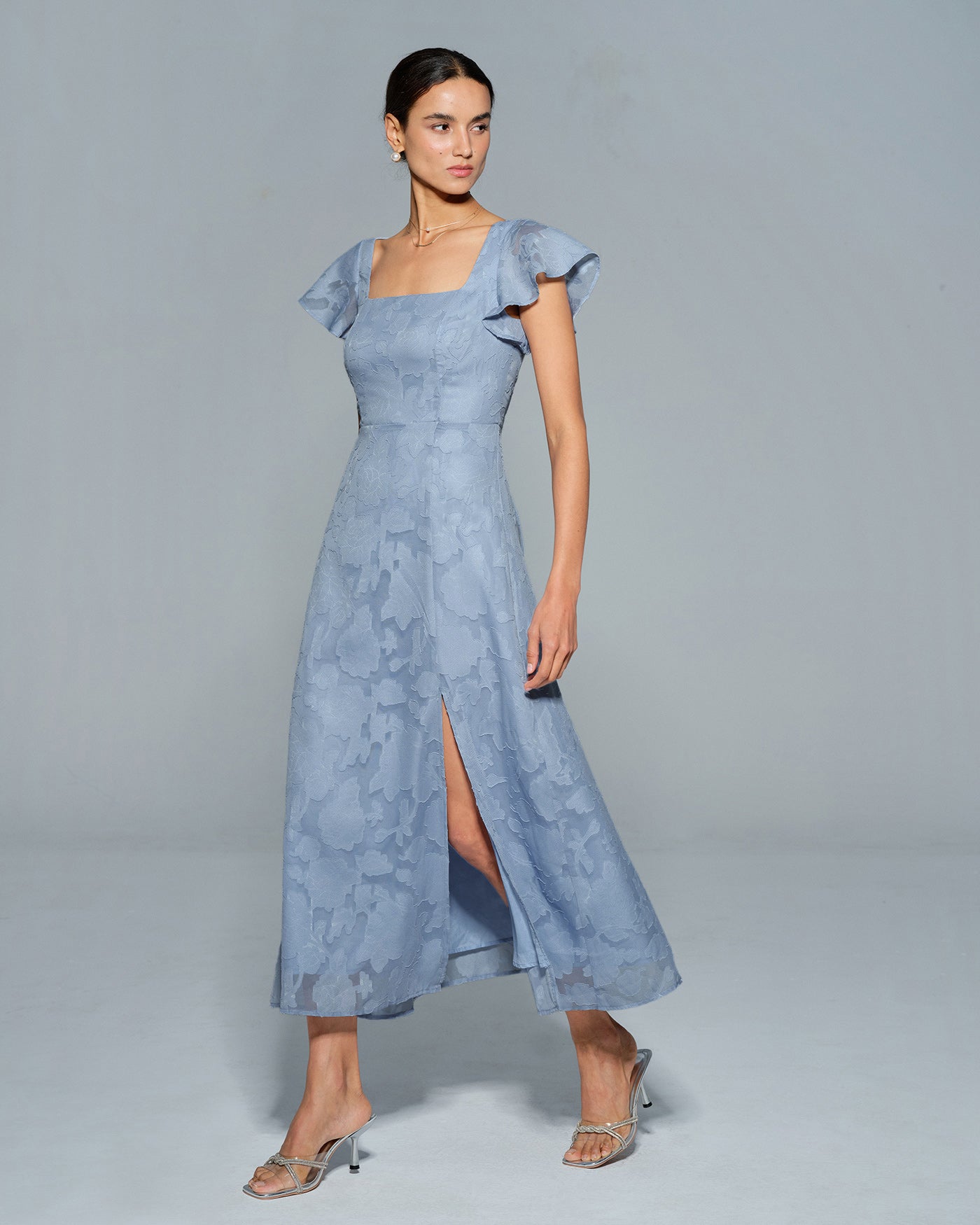
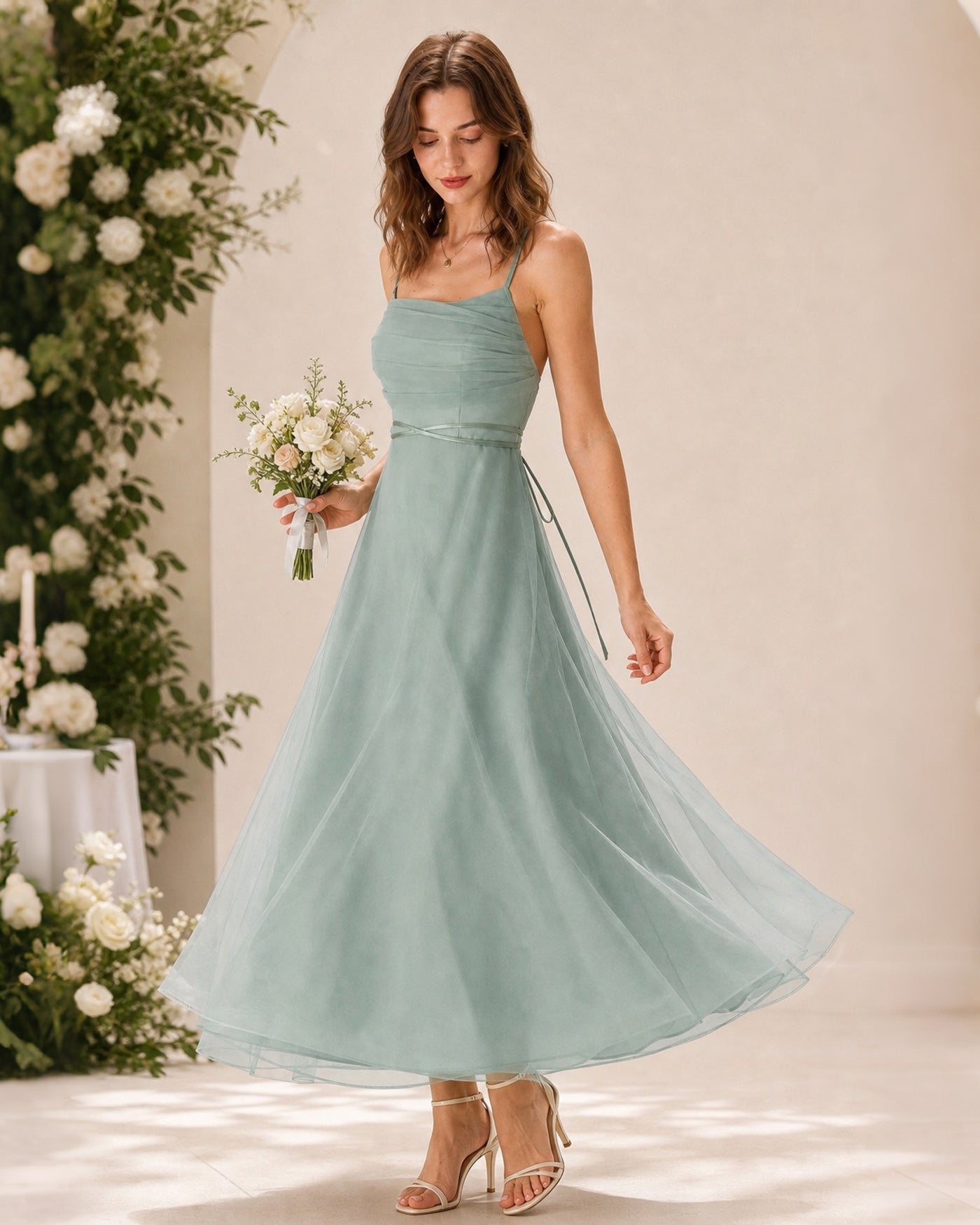
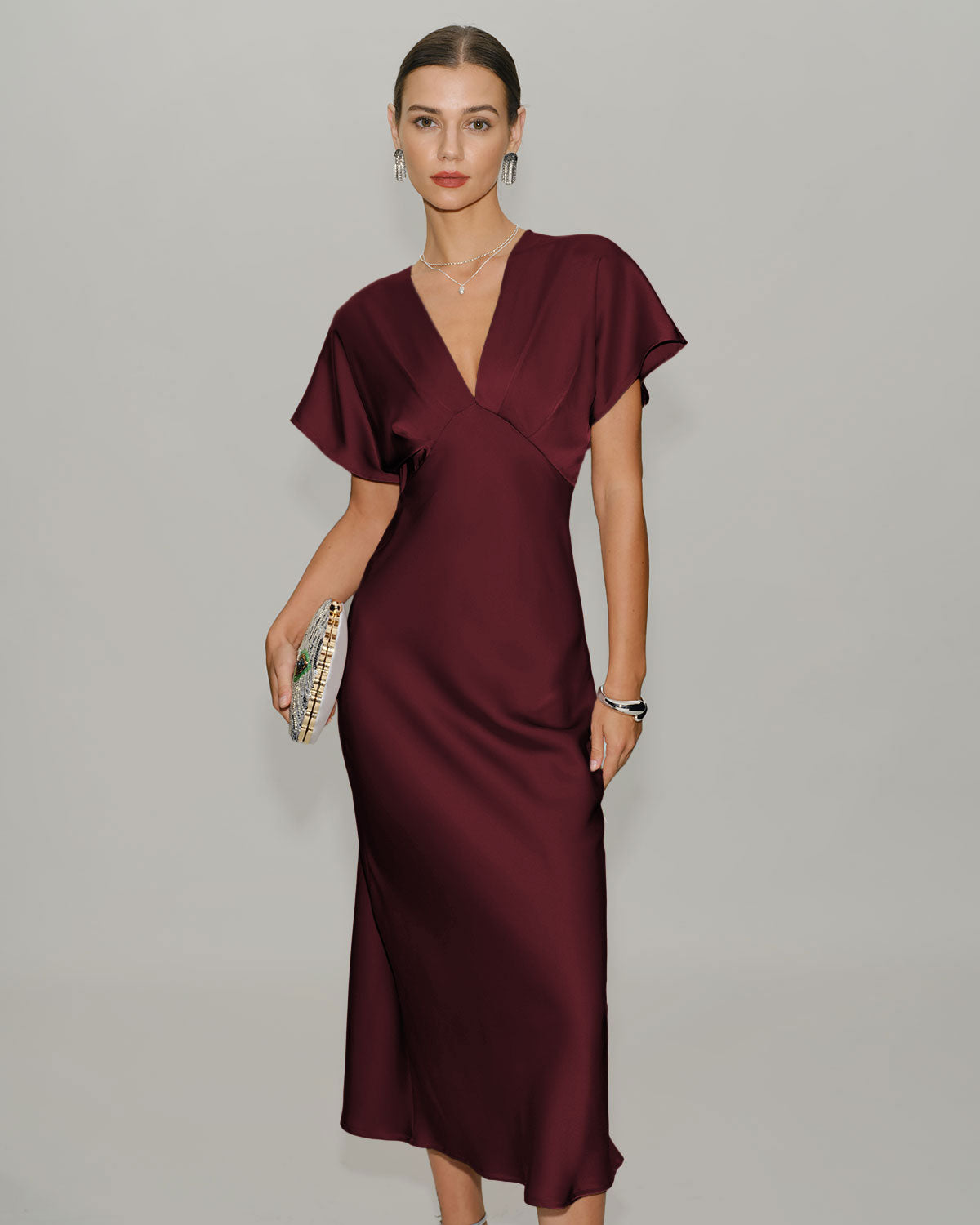
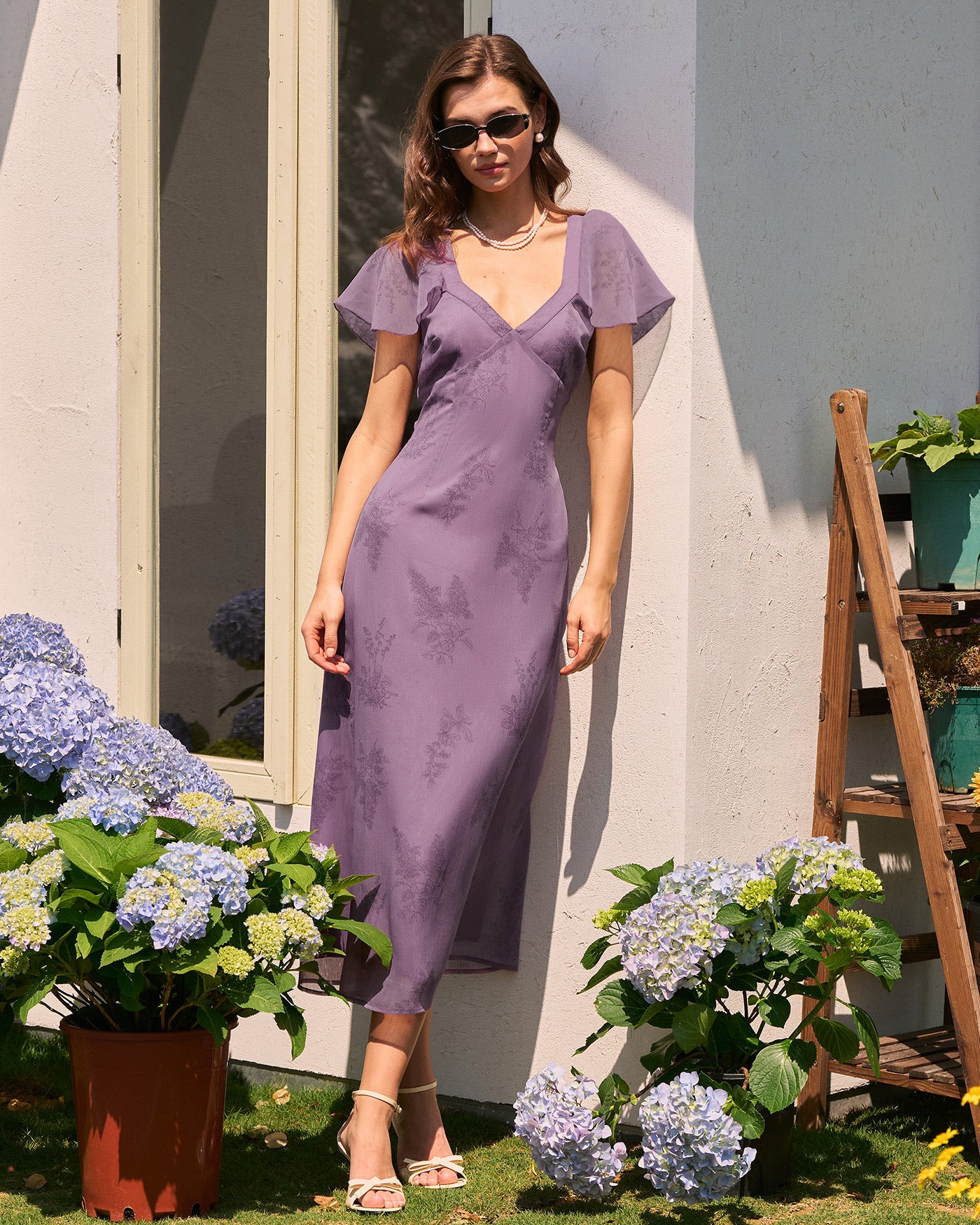
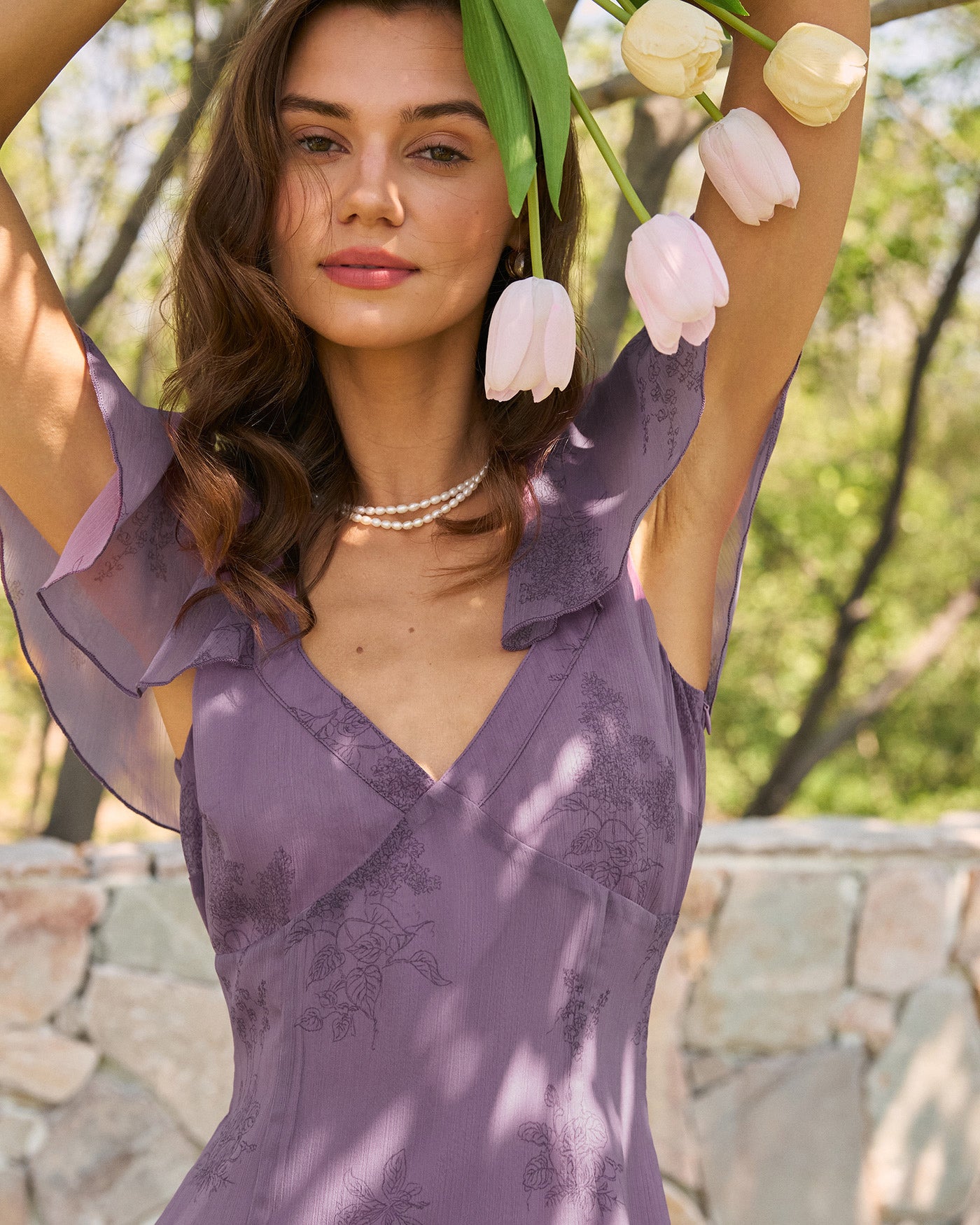
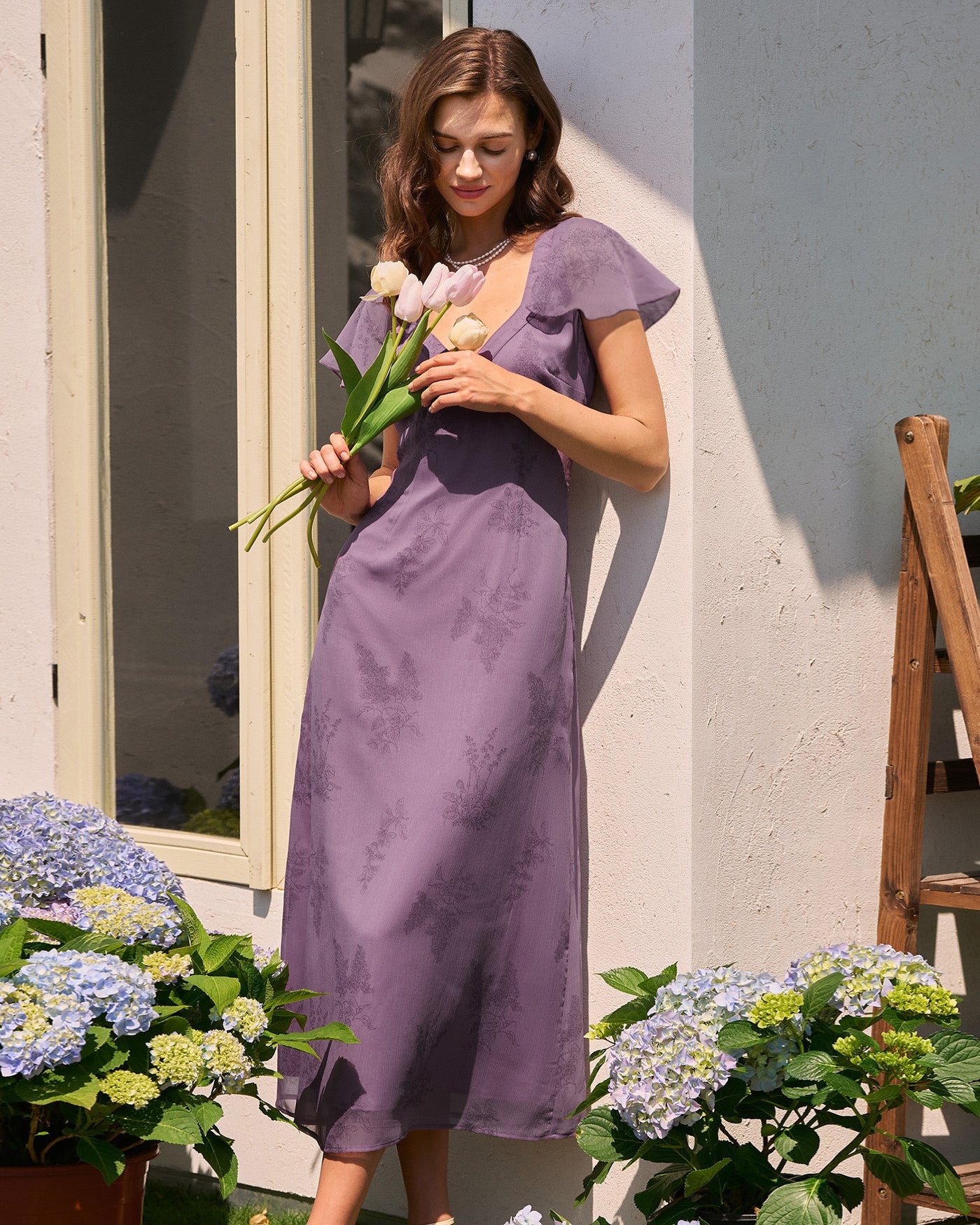
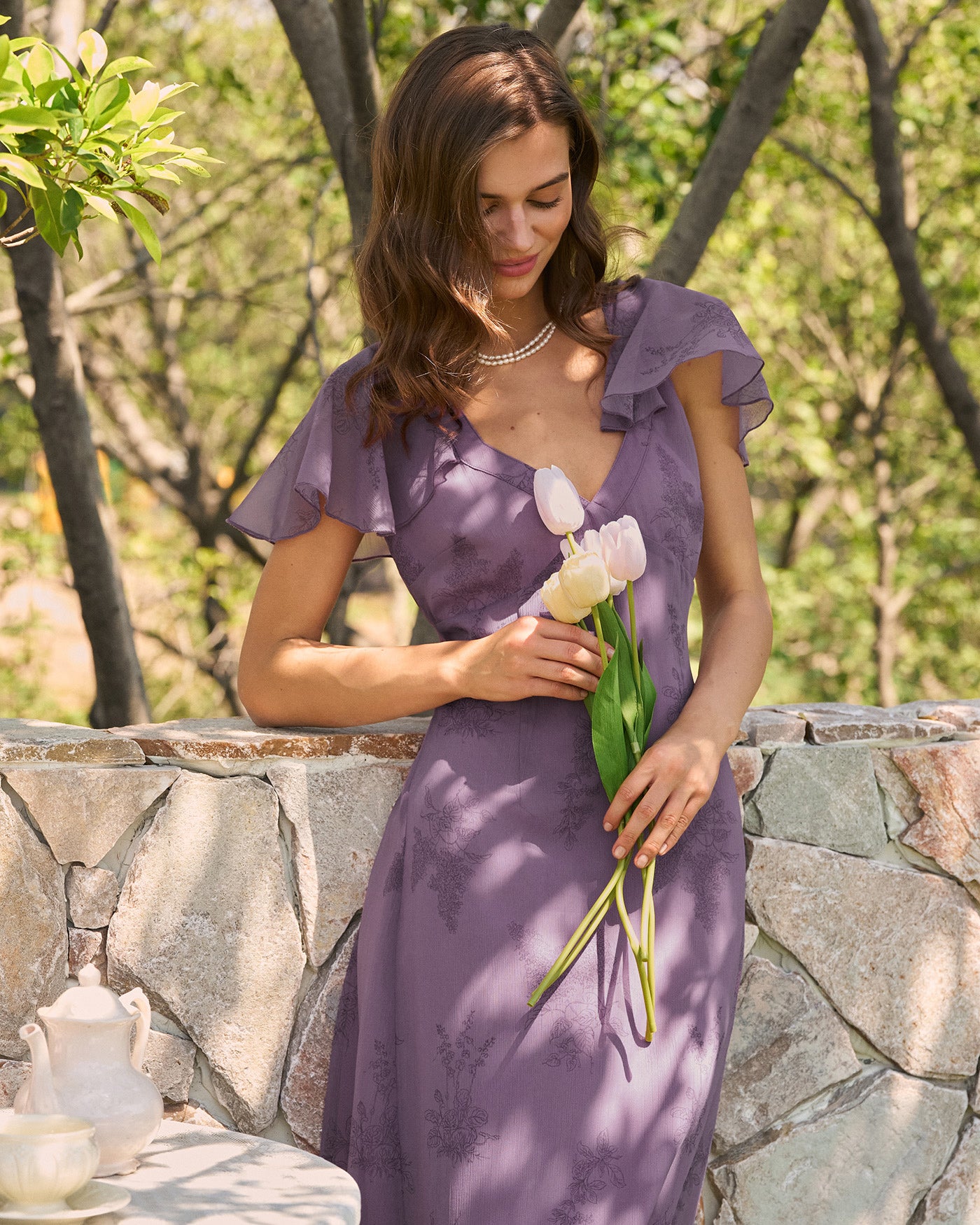
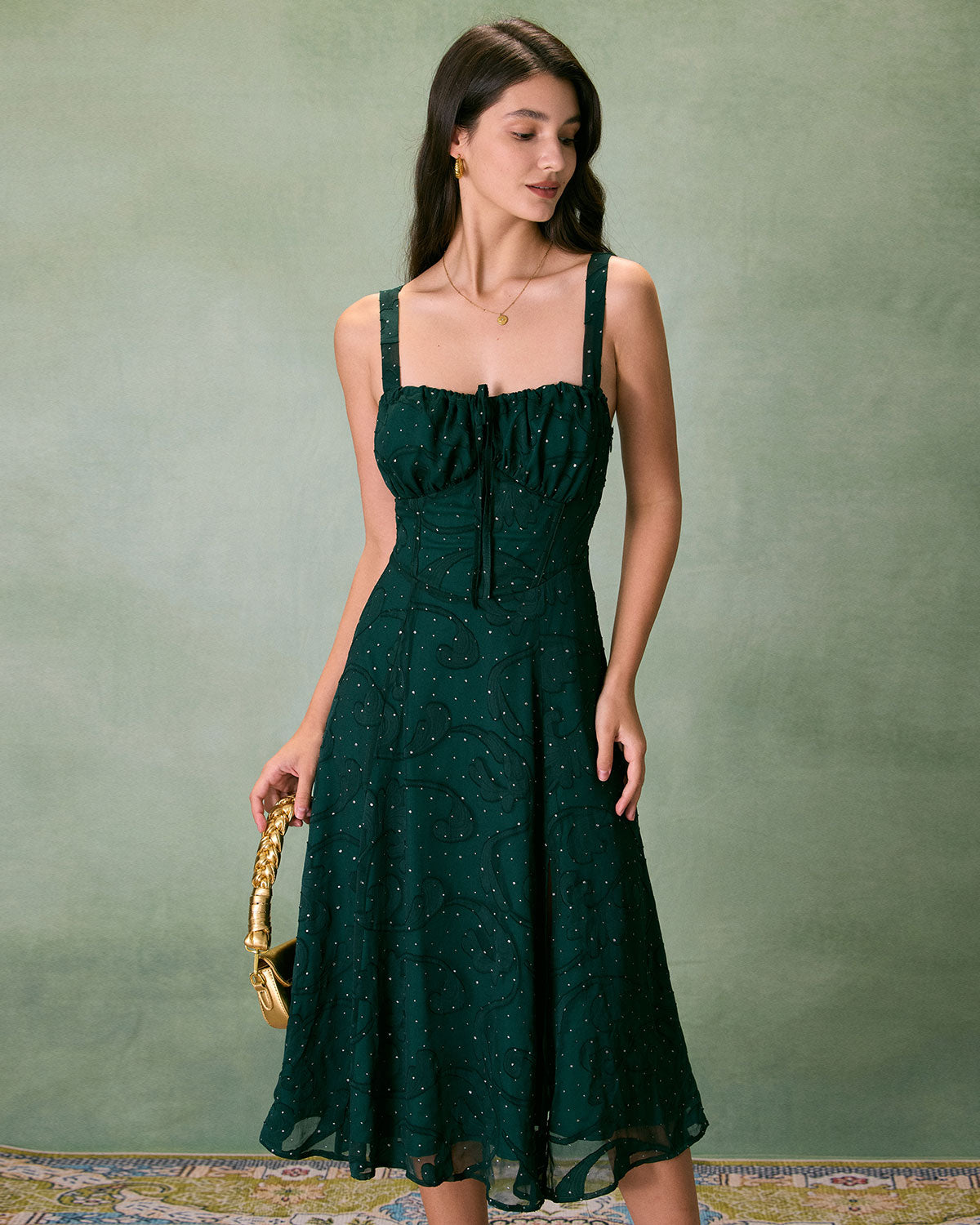
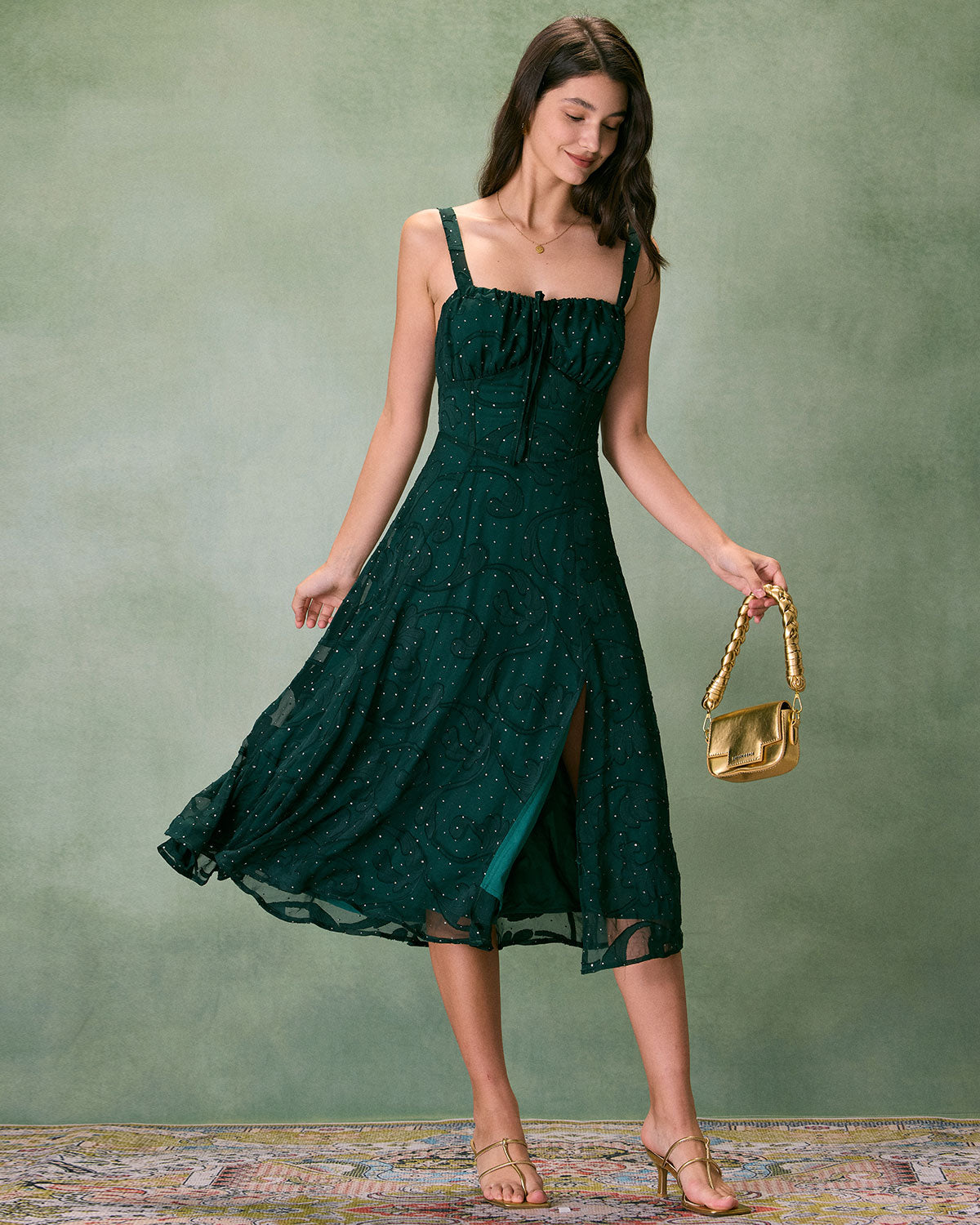
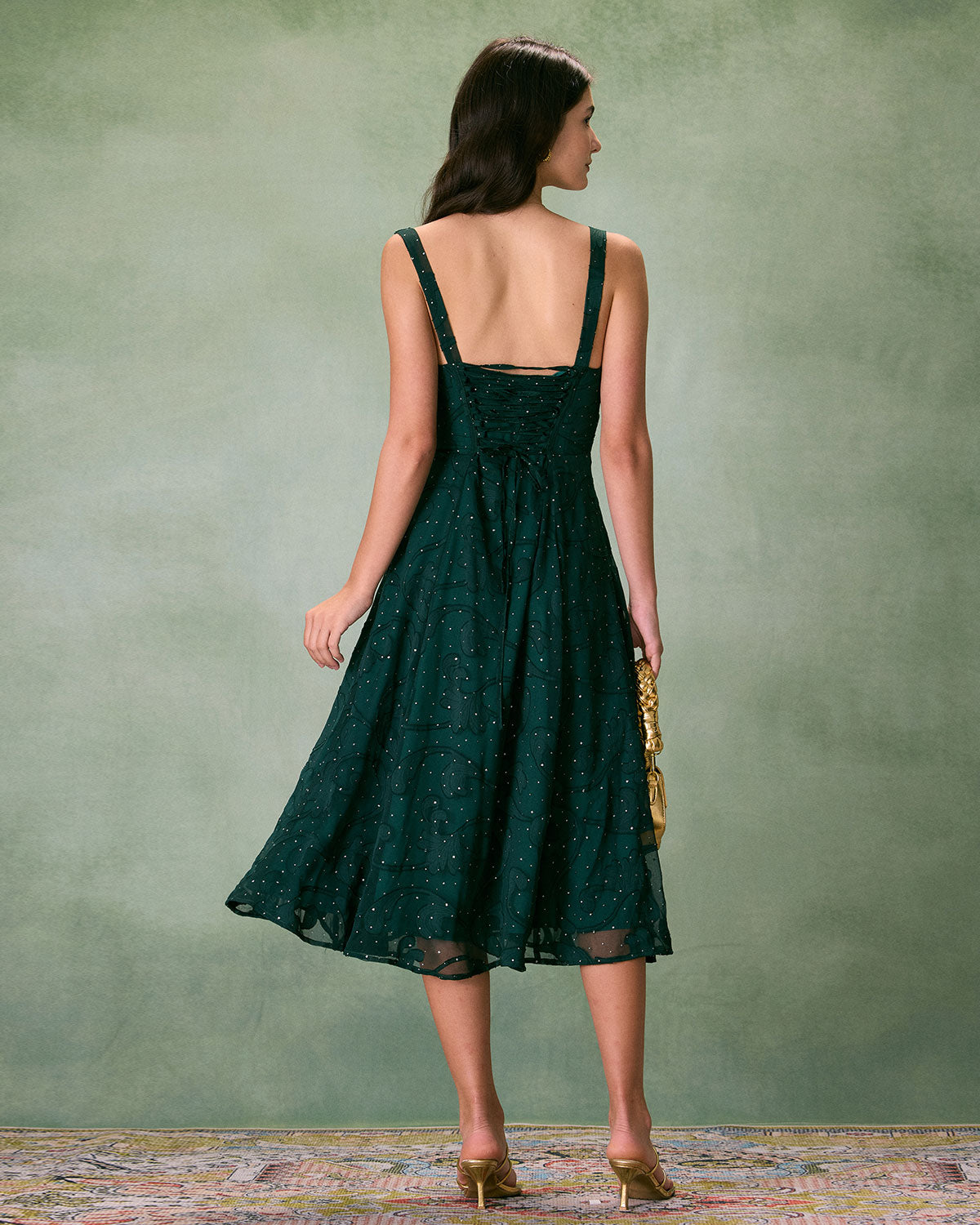
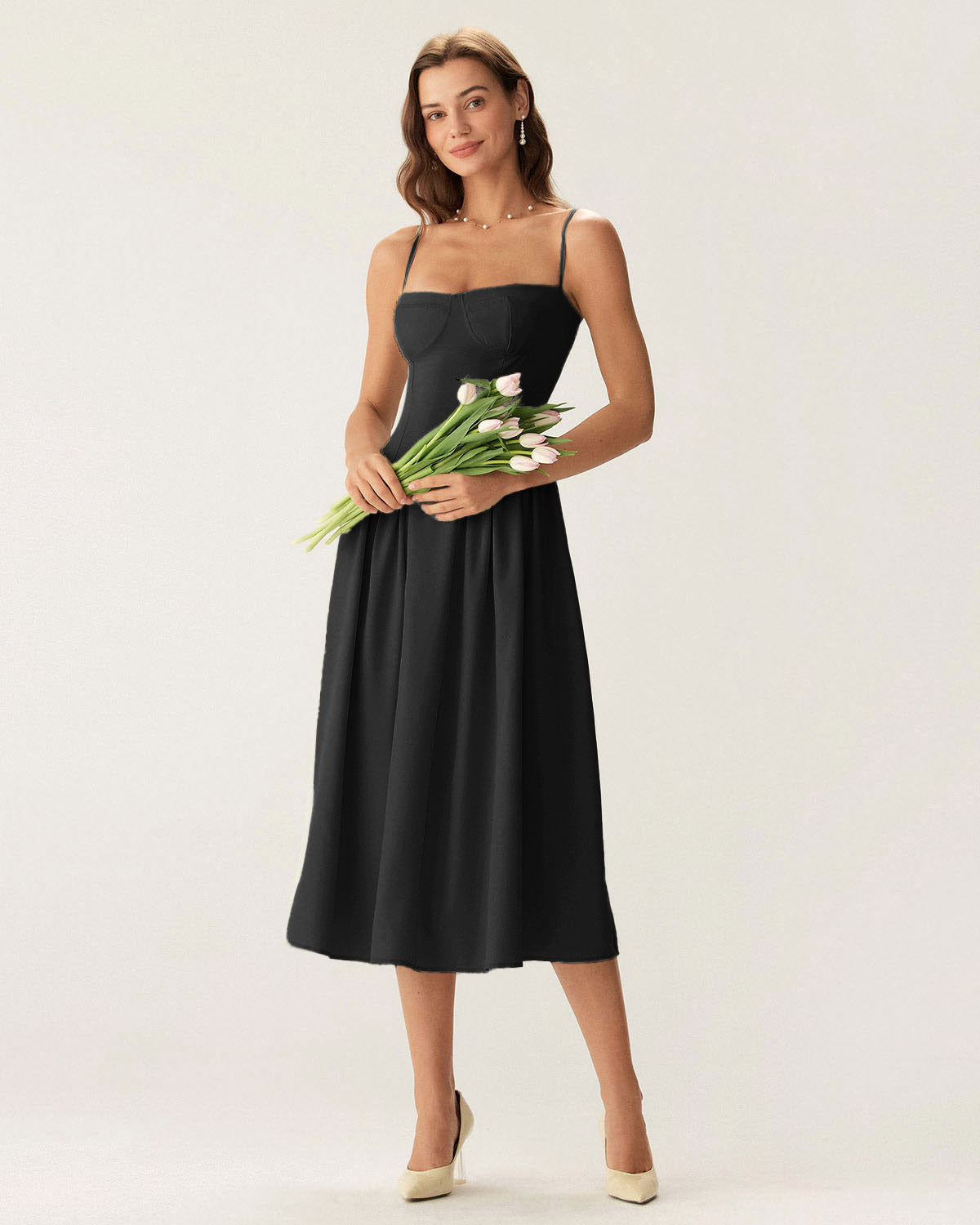
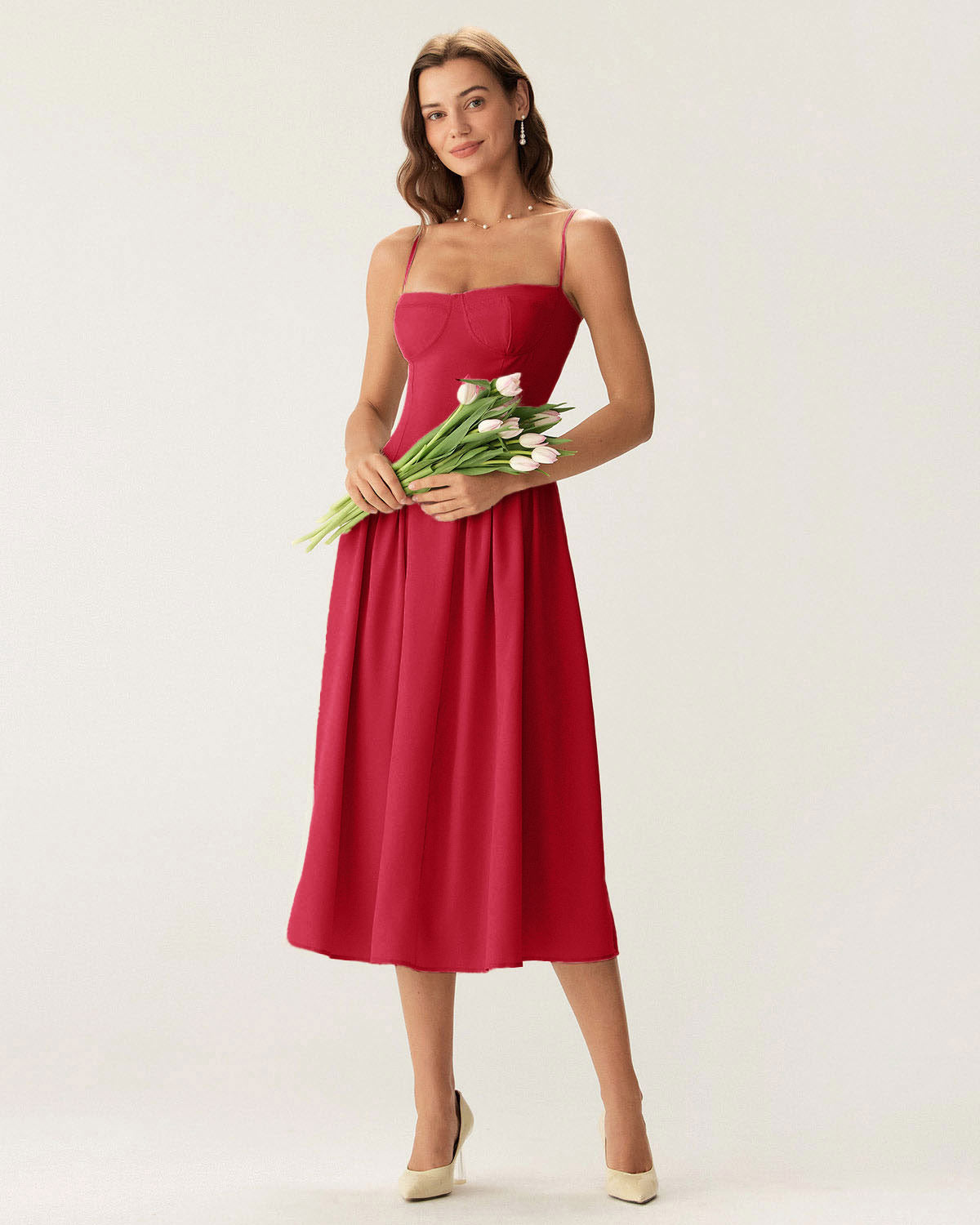
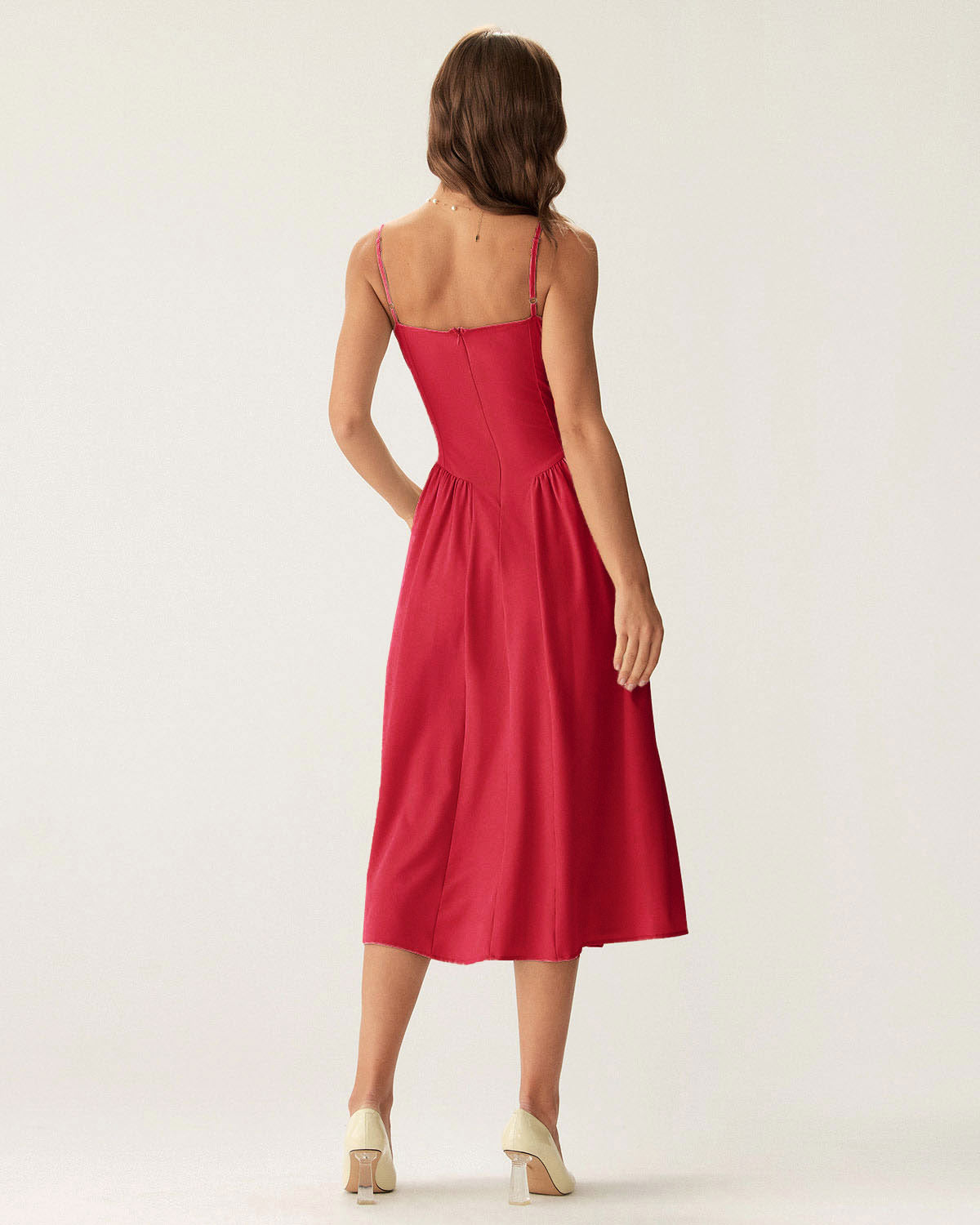
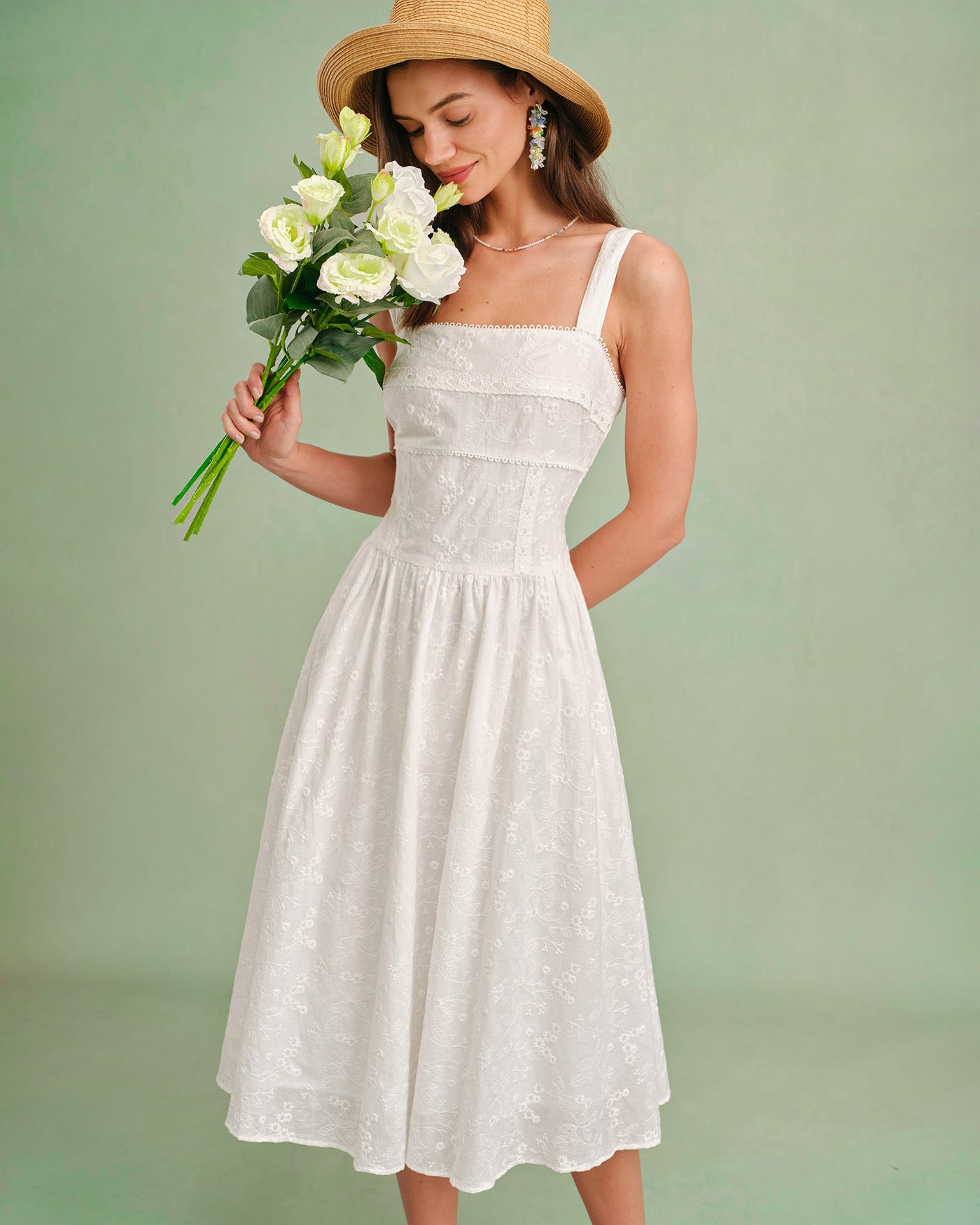
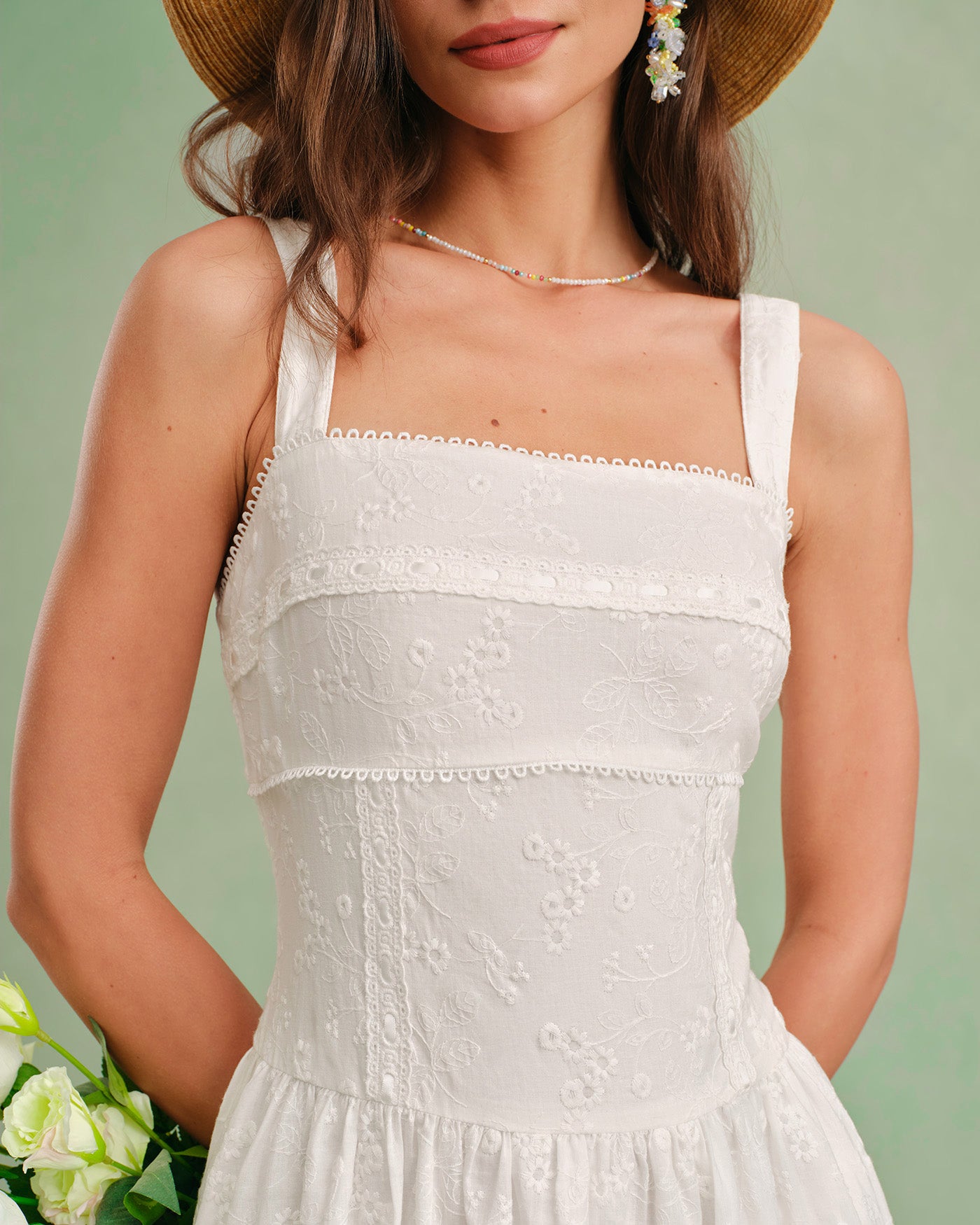
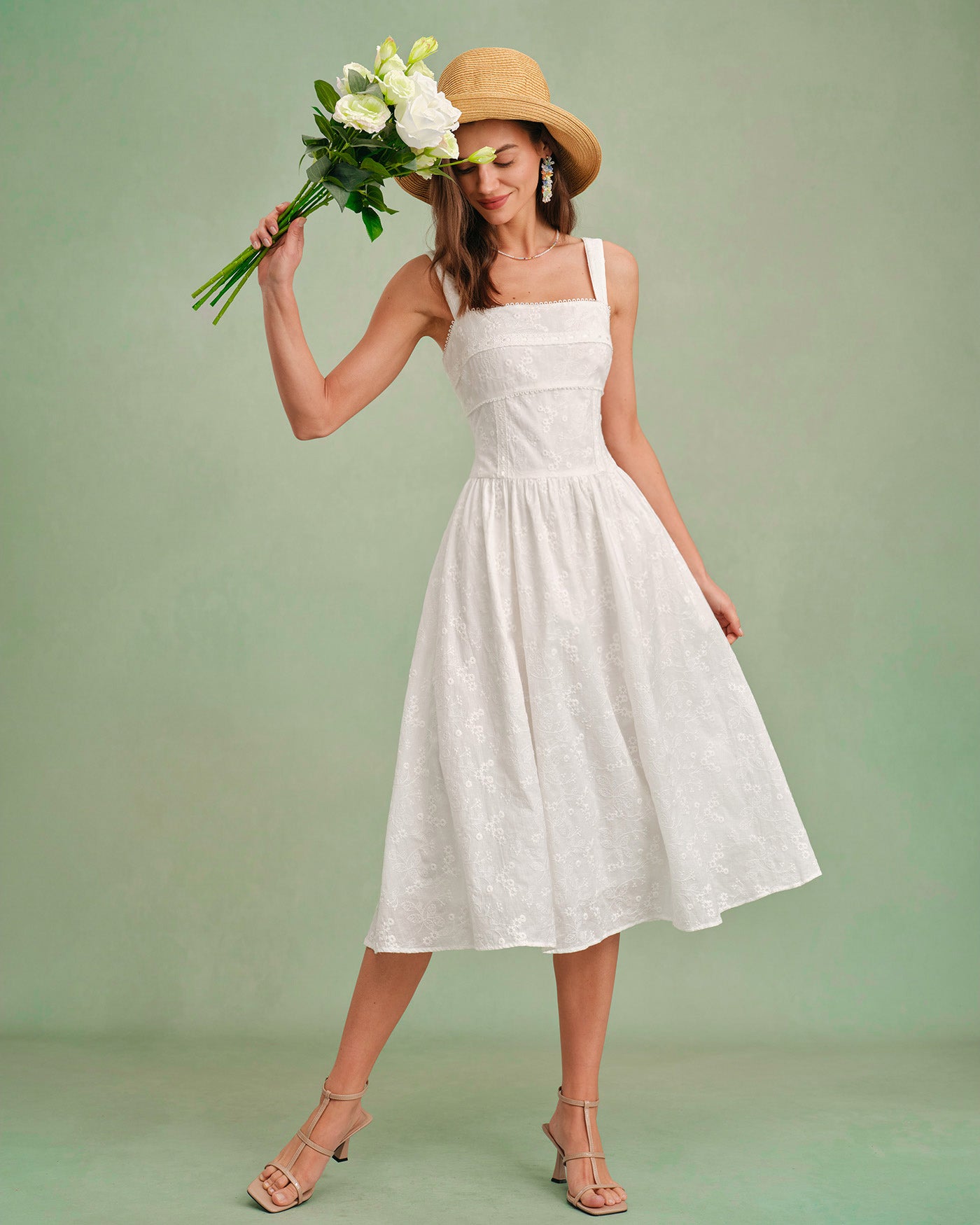
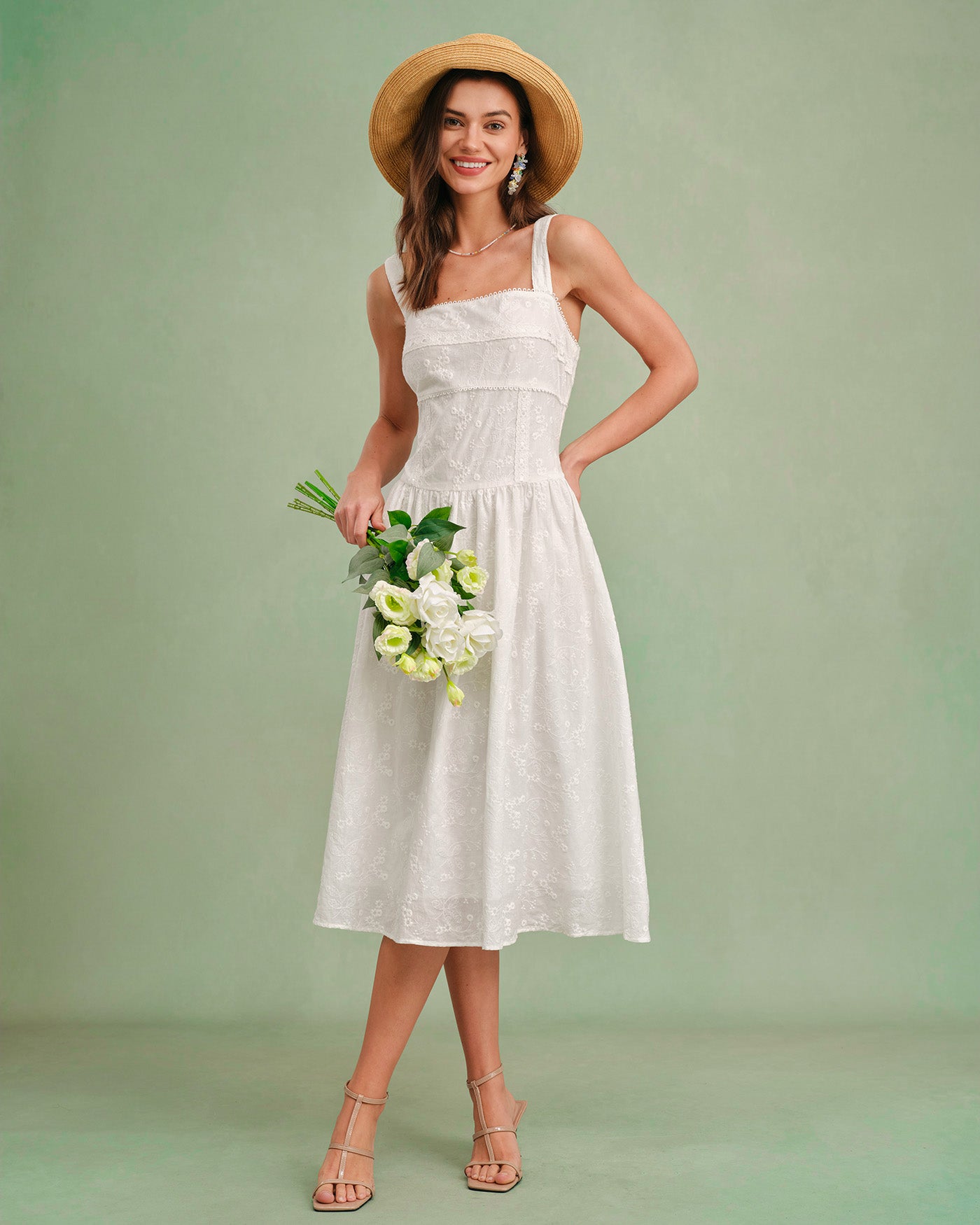
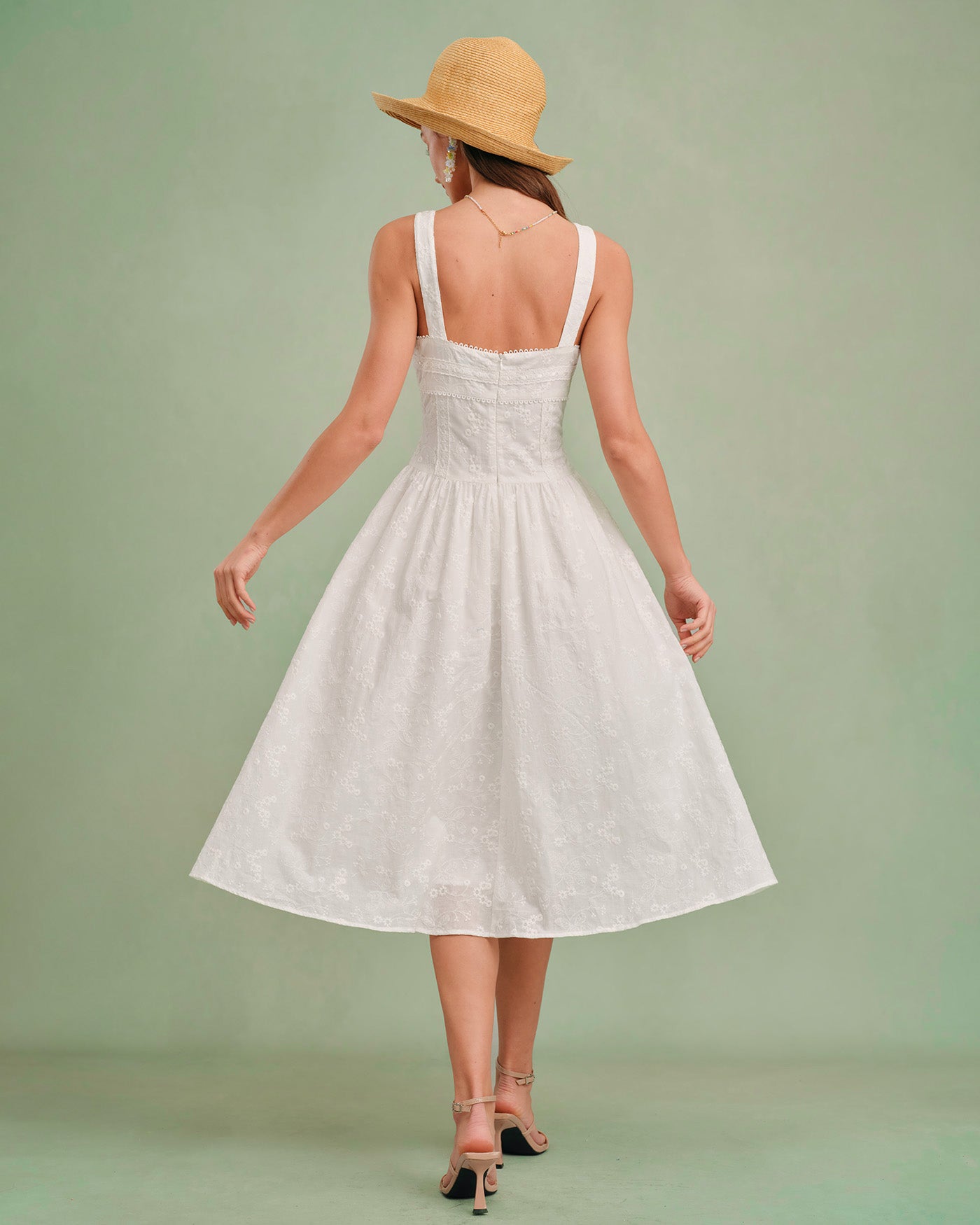
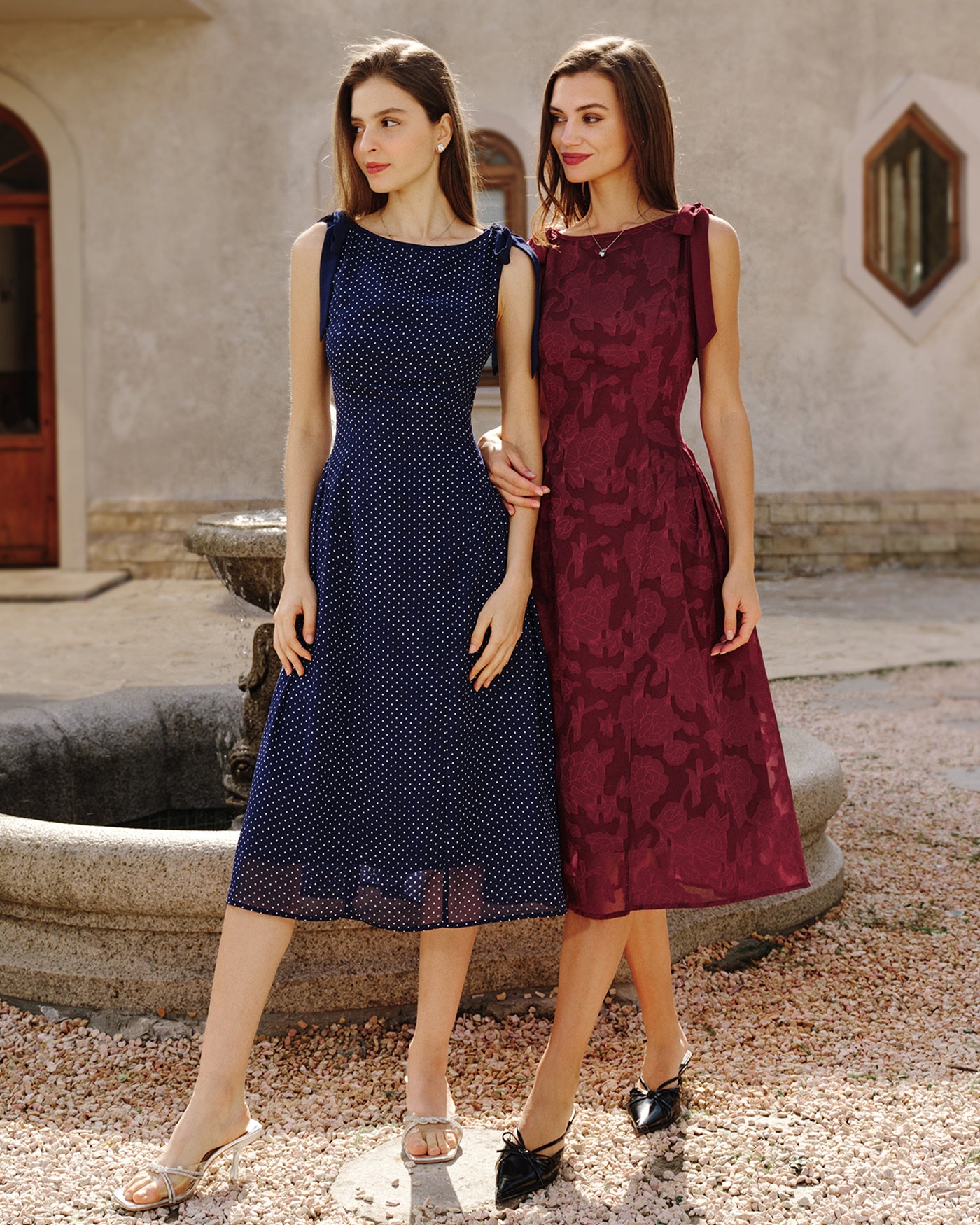
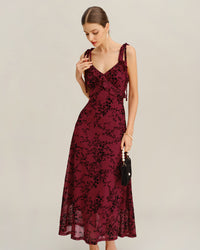
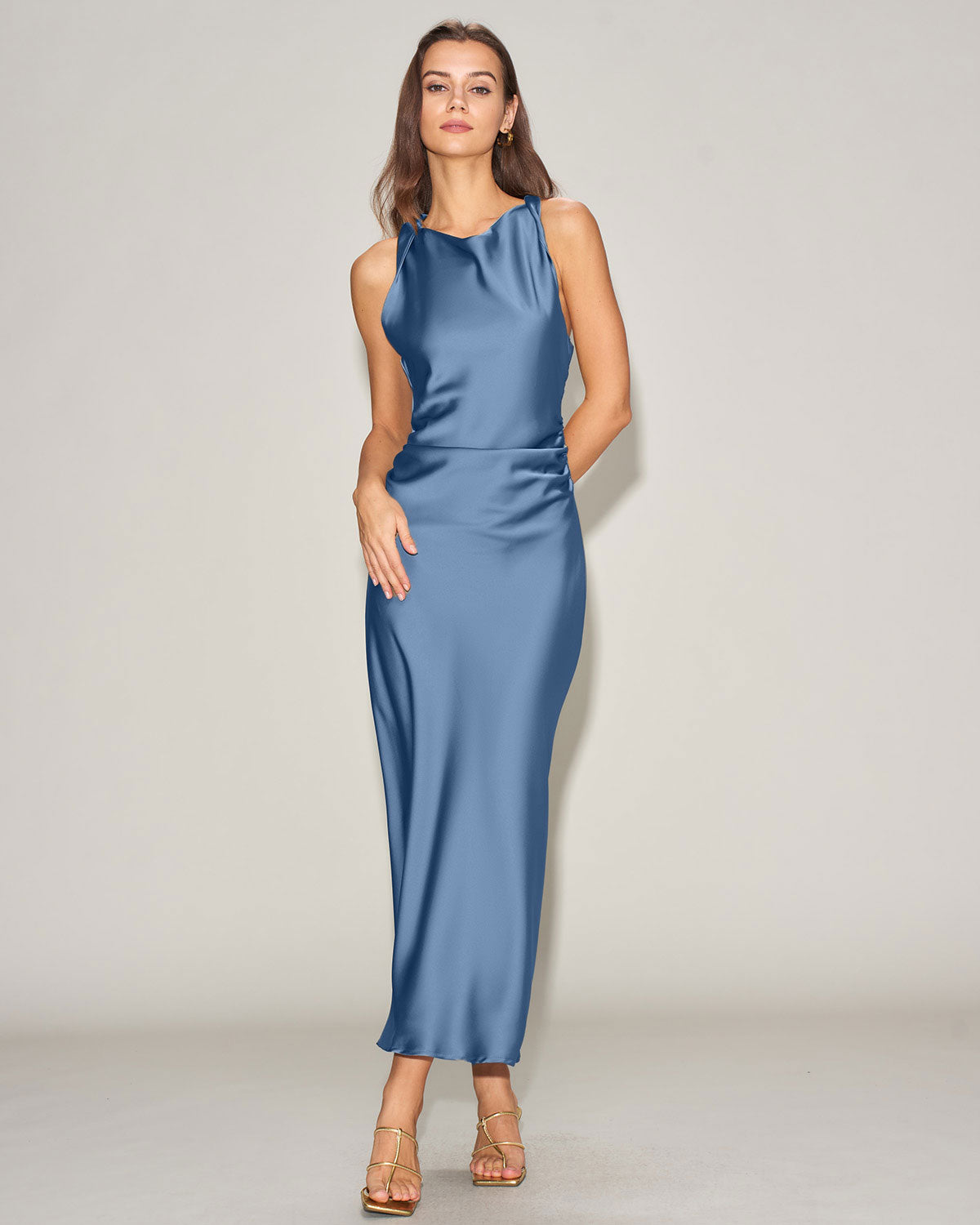
Wedding guest: A midi or knee-length dress in satin, chiffon, or lace. Avoid white and anything too casual — cotton sundresses do not count even if they are the right length. Florals and jewel tones photograph well in both church and outdoor settings. If the wedding is afternoon, lighter fabrics and colors work; evening receptions call for richer tones and a bit of sheen. See more in wedding guest dresses.
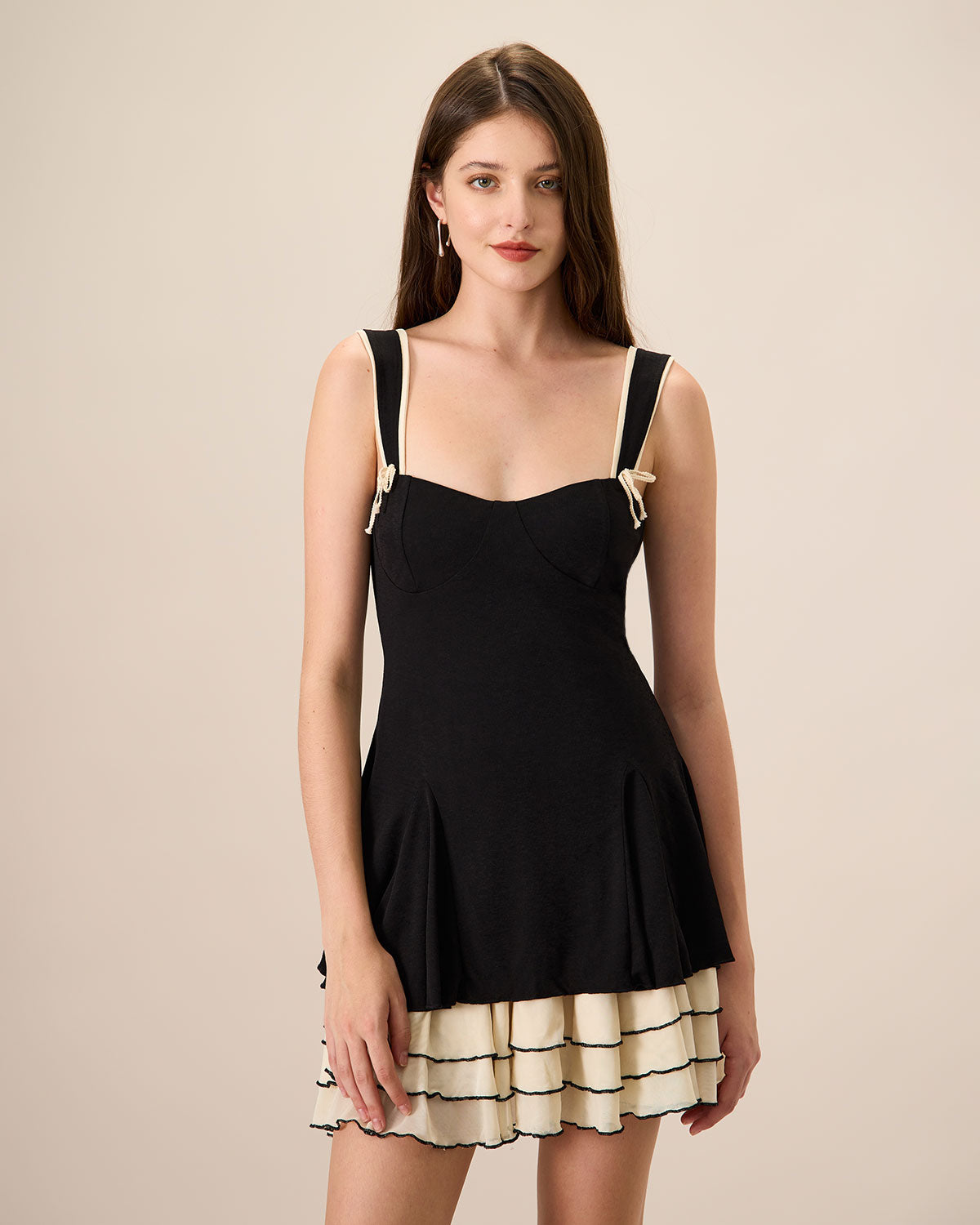
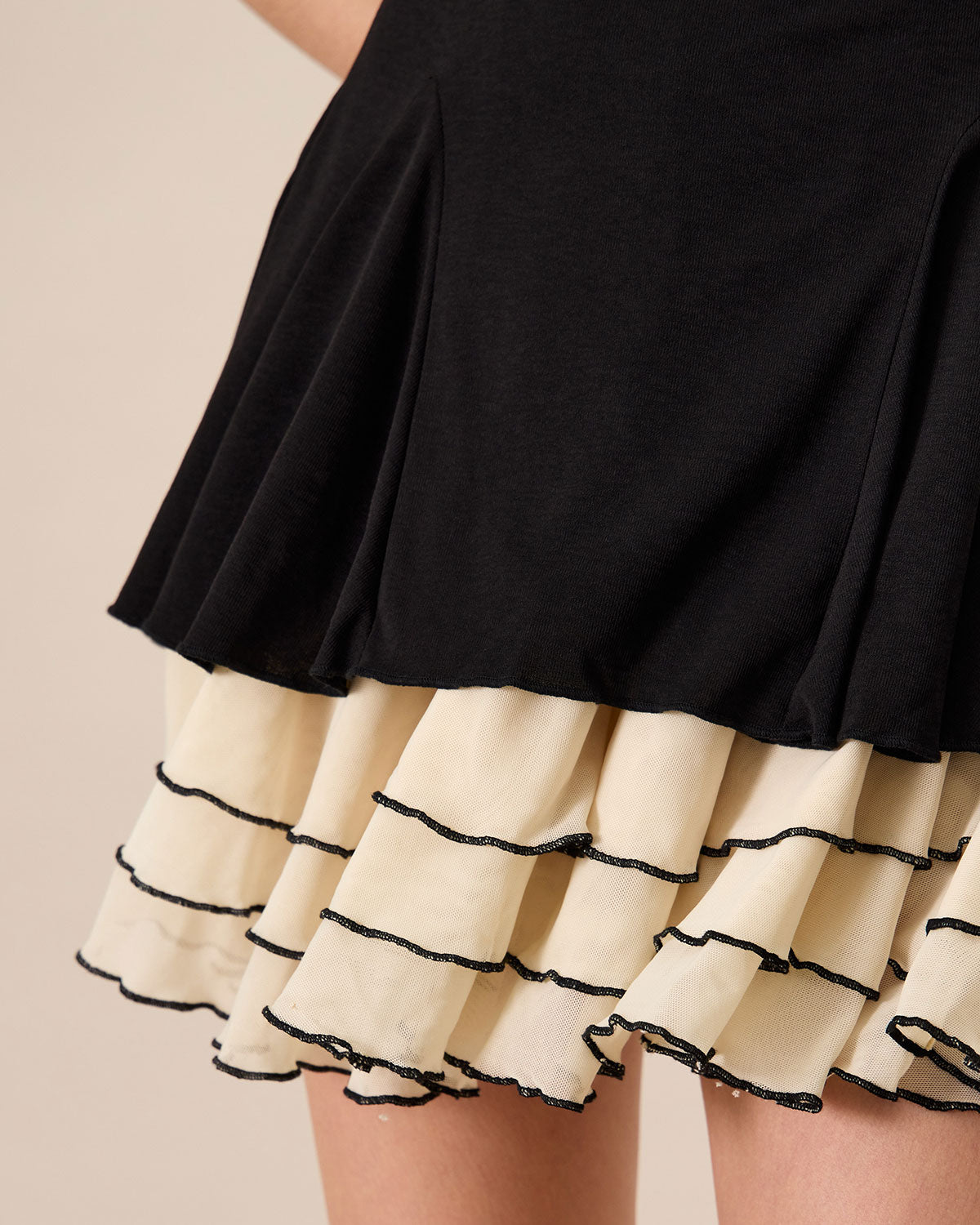
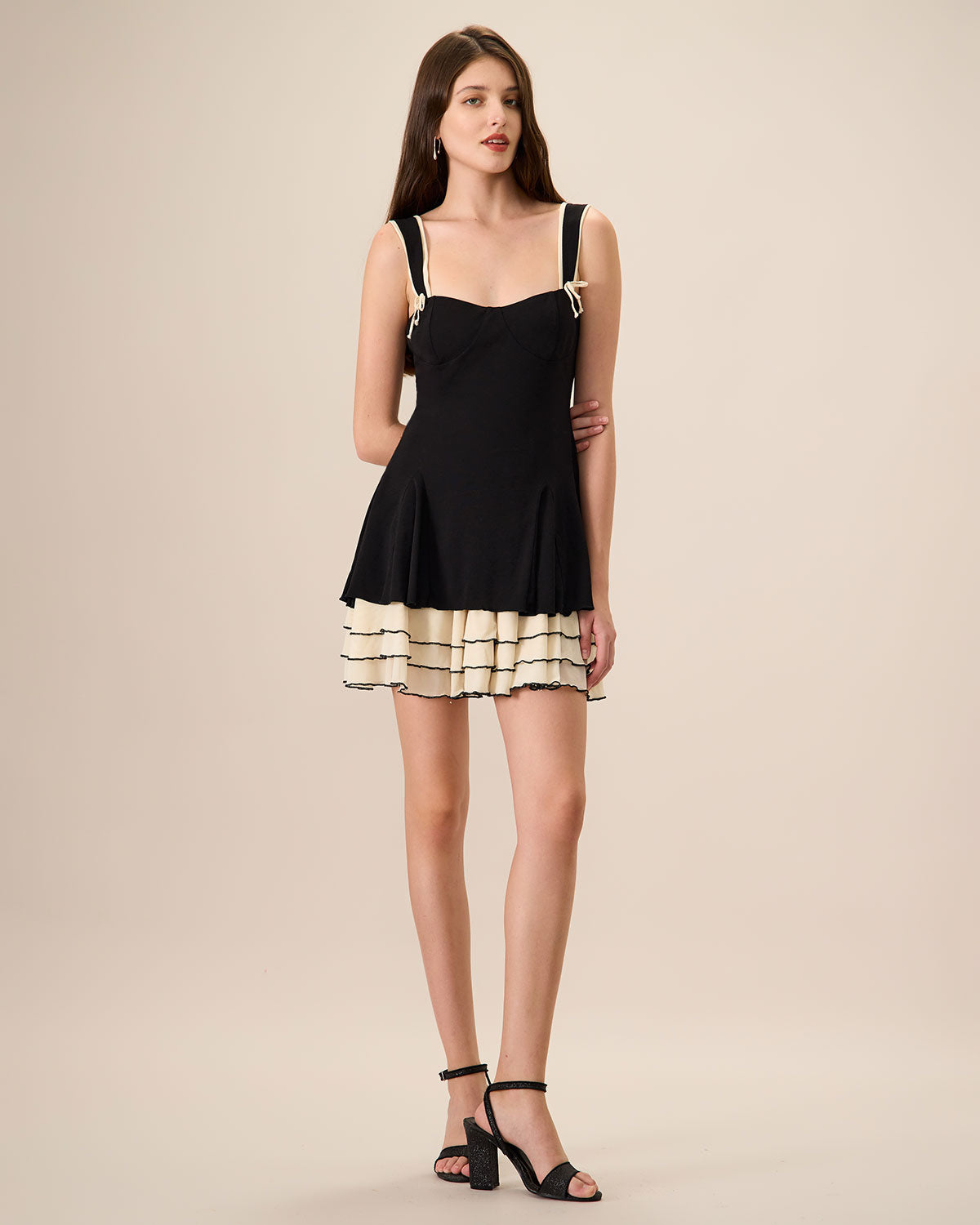
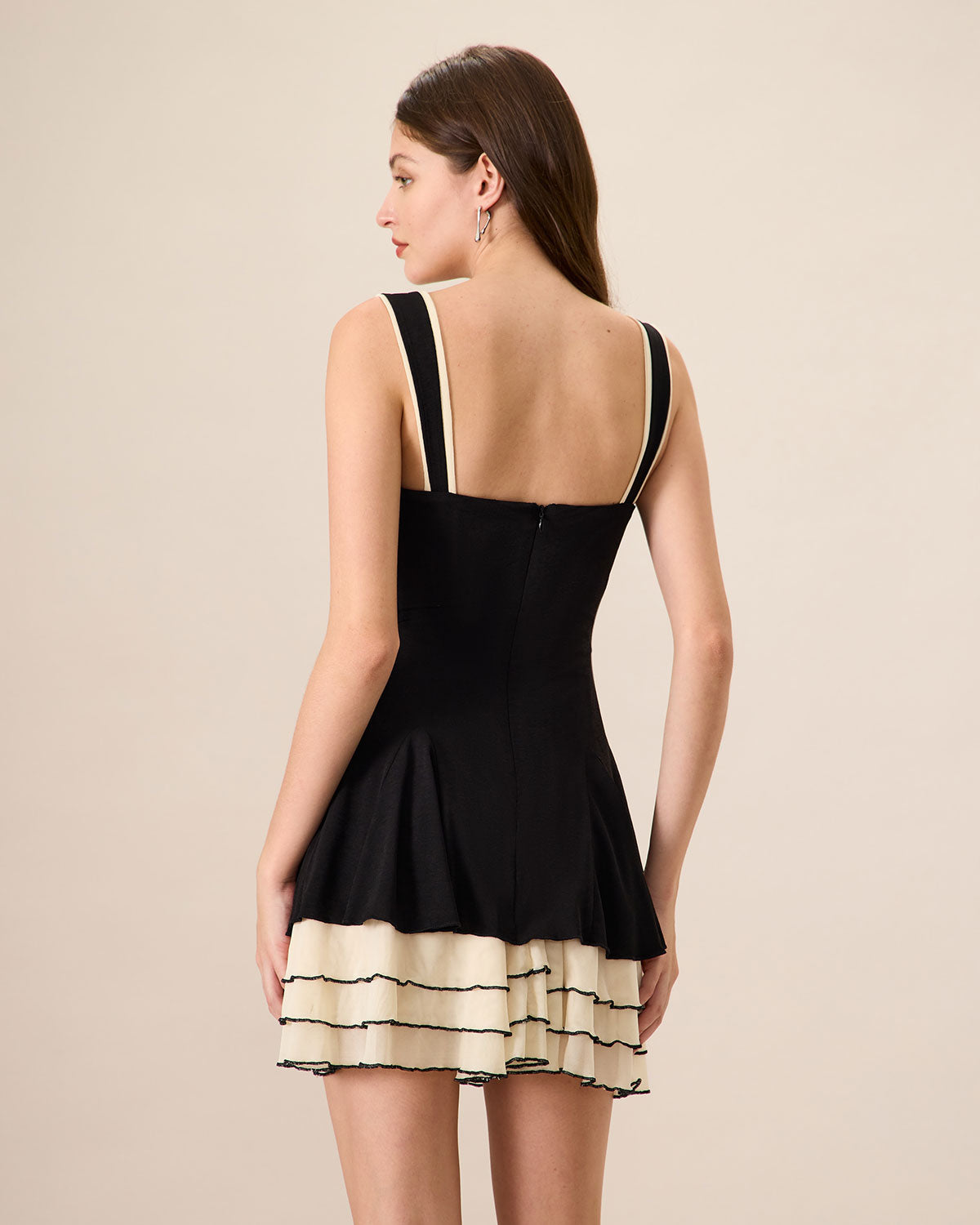
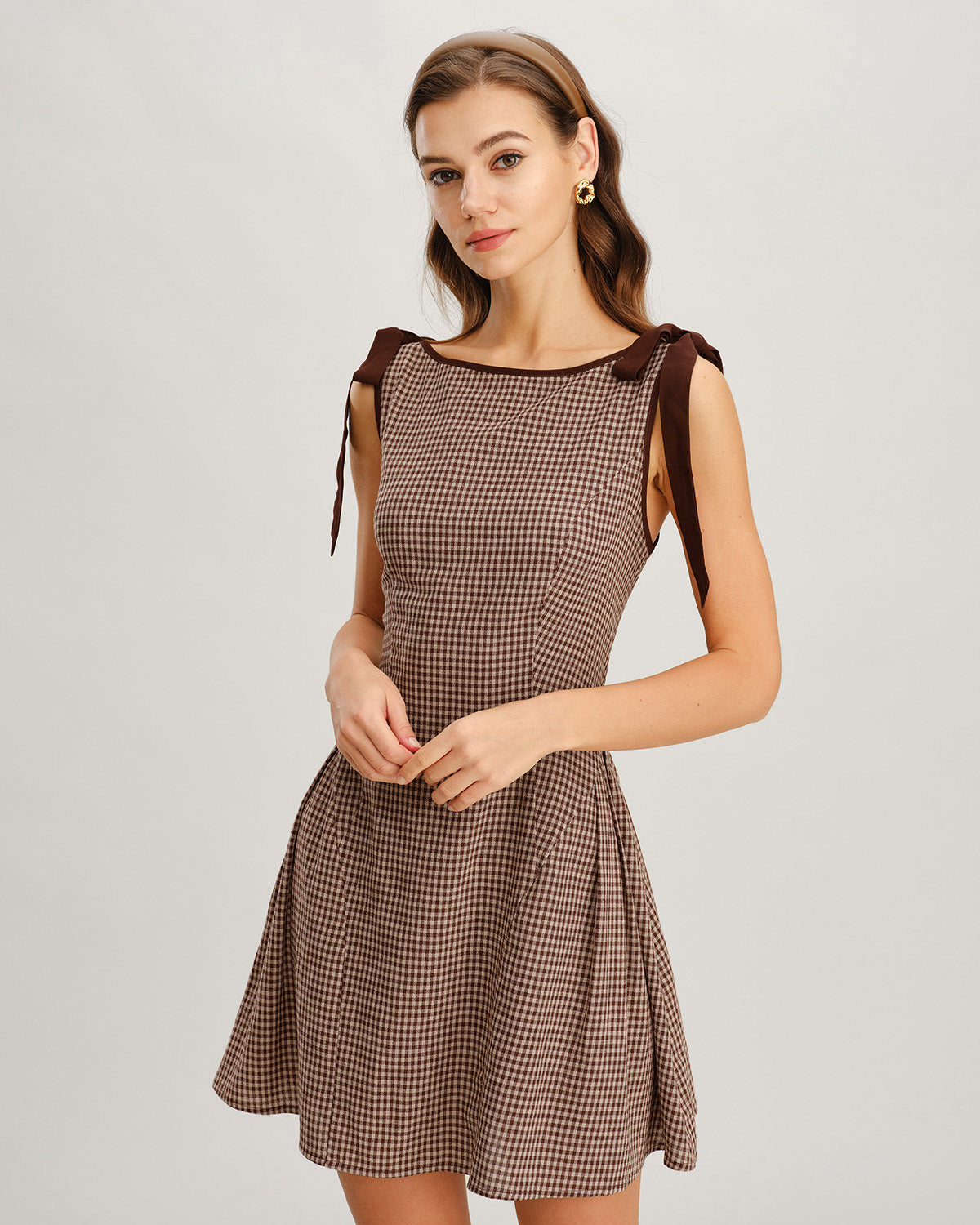
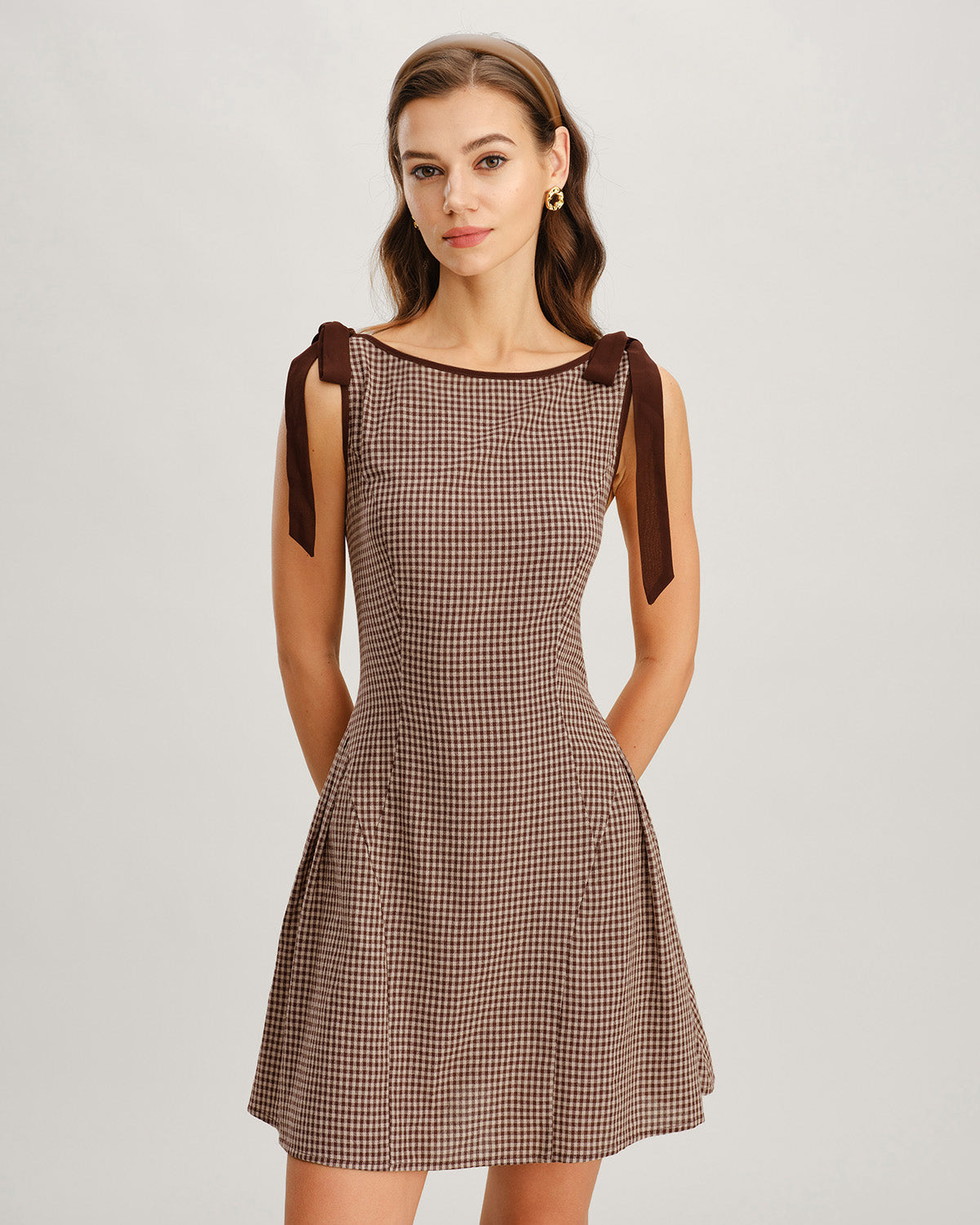
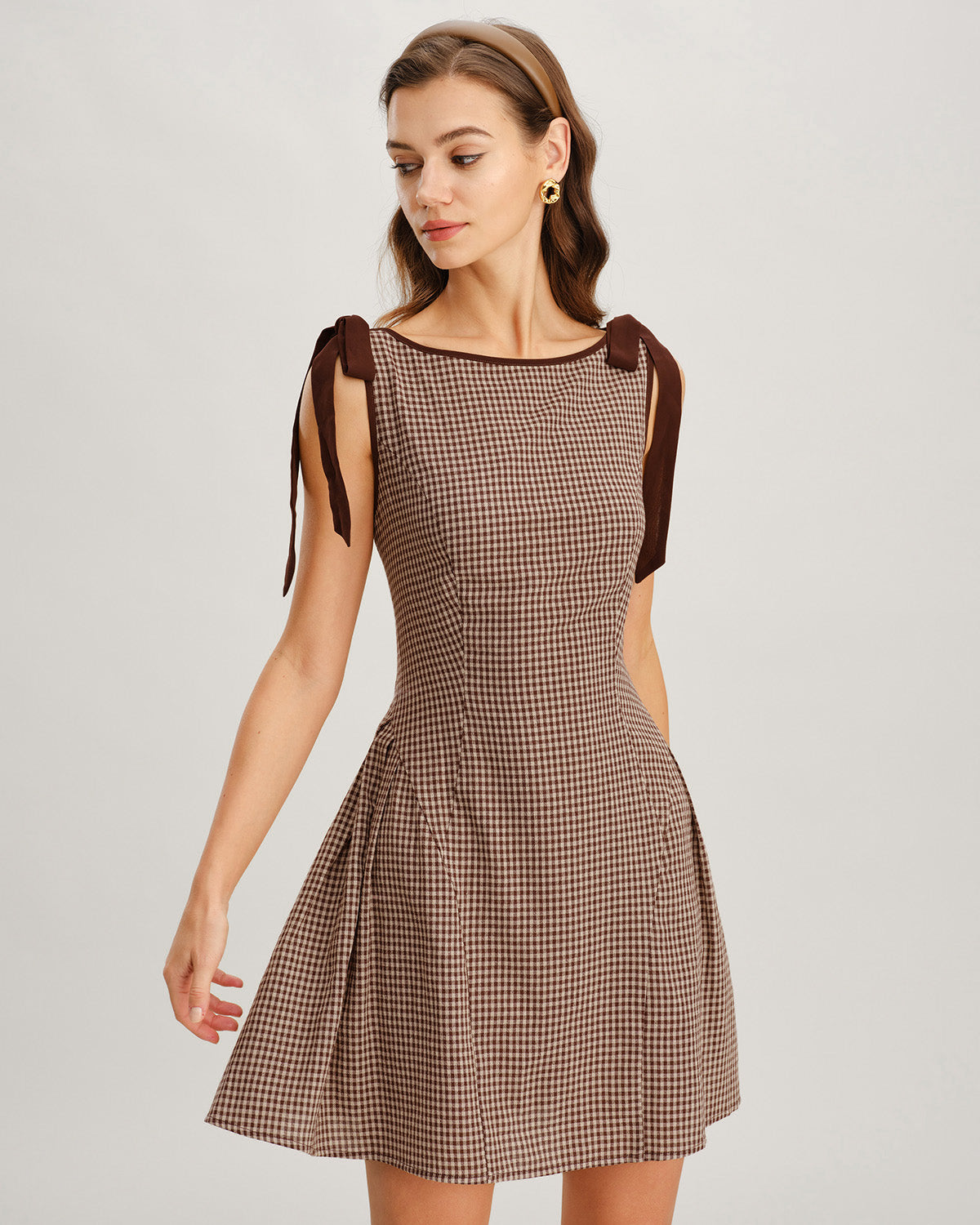
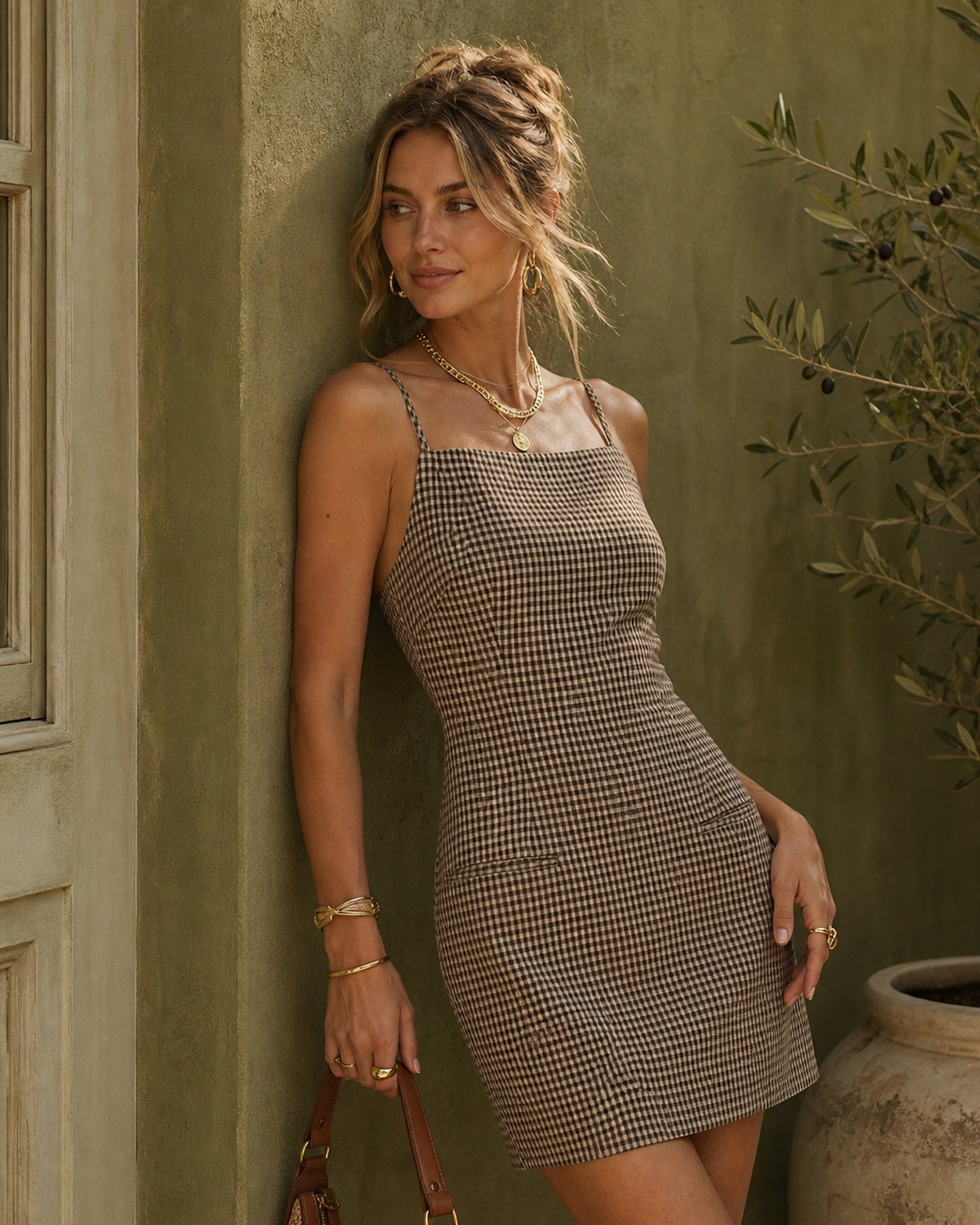
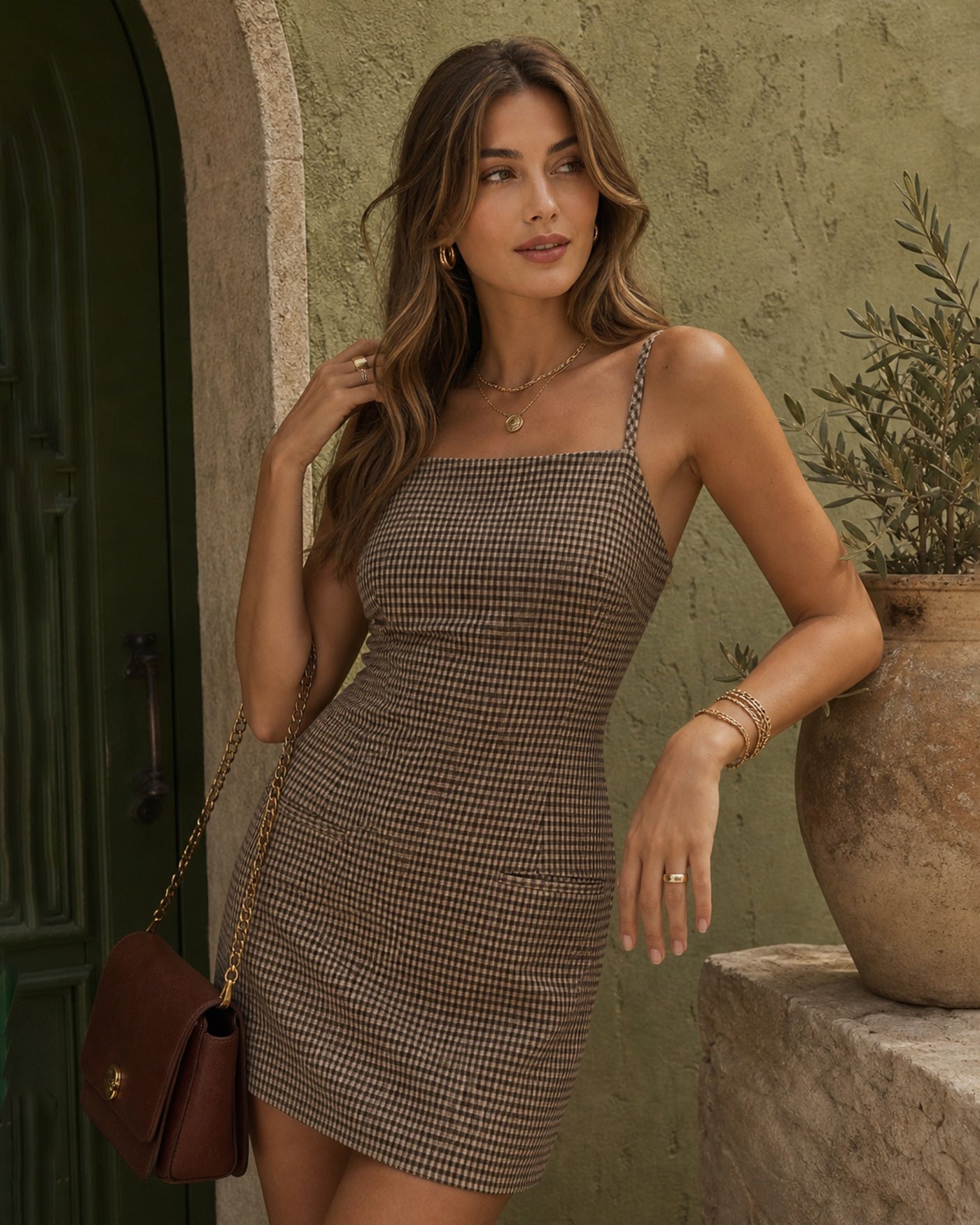
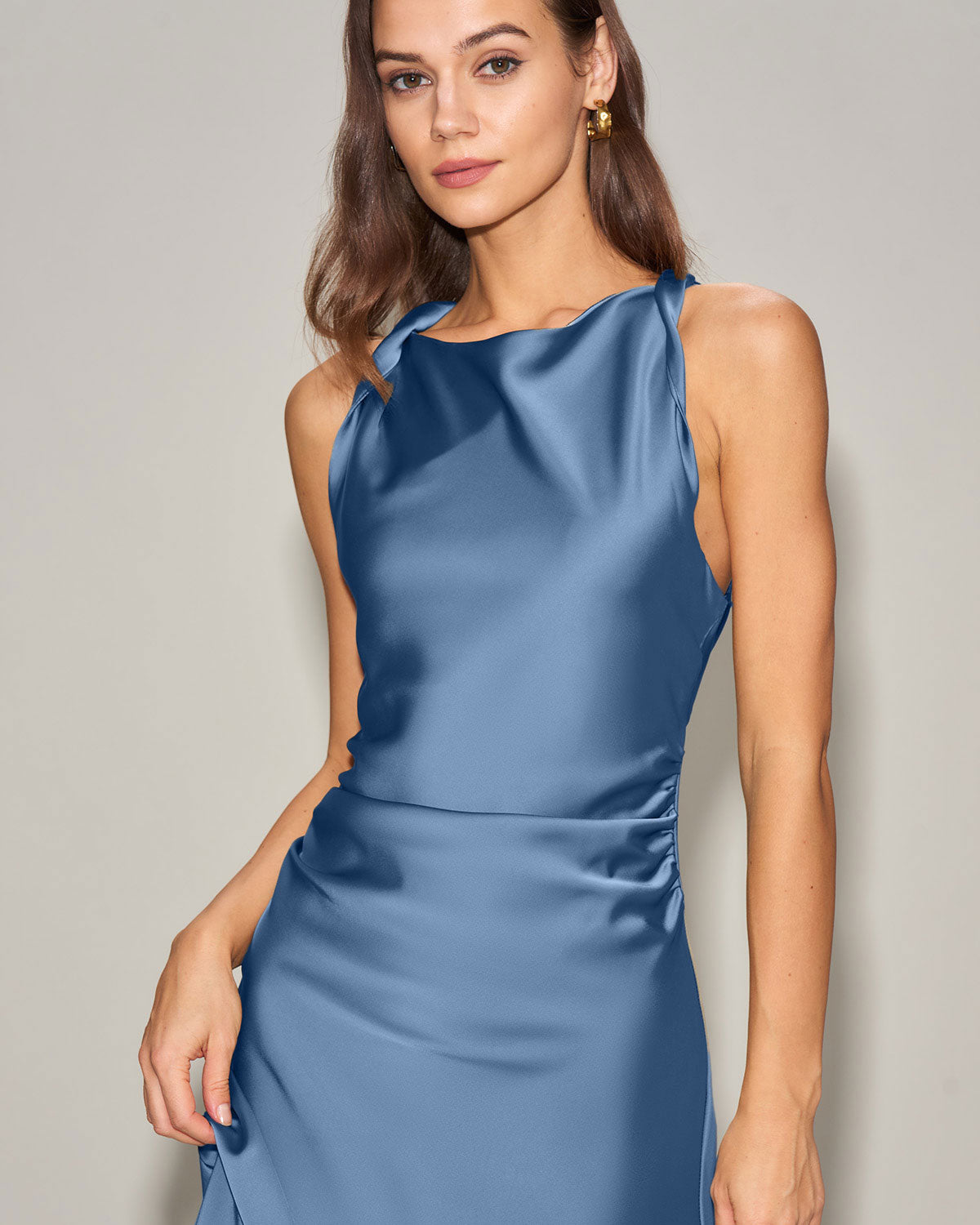
Party or night out: This is the most flexible category. A bodycon in satin, a mini with a one-shoulder cut, a slip dress layered with a jacket — all qualify. Sequin and metallic finishes work here where they might feel too loud at a wedding. If the event runs late, pick a fabric that does not wrinkle after two hours of sitting.
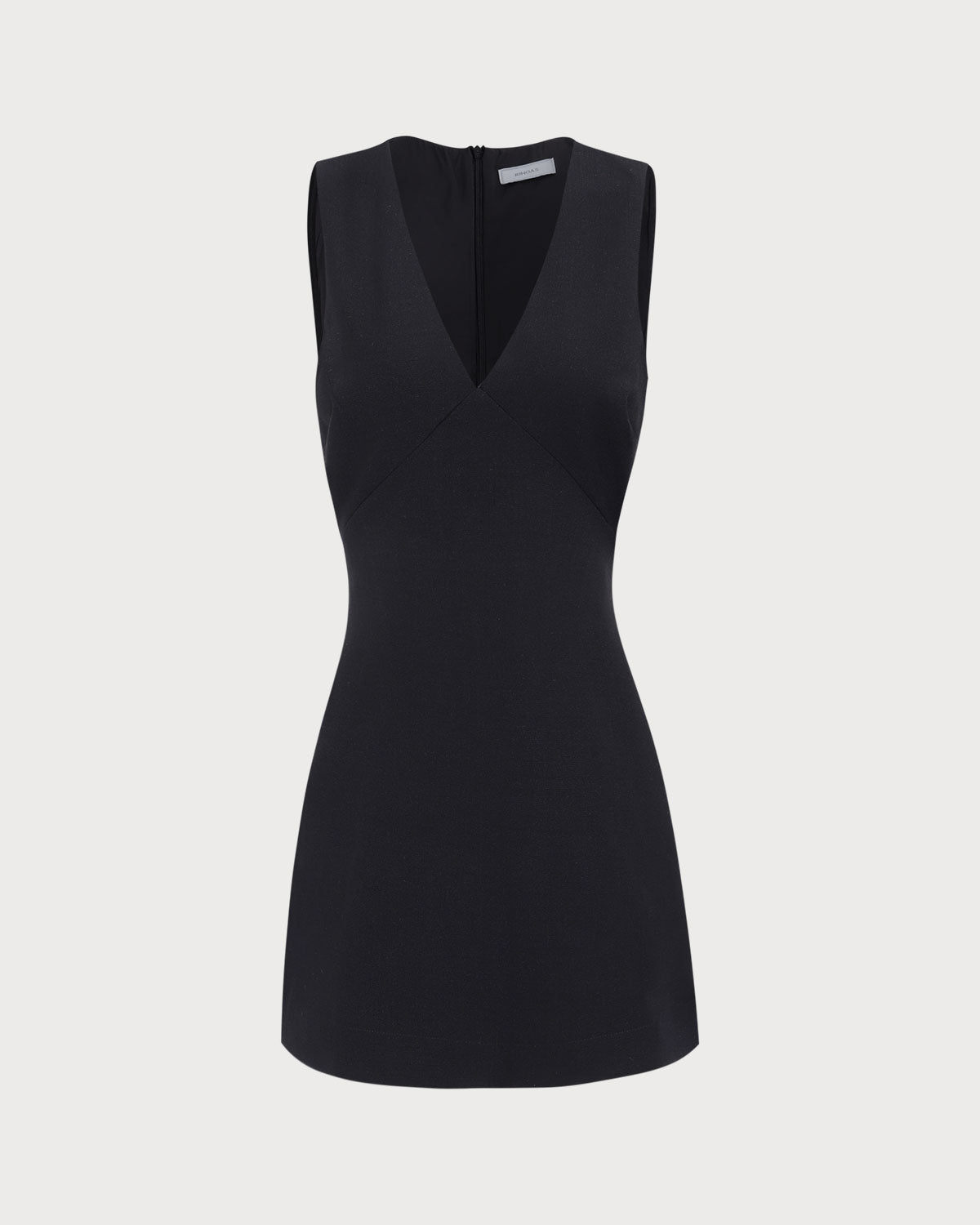
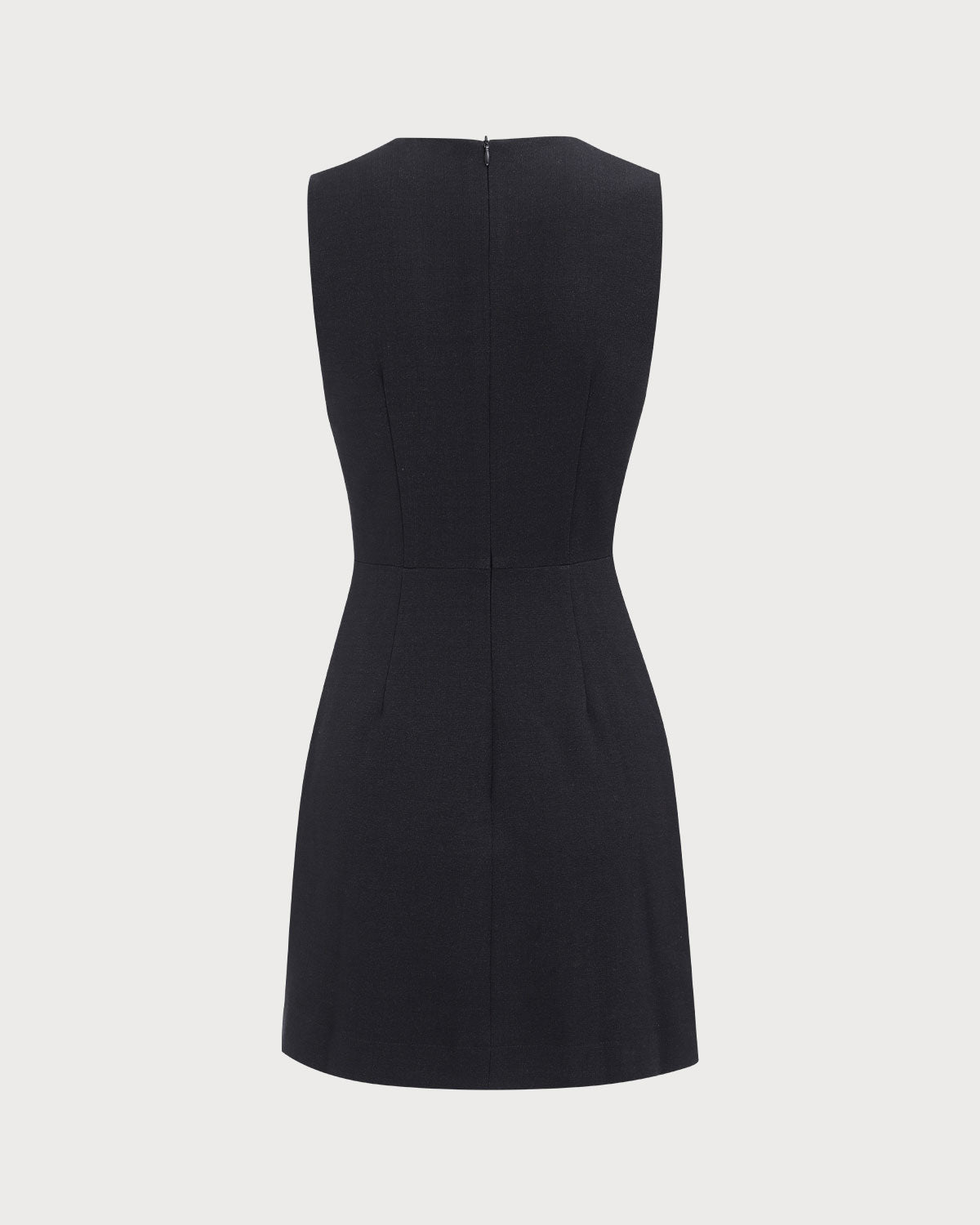
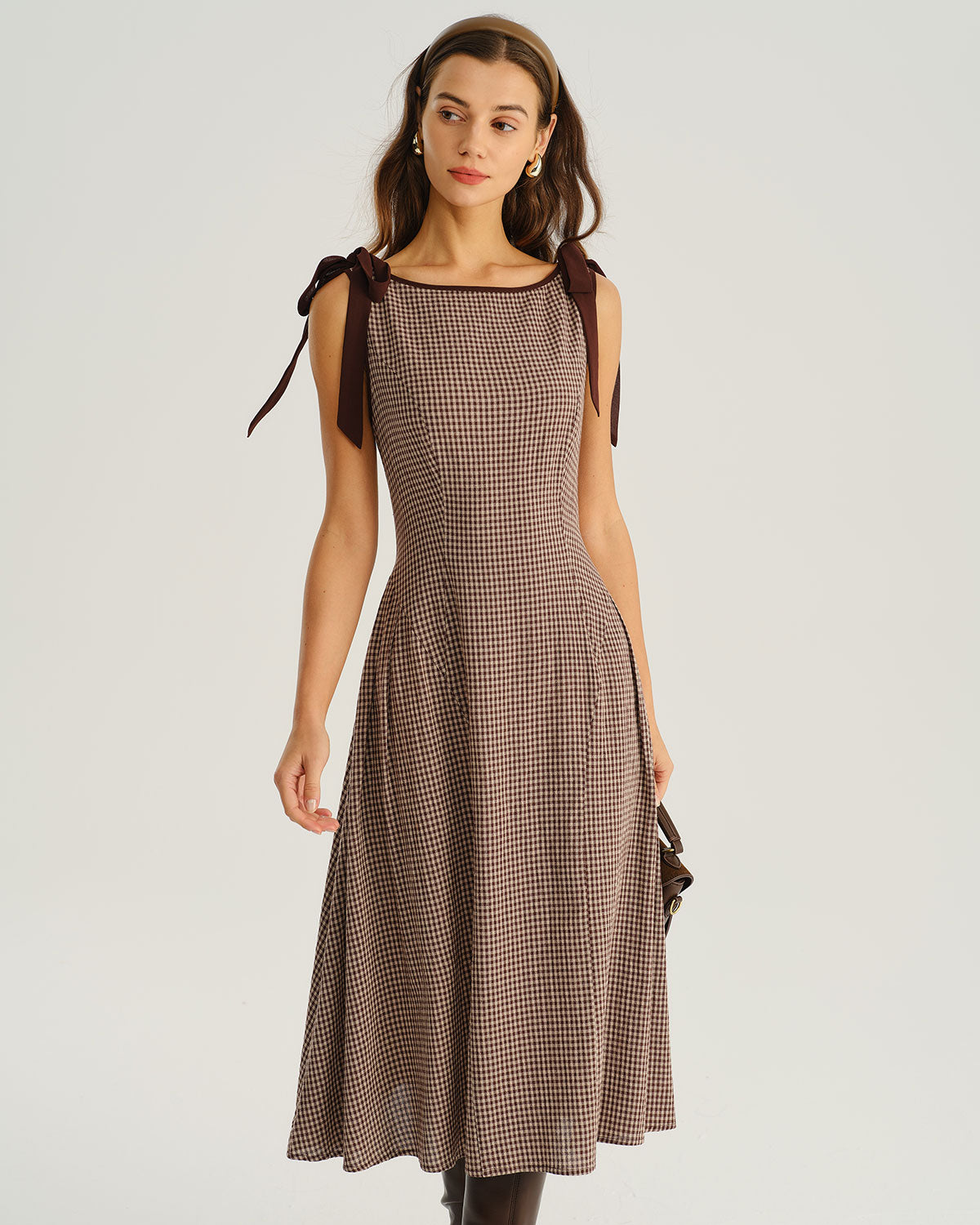
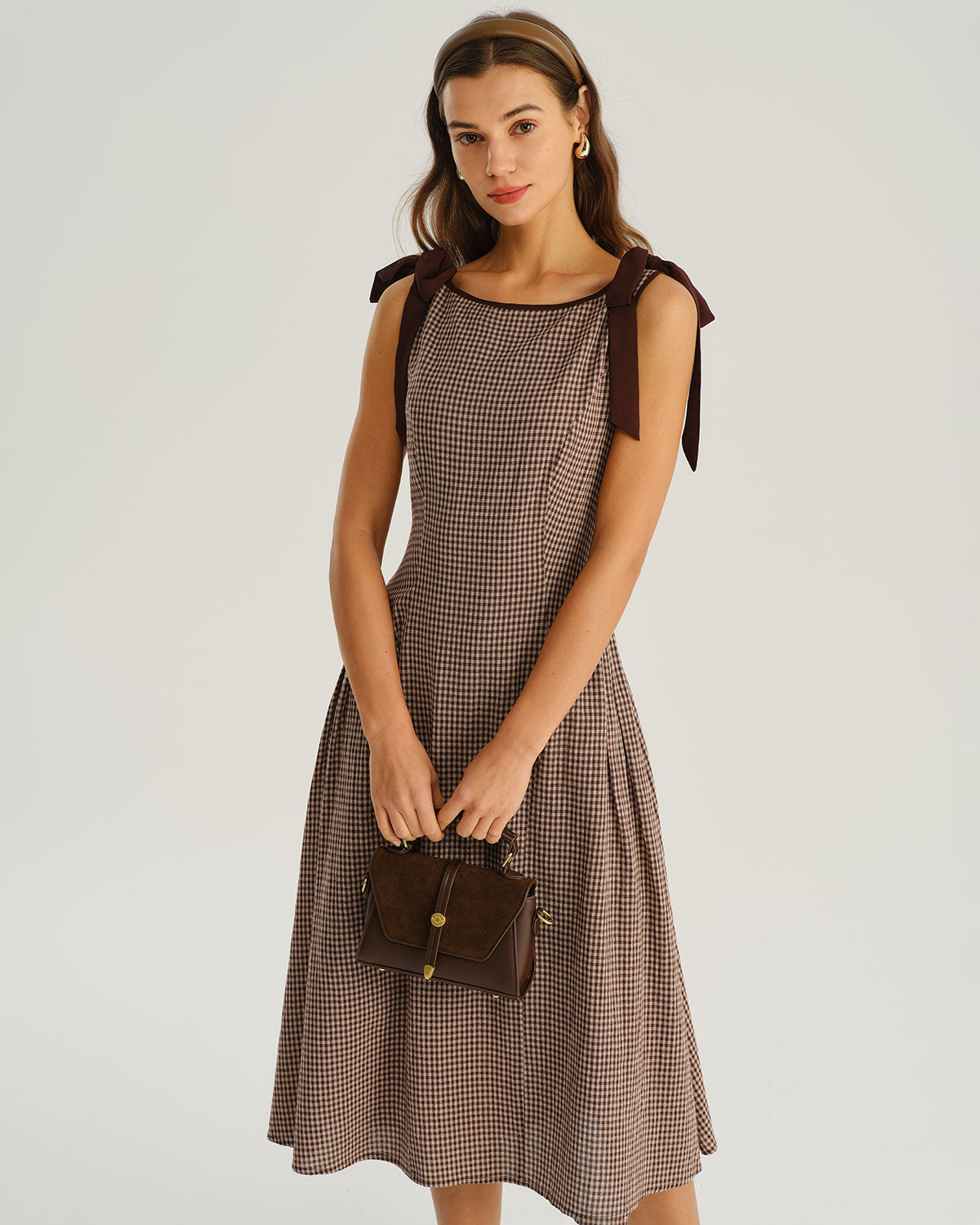
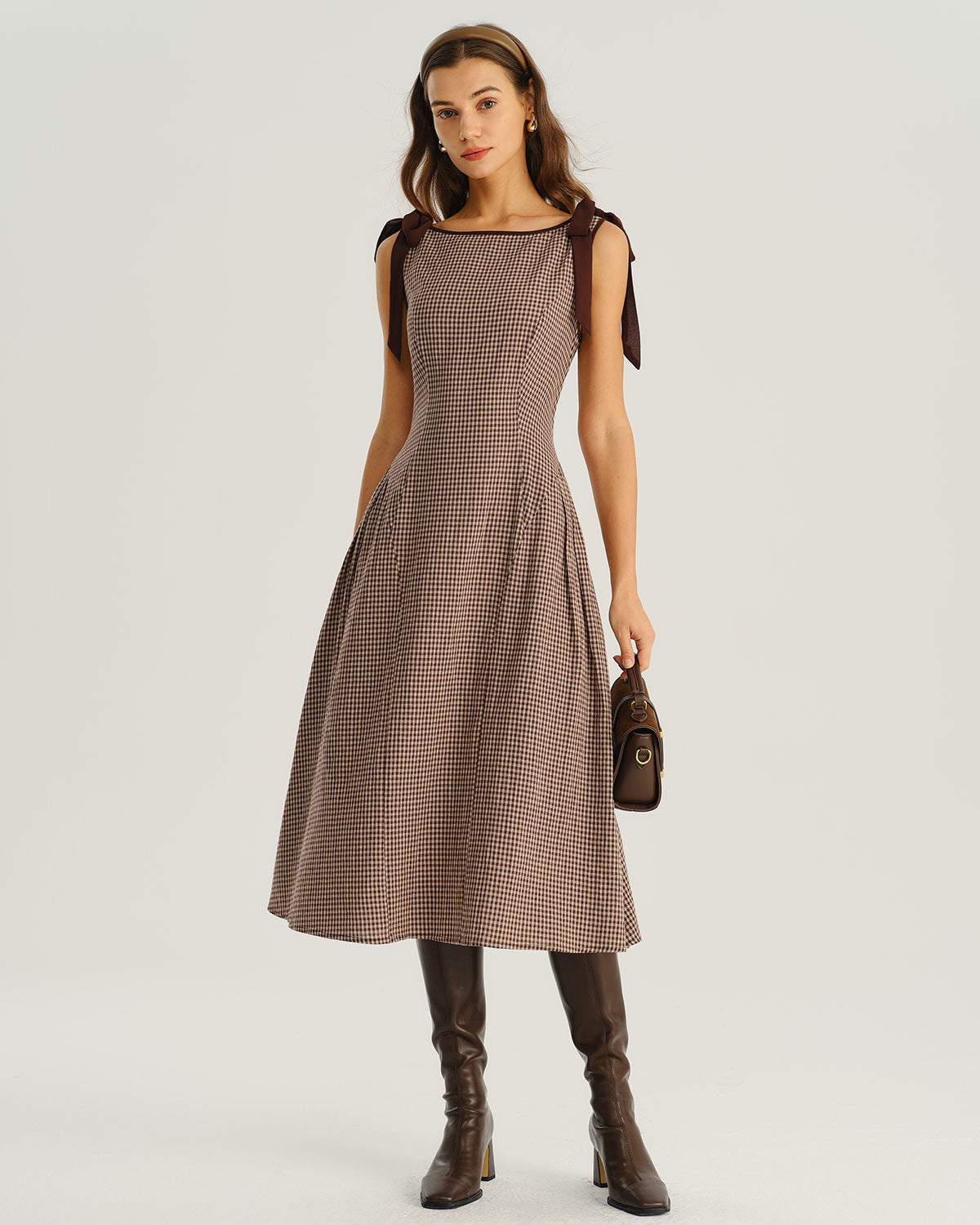
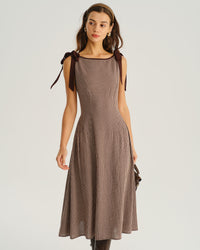
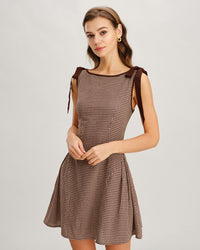
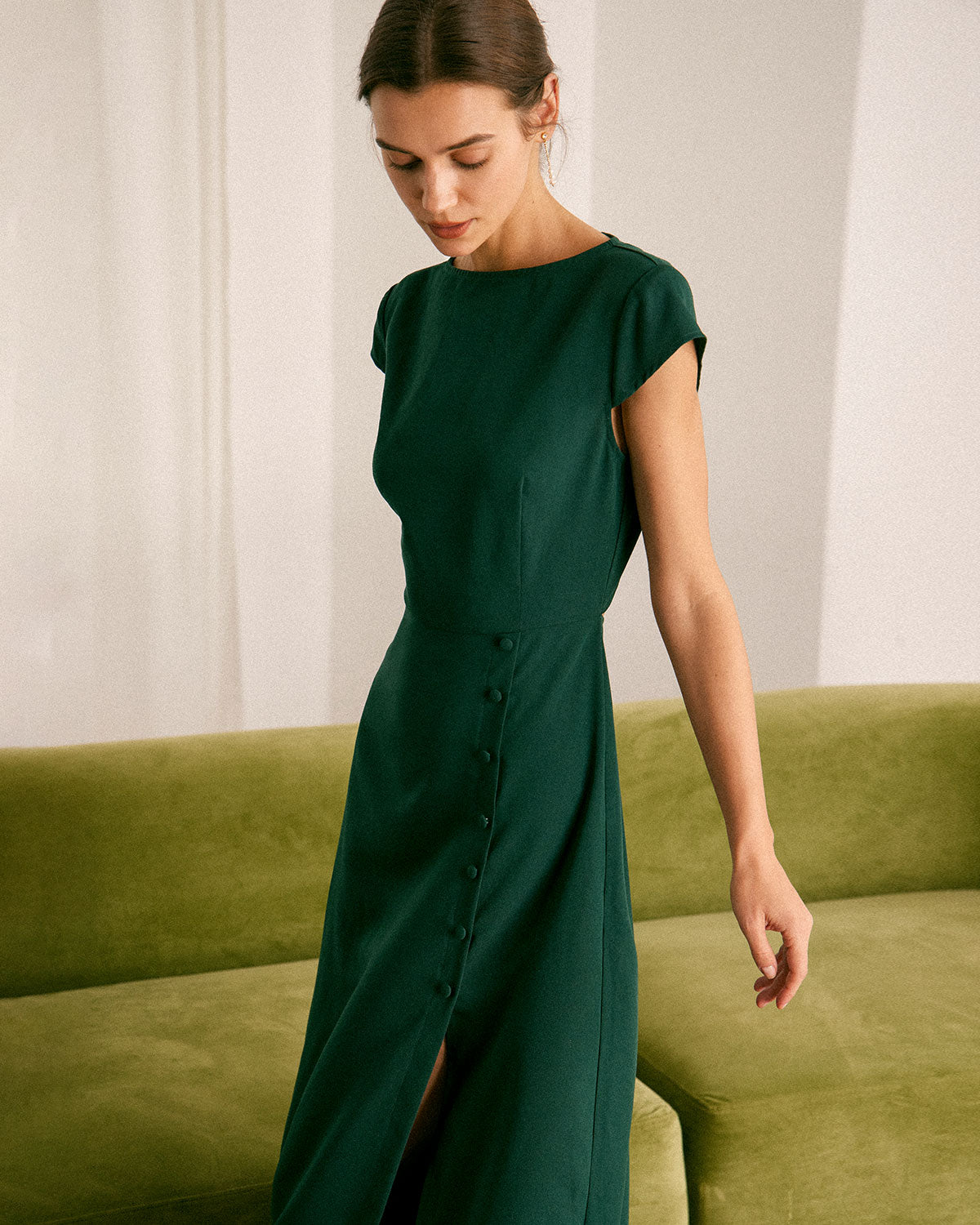
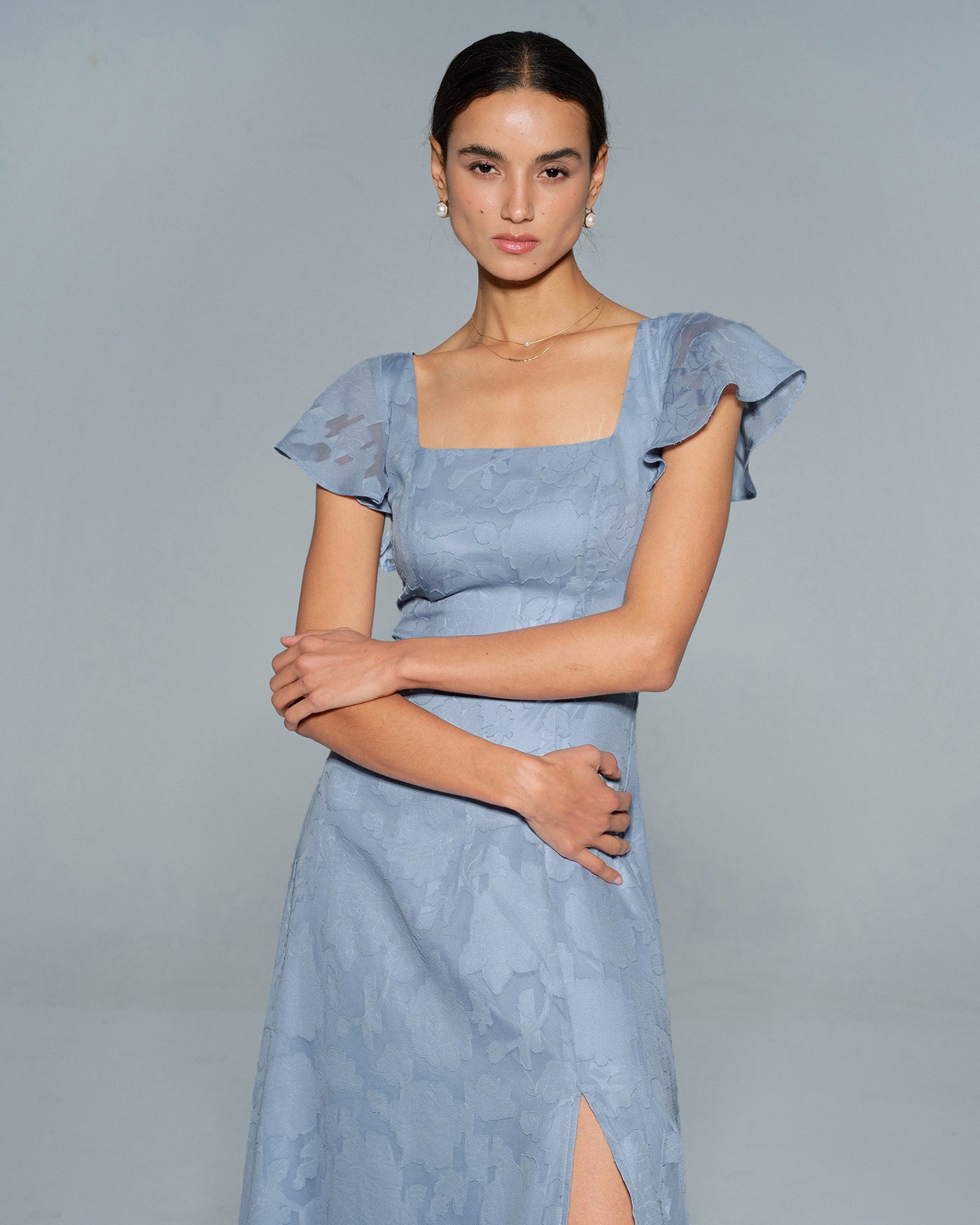
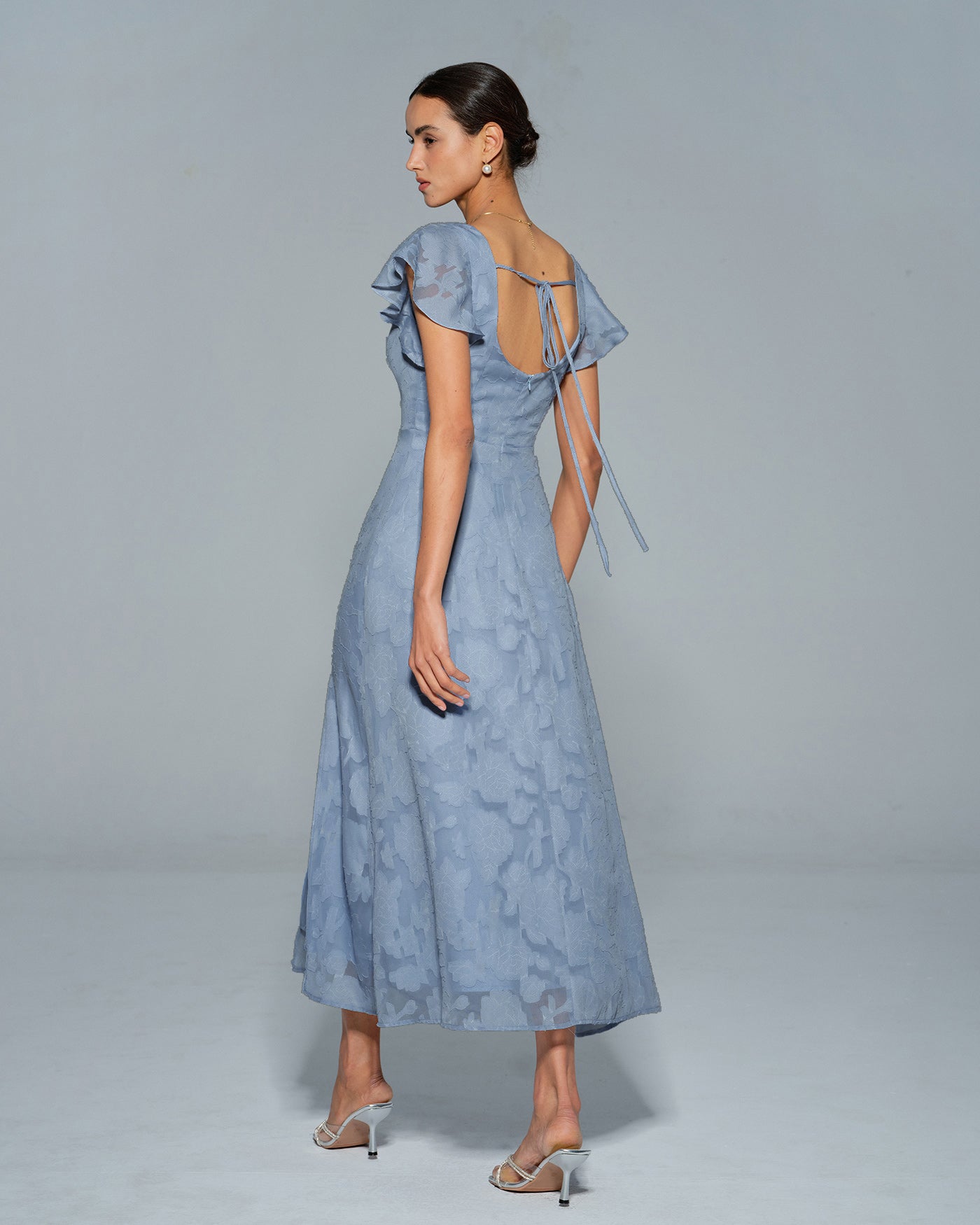
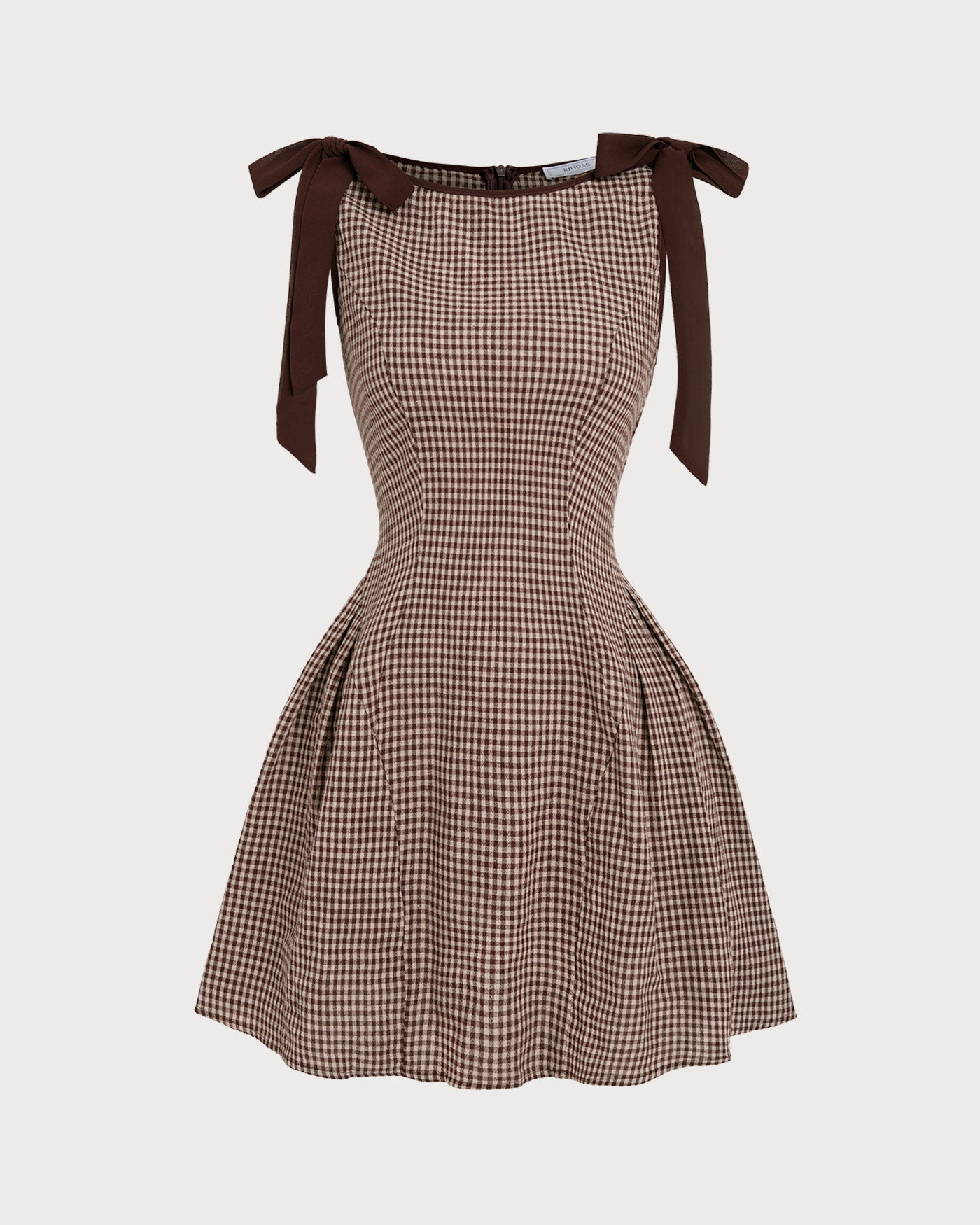
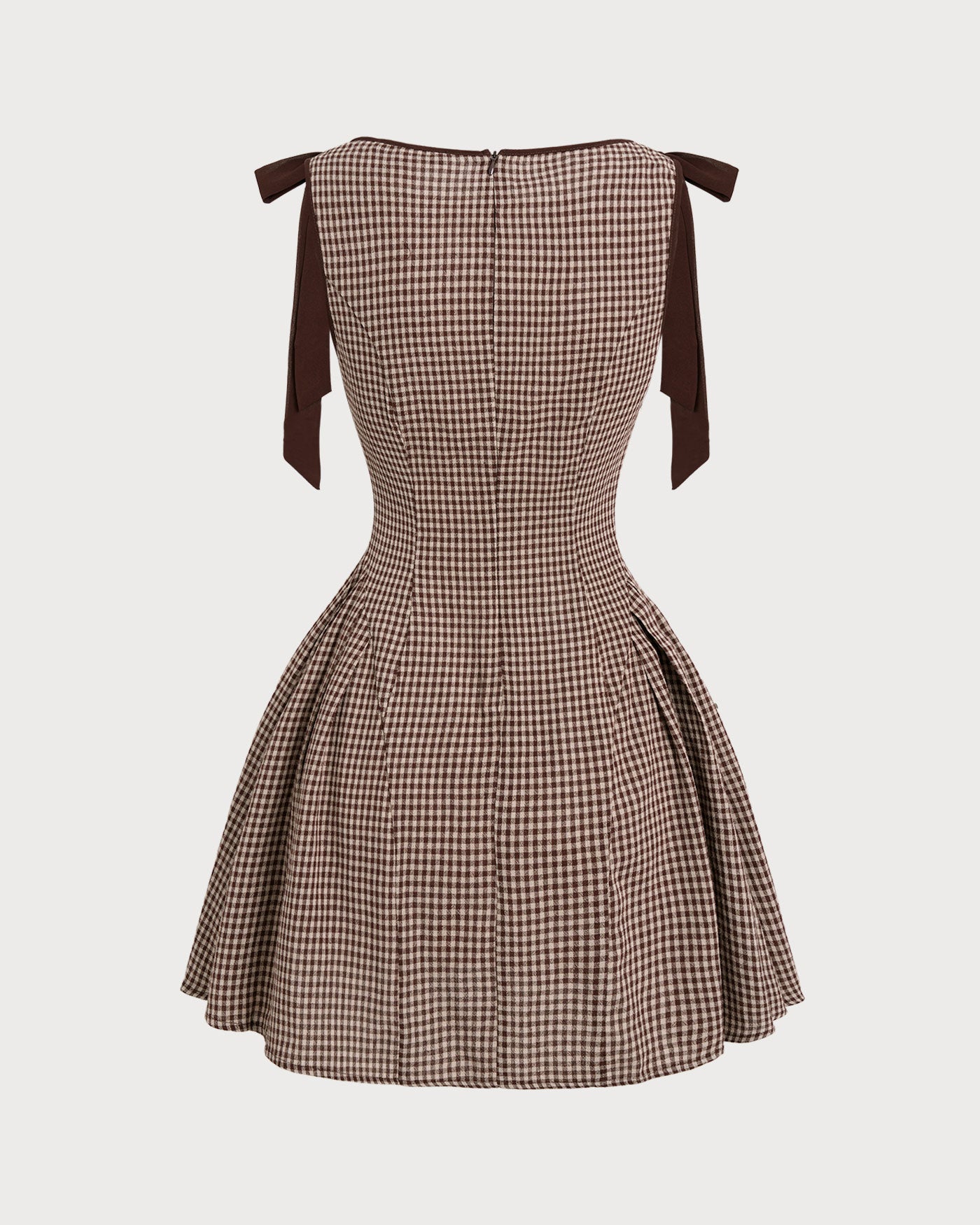
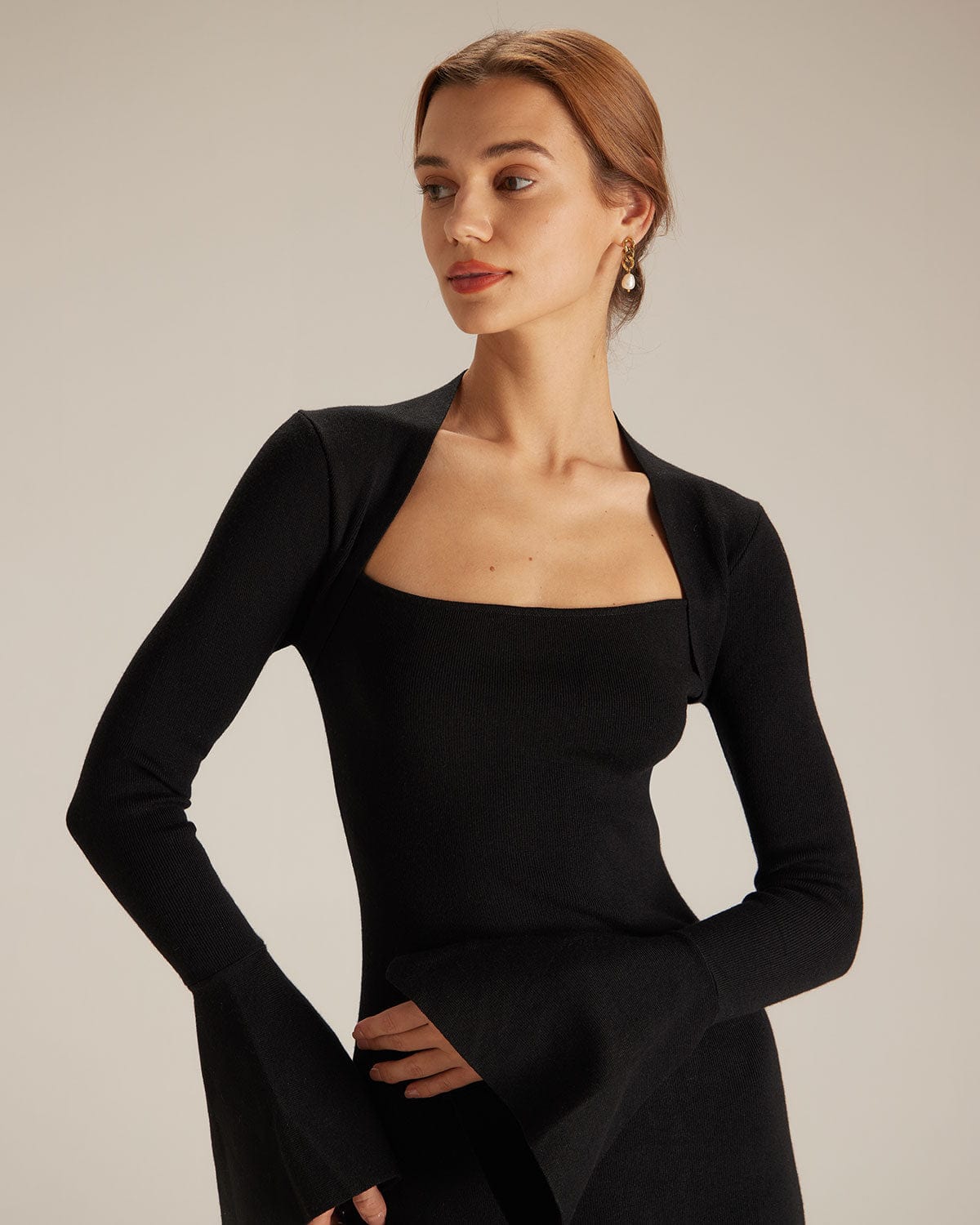
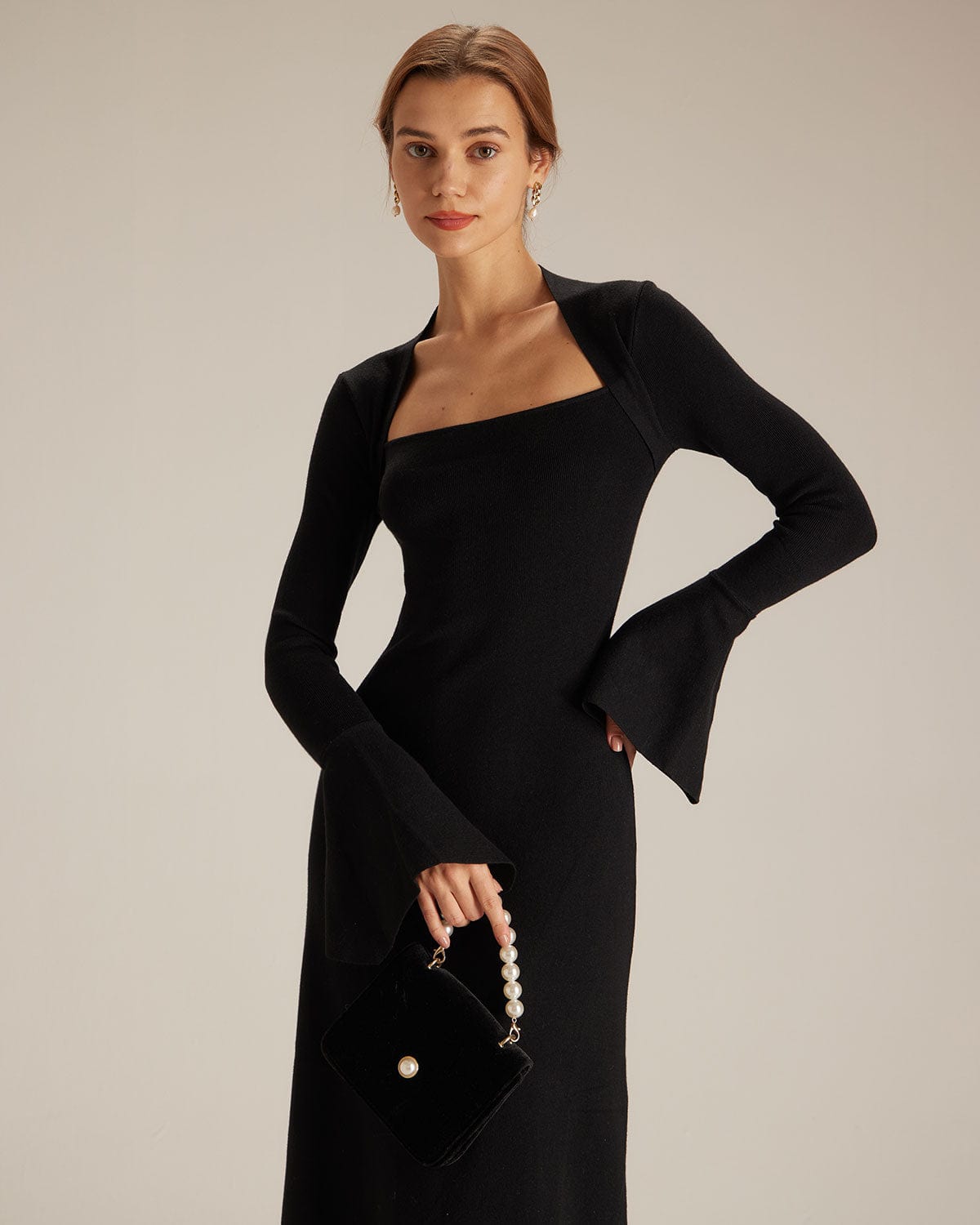
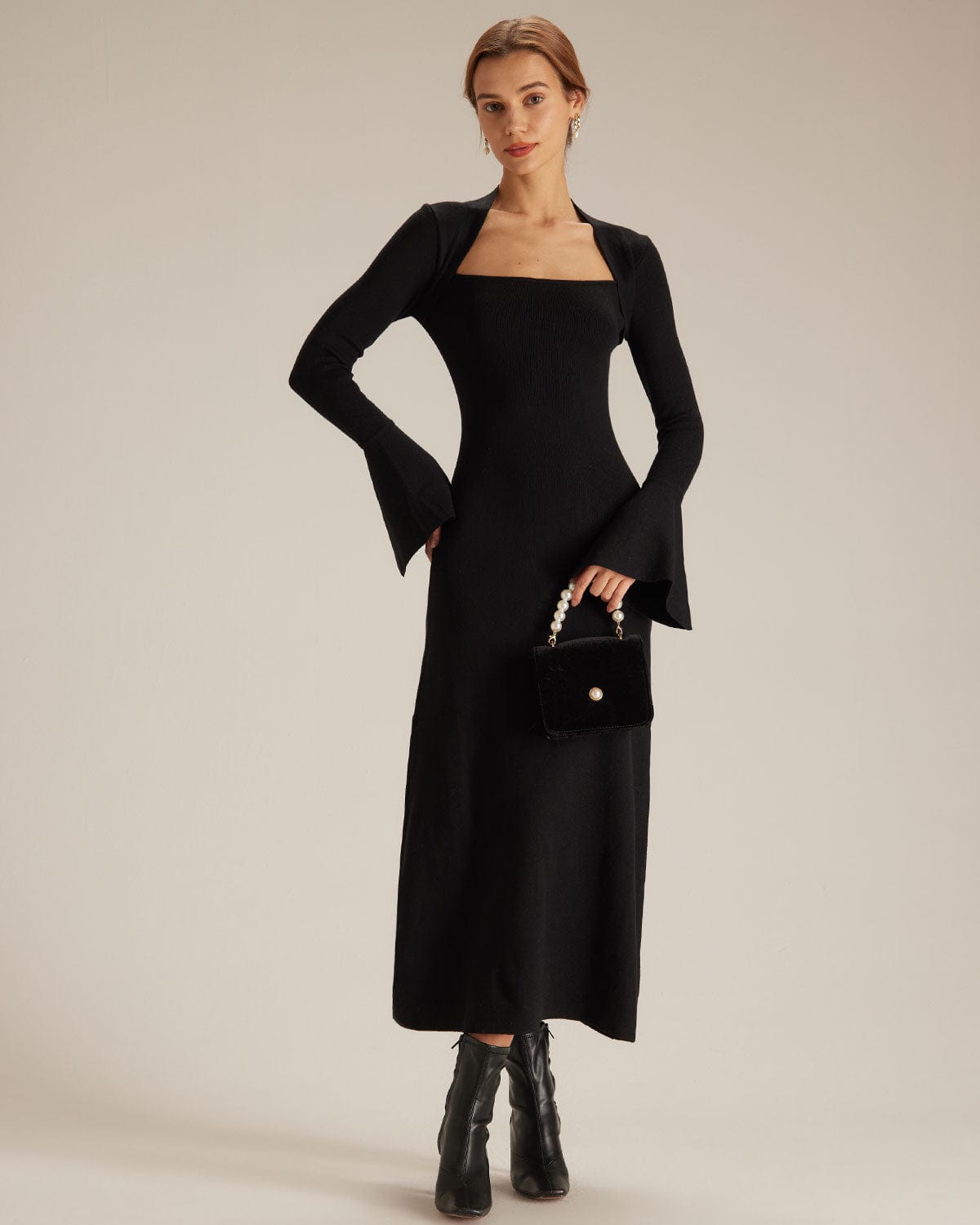
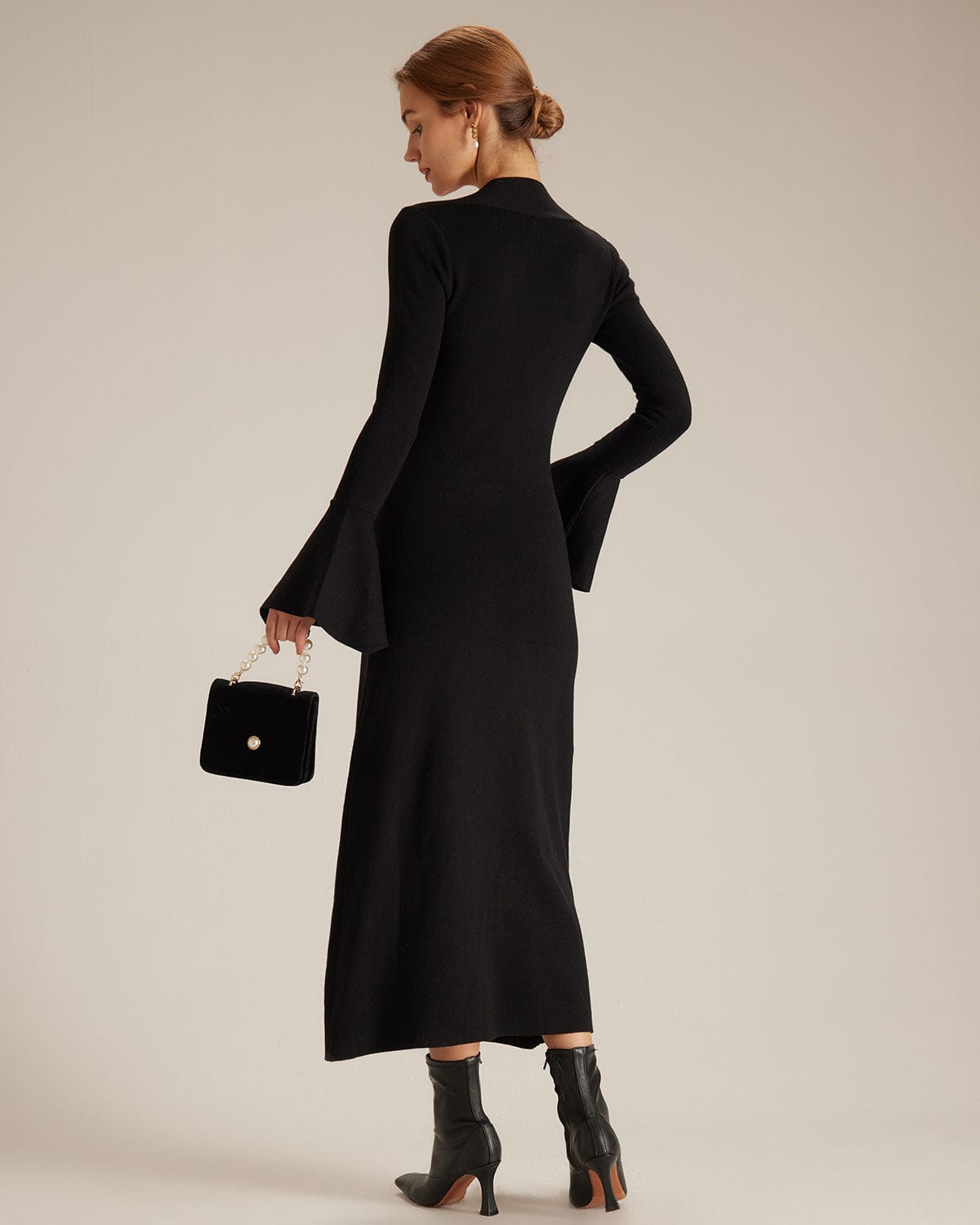
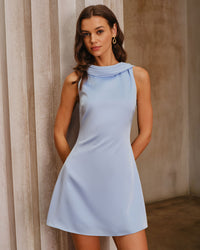
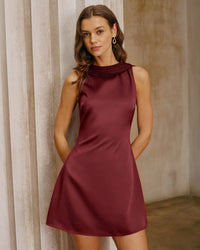
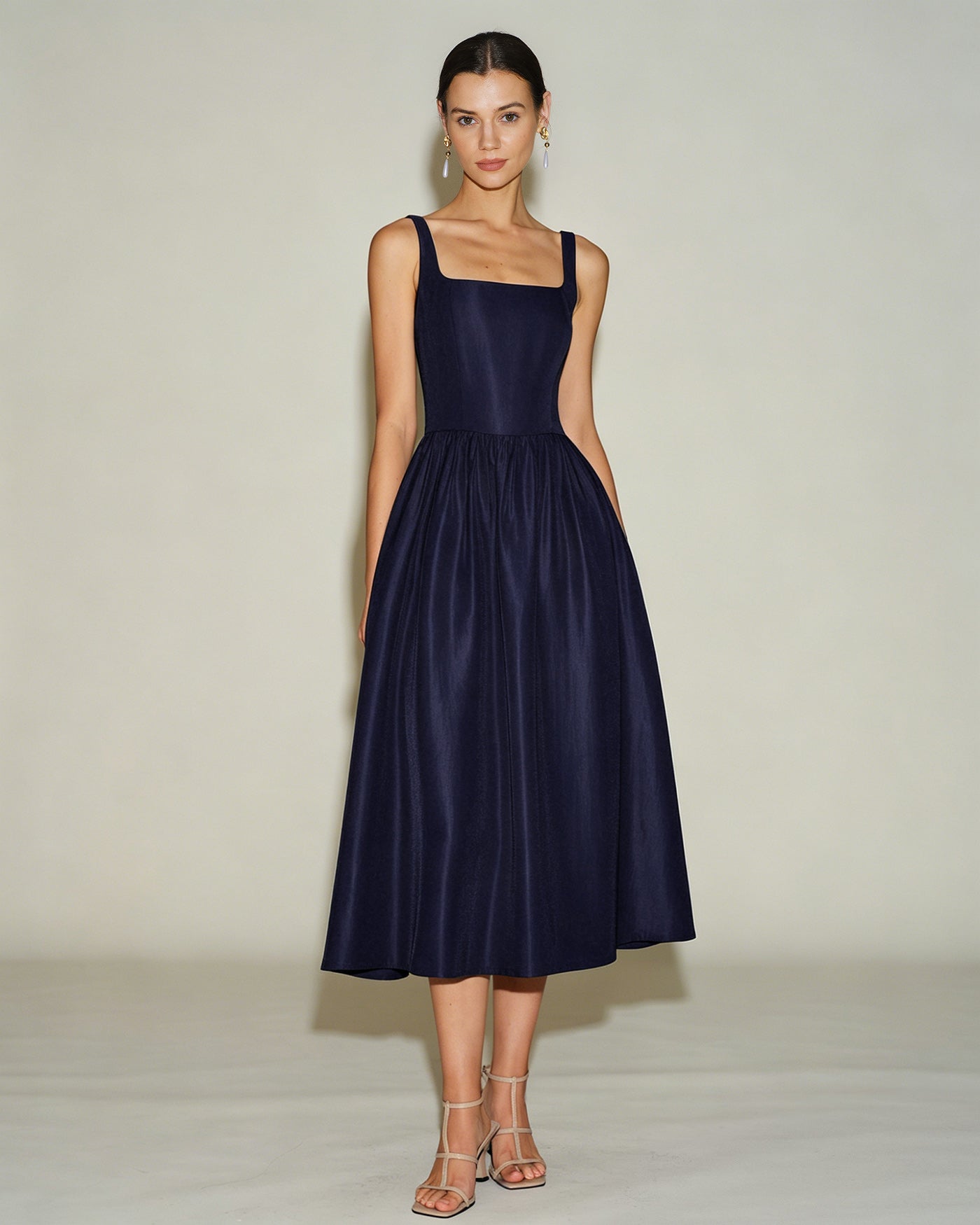
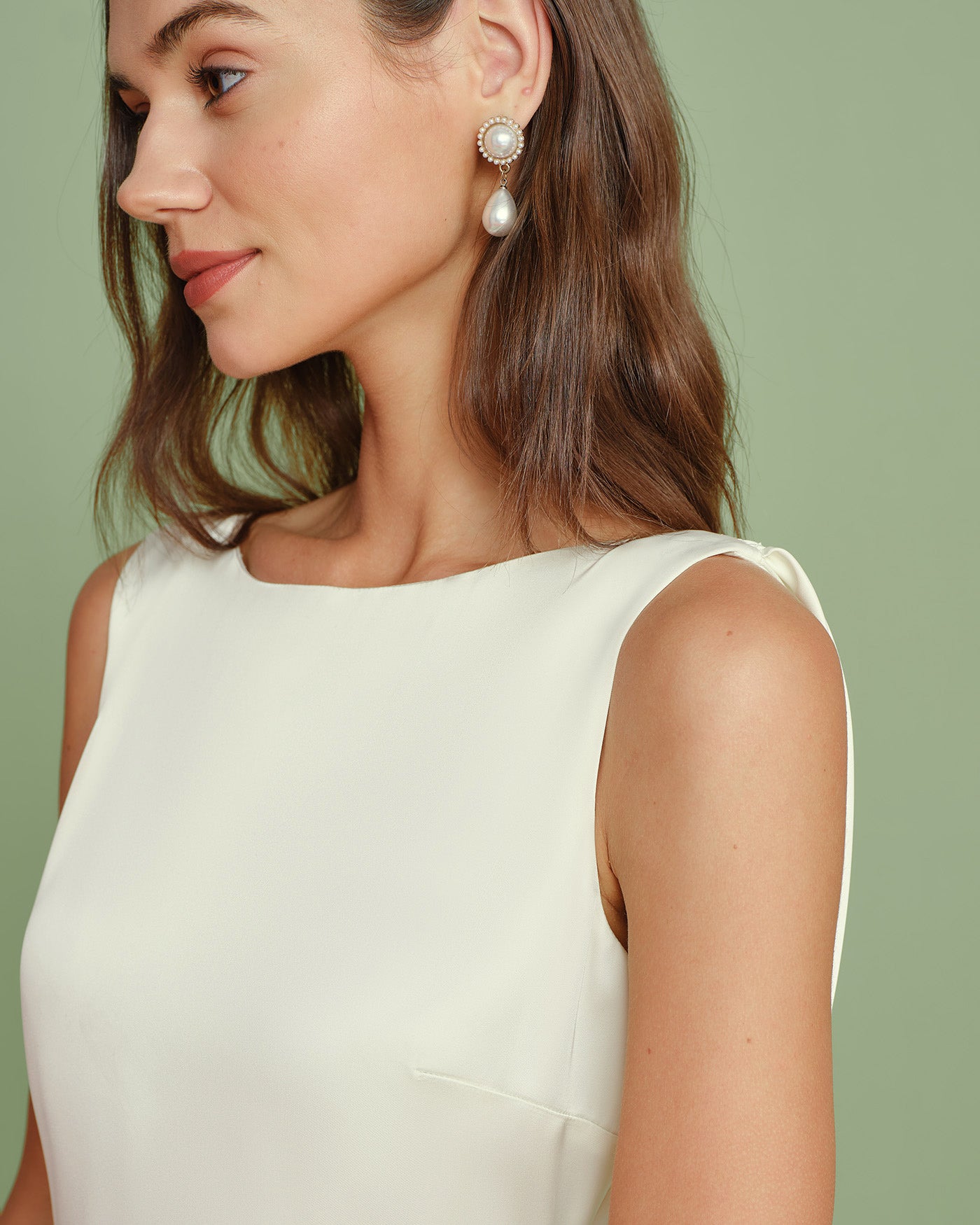
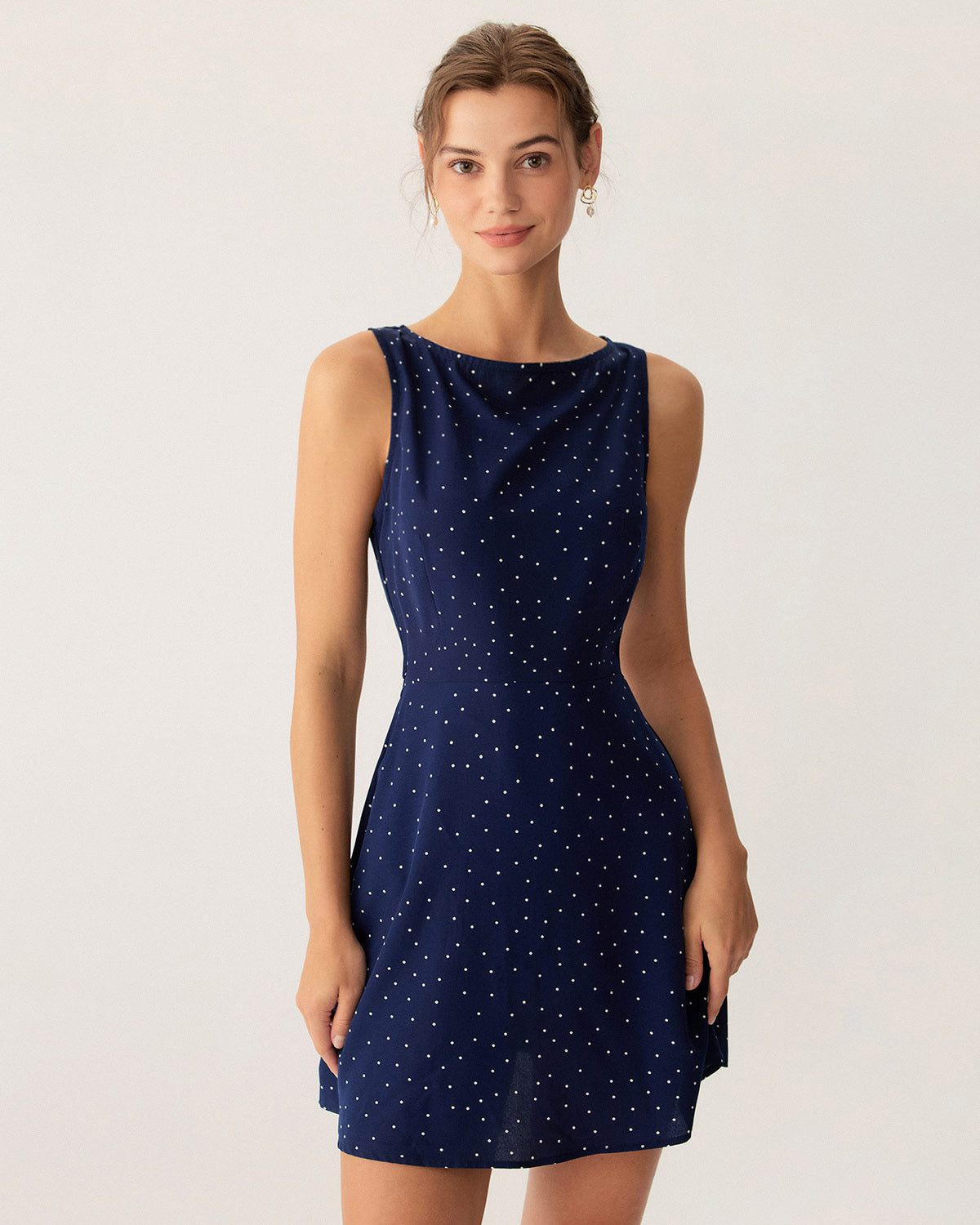
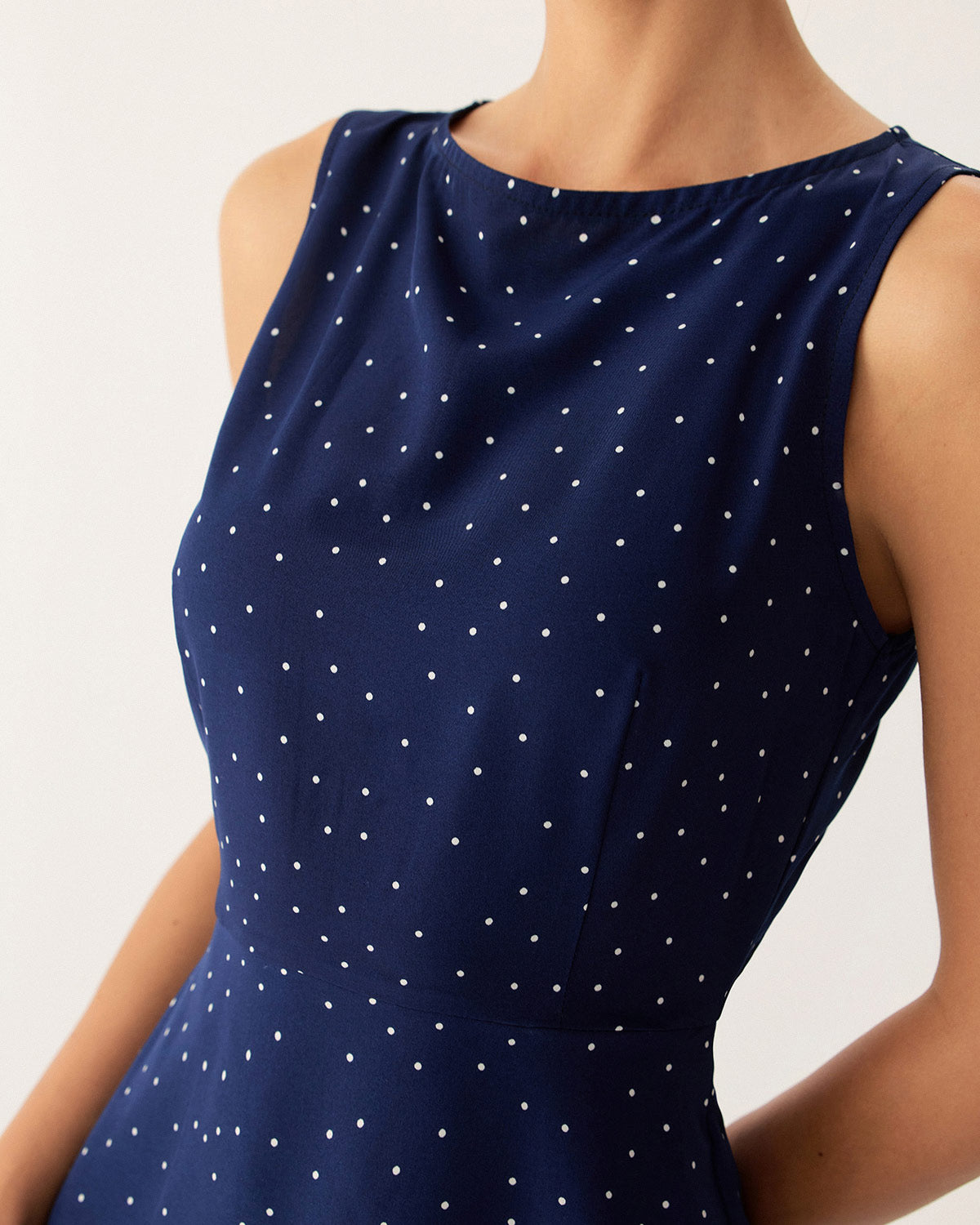
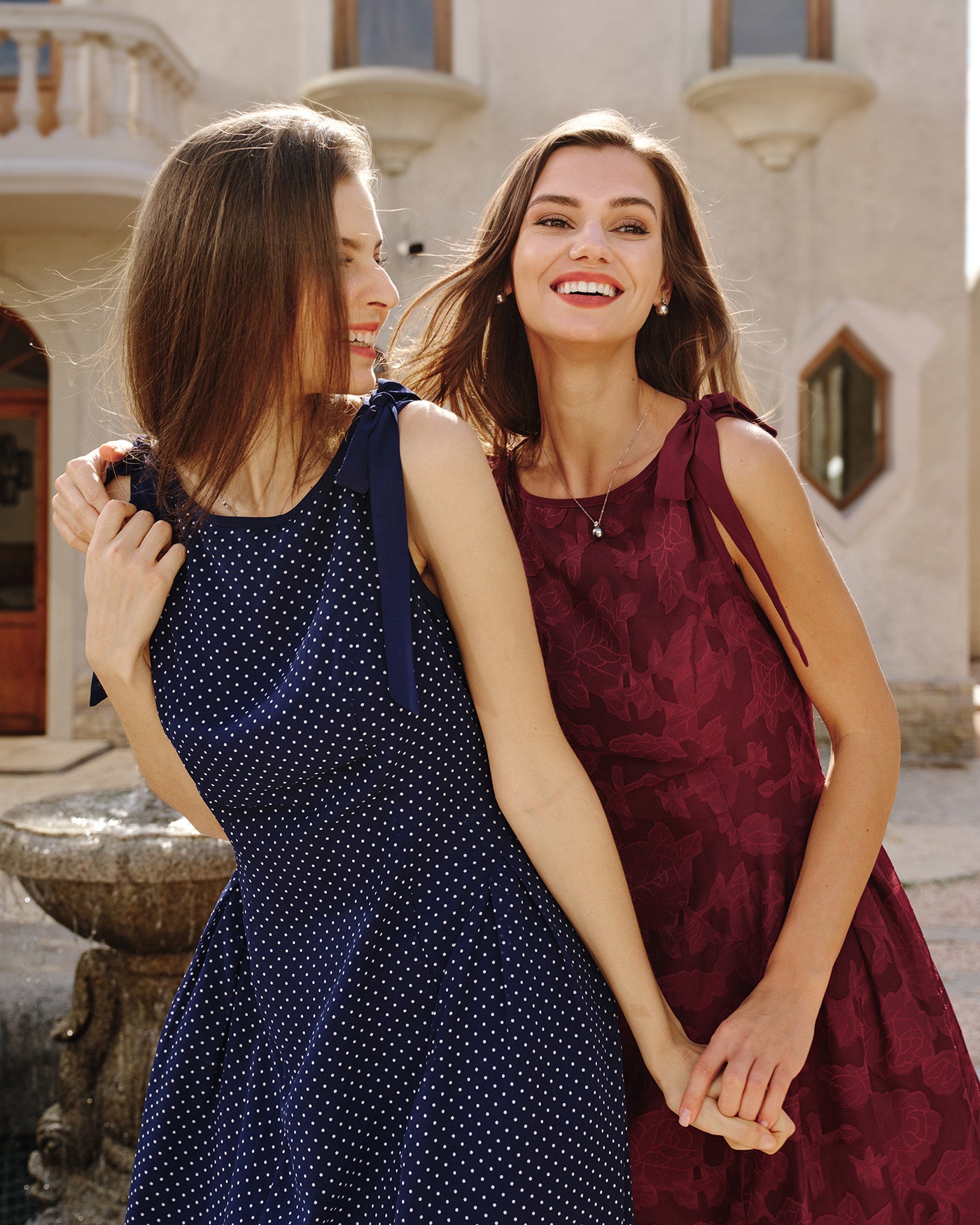
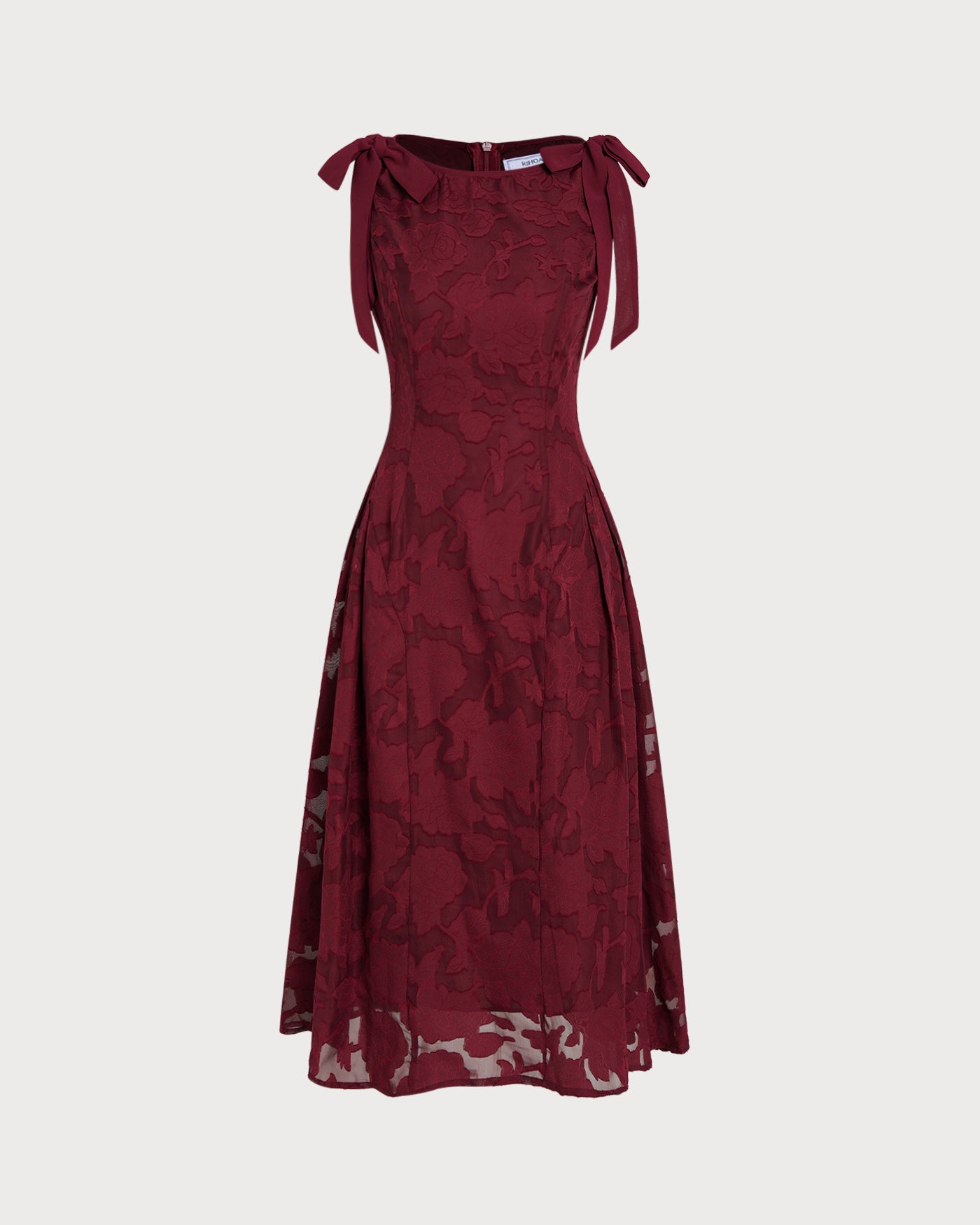
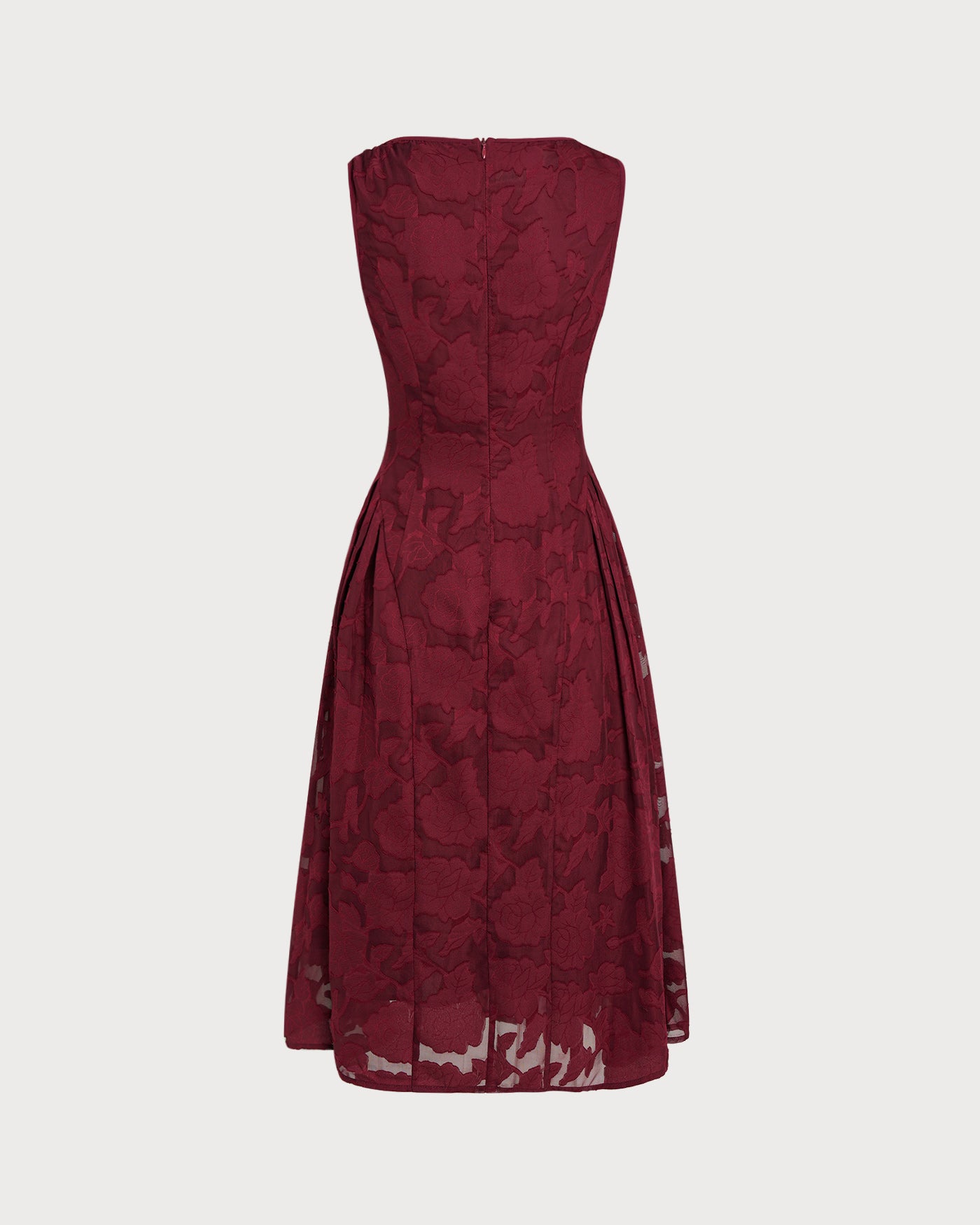
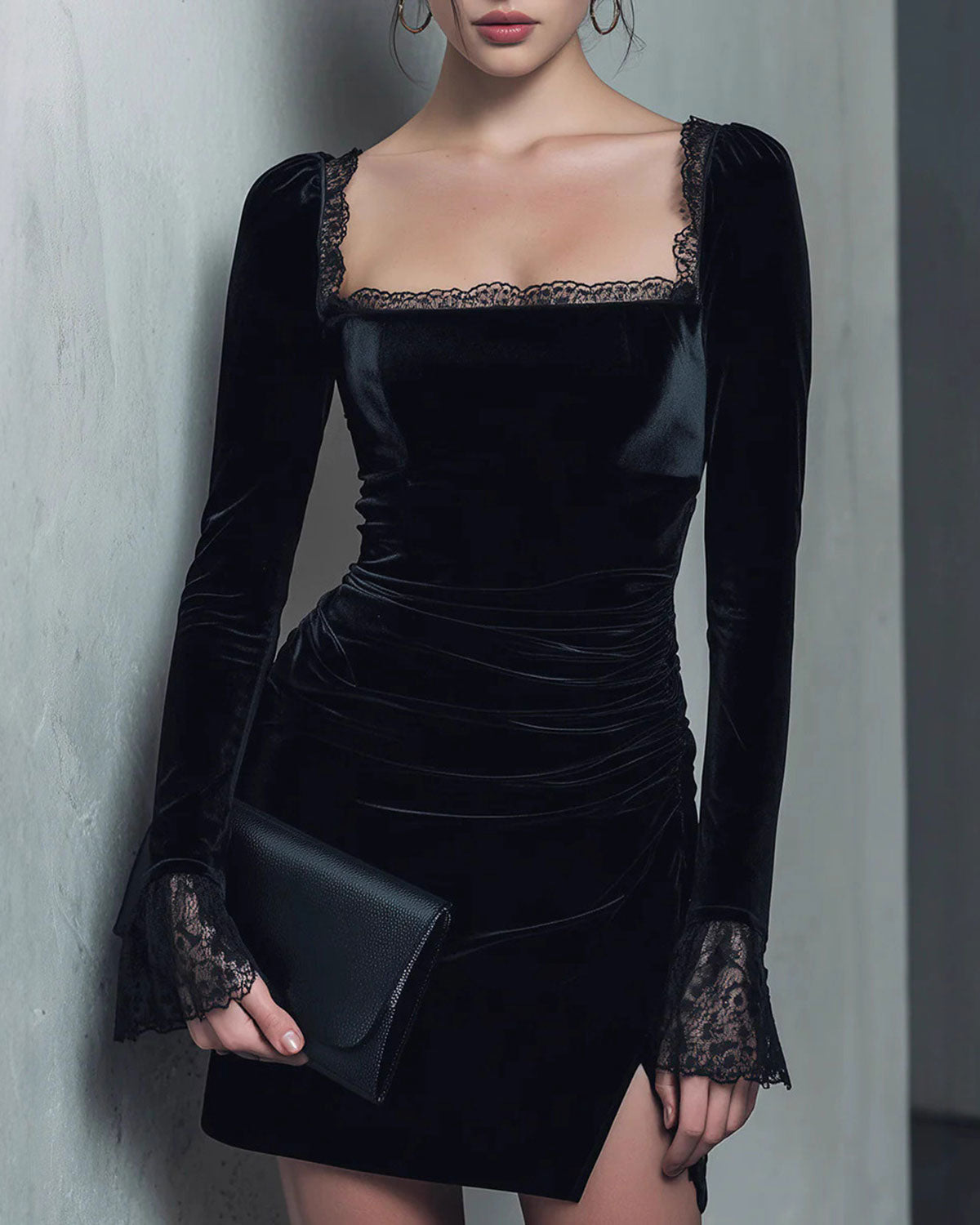
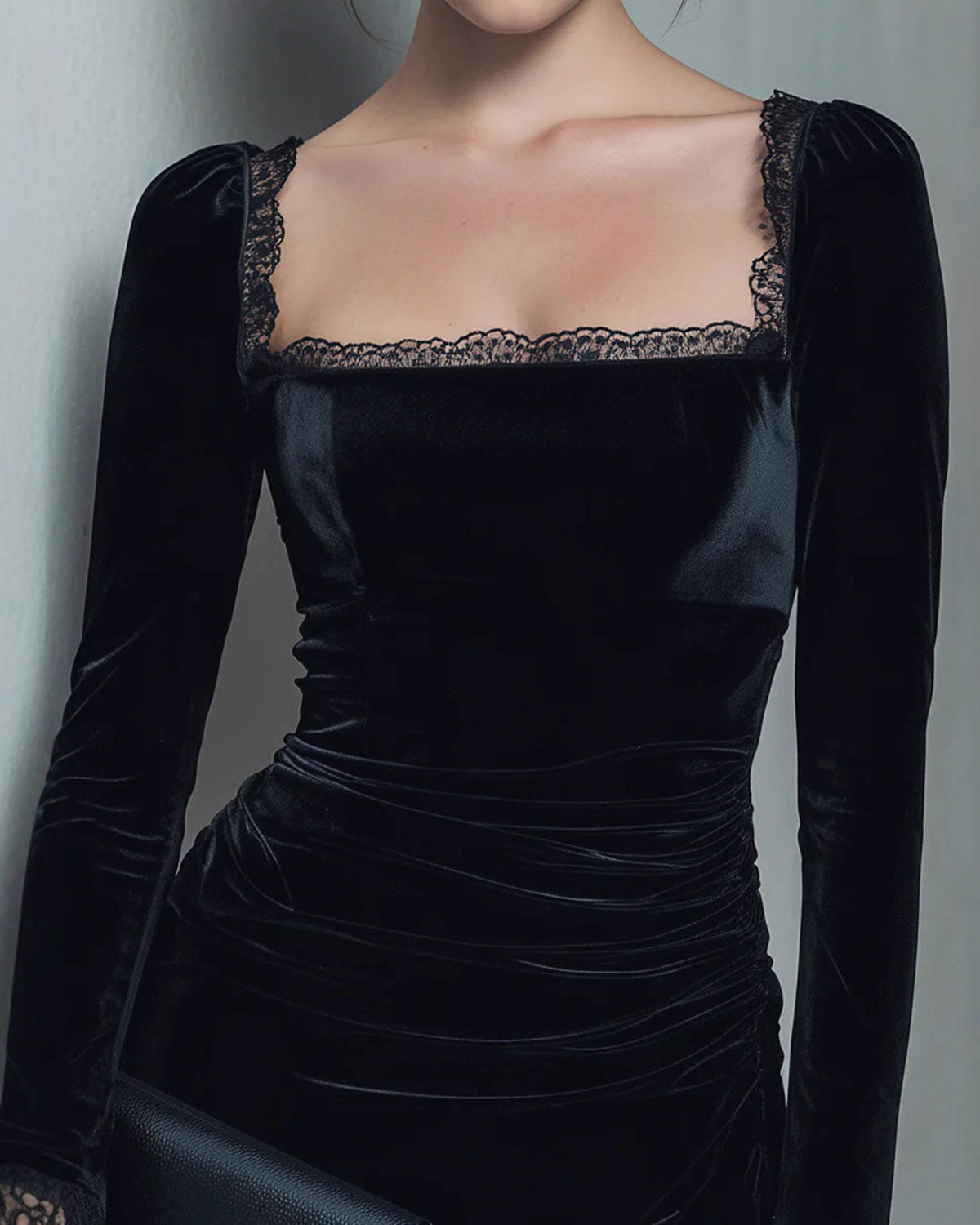
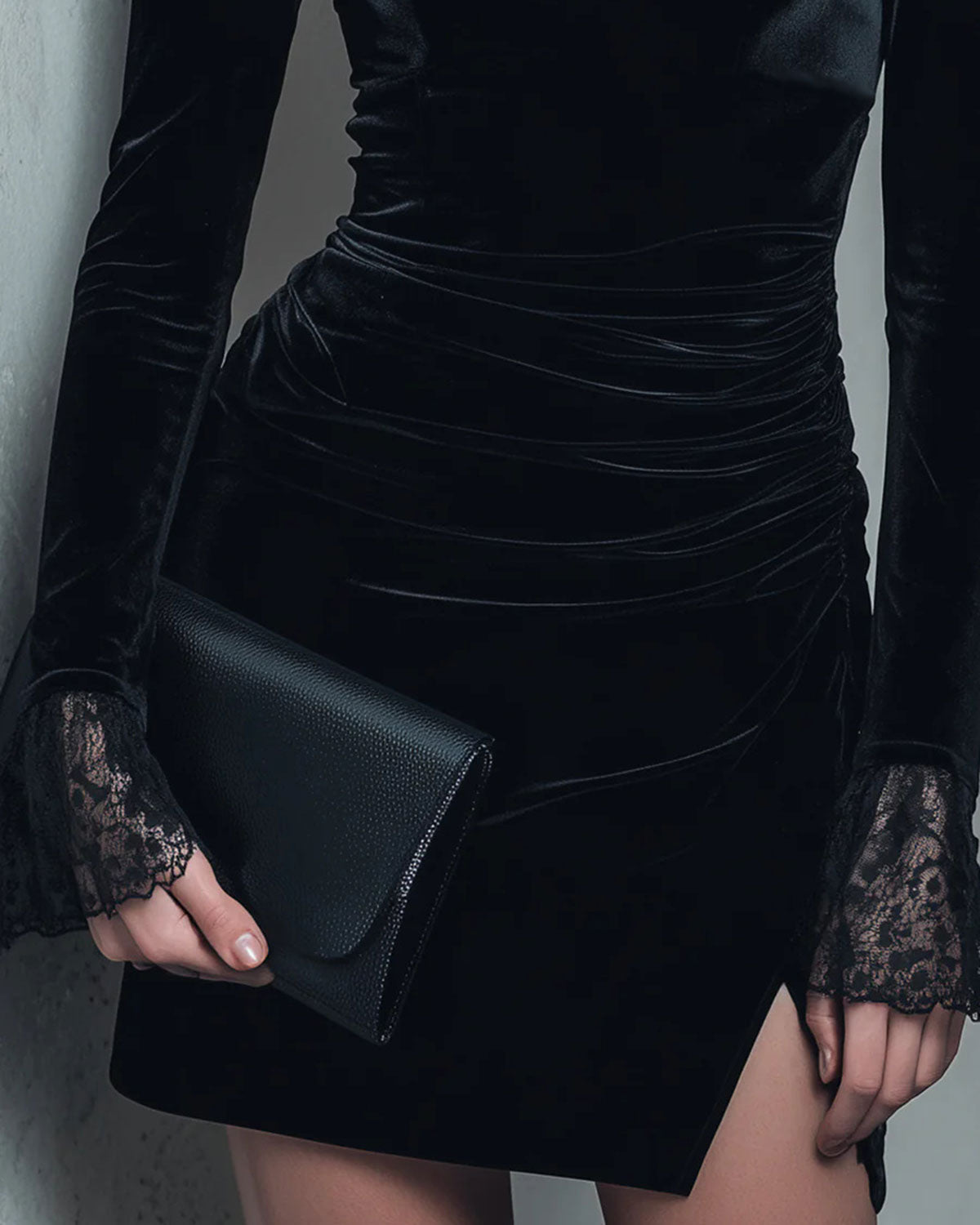
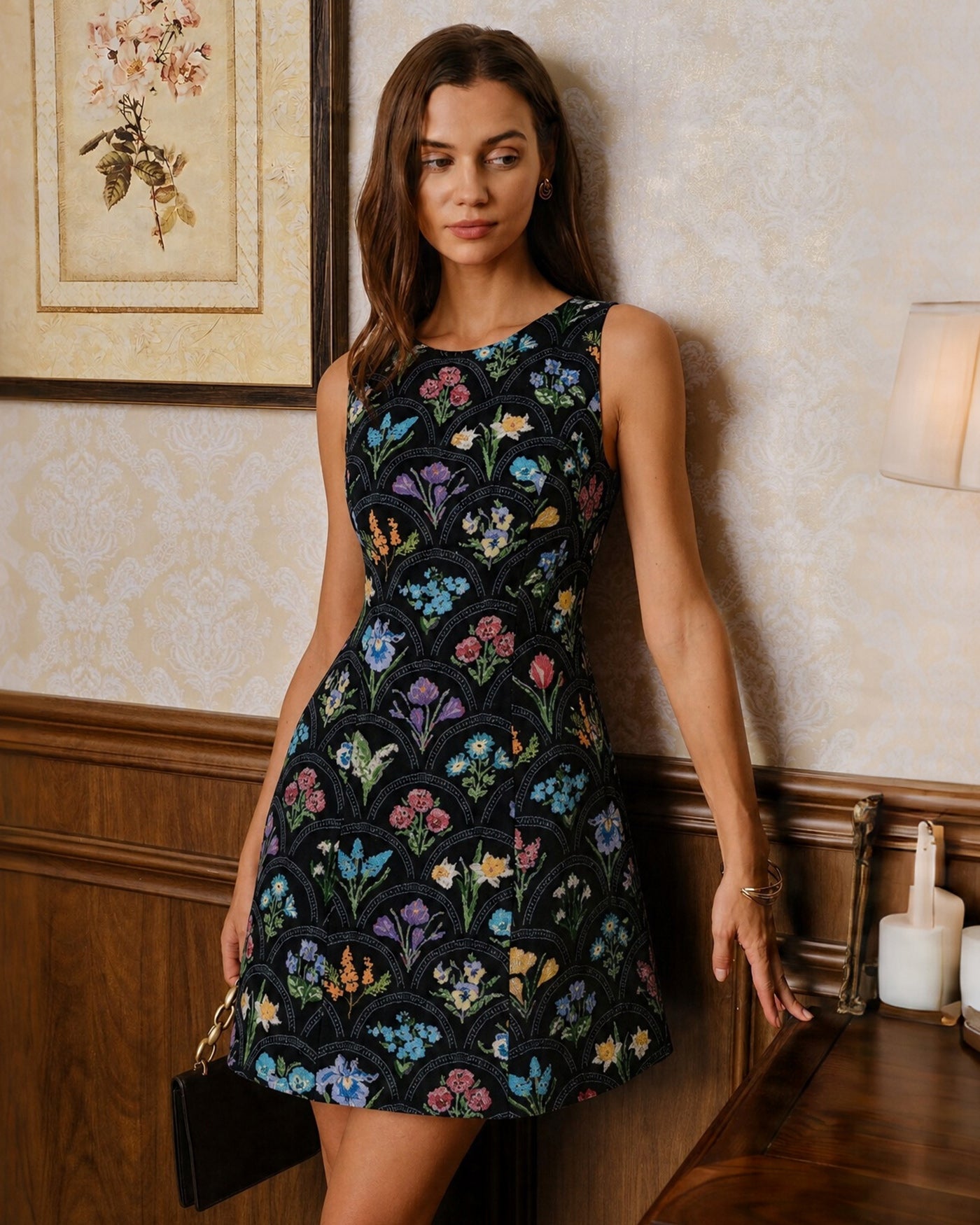
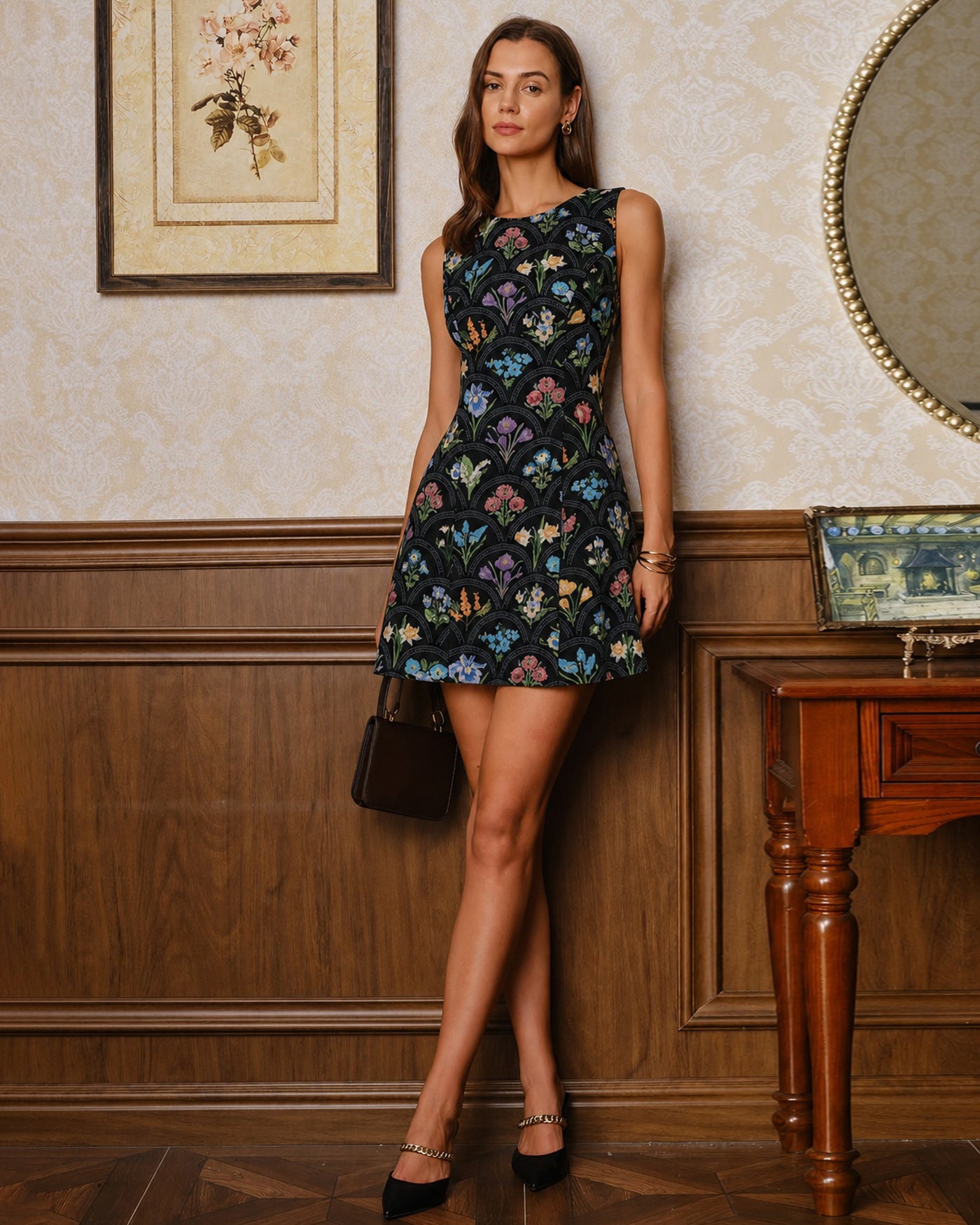
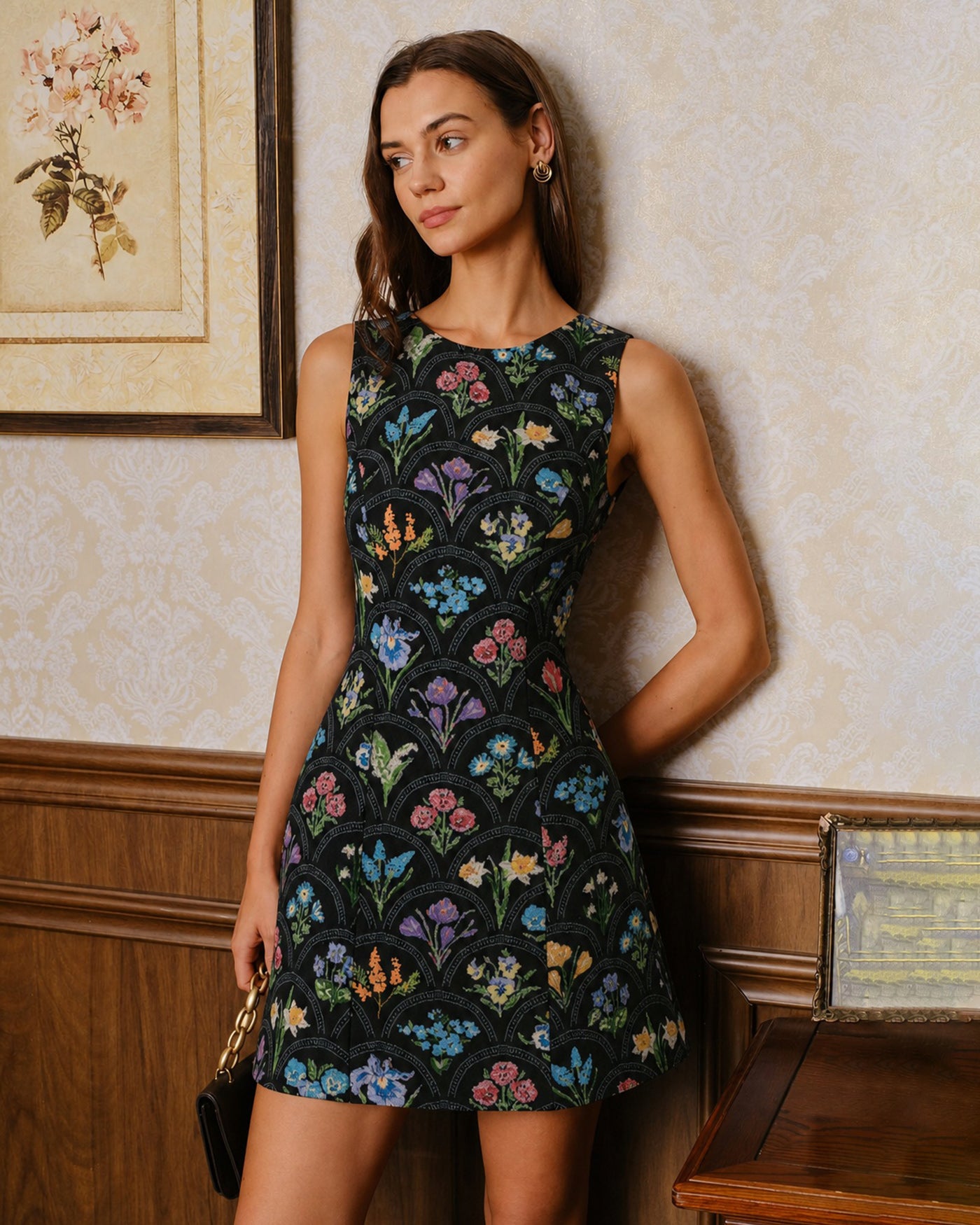
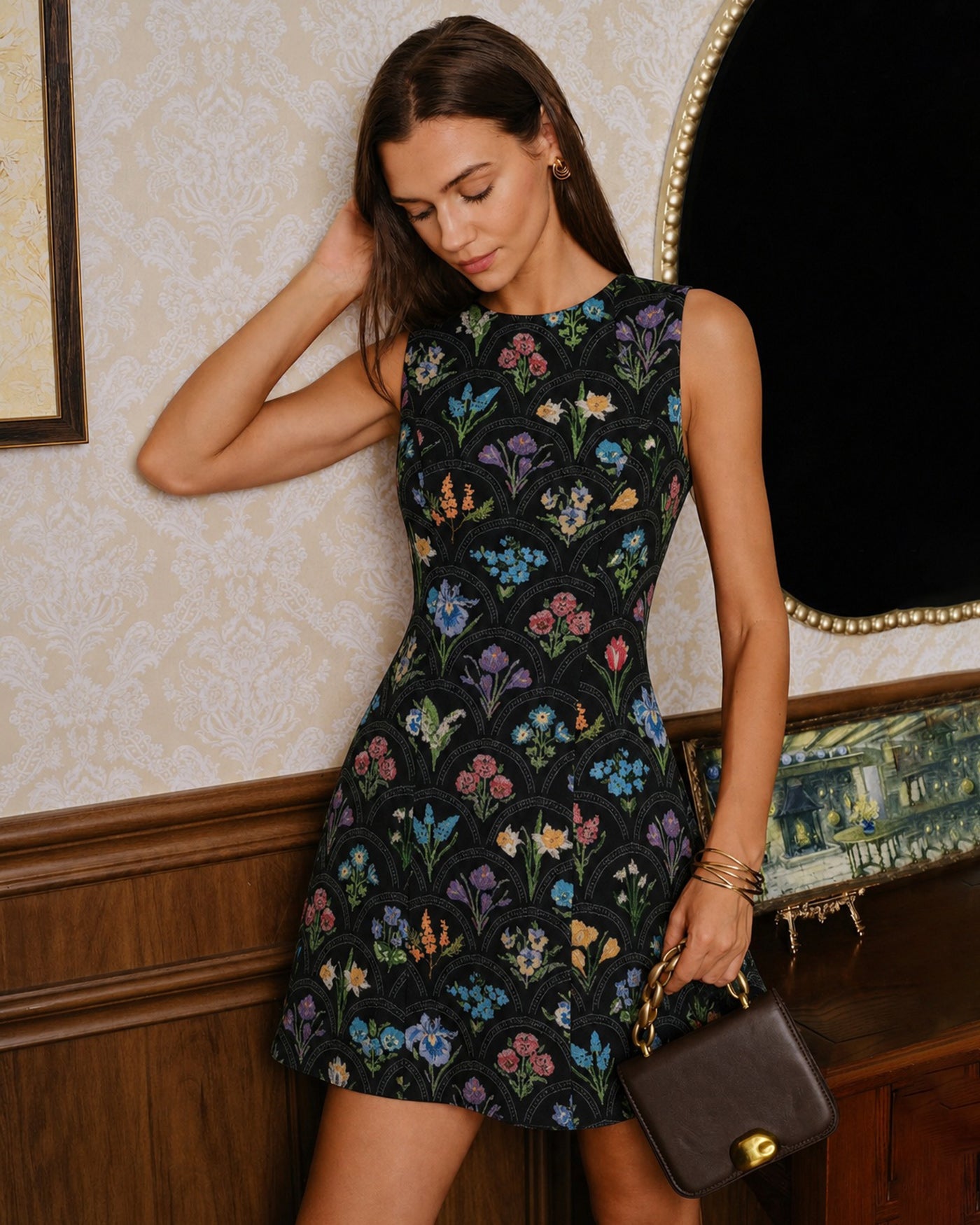
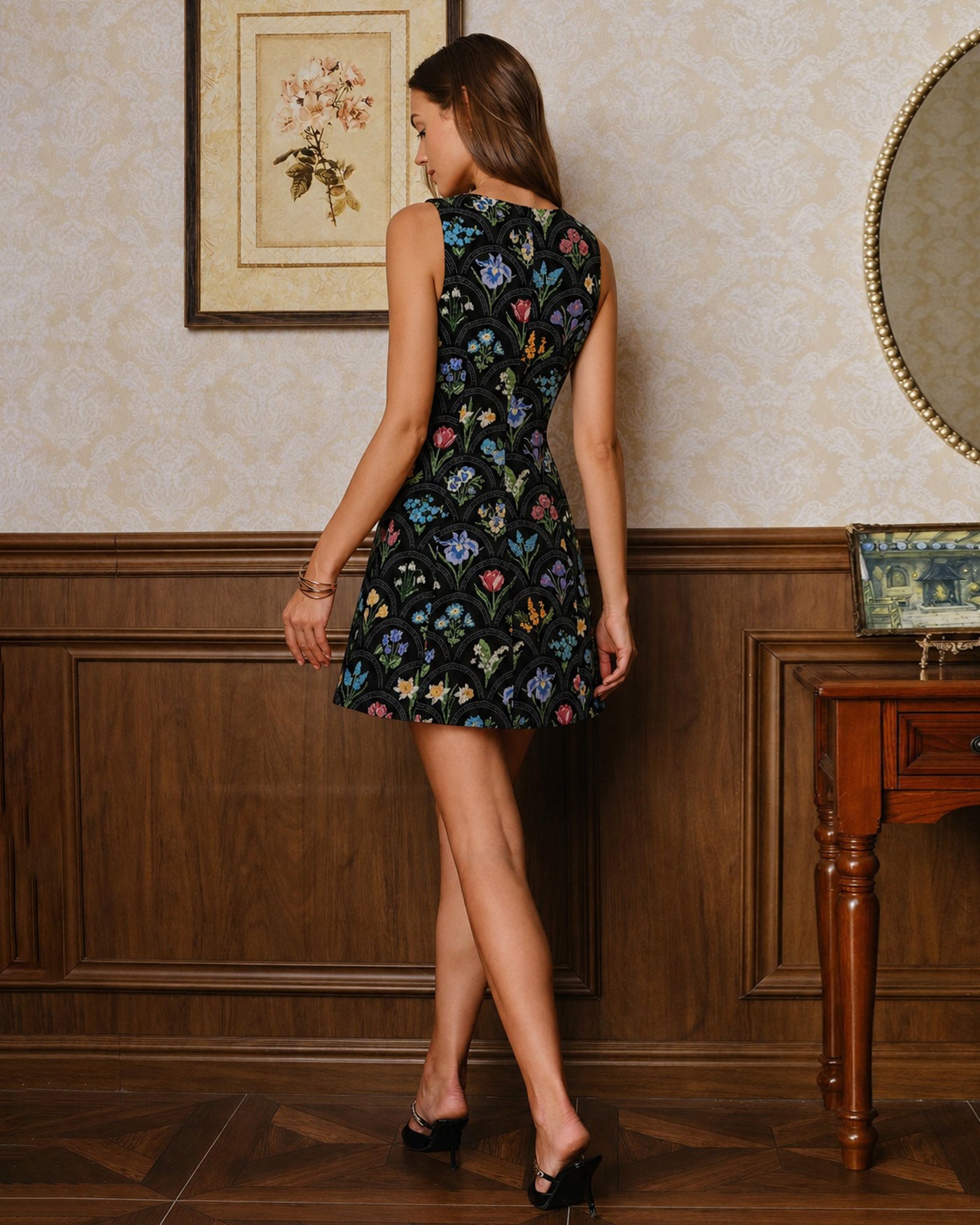
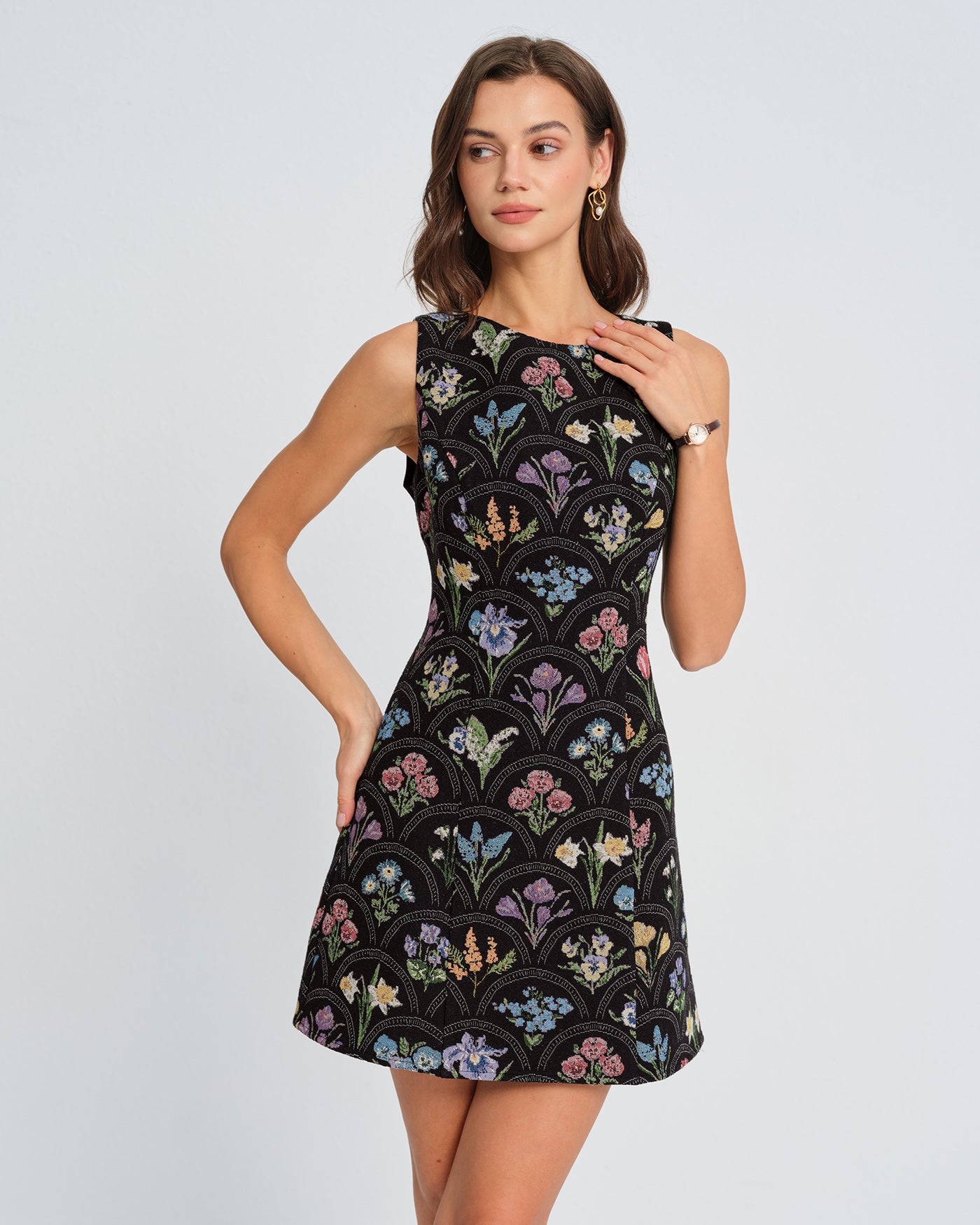
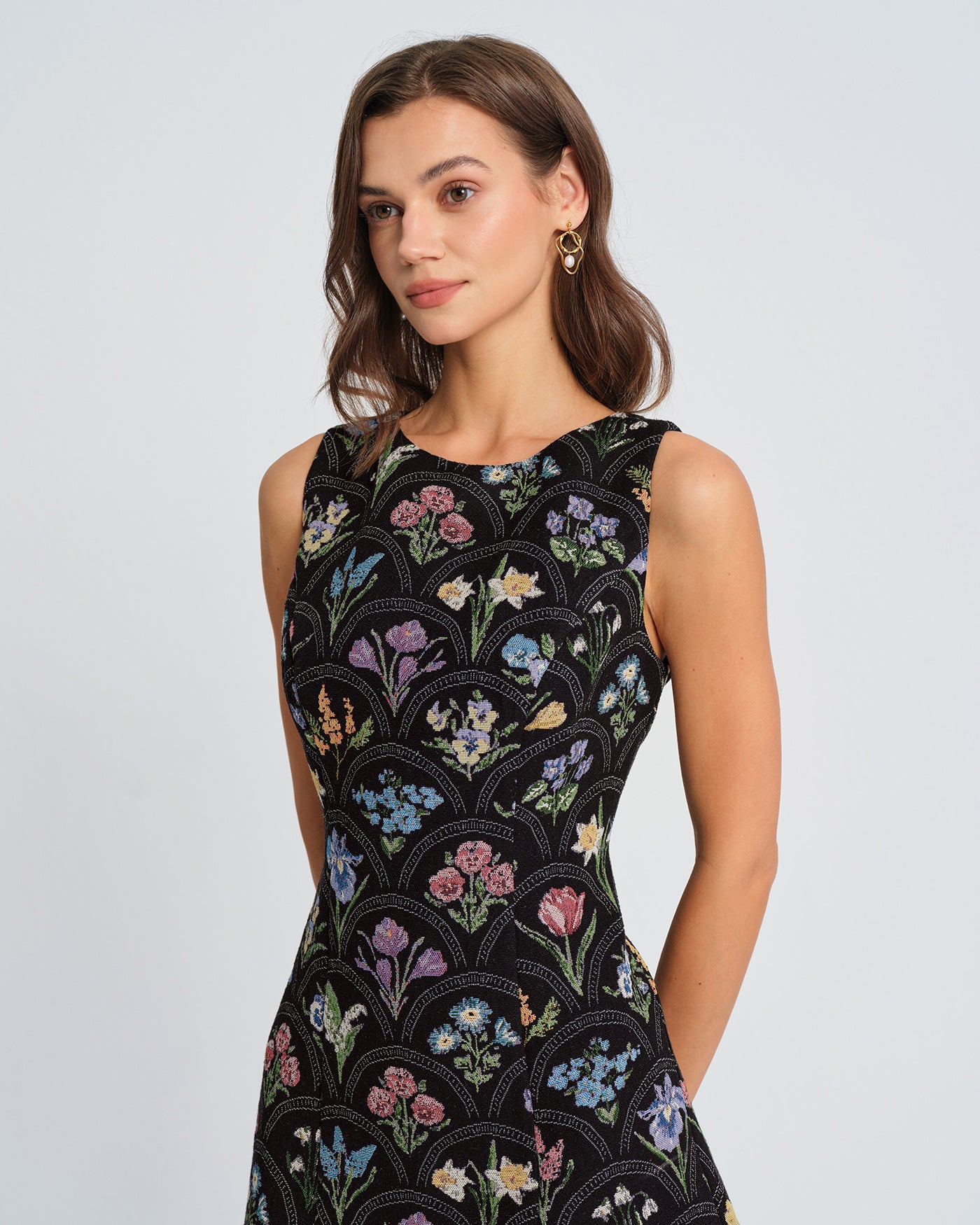
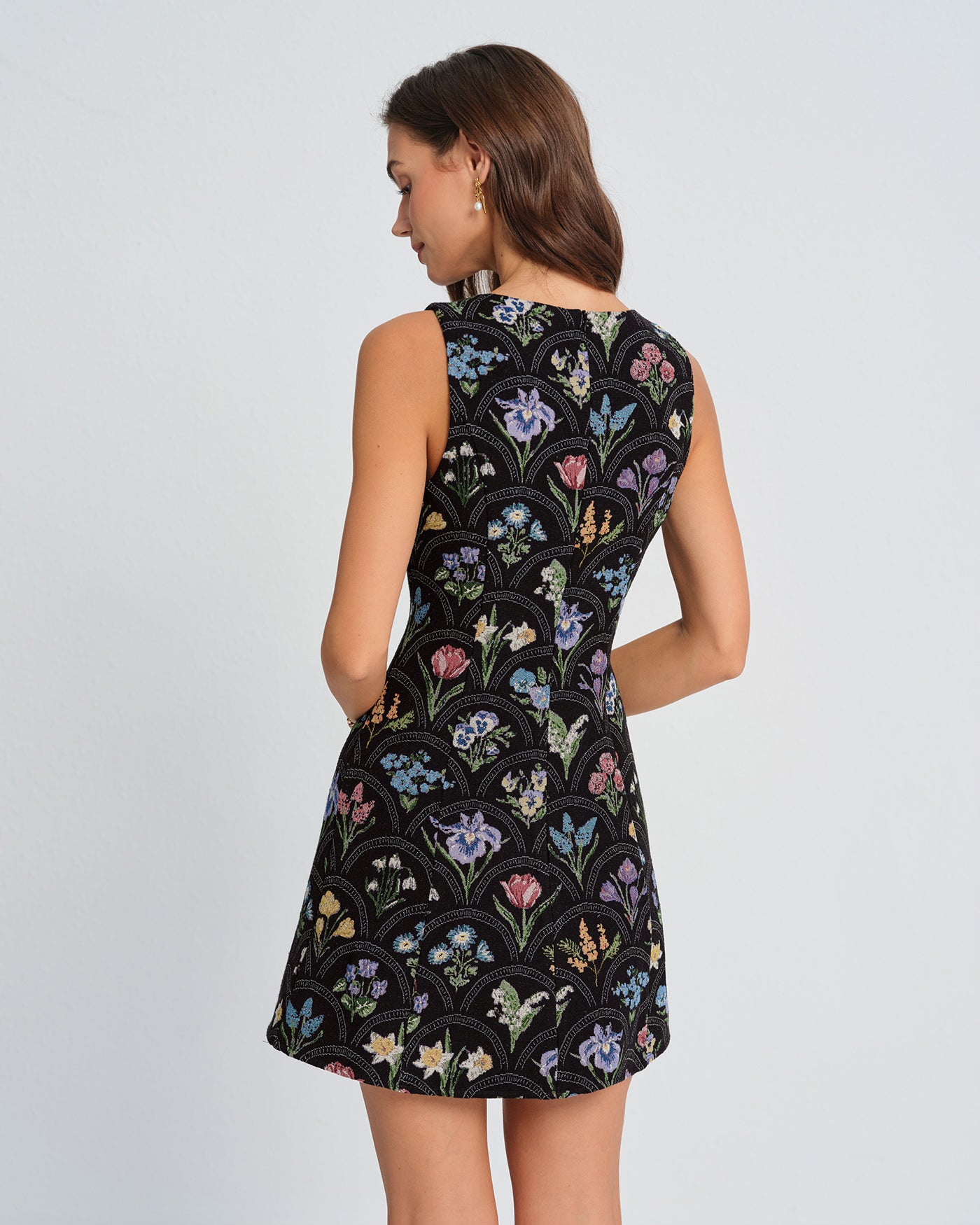
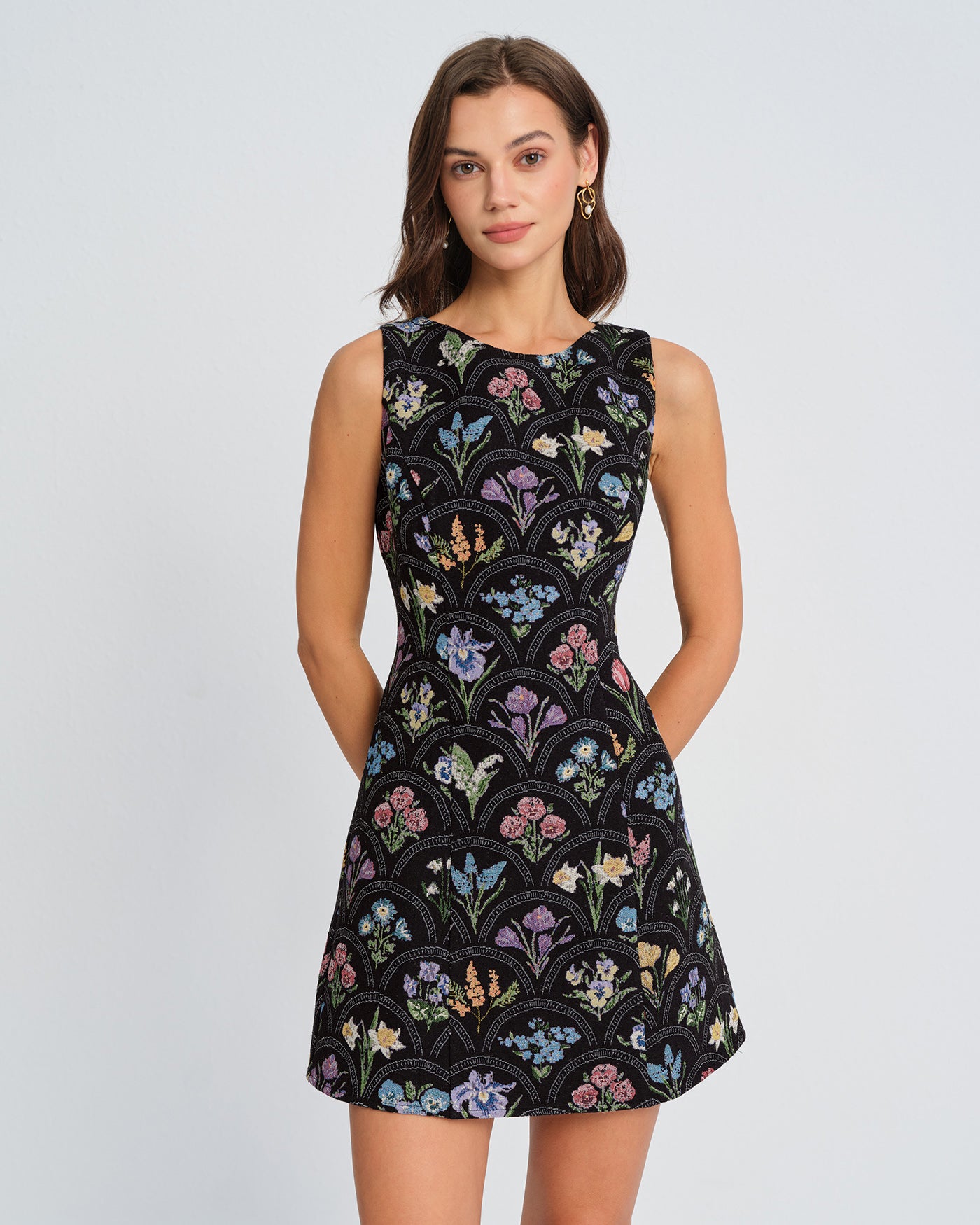
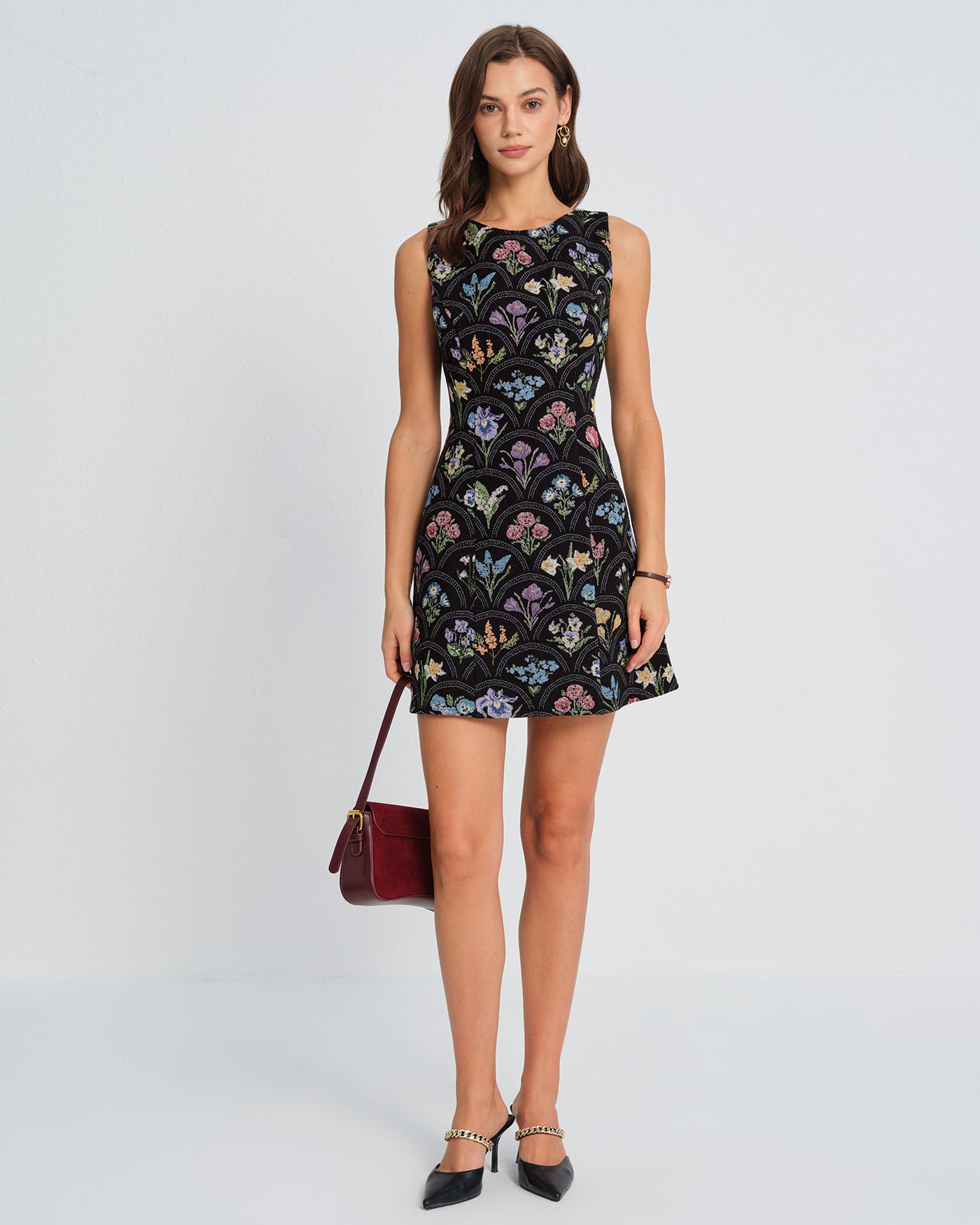
Office event or dinner: Structure matters more than sparkle. A sheath dress in crepe or a fitted A-line in jacquard reads professional and appropriate. Necklines that sit higher — boat neck, mock neck, square — keep the tone right without being plain. Long sleeves or three-quarter sleeves balance a shorter hem for work settings.
Length, fabric, and fit
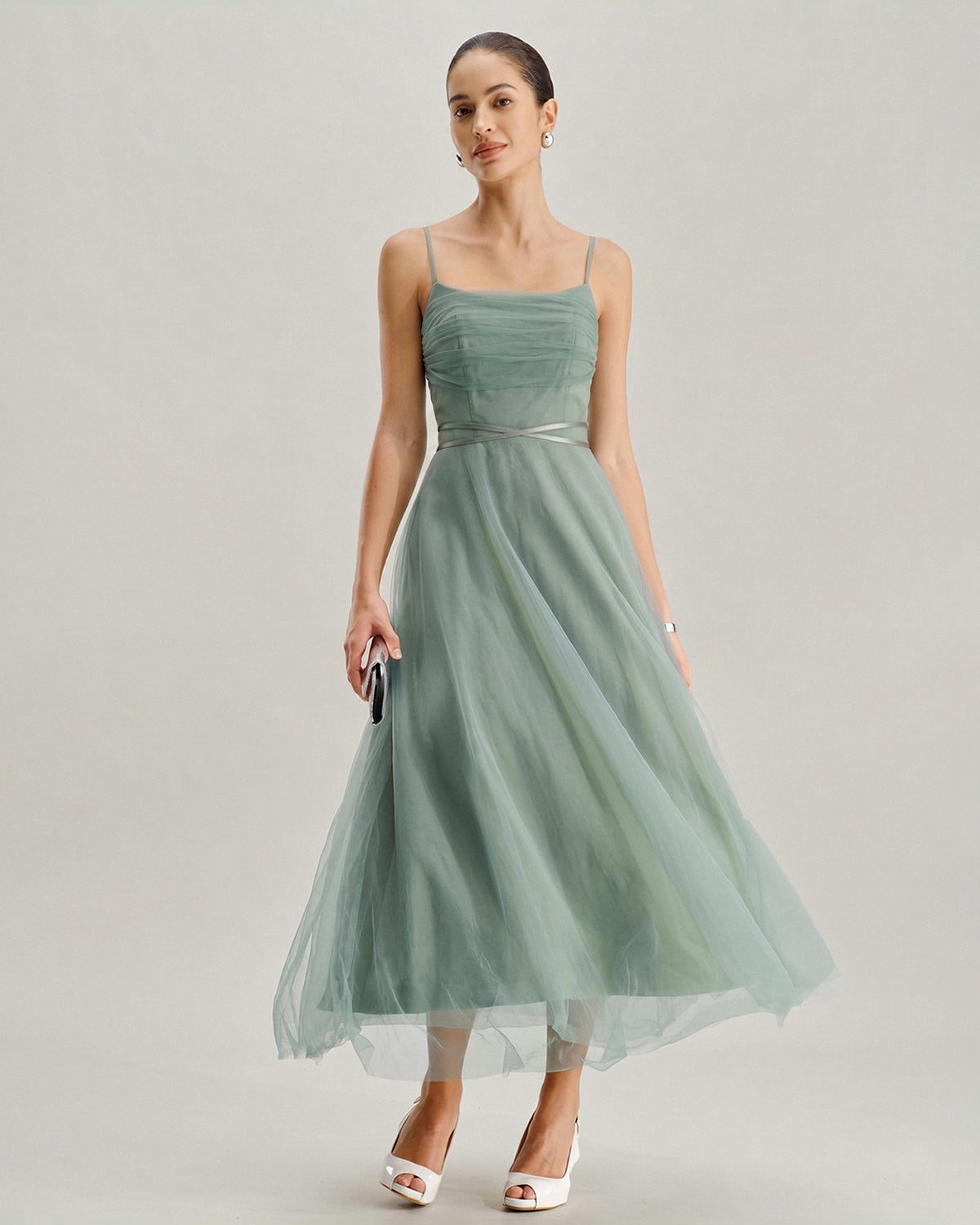
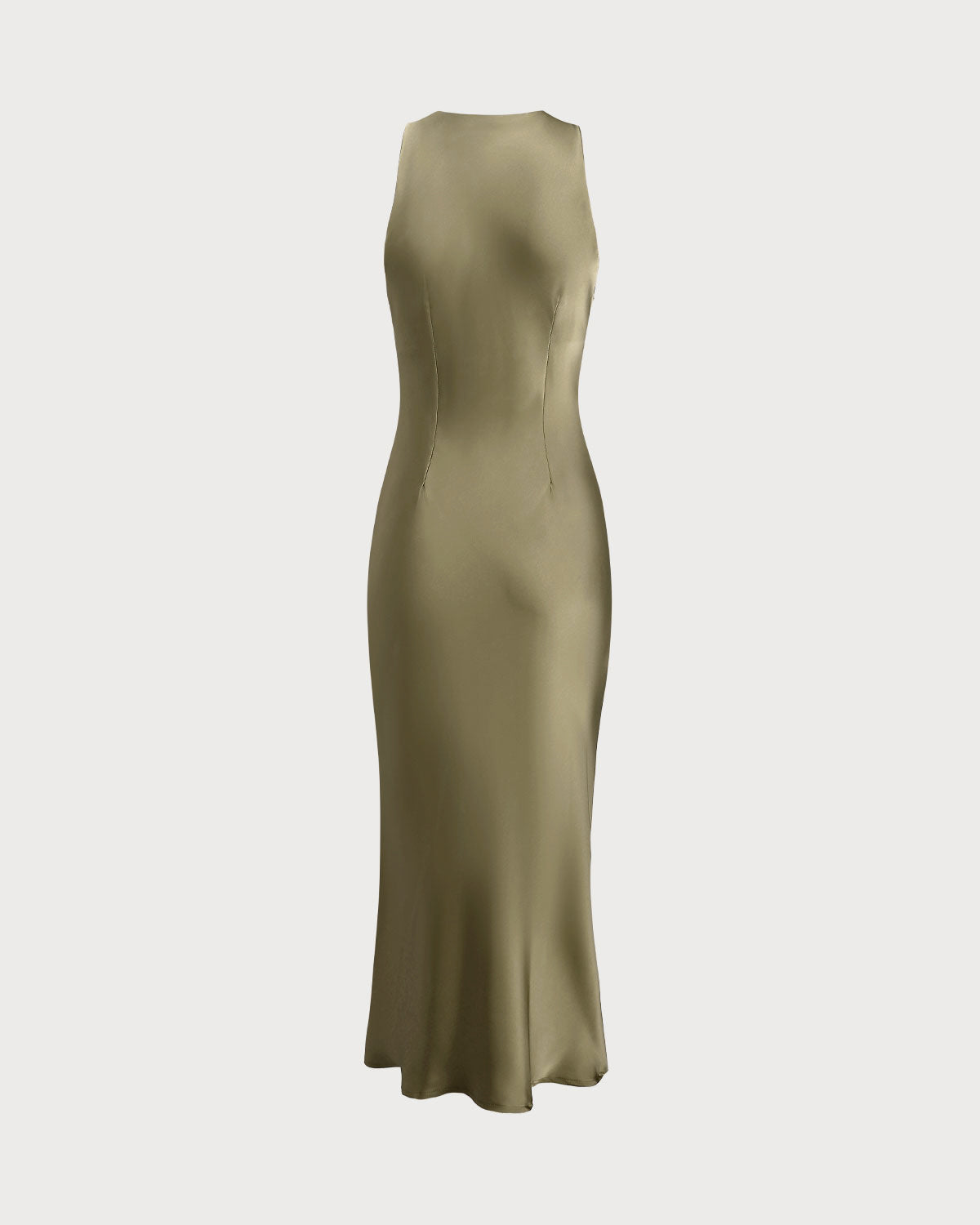
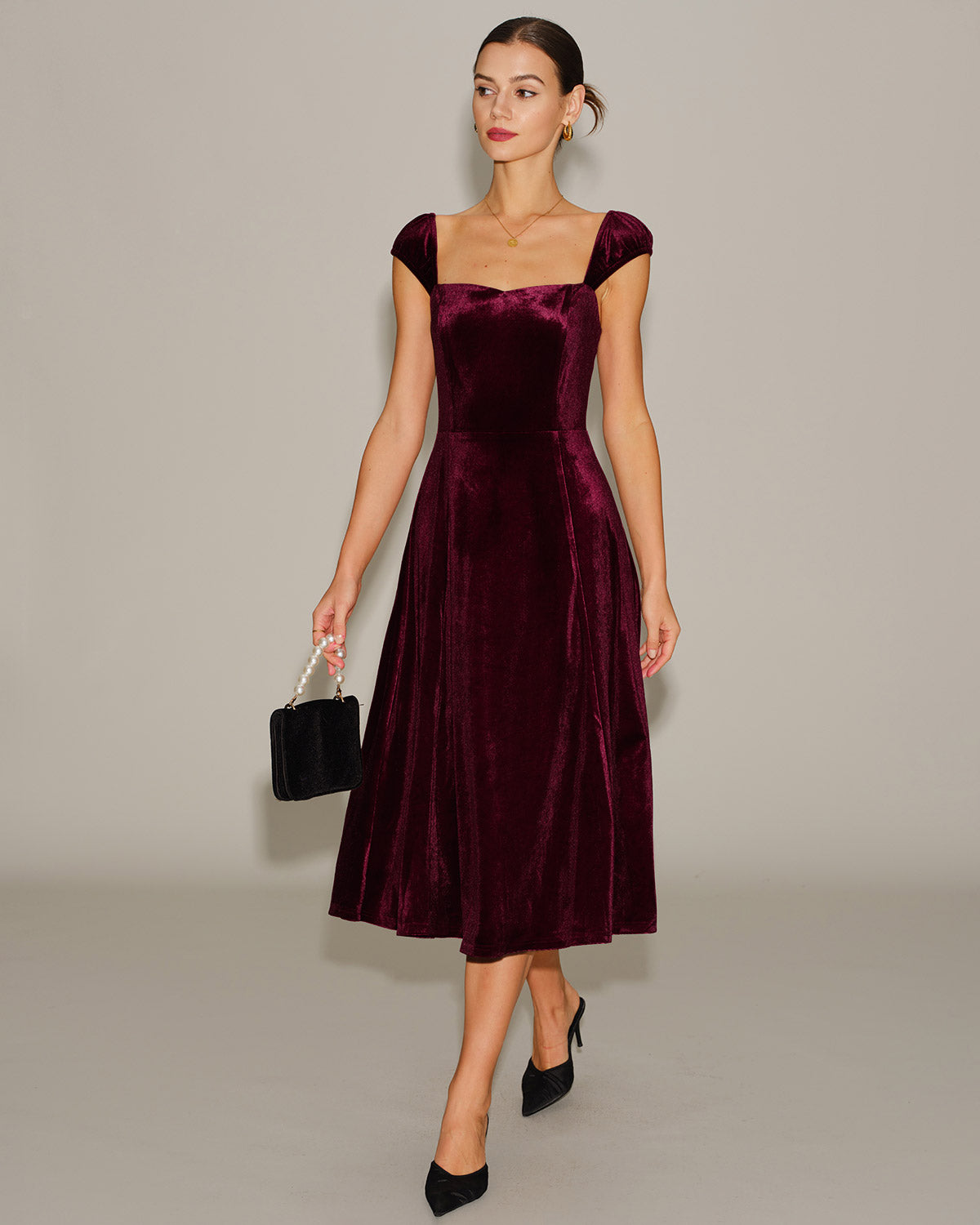
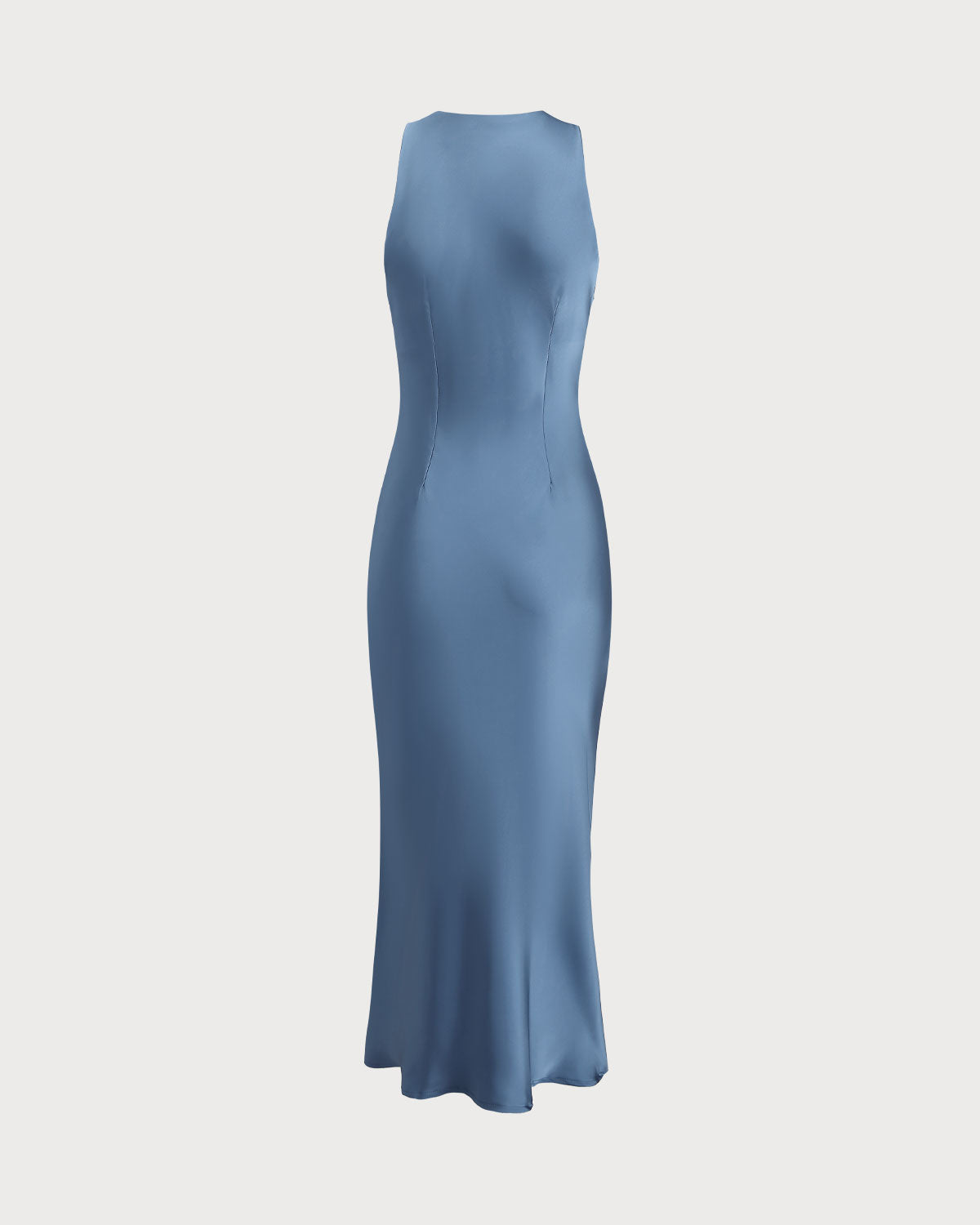
Length: Mini is the go-to for parties and nights out. Midi is the most versatile — it works at weddings, office events, and dinners without looking over- or under-dressed. Maxi-length cocktail dresses exist but they begin to overlap with formal dresses; if the event is black tie, go with a full-length gown from that collection instead.
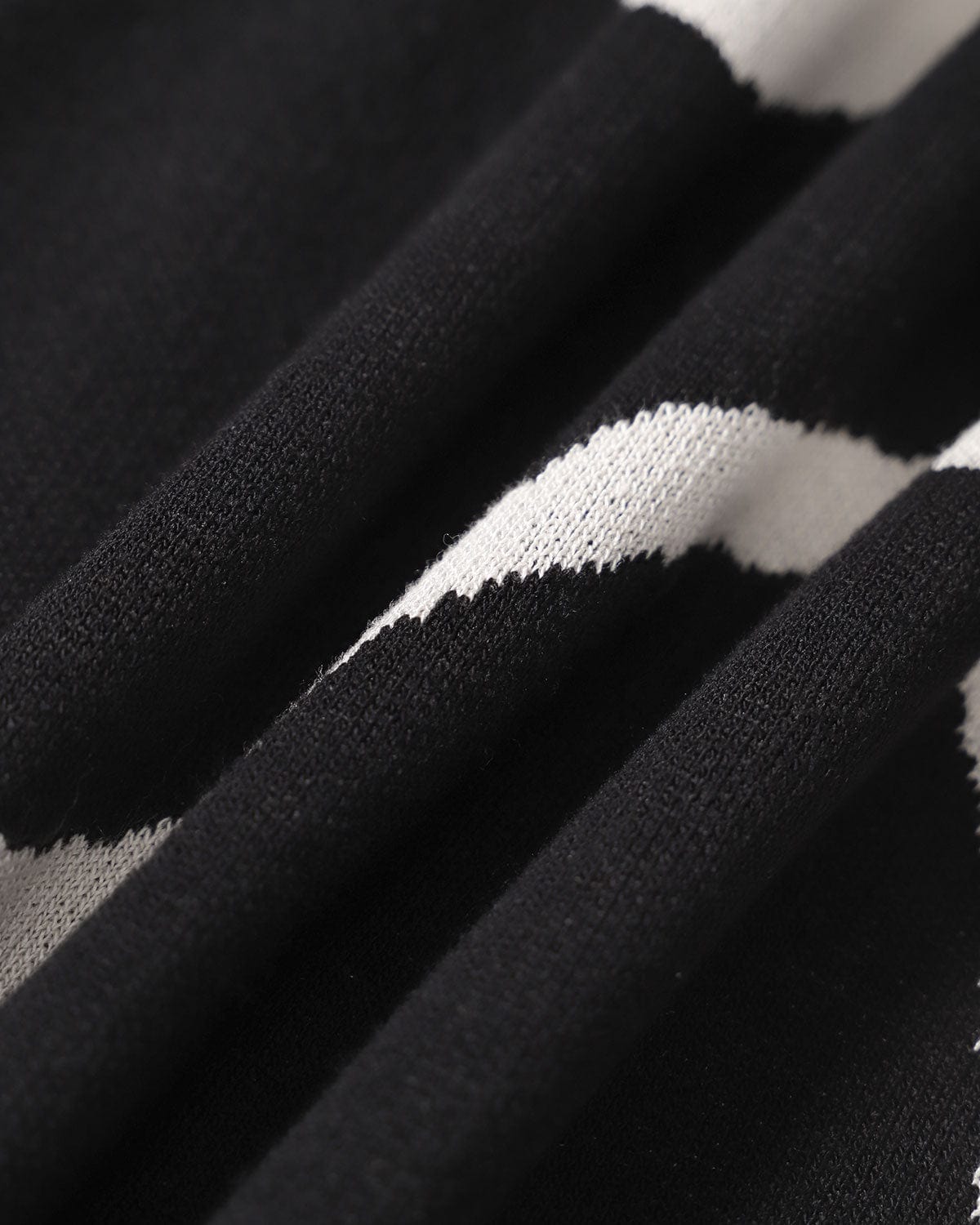
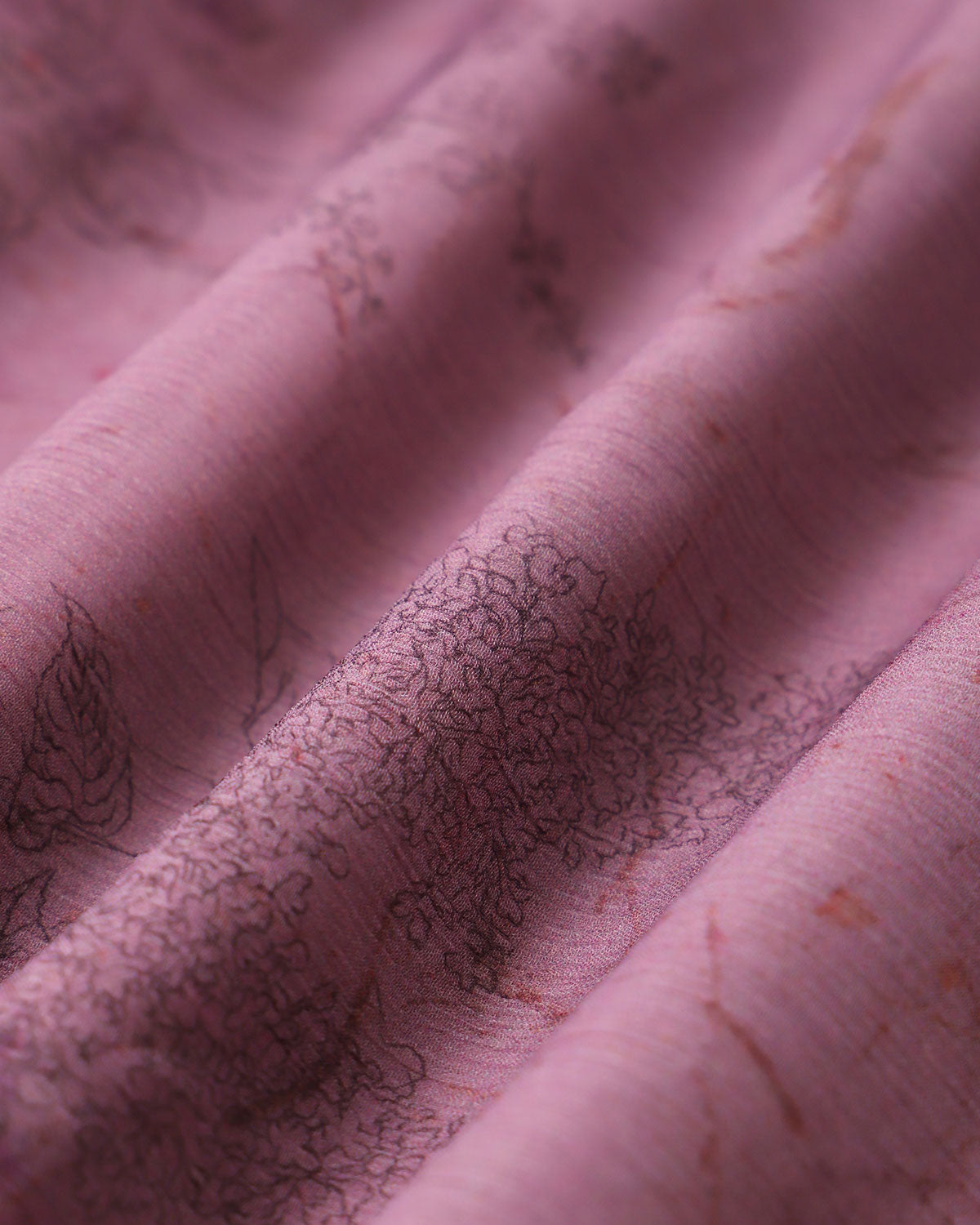
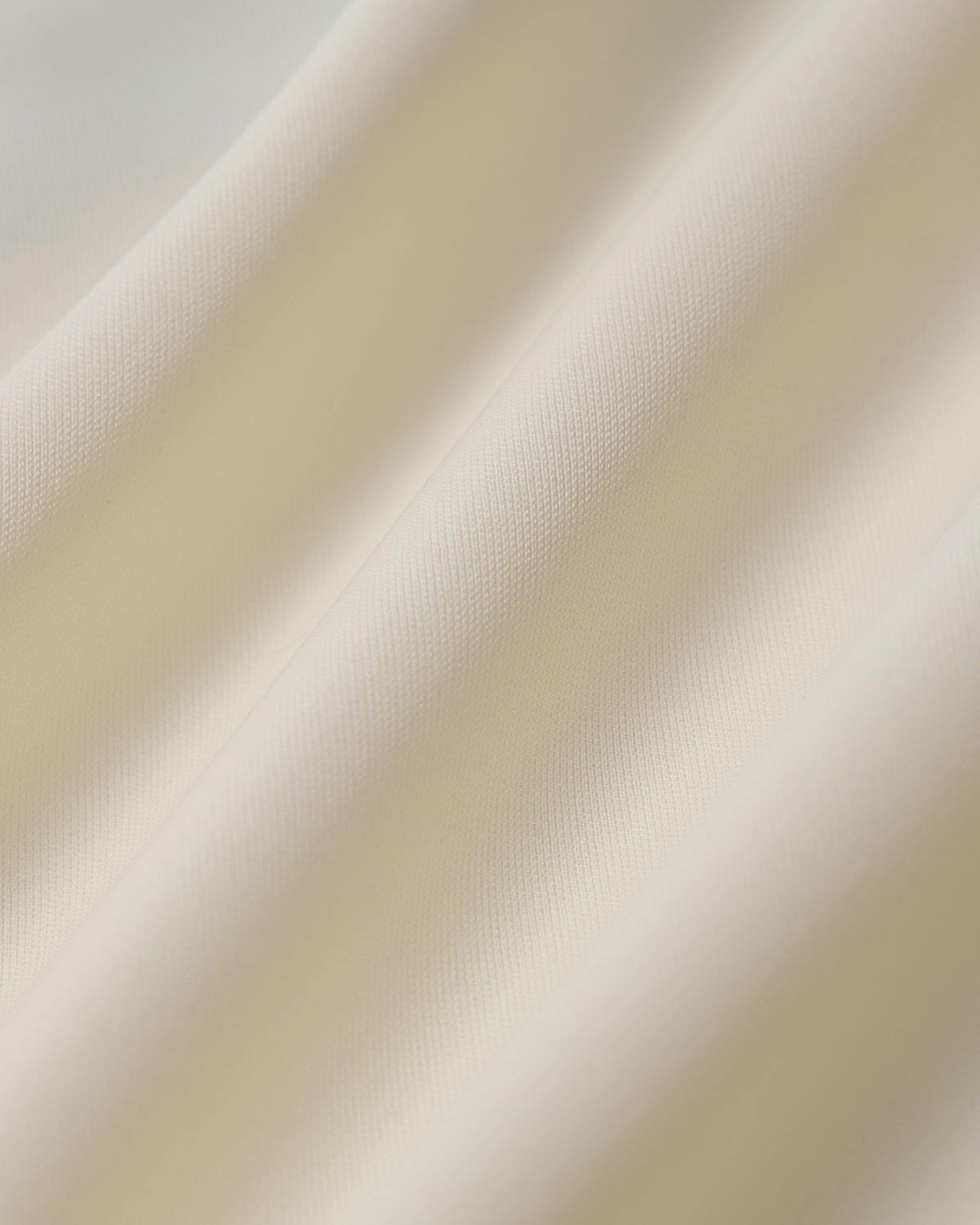
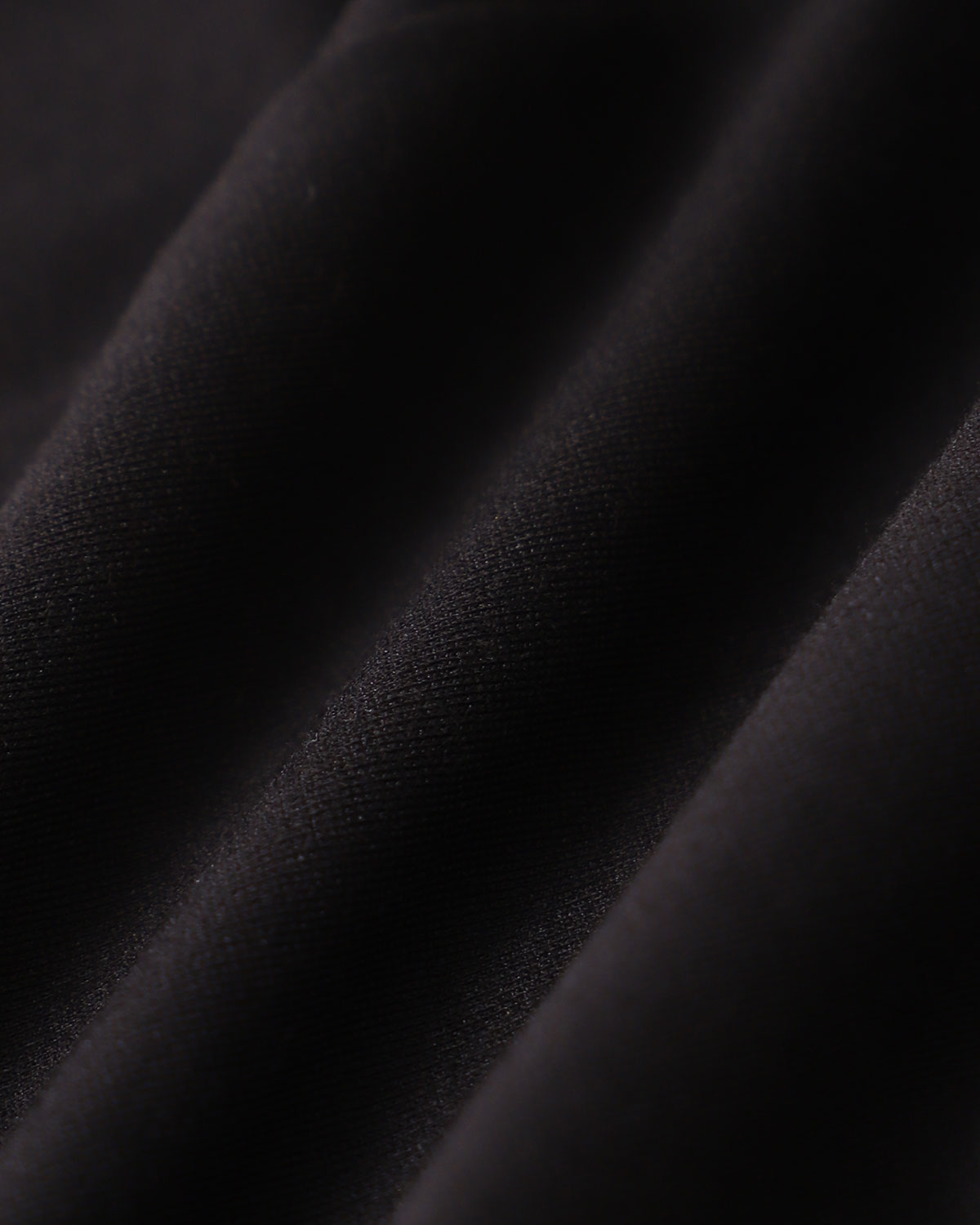
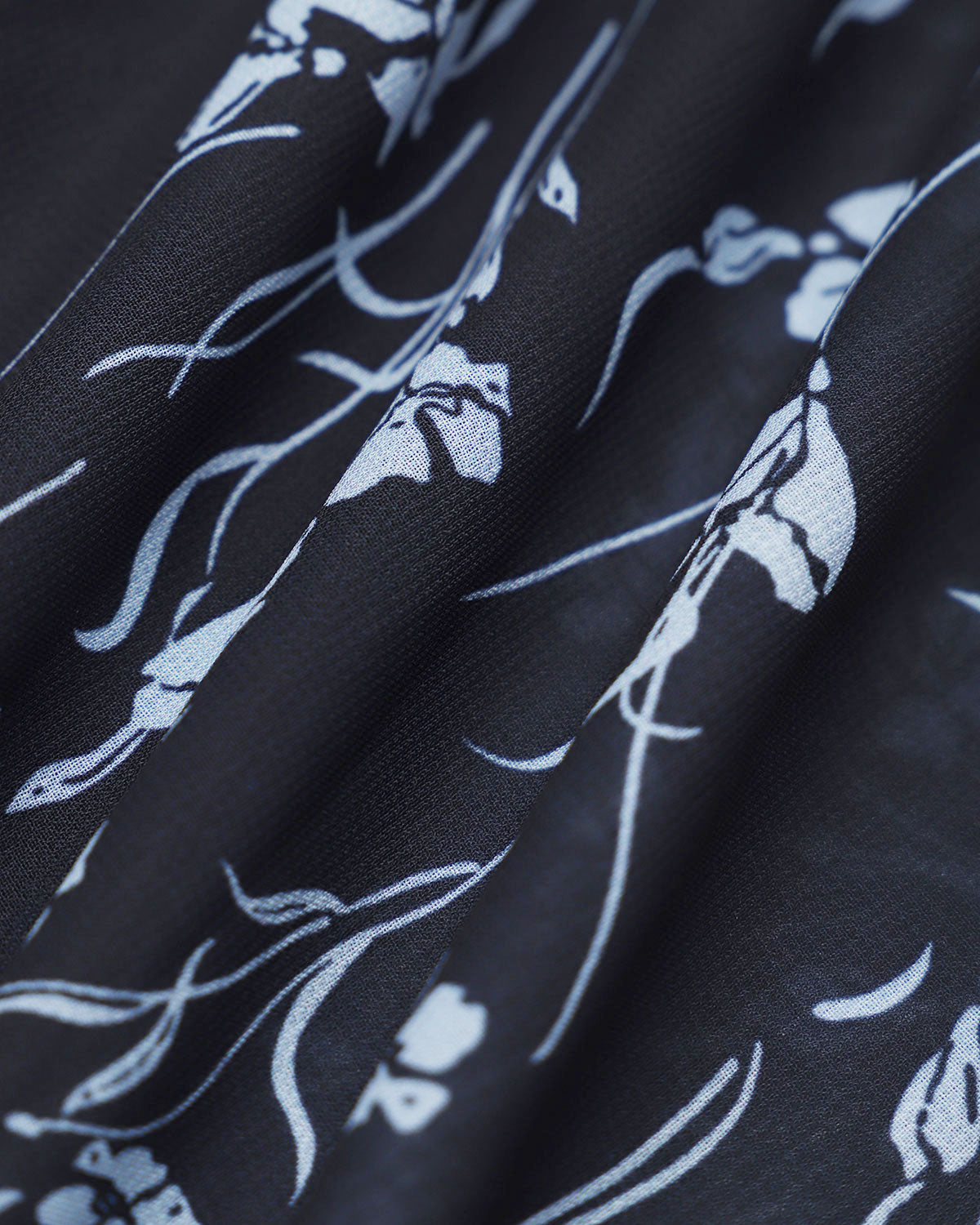
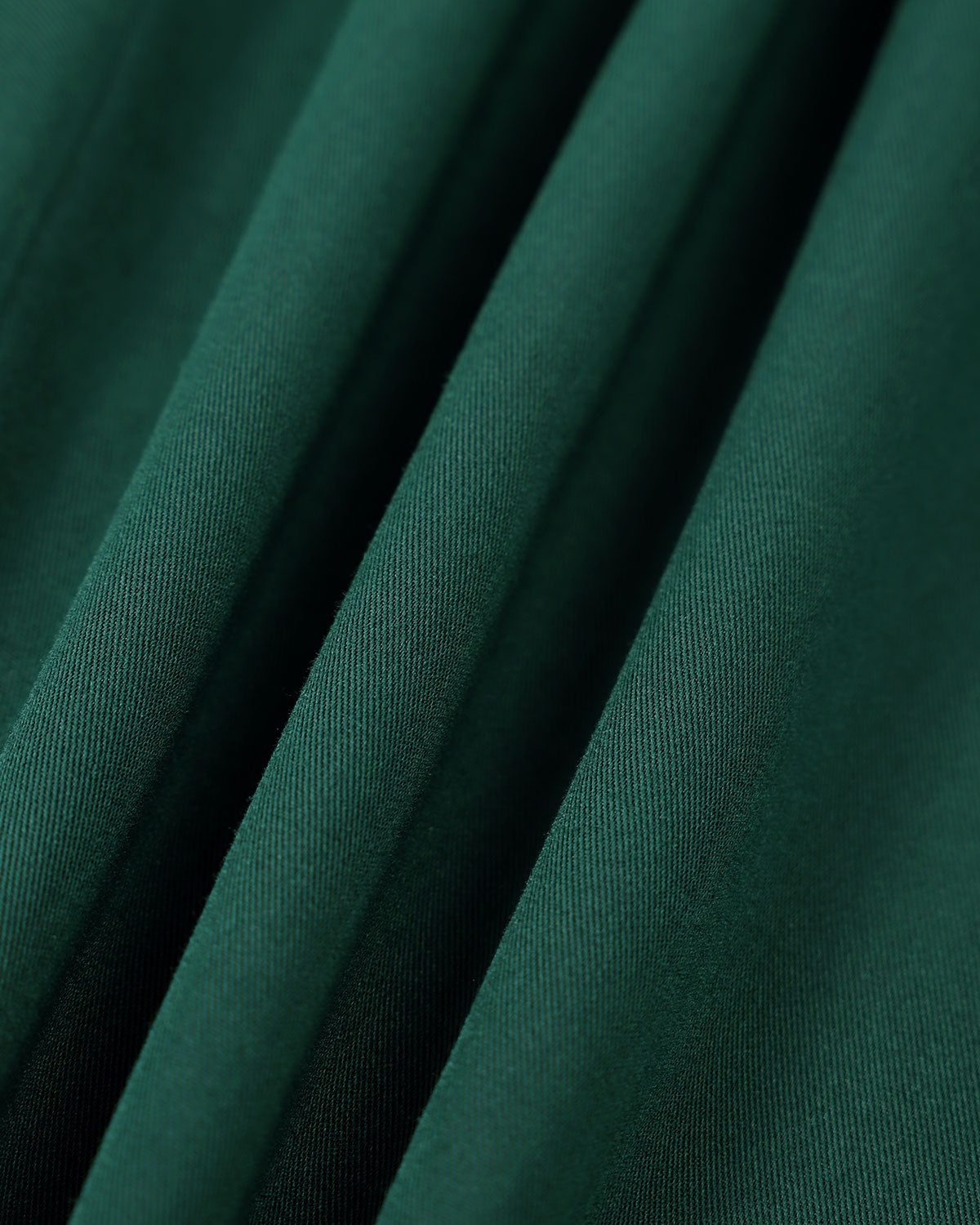
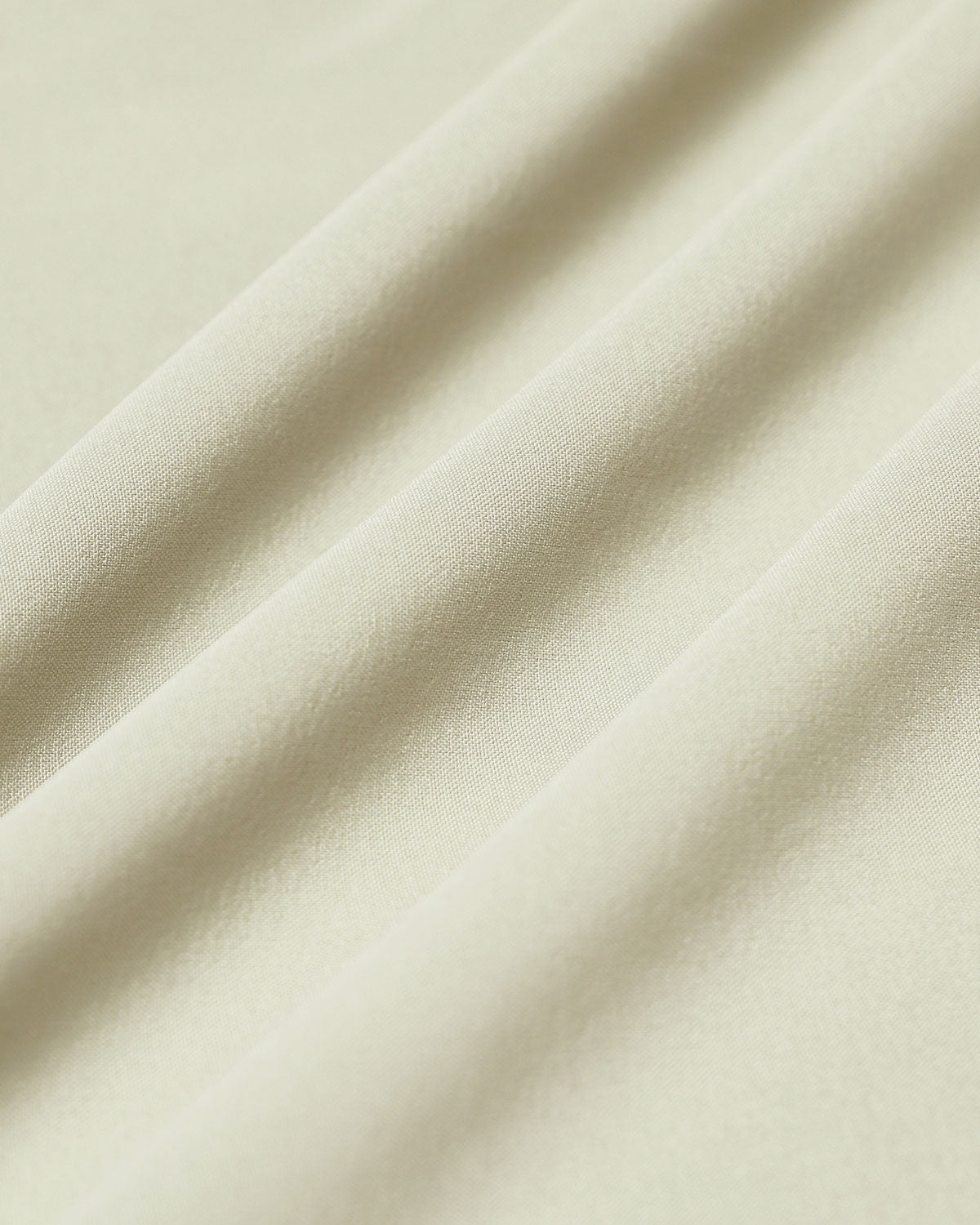
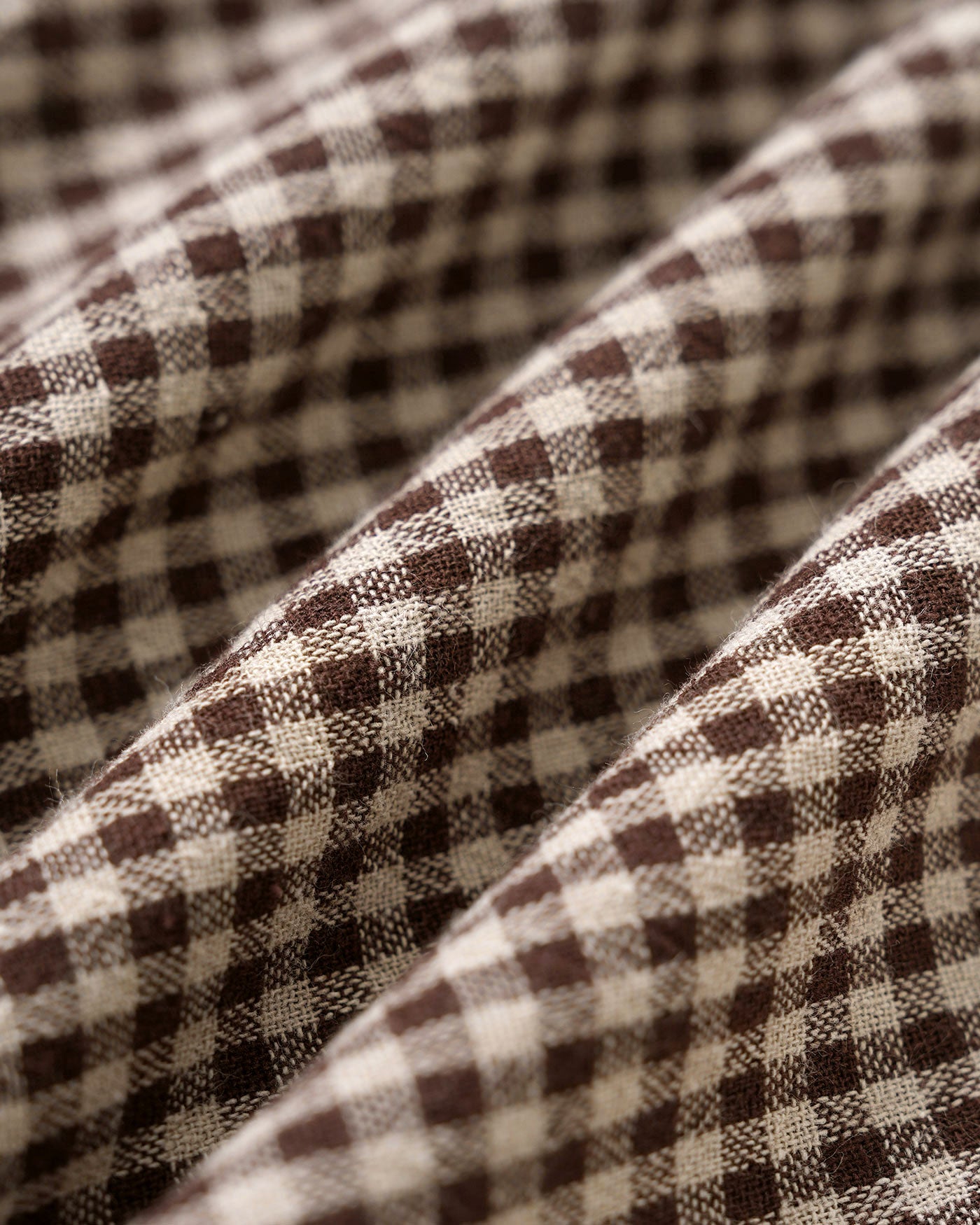
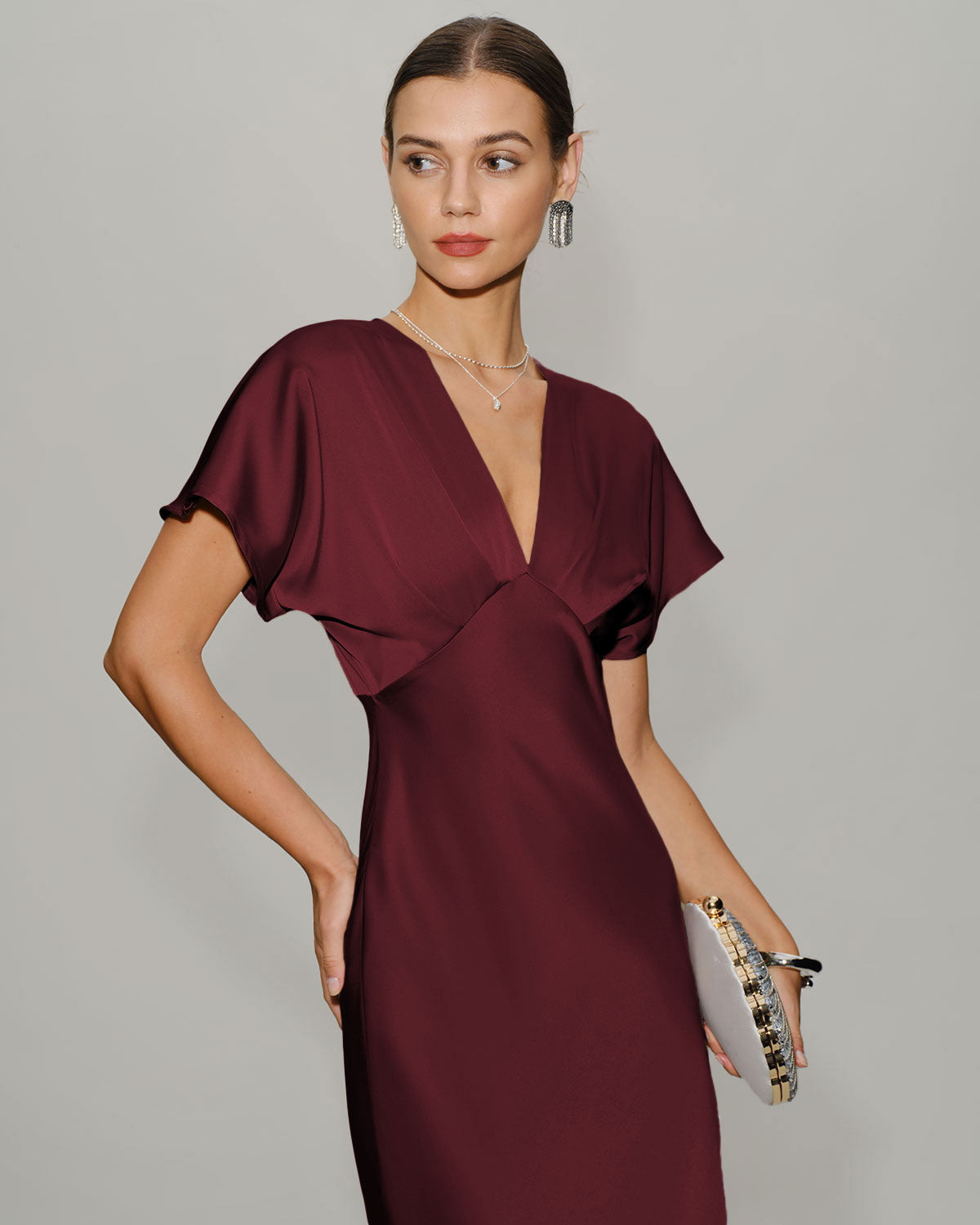
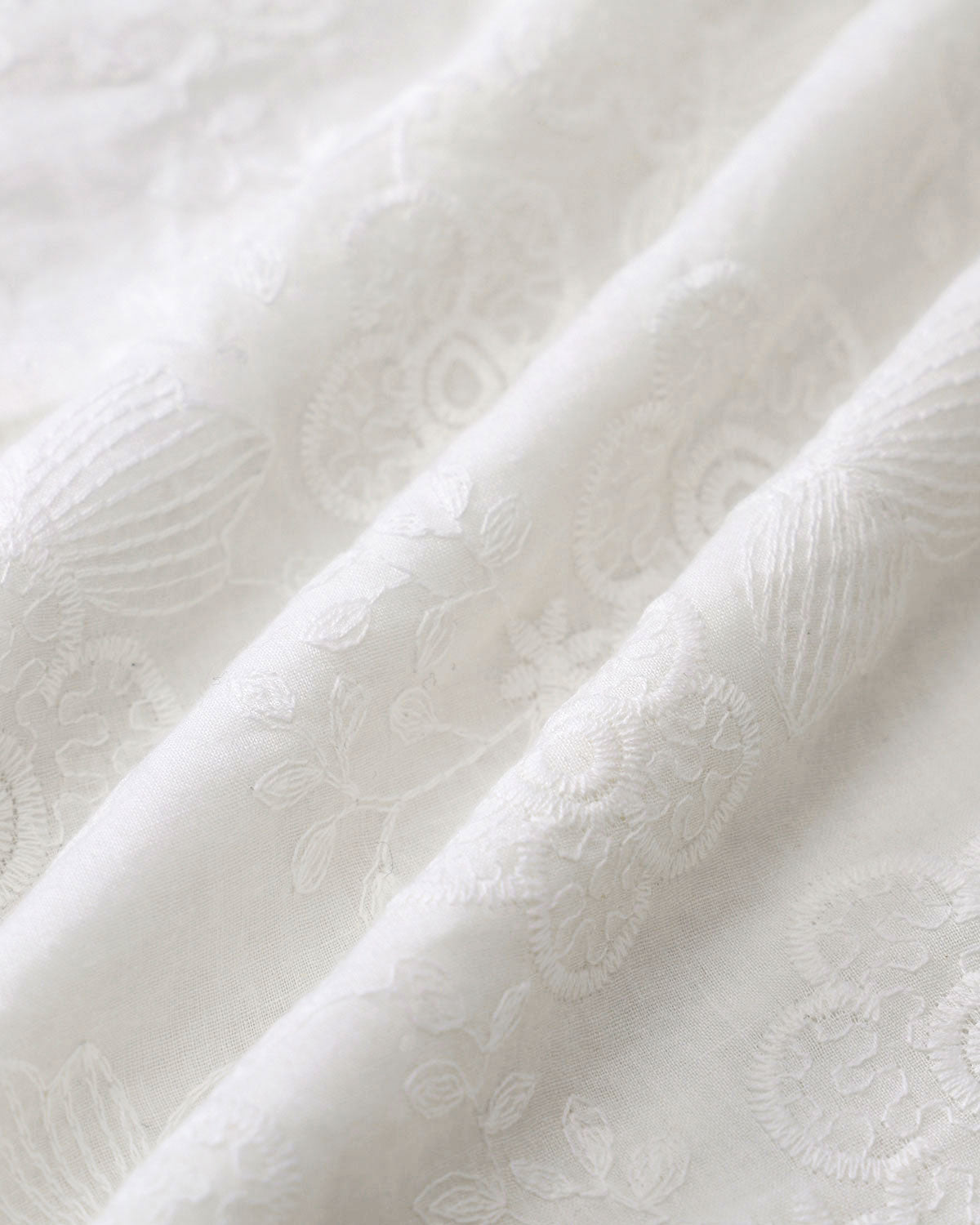
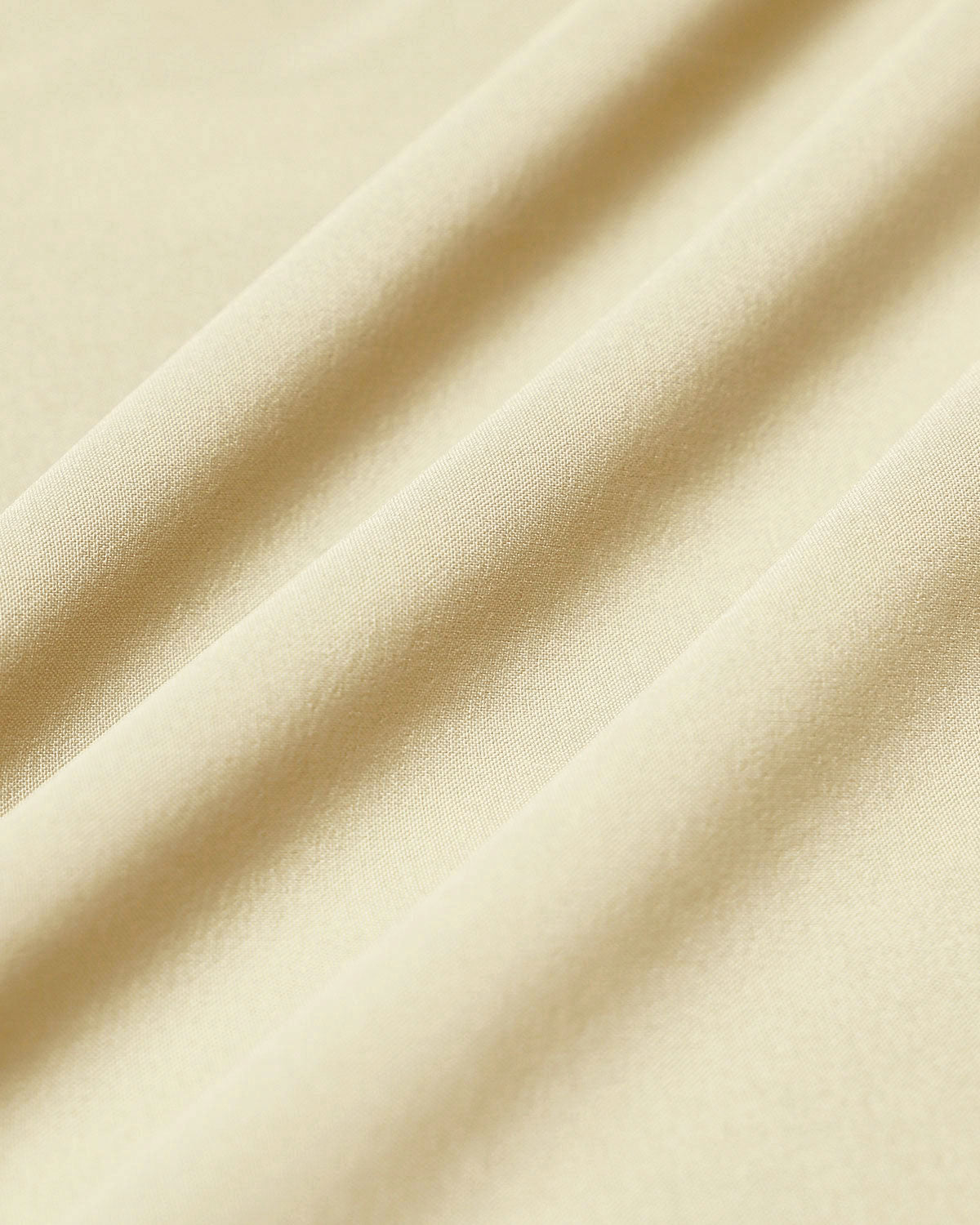
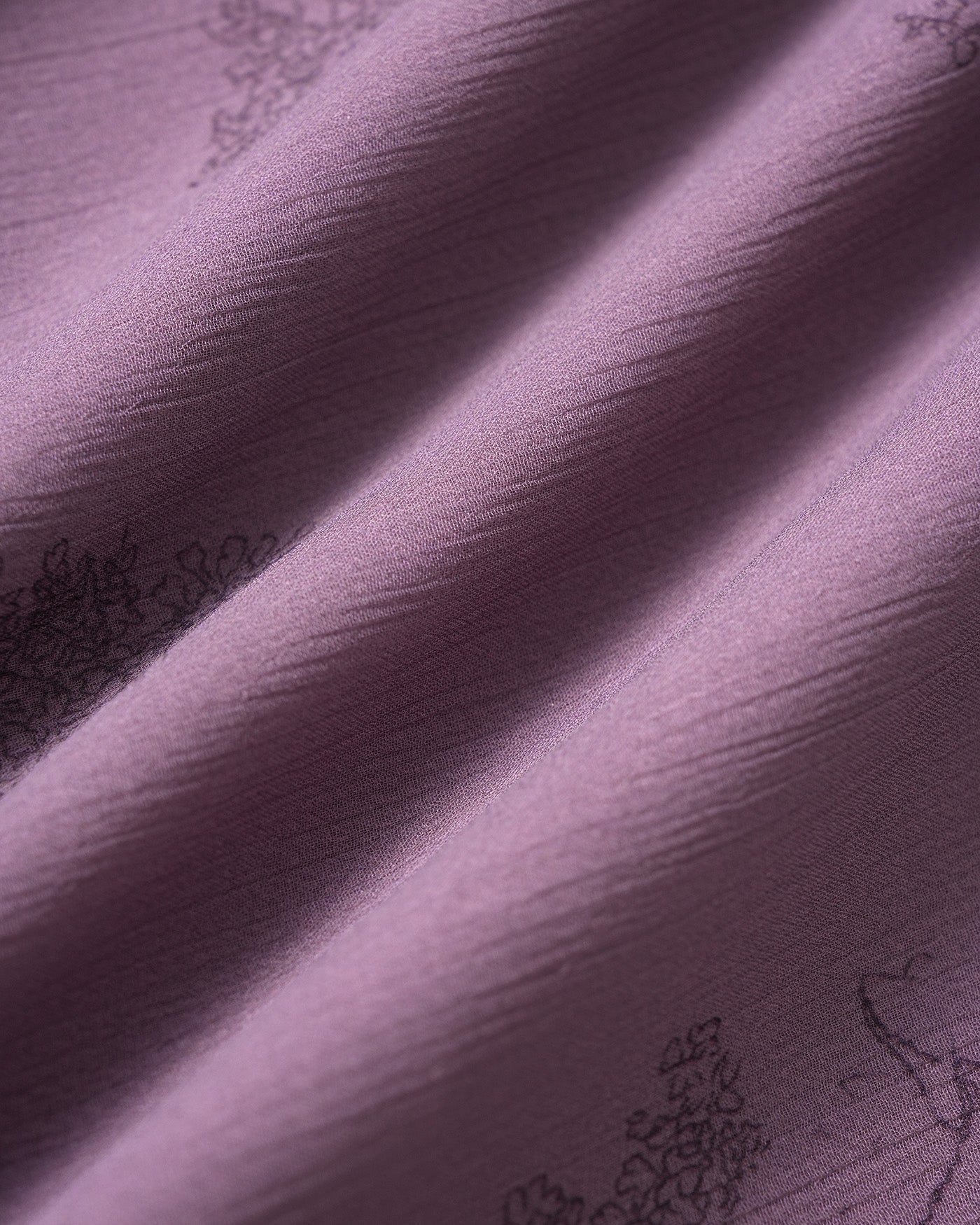
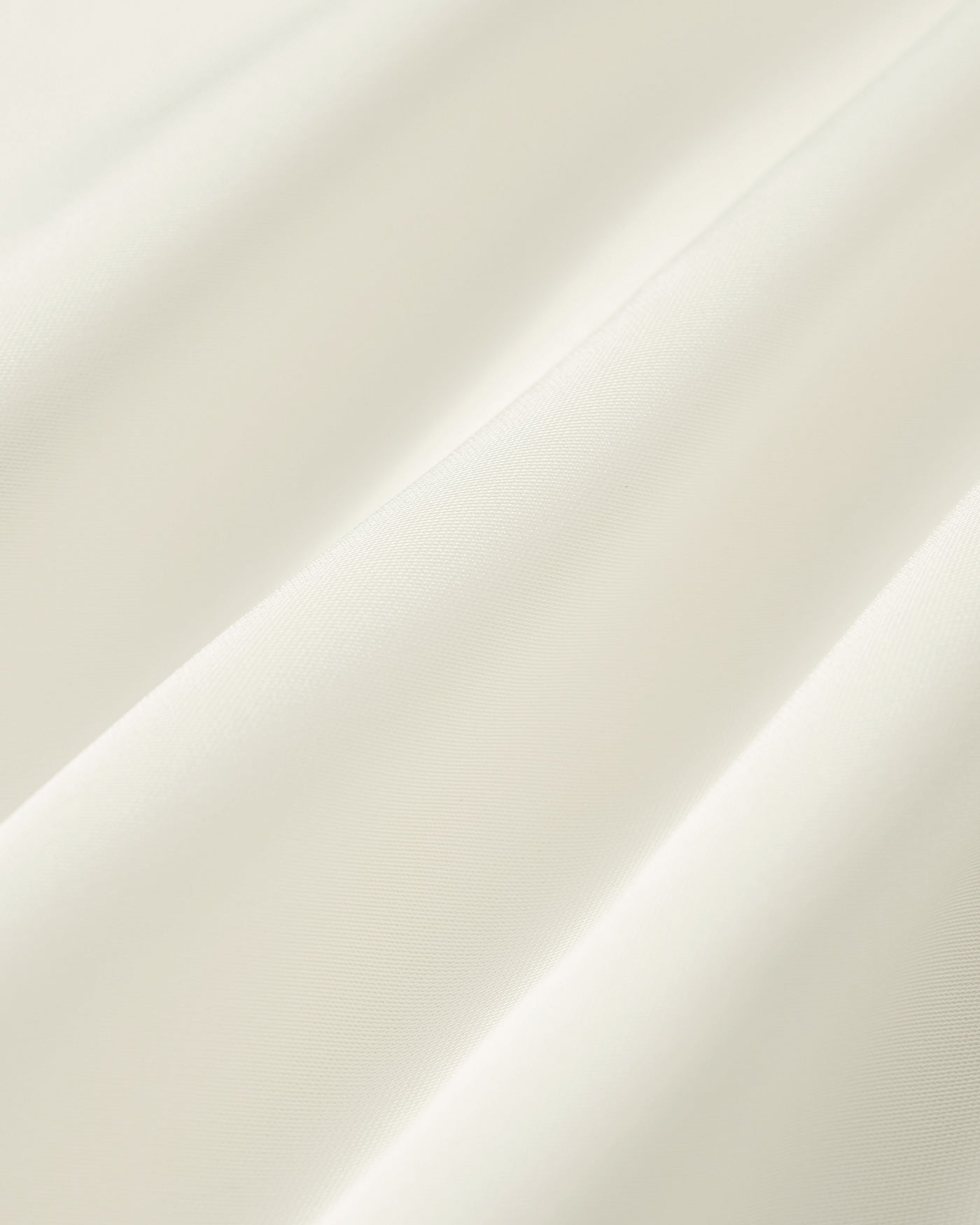
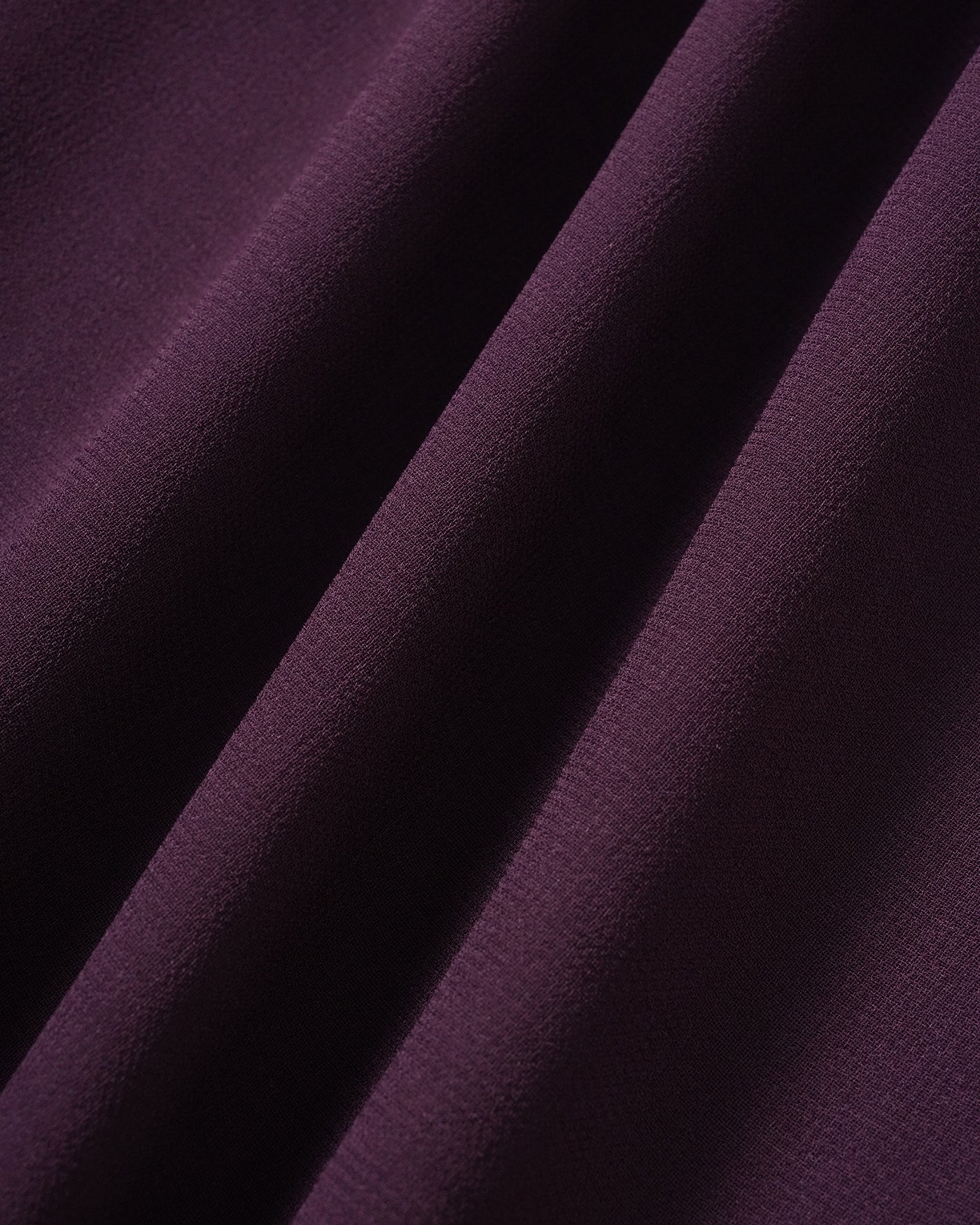
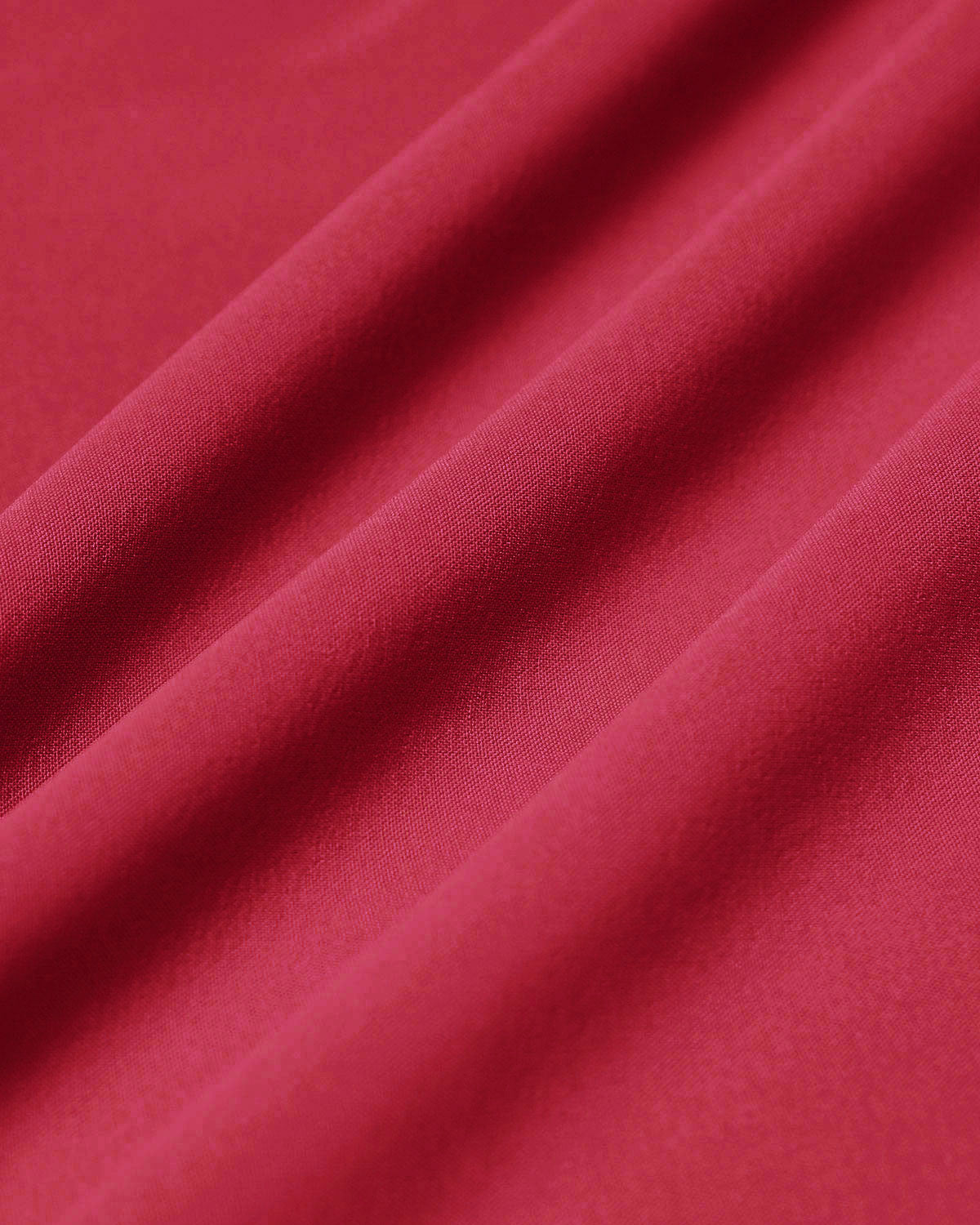
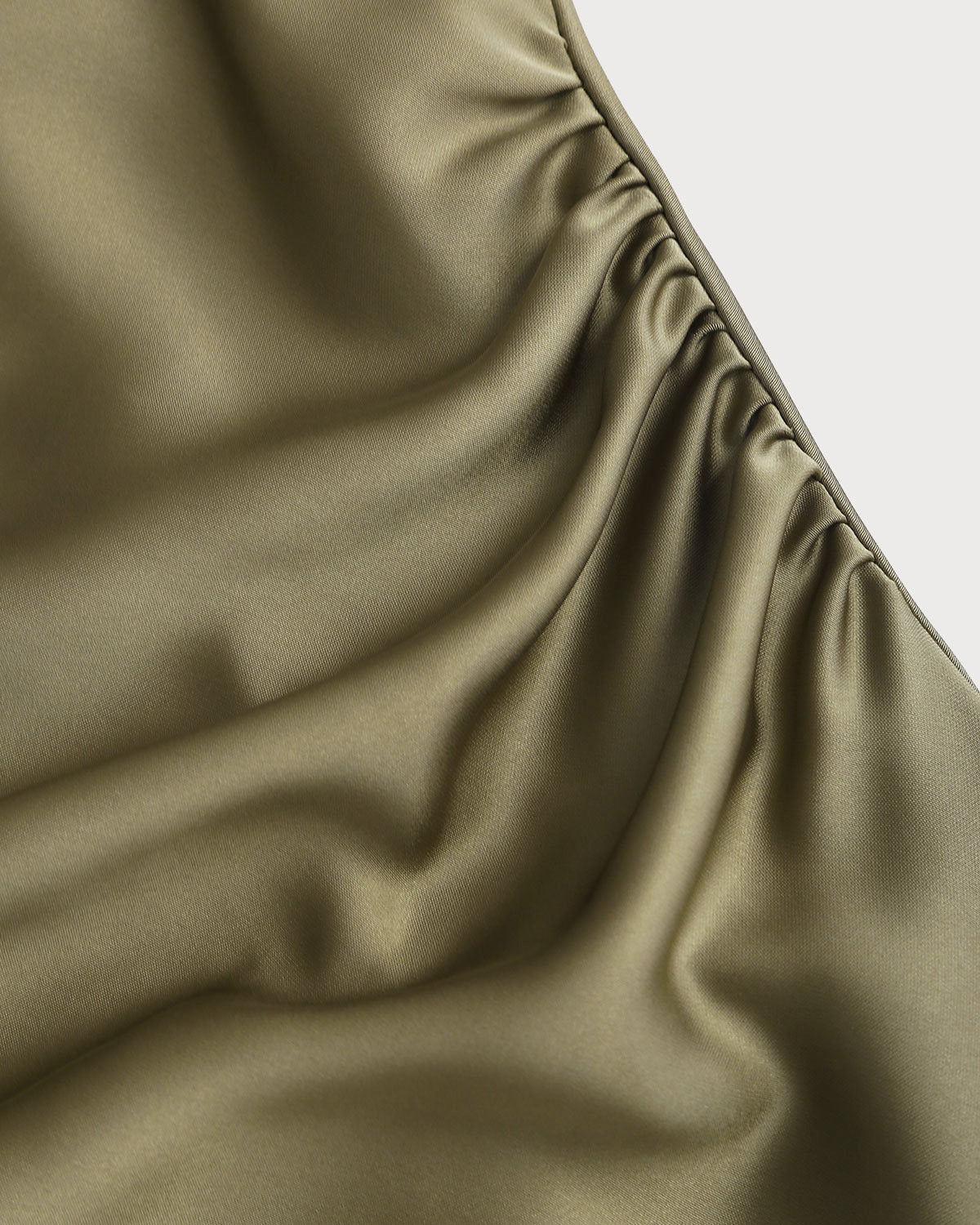
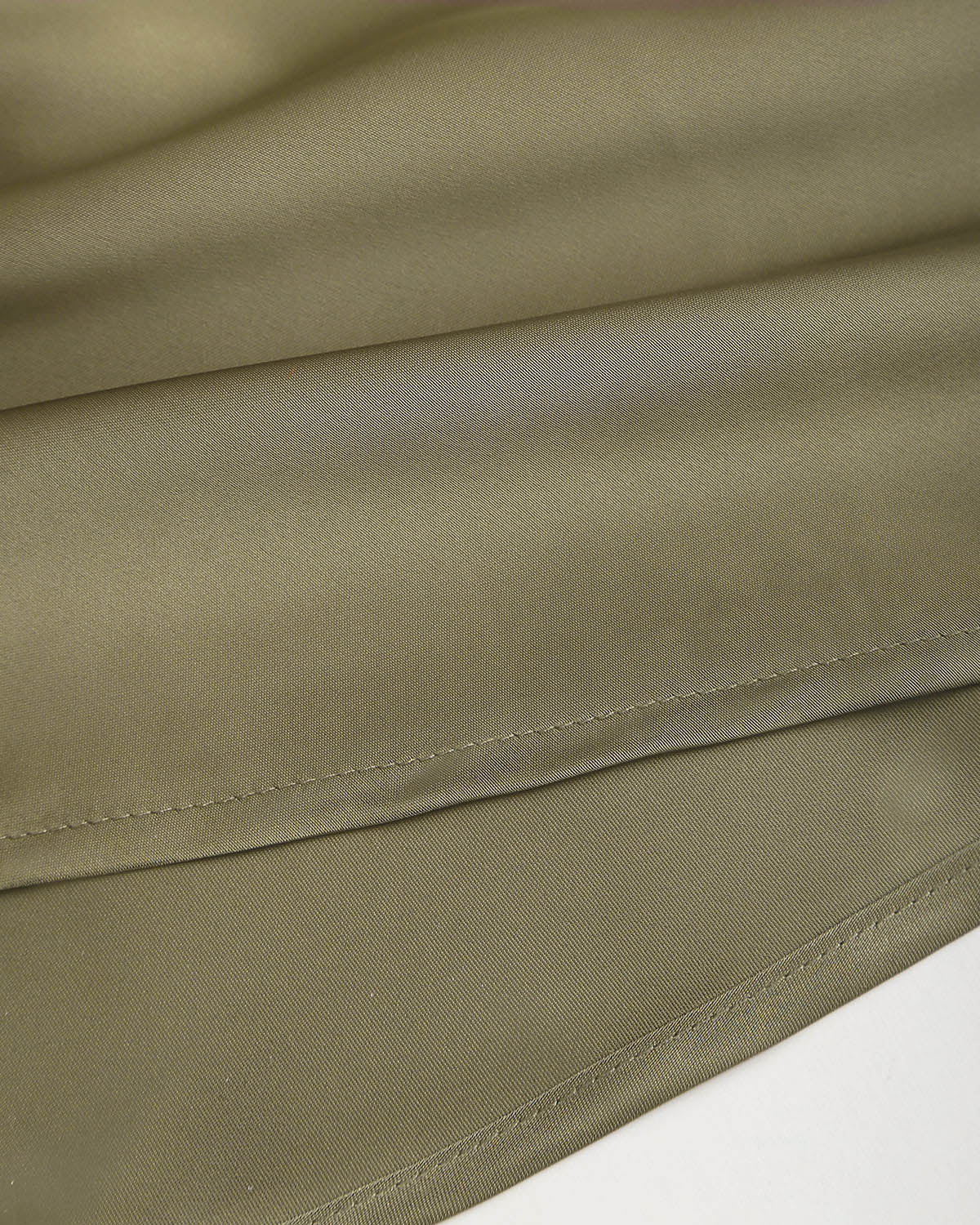
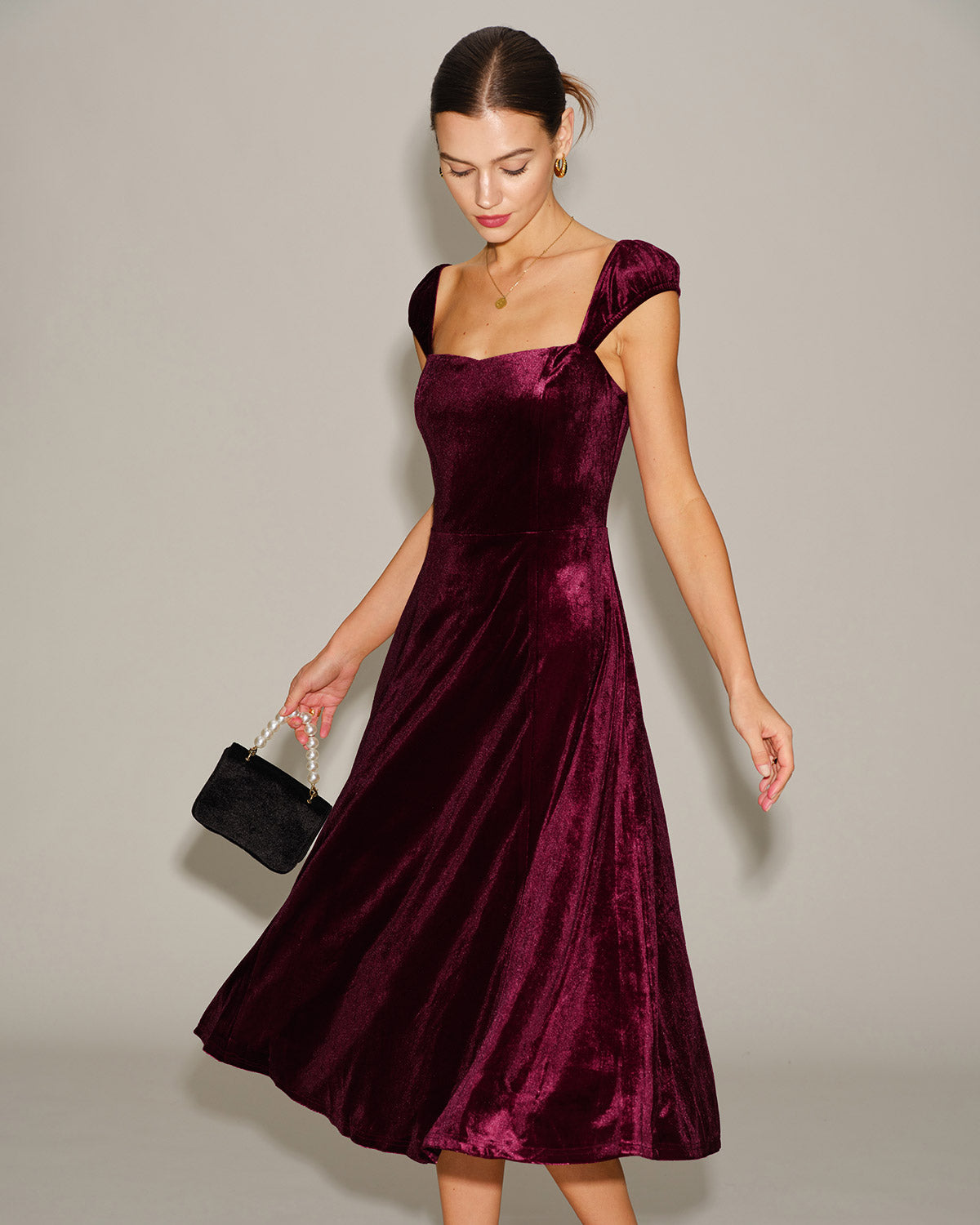
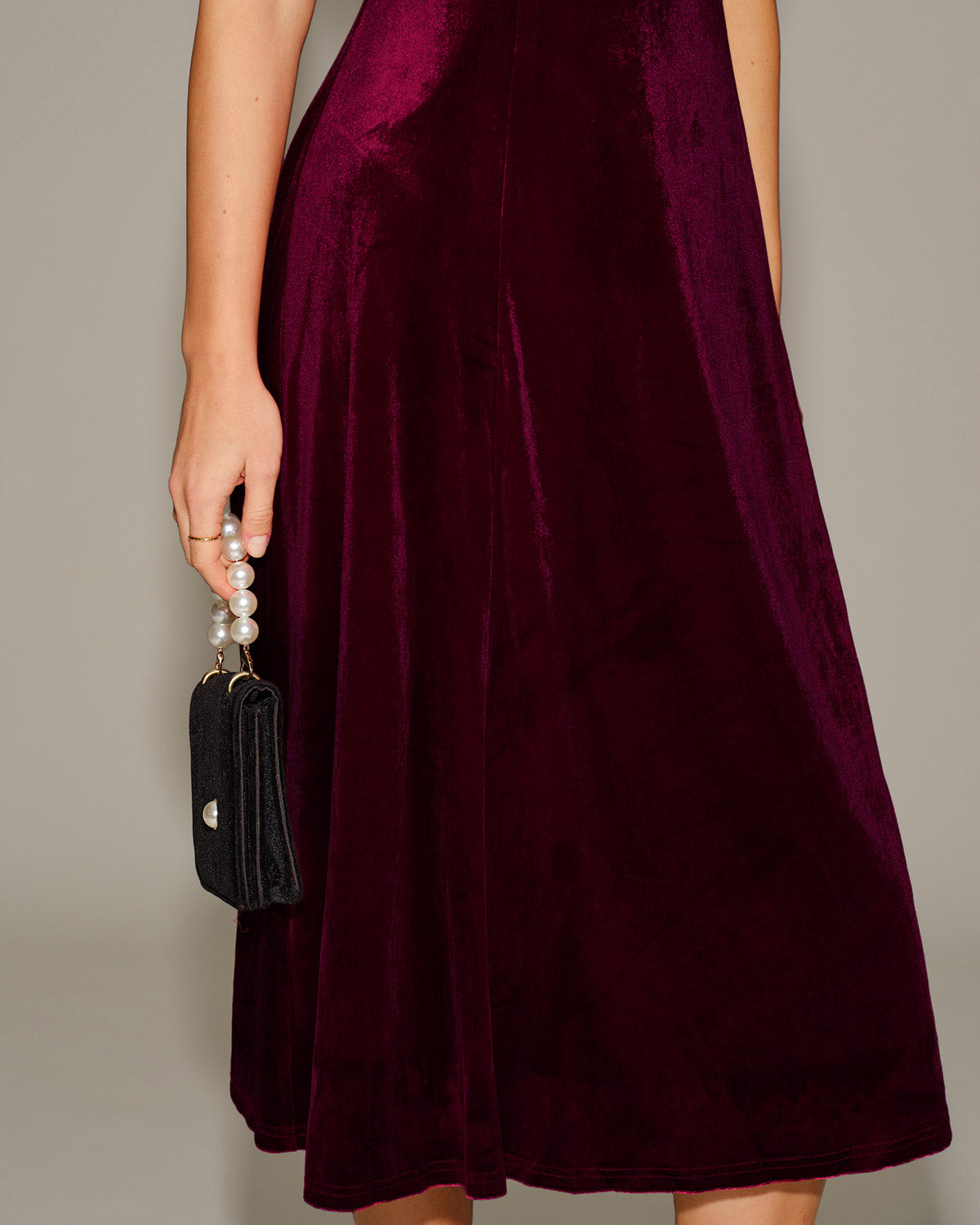
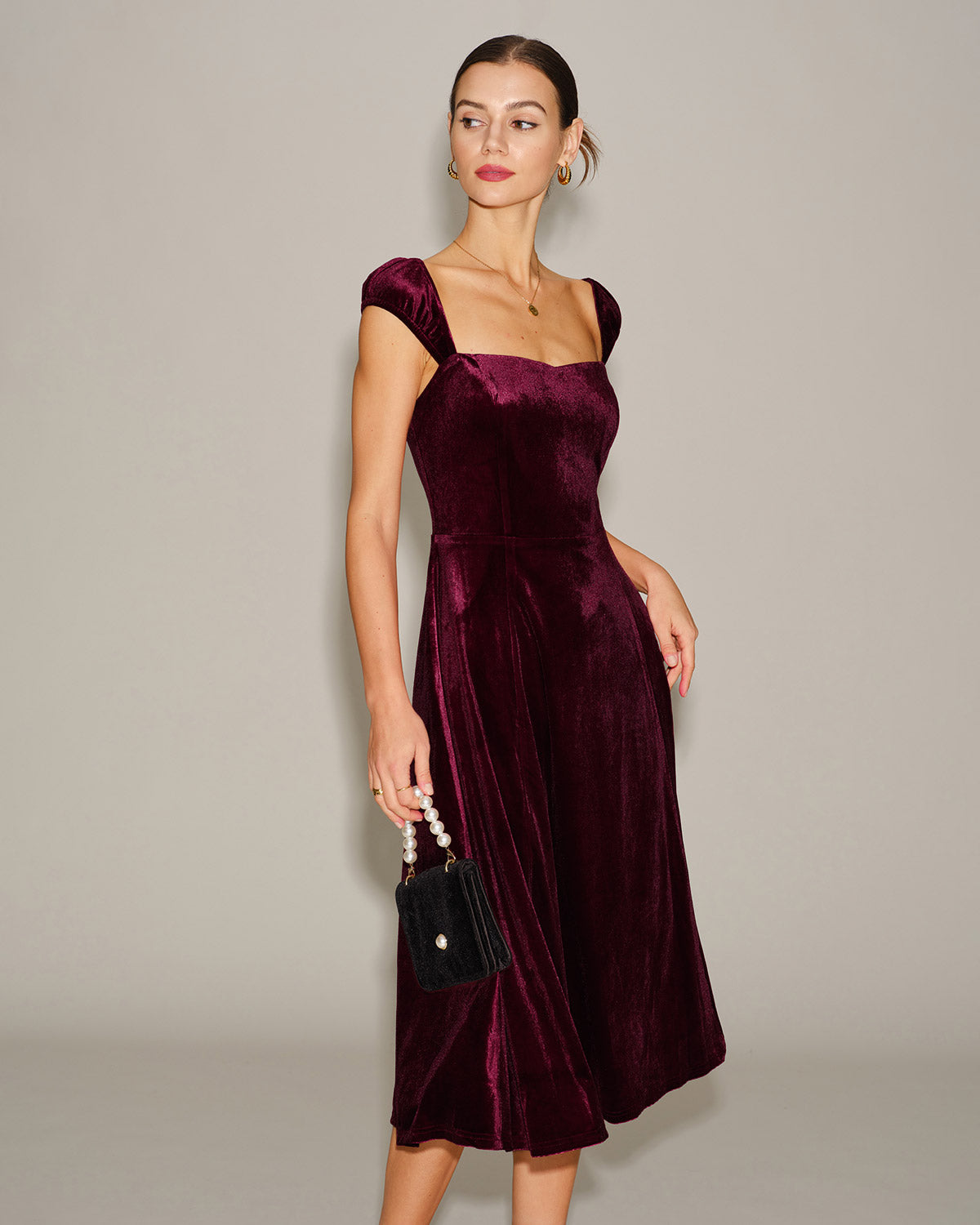
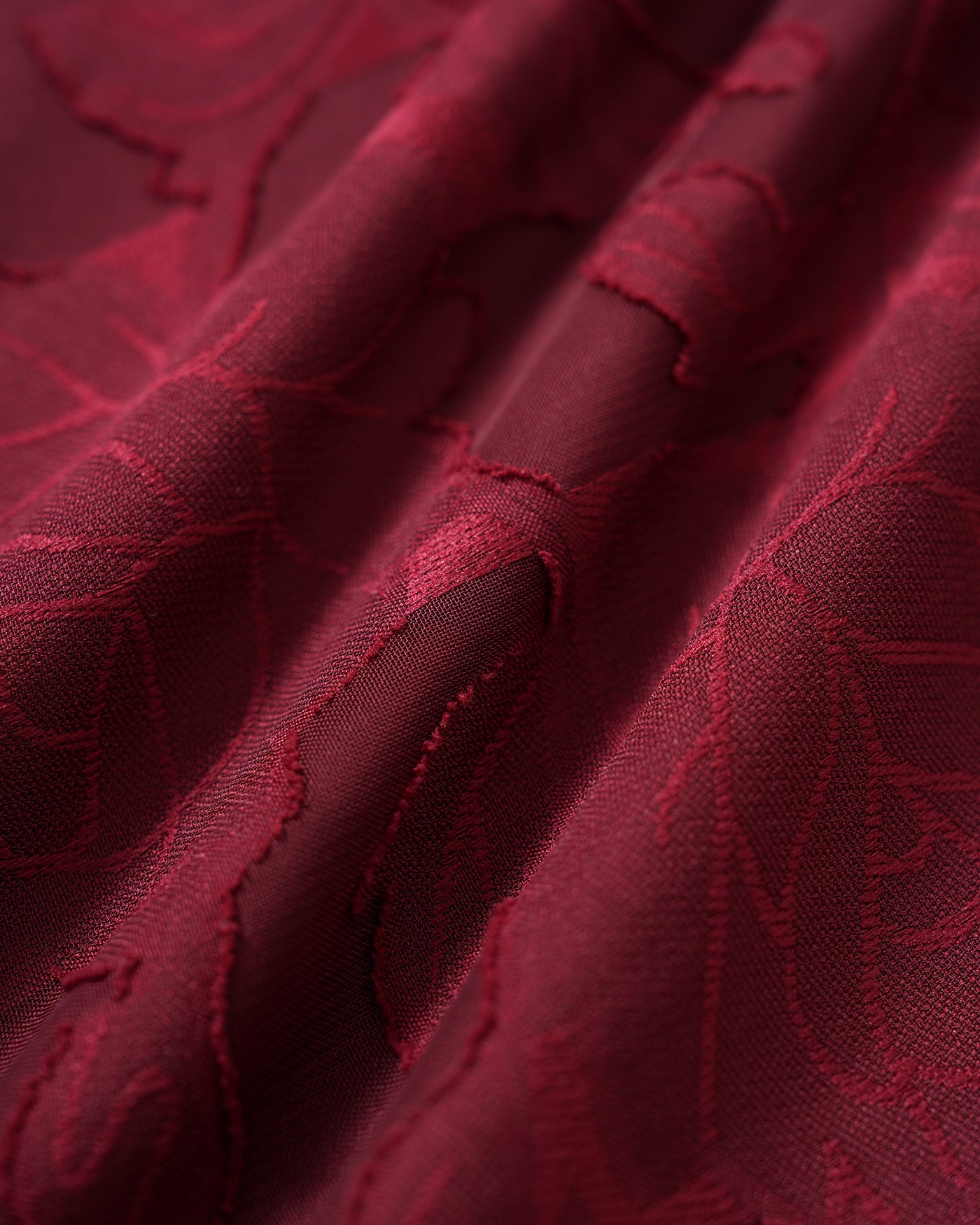
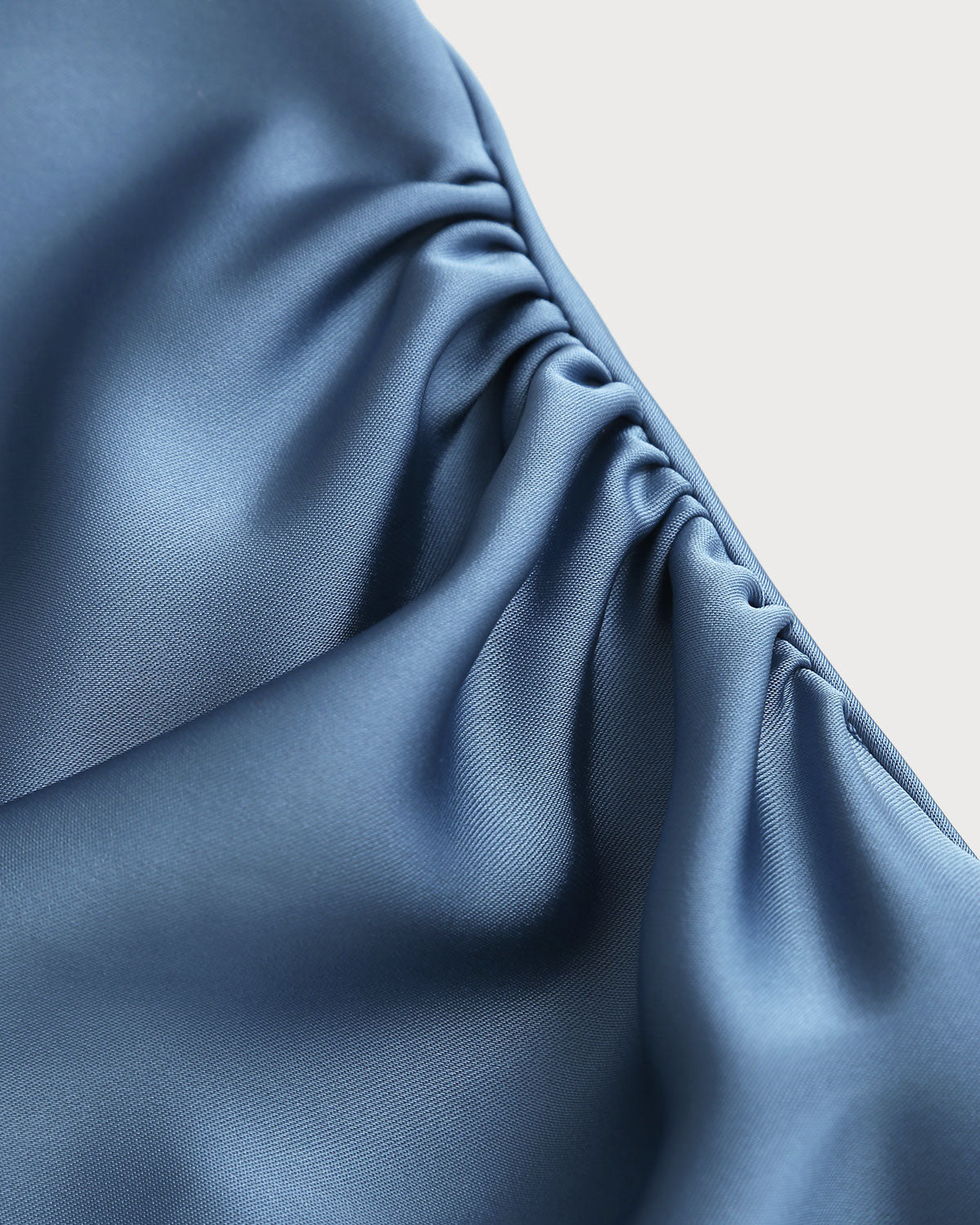
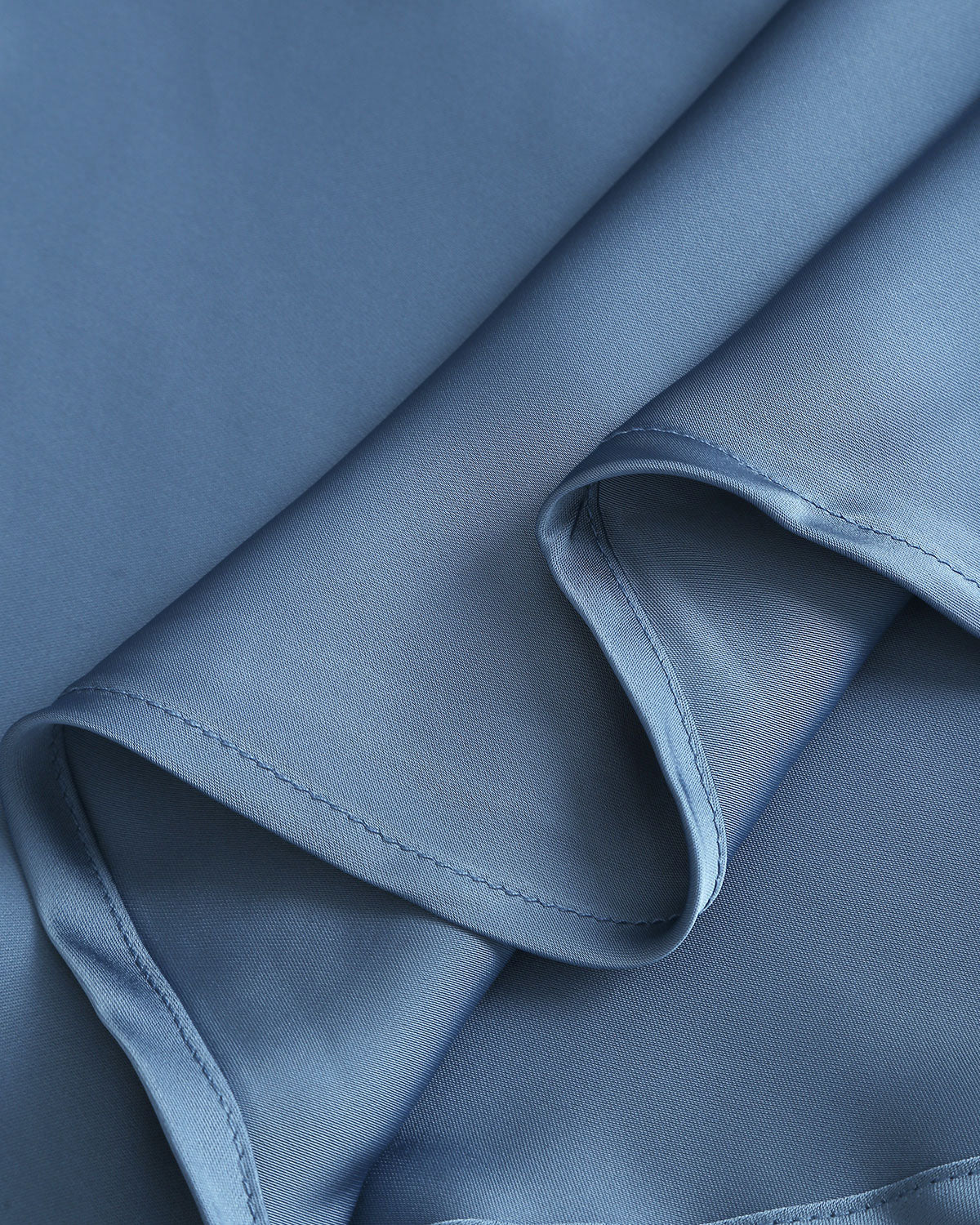
Fabric by season: Chiffon and cotton blends are lightest for spring and summer — they breathe and move. Satin works year-round but hits hardest in fall and winter when the sheen catches low indoor light. Velvet and jacquard are cold-weather fabrics that add texture and weight without needing embellishment. Lace layers well across seasons.
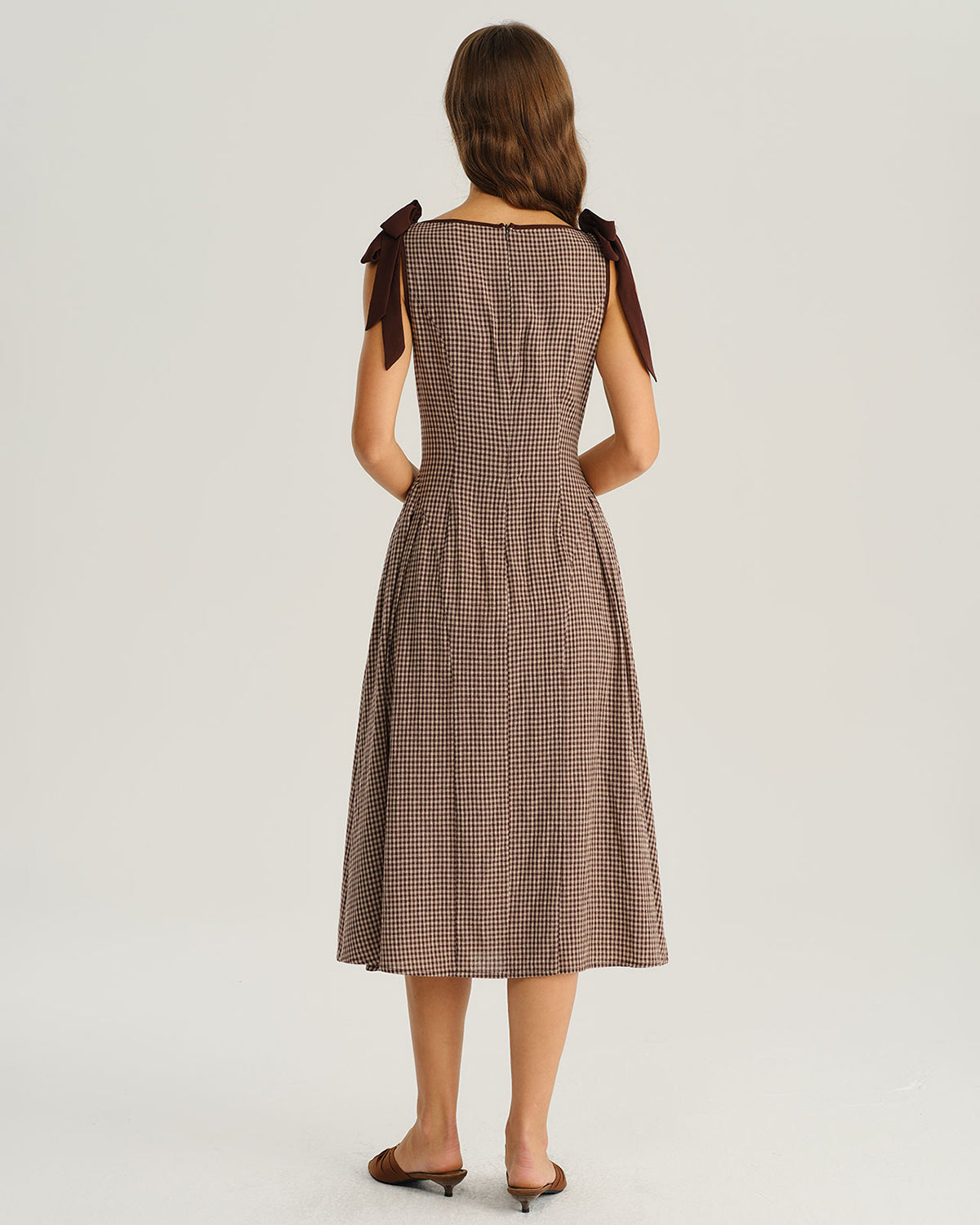
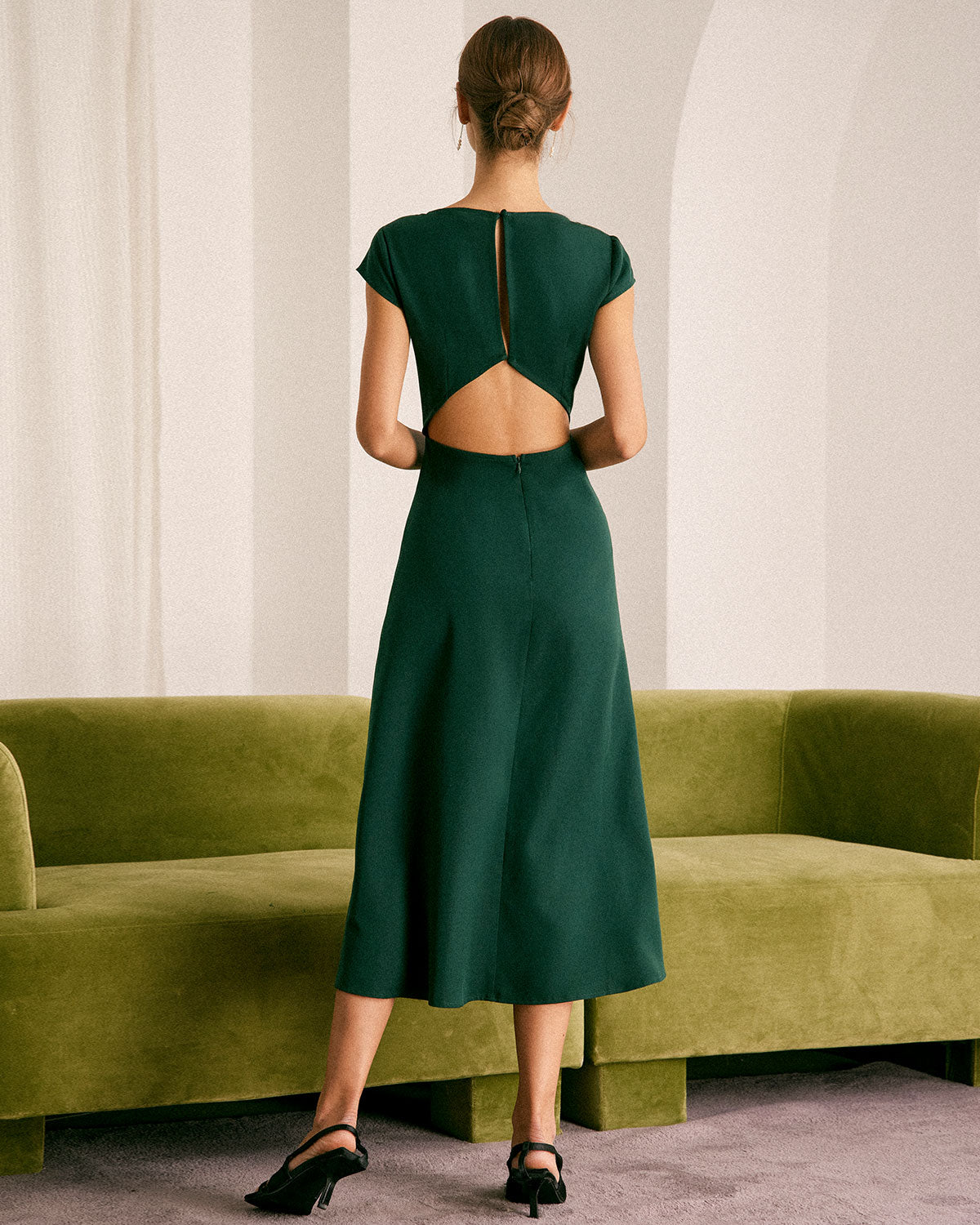
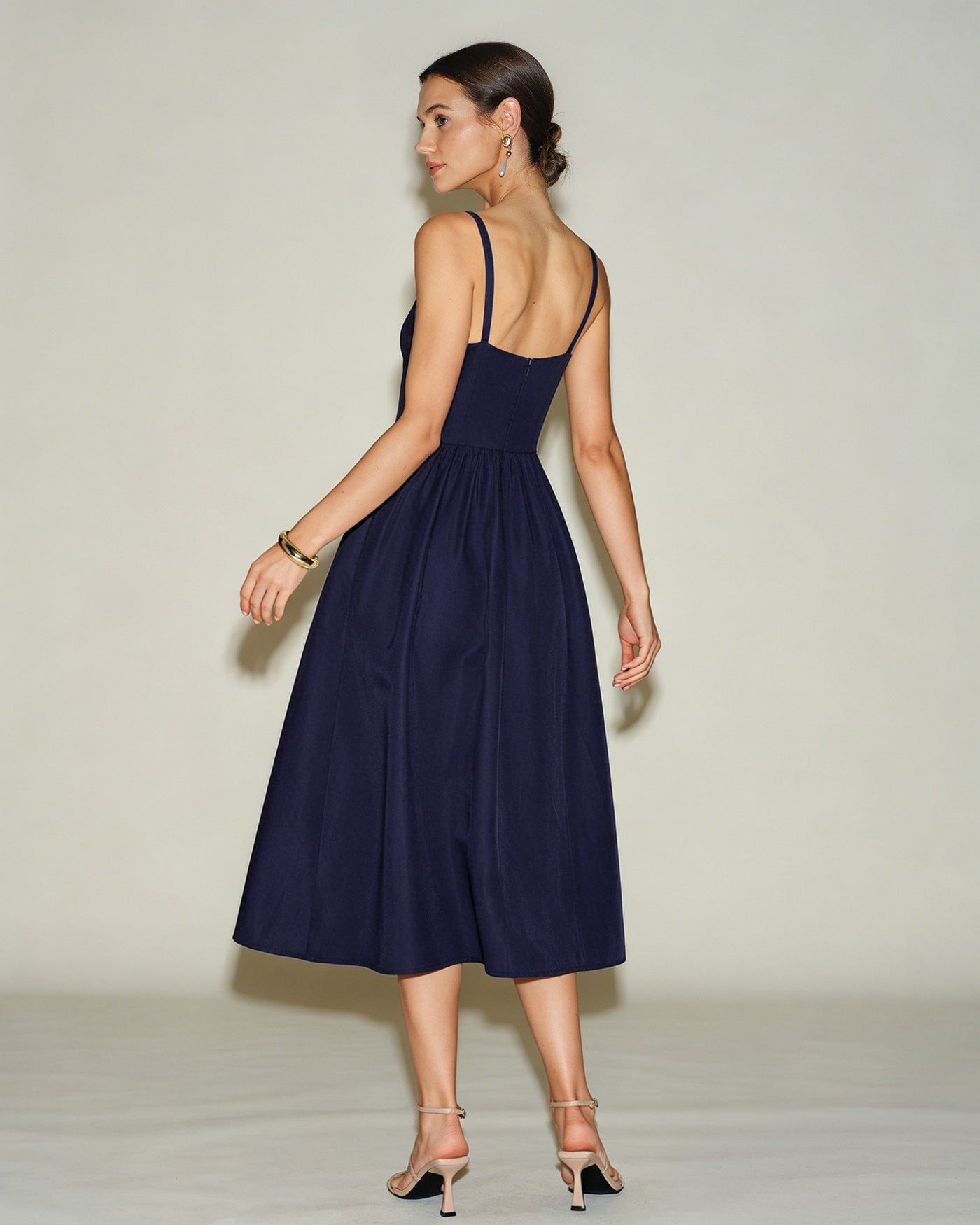
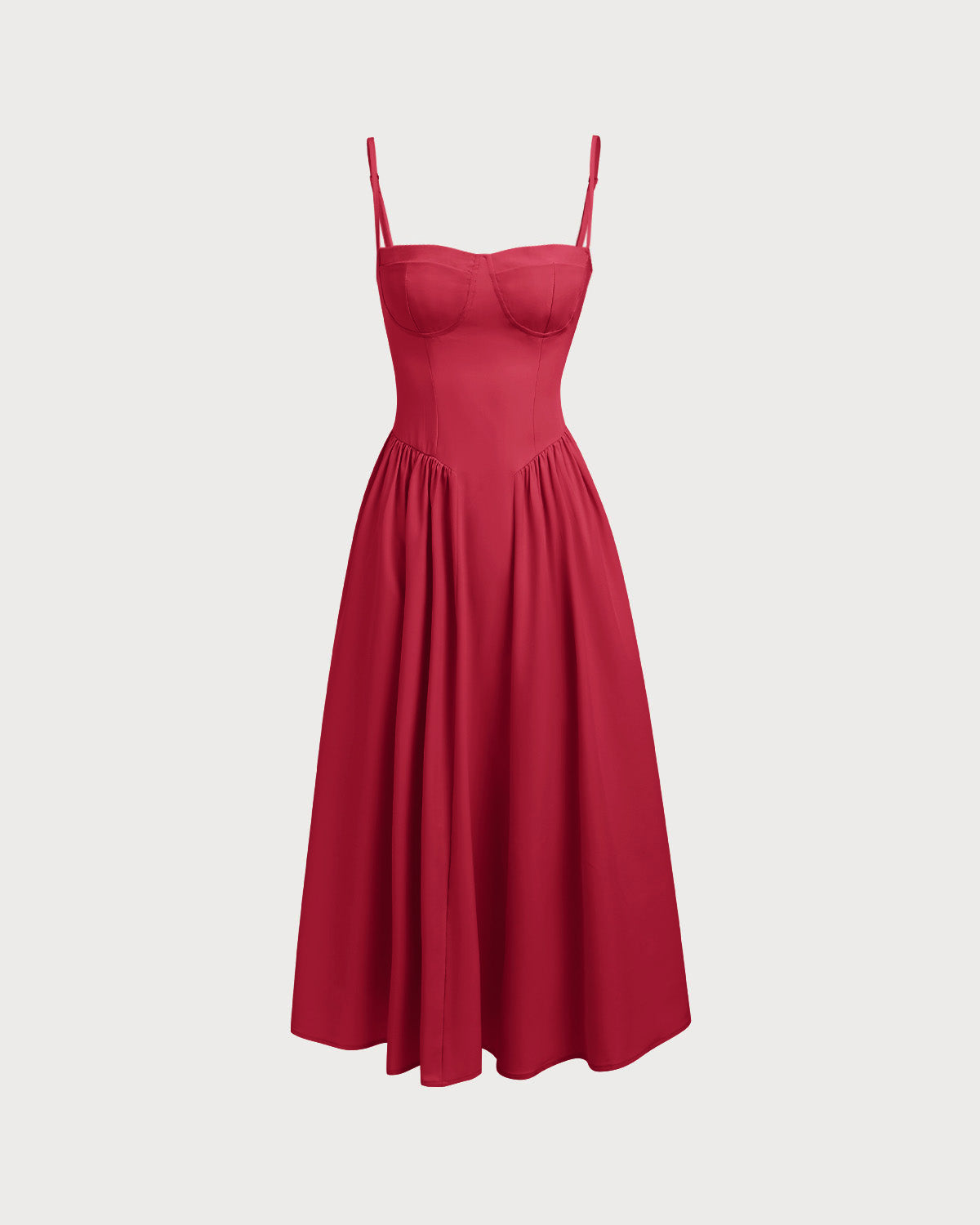
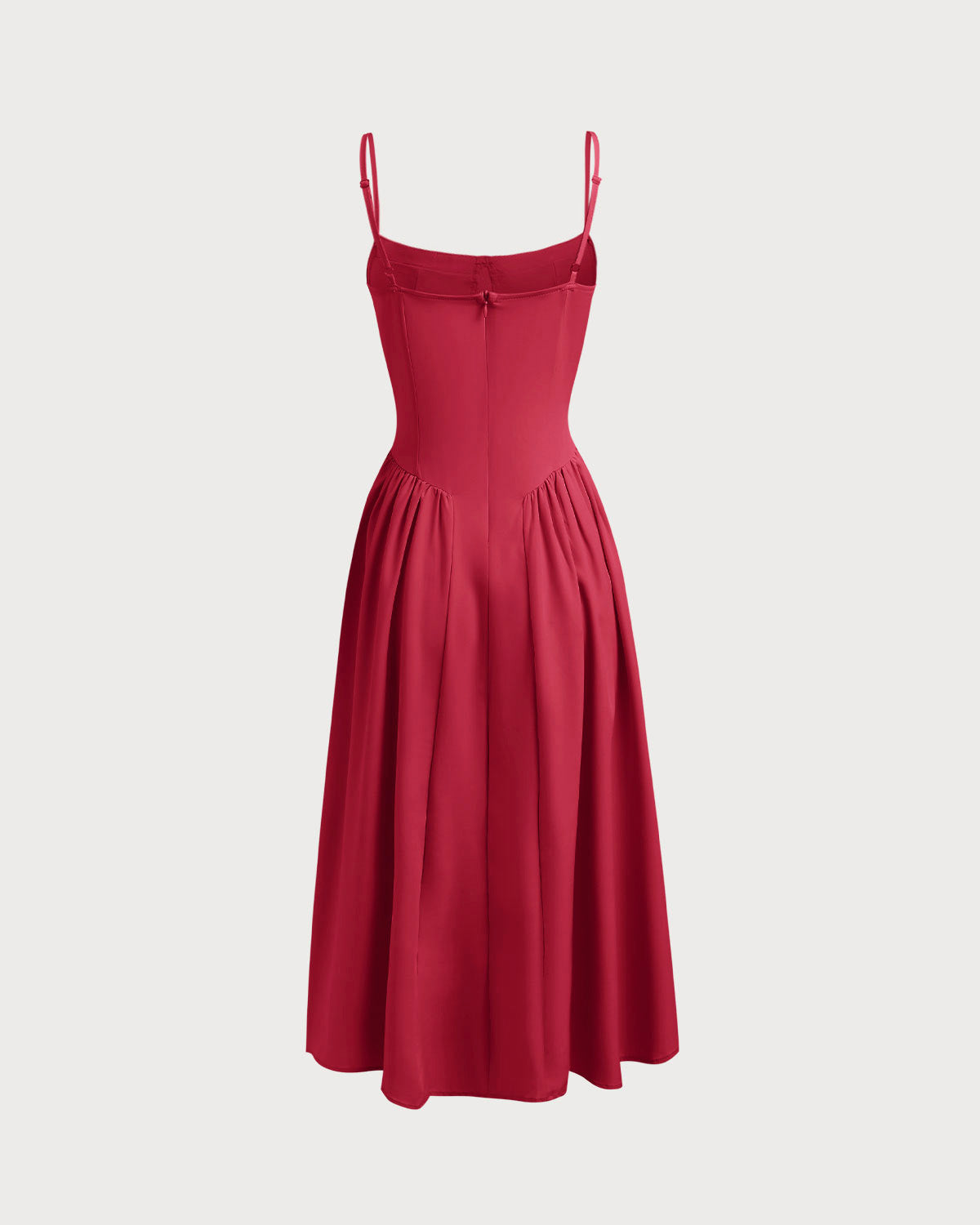
Fit by shape: An A-line flares from the waist and gives the most room through the hips — it works across body types and is the easiest to wear for a full evening. A sheath follows the body closely and creates a clean vertical line; it is strongest on frames that want a more defined silhouette. Bodycon is the tightest fit — a fabric with some stretch and weight keeps it from pulling. If you are between silhouettes, start with A-line. Browse by color: black dresses, red dresses, green dresses, blue dresses, pink dresses.
Cocktail Dress Questions
What is cocktail attire for women?
A dress that falls between casual and formal — typically knee-length or midi, in a fabric with some finish like satin, chiffon, lace, or textured knit. It is dressier than everyday clothing but less structured than a floor-length gown. Think polished, not plain.
What is the difference between cocktail and semi-formal?
They overlap. Cocktail is the broader category — most cocktail dresses work for semi-formal events too. Semi-formal leans slightly dressier, so choose a cocktail dress with better construction, a richer fabric, or more refined details. A satin midi or a lace sheath covers both dress codes.
Can I wear a cocktail dress to a wedding?
Yes, as long as the wedding dress code is cocktail or semi-formal. Avoid white and overly casual fabrics. A midi dress in satin, chiffon, or lace in a non-bridal color is a safe choice. If the wedding is black tie, a cocktail dress will be underdressed — go floor-length.
How long should a cocktail dress be?
There is no single correct length. Above the knee is classic for parties and nights out. Midi — at or below the calf — is the most versatile and works for weddings, office events, and dinners. A mini cocktail dress works at casual parties but may feel too short for formal occasions.
What fabric is best for a cocktail dress?
It depends on the season and event. Satin and lace work year-round and read polished in any light. Chiffon is lightest for warm weather. Velvet and jacquard add richness for fall and winter events. Avoid thin jersey or unlined cotton for anything beyond a casual party — they read too informal.


