
French Vintage Style 2026: French Girl Outfits on a Budget
If you’ve ever saved a “French girl outfit” and then closed the app thinking, “Cute… but not for my real life,” I get it.
French vintage style has always looked like a members-only club: immaculate coats, perfect tailoring, “effortless” hair, and a price tag that quietly ruins your day.
But 2026 feels different—not because everyone suddenly got rich, but because how people shop (and why they shop) has changed. Secondhand became normal. Budgets got tighter. And more women started building wardrobes around aesthetic + practicality, not hype.
Let’s talk about what’s actually happening—and how to make French vintage work in your closet without turning it into a costume.
The Women’s Clothing Market Isn’t Exploding—So Style “Tribes” Matter More
Here’s the unglamorous truth: the overall apparel market is huge, but it’s not some rocket-ship category anymore.
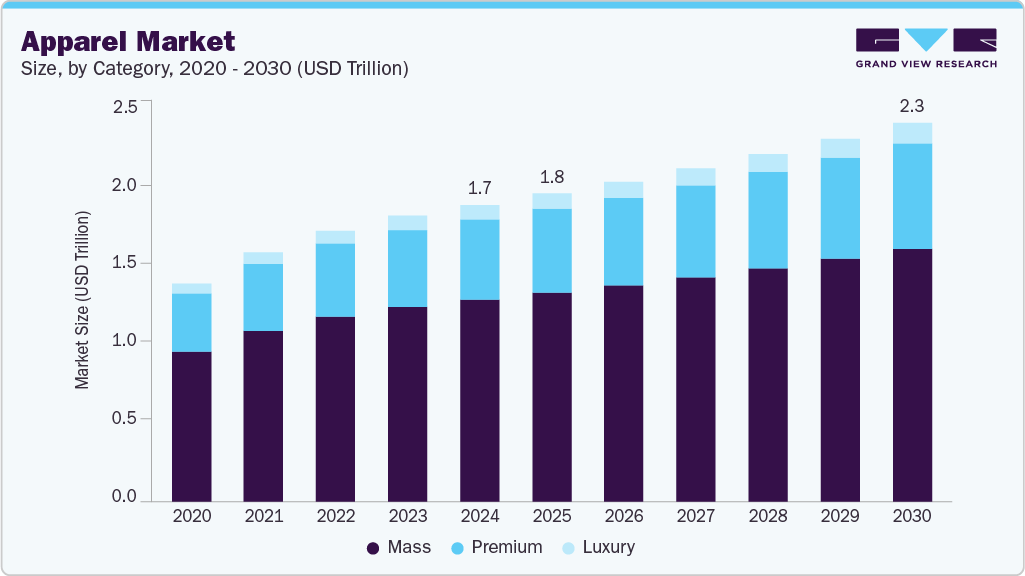
One major industry estimate puts the global apparel market at about $1.77T in 2024, projected to reach $2.26T by 2030.
Women’s wear is also massive—one estimate sizes it around $1.10T in 2025, growing steadily over the next decade.
Why you should care:
When a market is big and steady (not exploding), growth often comes from specific aesthetics and shopping behaviors—not from everyone buying more stuff. French vintage is one of those aesthetics that keeps winning because it’s easy to recognize, easy to repeat, and easy to adapt.
Secondhand Isn’t a Side Hobby Anymore—It’s a Real Shopping Default
If French vintage used to feel “expensive,” resale is the reason it’s starting to feel reachable.
ThredUp’s 2025 Resale Report projects the global secondhand apparel market will reach $367B by 2029, and notes the U.S. secondhand apparel market grew 14% in 2024 (their strongest annual growth since 2021).
And it’s not just “some people” doing it:
-
A ThredUp/GlobalData consumer survey reported 58% of U.S. consumers shopped secondhand apparel in 2024.
-
Reporting on the same resale data also describes secondhand fashion as about $227B, roughly 9% of global fashion sales, growing 15% in 2024 and expected to keep growing.
Why French vintage benefits from this:
French style is built around items that actually age well: coats, blazers, leather bags, classic denim, silk-ish blouses. Those are exactly the pieces resale is good at.
So instead of “French vintage = luxury spending,” it becomes:
French vintage = a smart mix of thrift + a few new pieces that nail the silhouette.
Western Gen Z Is Price-Pressed… but Still Buys for Identity
This is the part brands often mess up: they assume “tight budget” means “no style spending.”
McKinsey research found 73% of U.S. Gen Z are changing spending habits due to higher prices, and 70% of U.K. Gen Z prioritize affordability when buying clothes.
At the same time, Gen Z still buys fashion to express who they are—just more selectively. That means they don’t want 20 random trend pieces. They want a few items that feel like their look.
French vintage works here because it has a clear visual identity:
-
clean lines
-
classic shapes
-
small romantic details
-
repeatable outfits that don’t scream “new purchase”
“French Girl Style” Became an Internet Language, Not a Paris Address
You don’t have to live in Paris to dress “French.” You just need the vocabulary of the style.
In 2026, “French girl style” is basically a shared set of outfit cues that people remix across cities and budgets:
-
trench + denim + flats
-
tweed jacket + tee + straight-leg jeans
-
black midi dress + small bag + low heel
-
striped knit + simple trousers
And because this aesthetic is so recognizable, it spreads fast online. Pinterest’s own trend reporting keeps highlighting vintage-leaning aesthetics (like Art Deco influences) as part of broader “return of old-world elegance” cycles.
The important point isn’t “Paris street style.” It’s this:
French vintage is now a template—and templates are accessible.
The 2026 French Vintage Formula (What to Buy, What to Skip)
Here’s where I’m going to be direct, because “it depends” isn’t helpful.
If you only buy ONE piece to start
Buy a floral midi dress with a square or sweetheart neckline.

Why: it’s the fastest way to look “French vintage” without trying too hard.
Also: small florals usually read more elevated than huge, loud prints (huge florals can go “tablecloth” fast).
If you only buy TWO pieces
Add a cropped tweed/bouclé jacket.

That jacket is basically a shortcut. It turns:
-
jeans + tee into an outfit
-
a simple dress into something polished
-
“I have nothing to wear” into “I planned this”
If you want a mini capsule wardrobe (7 pieces)
This is enough to get you dressed for most of life:
-
Tweed/bouclé jacket
-
Straight-leg jeans or tailored trousers
-
Boat-neck or V-neck knit
-
A coat you love (trench or wool coat)
-
One low-drama shoe (ballet flat / Mary Jane / kitten-heel boot)
Rule I use: If you can’t style it 3 ways with what you already own, it’s not a “capsule” piece—it’s a mood purchase.
How to Shop French Vintage in 2026 Without Overspending
This is the part people skip and then wonder why their closet feels chaotic.
Step 1: Thrift the “boring expensive stuff”
Secondhand is best for:
-
wool coats
-
blazers
-
leather bags
-
denim
These are often better quality secondhand than cheap-new equivalents.
Step 2: Buy new when fit matters (and thrift is annoying)
New is usually easier for:
-
dresses with specific necklines/waist fits
-
knit tops you want in a particular cut
-
trend-leaning colors you don’t want to hunt for
This is where a brand like Rihoas can fit in: it’s an online store that leans into retro European-film-inspired styling and builds outfits around “French outfits for women” as an everyday concept.
Also, their pricing structure is pretty clearly “accessible wardrobe building,” including a Final Clearance / All Under $20 section on-site.
That doesn’t mean “buy everything.” It means: if you need a specific French-vintage silhouette now, it can be a practical option.
Step 3: Don’t let “French vintage” become a costume
If your outfit has:
-
beret
-
scarf
-
red lipstick
-
striped shirt
-
tiny bag
-
ballet flats
…all at once?
You’re not doing French vintage. You’re doing a themed party.
Pick one French signal per outfit (neckline, jacket texture, shoe shape, or coat) and keep the rest simple.
A Few Honest Warnings (So You Don’t Hate Your Wardrobe)
These aren’t “rules,” just things that save money and regret:
-
If you hate ironing or steaming, be careful with satin-heavy pieces. They wrinkle easily.
-
If you’re between sizes, French vintage silhouettes usually look better slightly relaxed than painfully tight—especially at the waist.
-
If you’re trying to be budget-smart, don’t overspend on the “cute extras” (hair clips, random bags, trendy belts). Spend on the pieces that set the silhouette: coat, jacket, dress, trousers.
The Real Reason French Vintage Is Becoming “For Everyone”
French vintage isn’t going mainstream because it became cheaper in a magical way.
It’s going mainstream because:
-
resale made quality pieces easier to access
-
younger shoppers are more price-conscious
-
and the internet turned French style into a copyable outfit template
So if you’ve always liked French vintage but assumed it was “not for you,” 2026 is basically your permission slip.
Not to buy a whole new personality—just to build a small set of pieces you’ll actually wear, on normal days, in your normal life.
FAQ
1) What is French vintage style (really)?
French vintage style is classic, slightly romantic dressing—think clean silhouettes, pretty necklines, tailored layers, and pieces that look good on repeat. It’s less about labels and more about shape, fabric, and restraint.
2) Is “French girl style” still trending in 2026?
Yes—because it’s wearable and repeatable. When budgets are tighter, “looks expensive but isn’t loud” tends to stick around longer than micro-trends.
3) What’s the easiest French vintage capsule wardrobe to start with?
Start with 7 pieces: a floral midi, a black midi, a tweed/bouclé jacket, straight-leg jeans or tailored trousers, a simple knit, a trench or wool coat, and one practical shoe (ballet flats/Mary Janes/kitten-heel boots).
4) What should I thrift vs. buy new?
Thrift the “boring expensive stuff” first—coats, blazers, leather bags, denim. Buy new when fit is the whole point (necklines, waist-fit dresses, specific knits) or when you don’t want to hunt for weeks.
5) How do I wear French vintage style on a budget without looking cheap?
Prioritize silhouette and fabric texture over trendy details. One structured layer (coat/jacket) plus simple basics usually reads more polished than multiple “cute” accessories.
6) How do I avoid looking like I’m wearing a costume?
Use one “French signal” per outfit (tweed jacket or square neckline or ballet flats), not all of them at once. Keep the rest modern and simple—clean denim, minimal jewelry, natural makeup.
7) I hate heels—can I still do French girl outfits?
Absolutely. French vintage works best with low-drama shoes: ballet flats, loafers, Mary Janes, or short-heel boots. The outfit reads “French” from the cut and layering, not the heel height.
8) Where does Rihoas fit in if I’m mixing thrift + new pieces?
Think of Rihoas as a “fill the gaps” option for vintage-inspired silhouettes when thrifting is inconsistent—especially dresses and textured jackets. Keep it light: choose a few key pieces that match your capsule, not a cart full of impulse buys.


