

It's 7 a.m., you're holding coffee in front of an open closet, and you're stuck on the same question every working woman knows: how do you look like you mean business without spending the whole day in something stiff and uncomfortable? The good news is that the 2026 version of business casual has quietly solved this. The stiff ironed shirt and the unforgiving pencil skirt are out; polished, comfortable pieces that actually move with you are in.
Business casual for women means polished, professional clothing that stops short of a formal suit — think a midi dress, or tailored trousers or a skirt paired with a blouse or knit, finished with closed-toe flats, loafers, or a low heel. This guide breaks down exactly what to wear, piece by piece, with real outfit formulas and shoppable picks from RIHOAS's officewear range, most of them between $29 and $55.
What does business casual actually mean for women?
Strip away the jargon and business casual is the middle ground between "client-ready" and "Friday afternoon" — professional enough that your boss wouldn't blink, relaxed enough that you don't feel like you're in costume. The biggest myth is that you need a blazer to look professional. In the modern office, texture and fit carry more authority than rigid structure: a well-cut knit or a satin blouse can read just as serious as a stiff jacket.
The simplest test for whether an outfit clears the bar is to look at your feet. If you're wearing sneakers, the rest of the outfit has to be sharp — tailored trousers, a clean dress. If you're in loafers or a low heel, you've earned room to relax the fabrics and try softer, more relaxed silhouettes. Get the shoe-to-outfit balance right and almost everything else falls into place.
The most efficient business-casual outfit is one dress
A dress is the fastest route to a finished business-casual look, because it's a complete outfit in a single piece — no pairing, no second-guessing at 7 a.m. A midi-length dress in a solid, deep color is the most reliable choice: it covers you in all the right places, passes the sit-down test, and takes a layer on top when a meeting calls for it. This is where RIHOAS is strongest, so it's where to start.

One-and-done workdress
A navy midi that's a finished outfit on its own
This is the get-dressed-in-one-step option: a V-neck that flatters most chests, a defined high waist, cap sleeves that cover the shoulder without needing a layer, and a midi length that stays professional sitting or standing. Navy reads as serious as black but a little softer. XS–XL, woven polyester — size for your bust if you're between sizes.
Best-reviewed workdress
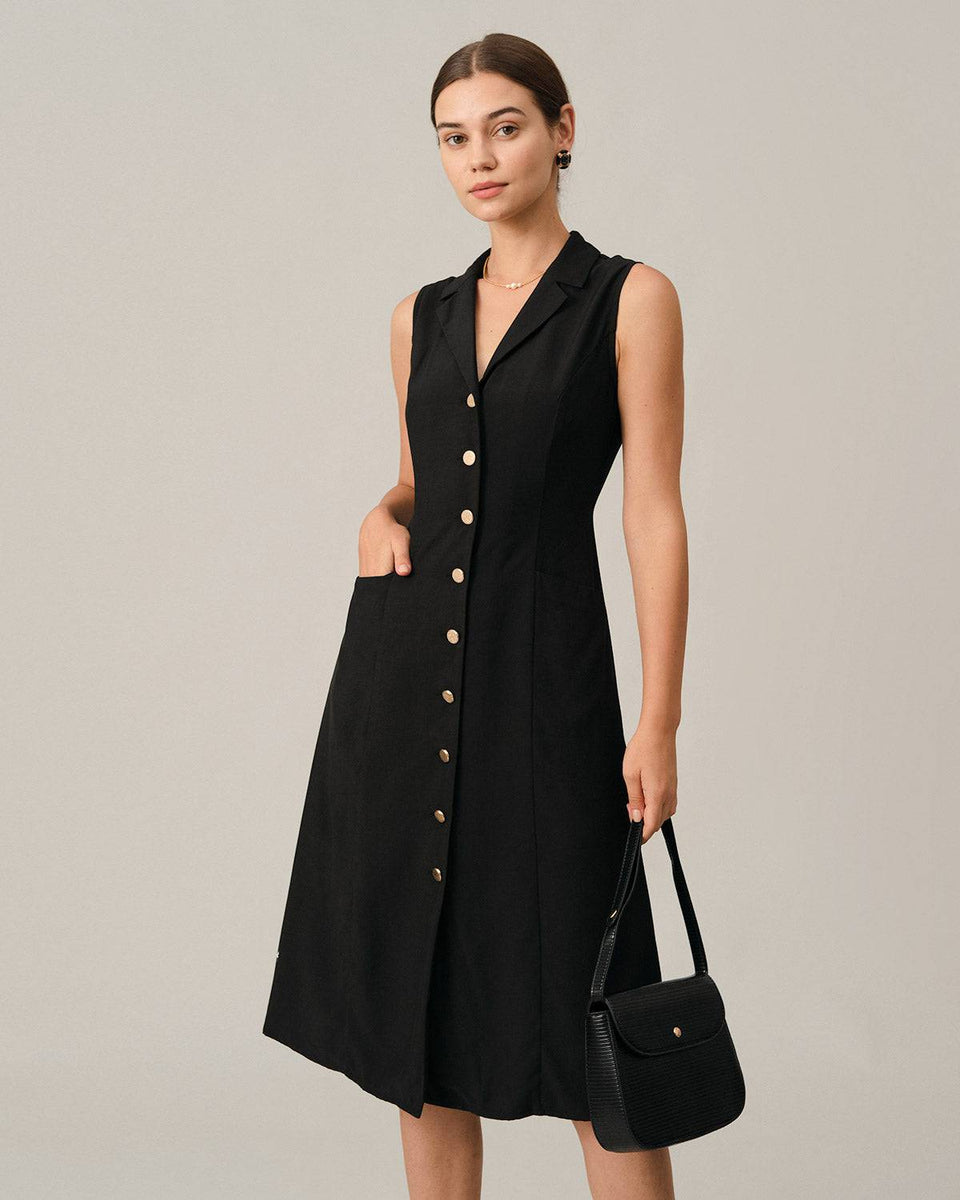
The black midi to own if you buy only one
The most-reviewed workdress in the range — 31 reviews — and the most versatile. The clean V-neck tunic shape skims rather than clings, the cotton breathes through a long day, and black takes a blazer, a vest, or nothing at all. It's sleeveless, so keep a third piece nearby for formal meetings or cold air conditioning. XS–XL.
Tops: why a blouse beats a stiff button-down
For decades the cotton button-down was the working woman's default, but let's be honest about its flaws: it wrinkles the second you put on a seatbelt, it can feel tight at the neck, and it gapes at the chest. The modern replacement is a drapey blouse in satin or a soft woven fabric. A satin or drapey blouse reads more polished on video calls than a stiff cotton shirt, and it won't pull across the bust.
The shirt upgrade
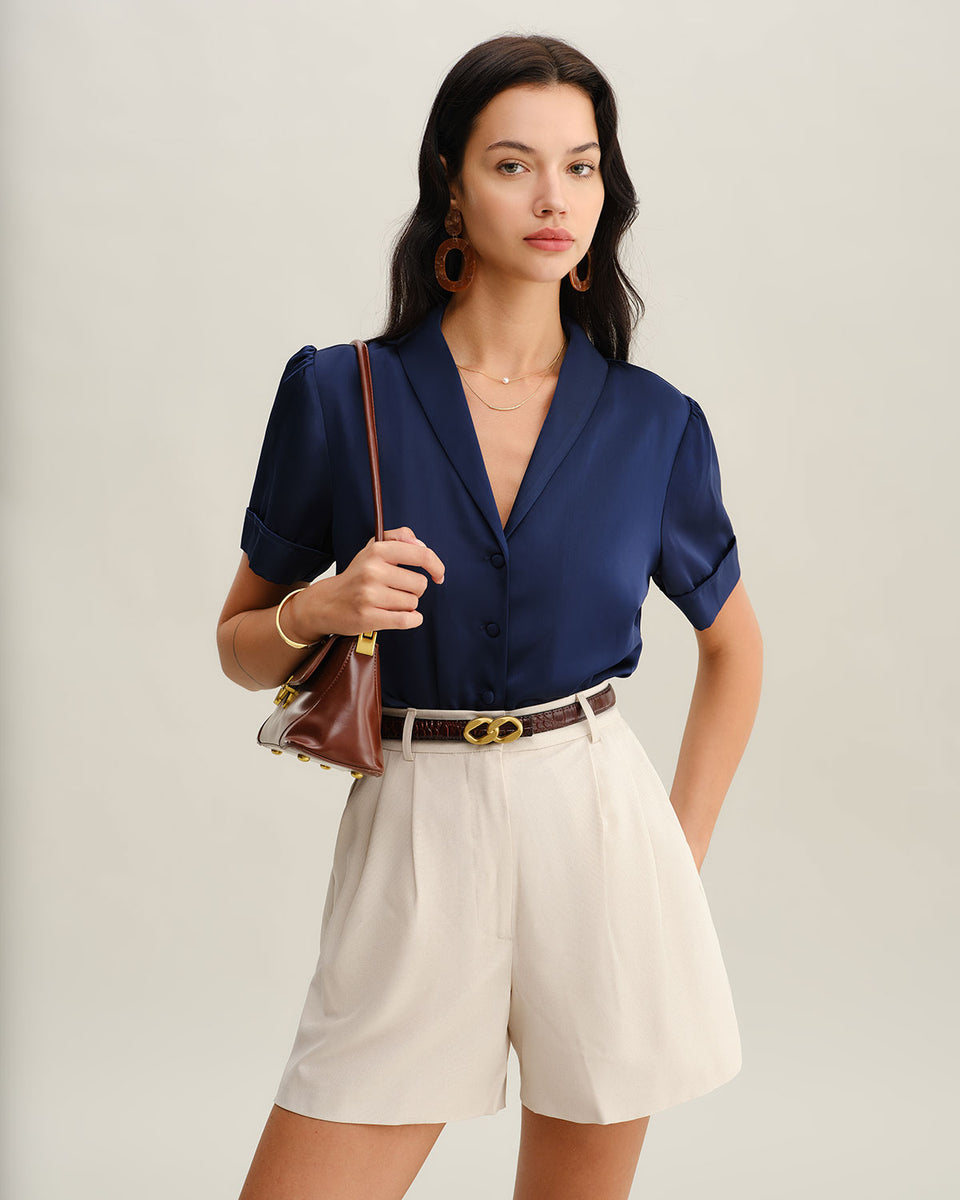
A satin blouse that drapes instead of gaping
Trade the stiff cotton button-down for satin: it drapes rather than gaping at the chest, doesn't crease the moment you sit, and catches light cleanly on camera. Navy keeps it boardroom-appropriate; tuck it into trousers or a midi skirt. XS–XL. Satin shows what's underneath, so a seamless nude bra keeps the line clean.
That said, the crisp shirt isn't dead — it's just evolving. A sleeveless collared shirt keeps the structure and the buttons while losing the warm sleeves, which makes it the ideal base layer under a vest or cardigan and a smart pick for a hot office.
The layering base · from $29
A crisp white shirt, minus the warm sleeves
The white shirt is still the backbone of business casual, and this sleeveless version keeps the collar and button structure as the easiest base under a vest or cardigan. At $29 it's the lowest-priced staple here, and 100% cotton keeps it cool. XS–XL. Being sleeveless, it needs a third piece for stricter dress codes.

For more options in this category, the full blouses & shirts edit covers satin, cotton, and printed styles.
Bottoms: the midi skirt and the trouser
If the button-down is retiring, the tight pencil skirt is right behind it — it demands perfect posture and offers zero forgiveness after lunch. The modern alternative is an A-line midi skirt, which provides coverage and a graceful line while leaving room to move. For a strict office, trousers read more formal than a skirt; for creative offices, a midi skirt or dress gives more room to play. Here's one of each.
The pencil-skirt replacement
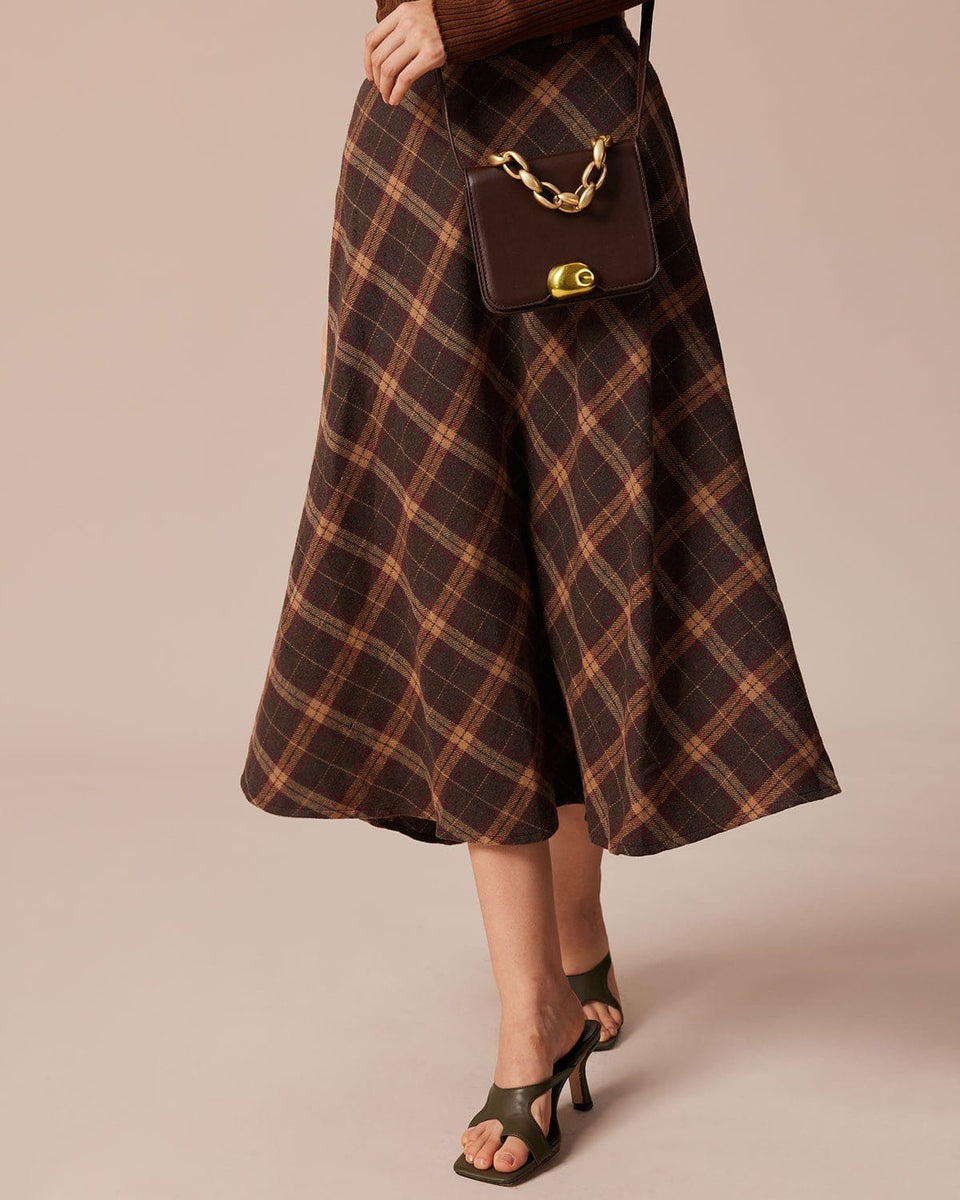
An A-line midi skirt that gives after lunch
The comfortable answer to the pencil skirt: an A-line midi with an elastic waist that holds its shape but stretches when you sit. The plaid adds the texture that reads expensive, the A-line skims the hips, and the length stays professional in every position. Pair with a tucked blouse or knit. XS–XL, and the elastic waist means no tailoring needed.
For a stricter office
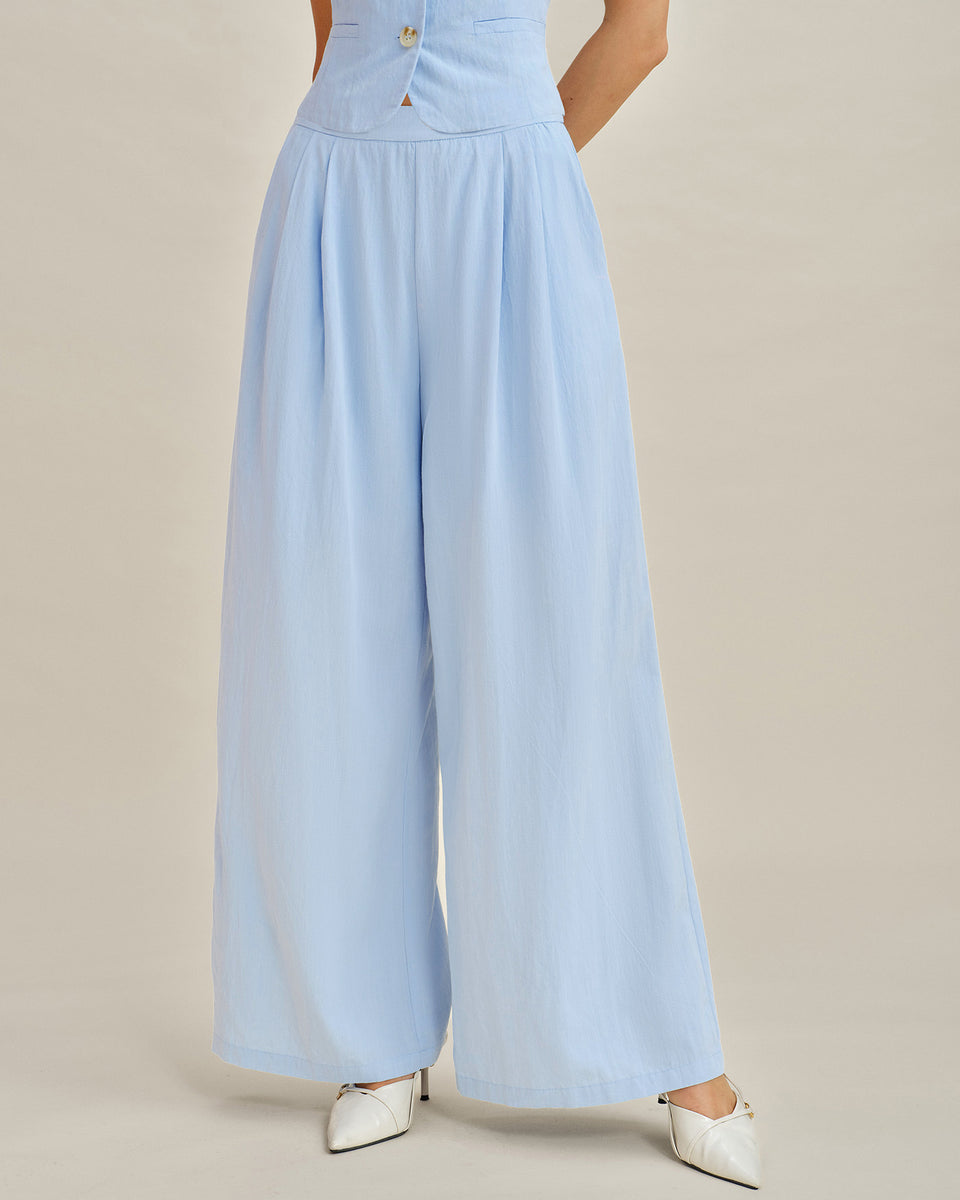
Straight-leg trousers with real pockets
If your office leans formal — finance, law, client-facing — trousers read more serious than a skirt, and a straight leg is the most universally flattering cut. These have working pockets and a clean solid blue that pairs with any blouse or knit. XS–XL, woven viscose for drape. Steam rather than over-wash to keep the line crisp.
The third piece: layer instead of a stiff blazer
Stylists call it the "third piece" — the layer that turns a top and a bottom into a deliberate outfit. It used to be a blazer by default, but in 2026 a knit cardigan or a tailored vest does the same job with far more comfort. A vest in particular is the season's blazer alternative: it adds structure across the shoulders and torso without the heat or bulk of a jacket, and it keeps you covered for formal meetings.
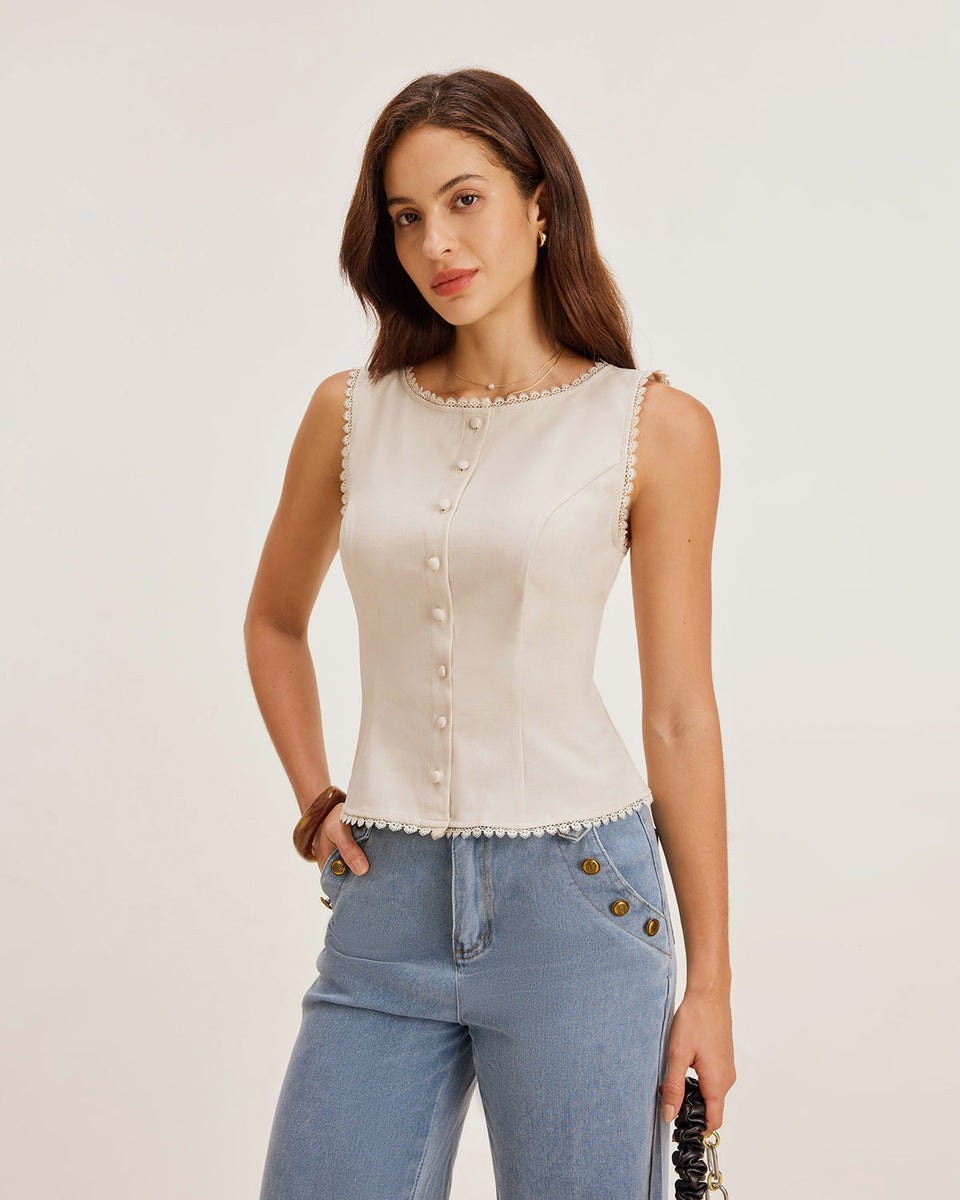
The blazer alternative
A tailored vest that structures without the heat
The waistcoat is the season's lightest way to add a structured third piece. This one has a slim fit and a little lace trim that keeps it from looking severe — layer it over the white shirt or wear it alone with trousers. XS–XL. The cut is slim, so size up if you want room to layer a shirt underneath.
When the office runs cold, a soft knit cardigan is the easiest third piece to keep at your desk — it reads as polished as a jacket when the fit is clean.
Dressing for a body that changes
Here's something the industry tends to ignore: bodies change. Bloating after lunch, weight that fluctuates, early pregnancy — rigid workwear fights all of it. You don't need to buy a separate maternity wardrobe, though; you need pieces with a little give. A belted or wrap-style dress is the single most practical answer, because the tie lets you control the fit day to day instead of relying on a fixed waistband.
Most adaptable fit
A belted midi you can loosen or cinch
When your size shifts week to week, a belted dress lets you control the fit instead of buying new clothes — loosen or cinch the tie as needed, and the A-line skirt gives room through the hip. Black, so it works everywhere and layers easily. XS–XL. It's the priciest piece here at $55, but it earns it as the most adaptable.

Three outfit formulas for busy mornings
If decision fatigue is the real enemy at 7 a.m., a few fail-safe formulas remove the guesswork. Each of these uses the pieces above.
The "big meeting" look
When you need to command the room, keep it solid and deep-toned: the navy or black midi dress, a low block heel, and a structured third piece — the vest, or a blazer if your office expects one. A one-color outfit elongates the line and means nothing to fuss with while you present. Block heels beat stilettos here because they look grounded and you can actually walk in them.
The "creative & smart" look
For a casual Friday or a brainstorm, pair the A-line midi skirt with a tucked-in blouse or a fitted knit. The fitted top balances the fuller skirt and keeps the silhouette neat, and a pair of leather loafers finishes it. It's comfortable, but it still looks like you made an effort.
The "summer office" look
When it's hot outside but the AC is arctic, reach for breathable fabrics that look expensive: the satin blouse or the sleeveless cotton shirt with the straight trousers or a light skirt, plus the cardigan draped over your shoulders for when the air conditioning kicks in. Satin feels cool against the skin but photographs far dressier than a cotton tee.
Build a business-casual capsule on a budget
You don't need fifteen pieces to never repeat an outfit — you need a handful that mix. Start with two workdresses (one navy, one black), one satin blouse, one sleeveless shirt, one A-line skirt, one pair of trousers, and one vest or cardigan. That's eight pieces, most of them between $29 and $55, and they recombine into well over a dozen distinct looks. Buy in deep, repeatable colors — navy, black, brown, white — so everything works with everything, and add one printed or textured piece for personality. The whole capsule lives in the officewear edit.
Frequently asked questions
What is business casual for women?
Business casual for women is polished, professional clothing that stops short of a formal suit. In practice that means a midi dress, or tailored trousers or a skirt with a blouse or knit, finished with closed-toe flats, loafers, or a low heel. It should look intentional and office-appropriate without being as formal as a matched suit.
Is a dress OK for business casual?
Yes — a midi dress is one of the easiest business-casual outfits, because it's a complete, professional look in one piece. Choose a solid, deeper color in a knee-to-calf length, and keep a cardigan or vest nearby in case a meeting calls for a layer. Avoid very short hems, spaghetti straps, and clingy fabrics.
What's the difference between business casual and business professional?
Business professional means a matched suit, formal dress, or tailored separates in conservative colors — the standard in law, finance, and client-facing roles. Business casual relaxes that: no suit required, softer fabrics allowed, and more room for color and personality, as long as the overall look stays polished. When unsure, dress one notch up for your first week and adjust.
Can I wear jeans for business casual?
Only dark wash, and only in some offices. Skip light blue, ripped, or distressed denim entirely; stick to solid black or dark indigo in a straight or wide-leg cut, paired with a dressy blouse and loafers to offset the casual fabric. If you work in finance or law, choose trousers instead.
Do I have to buy maternity clothes for work?
No. A temporary maternity wardrobe is usually a waste of money — instead, invest in adjustable pieces like belted or wrap dresses and elastic-waist skirts. They adapt from the first trimester through postpartum and look professional without the specialty price tag.
Are sleeveless tops okay for the office?
Usually, as long as the straps are wide — spaghetti straps read too casual. A wide-strap or collared sleeveless top is fine, but keep a "third piece" like a cardigan or vest at your desk for formal meetings and cold air conditioning.
Can I wear sneakers to work?
Yes, if they're clean, leather, and minimalist — gym or running shoes are not business casual. A simple pair of white leather sneakers now works with a midi skirt, trousers, or a dress. Keep the rest of the outfit sharp so the sneakers read as a deliberate choice.
How short is too short for a work skirt or dress?
Use the sit-down test rather than the old fingertip rule: sit down and cross your legs, and if the hem rides up enough to expose your thigh, it's too short for work. This is why a midi length is the safest choice — it stays professional standing, sitting, and walking.
Shop the edit
Build your business-casual wardrobe
Every piece above is part of the RIHOAS officewear range — workdresses, blouses, skirts, trousers and layers designed to look polished and feel wearable from 9 to 9.


